Unveiling the Magic: Summary of Guide to Traveling to Tibet
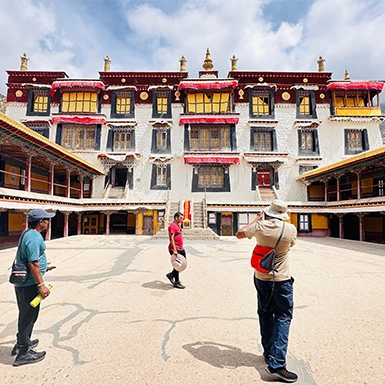
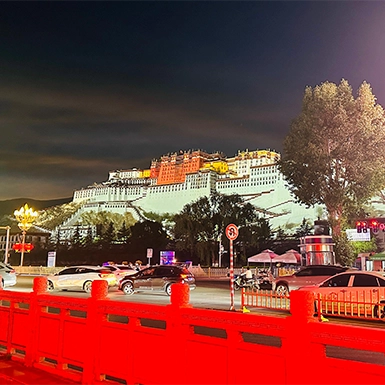
Traveling to Tibet promises an adventure unlike any other. From the majestic peaks of the Himalayas to the vibrant culture and ancient monasteries, Tibet provides a window into a realm rich in tradition and stunning natural beauty. This comprehensive guide equips you with all the essential information to plan a smooth, enriching, and unforgettable trip.
Throughout this guide, we’ve explored:
Cultural etiquette to ensure respectful interaction with the Tibetan people.
Accommodation and food options to suit your preferences and budget.
Transportation choices to navigate the vast landscapes of Tibet.
Communication strategies to stay connected and bridge the language gap.
Financial planning to manage your expenses effectively.
Must-see attractions and activities to craft a personalized itinerary.
Emergency contacts and support for a safe and secure journey.
A World Awaits: Explore Responsibly
Tibet’s unique culture and fragile ecosystem thrive on responsible tourism. Remember, trips to Tibet are a privilege, and mindful exploration is critical. Embrace the opportunity to learn, experience, and leave a positive footprint.
Final Tips for a Memorable Adventure
Book in Advance: During peak season, flights, trains, and permits can fill up quickly. Plan and book well in advance, especially for tours to Tibet.
Embrace the Altitude: Tibet’s high altitude can cause discomfort. Ascend gradually, stay hydrated, and be mindful of altitude sickness symptoms.
Pack for All Weather: Tibetan weather can be unpredictable, so pack layers, sun protection, and sturdy shoes for diverse conditions.
Be Open-Minded: Embrace cultural differences and immerse yourself in the unique Tibetan way of life.
Respect the Local Pace: Life in Tibet moves at a slower pace. Relax, savor the moment, and appreciate the simple things.
With this knowledge and a sense of adventure, you’re prepared to start an unforgettable tour of the “Roof of the World.”
Unveiling Tibet: Practical Tips for the best places to visit in Tibet
Tibet, the “Land of the Snows,” beckons travelers with its awe-inspiring landscapes, rich cultural heritage, and unique traditions. However, planning a trip to this captivating region requires careful preparation. Here, we explore essential travel tips to ensure a smooth and unforgettable experience, highlighting visa and permit requirements and health and safety considerations for visitors to Tibet.
Essential Permits and Visas:
Chinese Visa: All visitors require a valid Chinese visa. Apply at your local Chinese embassy or consulate well in advance, as processing times may vary.
Tibet Travel Permit: Foreigners require a special permit to enter Tibet. Obtain this through a licensed travel agency in China, as they handle the application process with the Tibet Tourism Bureau (TTB).
Health and Safety:
Altitude Sickness: Tibet’s high altitude (most areas exceed 3,500 meters) can cause altitude sickness. Plan to acclimatize gradually in Lhasa before venturing to higher regions.
Travel Insurance: Buy comprehensive travel insurance that includes coverage for medical emergencies, especially for high-altitude travel.
Vaccinations: Ensure your routine vaccinations are up-to-date. Consider consulting a healthcare professional for recommendations on additional vaccinations specific to Tibet.
Additional Tips:
Best Time to Visit: Spring (April-May) and autumn (September-October) offer pleasant weather with clear skies. Summer (June-August) experiences monsoon rains, while winters are harsh.
Dress Code: Pack warm layers, comfortable walking shoes, and sun protection. Dress modestly, especially when visiting religious sites.
Cultural Sensitivity: Respecting local customs and traditions is key to a positive cultural exchange. Photography restrictions may apply in some monasteries, so ask permission before taking pictures.
Unlocking the Magic of Tibet
Armed with these handy tips, you’re all set for a safe and unforgettable adventure through Tibet’s captivating sights. From obtaining the necessary permits to understanding the importance of acclimatization, careful planning goes a long way in transforming your Tibetan adventure into a cherished memory. So, pack your bags responsibly, embrace the cultural nuances, and prepare to be enchanted by the magic of Tibet.
The captivating allure of Adi Kailash extends far beyond its majestic peak. Empowered by this guide, you’re prepared for a life-changing pilgrimage amidst stunning landscapes, enriching cultural interactions, and profound spiritual awakenings.
A Recap for the Aspiring Pilgrim
We’ve explored the history and mythology that imbue Adi Kailash with sacred significance. Detailed information on trekking routes, permits, and essential gear has prepared you for the physical demands of the journey. We’ve highlighted the unique flora and fauna, the warmth of the local Kumaoni communities, and the importance of responsible trekking practices.
The Spiritual Culmination
As you reach the base of Adi Kailash, a sense of serenity washes over you. The breathtaking panorama and the vibrant energy of the place provide the perfect setting for introspection and spiritual connection. Observing the rich tapestry of rituals performed by pilgrims from all walks of life cultivates a deep sense of connection and shared humanity. Reaching Adi Kailash is not just about conquering a mountain; it’s about conquering your inner self and celebrating completing a remarkable journey.
A Call to Adventure
Adi Kailash beckons those seeking a challenge that transcends the physical. Are you ready to answer the call? Embrace the opportunity to discover the natural splendor, rich cultural tapestry, and profound spiritual significance of this sacred abode in the Himalayas.
Plan your Adi Kailash pilgrimage today and start on an unforgettable adventure!
The majestic Everest Base Camp (EBC) trek offers an unforgettable experience, and incorporating a helicopter return adds a touch of luxury and saves valuable time. But before booking that scenic flight, some crucial steps ensure a smooth and safe adventure. Here are valuable tips for booking a helicopter return on your Everest Base Camp Trek with helicopter return cost within your budget.
Partnering with Reputable Companies:
Choosing a reputable trekking company like Peregrine Treks for Everest Base Camp Trek with helicopter return is important. Here’s what to look for:
Experience: Choose trekking companies with a history of successful Everest Base Camp treks that include helicopter return options.
Safety Focus: Ensure the company prioritizes safety by using well-maintained helicopters and experienced pilots.
Transparency: Choose a company that provides clear and detailed information about the helicopter return service, including the type of helicopter used, safety procedures, and insurance coverage.
Booking for the Best Deals:
The best time to book your Everest Base Camp Trek with helicopter return depends on your priorities:
Cost Savings: Consider shoulder seasons (February, June, or December) when helicopter return prices might be lower compared to peak trekking seasons (March-May and September-November). But at this time, you need to make a private trip because you may need a group to share.
Availability: Peak seasons experience high demand. Booking well in advance secures your spot, especially if you prefer a private helicopter return.
Essential checks before booking:
Before finalizing your Everest Base Camp Trek with helicopter return booking, ensure you thoroughly check the following:
Company Reviews: Read online reviews from past trekkers to gauge the company’s reputation and service quality.
Safety Record: Inquire about the company’s safety record and helicopter maintenance procedures.
Cost Inclusions and Exclusions: Clearly understand what’s included in the quoted price for the helicopter return. This might not cover airport taxes, fuel surcharges, or service fees.
By following these tips, you can confidently book an Everest Base Camp Trek with a helicopter return that aligns with your expectations.
Everest Base Camp Helicopter Tour
7. What to Expect During the Helicopter Ride
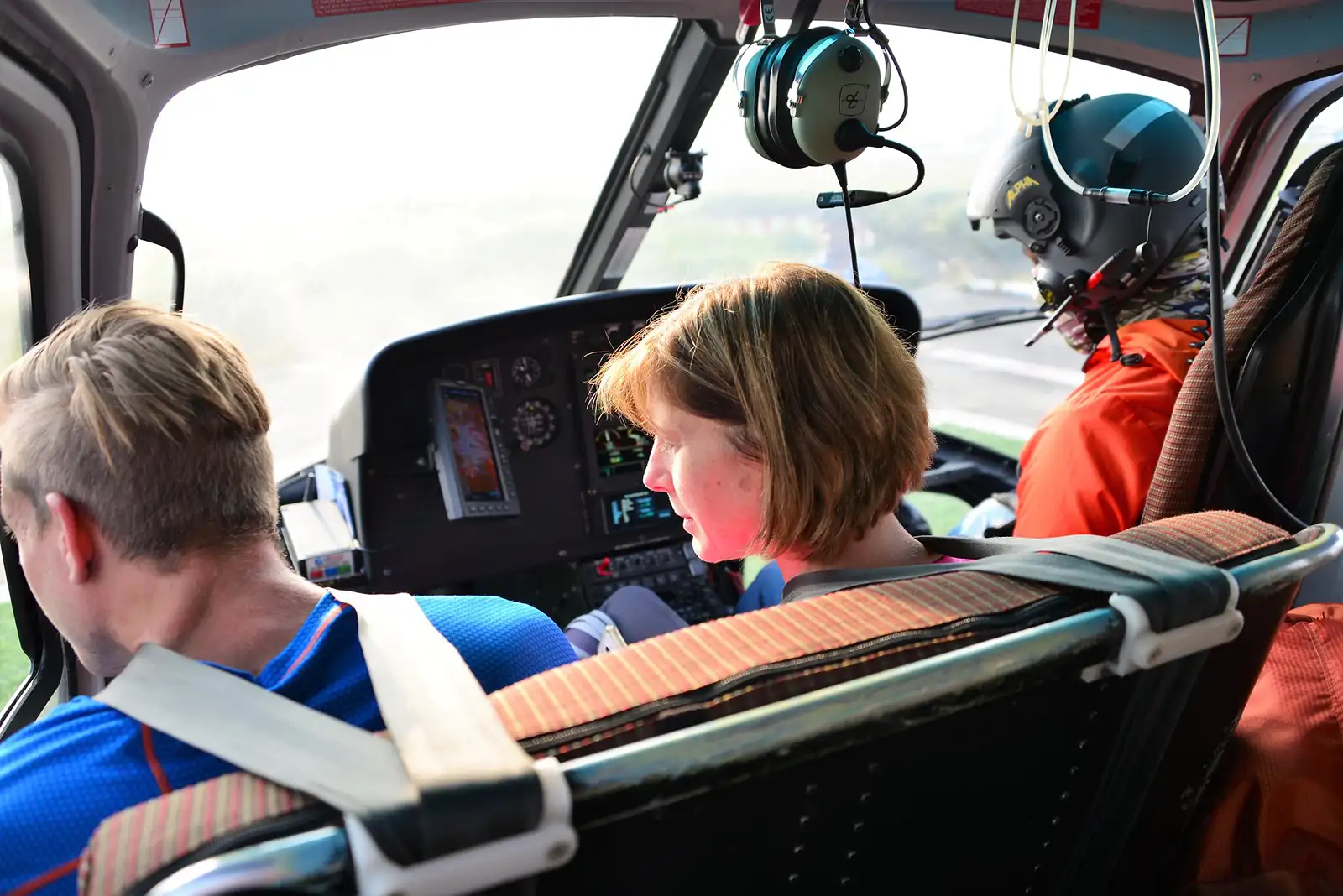
The decision is made – you’re conquering Everest Base Camp with a thrilling helicopter return! This section delves into what to expect during this exciting add-on, ensuring you’re prepared for breathtaking aerial views and a smooth journey back to Lukla (or even Kathmandu).
A Scenic Helicopter Flight:
The helicopter ride back from Everest Base Camp is a remarkable experience in itself. Here’s a breakdown of what to anticipate:
Flight Time: The helicopter flight typically takes between 30 to 45 minutes, whisking you back to Lukla in a fraction of the time it takes to trek down.
Panoramic Vistas: Prepare to be awestruck! Soar above the Khumbu Valley, witnessing the majestic peaks of Everest, Lhotse, Nuptse, and countless other Himalayan giants from a unique bird’s-eye view. Capture stunning aerial photographs as you glide past glaciers, rivers, and Sherpa villages nestled amidst the mountains.
Safety First:
Safety is paramount during your helicopter return. Here’s what to expect:
Pre-flight Briefing: The pilot will provide a pre-flight briefing outlining safety procedures, including seatbelt use and emergency protocols.
Helicopter Capacity: Be aware that helicopter capacity can vary depending on the company and model used. You might share the flight with other trekkers, or you may have a private experience if you opted for that option.
Landing Procedures: Landing at Lukla can be an exciting experience due to the high altitude and unique terrain. The pilot will ensure a smooth and safe landing.
Important Reminders:
Remember these key points for a seamless helicopter return:
Luggage Restrictions: Helicopters have weight limitations. So, you are allowed to carry up to 15 kg of your luggage.
Weather Conditions: Remember, helicopter flights depend on the weather. Be prepared for possible delays if strong winds or low visibility ground the choppers.
By understanding the flight duration, scenic highlights, and safety measures, you can approach your Everest Base Camp Trek with a helicopter and return with confidence and excitement. The next section offers a summary of the Everest Base Camp Trek with Helicopter Return Cost.
Conclusion
This comprehensive guide explored the captivating world of Everest Base Camp (EBC) treks, with a particular focus on the Everest Base Camp Trek with helicopter return cost. We delved into the traditional trek experience, outlining the cost range (typically $2600 to USD 3000) in the sharing option and USD 4500 to USD 4800 for the private helicopter cost (up to 5 people) with trekking cost of USD 1800 – 2000 per person—the unique challenges and rewards of this once-in-a-lifetime journey.
Craving a time-efficient and luxurious way to experience Everest? The Everest Base Camp Trek with helicopter return swoops in as a tempting alternative. We explored the average cost range for the helicopter return ($1200 to USD 1500 on top of the traditional trek cost), along with factors influencing the final price, such as seasonality, group size, and booking strategy.
We then compared the pros and cons of a helicopter return versus trekking back down to Lukla. While the helicopter offers undeniable convenience and breathtaking aerial views, the traditional trek allows for a deeper immersion into the Khumbu Valley’s landscapes and culture.
Finally, we provided valuable tips for booking a safe and reliable helicopter return, including choosing reputable companies like Peregrine Treks, considering the best time to book, and understanding what’s included in the cost. We also offered insights into what to expect during the thrilling helicopter ride itself, from the flight duration and breathtaking panoramas to safety measures and luggage restrictions.
Final Thoughts for Aspiring Everest Base Camp Trekkers:
The decision between a traditional trek back and a helicopter return ultimately depends on your individual preferences and budget. Here are some parting words to guide you:
Prioritize Fitness and Time: If you’re physically fit and have ample time, the traditional trek offers an unparalleled experience for a lower cost.
Luxury and Time Savings: If you’re pressed for time or desire a more luxurious experience, the helicopter return allows you to maximize your time in Nepal while still conquering Everest Base Camp.
No matter your Choice, the majestic Everest Base Camp awaits! This guide has equipped you with the knowledge to make an informed decision and plan your dream Everest Base Camp Trek, whether you choose the traditional trek or the exhilarating helicopter return.
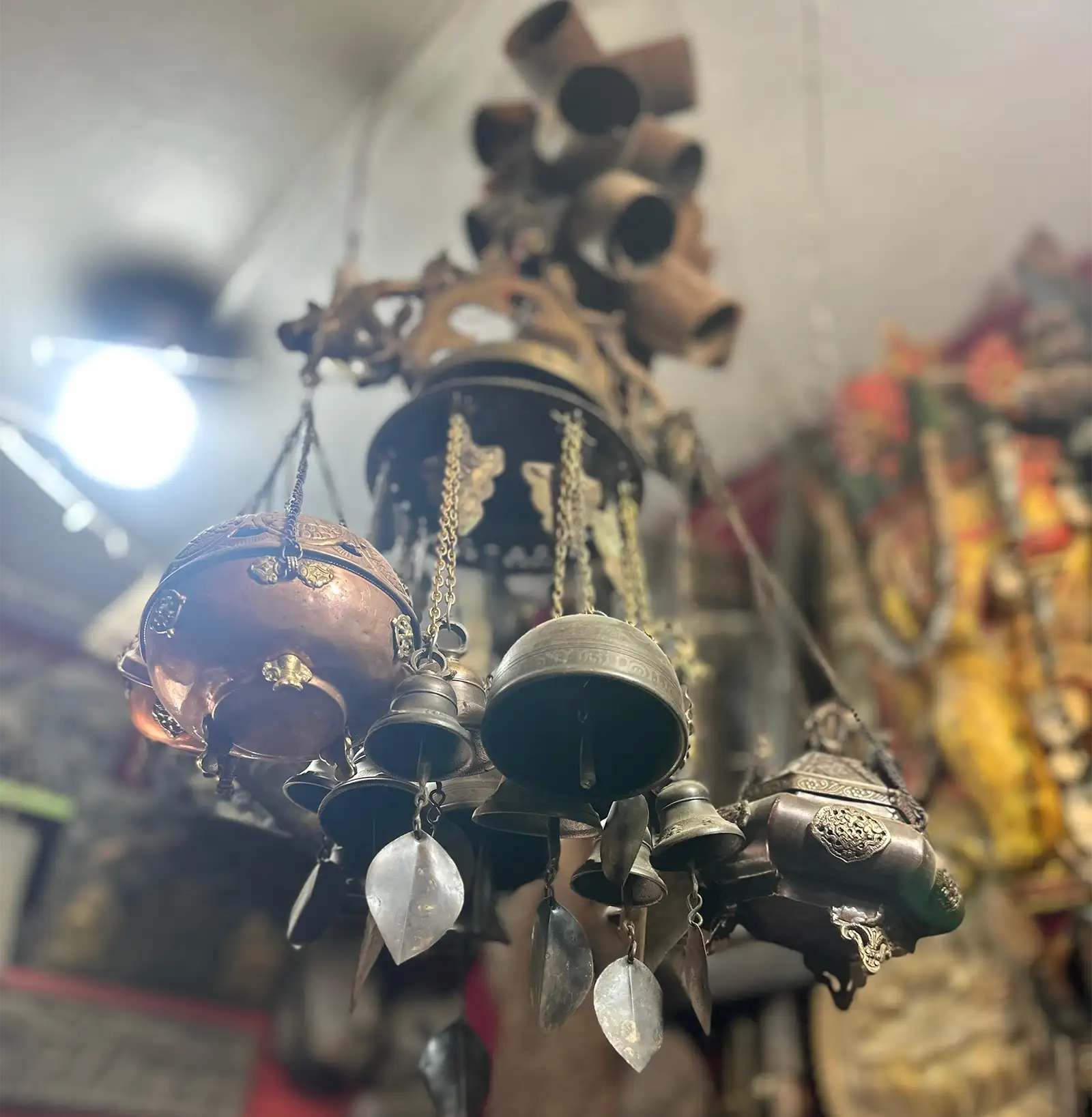
Your Kathmandu antique shopping adventure has been a success! Now, the cherished pieces you discovered whisper stories of Nepal’s history in your own home. But as with any treasure, proper care is essential to ensure they continue to radiate beauty for years to come.
Preserving Your Past: Essential Care Tips
Environmental Factors Matter: Light, humidity, and temperature can significantly impact antiques. Keep items away from direct sunlight and excessive heat to prevent fading or warping. Maintain a moderate, stable temperature and humidity level in your home.
Dusting with Care: Regularly dust your antiques with a soft, dry cloth. Please do not use chemicals or any types of cleaners, as they can damage the surfaces of the antique goods. Location, Location, Location: Choose a stable and secure location to display your antiques. Avoid placing them near windows or vents to minimize exposure to sunlight and dust.
Specialized Care: For specific materials like textiles or metalwork, research appropriate cleaning and maintenance techniques. Consider consulting a professional conservator for valuable items.
Kathmandu’s Restoration Resources
Kathmandu boasts skilled artisans specializing in the restoration and repair of antiques. If your treasured piece requires expert attention, here are some resources to consider:
Antique Shops: Many reputable antique shops in Kathmandu maintain relationships with skilled restoration specialists. Inquire with the shopkeeper from whom you purchased the item – they might be able to recommend a trusted professional.
The Department of Archaeology: Nepal’s Department of Archaeology maintains a list of qualified conservators who can restore items of significant cultural or historical value.
Remember, preventative care is key! By adhering to these straightforward tips and consulting professionals when necessary, you can preserve your Kathmandu antiques as cherished possessions for generations.
Antique Shops in Kathmandu, Nepal
Unveiling Kathmandu’s Past: Summary of Treasure Hunter’s Guide to Antique Shops
Kathmandu’s antique shops are more than just retail spaces; they’re gateways to Nepal’s captivating history. Each artifact whispers a tale, a tangible connection to the lives and artistry of generations past. This comprehensive guide has equipped you to navigate this treasure trove, from identifying genuine pieces to securing the perfect souvenir.
A Treasure Trove Awaits – Antique Shop in Nepal
We’ve explored the allure of antiques in Kathmandu, highlighting the top establishments and diverse shopping districts like Thamel, Durbar Square, and Patan. Remember, bargaining is customary, so approach it with a smile and respect!
Essential Tips for Savvy Shoppers
Become a discerning collector with our valuable tips. Learn to identify genuine antiques, avoid common pitfalls, and navigate the art of negotiation. Understanding the legal considerations of buying and exporting antiques is crucial. When in doubt, consult a reputable dealer or the Department of Archaeology.
Caring for Your Treasures
Once you’ve unearthed your perfect find, proper care ensures its longevity. Implement these essential tips and consider seeking professional restoration services offered by Kathmandu’s skilled artisans.
Explore, Discover, and Share
Antique shops in Kathmandu offer an unparalleled experience. Explore hidden gems, support local businesses, and discover unique pieces that resonate with you. Let your newfound knowledge guide you on your treasure hunt! We invite you to share your experiences and findings in the comments below.
Kathmandu Awaits
Your exploration of Kathmandu’s vibrant antique scene continues. Kathmandu city provides a wealth of cultural experiences. After a successful shopping spree, unwind with a cup of traditional Nepali tea and savor delectable momos. Finally, consider the ultimate adventure – a breathtaking helicopter tour for a top view of Mount Everest, the crown jewel of the Himalayas.
7. Chola Pass: A Premier Mount Everest View Points
Chola Pass stands as a critical and challenging segment on the popular trekking routes in the Everest region, revered not only for its altitude and difficulty but also as a spectacular Everest Top View. This high mountain pass, perched at an elevation of approximately 5,420 meters, is a pivotal link between the Gokyo and Khumbu valleys, offering trekkers breathtaking views and a memorable adventure.
Chola Pass and Its Significance on the Trekking Route
Chola Pass is integral to the Everest trekking experience, especially for those attempting the comprehensive Everest Circuit. This pass challenges even seasoned trekkers with its steep and often snow-covered trails. Its significance extends beyond mere geography; it represents a rite of passage that offers panoramic views of the Himalayan peaks, making it a quintessential part of the high-altitude trekking routes in Nepal.
Views of Everest and other Peaks from the Chola Pass
From the rugged trails of Chola Pass, trekkers are granted unparalleled views of the Himalayan giants. The pass provides a dramatic ‘Everest View Point’ where the summit of Everest, along with peaks like Lhotse, Makalu, and Cho Oyu, can be seen in majestic panorama. The sight of these towering mountains, especially during clear mornings, is nothing short of spectacular, offering trekkers rewarding vistas in return for their efforts.
Chola Pass – A Premier Mount Everest View Points
Navigation and Trekking Considerations for Crossing Chola Pass
Navigating Chola Pass is no small feat and requires careful planning. The trail to the pass is notoriously steep and can be slippery if covered in snow or ice. It is essential to start the crossing early in the morning when the weather is generally more stable, and the ice is still firm. Trekkers should be well-prepared with maps, a compass, or a GPS device, as fog and sudden snow can obscure trail markers.
Safety Tips and Precautions for Travelers
Safety is paramount when crossing Chola Pass due to its altitude and the variable weather conditions that can present significant risks:
Acclimatization: Spend adequate time at lower altitudes to acclimate your body to reduce the risk of altitude sickness.
Weather Awareness: Keep abreast of the weather forecasts and plan your crossing for a day with clear, stable weather. Avoid the pass during periods of heavy snow or high winds.
Proper Gear: Equip yourself with the necessary trekking gear, including sturdy boots, ice axes, and crampons. Ensure all equipment is in good condition.
Travel in Groups: Always trek with a companion or in a group. In case of emergencies, having support nearby can be lifesaving.
Hire a Guide: Engaging a local guide who knows the route well can be invaluable. They can provide insights into the safest paths and help you navigate through challenging sections.
Chola Pass is more than just a trekking route; it is a journey through some of the most awe-inspiring landscapes on earth. As a key Everest View Point, it offers more than just physical challenges—it presents a visual feast that encapsulates the essence of the Himalayas. For the daring adventurer, traversing Chola Pass offers an extraordinary journey that merges the excitement of challenging trekking with the awe-inspiring vistas of nature’s loftiest summits.
8. Gorak Shep and Everest Base Camp: An Iconic Mount Everest View Point
Gorak Shep, nestled high in the Himalayas, serves as a starting point for Everest Base Camp and stands out as one of the most prominent viewpoints for observing Mount Everest. The experience here is marked by breathtaking views of the world’s highest peak, challenging terrain, and a profound sense of achievement.
Gorak Shep and Its Role as a Base for Everest Base Camp Trek
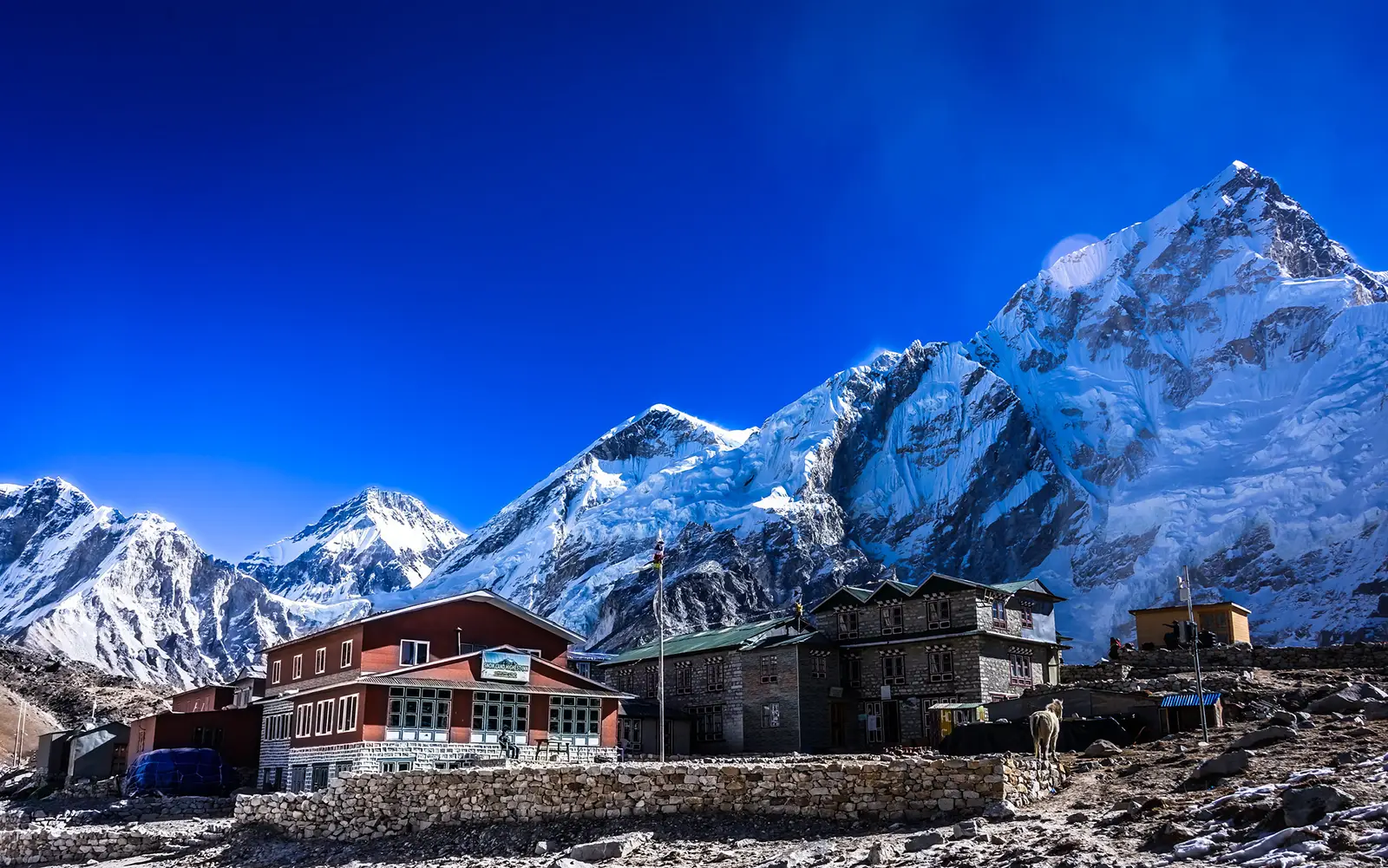
Situated at an elevation of 5,164 meters, Gorak Shep is the last village before reaching EBC. This isolated outpost comprises a few teahouses that provide trekkers with basic accommodation and meals before their final ascent. Its strategic location near the base camp makes it the perfect resting point for those eager to complete the trek while also offering an opportunity to acclimatize and prepare for the rigorous terrain ahead.
Magnificent Views of Everest’s Small Peak from Gorak Shep
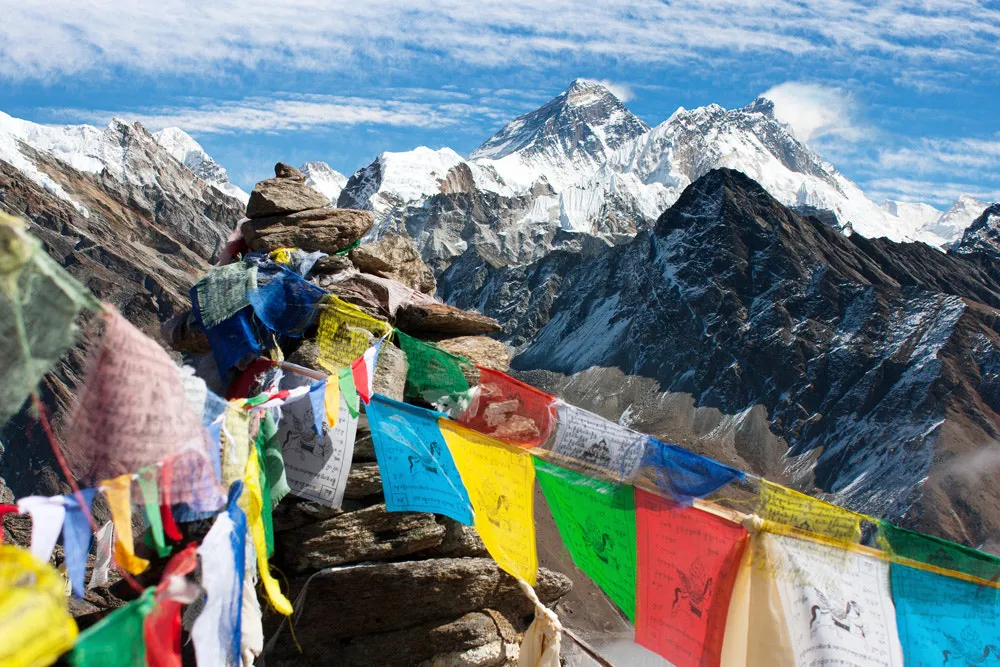
From Gorak Shep, trekkers catch their first real glimpses of Mount Everest, visible as a smaller peak from this angle, overshadowed by nearby giants like Nuptse and Pumori. However, the surrounding landscape, with its glaciers and starkly rugged terrain, makes this Everest View Point a must-see. The scenery is dramatically beautiful, especially at sunrise and sunset, when the interplay of light on the snow-capped peaks creates an unforgettable spectacle.
Gorakshep
Highlights of Reaching Everest Base Camp and Witnessing the Iconic Peak
Continuing past Gorak Shep, the journey culminates at Everest Base Camp, where trekkers stand on the glacier, facing the monumental challenge that climbers aspire to conquer. Although the Everest summit itself isn’t directly visible, the camp provides a close encounter with the sheer scale of the mountain. Witnessing climbers preparing for their ascent adds to the camp’s palpable energy. The ‘Mount Everest top view’ from nearby Kala Patthar, accessible via a challenging climb, offers a clear, unobstructed sight of Everest’s summit along with other Himalayan giants.
Reflections on the Journey and Sense of Accomplishment
Reaching Everest Base Camp via Gorak Shep is a journey steeped in physical challenges and mental perseverance. The demanding trek tests one’s limits, but the reward is a profound sense of accomplishment upon reaching this iconic destination. The journey not only allows trekkers to witness a majestic ‘Everest View Point’ but also provides an unparalleled opportunity to reflect on their endurance and the extraordinary landscapes surrounding them. Furthermore, sharing this experience with fellow adventurers fosters camaraderie, creating lifelong memories and a connection to this legendary peak.
Gorak Shep and Everest Base Camp represent the pinnacle of adventure in the Everest region. They provide an Everest View Point that blends visual splendor with cultural and historical significance, offering trekkers a truly immersive and fulfilling experience. For those willing to brave the challenges of high-altitude trekking, the journey to these sites promises an encounter with nature at its most magnificent.
Conclusion: The Majesty of Mount Everest ViewPoints
Throughout this exploration of various Mount Everest View Points, we have journeyed through some of the most stunning landscapes and viewpoints the Everest region has to offer. Each location, from the serenity of Dovan after Hillary Bridge to the rugged heights of Chola Pass, provides a unique perspective on the iconic summit. This comprehensive guide has aimed to not only highlight these points but also to illuminate the diverse experiences they offer, enhancing your understanding and appreciation of Mount Everest.
Recap of the Various Mount Everest View Points Discussed
We began our exploration with the scenic beauty of Dovan after Hillary Bridge, moved through the luxurious vistas from Everest View Hotel, and ascended the challenging but rewarding trails to Gokyo Ri and Chola Pass. The journey through Pangboche enriched us with cultural insights, while the rigorous paths leading to Gorak Shep prepared us for the grandeur of Everest Base Camp. Each of these Everest View Points offers a different glimpse of Everest, providing various angles and perspectives that enrich the viewer’s experience.
Importance of Experiencing Everest from Different Angles
Experiencing Mount Everest from multiple viewpoints is crucial for a holistic understanding of its grandeur and scale. From each Everest View Point, the mountain reveals different facets of its personality. Whether it’s the daunting majesty viewed from Kala Patthar, the distant allure seen from Tengboche, or the intricate details visible from the closer lookouts, Everest continues to enchant and inspire. Moreover, witnessing Everest from various points underscores the interplay between the mountain and its surroundings, including the local culture and the natural ecosystem, which are as integral to the experience as the mountain itself.
Closing Thoughts on the Awe-Inspiring Beauty and Majesty of Mount Everest
Mount Everest remains one of the most awe-inspiring natural wonders in the world. Its towering presence is a constant invitation to adventurers and dreamers alike. The journey to its base and the climb to its various viewpoints offer more than just physical treks; they provide spiritual upliftment and a profound connection to nature. The beauty of Everest is not just in its height but in the myriad experiences it offers to those who seek its peaks. Each viewpoint provides a unique story, a different shade of awe, and a new reason to return.
The Mount Everest View Points not only enhance our appreciation for the mountain but also deepen our respect for the climbers who scale its heights and the communities that thrive in its shadow. As you plan your journey, consider these viewpoints as more than mere stops on a trek; see them as chapters in a narrative of adventure, beauty, and discovery that Mount Everest so magnificently tells.
Understanding how to prepare for Everest Base Camp includes recognizing the importance of hydration, particularly in the cold conditions of high altitudes. Although cold water can be refreshing at lower elevations, as you ascend, warm water becomes crucial. It not only maintains your body heat but also provides a comforting effect and supports digestion, which can be compromised in thinner air. To ensure you have access to warm water throughout your trek, carry an insulated flask and make it a habit to refill daily at camps or designated stations. This is essential for ensuring the safety and purity of your drinking water, helping to prevent health complications during your journey.
18. Personal Hygiene
Maintaining personal hygiene on the trek can be challenging, but it is essential to remain healthy and prevent infections. Since bathing might not be possible, especially during the last days of the trek due to freezing temperatures, it’s important to carry enough wet wipes for personal cleanliness. Opt for biodegradable wipes to minimize environmental impact. Include hand sanitizer and a small towel in your hygiene kit. Keeping clean will not only make you feel better but also prevent the spread of germs and reduce the risk of sickness during your trek.
19. Prevent Altitude Sickness
One of the most significant challenges on the Everest Base Camp trek is altitude sickness. It can strike anyone, regardless of fitness level. The key to preventing this lies in proper acclimatization. Climb gradually, giving your body enough time to adapt to the decreasing air density. Consider incorporating rest days or multiple nights at specific points along the trek to aid acclimatization. Consulting a healthcare professional beforehand about medications like Diamox can also be a preventative measure. Be mindful of your body’s signals. Headaches, nausea, and dizziness are all potential signs of altitude sickness. Please don’t ignore them. If symptoms persist or worsen, immediate descent to a lower altitude is crucial.
20. Cultural Snacks
Integrating local culture into your trek can greatly enhance the experience. Nepalese snacks like thelpas (Tibetan flatbread) and various types of pickles can provide a welcome change from the regular trekking diet and give you a taste of local cuisine. Pack some energizing treats like dark chocolate as well, which can be a quick source of energy and help with altitude sickness. Sharing snacks with fellow trekkers or local guides can also be a wonderful way to make new friends and enrich your cultural understanding of the region.
How to Prepare for Everest Base Camp – Final Thoughts
Preparing for Everest Base Camp involves detailed planning and training. By taking steps to protect against the sun, cold, and altitude-related challenges, you ensure a safer and more enjoyable trek. Remember, how you prepare can be the difference between a successful trek and one that’s fraught with difficulties. Take the time to train your body, gather the right gear, and mentally acclimate to the challenges ahead. With the right preparation, trekking to Everest Base Camp can be an unforgettable adventure filled with breathtaking views and personal triumphs.
Preparation for the Everest base camp is a significant undertaking that demands thorough planning and dedication. By following these detailed tips on how to train for Everest and how to prepare for Everest Base Camp, you’ll be well on your way to a successful and memorable expedition. Remember, every step you take on your trek is not just a physical challenge but a journey of self-discovery and adventure. Equip yourself well, train appropriately, respect local cultures, and keep safety as your priority to fully enjoy the breathtaking beauty of the Himalayas.
Many adventurers dream of climbing Mount Everest, but it’s crucial to understand the significant costs involved in reaching the summit. The main expenses include obtaining a climbing permit, covering travel expenses to Nepal, acquiring necessary gear and equipment, and paying fees for guides and Sherpas. Additionally, accommodation and food expenses in Nepal, as well as insurance and emergency funds, contribute to the overall Everest Summit Cost.
However, there are many ways to save the Everest summit price. You can opt to climb during less crowded seasons, join group expeditions, or choose local companies that offer more affordable packages. Renting gear instead of buying can also help cut costs, but it’s essential to prioritize safety above all else.
If you’re serious about climbing Everest, it’s essential to start planning and saving early. Creating a budget and sticking to it is key. Look for ways to reduce daily expenses and explore additional income opportunities to boost your savings.
For valuable insights and tips, consider researching mountaineering websites, reading accounts from experienced climbers, and engaging with online forums where you can ask questions and seek advice.
While climbing Everest requires a significant financial commitment, many find the dream of standing atop the world’s highest peak worth every penny. If Everest is your dream, start planning, saving, and preparing for the adventure of a lifetime.