


Spring and autumn are usually the best time for a luxury Nepal tour. These seasons bring stable weather, clear mountain views, comfortable temperatures, and smooth travel across Kathmandu, Pokhara, Chitwan, and Nepal’s hill resorts. Luxury hotels, boutique stays, and premium resorts also deliver their best overall experience during these months.
Winter also suits many premium travelers. It offers quiet hotels, fewer crowds, peaceful cultural touring, and calm resort stays. Monsoon attracts a smaller group of visitors who care more about privacy, wellness, and green scenery than about clear Himalayan views.
This guide helps you choose the right season with confidence. It covers:
- The best overall time for luxury travel
- The best season for mountain views and festivals
- The best months for wildlife and low crowds
- A month-by-month travel guide
- Seasonal advice by travel style
- Destination-specific recommendations
- Comfort factors that matter to premium travelers
Quick Answer: What Is the Best Time for a Luxury Nepal Tour?
If you want the short answer, here it is:
- Best overall: Spring and autumn
- Best for clear mountain views: Autumn, especially October and November
- Best for flowers and mild weather: Spring, especially March and April
- Best for fewer crowds and quiet stays: Winter
- Least ideal for broad luxury touring: Monsoon, unless your trip focuses on culture, wellness, or indoor comfort
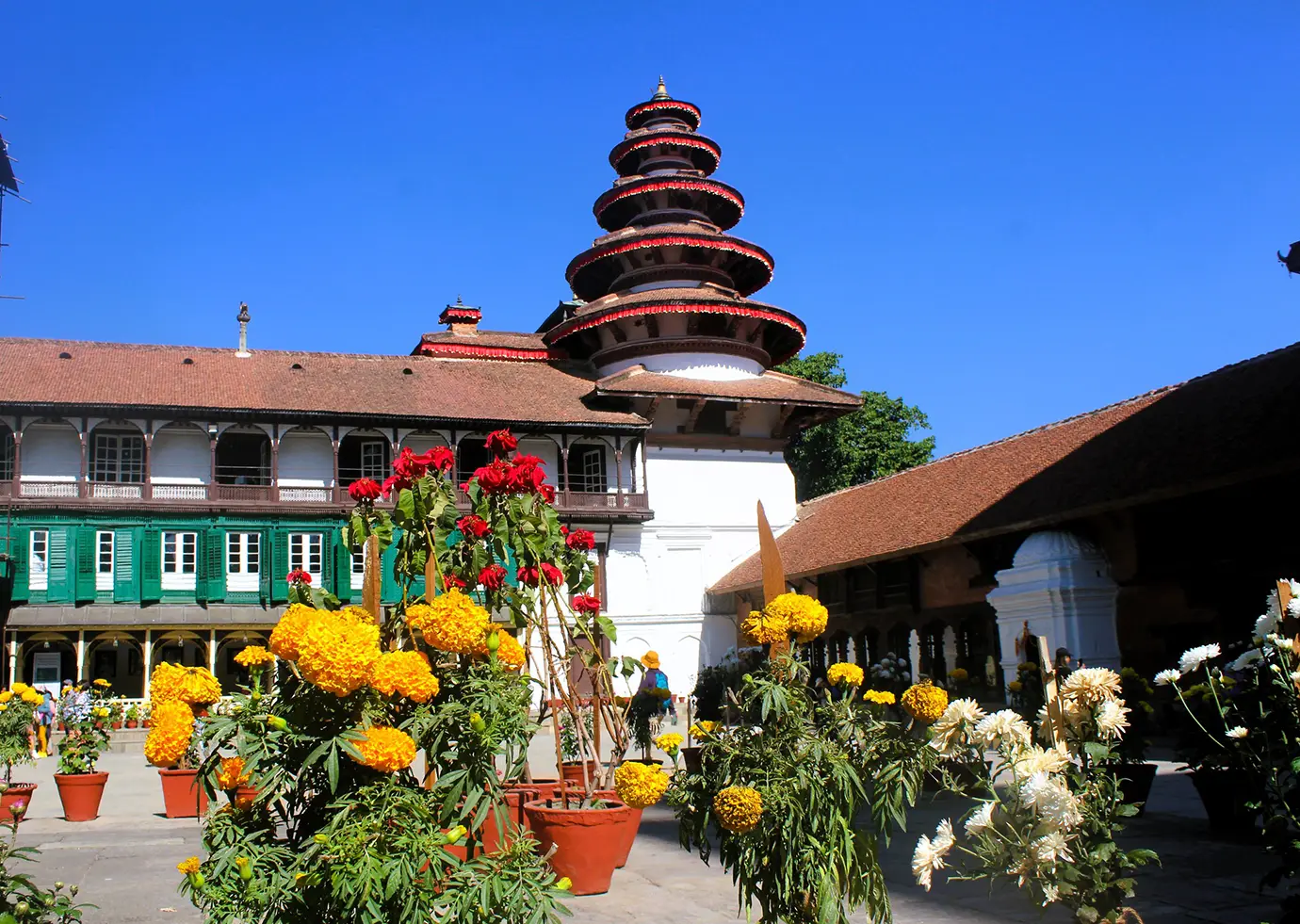
Why the Season Matters for a Luxury Nepal Tour
Luxury travel depends on more than temperature. It depends on visibility, pace, privacy, comfort, and how smoothly the trip runs from start to finish.
Clear skies improve scenic drives, sunrise viewpoints, helicopter tours, and mountain resort stays. Good weather makes private sightseeing, heritage walks, terrace dining, and outdoor relaxation more enjoyable. Poor weather can affect road conditions, internal flights, and overall travel flow.
Premium travelers often value:
- privacy and personal space
- smooth logistics
- high service standards
- comfortable sightseeing hours
- strong photography conditions
- access to the best rooms and experiences
The right Nepal luxury travel season shapes the whole trip. It affects:
- boutique hotel availability
- premium room demand
- private guide and vehicle comfort
- spa and wellness experiences
- fine dining and outdoor seating
- crowd levels at major landmarks
- flight and road reliability between destinations



Best Time for Luxury Nepal Tour – Seasonal Guide
Spring (March to May): Color, Comfort, and Clear Views
A luxury Nepal tour in spring offers some of the most pleasant travel conditions of the year. Daytime temperatures stay mild and comfortable across Kathmandu, Pokhara, and Chitwan. Mornings and evenings feel fresh and enjoyable, which makes private sightseeing, resort stays, and cultural touring easy and relaxed.
Rhododendrons bloom across the hills from March onward. Landscapes turn colorful, and hill resorts look especially attractive during this season. Photography conditions stay strong in March and early April, while scenic flights and helicopter tours often deliver rewarding Himalayan views.
Spring suits travelers who want a balanced trip that combines cities, nature, and soft adventure. Private guided tours in Kathmandu Valley feel comfortable, while Pokhara offers clear lake views and pleasant resort time. Chitwan also works well before the hotter months begin.
Late April and May can bring some haze, especially for long-distance mountain views. Premium hotels also fill quickly during popular spring dates, so early booking helps secure the best rooms and smoother logistics.
Who should avoid spring? Spring may not suit travelers who dislike slight haze in late April or May, especially if sharp mountain visibility matters most.
Best for:
- couples and honeymooners
- photographers and nature lovers
- first-time Nepal visitors
- travelers combining Kathmandu, Pokhara, and Chitwan
Autumn (September to November): The Prime Season for Luxury Nepal Travel
Autumn delivers the best time for a luxury Nepal tour in many ways. After the monsoon, the air turns fresh and clean, skies open up, and mountain views become exceptionally sharp. Temperatures remain pleasant from morning to evening, making this season ideal for sightseeing, scenic drives, resort stays, and light outdoor activities.
A luxury Nepal tour in autumn gives travelers the clearest Himalayan panoramas of the year. Sunrise viewpoints, helicopter tours, and scenic mountain flights all perform especially well during this season. Luxury mountain properties and hill resorts also feel at their best when the views remain open, and the air stays crisp.
Autumn also brings major festival energy. Dashain and Tihar often fall during this period, adding color, culture, and local life to the travel experience. This makes autumn especially attractive for travelers who want to combine scenery with heritage and celebration.
Because autumn is peak travel season, premium hotels, internal flights, and private services often book out early. Rates may also run higher than in quieter months.
Who should avoid autumn? Autumn may not suit travelers who prefer quiet hotels, lower rates, and fewer visitors at major viewpoints and heritage sites.
Best for:
- luxury first-time visitors
- families with children
- high-end cultural travelers
- guests who want the clearest mountain views
- festival and photography travelers
Winter (December to February): Quiet, Calm, and Comfortable
Winter offers a different kind of luxury travel experience in Nepal. Crowds drop, hotels feel more private, and major cultural sites become calmer and easier to enjoy at a relaxed pace. For many premium travelers, this slower atmosphere adds real value.
Daytime temperatures in Kathmandu and Pokhara often stay mild and sunny, even though mornings and evenings feel colder. Chitwan also works well during winter, as dry conditions support comfortable wildlife activities and peaceful lodge stays. Heritage tours across Kathmandu Valley feel especially pleasant when visitor numbers remain lower.
Winter works well for travelers who value privacy, quiet surroundings, and slower movement. Boutique hotels, spa retreats, and fine dining experiences often feel more exclusive during this season. It is a strong option for city touring, cultural travel, and jungle stays, especially for travelers who do not plan to spend much time at higher elevations.
Cold mornings in hill areas and occasional fog in some plains locations remain the main cautions. High-altitude scenic stays usually feel more comfortable in spring and autumn.
Who should avoid winter? Winter may not suit guests who feel uncomfortable in cold mornings and evenings, especially in hill resorts and higher-elevation areas.
Best for:
- Mature and wellness-focused travelers
- Honeymooners seeking privacy and peace
- Repeat Nepal visitors exploring culture at a slow pace
- Guests combining Kathmandu, Chitwan, and Lumbini
Monsoon (June to August): Not Ideal for Most, but Still Useful for Some Travelers
Monsoon brings rain, cloud cover, and high humidity across much of Nepal. Mountain views often disappear behind clouds, road travel can slow, and internal flights may face more delays than in the dry season. For broad luxury sightseeing, this period usually feels less reliable.
That said, monsoon still suits a small group of travelers. Landscapes turn lush and green, waterfalls grow stronger, and crowd levels drop sharply. Some premium hotels feel quieter, more private, and occasionally more flexible in pricing. Travelers focused on spa retreats, wellness stays, and cultural experiences in Kathmandu Valley or Pokhara may still enjoy this time of year.
Monsoon works best for repeat visitors who already understand Nepal’s seasonal patterns and who can travel with flexible expectations. It does not usually suit travelers whose main goal is panoramic scenery or seamless multi-destination movement.
Who should avoid the monsoon? Monsoon may not suit travelers whose top priority is clear mountain scenery, smooth road travel, and predictable flight schedules.
Best for:
- repeat visitors who know what to expect
- wellness and spa retreat travelers
- guests focused on culture and indoor experiences
- travelers who prefer low-crowd environments
Spring and autumn both offer excellent conditions, but each season suits a slightly different type of luxury traveler.
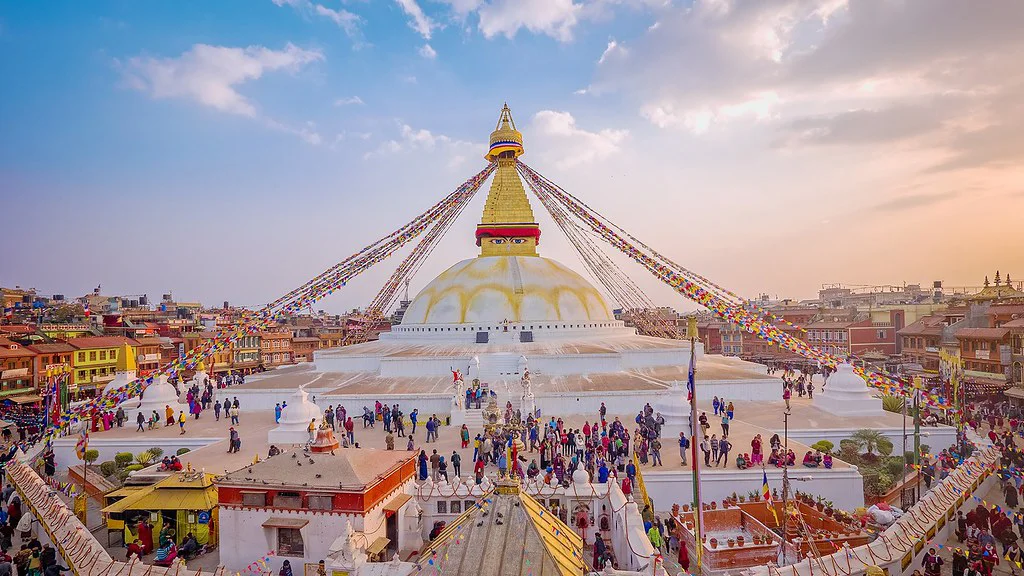
Spring vs Autumn for a Luxury Nepal Tour
Spring and autumn are both the best times for a luxury Nepal tour. Each season offers comfortable weather, strong travel conditions, and excellent sightseeing. The better choice depends on what matters most to you.
Choose spring if you want:
- blooming hills and colorful rhododendron forests
- softer landscapes with fresh seasonal beauty
- fewer crowds than peak autumn in many destinations
- pleasant weather for relaxed cultural touring and resort stays
- a romantic atmosphere for couples and honeymoon travel
Choose autumn if you want:
- the clearest mountain views of the year
- major festivals like Dashain and Tihar
- crisp skies and sharp visibility for photography
- peak scenic conditions for flights, hill resorts, and viewpoints
- the strongest overall season for a classic multi-destination luxury trip
Choose spring if you value color, calm scenery, and a softer travel atmosphere. Choose autumn if you want the sharpest Himalayan views, festival energy, and the most reliable scenic conditions.
Best Time for Luxury Nepal Tour by Season
| Season | Weather | Mountain Views | Comfort Level | Crowds | Best Experiences | Luxury Suitability |
| Spring (March to May) | Mild to warm | Good to very good | High | Moderate | Cultural tours, scenic flights, resort stays | Excellent |
| Autumn (September to November) | Pleasant and crisp | Best of the year | Very high | High | Mountain views, festivals, wildlife, heritage | Outstanding |
| Winter (December to February) | Cool mornings, mild days | Fair to good | High for culture | Low | Spa stays, heritage tours, jungle lodges | Very good |
| Monsoon (June to August) | Hot and rainy | Limited | Moderate | Very low | Wellness, culture, green landscapes | Limited |
Month-by-Month Guide for a Luxury Nepal Tour
March
Spring begins with fresh air and pleasant temperatures. Cultural tours in Kathmandu Valley feel comfortable. Good for luxury heritage stays and boutique hotel experiences.
April
One of the best months for a luxury Nepal tour. Rhododendrons bloom across the hills. Scenic flights often produce clear mountain views—a strong mix of comfort, color, and activity.
May
Warmer conditions settle in. Mountain travel works well early in the month. Some haze may build by late May. Pre-book premium rooms well in advance.
June
Wetter weather starts. Better suited to culture and wellness trips. Mountain views become less reliable. Flexible itineraries work better than fixed outdoor plans.
July
Lush green landscapes and low crowds. Not ideal for panoramic mountain views. Spa retreats and quiet hotel stays suit this period well.
August
Similar conditions to July. Rain continues, though it may ease toward the month-end.—A relaxed period for cultural exploration in Kathmandu Valley.
September
Conditions begin improving. Post-rain air brings fresh green landscapes. This marks the early stage of the autumn luxury travel season.
October
The top month for luxury Nepal travel. Crystal-clear skies and the atmosphere of a major festival come together. Mountain views reach their peak. Book everything early.
November
Excellent skies and comfortable temperatures continue. This is the premium season for broad Nepal touring. Great for combining Kathmandu, Pokhara, Chitwan, and hill resorts.
December
Calm and crisp. Strong for heritage tours and jungle lodge stays. Crowds thin out. Boutique hotels feel more private and relaxed.
January
Cold mornings in hill areas. City touring stays pleasant during sunny days. Good for quiet, upscale travel focused on culture and lower elevations.
February
Late winter feels softer. Some areas show early spring warmth. Ideal for travelers who want quiet travel before the busy spring season begins.
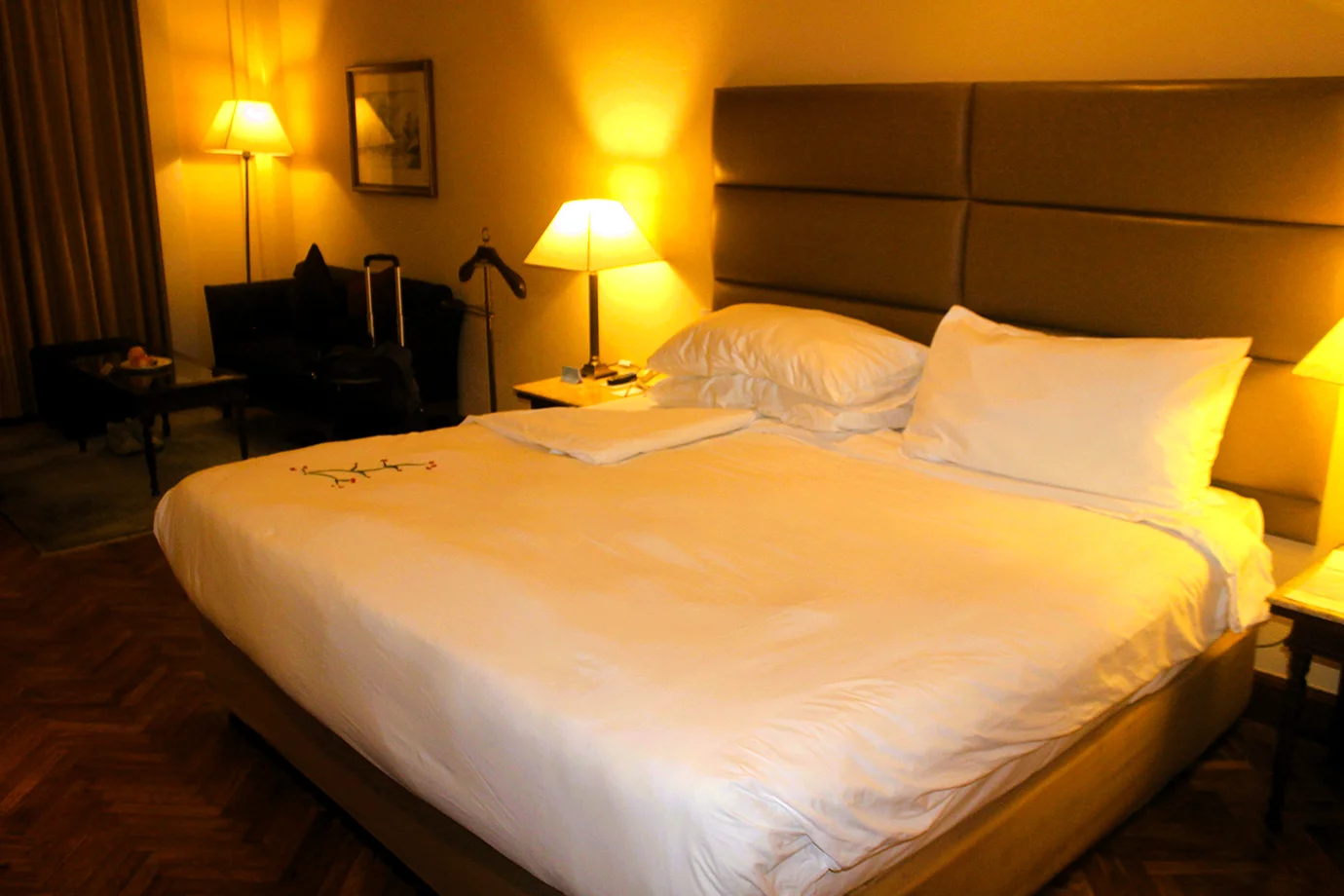
Best Months for Popular Luxury Nepal Itineraries
Different luxury itineraries perform best in different seasons. The right travel month depends on what you want to see, how much movement your trip includes, and the kind of comfort you expect.
Kathmandu + Pokhara + Chitwan: October to April
This classic luxury Nepal itinerary works best from October to April. These months offer the most balanced weather across all three destinations. Kathmandu stays comfortable for heritage touring. Pokhara gives better mountain views and pleasant lakeside weather. Chitwan is more enjoyable during the cooler, drier season, especially for wildlife activities and premium jungle lodge stays.
Kathmandu Cultural Luxury Tour: October to March
A culture-focused luxury tour in Kathmandu works especially well from October to March. The weather stays cooler and more comfortable for city walks, temple visits, and private sightseeing. Winter months suit travelers who want boutique hotels, fine dining, and fewer crowds at major heritage sites.
Luxury Honeymoon in Nepal: March to April and October to December
Luxury honeymoon travel works best in March and April, as well as October to December. Spring brings soft weather, colorful hills, and pleasant resort time in places like Pokhara and hill stations near Kathmandu. Autumn and early winter offer crisp skies, romantic mountain views, and peaceful luxury stays.
Luxury Wildlife and Wellness Trip: November to March
A wildlife and wellness-focused luxury Nepal tour performs best from November to March. Chitwan and Bardia stay more comfortable in these cooler months, and wildlife viewing usually improves in dry conditions. At the same time, premium wellness stays in Kathmandu, Pokhara, or quiet hill resorts feel more relaxing when the air stays crisp, and the pace stays calm.
Scenic Mountain-View Holiday: October to November
If your trip focuses on mountain panoramas, October and November offer the strongest results. Post-monsoon skies are usually the clearest during this period. These months are ideal for luxury hill resorts, sunrise viewpoints, scenic flights, and helicopter tours.
Best Time Based on the Type of Luxury Traveler
Best Time for First-Time Luxury Travelers
Choose autumn or spring. Both seasons offer balanced weather, classic mountain views, and smooth logistics across major destinations. October and April stand out as the top months.
Best Time for Honeymoon and Couple Travel
Spring suits couples who want soft landscapes, floral scenery, and mild weather. Winter suits couples who prefer quiet resorts, private experiences, and peaceful surroundings.
Best Time for Family Luxury Tours
Autumn and spring both work well for families. Comfortable temperatures and reliable logistics make sightseeing easier. October and November are especially strong for family itineraries.
Best Time for Wildlife and Jungle Luxury
Autumn through spring are the best seasons for wildlife. Chitwan National Park and Bardia National Park perform well during the cooler, drier months. Luxury jungle lodges feel excellent from October through March.
Best Time for Culture and Festival Travel
Choose autumn for Nepal’s biggest festivals, including Dashain and Tihar. Spring suits heritage touring with pleasant weather across Kathmandu Valley, Patan, and Lumbini.
Best Time for Photography
Autumn delivers the clearest skies and sharpest mountain views. Spring offers rich colors, blooming landscapes, and beautiful morning light. Both seasons serve photographers well.
Best Season by Luxury Destination in Nepal
Kathmandu Valley
Kathmandu works well in most seasons. Autumn, spring, and much of winter all suit heritage tours, boutique hotel stays, and fine dining. Avoid rainy monsoon days for outdoor heritage walks.
Pokhara
Autumn and spring deliver the best experience in Pokhara. The Annapurna backdrop is clear during these seasons. Lake views from luxury resorts and rooftop terraces feel outstanding.
Chitwan
Chitwan works best from October through May—Autumn, winter, and spring all suit luxury jungle lodge experiences. Jeep safaris, canoe rides, guided nature walks, and birdwatching feel more comfortable in cooler, dry weather.
Lumbini
The birthplace of Buddha remains more comfortable in cooler months. Winter and shoulder months, such as March, April, October, and November, feel better for temple tours and quiet reflection stays.
Nagarkot, Dhulikhel, and Hill Resorts
Hill resort experiences depend on clear skies. Autumn gives the best sunrise views over the Himalayas. Spring also delivers strong views with colorful landscapes. Winter mornings can feel cold but often produce clear panoramas.
When to Visit Nepal in Comfort
Comfort means more than just temperature. For premium travelers, it includes the full travel experience from airport arrival to hotel stay to daily sightseeing pace.
Here are the key comfort factors to consider:
- Daytime temperatures: mild and pleasant in spring and autumn, cooler in winter, hot and humid in the monsoon
- Air quality: best in autumn after the rains clear the air, good in spring
- Private vehicle touring: smoothest in autumn, spring, and winter, with more delays possible in the monsoon
- Flight reliability: strongest in autumn and spring, less predictable in the monsoon
- Hotel and resort experience: peak overall quality in autumn and spring, quieter and more private in winter
- Crowd levels: high in October and November, lower in December, January, and February
- Outdoor dining and terrace time: best in spring and autumn
- Travel pace: easiest and most predictable in the dry seasons
Autumn and spring score highest across most comfort categories. Winter also delivers strong comfort for travelers who value privacy over peak views.
How to Choose the Right Season for Your Luxury Nepal Tour
Use these simple decision points to choose your season:
- Choose autumn if you want the clearest mountain views and major festivals.
- Choose spring for mild weather, colorful landscapes, and the fresh beauty of the season.
- Choose winter for a private, quiet trip with fewer crowds and relaxed hotel stays.
- Choose monsoon only if views are not your priority and your trip focuses on wellness, culture, or indoor comfort.
Also consider:
- Your travel style
- Your group type
- Your destination mix
- your interest in festivals, wildlife, or mountain scenery
- your comfort level with cold mornings or hot afternoons
A private luxury itinerary gives you the flexibility to adjust around these preferences. The right travel plan matches your comfort level, pace, and seasonal priorities.
Recommended Season for a Classic Luxury Nepal Itinerary
A classic luxury Nepal tour usually covers Kathmandu, Pokhara, Chitwan, and sometimes a hill resort or scenic extension. This combination blends heritage, nature, wildlife, and mountain scenery in one well-paced trip.
Spring and autumn work best for this kind of multi-destination package. These seasons offer:
- Comfortable weather across all key destinations
- Better mountain views in Pokhara and the hills
- Strong wildlife conditions in Chitwan
- Smooth private touring in Kathmandu Valley
- Reliable scenic flights, sunrise viewpoints, and premium resort stays
Custom travel dates still matter. The best season for your luxury Nepal tour depends on what you value most, whether that is festivals, mountain views, quiet hotels, romance, or wildlife.
FAQs About the Best Time for a Luxury Nepal Tour
What is the best time for a luxury Nepal tour?
Spring and autumn offer the best overall conditions. These seasons bring stable weather, clear skies, comfortable sightseeing hours, and smoother travel logistics across Kathmandu, Pokhara, and Chitwan.
Is spring or autumn better for a luxury Nepal tour?
Both seasons work well. Autumn gives the clearest mountain views and a stronger festival atmosphere. Spring offers blooming landscapes, mild weather, and a softer overall feel. Choose autumn for clarity and spring for color.
Can I travel to Nepal in luxury during winter?
Yes. Winter suits travelers who want quiet hotels, private cultural touring, spa stays, and peaceful jungle lodge experiences. Cold mornings are the main drawback, especially in hill regions.
Is monsoon a bad time for a luxury Nepal trip?
Monsoon is not ideal for broad scenic touring or mountain views. However, it works for travelers focused on wellness, culture, indoor comfort, and low-crowd travel. Flexibility matters during this season.
Which month gives the best mountain views in Nepal?
October and November usually deliver the clearest mountain views. Post-monsoon skies stay sharp and blue, making these months ideal for viewpoints, scenic flights, and helicopter tours.
When should couples visit Nepal for a luxury honeymoon?
Spring suits couples who want soft scenery, flowers, and pleasant resort weather. Autumn and early winter also work well for romantic mountain views, private dining, and peaceful premium stays.
What season is best for Kathmandu, Pokhara, and Chitwan together?
Autumn and spring cover all three destinations well. October and November are especially strong because the weather remains comfortable everywhere and the scenery reaches its peak.
When should I book a luxury Nepal tour?
Book at least two to three months ahead for peak periods such as October, November, April, and early May. Premium rooms, private guides, and internal flights fill quickly during these months.
Planning Your Best Time for a Luxury Nepal Tour
Plan early if you want the best hotel choice, smooth internal flights, and access to premium experiences. Peak spring and autumn dates fill fastest.
Keep these points in mind:
- Plan three to four months for peak travel
- Reserve scenic flights and helicopter tours early
- Check festival dates if cultural events matter to you
- Pack by season, especially for winter mornings and monsoon rain
- Keep some flexibility if you travel during the wet season
A well-planned trip always feels more comfortable. Good timing improves every part of the experience, from the first airport pickup to the final resort stay.
Conclusion
Choosing the best time for a luxury Nepal tour shapes the whole experience. Spring and autumn offer the best balance of comfort, scenery, visibility, and smooth travel. These seasons suit most travelers and most destinations.
Winter deserves serious consideration if you value quiet travel, lower crowds, and calm cultural experiences. Monsoon offers a more focused travel style, but it still works for visitors focused on wellness, privacy, and green landscapes.
The right season depends on what matters most to you. Spring brings color and a softer atmosphere. Autumn delivers the clearest mountain views and festival energy. Winter offers privacy and calm. Monsoon suits travelers who want space and flexibility.
Choose the season that matches your travel style, comfort level, and destination plan. That is how a truly well-designed luxury Nepal tour feels.