


Last Updated: April 2026
Nepal is manageable for most travelers, but health and safety planning matters more here than in many simple city-break destinations. The main risks are practical: altitude, food and water quality, long road journeys, and weather disruption.
Travel health and safety in Nepal depend on the route you choose. A trekker heading to Everest faces different concerns from a family visiting Kathmandu or a wildlife traveler in Chitwan. Read this guide with your own route in mind.
Quick safety summary:
- Nepal is generally manageable for tourists.
- The biggest risks are altitude, food- and waterborne illness, road disruptions, and route-specific safety concerns.
- Trekking routes need more preparation than city routes.
- Good insurance, health preparation, and realistic itinerary design reduce most avoidable problems.
Who Needs Extra Preparation
- Trekkers going above 2,500 meters
- Travelers visiting lowland national parks and jungle areas
- Solo travelers and women moving around after dark
- Families traveling with children
- Travelers on tight, weather-sensitive itineraries
Nepal Travel Health Risks by Trip Type
| Trip Type | Main Health Risk | Main Safety Risk | Best Prevention Step |
|---|---|---|---|
| City travel (Kathmandu, Pokhara) | Food and water illness | Petty theft and traffic | Drink safe water and secure valuables. |
| Himalayan trekking | Altitude sickness (AMS) | Weather and remote trails | Acclimatize slowly and use a qualified guide. |
| Lowland safari (Chitwan, Bardiya) | Mosquito-borne illness | Wildlife encounters | Use insect repellent and follow park rules. |
| Spiritual travel (Lumbini, Pashupatinath) | Stomach illness | Scams and crowd pressure | Eat at busy, clean places. |
| Solo travel | Health delays and isolation | Drink spiking and night risks | Share your itinerary and stay alert after dark. |
| Family travel | Child health issues from food and water | Road disruption | Pack oral rehydration salts and plan buffer days. |
Is Nepal Safe for Tourists?
Yes. Nepal is generally manageable for tourists. Serious crime against visitors stays relatively low, but route-specific preparation matters.
Nepal travel safety depends on where you go and what you do.
Here is a quick breakdown:
- Cities: watch for pickpockets, bag-snatchers, and traffic
- Trekking routes: prepare for altitude and weather changes
- Lowlands: focus on food, water, and mosquito protection
- All routes: get travel insurance, make document copies, and save emergency numbers
Why Health and Safety Planning Matters More in Nepal
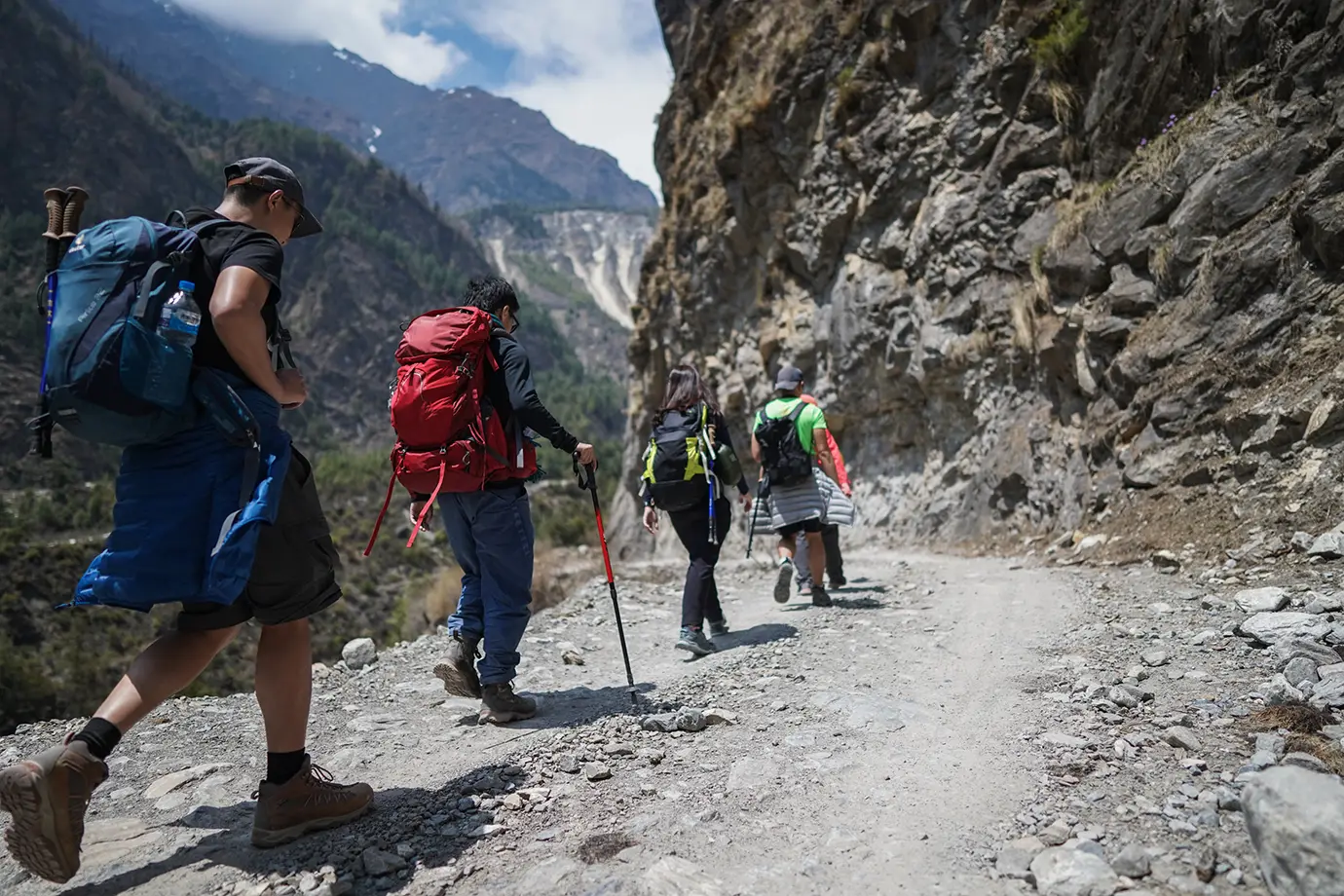
Nepal combines large elevation changes, remote mountain routes, long road journeys, variable food and water standards, and fast weather shifts. Few destinations pack this many different risk types into one country.
A city break in Europe needs far less planning. Nepal needs more. Altitude illness above 2,500 meters can become life-threatening if ignored. Road conditions slow travel and cause delays. Stomach illness from water or food affects many travelers.
Good Nepal health and safety tips start before you leave home. Build your plan before you buy your ticket.
Pre-Trip Health Checklist Before Leaving Home
Visit a Travel Clinic or Doctor Before Departure
Book a travel health appointment at least four to six weeks before you fly. Tell your doctor your full itinerary in Nepal. Mention if you plan to trek above 3,000 meters, visit rural lowlands, or spend extended time in one region.
A travel doctor can review your health, travel route, medications, and vaccination needs. Nepal travel health advice from a professional is more useful than general internet advice.
Check Vaccines and Regional Disease Risks
- Hepatitis A: high risk through food and water. Get vaccinated before you go.
- Typhoid: enteric disease risk is high in Nepal. Vaccine recommended.
- Routine vaccines: make sure measles, tetanus, and others stay current.
- Japanese encephalitis: consider this if you spend time in rural areas with paddy fields or pigs.
- Malaria tablets: only needed for certain low-altitude areas below 2,000 meters. They are not needed for Kathmandu, Pokhara, or standard Himalayan treks.
Malaria risk is concentrated in the far western regions of Sudurpashchim and Karnali. Ask your doctor about your specific itinerary.
Pack Prescription Medicines and Extras
Bring more medication than you expect to use. Weather delays and transport disruption happen regularly in Nepal. A blocked mountain road or canceled flight can leave you far from a pharmacy.
Pack medicines in your carry-on luggage. Checked bags get delayed or lost. Carry a written list of your prescriptions and their generic names.
Nepal Pre-Trip Health Checklist
| Task | Why It Matters | When to Do It |
|---|---|---|
| Book a travel clinic appointment | Get personalized vaccine and medicine advice. | 6 weeks before travel |
| Check hepatitis A and typhoid vaccines | Enteric disease risk stays high in Nepal. | At least 4 weeks before travel |
| Review malaria risk for your route | Risk applies only in specific low-altitude areas. | At the travel clinic appointment |
| Get travel insurance with evacuation cover | Helicopter evacuation can cost thousands of dollars. | Before booking flights |
| Pack extra prescription medicines | Delays and road closures may leave you isolated. | Week before departure |
| Make copies of your passport and visa | Copies help if documents get lost or stolen. | The day before departure |
| Save emergency numbers in your phone | You get faster help in stressful moments. | The day before departure |
| Plan your water strategy | Tap water in Nepal is not safe to drink. | Before packing |
Food, Water, and Stomach Safety in Nepal
Nepal’s food and water safety deserves serious attention. Stomach illness affects a large share of travelers. The good news is that simple habits significantly reduce your risk.
What to Drink Safely
Do not drink tap water in Nepal. Use bottled water from sealed bottles, boiled water, or properly filtered and treated water. Carry water purification tablets or a filter bottle as backup on long routes.
Watch out for ice. Some tourist restaurants use unfiltered water for ice. Ask staff about their water source or skip ice entirely.
What to Eat Carefully
Choose busy food stalls and restaurants where food turns over quickly. Freshly cooked hot food generally carries a lower risk than cold or pre-prepared dishes. Avoid raw salads unless you are confident they were washed properly.
Cyclospora infection risk rises during monsoon months. Hepatitis E also circulates in Nepal year-round. Both are spread through contaminated food and water.
What to Carry in Your Health Kit
- Oral rehydration salts (ORS)
- Antidiarrheal medicine
- Antinausea medicine
- Water purification tablets
- Antibiotics, if your doctor prescribes them for traveler’s diarrhea
When Stomach Illness Needs Medical Help
See a doctor if diarrhea lasts more than 48 hours, contains blood, or is accompanied by a high fever. Dehydration becomes serious quickly in hot or high-altitude conditions.
Altitude Sickness and Trekking Safety in Nepal
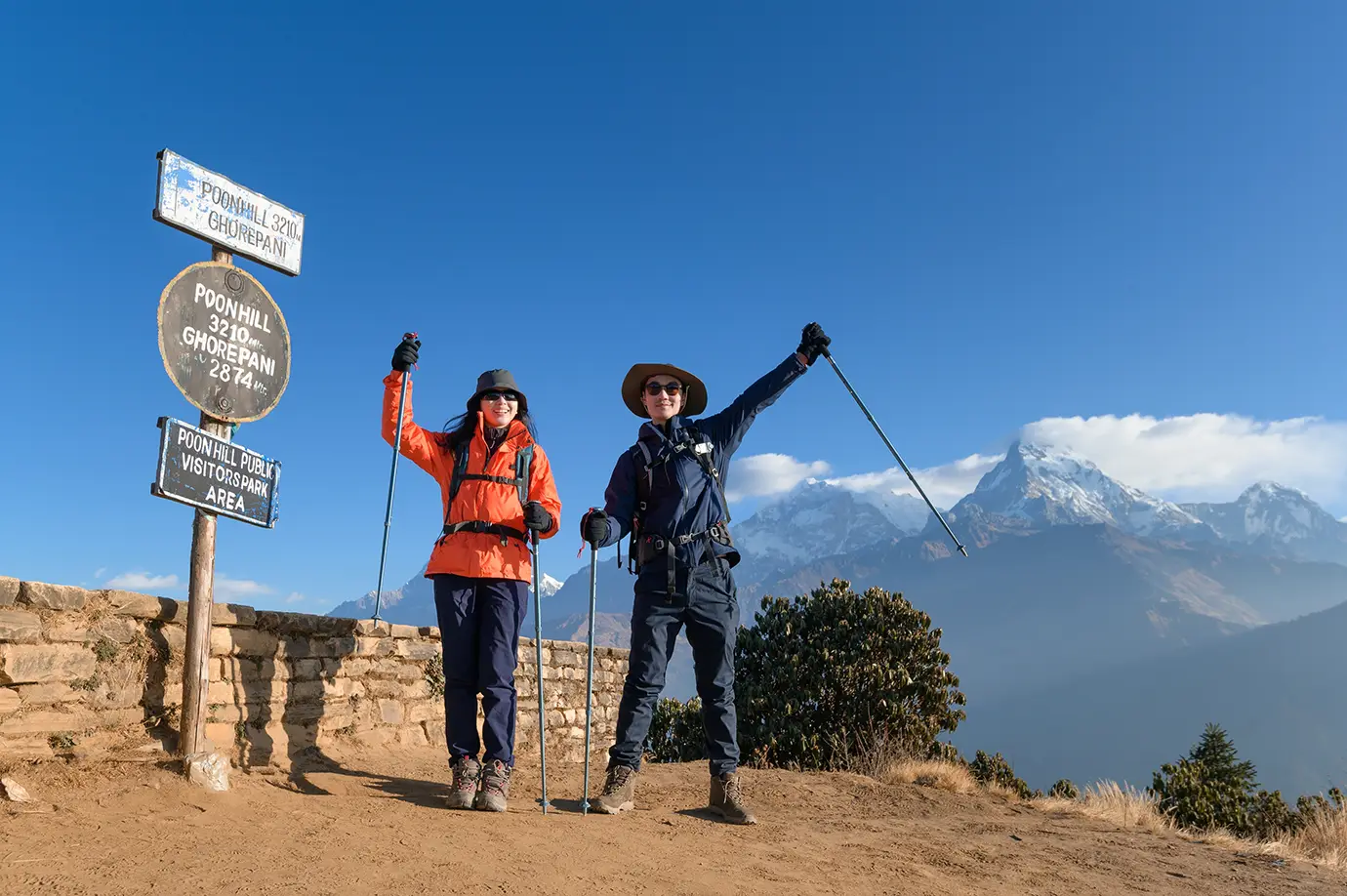
Altitude illness causes more serious medical evacuations than any other health risk in Nepal’s mountains. Every trekker heading above 2,500 meters needs to understand it.
What Altitude Sickness Is
Altitude sickness, or Acute Mountain Sickness (AMS), happens when your body does not adjust fast enough to lower oxygen levels at high elevation. It affects fit and unfit people equally. Previous good performance at altitude does not guarantee safety on your next trip.
Early Symptoms of AMS
Watch for these signs above 2,500 meters:
- Headache
- Loss of appetite
- Nausea
- Tiredness after a small effort
- Dizziness
If you feel unwell above 2,500 meters, treat the cause as AMS until a medical professional says otherwise. Do not push on.
Prevention Rules for Trekkers
Nepal trekking safety depends heavily on how fast you gain altitude. Follow these rules:
- Do not increase your sleeping altitude by more than 300 to 500 meters per day above 2,500 meters
- Take a rest day for every 1,000 meters of altitude gain
- Drink plenty of water and avoid alcohol in the first days at altitude
- Talk to your trek leader or guide immediately if symptoms appear
Acetazolamide (Diamox) helps some trekkers prevent AMS. Ask your doctor about this medicine before departure.
When to Descend Immediately
Worsening symptoms mean one thing: go down. Do not wait until morning. Descend now if you notice:
- Vomiting
- Walking like a drunk person (loss of coordination)
- Confusion or altered mental state
- Severe fatigue at rest
- Shortness of breath while resting
Himalayan Rescue Association (HRA) operates aid posts in Pheriche and Manang during the main trekking seasons. These posts offer AMS diagnosis and treatment. Know their locations before you start your trek.
Why Going Too High Too Fast Is Dangerous
Some trekking operators push fast itineraries. Short routes to Everest Base Camp or the Annapurna Circuit save money but skip the necessary acclimatization days. Choosing a rushed itinerary significantly increases your risk of AMS.
Nepal trekking safety depends on choosing a well-paced schedule over a cheap one.
Road Safety and Domestic Travel Risks in Nepal
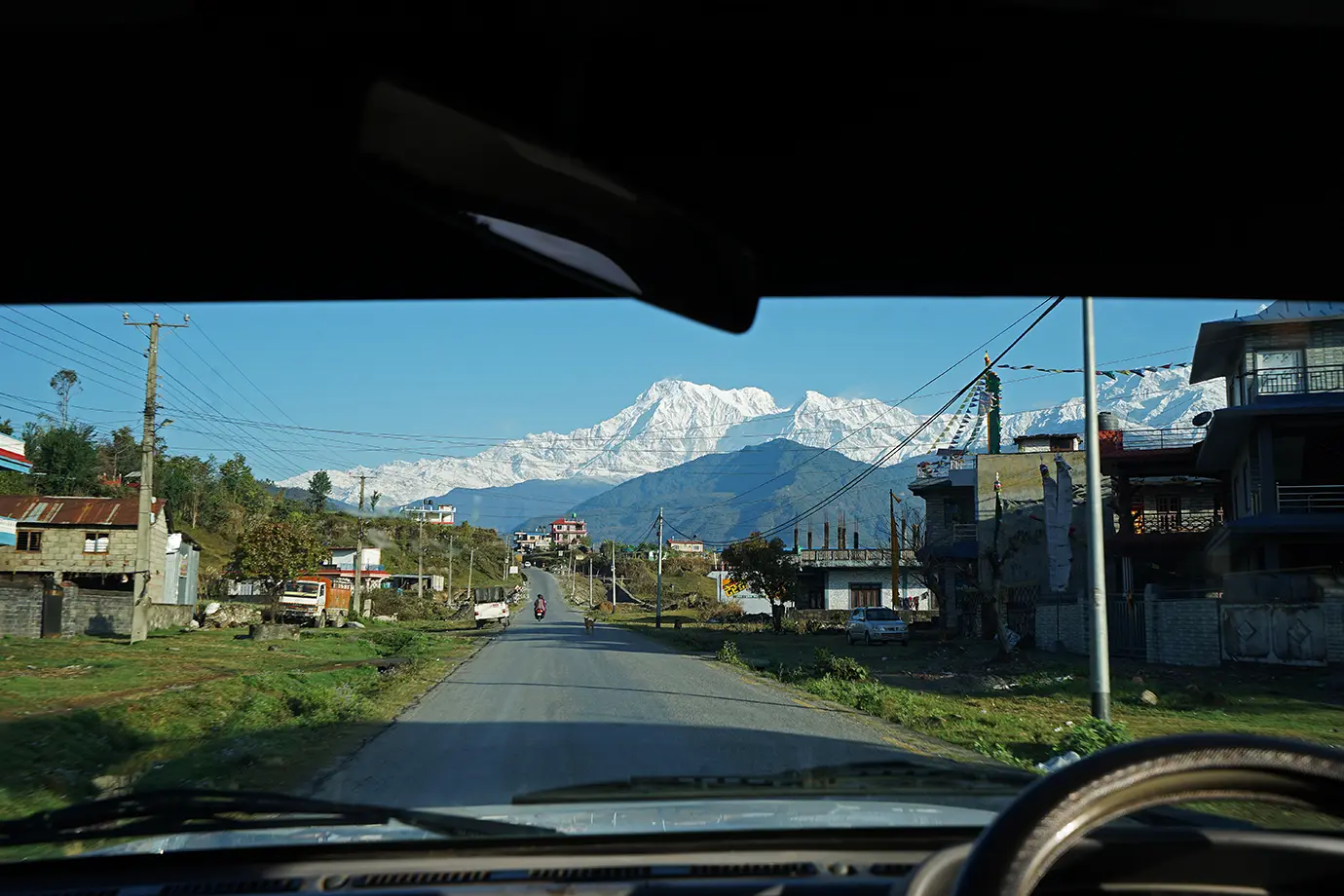
Nepal road travel safety requires patience and good planning. Road conditions challenge even experienced travelers. Mountain roads narrow sharply, drop steeply, and wind through terrain that makes distances on the map misleading.
Why Road Travel Takes Longer Than Expected
A journey that looks short on a map takes much longer in Nepal. A 100-kilometer road trip in the mountains can take six to eight hours. Build this reality into your plans.
Driver fatigue on long mountain routes raises accident risk. Favor reputable transport companies over the cheapest option.
Monsoon and Landslide Disruption
Monsoon season runs roughly from June to September. Landslides block roads, sometimes for days. Popular routes like the Prithvi Highway and roads to Pokhara close regularly during heavy rain.
Political protests and strikes can also disrupt transport at short notice. Check local news before long road journeys.
Domestic Flight Delays and Weather
Domestic flights in Nepal rely heavily on visibility. Mountain airports like Lukla, Jomsom, and Simikot frequently cancel or delay. A one-day weather delay at Lukla can become three days in bad seasons.
Never book an international departure on the same day as a domestic mountain flight. Build at least two buffer days.
Why Buffer Days Matter in Nepal
Road safety in Nepal is not only about accidents. It is also about fatigue, delay risk, monsoon landslides, and missed onward connections. Travelers should plan conservative transfer days, especially before international departures or mountain flights.
Weather delays, landslides, and transport strikes all require extra time. A traveler with no buffer days faces missed flights and costly emergency expenses. Build one to two spare days into any Nepal itinerary that includes mountain areas or monsoon-season travel.
City Safety in Kathmandu, Pokhara, and Tourist Hubs
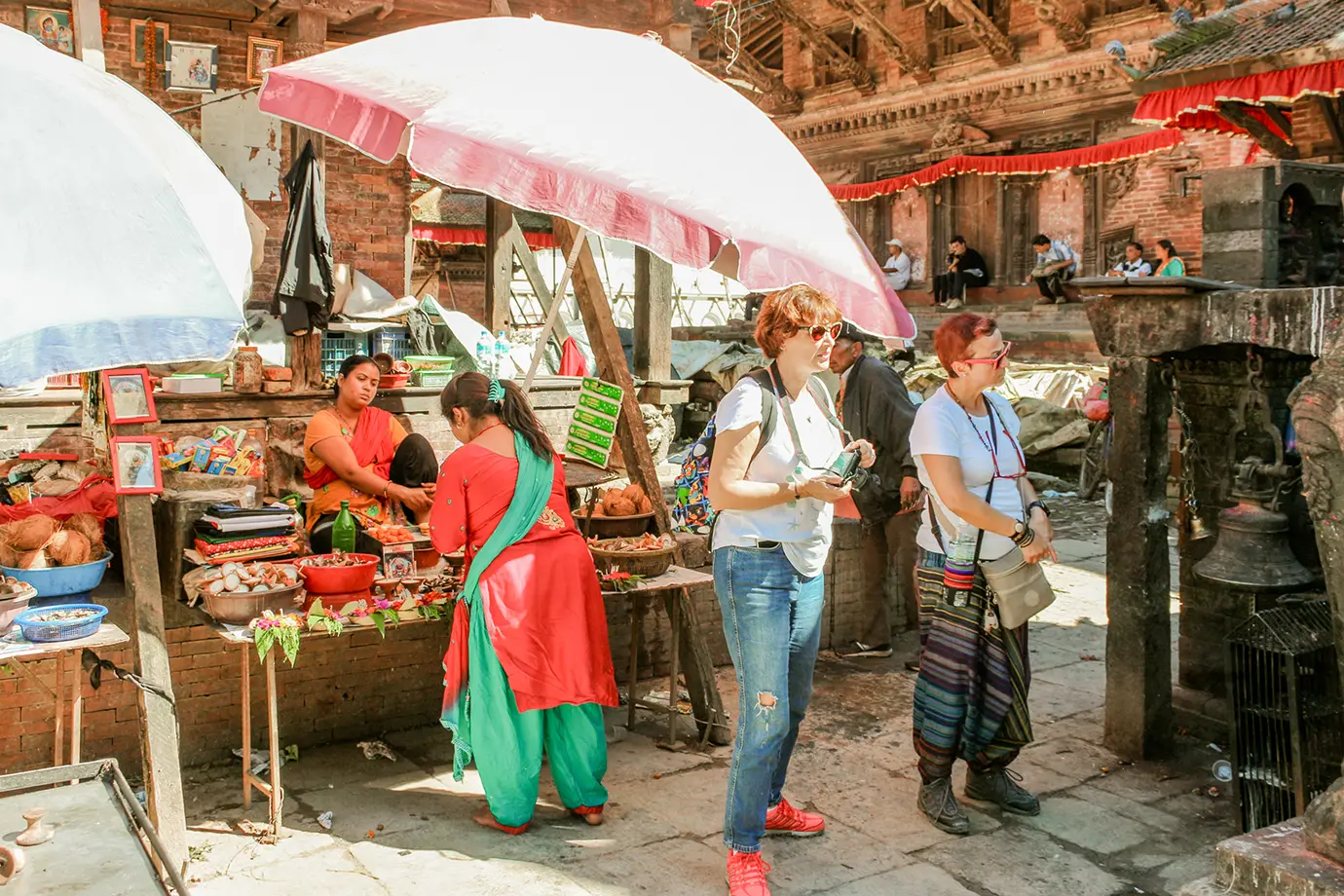
Serious crime against tourists stays relatively low in Nepal’s cities. Petty crime and scams still affect some visitors, especially in busy tourist zones.
Protecting Your Valuables
Petty theft risk is highest in airports, crowded buses, and busy tourist districts such as Thamel. Carry only what you need for the day, keep valuables secure, and avoid displaying large amounts of cash.
Use your hotel safe for your passport, spare cash, and backup cards.
Nighttime Caution
Take extra care after dark. Stick to well-lit, busy streets. Avoid walking alone in unfamiliar areas late at night. Use a trusted taxi or ride-booking app instead of walking long distances after dark.
ATM and Cash Habits
Use ATMs inside banks or shopping areas rather than street-facing machines. Check your bank balance after each withdrawal.
Carry some cash, as many places in Nepal still don’t accept cards. Avoid carrying large amounts at once.
Solo, Women’s, and Drink-Spiking Safety in Nepal
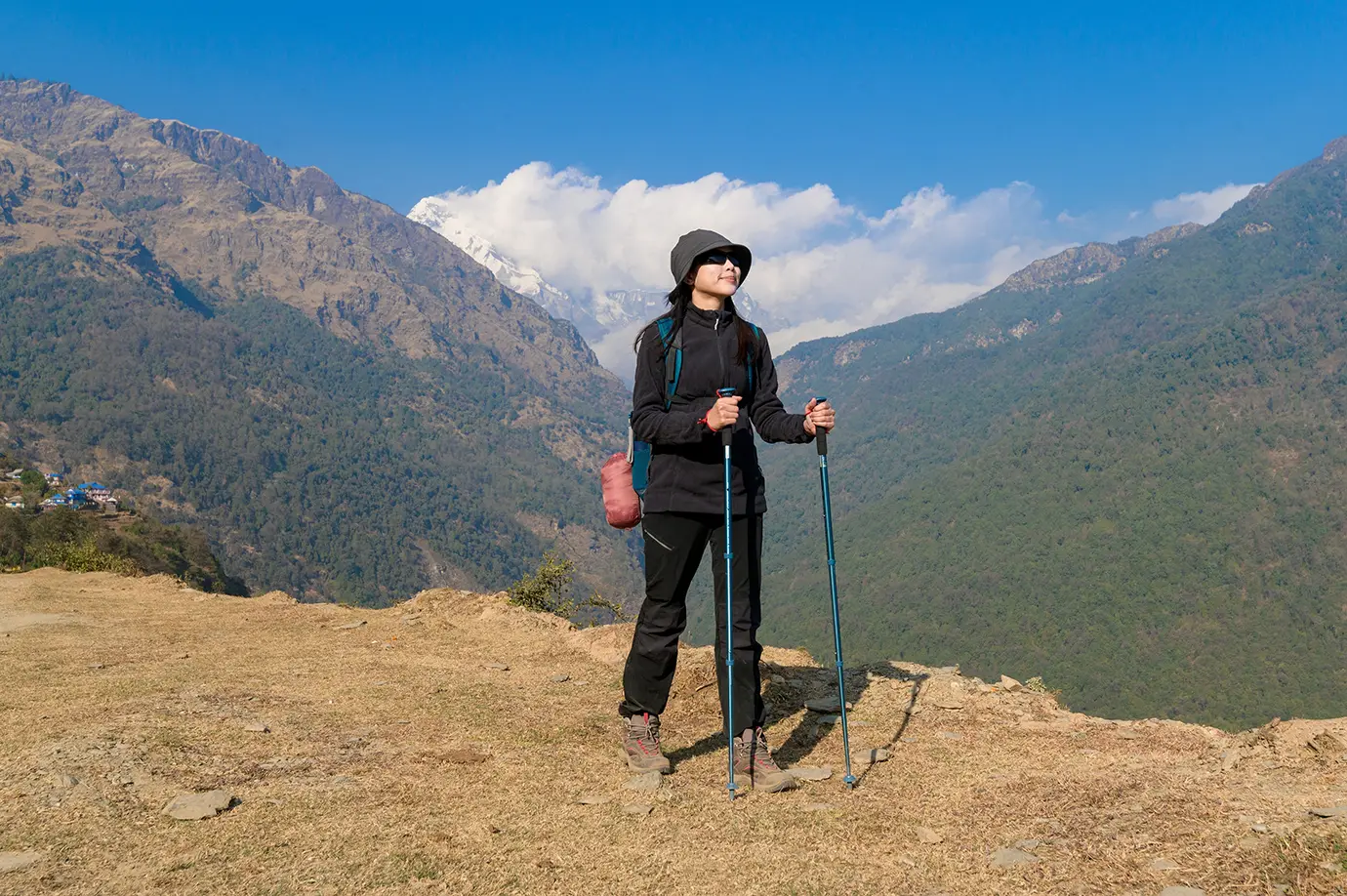
Many solo travelers complete Nepal trips safely, but night safety and route planning still matter.
Solo Travel Basics
Share your trekking itinerary and expected return date with your accommodation. Check in regularly with someone who knows your route. Carry a fully charged phone and a portable power bank.
On popular trekking routes like Annapurna Base Camp or Everest Base Camp, you rarely feel truly alone. Tea houses and other trekkers are usually nearby.
Night Safety for Women
Women and solo travelers should take extra care after dark, especially in nightlife areas. Avoid walking alone at night in Thamel and similar zones. Travel in groups or use reliable private transport after dark.
Report any serious incident to the Tourist Police immediately.
Drink-Spiking Awareness
Do not accept drinks from strangers. Do not leave your drink unattended at bars or parties.
Drink spiking and methanol poisoning are both risks in nightlife settings. Buy drinks from well-known restaurants and licensed bars. Cheap local spirits carry a higher risk.
Why Accommodation Choice Matters
Stay in reputable, well-reviewed accommodation. Budget guesthouses in very remote areas may lack security measures. Read recent reviews and choose places with a reception desk, lockable rooms, and visible security.
Trekking Scams, Cheap Deals, and Choosing the Right Operator
Trekking safety in Nepal includes financial and operator risks, not just physical ones. Dishonest guides and weak operators can create real problems for travelers.
Why Licensed Operators Matter
Choose a licensed trekking agency and a certified guide. Confirm who handles permits, who leads the trek, and how acclimatization days are built into the route.
Working with a licensed operator gives you a clearer route for complaints if something goes wrong.
Cheap Trekking Deals and Hidden Risks
Very cheap trekking packages often cut corners on safety. They may skip necessary acclimatization days, hire uncertified guides, or fail to obtain proper permits and insurance.
A rushed itinerary that pushes you too high too fast is not just a poor experience. It becomes a direct health risk.
Fake Rescue and Helicopter Evacuation Abuse
Some dishonest operators and guides have taken inexperienced trekkers too high too quickly. When the trekker gets sick, the guide arranges a helicopter evacuation that earns a commission. The trekker pays a large bill, and the insurance company gets a fraudulent claim.
If someone pressures you into a helicopter evacuation, seek a second opinion from an HRA aid post or another qualified medical professional if possible.
Questions to Ask Before Booking
- Are you a licensed trekking agency?
- Does our itinerary include proper acclimatization days?
- Does the guide hold a certified guide license?
- What happens if the weather cancels our route?
- Do you carry first-aid supplies for groups on the trail?
Mosquitoes, Wildlife, and Lowland Nature Safety
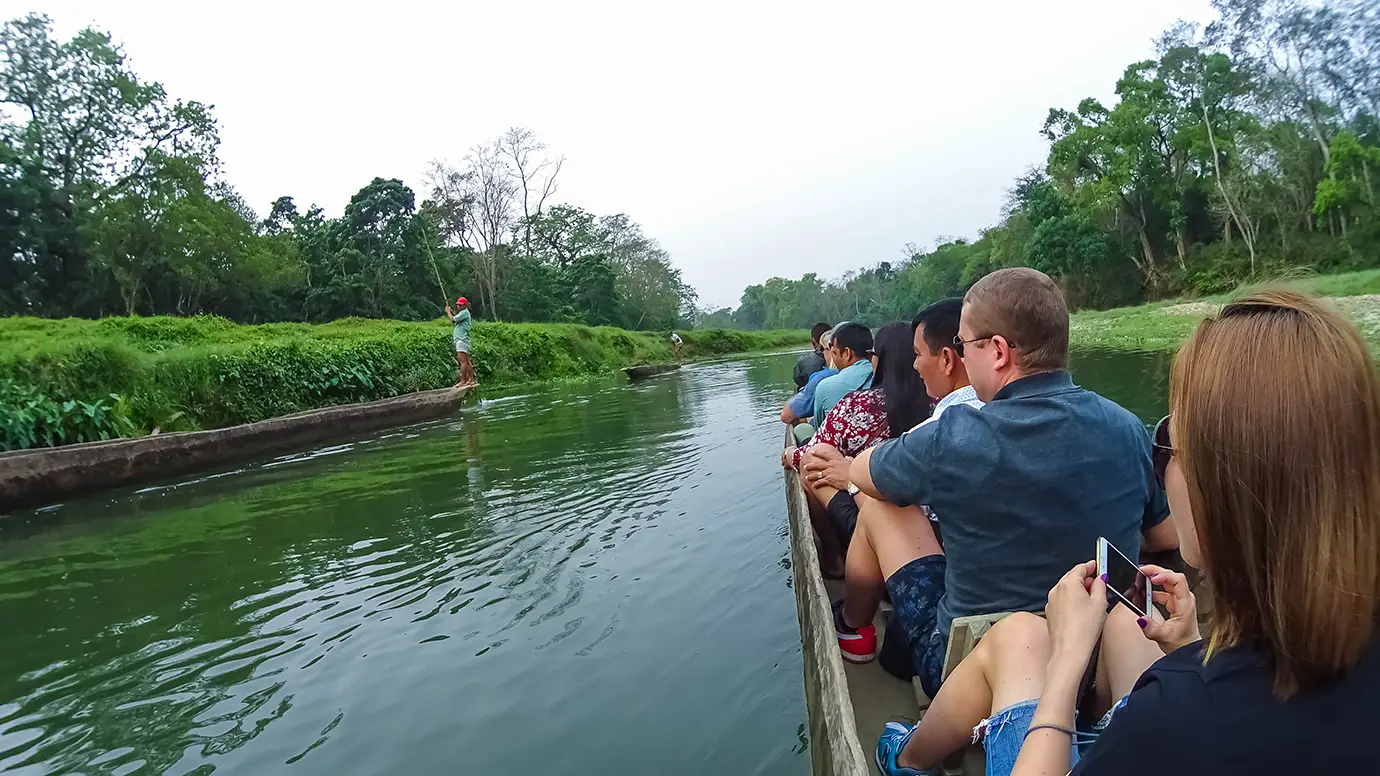
Chitwan and Bardiya National Parks offer fantastic wildlife experiences. Jungle travel brings different health and safety considerations from city or mountain travel.
Mosquito Protection in Lowland Areas
Use a strong insect repellent with DEET on exposed skin, especially after sunset. Wear long sleeves and trousers in the evenings. Sleep under mosquito nets in areas without air conditioning or window screens.
Malaria risk exists in certain lowland areas below 2,000 meters. Ask your doctor if antimalarial tablets suit your itinerary. Kathmandu, Pokhara, and standard Himalayan trekking routes carry no malaria risk.
Wildlife Safety in National Parks
Follow your safari guide’s instructions at all times. Keep a safe distance from all wild animals. Do not attempt to feed or approach elephants, rhinos, or crocodiles.
A licensed naturalist guide should lead jungle walks. Solo walks into wildlife areas carry a serious risk.
Tourist Police, Emergency Contacts, and What to Do If Something Goes Wrong
Tourist Police and What They Help With
Tourist Police Nepal operates as a dedicated unit of Nepal Police focused on traveler safety. They help with:
- Registering complaints about crimes, scams, or operator fraud
- Assisting with lost or stolen documents
- Coordinating during search and rescue procedures
- Providing safety information before trekking
Tourist Police Nepal is available 24 hours a day in Kathmandu Valley and Pokhara. Dial 1144 to reach them.
Lost Passport or Stolen Items
Report any theft or loss to the Tourist Police immediately. Get a written police report. You need this report for your insurance claim and for your embassy to issue emergency travel documents.
Contact your home country’s embassy in Kathmandu as soon as possible after a passport loss.
Emergency Numbers to Save Before Arrival
| Service | Number | When to Use It |
|---|---|---|
| Tourist Police Nepal | 1144 | Use for theft, scams, lost documents, and trekking-related problems. |
| Nepal Police | 100 | Use for crimes and serious emergencies. |
| Traffic Police | 103 | Use for road accidents and traffic incidents. |
| Ambulance | 102 | Use for medical emergencies in cities. |
| Fire Brigade | 101 | Use for fire emergencies. |
| Himalayan Rescue Association (HRA) | In-person at Pheriche / Manang posts | Use for altitude sickness diagnosis and treatment during treks. |
Why Paper and Digital Document Copies Matter
Before you leave home, photograph your passport, visa, insurance card, and emergency contact details. Store the photos in cloud storage and email them to yourself. Keep a physical photocopy separate from your original documents.
Lost documents slow everything down. Copies speed up replacement procedures significantly.
Seasonal Health and Safety in Nepal
Nepal’s health and safety risks shift with the seasons. Match your preparation to the time of year you travel.
| Season | Main Risk | Best For | Key Caution |
|---|---|---|---|
| Spring (March-May) | Altitude illness and sun exposure | Trekking and the Everest Base Camp routes | Acclimatize slowly, even in stable weather. |
| Monsoon (June-September) | Landslides, stomach illness, and mosquitoes | Lush scenery and fewer crowds | Take extra food and water care, and expect road delays. |
| Autumn (October-November) | Altitude illness and petty theft in crowds | All-around trekking and culture trips | Peak season still needs full preparation. |
| Winter (December-February) | Cold injury and snow on passes | Lower treks and cultural travel | High passes may close, so pack warm layers. |
Travel Health and Safety Checklist Before You Go
Before booking
- Check passport validity and confirm your Nepal visa process
- Purchase travel insurance with emergency medical evacuation cover
- Visit a travel clinic and complete recommended vaccines
One month before departure
- Consult a doctor about altitude sickness prevention if trekking above 2,500 meters.
- Pack oral rehydration salts, antidiarrheal medicine, and water purification tablets.
- Decide on your water strategy: bottled, filtered, or boiled
- Verify that your trekking agency and guide are properly licensed if you are trekking
Final 48 hours before departure
- Save emergency numbers: Tourist Police (1144), Police (100), Ambulance (102)
- Photograph your passport, visa, and insurance documents
- Keep a physical copy of documents separate from originals
- Build at least one buffer day into weather-sensitive route segments
- Carry some local currency (Nepali rupees) for areas without card payment
Common Mistakes Travelers Make in Nepal
Avoid these errors to keep your trip smooth:
- Going too high too fast on a trekking route
- Treating all of Nepal like a city destination when heading to remote areas
- Skipping travel insurance or buying a policy without evacuation cover
- Ignoring food and water hygiene, especially in smaller towns
- Choosing the cheapest trekking deal without checking the operator’s credentials
- Carrying large amounts of cash in busy tourist areas
- Planning no buffer days into weather-sensitive routes
- Failing to save emergency numbers before arrival
- Drinking tap water or using unverified ice
- Continuing to ascend when symptoms of AMS appear
FAQs About Travel Health and Safety in Nepal
Is Nepal safe for tourists?
Yes. Nepal stays manageable for most tourists. Serious crime rates remain relatively low. The bigger risks are practical: altitude, food and water, road travel, and weather. Good preparation handles most of these well.
What are the biggest health risks in Nepal?
The main health risks are altitude sickness above 2,500 meters, food- and waterborne illness, and mosquito-borne illness in lowland areas during warmer months. Each risk has clear prevention steps.
Is tap water safe in Nepal?
No. Do not drink tap water in Nepal. Use bottled water from sealed bottles, boiled water, or water treated with a filter or purification tablets.
How serious is altitude sickness in Nepal?
Altitude illness can become life-threatening if ignored. Early symptoms may feel mild, but they can worsen rapidly. Take acclimatization schedules seriously and descend immediately if symptoms get worse.
Is Nepal safe for solo female travelers?
Many women travel solo in Nepal safely every year. Extra caution helps at night, in nightlife areas, and on very remote routes. Share your itinerary with someone trustworthy, stay in well-reviewed accommodation, and avoid drinks from strangers.
Do I need malaria tablets for Nepal?
Only for specific routes. Malaria risk exists in certain areas below 2,000 meters, mainly in far-western Nepal. Kathmandu, Pokhara, and standard Himalayan treks carry no malaria risk. Ask your travel doctor about your specific itinerary.
What should I do if I get sick while trekking?
Stop ascending immediately. Tell your guide or trek leader. If symptoms suggest AMS, descend to a lower altitude immediately. Visit an HRA aid post if available. Do not wait to see if you feel better at the same elevation.
What is the Tourist Police number in Nepal?
Dial 1144 for Tourist Police Nepal. They operate 24 hours a day in Kathmandu and Pokhara. They help with theft, scams, lost documents, and trekking-related problems.
Are roads in Nepal dangerous?
Road travel in Nepal requires care. Mountain roads are narrow and wind through steep terrain. Monsoon season brings landslide risk. Long journeys take more time than the distance suggests. Use reputable transport and build delays into your schedule.
Is Nepal safe during the monsoon?
Yes, with extra preparation. Monsoon brings lush scenery and fewer tourists. However, landslides block roads, the risk of stomach illness rises, and mosquitoes increase in lowland areas. Pack extra water safety supplies, plan flexible routes, and protect against insects.
Final Note
Travel health and safety in Nepal comes down to one principle: prepare for the route you choose, not for Nepal as a whole. A Kathmandu cultural trip needs different planning from an Everest Base Camp trek or a Chitwan safari.
Get your vaccines, buy good insurance, respect altitude, drink safe water, and save the Tourist Police number before you land. Nepal offers an extraordinary experience for travelers who plan smart.