


Nepal brings together temple cities, Himalayan views, tranquil lakes, and wildlife-rich forests within one carefully planned journey.
What elevates the experience is not only what you see, but how smoothly and privately you move through Nepal. That is the essence of Nepal Luxury Tour Planning: creating a private journey where every detail feels seamless. It is private transfers that remove friction, hotels chosen for atmosphere rather than only star ratings, and a rhythm that favors quality over quantity.
This guide shows you how to plan a luxury Nepal trip with clarity, comfort, and expert local insight. You will learn how to choose the season, design an elegant private Nepal itinerary, select the right level of accommodation, use helicopter access where it genuinely adds value, and set realistic expectations for budget and logistics—all while preserving the feel of a tailor-made Nepal tour and an enduring custom luxury Nepal holiday.
Why Private Luxury Travel in Nepal Feels Different
Luxury in Nepal is not about display. It is about privacy, smooth pacing, and access to the right people, places, and experiences at the right time.
A private journey is, by design, more than a “better hotel”. It is a different travel architecture altogether: you are not fitting yourself into a schedule; the schedule is composed around you. That difference becomes tangible in three ways—timing, sense of place, and the caliber of experiences you choose to elevate.
Privacy, pacing, and the art of timing
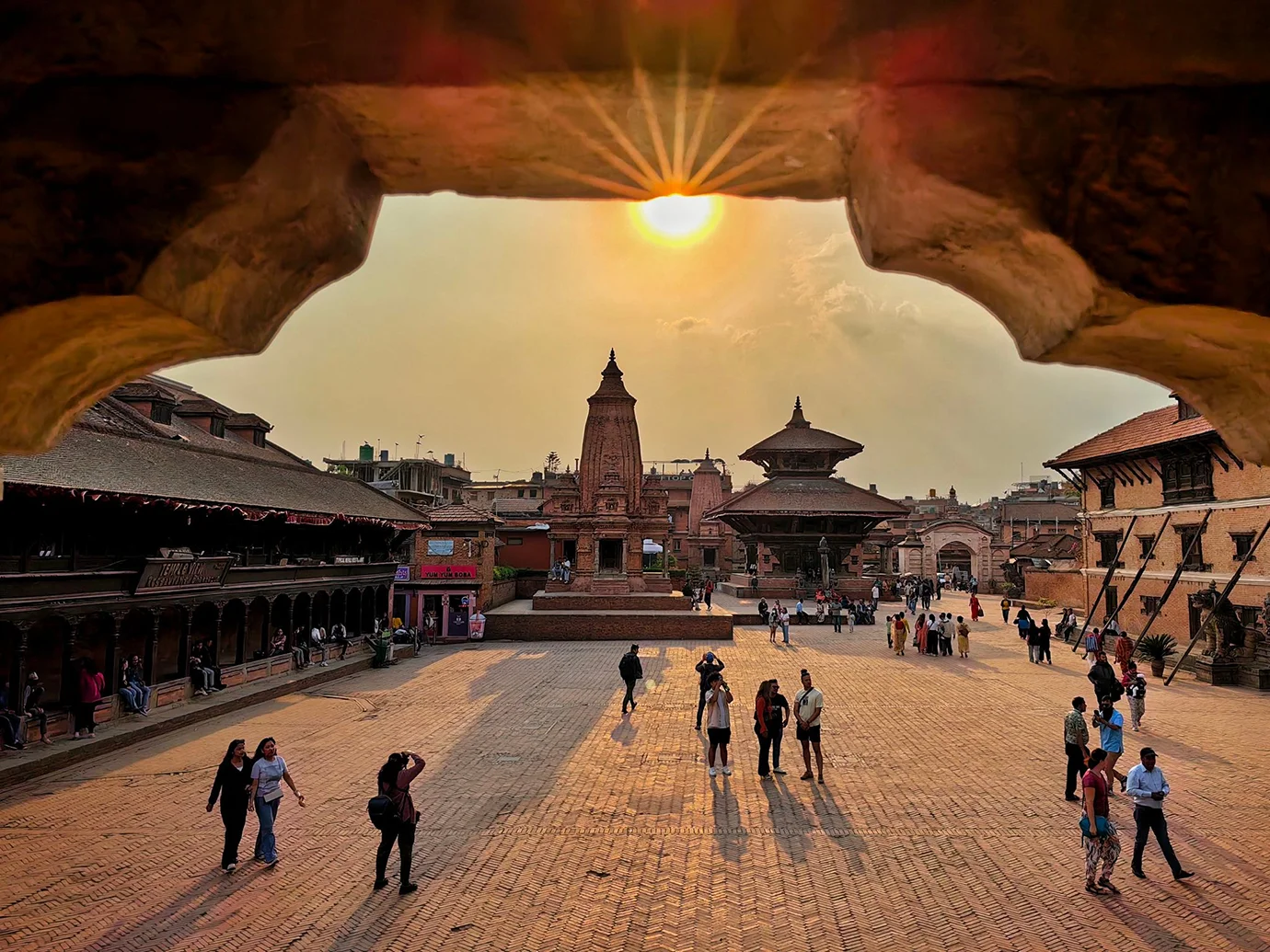
The headline advantage is privacy—your own vehicle, your own guide, your own daily timing. Yet the deeper benefit is timing itself. In the historic heartlands of the Kathmandu Valley, arriving early can change the entire atmosphere of a monument zone; conversely, a late‑afternoon stroll can feel calmer, more contemplative, and more photogenic.
UNESCO describes the Kathmandu Valley World Heritage property as seven monument zones that span royal Durbar Squares and major Buddhist and Hindu ensembles. This is precisely where private touring excels: it allows you to be present for the light, for the ritual, and for the quieter moments that group schedules often miss.
Bespoke comfort with a strong sense of place
Nepal’s best luxury properties are compelling because they are local in character—not merely polished for the international market. In Kathmandu, Dwarika’s Hotel presents itself as a heritage‑immersive “living museum” of Newari craftsmanship, with courtyards and architectural woodwork that invite slow appreciation.
In Pokhara, the Nepal Tourism Board calls the destination the “jewel in the Himalaya”, citing its pristine air, snowy peaks, and clusters of lakes—an ideal canvas for a slower, view-centered luxury stay. Here, Tiger Mountain Pokhara Lodge is positioned as a retreat of tranquillity above the valley, designed for gentle walking, community encounters, birding, and rest.
In the southern lowlands, Chitwan National Park is recognized by UNESCO for its rich flora and fauna and as a refuge for single‑horned Asiatic rhinoceros and Bengal tiger. Within this landscape, Meghauli Serai, A Taj Safari, offers villa‑level privacy, including plunge‑pool accommodation and spa facilities that make wildlife travel feel restorative rather than rustic.
Signature experiences that feel rare, not manufactured
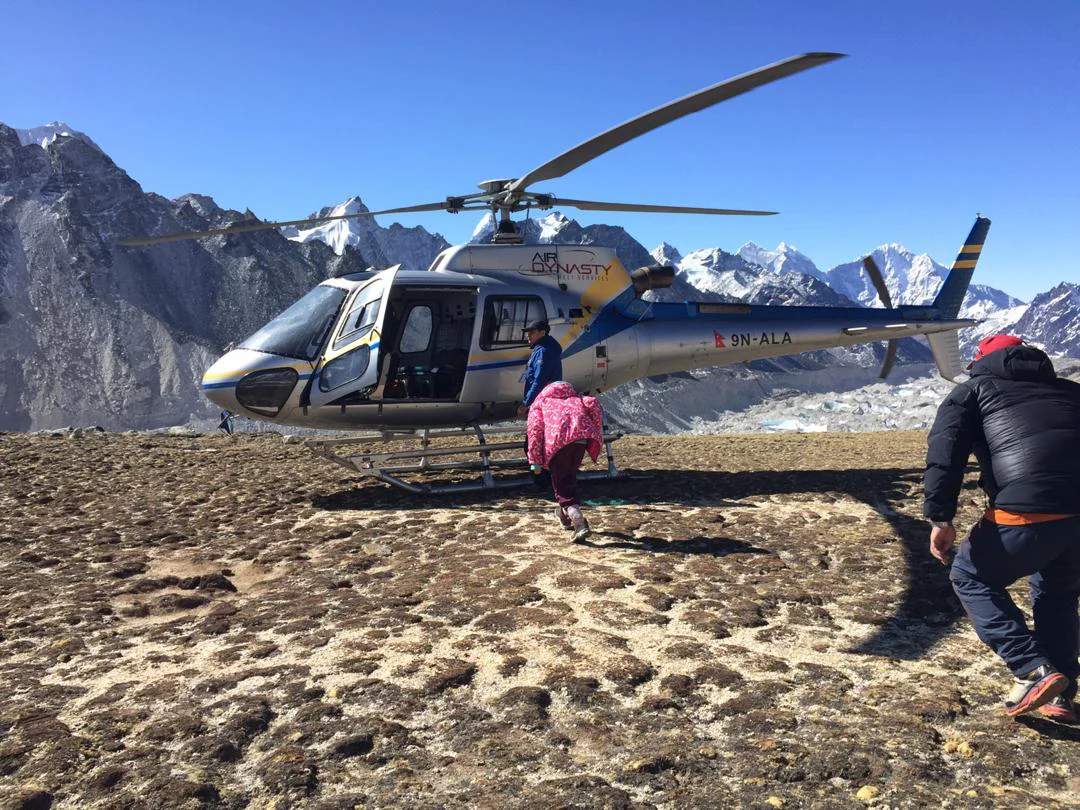
The most successful luxury itineraries in Nepal reserve “special moments” for occasions when they genuinely transform the journey. A helicopter is not an accessory; it is a tool. Used well, it compresses long travel days, opens viewing perspectives that roads cannot, and allows a dramatic Himalayan encounter without a demanding trek.
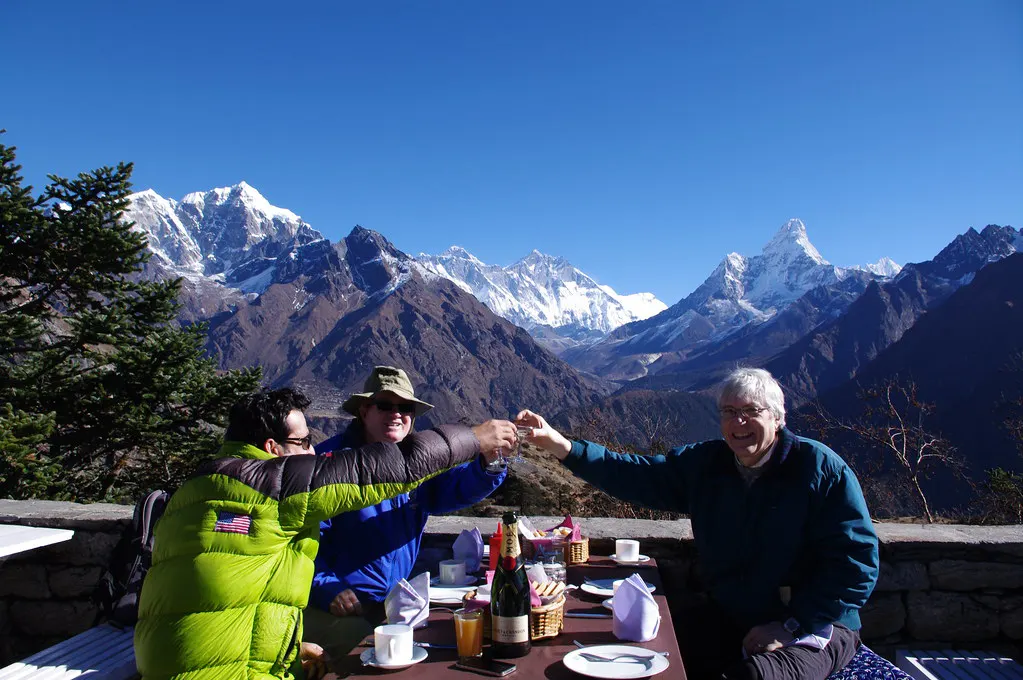
The Everest region sits within Sagarmatha National Park, a UNESCO World Heritage site defined by dramatic mountains, glaciers, and deep valleys, dominated by Mount Everest (listed by UNESCO as 8,848 m). In this setting, helicopter itineraries commonly include a brief photo stop at Kala Patthar (typically only minutes, depending on conditions) and then breakfast at Hotel Everest View, which keeps the celebratory meal at a lower altitude for comfort and safety. When incorporated thoughtfully—with contingency time and an unhurried itinerary around it—this becomes a defining “center-piece day”, executed with competence rather than theatre.



Seasonal intelligence for Nepal Luxury Tour Planning
Seasonality in Nepal is not merely a matter of temperature. It influences visibility, road conditions, flight reliability, wildlife viewing, and—crucially—how “exclusive” the destination feels.
The Nepal Tourism Board notes that Nepal can be visited year‑round, but highlights spring and autumn as the best times for most trekking areas, with rhododendron blooms in spring and the clearest skies typically after the monsoon in October and November. A specialist destination guide similarly highlights the October–December window for clear blue skies and spectacular views.
Below is a luxury‑oriented view of the calendar—less about rigid rules, more about selecting the right atmosphere.
Autumn clarity and peak-season polish
Late September to November is often the most sought‑after window for a first high‑end journey. Post‑monsoon air tends to be cleaner, and mountain views are frequently at their most precise, particularly in October and November. This is also when properties with the most character—and the suites with the most coveted views—are booked first.
Planning note: if your trip must happen in October or November, commit early. It is not unusual for the best room categories (especially in heritage hotels and safari lodges) to sell out well in advance of departure.
Spring color and a softer social scene
March and April deliver a gentler kind of glamour: comfortable temperatures, hillsides bright with rhododendrons, and, often, a softer pace than peak autumn. For travelers who want cultural touring in the valley combined with a scenic escape to Pokhara, spring brings a balanced blend of light, color, and comfort.
Winter’s discreet luxury
December to February suits travelers who value privacy more than warmth. Skies can be clear, and the valley light can be beautiful, though evenings are cold, and hotel choice matters. One destination guide notes that January and February can be very cold—especially at night—yet can reward travelers with clear skies and quieter conditions, while cautioning against high‑altitude trekking.
In a premium format, winter can feel superbly exclusive: fewer crowds at monument zones and a heightened sense of personal space in the finest properties.
Monsoon realities and how luxury planners work with them
June to early September is greener, quieter, and more unpredictable. Monsoon travel can bring flooding, landslides, road delays, and occasional flight disruptions, so this season suits more flexible travelers than first-time luxury visitors. For most first‑time luxury travelers seeking Himalayan panoramas, this is not the ideal season. However, if your priority is wellness and retreat—slow mornings, spa work, and intimate cultural encounters—monsoon can still be curated, provided you accept a more flexible approach to transport and visibility.
Designing a private high-end trip
A tailor‑made journey succeeds when the design is intentional. The following blueprint is the spine of effective Nepal Luxury Tour Planning—a sequence of decisions that moves from personal taste to practical execution without losing elegance along the way.
Define Your Luxury Travel Style
Start by deciding what kind of luxury experience you want most. Nepal suits several luxury travel styles, and your itinerary works best when it follows one clear direction.
Cultural Luxury: private guided interpretation of UNESCO monument zones, unhurried museum time, artisan meetings, and heritage-centered hotels.
Scenic Luxury: view‑oriented resorts, lakeside leisure, sunrise terraces, and one carefully chosen aerial day.
Wildlife Luxury: premium lodges, private safaris, expert naturalists, and deliberate downtime.
Wellness and Renewal: a dedicated retreat phase where Ayurveda, yoga, and spa programming become the anchor. Dwarika’s Sanctuary introduces itself as a holistic wellbeing retreat blending eastern healing traditions with modern luxury, supported by in‑house specialists.
Your signature can combine themes, but keep one as the lead note. Luxury itineraries feel most effortless when they have a clear center of gravity.
Sketch the itinerary length and rhythm
Length is not about how many places you can squeeze in; it is about how many places you can enjoy without rushing.
- Seven days works best for a focused route, usually combining Kathmandu Valley with Pokhara and one signature Everest helicopter experience.
- Ten days is the classic first‑time composition: heritage, Himalayan drama, lakeside calm, and a safari‑grade finale.
- Two weeks allows deeper Kathmandu Valley touring, a slower Pokhara stay, and an additional restorative chapter in the hills.
In luxury travel, fewer stops often create a better experience. A quiet afternoon at the right hotel can leave a stronger impression than adding another rushed sightseeing stop.
Choose Luxury Hotels That Match the Destination
High‑end accommodation in Nepal is best viewed as “setting” rather than “inventory”. Each destination needs a different type of property, aligned with what you want to feel there.
- Kathmandu: a heritage environment where architecture, objects, and service ritual create a sense of occasion.
- Pokhara: a retreat that emphasizes space, viewlines, and tranquillity.
- Chitwan: a lodge where naturalists, privacy, and villa‑level comfort allow you to enjoy wildlife without sacrificing refinement.
- Wellbeing retreats near Kathmandu: properties designed around holistic programs rather than only scenery.
Orchestrate transport for comfort and resilience
Luxury is partly about avoiding unnecessary friction. In Nepal, time‑saving transfers and well‑timed flights preserve energy for experiences.
Arrive and depart via Tribhuvan International Airport and design the first day to be calm rather than busy—particularly if you have crossed multiple time zones.
Domestic flights: short sectors can replace long, winding drives. For example, Buddha Air advertises that the Kathmandu–Pokhara flight takes about 25 minutes and operates many daily departures, turning what could be a long road day into a sleek transition. Buddha Air is one of the main domestic carriers on these routes. Yeti Airlines also operates key domestic sectors, keeping the itinerary nimble when schedules align.
Helicopters should be used selectively, where they add comfort, speed, and access. Build buffer time because weather and visibility determine feasibility. A typical published Everest helicopter itinerary includes multiple operational steps and only a brief high‑altitude landing, followed by breakfast at Hotel Everest View. The sophistication of the plan lies in flexibility—having a beautiful alternative day ready should the mountains choose not to reveal themselves.
Curate exclusive experiences with restraint
The best luxury itineraries do not try to include everything. Choose a few standout experiences and give them enough time to feel special.
- A scholar‑led walkthrough of Patan Museum, with the freedom to linger rather than rush.
- A still morning at Boudhanath Stupa, circling the great stupa as prayer wheels turn (Boudhanath is one of the monument zones within the UNESCO Kathmandu Valley property).
- Lakeside leisure on Phewa Lake, which the Nepal Tourism Board promotes as a place to relax and enjoy water activities.
- A hilltop visit to World Peace Pagoda, which the Nepal Tourism Board notes offers spectacular views toward the Annapurna range.
- A quiet visit to Swayambhunath, best timed early for atmosphere and broad valley views.
In Chitwan, replace shared jeeps with private safaris for a calmer, more photographic experience. The Nepal Tourism Board highlights the park as a place to search for Royal Bengal tigers and observe greater one‑horned rhinoceros.
Understand the budget in a way that protects value
Luxury travel pricing matters less as a headline number and more as a reflection of where the value sits. In Nepal, your budget is essentially allocated across four pillars: accommodation, air (domestic flights and helicopters), guiding, and exclusivity (specialist expertise, private logistics, bespoke dining).
As a planning benchmark, the difference between a premium itinerary and an ultra‑luxury itinerary is often defined by whether you include private helicopter days, villa‑level accommodation, and specialist guiding. Where possible, invest in one exceptional center-piece experience and one standout property; these decisions typically shape the memory of the journey more than any other upgrades in a custom luxury Nepal holiday.
Standard Tour vs Private Luxury Nepal Tour
| Element | Standard Touring | Private High-End Design |
|---|---|---|
| Rhythm | Fixed departures | Your timing, your pace |
| Transport | Shared vehicles | Private SUV, flights chosen for comfort |
| Hotels | Functional comfort | Atmosphere-led, suite-focused selections |
| Experiences | General entry | Curated access, private guiding, signature moments |
| Resilience | Disruptions felt sharply | Flexibility and contingency built in |
A refined ten-day private Nepal itinerary
This sample itinerary suits travelers who want Nepal’s best mix of heritage, mountain scenery, and wildlife without tiring from overland travel. Each day is designed to feel purposeful, with breathing room for the pleasures that define premium travel: long breakfasts, spa rituals, and unhurried evenings.
Day 01: arrival and an unhurried introduction
Morning to afternoon: arrive, meet your private team, and transfer directly to your hotel. Keep the afternoon open for rest and acclimatization to the city’s rhythm.
Evening: a quiet welcome dinner—either within the hotel (ideal if you value privacy) or at a curated restaurant chosen for atmosphere and service.
Keep the first day light. A calm arrival creates a better start than rushing into sightseeing after a long flight.
Day 02: Kathmandu Valley heritage with private pacing
Morning: begin early at Kathmandu Durbar Square, an essential monument area on UNESCO’s World Heritage Site list. A private guide can frame it as an evolving cultural landscape rather than a static exhibit.
Late morning: continue to the hillside sanctuary of Swayambhunath for sweeping valley views and a calmer perspective on the city’s layered faith.
Afternoon: shift to Patan for museum time and artisan lanes. The emphasis is on craft—carved windows, metalwork, and the slow, detailed work that makes the valley memorable.
Evening: a chef‑curated dinner in a refined setting (indoors or rooftop, depending on season and preference).
Day 03: Everest Helicopter Experience
Before dawn: transfer to the domestic terminal for a private helicopter day. A published Everest helicopter itinerary typically includes multiple operational steps and a brief landing at Kala Patthar, followed by breakfast at Hotel Everest View.
Midday: return to Kathmandu. Plan the afternoon as intentionally empty: spa, pool time, or quiet reading in the courtyards.
Evening: optional, low-intensity cultural experience—perhaps a private musical performance or a gentle neighborhood walk—kept low-intensity deliberately.
Safety note: high‑altitude exposure is brief by design; reputable operators manage time carefully for comfort.
Day 04: Fly to Pokhara for light and air
Morning: take a short domestic flight to Pokhara. Buddha Air’s published route information reflects how time‑efficient this transition can be compared with overland travel.
Afternoon: settle into your resort and allow the day to remain gentle. A private boat outing on Phewa Lake is a natural first experience—more about atmosphere than activity.
Evening: sunset drinks with a mountain‑facing view. In luxury travel, quiet time at the right resort is part of the experience.
Day 05: Leisure, wellness, and lakeside elegance
Morning: begin with wellness—massage, sauna rituals, or yoga (depending on your chosen property). The aim is to let Pokhara feel like a retreat, not merely a base.
Afternoon: a curated lake experience followed by a long lunch. Consider an artisan shopping interlude, but keep the pace soft.
Evening: unhurried dinner and early night. This is deliberately restorative—an elegant counterpoint to the intensity of the Everest day.
Day 06: Private viewpoints and a composed afternoon
Early morning: sunrise timing is everything in Pokhara. For many travelers, Sarangkot offers a beautifully framed perspective over the valley and mountains; approach it privately, with a calm departure and no pressure to rush.
Late morning: visit the World Peace Pagoda, which the Nepal Tourism Board describes as positioned on a hill above Phewa Lake and valued as a vantage point offering spectacular views toward the Annapurna range.
Afternoon: keep plans light—spa, reading, or a gentle walk in the resort grounds. Luxury itineraries earn their quality by protecting time.
Day 7: Onward for wildlife, with minimal friction
Morning: connect by domestic flight to Chitwan for access, as schedules permit. Buddha Air operates multiple daily flights on the Kathmandu–Chitwan gateway routes, which can reduce long road sections and conserve energy for your lodge experience.
Afternoon: arrive at the lodge and ease into the environment: an orientation with your naturalist team, a quiet riverside moment, and a relaxed dinner.
Wildlife note: Chitwan is Nepal’s first national park and a UNESCO World Heritage site.

Day 08: Private safari focus with expert interpretation
Dawn: private jeep safari with a dedicated naturalist. This is the most “luxury-defining” element of a lowland stay: the silence of your own vehicle and the freedom to pause for light, tracks, and behavior.
Midday: return for a pool or spa interval; wildlife travel is best enjoyed with built-in rest.
Late afternoon: a river experience at golden hour. The Nepal Tourism Board highlights Chitwan as a destination for viewing tigers and rhinoceros, and an expert guide can interpret not only what you see, but what you almost see—the ecology of light, sound, and concealment.
Evening: private dining, with the option of a curated tasting menu where available.
Day 09: Return with one final cultural flourish
Morning: return by air where possible. Keep the afternoon open for one final, beautifully framed cultural experience.
Option: visit Bhaktapur Durbar Square, part of the UNESCO Kathmandu Valley property, for golden‑hour strolling among brick lanes and carved timber struts.
Evening: farewell dinner chosen for refinement rather than spectacle. The best final nights feel personal.
Day 10: Departure with seamless handling
Morning: slow breakfast, check‑out, and private transfer to the airport. Confirm documentation, baggage handling, and timing in advance to preserve calm.
Design note: the last day should be simple. Luxury ends the way it begins—without haste.
Practical Details That Keep the Journey Smooth
A luxury journey is judged by how “easy” it feels. In Nepal, that ease is created by organizing a few key practicalities early, then letting your operator manage the rest.
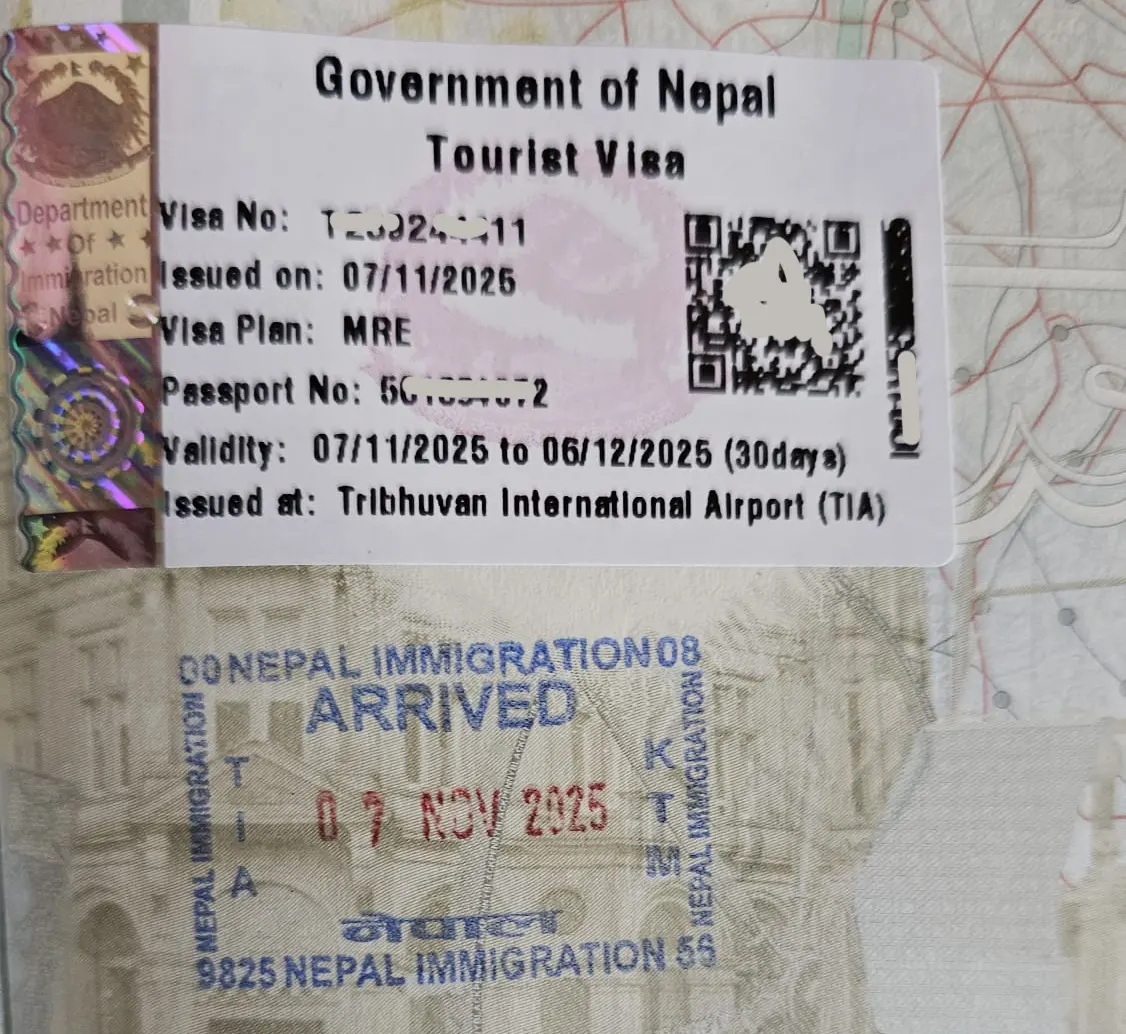
Visas and entry: keep it precise
Nepal’s tourist visa fees are published by the government: 15 days (USD 30), 30 days (USD 50), and 90 days (USD 125). If you need to extend the stay, official guidance outlines extension rules and fees. Department of Immigration, Nepal
For luxury travelers, the goal is simple: clear documentation, smooth entry, and no avoidable delays. Complete documentation in advance, keep digital backups, and ensure your operator verifies requirements for your nationality and routing.
Heritage entry and responsible visiting
Some heritage sites charge entry fees that vary by nationality; the Nepal Tourism Board advises travelers to check entry fees and pay at entry points.
A refined travel style also includes respectful behavior at sacred sites: modest dress, calm voices, and an understanding that you are a guest in living places of worship.
Managing weather risk with elegance
The weather is the invisible hand in Nepal. It shapes flights, mountain visibility, and road access. Monsoon months can bring flooding and landslides; the UK government’s travel advice notes that roads can become impassable and delays can occur.
A luxury planner handles this not by promising perfection, but by designing resilience: buffer time around flights, flexible scheduling for helicopter days, and alternative experiences that still feel premium.
Domestic flights and timing strategy
Domestic flying is a gift to the luxury itinerary when used intelligently. Short sectors such as Kathmandu–Pokhara (around 25 minutes, per Buddha Air’s published route information) can preserve an entire afternoon for leisure.
However, domestic flying is also weather‑sensitive. Build “soft space” into your itinerary—especially if you have an international flight to catch—and avoid scheduling tight connections on the same day as a mountain flight.
Safety, comfort, and the quiet disciplines of premium travel
High‑end travelers often ask whether Nepal is safe. Nepal is a well‑visited destination, yet responsible planning remains essential. The UK’s official travel advice provides a structured overview of entry requirements, safety and security, and insurance considerations.
Key planning priorities for a smooth luxury trip include:
- Choose comprehensive insurance that covers your activities and medical contingencies.
- Use private guides and reputable drivers on road days.
- Treat helicopters as weather‑dependent by design and avoid rigid, non‑negotiable schedules.
- Prioritize hydration, sleep, and an unhurried pace after any high‑altitude exposure.
Frequently Asked Questions
Is Nepal safe for high-end private travel?
Yes—with the same caveat that applies to any destination: plan responsibly. Consult official travel advice, ensure your insurance covers your activities, and use reputable private operators for transport and guiding.
What is the best season for Everest helicopter experiences?
Autumn (especially October and November) is widely favored for clear post‑monsoon skies, while spring is also popular for comfortable temperatures and favorable travel conditions.
Are Everest helicopter landings guaranteed?
No. Even when a route is published, landings and timing are contingent on weather and operational considerations. Published itineraries commonly include only brief landings at Kala Patthar, followed by breakfast at Hotel Everest View for comfort.
What visa should luxury travelers plan for, and what does it cost?
Official government sources list tourist visa fees as 15 days (USD 30), 30 days (USD 50), and 90 days (USD 125).
Can a luxury itinerary combine heritage and wildlife without feeling rushed?
Yes—if the rhythm is designed correctly. The UNESCO‑listed Kathmandu Valley monument zones can be toured at your own pace, while Chitwan offers a contrasting nature chapter as a UNESCO World Heritage site and Nepal’s first national park.
Why is Pokhara such a natural fit for luxury itineraries?
Pokhara blends lakeside serenity with a dramatic Himalayan backdrop; the Nepal Tourism Board highlights its pristine air, snowy peaks, and clusters of lakes, making it an ideal destination for a relaxing, view‑focused stay.
If you want Nepal to feel private, polished, and deeply personal, begin with expert planning. Share your travel dates, preferred pace, and the experiences that matter most, and a specialist can design a tailor-made Nepal tour shaped around your style. With the right planning, your custom luxury Nepal holiday will feel seamless from arrival to departure.