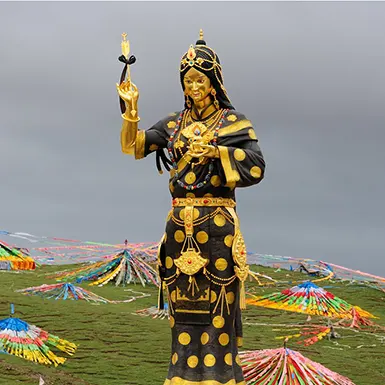
Princess Wencheng: The Tang Princess Who Transformed Tibet

A Historical Tapestry of Varied Interpretations

Princess Wencheng’s legacy, woven into the fabric of Tibetan history, continues to captivate historians and cultural enthusiasts alike. While her contributions to Tibet remain undeniable, varying interpretations of her role and actions reveal the nuanced complexities of this remarkable historical figure.

Exploring Different Perspectives: A Legacy of Many Facets

Wencheng’s story, like many historical narratives, is open to controversy and differing perspectives.

  • Heroine or Political Pawn: Some celebrate Wencheng as a courageous heroine who bravely ventured into a foreign land, bringing knowledge and progress to Tibet. Others see her as a pawn in a grand political game, and her marriage was a strategic tool to secure peace between the Tang Dynasty and the Tibetan Empire.
  • Cultural Assimilation or Preservation: Historians debate whether Princess Wencheng actively promoted the assimilation of Tibetan culture into the Tang Dynasty or if she respected and preserved Tibetan traditions while introducing new ideas and technologies. Conflicting evidence in historical sources fuels these differing interpretations.
  • Motivated by Faith: Wencheng’s devotion to Buddhism is well documented, but the extent to which her religious beliefs influenced her actions in Tibet remains a subject of ongoing discussion. Some historians emphasize her role as a devout Buddhist missionary, while others view her religious efforts as intertwined with her diplomatic mission.

A Balanced Approach: Examining the Evidence

Though sometimes fragmented and open to interpretation, historical records provide valuable insights into Princess Wencheng’s life and legacy. A balanced perspective acknowledges the complexity of her role and actions:

  • A Diplomatic Marriage: Wencheng’s marriage to Songtsen Gampo was a crucial diplomatic tool. Still, it also marked a personal trip for a young woman thrust into a new culture.
  • A Catalyst for Cultural Exchange: Wencheng brought a wealth of knowledge and skills from the Tang Dynasty. However, she also showed a willingness to learn from and respect Tibetan customs and traditions, fostering a genuine cultural exchange that enriched both societies.
  • A Spiritual Advocate: Wencheng’s unwavering Faith in Buddhism undoubtedly influenced her actions in Tibet. However, her religious efforts extended beyond mere proselytizing. She sought to share a philosophy that she believed could bring peace and harmony to the region.
Wencheng
Princess Wencheng

Her Radiance Continues to Illuminate Tibet

Princess Wencheng’s tour from the Tang court to Tibet surpassed mere marital alliance; she became a beacon of unity, cultural exchange, and enlightenment. Through her unwavering spirit, she transformed a diplomatic mission into a legacy that continues to shape Tibetan life. Her impact speaks volumes about her strength, resilience, and intercultural connections’ transformative power.

Reflecting on Princess Wencheng’s Contributions

  • Diplomatic Triumph: Wencheng’s marriage to King Songtsen Gampo secured a lasting peace between the Tang Dynasty and the Tibetan Empire, ushering in an era of prosperity and cooperation. This alliance paved the way for centuries of peaceful relations and fruitful cultural exchange between these great powers.
  • Cultural Catalyst: Wencheng introduced new agricultural practices, artistic techniques, medical knowledge, and Buddhist teachings, revolutionizing Tibetan society. Her contributions touched every facet of life, from the fields to the temples, leaving an enduring mark on the Tibetan cultural landscape.
  • Spiritual Guide: Wencheng’s unwavering devotion to Buddhism sparked its widespread adoption in Tibet, shaping the region’s spiritual identity and cultural expression. The Jokhang Temple, a monument to her steadfast faith, remains a sacred destination for Tibetan Buddhists.
  • Architectural Patron: Wencheng oversaw the construction of iconic structures like the Jokhang Temple in Lhasa, leaving a permanent imprint on Tibet’s architectural heritage. Her influence is evident in the region’s unique fusion of Chinese and Tibetan architectural styles.

Princess Wencheng: A Continuing Source of Inspiration

Princess Wencheng’s story resonates with people across cultures and across time. Her courage, resilience, and unwavering belief in the power of cultural exchange continue to inspire generations. Her legacy is a reminder that even one person can make a profound and lasting impact on the world.

Discover the Rich Tapestry of Her Legacy

If Princess Wencheng’s story has sparked your curiosity, I invite you to dive deeper into this fascinating chapter of history:

  • Visit Tibet: Experience the beauty of Tibetan culture firsthand. Explore the majestic Jokhang Temple, marvel at the intricate artwork adorning Buddhist monasteries, and witness the serenity of Tibetan Buddhist practices.
  • Explore Historical Narratives: Delve into the historical records and scholarly works chronicling Wencheng’s life and times. Explore the diverse perspectives and interpretations of her role and impact on Tibetan society.
  • Engage with Tibetan Culture: Learn more about Tibetan art, music, cuisine, and religious practices. Explore the rich tapestry of Tibetan culture, forever marked by Princess Wencheng’s enduring influence.
Please enable JavaScript in your browser to complete this form.

Chimi Lhakhang: Bhutan’s Fertility Temple & the Legacy of the Divine Madman

Finding Your Way to Chimi Lhakhang: A Rewarding Journey

Nestled in Bhutan’s scenic Punakha Valley, Chime Lhakhang beckons with its unique allure. Getting there takes a little effort, but the experience is unforgettable.

Reaching Chimi Lhakhang: Your Step-by-Step Guide

  • Arrive in Punakha: Your starting point is Punakha, a charming town famous for its majestic dzong (fortress). You can easily reach Punakha by road from major cities like Thimphu (the capital) or Paro.
  • Travel to Sopsokha Village: From Punakha, hop into a taxi or catch a local bus to Sopsokha village. The 20-minute ride offers glimpses of picturesque rice paddies and traditional Bhutanese homes.
  • Enjoy the Scenic Hike: Lace up your walking shoes for the final 20-minute stretch from Sopsokha village to Chime Lhakhang. The trail winds through vibrant fields, past colorful prayer flags, with the stunning Punakha Valley unfolding around you.

Choosing Your Transportation

  • Taxi: For convenience, hire a cab in Punakha. Taxis are plentiful and will take you directly to the Chimi Lhakhang trailhead.
  • Local Bus: If you’re traveling on a budget, the local bus between Punakha and Sopsokha village is a great option. However, the bus schedule might be limited.
  • Private Car: Want a more personalized touch? Book a private car and driver for a comfortable tour and insider tips.

Tips for a Smooth Visit

  • Early Bird Gets the Views: Head out early to beat the heat and soak in the cooler morning air during your hike.
  • Footwear Matters: The path to Chime Lhakhang includes a gentle slope and uneven terrain, so wear comfortable walking shoes.
  • Hydration is Key: For a safe and enjoyable hike, stay hydrated by bringing a reusable water bottle and sipping regularly.
  • Respectful Attire: As you will know, Chime Lhakhang is a sacred place. Therefore, when you go there, please dress modestly and remove your shoes.
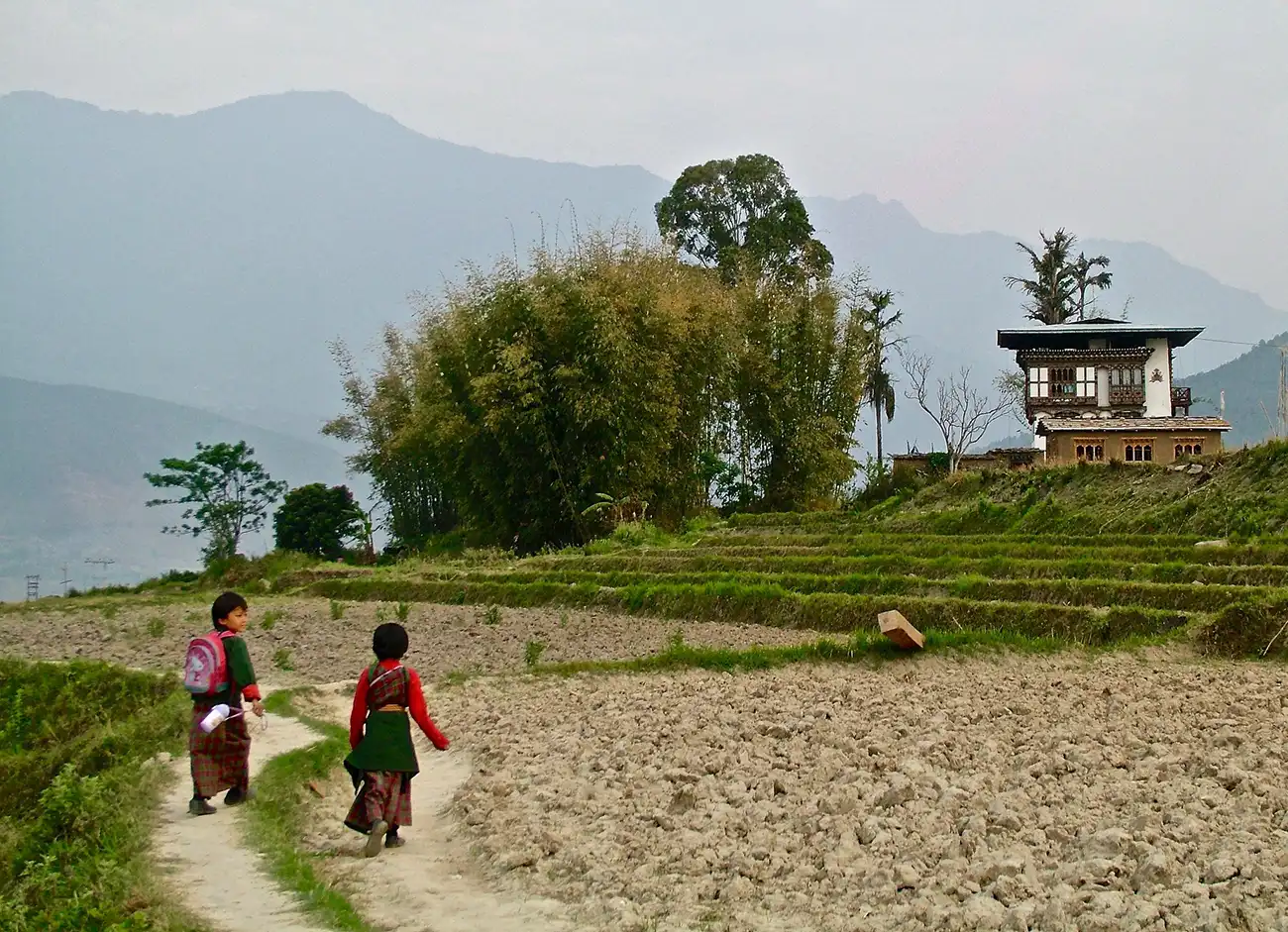
Schoolchildren returning home, Sopsokha Village

Exploring Punakha Beyond Chimi Lhakhang: A Complete Guide to Local Gems

A visit to Chimi Lhakhang is just the beginning of your Punakha adventure. This captivating region offers a wealth of cultural and natural wonders to explore. Here’s a glimpse of what you can discover nearby:

Majestic Dzongs: Architectural Marvels

  • Punakha Dzong: This imposing fortress, known as the “Palace of Great Happiness,” stands at the confluence of two rivers. Explore its intricate woodwork, vibrant murals, and sacred relics.
  • Wangdue Phodrang Dzong: Situated on a ridge above the Puna Tsang Chhu and Dang Chhu rivers, this historic dzong provides breathtaking views and insights into Bhutanese history.

Serene Temples: Spiritual Havens

  • Khamsum Yulley Namgyal Chorten: This impressive temple, built to promote world peace, boasts intricate details and breathtaking views of the surrounding valley.
  • Sangchhen Dorji Lhuendrup Lhakhang Nunnery: This serene nunnery houses a 14-foot bronze statue of Avalokiteshvara (the bodhisattva of compassion) and offers peaceful walking trails.

Natural Wonders: Breathtaking Scenery

  • Punakha Suspension Bridge: Test your courage by crossing this 350-meter-long suspension bridge, offering stunning views of the river and surrounding mountains.
  • Ritsha Village: Stroll through this delightful village, famous for its traditional houses and lively community atmosphere.

Sample Itineraries: Combining Chimi Lhakhang with Local Delights

Here are a couple of suggested itineraries to make the most of your time in Punakha:

One-Day Itinerary
  • In the morning, visit Chime Lhakhang and receive a fertility blessing.
  • Afternoon: Explore the Punakha Dzong and enjoy a relaxing walk across the Punakha Suspension Bridge.
Two-Day Itinerary
  • Day 1: Hike to Chime Lhakhang in the morning, then spend the afternoon exploring Punakha Dzong.
  • Day 2 In the morning, hike to Khamsum Yulley Namgyal Chorten, and in the afternoon, visit Sangchhen Dorji Lhuendrup Lhakhang Nunnery.
Traveler’s Tips
  • Hire a Local Guide: A knowledgeable local guide can enrich your experience by providing historical and cultural context for the attractions you visit.
  • Try Bhutanese Cuisine: Restaurants in Punakha offer delicious local dishes like ema datshi (chili and cheese stew) and momos (dumplings).
  • Respect Local Customs: Remember to dress modestly, especially when visiting religious sites like Chime Lhakhang and Punakha Dzong.

Chimi Lhakhang: Your Bhutanese Adventure Awaits

Chimi Lhakhang isn’t simply a temple; it’s a captivating blend of history, spirituality, and Bhutanese culture. Its association with the legendary Drukpa Kunley, the Divine Madman, adds a layer of mystique and intrigue.

Key Takeaways

  • A Fertility Pilgrimage: Chime Lhakhang is a beacon of hope for couples seeking fertility blessings. It offers a unique blend of ancient rituals and playful symbolism.
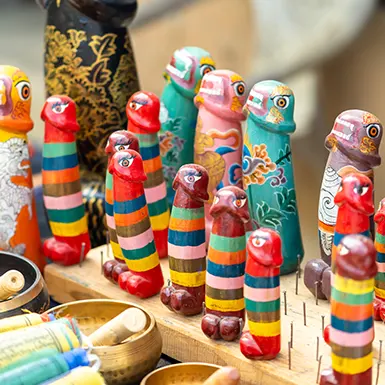
  • Architectural Marvel: The temple’s traditional Bhutanese design, vibrant murals, and striking phallic imagery showcase the region’s rich artistic heritage.
  • Spiritual Oasis: Beyond its focus on fertility, Chime Lhakhang offers a serene space for meditation, reflection, and connecting with Bhutanese Buddhist traditions.
  • Accessible Adventure: Reaching Chime Lhakhang is a trip, and a scenic hike through the Punakha Valley enhances the overall experience.

Don’t Just Dream, Discover!

Chimi Lhakhang isn’t a place to read about – it’s a destination to experience firsthand. Walk in the footsteps of pilgrims, marvel at the temple’s unique architecture, and perhaps even seek a special blessing of your own. Your Bhutan Tour won’t be complete without a visit to this extraordinary site.

Ready to Begin?

Let Chimi Lhakhang enchant you with its vibrant energy, captivating history, and spiritual essence. Plan your visit today and discover the magic that awaits in the heart of Bhutan.

Please enable JavaScript in your browser to complete this form.

The Visionary Reign of Jigme Dorji Wangchuck: Bhutan’s Father of Modernization

A Legacy of Visionary Leadership: Jigme Dorji Wangchuck’s Enduring Impact on Bhutan

Jigme Dorji Wangchuck’s reign is a transformative era in Bhutanese history. His visionary leadership and tireless efforts paved the way for a modern Bhutan that thrives today. The very fabric of Bhutanese society embodies his legacy, shaping the nation’s present and guiding its future.

Summary of Contributions

Jigme Dorji Wangchuck’s contributions to Bhutan are vast and far-reaching. He modernized the country’s infrastructure, established democratic institutions, championed environmental conservation, and fostered economic development. He led Bhutan out of isolation, forging diplomatic relations with other nations and securing Bhutan’s place in the international community.

The King’s commitment to education, healthcare, and the well-being of his people laid the groundwork for Bhutan’s impressive progress in these areas. His emphasis on preserving Bhutan’s unique cultural identity ensured that modernization did not come at the cost of tradition.

Continued Relevance in Present-Day Bhutan

Jigme Dorji Wangchuck’s reforms and vision remain highly relevant in present-day Bhutan. The foundations he laid for modernization, democracy, and sustainable development continue to guide the nation’s policies and initiatives.

His emphasis on Gross National Happiness, a holistic development philosophy that prioritizes well-being over material wealth, has become a guiding principle for Bhutan’s development model. The King’s legacy of environmental stewardship is evident in Bhutan’s commitment to conservation and its status as a carbon-neutral country.

Please enable JavaScript in your browser to complete this form.

Tachogang Lhakhang: Bhutan’s Temple of the Excellent Horse

Personal Encounters with Bhutan’s Spiritual Heart

The magic of Tachogang Lhakhang extends beyond its physical beauty and historical significance. It touches the hearts and souls of those who visit, leaving lasting impressions and cherished memories.

Testimonials and Reflections

“Crossing the iron bridge felt like stepping back in time. The serenity of the temple grounds enveloped me, and the sound of the monks’ chanting filled the air. It was a truly spiritual experience.” – Sarah L., Canada.

“The vibrant murals inside Tachog Lhakhang told stories of Bhutan’s rich history and beliefs. I felt a deep connection to the culture and the people.” – Tenzin D., Bhutan.

“As a photographer, I was captivated by the intricate details of the temple’s architecture and the vibrant colors of the prayer flags. But the peaceful atmosphere stayed with me long after I left.” – Kenji T., Japan.

“My visit to Tachogang Lhakhang was a highlight of my trip to Bhutan. The temple’s unique blend of history, engineering, and spirituality left me in awe.” – Maria S., Spain.

A Shared Sentiment

While the specific experiences vary, a common thread weaves through the stories of those who have visited Tachog Lhakhang. The temple can inspire awe, foster connection, and ignite a deeper appreciation for Bhutan’s rich cultural heritage.

The Essence of Tachogang Lhakhang

The tranquility of the surroundings, the vibrant colors of the murals, and the warmth of the local people leave an indelible mark on the hearts of those who visit this sacred site. It is a place where the past and present intertwine, offering a glimpse into the heart of Bhutan’s spiritual traditions.

The Timeless Allure of Tachogang Lhakhang: A Must-Visit Destination in Bhutan

Tachogang Lhakhang is a treasure trove of Bhutanese heritage. It seamlessly blends spirituality, history, and engineering marvels into a captivating destination.

In Summary
  • Spiritual Haven: This sacred temple is a beacon of Bhutanese Buddhism, offering a tranquil space for reflection and prayer.
  • Engineering Marvel: The iconic iron chain suspension bridge, a testament to Thangtong Gyalpo’s ingenuity, invites you to step back in time.
  • Cultural Gem: Explore the temple’s intricate architecture, vibrant murals, and sacred relics, each telling a story of Bhutan’s rich past.
  • Scenic Setting: It offers spiritual enrichment and natural beauty in the picturesque Paro Valley.
Your Invitation to Tachogang Lhakhang

Whether you seek spiritual solace, a glimpse into Bhutanese history, or an appreciation for architectural innovation, Tachogang awaits. It’s a place where the past and present intertwine, offering a unique experience that will resonate long after you leave. Plan your visit to Tachogang Lhakhang and discover the magic that awaits you in this spiritual and cultural haven.

Please enable JavaScript in your browser to complete this form.

Unveiling Kuensel Phodrang: Bhutan’s Majestic Buddha Point

Discover Thimphu’s Treasures

Thimphu, Bhutan’s vibrant capital, boasts a fascinating blend of tradition and modernity. Beyond Kuensel Phodrang, several iconic landmarks and cultural attractions await. Here are some highlights:

  • Tashichho Dzong: The majestic Thimphu Dzong, also known as Tashichho Dzong, is the seat of Bhutan’s government and central monastic body. If your visit coincides with the schedule, you can explore its intricate architecture, witness the daily life of monks, and catch a glimpse of essential government ceremonies.
  • National Memorial Chorten: This sizeable white chorten, adorned with golden spires, is a hub of spiritual activity. Locals circumambulate the stupa, spinning prayer wheels and offering prayers.
  • Changangkha Lhakhang: One of Thimphu’s oldest temples, Changangkha Lhakhang, is revered for its protective deities and is a popular destination for parents seeking blessings for their newborn children.
  • Folk Heritage Museum: Step back in time at the Folk Heritage Museum, where you can discover traditional Bhutanese lifestyles, crafts, and agricultural practices.
  • Textile Museum: Marvel at the intricate weaving techniques and vibrant patterns of Bhutanese textiles at the Textile Museum, a showcase of the country’s artistic heritage.
  • Motithang Takin Preserve: This wildlife preserve nestled amidst the hills is where you can encounter Bhutan’s unique national animal, the takin.
Suggested Itineraries

Here are two sample itineraries that combine Kuensel Phodrang with other local highlights:

Option 1: A Day of Spiritual and Cultural Exploration
  • Morning: Start your day with a visit to Kuensel. Sit in the morning sun, illuminating the Buddha Dordenma statue. Enjoy the serene atmosphere and take in the panoramic views of Thimphu Valley.
  • Afternoon: Head to Tashichho Dzong to explore the architectural wonder and witness the monks’ daily rituals (if accessible).
  • Evening: Visit the National Memorial Chorten for a contemplative evening stroll. Observe the locals circumambulating the stupa and experience the spiritual energy of this revered landmark.
Option 2: Combining Spirituality with Nature and Tradition
  • Morning: Visit Kuensel Phodrang and meditate or enjoy the peaceful ambiance.
  • Midday: Head to the Folk Heritage Museum to glimpse Bhutanese traditions and daily life.
  • Afternoon: Walk on the wild side at the Motithang Takin Preserve.
  • Evening: Conclude your day with a visit to Changangkha Lhakhang. Witness the traditional architecture and experience the spiritual atmosphere.

Remember, this is just a suggestion. It can tailor your itinerary accordingly based on your interests and length of stay.

Personal Encounters with Bhutan’s Spiritual Heart

Often, the impact of visiting Kuensel Phodrang goes beyond mere sightseeing. It’s a place that stirs the soul and leaves a lasting impression on travelers from all walks of life.

Sarah, a Buddhist pilgrim from Canada: “The moment I saw the Buddha Dordenma, I felt an overwhelming sense of peace wash over me. The statue’s sheer size and serene expression filled me with awe and reverence. It was as if the Buddha was watching over the valley, blessing all who came here. I spent hours meditating at Buddha Point, and the experience deepened my spiritual practice immensely.”

Tashi, a Bhutanese local: “It is a source of pride for us. It’s a reminder of our rich Buddhist heritage and the importance of compassion and wisdom in our lives. I often come here with my family to offer prayers and enjoy the tranquil atmosphere. The Buddha Dordenma statue is truly a blessing for our country.”

Carlos, a photographer from Spain, says, “As a photographer, I’ve traveled to many beautiful places, but this one stands out. The statue’s golden glow against the Himalayas backdrop is breathtaking. But it’s more than just a pretty picture. The place has a special energy you can feel when you arrive. It’s a place that inspires reflection and reminds you of what truly matters in life.”

Pema, a student from Thimphu: “I love coming to Kuensel Phodrang to study or to just relax with friends. It offers a tranquil retreat from the city’s hustle and bustle. The views here are incredible, and the statue always fills me with hope and optimism.”

Capturing the Majesty in Photographs

It is a photographer’s paradise with its majestic Buddha Dordenma statue and breathtaking panoramic views. Here are some tips and recommendations to help you capture the essence of this sacred site.

Tips for Capturing the Perfect Shot

  • Wide-Angle Lens: Use a wide-angle lens to fully capture the Buddha Dordenma statue’s grandeur and the Thimphu Valley’s sweeping views. It will help you frame the entire statue and its surroundings in a single shot.
  • Sunrise and Sunset: A unique light comes up when the sun rises and sets. The light comes up from a warm object with beauty that creates a beautiful statue in front of a person and other beautiful impressions around it.
  • Details and Close-Ups: Don’t just focus on the big picture. Capture the intricate details of the statue, such as the folds of the robes, the serene expression on the Buddha’s face, and the colorful prayer flags fluttering in the wind.
  • People and Culture: Include people in your shots to add a sense of scale and cultural context. Capture the local Bhutanese people offering prayers, spinning prayer wheels, or enjoying the peaceful atmosphere.
  • The Surrounding Landscape: Don’t hesitate to explore the Kuensel Phodrang Nature Park for additional photo opportunities. Capture the lush greenery, the vibrant flowers, and the panoramic views of the Himalayas.

Recommended Viewpoints

  • The base of the Statue: Stand at the base of the Buddha Dordenma and look up to capture its towering presence. This perspective emphasizes the statue’s sheer size and intricate details.
  • Viewing Platform: Head to the viewing platform located behind the statue. From here, you’ll get a panoramic view of the Thimphu Valley with the Buddha Dordenma in the foreground.
  • Surrounding Trails: Hike or walk along the Kuensel Phodrang Nature Park trails. These paths offer various vantage points to capture unique perspectives of the statue and the surrounding landscape.

Best Times for Photography

  • Early Morning: The morning light is soft and diffused, ideal for capturing the statue’s details without harsh shadows.
  • Late Afternoon: The golden hour before sunset casts a warm glow on the statue and the surrounding scenery, creating a magical atmosphere.
  • Clear Days: Choose a day with clear skies to ensure the best visibility of the Himalayas and the statue.

Additional Tips

  • Respect the Sacredness: Remember that it is a sacred site. Be respectful of those praying or meditating, and avoid disruptive behavior.
  • Dress Modestly: Dress appropriately, covering your shoulders and knees, as a sign of respect.
  • Be Patient: Take time and wait for the right light and composition. The results will be worth it.

A Bhutanese Treasure Awaits

It is more than a monument. It is a testament to Bhutan’s rich spiritual heritage and architectural prowess, a tranquil haven for contemplation and reflection. The towering Buddha Dordenma statue, with its golden glow and serene demeanor, symbolizes compassion, wisdom, and protection for all who visit.

From its captivating history to the vibrant cultural tapestry it weaves, it offers a truly enriching experience. The site’s accessibility and breathtaking panoramic views of the Thimphu Valley make it an essential destination for travelers seeking spiritual enrichment and natural beauty.

Whether you’re a devout Buddhist, a passionate photographer, or a curious traveler, this extraordinary Bhutanese landmark welcomes you with open arms. Discover the serenity, uncover the symbolism, and create memories at this place.

So, why wait? Plan your visit to Kuensel Phodrang and let the Buddha Dordenma’s tranquil presence guide you on a self-discovery and cultural exploration trip. Experience the magic of Bhutan’s spiritual heart for yourself.

Please enable JavaScript in your browser to complete this form.

China Tibet Visa and China Group Visa: what you need to enter Tibet from Nepal

Budgeting for Your Tibetan Dream: Costs Associated

The ethereal beauty of Tibet beckons, but navigating the visa and permit process can raise questions about cost. This guide breaks down the estimated expenses for obtaining a China Group Visa and a Tibet Travel Permit, especially when entering Tibet from Nepal.

Understanding the Price Tag: China Group Visa and Tibet Travel Permit

Here’s a breakdown of the costs to consider:

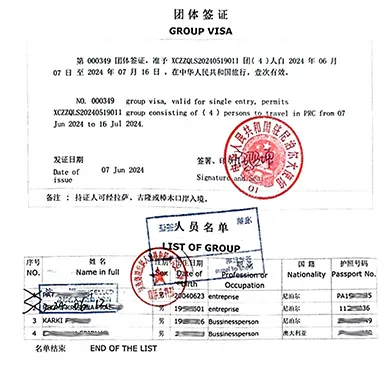
  • China Group Visa: The cost of a China Group Visa typically varies depending on your nationality and the processing speed you choose. Generally, standard processing times range from USD 125 to USD 215.
  • Tibet Travel Permit: Fees for the Tibet Travel Permit can also fluctuate slightly. Expect to pay around USD 90 to USD 120 for a standard permit.

Important Note: A reputable operator like Peregrine Treks and Tours includes these costs in the tour price when you book your Tibet tour. Peregrine Treks and Tours handles the application process for the China Visa and Tibet Travel Permit for a streamlined experience.

Additional Costs to Consider: Not Always Plain Sailing

While tour packages from Peregrine Treks and Tours often cover visa and permit fees, there might be some additional costs to factor in:

  • Expedited Processing: Peregrine Treks and Tours might offer expedited processing options for Tibet Travel Permit if you need more time. These options typically come at an extra fee.
  • Group Size Restrictions: The China Group Visa requires a minimum of four travelers. If your group falls short of this requirement, Peregrine Treks and Tours will be upfront about any surcharges to cover the additional costs of obtaining individual visas.

Remember: Consult with Peregrine Treks and Tours for a detailed breakdown of all-inclusive pricing and any potential additional fees that might apply.

Steering Clear of Stumbles: Common Mistakes and How to Dodge Them

Even the most seasoned traveler can encounter roadblocks. Here are some common mistakes to watch out for and how to ensure a smooth application process:

  • Incomplete Documentation: Double-check that all required documents, such as your passport (valid for at least six months beyond your travel dates), passport photos, and any additional forms requested by your tour operator, are complete and accurate. A missing document can significantly delay your application.
  • Visa Confusion: Make sure to distinguish a standard Chinese Visa from a China Visa. A standard visa allows entry into mainland China, but you must validate it for Tibet. The China Visa, explicitly issued for travelers entering Tibet from Nepal, requires a minimum of four travelers.
  • Ignoring Deadlines: Do not wait to apply until the last minute. Processing times for the China Group Visa (3-4 working days) and Tibet Travel Permit (8-9 working days) can fluctuate. Apply at least 20 days before your travel date to avoid last-minute stress.
  • Neglecting Tour Operator Expertise: A reputable tour operator experienced in handling Tibetan travel logistics can be your secret weapon. They can guide you through the application process, ensure all documents are in order, and expedite processing.

Wise Words for a Smooth Tour

As the Dalai Lama once said, “If you think you can, you can.” With careful planning and following these tips, obtaining the necessary permits and visas will ensure you return from your Tibet Tour. Here are some additional tips for a smooth trip:

  • Research Local Customs: If one wants a respectful and full-of-life experience, one should know the norms and traditions of the Tibetans.
  • Pack for All Weather: Tibet’s climate can be unpredictable, so pack layers of clothing suitable for cold and potentially hot weather conditions.
  • Prepare for High Altitude: Tibet has high-altitude areas—research measures to prevent altitude sickness and pay attention to your body’s need to acclimatize.

Visa Secured, Adventure Awaits: Tips for a Smooth Entry into Tibet

Once you receive your Tibet Travel Permit, these act as your key to the wonders of Tibet. However, this only marks the beginning, not the end. Here is what you need to know to ensure a smooth entry into Tibet and a memorable experience.

Crossing the Border: Essential Information for Entering Tibet

  • Entry Procedures: Upon arrival at the designated border crossing (usually Gyirong or Zhangmu), present your passport, China Visa, and Tibet Travel Permit to immigration officials.
  • Customs: Be prepared for standard customs checks. Declare any taxable items you’re carrying and politely cooperate with the officials.
  • Travel Documents: Keep your passport and Tibet Travel Permit readily accessible throughout your trip. These documents are essential for any checkpoints or unforeseen circumstances you might encounter.

Respecting Local Laws and Regulations: Ensuring a Culturally Sensitive Visit

  • Tibetan Culture: Tibet boasts a rich and unique culture. Dress modestly, respect religious sites, and avoid photographing in restricted areas.
  • Environmental Awareness: Got it! “Tibet’s landscape is breathtaking.” To minimize your ecological impact, tread lightly and dispose of waste responsibly.
  • Guide Regulations: A licensed Tibetan guide is mandatory in most areas of Tibet. They’ll ensure your safety, navigate cultural nuances, and enrich your experience.

Beyond the Basics:

  • Prepare for Altitude: The elevated landscape of Tibet may make you feel sick. It is essential to acclimate gradually, drink water, and be attentive to yourself.
  • Embrace Local Cuisine: Tibetan cuisine offers unique flavors. Try local delicacies like momos (dumplings) and yak butter tea with an open mind.
  • Learn a Few Basic Phrases: Learning a few basic Tibetan phrases like “Tashi Delek” (hello) demonstrates respect for the local culture.

Conquering the Permits: Your Guide to a Seamless Tibetan Tour

Tibet can offer adventurers majestic landscapes, vibrant culture, and great spiritual value, which attract their attention. By following the steps outlined above, you’ll be well on your way to experiencing the magic of Tibet. Here’s a quick recap:

Remember

  • The China Tibet Visa and China Group Visa are mandatory for all foreign travelers entering Tibet from Nepal.
  • Partnering with a reputable Nepalese tour operator streamlines the application process and ensures adherence to Tibetan regulations.
  • Initiate the application process well in advance (at least 30 days before your trip) to avoid last-minute delays.
  • Double-check all documentation requirements and ensure they meet the specified criteria.
  • Consider group travel (minimum of four people) to simplify the China Visa application and potentially reduce costs.
  • Respect local customs, laws, and the environment to ensure a culturally sensitive and enriching experience.
Please enable JavaScript in your browser to complete this form.

Conquering the Tibet Travel Permit Process

Tibet Travel Permit Denial: What to Do Next

While uncommon, a Tibet Travel Permit denial can occur. Here’s what you can do in this rare situation:

Understanding the Reasons (When Possible)

Unfortunately, permit denials often lack specific reasons. However, some possibilities include:

  • Incomplete or inaccurate application: Double-check for errors or missing documents.
  • Social media activity: As mentioned earlier, avoid social media posts that are critical of the Chinese government or express support for particular political views.
  • Blocked Individuals: The Chinese government might reject permits for individuals previously denied entry or involved in sensitive activities.
Seeking Help from Your Travel Agency

If officials deny your application, rely on your travel agency as your best resource. We have extensive experience navigating the Tibet Permit process at Peregrine Treks and Tours. We can:

  • Please review your application: We will review your application thoroughly to find any errors or omissions that could have led to the denial.
  • Reapply strategically: Sometimes, we can reapply for your Tibet Permit with a revised application or additional supporting documents.
  • Explore alternative options: Depending on the reason for denial, we suggest alternative itineraries or travel destinations within China.
Transparency is Key

Being upfront with your travel agency about any factors that could complicate the Tibet Permit process is essential. Here are some examples:

  • Leadership roles in Free Tibet movements: Openly advocating for Tibetan independence can significantly increase the chances of denial.
  • Tibetan heritage with a foreign passport: Tibetan-born individuals who hold passports from other countries might face stricter scrutiny.

Essential Tips for a Smooth Tibetan Adventure

Before you start your adventure, here are some additional tips to ensure a smooth and culturally enriching experience:

Cultural Sensitivity: Embracing Tibetan Traditions

Tibet boasts a rich and unique culture. Here’s how to be a respectful guest:

  • Dress modestly: Choose clothing that covers your shoulders and knees, especially when visiting monasteries and religious sites.
  • Mindful greetings: A simple nod or slight bow is a respectful way to greet locals. Avoid physical contact unless initiated by them.
  • Photography etiquette: Always ask permission before photographing people, particularly monks and nuns. Avoid taking photos in restricted areas.
  • Practice basic phrases: Learning a few basic Tibetan phrases like “Tashi Delek” (hello) demonstrates respect for the local culture.
Weathering the Elements: Packing for All Seasons

The climate of Tibet varies depending on the region and altitude. Here are all the packaging instructions:

  • Layers are essential: Pack thermals, fleece jackets, and a waterproof outer layer. Temperatures can fluctuate significantly.
  • Sun protection: Remember to consider the Tibetan solid sun. Bring sunglasses, a hat, and high-SPF sunscreen.
  • Sturdy footwear: Solid hiking boots are essential for exploring irregular terrain and deeply examining monasteries.
  • Peregrine Treks and Tours will provide a comprehensive packing list specific to your travel dates and itinerary a month before departure. It ensures you only pack what you need for a comfortable and enjoyable experience.
Essential Extras: Making Your Trip More Comfortable

Here are some additional items to consider:

  • Hydration backpack: Staying hydrated is crucial at high altitudes. A backpack with a water reservoir is convenient for this purpose.
  • Cash in small denominations: While remote areas rarely accept credit cards, you should carry some small bills for local purchases and gratuities.
  • Personal first-aid kit: Remember to bring medications for the trip. The medicine should be for common ailments travelers experience, like headaches, stomach upsets, and altitude sickness.
  • Power bank: A portable charger ensures you can stay connected and capture those unforgettable moments.
Important Considerations: Keeping Your Trip on Track
  • Journal discretion: Tibetan authorities are strict about materials related to the Dalai Lama or Tibetan independence. Leave such items at home.
  • Journalists take note: If you’re a journalist, inform Peregrine Treks and Tours in advance, as additional procedures might apply.
  • Embrace slow travel: Tibet is a place to relax and admire the surrounding beauty. Just reserve a few spots on your schedule. Altitude acclimatization also requires a slower pace.
Sealing Your Passage: Conclusion and Essential Takeaways

You can’t deny that Tibet is a fascinating place with its mystical monasteries, stunning nature scenes, and lively culture. But before you start this extraordinary adventure, securing a Tibet Travel Permit is essential. This guide has equipped you with the knowledge and practical steps to navigate this process effectively.

Critical Takeaways for a Successful Application

  • Partner with a reputable travel agency: We have the experience and expertise to guide you through the Tibet Permit application process, ensuring all documentation is accurate and complete.
  • Apply well in advance: Processing times can vary, so plan to avoid disappointment, particularly during peak seasons.
  • Be mindful of social media activity: Avoid expressing sensitive political views online that could complicate your application.
  • Double-check your application: Ensure all details on the application form match your passport information precisely.
Respecting the Tibetan Experience

Remember, Tibet is a culturally rich region with unique traditions. As you explore this captivating land, be a respectful visitor:

  • Dress modestly, especially when visiting monasteries.
  • Maintain silence and proper etiquette in religious sites.
  • Be mindful of restricted items: Avoid carrying materials promoting Tibetan independence or sensitive political topics.
Let’s Get You to Tibet!

At Peregrine Treks and Tours, we are passionate about helping you explore the wonders of Tibet. With your Tibet Travel Permit secured and the valuable insights from this guide, you are well on your way to experiencing the magic of the “Roof of the World.” Remember, respecting the regulations set forth by the Chinese government is crucial for a smooth and enjoyable trip. Together, let’s turn your dream Tibetan trip into a reality!

Please enable JavaScript in your browser to complete this form.

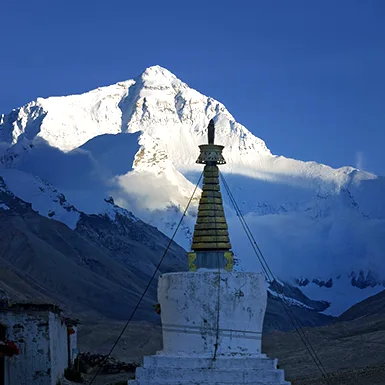
Rongbuk Monastery: A Spiritual Sanctuary at the Gateway to Everest

Safeguarding a Sacred Sanctuary: Conservation Efforts at Rongbuk Monastery

Rongbuk Monastery’s remote location and harsh environment present unique challenges for its preservation. The monastery and its surrounding ecosystem require ongoing conservation efforts.

Challenges and Considerations
  • High Altitude and Harsh Climate: The extreme altitude and frigid temperatures constantly threaten the structural integrity of the monastery buildings. Preserving the traditional materials used in construction, like mudbrick, requires specialized techniques and ongoing maintenance.
  • Waste Management: With increased tourism comes the challenge of waste management. The delicate Himalayan environment is particularly susceptible to pollution. Implementing sustainable waste disposal systems and educating visitors on responsible practices are crucial.
  • Water Scarcity: Due to climate change, there is concern that the Himalayas may soon run out of water. For its water supply, Rongbuk depends on water from melting glaciers. Conservation efforts focus on water harvesting techniques and minimizing water usage.
Collaboration for a Sustainable Future

While the challenges are significant, Rongbuk Monastery isn’t alone in its conservation efforts. Here are some positive developments:

  • Local Initiatives: The Tibetan government has implemented several programs to promote sustainable tourism practices and support local communities in protecting their environment.
  • International Collaboration: Conservation organizations are working with local authorities to develop strategies for preserving the unique ecosystem surrounding the monastery.
  • Monastery’s Role: The monks themselves play a vital role in conservation. Their respect for the natural world is consistent with the Buddhist principles of compassion and non-harm. Rongbuk can serve as a model for sustainable practices in the region.

A Legacy Enduring: Rongbuk Monastery in the Modern World

Rongbuk Monastery stands today as a testament to the enduring spirit of Tibetan Buddhism.  While centuries old, the monastery continues to evolve, adapting to the realities of the modern world while staying true to its core traditions.

A Thriving Spiritual Center
  • Monastic Life Continues: Despite facing challenges in the past, Monastery Rongbuk remains an active center for monastic Life.  A dedicated community of monks and nuns resides at the monastery, upholding daily prayer, meditation, and scripture study practices.
  • Pilgrimage Destination: Rongbuk remains a major pilgrimage destination for Buddhists from Tibet and beyond.  Visitors gather at the monastery to seek blessings, join religious ceremonies, and connect with their faith.
  • Community Outreach: The monastery also plays a role in the surrounding community. Monks often teach or bless residents, nurturing a sense of spiritual connection and cultural identity.
Balancing Tradition and Modernity
  • Sustainable Practices: As discussed earlier, it is actively involved in conservation efforts. It demonstrates an embrace of modern practices like sustainable waste management while preserving the sacred natural environment.
  • Accessibility and Technology: The presence of guesthouses and basic amenities near the monastery acknowledges the needs of modern travelers.  However, these developments are implemented with care, ensuring they don’t disrupt the tranquility of the spiritual sanctuary.

Conclusion: A Beacon of Spirituality at the Foot of Everest

Rongbuk Monastery transcends its status as the world’s highest monastery. It’s a vibrant center of Tibetan Buddhist practice and culture, where ancient traditions co-exist with breathtaking Himalayan beauty.

More Than Just an Everest Base Camp Stop
  • For trekkers attempting Mount Everest, Rongbuk is a convenient stop along the way. However, the monastery offers a far richer experience. It’s a chance to:
  • You will see how observant monks and nuns are when they do daily prayers and rituals.
  • Experience the vibrant atmosphere of Tibetan Buddhist festivals, filled with colorful displays and joyous chanting.
  • Reflect on the profound teachings of Buddhism, finding a sense of inner Peace amidst the majestic Himalayas.
  • The Dalai Lama himself said: “Peace is not something you can take for granted; it’s a product of your actions.” In line with that, Rongbuk vividly illustrates the saying. It’s a place where visitors can witness the pursuit of Peace and enlightenment firsthand.
A Living Legacy of Tibetan Buddhism

Rongbuk Monastery isn’t just a relic of the past; it’s a vibrant community that upholds sustainable practices while preserving centuries-old traditions. Visiting here provides a unique opportunity to:

  • Connect with a rich cultural heritage and gain a deeper appreciation for Tibetan Buddhism.
  • Admire the dramatic Himalayan scenery, acknowledging the profound connection between the natural world and spiritual beliefs.
  • Help preserve this sacred place by practicing responsible tourism and respecting the local culture.
Please enable JavaScript in your browser to complete this form.

The Life and Legacy of the Dalai Lama: A Journey of Spiritual Leadership and Global Advocacy

The Future Unfolds: The Tenzin Gyatso’s Legacy and the Question of Succession

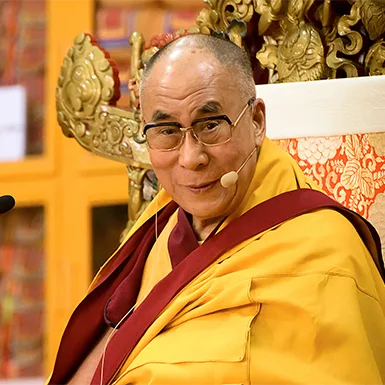
The Dalai Lama, a beacon of peace and a global spiritual leader, is nearing the twilight of his life. It raises a critical question: What will become of the Tenzin Gyatso lineage, and what will its role be in Tibetan Buddhism and global diplomacy?

A Lineage in Question

People traditionally believe that the Tenzin Gyatso is the reincarnation of his predecessor. He plays a crucial role in identifying the next incarnation, a complex process guided by visions and signs. Nevertheless, the 14th Dalai Lama, His Holiness the Dalai Lama, has issued some astonishing pronouncements on the future of the lineage.

  • Openness to Change: The Lhamo Thondup has openly stated that the Dalai Lama’s tradition may end with him. He prioritizes the well-being of the Tibetan people over the continuation of the institution and suggests exploring alternative leadership structures.
  • China’s Influence: The Chinese government asserts its right to be involved in selecting the next Tenzin Gyatso. Many see this claim as an attempt to politicize a religious tradition and control Tibetan Buddhism.
Implications for Tibetan Buddhism

The future of the Tenzin Gyatso lineage has significant implications for Tibetan Buddhism. Here are some potential scenarios:

  • Continuation of the Lineage: If a new Lhamo Thondup is identified and recognized by the Tibetan people, the lineage could continue, albeit potentially facing challenges from the Chinese government.
  • Alternative Leadership: The Tibetan Buddhist community might choose a different leadership structure, such as a council of high lamas, to preserve their traditions.
  • Uncertain Future: The most uncertain scenario involves the complete dissolution of the Dalai Lama lineage, potentially leading to a decline in Tibetan Buddhist influence.
Global Diplomacy in Flux

The Tenzin Gyatso has emerged as a powerful voice for peace and nonviolence on the world stage. His absence could create a void in global diplomacy:

  • Loss of a Moral Compass: The Tenzin Gyatso’s unique position as a spiritual leader and a political figure has allowed him to bridge divides. His absence could leave a gap in promoting peaceful solutions to international conflicts.
  • Continued Advocacy for Tibet: Without Tenzin Gyatso, the Tibetan cause for autonomy or independence might lose a prominent advocate.
A copy of "The Art of Happiness" by the Dalai Lama on a table
“The Art of Happiness” by the Dalai Lama

The Enduring Legacy: A Beacon of Peace in a Chaotic World

The Dalai Lama, a title synonymous with peace, compassion, and wisdom, transcends the boundaries of religion and politics. Tenzin Gyatso, the 14th Dalai Lama, has captivated the world with his life story and his unwavering commitment to nonviolence and happiness.

A Spiritual Leader for the World

The Tenzin Gyatso revisited old principles for the contemporary audience, acting as a Tibetan Buddhist spiritual leader. Her teachings on mindfulness, compassion, and inner peace embrace people of all faiths and backgrounds. Books like The Art of Happiness: A Handbook for Living, co-authored with psychologist Howard Cutler, offer practical guidance for cultivating a more fulfilling life.

A Champion for Peace on the Global Stage

Beyond the spiritual realm, the Lhamo Thondup emerged as a powerful advocate for peace and human rights. He was awarded the Nobel Peace Prize in 1989 and tirelessly promotes dialogue and understanding between different cultures and religions. His message of nonviolence is a crucial counterpoint to the violence and conflict plaguing our world.

A Legacy of Hope for the Future

The Dalai Lama’s legacy extends far beyond his lifetime. His teachings continue to inspire millions to develop inner peace and create a more compassionate world. The future of the Lhamo Thondup lineage and Tibetan Buddhism remains uncertain, but the core message of peace and happiness remains universally relevant.

Please enable JavaScript in your browser to complete this form.