Weather: Navigating Nature’s Rhythms
Nestled high in the Himalayas, it is crucial in shaping your trekking experience. Understanding the seasonal variations and being prepared for potential challenges is essential for a safe and enjoyable trek.
Best Time to Visit: Optimal Weather
- Spring (March-May): As winter’s chill recedes, spring breathes life into the Gokyo Valley. Days are generally clear with mild temperatures, offering stunning views of the surrounding peaks. Escape the crowds and explore a landscape painted with wildflowers. It is a prime time to experience the favorable climate.
- Autumn (September-November): Post-monsoon, autumn paints the Gokyo region in warm hues. The clear skies and pleasant temperatures make it another ideal time for trekking. Breathe in the crisp air and soak up the vibrant landscape as you begin your adventure. The climate is generally stable and predictable during this season.
Seasonal Variations: Anticipating Weather Changes
- Summer (June-August): The monsoon season brings heavy rainfall, making trails slippery and challenging. While you can behold the lush greenery, prepare for limited visibility and potential delays due to the climate.
- Winter (December-February): Temperatures plummet, and snowfall is frequent. The trails become icy and difficult to navigate. However, winter offers a unique experience with fewer crowds and a pristine, snow-covered landscape. The climate can be harsh during this time, requiring extra preparation.
Impact on the Trek: Adapting to Weather
- Trail Conditions: Rain and snow can make trails slippery and increase the risk of falls. Exercise caution and use proper trekking gear.
- Visibility: Clouds and fog can obscure views, especially during the monsoon season. The weather in the Gokyo Lakes region can be unpredictable, so plan extra time for your itinerary.
- Temperature: Temperatures can fluctuate dramatically, especially at higher altitudes. Dress in layers and pack for warm and cold conditions to accommodate changes.
- Altitude Sickness: Weather can affect acclimatization. Pay close attention to your body and descend if you experience symptoms of altitude sickness, particularly in challenging climate conditions.
Packing Essentials
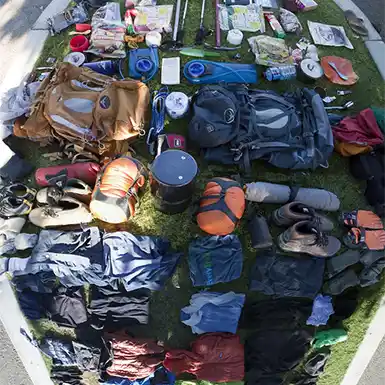
- Waterproof and Breathable Clothing: Pack a waterproof jacket, pants, and breathable layers for varying temperatures, as the weather can be unpredictable.
- Sturdy Trekking Boots: Invest in good-quality boots with ankle support to handle the rugged terrain, especially in wet or snowy climate conditions.
- Warm Layers: For colder temperatures, include fleece jackets, thermal base layers, and a warm hat and gloves, particularly during winter treks when the Gokyo Lakes Climate is harsh.
- Sun Protection: The high-altitude sun can be deceptive, even on cloudy days. Essential gear includes sunglasses, sunscreen, and a hat.
- Rain Gear: A rain poncho or umbrella is essential during the monsoon season when the climate is prone to heavy rainfall.
- First-Aid Kit: Carry a basic first-aid kit to address minor injuries and ailments.
Conservation and Environmental Impact at Gokyo
Gokyo, nestled in the Sagarmatha National Park, represents a delicate ecosystem that requires careful attention from all visitors. The area’s environmental sensitivity demands that every trekker adopt responsible practices to help preserve its natural beauty.
Preserving a Pristine Environment
Gokyo Lakes are among the highest freshwater lakes globally, which is crucial for local biodiversity. The area surrounding Gokyo Valley and Gokyo Village hosts unique flora and fauna, which are vulnerable to the increasing foot traffic of adventurers and trekkers heading towards Everest Base Camp and the trek to Gokyo Lakes. Efforts to safeguard focus on maintaining ecological balance and preserving the pristine condition of these glacial waters.
Steps to Minimize Ecological Footprints
Trekkers can significantly reduce their environmental impact at Gokyo Lakes, Nepal, by adhering to these guidelines:
- Waste Management: Carry out all non-biodegradable waste and ensure nothing is left behind to pollute the pristine environment of Gokyo Lakes, Nepal.
- Sustainable Products: Choose biodegradable personal care products to avoid contaminating the water sources around Gokyo Lakes.
- Trail Discipline: Stick to established trails to prevent soil erosion and protect native plant life in Gokyo Valley.
- Wildlife Respect: Observe wildlife from a distance without feeding or disturbing them, ensuring their natural behaviors remain intact.
Contributing to Local Conservation Initiatives
Supporting local conservation projects can enhance your impact on preserving the Gokyo Lakes in Nepal. Engage with community-led initiatives, use local services, and contribute to sustainable tourism practices that benefit the region’s ecological health and economic stability.
Capturing the Splendor of Gokyo: Ethical Photography Practices
When trekking through the breathtaking landscapes of Gokyo Lakes, it’s natural to want to capture every moment. The vibrant beauty of Gokyo, the rugged terrain of Gokyo Valley, and the awe-inspiring heights of Gokyo Ri offer endless photographic opportunities. However, responsible photography is crucial to preserving this pristine area’s natural and cultural integrity.
Understanding Ethical Photography
Photography at Gokyo goes beyond just taking pictures. It involves respecting the environment and the local communities. Here’s how you can ensure your photography respects the locale:
- Respect Local Customs: Some areas around Gokyo Lakes may have cultural sensitivities towards photography. Always ask permission before photographing local people or religious sites in and around Gokyo Village.
- Minimize Your Impact: While capturing the beauty of Gokyo Lakes, ensure you do not disrupt the natural setting. Stick to the trails and avoid trampling vegetation to get the perfect shot.
Best Practices for Outdoor Photography
- Use Natural Light: The natural light in Gokyo Valley provides perfect conditions for dramatic and soft images, especially during golden hours, shortly after sunrise and before sunset.
- Landscape Compositions: The reflective Gokyo Lakes offer stunning mirrored views of nearby peaks, including the iconic Everest Base Camp trek.
- Weather Awareness: Weather can change rapidly, offering dynamic and diverse photographic conditions. Capture the fog rolling in or the clear starry nights, but always prepare for sudden weather changes.
Gear Recommendations
- Choosing the Right Equipment: A good-quality camera with various lenses (wide-angle and zoom) is ideal for the diverse landscapes of Gokyo Lakes, Nepal. Remember spare batteries and memory cards, as cold weather can drain battery life quickly.
- Protection Against Elements: Weather at high Gokyo Ri altitude can be harsh. Protect your gear with waterproof and dustproof cases to ensure functionality in all conditions.
Leave No Trace
- Digital Over Physical: While collecting souvenirs is tempting, photographs can keep memories without taking anything from the site except images.
- Pack Out Trash: If you use props or consume food while shooting, ensure nothing is left behind. Maintaining the cleanliness of Gokyo Lakes helps preserve its allure and natural state.
A Himalayan Adventure Beyond Compare
As you plan your next trekking adventure, consider Gokyo, a destination with an unforgettable blend of natural beauty, cultural richness, and challenging treks. This region is not just a trek through the Himalayas; it explores one of Nepal’s most visually stunning and ecologically diverse areas.
Why Visit Gokyo Lakes?
Gokyo Lakes, Nepal, stand out as a premier destination for trekkers and nature lovers for several compelling reasons:
- Spectacular Scenery: The Gokyo Lakes offer a breathtaking panorama, where turquoise waters meet the sky-piercing snow-capped mountains.
- Diverse Trekking Routes: Whether exploring the Gokyo Village, ascending the challenging Gokyo Ri, or combining your trip with the Everest base camp and Gokyo lakes trek, the routes here cater to various skill levels and preferences.
- Rich Biodiversity: The region is not only beautiful but also home to a variety of flora and fauna, some of which are unique to the high-altitude ecosystem of the Himalayas.
- Cultural Experiences: The local Sherpa community in Gokyo Village offers trekkers a chance to experience and learn about a lifestyle that the rugged terrain of the mountains has shaped.
An Adventure Like No Other
Combine the physical challenge of a trek with the rewards of unparalleled natural beauty and authentic cultural encounters in Gokyo Lakes. The trek to Gokyo Lakes offers more than just a physical challenge; it’s a trek into the heart of the Himalayas that you will remember forever.
- Preparation is Key: Before you set off, ensure you’re well-prepared for the trek’s altitude and physical demands. Understanding Gokyo Lakes’ weather patterns is essential to planning your trek effectively.
- Respect the Environment: As you explore, respect the natural environment. Practicing eco-friendly trekking habits helps preserve this area for future generations.