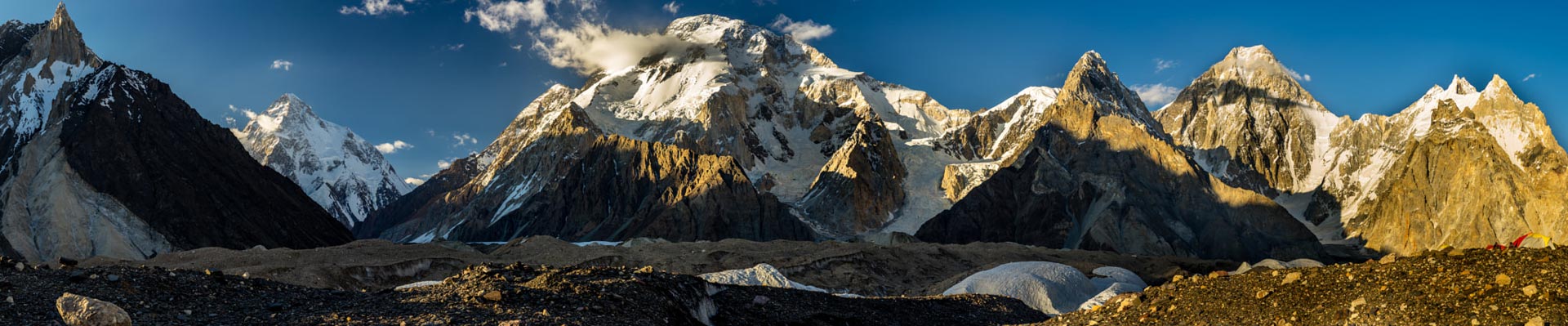
11 Days Langtang Valley Trek: Trek to the Glacial Valley

Detailed Itinerary for 11 Days Langtang Valley Trekking

Day 01: Arrival at Tribhuvan International Airport, Kathmandu(1300m)

After you arrive at Tribhuvan International Airport, one of your company’s representatives will welcome you to the airport. Then, you will be transferred to your respective hotels in a private vehicle. After the check-in, you can take a rest at the hotel. In the afternoon, you can roam around the bright streets in Thamel.

Overnight in Kathmandu.

Day 02: Drive to Syabrubesi (1450 m), 7-8 hrs drive.

After breakfast, we will take a bus ride to Syabrubesi, which is the trailhead of this Langtang trek. The drive takes us around 7 to 8 hours to reach Syabrubesi. We will drive along the Trishuli riverbank with beautiful views of the scenic meadows, valleys, rivers, and mountains. During the drive, you can have breathtaking views of the mountains, including the Ganesh Himal, Mt. Annapurna II, Manasalu, and others.

We will pass through Trishuli Bazaar, Betrawati, and Dhunche to finally reach Syabrubesi.

Overnight in Syabrubesi.

Day 03: Syaprubeshi to Lama Hotel (2480 m), 6-7 hrs of trek.

Today is the first day of our 11 Days Langtang Valley Trek. After breakfast, we start our hike toward the Lama Hotel. Firstly, we will cross the Bhote Koshi River via a suspension bridge and follow the stone-paved trail. Then we will ascend to the village of Bamboo. The trail takes us through the tropical forest covered in oak, maple, spruce, fir, blue pine, and rhododendron. From Bamboo, the trail continues to gradually ascend to Rimche (2400m) and then to Lama Hotel.

Overnight at a local teahouse in Lama Hotel.

Day 04: Lama Hotel to Mundu (3543 m) via Langtang village, 6-7 hrs of trek.

After early morning breakfast, we continue our hike towards Mundu. The trail continues to ascend from Lama Hotel. We can enjoy the mountain landscape with incredible waterfalls. The trail levels up as we reach Ghoda Tabela, and we can see the white peaks of the Langtang range. The trail continues to climb up as the valley widens and passes through incredible landscapes, lush jungles, astonishing sceneries, and some temporary settlements. We then came across a Buddhist monastery before reaching the Langtang Village, severely affected by the earthquake back in April 2015.

We continue to climb up a ridge covered by a large Chorten and walk past the Mani walls to reach Mundu’s village finally.

Overnight at a local teahouse in Mundu. 

11 Days Langtang Valley Trek

Day 05: Mundu to Kyanjin Gompa (3870 m), 3-4 hrs of trek.

Today, we will start our hike to Kyangjin Gompa, a principal monastery. The trail takes us through water mills, prayer wheels, and Chorten, with sacred mounds of rocks with inscriptions carved on them. We can witness the enormous mani wall in Nepal on the trail. Mani walls are made of stone with prayers carved on them. After the short trek, we finally reach Kyanjin Gompa. After reaching there, you can enjoy the rest of the afternoon exploring the Buddhist shrine in Kyangjin Gompa and its surrounding.

Overnight at a local teahouse in Kyanjin Gompa.

Day 06: Kyanjin Gompa to Tsergo Ri (4985 m) to Kyanjin Gompa, 6-7 hrs of trek.

Today we start very early in the morning. After having our breakfast, we will begin our walk toward Tsergo Ri, one of the famous viewpoints in the Langtang region. The trails pass through the yak pasture before ascending toward Tsergo Ri. We will also trek to the Langtang glacier and the Langshisha Kharka, a beautiful yak pasture. We will get back to Kyangjin Gompa by late afternoon and explore the beautiful monastery while enjoying views of the Himalayas.

Overnight at a local teahouse in Kyanjin Gompa.

Day 07: Trek down to Lama Hotel from Kyanjin Gompa, 6-7 Hrs of the trek.

Today, we head back to Lama Hotel, retracing the trail. The trek today is relatively easy as most of the trails are downhill. We will walk through lush forests and beautiful Tamang villages. We will walk past Mundu, Langtang village, and Ghora Tabela to finally reach our destination at Lama Hotel.

Overnight at a local teahouse in Lama Hotel.

Day 08: Lama Hotel to Syabrubesi, 4-5 hrs of trek. 

After breakfast, we trek back through the same trail passing through the bamboo and rhododendron forests to arrive at Syabrubesi. Today’s trail is mostly downhill, so it is a pretty easy day today.

Overnight in Syabrubesi.

Day 09: Drive to Kathmandu, 7-8 hrs drive.

Today we will drive back to Kathmandu from Syabrubesi. Enjoying the scenic views and bumpy rides, we will reach Kathmandu. We will drop you at your hotel in Kathmandu.

Overnight in Kathmandu.

Day 10: Kathmandu Sightseeing & Farewell Dinner

After the beautiful trek, we will have a full sightseeing day in Kathmandu. After having breakfast, you will be taken on a guided sightseeing tour around the Kathmandu Valley. You will be going around the popular touristic destinations in Kathmandu. Some are Pashupatinath, Bouddhanath, Swoyambhunath, Kathmandu Durbar Square, Patan Durban Square, and others.

After the sightseeing, we will have our farewell dinner at a  traditional Nepali Restaurant to celebrate the successful trek.

Overnight in Kathmandu.

Day 11: Transfer to the airport for your departure.

The trip concludes today. One of our representatives will transfer you to the Tribhuvan International Airport three hours before your flight departure.

If you are short on time, you can also complete this trek in 7 Days. Here is the detailed itinerary for Langtang Valley Trek 7 Days.

Conclusion,

11 Days Langtang Valley trek is one of the most amazing treks in Nepal. Walking through the lush green forests, beautiful waterfalls, diverse landscapes, and thundering rivers will give you an experience you will cherish.

Book the trip with us if you plan to go on this amazing 11 days adventure to Langtang Valley. We will organize the best Langtang trek for you.

Furthermore, if you have any questions or queries regarding this or any other trek in Nepal, please get in touch with us or read our blog on “Langtang Trek FAQs.”

15 Annapurna Base Camp Trek FAQs

Q7. Do I need travel insurance for the ABC Trek?

Travel insurance is optional. However, it is better to have travel insurance as anything can happen during the trek, such as accidents, injuries, altitude sickness, etc. Please make sure your insurance covers emergency evacuations and hospitals when you sign up for travel insurance.

Q8. Can I trek solo?

Yes, you can. Since the Annapurna region doesn’t fall under the restricted area of Nepal, you can trek to Annapurna Base Camp independently.

Related Post


Q9. What accommodation and food can I get on the Annapurna Base Camp trek?

You will be accommodated in the local teahouses and lodges in this ABC Trek. The teahouses and lodges are nice and clean with private rooms with shared or attached bathrooms. The rooms are clean and cozy. There are some community lodges on some trekking trails which are newly opened.

You can get a wide variety of fresh and healthy food in these teahouses. They offer different foods such as dal bhat, pizza, spaghetti, pasta, etc. Among these foods, Dal Bhat is the best choice as they are healthy and filling, and you can get a refill. It is the best value for money.

Q10. What are the possibilities of drinking water in Annapurna?

You can buy a water bottle on the trails for safe drinking water. But having your water bottle is much more convenient as you can fill your bottle from the teahouse and lodge. You may also take the water from the taps and use water purifying tablets during the Annapurna trek.

Q11. Should I hire a guide or porter for Annapurna Base Camp Trek?

Having a guide and porter is not mandatory for the ABC trek. However, you will have an easy and comfortable trek if you hire guides and porters.

The porter will help you carry your luggage, so you can walk freely without worrying about the burden of your luggage. On the other hand, having a guide will help you navigate through the trail and give you insight into the trekking region, flora and fauna, and the culture of the locals. They can also help negotiate with the locals and will suggest the best accommodation and food options.

Related Post


ABC Trek FAQs
Annapurna Base Camp Trek FAQs

Q12. Is there any risk of getting altitude sickness?

Yes, as you will be trekking above the altitude of 3000 meters. Each person reacts differently to the altitude regardless of their physical fitness.

Thus, it is highly recommended to learn about altitude sickness, its symptoms, and preventive measures. You should consult with your doctor about altitude sickness before the trek.

Q13. How do I avoid altitude sickness?

  • Proper Acclimatization. After you ascend 1000m, stay there for one more night to acclimatize properly.
  • Do not make a rapid ascent. Walk at a slow and steady pace.
  • Take proper rest during the trek
  • Avoid alcohol and smoking during the trek.
  • Always keep your body hydrated.
  • Trek high and sleep low.
  • If you have mild symptoms, do not proceed higher. Take aspirin tablets.
  • If you have worsening symptoms, go down immediately.


Q14. What are the required trekking gear and equipment for the Annapurna Trekking?

  • Trekking Boots and Spare Laces
  • Hat (Warm), Scarf, and Gloves
  • Waterproof Jacket
  • Trousers
  • Running shoes, Sandals, or Flip flops
  • Wool blend socks, sock liner
  • Thermal Innerwear
  • Sun Hat
  • Fleece Jacket T-Shirts (Quick Dry)
  • Down Jacket (Min -10C)


Backpack

  • Sleeping Bag and Silk Liner
  • Maps, Torch (Flash Lights), and Water Bottle
  • Duffel Bag


Other Items

  • Toiletries
  • Quick-drying Camp Towel
  • Laundry Soup Powder or bar
  • Toilet Paper
  • Sunblock Cream and Lip warm
  • Polarizing Sunglasses
  • Water Purification Tablets
  • Medical and First Aid Kit Box

Q15. Are there any ATM facilities on the trekking route?

You won’t find any ATMs on the trekking trail. So, it is suggested to withdraw the money from Kathmandu or Pokhara. Take enough amount of money to last you for the entire trek. For further information, please feel free to contact us.

10 Langtang Valley Trek FAQs: Frequently Asked Questions Regarding Langtang Valley Trek

Q8. Can I find an ATM facility during the Trek?

You won’t find any ATMs on the trekking trail, so it is better to withdraw cash from Kathmandu before your Trek.

Q9. Is there any risk of getting altitude sickness?

Yes, there is a chance of getting altitude sickness as you will be trekking above 3000 meters. Each person reacts differently to the altitude regardless of their physical fitness.

Thus, it is highly recommended to learn about altitude sickness, its symptoms, and preventive measures. You should consult with your doctor about altitude sickness before the Trek.

Q10. Do I need to have Travel Insurance?

It is not mandatory. But since you are trekking in a mountainous region, unexpected situations may occur, such as bad weather (Snow, Storms, Landslides, and other natural disasters), Acute Mountain Sickness (AMS), food poisoning, and physical accidents. Thus, it is better to have travel insurance.

Q11. Is there Wi-Fi on the Trek?

Not every teahouse offers Wi-Fi facilities. But most of the teahouse offers Wi-Fi for a cost or a small charge.

Furthermore, please feel free to contact us if you have any other questions or queries regarding this Trek or any other treks in Nepal.

Everest Base Camp Trek Distance, Length and Altitude

Everest Base Camp Trek Distance and Altitude

Everest Base Camp Trek is one of the high-altitude treks in Nepal. Thus, the altitude is one of this trek’s most vital and challenging parts.

The Everest Base Camp Trek starts from Bulk, located at 2800 meters. The trek’s highest point is Kala Patthar, at 5545 meters. Kala Patthar is the best point to view the mighty Everest and the nearby peaks.

However, you won’t spend much time in these altitudes as you hike back to Pheriche and Lukla.

Since the starting point of Everest, the trek is at such a high altitude, most people are not used to this kind of attitude. These treks involve a few days of acclimatization to the base camp during your ascent.

Itinerary and elevation of the places along the way
DayPlaceElevation
1Kathmandu1400m
2Lukla/Phakding2800m
3Namche Bazaar3441m
4Tengboche3860m
5Dingboche4350m
6Lobuche4910m
7Gorakshep to EBC to Gorakshep5170m
8Kala Patthar5545m
9Pheriche4280m
10Namche Bazaar3441m
11Lukla2800m
12Kathmandu1400m

Due to the various altitudes, there is a very high risk of altitude sickness during the trek if you don’t acclimatize properly.

So, to avoid altitude sickness, walk slowly and steadily and never rush. Take enough rest and acclimatize properly. Drink plenty of water and always keep yourself hydrated.

In case of critical problems, you can get medical assistance or helicopter evacuations if you have travel insurance for this trek.

Conclusion

Distance plays an integral part in the Everest Base Camp trek. The duration of the trek depends on Distance, length, and gradual and steady gain of altitude. Everest base camp covers a long distance and takes a certain period to accomplish. So, you must plan and prepare properly to complete the trek conveniently and quickly.

Please get in touch with us if you have any questions or queries regarding this trek.

Permits Required for Langtang Trek

2. Langtang National Park Entry Permit

Most of the Langtang region trekking lies inside the territory of Langtang National Park. Thus, you will require the Langtang National Park entry permit to enter the national park premises.

Cost of Langtang National Park Entry permit per person

  • SAARC Countries: NPR 1500, totaling NRP 1695, approximately US $17
  • Other Countries: NPR 3,000, totaling NPR 3,000, approximately US $29

Furthermore, children below ten do not require permits to trek in the Langtang region.

Where to get Langtang National Park Entry Permit?

Langtang National Park Permit is available in Nepal Tourism Board, Kathmandu. Or you can buy them at the entry point in Dhunche.

best-time-for-langtang-trek
Langtang Trek Permits – Tserko Ri

3. Shivapuri-Nagarjun National Park Entry Permits

The actual trailhead of the Langtang trek is Syabrubesi, a 7 to 8-hour drive from Kathmandu. But you may also take the alternative route to the Langtang region via the Gosaikunda-Helambu route. If you choose to trek through this route, you will require another entry permit to enter the Shivapuri National Park.

Cost of Shivapuri-Nagarjun National Park Entry Permits per person

  • SAARC Countries: NPR 600; approximately US $6
  • Other Countries: NPR 1,000; approximately US $10

Like in Langtang National Park, there is free entry for children below 10.

Where to get Shivapuri-Nagarjun National Park Entry Permits?

You can quickly get the permits from the entry point of the Shivapuri National Park.

Also, See:


What Will Happen if You Don’t Have A Permit?

Trek permits are necessary for any trekking in Nepal. There are many checkpoints along the trail where you must show your trekking permits. If you fail to deliver the permits or don’t have them with you, you will have to purchase them at the trail with an extra fine. You may also face charges and punishment by the law.

Thus, getting trekking permits in Kathmandu is recommended before starting your trek.

Also, see:

FAQs Regarding the Langtang Trek Permits

Relax and stretch on Langtang Valley

1. Is the cost of permits different for SAARC and foreign nationals?

Yes, the cost is different. The trekkers from SAARC nationals pay a little less than foreign nationals.

2. Do I need restricted area permits for the Langtang trek?

Since the Langtang region doesn’t fall under the restricted area in Nepal, you don’t need the limited area permit for the Langtang Trek. Thus, you can get it yourself and trek solo as well.

3. If I am a solo trekker, can I get the permit, or do I have to affiliate with a trekking company?

Yes, you can get the Langtang Trek to permit yourself, and you don’t have to be affiliated with a trekking company.

4. Does the cost of the permits vary depending on the trekking season?

No, it doesn’t. The cost of the Langtang Trek permits is the same throughout the year. But if you fail to get the trek permits, you have to get them on the trail, which costs you more than usual, as you will have to pay a fine for not having the permits.

5. Will I get the permits during the peak season?

You will. One can get the trekking permits at any time of the year from the Nepal Tourism Board office in Kathmandu or at the trailhead of the trek.

Furthermore, don’t hesitate to contact us if you have questions regarding the required permits for Langtang Trek or any other treks in Nepal.


Note: There is no TIMS Card Check Post in Langtang Region. So, TIMS is not mandatory for Langtang Region Trek. It would be best to obtain a TIMS card from the Nepal Tourism Board. It helps you to track if you miss the trekking trail.

When is the best time for Annapurna Base Camp Trek?

4. Annapurna Base Camp Trek in Summer/Monsoon (June-August) – The best time for Annapurna Base Camp Trek

Summer/monsoon reside in the Annapurna region during June, July, and August. Although torrential rains, plagues of sponges, and mud-slides make the monsoon period not the best time for trekking in Nepal, this is not entirely true here, where rainfall, especially in the north, is far lower than in most other regions.

On average, in the summer, the temperature ranges from 20-25 degrees Celsius during the days and 10 to 12 degrees Celsius at night. This makes trekking in lower elevations very sweaty and hot.

Most days are rainy and cloudy, which obstructs the visibility of the mountain, but it is not always the same. On a clear day, you can fully enjoy the mesmerizing views of the mountain peaks.

During this time, the vegetation is green and enticing in a dust-free environment. Also, Summer is the off-season for the Annapurna trek. So you can enjoy the trek in complete solitude.

Also, see:


ABC Trekking
Best time for Annapurna Base Camp Trek

Some Extra Tips for Annapurna Base Camp Trek

  • Walk slowly and steadily. Take enough rest and acclimatize wisely. And always keep yourself hydrated.
  • Learn about altitude sickness, its symptoms, and preventive measures.
  • Don’t plan your trek based on the weather in Pokhara or Kathmandu. The weather in the mountain region never remains constant. Do research and study the region’s weather before going on the trek.
  • Have a complete body check-up before the trek.
  • You may plan an extra day on the trip as there may be flight cancellations and problems.
  • Do proper training and prepare yourself to face any hurdles that may come your way.
  • If you are a beginner, it is always better to hire a licensed guide or porter, especially if you are trekking in the off-season.


Conclusion

Annapurna Base Camp Trek is Nepal’s second most popular trek after Everest Base. This trek will take you to the lap of Mt. Annapurna I and Machhapuchhre.

This trek is doable any time of the year with the proper preparation, training, and suitable packing. There is no specific best time for Annapurna Base Camp Trek. You need to choose your best time to ABC trek according to your preferences and what you expect from the trek.

Furthermore, if you have any questions or queries regarding this trek or any other trek in Nepal, please get in touch with us.

How Much Does Langtang Trek Cost?

5. Langtang Trek Cost of Transportation

Snapshots of the gang near Riverside
Langtang Trek Difficulty: Snapshots of the gang near Riverside

Syabrubesi is the starting point of the Langtang trek. It is about 122 km from Kathmandu, which usually takes 8 to 9 hours to reach. To get to Syabrubesi, you can travel via different transportation mediums such as local buses, private jeeps, or a tourist bus.

Traveling by a public bus is the cheapest way to travel in Nepal. But it can be pretty uncomfortable. If you want to travel comfortably, then private jeeps or tourist buses are the better options. However, private jeeps and tourist buses are more expensive than public buses. It is due to the facilities they provide.

Cost of Local Buses: US $3 (NPR 300) per person for one way.

Cost of Tourist Buses: the US $10 to $15 (NPR 1000 to 1500)

Note: The cost of traveling in a tourist bus depends on the trekking season. Traveling during peak season is more expensive than traveling during the low season.

Cost of Private Jeeps: the US $8 to $10 per person (NPR 800 to 1000)

Note: A private jeep can fit up to 7 to 8 people. So, you can share with other people or travel in a group.

6. Cost of Guide and Porter

Crossing the suspension bridge during Langtang Valley Trek

Langtang trek can be done with or without a guide. However, if you are a first-time trekker, it is better to hire a guide or a porter.

Finding the right trail in the mountain can be a challenging task. Thus, with a guide, they will assist you in navigating through the trail. Along with that, you will get more insight into the culture of the local people, flora and fauna, and everything about the trek.

Also, the guide will help you to arrange your accommodations and plan your meals. At the same time, a porter will carry your luggage on your trail.

  • Cost of a guide: US $20-25 per day
  • Cost of porter: US $15-18 per day

Furthermore, before hiring the trekking staff, please check their credentials first. Only hire them if they are government-licensed trekking staff.

Related Article

7. Miscellaneous Costs

Souvenirs

As you may know, Nepal is famous for handicrafts. The locals of the Langtang region make beautiful, handmade products like bags, purses, dried fruits, clothes, and sandals which can be great souvenirs for your loved ones.

They can also be great memorabilia for your trekking experience.

Tipping

Tipping is quite common in the tourism sector. So, it is better to tip the hotels, restaurants, guides, and porters for a job well done.

Ways to reduce the overall Trek Cost

1. Equipment, supplies, and gear

Langtang trek is a moderate difficulty level trek in Nepal. Thus, you don’t need to have fancy gear or mountaineering gear for this trek. You will require essential trekking gear, which is mentioned below.

Clothing

  • Trekking t-shirts, full-sleeved shirts, trekking pants, windproof jackets, lightweight rain jackets, and undergarments.
  • A pair of hiking boots, comfortable sandals, and a few pairs of socks.
  • Hat, sunglasses, gloves.

Toiletries:

  • Small towel, water bottle, lip care, sunscreen.

Personal items:

  • Essential documents, camera, cash.

Gears and Supplies

  • Trekking pole, map, water purifier, antiseptic cream.

I recommend you not buy any unwanted gear for this trek as you may require hiring a porter to carry that gear. This will only add up to the Langtang trek cost.

Instead of buying the gear, you can easily rent it from Thamel, Kathmandu. Depending on the gear, it can cost you around $1 to $5 per day.

Please read our article on “Langtang Valley Trek Packing List for more detailed information.”

Langtang Valley
Langtang Valley – Langtang Trek Cost

2. Local meals and drinks

When trekking in the mountains, always stick with the local staples. The typical Nepali staple food is the Dal–Bhat––Tarkari ( a meal of steamed rice, lentils, and stir-fried seasonal vegetables). It is the best food in the mountains, it is healthy, and you can ask for a refill.

Also, the local meals are cheap and high in calories. In addition to that, it is available in every teahouse, and it won’t take much time to make it.

Also, local bottled water Nepali tea is cheaper than branded ones. The local meals and drinks are also great for indulging in the local cuisines.

Tips to Minimize Your Langtang Trek Costs

  • As the price of snacks and chocolate bars skyrockets higher, it is better to bring your snack to save money.
  • Carry a solar power bank with you. Since the teahouse charges money to charge your electronics, it is better to have a power bank.
  • Pack right and carry light. Avoid unnecessary things in your backpack. Make sure it is easy to carry so that you don’t have to hire a porter.
  • Carry your tea bags and only pay for hot water.
  • Instead of buying the trekking gear, rent it from Kathmandu. It is much cheaper than buying.


Conclusion

Langtang trek is one of the best trekking destinations in Nepal, where you can experience diverse cultures, walk through diverse terrains, and be in the wilderness with rich biodiversity. Plus, the picturesque views of the majestic mountain are like the icing on the cake. And the best thing about the Langtang trek is that it is very affordable and reasonable.

Contact us if you need any information or need to book any trips in the Langtang region. Or you can read our blog on “Langtang Trek FAQs.”

How Difficult is the Annapurna Base Camp Trek?

Annapurna Base Camp Trek Difficulty In Different Seasons

Annapurna Base Camp Trekking Direction

1. Difficulties during Autumn (September, October, November)

Autumn is considered the best time to trek to Annapurna Base Camp and any other trek in Nepal. Although trekking during autumn offers perfect weather and temperature condition for trekking, you may still face some difficulties:

  • Since Annapurna Base Camp Trek is peak time, the trails are highly crowded during autumn. Thus, if you want to trek in solitude and peace, autumn is not the right time to trek.
  • It is tough to arrange accommodation and food during autumn. Thus, pre-booking is a must if you trek in the autumn season.
  • Also, accommodation and food costs are relatively lower than in the offseason.

2. Difficulties during Winter (December, January, February, March)

As the winter kicks in, the Annapurna regions get very cold. Thus, trekking to Annapurna Base Camp in Winter is very challenging. So, before deciding to trek in winter, you must think carefully and prepare well to face the challenge.

Here is a list of some challenges that you may face during the winter season:

  • Since the higher altitude temperature gets below freezing, it can snow anytime. Also, the weather can vary drastically in winter.
  • The higher altitude trails are usually covered with snow; walking on snow can be challenging and exhausting.
  • The Annapurna regions get pretty cold during winter. Also, the sunlight is not as warm as in other seasons. Thus, always keep yourself warm, especially at night.
  • One of the biggest challenges you may face is the risk of avalanches while trekking to the Annapurna Base Camp in winter.

Related Article


3. Difficulties during Spring (March, April, May)

Spring is the second-best season for Annapurna Base Camp Trek. Here are some of the difficulties you may face while trekking to ABC in Spring:

  • The trails are always crowded and noisy as spring is the peak season.
  • Finding accommodation in spring can be very difficult. If you are a solo trekker, it will be impossible to find a solo room. So, pre-booking is highly recommended.
  • The higher altitude regions are still icy during early spring.
  • You may face a few rainfalls if you are trekking in late spring. There are even chances of blurred surroundings.


4. Difficulties during Summer/ Monsoon (June, July, August, September)

Summer/Monsoon is the offseason for Annapurna Base Camp Trek. Since the region gets very hot and downpours are frequent, most people don’t prefer to trek in Summer/monsoon.

But if you have decided to trek to Annapurna Base Camp in the monsoon, then here are some of the difficulties you may face along the trail:

  • The days are sweltering and humid in the lower regions, making it challenging to trek during the daytime. You will feel hot and will get more sweaty.
  • Since there is frequent rain, the trekking trails get very wet and slippery. So, be careful while walking.
  • You will walk through various sections with risks of avalanches or mudslides.
  • The weather is foggy so you won’t get a good view of the Himalayan vistas.
  • The rain can continuously fall for a few days. Thus, you may not enjoy the trek.
  • Leeches and summer bugs add difficulties to the trek. Take table salt and insect repellents.


Trekking Gears to Avoid Annapurna Base Camp Trek Difficulty

Annapurna Base Camp Trek Packing List

1. Clothing

The weather and temperature in the mountains never remain constant. It is constantly changing. Most of the season, the morning and night are colder, while the daytime gets warm. Thus, wearing your clothes in a layer can help you tackle the weather.

This is the list of clothing that should be carried on your trek.

  • Hiking underwear
  • Hiking shirts
  • Trekking socks
  • Trekking pants
  • Rain Jacket and rain trousers
  • Lightweight down jackets
  • A pair of trekking boots
  • A pair of gloves
  • A pair of hiking sandals
  • A sun hat


2. Other accessories

  • Trekking Poles
  • Headlamp and batteries (for night walk)
  • Watch with the alarm clock
  • Polarized sunglasses
  • Sleeping bag with a liner (for extra warmth)
  • Cameras and batteries
  • Battery chargers
  • Some extra batteries
  • Energy bars or chocolates
  • Water Bottle
  • First aid kit and some medicines (for altitude sickness, diarrhea, cold, nausea, and many others)


3. Hygiene and toiletries

  • Sunscreen
  • Moisturizer
  • Lip Guard
  • Eye drops
  • Nail cutters
  • Shampoo
  • Soap
  • Towel
  • Toilet Paper
  • Hand sanitizer
  • Toothpaste and toothbrush


4. Important Documents to carry at all times

  • Passport
  • Permits
  • Enough cash (most places do not have ATMs)


Some Useful Tips on Annapurna Base Camp Trek Difficulty

  • Walk at a slow and steady pace. Take enough rest and acclimatize properly.
  • Drink enough water and always keep yourself hydrated. Avoid smoking and alcohol during the trek.
  • Do proper training before the actual trek. Work on your stamina and mental fitness to walk on the rugged terrain of the Annapurna region.
  • Always be aware of food and water hygiene. Try to avoid unclean foods and drinks during the trek.
  • Take your time to acclimatize. Make a proper acclimatization schedule. Acclimating is crucial for a successful trek.
  • Wear a kneecap if you have knee problems. The frequent walks uphill and downhill are killing.
  • Take some energy bars or chocolates. A first aid kit with essential medicines is a must.


Conclusion

The Annapurna Base Camp trek is a moderate-level trek. This trek is perfect for trekkers of all age groups. With proper training and strong willpower, you can beat every Annapurna Base Camp Trek difficulty that might come along. This trek is a lifetime kind of experience.

Please contact us for more information or check out our blog on “Annapurna Base Camp Trek FAQs.”

Experience Life Outdoors in Nepal: How to Pack Lightly for your Hiking Adventures

Nepal is a country of many things, but one of its key-defining features is the towering heights of the Himalayas. Because of this, Nepal is a popular destination for adventurous thrill-seekers who wish to experience the magic of its snowy peaks. So you’ve scoured the internet for bargain plane tickets, and you might even have booked Airbnb vacation rentals in Kathmandu, Nepal. All that’s left is to pack your bags and head to the airport. But then you ask yourself, what do you need to bring with you to Nepal? Worry not, for in this article, we list down what you need to bring on your Nepali hiking excursion. Read on.

Experience Life Outdoors in Nepal

Essentials

First things first. Here are indispensable items that should be taken care of before setting out on your Nepali adventure:

Visa, permits, and passes

There are multiple ways to apply for a visa to Nepal. You can apply for one online at the Nepal Department of Immigration website, upon arrival at the electronic kiosks at the airport, and through the Nepal embassy in your home country.

If you plan on booking a trekking company, all of these are handled for you. However, if you plan to go solo, you have to apply for all of this and pay all the necessary fees. All who wish to trek in Nepal have a Trekking Information Management System (TIMS card for $20. You can pick this up at the Nepal Tourism Board located in Kathmandu and Pokhara. Additionally, depending on your destination, you will have to pay for the conservation cost, which is usually $30.

Cash

The thing about the outdoors is that we encounter fewer conveniences than we are used to. One of these is ATMs. Be sure to bring all the cash you need with you to ensure that it is secure. Better yet, pay all the necessary fees beforehand, so you don’t have to think about them when you’re on the trek.

Camping Gear

Here are camping items that should be on your packing list

Backpack

The size of your backpack will depend on the kind of hike you’re planning for. If you are going on “teahouse treks”⁠— where you sleep on small lodges called teahouses⁠—lighter packs would suffice, unlike the more technical circuits, which would need much more gear.

Sleeping bag

Although the nights are pretty warm in the lower regions of Nepal, as you go up in elevation, it gets really cold. The teahouses also only give you a blanket to sleep in, so a warm sleeping bag is a must-have. 15-degree bags are usually alright, depending on the season.

Sleeping pad and lining

These are versatile products that can be used to increase insulation when used with a sleeping bag at higher altitudes, and can also be used as-is at lower altitudes, minus the warmth. The lining prevents your sleeping bag from soaking up moisture and oils from your body, which is terrible.

Tents

These are essential when you plan on sleeping outdoors. It helps block out the weather and protect you from the cold wind of the Himalayas.

Clothes

Packing for Nepal needs smart and careful planning. You will be dealing with cold temperatures and thin air (in higher altitudes), so you want to be as efficient as possible. Here are some items you should consider:

Long-sleaved shirts

Most hiking long-sleeve shirts would work as you can layer them on top and under them to add more insulation.

Down Jacket and Trekking pants

These are the outermost layer when worn. Down is an excellent material that is both a great insulator and lightweight. Although jumpsuit variants are available, they are less flexible and more challenging to manage than if you both these as separate items. Fleece jackets are also a great option as they are warmer than down and more comfortable to wear for some.

The base layer and thermal underwear

These items are entirely up to your preference. You can pick up a thin pair of tops and bottoms thermal base layers and a few pairs of long johns for starters. These are incredibly lightweight and pack small.

Footwear

The terrain in Nepal’s hiking trails is rocky and, overall, challenging. You need footwear that can protect you from rocks and the cold. High-altitude mountaineering boots with enough linings are your best bet.

Rain gear

Since the weather can be unpredictable up in the mountains, it’s best to bring lightweight rain gear. This includes a thin waterproof rain jacket, rain pants, and a rain cover for your backpack. Getting wet in cold weather puts you at risk of hypothermia, so staying dry should be prioritized.

Hiking accessories

Here are a few more items you should consider bringing along with you. These can come in very handy during the trip and might save you from a pinch.

First aid kit

A must-have, especially when going on outdoor excursions. It doesn’t have to be extensive, but it should cover basic supplies like bandages, antiseptics, and some over-the-counter medicine.

Fire kit

If you are staying at teahouses at night, you probably won’t need this, but it’s nice to have just in case. If you want, this could be waterproof matches, a lighter, or even a fire striker.

Headlamps

Headlamps are more convenient than flashlights because they free your hands to do whatever you need. Just be sure to pack extra batteries.

Pocket knife

This is a survivalist’s must-have. Pocket knives are versatile tools that can be used for various tasks, especially in emergencies.

Miscellaneous items

Here are a few items that didn’t fit with the categories above.

Sunscreen

Even if it’s cold up in the Himalayas, you can still get sunburnt! Because the skies are usually clear and the air is thinner, more UV from the Sun gets through.

Sunglasses

Glare and eye damage are other risks of hiking in the snow. A lot of the Sun’s rays are reflected off the snow-covered ground. Snow sunglasses protect your eyes from the glare and cold winds.

Headgear

Hats and other head coverings are also great to have with you. Hiking caps are perfect for shielding your face from the Sun further, and wool beanies are great to keep your noggin nice and warm.

Final Thoughts

Packing for Nepal does not need to be complicated and cumbersome. Intelligent and careful planning in building your packing list will surely make your experience more enjoyable.