Lukla Airport: The Gateway to Everest – Unveiling Tenzing Hillary Airport

Accommodation and Services in Lukla: Ensuring a Comfortable Stay

Accommodation Options

Lukla offers a variety of accommodation options to suit travelers staying overnight. These lodgings range from cozy teahouses to comfortable guesthouses and some luxury lodges. Teahouses are popular with trekkers, offering simple yet charming rooms and hearty meals. Guesthouses often offer private rooms with attached bathrooms, ideal for those seeking more comfort. For travelers seeking luxury, some lodges offer well-appointed rooms with modern amenities such as hot showers and Wi-Fi.

Essential Services

Besides accommodation, Lukla provides various essential services to ensure travelers’ convenience.

  • Restaurants and Cafes: Lukla boasts numerous eateries serving local and international cuisine, allowing travelers to refuel after trekking.
  • Shops and Supplies: Travelers can find shops selling trekking gear, clothing, snacks, and other essential supplies, eliminating the need to carry everything from home.
  • Medical Facilities: Lukla has clinics and pharmacies that provide essential healthcare services and medications for minor ailments and altitude-related issues.
  • Communication: Internet cafes and phone facilities are available to stay connected with loved ones or coordinate travel plans.
  • Money Exchange: There are currency exchange services for travelers to convert their currency into Nepalese Rupees.
  • Porter and Guide Services: Trekkers can easily hire porters or experienced guides in Lukla to assist with their Everest adventure.

Travelers to Tenzing Hillary Airport can rest assured that their accommodation and essential service needs are well catered to. With a range of options and amenities, Lukla ensures trekkers and climbers can begin their Himalayan journey comfortably and conveniently.

Tips for Travelers: Preparing for Your Lukla Adventure

Booking Tickets in Advance

When planning a trip to Lukla Airport (Tenzing-Hillary Airport), booking your flights well in advance is essential. Due to high demand, especially during the trekking season, tickets can sell out quickly. Booking early ensures you secure a seat and can better plan the rest of your journey.

Packing Essentials

Packing for Lukla requires careful consideration. Be sure to include:

  • Layers of Clothing: The weather can change rapidly, so pack layers to adjust to varying temperatures.
  • Sturdy Footwear: Invest in comfortable, waterproof hiking boots with good traction for the rugged terrain.
  • Altitude Medications: Consult a healthcare professional and carry altitude sickness medications, such as Diamox.
  • Permits and Documentation: Don’t forget your passport, trekking permits, and required identification.

Permits and Regulations

Trekking and climbing in the Everest region require specific permits and adherence to regulations:

  • TIMS Card: Trekkers need a Trekkers’ Information Management System (TIMS) card, which is available in Kathmandu.
  • Sagarmatha National Park Permit: For the Everest Base Camp trek, you must obtain a permit for Sagarmatha National Park.
  • Climbing Permits: Climbers need specific permits depending on the peak they aim to conquer.
  • Local Culture and Environment: Respect local customs, minimize waste, and follow the “Leave No Trace” principle.
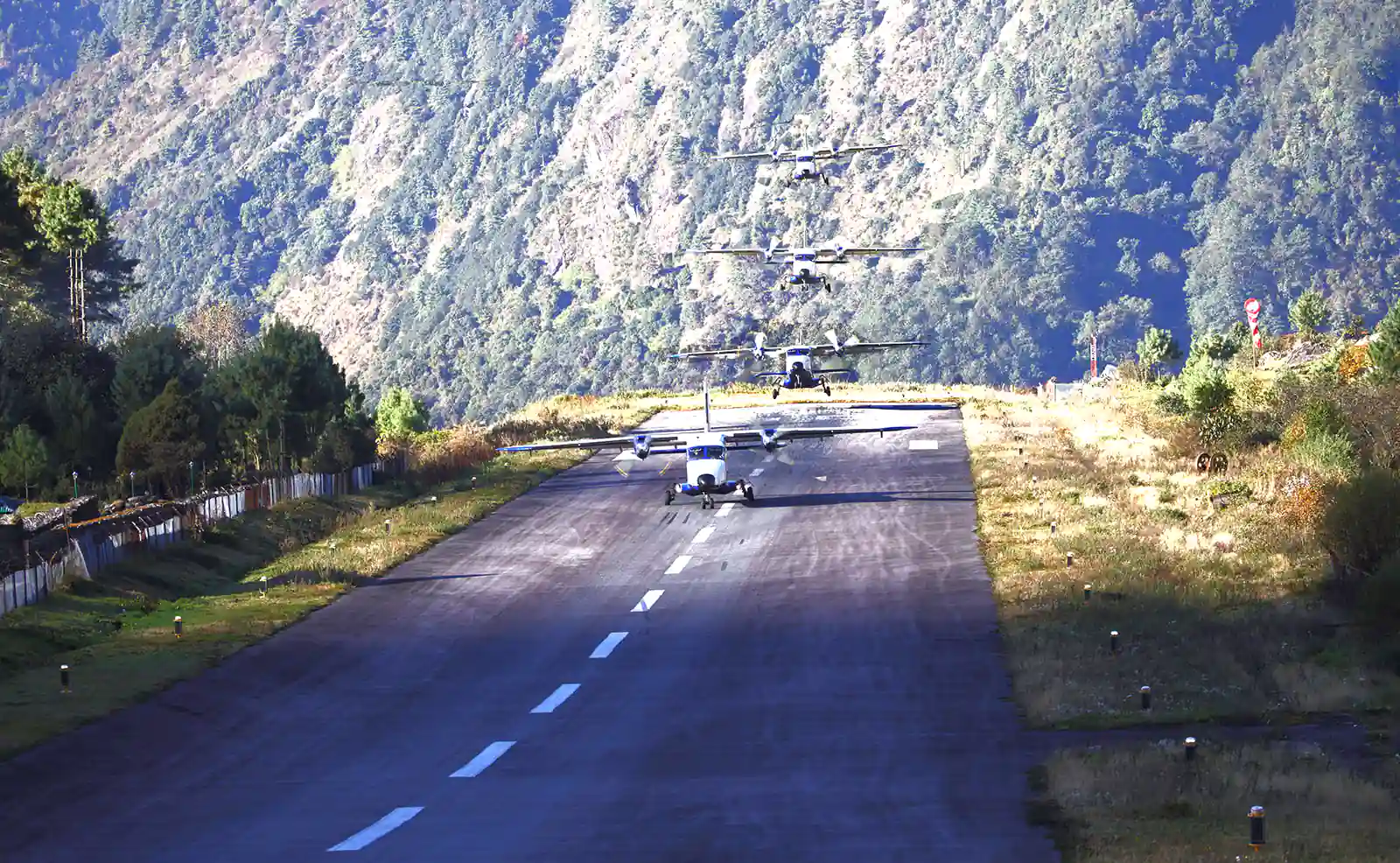
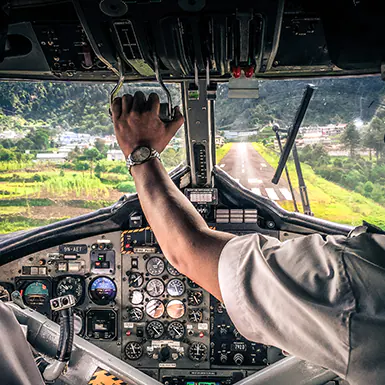
Landing at Lukla from Kathmandu

Altitude Acclimatization

As you ascend to higher altitudes, take time to acclimatize. This involves gradual climbs and rest days to prevent altitude sickness. Listen to your body and heed the advice of experienced guides.

With proper preparation, including booking in advance, packing essentials, and adhering to permits and regulations, your journey to Lukla Airport and beyond will be smoother and more enjoyable. Respect for local customs and responsible trekking practices ensure you have a positive impact on both the environment and the communities you visit.

Safety Precautions: Ensuring a Safe Journey in the Everest Region

Preparation and Caution

Traveling in the Everest region is an awe-inspiring adventure, but it comes with its share of challenges and risks. Being well-prepared and exercising caution is paramount for a safe journey. Equip yourself with suitable clothing, gear, and supplies, and familiarize yourself with the terrain and weather conditions. Always hike with a knowledgeable guide who can navigate the trails and provide essential guidance.

The Crucial Role of Acclimatization

One of the most critical safety precautions in the Everest region is acclimatization. As you climb to higher elevations, your body must acclimate to lower oxygen concentrations. Rushing the ascent can lead to altitude sickness, a potentially life-threatening condition. Take it slow, allowing for acclimatization days during your trek. Pay attention to your body’s signals and promptly descend to lower elevations if you encounter symptoms such as headaches, nausea, or fatigue.

Medical Facilities and Assistance

While adventure beckons in the Everest region, it’s essential to remember that medical facilities are limited and remote. Therefore, taking safety precautions is imperative. Carry a basic medical kit and any personal medications you may need. Familiarize yourself with the locations of the nearest medical facilities and emergency evacuation options in case of severe health issues or accidents.

Safety should always be a top priority when exploring the Everest region. With careful preparation, a gradual approach to altitude, and knowledge of available medical facilities, travelers can ensure their well-being while savoring the incredible beauty and challenges the Himalayas offer.

Conclusion: Lukla Airport, also called Tenzing Hillary Airport – The Gateway to Himalayan Adventure

In the heart of the mighty Himalayas, Lukla Airport stands as a symbol of human tenacity and the thirst for adventure. It is not merely an airstrip but a threshold to the world’s highest peaks and the thrilling experiences that await. The significance of Tenzing Hillary Airport in facilitating adventure and exploration in the Everest region cannot be overstated. It is the starting point for trekkers and climbers that will test their limits and immerse them in breathtaking natural beauty.

While the allure of adventure is undeniable, it is equally important to approach this region with reverence for its natural wonders and respect for its indigenous culture. The Everest region is not just a playground for thrill-seekers; it is a sacred landscape and a vibrant community. Travelers are encouraged to tread lightly, minimize their environmental impact, and engage respectfully with the local culture.

With Lukla Airport as your gateway, the Everest region unfolds before you like a story waiting to be written. As you begin on this thrilling journey, remember to savor every moment, from the breathtaking vistas to the warm smiles of the Sherpa people. Adventure awaits, and with responsible exploration, you can ensure that this unique corner of the world remains a treasure for generations.

So, pack your bags, lace up your boots, and prepare for the adventure of a lifetime, starting with the exhilarating flight into Tenzing Hillary Airport. The Himalayas are calling, and Lukla is your gateway to their majestic embrace.
Please enable JavaScript in your browser to complete this form.

Everest Base Camp Trek in September

Trekking in September vs. Other Seasons for the Everest Base Camp Trek:

Trekking to Everest Base Camp is a remarkable adventure, but choosing the right season can significantly impact your experience. Here’s a comparison of trekking in September with other months, considering the pros and cons:

Trekking in September:

Pros:
1. Moderate Weather: September marks the end of the monsoon season, bringing moderate temperatures and clear skies. This means excellent visibility for mountain views.

2. Fewer Crowds: Compared to peak trekking months (spring and autumn), September sees fewer tourists, resulting in less crowded trails and teahouses.

3. Lush Landscape: The monsoon rains rejuvenate the landscape, painting the hillsides with vibrant greens and blooming wildflowers.

Cons:
1. Occasional Rain: While the monsoon wanes, occasional rain showers can still occur. Trekkers should be prepared for wet weather.

2. Chilly Nights: Nights can be cold, especially at higher altitudes. Proper gear is essential to stay warm.

Trekking in Other Seasons (Peak vs. Off-Peak):

Peak Seasons (Spring and Autumn):

Pros:
1. Stable Weather: Spring (March to May) and autumn (late September to November) offer the most stable weather conditions, with warm days and clear skies.

2. Ideal for Peak Climbing: If you plan to combine trekking with peak climbing, spring and autumn are ideal due to favorable climbing conditions.

Cons:
1. Crowded Trails: These are the most popular trekking months, resulting in crowded trails, teahouses, and higher prices.

Off-Peak Seasons (Winter and Monsoon):

Pros:
1. Solitude: If you prefer solitude and don’t mind colder temperatures, winter and monsoon (rainy) seasons offer quiet trails and a more peaceful experience.

2. Lower Prices: Accommodation and flights are more affordable during off-peak seasons.

Cons:
1. Cold and Challenging Weather: Winter (December to February) brings cold and harsh conditions. Monsoon (June to August) means heavy rainfall and sponges on the trails.

Trekking in September provides a well-balanced combination of favorable weather conditions and fewer crowds, making it an ideal time to explore the region. However, trekkers should be prepared for some rain and chilly nights. Selecting the optimal season depends on your preferences regarding weather, crowd levels, and desired experience while embarking on the Everest Base Camp Trek.

Conclusion:

Everest Base Camp Trek in September promises an unforgettable and unique adventure in the heart of the Himalayas. With clear skies, lush landscapes, and fewer crowds, this month offers a balanced and captivating trekking experience.

In September, you’ll witness some of the world’s most breathtaking mountain views, including the awe-inspiring Mount Everest. The landscape, painted in vibrant hues of green, welcomes trekkers with open arms, making each step a journey through natural beauty.

Interactions with the warm-hearted Sherpa community and visits to ancient monasteries offer cultural immersion. If timed right, the local festivals add more authenticity to your trek.

While the weather can be variable, with occasional rain and chilly nights, proper preparation ensures a comfortable journey. Pack the right gear, follow safety guidelines, and capture the moments with your camera.

This adventure is a perfect blend of nature’s wonders and cultural riches. It’s an opportunity to challenge yourself physically, mentally, and spiritually while basking in the glory of the world’s highest peaks.

So, you’ve ever dreamed of standing at the base of Mount Everest, inhaling the crisp Himalayan air, and connecting with the resilient Sherpa culture. September may be the perfect time to turn your dream into reality. The Everest Base Camp Trek in September awaits your footsteps and your story. Seize this opportunity to immerse yourself in a world unlike any other. Your extraordinary journey starts right here.

Please enable JavaScript in your browser to complete this form.

8 Things You Must Know About City Park Jaipur

6. Ticket prices:

When it comes to affordability, City Park Jaipur hits the mark. The park provides a variety of ticket choices tailored to accommodate different budgets and requirements. Whether you’re an individual traveller, a couple, or a family, you’ll discover an entrance fee that aligns with your preferences.

The standard entry fee is nominal for adults, making it accessible to everyone. This makes City Park Jaipur a cost-effective outing for families looking to spend quality time without breaking the bank.

Additional charges may apply if you plan to indulge in specific activities like paddle boating or attending a special event. These fees are reasonable and offer good value for the experience provided.

Season passes, and membership options are also available for frequent visitors. These offer significant savings and include perks like faster entry and discounts at in-park facilities.

It’s essential to know that ticket prices might change for special events or festivals. To ensure accurate and up-to-date details, it’s advisable to consult the official website. Online booking is available and often comes with the convenience of skip-the-line options.

7. General fee of City Park Jaipur:

Before 9 a.m.: Free

After 9 a.m.

Adult per day: INR 20

Annual Entry Fee: INR 999

Bike Parking Fee: INR 20 for 3 Hours

Car Parking Fee: INR 50 for 3 Hours

8. Tips:

Visiting City Park Jaipur soon? Make your experience seamless and enjoyable with these practical tips. Whether you’re in the process of planning your visit or seeking ways to maximize your experience, we’ve got all aspects covered for you.

Check the Weather: Jaipur’s climate can be extreme. Visit during the cooler months for a more comfortable experience. Always carry water and wear sunscreen to beat the heat if you visit in the summer.

Arrive Early: The park gets busy, especially on weekends. Arrive early to enjoy the attractions without the crowds.

Wear Comfortable Shoes: Considering the extensive exploration opportunities, you’ll engage in a significant amount of walking. Therefore, wearing comfortable footwear is essential.

Use the Map: City Park Jaipur is expansive. Grab a map at the entrance or use a digital one on your phone to navigate.

Prioritize Attractions: With so much to see and do, prioritize what interests you the most. Plan your time wisely, whether it’s paddle boating, exploring gardens, or attending events.

Pack Snacks: While food stalls are available, carrying snacks is a good idea, especially with kids.

Stay Connected: Free Wi-Fi zones are available in the park. Use them to share your real-time experience or look up additional information.

Follow Park Rules: Respect the park’s guidelines, especially those related to littering and noise levels. City Park Jaipur is a community space meant for everyone’s enjoyment.

Check for Events: The park often hosts special events and festivals. Check the schedule to see if your visit coincides with any.

Capture the Moments: Remember your camera! The park offers numerous photo ops, from scenic landscapes to cultural installations.

In summary, visiting City Park Jaipur can be a delightful experience if you come prepared. These tips aim to enhance your visit, making it not just a day out but a memorable experience.

Summary

City Park Jaipur is more than just a recreational space; it’s a comprehensive experience that offers something for everyone. From its rich history to its diverse attractions, this park is a microcosm of what makes Jaipur unique. City Park encompasses a multitude of offerings, catering to history enthusiasts, adventure seekers, and those searching for a serene escape.

The park is easily accessible, with well-paved pathways and facilities that cater to people with disabilities. Its central location in Pink City makes it a convenient destination, whether driving or public transport. Ample parking spaces and excellent connectivity add to its appeal.

When it comes to activities, City Park Jaipur doesn’t disappoint. The park provides diverse options to keep you engaged, ranging from jogging tracks to paddle boating, cultural festivals, and children’s play areas. Its commitment to environmental conservation is evident in its diverse plant life and carefully planned amenities, making it an ecological treasure trove.

Affordability is another strong suit, with a flexible and reasonable ticketing structure. The park’s generous timings make it easy for everyone to plan a visit, though checking for any special events that might alter regular hours is advisable.

To make the most of your visit, arrive early, wear comfortable shoes, and remember to carry some snacks and water. Free Wi-Fi zones, clean restrooms, and various food stalls ensure a comfortable and convenient experience.

Please enable JavaScript in your browser to complete this form.

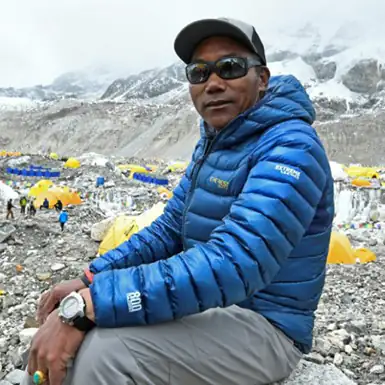
The Unstoppable Kami Rita Sherpa: Breaking Records on Mount Everest

Conclusion

In the vast and challenging world of mountaineering, Kami Rita Sherpa stands as a beacon of perseverance, dedication, and unparalleled skill. His record-breaking ascents of Mount Everest have etched his name into the annals of mountaineering history and showcased the indomitable spirit of the human will. Beyond the towering peaks and treacherous terrains, his journey is a testament to the power of passion, determination, and a deep-rooted love for the mountains.

But Kami Rita’s legacy is not just about numbers or records. It’s about the trails he’s blazed for future climbers, the lives he’s touched in his community, and the global awareness he’s raised about the challenges and beauty of the Himalayas. His commitment to giving back, mentoring the next generation, and advocating for the Sherpa community’s rights and recognition underscores his character’s depth.

As we reflect on Kami Rita Sherpa’s remarkable journey, it’s evident that his impact extends far beyond the snow-capped peaks of Everest. His story inspires all, reminding us of the incredible feats that can be achieved when passion meets perseverance. In a world filled with challenges and uncertainties, Kami Rita Sherpa’s legacy shines as a beacon of hope, resilience, and the enduring spirit of adventure.

Please enable JavaScript in your browser to complete this form.

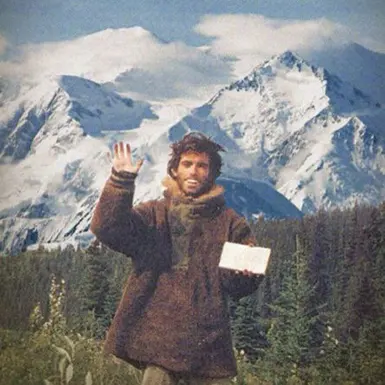
The Last Photo of Chris McCandless: A Symbol of Adventure, Legacy, and Reflection

FAQs about the last photo of Chris McCandless

  1. Who took the last photo of Chris McCandless?

While in the desolate terrains of Alaska, Chris McCandless took his photo, a poignant image that would later become iconic. Using a camera timer, he captured a snapshot that would encapsulate the culmination of his journey, leaving an indelible mark on those who came across his story.

  1. Why did Chris go to Alaska?

Chris McCandless was driven by a profound yearning for an unadulterated experience in the wilderness, untainted by the structures and expectations of modern society. He envisioned Alaska, with its vast expanses and challenging terrains, as the ultimate frontier to embark on this deep and personal exploration of self and nature.

  1. Did he have any survival training?

While equipped with fierce determination and an adventurous spirit, Chris did not have formal survival training. He heavily depended on a guidebook and trusted his instincts, a decision that has been the topic of much debate and analysis among experts and enthusiasts.

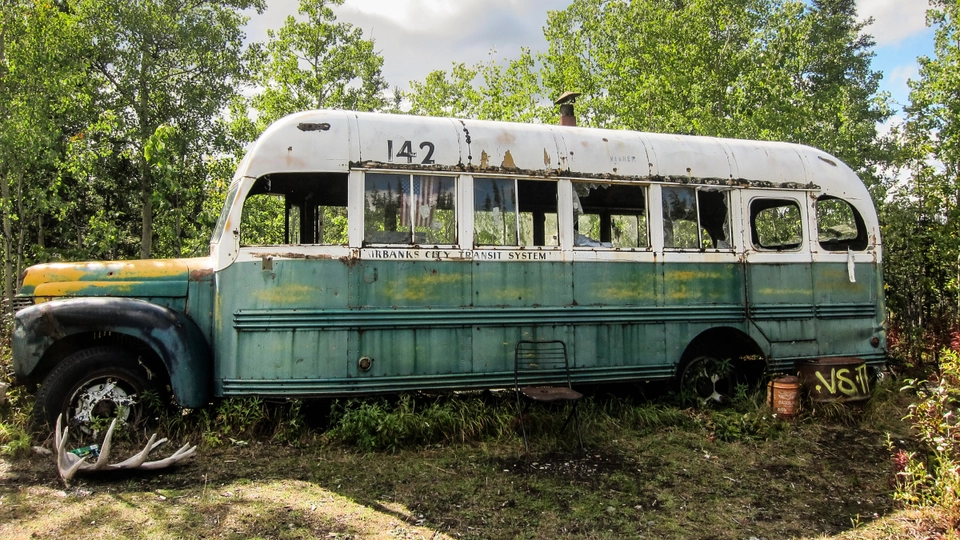
  1. What is bus 142?

Bus 142, often called the “Magic Bus”, is an old city bus abandoned in the wild terrains of Alaska. This bus became Chris McCandless’s refuge, where he documented his experiences and, tragically, where he met his untimely end. Over time, it has become a symbolic landmark for adventurers and McCandless enthusiasts.

Bus 142
Bus 142
  1. Why did his journey become so famous?

Chris’s journey into the Alaskan wilderness was catapulted into the global spotlight primarily due to Jon Krakauer’s evocative book, “Into the Wild.” The subsequent film adaptation, directed by Sean Penn, further amplified the story, making Chris’s adventures and philosophies resonate with audiences worldwide.

  1. Are there any lessons to be learned from Chris’s journey?

Indeed, Chris McCandless’s journey is a powerful tapestry of inspiration and caution. While his pursuit of authenticity and passion for exploration inspire many, his story also drives home the critical importance of preparation, the profound respect nature demands, and the necessity of recognizing one’s limitations in such formidable settings.

  1. Was the movie accurate to actual events?

The film “Into the Wild” is an artistic interpretation based on events from Chris’s life. While it stays true to the essence of his journey and spirit, some creative liberties and dramatizations were incorporated for cinematic appeal, which may not align perfectly with actual occurrences.

  1. What were Chris’s views on society?

Chris McCandless was an advocate for authentic living. He was disillusioned with societal norms, worldly pursuits, and the monotonous routines many accept without question. His actions often mirrored his beliefs, leading him to seek a life free from these societal constraints and rooted in raw, genuine experiences.

  1. Why is the last photo of Chris so significant?

The last photo of Chris McCandless serves as a powerful testament to his journey’s essence. It blends his aspirations, dreams, and the severe realities he confronted in the wild. With its mix of vulnerability and resolve, the image symbolizes the ultimate juxtaposition of man against nature, dreams against realities.

  1. Did Chris regret his decisions?

Interpreting Chris’s emotions and regrets is challenging, largely reliant on his writings and the last traces he left behind. While his journal entries and notes indicate moments of profound introspection, they also hint at possible regrets. Nevertheless, they paint a picture of a young man deeply engaged in a quest for meaning and authenticity.

More Photos:
(Clockwise from bottom left) Carine McCandless and her daughter Christiana, Shelly McCandless, Robin Wright, Sean Penn, Shawna McCandless, and Emile Hirsch on the South Dakota movie set of Into the Wild in the summer of 2006. (Carine McCandless Family Collection)
From bottom left, clockwise: Carine McCandless with daughter Christiana, Shelly McCandless, Robin Wright, Sean Penn, Shawna McCandless, and Emile Hirsch on the South Dakota set of Into the Wild’ in the summer of 2006. (Courtesy of Carine McCandless Family Collection)
Chris, Walt, Billie, and Carine at dinner after his graduation from Emory University in May 1990. (Carine McCandless Family Collection)
Chris, Walt, Billie, and Carine celebrated at a dinner following Chris’ graduation from Emory University in May 1990. (From the Carine McCandless Family Collection)
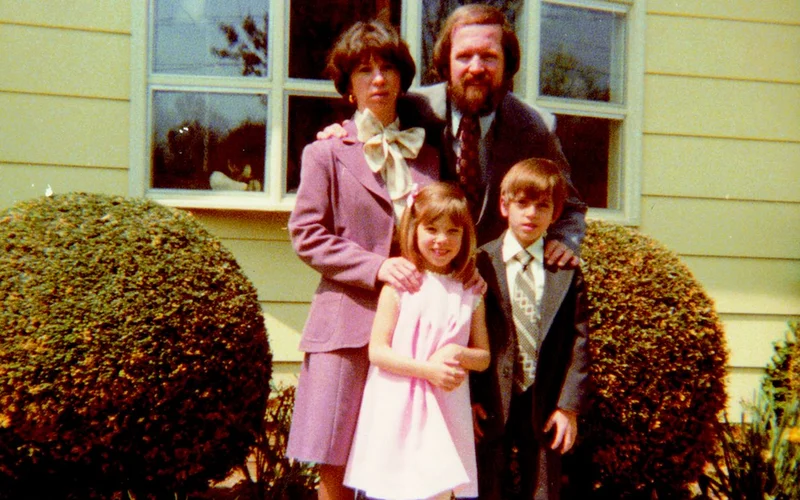
Carine, Chris, Walt, and Billie in the 1970s. (Carine McCandless Family Collection)
Carine, Chris, Walt, and Billie from the 1970s. (Collection courtesy of the McCandless Family)
Please enable JavaScript in your browser to complete this form.

Discoveries, Daring, and Delight: A Glimpse into the Q Family Adventures

4. How The Q Family Adventures Transformed Their Identity

Journeys shape us, etching memories and experiences into our being. In the case of the Q Family Adventures, travel has transcended beyond mere escapades, moulding them into storytellers, explorers, and ardent learners.

A. Crafting the Family’s Unique Persona

With every terrain, they’ve traversed and every cultural tapestry they’ve engaged with, The Q Family Adventures has cultivated an identity deeply rooted in exploration and understanding. Beyond the picturesque landscapes and enthralling destinations, it’s the way they’ve imbibed lessons from each genuinely transformative journey.

Their adventures, filled with awe and resilience, have collectively painted a vivid portrait of their family’s curious, adaptive, and ever-evolving character.

B. Chronicles of Adventure: Sharing and Inspiring

Documenting their vacations has always been paramount for the Q family. Through vivid photographs, immersive journals, and engaging digital narratives, they’ve masterfully captured the spirit of their escapades.

But The Q Family Adventures doesn’t just chronicle for posterity; they passionately share their tales to ignite wanderlust and foster a love for exploration. In the realm of travel enthusiasts and family adventurers, their SEO-optimized stories have become a beacon, guiding and inspiring many towards their quests.

C. A Clarion Call to Exploration

The adventures of the Q family aren’t merely tales of places discovered; they serve as an enduring invitation to others. Through their experiences, they resonate a powerful message: the world is vast, filled with wonders and lessons, awaiting those brave enough to step out.

By sharing the chronicles of The Q Family Adventures, they aim to inspire other families to weave their own stories of discovery, emphasizing that the true essence of travel lies not just in seeing new sights but in the transformation it brings.

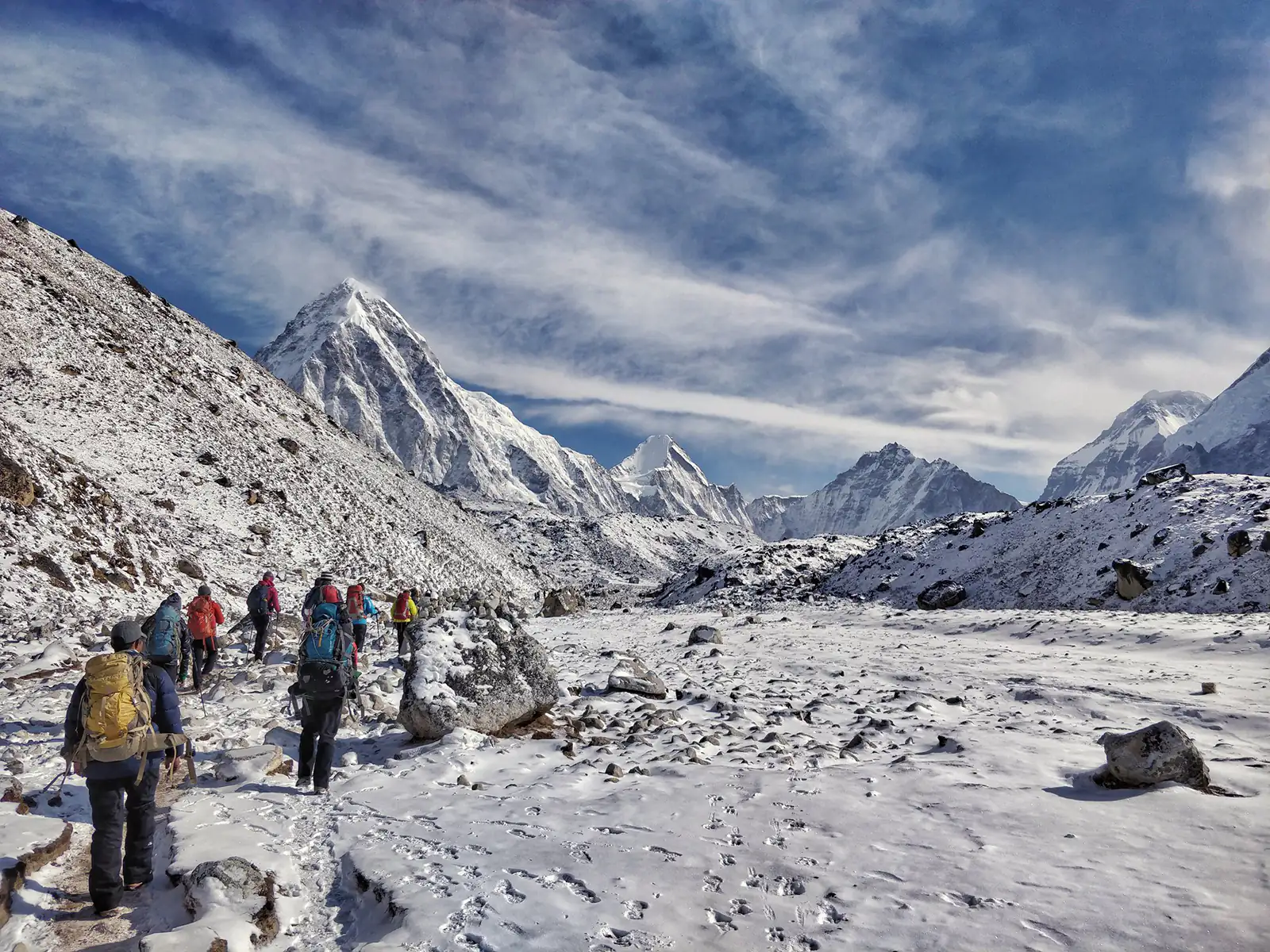
Ttekker are trekking on the snow mountain to Everest base camp , Nepal
Ttekker are trekking on the snow mountain to Everest base camp, Nepal
Conclusion

As we’ve journeyed alongside the Q Family Adventures, one truth becomes abundantly clear: the true essence of family adventures isn’t captured in photographs or souvenirs, but in the indelible imprints they leave on our souls. These grand or modest escapades infuse families with a spirit of discovery, resilience, and a bond that stands the test of time.

They remind us that life’s richest treasures aren’t found in material possessions but in shared experiences, laughter, challenges met, and horizons expanded together. As you’ve ventured vicariously through the tales of the Q Family Adventures, may it serve as a beacon, igniting a flame of wanderlust within. Let it inspire you to seek your adventures, craft your tales, and discover that the world, in all its vastness, awaits your footsteps.

Whether monumental expeditions or intimate weekend getaways, each journey promises memories to be cherished, lessons to be gleaned, and bonds to be fortified. Venture forth, for the world is an open book, and your family’s story is yet to be written.

Please enable JavaScript in your browser to complete this form.

Best Time for Everest Base Camp Trek – Month-by-Month Weather and Season Guide

When Not to Trek

Avoid the core monsoon months of late June, July, and early August for an Everest Base Camp trek. The combination of rain, clouds, and leeches, plus the logistical headaches of delayed flights, makes this period more trouble than it’s worth for most people. You would miss out on a lot of views and spend a lot of time in rain gear.

Deep winter (particularly January) is another time that many would consider “off-limits” unless you are a very well-prepared trekker or you’ve been to Everest Base Camp before and know what you’re getting into. It’s not that the trek is impossible in January, but the extreme cold and potential for snowed-in trails make it much more demanding. If you do choose a winter trek, going with a reputable guide, having flexible timing, and carrying appropriate gear are absolutely essential.

If you trek during these off-seasons, you must be flexible with your schedule and expectations. For example, during monsoon you might have to wait extra days in Kathmandu for a flight window to Lukla, or in winter you might decide to turn around early if a heavy snow is forecast.

Tips for Choosing the Best Time

  1. Plan around your priorities: If your top goal is clear mountain views, favor autumn (especially October) or late winter (November/December) when skies are clearest. If you prefer warmer weather and don’t mind some crowds, April is excellent. If you want solitude and can brave cold or rain, consider very early spring or late winter, or even monsoon’s edge in early September or late May.
  2. Book early for peak season: For March–May and September–November treks, book your Lukla flight tickets and any guide/porter services well in advance. Also, start treks early in those seasons if possible to avoid the absolute peak rush (for example, early March is less crowded than April; late September is slightly less busy than October).
  3. Allow buffer days: No matter when you trek, include a day or two extra at the end of your itinerary. Weather in the mountains (or even in Kathmandu for flights) is unpredictable year-round. An extra day can save you a lot of stress if you hit a delay. If everything goes smoothly, you get a free day in Kathmandu at the end to relax.
  4. Gear up for conditions: If you decide on a shoulder or off-season trek, equip yourself accordingly. Trekking in winter? Bring extra warm layers, good gloves, insulated boots, and a sleeping bag rated for -20°C. Going in monsoon? Make sure you have a quality rain jacket, rain pants, backpack covers, and quick-dry clothing. Even in the best seasons, pack some gear for surprises (a down jacket for cold nights in autumn, or a waterproof layer just in case a rogue shower appears in spring).
  5. Consider local events: Sometimes tying your trek with local festivals or events can enhance your experience. For instance, trekking during the Mani Rimdu festival in Tengboche (usually in October or November) can give you a unique cultural experience. Spring might coincide with Buddha Jayanti (Buddha’s birthday) or other events where monasteries have special ceremonies. These can be wonderful to witness, but also ensure you have a guide to navigate the scheduling if you plan around them.
Everest Base Camp for beginner
Best Time for Everest Base Camp Trek

Conclusion

The best time for Everest Base Camp trek is generally during spring (March–May) or autumn (September–November). These months bring stable weather, moderate temperatures, and the clearest mountain views. Spring paints the trail with wildflowers and vibrant rhododendrons, while autumn offers golden landscapes and postcard-perfect visibility.

However, there isn’t a single “must-go” time that fits everyone. An Everest Base Camp trek in spring might appeal to those who like milder nights and a bustling atmosphere with climbers around, whereas an Everest Base Camp trek in autumn is perfect for photographers seeking crystal clear panoramas. Winter treks are great for solitude and a true wilderness feel (provided you can endure the cold), and even the monsoon could intrigue the adventurous soul looking for a quiet, verdant trek.

The best time to go is ultimately when it fits your schedule and you’re prepared for the conditions. With the right preparation and mindset, you can trek to Everest Base Camp at any time of year and have an unforgettable adventure. Pick a season, do your homework on the expected Everest Base Camp weather, and gear up accordingly — the Himalayas will be waiting, whenever you’re ready.

Related Article
Please enable JavaScript in your browser to complete this form.

Essential Guide to Nepal Trekking Insurance

Selecting the Best Nepal Trekking Insurance

Choosing the best travel insurance for Nepal trekking can be challenging among the many available providers and policies. However, knowing what your insurance should encompass can make the task more manageable. Your insurance plan should ideally cover flight cancellations, lost or delayed luggage, sudden illness, and hospitalization but also include an Adventure Pack, which covers accidental incidents and other possible mishaps.

Additionally, your policy should be comprehensive, including accidental, medical, search, and rescue provisions. You should scrutinize your policy’s terms and conditions to understand what it covers and excludes. Some insurers offer optional add-ons for activities or conditions, such as extreme sports or adverse weather, which could benefit your trek.

When choosing your travel insurance for Nepal trekking, compare different providers and their offerings, considering coverage limits, deductibles, premium costs, and customer reviews. It’s also prudent to verify your chosen provider’s reputation and reliability. The finest Nepal trekking insurance is flexible in terms of coverage and cost and is not cash-based.

In conclusion, while all these providers offer quality travel insurance for Nepal trekking, it’s crucial to read and understand the terms and conditions of each policy. Ensure it includes high-altitude coverage and medical and evacuation services and suits your budget and specific requirements. The best insurance policy for your trek provides comprehensive coverage, allowing you to focus on the adventure ahead.

Summary,

Planning a Himalayan adventure is an exhilarating task, but it requires careful preparation. One of the most critical aspects of this preparation is securing the right Nepal trekking insurance, especially if you’re aiming for Everest Base Camp. Paired with preventative safety measures, having comprehensive insurance coverage can offer a safety net against unexpected events, allowing you to relish your trek with peace of mind. The journey through the Himalayas is not just about reaching your destination but also ensuring that your journey is safe, enjoyable, and unforgettable.

Please enable JavaScript in your browser to complete this form.

Exploring the Divine: An Unforgettable Muktinath Tour Package from Bangalore

Main Attractions of Muktinath: Discover the Unexplored with the Muktinath Tour Package

The Muktinath Tour Package from Bangalore offers more than just a travel itinerary; it’s a ticket to explore the uncharted terrains of spirituality, culture, and nature. Muktinath, nestled in the Himalayan landscapes, houses numerous attractions that beckon travelers from around the globe.

Undoubtedly, the main attraction of Muktinath is the sacred Muktinath Temple, revered by both Hindus and Buddhists alike. This ancient Lord Vishnu Temple is a testament to Nepal’s rich religious history and spiritual vibrancy. The temple is believed to be a moksha (liberation) place, attracting pilgrims who bathe in its 108 water spouts, known as “Mukti Dhara,” to cleanse themselves of earthly sins.

A few steps from the Muktinath Temple is the Jwala Mai Temple, another significant attraction. This unique temple houses a continuously burning flame, which Hindus believe to be the manifestation of the Goddess Jwala Devi. The miraculous flame, burning amidst a spring of holy water, leaves everyone in awe, making it a must-visit site during your Muktinath tour.

A short walk from the temple complex leads to the Gomba Samba, a Buddhist monastery showcasing Hinduism and Buddhism’s harmony in Muktinath. Here, the Buddhist monks’ melodious chants create an atmosphere of tranquility that adds to the spiritual essence of your journey.

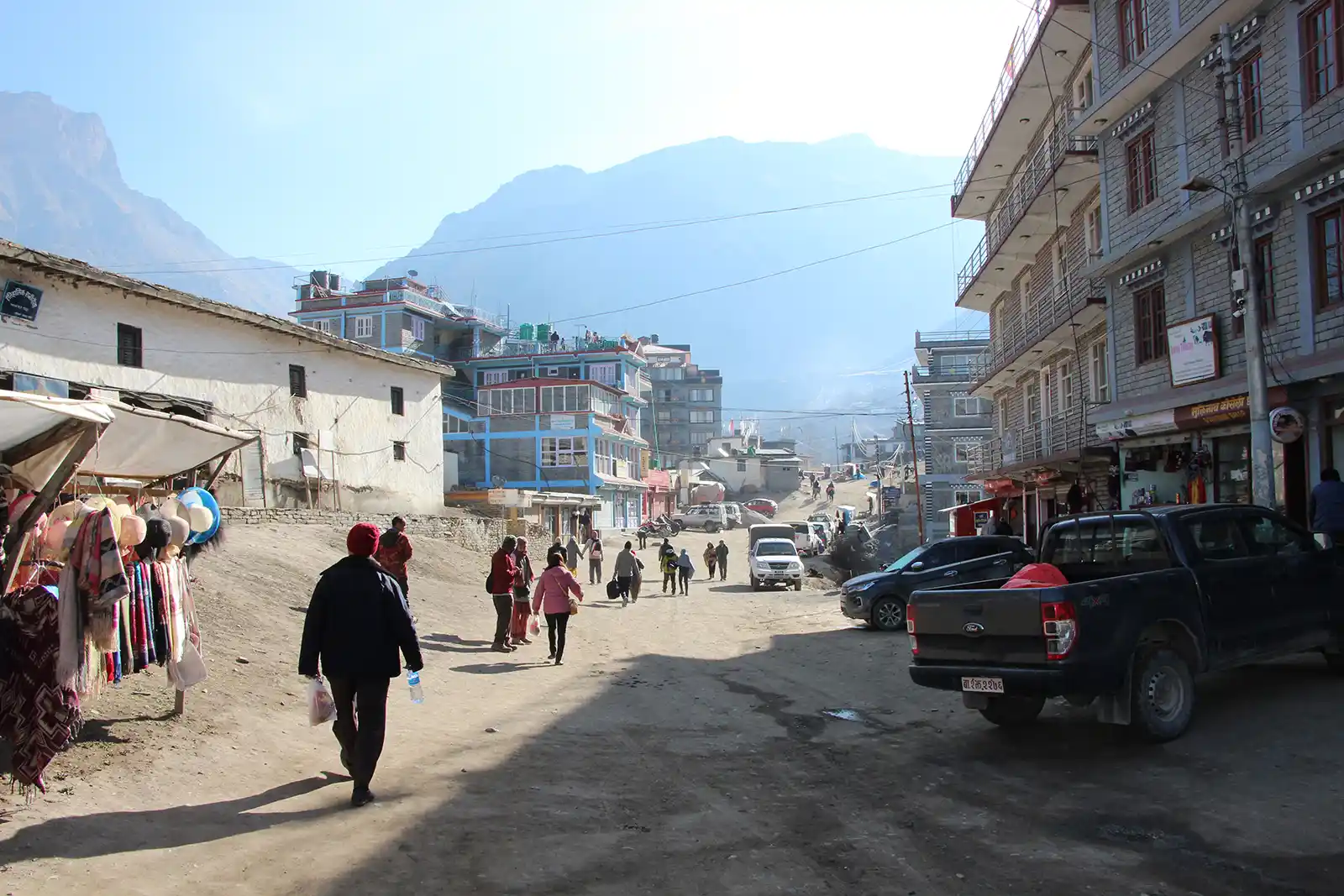
Muktinath Bazar
Muktinath Bazar

For nature enthusiasts, the Muktinath Tour Package from Bangalore offers a visual treat in the form of panoramic views of the Annapurna and Dhaulagiri ranges. As seen from Muktinath, the breathtaking sight of these towering peaks leaves an indelible imprint on every traveler’s heart.

The attractions in Muktinath go beyond its religious sites and scenic beauty. The region’s rich local culture and traditions, reflected in its handicrafts, local markets, and festivals, further enhance the Muktinath experience.

The Muktinath Tour Package from Bangalore offers a holistic exploration of Muktinath’s attractions, making it more than just a tour but a journey into the heart of Nepal’s spiritual and natural wonders. Embark on this journey, and allow Muktinath’s divine charm to enchant you!

Things to do in Muktinath: Enriching Experiences in the Muktinath

The Muktinath Tour Package from Bangalore offers more than just sightseeing. It serves up an array of activities to help you connect deeper with Muktinath’s culture, spirituality, and natural splendor.

One of the most profound experiences in Muktinath is the opportunity to partake in spiritual rituals. Taking a holy bath in the 108 Mukti Dhara or lighting a lamp in the Muktinath Temple immerses you in local religious practices and offers a sense of inner peace. Similarly, listening to Buddhist monks’ chants in Gomba Samba is another soul-soothing experience this package presents.

The Muktinath Tour Package from Bangalore provides plenty of opportunities for those who find solace in nature. From simple nature walks around the town admiring the stunning views of the Himalayas.

For the adventurous, Muktinath opens up a world of thrilling activities. The rugged terrains around Muktinath are perfect for off-road biking. Alternatively, you can take a scenic horse ride to explore the local landscapes. These activities offer a dose of adrenaline, adding an element of excitement to your spiritual journey.

As part of our package, you’ll have the opportunity to relish traditional Nepali food, providing an authentic taste of the local culture.

The Muktinath Tour Package from Bangalore also includes visits to local markets. Here, you can shop for handicrafts, prayer flags, thangkas, and more. It’s a perfect way to take home a slice of Muktinath’s unique culture and spirituality.

The Muktinath Tour Package from Bangalore offers an engaging mix of activities that promise a holistic travel experience. It’s not just about visiting a destination; it’s about becoming a part of it, immersing yourself in its spirit, and carrying home memories that will last a lifetime.

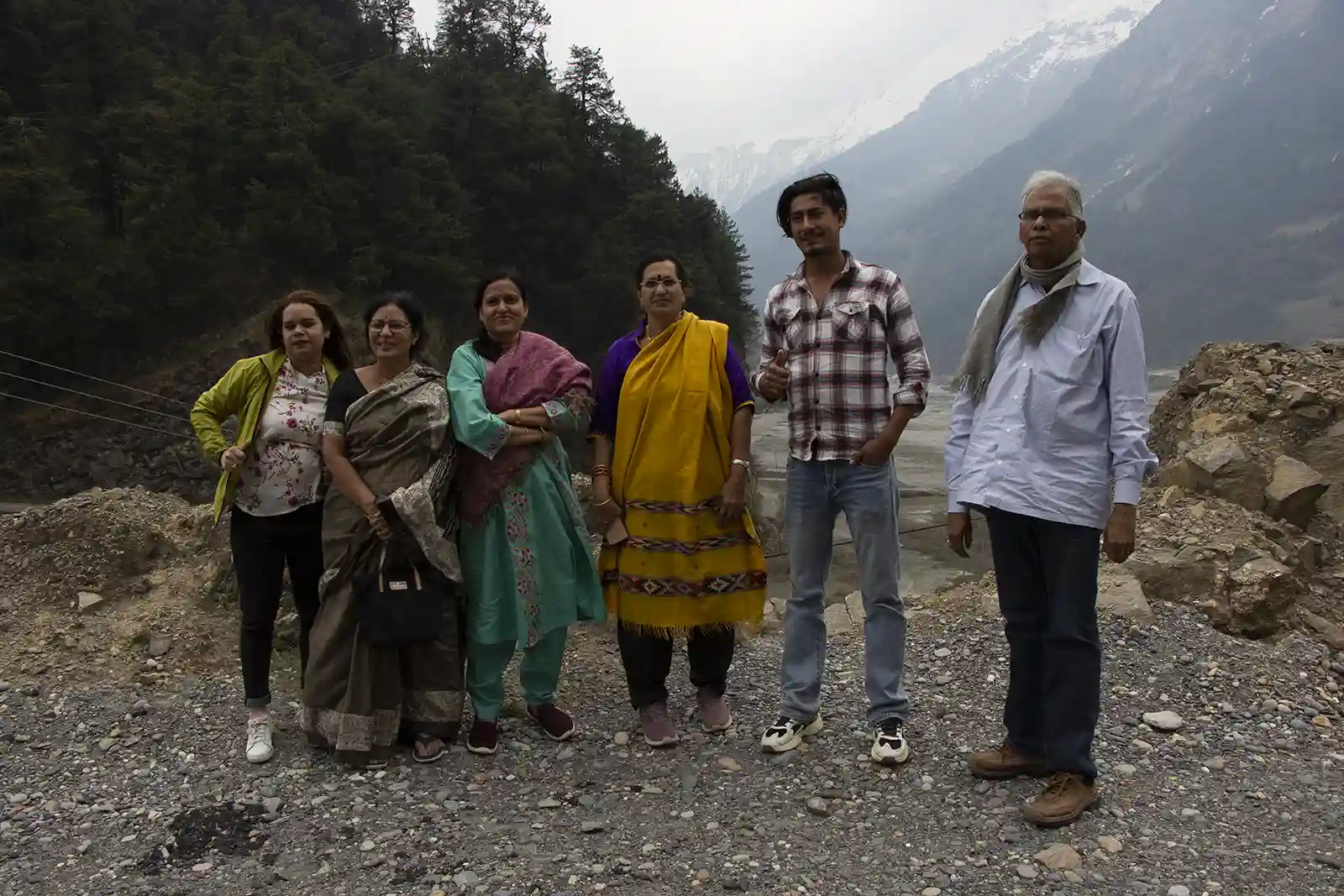
Indian People on the way to Muktinath

Muktinath Tour Package from Bangalore: An Unforgettable Adventure for All Ages

The Muktinath Tour Package from Bangalore is crafted to cater to all ages, making it an excellent choice for everyone, from solo travelers to families. Whether you’re an experienced adventurer seeking thrilling experiences or a spiritual seeker yearning for peace, this package has something unique.

For older people, Muktinath represents a journey of faith and tranquility. The pilgrimage to the sacred Muktinath Temple provides a serene atmosphere that allows you to connect with your spiritual self. Our tour ensures this journey is comfortable and safe, with well-planned logistics and caring assistance for senior travelers.

For young adults and thrill-seekers, Muktinath offers adventure and discovery. The journey from Pokhara to Jomsom, followed by a thrilling jeep or horse ride to Muktinath, is sure to satisfy the adventure enthusiast within you. This tour package provides the opportunity to experience Nepal’s rugged landscapes and stunning natural beauty firsthand.

Families traveling with children will find that the Muktinath Tour Package from Bangalore is an educational journey. Kids will be exposed to diverse cultures, ancient religious practices, and unique biodiversity, providing a learning experience beyond the conventional classroom.

Moreover, our tour package is flexible, with room for customization. If you wish to spend extra time exploring Kathmandu’s heritage sites or Pokhara’s natural beauty, arrangements can be made. After all, we believe in crafting a travel experience that aligns with your interests and pace.

In conclusion, the Muktinath Tour Package from Bangalore is not merely a travel plan but a well-curated collection of experiences suitable for all ages. Regardless of your age or travel style, this package will provide an enriching, adventurous, and memorable journey that leaves you with a treasure trove of memories. So, come aboard and experience Muktinath like never before!

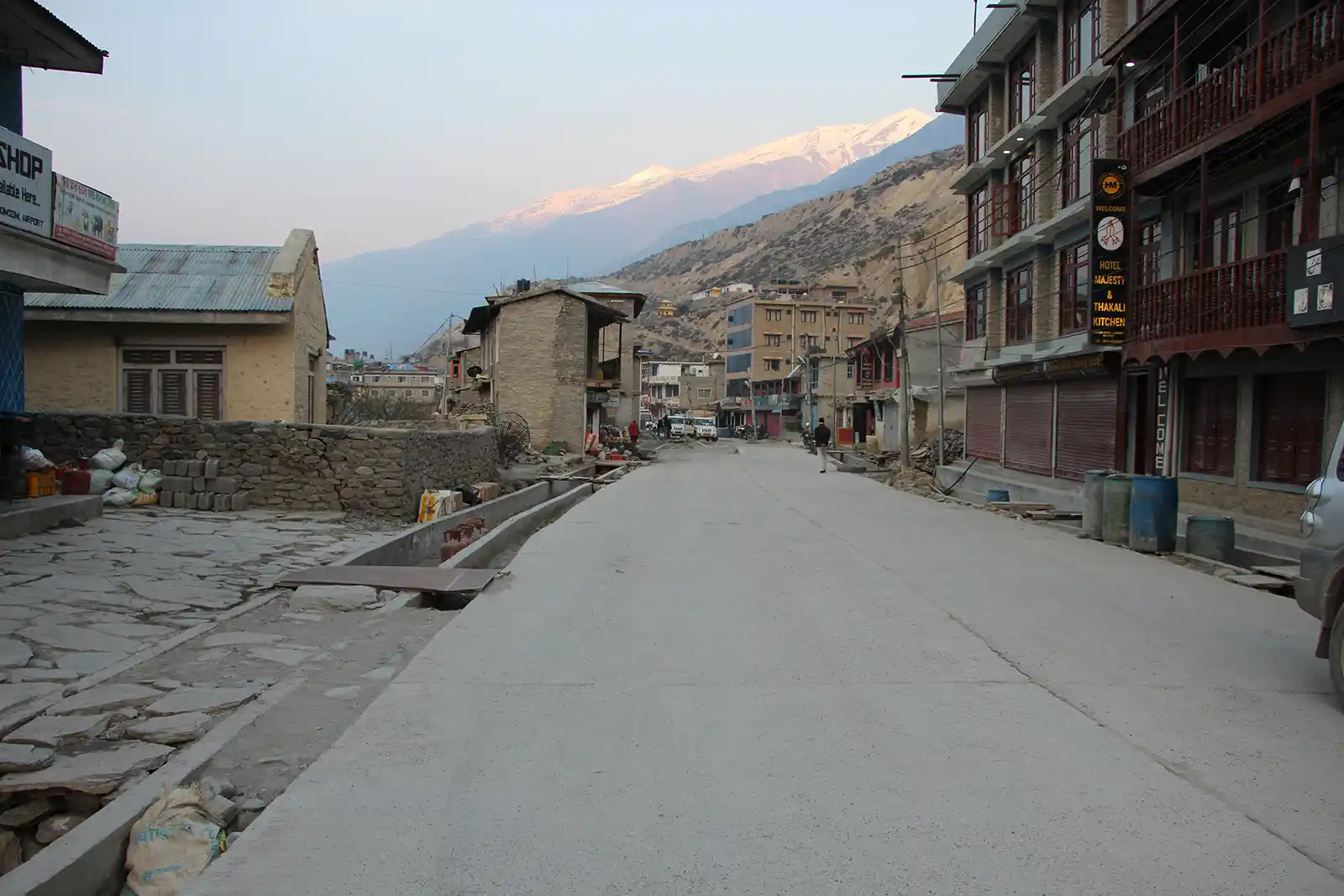
Jomsom Bazar - You will see this bazar during Muktinath Tour
Jomsom Bazar – You will see this bazar during Muktinath Tour

Best Time to Book the Muktinath Tour Package

Choosing the right time to embark on the Muktinath Tour Package from Bangalore can enhance your experience, and we’re here to guide you through this decision. With its location in the Himalayan ranges, Muktinath experiences significant variations in weather throughout the year, making specific periods more suitable for visiting.

Spring (March to May) is one of the most popular times to visit Muktinath. The weather is pleasant, and the valleys are filled with colorful blossoms, providing breathtaking views. Additionally, clear skies during this period offer excellent visibility of the majestic Himalayan ranges.

Autumn (September to November) is another prime time to explore Muktinath. The post-monsoon clarity in the air gives the Himalayan peaks a sharper and more mesmerizing appearance. The weather during this period is also quite favorable, with moderate temperatures that make sightseeing and other activities enjoyable.

While picturesque with snow-clad landscapes, Winter (December to February) is relatively challenging due to the harsh cold. However, for travelers who don’t mind braving the cold, it can provide a unique and serene experience. The number of visitors is fewer during this time, giving you a more peaceful and personal encounter with Muktinath’s spiritual ambiance.

Monsoon (June to August) is considered the least favorable time due to the heavy rainfall Nepal receives. The rain could lead to landslides in some areas, and the mist and clouds often obscure the usually clear and mesmerizing mountain views. However, the monsoon also brings a unique lush green beauty to the valleys, which some travelers might appreciate.

In conclusion, the Muktinath Tour Package from Bangalore is a beautiful experience, regardless of when you choose to undertake it. However, planning your visit during the spring or autumn seasons would be best to enjoy all the sights and activities that Muktinath offers fully. Whichever season you choose, Muktinath promises to mesmerize you with its timeless beauty and spiritual allure.

Summary,

Set off on a memorable adventure with our Muktinath Tour Package from Bangalore. This comprehensive package perfectly blends spiritual exploration, cultural immersion, and breathtaking natural vistas. Starting from Bangalore, the journey unfolds through Kathmandu and Pokhara before reaching the holy shrines of Muktinath. It offers an unparalleled opportunity to witness the majesty of the Himalayas, delve into the intricacies of Nepalese traditions, and experience the tranquil aura of one of Nepal’s most sacred destinations.

The tour is meticulously tailored to accommodate all ages, offering a splendid choice for families, individuals, and group travelers. Spring and autumn emerge as the ideal seasons to explore Muktinath, each casting a unique spell on the region’s enchanting landscape. The Muktinath Tour Package from Bangalore is a travel itinerary and a symphony of memorable experiences that provide a deeper understanding of Muktinath’s spiritual essence, vibrant culture, and nature’s grandeur. Opt for the Muktinath Tour Package from Bangalore for a convenient, immersive, and unforgettable journey into Nepal’s spiritual heartland.

Related Blog:

Please enable JavaScript in your browser to complete this form.