



Updated: 28 May 2026
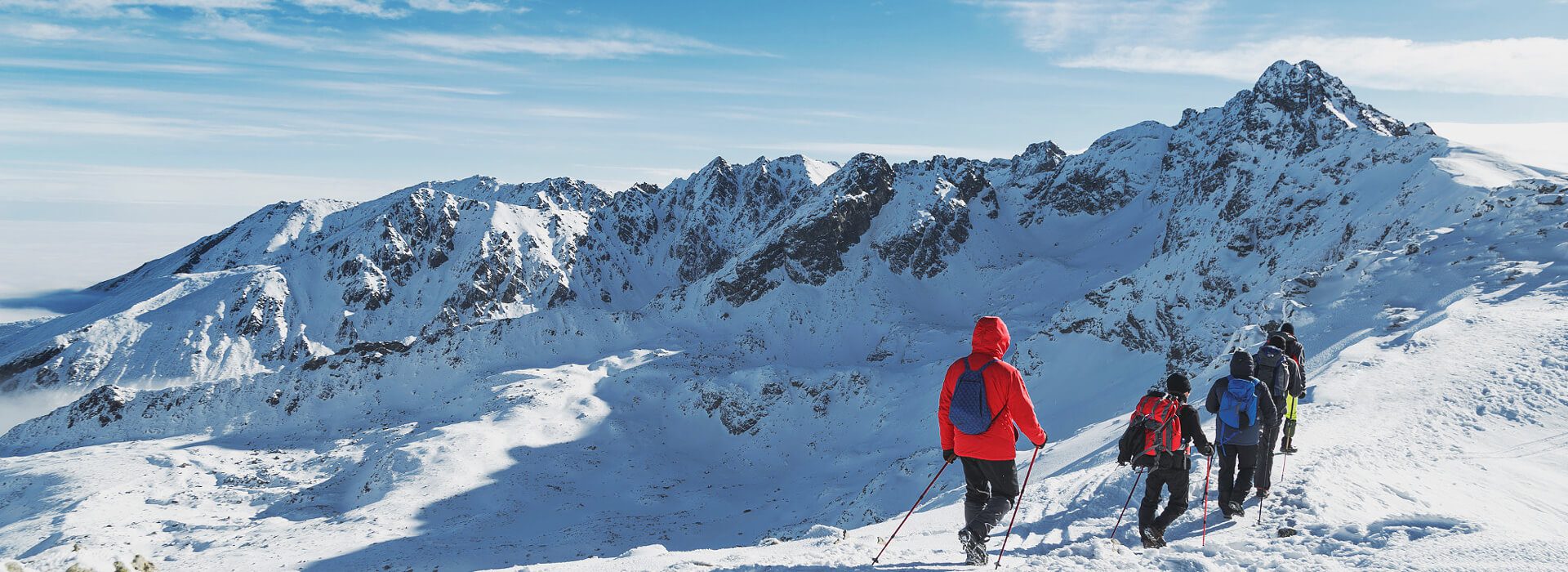
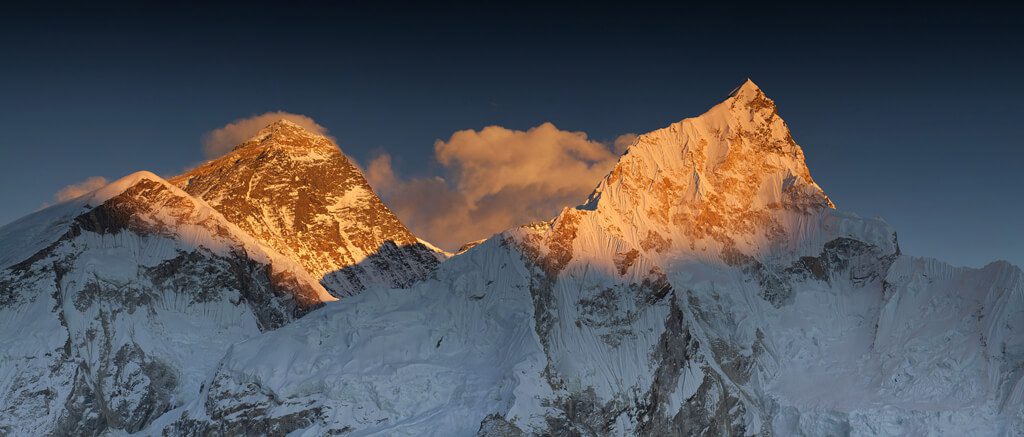
Standing at Everest Base Camp ranks high on almost every trekker’s list. The camp sits at the foot of Mount Everest (8,848.86 m), the highest mountain on Earth. The Everest Base Camp Trek takes you deep into Nepal’s Khumbu region, past Sherpa villages, glacier valleys, and some of the most famous peaks in the world.
Our Everest Base Camp Trek Guide gives you the full picture before you go. You learn about permits, costs, the itinerary, food, accommodation, altitude safety, packing, and the best season to travel. We also show you three ways to trek with Peregrine: the classic 15-day route, a 16-day luxury version, and an 11-day trek with a helicopter return.
Peregrine Treks has guided trekkers to Everest Base Camp for over two decades. Our locally born Sherpa guides have walked this trail in every season. Read this Everest Base Camp Trek Guide once, and you’ll walk in prepared.
Quick Answer: What Is the Everest Base Camp Trek?
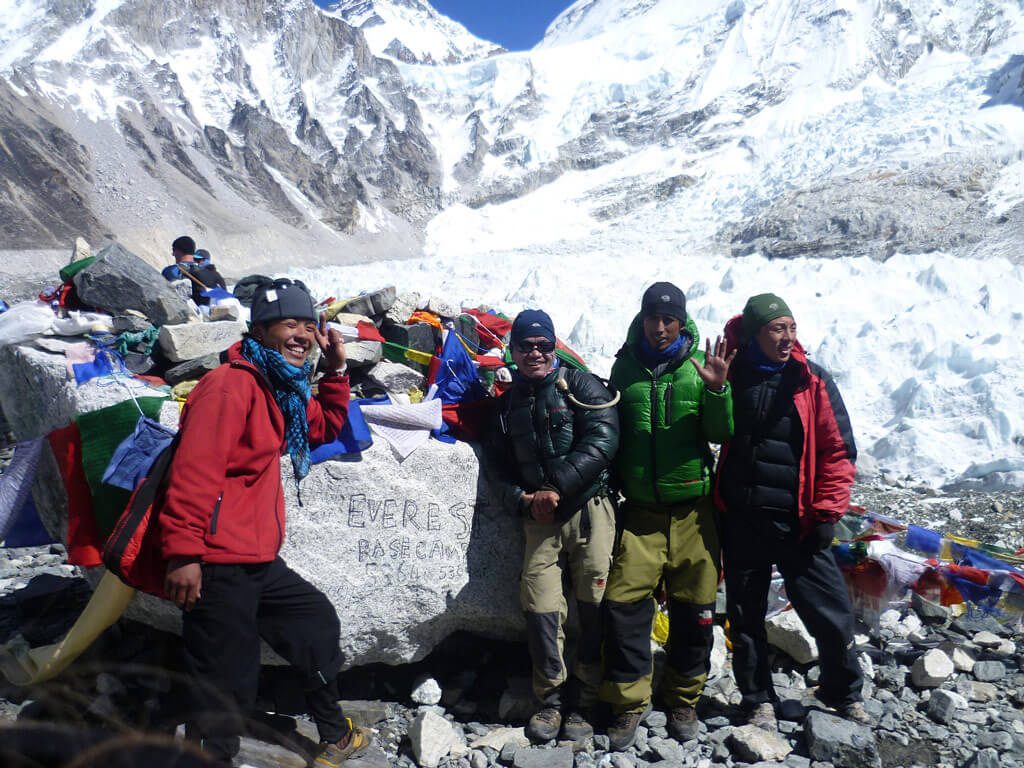
The Everest Base Camp Trek is a 12 to 16-day hike to the base of Mount Everest at 5,364 m. You fly to Lukla, then walk through Namche Bazaar, Tengboche, and Dingboche to Gorak Shep. The classic 15-day Peregrine trek starts from US$1,850. You need two permits and a licensed guide. The best months are March to May and late September to November.
Everest Base Camp Trek Quick Facts
| Detail | Information |
|---|---|
| Trek destination | Everest Base Camp (5,364 m), Kala Patthar (5,545 m) |
| Duration | 15 days (classic), 16 days (luxury), 11 days (heli return) |
| Total distance | About a 130 km round trip |
| Daily walking | 5 to 8 hours |
| Difficulty | Moderate to strenuous |
| Group size | 1 to 12 trekkers |
| Permits + guide | 2 permits; licensed guide required (2023 rule) |
| Best seasons | March–May and late September–November |
| Price from | US$1,850 per person — view the package |
Choose Your Everest Base Camp Trek Style
Peregrine runs the Everest Base Camp Trek in three styles. The route to Base Camp stays the same. The comfort level, the duration, and the way you return all change. Pick the one that fits your time, budget, and travel style.
| Package | Days | Price From | Best For |
|---|---|---|---|
| Everest Base Camp Trek | 15 | US$1,850 | The classic route with teahouse lodges and two acclimatization days |
| Luxury Everest Base Camp Trek | 16 | US$3,840 | Premium lodges, 5-star Kathmandu hotel, private 1:1 support |
| EBC Trek with Helicopter Return | 11 | US$2,890 | Limited time; skip the long descent and fly back by helicopter |
The rest of this Everest Base Camp Trek Guide explains the classic route in detail. The luxury and helicopter options follow the same trail up, so every tip here applies to all three.
Everest Base Camp Permits
You need two permits for the standard route. A licensed guide from a registered agency arranges both. Peregrine includes all permits in every package, so you skip the paperwork.
| Permit | Cost (Foreigners) | Where to Get It |
|---|---|---|
| Sagarmatha National Park Entry Permit | NPR 3,000 + 13% VAT | Kathmandu (NTB) or Monjo gate |
| Khumbu Pasang Lhamu Rural Municipality Permit | NPR 2,000 | Lukla (on arrival) or Monjo |
| TIMS Card | Included by the agency | Arranged through your trekking agency |
Sagarmatha National Park Entry Permit
The park permit lets you enter Sagarmatha National Park, a UNESCO World Heritage Site. Foreigners pay NPR 3,000 plus 13% VAT. SAARC nationals pay NPR 1,500, and children under 10 enter free of charge. Check current rates on the official Nepal Tourism Board site.
Khumbu Pasang Lhamu Rural Municipality Permit
The Khumbu local government collects NPR 2,000 per foreigner. You cannot buy it in Kathmandu. If you fly into Lukla, you collect it there. Trekkers walking from Jiri or Salleri get it in Monjo.
Do You Need a TIMS Card?
The Everest region replaced the old TIMS rule with the local municipality permit. Your agency still issues trekker records through the system. Peregrine handles this step for you as part of the package.
Do You Need a Guide for the Everest Base Camp Trek?
Yes. Since April 2023, every foreign trekker in Nepal’s national parks must hike with a licensed guide from a registered agency. The government enforced this rule at checkpoints in 2026. Solo unguided trekking on the EBC trail is no longer allowed.
A licensed guide handles your permits, route, safety, and emergency support. Peregrine assigns an experienced, first-aid-trained guide to every trek. Your guide checks your oxygen levels daily with a pulse oximeter above 3,500 m.
How to Reach the Everest Base Camp Trek
Most trekkers fly from Kathmandu to Lukla to start the trek. The flight takes about 35 to 45 minutes and lands on Lukla’s short hillside runway. During peak season (April, May, October, November), flights shift to Ramechhap, a four to five-hour drive from Kathmandu. Peregrine covers the Kathmandu–Ramechhap transport.
Lukla flights depend on the weather. Delays and cancellations happen, so add one or two buffer days to your plan. A buffer day protects your international flight home. Read more about the Everest Base Camp Trek Distance.
Everest Base Camp Itinerary (15 Days)
Our classic plan includes two acclimatization days: one at Namche and one at Dingboche. The extra rest lowers your altitude risk and raises your success rate. See the full day-by-day plan on the Everest Base Camp Trek package page.
| Day | Route | Altitude | Walk |
|---|---|---|---|
| 1 | Arrive in Kathmandu | 1,400 m | — |
| 2 | Fly to Lukla, trek to Phakding | 2,650 m | ~3 hrs |
| 3 | Phakding to Namche Bazaar | 3,440 m | 5–6 hrs |
| 4 | Acclimatization at Namche | 3,440 m | ~3 hrs |
| 5 | Namche to Tengboche | 3,860 m | 5–6 hrs |
| 6 | Tengboche to Dingboche | 4,410 m | 5–6 hrs |
| 7 | Acclimatization at Dingboche | 4,410 m | 4–5 hrs |
| 8 | Dingboche to Lobuche | 4,940 m | 5–6 hrs |
| 9 | Lobuche to Gorak Shep and Everest Base Camp | 5,364 m | 7–8 hrs |
| 10 | Kala Patthar, then descend to Pheriche | 5,545 m | 7–8 hrs |
| 11 | Pheriche to Namche Bazaar | 3,440 m | 6–7 hrs |
| 12 | Namche to Lukla | 2,860 m | 6–7 hrs |
| 13 | Fly back to Kathmandu | 1,400 m | — |
| 14 | Kathmandu sightseeing + farewell dinner | 1,400 m | ~6 hrs |
| 15 | Departure | — | — |
Other Everest region options
- EBC Trek and Gokyo Lake Trek – 16 Days
- Everest Base Camp with Island Peak Climbing
- Everest Three Passes Trek – 19 days
- Annapurna vs. Everest Base Camp Trek
Meals During the Everest Base Camp Trek
Teahouses serve fresh, filling meals along the route. Prices rise as you climb, because porters and yaks carry every supply uphill. The standard package includes 14 breakfasts, 11 lunches, and 11 dinners on trek.
Breakfast
Common options include eggs, toast, chapati, Tibetan bread, pancakes, and porridge with milk or tea. Order spaghetti with cheese and tomato when you want extra energy for a long day.
Lunch and Dinner
Most teahouses serve thukpa, chowmein, momos, soups, pizza, fried rice, sandwiches, and spring rolls. Dal bhat with vegetable curry is the local favorite, and teahouses refill it for free. It keeps hungry trekkers full all day. Luxury lodges add à la carte and gourmet options.
Drinking Water
Bottled water gets expensive at altitude, and plastic harms the mountains. Refill from taps and streams, then treat the water yourself. Use purification tablets, a SteriPen, or a filter bottle. Keep filter bottles warm at night so they do not freeze.
Everest Base Camp Trek Accommodation
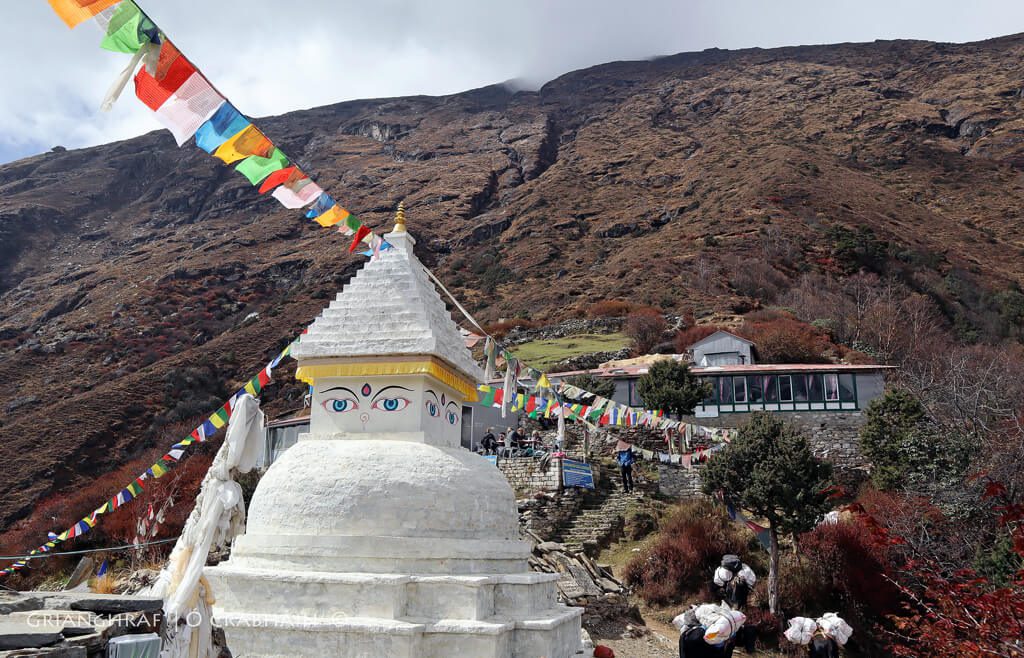
Teahouses provide your beds along the whole route. The classic package books three nights in a Kathmandu hotel and 11 nights in clean mountain eco-lodges. A standard room holds two beds, with blankets and pillows provided.
Walls run thin, and rooms stay cold, so we recommend a four-season sleeping bag. Most lodges have no power sockets in the bedrooms. Each teahouse has a warm dining hall heated by a wood or yak-dung stove.
Want private bathrooms and heated rooms? The Luxury Everest Base Camp Trek uses premium lodges like Yeti Mountain Home and Hotel Everest View, with en-suite bathrooms and hot showers up to Deboche.
Hot Showers, Charging, and WiFi
Showers: Hot showers cost around NPR 500 from Namche upward. In cold months, lodges offer a hot bucket instead.
Charging: You charge devices free up to Namche. Above Namche, lodges charge about USD 4–5 per device. Bring a power bank.
WiFi and SIM: Buy an NTC SIM card at Kathmandu airport for the best mountain coverage. WiFi is free at Hotel Everest View on the acclimatization day. From higher villages, lodges sell a 24-hour WiFi pass for about USD 6–7.
Packing List for the Everest Base Camp Trek
Smart packing makes the whole trek easier. Carry the right gear, stay comfortable, and keep your bag light. Porters carry your main duffel, so keep it to 9–12 kg. Find the full list on our trekking gear list.
Clothing
- Thermal base layers (top and bottom)
- Fleece jacket and insulated down jacket with hood
- Windproof and waterproof shell jacket and pants
- Trekking trousers and moisture-wicking T-shirts
- Warm hat, sun hat, and a buff
- Liner gloves and insulated gloves
- Liner socks and thick wool hiking socks
Gear and Equipment
- Broken-in trekking boots and camp sandals
- Four-season sleeping bag (the luxury trek provides a –20°C bag and down jacket)
- Trekking poles and a headlamp with spare batteries
- Sunglasses with UV protection
- Reusable water bottles and a filter
- Daypack (30–40 L) with rain cover
Personal Supplies and First Aid
- Sunscreen, lip balm, and moisturizer
- Toothbrush, biodegradable soap, and a quick-dry towel
- Wet wipes and hand sanitizer
- General painkillers and Diamox (ask your doctor first)
- Oral rehydration salts, blister care, and antiseptic cream
- Water purification tablets
Forgot an item? You rent or buy it in Kathmandu or Namche at fair prices.
ATMs and Money
Namche and Lukla both have ATMs, but the machines often go offline. Carry enough Nepali cash from Kathmandu for tips, snacks, charging, and showers. Teahouses do not take cards or dollars.
Altitude Sickness on the Everest Base Camp Trek
Altitude sickness is the main health risk on this trek. It occurs due to low oxygen at high elevation and affects trekkers of all fitness levels. The risk increases above 2,400 m as oxygen levels drop.
What Causes It
The main cause is climbing too fast. Your body needs time to adjust to thin air. Early signs include headache, nausea, dizziness, poor appetite, and trouble sleeping.
How to Prevent It
- Walk slowly and keep a steady pace.
- Take the planned acclimatization days.
- Drink four to five liters of water daily.
- Avoid alcohol at altitude.
- Tell your guide the moment you feel unwell.
- Descend immediately if symptoms worsen.
Our guides carry a first aid kit, a pulse oximeter, and an oxygen cylinder. On group treks, the team also carries a portable altitude chamber.
Travel Insurance
Insurance is essential for any high-altitude trek. The Khumbu region has no roads and no nearby hospitals. A serious case needs a helicopter evacuation, which can cost USD 4,000 to USD 5,000.
Buy a policy that covers trekking up to 6,000 m and helicopter rescue. Share your insurance details with us before the trek starts.
Guides, Porters, and Tipping
A licensed guide is mandatory, and a porter makes the trek far more comfortable. Two trekkers usually share one porter, with a load limit of 20–25 kg. Peregrine covers staff wages, insurance, meals, and accommodation.
Tips are customary and appreciated. As a guide, budget around USD 30 per day for a guide and USD 20 per day for a porter, shared across the group. Your trek leader can set up a group tipping pool.
Everest Base Camp Trek Difficulty and Fitness
The trek covers about 130 km round trip. You walk 5 to 8 hours a day for around two weeks, on trails full of ups and downs. Read more on the Everest Base Camp Trek Difficulty page.
You do not need elite fitness or climbing skills. Altitude is the real test. Train with hill walks, cardio, and stair climbs for a few weeks before you fly. We have guided trekkers aged 12 to 70 to Base Camp.
Best Time for the Everest Base Camp Trek
Two seasons stand out in this Everest Base Camp Trek Guide. Read our full guide on the best time for the Everest Base Camp trek.
Autumn (September to November)
Autumn offers the clearest skies of the year. Late September to November brings crisp air, sharp views, and stable weather. October draws the biggest crowds, so book early. Nights turn cold as November moves on.
Spring (March to May)
Spring brings warmer days and blooming rhododendron forests. Late April and May are the peak Everest climbing season, so Base Camp fills with expedition tents. Snow may linger on high ground early in spring.
Winter (December to February) stays possible but very cold, with snow on the trail and fewer crowds. Monsoon (June to August) brings rain and cloud, so most trekkers avoid it.
Visa, Vaccines, and Entry Details
Most travelers get a Nepal visa on arrival. Fees are USD 30 for 15 days, USD 50 for 30 days, and USD 125 for 90 days. Fill the online form before you fly to save time. Carry a passport valid for at least six months and two passport photos.
No vaccine is required to enter Nepal. Doctors often suggest Hepatitis A, Typhoid, and Tetanus. Consult your doctor before you travel.
Side Trips and Extensions
Gokyo Lakes and Cho La Pass
The Gokyo Lakes route is one of the finest extensions in the region. Six glacial lakes sit between 4,700 m and 5,000 m. Climb Gokyo Ri for a wide view of Everest, Nuptse, and Makalu, then cross the Cho La Pass. See the Gokyo Cho La Pass Trek.
Climb Island Peak
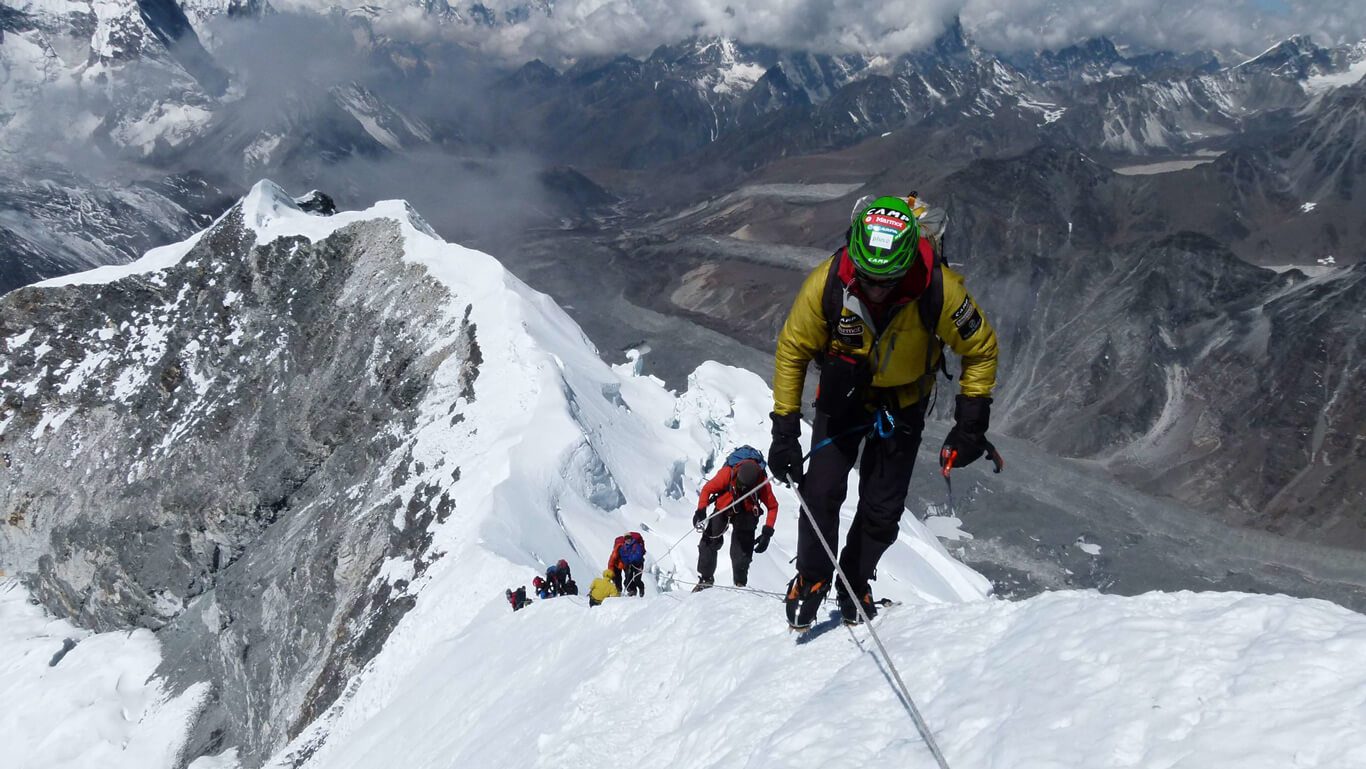
Want a real summit? Add Island Peak (6,189 m), known locally as Imja Tse. It needs basic mountaineering skills, ice gear, and training. Most climbers add it as a three-day extension. See Island Peak Climbing.
Luxury Everest Base Camp Trek
The Luxury Everest Base Camp Trek walks the same trail but upgrades your nights. You sleep better, eat better, and recover faster. That comfort matters most above 3,000 m, where rest and hygiene affect your success.
The 16-day luxury package (from US$3,840) includes:
- Four nights in a 5-star Kathmandu hotel (The Everest Hotel)
- Premium lodges such as Yeti Mountain Home, Hotel Everest View, and Rivendell Lodge
- En-suite bathrooms with hot showers up to Deboche
- Private 1:1 guide support and à la carte gourmet meals
- A complimentary –20°C down jacket and sleeping bag to keep
- An optional helicopter return from Gorak Shep or Kala Patthar
Everest Base Camp Trek with Helicopter Return
Short on time? The Everest Base Camp Trek with Helicopter Return cuts the trip to 11 days (from US$2,890). You trek up to Base Camp and Kala Patthar, then fly back to Kathmandu by helicopter from Gorak Shep.
Why trekkers choose the helicopter return:
- It saves about three days and skips the long downhill that strains the knees.
- You fly over Everest, Lhotse, Ama Dablam, and the Gokyo Lakes for once-in-a-lifetime aerial views.
- It helps anyone who feels tired or shows mild altitude symptoms after Base Camp.
- It avoids the common Lukla flight delays on the return leg.
The package includes the chartered helicopter from Gorak Shep, all permits, and the TIMS record. Read the helicopter return cost guide for details. You can also add a luxury accommodation upgrade.
Frequently Asked Questions
How many days does the Everest Base Camp trek take?
The classic Peregrine trek runs 15 days. The luxury version runs 16 days. The helicopter return option trims it to 11 days.
How much does the Everest Base Camp trek cost?
The classic trek starts at US$1,850 per person. The luxury trek starts at US$3,840, and the helicopter return trek starts at US$2,890. See the full Everest Base Camp Trek Cost guide.
Do I need a guide for the Everest Base Camp trek?
Yes. Nepal requires a licensed guide for all foreign trekkers in national parks since 2023. Every Peregrine package includes one.
Is the Everest Base Camp trek hard?
It is moderate to strenuous. You need good stamina and a slow pace, but not technical climbing skills. Altitude is the main difficulty.
What is the highest point of the trek?
Kala Patthar at 5,545 m is the highest point you walk to. It gives the best close-up view of Mount Everest. Base camp itself sits at 5,364 m.
What is the best way to return from Everest Base Camp?
You walk back through Namche to Lukla on the classic and luxury treks. For a faster, scenic finish, choose the helicopter return from Gorak Shep.
Find more answers on our Everest Base Camp Trek FAQs page.
Conclusion
The Everest Base Camp Trek is a trip of a lifetime. Good planning turns a tough route into a smooth, rewarding adventure. Sort your permits, pick the right season, train your legs, and trek with a licensed guide.
We hope this Everest Base Camp Trek Guide helps you choose the right trip. Book the classic Everest Base Camp Trek for the full experience, the Luxury Everest Base Camp Trek for premium comfort, or the Helicopter Return Trek to save time.
Ready to start? Email sales@peregrinetreks.com, message us on WhatsApp at +977 9851052413, or call +1 315 388 6163. Our team in Kathmandu will help you plan and book your Everest Base Camp Trek.