


Lobuche Peak, nestled in the majestic Khumbu region near Everest, offers an enthralling challenge for climbers worldwide. This trek is a favorite among those looking to explore high altitudes without venturing onto the highest peaks.
With its twin summits, Lobuche East and Lobuche West, this peak presents climbers with a demanding ascent and stunning panoramic views of the Himalayan giants, including Everest, Lhotse, and Makalu. The “Lobuche Peak Itinerary” is especially popular for those seeking a formidable yet rewarding mountaineering experience in Nepal.

What to Expect on Your 19-Day Adventure
Starting on the 19-day Lobuche Peak climbing promises an adventure filled with varied and spectacular landscapes. Here’s a snapshot of what to expect:
- Start with a Bang: Begin your trip with a scenic flight to Lukla, the gateway to the Everest region, setting the stage for your trek.
- Acclimatization Days: Scheduled stops in Namche Bazaar and Dingboche will help you adjust to the high altitudes, which is crucial for a successful climb.
- Everest Base Camp Visit: A pivotal part of the itinerary includes visiting the iconic Everest Base Camp, adding excitement to your trek.
- Summit Push: The climax of your trek, the ascent to Lobuche East, is a rigorous climb that culminates in unrivaled views from the summit.
- Cultural Immersion: You can experience the local Sherpa culture by visiting monasteries and villages throughout your trek.
- Final Days: Wind down with a celebratory last night in Lukla before flying back to Kathmandu, where your memorable trek concludes.
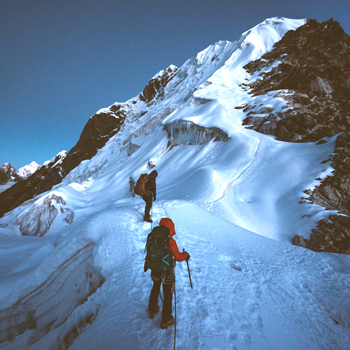


Ultimate Guide to Lobuche Peak Itinerary: A Detailed Day-by-Day Adventure
Prepare to scale Lobuche Peak with this in-depth, day-by-day itinerary that ensures memorable and successful climbing. Here’s what to expect from each day of your trip:
Detailed Itinerary:
Day 1: Arrival in Kathmandu (Altitude: 1,400m)
- Settle into your hotel for rest and acclimatization.
- Meet with your trekking guide to review your schedule and gear.
- Briefing on the trek, covering safety, protocols, and the route.
Day 2: Flight to Lukla; Trek to Phakding (Altitude: 2,610m)
- Catch an early morning flight to Lukla (2,860m), enjoying stunning views of the Himalayas.
- Begin a moderate 3-4 hour trek to Phakding, walking through pine forests and past Sherpa villages.
Day 3: Trek to Namche Bazaar (Altitude: 3,440m)
- Hike through more beautiful landscapes and cross several suspension bridges.
- Enter Sagarmatha National Park, checking permits at the entrance.
- The trek will take about 5-6 hours, with gradual altitude gain.
Day 4: Acclimatization in Namche Bazaar
- Spend the day acclimating with short hikes to nearby attractions like Everest View Hotel.
- Explore Namche’s vibrant market and visit the Sherpa Culture Museum.
Day 5: Trek to Tengboche (Altitude: 3,867m)
- Continue through rhododendron forests for about 5-6 hours.
- Visit Tengboche Monastery, engage with monks, and possibly attend a prayer session.
Day 6: Trek to Dingboche (Altitude: 4,410m)
- Cross the Imja Khola River and enjoy the scenery, changing to sparse alpine vegetation.
- The trek should last around 5-6 hours.
Day 7: Acclimatization in Dingboche
- Hike to Nagarjun Hill or Chukhung Valley for better acclimatization.
- Rest in the afternoon, preparing for higher altitudes in the coming days.
Day 8: Trek to Lobuche (Altitude: 4,940m)
- Pass memorials of climbers who perished on nearby peaks.
- Experience thinner air and colder temperatures as you trek for about 5-6 hours.
Day 9: Trek to Everest Base Camp, Return to Gorak Shep (Altitude: 5,364m for EBC; 5,164m for Gorak Shep)
- A challenging day was trekking on glacial paths to Everest Base Camp.
- Return to Gorak Shep for overnight rest.
Day 10: Hike to Kala Patthar, Return to Lobuche (Altitude: 5,545m for Kala Patthar)
- Start early to hike Kala Patthar for a sunrise view of Everest.
- Return to Lobuche, with a total hiking time of 6-7 hours.
Day 11: Trek to Lobuche Base Camp (Altitude: 4,950m)
- A shorter trek day to set up camp and prepare climbing equipment.
- Briefings on summit day strategy and techniques.
Day 12: Trek to High Camp (Altitude: 5,400m)
- Navigate rocky and steep terrain to set up your final camp before the summit.
- Early rest is needed to prepare for a pre-dawn start at the summit.
Day 13: Summit Day and Return to High Camp (Summit Altitude: 6,119m)
- Begin your ascent in the early hours to reach the summit at dawn.
- Descend to High Camp, reflecting on your achievement.
Day 14: Descend to Orsho (Altitude: 4,050m)
- A longer descent helps your body recover from the exertion of summit day.
- Enjoy easier breathing as you descend into a thicker atmosphere.
Day 15: Trek to Khumjung (Altitude: 3,780m)
- Visit local cultural sites and experience Sherpa hospitality.
- Rest in the serene environment of Khumjung village.
Day 16: Trek Back to Lukla
- Reflect on your experiences as you complete your last trekking day.
- Celebrate with your team in Lukla.
Day 17: Fly Back to Kathmandu
- Return to the urban setting of Kathmandu and check into your hotel.
- Enjoy a leisurely day, resting or exploring the city.
Day 18: Kathmandu City Tour
- Optional city tour to visit historic and cultural sites.
- Enjoy shopping and dining in Thamel.
Day 19: Departure from Kathmandu
- Prepare for your international departure.
- Reflect on a trip well spent with memories to last a lifetime.


Best Time to Climb Lobuche Peak
Planning the perfect Lobuche Peak Itinerary starts with choosing the right climbing time. Ideal weather conditions enhance your experience and ensure safety during the climbing. Here’s what you need to know about the best seasons for climbing Lobuche Peak:
Ideal Seasons for Lobuche Peak Itinerary
Spring (March to May)
Weather: Clear skies, stable weather, and moderate temperatures. Spring is the most popular season for climbing, as the conditions are ideal for visibility and comfort.
Advantages:
- The best visibility of peaks, including Everest, Ama Dablam, and Makalu, occurs during clear weather conditions.
- Stable weather ensures safer trekking and climbing experiences.
- Rhododendrons and other alpine flowers bloom, adding natural beauty to the trek.
Autumn (September to November)
Weather: Post-monsoon season brings clear skies and dry weather, making it the second-best time for the Lobuche Peak Itinerary. Days are typically warm, and nights are more relaxed at higher altitudes.
Advantages:
- You can enjoy crisp, clear views of the mountains during the trek.
- There are low chances of precipitation, which reduces risks during the climb.
- Favorable temperatures make acclimatization easier.
Weather Conditions to Consider
Summer/Monsoon (June to August):
- Avoid climbing during this period. Heavy rains and monsoon clouds make trekking routes slippery and hazardous. Additionally, cloud cover limits visibility, and the risk of landslides is higher. However, fewer crowds might appeal to those seeking solitude.
Winter (December to February):
- Though possible, winter climbing is best suited for experienced mountaineers. Freezing temperatures and heavy snow make the trek more challenging. The routes can become icy, and the risk of altitude sickness increases due to colder air. Only attempt during this period if you are fully prepared for harsh winter conditions.

Preparing for Your Lobuche Peak Climb: Physical Requirements and Training
Successfully tackling the Lobuche Peak Itinerary demands mental strength and physical readiness. The trek to Lobuche Peak is challenging, requiring climbers to be in excellent physical condition. Here’s what you need to know about your fitness levels and the recommended training regimen to ensure you’re prepared.
Understanding the Fitness Level Needed
- Endurance and Stamina: You’ll need a high level of cardiovascular fitness to handle days of continuous trekking and climbing, especially at high altitudes with lower oxygen levels.
- Strength Training: Prioritize strengthening your legs, core, and upper body. It will help you carry your backpack and move more efficiently.
- Altitude Acclimatization: Physical fitness also involves your body’s ability to adapt to higher altitudes. The better your general fitness, the quicker your body can adjust to reduced oxygen levels.
Recommended Training Plan
Cardiovascular Exercises:
- Aim for 4-5 weekly running, cycling, or swimming sessions.
- Incorporate hill training to simulate the inclines you’ll encounter.
Strength Training:
- Focus on developing muscular power in your midsection, lower body, and upper extremities.
- Include weightlifting routines and bodyweight exercises such as squats, lunges, pull-ups, and planks.
Hiking Practice:
- Regularly hike on trails that mimic the terrain of the Himalayas.
- Incorporate weighted backpack training to mimic the conditions you’ll encounter on the trek.
High-Altitude Training:
- Train at high altitudes to acclimate your body.
- Use altitude training masks if training at altitude isn’t possible.
Yoga and Flexibility:
- Incorporate yoga to improve flexibility and breathing efficiency.
- Stretch regularly to prevent injuries.
Mental Preparation:
- Mental stamina is as crucial as physical preparedness.
- Practice meditation or visualization techniques to prepare mentally for the challenges ahead.
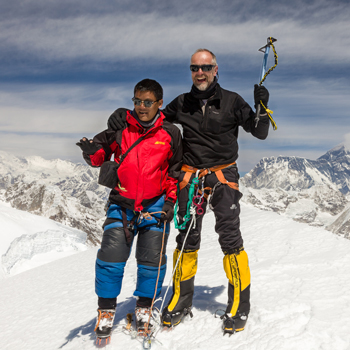
Permits and Regulations for Lobuche Peak Itinerary
Securing the proper permits is essential to complete your Lobuche Peak Itinerary successfully. Here’s a breakdown of the necessary licenses and how to acquire them:
Permits needed for Lobuche Peak Climb
1. Khumbu Pasang Lhamu Rural Municipality Permit
- You are required to enter the Khumbu region.
- It can be obtained at Lukla or Monjo.
2. Sagarmatha National Park Entry Permit
- Mandatory for all trekkers entering the Sagarmatha National Park.
- It was issued by the Nepal Tourism Board office in Kathmandu or at the park’s entry gate in Monjo.
3. Lobuche Peak Climbing Permit
- The Nepal Mountaineering Association (NMA) issued the peak climbing permit.
- Costs vary by season: spring (highest fee), autumn (moderate fee), and winter/summer (lowest fee).
- Available at the NMA office in Kathmandu.
How to Acquire Permits
Through Trekking Agencies: Most climbers acquire permits through registered trekking agencies that handle all paperwork, ensuring a hassle-free process.
Direct Application: Trekkers can also obtain permits directly from offices in Kathmandu, Lukla, or Monjo. When applying, ensure you carry multiple passport-sized photos and a copy of your passport.

Accommodations and Meals on Lobuche Peak Itinerary
Your Lobuche Peak Itinerary includes many accommodations, from basic lodges to comfortable teahouses and meals that energize you throughout the trek.
Types of Accommodations
Teahouses
- Teahouses are the most common form of accommodation along the trekking route.
- Basic facilities include shared rooms, communal dining, and shared bathrooms.
- We are located at every major stop, like Namche Bazaar, Tengboche, and Dingboche.
Lodges
- Offer slightly more comfortable amenities like private rooms with en-suite bathrooms.
- Available in larger villages, including Namche Bazaar and Lukla.
Tents at the Base and High Camps
- Camping is necessary at Lobuche Base Camp and High Camp.
- Set up by your trekking company, including all essential equipment like sleeping bags and mats.
- The camp’s cooking team prepares meals.
Meals Throughout the Trek
1. Standard Teahouse Meals
- Breakfast: Options include porridge, eggs, pancakes, and Tibetan bread with honey or jam.
- Lunch and Dinner: Dal Bhat (rice with lentils), noodles, pasta, momos, and soups are commonly served. Meat dishes are available but less recommended at higher altitudes due to freshness concerns.
- Snacks: Teahouses also sell chocolate bars, biscuits, and chips.
2. Meals at Base and High Camps
- They were prepared by professional cooks, focusing on high-calorie, easy-to-digest foods.
- Includes soups, noodles, rice dishes, and energy-rich snacks to maintain energy during the climb.
Safety Tips and Precautions for Lobuche Peak Itinerary
Safety is crucial when planning your Lobuche Peak Itinerary. High altitudes, challenging terrains, and unpredictable weather require careful preparation. Here’s what you need to keep in mind:
Altitude Sickness Prevention
- Acclimatize Properly: Schedule acclimatization days to adjust gradually to higher altitudes.
- Stay Hydrated: Prevent altitude sickness by drinking sufficient water to maintain hydration.
- Recognize Symptoms Early: Symptoms include headaches, nausea, dizziness, and shortness of breath. If these appear, rest and consider descending if they persist.
- Medication: Consult a doctor about using Diamox (acetazolamide) to help prevent altitude sickness.
Safety Protocols
- Hire Experienced Guides: Choose licensed guides familiar with the route, weather patterns, and emergency protocols.
- Check Weather Forecasts Regularly: Be flexible with your schedule, especially during the summit push.
- Carry Essential Gear: Always have a first-aid kit, GPS, headlamps, and extra batteries. Ensure your equipment is checked and tested before the climb.
Emergency Measures
- Emergency Contact Information: Keep emergency numbers and communication devices accessible.
- Evacuation Plans: Familiarize yourself with the nearest emergency evacuation points and helicopter rescue services.
- Insurance: Select travel insurance that protects high-altitude trekking and emergency evacuations.
Conclusion: Completing Your Lobuche Peak Itinerary
Completing the Lobuche Peak Itinerary is a significant achievement that blends physical endurance, mental strength, and the thrill of adventure. From the initial trek through lush valleys to the challenging ascent to the summit, this climbing is filled with breathtaking views and rewarding moments.
Proper preparation, acclimatization, and respect for the environment are necessary to ensure success. For climbers, reaching the summit is not just about the peak; it is a testament to their resilience and spirit. Embrace the challenge, and let this adventure inspire your next great climb.