

Based on 746 reviews

Nepal Tibet Bhutan Tour
Travel country of temple - Nepal, Roof of the world - Tibet and Dragon Bhutan within 17 days

Duration
17 Days

Meals
- 16 Breakfast
- 4 Lunch
- 4 Dinner

Accommodation
- 4-Star Hotel in Nepal and 3-star in Bhutan
- Simple lodge in Tibet

Activities
- Sightseeing
- Scenic Drive/flight
- Temples & Monasteries
SAVE
US$ 980Price Starts From
US$ 4900
Overview of Nepal Tibet Bhutan Tour
Independently verified reviews
Peregrine Treks: 4.9/5 across 311 reviews on TourRadar · 4.8/5 across 104 reviews on TripAdvisor
This 17-day Nepal Tibet Bhutan Tour covers three Himalayan countries in a single connected itinerary. You spend 6 days in Nepal (Kathmandu Valley and Pokhara), 7 days crossing Tibet overland from the Kerung border to Lhasa, and 4 days in Bhutan (Thimphu, Punakha, and the Tiger’s Nest hike in Paro).
The routing follows the most practical sequence for visa and logistics: fly into Kathmandu, explore Nepal first, cross overland into Tibet through the Kerung border, travel east through Tingri, Shigatse, and Yamdrok-Tso Lake to Lhasa, return to Kathmandu, fly to Paro in Bhutan, and depart from Paro International Airport at the end.
Your Nepal and Bhutan segments operate as private tours with a dedicated guide and vehicle for your group only. The Tibet segment operates as a group tour because Chinese regulations require a minimum group size for the Tibet Travel Permit and Chinese Group Visa. Your Tibet group is led by a licensed Tibetan guide and travels in a private vehicle.
Peregrine handles all three countries from one desk in Kathmandu. We process your Chinese Group Visa (for eligible passport holders), secure your Tibet Travel Permit, arrange your Bhutan visa and Sustainable Development Fee payment, and coordinate guide handovers at each border and airport. You deal with one point of contact for the entire 17 days.
Tour Highlights
- Kathmandu Valley: Pashupatinath Temple, Boudhanath Stupa, Bhaktapur Durbar Square — three UNESCO World Heritage Sites with a private guide on Day 2.
- Pokhara Valley: Sunrise at Sarangkot overlooking Annapurna, Dhaulagiri, and Machhapuchhre. Boat ride on Phewa Lake, World Peace Pagoda, Devi’s Falls. Two nights at Kuti Resort or a similar lakeside hotel.
- Tibet overland: Kerung border crossing to Tingri with views of Cho Oyu and Shishapangma. Gyantse La pass at 5,220 m. Tashilhunpo Monastery in Shigatse (the seat of the Panchen Lama). Yamdrok-Tso Lake, one of Tibet’s three sacred lakes, is visible from the Kamba La pass. Three nights in Lhasa covering Potala Palace, Jokhang Temple, Barkhor Bazaar, Sera Monastery (including the monks’ debating courtyard), and Drepung Monastery.
- Bhutan: Tachogang Lhakhang and Chuzom confluence on the Paro-to-Thimphu drive. Buddha Dordenma statue, King’s Memorial Chorten, Rinpung Dzong, and the National Museum. Tiger’s Nest Monastery hike (4–5 hours round trip through pine forest to the cliff-face monastery at 3,120 m). Kyichu Lhakhang and Drukgyel Dzong.
Accommodation
Standard accommodation is 3-star hotels throughout, selected for location and reliability in each city. Named properties include Hotel Thamel Park or a similar hotel in Kathmandu, Kuti Resort or a similar hotel in Pokhara, and comparable government-rated tourist hotels in Kerung, Tingri, Shigatse, and Lhasa. Bhutan accommodation is regulated by the government, with properties in Thimphu and Paro. Upgrades to 4-star or 5-star hotels are available in all cities at an additional cost — contact us for a customized quote with your preferred hotel tier.
Guides
You will have three separate guides across the tour, each a local specialist in their country. Your Nepal guide is a Peregrine team member based in Kathmandu. Your Tibet guide is a licensed Tibetan guide assigned through our Tibet ground operator — by Chinese law, only locally licensed Tibetan guides may lead tours in Tibet. Your Bhutan guide is a licensed Bhutanese guide coordinated through our Bhutan partner. At each transition point (Kerung border, Kathmandu airport for the Paro flight), one guide hands you off to the next. There is no coverage gap at any point.
Visa and Travel Permit Information
This tour requires coordination of three separate entry documents: a Nepal visa (available on arrival at Tribhuvan International Airport for most nationalities), a Chinese Group Visa with Tibet Travel Permit, and a Bhutan visa with Sustainable Development Fee clearance.
For the Chinese Group Visa, passport holders from most countries can apply through our office in Kathmandu — we facilitate the application based on the documents you provide. However, citizens of certain countries must apply for a Chinese visa in their home country before arrival in Nepal, as it cannot be obtained from Kathmandu. These countries include Pakistan, Bangladesh, Sri Lanka, Afghanistan, Azerbaijan, Lebanon, Syria, Iraq, Iran, Kazakhstan, Kyrgyzstan, Tajikistan, Turkey, Uzbekistan, Albania, Democratic Republic of Congo, Ghana, Cameroon, Kenya, Libya, Mali, South Sudan, Nigeria, Somalia, Tunisia, and Chad.
Please note: We cannot guarantee Chinese visa approval. If the Chinese Embassy declines your visa application without stating a reason, we offer alternative tours to Nepal and Bhutan (without Tibet), or to Tibet via mainland China. If you choose not to participate in any alternative, a refund of USD 1,100 is provided for the unused Tibet segment.
Tibet has strict regulations on materials related to the Dalai Lama and exiled Tibetan leaders. You must not carry or display photos, books, publications, CDs, DVDs, or digital files related to these figures. Social media posts on this topic during your Tibet segment may result in detention at the border or removal from the tour with no refund for the unused portion. We brief every client on these regulations before departure and ask for your written acknowledgment.
Detail Itinerary of Nepal Tibet Bhutan Tour
Day 01: Arrival in Kathmandu (1,400 m)
A Peregrine representative meets you at Tribhuvan International Airport, holding a Peregrine sign at the arrivals exit, and drives you to your hotel in a private vehicle. The airport sits on the eastern side of the city, and depending on the time of day, the drive takes 15 to 25 minutes through dense traffic. Expect the roads to be busy, loud, and full of motorbikes — this is normal, and your driver knows the routes.
After checking in, rest. If you have energy, walk into Thamel, the tourist quarter, a few minutes from the hotel. Thamel is where you buy or rent any trekking and cold-weather gear you still need — down jackets, gloves, headlamps, and duffel bags are sold at roughly half the price of what you would pay at home, and the shops here stock the specific items you will need for the cold nights in Tibet. Our guides can recommend which shops sell genuine gear versus copies.
For your first dinner, eat light and avoid heavy meat. At 1,400 m, your digestion slows slightly as your body begins to adjust to the altitude, and a heavy meal of buff steak or fried food on the first night often leads to a poor night’s sleep. Stick to dal bhat, noodle soup, or grilled vegetables tonight. You can move to richer food once your body settles over the next day.
Altitude: Kathmandu 1,400 m
Travel: Airport transfer, 15 to 25 minutes by private vehicle
Accommodation: Hotel Mulberry, Kathmandu (4-star)
Meals: Not included (dinner at own expense; light meal recommended)
From Our Guides: Kathmandu’s tap water is not safe to drink. Use the sealed bottled water provided in your room and hotel restaurants. If you take altitude medication (such as acetazolamide), tonight is a good time to begin, as your guide will advise during the Day 4 briefing before Tibet.
Day 02: Kathmandu Valley Sightseeing and Flight to Pokhara (820 m)
Your private guide collects you after breakfast for a half-day tour of the Kathmandu Valley. At Swayambhunath, the hilltop stupa reached by a long stone stairway, you will share the steps with resident monkeys — keep food and loose items in your bag, as they snatch anything visible. From the top, the whole valley spreads out below in a haze of woodsmoke and morning light.
At Pashupatinath, the sacred Hindu cremation temple on the Bagmati River, the experience is sensory and confronting. You will smell woodsmoke and incense, hear bells and chanting, and see open-air cremations taking place on the ghats across the river. This is a working religious site, not a tourist reconstruction — sadhus (holy men) sit in the courtyards, and families conduct funeral rites in the open. Your guide will explain what you are seeing and where photography is and is not appropriate. At Boudhanath, the largest stupa in Nepal, join the flow of Tibetan pilgrims walking clockwise around the dome, spinning the prayer wheels set into its base.
In the late afternoon, transfer to the domestic terminal for the 25-minute flight to Pokhara. Ask for a seat on the right side of the aircraft — this is the side that faces the Himalayas, and on a clear afternoon, you will see Ganesh Himal, the Manaslu range, and the Annapurna massif lined up along the horizon. Arrive at Pokhara and check into your lakeside hotel on the shore of Phewa Lake.
Starting Altitude: Kathmandu 1,400 m
Ending Altitude: Pokhara 820 m
Sightseeing: 3 UNESCO World Heritage Sites with private guide (4 to 5 hours)
Flight: Kathmandu to Pokhara, 25 minutes
Accommodation: Hotel Waterfront, Pokhara (4-star, lakeside)
Meals: Breakfast included; lunch and dinner at own expense
From Our Guides: Remove your shoes before entering any temple building and dress with shoulders and knees covered — bring a light scarf if you are wearing short sleeves. At Pashupatinath, photography of cremations is considered deeply disrespectful; your guide will show you where you may photograph and where you may not. For the Pokhara flight, the right-side window is the mountainside; the left side faces the plains.
Day 03: Full Day Sightseeing in Pokhara Valley
Leave the hotel at approximately 4:45 AM for the drive up to Sarangkot, the ridge viewpoint above Pokhara. The pre-dawn drive is cold — genuinely cold, often 5 to 8 degrees Celsius before sunrise, even when the days are warm — so wear a fleece or jacket, which you can shed once the sun is up. You are driving in the darkness to be in position when the first light hits the peaks.
From the Sarangkot platform (1,592 m), the sunrise reaches the mountains in sequence. The first light catches Annapurna I (8,091 m) and Dhaulagiri (8,167 m), then Machhapuchhre (6,993 m) — the fishtail peak directly ahead — turns from grey to pink to gold over about twenty minutes. On a still morning, the peaks reflect in Phewa Lake far below. Bring a warm layer, because you will be standing still in the cold wind for the best part of an hour. Return to the hotel for breakfast once the light flattens out.
After breakfast, a wooden boat takes you across Phewa Lake to Tal Barahi, the small island temple in the middle of the water. The rest of the day covers Bindabasini Temple, the Seti River Gorge (where the river vanishes into a slot so narrow you hear it before you see it), the International Mountain Museum, and Devi’s Fall. End at the World Peace Pagoda (1,113 m), a white stupa on the southern ridge with a 270-degree view back over the lake and the Annapurna wall behind it.
Altitude: Pokhara Valley 820 m; Sarangkot 1,592 m; World Peace Pagoda 1,113 m
Sightseeing Duration: Full day (pre-dawn sunrise excursion + 6 to 7 hours)
Key Sites: Sarangkot sunrise, Tal Barahi Temple, Seti Gorge, Mountain Museum, Devi’s Fall, World Peace Pagoda
Accommodation: Hotel Waterfront, Pokhara (4-star, lakeside)
Meals: Breakfast included; lunch and dinner at own expense
From Our Guides: The Sarangkot sunrise happens between roughly 5:30 and 6:15 AM, depending on the season. Clear mountain views are most reliable from October to December and March to April; during the monsoon (June to August), the peaks are often hidden by cloud. Optional add-ons at an extra cost: paragliding from Sarangkot (approximately USD 80-100), zip-lining, and mountain biking. Tell your guide the evening before if you want to arrange these.
Day 04: Flight to Kathmandu and Tibet Trip Preparation
The morning is free in Pokhara. Walk the Lakeside promenade, browse the Tibetan-run shops selling singing bowls and wool, or sit by the water with a coffee. At midday, transfer to Pokhara airport for the 25-minute flight back to Kathmandu.
This evening, a Peregrine representative holds the Tibet briefing: the 5 AM departure for Day 5, the documents you must carry, what to pack in your daypack versus your main luggage, and the customs rules at the Chinese border. Listen carefully to this briefing — the border crossing has strict rules that are easier to follow when you know them in advance.
Starting Altitude: Pokhara 820 m
Ending Altitude: Kathmandu 1,400 m
Flight: Pokhara to Kathmandu, 25 minutes
Accommodation: The Everest Hotel, Kathmandu (4-star)
Meals: Breakfast included; lunch and dinner at own expense
Day 05: Kathmandu to Kerung Border and Kerung Town, Tibet (2,800 m)
Depart at 5 AM with a packed breakfast from the hotel. This early start is not optional — the drive to the border is long, the road is slow, and the Chinese border post at Kerung processes travelers on a fixed schedule. Your Peregrine Nepal guide drives you north out of the valley along the Pasang Lhamu Highway, following the Trisuli River through Dhunche and Syabrubesi toward the Rasuwagadhi border.
The first 3 to 4 hours are spent climbing through terraced hills and subtropical forest. The road is paved but narrow, with rough sections and construction, and it winds constantly — if you are prone to motion sickness, take medication before you leave and sit in the front. At Rasuwagadhi, you complete Nepal exit formalities, then walk across the Friendship Bridge to the Chinese immigration and customs post at Kerung (Gyirong).
Chinese customs are thorough. Your bags are scanned and sometimes hand-searched. This is the point where you must have already removed anything related to the Dalai Lama or exiled Tibetan leaders — books, printed images, journals, guidebooks that discuss Tibetan politics, and any files on your phone or laptop. These items are confiscated, and carrying them can mean being turned back at the border. The crossing itself takes 1 to 2 hours, depending on the queue. Your Nepal guide says goodbye at the bridge; on the Chinese side, your licensed Tibetan guide and driver meet you and drive the short final stretch to Kerung Town (2,800 m), a small settlement in a green river valley where you spend the night.
Starting Altitude: Kathmandu 1,400 m
Ending Altitude: Kerung Town 2,800 m
Altitude Gain: +1,400 m over the course of the drive
Drive Distance: 165 km
Drive Duration: 8 to 9 hours, including border formalities
Border Crossing: Rasuwagadhi (Nepal) to Kerung/Gyirong (China)
Guide Transition: Nepal guide hands over to licensed Tibetan guide at the border
Accommodation: Saisi Hotel, Kerung Town (local 3-star, best available)
Meals: Packed breakfast; lunch at roadside stop (own expense); dinner at hotel
From Our Guides: Do NOT pack any of the following in your luggage: books, magazines, or printed images referencing the Dalai Lama or Tibetan independence; Lonely Planet or other guidebooks with political sections on Tibet; prayer flags in commercial quantities. Chinese customs confiscates these, and it can jeopardize your entry. The border operates on a fixed schedule (typically Saturday crossings for tour groups) — your departure date is set around this. Carry your passport and printed Tibet Travel Permit in your daypack, not in your main luggage; you will need to show them repeatedly.
Day 06: Kerung to Tingri (4,300 m) via the Tibetan Plateau
Today is the hardest day for your body on the entire tour. You climb from 2,800 m to 4,300 m in a single drive — a gain of 1,500 m — and you will feel it. Be honest with yourself about how you feel and tell your guide; this is exactly what the acclimatization protocol is designed to manage.
After breakfast, the road climbs steeply out of the green Kerung valley onto the open plateau. Within two hours, the landscape changes completely: trees disappear, replaced by brown grassland, grazing yaks, and bare ridges. Weather permitting, Mt. Shishapangma (8,027 m) — the only 8,000-meter peak entirely inside Tibet — appears to your left, and further on, Mt. Cho Oyu (8,188 m) rises to the south. The road passes Piku Tso, a turquoise lake at about 4,590 m, sitting in a wide, empty valley.
Arrive in Tingri, a windswept roadside town on the edge of the plateau, by late afternoon. On a clear evening, the north face of Everest (8,849 m) is visible on the southern horizon — distant, but unmistakable. Tonight you will probably have a mild headache and feel short of breath climbing even a single flight of stairs. This is normal at 4,300 m. Drink water constantly, eat lightly, avoid alcohol entirely, and move slowly. Your guide carries supplementary oxygen and checks on the group through the evening. For a fuller guide to symptoms and prevention, see our article on altitude sickness in the Himalayas.
Starting Altitude: Kerung Town 2,800 m
Ending Altitude: Tingri 4,300 m
Altitude Gain: +1,500 m — the largest single-day gain of the tour
Drive Distance: Approximately 280 km
Drive Duration: 6 to 7 hours
Key Sights: Mt. Shishapangma (8,027 m), Mt. Cho Oyu (8,188 m), Piku Tso Lake, distant Everest from Tingri
Accommodation: Local guesthouse, Tingri (basic, best available at this altitude)
Meals: Breakfast at Kerung hotel; lunch at roadside stop; dinner at guesthouse
From Our Guides: Drink at least 3 liters of water during today’s drive — dehydration makes altitude symptoms far worse, and the dry plateau air dehydrates you faster than you realize. A mild headache and breathlessness tonight are expected and not dangerous. Warning signs that require telling your guide immediately: a severe headache that painkillers do not touch, vomiting, confusion, or loss of coordination. The guesthouse in Tingri is basic — heating is limited, and hot water is not guaranteed. This is the trade-off for being this deep in the Himalayas; pack a warm layer for sleeping.
Day 07: Tingri to Shigatse (3,840 m) via Lhatse
After a night at 4,300 m, today’s drive brings partial relief — you descend to 3,840 m, and most people sleep better and feel stronger in Shigatse than they did in Tingri. Leave after breakfast and drive east along the Friendship Highway. The road runs across wide, open plateau with distant ranges on both sides and long stretches of nothing but grassland and the occasional herder’s tent.
Stop for lunch in Lhatse (4,050 m), the crossroads town where the road to Mount Kailash and far-western Tibet splits off from the main highway. Lhatse is a practical, functional place — its main street is lined with shops selling expedition supplies, dried food, and prayer items for pilgrims heading to Kailash.
Arrive in Shigatse, the second-largest city in Tibet and the seat of the Panchen Lama, in the afternoon. After the basic guesthouses of the plateau, Shigatse feels almost urban — proper hotels, restaurants, shops, and reliable electricity. This matters logistically: Shigatse is your best and last chance to use a working ATM or visit a pharmacy before the rest of the Tibet route. If you need cash or any medication, do it here. Deeper into the route, these facilities become unreliable or unavailable.
Day 07 Details
Starting Altitude: Tingri 4,300 m
Ending Altitude: Shigatse 3,840 m
Altitude Change: -460 m net descent (you will feel better tonight)
Drive Distance: Approximately 260 km
Drive Duration: 5 to 6 hours
Key Stops: Lhatse crossroads town (lunch stop)
Accommodation: Youtub Hotel, Shigatse (3-star) or similar
Meals: Breakfast at Tingri guesthouse; lunch in Lhatse; dinner at own expense in Shigatse
From Our Guides: Shigatse has ATMs (Bank of China and Agricultural Bank of China accept most foreign cards), pharmacies, and shops — this is the last reliable place for these until you reach Lhasa, and some travellers find even Lhasa ATMs temperamental with foreign cards. Withdraw the cash you will need for the rest of Tibet here. Chinese mobile networks work, but Google, WhatsApp, and Western social media are blocked in China without a VPN installed before you arrive.
Day 08: Shigatse to Lhasa (3,650 m) via Tashilhunpo, Gyantse, and Yamdrok-Tso Lake
Start the morning at Tashilhunpo Monastery, the seat of the Panchen Lama and one of the great functioning monasteries of Tibet. Founded in 1447, it houses over 600 monks and a 26-metre gilded statue of the Maitreya (future) Buddha — the largest of its kind in the world. Inside, the air is thick with the smell of yak-butter lamps, and the corridors are dark, worn smooth by centuries of pilgrims. Allow 1.5 to 2 hours.
Drive on to Gyantse to see the Kumbum, a 35-metre nine-storey stupa containing 77 chapels, each painted with murals — the largest chorten in Tibet. Then the road climbs to the Kamba La pass (4,794 m), and as you reach the top, Yamdrok-Tso Lake appears below: a long, twisting body of deep turquoise water held between bare mountains. It is one of Tibet’s three holy lakes.
Beyond the lake, the road climbs again to the Karo La pass (5,045 m) — the highest point of your entire 17-day tour — where a glacier hangs directly above the road. When you step out of the vehicle here, the cold hits immediately and hard. At over 5,000 m the wind is fierce and the temperature can be 15 to 20 degrees colder than in the valleys you left this morning. Keep your windproof jacket on the seat beside you, not buried in your bag, so you can pull it on the moment you step out for photos. The final stretch descends into Lhasa; as you approach, the Potala Palace rises on its hill — your first sight of it. Check in and rest.
Starting Altitude: Shigatse 3,840 m
Ending Altitude: Lhasa 3,650 m
Highest Point: Karo La pass 5,045 m — the highest point of the tour
Drive Distance: Approximately 370 km
Drive Duration: 8 to 9 hours, including monastery visit and photo stops
Key Sights: Tashilhunpo Monastery, Gyantse Kumbum, Kamba La pass, Yamdrok-Tso Lake, Karo La glacier, first view of Potala Palace
Accommodation: Kyichu Hotel, Lhasa (3-star) or similar
Meals: Breakfast at Shigatse hotel; lunch in Gyantse; dinner at own expense in Lhasa
From Our Guides: Keep your windproof jacket, hat, and gloves within arm’s reach today — not packed away. At the Karo La pass (5,045 m) you step from a warm vehicle into fierce, freezing wind, and most people underestimate how cold it is until they are already outside. Photo stops here are short for exactly this reason. Inside Tashilhunpo, photography is restricted or charged in certain chapels; your guide will tell you where.
Day 09: Lhasa Sightseeing — Jokhang Temple, Barkhor Bazaar, and Norbulingka
Begin at the Jokhang, the holiest temple in Tibetan Buddhism, built in the 7th century. Outside the entrance, pilgrims prostrate themselves full-length on the stone — many have travelled for weeks to do so. Inside, the temple is dark and close, lit by hundreds of yak-butter lamps whose smell soaks into everything, and the central chapels hold the Jowo Rinpoche, a gilded statue of the Buddha brought to Tibet in the 7th century. The rooftop opens suddenly to daylight and a view straight across to the Potala Palace.
Step straight from the Jokhang onto Barkhor Street, the pilgrim circuit that rings the temple. Walk it clockwise, with the flow — pilgrims spinning prayer wheels move alongside stalls selling turquoise, coral, thangka paintings, prayer beads, and Tibetan knives. Bargaining is expected here; the first price quoted is never the real price. Your guide will help you tell genuine turquoise from the dyed howlite and plastic that fills most stalls, and will step in to negotiate if you find something you want. Do not feel pressured — walk away and the price usually drops.
In the afternoon, visit Norbulingka, the summer palace of the Dalai Lamas — 36 hectares of gardens and pavilions. The rooms of the 14th Dalai Lama’s New Summer Palace are preserved much as he left them in 1959. After the intensity and crowds of the Barkhor, the gardens are calm and quiet, a good place to slow down before evening.
Altitude: Lhasa 3,650 m
Sightseeing Duration: Full day (6 to 7 hours with breaks)
Key Sites: Jokhang Temple, Barkhor Bazaar, Norbulingka (summer palace)
Accommodation: Kyichu Hotel, Lhasa (3-star) or similar
Meals: Breakfast at the hotel; lunch and dinner at own expense
From Our Guides: On Barkhor Street, bargaining is the norm — expect to pay 40-60% of the opening price. Genuine turquoise is heavier and cooler to the touch than the plastic imitations that dominate the stalls; ask your guide before buying anything expensive. Always walk the Barkhor clockwise, following the pilgrims — walking against the flow is considered disrespectful. Photography is restricted inside the Jokhang’s inner chapels.
Day 10: Lhasa Sightseeing — Potala Palace, Drepung Monastery, and Sera Monastery
The Potala Palace is the centerpiece of any visit to Lhasa, and it is also physically demanding. The visit involves climbing roughly 300 stone steps to reach and move through the palace, and you are doing it at 3,650 m, where the air holds far less oxygen. Pace yourself deliberately — stop when you need to, breathe, and do not rush the stairs. Carry your own water, because there are no shops or facilities inside the palace walls, and once you are on the fixed one-way route, you cannot easily step out.
Inside, the palace rises 13 stories and holds over 1,000 rooms, the tomb stupas of eight Dalai Lamas, and thousands of statues and murals. The route runs one way through the White Palace (the living and administrative quarters) and the Red Palace (the religious halls). Your Tibetan guide books the timed entry ticket in advance — visitor numbers are strictly capped by the government, and you have a fixed slot and a time limit inside.
In the afternoon, drive to Drepung Monastery, once the largest monastery in the world, with its whitewashed buildings stacked up a barren hillside. Then finish at Sera Monastery for the monks’ debating session, held in a walled courtyard between roughly 3:00 and 5:00 PM. The debates are loud and physical — a standing monk claps his hands hard to punctuate each challenge while a seated monk answers. Even without understanding a word of Tibetan, the energy is unmistakable. Arrive by 2:45 PM to get a good position along the courtyard wall. If you want to explore Tibet in more depth, see our full range of Tibet tours.
Altitude: Lhasa 3,650 m
Sightseeing Duration: Full day (7 to 8 hours with breaks)
Key Sites: Potala Palace (UNESCO), Drepung Monastery, Sera Monastery (debates 3:00 to 5:00 PM)
Accommodation: Kyichu Hotel, Lhasa (3-star) or similar
Meals: Breakfast at the hotel; lunch and dinner at own expense
From Our Guides: The Potala involves about 300 stone steps at 3,650 m — take it slowly and carry water, as there are no facilities inside. Photography is banned inside the Potala interior (only the exterior and courtyards are allowed), and guards enforce this strictly. The Sera debates run daily except Sundays and some religious holidays; arrive by 2:45 PM for a good spot. Entry to the Potala is by timed ticket only — this is why the palace is scheduled for a fixed time and cannot be rearranged on request.
Day 11: Lhasa to Shegar (4,350 m) — Return Drive Across the Plateau
Today is a long transfer day — 8 to 9 hours in the vehicle as you begin the journey back toward the Nepal border. There is no way to shorten it; the distances on the plateau are simply large. Prepare for it rather than fight it: bring water, snacks, downloaded music or podcasts, and a book.
One piece of practical advice that makes today far more comfortable: buy your food and coffee in Lhasa the night before. Roadside options on this stretch are limited to basic Tibetan noodle soup (thukpa) and instant noodles, and there is no decent coffee. If you want fresh fruit, snacks, or proper coffee, stock up in Lhasa’s supermarkets and cafés before you leave. Your guide can point you in the right direction.
The drive retraces part of the route you came in on, but seen in full daylight, the landscape reveals details the eastbound evening drive missed — the colors of the grassland, the distant white ranges, the scattered herders’ camps. Arrive in Shegar (also called New Tingri), a small, dry, functional town at 4,350 m, by late afternoon. It is a stopping point, not a destination; check in and rest for tomorrow’s long drive to the border.
Starting Altitude: Lhasa 3,650 m
Ending Altitude: Shegar 4,350 m
Altitude Change: +700 m net gain
Drive Distance: Approximately 630 km
Drive Duration: 8 to 9 hours with meals and rest stops
Accommodation: Local guesthouse, Shegar (basic, best available)
Meals: Breakfast at Lhasa hotel; lunch en route; dinner at guesthouse
From Our Guides: Stock up in Lhasa the night before: roadside food today is limited to basic noodle soup, and there is no good coffee anywhere on the route. Buy fruit, snacks, and coffee before you leave. Rest stops have only squat toilets and basic facilities — carry your own tissue and hand sanitizer, as is true for most of the Tibet overland route. The Shegar guesthouse is basic, with limited heating. You are back above 4,000 m tonight, so drink water and go easy.
Day 12: Shegar to Kerung Border and Descent to Kathmandu (1,400 m)
An early start for the long drive back to Nepal. You descend from 4,350 m through Tingri and down toward the Kerung valley, watching the plateau reverse itself — bare highland gives way to scrub, then trees, then the green, humid valley at the border. At the Kerung-Rasuwagadhi crossing, complete Chinese exit formalities, cross the Friendship Bridge, and meet your Peregrine Nepal guide waiting on the Nepal side. This is the Day 5 handover in reverse.
Here is something to look forward to physically: dropping from over 4,000 m to 1,400 m in a single day floods your system with oxygen as the air thickens, and most people feel a distinct surge of energy and wellbeing on the descent. The headache and heaviness of the high plateau lift, your appetite returns, and you sleep deeply tonight. It is one of the more pleasant sensations of the whole trip.
The Nepal-side road follows the Trisuli River south through Syabrubesi and Dhunche back to Kathmandu. Total driving time from Shegar, including the border, is 9 to 10 hours. Arrive in Kathmandu in the evening, check back into your hotel, and rest. Tomorrow you fly to Bhutan — a completely different country and a completely different feel.
Starting Altitude: Shegar 4,350 m
Ending Altitude: Kathmandu 1,400 m
Altitude Change: -2,950 m net descent
Drive Distance: Approximately 330 km (Shegar to border) + 165 km (border to Kathmandu)
Drive Duration: 9 to 10 hours total, including border formalities
Border Crossing: Kerung/Gyirong (China) to Rasuwagadhi (Nepal)
Guide Transition: Tibetan guide hands over to Peregrine Nepal guide at the border
Accommodation: The Everest Hotel, Kathmandu (4-star)
Meals: Breakfast at Shegar guesthouse; lunch en route; dinner at own expense in Kathmandu
From Our Guides: The border crossing takes 1 to 2 hours; keep your passport in your daypack. The rush of energy you feel on the descent is real — it is the extra oxygen at lower altitude — but do not overdo it; your body is still recovering. Tonight is a good night to eat well and rest properly in Kathmandu. If you want to celebrate the Tibet leg with a good meal, Thamel has excellent restaurants a short walk from the hotel.
Day 13: Flight from Kathmandu to Paro and Drive to Thimphu (2,334 m)
After breakfast, transfer to the international terminal for the flight to Paro on Druk Air or Bhutan Airlines (about 1 hour). Request a window seat on the LEFT side of the aircraft when you check in — this is the Himalaya side on the Kathmandu-to-Paro route. On a clear morning, you look straight out at Everest, Makalu, Kanchenjunga, and, closer to Bhutan, the peak of Jomolhari. It is one of the world’s great mountain flights.
The landing at Paro is famous among pilots — the aircraft drops into a narrow valley and banks between forested ridges before dropping onto the runway. It feels dramatic because it is; only a small number of certified pilots are permitted to fly into Paro. You will notice the change the moment you step off the plane: after the noise and dust of Kathmandu and the bare heights of Tibet, Bhutan is green, clean, quiet, and orderly.
Your Bhutanese guide — your third and final guide of the trip — meets you at the airport. Drive toward Thimphu, stopping at Tachogang Lhakhang, a 15th-century iron-chain bridge temple, and at Chuzom, where the Paro and Thimphu rivers meet, and three small chortens stand in Nepali, Tibetan, and Bhutanese styles. Arrive in Thimphu, the capital, and one of the only national capitals on earth without a single traffic light; a policeman directs traffic by hand at the main junction. Check in and walk the main street in the evening; the shops sell handwoven textiles, Bhutanese stamps, and handmade paper.
Starting Altitude: Kathmandu 1,400 m
Ending Altitude: Thimphu 2,334 m
Flight: Kathmandu to Paro, approximately 1 hour (Druk Air or Bhutan Airlines)
Drive: Paro Airport to Thimphu, approximately 1 hour (65 km)
Guide Transition: Nepal guide hands over at Kathmandu airport; Bhutanese guide receives you at Paro
Key Stops: Tachogang Lhakhang, Chuzom confluence
Accommodation: Hotel Amodhara, Thimphu (3-star) or similar
Meals: Breakfast in Kathmandu; lunch in Paro; dinner in Thimphu (all included)
From Our Guides: Request a LEFT-side window seat for the Kathmandu-to-Paro flight — that is the mountain side, with Everest and Kanchenjunga in view on a clear day. Bhutan’s Sustainable Development Fee (USD 100 per person per night) is a government levy; confirm with your booking whether it is included in your price. The national dish, ema datshi (chilies and cheese), is genuinely spicy — ask your guide for milder versions if you need them. Meals in Bhutan are included from here, and most hotels serve a buffet of Bhutanese, Indian, and continental dishes.
Day 14: Thimphu Sightseeing and Drive to Punakha (1,242 m)
Start at the King’s Memorial Chorten, built in 1974 for the third king, Jigme Dorji Wangchuk. It is a place of worship — elderly Bhutanese walk clockwise around it all day, spinning the prayer wheels — and you are welcome to join them. Then drive up to the Buddha Dordenma, a 51-meter gilded bronze Buddha on a ridge above the city, with 125,000 smaller Buddha statues inside the base and a wide view over the Thimphu valley. Finish the Thimphu sights at Tashichho Dzong, the fortress that houses the throne room and the government — note that it only opens to visitors after office hours, so your guide times this carefully.
Then drive east toward Punakha over the Dochula Pass (3,116 m), marked by 108 memorial chortens built in 2005. Here is why we leave Thimphu early: the pass clears in the morning, and clouds roll in by midday almost every day. On a clear morning, the whole eastern Himalayan range lines the horizon, including Gangkar Puensum (7,570 m) — the highest unclimbed mountain in the world, closed to climbers out of respect for local belief. Arrive by mid-morning, and you have a real chance of the view; arrive at noon, and you will likely see only cloud.
From the pass, the road drops steeply through forest into the warm Punakha valley — from 3,116 m down to 1,242 m in about 90 minutes. The temperature climbs noticeably as you descend, and the vegetation turns subtropical. Arrive in Punakha and check into your hotel.
Starting Altitude: Thimphu 2,334 m
Highest Point: Dochula Pass 3,116 m
Ending Altitude: Punakha 1,242 m
Drive Distance: Thimphu to Punakha, approximately 80 km
Drive Duration: 2.5 hours, including Dochula Pass stop
Key Sites: King’s Memorial Chorten, Buddha Dordenma, Tashichho Dzong, Dochula Pass, Gangkar Puensum view
Accommodation: Hotel White Dragon, Punakha (3-star) or similar
Meals: Breakfast, lunch, and dinner included
From Our Guides: We leave Thimphu early, specifically because the clouds over Dochula Pass nearly every day by midday — a morning arrival is the difference between a full Himalayan panorama and a wall of cloud. Dress in layers: the pass at 3,116 m is cold and often windy, but Punakha at 1,242 m is warm. Long sleeves and long trousers are required to enter any dzong in Bhutan. Tashichho Dzong opens to tourists only after government office hours (usually after 5 PM on weekdays, all day on weekends).
Day 15: Punakha Sightseeing and Drive to Paro (2,200 m)
Begin at Punakha Dzong, the most beautiful fortress in Bhutan and, for many, the highlight of the country. Built in 1637, it sits on the spit of land where the Pho Chhu (male) and Mo Chhu (female) rivers meet. It served as Bhutan’s capital until 1955, and the current king was crowned in its 100-pillar hall in 2008. If you travel in spring (March to April), the courtyard’s jacaranda trees are in full purple bloom against the whitewashed walls — one of the most photographed sights in the country. Read more about the history of Punakha Dzong.
From the dzong, a flat 20-minute walk on a raised path leads across farmland to Chimi Lhakhang, the fertility temple built in 1499 for the monk Drukpa Kunley, the ‘Divine Madman.’ What you walk through depends entirely on the season: in summer (June to July) the fields are flooded and brilliant green with new rice planting; in autumn (October to November) they are gold with ripe harvest. Either way, the walk is flat, open, and framed by hills — one of the gentlest and prettiest stretches of the whole tour.
After Punakha, drive back to Paro, crossing the Dochula Pass (3,116 m) a second time. If clouds cheated you of the view on Day 14, this is your second chance at the mountains. The drive takes about 3.5 hours with stops at viewpoints. Arrive in Paro in the late afternoon; the town center is small and walkable, with shops selling textiles, carved masks, and hand-forged metalwork.
Starting Altitude: Punakha 1,242 m
Highest Point: Dochula Pass 3,116 m (return crossing)
Ending Altitude: Paro 2,200 m
Drive Distance: Approximately 130 km
Drive Duration: 3.5 hours, including photo stops
Key Sites: Punakha Dzong (1637), Chimi Lhakhang (1499), Dochula Pass return crossing
Accommodation: Mandala Resort, Paro (3-star) or similar
Meals: Breakfast, lunch, and dinner included
From Our Guides: The walk to Chimi Lhakhang is flat and easy but fully exposed with no shade — bring a hat, sunscreen, and water. What the fields look like depends on when you travel: flooded green paddies in summer, golden harvest terraces in autumn, bare earth in winter. If you missed the Dochula mountain view on the way out, the return crossing today is your second chance — again, mornings are clearest. Shoes off inside all temple buildings; photography is limited inside the dzong’s chapels.
Day 16: Tiger's Nest Monastery Hike (3,120 m) and Final Evening
This is the day the entire Bhutan segment has been building toward. After breakfast, a 20-minute drive takes you to the trailhead at the base of the Paro valley. The hike up to Taktsang — the Tiger’s Nest — gains about 900 meters and takes 4 to 5 hours round trip. The monastery is built directly onto a sheer granite cliff face 900 meters above the valley floor; it looks impossible until you are standing in front of it. Read our full guide to the Taktsang Monastery (Tiger’s Nest) before you go.
The trail comes in three parts. The first hour climbs steeply through blue-pine forest to the cafeteria viewpoint at 2,940 m, where you get your first clear sight of the monastery across the gorge. This is as far as a pony can carry you (about USD 25, arranged at the trailhead) — beyond it, everyone walks. The second part traverses the ridge to a viewpoint directly across from the monastery. The third part is the hardest: a steep stone staircase down into the gorge, across a bridge beside a waterfall, and back up the final flight of steps to the entrance.
Two realities of this hike that matter. First, security at the monastery is strict — you must leave your phone, camera, bag, and all electronics in a locker at the checkpoint before entering; only you and a water bottle go in. Do not bring valuables you would be uncomfortable leaving. Second, footwear matters: the trail is dry-packed dirt that becomes loose and slippery on the descent, and proper hiking boots with ankle support and grip are required, not sneakers or trainers. People turn ankles on the way down every day, almost always in the wrong shoes. Descend by the same trail, back at the hotel by early afternoon. Spend your last evening in Bhutan in Paro.
Starting Altitude: Paro 2,200 m
Highest Point: Taktsang Monastery 3,120 m
Altitude Gain: +920 m ascent, same descent
Hiking Distance: Approximately 10 km round trip
Hiking Duration: 4 to 5 hours round trip (including monastery visit)
Trail Difficulty: Moderate — steep stone steps, slippery dirt on descent
Key Site: Taktsang Monastery (Tiger’s Nest), built 1692, restored 2005
Accommodation: Mandala Resort, Paro (3-star) or similar
Meals: Breakfast, lunch, and dinner included
From Our Guides: Wear proper hiking boots with grip and ankle support — the dry dirt trail is genuinely slippery on the descent, and trainers are a common cause of turned ankles. Security is strict: all phones, cameras, bags, and electronics must be placed in a locker at the checkpoint. Only your entry ticket and water are allowed inside the monastery; leave your valuables at the hotel. Start early (by 8 AM) — the trail is hot and exposed by late morning, and afternoon cloud often hides the monastery. Ponies cover the first section only, to the cafeteria viewpoint; from there, everyone walks.
Day 17: Paro Departure
After a relaxed breakfast, your Bhutanese guide drives you the 15 minutes to Paro International Airport and helps you check in. This is the final guide handover of the tour — your third guide sees you to the security gate, closing the loop that began with your Nepal guide meeting you in Kathmandu seventeen days ago.
A realistic word about Paro airport, so you are not caught out: it is small — a single departure hall, one café, and a compact duty-free area. But the shops here are genuinely worth a look for last-minute purchases. Unlike the bargaining in Barkhor Street or the Kathmandu markets, prices in the Paro departure hall are fixed and fair, and the handicrafts — textiles, carved wood, and other Bhutanese crafts — are of good quality. If you have leftover Ngultrum or want a final souvenir, spend it here before you clear security.
Paro connects to Kathmandu (1 hour), Bangkok, Delhi, Kolkata, and Singapore. If your route home goes through Kathmandu, Peregrine can arrange the Paro-Kathmandu flight, airport pickup, and a final night’s hotel for about USD 300 per person — tell us at booking if you need this. If you have extra days, many clients add a Kathmandu, Pokhara, and Chitwan tour before or after this itinerary. Your Nepal, Tibet, Bhutan Tour ends here at Paro: three countries, two border crossings, the Tibetan Plateau above 5,000 meters, the cliff-face monastery of Tiger’s Nest, and three specialist guides, all coordinated from one Peregrine desk in Kathmandu.
Altitude: Paro 2,200 m
Transfer: Hotel to Paro International Airport, 15 minutes by private vehicle
Meals: Breakfast included
Post-Tour Option: Paro-Kathmandu flight + transfer + 1 night hotel, approximately USD 300 per person (arrange at booking)
From Our Guides: Paro airport is small, but its duty-free shops offer high-quality Bhutanese handicrafts at fixed, fair prices — a better, more relaxed place for last-minute gifts than you might expect, with no bargaining needed. Spend leftover Ngultrum here, as it is hard to exchange once you leave. Confirm your flight time with your guide the evening before. If connecting through Kathmandu, your Peregrine Nepal team can meet you there for your final international departure.
Customize this trip with help from our local travel specialist that matches your interests.
Includes & Excludes
What is included?
- Hotel Accommodation as per an itinerary
- 16 Breakfast, 4 Lunch, and 4 Dinner
- Sightseeing entrance fees during the Nepal Bhutan Tibet Tour
- Domestic airfare and all land transportation on a shared basis
- Kathmandu Paro airfare and applicable taxes
- English Speaking Tour Guide in Nepal, Tibet, and Bhutan
- Tibet Travel Permit, Bhutan Visa Fee, and Nepal Tibet Bhutan Tour sightseeing fees
- Applicable Taxes
What is excluded?
- Nepal Visa Fee and International Air Fare
- Lunch and Dinner in Nepal and Tibet
- Extra Hotel Accommodation and meals in Nepal and Tibet
- Travel Insurance and Personal Expenses like laundry, bar bills, beverages, internet, phone calls, etc
- Tipping and all other expenses which are not mentioned in the cost inclusion part of the Nepal Tibet Bhutan Tour
Departure Dates
We also operate Private Trips.
Route Map

Trip Information
Essential Information for the Nepal Tibet Bhutan Tour
This tour crosses three countries with three separate entry systems, two land borders, and three different guides. The logistics are more involved than any single-country trip. The information below covers exactly what you need to prepare, based on our experience running this route. Read it in full before you book.
Visas and Permits: The Three-Country System
You need three separate entry documents for this tour. We handle the coordination of all three from our Kathmandu office.
Nepal visa. Most nationalities get a Nepal visa on arrival at Tribhuvan International Airport in Kathmandu. Bring a passport valid for at least six months, one passport photo, and the fee in cash (USD): 15 days costs USD 30, 30 days costs USD 50, and 90 days costs USD 125. Indian nationals do not need a visa but must carry a valid passport (a voter ID is not sufficient for this tour, because you need the passport for the Tibet permit). For full arrival details, currency, and vaccination guidance, see our Nepal travel information page.
Chinese Group Visa and Tibet Travel Permit. Tibet is part of China, and entering it from Nepal requires a Chinese Group Visa issued by the Chinese Embassy in Kathmandu, plus a Tibet Travel Permit issued by the Tibet Tourism Bureau. You cannot get these independently — Chinese law requires every foreign traveller in Tibet to be part of a registered tour with a licensed Tibetan guide. We apply for both on your behalf. The embassy holds your passport for about four working days during processing, which is why the itinerary builds in your Nepal sightseeing days first. You must send us clear colour scans of your passport well before arrival so we can begin the paperwork.
Important passport-nationality exception. Citizens of certain countries cannot obtain the Chinese Group Visa in Kathmandu and must apply for a Chinese visa in their home country before arriving in Nepal. These nationalities include Pakistan, Bangladesh, Sri Lanka, Afghanistan, Azerbaijan, Lebanon, Syria, Iraq, Iran, Kazakhstan, Kyrgyzstan, Tajikistan, Turkey, Uzbekistan, Albania, Democratic Republic of Congo, Ghana, Cameroon, Kenya, Libya, Mali, South Sudan, Nigeria, Somalia, Tunisia, and Chad. If you hold one of these passports, contact us before booking so we can plan your visa correctly.
Bhutan visa and Sustainable Development Fee. Bhutan can only be entered through a licensed Bhutanese operator or its partners, which includes Peregrine. We arrange your Bhutan visa directly. Bhutan also charges a Sustainable Development Fee (SDF), a government levy that funds free healthcare, education, and conservation across the country. The SDF is included in this package — you do not pay it separately. Citizens of India, Bangladesh, and the Maldives do not require a Bhutan visa.
What we need from you. To start your paperwork we require: a clear colour passport scan (valid at least six months beyond travel, with one blank visa page), one passport-sized photograph, and a copy of your travel insurance certificate. Send these as early as possible — the Chinese visa in particular cannot be rushed.
The Tibet Group Rule: What It Means for You
This is the single most important thing to understand about this tour, and most operators bury it. In Nepal and Bhutan, you travel as a private group — your guide, driver, and vehicle are dedicated to you alone. In Tibet, Chinese regulations require foreign travellers to hold a Tibet Travel Permit and travel with a licensed Tibetan guide, and permits are issued to registered groups. Your Tibetan guide and vehicle are arranged for your group through our Tibet ground operator. You are led throughout Tibet by a locally licensed Tibetan guide, because by law only licensed Tibetan guides may guide inside Tibet. This is not a limitation specific to us; it applies to every operator running this route.
Restricted Materials in Tibet: Read This Before You Pack
Chinese customs at the Kerung border enforces strict rules on materials related to the Dalai Lama and the Tibetan government-in-exile. Before you reach the border, remove the following from your luggage and your devices: books, magazines, or printed images referencing the Dalai Lama or Tibetan independence; travel guidebooks with political sections on Tibet; prayer flags in commercial quantities; and any digital files or photos on the same subjects on your phone or laptop. These items are confiscated at the checkpoint, and carrying them can result in being turned back at the border with no refund for the unused Tibet portion. Do not post about the Dalai Lama or Tibetan politics on social media during your time in Tibet. We brief every client on these rules before departure. This is the reality of travel in the region, and following the rules keeps your trip on track.
Altitude: What to Expect and How We Manage It
The Tibet segment is high. You spend several days above 4,000 metres, and the highest point of the tour is the Karo La pass at 5,045 metres on the drive to Lhasa. The biggest single jump is Day 6, from Kerung at 2,800 metres to Tingri at 4,300 metres. Most travellers feel some effect of the altitude on the plateau — a mild headache, shortness of breath climbing stairs, and broken sleep on the first night above 4,000 metres. This is normal and not dangerous. For a fuller explanation of symptoms and prevention, see our guide to altitude sickness in the Himalayas.
How we manage it: the itinerary gains altitude gradually rather than all at once, your Tibetan guide carries supplementary oxygen in the vehicle, and we build the route so your body has time to adjust. Drink three to four litres of water a day on the plateau, avoid alcohol at altitude, and move slowly. Tell your guide immediately if you develop a severe headache that painkillers do not touch, vomiting, confusion, or loss of coordination — these are warning signs that need action, and your guide knows how to respond. If you have a heart or lung condition, or you are pregnant, consult your doctor before booking this tour.
Best Time to Travel
The two ideal windows are spring (April to June) and autumn (September to October). These months give the clearest skies, the most stable weather for the Tibet overland drive, and comfortable temperatures across all three countries. Autumn is the most reliable for clear mountain views. Spring brings warmer days and, in Bhutan, blooming jacaranda at Punakha Dzong.
Winter (December to February) is mild and pleasant in Nepal and Bhutan, but the high Tibetan plateau is bitterly cold and some routes can close with snow, so we do not recommend the full three-country tour in deep winter. The monsoon (July to August) brings rain to Nepal and Bhutan and can cause landslides and flight delays; the tour is still possible with flexible planning, but expect some disruption and cloud-covered mountains.
Accommodation
Standard accommodation is comfortable 3-star hotels throughout, chosen for location and reliability in each city:
Nepal: The Everest Hotel in Kathmandu (4-star) and Hotel Waterfront on the lakeside in Pokhara (4-star), or similar.
Tibet: tourist-standard hotels in Kerung, Shigatse, and Lhasa; in Tingri and Shegar on the high plateau, accommodation is a basic local guesthouse, because that is the best available at these remote altitudes.
Bhutan: government-approved 3-star hotels in Thimphu, Punakha, and Paro (Hotel Amodhara, Hotel White Dragon, Mandala Resort, or similar).
If you prefer 4-star or 5-star hotels where they are available, we arrange upgrades in Kathmandu, Pokhara, Lhasa, and the main Bhutan towns at additional cost. Contact us for a customised quote with your preferred hotel tier. Note that on the high Tibetan plateau (Tingri, Shegar), luxury hotels simply do not exist, so those nights remain basic regardless of tier. If you have extra days, many clients add a Kathmandu Pokhara Chitwan tour before or after the main itinerary.
Guides and Vehicles
You travel with three specialist guides across the tour, each a licensed local expert in their own country: a Peregrine Nepal guide for the Nepal segment, a licensed Tibetan guide for the Tibet segment (required by Chinese law), and a licensed Bhutanese guide for the Bhutan segment. At each transition — the Kerung border and the Kathmandu-to-Paro flight — one guide hands you over and the next receives you, with no gap in coverage. All guides speak English. If you need a guide who speaks another language, request this at booking and we will try to arrange it.
Transport is by private vehicle throughout, sized to your group: a private car or van for sightseeing in Nepal and Bhutan, and a private vehicle within your registered group in Tibet. The three internal flights (Kathmandu-Pokhara, Pokhara-Kathmandu, Kathmandu-Paro) are economy class.
Meals
Breakfast is included every day. In Bhutan, lunch and dinner are also included, because Bhutan’s tourism system covers full board. In Nepal and Tibet, only breakfast is included, and you pay for your own lunch and dinner — this gives you the freedom to choose where and what to eat, and budget travellers and food enthusiasts both tend to prefer it. Expect to spend roughly USD 10 to 25 per meal in Nepal and Tibet depending on the restaurant. If you have dietary requirements (vegetarian, vegan, gluten-free, halal), tell us at booking so we can brief your guides and the hotels in advance. At high altitude in Tibet, food choices narrow to simple, carbohydrate-heavy dishes, which is normal for the terrain.
Travel Insurance
Travel insurance is mandatory for this tour. Your policy must cover high-altitude travel up to at least 5,500 metres, medical treatment, and emergency evacuation, including helicopter evacuation in remote areas. Many standard policies exclude travel above 3,000 or 4,000 metres, so check your certificate carefully — the Karo La pass alone takes you above 5,000 metres. We require a copy of your insurance certificate before issuing your permits. Providers our past clients have used include World Nomads, Global Rescue, and IMG.
Money
Nepal uses the Nepalese Rupee, Tibet uses the Chinese Yuan, and Bhutan uses the Ngultrum (pegged to and interchangeable with the Indian Rupee). Carry some US dollars in cash as a universal backup. In Tibet, withdraw the cash you need in Shigatse or Lhasa, as ATMs are scarce elsewhere on the route and foreign cards do not always work. Western apps and websites (Google, WhatsApp, Facebook, Instagram) are blocked in China without a VPN installed on your phone before you arrive. Bhutan is increasingly cashless but carry some Ngultrum or US dollars for small purchases and tips.
Tipping
Tipping is customary across all three countries and is not included in your tour price. As a guideline for the full 17-day tour, budget approximately USD 8 to 12 per day for each guide and USD 5 to 8 per day for each driver, adjusted for your satisfaction with the service. Because you have separate guides and drivers in each country, tip each one at the end of their segment. We provide a detailed tipping guideline before departure.
Why Book This Tour With Peregrine
We are a Nepal-based operator, licensed by the Government of Nepal and registered with TAAN, running since 2002, with offices in Kathmandu and Muscat. Unlike operators based only in Tibet or China, our Nepal segment is run directly by our own team — your Kathmandu sightseeing, your Pokhara days, and your guides are ours, not subcontracted. We coordinate the Tibet and Bhutan segments through established licensed local partners, and we handle every visa, permit, transfer, and guide handover from one desk in Kathmandu. You deal with one point of contact for all 17 days across all three countries. This package is independently reviewed on TourRadar, TripAdvisor, and Travelstride.
If you would like to explore each country in more depth, see our dedicated Everest Base Camp treks in Nepal and our full range of Nepal luxury tours.
Top 10 Must-Experience Festivals in Bhutan
Independently Verified Reviews
This package is reviewed on three independent travel platforms. All reviews are from verified bookings — Peregrine does not control or edit content on these sites.
⭐ 5.0/5 on TourRadar (9 verified reviews) — Read reviews
⭐ 4.5/5 on TripAdvisor (2 verified reviews) — Read reviews
⭐ Reviewed on Travelstride — Read reviews
Peregrine Treks company rating: 4.8/5 across 104 reviews on TripAdvisor | 4.9/5 across 311 reviews on TourRadar
What Our Clients Say
“We are both in our seventies and wanted to see these three beautiful countries. Our tour operator Pradip always kept in touch and when we were delayed a day in Tibet due to a landslide, he very quickly was able to re-arrange the next few days to ensure that our tour continued.”
— John B., Melbourne, Australia | August 2024 | TripAdvisor
“Pradip organized a perfect trip for me and was responsive and adaptable at every stage. The guides were terrific and the hotels were very good. The trip was also a great value!”
— Verified Solo Traveler | October 2024 | TripAdvisor
“We had a great time with Tarke, he’s the best guide! He showed us Tibet and told us a lot about culture, history and religion. He made sure to have our best interest in heart and was flexible if we wanted or needed any changes.”
— Joanie | December 2024 | TripAdvisor (company review)
“Elizabeth travelled with our Nepal Tibet Bhutan group in spring 2026 and rated the experience 5 out of 5 on TourRadar. Nine verified clients have reviewed this specific package on TourRadar with a perfect 5.0 average.”
— Read all 9 TourRadar reviews
Frequently Asked Questions
Yes. You need a Nepal visa, a Chinese Group Visa with a Tibet Travel Permit, and a Bhutan visa. We coordinate all three from our Kathmandu office. The Nepal visa is issued on arrival at Kathmandu airport for most nationalities. The Chinese Group Visa and Tibet Travel Permit are applied for on your behalf at the Chinese Embassy in Kathmandu, which requires your passport for about four working days. The Bhutan visa is arranged directly through us as a licensed operator. You do not organize any of the Tibet or Bhutan paperwork yourself — you send us clear passport scans in advance, and we handle the applications.
No. Both Tibet and Bhutan prohibit independent foreign travel. In Tibet, Chinese law requires every foreign visitor to hold a Tibet Travel Permit and travel as part of a registered group with a licensed Tibetan guide and an arranged vehicle. Bhutan requires all international visitors (except Indian, Bangladeshi, and Maldivian nationals) to travel on a pre-booked, guided tour through a licensed operator. Only Nepal permits independent travel. This is why the tour is structured the way it is, and why a single coordinated operator makes the trip far simpler than trying to arrange it yourself across three countries.
It depends on the country. In Nepal and Bhutan, your tour is private — your guide, driver, and vehicle are dedicated to your group alone. In Tibet, you travel as part of a registered group because Chinese regulations issue Tibet permits to groups, not individuals. Your Tibetan guide and vehicle are arranged for your group through our Tibet ground operator, and you are led by a locally licensed Tibetan guide, as required by law. Every operator running this route works within the same Tibet group system; it is not specific to us.
No, and this is by design. You have three specialist guides, each a licensed local expert in their own country: a Peregrine Nepal guide for the Nepal segment, a licensed Tibetan guide for Tibet (Chinese law permits only locally licensed Tibetan guides to work in Tibet), and a licensed Bhutanese guide for Bhutan. At each transition — the Kerung border and the Kathmandu-to-Paro flight — one guide hands you over to the next, with no gap in your coverage. A local guide in each country gives you far deeper knowledge of the culture, history, and language than a single guide covering all three could.
This is a cultural and sightseeing tour, not a trek, so the daily walking is moderate — temple visits, city sightseeing, and short walks. The two physical challenges are altitude and long drives. In Tibet, you spend several days above 4,000 meters and cross the Karo La pass at 5,045 meters, and the Potala Palace involves climbing around 300 steps at 3,650 meters. The Tibet segment also includes several full days of driving, averaging 8 to 9 hours each. The one real hike is the optional Tiger’s Nest climb in Bhutan on Day 16 — about 900 meters of ascent over 4 to 5 hours round trip, which is moderately strenuous. You do not need to be an athlete, but you should be in reasonable health and comfortable with full days of activity and travel.
The highest point is the Karo La pass at 5,045 meters, crossed on the drive to Lhasa. You also sleep several nights above 4,000 meters in Tibet. Most travelers feel some mild effect on the plateau — a light headache, shortness of breath on stairs, and broken sleep the first night above 4,000 meters. This is normal and usually passes as you acclimatize. We manage it by gaining altitude gradually rather than all at once, and your Tibetan guide carries supplementary oxygen in the vehicle. Drink three to four liters of water a day, avoid alcohol at altitude, and tell your guide at once if you develop a severe headache, vomiting, or confusion. If you have a serious heart or lung condition, or you are pregnant, consult your doctor before booking.
Spring (April to June) and autumn (September to October) are the two best windows. They offer the clearest skies, the most stable weather for the Tibet overland drive, and comfortable temperatures across all three countries. Autumn is the most reliable time for clear mountain views. Winter (December to February) is pleasant in Nepal and Bhutan but bitterly cold on the Tibetan plateau, where snow can close mountain passes, so we do not recommend the full three-country tour in deep winter. The monsoon (July to August) brings rain, possible landslides, and flight delays in Nepal and Bhutan, though the tour is still possible with flexible planning.
Citizens of certain countries must obtain a Chinese visa in their home country before arriving in Nepal, because it cannot be issued in Kathmandu for them. These nationalities include Pakistan, Bangladesh, Sri Lanka, Afghanistan, Azerbaijan, Lebanon, Syria, Iraq, Iran, Kazakhstan, Kyrgyzstan, Tajikistan, Turkey, Uzbekistan, Albania, Democratic Republic of Congo, Ghana, Cameroon, Kenya, Libya, Mali, South Sudan, Nigeria, Somalia, Tunisia, and Chad. If you hold one of these passports, contact us before booking so we can plan your visa route correctly.
Chinese visa approval is never guaranteed — the decision rests entirely with the Chinese Embassy. If your application is declined, we offer alternatives: a Nepal and Bhutan tour without the Tibet segment, or a Tibet tour entered via mainland China instead of Nepal. If you choose not to take any alternative, we will refund the portion of your payment allocated to the Tibet segment. We are always transparent about this risk before you book, and in practice, refusals are uncommon for eligible nationalities.
The standard itinerary passes through Tingri, from where the north face of Everest is visible on a clear day, but does not include the drive to the Tibet-side Everest Base Camp (Rongbuk). Everest Base Camp in Tibet can be added to the itinerary for an additional fee, subject to permit availability and road conditions. If you want to include it, tell us at booking, and we will build it into your route and adjust the schedule and permits accordingly.
Chinese customs at the Kerung border prohibit materials related to the Dalai Lama and the Tibetan government-in-exile. Before you reach the border, remove any books, magazines, or printed images referencing the Dalai Lama or Tibetan independence; guidebooks with political sections on Tibet; prayer flags in commercial quantities; and any digital files or photos on these subjects on your phone or laptop. These items are confiscated at the checkpoint, and carrying them can result in being turned back at the border. Do not post about the Dalai Lama or Tibetan politics on social media during your time in Tibet. We brief every client on these rules before departure.
Breakfast is included every day. In Bhutan, lunch and dinner are also included, because the Bhutanese tourism system covers full board. In Nepal and Tibet, only breakfast is included, and you pay for your own lunch and dinner, allowing you to choose where and what to eat. Budget around USD 10-25 per meal in Nepal and Tibet. If you have dietary requirements (vegetarian, vegan, gluten-free, halal), please let us know at the time of booking so we can brief your guides and hotels in advance. At high altitude in Tibet, food choices narrow to simple, carbohydrate-heavy dishes.
Standard accommodation is comfortable 3-star hotels (4-star in Kathmandu and Pokhara), chosen for location and reliability. In Tibet’s main cities — Kerung, Shigatse, and Lhasa — you stay in tourist-standard hotels, but on the high plateau at Tingri and Shegar, accommodation is in basic local guesthouses with limited heating and hot water, as that is the best available at these remote altitudes. Bhutan uses government-approved 3-star hotels. We can arrange 4-star or 5-star upgrades in Kathmandu, Pokhara, Lhasa, and the main Bhutanese towns at an extra cost, though luxury hotels do not exist on the high Tibetan plateau, regardless of tier.
Nepal uses the Nepalese Rupee, Tibet uses the Chinese Yuan, and Bhutan uses the Ngultrum (which is interchangeable with the Indian Rupee). Carry some US dollars as a universal backup. In Tibet, withdraw the cash you need in Shigatse or Lhasa, as ATMs are scarce elsewhere on the route and foreign cards do not always work. Note that Western apps and sites — Google, WhatsApp, Facebook, Instagram — are blocked in China unless you install a VPN on your phone before you arrive. Bhutan is increasingly cashless, but carry some local currency for small purchases.
Yes, travel insurance is mandatory for this tour. Your policy must cover high-altitude travel up to at least 5,500 meters, medical treatment, and emergency evacuation, including helicopter evacuation. Many standard policies exclude travel above 3,000 or 4,000 meters, so check your certificate carefully — the Karo La pass alone takes you over 5,000 meters. We require a copy of your insurance certificate before issuing your permits.
Tipping is customary in all three countries and is not included in the tour price. As a rough guide for the full 17 days, budget approximately USD 8 to 12 per day for each guide and USD 5 to 8 per day for each driver, adjusted for your satisfaction. Because you have separate guides and drivers in each country, tip each one at the end of their segment. We provide a detailed tipping guideline before departure.
Book at least two to three months ahead, and earlier for peak-season departures in spring and autumn. The main reason is the Chinese visa and Tibet permit process, which requires your passport to be in Kathmandu for about 4 working days and cannot be rushed. Bhutan visa approval and the limited Kathmandu-to-Paro flights (three per week) also benefit from early booking. If you hold a passport that requires a Chinese visa from your home country, book even earlier to allow time for that separate application.
We are a Nepal-based operator, licensed by the Government of Nepal and registered with TAAN, running since 2002, with offices in Kathmandu and Muscat. Unlike operators based only in Tibet or China, our Nepal segment is run directly by our own team — your Kathmandu sightseeing, your Pokhara days, and your Nepal guides are ours, not subcontracted. We coordinate the Tibet and Bhutan segments through established, licensed local partners and handle every visa, permit, transfer, and guide handover from a single desk in Kathmandu. You deal with one point of contact for all 17 days. This package is independently reviewed on TourRadar, TripAdvisor, and Travelstride.
Reviews on Nepal Tibet Bhutan Tour
5.0
Related Packages
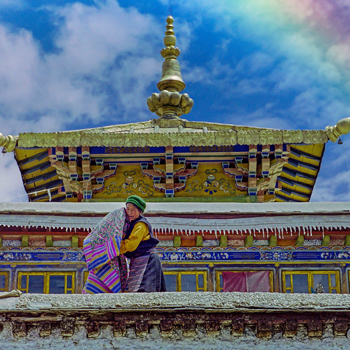
Destination
NepalDifficulty
EasyNepal and Tibet Tour
 14 Days
US$ 3000
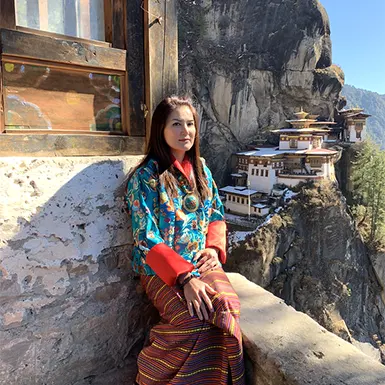
Destination
Nepal & BhutanDifficulty
EasyNepal and Bhutan Tour
12 Days
US$ 4460
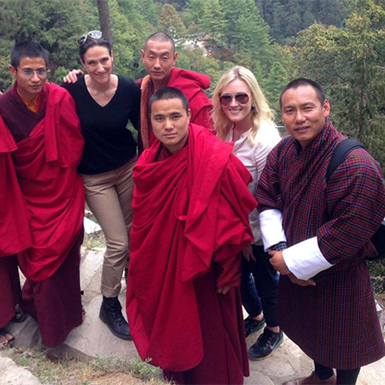
Destination
Nepal and BhutanDifficulty
EasyNepal Bhutan Luxury Tour
10 Days
US$ 9800