

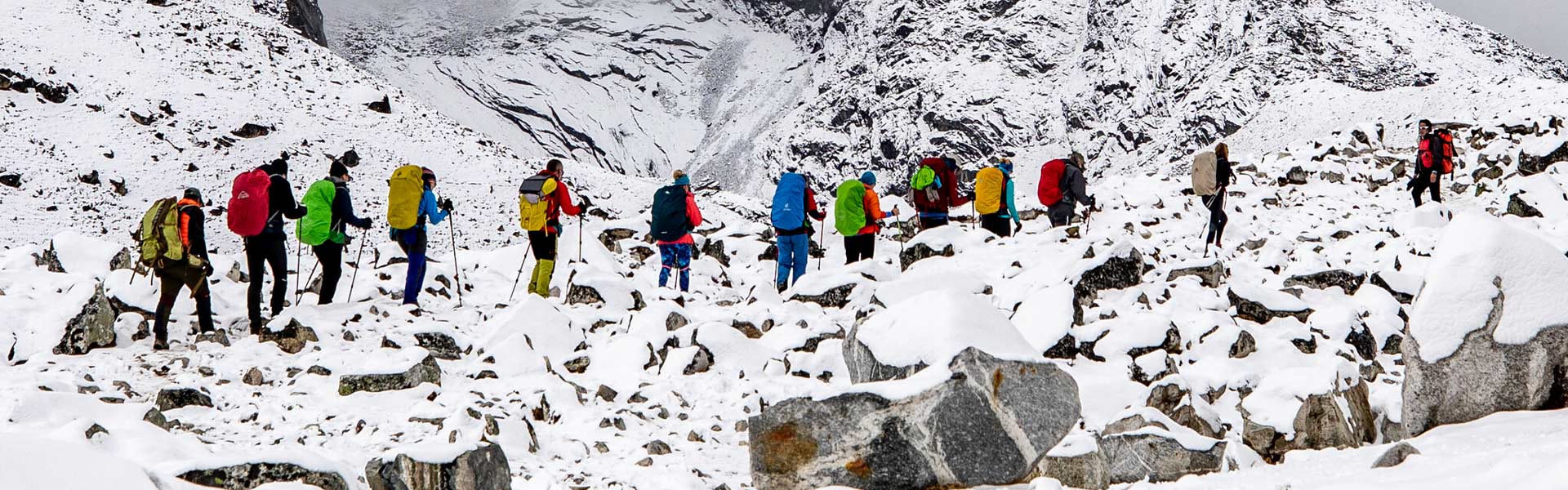


The Everest Base Camp Trek difficulty often comes up as the first question for prospective trekkers. Is it a trek for seasoned hikers only, or can a beginner do it? In truth, the trek is considered moderate to challenging. You do not need technical climbing skills or mountaineering experience for Everest Base Camp – it’s a long hike rather than a climb. However, the high altitude, long days of walking, and basic conditions make it a real test of endurance. With the right preparation and mindset, people from many age groups and fitness levels successfully complete this trek every year.
So, how hard is the Everest Base Camp Trek? It’s hard enough to be a serious accomplishment, but not so hard that you need to be an athlete. Think of it as a multi-day uphill hike in a remote area with thin air. We will break down the Everest Base Camp difficulty level by looking at distance, altitude, terrain, weather, and required fitness. By understanding these factors, you can prepare properly and greatly improve your chances of reaching Base Camp safely.
Understanding the Difficulty Level
Several key factors contribute to the challenge of the Everest Base Camp (EBC) trek:
- Altitude: You will reach a maximum elevation of about 5,545 meters (18,192 ft) at Kala Patthar, and Everest Base Camp itself is at 5,364 m. The high altitude means less oxygen; even simple activities feel harder the higher you go.
- Endurance: Trekkers walk an average of 5 to 7 hours a day for about two weeks. Some days involve steep uphill climbs, which can be exhausting when combined with altitude.
- Terrain: The trail includes rocky paths, stone steps, and some glacial moraine near Base Camp. It’s not a flat or gentle trail – there are lots of ups and downs.
- Weather: Temperatures can be very cold at night (below freezing) and the weather can change quickly. You might experience sunny days, sudden winds, or even snow, all in the same trek.
- Basic facilities: Above 4,000 m, tea houses (lodges) are very simple. Rooms are unheated, and you may have to cope with limited electricity and basic toilets. Comforts you might be used to at lower altitudes are not available, which adds to the overall challenge.
None of these factors alone make the trek impossible, but together they define the EBC trek’s challenge. Proper acclimatization, good fitness, and determination help overcome these obstacles.
Distance and Duration
The Everest Base Camp trek covers a round-trip distance of roughly 130 kilometers (about 80 miles) from Lukla to Base Camp and back. This distance is typically spread over 12 to 14 days, which includes a couple of rest days for acclimatization.
Trekkers usually walk 10–15 km per day, which might take 5 to 7 hours of hiking at a moderate pace. The reason it takes two weeks to cover what might not seem like a huge distance is the altitude – you have to go slowly to let your body adjust.
Here’s a typical itinerary outline showing distance, altitude, and walking hours for each day:
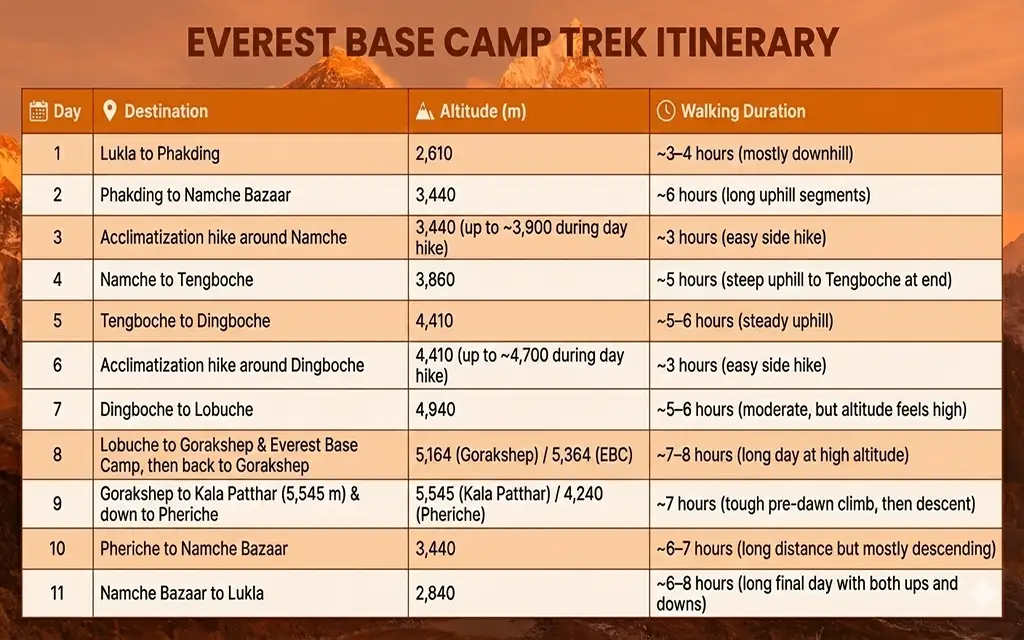
(Note: Itineraries vary; some trekkers add an extra day for descent or adjust according to their pace.)
As shown above, you have a couple of easier days built in (for acclimatization), but also some very long, strenuous days – especially day 8 and day 9 in this example. The pace is critical: you hike slowly and steadily, and guides often remind trekkers to go “bistaarai, bistaarai” (slowly, slowly in Nepali) to cope with the altitude.
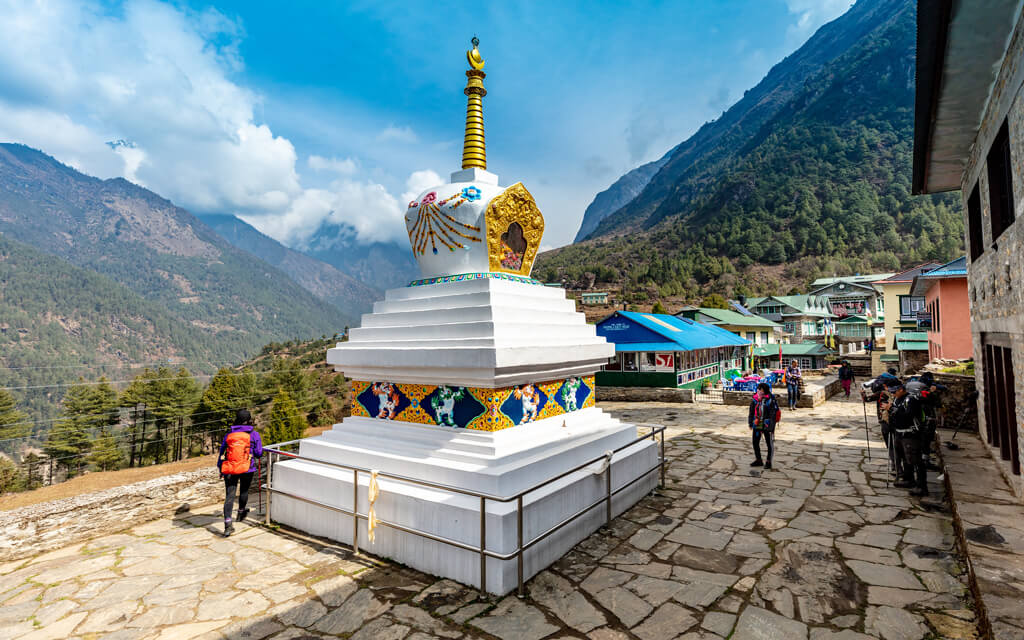
Also, See:
Weather and Seasonal Difficulty
The time of year you choose for the trek greatly influences how hard it feels. The best time for Everest Base Camp trek is usually spring (March–May) or autumn (September–November) for stable weather and clear views. Here’s a breakdown of conditions by season:
- Spring (March to May): Temperatures are moderate, especially in April and May. During the day, it can be around 10–15°C at mid-altitudes like Namche or Tengboche, and slightly above freezing at Base Camp. Nights are cold but not extreme (maybe -5°C at Base Camp in April). Trails are generally dry, and the rhododendron forests are blooming in the lower parts, adding beauty to the trek. Spring is also Everest climbing season, so Base Camp will be bustling with expedition tents and activity. Difficulty: Moderate. You need to be prepared for some heat in lower elevations and increasingly thin air as you go up, but weather-wise it’s very trekker-friendly.
- Summer/Monsoon (June to August): This is the least popular time due to heavy rain in the lower stretches and cloudy, humid conditions overall. The trail can be slippery with mud, and leeches thrive in the damp forests up to Namche. Mountain views are often obscured by clouds. However, it’s warm (even at night it might only drop to around freezing at Base Camp). Difficulty: Hard. The rain, mud, and potential for weather-related delays (like flight cancellations to Lukla) make it challenging. If you trek in July or early August, you have to be okay with getting wet and not seeing much of the scenery.
- Autumn (September to November): Clear skies and stable conditions define this season. After the monsoon, the air is crisp and clean. Daytime temperatures are cool (maybe 5–12°C at mid-altitude in October) and nights are cold (down to -10°C or lower at Base Camp by November). October is the most crowded month on the trail. Difficulty: Moderate. The weather is nearly perfect, so the main challenges are just the inherent ones (altitude, distance). However, dealing with crowds and securing accommodation can add a bit of logistical stress in peak season.
- Winter (December to February): Very cold temperatures, especially in late December and January. Daytime highs might be around 0°C at Base Camp, with nights plummeting to -15°C or -20°C in the coldest part of winter. There can be significant snow on the trail, or the trail might be completely dry – it varies year to year. When snow does fall, it can temporarily make trekking harder or even block the route (high passes like Cho La, if you were doing side routes, are often impassable). Difficulty: Challenging. Mainly due to the cold. Physically, if the trails are clear, the walking isn’t harder than in autumn, but you’re carrying heavier gear and braving fiercer conditions. The upside is very few others around and amazingly clear skies.
Each season has its pros and cons, and even within a season you can get unlucky (a bad storm in autumn, or an unusually dry week in monsoon). Overall, most would agree that the trek is easiest in spring and autumn and hardest in mid-winter and peak monsoon.
Required Fitness Level
You do not need to be a super athlete to trek to Everest Base Camp, but a reasonable level of fitness is necessary. What kind of Everest Base Camp fitness level should you aim for? Ideally, you want good cardiovascular endurance, leg strength, and the ability to hike for multiple hours day after day.
Recommended EBC trek preparation and training:
- Cardio training: Engage in regular aerobic exercise like jogging, cycling, swimming, or brisk walking at least 3–4 times a week for a few months leading up to the trek. This improves your endurance for long days of walking. Being able to climb stairs or hike uphill for an hour without needing a long break is a good benchmark.
- Hiking practice: If possible, do some weekend hikes in your area. Try to simulate trekking conditions: for example, take a 5–6 hour hike on hilly terrain while carrying a daypack (5–7 kg). Not only does this build physical stamina, but it also helps toughen your feet and get you used to walking on trails.
- Strength and flexibility: Incorporate some leg and core strength exercises into your routine. Squats, lunges, and step-ups will help your legs handle the uphill sections. Core exercises (planks, sit-ups) will help with overall balance and carrying your backpack. Flexibility (through stretching or yoga) can reduce muscle soreness and prevent injuries.
- Mental preparation: Often overlooked, but very important. Multi-day treks can be as much a mental challenge as a physical one. You might have moments of fatigue, homesickness, or doubt. Building mental resilience – whether through meditation, visualization techniques, or just gradually pushing yourself out of your comfort zone during training – can make a difference. Remind yourself that it’s a challenge but a doable one, and that the discomforts are temporary.
People from a wide age range complete this trek. It’s common to see trekkers in their 50s and 60s reach Base Camp, and occasionally even those in their 70s. They usually credit steady training and a slow pace as the keys to success. With solid preparation, most healthy individuals with determination can achieve this feat. The trek is demanding, but it’s within reach if you build up your fitness and stay positive.
Temperature and Weather
The temperature at the Everest Base Camp or the high passes can drop to – 12°C (10°F). In Mid-November 2016, the warmth of the Base camp was estimated to be most extreme at 15°C (59°F) and at least – 12°C (10°F), and the breeze speed was around 5 to 6 mph. Notwithstanding, during a similar season at Lukla, the temperature was a base of 8°C (46°F) to a Maximum of 20 °C (68°F).
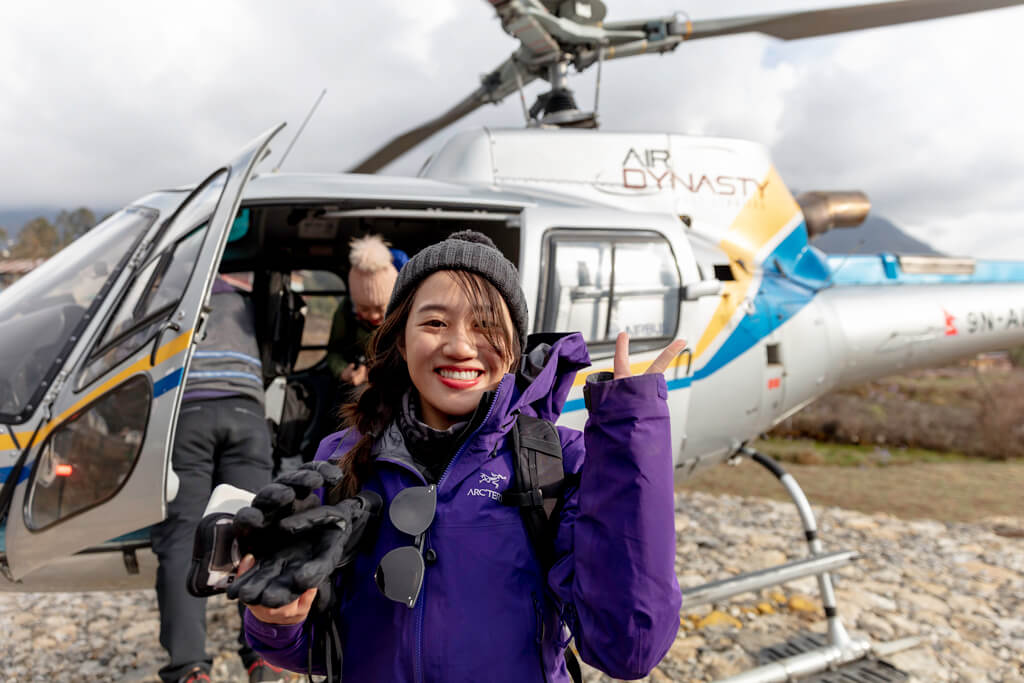
Terrain and Trail Conditions
The EBC trail is well-trodden and easy to follow, but that doesn’t mean it’s an easy walk. Different sections of the trek present different challenges:
Lower section (Lukla to Namche, 2,800 m – 3,400 m)
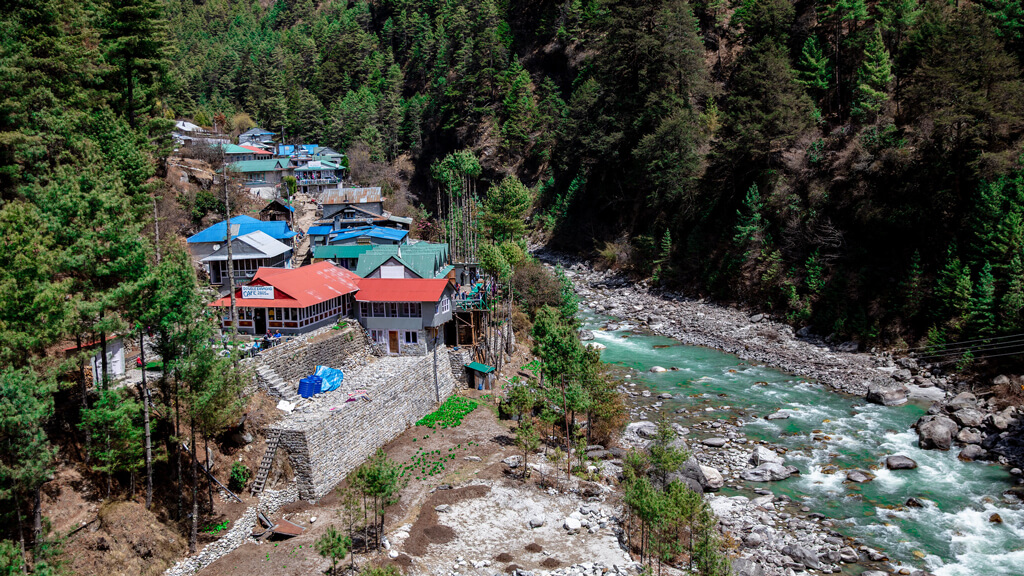
Lush green valleys and several suspension bridges over the Dudh Koshi River mark this part. The trail is a well-defined dirt path through villages and forests. The hardest part here is the long uphill climb to Namche Bazaar on day 2, which includes a notorious section dubbed the “Namche Wall” – a series of steep switchbacks that can leave you breathless.
Mid section (Namche to Dingboche, ~3,400 m – 4,400 m)
The terrain opens up above the tree line. Trails are often wide, with a mix of gentle sections and steep climbs. For example, after Namche you walk along a high ridge with spectacular views, then drop to cross a river, and face a tough uphill to Tengboche. Past Tengboche and Deboche, the path to Pangboche and Dingboche is a gradual ascent through shrubs and grasslands. By now the air is thinner, so even a moderate incline feels harder.
Upper section (above 4,500 m, Dingboche to Base Camp)
The environment becomes stark and rugged. Vegetation is minimal; you’re mostly walking on rocky ground and glacial moraine. From Dingboche to Lobuche, you start by climbing a steep hill (the Thukla/Dughla pass, which has a memorial area for fallen climbers) then traverse above the Khumbu Glacier. The trail can be rocky and uneven. The day from Lobuche to Gorakshep and then to Base Camp and back is long and tiring – not because of huge climbs (it’s more like a series of ups and downs on rubble and ice), but due to the altitude and duration. Also, the optional hike up Kala Patthar is extremely demanding: it’s a steep 2-hour ascent at very high altitude, usually done in the predawn cold to catch sunrise on Everest.
Trail conditions also depend on the season. In winter, you may encounter snow or icy sections above Tengboche, making things more slippery (carrying traction aids like microspikes can be wise). In the monsoon, the lower trail is muddy and certain slopes can be landslide-prone or washed out, though the main path is maintained.
The good news is, there’s no technical climbing on the EBC trek. You won’t need ropes, and there’s no glacier travel that requires special gear (you do walk alongside and on the very edge of the Khumbu Glacier near Base Camp, but not on dangerous crevassed sections). It’s often said that the trek is “a hike, not a climb,” which is true. But you will feel the exertion because of the trail’s relentless up-and-down nature and the altitude’s impact on your body.
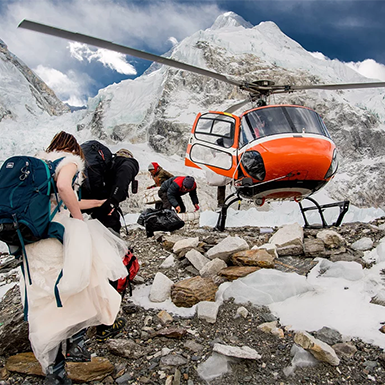

Everest Base Camp Trek with Helicopter Return
 11 Days
 Moderate to Challenging
Utilization of Improper diet during the Trek
Eating nourishment implies powering yourself to walk further. You should have three suppers per day during your Everest Base Camp trek to keep power. In some cases, one can get food contamination while trekking.
[contact-form-7 id=”6913″ title=”Inquiry From – Blog”]
Food contamination can be progressively dangerous if you are at higher heights. You will feel more fragile, and consequently, height disorder quickly influences you. In this way, in some cases, the absence of a consistent eating routine or food contamination can expand the Everest Base Camp trek trouble.
The significant danger of food contamination is the utilization of meat. The Everest district is a Buddhist region altogether. Thus, cutting creatures can’t occur there. The chickens that you eat are ported from Lukla to the higher areas. In this manner, the meat may not be sound. Could you think before you have it? Additionally, dirtied water can likewise be the reason.
Here we have recorded some preventive ways against food contamination:
- Make sure you drink pure water. Convey water sanitization fluids and pills with you to abstain from getting contaminated.
- Eating neighborhood Nepali cooking is better. Foods are consistently cooked. They are filling and make a legitimate eating regimen.
- Avoid the utilization of meat if you can.
Death and sufferer
Mishaps and shocking news from Everest Trekking are regularly and all-inclusive. Notwithstanding, most of those occurrences relate to the campaign and not trekking. A torrential slide killed 19 climbers in camp II in 2015. The more significant part of the passing is the flood; the path to the base camp is protected from any torrential slide. There is no simple static accessible online about what number of individuals kick the bucket in the Everest Base Camp trek? An unpleasant gauge we got notification from the news is around 3-5 individuals kick the bucket every year on the Everest Base Camp out of approximately 30,000 individuals. This is a passing pace of about 0.01%, primarily because of the high height of infection.
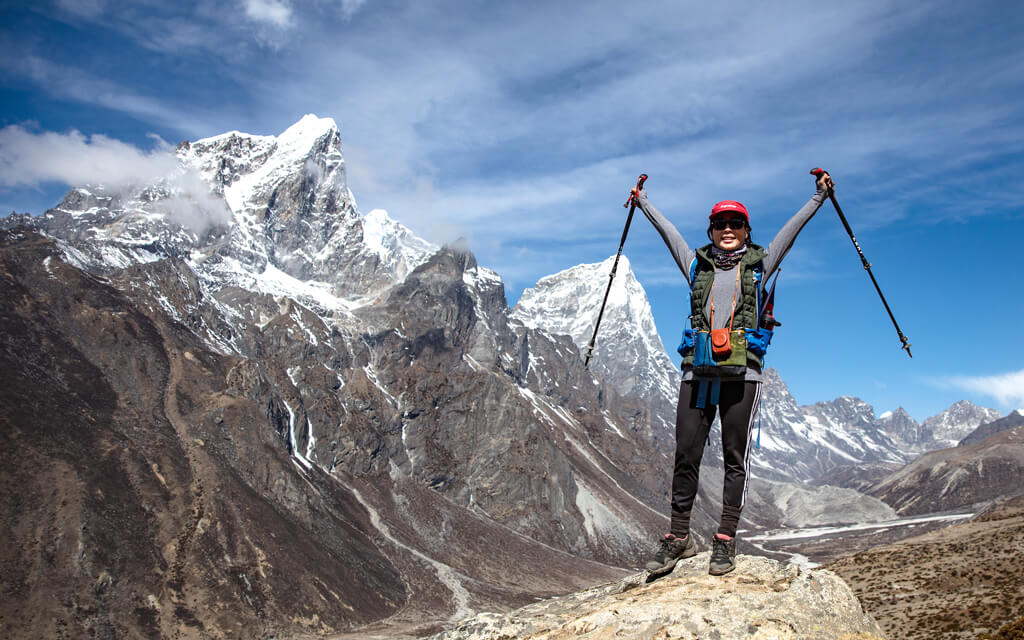
The most effective method to prevent
Everest Base Camp trek isn’t challenging as a rule on the off chance that you follow some counsel. Great mountain affliction because of high elevation is the principal issue if there is no sufficient acclimation. Since individuals from around the globe trek this path, it has critical clinical safety by helicopter offices, which can be assembled right away.
Pick the correct Gear.
As each game is played with the proper apparatus, it is fundamental that multi-days trekking ought not to be undermined. Many of my clients who plan Base Camp treks think the Everest Base Camp trek resembles ascending a high mountain? The accompanying things could furnish you with fundamental basics:
Inappropriate outfitting can destroy your Trek making it progressively troublesome. Assume you are trekking in stormy seasons, and you need downpour insurance gears. The Trek will be a waste, that’s it. The Everest Base Camp trek requires a lot of arrangements. It would help if you packed various things for various reasons. Get data on the Everest Base Camp Trek Packing Lists.
- Grappling Ropes are NOT required.
- Ice hatchet NOT required.
- Gore-Tex NO required
- Climbing shoe or crampon NOT required (Ground isn’t cleared – unpleasant, rough, and rock-strewn)
What you need are:
- Hiking boot (high lower leg boot suggested)
- Sleeping sack (redundant but rather prescribed to have one)
- Down Jacket
- Pair the warm sweater to keep you warm inside
- A few agreeable dry climbing pants
- Hiking socks (thick and it should give sufficiently warm)
- Hiking sack (least 50l+10)
Furthermore, you could think about taking a warm cap/head spread, scarf, sunglasses, lip watch, sun cream, trekking post, headlamp, windproof gloves, water bottle, water cleansing drop, camera embellishment, emergency treatment pack, and so forth.
Common Misconceptions
There are a few myths about the Everest Base Camp trek that are worth clearing up:
“It’s a climb, you need mountaineering skills.”
False. The EBC trek does not involve actual climbing on ice or vertical rock. It is a challenging high-altitude hike, but it is not the same as climbing Everest or other serious peaks. No technical climbing equipment or skills are needed; the biggest technical challenge might be walking on a rocky moraine at Base Camp, which is just like walking on a rough trail.
“Only very fit young people can do it.”
Incorrect. While you do need to be fit and prepared, many ordinary people – including those in middle age or retirement – complete the trek successfully. It’s more about determination, acclimatization, and going at a pace your body can handle. We’ve seen teenagers managing the trek and also travelers in their 60s making it to Base Camp. Good fitness certainly makes it easier, but you do not need to be an elite athlete. Think of it this way: if you can comfortably hike for a full day in the hills back home, with some breaks, you can likely handle the EBC trek with some training.
“If I get altitude sickness, I can just push through it.”
Extremely dangerous misconception. Altitude sickness is not like a muscle cramp that you can ignore. If you develop serious symptoms of AMS (severe headache, vomiting, dizziness), pushing higher can lead to life-threatening conditions like High Altitude Pulmonary Edema (HAPE) or High Altitude Cerebral Edema (HACE). The correct response is to stop ascending and, if symptoms worsen, descend to lower altitude. A good guide will enforce this. Always prioritize your health over reaching a destination. Base Camp will always be there another year; your life and health are more important.
“Going with a guide isn’t necessary.”
This depends on your experience and preference. It’s true that the trail is straightforward and quite busy in peak seasons, so some experienced trekkers go independently. However, for most people, especially on a first trip to Nepal, a guide is highly beneficial. They provide local knowledge, enhance safety, and make the journey smoother (finding good lodges, handling flight re-bookings if needed, etc.). Plus, hiring a guide or porter puts money into the local economy, which is a good thing. So while not mandatory, having a guide is strongly recommended for a safe and enriching experience unless you’re very confident in your high-altitude trekking abilities.
[contact-form-7 id=”6913″ title=”Inquiry From – Blog”]
How to Make the Trek Easier
If you’re worried about the Everest Base Camp trek difficulty, consider these strategies to make your trek a bit easier:
- Plan a longer itinerary: Adding extra days for acclimatization or splitting some trekking days into shorter segments can reduce fatigue. Some trekkers build in an extra night at a mid-point (for example, spending two nights in Phakding or an extra night in Pheriche on the way down). A slower pace with more rest days increases your success rate and comfort.
- Hire a guide and/or porter: Having an experienced Sherpa guide means you have someone to manage the trek logistics, monitor your health, and encourage you when things get tough. A porter can carry the bulk of your gear (usually up to 15 kg per trekker if you hire one porter for two people), which means you only carry a light daypack. This makes a huge difference in how tired you feel each day. Even if you normally hike without support, remember that altitude and consecutive days of trekking make everything harder – a porter’s help can be a trip-saver.
- Pack light: Whether or not you take a porter, be mindful of your packing. The less unnecessary weight you haul, the easier it will be on your body. Bring only essential gear and clothing. It’s tempting to pack extras “just in case,” but those kilos add up on your back (or on your porter’s back). Stick to the packing list essentials; you can always rent good gear in Kathmandu instead of carrying your own heavy equipment.
- Stay hydrated and eat well: Dehydration can worsen altitude symptoms and sap your energy. Drink water frequently, even if you’re not very thirsty in the cold air. Aim for 3–4 liters per day, including hot drinks. Likewise, eat enough calories. At high altitudes you may lose some appetite, but your body is burning a lot of energy. Try to consume carbohydrates (rice, pasta, potatoes) and some protein to help your muscles recover. Treat yourself to snacks – a chocolate bar or energy bar during a long ascent can do wonders for morale and energy.
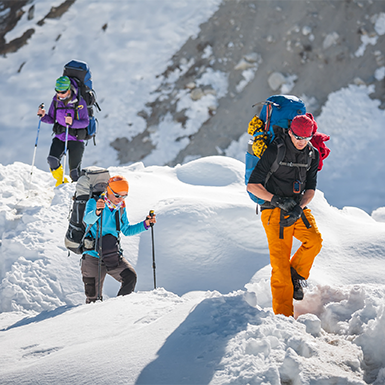
- Use trekking poles: Many trekkers find that using trekking poles reduces strain on the knees during steep descents and helps with balance on rocky or uneven terrain. They effectively take some weight off your legs by engaging your arms. This can be especially helpful on the downhill sections when your legs are tired. If you’re new to poles, practice using them before the trek (there’s a bit of coordination involved in getting the rhythm right).
- Consider some comforts: If budget allows, stay at a nicer lodge at a couple of points, such as in Namche or Lukla at the end. A hot shower, a heated dining room, or a real mattress with an electric blanket can vastly improve how you feel. Another comfort tip: bring a few small indulgences with you, like your favorite tea bags, a bit of instant coffee if you’re a coffee person (coffee options on the trail can be limited), or a preferred trail snack from home. Little things that lift your mood can make the challenge feel more manageable.
Also, See:
Conclusion
In summary, the Everest Base Camp trek difficulty is manageable for anyone prepared to put in some effort and time to train. It’s not an easy trek — the high altitude and long days make sure of that — but thousands of people from all walks of life succeed every year. Treat it with respect: train beforehand, go slow, and take care of your health on the trail. If you do that, the trek is not “impossibly hard,” but rather “hard enough to be very rewarding.”
Reaching Everest Base Camp is as much a mental victory as a physical one. When you stand at 5,364 meters with the Khumbu Icefall and the peaks of Everest, Nuptse, and Pumori around you, every challenging step will feel worth it. By understanding the challenges and preparing for them, you transform a daunting challenge into a doable adventure. The sense of achievement you’ll carry back home is immense — proof that you took on the Himalayas and prevailed.