


Nepal offers something rare: one country where mountain scenery, ancient temples, wildlife parks, and pilgrimage sites all sit within reach of each other. A good Nepal travel guide starts with one simple truth. Nepal is not one single trip. It fits many travel styles.
Some travelers come for heritage and city life. Some come for mountain views, short hikes, or major treks. Others want jungle safaris, spiritual sites, or a balanced first-time route. This guide helps readers choose the right version of Nepal and plan it well.
Use this guide to decide where to go, when to visit, how many days to allow, which permits and visas matter, how much to budget, and how to build a route that feels rewarding rather than rushed.
This guide covers:
- Where to go and what to see
- When to visit Nepal
- How many days to allow
- Visa and entry basics
- Permits and major fees
- Budget planning
- Getting around Nepal
- Health, safety, and packing
- Sample itineraries
- Common mistakes to avoid
Nepal Travel Guide at a Glance
| Topic | Quick Answer | Best For | Where It Matters Most |
|---|---|---|---|
| Best season | October to November and March to April | First-time visitors and trekkers | Most travel routes in Nepal |
| Minimum trip length | 3 to 5 days | Kathmandu Valley visitors and short city trips | Culture-focused Nepal travel |
| Recommended first trip | 10 days | Travelers who want culture, scenery, and wildlife | Kathmandu, Pokhara, and Chitwan |
| Visa needed? | Yes, for most nationalities | Most international travelers | Nepal arrival and pre-trip planning |
| Trekking permits | Depends on the route | Trekkers and mountain travelers | Protected and restricted trekking areas |
| Typical daily budget | USD 35 to 60 budget, USD 80 to 150 mid-range, USD 200+ luxury | Budget, mid-range, and luxury travelers | Varies by route, season, and comfort level |
| Nepal without trekking? | Yes, absolutely | Culture, wildlife, and scenic travelers | Kathmandu, Pokhara, Chitwan, and Lumbini |
Quick Answer: What Should You Know Before Visiting Nepal?
These are the most important planning points for first-time visitors:
- Nepal suits culture lovers, mountain lovers, wildlife travelers, spiritual travelers, and trekkers.
- A strong first route is often Kathmandu Valley, Pokhara, and Chitwan.
- Spring and autumn usually work best for most routes and the clearest mountain views.
- Most foreign tourists need a tourist visa. Indian nationals do not.
- Trekking paperwork depends on the route. Protected areas may require park or conservation entry fees. Many trekking routes also require a licensed guide and agency-issued TIMS under the revised provision.
- Nepal works very well for non-trekkers. Heritage, wildlife, and scenic travel do not require a trekking permit.
Who Nepal Is Best For
Nepal is one of the best destinations in Asia for travelers seeking variety in a single trip. It works especially well for first-time visitors who want culture, scenery, and wildlife in a single route.
It also suits photographers, spiritual travelers, and travelers who want mountain views without a major trek. Trekkers, of course, still find some of the world’s most famous routes here.
Why Visit Nepal?
Heritage and UNESCO value
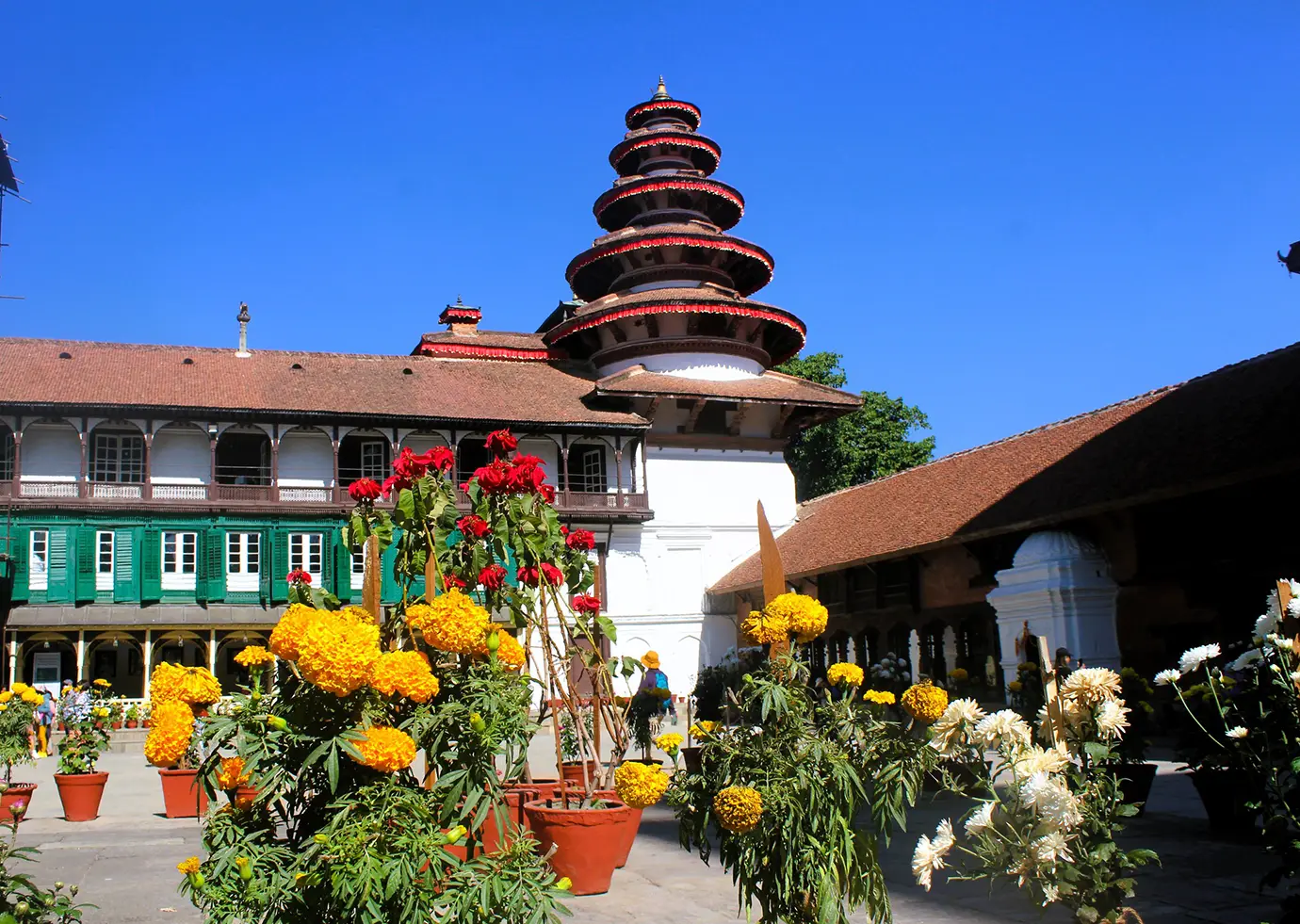
Kathmandu Valley contains one of Nepal’s densest collections of historic architecture and living religious heritage. The valley links Kathmandu, Patan, and Bhaktapur with major shrines such as Swayambhunath, Boudhanath, Pashupatinath, and Changu Narayan.
Nepal also has other UNESCO-listed highlights. Lumbini marks the birthplace of Buddha. Chitwan National Park and Sagarmatha National Park add natural world heritage value to the country.
Himalayan scenery and trekking
Nepal is home to eight of the world’s ten highest mountains and some of the best-known trekking regions. Everest, Annapurna, and Langtang all offer different styles of mountain travel.
Travelers do not need to go on a long trek to enjoy the Himalayas. Pokhara, Nagarkot, Dhulikhel, Sarangkot, and mountain flights offer strong views without a demanding itinerary.
Wildlife and protected areas
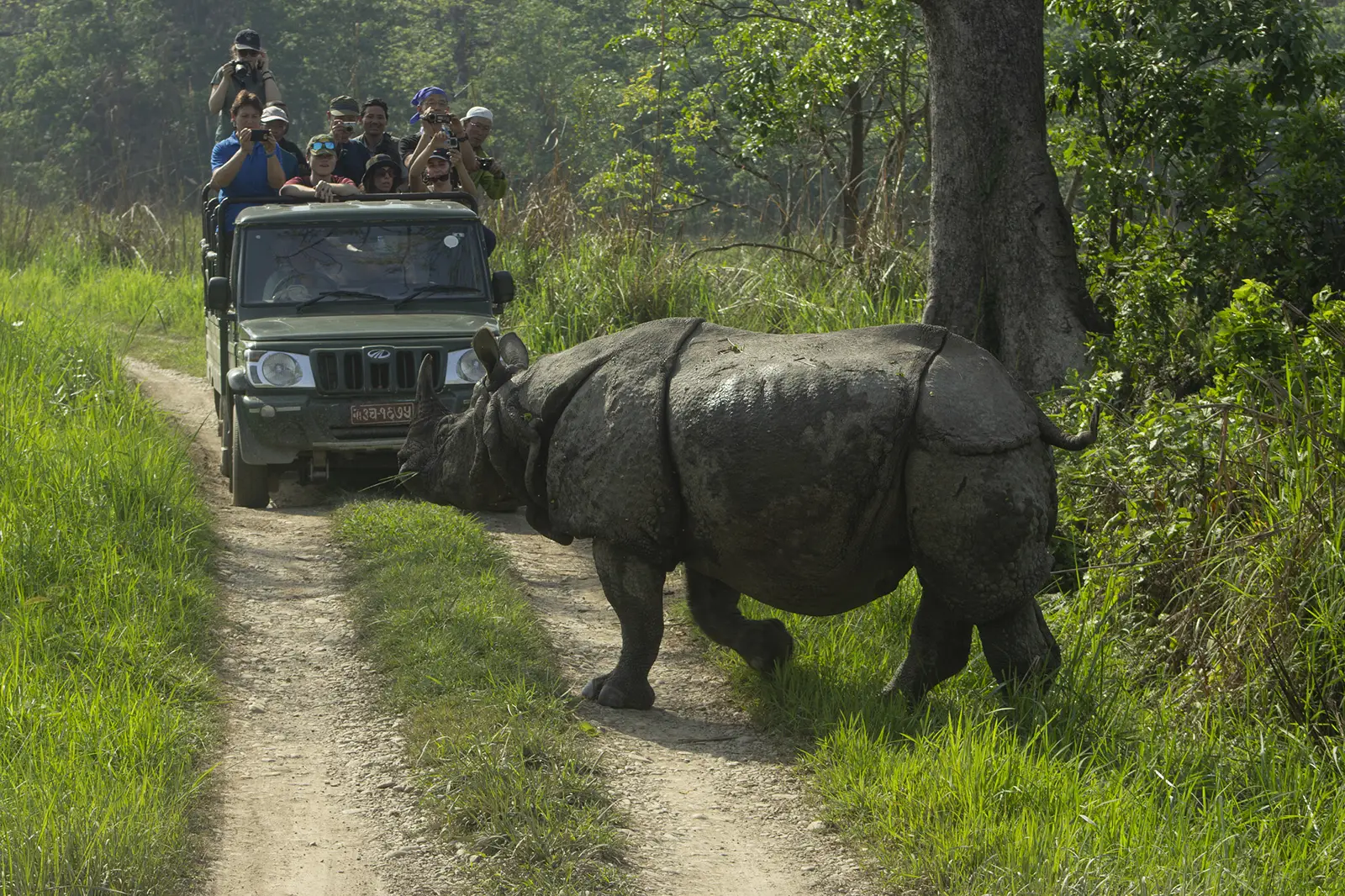
Nepal is not only a mountain country. Chitwan National Park adds jungle safari, birdwatching, crocodiles, and one-horned rhinoceros to a Nepal trip. Bardiya offers a quieter wildlife experience with fewer visitors.
That contrast between high mountains and lowland jungle is one of Nepal’s biggest strengths.
Spiritual and pilgrimage travel
Nepal carries deep religious meaning for both Hindu and Buddhist travelers. Pashupatinath draws pilgrims from across South Asia, while Boudhanath anchors Tibetan Buddhist life in the Kathmandu Valley.
Lumbini and Janakpur add two more major spiritual destinations for travelers who want a deeper cultural route.

Best Places to Visit in Nepal
Kathmandu Valley
Kathmandu Valley includes Kathmandu, Patan, and Bhaktapur. These three historic cities sit close enough to combine easily, yet each one feels different.
This is the strongest cultural base in Nepal. Key sites include Kathmandu Durbar Square, Patan Durbar Square, Bhaktapur Durbar Square, Swayambhunath, Boudhanath, Pashupatinath, and Changu Narayan.
Allow at least two to three days here. Four days is better if culture is your main focus.
Best for: first-time visitors, culture lovers, photographers, and non-trekkers.
Pokhara
Pokhara sits west of Kathmandu on the shore of Phewa Lake. The Annapurna range rises behind the city, offering Pokhara some of the most rewarding, easy-access mountain scenery in Nepal.
Main highlights include Phewa Lake, Sarangkot sunrise, the World Peace Pagoda, and quieter Begnas Lake.
Pokhara works well for couples, first-time visitors, families, and non-trekkers. It also serves as the main gateway to the Annapurna region.
Allow two to three nights.
Chitwan
Chitwan National Park adds wildlife and lowland scenery to a Nepal trip. Sauraha serves as the main tourist base, and Bharatpur offers convenient air connections.
Common activities include jeep safari, canoe rides, guided nature walks, birdwatching, and Tharu cultural programs.
Allow two nights for a balanced wildlife stay. This is one of the best add-ons for a first trip.
Lumbini
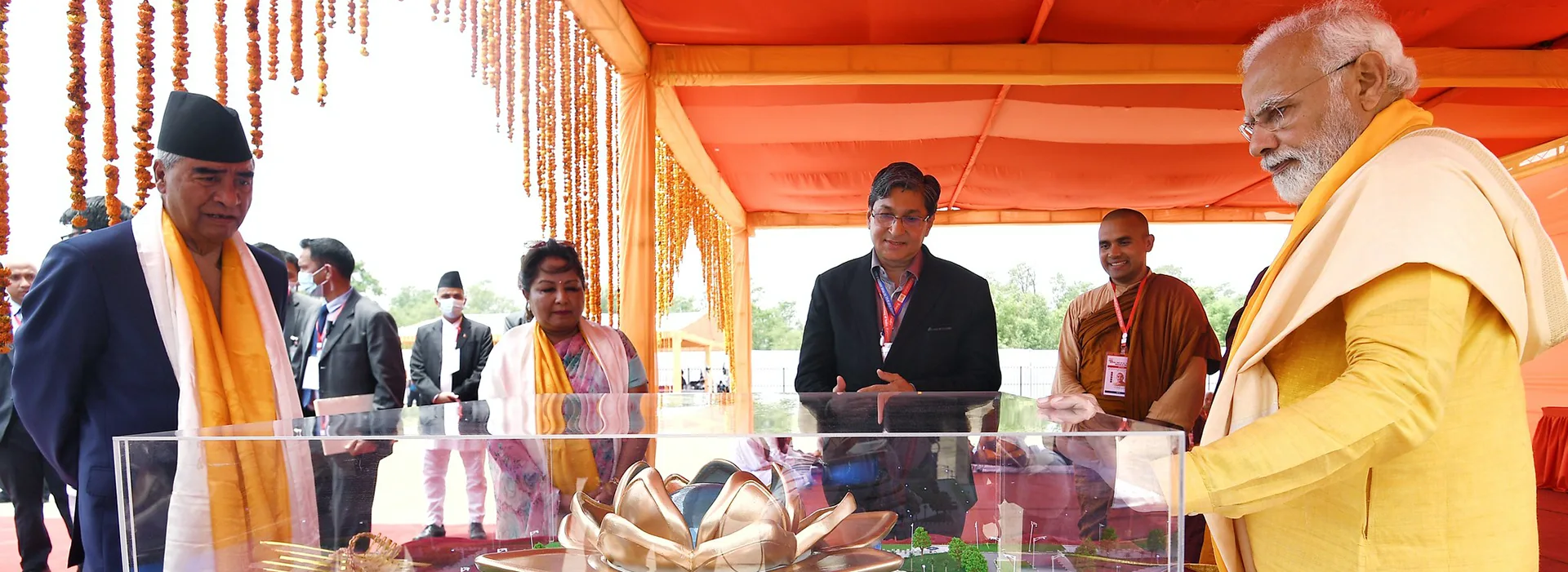
Lumbini marks the birthplace of Siddhartha Gautama, who became the Buddha. The sacred garden, the Maya Devi Temple area, and the monastic zone together create one of Nepal’s most meaningful spiritual destinations.
Lumbini suits spiritual travelers, history seekers, and travelers who want a slower cultural stop.
Allow one to two days.
Everest Region
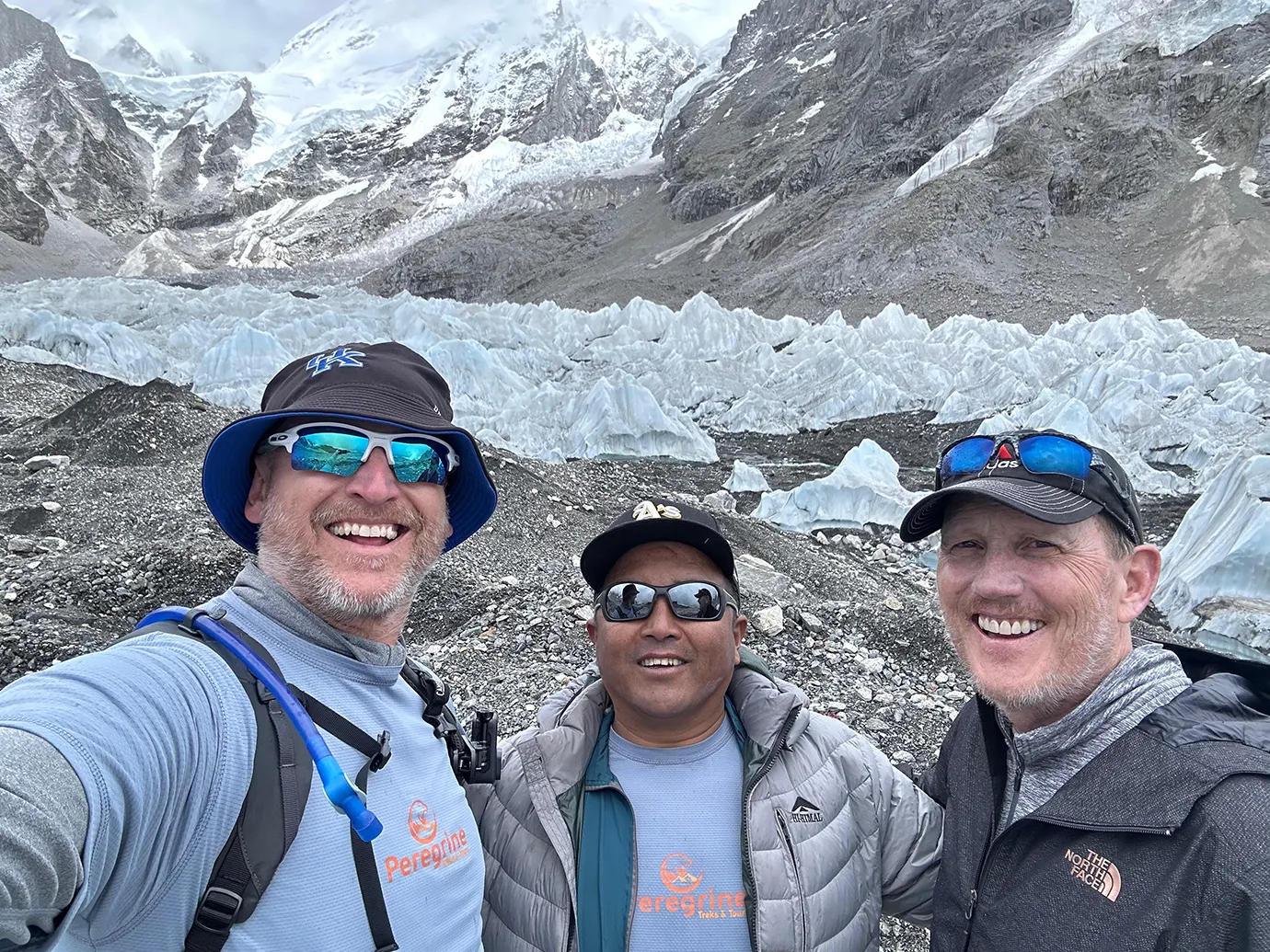
The Everest region attracts trekkers, mountaineers, and travelers who want the strongest Himalayan identity. Mountain flights offer quick views, while short treks and longer routes lead deeper into Sherpa country.
The full Everest Base Camp trek usually needs 12 to 16 days. Shorter treks work for travelers with less time but still require route planning and acclimatization.
Janakpur
Janakpur in the eastern Terai is one of Nepal’s most important Hindu temple cities. Janaki Mandir, Mithila art, and living ritual traditions give it a distinct cultural identity.
It suits travelers who want to go beyond the standard Kathmandu-Pokhara-Chitwan route.
Best Time to Visit Nepal
Autumn: October to November
Autumn brings the clearest skies, strong mountain visibility, dry trails, and comfortable conditions in many parts of the country. It is the strongest all-around season for first-time visitors, trekkers, and scenic travel.
Spring: March to May
Spring brings rhododendron bloom, warm days, and another strong trekking season. April often offers a very good balance of weather and visibility, while May grows warmer and hazier.
Monsoon and summer: June to September
Monsoon brings heavy rain, cloud cover, muddy roads, and weaker mountain visibility in many regions. It still works for flexible travelers, birdwatchers, cultural routes, and selected rain-shadow areas, but it is not the easiest season for a broad first trip.
Winter: December to February
Winter brings cold nights and snow at higher elevations, but Kathmandu Valley, Pokhara, and the Terai remain accessible. It is a good season for wildlife, city travel, and budget-conscious visitors who do not need high passes.
How Many Days Do You Need in Nepal?
Nepal trip planning starts with a realistic day count. Distances can look small on a map, but road travel takes longer than many first-time visitors expect.
A short trip can still work well if you focus on the right places. A longer trip offers more depth, comfort, and variety.
Nepal for 1 week (7 days)
- Seven days works well for Kathmandu Valley and Pokhara.
- Suggested route: Days 1-3 in Kathmandu Valley, Days 4-5 in Pokhara, Day 6 return to Kathmandu, Day 7 departure.
Nepal for 10 days
- Ten days is one of the strongest first-time lengths. It allows Kathmandu, Pokhara, and Chitwan without forcing the trip too hard.
- Suggested route: Days 1-3 in Kathmandu Valley, Days 4-5 in Pokhara, Days 6-7 in Chitwan, Days 8-9 back in Kathmandu or nearby, Day 10 departure.
Nepal for 2 weeks
- Two weeks opens space for Lumbini, Janakpur, a short trek, or a slower pace across the classic route.
- This is the best length for travelers who want both breadth and comfort.
Nepal without trekking
- Nepal works beautifully without any trekking. Kathmandu Valley, Pokhara, Chitwan, Lumbini, Nagarkot, and Dhulikhel all offer strong experiences without technical effort or trekking permits.
Nepal, with a short trek
- Three to five extra days allow shorter trekking experiences, such as Ghorepani-Poon Hill from Pokhara or selected Langtang options closer to Kathmandu.
| Trip Length | Best Route | Main Experiences | Pace Level |
|---|---|---|---|
| 5 days | Kathmandu Valley only | Heritage sites, temples, and palace squares | Relaxed |
| 7 days | Kathmandu and Pokhara | Culture and mountain scenery | Moderate |
| 10 days | Kathmandu, Pokhara, and Chitwan | Culture, scenery, and wildlife | Moderate |
| 12 days | Kathmandu, Lumbini, Pokhara, and Chitwan | Broad Nepal highlights | Moderate |
| 14 days | Classic 10-day route plus a short trek or Janakpur | Culture, scenery, and a deeper variety | Active |
| 16+ days | Multiple regions plus a full trek | Deep Nepal experience | Active to strenuous |
Nepal Visa and Entry Basics
Most international travelers need a tourist visa to enter Nepal. Nepal keeps the process relatively straightforward, but travelers should still check the current official rules before departure.
Tourist visa on arrival remains the main entry route for many visitors arriving by air or at approved land borders.
Who needs a tourist visa?
Citizens of most countries need a tourist visa. Indian nationals do not require a visa and can enter freely. Citizens of China may enter under specific bilateral arrangements. Always verify your country’s current status before travel.
Visa on arrival
Nepal offers a tourist visa on arrival at Tribhuvan International Airport in Kathmandu and at several land border crossings. The process takes 15 to 30 minutes on quieter days. Longer queues form during peak travel seasons, so arrive with a completed form if possible.
Online Tourist Visa Form
Nepal Immigration runs an online tourist visa system. Travelers fill in personal details, upload a photo, and receive a reference number before departure. Present this at the airport counter on arrival to speed up the process
Current visa fees
- 15-day tourist visa: USD 30
- 30-day tourist visa: USD 50
- 90-day tourist visa: USD 125
Entry documents to prepare
- Passport valid for at least six months
- At least one blank passport page
- Completed visa form or reference number if filled online
- Passport-sized photos as a backup
- Cash or an accepted payment method for the visa fee
- Return or onward travel details
Permits, TIMS, and Entry Fees
Some trips in Nepal need extra permits beyond the standard tourist visa. The exact paperwork depends on the route.
City sightseeing, national parks, trekking routes, and restricted regions all work differently, so it helps to separate them clearly.
Heritage site entry fees
Major sites in Kathmandu Valley and other heritage destinations charge separate entry fees for international visitors. Budget for them as part of your city days rather than as a surprise on arrival.
National park and protected-area fees
- Chitwan National Park: a separate park entry fee applies
- Sagarmatha National Park: a separate park entry fee applies
- Annapurna Conservation Area: a separate conservation entry fee applies
Use the latest Nepal Tourism Board or Department of National Parks schedule before travel, because fee structures can change.
TIMS and trekking permits
Route rules matter here. Many trekking routes now require a licensed guide and an agency-issued TIMS card under the revised provision. Protected areas may also require separate park or conservation permits.
Restricted trekking areas
Upper Mustang, Manaslu, Dolpo, Tsum Valley, and some other areas require special restricted-area permits. These are not casual last-minute add-ons. They usually need planning through a licensed agency.
Nepal Travel Budget Guide
Nepal works across a wide range of budgets. Start with fixed official costs such as visa fees, major entry fees, and permits. Then adjust accommodation, food, and transport to fit your style.
The biggest budget swing usually comes from comfort level, private transport, domestic flights, and trekking support.
Fixed official costs to plan first
- Tourist visa: USD 30 to 125, depending on stay length
- Heritage site fees: separate charges at major cultural sites
- National park and conservation area fees: separate charges where relevant
- TIMS or restricted-area permits: route dependent
Daily budget ranges
| Travel Style | What It Usually Includes | Typical Daily Spend* | Best For |
|---|---|---|---|
| Budget | Simple room, local meals, tourist bus, and basic sightseeing | USD 35 to 60 | Flexible travelers |
| Mid-range | Comfortable hotel, mixed transport, and better restaurants | USD 80 to 150 | Most first-time visitors |
| Luxury | Premium hotel, private transport, and curated experiences | USD 200+ | Comfort-focused travelers |
*Excludes international flights. Trekking, domestic flights, and premium safari or guide costs can raise totals.
Getting Around Nepal
Nepal’s terrain makes route planning essential. Road journeys often take longer than the map suggests, especially in the hills and mountains.
Choose transport based on your budget, comfort, and how much time you want to save.
When to fly
Domestic flights save significant time on routes such as Kathmandu-Pokhara and Kathmandu-Bharatpur for Chitwan. They work best when your time matters more than the cost difference.
When to use tourist buses
Tourist buses connect Kathmandu, Pokhara, and Chitwan on regular schedules. They cost less than flights and work well for travelers who are comfortable with longer road days.
When private transport is worth it
Private vehicles suit families, small groups, photographers, and travelers who want flexibility. They cost more, but they improve comfort and make stops easier.
Why route timing matters
Mountain roads, monsoon rain, winter conditions, and weather-sensitive flights can affect schedules. Build at least one buffer day into itineraries that are important or weather-sensitive.
Nepal Without Trekking
Many travelers assume Nepal demands a hard mountain itinerary. It does not. Nepal is one of the best South Asian destinations for non-trekkers seeking culture, scenery, wildlife, and spiritual depth.
A non-trekking route can easily fill 7 to 10 days with meaningful experiences.
- Kathmandu Valley for heritage, temples, and living city culture
- Pokhara for lakeside scenery, easy mountain views, and a slower pace
- Chitwan for wildlife and safari
- Lumbini for Buddhist heritage and a quieter spiritual stop
- Nagarkot and Dhulikhel for Himalayan views close to Kathmandu
- Janakpur for temple culture and Mithila art
Nepal for First-Time Visitors
A first trip to Nepal rewards depth over distance. Three strong destinations usually deliver more than six rushed ones.
Kathmandu, Pokhara, and Chitwan remain the most balanced first-time combination because they cover culture, scenery, and wildlife.
Best first-time route
Kathmandu (3 nights) – Pokhara (2 nights) – Chitwan (2 nights) – Kathmandu (1 night).
Best first-time route without trekking
Kathmandu (3 nights) – Nagarkot or Dhulikhel (1 night) – Pokhara (2 nights) – Chitwan (2 nights).
Who may not suit Nepal?
Nepal may feel less rewarding for travelers who dislike long road transfers, want a very fast luxury-city trip, or expect perfect mountain visibility in the monsoon. The destination shines most when the route aligns with the season and travel style.
Culture, Etiquette, and Local Travel Tips
Temple etiquette
- Remove shoes before entering temples and monasteries when required
- Dress modestly at religious sites
- Walk clockwise around stupas and many sacred structures
- Ask before photographing worshippers or ceremonies
- Do not touch offerings or religious objects without permission
Daily life awareness
- Greet people politely. ‘Namaste’ works well in most situations.
- Avoid pointing your feet at people or sacred objects.
- Use your right hand or both hands when offering or receiving items.
- Bargaining suits markets, but not restaurants or formal stores.
Health, Safety, and Travel Insurance
Health prep before departure
- Visit a travel health clinic before departure if possible
- Carry personal medicines in the original packaging
- Pack a small first-aid kit for minor issues
Food and water safety
Drink bottled, boiled, or properly filtered water. Be selective with ice, raw salads, and low-turnover street food. Freshly cooked food from busy places is usually the safer choice.
Altitude and trekking safety
Altitude sickness becomes a real concern above 2,500 meters. Ascend gradually, use acclimatization days on longer routes, and descend if symptoms worsen.
Insurance and emergency planning
- Buy travel insurance before departure.
- If trekking, confirm that your policy covers altitude and helicopter evacuation where relevant.t
- Save emergency contacts before arrival, including Tourist Police (1144)
Packing List for Nepal
City and culture trip
- Lightweight clothes for warm days and one warm layer for cooler evenings
- Modest clothing for temples and sacred sites
- Comfortable walking shoes for paved roads and old-city streets
- Sunscreen, lip balm, and a small day bag
Pokhara and scenic trip
- Layers for cool mornings and evenings
- A light rain jacket in wet seasons
- Camera or phone gear for mountain views
- Comfortable shoes or sandals for lakeside walking
Chitwan wildlife trip
- Neutral-colored clothing
- Long sleeves or light trousers for insect protection
- Insect repellent
- Binoculars if you enjoy birdwatching
Trekking trip
- Layered clothing system
- Broken-in trekking boots
- Rain and wind protection
- Water purification option
- Headlamp and spare batteries
- Basic altitude and blister care items
Sample Nepal Itineraries
5-Day Nepal Itinerary
Best for first-time visitors with limited time. Focus: Kathmandu Valley.
- Day 1: Arrive in Kathmandu and settle in
- Day 2: Pashupatinath, Boudhanath, and Swayambhunath
- Day 3: Patan and Kathmandu heritage zones
- Day 4: Bhaktapur and nearby valley highlights
- Day 5: Departure
7-Day Nepal Itinerary – Nepal Travel Guide
Best for culture and mountain scenery. Focus: Kathmandu + Pokhara.
- Days 1-3: Kathmandu Valley
- Day 4: Travel to Pokhara
- Day 5: Sarangkot sunrise, Phewa Lake, Peace Pagoda
- Day 6: Free morning in Pokhara, return to Kathmandu
- Day 7: Departure
10-Day Nepal Itinerary
Best for most first-time visitors. Focus: culture + scenery + wildlife.
- Days 1-3: Kathmandu Valley
- Days 4-5: Pokhara
- Days 6-7: Chitwan
- Days 8-9: Return to Kathmandu or nearby extension
- Day 10: Departure
14-Day Nepal Itinerary
Best for travelers adding Lumbini or a short trek.
- Days 1-3: Kathmandu Valley
- Days 4-5: Lumbini or extra Kathmandu/Pokhara time
- Days 6-7: Pokhara
- Days 8-11: Short trek or slower scenic stay
- Days 12-13: Chitwan
- Day 14: Return to Kathmandu and depart
Common Mistakes Travelers Make in Nepal
- Trying to include too many destinations in too few days
- Treating Kathmandu only as an airport stop
- Underestimating road travel time
- Booking weather-sensitive routes without a buffer day
- Ignoring permit or route rules until arrival
- Skipping insurance for trekking or mountain trips
- Underestimating altitude and physical effort
- Drinking unsafe water or eating carelessly on long travel days
FAQs About Nepal Travel
Is Nepal worth visiting for first-time travelers?
Yes. Nepal offers culture, mountain scenery, and wildlife in one country. Even a short 7- to 10-day trip can feel rich and varied when the route is planned well.
What is the best month to visit Nepal?
October and November are often the strongest all-around months. March and April are also very good, especially for spring trekking and clear early-season mountain views.
How many days do I need in Nepal?
Seven days’ work for Kathmandu and Pokhara. Ten days adds Chitwan and gives a more balanced first trip. Two weeks gives more depth and flexibility.
Do I need a visa for Nepal?
Most foreign travelers do. Nepal offers a tourist visa on arrival for many visitors, while Indian nationals do not need a tourist visa.
Is Nepal expensive for tourists?
Nepal can fit several budgets. Simple independent travel can stay moderate, while private transport, domestic flights, luxury hotels, and trekking support raise the total.
Can I enjoy Nepal without trekking?
Absolutely. Kathmandu Valley, Pokhara, Chitwan, Lumbini, Nagarkot, Dhulikhel, and Janakpur all work well without a trek.
What are the best places to visit in Nepal?
For many first-time travelers, Kathmandu Valley, Pokhara, and Chitwan form the strongest core route. Lumbini, Janakpur, Everest, and the Annapurna region become strong additions based on interest and time.
What should I know before visiting Nepal?
Choose your route by travel style, verify current visa and permit requirements, allow enough time for road travel, and include a buffer day if the weather could affect flights or mountain access.
Plan Your Nepal Trip with Clear Priorities
Nepal offers a rare mix of heritage, Himalayan scenery, jungle wildlife, and spiritual culture within one country. The trip feels strongest when travelers choose the right route instead of trying to see everything at once.
Start with your travel style. Then choose your season, route length, transport plan, and budget. Good Nepal planning does not remove adventure. It makes the trip smoother, safer, and much more rewarding.
Always verify current visa, permit, and official fee schedules before travel.