

Based on 746 reviews

India Bhutan Nepal Tour
A Cultural and Scenic Adventure Through India, Nepal, and Bhutan

Duration
17 Days

Meals
- 16 Breakfast
- 6 Lunch
- 6 Dinner

Accommodation
- 4 star, 5 star or equivalent hotels
- Lodges and resorts

Activities
- Scenic Flight
- Sightseeing / City tours
- Wildlife safaris
SAVE
US$ 2900Price Starts From
US$ 14500
Overview of India Bhutan Nepal Tour
The 17-Day India Bhutan Nepal Tour Package, spanning the three South Asian countries, combines culture, history, natural beauty, and adventure. From the colorful Indian cities to the calm villages of Bhutan and the diverse landscapes of Nepal, this package offers a little bit of everything.
The package explores India’s famous Golden Triangle: Delhi, Agra, and Jaipur. The trip begins in Delhi, featuring bustling bazaars, Mughal forts, and imperial avenues. Then, you will visit the breathtaking Taj Mahal and enjoy the famous sunrise. Further in India, you will head to Jaipur, the Pink City. Jaipur is renowned for its majestic forts, ornate palaces, and vibrant traditional markets.
After India, you will fly east to the peaceful Kingdom of Bhutan. You will visit dzongs, monasteries, and historical temples while enjoying the beautiful Himalayan landscapes in Thimphu and Punakha. You will hike to the highlight of the trip, Tiger’s Nest Monastery in Paro.
A flight over the Himalayas will take you to Nepal with a possible view of Mount Everest. You can explore Kathmandu’s ancient temples, palace squares, and historical spiritual shrines. You will then travel to Pokhara for a lakeside view and watch the sunrise over the Annapurna range. The package also includes a jungle safari in Chitwan National Park, offering the opportunity to spot rhinos, deer, exotic birdlife, and even tigers.
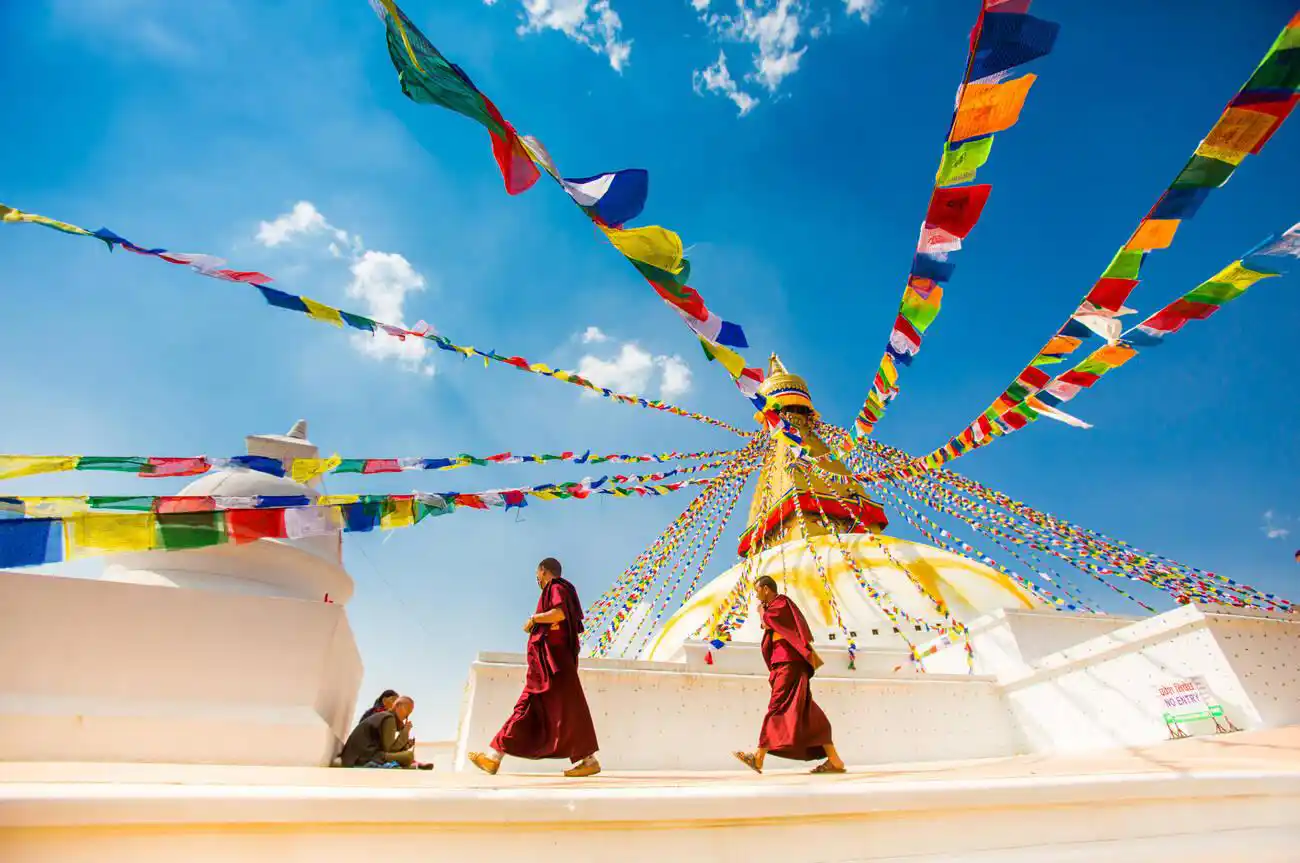
Throughout the India Bhutan Nepal Tour, you will stay in deluxe hotels and travel with utmost comfort, accompanied by local guides. You will experience authentic cuisines and cultural performances.
This 17-day India Bhutan Nepal Tour will take you through historic cities, hike to sacred sites, and a subtropical jungle safari. It is an ideal way to experience India, Bhutan, and Nepal.
Trip Highlights
- Three Countries in One tour: Explore the three beautiful South Asian countries of India, Bhutan, and Nepal in one memorable trip.
- Golden Triangle of India: The Golden Triangle comprises Delhi, Agra, and the royal city of Jaipur.
- Tiger’s Nest Monastery: The Tiger’s Nest Monastery sits on a cliff in Paro. Hiking to this monastery is extremely popular.
- Everest Flight: Optional, offering breathtaking aerial views of the Himalayas.
- Chitwan Jungle Safari: Enjoy a jeep safari in Chitwan National Park and see rhinos and other wildlife up close.
- Cultural Immersion: Experience the local culture through villages, markets, and folk dance performances.
- UNESCO Sites: Visit sites like the Taj Mahal and Kathmandu’s historic temples.
Detail Itinerary of India Bhutan Nepal Tour
Day 1: Arrive in Delhi, India
Welcome to India! Your India Bhutan Nepal Tour starts today. A representative/guide will meet and welcome you with a marigold garland at the Airport in the bustling capital of Delhi. Then, we take you to your hotel for check-in and rest. You can stroll through the neighborhood to get your first glimpse of Delhi. You will stay overnight in Delhi.
Day 2: Delhi Sightseeing
Your full-day guided tour will begin today after breakfast in the historic charm of Old Delhi and the grand architecture of New Delhi.
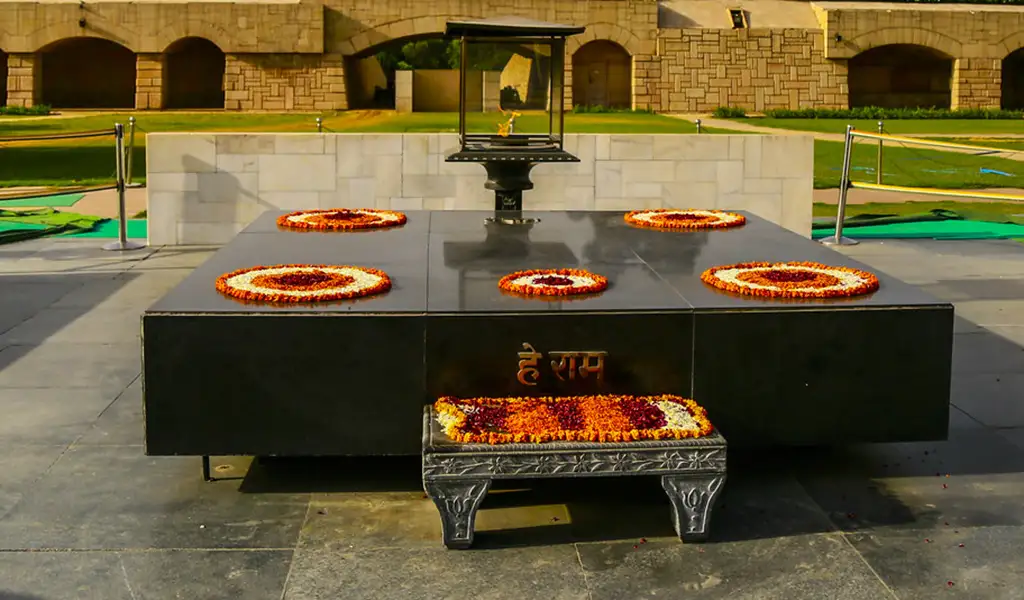
Your India Bhutan Nepal Tour starts in Old Delhi through the bustling 17th-century city built by Emperor Shah Jahan of Chandni Chowk. You might take a rickshaw or walk on foot to experience the colorful bazaar of spices, sweets, textiles, and jewelry. You will see the magnificent exterior of the Red Fort, a grand Mughal fortress of red sandstone. Then, you continue the trip to a memorial to Mahatma Gandhi, Raj Ghat, where an eternal flame burns in tribute to the Father of the Nation.
Then, you will head to New Delhi and visit the Hindu temple dedicated to Lord Vishnu and Goddess Lakshmi, known as the Lakshmi Narayan Temple or Birla Mandir. Then you drive along Rajpath to see the tribute gate for Indian soldiers lost in World War I, India Gate. You will also drive by the British colonial-era architecture of the Rashtrapati Bhavan (President’s House) and Parliament House.
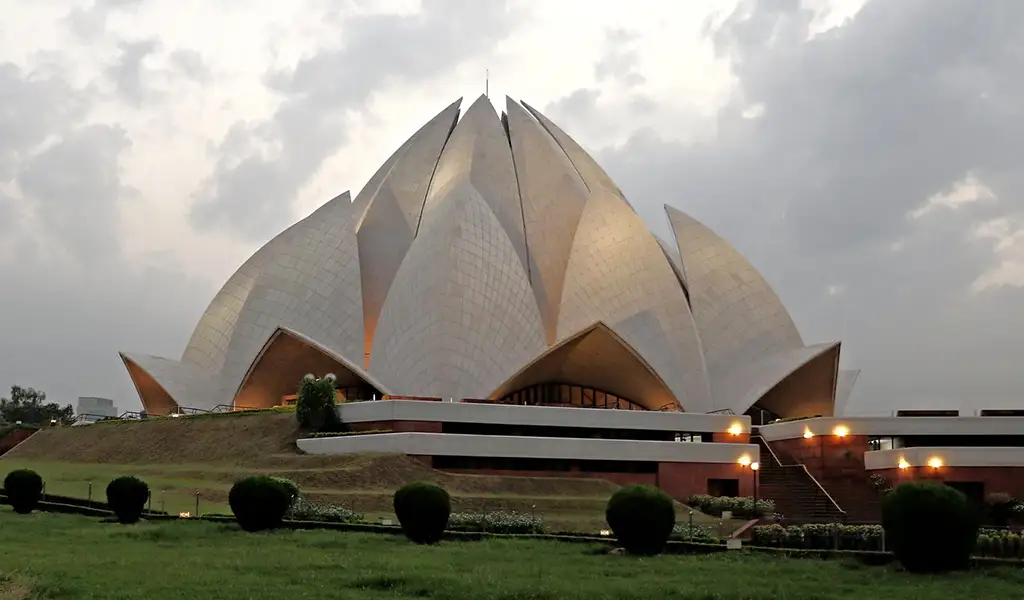
Then, you will visit Agrasen ki Baoli, a hidden stepwell that offers an escape from the modern city. Then, the trip will take you to the Lotus Temple, a Bahá’í House of Worship, situated in a lotus-shaped building made of pristine white marble. It is open to people of all faiths and offers a quiet spot for reflection.
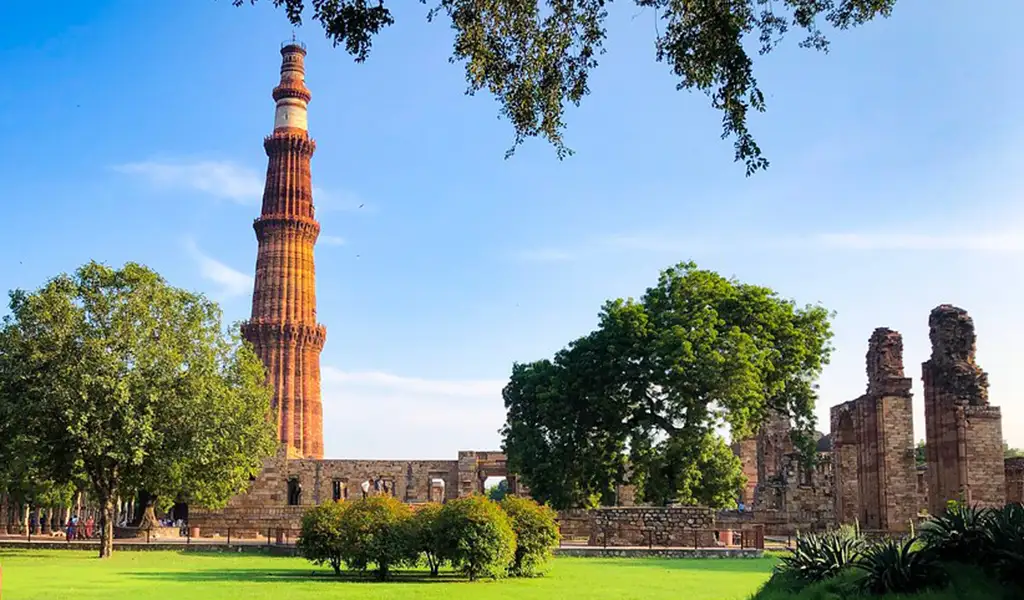
The day concludes with the 12th-century Qutub Minar, a UNESCO World Heritage Site, a minaret. Qutub Minar is 73 m tall and has the ruins of India’s first mosque surrounding it. You will see the famous Iron Pillar, which remains rust-free even after 1,500 years, a mystery to scientists.
You will return to your hotel after a day of touring and learning. Rest overnight in your hotel in Delhi.
Day 3: Delhi to Agra (approx. 225 km/4 hours)
Today, you will leave Delhi and head towards Agra after breakfast. You will travel through a modern expressway along rural villages and the Indian countryside. After about 4 hours, you will arrive at the beautiful city of Agra.
In the afternoon, you will explore Agra’s two UNESCO World Heritage Sites (Agra Fort and the Taj Mahal). You will visit the Agra Fort, built by Emperor Akbar in 1565. The fort is a grand red sandstone structure that Mughal rulers used as a military stronghold and an opulent palace. You walk through its marriage gates, marble pavilions, mosques, and audience halls.
Then, you will visit the crown jewel of Agra, the Taj Mahal. It was built in memory of Empress Mumtaz Ali, after her passing, by Emperor Shah Jahan. This iconic monument is built with a white marble mausoleum and symbolizes eternal love. You will walk through the formal gardens and admire the symmetrical architecture. If you visit it during late afternoon or sunset, you will see the marble changing color with the fading light.
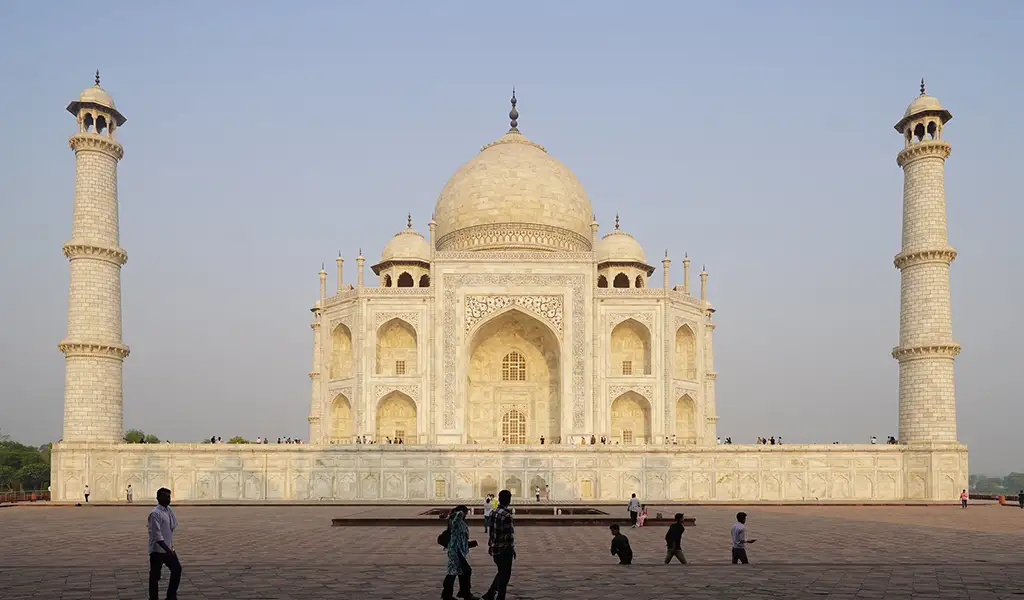
You will stop by a local marble workshop on your way back to your hotel. The artisans employ traditional techniques to craft intricate pieces, such as those found in the Taj Mahal. You can also browse handicraft stores known for leatherwork, carpets, and embroidered fabrics.
You will stay overnight in Agra.
Day 4: Agra to Jaipur (via Fatehpur Sikri and Abhaneri: approx. 250km/5 hours)
You will depart from Agra in the morning and head west towards the capital of Rajasthan, Jaipur. You will stop by Fatehpur and Abhaneri, two remarkable heritage sites.
Fatehpur Sikri is about 40km away from Agra. This grand town served as the capital of the Mughal Empire for 14 years in the late 16th century, during Emperor Akbar’s reign. People abandoned it later due to water scarcity. This red sandstone city is an architectural gem today. You will visit its well-preserved palaces, audience halls, and courtyards.
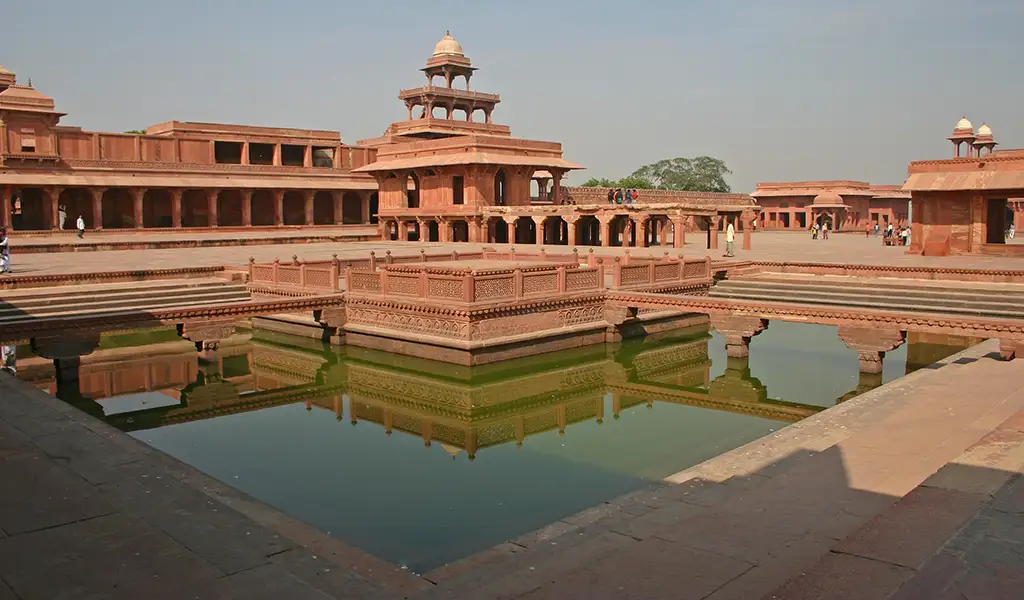
Then you will see the Panch Mahal and the white marble tomb of Sheikh Salim Chisti, where Akbar prayed for blessings on an heir. You will also see the 54-meter-high Gate of Victory, Buland Darwaja.
Then, you will continue towards Jaipur and stop at the rural village of Abhaneri. Abhaneri is about 160 km from Agra, where you will visit the incredible Chand Baori stepwell. This cast structure is approximately 20m underground, featuring 3,500 narrow steps that date back to the 8th or 9th century. If it is open, you can go down a few levels to feel the temperature drop. The structure is an ancient method for keeping the water cool. You can take pictures and appreciate the architecture of the stepwell’s striking geometry.

You will arrive at the Pink City of Jaipur by late afternoon. You can explore the bustling streets and relax for the evening. You will stay overnight in Jaipur.
Day 5: Jaipur Sightseeing, then return to Delhi
Today, you will explore the capital of Rajasthan, Jaipur. You will begin the tour in the 16th-century fortress, Amber Fort. You can reach it by jeep or elephant ride and walk through its courtyards, palaces, and intricate halls. Sheesh Mahal is one of the highlights of the fort, where, in the past, just one small candlelight could make the whole room sparkle. You can also see a wide view of Maota Lake from the fort below.
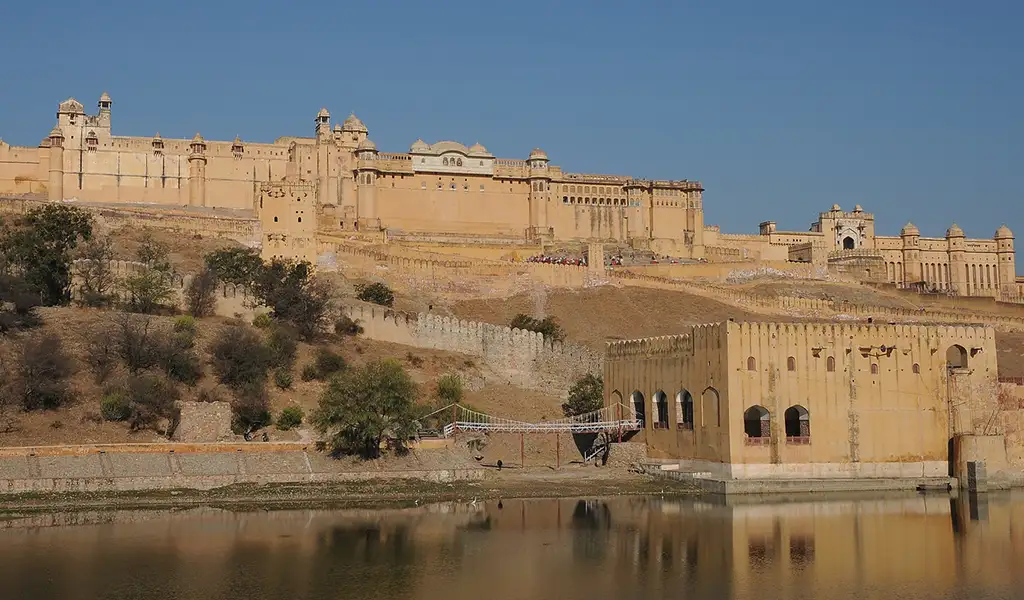
You will stop at Panna Meena ka Kund while returning to the city. This beautiful 16th-century stepwell is known for its geometric staircases. You will then visit a handicraft cooperative to see the local artisans practicing traditional block printing, carpet weaving, jewelry making, and shop for authentic souvenirs.
Before heading to the City Palace Complex, you will visit the graceful water palace, Jal Mahal, floating in Man Sagar Lake in Jaipur. This royal residence blends Mughal and Rajput architectural styles and features museums, courtyards, and gardens. You will visit the Mubarak Mahal to see royal costumes, textiles, and the giant silver urns used by the Maharaja. Then, you will go to the nearby 18th-century astronomical observatory, Jantar Mantar, where the huge stone instruments are still accurate.
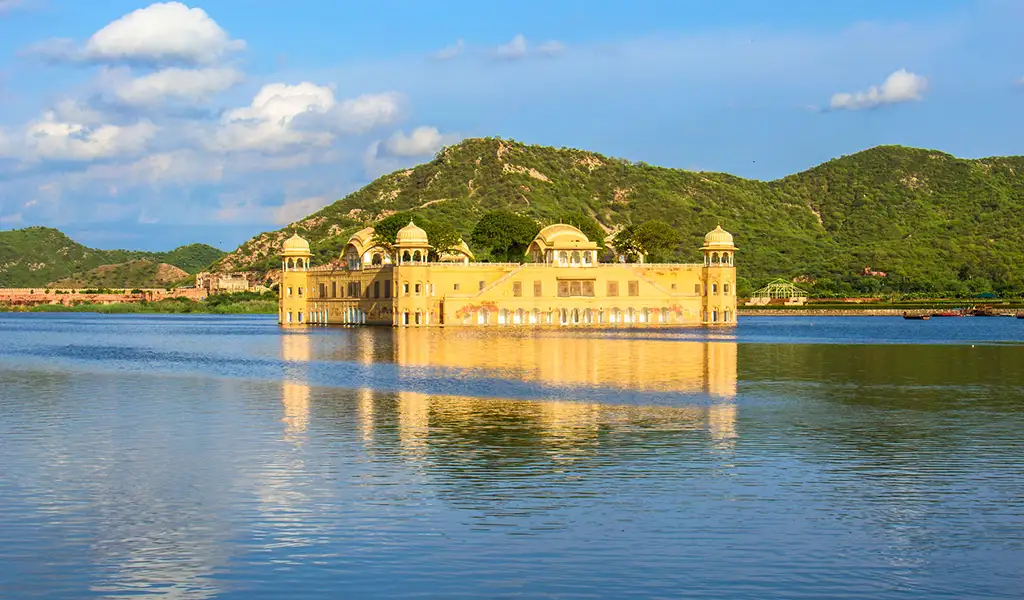
You can stop by the iconic Hawa Mahal, Palace of Wind, for a photo before departing. This palace is renowned for its honeycomb-like façade, featuring 953 windows. Royal women used it to observe the street festivities in ancient times.
After a full day of touring, you will return to Delhi early in the evening. You will arrive in Delhi late at night after about 5 or 6 hours. Check back at your hotel and rest for the night in Delhi.
Day 6: Fly to Bhutan (Delhi-Paro-Thimphu)
You will fly to Bhutan today. After breakfast, if the weather is clear, you will board a flight over the eastern Himalayas, including Mount Everest and Kanchenjunga. You will land at Paro International Airport, complete the visa process, and meet your Bhutanese guide. Fill your stomach with a welcome lunch at a local restaurant and try traditional Bhutanese cuisine, typically featuring red rice, chilies, and cheese.
Your sightseeing will begin in the afternoon with a visit to one of Bhutan’s oldest temples, built in the 7th century. The temple marks the arrival of Buddhism in Bhutan and is therefore essential to the country’s spiritual heritage.
Then you will visit the Rimpung Dzong, a large fortress and monastery built in 1646. Monks and local officials use the monastery, which features thick white walls and beautiful wooden roofs. You can walk across a traditional wooden bridge while enjoying the view of the river and valley below the Dzong.
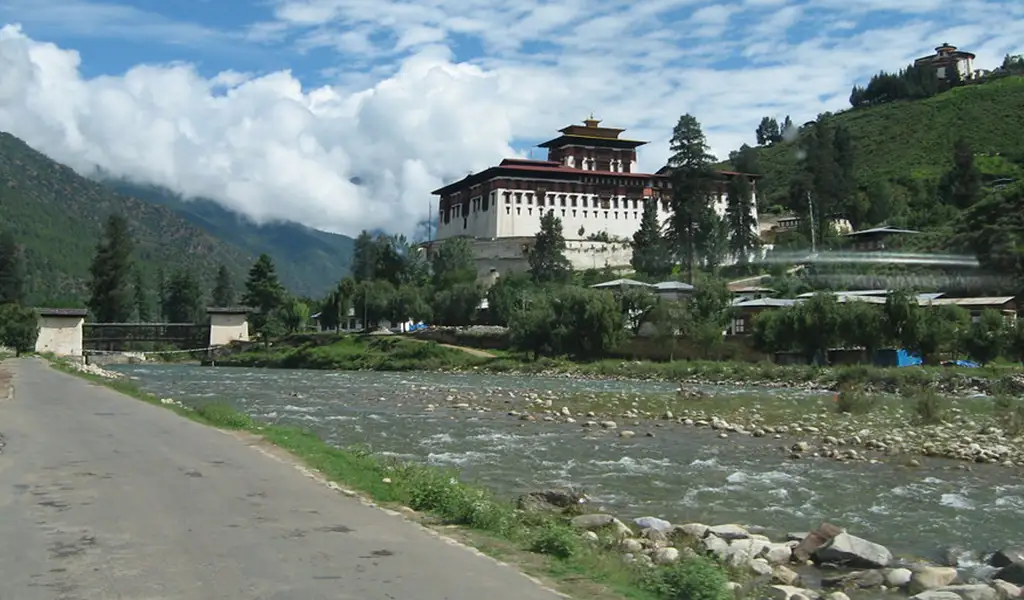
You will drive about 1.5 hours to the capital of Bhutan, Thimphu. You will enjoy a scenic ride and reach the hotel later. Rest overnight in Thimphu.
Day 7: Thimphu to Punakha (via Dochula Pass)
You will leave Thimphu east towards Punakha after breakfast today. Punakha is a scenic valley and the former capital of Bhutan. The drive takes you through beautiful oak and rhododendron forests towards the Dochula Pass at 3,050m altitude. The top of the pass has 108 Druk Wangyal Chortens, white memorial stupas built to honor Bhutanese soldiers. You can even see the mountains on a clear day from this peaceful spot, set against the green hills.
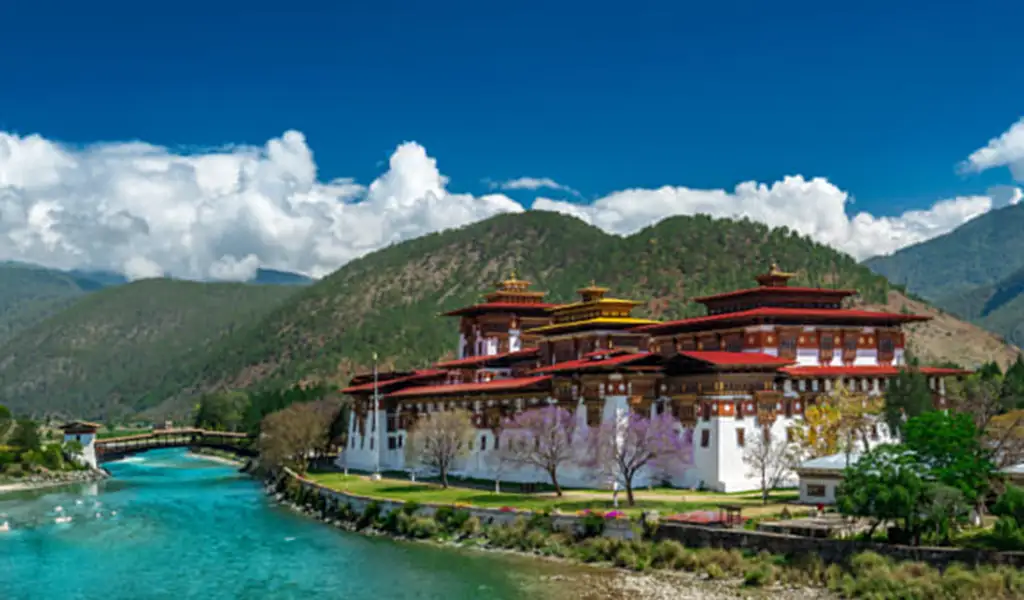
You will then descend to the warm and green Punakha Valley. Your first stop is one of the most beautiful fortresses in Bhutan, Punakha Dzong. The fortress has white walls and golden roofs, situated at the confluence of the two rivers, Pho Chu and Mo Chu.
It was built in 1637 by Zhabdrung Rinpoche and was the seat of Bhutan’s government until 1955. You can explore the courtyards and temples within the fortress, where monks carry out their daily rituals. This historic place is also where Bhutan crowned its first king in 1907.
Next, you will reach the nearby village with a short drive and walk through rice fields and mustard gardens to reach Chimi Lhakhang. It is a small temple known for blessing couples who wish to have children. It was built in the 15th century by Drukpa Kunley, Bhutan’s Divine Madman. You will return to your hotel in Punakha or the nearby town of Wangdue Phodrang for the night.
Day 8: Punakha to Paro (via Thimphu)
You will drive back to western Bhutan, cross the Dochula Pass, and descend into the Thimphu valley today. You will explore further highlights in Thimphu before heading to Paro.
Your first stop for the day is Tashichho Dzong, a grand fortress housing Bhutan’s government office and the summer residence of the monastic body. You will walk through its beautiful courtyards and gardens, noticing the intricate and elegant Bhutanese architecture.
Then, you will visit the Motithang Takin Preserve, a quiet wildlife reserve area on the city’s edge. You will see Bhutan’s national animal, the Takin, here. Takins are native to Bhutan, with locals believing the Divine Madman magically created them.
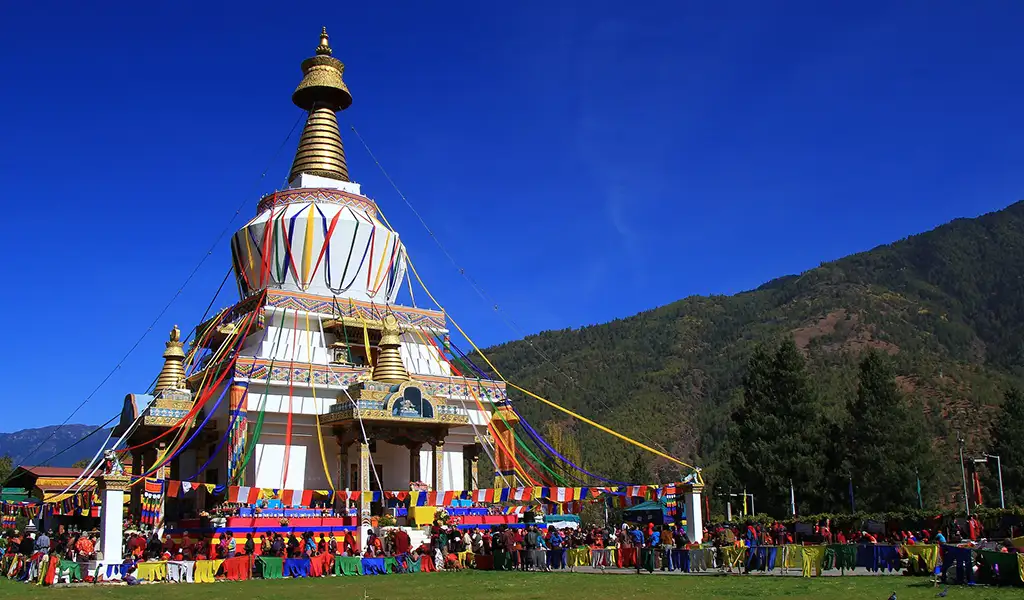
Then, you will continue to the National Memorial Chorten, a white stupa that honors Bhutan’s third king, Jigme Dorji Wangchuck. Locals come here daily to walk around the stupa, spin prayer wheels, and offer prayers.
You can stop by the National Post Office to have your photo printed on real Bhutanese stamps. It will cost you around $ 33 and is a fun and personal souvenir. Kuensel Phodrang, or the Buddha Point, a massive 51-meter golden Buddha statue on a hilltop, is your final stop in Thimphu. Enjoy the views from the top, and drive to Paro in the afternoon and rest overnight there.
Day 9: Paro – Hike to Tiger's Nest Monastery
Today is the highlight of the Bhutan trip. You will hike to the infamous Taktsang Monastery, also known as the Tiger’s Nest. You will take a short drive from Paro to the base of the trail and begin your scenic and steep uphill hike through pine forests. The monastery sits 800m above the valley on a cliff.
The hike is about a two-hour steep climb. You can also ride a pony halfway for an additional cost. The hike offers incredible views of the slinging monastery and the valley below.
According to legend, Guru Rinpoche, also known as Guru Padmasambhava, flew to this cave on the back of a tigress to meditate in the 8th century. People then built a monastery around the site as a sacred place.
You can explore the monastery’s serene temples and immerse yourself in the peaceful spiritual atmosphere. You can take a picture from the opposite ridge, but it is forbidden to do so inside. Descend back to the valley after spending some time in the monastery. The round trip, including time spent at the monastery, takes approximately 4 hours.
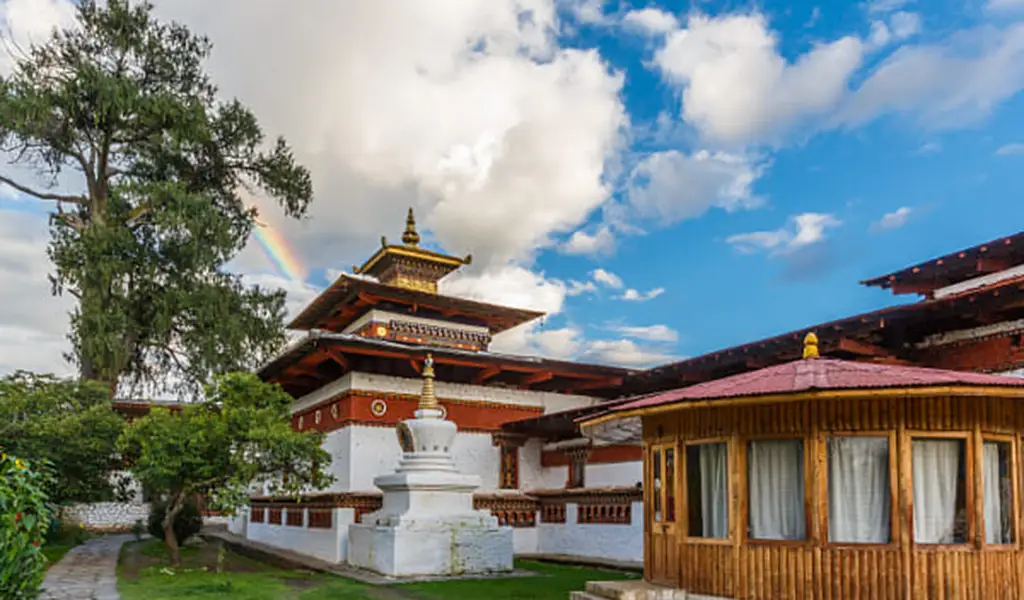
You will return to Paro for lunch, then visit one of Bhutan’s oldest and most sacred temples, Kyichu Lhakhang. Built by the Tibetan King Songtsen Gampo in the 7th century, the temple is part of a series of 108 temples constructed to defeat the mythical demoness. Prayer flags, orange trees, and the peaceful atmosphere make this place an unforgettable part of the journey.
You can also experience an optional traditional Bhutanese hot stone bath for an extra cost in the evening. The bath includes soaking in a wooden tub of mineral-rich water heated by fire-roasted stones. You will rest overnight in Paro.
Day 10: Fly to Kathmandu, Nepal
It is your final morning in Bhutan. After breakfast, a driver will take you to the Paro Airport for your flight to Kathmandu, Nepal. You will fly over the beautiful Himalayas on clear days with a clear aerial view.
Finish your visa process at the Airport after landing at the Kathmandu Airport. A local Nepali representative or your guide will meet you at the Airport after you complete the formalities. They will drive you to your hotel for check-in.
You have the rest of the day to rest. You can explore the city, drink tea, or relax in the hotel. You will stay overnight in Kathmandu.
Day 11: Mountain Flight and Kathmandu Valley Sightseeing
Your day begins with an optional morning flight to the Himalayas. Each passenger gets a window seat to enjoy the incredible aerial views of Mount Everest, Lhotse, Makalu, and other high peaks. If the weather is clear, you can enjoy the flight and return to the hotel for breakfast.
Then, you will go sightseeing with your guide around Kathmandu Valley. The tour starts with a drive to Bhaktapur, popular for its medieval art and architecture. You will walk on its brick alleys and explore the Bhaktapur Durbar Square. Here, you will see the 55-window palace, the golden gate, and Nyatapola Temple, the tallest temple in the valley. You will also watch traditional potters working in the pottery square and taste the famous sweet yogurt, juju dhau.

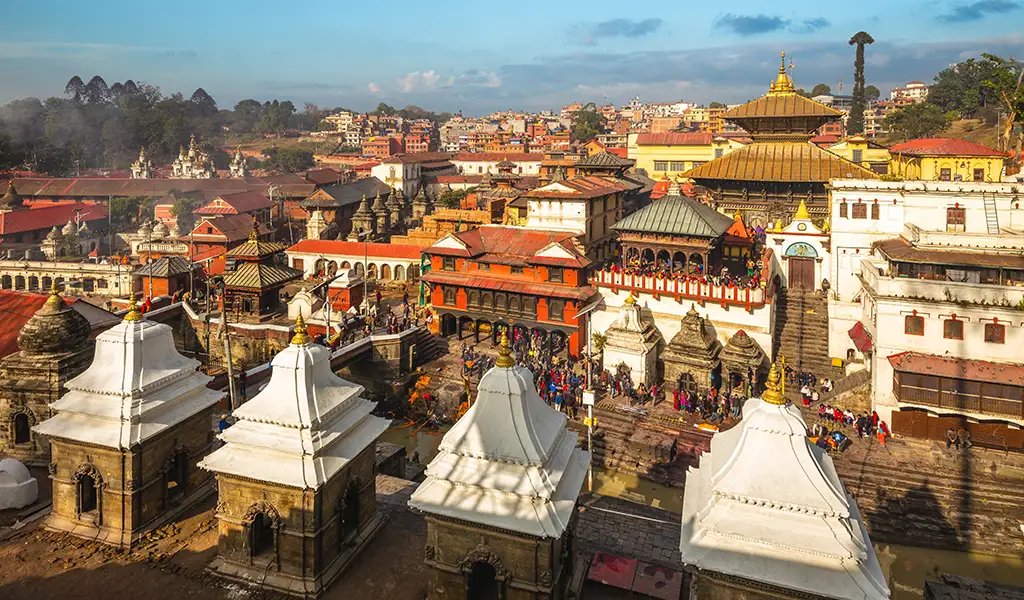
Then, you will drive to Kathmandu to visit the sacred Hindu temple, Pashupatinath, that sits at the banks of the Bagmati River. Unfortunately, non-Hindus cannot enter the main temple, but visitors can observe the rituals and ceremonies along the river ghats. You will get an insight into Nepal’s Hindu beliefs and funeral traditions on the river banks.
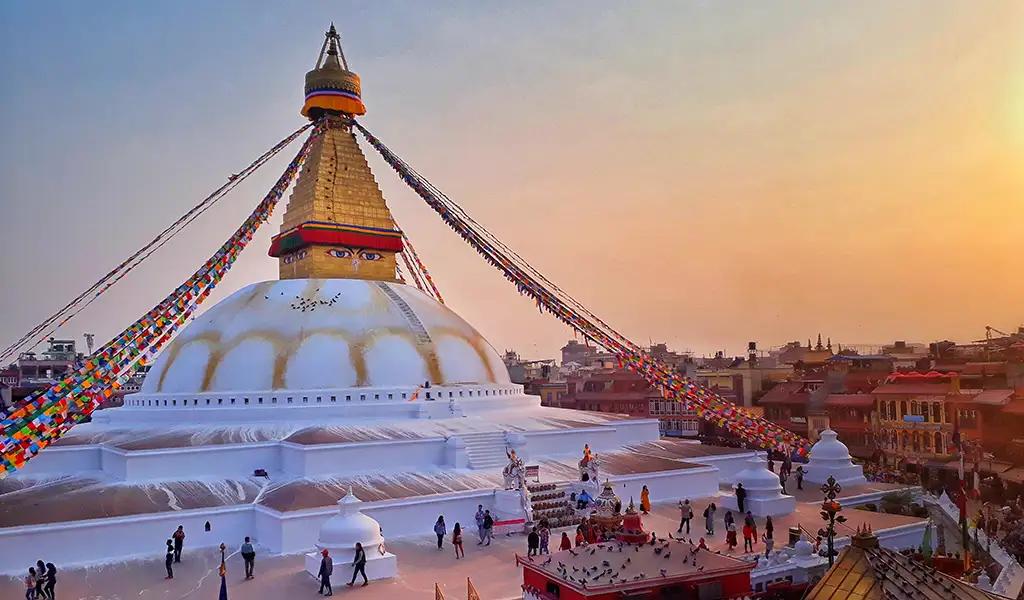
Next, visit the world’s largest Buddhist stupa and a vibrant Tibetan culture hub, Bouddhanath Stupa. You can walk around the white dome, spinning the prayer wheels and absorbing the peaceful spirituality. You may hear chanting from nearby monasteries, and the smell of incense fills the air. Enjoy a warm Tibetan butter tea cup or browse shops in the area.
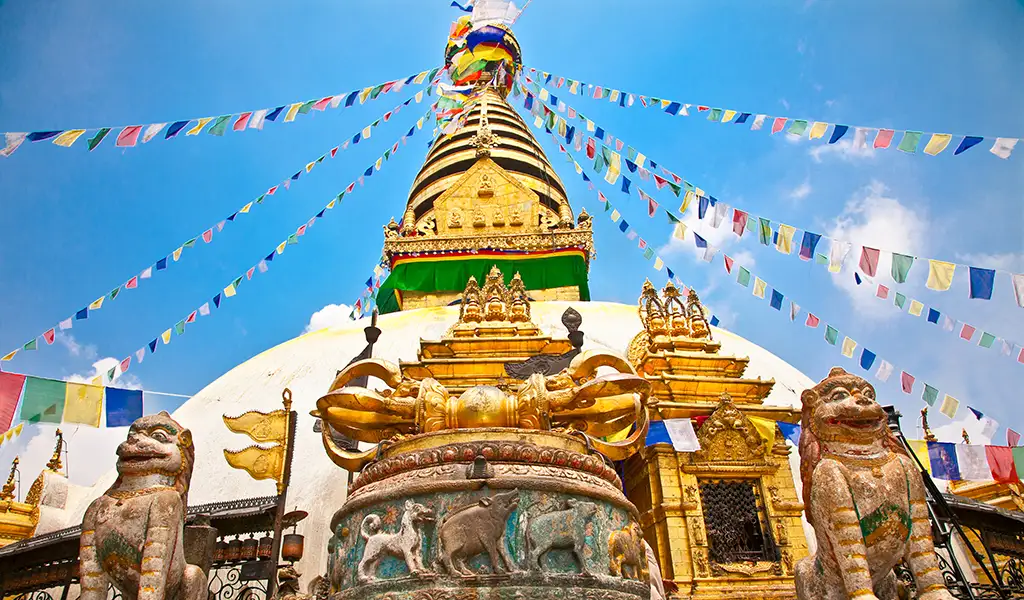
The day’s final stop is the Swayambhunath Stupa/the Monkey Temple, sitting on the hilltop offering views of the entire Kathmandu city. You can drive to the top or climb the stone stairs to explore the golden stupa surrounded by smaller shrines, prayer glass, and monkeys. This temple blends Hindu and Buddhist elements, offering a perfect insight into Nepal’s spiritual beliefs. You will stay overnight in Kathmandu.
Day 12: Fly to Pokhara- Lakeside Leisure
You can spend the morning in Kathmandu before flying to Pokhara. Pokhara is Nepal’s adventure hub with scenic views. The flight is just 25 minutes short with beautiful views of the Himalayas across the sky.
A driver will meet you at the Pokhara airport and transfer you to your hotel in the Lakeside area. The lakeside area is a tourist hub around Phewa Lake.
Check in and enjoy the day in Pokhara. Take a walk along the lake and watch the boats. You can go boating, take a short hike, or relax. The day is yours to enjoy with no schedules. There are plenty of cute cafés, chops, and restaurants if you want to try local food or fresh lake fish.
Enjoy the stunning sunset over the Annapurna Range and rest overnight in Pokhara.
Day 13: Pokhara Sunrise and Sightseeing
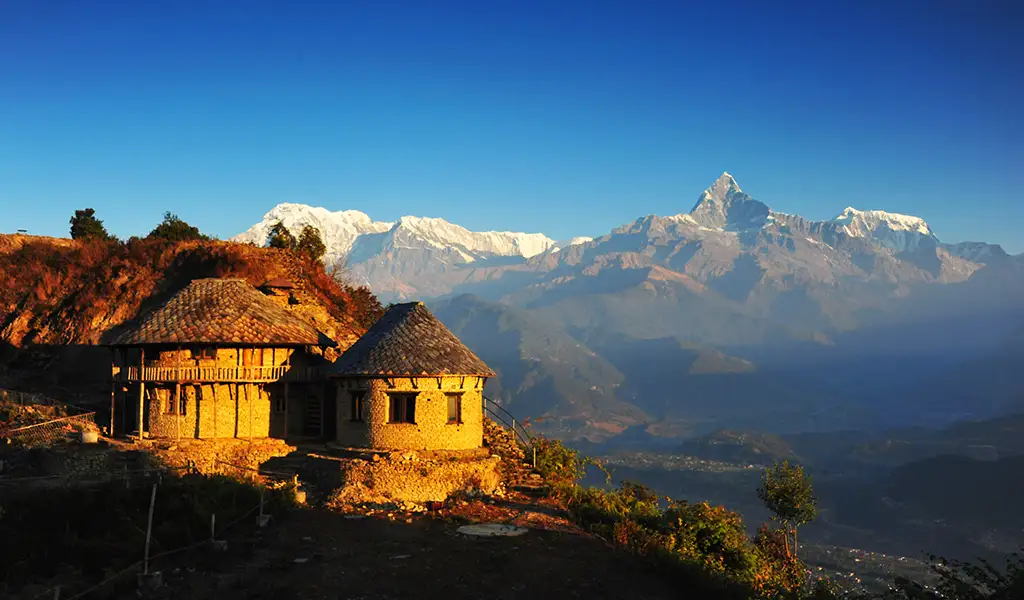
The day starts with an early morning drive to Sarangkot Hill at 1,600m altitude for a sunrise view of the Annapurna range. This 30-minute drive will reward you with the iconic sunrise views with golden and pink hues hitting the Annapurna I, Machhapuchhre, and Dhaulagiri.
You will return to your hotel for breakfast and begin the tour. The first on your list is boating on Phewa Lake. You will boat across the lake and visit the temple in the middle of the lake, Tal Barahi Temple.
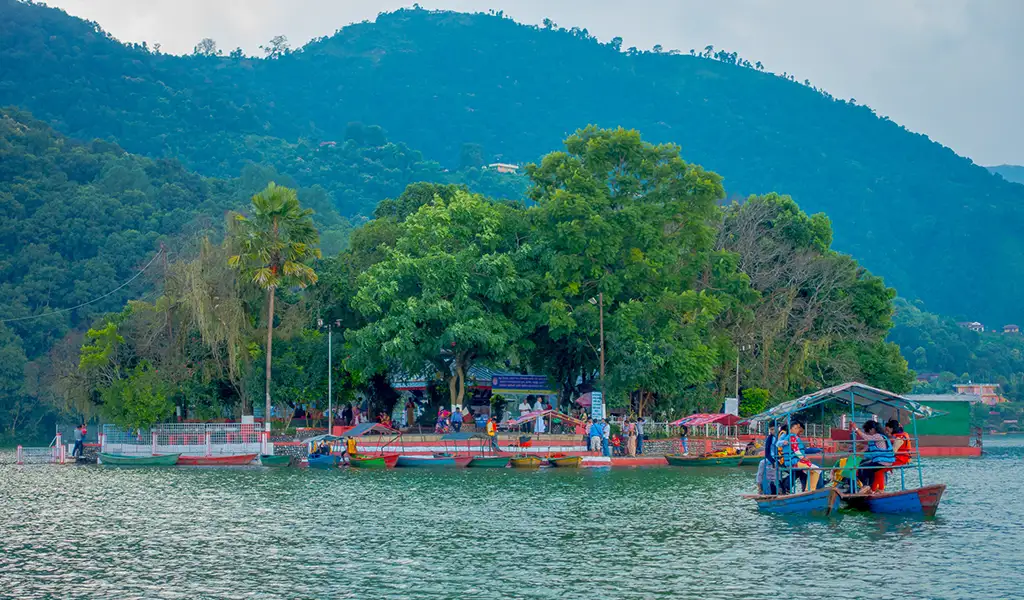
Then, you will visit the Devi’s Falls. With locals believing the eater from the fall is going to the underworld, it is one of Pokhara’s most famous tourist attractions. The force of water and its disappearance on the ground make it fascinating. Then, across the road, you will visit the sacred Gupteshwor Cave. The cave has dripping limestone walls with a Shiva lingam in the middle.
You will visit local settlements like Tashiling or Tashi Palkhel, where you can see artisans weaving carpets, making jewelry, and selling handmade goods. You can learn about the Tibetan culture in Nepal and support the local community here.
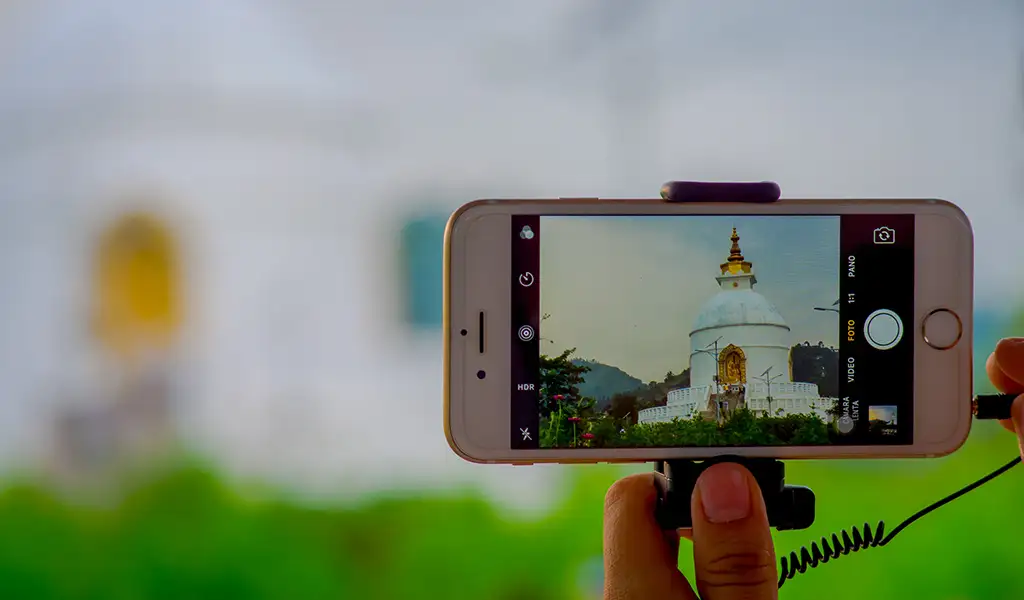
In the afternoon, you will visit World Peace Pagoda and Pumdikot Viewpoint, two famous viewpoints of the city. The World Peace Pagoda is a white stupa with views of Pokhara, Phewa Lake, and the Himalayas. Pumdikot Hill has a towering Shiba statue with great views of the valley and the mountains. It is a popular spiritual and scenic site.
After enjoying the sunset views in Pumdikot, you will return to your hotel in Pokhara and rest the night there.
Day 14: Fly to Chitwan- Village Walk and Sunset
You will board a flight to Bharatpur after breakfast in Pokhara. The short 20-minute flight will take you to the gateway to Chitwan in Nepal’s southern plains. A representative will greet you and transfer you to your jungle lodge in Sauraha near Chitwan National Park. You can enjoy your welcome drink and learn about your itinerary for the upcoming days.
You will go on a nature walk in the evening and visit the indigenous Tharu village to learn about the locals’ way of living. You will see traditional homes of mud and thatch and understand their culture. Then, you walk to the banks of the Rapti River, where you can relax and watch the sunset. You might get occasional bird sightings, like egrets and kingfishers.
Return to your lodge for dinner and an evening cultural show. Enjoy the traditional Tharu dances, their colorful clothes, and rhythmic choreography. You can even join the group dance in the end. Stay overnight in Chitwan.
Day 15: Chitwan Jungle Safari and River Adventure
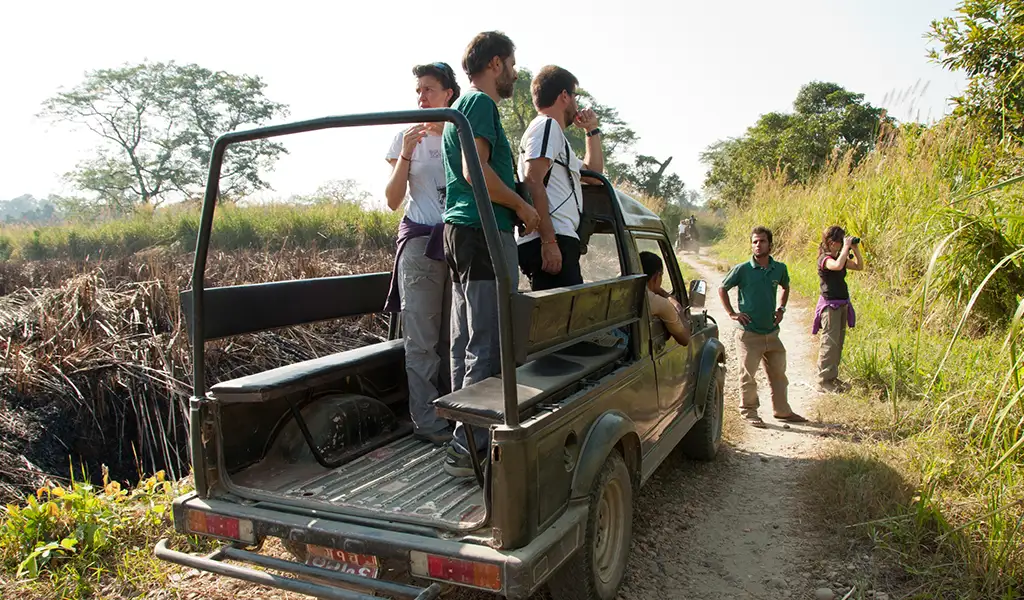
Today, you will head out for a half-day jeep safari in Chitwan National Park. This park is Nepal’s first national park and is a UNESCO World Heritage Site.
A trained naturalist guide will be with you on the safari. You ride in an open-top jeep through the park’s jungle trails and grassland. Look out for one-horned rhinos in open areas or through tall grass. Wildlife like spotted deer, sambar deer, wild boars, langur monkeys, and over 500 species of birds live here. You may spot a Bengal tiger or a sloth bear in a dense forest if you’re lucky. The guide will help identify the wildlife, share facts, and explain animal behavior on the tour. You will rest and observe from a few safe lookout points.
You will return to your lodge by lunchtime and relax. In the afternoon, you will take a canoe along the Rapti River in a traditional dugout canoe. Look for crocodiles, marsh mugger, and endangered gharials on the river banks. It is also an excellent time for bird watching. You might spot kingfishers, herons, and even hornbills.
Visit the Elephant Breeding Center after the canoe ride, learn about conservation efforts, and see baby elephants with their mothers. You can observe them closely and even interact with one under the care of a mahout/elephant caretaker.
Return to your lodge for dinner and the night.
Day 16: Fly Back to Kathmandu
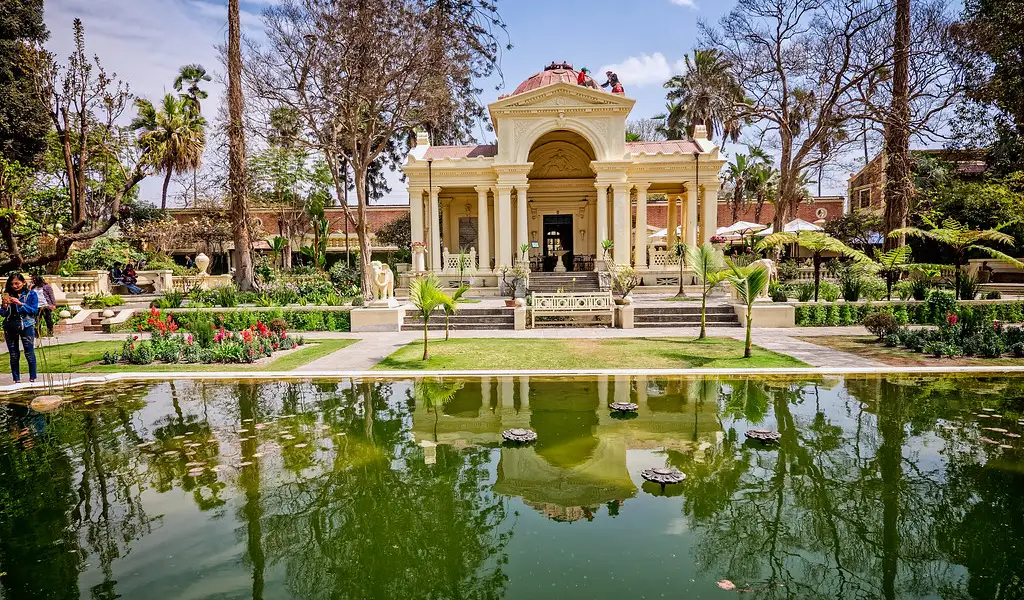
You will leave Chitwan after breakfast, drive to Bharatpur Airport, and fly back to Kathmandu. This 25-minute-long flight will take you back to the capital. A driver will drive you to your hotel, where you can rest. You have the day to yourself. You can go souvenir shopping or visit more tourist spots like Patan Durbar Square and the Garden of Dreams. You can ask for a guide for a more extended tour. Enjoy the final day of the trip and rest overnight in Kathmandu.
Day 17: Departure from Kathmandu
Your trip through the three majestic South Asian countries, India, Bhutan, and Nepal, ends today. Check out your hotel after breakfast and drive to the Airport for your flight home.
We hope you leave with lasting memories of beautiful landscapes, understanding different cultures and religions, and meaningful experiences. Safer travels.
Customize this trip with help from our local travel specialist that matches your interests.
Includes & Excludes
What is included?
- Accommodation in deluxe 4-star hotels or the best ones available, with two people sharing one room.
- Domestic flights: Delhi-Paro, Paro-Kathmandu, Kathmandu-Pokhara, Pokhara-Bharatpur, Bharatpur-Kathmandu.
- Private transportation on the road throughout the tour in air-conditioned vehicles and with experienced guides.
- Different English-speaking local guides in India, Bhutan, and Nepal.
- All sightseeing tours and entrance fees for monuments, temples, national parks, and cultural sites.
- All meals in Bhutan and Chitwan with daily breakfast throughout the trip.
- Bhutan visa processing and permit arrangements.
- Jungle jeep safari and wildlife activities in Chitwan National Park as per the itinerary.
- Drinking water during drives and sightseeing throughout the tour, with unlimited refills in Bhutan.
- Airport transfers in Delhi and Kathmandu are available when arriving and departing.
- All applicable government taxes, tolls, and service charges.
What is excluded?
- International flights to Delhi and from Kathmandu at the start and end of the tour.
- Visa fees for India and Nepal
- Travel insurance
- You pay for lunch and dinner, which the itinerary doesn’t include.
- Personal expenses like snacks, drinks, laundry, and phone calls.
- Optional add-ons or extensions outside the itinerary.
- Tipping local guides, drivers, and hotel staff.
- Any extra cost due to unexpected events, like flight delays, weather disruptions, or emergencies.
Departure Dates
We also operate Private Trips.
Good To Know
We don’t combine bookings since it is a private tour. You will receive personal attention from our guides and drivers, no matter your group size. Your group can only include you or up to 12 people.
We don’t have an age limit, but we recommend children above 8 years for maximum enjoyment. We are happy to advise if you’re unsure about the suitability. We welcome solo travelers and arrange a private room instead of twin rooms.
All our guides are fluent in English. If you want your guide to speak a specific language, we will try our best to arrange it.
Diwali (October/November):
The Festival of Lights in India glows in Delhi and Jaipur. People display homes and streets with lamps, colorful displays, and festive markets. Expect a joyful atmosphere, traditional sweets, and fireworks.
Tihar (October/November):
Tihar falls at the same time as Diwali. People celebrate dogs, crows, cows, oxen, and siblings bond in 5 days to celebrate the festival. They also decorate their houses with lights and marigold garlands.
Holi (March):
People in India and Nepal celebrate Holi as the festival of colors. It marks the arrival of spring. People enjoy celebrating with vibrant colors and water while dancing and enjoying festive treats. Jaipur and Agra celebrate Holi in an even more extravagant way.
Buddha Jayanti (April/May):
Buddha Jayanti honors the birth of Lord Buddha. Bouddhanath and Swayambhunath in Nepal and Bhutan celebrate with butter lamps, chanting, and peaceful processions. This sacred time honors the Buddhist heritage in both Nepal and Lumbini.
India: North Indian cuisine is rich in flavor. Try butter chicken, kebabs, and parathas in New Delhi, and chaat and jalebi in Old Delhi. Agra is famous for its petha sweets. Travelers enjoy traditional thalis like dal bati churma and gatte curry in Jaipur.
Nepal: Many Tibetan and Indian cultures influence Nepali food. You can try dal bhat, momo, and Newari dishes in Kathmandu. Pokhara is famous for fresh lake fish and Thakali cuisine. Meals are usually milder in flavor than Indian cuisine.
Bhutan: You can try red rice in Bhutan with lots of cheese and chilies. Ema datshi (chillies and cheese) is Bhutan’s national dish. You can also try pork stews, potato cheese curries, and yak/beef momo.
Meal Inclusions: The package includes a daily breakfast and lunch in Bhutan and Chitwan. You can try the local meals for lunch and dinner in other places. We can arrange birthday meals, romantic dinners, and more on request.
You can try local alcohol in all three countries. Try Everest Beer in Nepal, Kingfisher in India, and Red Panda Beer or Ara in Bhutan.
India: Delhi is famous for spices, silk scarves, and crafts. You can visit Dilii Haat for regional goods or Old Delhi for street markets. You can bargain to get the best deal. Agra is known for marble inlay, leather goods, and sweets like petha. You can ask your guide for reputable shops. Jaipur is famous for gemstones, blue pottery, block-printed fabric, and puppets. You can try Bapu or Johari Bazaar.
Nepal: You can buy pashminas, singing bowls, thangkas, prayer items, and wood carvings in Thamel or Bhaktapur. Pokhara is known for Tibetan handicrafts, woolens, mountain art, and metal statues. Chitwan has limited shopping bazaars. You can buy local Tharu crafts like baskets or carvings near Sauraha.
Bhutan: You will find prayer flags, incense, handmade paper goods, and woven scarves on the main street in Paro. Look for handwoven textiles, thangka paintings, wooden masks, and traditional Bhutanese attire like kira and gho fabrics in Thimphu. Punakha has few options, but small stalls sell local honey or simple crafts near the Dzong.
Tips: Bargaining is common in Nepal and India, but not in Bhutan. Bargain for the best deals in the two countries and pay the full price in Bhutan. Carry money in small bills as vendors may not have change. Avoid buying antiques, ivory, or anything made from endangered species. Only buy from handmade crafts and keep receipts for expense items.
Space: Leave a room in your suitcase if you plan to shop.
India (Golden Triangle): Delhi, Agra, and Jaipur each reflect distinct chapters of Indian history. Delhi has gone through ancient Hindu rulers to the Mughal and British, leaving a blend of each era. Temples, forts, tombs, and colonial architecture fill the city. Agra developed significantly during the Mughal Empire, leaving the Taj Mahal and Agra Fort behind. Jaipur has a history of Rajput royalty and was India’s first planned city in 1727. Jaipur’s pink buildings and grand palaces reflect the city’s rich history and wealth of the Rajput courts.
Nepal: Kathmandu Valley included many rival kingdoms from ancient times, such as Kathmandu, Patan, and Bhaktapur. These kingdoms competed in temple buildings and left behind three stunning durbar squares. The entire country has a blend of Hinduism and Buddhism practitioners. Pokhara became famous among tourists in the last century for trekking, and Chitwan used to be an isolated jungle region. Nepal was later unified in the 18th century and became a republic in 2008.
Bhutan: Bhutan was an isolated country until recent decades. The government has followed Buddhism since the 8th century, with many sacred sites like Tiger’s Nest tied to Guru Rinpoche. Zhabdrung Ngawang Namgyal unified the country in the 1600s, and Bhutan saw its first King in 1907. It became a democratic country in 2008 and followed the Gross National Happiness guides for development. Bhutan is known as the happiest country in terms of tradition, archery, and respect for the monarchy.
Modern Era: All three countries have strong cultures and traditions. India is a democratic country with a blend of contemporary and ancient architecture. Nepal preserves its spiritual tradition while growing as a country. Bhutan approaches development with sustainability while preserving its culture.
Pack in layers for a comfortable tour since you will visit three countries, each offering different weather.
- Footwear: Pack comfortable walking shoes or sneakers, sandals or slip-ons for temples and hotels, sturdy sneakers with a good grip for the Tiger’s Nest Hike.
- Temple Etiquette: Wear modest clothes. Avoid sleeveless shirts and pack a scarf or shawl. Pack long pants and shoulder-covering t-shirts.
- Safari Gear: Bring long-sleeve shirts, long pants, and neutral-colored pants. Bring sunscreen, insect repellent, a hat, sunglasses, and a small pair of binoculars.
- Essentials: Daypack, sunscreen, sunglasses, hand sanitizer, basic first aid kit, personal medications, toiletries, flashlight, and power bank.
- Electronics: Your smartphone/camera, power bank, universal adapter, extra memory cards, and offline entertainment.
- Laundry: You don’t need more than a 20kg checked bag or carry-on. You can do laundry in hotels and leave space for souvenirs.
Tipping is not mandatory, but we recommend it to show appreciation:
- Guides: About $8-$15 per traveler daily. You can tip at the end of each country’s tour.
- Drivers: About $5-$10 per day per group.
- Hotel Staff: You can tip hotel staff a few dollars. Bhutan uses a tip box in the reception.
- Restaurants: You can tip 5-10% if you like the service.
Tipping is optional; you should avoid it if you are unsatisfied with the service.
Everest Base Camp Helicopter Tour: Add an early morning helicopter or fixed-wing mountain flight to see the Himalayan ranges up close. This optional flight gives you stunning aerial views of the world’s highest peaks.
Extra Nights: Add extra nights in major cities like Delhi, Jaipur, Thimphu, Paro, Pokhara, or Kathmandu for relaxing, exploring, or to learn more about the culture.
Accommodation Upgrades: Upgrade your hotels throughout the trip. You can upgrade to heritage hotels in India, serene resorts in Bhutan, and lakeside luxury accommodations in Nepal for more comfort.
Adventure Activities: You can add adventure experiences in Nepal or India, like paragliding, rafting, or bungee jumping.
Trip Information
Booking Information of India Bhutan Nepal Tour
How to book the tour?
Booking your India Bhutan Nepal Tour is simple. Visit our website and choose the specific tour page. Select your preferred start dates, number of travelers, and any add-ons. Please fill out the booking form, select your preferred payment method, and confirm your booking. Confirm your email and wait for our callback. You can also book directly by contacting us via WhatsApp or email. Paying our deposit confirms your booking.
Payment Terms and Conditions
You need to pay a 20% deposit to secure the booking. The deposit is non-refundable, and the remaining balance is due at least 30 days before the tour. If booking within 30 days of the departure, you must pay the full payment upfront. We will send a receipt and pre-trip details after we receive your payment. Failing to pay on time may lead to cancellation.
Cancellation Policy
Please notify us if you need to cancel your tour prior to departure.
- Cancelling 60 days before the tour: Full refund without the deposit
- Cancelling between 60-30 days of the tour: 50% refund of the total tour cost
- Cancelling less than 30 days before the tour: No refund
We don’t offer any refund for failing to show up or for unused services. We recommend travel insurance that covers cancellation for your protection.
Contact Information
Email: sales@peregrinetreks.com
WhatsApp: +977-9851052413
We reply promptly and arrange phone calls. You can also use our live chat feature during business hours on our website. Contact us with your queries, and we will be happy to assist you.
Terms and Conditions
Please read our full Terms and Conditions on our website before booking and confirming your reservation. You are responsible for obtaining and maintaining your travel documents and visas. We can adjust the itinerary for safety reasons or in the event of unexpected circumstances. You confirm these conditions when you confirm the terms. Contact us with any questions.
Group Size and Age Restrictions
This tour is private and has no other travelers. The group size can be from 1 to about 12 people. The tour is suitable for all adults and families with children aged 8 years or older. Solo travelers have to pay for a private room.
Best Time to Travel
Spring and autumn are among this tour’s best and most popular seasons. Every season has its pros and cons:
Autumn (September to November): Autumn brings clear skies with crisp air. The weather is stable, and the days are sunny with fantastic mountain views. Temperatures range from 15°C to 30°C in Delhi, 10°C to 20°C in Kathmandu, and 12°C to 24°C in Bhutan. It’s popular for its cultural significance, with major festivals such as Dashain and Tihar in Nepal, Diwali in India, and Thimphu Tshechu in Bhutan. Learn about the cultural festivals of each country this season.
Spring (March to May): This season brings warm days and mild nights to India and Nepal, with temperatures ranging from 20 °C to 35°C in Delhi and 15 °C to 25°C in Kathmandu. Bhutan is slightly colder, with temperatures ranging from 12 °C to 22°C in Thimphu. Mornings are clear, but afternoons can bring haze. The hills are lush and green with blooming flowers in full color in the season.
Shoulder Season (Late February, Early June, Late November, Early December): The transitional months are rewarding with fewer tourists and favorable weather. Late February and early March bring 15-30°C in Inia, 10-20°C in Nepal, and 10-18°C in Bhutan. Early June marks the beginning of summer, accompanied by rising humidity, while late November and early December often feature clear and calm days. You will enjoy touring in solitude with unpredictable weather.
Winter (December to February): Each country feels quiet and cold. Thimphu and Paro are chilly, with temperatures ranging from 5 °C to 14°C during the day, but Punakha is milder, with temperatures around 18 °C to 22 °C. Delhi and Kathmandu experience mornings with temperatures of 5-10°C and afternoons of around 20°C, while Bhutan has days with temperatures of 15°C and freezing nights. Mountains typically have excellent visibility, but the lowlands may experience fog and haze.
Monsoon (June to August): The monsoon season brings rain and humidity, particularly to Nepal and northern India. Days are characterized by regular rain showers and cloudy skies. Delhi and Kathmandu experience temperatures of around 25-30°C with high humidity. Bhutan also experiences significant rainfall, with temperatures ranging from 20-26°C in Punakha, and 15-22°C in Paro and Thimphu. The hills are lush and green, and the mountain views are shrouded in fog. If you don’t mind the min, Monsoon offers a quiet and green tour.
Climate and Travel Tips
- Check the weather forecast daily, as conditions may vary.
- Bhutan’s higher elevation is cold all year round, so pack layers in all seasons.
- The lowlands of India and Nepal are hot from spring onwards, so pack light clothing.
- Add buffer days for flight and road delays during the monsoon or winter.
Itinerary Flexibility
We designed this itinerary to ensure a smooth and unforgettable tour through India, Bhutan, and Nepal. However, travelling in this region can be unpredictable, with minor changes to the schedule or activities being common. If we need to adjust any schedule, we will do so with your safety and overall experience as our top priorities. Our team ensures that any substituted activities or schedule changes are meaningful and enjoyable.
A local guide from each country will accompany you throughout the tour. Each guide offers in-depth regional knowledge, along with personal attention, ensuring a seamless transition between each country. A new guide will introduce themself to you in each destination. Since this tour is private, you get high flexibility. We can adjust the pace, add an extra night in a particular city, or include specific activities if you’d like. We strive to make your experience unforgettable.
Transportation and Logistics
Flights: Flights cover most of the long-distance travel on this trip. Short domestic flights help save time and make the trip more comfortable. Most airlines allow 20 kg for checked baggage and 5 kg for carry-on.
Ground Transportation: All land transportation is private. We arrange air-conditioned vehicles with experienced drivers. You’ll travel in a comfortable car or van from Delhi to Agra and Jaipur, with rest stops along the way. You can ride rickshaws and tuk-tuks for shorter trips within cities. You will travel in conditions similar to Nepal. We maintain these vehicles regularly to ensure we meet your standards while traveling.
Travel Times:
- Delhi to Agra: ~4 hours via expressway
- Agra to Jaipur: ~5 hours with sightseeing stops
- Kathmandu to Pokhara: ~25 minutes by flight
- Pokhara to Chitwan: ~20 minutes by flight
- Paro to Thimphu: ~1.5 hours by road
- These are only approximate times. Your time on the road can be faster or slower than expected, depending on various factors.
Airport Procedures: Please have your passport and any required visas ready for check-in at each flight. We provide your e-tickets and boarding passes in advance. Our guide will assist you with a security check and pick you up from the Airport. We aim to make every transition as smooth as possible, so your trip is enjoyable.
Health and Safety
Your safety is our priority. There are no vaccines required for entering India, Nepal, or Bhutan. We recommend receiving a hepatitis A, typhoid, and tetanus shot, as well as a doctor’s visit, approximately a week before the tour. Although malaria risk is low, we recommend using insect repellent in areas like Chitwan. Avoid raw and unpeeled produce unless you prepare it yourself, and only drink bottled and purified water. Bring a basic first aid kit with personal medications, insect repellent, sunscreen, and motion sickness pills. Although altitude sickness is not a significant concern, the Tiger’s Nest hike is at ~3,100m, so it’s essential to stay hydrated and pace yourself.
Each country is safe and welcoming, but petty theft can happen. Keep your valuables secure and use your hotel safe. Carry a copy of your passport and be mindful of pickpockets in crowded areas. Stay with your guide and avoid wandering alone during safaris or hikes. We provide a 24/7 emergency contact list upon your arrival. Your guide will be available to assist in case of medical or other issues. We recommend a local SIM for convenience and leaving your itinerary with someone back home.
Cultural Experiences and Local Interactions
One of the most memorable aspects of the tour is experiencing the local culture.
Spiritual Moments: Observe evening Aarti ceremonies in places like Delhi’s Birla Mandir or Pashupatinath Temple in Kathmandu. Locals gather in these places to offer prayers through light, music, and chants.
Artisan Encounters: Meet the local craftspeople in Agra, Jaipur, Bhutan, and Nepal. You can enjoy marble inlay artists, block printers, or weavers at work and learn ancient techniques.
Community Performances: Enjoy a Tharu cultural dance in Chitwan or a local performance at select hotels. You gain insight into local heritage through these performances.
Taste and Tradition: Enjoy regional specialties such as Rajasthani thali, Nepali momo, and Bhutan’s ema datshi. Try Delhi chai or Nepali cuisine. Your guide will recommend safe and authentic spots.
Optional Local Visits: We can arrange respectful visits to schools, community centers, or villages, such as Abhaneri or the Tibetan refugee camp in Pokhara.
Pre-Trip Preparation and Orientation
Pre-trip briefing: We schedule a one-on-one briefing via Zoom or WhatsApp approximately two weeks prior to the tour. Please ask any questions, review your itinerary, and meet your guide. This briefing is helpful before the tour starts.
Handy Travel Apps: Here are a few apps to make your tour smoother.
- Google Translate can help with quick local phrases.
- XE Currency for converting currencies.
- Maps.me to download offline maps.
- Uber works in Indian cities, and bKash works in Nepal.
Suggested Books and Videos: You can learn more about your tour through books and videos. City of Djinns by William Dalrymple or India: A History by John Keay is great for learning about India. Read Kathmandu by Thomas Bell and Beyond the Sky/Earth by Jamie Zeppa for Nepal and Bhutan. You can watch documentaries like Sherpa or movies from different countries to get a more cultural perspective.
Language Basics: You can learn a few native words, like Namaste in Hindi and Nepali, and Kuzuzangpo in Bhutanese, for greetings. Shukriya in Hindi, Dhanyabad in Nepali, and Kadrinchhey in Bhutanese for saying Thank you.
Staying Connected (Internet & Power)
WIFI: All hotels usually provide free WIFI in rooms and common areas. It is reliable in major cities like Delhi, Kathmandu, and Thimphu, but slower in rural areas like Chitwan or Punakha.
- SIM Cards and Mobile Data: Purchase a local SIM card for each country to make phone calls and access mobile data.
- India: Purchase Airtel or Jio tourist SIMs at the Airport.
- Nepal: NCell or NTC SIM cards
- Bhutan: B-Mobile or TashiCell SIMs.
You can buy these SIMs at the Airport with your passport and photos. They will cost you extra, but are helpful for connectivity and data connection.
Electricity and Charging: All three countries use 220-2450V, 50Hz. Bring a universal charger and a power bank, as the outlets vary, and for charging the phone on the road.
Frequently Asked Questions
India: Most travelers need a visa. Apply for an e-Visa for 30 days or a year online in advance. Bring a printed copy of the approval.
Nepal: Get a visa upon arrival at the Airport or at the land borders. Bring your passport photo and pay in cash.
Bhutan: No visa on arrival. We arrange your Bhutan visa as part of the package.
We include the Bhutan visa process and fee in the package. You’ll receive a visa clearance letter before the trip and the visa upon arrival in Paro. Our guide in Bhutan will also have a copy of your clearance. You don’t have to worry about a Bhutan visa with us.
The packages cover 16 nights in deluxe hotels with twin-sharing rooms. We manage all internal flights from India to Bhutan and Nepal, and domestic flights in Nepal. The package includes breakfast in every hotel and all meals in Bhutan and Chitwan. You will travel in private, air-conditioned transport throughout the tour. The package comes with a local English-speaking guide. We manage your Bhutan visa and visa support for India and Nepal, along with entry fees, sightseeing, and permits. It includes airport transfers, bottled water during the drives, and taxes.
The India Bhutan Nepal Tour doesn’t include international flights to and from South Asia. You must manage your India and Nepal visa fees and purchase Travel Insurance before the tour. The package doesn’t include lunch and dinner in India and Nepal, nor personal expenses such as drinks, laundry, and souvenirs. You will pay for any optional activities outside the itinerary and tip the guides and drivers out of your own pocket.
You can book India Bhutan Nepal Tour with us via email, WhatsApp, or our website. Pay a minimum of 20% of your total trek cost as a deposit to confirm your booking. We will secure your accommodations, flights, and permits once the deposit has been received. Pay the remaining fee 30 days prior to departure. You can pay via bank transfer in USD or EUR, major credit cards, and occasionally PayPal. If you book 30 days before the trek, you must pay the entire fee upfront.
If you cancel 60 days or more before the tour’s departure, you will lose your deposit; however, we will refund any additional payment. Canceling 30-60 days before the trek means a 50% refund of your total cost, and no refund for cancellations made later. Please note that the deposit is non-refundable in all scenarios. You can purchase travel insurance before booking for security. If we cancel due to any case, we will offer a full refund or credit. We allow you to postpone the tour if you wish.
Travel Insurance is not mandatory, but we recommend it regardless. A good policy protects you from trip cancellation/delays, medical emergencies, lost baggage/theft, and emergency evacuation. We recommend World Nomads or Allianz for a good, comprehensive coverage policy. Verify that your policy covers everything you need to travel with confidence.
You will stay in 4-star hotels throughout your India Bhutan Nepal Tour in twin-sharing rooms. You will have access to private bathrooms with a hot shower, WiFi, TV, and air conditioning or heating. You will be staying in excellent locations near the viewpoints of iconic landmarks. You will stay in a 3- to 4-star lodge in Bhutan, with comfortable rooms. We offer accommodation upgrades in every city, if you’d like.
Yes, anyone can get a single room. The tour welcomes every traveler. A single room is approximately $1800 throughout the tour. With this in the package, you get a single hotel room. Let us know if you’re open to sharing rooms as a solo traveler so we can arrange it.
Yes, the tour is suitable for solo female travelers. We ensure a safe and rewarding experience for all travelers. A local guide and private transportation following a scheduled itinerary and overnight stay in reputable hotels make the tour extremely safe. The three countries are also friendly to foreign visitors. You may get a few looks in busy places, but it’s usually harmless. Our guides will ensure your safety. We recommend dressing modestly in cultural sites, avoiding walking alone at night, and keeping valuables safe. We can arrange female guides in a few locations if you want. Unless you want alone time, we will ensure someone is with you at all times, ensuring your safety.
The tour is private and only with you or your private group. You get your vehicle, driver, and a guide for flexibility, personal attention, and an enjoyable tour. You may join other travelers during activities like Chitwan Jungle Safari or mountain flights, but your tour is private. We also offer a group tour if you’d like.
Yes, you can customize the itinerary. You can spend extra nights in specific cities, upgrade hotels, or add a cultural dance experience. You can add a visit to more places like Varanasi, Lumbini, or a helicopter ride to Mount Everest. Let us know your plans, and we will arrange them for you.
The India Bhutan Nepal Tour is not too physically demanding. Most sightseeing days, you walk about 1 to 3 km and sometimes on stairs or uneven ground. You will climb stairs in Jaipur or Kathmandu and hike in Bhutan. You can hire a horse halfway up the climb in Bhutan. Most travelers in their 60s and 70s have completed the tour, so anyone can join it. We can adjust the itinerary if you have mobility issues.
Altitude is not a concern for the India Bhutan Nepal Tour. The tour stays at moderate elevations. Kathmandu stands at 1,400m, Paro and Thimphu at ~2,200-2,300m. The Tiger’s Nest Viewpoint is at ~3,100m, and Dochula Pass is at 3,050m. Chitwan and Pokhara sit below 800m. These are the key altitudes for the tour. Most people have absolutely zero issues in this altitude range. We recommend basic precautions like hydration. And avoid overexertion and limit alcohol. We carry a first aid kit in case of any illness.
Yes, you will have different guides in each country. In India, the same guide will travel with you across Delhi, Agra, and Jaipur, with more guides if necessary. A licensed guide will guide you through your tour in Bhutan as per Bhutanese tourism regulations. In Nepal, you have one main guide in Kathmandu who will accompany you to Pokhara and Chitwan. A different specialist will join you on your safari trip.
The India Bhutan Nepal Tour package includes breakfast in the hotel, all meals in Bhutan and Chitwan, and a special welcome and cultural dinner in some places. You are free to eat your lunch and dinner in other areas. Your guide will recommend and take you to clean and nice restaurants based on your preferences and cravings.
You can eat rich curries, biryanis, and street snacks like samosas and chaat in India. Nepal is famous for its momo, dal bhat, and thukpa. You can try Chili-cheese dishes. Buckwheat pancakes, yak meat, and butter tea in Bhutan. Budget around $5-$15 per meal for a comfortable meal experience throughout the tour.
We can arrange vegetarian, vegan, gluten-free, dairy-free, and allergy-aware diets. We also suggest bringing your backup snacks for your safety during travel days. Let us know your dietary restrictions before the tour so we can accommodate your tastes.
There are many options for vegetarians, especially in India. Vegans can avoid ghee and dairy, and individuals wanting gluten-free meals also have various options.
We use private, air-conditioned vehicles for all road travel throughout the tour. We provide private SUVs, such as the Toyota Innova, for small groups, or Vans like the Tempo Traveler/HiAce for larger parties. In Bhutan, you will drive in a private minivan or SUV. These vehicles are clean, spacious, and driven by professionals.
The India Bhutan Nepal Tour package includes domestic flights and flights from India to Bhutan to Nepal. It includes flights from Delhi to Paro, Paro to Kathmandu, Kathmandu to Pokhara, Pokhara to Chitwan, and Chitwan to Kathmandu. Each of these flights is 20 to 60 minutes long, operated by reputable airlines. Try a cycle rickshaw in Delhi, a tuk-tuk in Kathmandu, or any other form of public transportation in the country for an extra local experience.
It is safe to travel to India, Nepal, and Bhutan. These countries are tourist-friendly, with thousands of tourists travelling each year. Violent crimes are rare, but petty theft and scams can happen, especially in a crowd. Keep your valuables safe and be mindful in the local markets. Foreign women tourists may receive some attention in some areas, but it’s generally safe.
South Asian roads may be chaotic, but our drivers can navigate them easily. We use private, well-maintained vehicles and follow local traffic rules for utmost safety. All three countries have a stable political climate, so you don’t need to worry about classes. If you fall ill, we will facilitate the correct medical help. Our guides will support you throughout the tour so you can travel with peace of mind.
Currency: Indian Rupee (INR) and Nepalese Rupee (NPR)
Major cities have many ATMs. Inform your bank to avoid fraud blocks.
You can exchange money at currency exchange offices. USD/EUR/GBP are the easiest to exchange. Carry bills in small denominations for easier transactions.
Bhutan: Bhutan uses the Bhutanese Ngultrum (Nu), which is equivalent to the Indian Rupee. Most places also accept INR. Most places don’t accept cards; even when they do, they come with a fee. Carry cash only for easier money transactions.
Please contact us through WhatsApp (+9779851052413) or phone if you have any questions before the tour. We will clarify your doubts and help you prepare.
While on the tour, you can ask your guides any questions.
We conduct periodic checks to ensure everything is functioning properly. We provide 24/7 emergency contact numbers in each country. In case of any mishaps or medical issues, we will coordinate a safe solution. You can share your feedback after the trek.
We offer tours, meaningful experiences, and lasting memories at Peregrine Treks and Tours.
The tour is flexible. You can request add-ons or extra nights at a specific place. We will arrange your request according to availability. The itinerary is designed with your safety and comfort in mind. You can make changes to the schedule if logistics allow it. Our local connections in all three countries ensure real-time support throughout the tour.
Our guides and drivers have years of experience in the field. They will help you connect with local families, artisans, and traditions, offering genuine cultural immersion. They carry a first aid kit and check your well-being daily to ensure safe travel. Your safety and comfort are our top priority at all times.
There are no hidden costs in the package. It includes your private guides, internal flights, and entrance fees. We can offer premium services throughout the tour thanks to our partnerships with hotels and airlines.
We emphasize responsible travel by supporting local communities and following eco-friendly practices. Many of our travelers return for more trips with us because they value the quality and attention we provide.
We help arrange last-minute flights, surprise celebrations, and other special arrangements; just let us know in advance.
Reviews on India Bhutan Nepal Tour
5.0