


Famously known as the Land of Thunder Dragon, the Himalayan Kingdom of Bhutan is a serene travel destination. Our 2026 Bhutan Tour Guide includes all essential travel information. From up-to-date visa requirements and daily costs to itinerary ideas, you can find everything in this Guide.
Bhutan has a history of being a closed nation with no entry for tourists. It preserved its rich culture and beautiful landscapes, keeping them away from the foreign gaze. Bhutan is now, in 2026, more accessible than ever. The country ensures a high-value, low-impact tourism, which ultimately preserves its values and also allows people all over the world to enjoy its beauty. As a traveler, you can visit the country’s centuries-old monasteries and dzongs, and learn the culture and philosophy of Gross National Happiness. Respectful travel helps preserve these treasures for future visitors. This article serves as the ultimate Bhutan Tour guide for your 2026 trip to Bhutan.
Bhutan Visa and Entry Requirements
Unless you’re a citizen of India, Bangladesh, or the Maldives, you must obtain a visa to enter Bhutan. You can apply for a visa online. You can apply through a tour operator, such as Peregrine Treks and Tours. You will need to present your passport with at least 6 months of remaining validity and pay the Bhutan Sustainable Development Fee (SDF) of $100 per night, as of 2026, plus a one-time visa fee of $50. The Bhutan government uses this fee to fund its sustainable healthcare, Education, and infrastructure. Children under 6 are exempt from payment, and children between the ages of 6 and 12 are stressed.
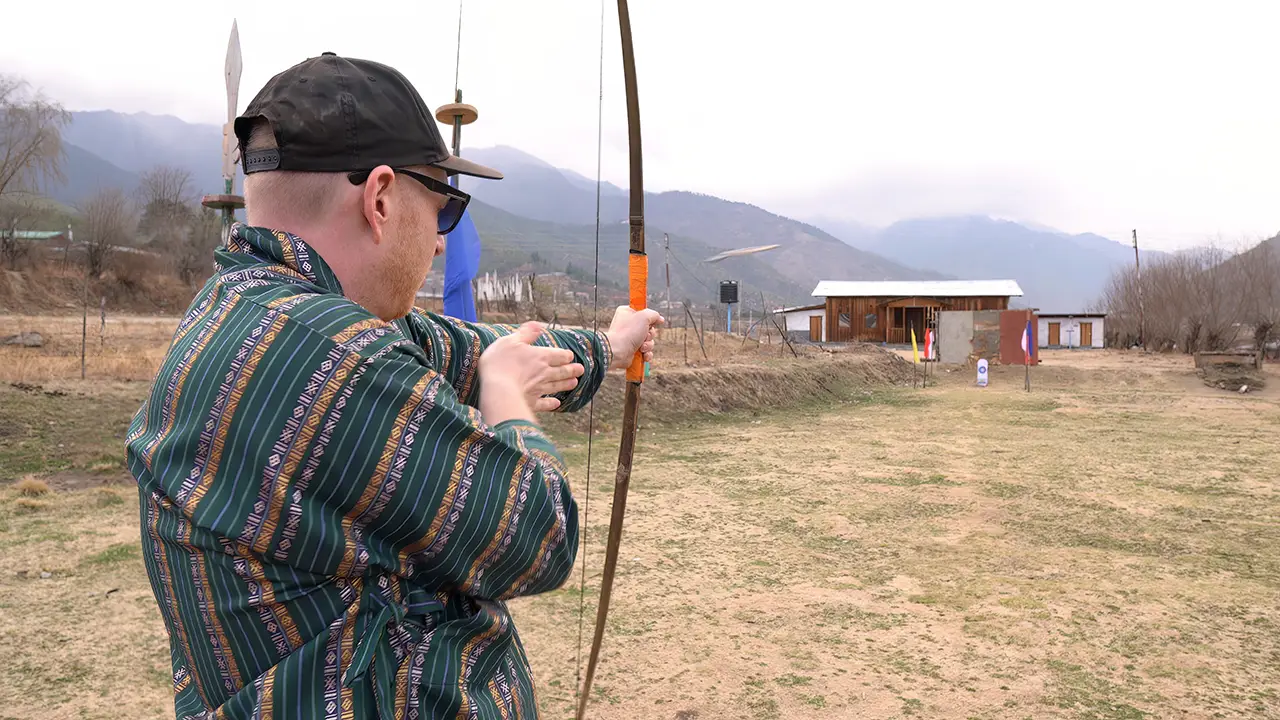
Obtaining a Bhutan visa is generally straightforward. The government will likely approve the visa in about a week and send you a visa clearance letter. You can use this letter for visa clearance on the way to Bhutan until the authorities stamp the actual visa in your passport upon arrival. You can either land at Paro International Airport if you’re traveling by air, or you can also reach your designated border checkpoint if traveling through land via India.
Citizens of India, Bangladesh, and the Maldives don’t require a pre-approved visa to visit Bhutan. You can get your permit at the border or airport upon arrival. If you’re an Indian citizen, you can use your passport or voter ID for an entry permit upon arrival. Indian citizens also need to pay the SDF fee of approximately 1,200 INR per night. Like international travelers, regional tourists also need to pay the SDF fee with the same discounts for children.
Remember that you need a licensed guide if you’re traveling beyond Paro and Thimphu, as independent travel is limited outside these cities. You can book guides through your travel agency or tour operator, which helps ensure safety and enriches your experience with insights into Bhutan’s culture, history, and customs.



Bhutan Travel Costs in 2026
To ensure a hassle-free experience, it is essential to budget for your trip to Bhutan. The SDF of $100 per night doesn’t include your personal travel expenses. Planning and booking early can help you manage costs and secure preferred accommodations. You can customize your tour with your travel agency for the best experience.
Sustainable Development Fee (SDF): All travelers are required to pay a $100 per-night fee during their stay in Bhutan. You must pay it in advance when securing your visa.
Visa Fee: International tourists are required to pay a one-time visa fee of $50 per person when applying for a visa.
Tour Package, Guide, and Transportation: If you’re traveling to Bhutan with a tour operator, you need to set aside a tour package fee. These packages typically include a licensed guide, a driver, and private transportation.
Accommodation: You can pay approximately $50-$150 per night for a 3-star hotel and $ 300- $ 1,000 for a 5-star hotel. Your daily costs greatly depend on the standard of accommodation you want.
Meals: Unless they are exclusively included in the tour package, you will need to pay for your own meals. You’ll likely spend between $20 and $30 per day on meals.
Transportation: It’s best to hire a private car with a driver to travel around Bhutan since the Bhutanese government doesn’t allow international tourists to drive independently. While costs vary, a vehicle with a driver will cost you approximately $50 to $100 per day. If you’re travelling with an agency, they’ll take care of your transportation. You should plan your transportation, as public transportation is not widely available to tourists in Bhutan.
Entrance Fee: Most monasteries and dzongs require a small entry fee of a few dollars. Tour packages do cover these, but if you’re travelling independently, you can pay for them at the entrance.
Flights: Your flights to and from Paro add significantly to your total Bhutan travel cost. Depending on the season and booking time, these flights may range from $400 to $ 800 or more. Only Druk Air and Bhutan Airlines fly to Bhutan, which means prices are usually high and flights often fill up quickly during peak seasons.
Miscellaneous: It’s better to carry some extra money for miscellaneous expenses. While not compulsory. Tipping is always a nice gesture. You can tip about $8-$15 for your driver and staff if you ike their services. You also need travel insurance and extra costs for souvenirs and personal expenses.
Your total budget for the Bhutan trip ultimately depends on your traveling preferences. It’ll likely cost around $2,000- $3,500 per person per week. This price estimate may be lower if you travel on a budget and higher if you’re a solo traveler or prefer a more luxurious trip. Group trips are often more cost-effective due to shared transportation and guide expenses.
Traveling in Bhutan on a budget: Bhutan may not be the best choice if you’re looking to travel on a budget. Every international traveler needs to pay the fixed SDF per night. You can reduce the cost by visiting off-season or opting for a shorter trip. It’s also budget-friendly to choose a 3-star accommodation instead of a 5-star one. You can have your meals in your hotel or local eateries for affordable menu options.
Indian and regional tourists: Your costs are significantly lower than those of other travelers, as the SDF is lower, and you don’t need to pay any visa fees. Indian travelers can even visit Bhutan via road in their own vehicles and plan the trip independently. It’s still better to hire a tour guide for easier logistics.
Planning Your Bhutan Itinerary
Bhutan may be a small country in terms of geography, but it certainly doesn’t lack attractions. Most Bhutan tours will take you to the country’s leading cultural sites and attractions in the western and central regions. A typical Bhutan trip lasts 5 to 10 days and follows a similar itinerary. It’s best to visit Paro and Thimphu if you’re visiting the country for 5 days.
5-Day Bhutan Highlights
Day 1: After landing in Paro, you can explore the town, visit the Paro Dzong (Rinpung Dzong) and the Ta Dzong (National Museum). Your first day in Bhutan will introduce you to the country’s rich culture, fascinating history, and vibrant art.
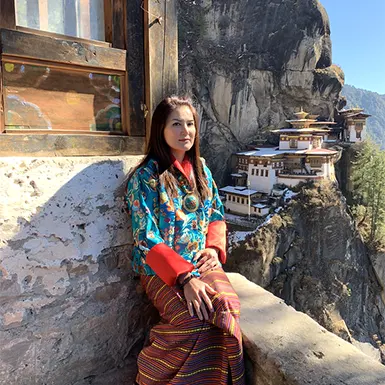
Day 2: Today is another day in Paro, where you’ll hike to the iconic Tiger’s Nest Monastery. Taktshang Monastery, situated on the cliffside, is one of the most iconic sites to visit in Bhutan. The round trip takes only about 5 hours and rewards travelers with a stunning view of the valley along the pine forest path.
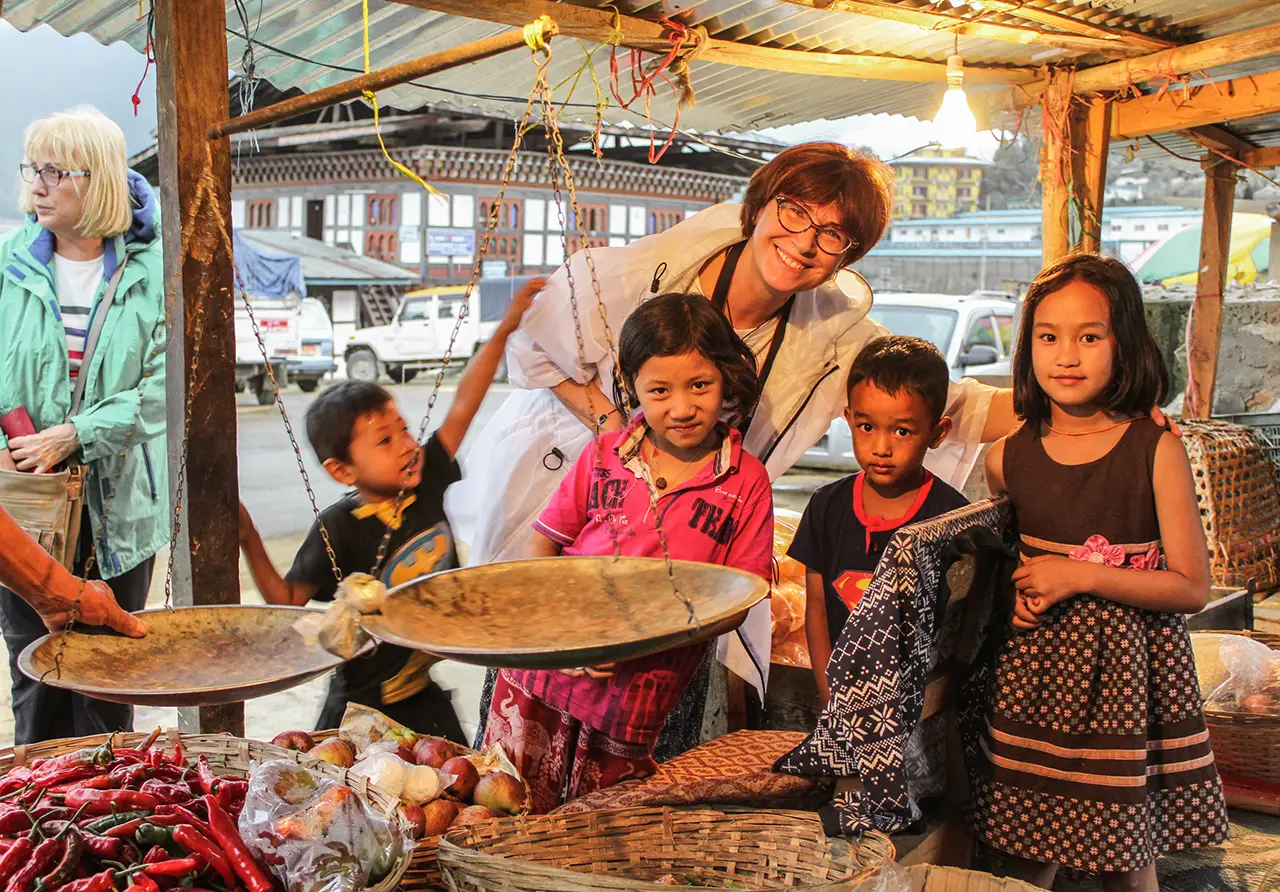
Day 3: Today, you’ll drive 1.5 hours to the capital, Thimphu, and stop by the Tachog Lhakhang iron bridge. After arriving in Thimphu, you can visit the grand Golden Buddha statue, called Buddha Dordenma, and enjoy the view of the valley. Other key sites in Thimphu include Memorial Chorten and Tashichho Dzong. After visiting the cultural sites, you can enjoy the markets of Thimphu.
Day 4: Today you’ll drive about 3 hours via the Dochu La Pass to Punakha. The Dochu La Pass, en route to Punakha, offers incredible mountain views and features 108 chortens. Punakha has a warmer climate as it sits at a lower altitude, which may be a plus point if you prefer warmer weather. You can visit one of the most beautiful dzongs in Bhutan at the meeting point of two rivers, Punakha Dzong. A suspension bridge spans the river, allowing you to cross over and enjoy the views of the surrounding rice fields and the famous fertility temple, Chimi Lhakhang.

Day 5: for your final day in Bhutan, you’ll return to Paro for your departure. On the way to Paro, you can still stop by Thimphu in case you want to visit more sights.
This concise itinerary highlights the key attractions of Bhutan’s major cities. It may be short, but it is a perfect introduction to Bhutan’s culture and geography.
7-Day Classic Bhutan Tour
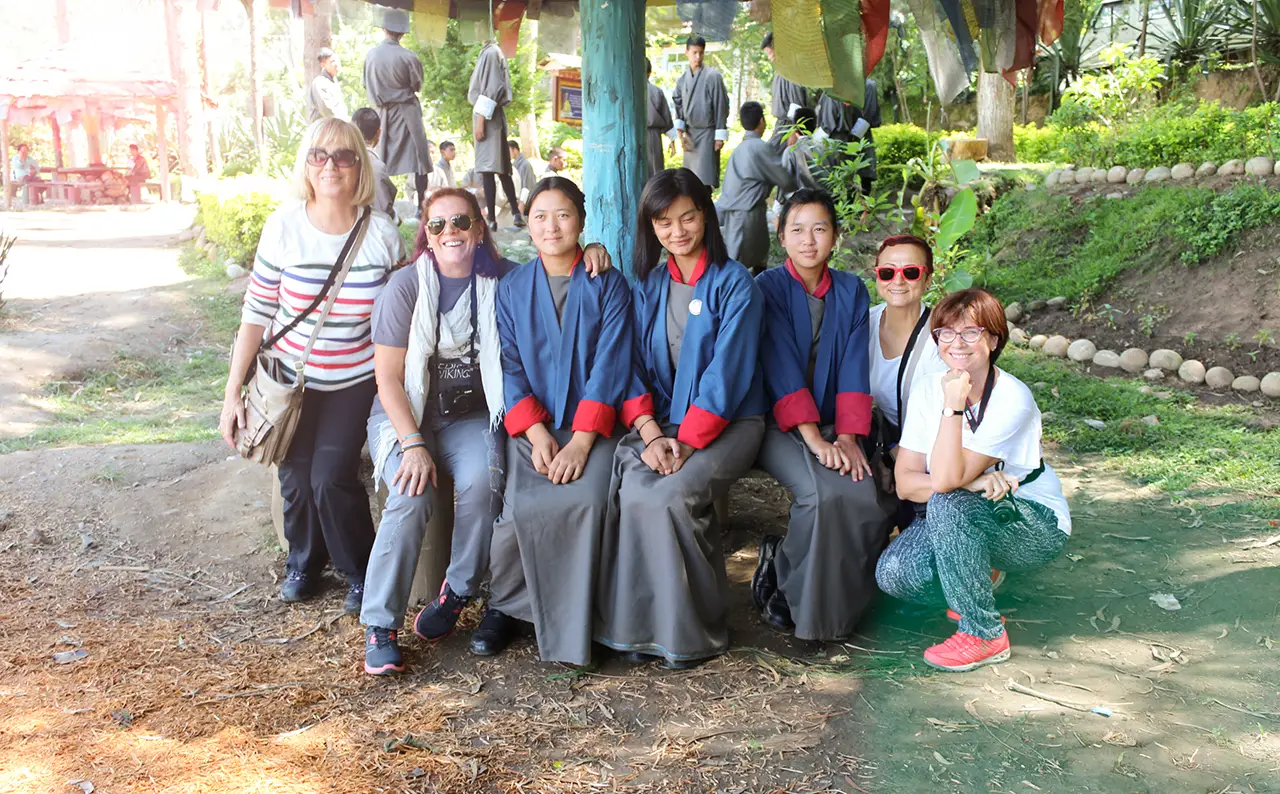
Days 1,2, 3, and 4: The itinerary follows the same as the 5-Day trip. You’ll arrive in Paro and visit Paro, then hike to Tiger’s Nest on day 2. Day 3 includes a drive to Thimphu, and on day 4, a drive to Punakha.
Day 5: The day starts with a morning hike to the hilltop shrine, Khamsum Yulley Namgyal Chorten. After lunch, you’ll drive 3 to 4 hours to Phobjikha Valley, a glacial valley famous for its black-necked cranes during late autumn. Phobjika is a perfect palace to get a taste of rural life.
Day 6: Begin your day by exploiting the valley. You can visit Gangtey Monastery and walk the Gangtey Nature Trail. You’ll then drive back to Paro via Thimphu or Wangdue.
Day 7: For your final day in Bhutan, you can visit other sites until your flight departs. Most people see one of Bhutan’s oldest temples, Kyichu Lhakhang, or go souvenir shopping.
The 7-Day itinerary allows you to visit more places and extends beyond the main cities to the countryside. You can enjoy the cultural sites and the countryside detox in Phobjika.
10-Day Extended Cultural Tour
You’ll follow the same itinerary for the first seven days of your tour.
Day 8: Instead of driving back to Paro, you’ll fly to Trongsa to visit Trongsa Dzong. This fortress is the largest in Bhutan. It is also the seat of the Bhutanese royal family and holds great historical significance. After visiting this dzong, you’ll continue driving for an additional 3 hours until you reach Bumthang.
Day 9: Today, you can explore Bumthang, the spiritual heart of Bhutan. Visit ancient temples like Jakar Dzong, Kurjey Lhakhang, Jambay Lhakhang, or Tamshing Monastery. Besides the cultural sites, Bumthang also offers views of its buckwheat fields across broad valleys. If you’d like, you can also try local specialties such as butter tea and cheese.
Day 10: For your final day in Bhutan, you can either fly back to Paro or drive a long way back.
The 10-day itinerary not only allows you to understand Bhutan’s culture but also introduces you to its diverse landscape.
You can customize the itinerary as you like for he best possible experience. If you want more experience, you can also complete a 5-day Druk Path Trek or other similar treks.
Practical Travel Tips for Bhutan
Book Early: Only two airlines operate flights to Paro. Bhutan limits tourism through limited flights and a mandatory guide requirement. Since there are limited flights, you must book your tickets months in advance if you’re traveling during peak season.
Bhutan Tour Guide: The Bhutan government allows travelers to travel independently without a tour group, but it’s still advisable to travel with a tour agency or a guide. Hiring a guide means they will handle your logistics, allowing you to travel without hassle. Guides ensure you have the best experience possible and share their knowledge of the place with you.
Health and Altitude: As of present, you don’t need any mandatory vaccinations to enter Bhutan. However, it is still advisable to stay up to date with required vaccinations. Note that Paro and Thimphu are both high-altitude cities at around 2,200m and 2,300m. You should have an easy first day in Bhutan and avoid overexertion. Consider adding acclimatization days to your itinerary if you plan to undertake high-altitude treks. Carry enough of your personal medicines so you are ready for any situation.
Money: Bhutan uses Ngultrum (Nu), which is equal to the Indian Rupee. You can also use Indian Rupee cash in Bhutan. Few ATMs in Paro and Thimphu accept international cards, but it’s still better to carry some money in USD or Euros for exchange. While a few luxurious hotels accept credit cards, local establishments often don’t. You need to pay the SDF and visa fees online before arrival so that you can focus on your personal expenses after arrival.
Connectivity: You can either buy a B-Mobile or TashiCell SIM card at the airport upon arrival or in the city to stay connected. Most hotels offer Wi-Fi, but the speed can vary, with limited or no signal in remote areas.
Packing: Bhutan is generally cold. You should bring layers of clothing, even in summer, since evenings can get quite chilly. Bring a light jacket if you’re traveling in summer and a coat if you’re traveling in winter. You also need a raincoat during the rainy season. You need good walking shoes to support your feet while taking on uneven paths. Bring other essentials, such as sunscreen, sunglasses, and a hat, for protection against the sun.
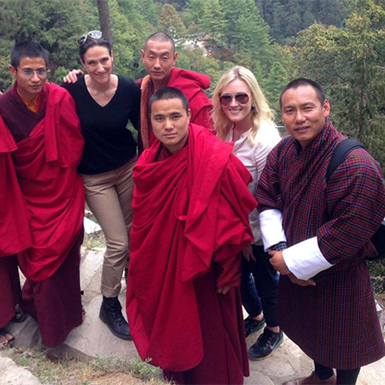
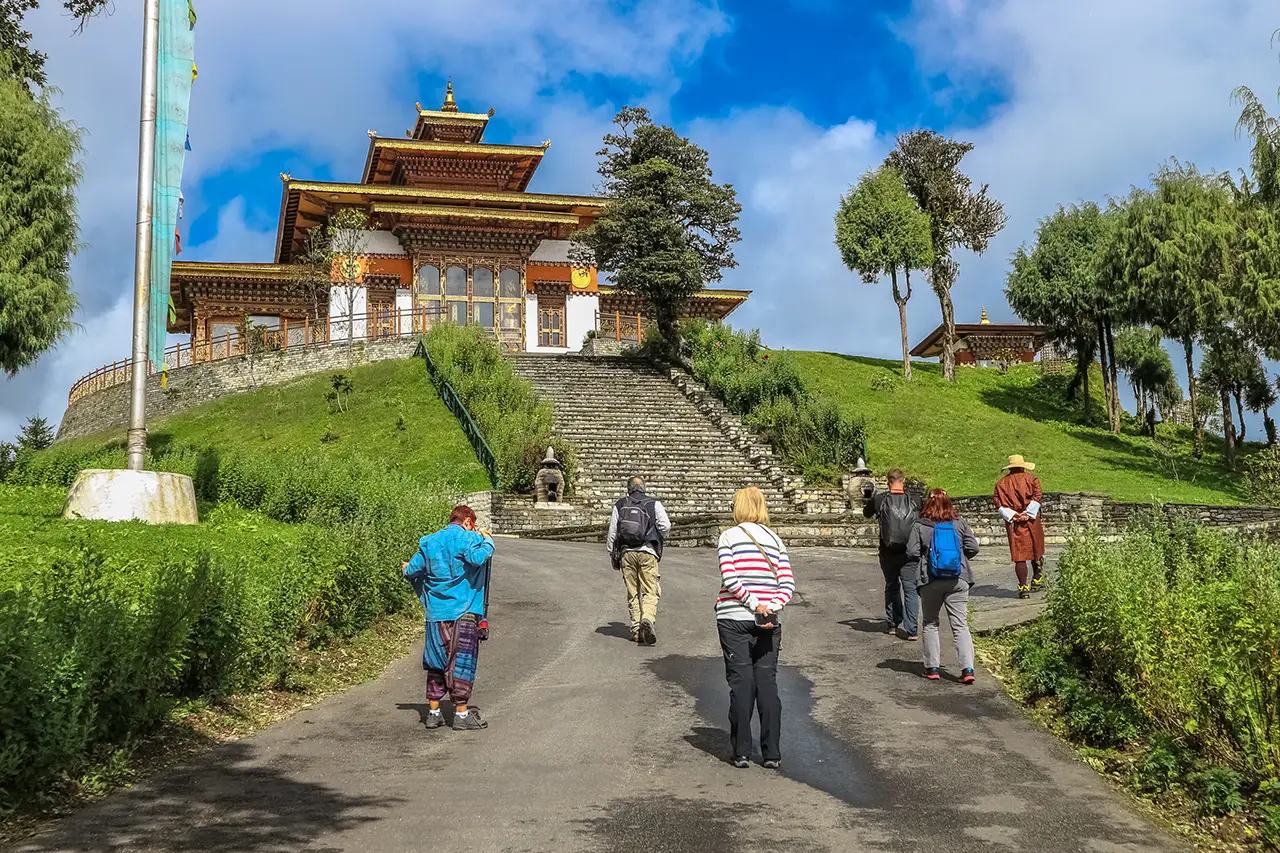
Cultural Respect: Bhutan is a tourist-friendly country. As a traveler and guest, you are expected to respect local traditions and refrain from actions that may offend or disrespect the culture. Wear modest clothing and cover your shoulders when visiting cultural sites, such as monasteries and dzongs. Please refrain from wearing hats and shoes when entering these sites, and avoid pointing at murals or statues. You can take pictures outside the temple, but not inside. You can ask your Bhutan Tour Guide if it is okay to take photos of the place. You should remember that the government doesn’t allow public smoking or the sale of tobacco.
Safety: Bhutan has a low crime rate, with sporadic instances of violent crime. It’s generally safe for tourists to walk on the streets of Thimphu with little to no worry. However, Bhutan does have many stray dogs that bark at night, so use earplugs if you’re a light sleeper.
Etiquette: You can say “Kuzuzangpo La” to greet new people. People in Bhutan eat their meals with their hands. Don’t decline the food when offered WH. You can take a small portion, but it’s essential to accept them. Walk clockwise around religious sites and show respect for Bhutan’s rich cultural heritage.
Conclusion of Bhutan Tour Guide
Bhutan is a beautiful country and an ideal travel destination for those seeking to experience the natural beauty and immerse themselves in spirituality. This Bhutan Tour Guide encompasses all the essential components of your trip to Bhutan. You can budget for your trip and plan your itinerary with this Bhutan Tour guide. Bhutan has a lot to offer and is an excellent destination for travel.