


Yes, travel insurance can cover eligible medical emergencies on a first overseas trip, as long as the situation falls within your policy terms. A sudden illness or accident in a foreign country can drain your savings fast. Travel insurance steps in to handle eligible hospital bills, doctor visits, and emergency transport, so a health scare does not become a financial disaster.
A first trip abroad gives you enough to think about—new airports, new currencies, new food. The last thing you want is to worry about how to pay for a hospital in a country where you do not speak the language.
Below, you will learn what travel insurance covers during a medical emergency, what it excludes, and how to make a claim without stress. The goal is simple. You travel with peace of mind, knowing your money is protected if your health is not.
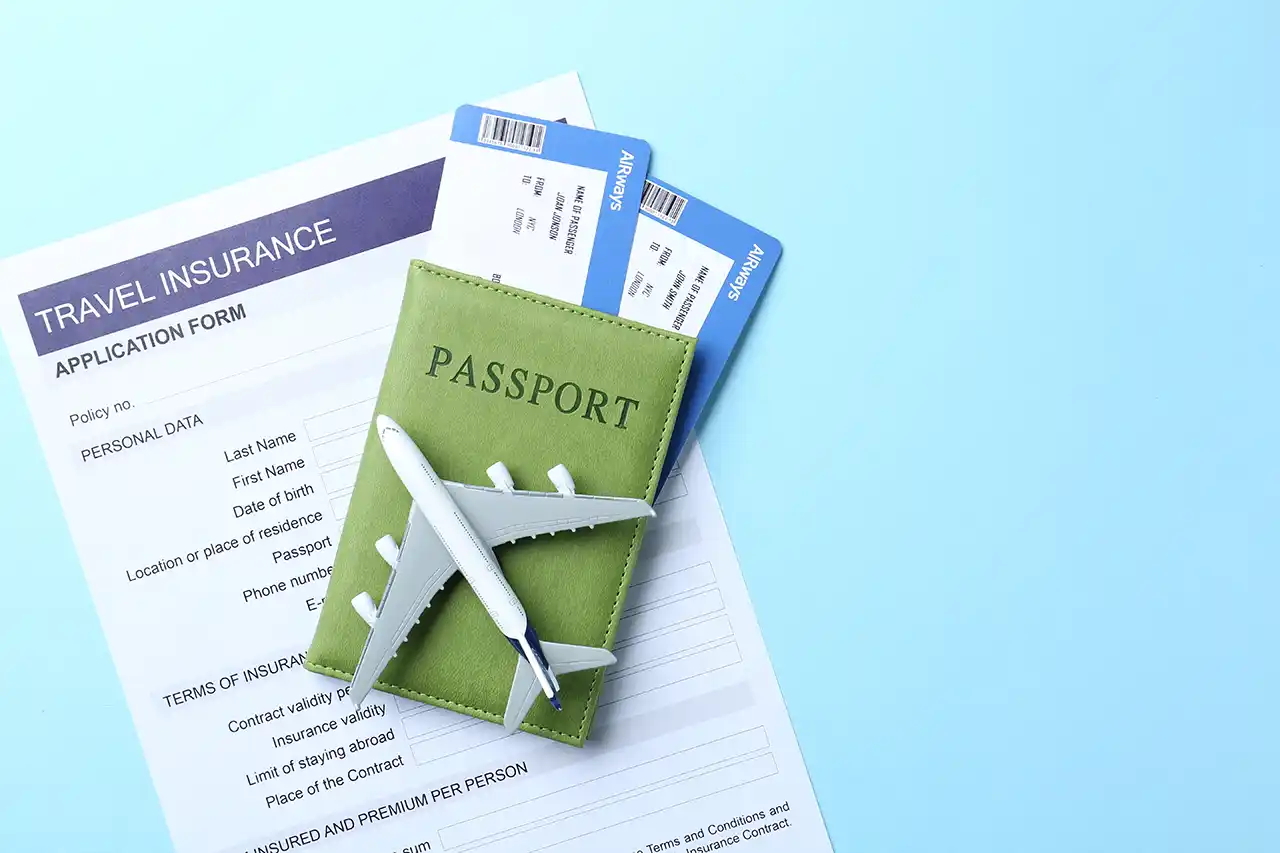
What Counts as a Medical Emergency Abroad?
A medical emergency is a sudden, unexpected health problem that needs urgent care. Think of a high fever, a broken bone, food poisoning, or chest pain. The keyword is sudden.
Insurers look for events no one could plan for. A routine dental cleaning does not count. A burst appendix at 2 a.m. does.
For first-time travelers, the most common emergencies are simple but serious. Common examples include:
- Severe stomach infections from new food or water
- Sprains, fractures, and falls during sightseeing or hikes
- Altitude sickness in mountain destinations like Nepal or Peru
- Sudden fever, flu, or viral infection
- Allergic reactions to food or insect bites
- Road accidents and minor injuries
Each of these can land you in a clinic far from home. With the right plan, your travel insurance covers eligible costs rather than your credit card.
Does Travel Insurance Cover Medical Emergencies? How It Actually Works
Travel insurance covers eligible emergency medical care when you fall ill or get hurt during your trip. The cover applies within your policy limits and conditions, so the exact benefit depends on your plan, your destination, and the claim review.
Here is the basic flow. You face a medical problem. You call the insurer’s 24/7 assistance team. They guide you to a hospital or clinic and explain how payment works. You get treated. The insurer settles the eligible bill or pays you back later.
Speed matters. Most policies ask you to inform the assistance team as soon as possible, often within 24 hours of treatment. Late reporting can weaken your claim.
There are two main ways your bill gets paid:
Cashless settlement. At a network or partner hospital, the insurer may pay the facility directly. You sign forms, but you do not pay large sums up front.
Reimbursement. At a non-network hospital, you pay first and claim the money back at home with your bills and reports.
Cashless is easier, but it is not always available in small towns or remote areas. So carry an emergency buffer on your card just in case.
Medical Expenses Typically Covered by Travel Insurance
Travel insurance may cover a wide range of eligible medical costs during an emergency abroad. The scope depends on your policy’s wording and limits, but most good plans handle the situations below.
Hospitalization and Inpatient Treatment Costs
A serious illness or injury may need a hospital stay. Travel insurance can support eligible inpatient expenses when the treatment is medically necessary and linked to a covered emergency.
Inpatient coverage typically covers the cost of the hospital room and bed up to your policy limits. It also covers specialized surgery, operating room fees, nursing care, doctor consultation fees during your stay, and diagnostic testing such as X-rays, blood work, or scans.
Keep every paper the hospital gives you. Bills, test reports, and the discharge summary all support your claim. Without them, even a valid claim can stall.
Doctor Consultations and Outpatient Care
Not every emergency needs a hospital bed. A bad fever, an infection, or a minor injury may only need a quick doctor visit. Many travel insurance plans cover eligible outpatient care when it is needed during your trip.
Outpatient cover helps with the everyday health problems that hit travelers the most. Common eligible costs include:
- Consultation fees linked to an eligible emergency
- Prescribed lab tests and minor investigations
- Basic treatments like wound dressing or injections
Always collect the invoice, the prescription, and the doctor’s notes. A clear paper trail turns a small claim into a smooth one.
Emergency Medical Evacuation and Repatriation
Sometimes the local hospital cannot give the care you need. Travel insurance may arrange emergency evacuation to a better-equipped facility or, in serious cases, repatriation back to your home country for continued medical care.
These services matter most in remote regions. Imagine a trekking injury in the high Himalayas or a heart problem in a small coastal town. Air ambulance and cross-border medical transport can cost tens of thousands of dollars. Eligible cover protects you from that shock.
A few points to remember:
- Evacuation applies when proper treatment is not available nearby.
- Repatriation needs medical approval before it happens.
- The insurer’s assistance team must arrange or approve the transport.
Never book a private air ambulance on your own first. Call the assistance line and let them coordinate, or you may lose the claim.
Prescription Medications and Urgent Treatments
Emergency care often includes medicines, injections, or short-term therapy. Travel insurance may cover eligible prescribed medication when it is part of treating a covered emergency during the trip.
The rule is straightforward. The medicine must match a doctor’s prescription and a real medical need. Keep these in order:
- A valid prescription from the treating doctor
- Pharmacy bills that match the prescription
- A short note on why the medicine was needed
Over-the-counter buys, vitamins, and self-bought supplements usually do not qualify. Stick to the doctor’s advice and save the receipts.

Situations Where Medical Claims May Be Rejected
Travel insurance is strong, but it is not a blank check. Claims can be denied if the situation falls outside your policy, lacks supporting documentation, or does not meet the definition of an emergency. Knowing these gaps before you fly saves you from a nasty surprise later.
Pre-existing Medical Conditions and Disclosure Rules
A pre-existing condition is a health concern that existed before your policy started, whether or not a doctor diagnosed it. Diabetes, high blood pressure, asthma, and heart issues are common examples.
Coverage for these conditions depends on your policy and on what you declared when you bought it. Honesty is everything here.
- Answer every health question truthfully at purchase.
- Hiding a condition can void a claim, even an unrelated one.
- Some plans offer pre-existing cover for an extra premium, but only under stated limits.
If you have an ongoing condition, tell the insurer upfront. A small premium increase beats a rejected hospital bill.
Injuries from High-Risk and Adventure Activities
First trips often mix in adventure—Scuba diving in Thailand, paragliding in Pokhara, or a glacier hike in the Alps. A standard plan may not cover injuries from these activities.
Adventure cover is usually an add-on, not a default. Before you book any thrill, check the fine print.
- Confirm whether your sport or activity is included.
- Buy an adventure or sports add-on if your plan needs one.
- Follow the operator’s safety rules and use proper gear.
Failing to wear a helmet or ignoring the guide instructions can also result in a denied claim. Safety over adventure, always.
Non-emergency or Elective Medical Treatments
Travel insurance is built for the unexpected, not for planned care. Routine check-ups, cosmetic work, dental cleanings, and wellness treatments do not count as emergencies.
The line is clear once you see it. Eligible coverage needs urgency and medical necessity.
- Cosmetic and elective procedures are not covered under emergency care.
- Treatment that can safely wait until you return home may be denied.
- The documents must show a genuine, time-sensitive need.
So do not plan a dental crown or a cosmetic touch-up abroad and expect the insurer to pay for it. Save those for home.
Other Common Exclusions to Watch For
A few more gaps catch first-time travelers off guard. Read your policy for these:
- Injuries while under the influence of alcohol or drugs
- Self-inflicted harm or illegal acts
- Care was sought after you ignored a doctor’s travel advice
- Treatment in a country not listed in your policy zone
None of these is meant to scare you. They mark the edges of your cover so you know where it ends.
How to Make a Medical Claim Abroad: Step by Step
A medical claim feels less scary when you know the steps. Follow this order during an emergency, and your claim has the best chance of approval.
- Get medical help first. Your health comes before paperwork. Reach a doctor or hospital right away.
- Call the 24/7 assistance line. Use the number on your policy or insurer app. Tell them your name, policy number, and what happened.
- Ask about cashless options. The team will confirm whether the hospital is in their network and how payment will be handled.
- Save every document. Collect bills, prescriptions, test reports, and the discharge summary.
- Report within the time limit. Many policies require notice within 24 hours, so do not delay.
- File the claim. Submit your forms and documents online or through the insurer once you are stable or back home.
Keep digital photos of all papers on your phone. Lost receipts are one of the top reasons claims fail.
Documents You Need for a Medical Claim
A claim moves faster when your paperwork is complete. Pack a folder, real or digital, with these items ready:
- Your travel insurance policy number and certificate
- Passport and visa copies
- Hospital bills and itemized invoices
- Doctor’s prescriptions and medical reports
- Diagnostic test results and scans
- Discharge summary from the hospital
- Pharmacy receipts that match prescriptions
- Bank or card statements, if you paid yourself
Snap a photo of each one as you get it. A tidy file at the start saves weeks of back-and-forth later.
How Much Medical Coverage Do You Need?
The right cover depends on where you go. Medical costs vary widely across countries, so match your plan to your destination.
For the United States and Canada, costs run very high. A single hospital night can cost several thousand dollars. Many travelers choose cover of USD 250,000 to USD 500,000 for these countries.
For Europe’s Schengen zone, the visa rules set a floor. You need travel insurance with at least 30,000 euros (around USD 33,000) in medical cover. Most travelers buy more for comfort.
For Southeast Asia, the Middle East, and other regions, medical care costs less. Cover of USD 100,000 to USD 250,000 works well for most first trips.
Do not pick a plan based solely on price. A slightly higher premium for stronger cover pays off the moment you face a real emergency.
Smart Tips for First-Time Travelers
A little planning keeps your trip smooth and your claim safe. Use these habits before and during your journey:
- Buy your plan before you fly, not at the airport gate.
- Read the cover summary and the exclusions, not just the price.
- Save the assistance number in your phone and on paper.
- Carry a small emergency fund on your card for upfront bills.
- Declare any health condition honestly when you buy.
- Match your cover amount to your destination’s medical costs.
- Keep your policy and ID copies in your email and your bag.
Each tip takes minutes. Together, they turn a stressful situation into a manageable one.
Frequently Asked Questions
Does travel insurance cover medical emergencies on a first overseas trip?
Yes. Travel insurance covers eligible emergency medical care, such as sudden illness, accidents, and hospital stays, within your policy limits. Coverage applies to first-time and frequent travelers alike, as long as the event is sudden and the situation meets policy terms.
What should I do first during a medical emergency abroad?
Get medical help right away, then call your insurer’s 24/7 assistance line. Share your policy number and details. The team will guide you to a suitable hospital and explain whether cashless settlement or reimbursement applies to your case.
Will travel insurance pay the hospital directly?
Sometimes. At network or partner hospitals, the insurer may settle the eligible bill directly through a cashless process. At other facilities, you pay first and claim the money back later with your bills, reports, and discharge papers.
Are pre-existing conditions covered during a trip?
Only if your policy allows it and you declared the condition at purchase. Some plans offer pre-existing cover for an extra premium, subject to set limits. Hiding a known condition can lead to a rejected claim, so always answer health questions honestly.
Does travel insurance cover adventure sports injuries?
Not always. Standard plans often exclude high-risk activities like scuba diving, paragliding, and mountaineering. Check your policy and buy an adventure add-on if you plan to engage in such activities. Follow all safety rules, since reckless behavior can still void a claim.
How much medical cover should a first-time traveler buy?
It depends on your destination. Choose USD 250,000 to USD 500,000 for the United States and Canada, at least 30,000 euros for Schengen Europe, and USD 100,000 to USD 250,000 for most other regions. Higher cover provides greater comfort at a small extra cost.
Final Thoughts
Securing the right policy protects your personal independence while exploring. Instead of stressing over high clinic fees, you can focus on recovering and continuing your journey with total confidence.
The smart move is simple. Know what your policy covers, keep your documents in order, and call the assistance team the moment trouble starts.
Coverage, claim approval, and benefits stay subject to your policy wording, limits, exclusions, and the insurer’s review. Read your plan carefully before you travel, and then enjoy the world with confidence.