


The Khareef season is a remarkable natural phenomenon that transforms the usually dry landscape of Oman, particularly in the Dhofar region. During this season, the monsoon winds bring cooler temperatures, and the desert blooms into lush greenery, offering a stunning contrast to the arid environment. This season, often called Oman’s monsoon season, attracts thousands of visitors yearly, especially to the coastal city of Salalah, which experiences the most significant change in climate and scenery.
In the Khareef season, the region transforms into a verdant landscape filled with fog, mist, and light rain. The temperature drops significantly, providing a refreshing break from the typical heat of the Gulf, making it a popular time for locals and tourists to explore the natural beauty of Dhofar.
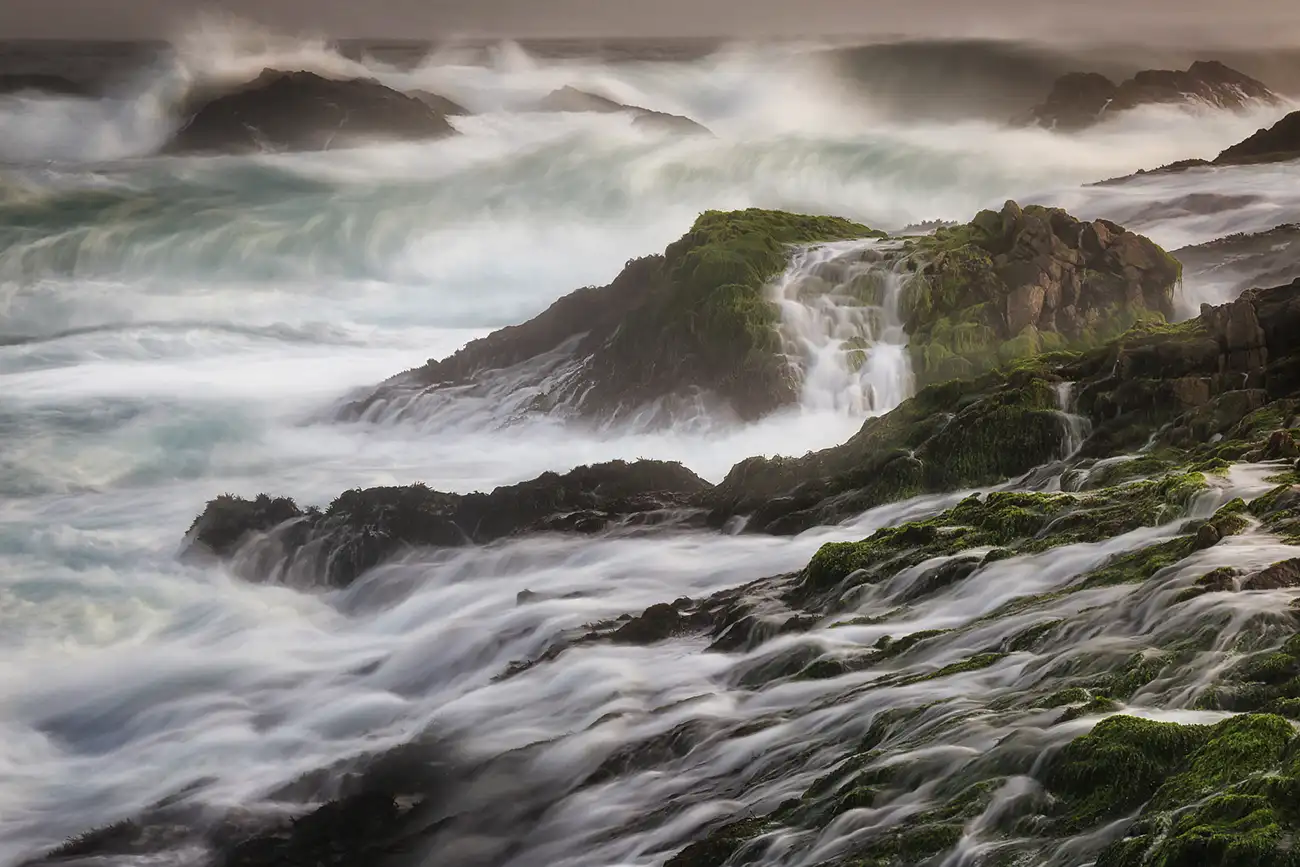
When Does Khareef Season Begin And End
The Khareef season typically runs from June to September, during which the following changes occur:
- Cooler Temperatures: With the regional seasonal temperature averages dropping to about 25°C, the sweltering summers of other regions like Oman and the Arabian Peninsula are absent.
- Misty Rain: The region, especially Salalah, experiences constant mist and light rain throughout the season. This mist not only cools the air but also nourishes the surrounding vegetation, allowing the landscape to flourish.
- Lush Greenery: The combination of cooler temperatures and rainfall turns the Dhofar region into a green paradise. Hills, valleys, and plains that are dry for most of the year become lush and vibrant.
- Tourist Season: Another development is that this season is also a high season for Salalah in terms of tourism. Tourists come to take advantage of cooler temperatures, beautiful sights, and the peculiar climate this season offers the area.
- Salalah Festival: During this period, the famous Salalah Tourism Festival, which lasts for a month and showcases everything that Dhofar has to offer in terms of permanent and traditional activities, takes place.



Geographical Importance of Khareef Season
Oman is always looking forward to the Khareef season, especially in the southern region of Dhofar. This part of the country comes to be the center of the Khareef experience, with Salalah, the most populated city in the Dhofar region, being the center stage of this fantastic weather phenomenon. While hot, arid conditions characterize other parts of the Arabian Peninsula during summer, a dolly goes from a different perspective. It offers pretty appealing climates, attracting a good number of tourists.
Location: Dhofar and Salalah
The Khareef effect is felt more in Dhofar, particularly within and involved Salalah. The monsoon wind from the Indian Ocean effectively strikes the Dhofar region on the southern coast of Oman. Salalah’s case during this period is unique, more so than many cities, as its wide-eyed lush green geography captivates the surrounding audiences. Greenery embankments stretch from the sea shores across the flat, dry land and up to the encircling hills. This transformation in the Metropolis of Salalah makes it the center of the Khareef experience, and an influx of tourists come yearning to bask in the cold and refreshing weather and pleasant views of the beauty of the place.
Unique Climate of the Khareef Season
What makes this season remarkable is the unique climate it brings to Dhofar, a region otherwise dominated by desert landscapes. During these months, the monsoon winds bring continuous light rain, mist, and cooler temperatures. This weather phenomenon is exclusive to southern Oman and does not occur anywhere else on the Arabian Peninsula. The following features make this climate special:
- Cooler Temperatures: The Khareef season drops the temperature in Dhofar to pleasant levels, often hovering around 25°C, a significant contrast to the searing heat experienced in other parts of the region.
- Tropical-like Environment: The misty rains and cooler weather create Dhofar’s tropical climate. The mountains and valleys surrounding Salalah become covered with green vegetation, turning the landscape into a lush oasis that resembles tropical rainforests more than desert terrain.
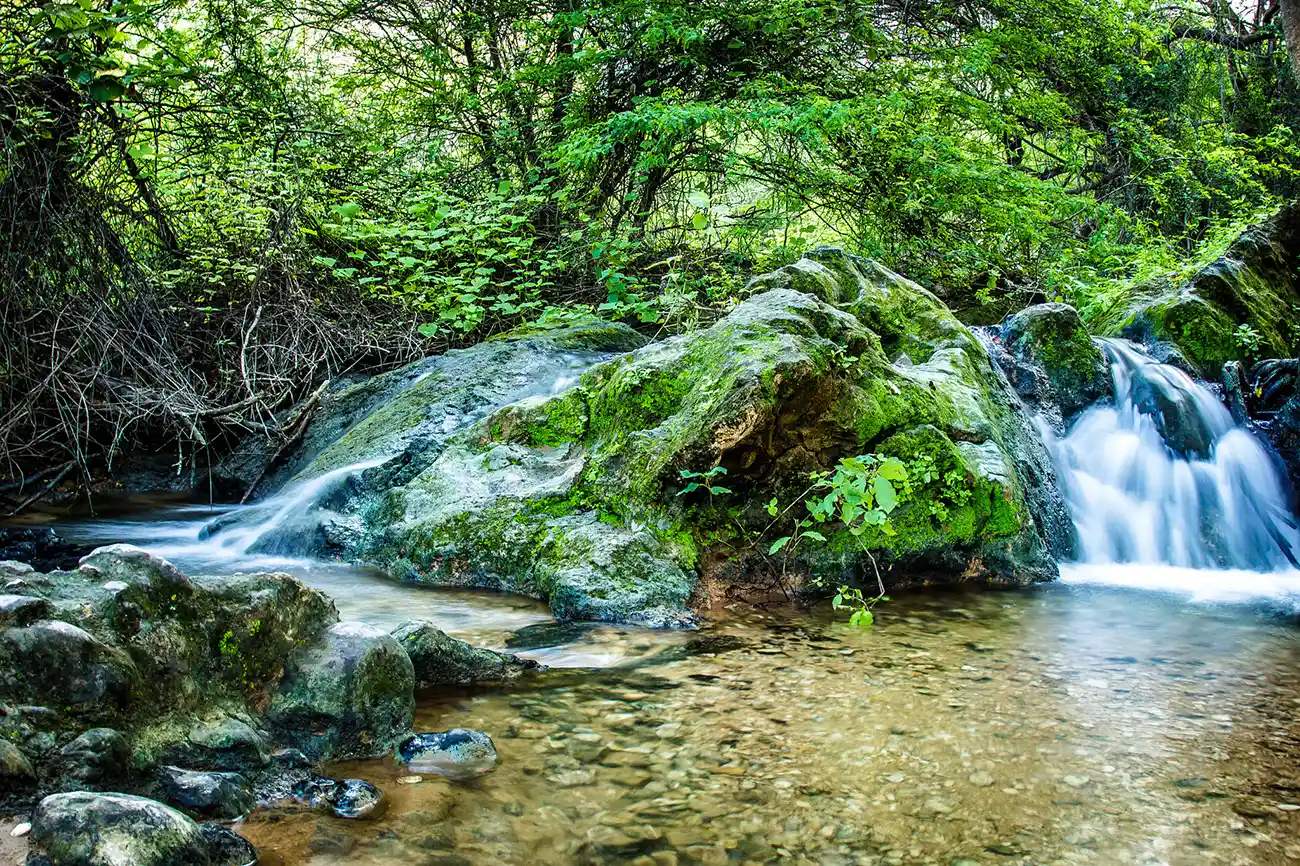
- Natural Beauty: The combination of rain and greenery makes Dhofar one of the most beautiful regions to visit during summer. Waterfalls, flowing streams, and fog-covered mountains contribute to its unique appeal.
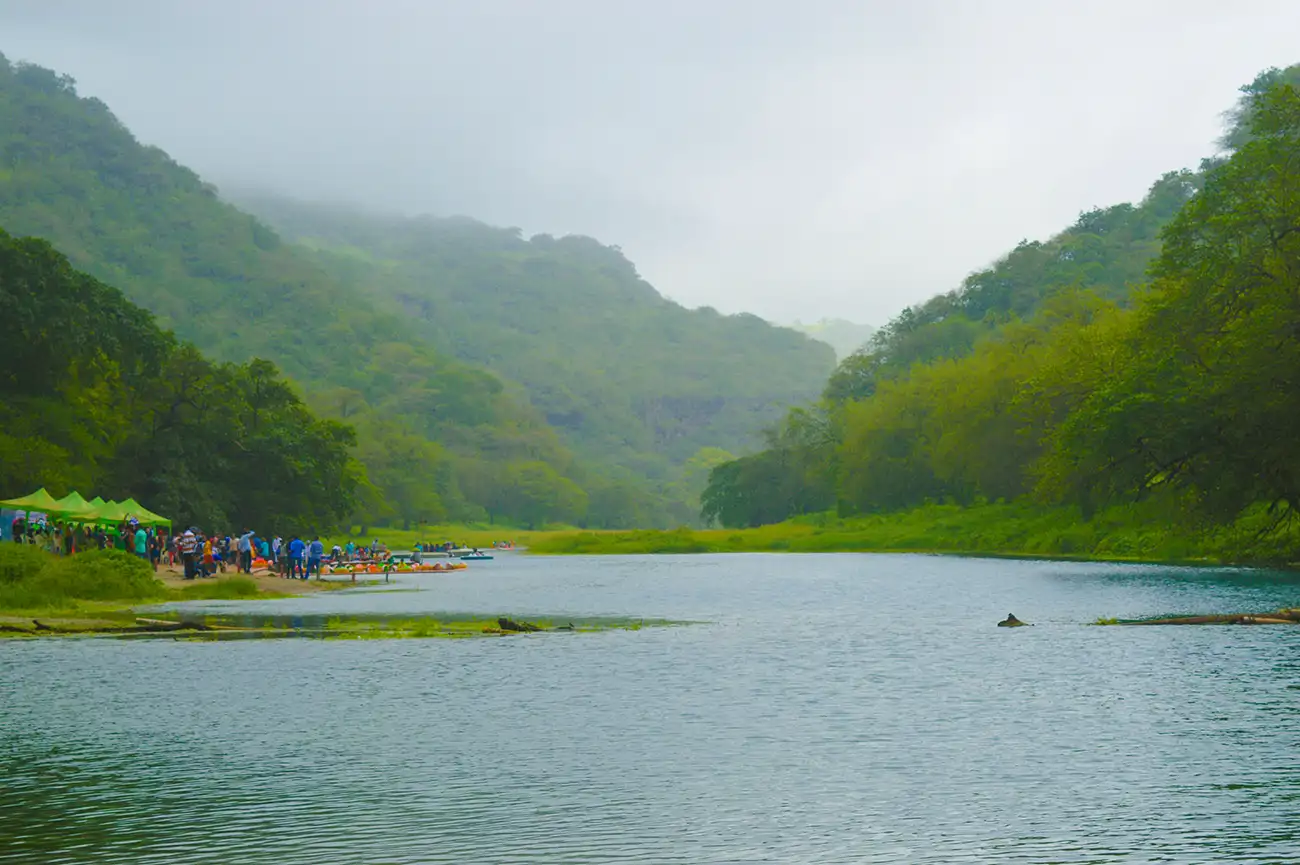
Weather and Climate
During the Khareef season, Oman’s Dhofar region experiences a dramatic change in weather and climate, creating a distinct atmosphere that distinguishes it from the rest of the Arabian Peninsula. The area experiences cooler temperatures, misty rain, and a lush landscape that attracts visitors from all over.
Rainfall During the Khareef Season
- Consistent Misty Rain: This season is known for its consistent mist and light rainfall. Unlike the heavy downpours typical of monsoons elsewhere, the rain during Khareef is gentle and continuous, creating a misty environment.
- Boost in Vegetation: The light, misty rain nourishes the land, allowing plants and trees to thrive. As a result, Dhofar transforms into a green oasis, with rolling hills and valleys covered in vegetation. The once-barren landscapes turn into vibrant, lush environments.
- Duration of Rainfall: The mist and rain typically last throughout the season, from June to September, keeping the region moist and cool. This extended period of rainfall plays a crucial role in the seasonal transformation.
Cooler Temperatures
- Significant Temperature Drop: While the rest of Oman and the Arabian Peninsula swelter under extreme heat, Dhofar enjoys much cooler weather. During this season, temperatures in Dhofar average around 25°C (77°F), a refreshing contrast to the 40°C (104°F) or higher temperatures seen in other parts of Oman.
- Comfortable Climate: These cooler temperatures make Dhofar a perfect escape from the summer heat for locals and tourists. The cool breeze and consistent mist create a relaxed outdoor activity, sightseeing, and exploration environment.
- Tourist Appeal: Dhofar has become popular this season because of its cooler climate. Visitors experience the rare combination of mist, rain, and lower temperatures, enjoying a refreshing change from the region’s typical hot and dry conditions.
Cultural and Historical Significance
The Khareef season holds immense cultural and historical importance in the Dhofar region of Oman. This unique monsoon season has shaped the region’s heritage and traditions, influencing agriculture, trade, and cultural celebrations that continue to this day.
Historical Connection
- Impact on Agriculture: Historically, the Khareef season played a crucial role in local agriculture. The misty rains and cooler temperatures provided much-needed moisture, allowing crops to thrive in a region otherwise dominated by desert landscapes. Farmers took advantage of the season’s fertile conditions to grow essential crops, making this season vital for food production and trade.
- Influence on Trade: The abundant production in the agriculture sector during the Khareef season enhanced the contribution of the Dhofar region to the overall trade in the vicinity. Historically, Dhofar cultivated land on which frankincense trees were growing, leading all over the Arabian Peninsula. During this season, the area’s climatic conditions helped maintain the vegetation, which enabled the growing of frankincense trees and even increased the production factors in the area’s commerce.
Traditional Celebrations
- Salalah Tourism Festival: This is an essential cultural activity in the Khareef season, primarily celebrated in Salalah. This festival marks the monsoon onset and highlights the cultural assets of Dhofar. Local dietary offerings, music duets, and inter-tribal dance performances will treat visitors in the banquet hall, showcasing the region’s culture. The Salalah tourism festival, however, draws many tourists because it marks the importance of this season and nurtures Salalah tourism.
- Local Traditions: This season also brings regional pride in culture and performing arts through several events. At this time, arts and crafts, folktales and stories, and food from that particular region are specific to the period, establishing a strong culture. Such fetes are how the people of Dhofar celebrate and appreciate their ties with the land, especially how the weather changes.
Local Economy and Agriculture
The Khareef season significantly boosts Dhofar’s local economy, mainly through agriculture. The seasonal rains create favorable conditions for farming, which has been a vital part of the region’s economy for centuries. During this season, crops flourish, providing economic opportunities for farmers and traders.
Impact of Khareef Season on Agriculture
- Boosting Crop Production: The Khareef season features reliable and sufficient rainfall, making it highly conducive to farming. Farmers of Dhofar take advantage of the wet soil to plant crops relevant to the area’s economy. Water availability promotes the production of coconuts, bananas, and other vegetables, which cater to the local market and encourage trade within the region.
- Frankincense Production: It is common knowledge that incense trees are abundant in the Dhofar region, and they plant trees to get their Khareef. The humid rainfall helps the trees to grow so that the production of frankincense wood, invariably the lifeline of trade for the people of Oman, is not diminished. The monsoons significantly sustain the region’s economy, especially by producing incense in high quantities.
- Fruit Farming: The Khareef season encourages growing other tropical crops like bananas, papaya, and coconuts. These fruits are better because of the cold and rainy season; hence, the farmers can produce them in significant quantities. Many fresh foods are brought to the local markets, enticing locals and visitors during these seasons.
Economic Benefits
- Supporting Local Trade: The prevailing agricultural surplus during this season promotes inter-trade within the region. Farmers go to the market with various greens, coconuts, and bananas, among others, earning a living alongside their families and clans. Crop diversification reduces the dependency on local consumption and internal markets, as produce exports are demand-driven into other parts of Oman and outside its borders.
- Employment Opportunities: The Khareef season generates employment opportunities as farming activities increase. Locals find work in harvesting crops, managing farms, and trading goods, especially in rural areas of Dhofar. These job opportunities provide essential support to local livelihoods.
- Tourism Impact: Tourism indirectly boosts the local economy during this season. Visitors come to experience the monsoon and spend on accommodations, food, and local goods. Farmers and traders benefit from this influx, as tourists purchase fresh produce and other local agricultural products.
Health and Wellness During Khareef Season
The Khareef season in Dhofar transforms the landscape and provides numerous health and wellness benefits. As temperatures cool and the region turns into a lush, green retreat, visitors across the Arabian Peninsula flock to escape the summer heat. With its refreshing climate, spa treatments, and nature walks, this season is the perfect time to focus on health and well-being.
Health Benefits
- Cooling Effect: Escape the sweltering temperatures of other parts of Oman and the Arabian Peninsula by enjoying the refreshing this season. While temperatures soar elsewhere, Dhofar enjoys cool, misty weather, averaging around 25°C (77°F). This pleasant climate brings physical comfort and boosts mental well-being, allowing visitors to unwind and breathe in the refreshing air.
- Breath of Fresh Air: The mist and light rain that characterize the Khareef season cleanse the air, making it ideal for those with respiratory issues. The moist atmosphere helps alleviate conditions like dry throat and sinus irritation, providing a natural respite from other regions’ dry, desert air.
- Stress Relief: This season’s tranquil environment encourages relaxation and stress relief. Surrounded by greenery, waterfalls, and gentle breezes, visitors can escape their daily routines and reconnect with nature. This peaceful setting promotes reduced anxiety and fosters overall mental health improvement.
Spa and Wellness Tourism
- Wellness Retreats: The Khareef season has made Dhofar, especially Salalah, a hub for wellness tourism. At the area’s resorts and wellness centers, experience customized retreats focused on relaxation, detox, and rejuvenation. These retreats often include spa treatments, yoga, and guided meditation in serene natural surroundings, offering tourists a holistic approach to well-being.
- Nature Walks and Outdoor Activities: This season enhances Salalah’s lush landscapes, making it a popular destination for nature walks and hikes. Visitors can explore forests, valleys, and coastal trails while benefiting from cooler weather. These outdoor activities provide a chance to appreciate Dhofar’s natural beauty and promote physical health through gentle exercise and fresh air.
- Therapeutic Environment: The natural sounds of flowing water and birdsong, combined with the scenic beauty of Dhofar during this season, create a therapeutic environment. Research has shown that spending time in nature helps reduce blood pressure, improve mood, and enhance cognitive function. The Dhofar landscape, especially during this season, is an ideal setting for wellness tourism.
Environmental Considerations
The Khareef season transforms Dhofar into a lush, green paradise, but preserving this unique environment requires thoughtful management. Conservation efforts and responsible tourism are vital in safeguarding Dhofar’s natural beauty throughout this season.
Conservation Efforts
- Protecting Biodiversity: The Khareef season boosts Dhofar’s rich biodiversity, as its forests, waterfalls, and wildlife thrive. Government agencies and local organizations have implemented conservation programs to protect this delicate ecosystem. These initiatives focus on preserving native plant and animal species, ensuring the environment remains undisturbed by human activities.
- Sustainable Land Use: Local authorities minimize land degradation caused by increased agricultural and tourism activities during this season. By promoting sustainable farming practices and carefully managing urban development, they work to protect soil quality and prevent deforestation. These efforts maintain a healthy balance between tourism, agriculture, and environmental sustainability.
- Reforestation Programs: To combat deforestation and soil erosion during this season, reforestation projects have been launched in areas susceptible to damage. These programs involve planting native trees and plants to restore the land and create habitats for local wildlife, further enhancing Dhofar’s ecosystem.
Responsible Tourism
- Preserving Natural Beauty: With more tourists visiting Dhofar during the Khareef season, it’s essential for visitors to adopt responsible behaviors that help maintain the region’s natural beauty. Tourists should use designated trails when exploring forests, mountains, and waterfalls. Staying on these paths protects the fragile ecosystem and prevents wildlife from being disturbed.
- Minimizing Waste: Responsible tourism during this season includes minimizing and adequately disposing of trash. Visitors should avoid littering in natural areas, as it harms wildlife and detracts from the region’s pristine appearance. Help protect the environment by bringing reusable items like water bottles and bags, which can significantly reduce waste.
- Respecting Wildlife: Tourists should respect Dhofar’s wildlife by observing animals from a distance and avoiding actions that could disturb them. It is essential during the Khareef season when wildlife is more active. Feeding or approaching animals too closely disrupts their natural behavior and can damage their habitats.
- Supporting Eco-friendly Accommodations: Many resorts and hotels in Dhofar have embraced sustainability, offering eco-friendly accommodations during this season. These establishments prioritize sustainability by reducing water and energy consumption, minimizing waste, and actively supporting local conservation initiatives. By choosing such accommodations, tourists contribute to preserving the environment.
Khareef Photography and Social Media
The Khareef season in Dhofar offers a spectacular opportunity for both photographers and travelers. During this time, Dhofar’s landscape turns vibrant and green, creating the perfect setting for capturing stunning visuals. Misty mountains, flowing waterfalls, and lush valleys draw visitors who are eager to document these breathtaking sights. With the increasing influence of social media, this season has gained widespread popularity as travelers share Dhofar’s natural beauty with the world.
Stunning Landscapes
- A Photographer’s Dream: For every photographer, the Kharif season has turned Malabar into a photographer’s dream. There are countless possibilities for photography in Kharif season. The majestic mountains enveloped by clouds and numerous falling streams of water amidst green vegetation provide perfect settings for scenic photography. It is when there are plenty of places for both amateurs and professional photographers to click magnificent pictures of Oman.
- Misty Mountains: The misty series of ‘Dhofars’ mountains is one of the striking aspects of the Khareef season. This oxygenated fog adds to the pictures and enhances the beauty of another world. The scene is mainly clicked early the next day or later in the evening when the fog is high, giving a picturesque landscape view.
- Waterfalls and Green Valleys: The Khareef season brings Dhofar’s waterfalls to life, making them a popular subject for photography. Locations like Wadi Darbat’s lush valleys and cascading waterfalls offer stunning compositions highlighting the region’s seasonal transformation. The vibrant greenery surrounding these waterfalls adds a layer of beauty to every shot.
Social Media Appeal
- Instagram-Worthy Locations: The picturesque Khareef season has gone viral on every social media platform, especially among travel bloggers. Photos and videos of Dhofar’s beautiful terrain and unique features have occupied social-seeking sites like Instagram and TikTok. Be it a lovely picture of the mountain caps filled with fog or a shooting clip of gushing waterfalls, such posts are attention-drawing and encourage visitation, among others.
- Traveler Experiences Shared Online: Social media has significantly raised awareness of this season. Vacationers post and tag their pictures to document the unique beauty of Dhofar. Nature-related posts of strolls, green valleys, mountains, or clouds from the peaks attract engaging engagements, with followers impressed.
- Building Dhofar’s Reputation: The growing social media presence during the Khareef season has helped position Dhofar as a must-visit destination. Travelers document their adventures and help promote the region’s stunning landscapes globally. As more people become aware of the unique appeal of the Khareef season, tourism to Dhofar continues to rise.