


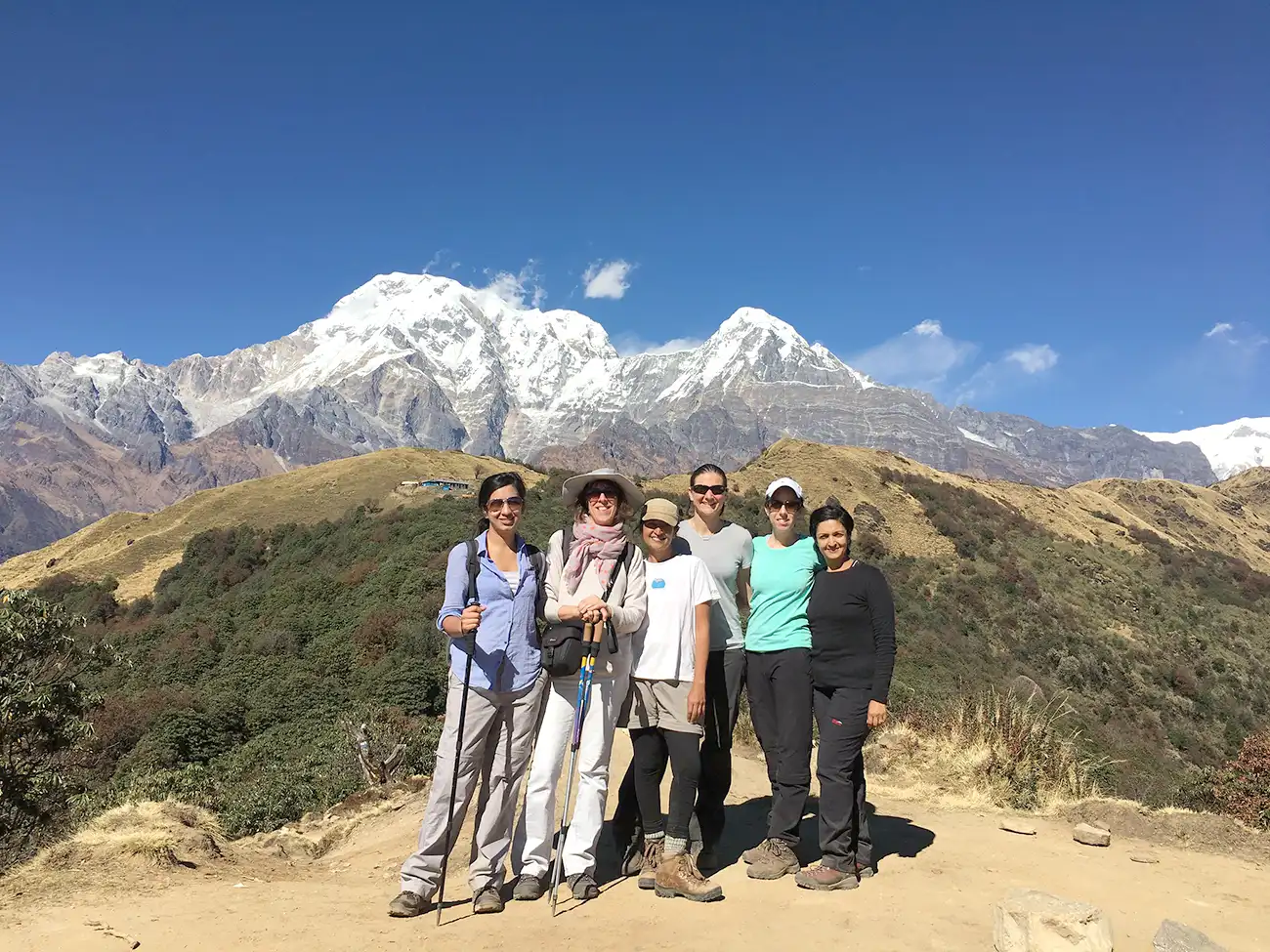
Many trekkers prefer the most suitable Mardi Himal Trek Itinerary because it feels more personal and less crowded than other well-known routes. The path stays quieter, allowing more profound connections with nature and fewer distractions along the trail. Located in Nepal’s Annapurna region, the Mardi Himal Trek Route provides a calm and scenic environment that feels more authentic. Trekkers find fresh mountain air, dense forests, and panoramic views of Machhapuchhre and Annapurna peaks. The trail never overwhelms beginners or experienced hikers.
Why Choose Mardi Himal Trekking Itinerary Over Popular Alternatives
Some routes in Nepal often feel busy, while the Mardi Himal Trekking Itinerary leads through forests and rhododendron fields with fewer hikers. Clean teahouses offer warm meals and simple accommodations. They ensure safety, comfort, and valuable local culture and customs tips. This plan costs less than many other treks. It suits travelers who want a blend of nature, culture, and a balanced pace.
Unique Features
The Mardi Himal Trek Route surprises travelers with consistent mountain views, thick forests, and hidden clearings. Small settlements along the trail show authentic rural life. Warm smiles from local people and their hospitality encourage meaningful interactions. Fresh streams provide clean water, and birds and other wildlife appear often. The path climbs steadily but stays manageable for most fitness levels.
Ideal Seasons
The best time to follow the Mardi Himal Trekking Route usually falls between March and May or September and November. Clear skies allow stunning mountain views and stable weather conditions. Flowers bloom brightly in spring, adding vibrant colors to the trail. Autumn days feel mild, and crisp mornings grant unforgettable sunrises over snowcapped peaks.
Practical Tips for Mardi Himal Trek
Plan and study the Mardi Trek Route Map before starting. Good preparation prevents confusion and keeps energy levels stable. Hire a local guide if possible. They help organize food and lodging and carry out a smooth schedule. Staying flexible with the Mardi Himal Trek makes sense. Weather patterns may change quickly, so always remain ready to adjust. Pack warm layers, rain gear, and sturdy footwear. Carry enough cash since ATMs rarely appear on the trail.
Choosing the Mardi Himal Trek Itinerary ensures a unique trekking experience. The calm surroundings, balanced difficulty, and easy-to-follow Mardi Himal Trekking Route create an ideal path for hikers who value nature, comfort, and authentic cultural encounters.




Preparation and Permits
The Mardi Himal Trek calls for proper planning and the correct permits. Trekkers must follow local guidelines to avoid issues on the trail. Essential paperwork keeps travelers safe, legal, and well-prepared.
Essential Permits
The Annapurna Conservation Area Permit (ACAP) remains mandatory. It costs around USD 30 per person and applies to all foreign trekkers. Those following the trek should get it before starting. Officials check permits at various points along the Mardi Himal Trekking Route. Trekkers can buy the ACAP in Kathmandu at the Nepal Tourism Board office or in Pokhara near Lakeside.
Another essential permit is the Trekker’s Information Management System (TIMS) card. It costs about USD 10 to USD 20, depending on the type of trekker. Trekkers can also get it at the exact locations as the ACAP. Bring a few passport-sized photos for paperwork. Keep all documents in a waterproof pouch to protect them from rain or snow.
Packing Tips
Weather in this region changes often, even during ideal seasons. Those who follow the Mardi Himal Trek should pack layers for sudden shifts in temperature. Good-quality hiking boots prevent blisters. A warm jacket, gloves and a hat protect against cold mornings. Lightweight rain gear helps when clouds gather unexpectedly. A sleeping bag with a comfortable rating keeps nights cozy.
Carry snacks like nuts, dried fruits, and energy bars. Reusable water bottles and water purification tablets save money and reduce plastic waste. Sunscreen and sunglasses protect skin and eyes from UV rays at higher altitudes. Trekking poles support knees during steep sections.
Study a Mardi Trek Route before starting. Know essential landmarks and estimated walking times. Keep a backup copy of the map and store it with permits. Following these steps ensures a smooth Mardi Himal Trekking Route experience. The proper documents, gear, and knowledge reduce stress and let trekkers focus on enjoying a safe, comfortable trek.
Mardi Himal Trek Route Breakdown
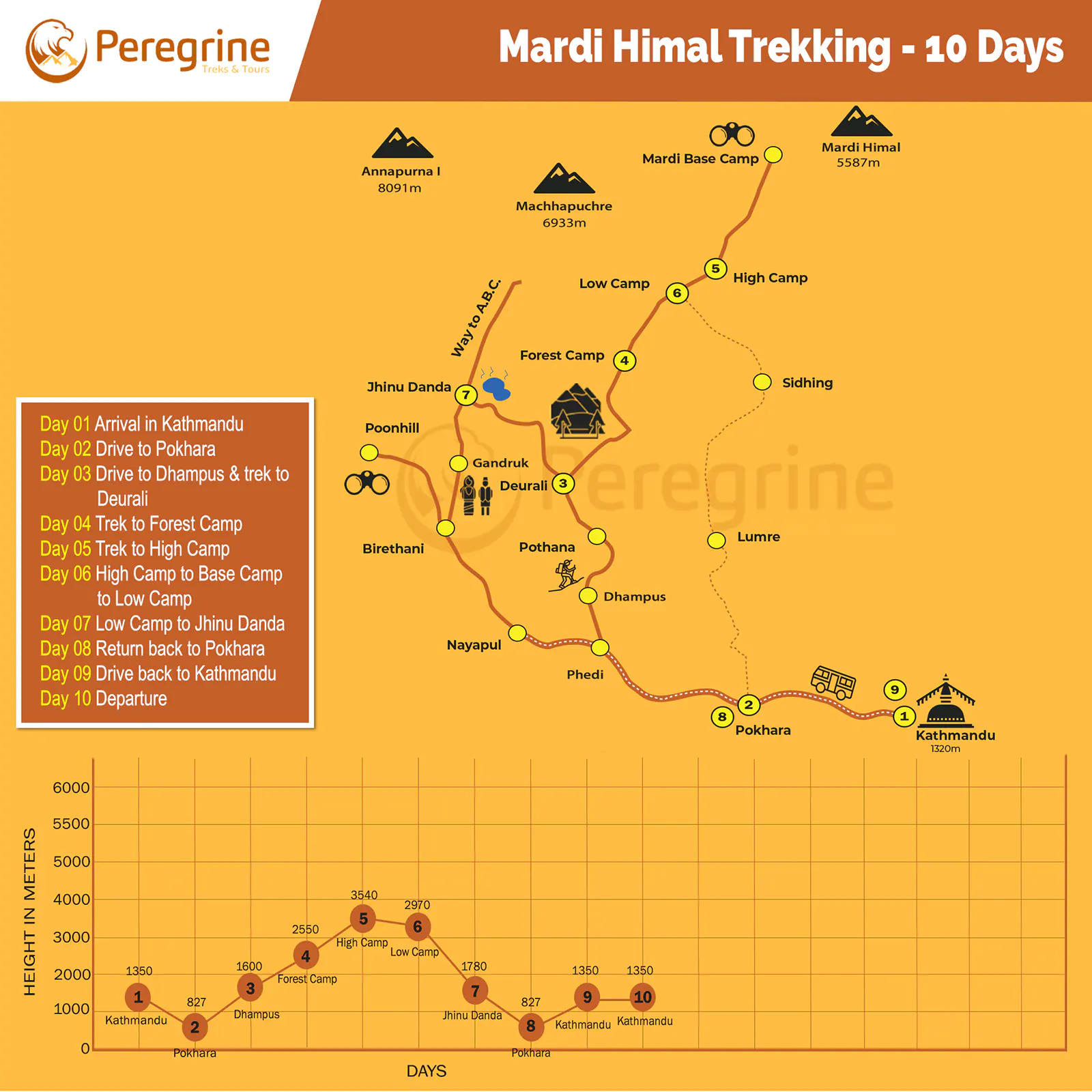
The Mardi Himal Trek Itinerary includes several short stages, each with unique highlights. Most trekkers start at Kande or Dhampus, which are both easy to reach from Pokhara. Following a clear Mardi Himal Trekking Route helps keep things simple and stress-free. A Mardi Trek Route Map reduces confusion and ensures steady progress.
Day 1: Kande to Deurali (2,100m)
Starting early from Kande, walk for about 3–4 hours through terraced fields and small villages, gain moderate elevation, and then stay overnight in Deurali, where simple teahouses provide warm meals and basic lodging.
Day 2: Deurali to Forest Camp (2,520m)
The trek from Deurali to Forest Camp (2,520m) takes around 5 hours, featuring gentle ascents and descents through lush forests adorned with rhododendron trees and filled with the soothing sounds of birdsong, leading to the peaceful and uncrowded Forest Camp.
Day 3: Forest Camp to Low Camp (3,030m)
Ascend steadily for about 4 hours through dense forests, moving slowly to manage the noticeable elevation gain, and reach Low Camp, where stunning mountain views, warm drinks, and simple meals help restore energy.
Day 4: Low Camp to High Camp (3,580m)
Climb higher for 3 to 4 hours as the vegetation thins out, offering breathtaking views of the majestic Machhapuchhre and Annapurna peaks. Along this stretch, the trail becomes more open, allowing uninterrupted vistas of the surrounding mountains. The Mardi Himal Trekking Itinerary advises resting at High Camp to acclimatize and adjust to the altitude. Nights here can be freezing, so packing warm layers is crucial for staying comfortable. The serene atmosphere at High Camp also provides an ideal spot to relax and enjoy the mountain scenery.
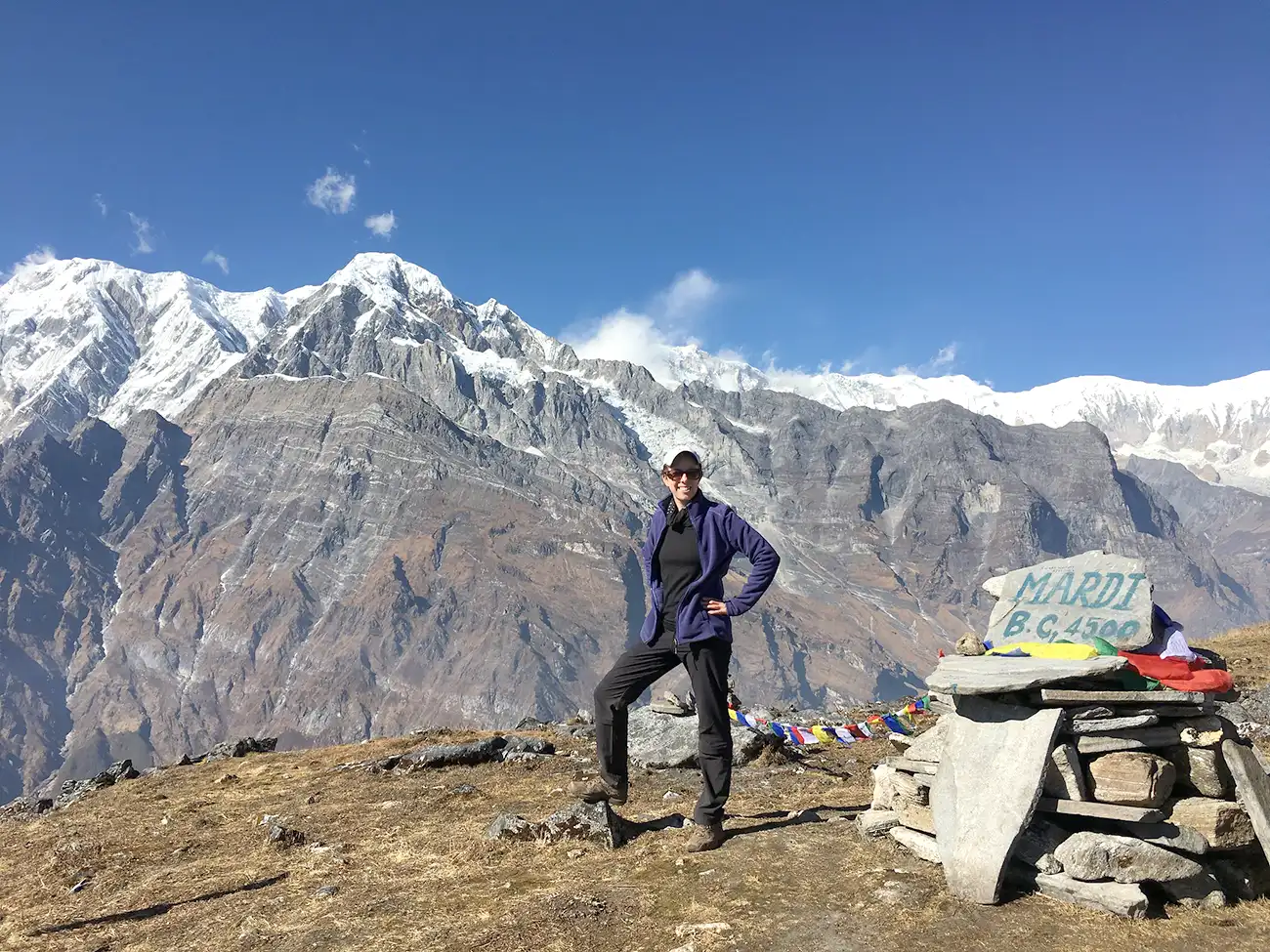
Day 5: High Camp to Mardi Himal Base Camp (4,500m) and Back
Start early to reach Mardi Himal Base Camp in 4 to 5 hours, where stunning panoramic views of the surrounding peaks reward your effort. After soaking in the breathtaking scenery, return to High Camp for the night, moving carefully to manage the altitude and avoid discomfort.
Day 6: High Camp to Siding Village (1,750m)
Descend for 5 to 6 hours through forested areas, passing charming small settlements, before staying overnight in Siding Village, where the lower altitude offers a more comfortable environment for a restful night.
Day 7: Siding Village to Pokhara
Take a jeep or local transport from Siding back to Pokhara. The Mardi Himal Trek Itinerary finishes here, where many trekkers relax, share stories, and enjoy good food.
Following this, the Mardi Himal Trekking Itinerary ensures a well-paced experience. Each day features moderate walking hours, manageable elevation gains, and secure resting spots. Check a Mardi Trek Route Map before starting, and keep permits, weather gear, and basic supplies ready. This organized approach helps maintain focus on what matters most—enjoying the natural beauty along the Mardi Himal Trek Route.
Accommodation and Meals
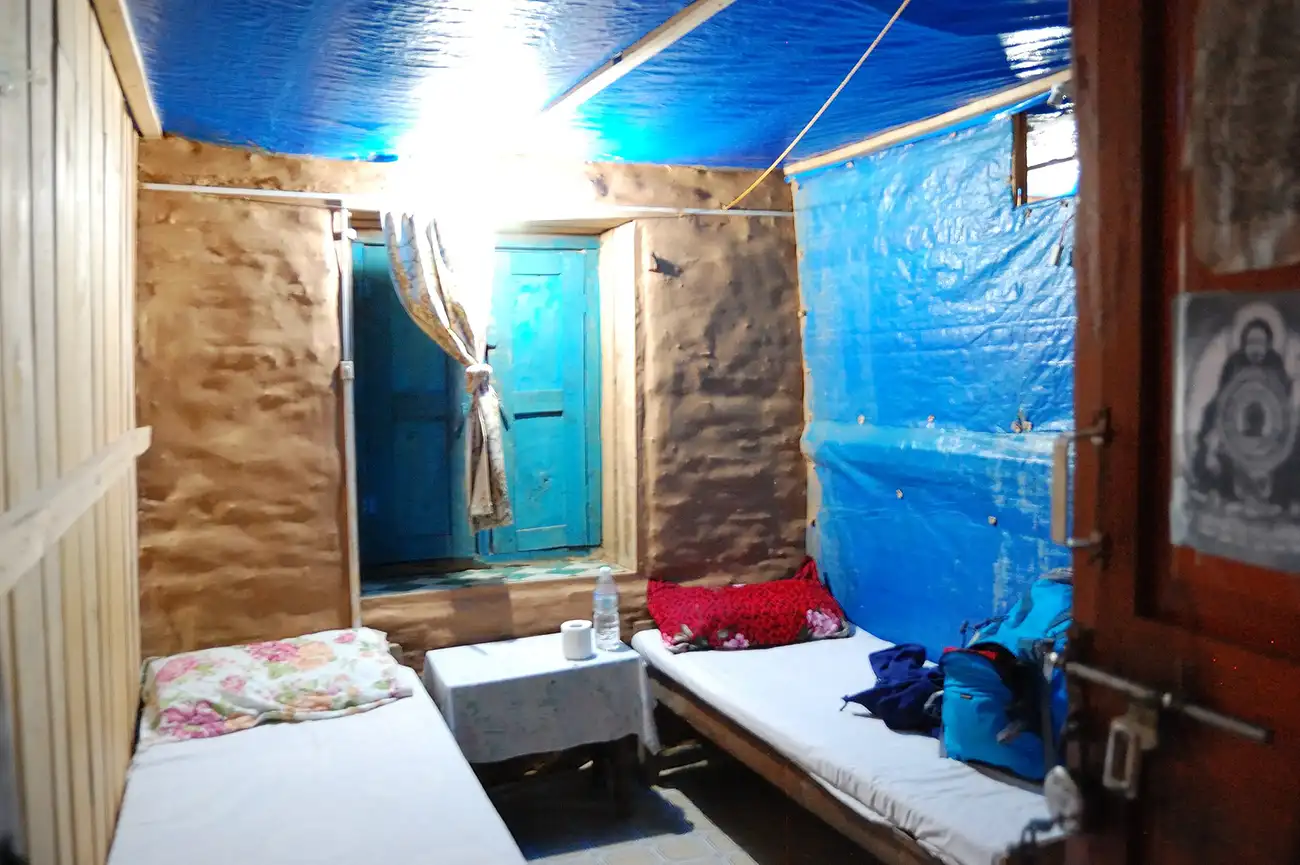
Tea houses along the Mardi Himal Trek Route serve as convenient and comfortable resting spots after trekking, offering basic rooms with twin beds, blankets, and shared dining areas. Though modest, these lodges provide enough comfort for a good night’s sleep, with numerous options available throughout the Mardi Himal Trekking Itinerary to ensure trekkers always have reliable shelter.
Meals and Local Flavors
Each tea house along the Mardi Himal Trekking Route prepares meals fresh and warm. Expect simple breakfasts like porridge, eggs, or Tibetan bread. Lunch and dinner often feature local dishes, including dal bhat, momos, or noodle soups. These meals supply much-needed energy and help trekkers adjust to the climate. Some tea houses even cater to different dietary needs. Check a Mardi Trek Route Map to identify villages known for their cooking styles.
Basic Amenities and Hot Showers
Amenities vary from place to place. In higher elevations, tea houses offer limited hot showers and solar-heated water. A small fee applies for hot showers, so carry extra cash. Consider lower camp stops for slightly better facilities during the Mardi Himal Trek Itinerary. Power might come from solar panels, so charge devices when electricity is available.
Practical Tips for a Comfortable Stay
Reserve rooms early, especially during peak seasons. Pack light but warm clothing to stay cozy at night. Follow the Mardi Himal Trekking Itinerary carefully and choose tea houses based on your pace. Use a Mardi Trek Route Map to locate stops with preferred amenities. Staying adaptable ensures a smooth experience and allows you to enjoy each moment along the route.
Mardi Trek Route Map and Navigation Tips
A clear Mardi Trek Route Map helps maintain confidence and minimize confusion. The Mardi Himal Trek Itinerary includes trails that sometimes split or follow forested paths. A reliable map ensures that trekkers stay on the Mardi Himal Trek Route and reach each stop without delays. Many choose a printed map for quick reference, while others rely on apps like Maps.me or Gaia GPS. These options guide you through the Mardi Himal Trekking Route and work even in remote areas.
Local guides play a crucial role. They know the Mardi Himal Trekking Itinerary better than anyone and offer cultural insights, safety tips, and updated route information. Guides understand changing weather patterns, share the best viewpoints, and help manage unexpected challenges. Their presence reduces worries about getting lost and improves overall trekking experiences.
Planning also helps. Check a Mardi Trek Route Map before starting, mark rest stops, and identify key sections of the trail. Save digital maps offline. Carry additional batteries or a power bank for your phone. Follow the Mardi Himal Trek Itinerary and ask for directions if unsure. Proper navigation tools and local support make this trek more rewarding, safe, and enjoyable.

Altitude and Safety Considerations
The Mardi Himal Trek Itinerary involves traversing elevations that can impact health, even for physically fit trekkers, making altitude awareness and safety essential. Proper acclimatization, including staying hydrated, maintaining a steady pace, and taking rest days, significantly reduces the risk of discomfort and ensures a safer trekking experience.
Preventing Altitude Sickness
Altitude sickness frequently occurs when the body struggles to adjust to thinner air at higher elevations. Following the Mardi Himal Trek Route means gradual ascents that give the body time to adapt. Stop if you feel dizzy, nauseous, or have headaches. Drinking plenty of water, avoiding alcohol, and eating balanced meals help prevent symptoms. Those who feel unwell can descend to a lower camp. A Mardi Himal Trekking Route planned with rest stops reduces the chances of severe complications.
Importance of Travel Insurance and Emergency Contacts
Reliable travel insurance provides peace of mind. Medical coverage and emergency evacuation support prove valuable if health issues arise. Check if your insurance covers helicopter rescues since remote areas can make access difficult. Keep a list of emergency contacts close at hand. Guides familiar with the Mardi Trek Route Map know where to find medical assistance. They also offer advice on safe pacing and comfort measures. A well-prepared Mardi Himal Trek, supported by proper insurance and planning, protects trekkers from unexpected risks.
Cultural Insights
The Mardi Himal Trek passes through areas rich in tradition: Gurung villages and other ethnic communities welcome visitors warmly. Locals often wear traditional dress, celebrate regional festivals, and follow age-old customs. Travelers who follow the Mardi Himal Trek Route can explore simple villages, chat with families, and better understand rural life in Nepal’s mountains.
Learning a few basic Nepali phrases helps build respectful connections. Simple words like “Namaste” (hello) or “Dhanyabad” (thank you) show that visitors value local culture. While following the Mardi Himal Trekking, consider buying small handicrafts or enjoying meals at family-run tea houses. This supports local businesses and encourages the community’s growth.
A Mardi Trek Route Map highlights cultural hotspots, including temples and prayer flags along the trail. Respect local norms. Remove shoes when entering temples, greet elders politely, and ask before taking photos. Such steps help maintain harmony and encourage more positive exchanges. By honoring local traditions, trekkers following the Mardi Himal Trek gain more meaningful experiences and return home with better insights into Nepal’s cultural richness.
Following the Mardi Himal Trek Itinerary with care helps protect these pristine landscapes. Trekkers who plan their Mardi Trekking responsibly create less waste. For instance, carrying a reusable bottle reduces single-use plastics. Many tea houses along the Mardi Himal Trek Route offer boiled or filtered water refills. This simple act helps keep trails clean and prevents mountain plastic pollution.
The Mardi Himal Trekking passes through sensitive habitats. Avoid disturbing wildlife and respect their natural behavior. Do not leave food scraps behind or approach wild animals closely. A clean environment encourages healthy ecosystems that thrive for future generations.
Keeping the area pristine means understanding the importance of waste management. Pack out all trash, including snack wrappers and tissues. Use a Mardi Trek Route Map to locate designated disposal points. Hiring local guides ensures that travelers receive valuable advice on leaving minimal impact. A well-planned Mardi Himal Trek Itinerary, combined with sustainable practices, preserves the region’s beauty for everyone.
Best Seasons and Weather Conditions
Selecting the right time for the Mardi Himal Trek makes a big difference in comfort and enjoyment. Most trekkers follow the Mardi Himal Trekking Itinerary in spring (March to May) or autumn (September to November). These months offer clearer skies, mild temperatures, and stable conditions. Fresh blooms appear in spring, coloring the forests along the Mardi Himal Trek Route with bright rhododendrons. Autumn days feel crisp and dry, allowing perfect views of the surrounding peaks.
Heavy rain during the monsoon (June to August) makes the trek route slippery. Leeches and wet trails affect daily walking times and visibility. Winter (December to February) can bring snow and cold temperatures, reducing accessibility. Checking weather forecasts and using a Mardi Trek Route Map helps trekkers plan and adjust walking times. Local guides advise on current trail conditions, ensuring the Mardi Himal Trek Itinerary runs smoothly despite changing weather.
Cost Breakdown
Planning the Mardi Himal Trek Itinerary involves balancing costs. Permits include the Annapurna Conservation Area Permit (about USD 30) and a TIMS card (USD 10 to USD 20). Accommodation along the Mardi Himal Trek ranges from USD 10 to USD 15 per night at tea houses. Meals cost around USD 20 to USD 30 per day, depending on appetite and choices. Hiring a guide along the Mardi Himal Trekking Route costs about USD 30 to USD 40 per day. A porter costs around USD 30 per day. Transport to the trailhead from Pokhara adds around USD 4 to USD 50 per trip.
To save money, consider traveling during off-peak seasons. Negotiate room rates at tea houses if possible. Study a Mardi Trek Route Map before leaving. This helps avoid hiring multiple guides. Please bring a reusable water bottle and refill it at water sources along the trail. Pack snacks bought in Pokhara to lower expenses. Following the Mardi Himal Trekking Itinerary with cost awareness keeps expenses reasonable without sacrificing safety or comfort.
The Mardi Himal Trek is a less-crowded alternative in Nepal’s Annapurna region, where the Mardi Himal Trekking Itinerary passes through quiet forests, scenic viewpoints, and welcoming Gurung villages. Following the Mardi Himal Trek Route requires the correct permits, including the ACAP and TIMS card, while careful planning and a Mardi Trek Route Map help ensure smooth navigation and proper pacing.
Along the Mardi Himal Trekking Route, tea houses provide basic lodging, warm meals, and simple comforts, and hiring a local guide improves safety and cultural understanding. Staying alert about altitude, weather changes, and sustainable practices protects trekkers and the environment. Spring and autumn remain the best seasons, offering mild conditions and clear views of the Machhapuchhre and Annapurna peaks. Travelers can control costs by choosing local services, reusing bottles, and packing wisely: respectful behavior, a focus on acclimatization, and mindful spending complete a balanced and fulfilling experience.
All photos by: NoApathyAllowed