


Toilets on the Everest Base Camp trek vary widely by lodge class and altitude. On a standard Everest Base Camp Trek, toilets are basic – shared squatting toilets or pit latrines are common, and hot showers (if any) can be scarce or costly. In contrast, the luxury route features western-style flush toilets and private hot showers in its lower and mid-trek lodges. Above the luxury zone (around Lobuche and Gorak Shep), facilities revert to basics again. The clear “real difference” is that luxury trekking offers far more comfort in toilets and showers up to about 4,000–4,300 m. In contrast, above that, even luxury guests must accept simple toilets and fewer showers. Setting realistic expectations about these limits is key for older or comfort-focused travelers.
Quick Summary
- Standard trek → shared squat toilets
- Luxury trek → private flush toilets (lower sections)
- High altitude → basic toilets for everyone
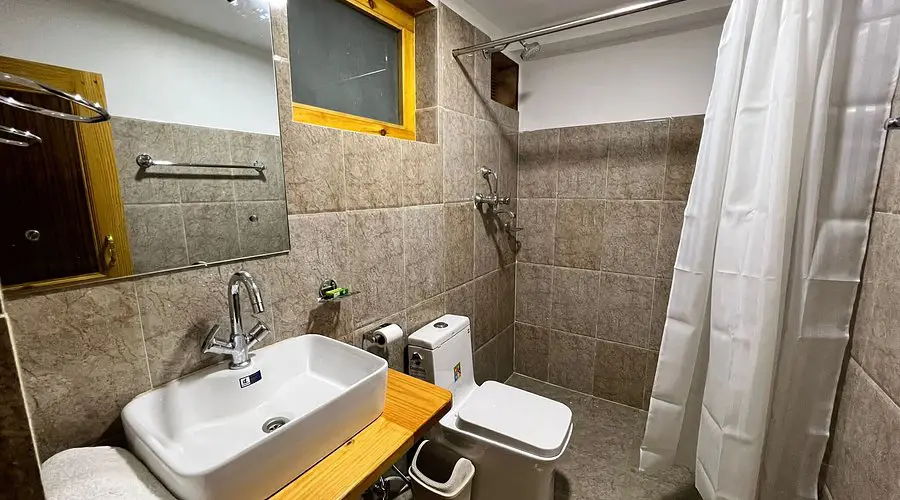
What are the toilets on the Everest Base Camp Trek?
On a standard trek, most teahouses have communal squat toilets or simple pit latrines. Each lodge often has one or two shared toilets for all guests. These toilets may use flushing water where available, but often they are basic holes in the ground. Typically, no toilet paper is provided, and visitors must carry their own paper or tissues. The facilities can feel cold and unfinished. Hot showers (if offered) usually cost extra (often 300–500 NPR) and are subject to limited hot water. At high elevations (Gorak Shep, Lobuche), showers are rare or occur only at specific times.
On a Luxury Everest Base Camp Trek, the lower-route lodges (Lukla, Phakding, Namche, Deboche) are upscale. Many of these lodges provide attached bathrooms with western-style flush toilets. For example, luxury lodges like Yeti Mountain Home or the Everest View Hotel mention having comfortable restrooms and attached private bathrooms. Guests enjoy better sink facilities and often in-room or en-suite bathrooms. In these lodges, hot water for showers is more reliably available (often on demand). However, luxury lodges do not extend all the way to Base Camp; above ~4,500 m, you still use the best available standard teahouses.
Higher up in the Khumbu (e.g., Lobuche, Gorak Shep), even luxury groups use lodges with basic facilities again. There, toilets are shared and may be squat-style or simple Western-style, without private rooms. The main luxury benefit at that point is still the lodge quality (warmer rooms, mattresses, meals), not the plumbing. Bathroom comfort creates the biggest difference between a standard trek and a luxury trek.
Standard Teahouse Toilets vs Luxury Lodge Bathrooms
Standard Teahouse Toilets
- Shared use: Usually one or two toilets per lodge, used by all guests. (Men and women might share or there may be separate rooms, but privacy is minimal.)
- Squat style: Most toilets are squat pits or simple holes. Occasionally, a Western toilet exists, but often without a flushing system or privacy.
- Basic water system: Many teahouses use gravity-fed or bucket flush. Water may be cold or hand-pumped; in winter, pipes can freeze.
- Cold conditions: Teahouses have thin walls. Bathrooms can be unheated and chilly, especially in the early morning or winter.
- No attached bathroom: Guests usually walk down a hall or outside to shared toilets. Most rooms have no private toilet.
- Toilet paper not provided: Lodges rarely stock toilet paper. Trekkers must carry tissues. Some places sell a few rolls.
- Showers unreliable: If offered, hot showers require heating a tank (often coal or wood-fired). Supply is limited. Showers may be lukewarm and sometimes turn cold if water runs out.
Luxury Lodge Bathrooms
- Attached flush toilets: In lower- and mid-range luxury lodges, rooms, or adjacent wings, private bathrooms are often included. These use western flush toilets with proper waste systems.
- Private or semi-private: Some lodges offer en-suite bathrooms; others have dedicated private stalls accessible from a guest room hallway.
- Better water access: Luxury lodges often have pressurized tanks, heaters, and backup power. Sinks have running hot/cold water. Water is cleaner and more abundant.
- Cleaner setup: Luxury bathrooms are kept cleaner. For example, Peregrine’s luxury lodges, such as Yeti Mountain Home, feature clean dining and bathroom facilities as part of the comfort.
- Hot showers included: Guests typically receive them as part of the comfort promise. Showers typically have constant hot water (though very high altitudes can still pose limits).
- Morning/evening comfort: Having a private, heated bathroom greatly eases morning routines and night visits. There’s no queue or wake-up needed, which many travelers find vastly improves sleep and comfort.
These differences directly impact trek comfort. A trekker on a budget route might wake up at 4 AM to take the only hot shower, or walk outside to squat toilets at night. On a luxury trek, most bathroom visits (especially in valleys) can happen in warm, private comfort.
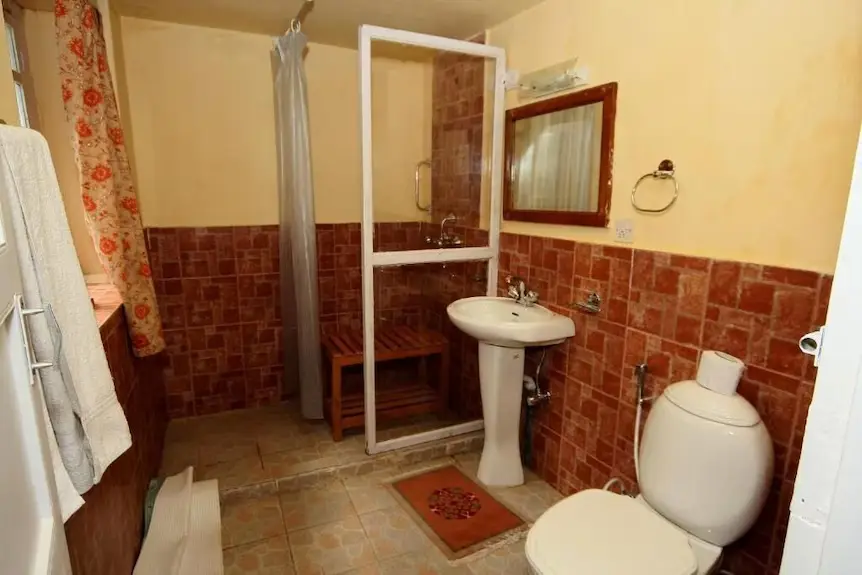
Bathroom Conditions by Village on the Everest Route
Bathroom quality changes by altitude and village. In general, lower villages have better facilities, which decline as you climb higher:
- Kathmandu (1,400 m): Five-star hotels or high-end city hotels are used before and after the trek. Bathrooms are fully Western-style, with showers, tubs, and 24/7 hot water. This is the most comfortable bathroom experience of the entire trip.
- Lukla (2,860 m), Phakding (2,610 m), Namche Bazaar (3,440 m): These have the best bathroom comfort on the trek. Luxury lodges here (like those in Peregrine’s package) often have attached toilets and reliable hot showers. For example, the Everest View Hotel near Namche offers private bathrooms with heated blankets in its suites. Hot water runs more steadily, and electricity is more reliable, allowing true luxury bathrooms even at altitude.
- Deboche (3,800 m) and Dingboche (4,410 m): Bathroom comfort remains above average in select lodges. Luxury itineraries often include the best available lodges in these villages. Some offer attached toilets or at least modern flush toilets, and showers are still available (often communal-room showers with scheduled hours). Water heating becomes more challenging, so hot water is less abundant, but still available in key lodges.
- Lobuche (4,940 m) and Gorak Shep (5,164 m): Basic shared toilets return. Even luxury groups stay in the best lodges available here, but those lodges typically have squat or simple Western toilets (often in a separate block from the bedrooms). Hot showers are extremely rare, usually cost extra, and have limited time slots. At Gorak Shep, expect only cold bucket-shower options (if any). Here, bathroom comfort drops sharply. Trekkers must mentally prepare: water is precious, and toilets are primitive.
In summary, bathroom quality peaks in Namche and nearby, then declines above Dingboche. Luxury lodges push that peak higher (providing very good facilities at Deboche), but above ~4,500 m everyone again uses basic facilities.
Why Bathroom Comfort Matters on the Everest Base Camp Trek
Bathroom quality can make or break the trek experience, especially for comfort-focused travelers:
- Nighttime access: Cold nights make shared outdoor toilets much harder to use. Private bathrooms save trekkers from bundling up to go outside.
- Stress in cold: Having to queue or trek in freezing air for a toilet visit adds stress and discomfort. A warm, private toilet greatly reduces this stress.
- Privacy: Older trekkers and those less used to squat toilets value privacy. Luxury toilets eliminate common embarrassment or discomfort.
- Recovery and comfort: A good night’s sleep and post-hike cleanup are key. Warm showers (or easy access to the toilet) help sore muscles and morale. Hot showers in particular aid recovery.
- Hygiene: Clean bathrooms reduce the risk of illness. Luxury lodges typically maintain bathrooms more thoroughly, reducing the risk of infection.
- Time saving: No need to wait or prepare for shared toilets. Spending less time on bathroom issues means more time relaxing or taking photos.
For example, many first-time Everest trekkers report greater energy when they can shower nightly compared to on a previous standard trek. Luxury amenities like attached toilets give peace of mind. In short, bathroom comfort is a strong selling point. It appeals to families, older travelers, or anyone nervous about “roughing it.”
Are There Private Hot Showers on the Everest Base Camp Trek?
Yes, but with limits. On luxury itineraries, private hot showers are common in the lower portion of the trek: Luxury lodges (Namche, Deboche area) often offer in-room or private showers. For instance, Peregrine’s itinerary notes hot showers, even on some higher nights, via a bucket system. – In standard lodges, showers are communal (usually one per lodge) and often coin-operated.
In many high-altitude teahouses, a hot shower means heating a tank, which you may pay extra for (300–500 NPR). – The reliability of hot water decreases with altitude. At 4,000+ m, lodges have less water and fuel. Even if available, hot showers may be cold if the tank runs out. – Weather and infrastructure matter. On very cold days, even luxury lodges struggle to keep water hot quickly.
Higher villages: Above Dingboche, you should not expect hot showers as part of the package. The luxury trek itinerary may include one night with a bucket shower (like Gorak Shep). Still, travelers usually bring wipes or pay for limited hot water only at the very end.
So, hot showers are “where available and realistic.” Don’t imagine a hot bath at Base Camp. The luxury promise is: warm private toilets and showers in the lower half of the trek. Once you push toward 5,000 m, you share cold water among all.
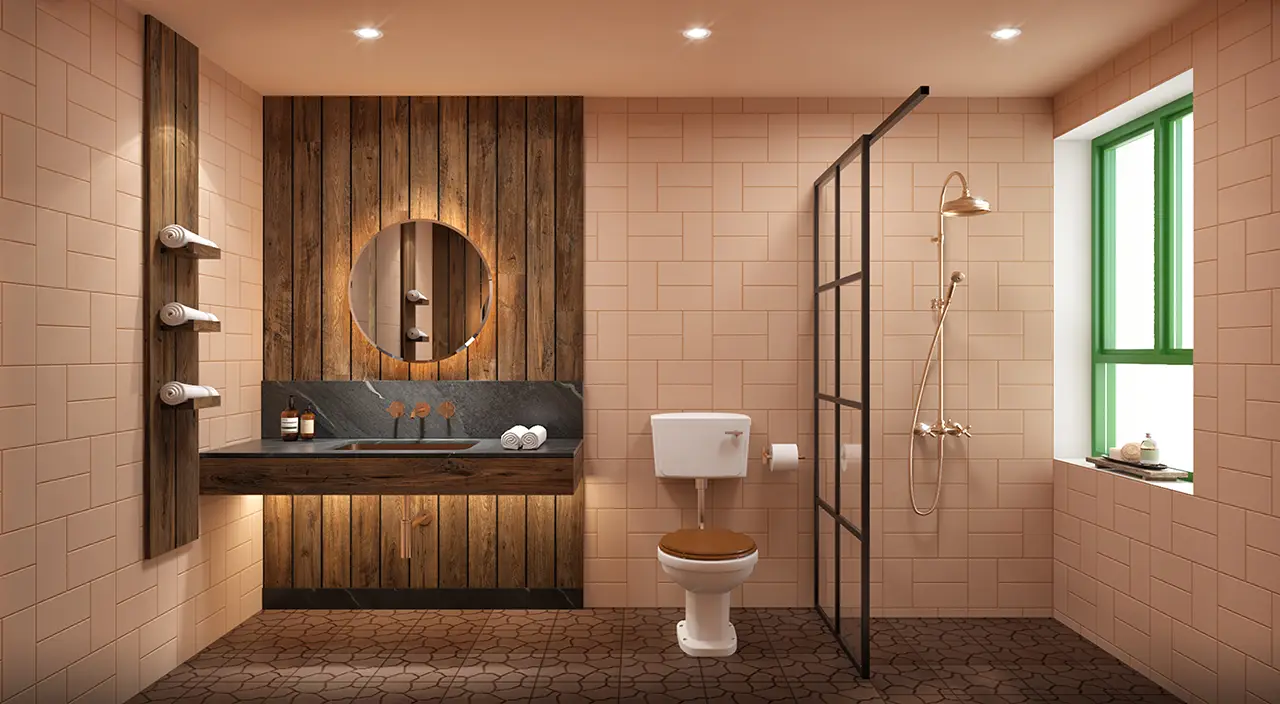
Everest Base Camp Toilet and Shower Comparison
| Route Section | Toilet Type | Shower Availability | Privacy | Comfort |
| Kathmandu (5-star hotel) | Western flush | Full hot shower facilities | Private room | Very high |
| Standard Teahouse (lower) | Shared squat/WC | Limited communal (pay extra) | Very low | Low |
| Luxury Lodge (lower route) | Attached flush (en-suite) | In-room or private shower | High | High |
| Best Lodges (mid-route) | Often attached flush | Shared/private (limited) | Medium–High | Medium–High |
| Lobuche/Gorak Shep Teahouse | Shared squat/WC | Rare, communal bucket | Very low | Low |
This comparison illustrates how luxury vs standard lodges differ in real terms. Note that Gorak Shep represents the basic extreme even on luxury trips.
Who Benefits Most from Better Bathroom Facilities?
- Older Trekkers: They often prefer private, easy-access toilets and showers to reduce the risk of falls and ensure comfort.
- Couples & Families: Privacy means much more comfort; parents appreciate not having to share facilities.
- First-time High-Altitude Trekkers: The unknowns of altitude make any extra comfort welcome; a familiar toilet style eases worries.
- Comfort-focused Travelers: Anyone paying extra for luxury lodges expects better daily routines – clean toilets and showers fit that need.
- Hygiene-Wary Travelers: Those conscious about cleanliness feel safer with well-maintained bathrooms.
- Travelers With Specific Needs: Injuries, disabilities, or health issues make attached toilets and showers nearly essential.
If you value convenience and comfort as much as the destination itself, the luxury trek’s bathrooms are a game-changer. They remove another physical and mental hurdle on the trail.
What to Pack for Toilets and Showers
Even on luxury routes, some packing helps:
- Toilet Paper: Carry a roll or packets. Luxury lodges may provide some, but it’s always good to have extra.
- Wet Wipes: Useful when showers are scarce or water is limited. Also handy in squat toilets.
- Hand Sanitizer: Clean hands after every bathroom use. With shared facilities, sanitizer kills germs effectively.
- Quick-Dry Towel: Bring a small microfiber towel. Luxury lodges usually have towels, but they may charge for laundry.
- Flip-Flops (Shower Sandals): Protect your feet from cold and germy floors in shared bathrooms or showers.
- Disposable Bags: A zip-close bag for used toilet paper if you visit extremely remote bathrooms with no waste bins (in some Indian/Pakistani treks, not major on Everest).
- Moisturizer/Cream: Even with indoor bathrooms, the air is dry. Hand and face cream soothes skin after washing.
- Small Soap: While most lodges provide soap, carrying a personal bar or pack may help handwash outside lodges.
Packing these shows you expect the reality and will stay clean and comfortable even if conditions are simple.
Toilets on the Everest Base Camp Trek: What to Expect by Altitude
Toilets on the Everest Base Camp trek change a lot as you move higher. Lower villages offer better lodge facilities, stronger water access, and more reliable hot showers. Higher villages become colder, drier, and more basic, so bathroom comfort drops as altitude rises.
In Kathmandu, trekkers enjoy full hotel comfort. Bathrooms have western-style flush toilets, proper sinks, and reliable hot showers. Lukla, Phakding, and Namche offer the best bathroom facilities along the trekking route. Many luxury lodges in these villages provide attached bathrooms, western toilets, and private hot showers where available.
Deboche and Dingboche still offer better bathroom comfort than a standard teahouse trek, especially in selected lodges. Some rooms may have attached toilets or a stronger bathroom setup, but hot water becomes less reliable than in the lower villages. Trekkers still enjoy much better comfort here than they would on a fully standard route.
Lobuche and Gorak Shep are very different. Toilets on the Everest Base Camp trek become basic again in these high villages, even for luxury trekkers. Shared toilets return. Hot showers are rare, limited, or paid separately. Water freezes easily, space becomes tight, and the whole setup feels much simpler. Trekkers should expect the highest section of the route to feel more practical than comfortable.
A simple rule helps set expectations. Lower villages offer the strongest bathroom comfort. Middle villages offer moderate comfort in selected lodges. Higher villages offer only the best available basic facilities. Travelers who understand that pattern usually enjoy the trek more because they know what to expect before they arrive.
Toilets on Everest Base Camp Trek vs Luxury Route
Toilets on the Everest Base Camp trek look very different on the standard and luxury routes. On a standard teahouse trek, most lodges offer shared squat toilets, simple water systems, and limited shower access. Privacy is low, and trekkers often need to walk outside or down a cold hallway to use the bathroom.
A luxury route significantly improves the experience in the lower and middle sections of the trail. Many luxury lodges offer attached western-style flush toilets, cleaner bathroom spaces, better sinks, and private hot showers where available. Morning and nighttime routines feel easier, warmer, and far less stressful.
The difference matters most in places like Lukla, Phakding, Namche, and sometimes Deboche or Dingboche. A standard lodge may have one shared toilet for many guests, while a luxury lodge may give you a private bathroom or a much cleaner semi-private setup. A standard lodge may charge extra for a short hot shower, while a luxury lodge may include it as part of the room experience in lower villages.
Above the main luxury lodge zone, the difference becomes smaller. Toilets on the Everest Base Camp trek become basic again for everyone near Lobuche and Gorak Shep. Luxury trekking still offers better overall support, better lodge choices, and a more comfortable daily rhythm, but it does not provide full hotel-style bathrooms at extreme altitude.
The real difference between a standard route and a luxury route is not only the toilet itself. It is the full bathroom experience. Luxury trekking offers more privacy, less stress, cleaner facilities, easier nighttime access, and better recovery after a long day on the trail. For many older trekkers, couples, and comfort-focused travelers, that difference alone makes the luxury route worth serious consideration.
Common Bathroom Concerns on the Everest Base Camp Trek
Are squat toilets hard to use?
Not really, but they can feel strange if you’ve never tried. Remember to clean your hands after. You won’t need to squat in luxury lodges with western toilets.
Will I get a western toilet every night?
Only if you stay in luxury lodges on the lower route. Above ~4,500 m, plan on standard bathrooms regardless of the package.
Is toilet paper available?
Often not in basic lodges. Luxury lodges usually stock some. To be safe, always carry your own.
Are toilets clean?
Luxury lodges maintain higher standards (often cited by travelers). Standard teahouses vary. A busy lodge in peak season may have wear on facilities, so look for cleanliness signs.
Can I shower every day?
On luxury itineraries, yes, in lower villages. On standard itineraries, showers are less frequent. Past Dingboche, even luxury groups often go a day or two without a proper shower. Keep wet wipes handy.
What about Gorak Shep?
This is rugged. Expect shared squat toilets and cold water only. The last night at Gorak Shep (if you stay there) is really like camping with very basic facilities, even on a luxury trek.
FAQs About Toilets on the Everest Base Camp Trek
What are toilets like on the Everest Base Camp trek?
In most Everest lodges, toilets are shared. Standard lodges use squat or basic sit toilets with no private stalls. On a luxury trek, many lower-route lodges provide attached western toilets. Above Dingboche, expect simple shared toilets again.
Are there western toilets on the Everest Base Camp trek?
Yes, on the lower route. Luxury lodges in Namche, Deboche, and similar villages offer western-style flush toilets in each room. Standard teahouses lower down may also have one or two western toilets, but not as many, and often shared. Above ~4,500 m, western toilets become rare.
Do luxury lodges have private bathrooms?
Many do. On Peregrine’s luxury trek, the best lodges often have en-suite or very private bathrooms in each room or for small groups. This means no hallway sharing and personal hot showers in those lower sections.
Are hot showers available on the EBC trek?
In lower luxury lodges, yes – typically free or included. Standard lodges often charge extra (~\$3–5) for a timed hot shower, which uses their limited water. In higher lodges, showers are less reliable.
Are toilets shared at Gorak Shep?
Yes. Gorak Shep’s lodges (even the best available) have basic shared toilets. Often, they are squat-style or simple flushers with limited water. This remains a basic stop even for luxury groups.
Should I bring toilet paper on the Everest trek?
Absolutely. Even if lodges on the luxury route provide some, always carry extra. Some lower lodges and all high lodges run out, so have your own just in case.
Final Thoughts on Toilets on the Everest Base Camp Trek
Bathroom facilities are one of the biggest differences between a standard and a luxury Everest Base Camp trek. Luxury packages include western toilets and more showers in the lower half of the trek, making mornings easier and reducing worry on cold nights. That comfort does not continue all the way up – at the highest elevations, everyone uses simple toilets – but the relief in the first 10 days is huge. Honest expectations help you choose the right trek style. If you care about privacy, cleanliness, and easing everyday needs, the luxury route’s toilets and showers make the extra cost worthwhile.
The “real difference” is comfort. Luxury lodges translate into easier nighttime trips, less stress, and warmer mornings. They let you focus on trekking, not on finding a restroom. For comfort-minded travelers or those wary of roughing it, knowing where and when you’ll find a proper toilet and shower can turn a tough trek into an enjoyable adventure. Bathroom comfort alone often decides whether travelers choose a standard or luxury Everest Base Camp trek.