

Based on 6 reviews

Lhasa City Essential Tour
The cultural and historical wonders of Tibet's capital

Duration
6 Days

Meals
- Daily Breakfast

Accommodation
- 3-star hotels in Nepal and Tibet

Activities
- Sightseeing
- Scenic Drive and Flight
SAVE
US$ 380Price Starts From
US$ 1900
Overview of Lhasa City Essential Tour
Discover the enchanting Lhasa Tour, a journey that unveils the deep spirituality and vibrant Tibetan culture set against the breathtaking backdrop of the majestic Himalayas. In this “City of Gods,” ancient history unfolds before you, offering an unparalleled cultural immersion and opportunities for spiritual awakening.
Towering above Lhasa stands the awe-inspiring Potala Palace. Ascend Red Hill and traverse through its opulent chambers, once the residence of the Dalai Lamas, the spiritual leaders of Tibet. Imagine their lives as you explore this architectural marvel, a UNESCO World Heritage Site, and witness the legacy they left behind.
Lhasa Tour Highlights:
- Explore UNESCO World Heritage Sites: Discover the architectural marvels of the Potala Palace, Jokhang Temple, and Sera and Drepung Monasteries.
- Witness Tibetan Culture: Immerse yourself in the vibrant atmosphere of Barkhor Street, watch monks in prayer, and experience the unique traditions of Tibetan Buddhism.
- Enjoy Breathtaking Scenery: Witness the majesty of the Himalayas from Norbulingka Palace, the summer residence of the Dalai Lamas.
- Convenient & Hassle-Free: Experience comfortable travel with flights included and a detailed itinerary.
Feel the Pulses of Tibetan Devotion:
Enter the hallowed halls of the Jokhang Temple, the holiest shrine in Tibetan Buddhism, and feel the palpable energy of fervent devotion. Witness pilgrims from across the land prostrating in prayer, their chants echoing through the air, offering prayers and spinning prayer wheels. Absorb the unwavering commitment from their every gesture, leaving you deeply moved.
Immerse Yourself in the Bustling Heart of Lhasa:
Delve into the vibrant tapestry of Tibetan culture at Barkhor Street, the ancient thoroughfare pulsating with life. Witness the captivating displays of traditional Tibetan shops as you wander through the crowds of pilgrims. Breathe in the intoxicating aroma of incense and marvel at the vibrant colors of prayer flags fluttering in the breeze. Immerse yourself in the unique soundscape, from the rhythmic chanting of monks to the hammering of artisans crafting exquisite Thangkas.
Seek Solace in Monasteries:
Find solace and spiritual inquiry within the walls of Lhasa’s ancient monasteries. The Sera and Drepung Monasteries, two of the largest and most renowned, offer a glimpse into the monastic life. Observe monks’ daily rituals as they engage in chants, prayers, and philosophical debates, absorbing the serene atmosphere.
Discover Serene Beauty Beyond the City Walls:
Experience serenity away from the bustling city and immerse yourself in the stunning Himalayan scenery at Norbulingka Palace, once the summer retreat of the Dalai Lamas. Stroll through its peaceful gardens, adorned with cascading waterfalls and colorful flowers, and find a moment of inner peace.
A Transformation Awaits:
The Lhasa Tour is not just a sightseeing adventure; it’s a journey of personal transformation. As you delve deeper into ancient traditions and connect with the warm smiles of its people, you’ll discover a profound sense of inner peace and a deeper understanding of the world around you. Seize the chance to begin this unforgettable adventure and witness the enchantment of Lhasa unfolding before you, creating enduring memories to cherish forever.
Visa and Travel Requirements
Citizens or passport holders from the following countries: Pakistan, Bangladesh, Sri Lanka, Afghanistan, Azerbaijan, Lebanon, Syria, Iraq, Iran, Kazakhstan, Kyrgyzstan, Tajikistan, Turkey, Uzbekistan, Albania, Democratic Republic of Congo, Ghana, Cameroon, Kenya, Libya, Mali, South Sudan, Nigeria, Somalia, Tunisia, and Chad, must apply for a China Group Visa from their respective home countries, as it cannot be obtained in Nepal.
It is important to secure a valid China Group Visa before arriving in Nepal. This visa, along with your passport information, is essential for processing your Tibet Travel Permit.
In Tibet, it is strictly prohibited to possess or distribute any materials related to the Dalai Lama or Tibetan leadership, including photographs, books, journals, newspapers, CDs, DVDs, and USB drives. Posting such content on social media is also banned. Non-compliance with these regulations may result in deportation or other penalties, without reimbursement for accommodation, meals, or other costs.
Detail Itinerary of Lhasa City Essential Tour
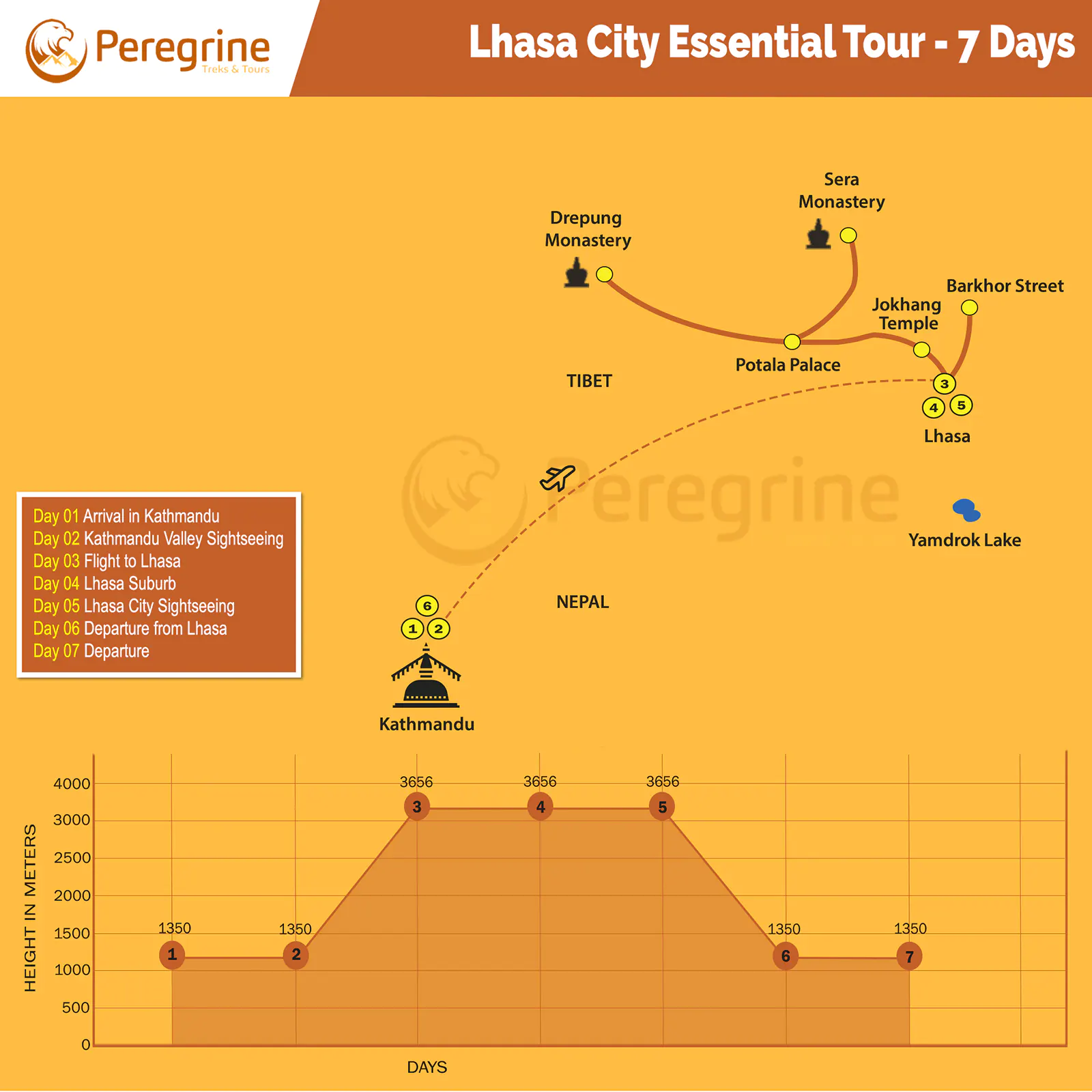
Day 01: Arrival in Kathmandu and a Taste of Nepali Culture
Your Lhasa Tour adventure begins upon your arrival at Kathmandu’s Tribhuvan International Airport. Our friendly and knowledgeable airport representative will be waiting to greet you and ensure your smooth transfer to your pre-booked hotel in the heart of the bustling city.
After settling into your comfortable accommodations, you’ll have a warm welcome dinner. But this is more than just a meal – an immersive cultural experience. As you savor delicious Nepali cuisine, a captivating performance of traditional Nepali dance will unfold before you. Witness the vibrant costumes, rhythmic movements, and captivating music that tell stories of Nepal’s rich heritage and cultural tapestry.
This first evening in Kathmandu sets the stage for your transformative journey through Tibet. You’ll be greeted with warm hospitality but also experience a glimpse into the heart of Nepal’s vibrant culture, leaving you excited for the adventures to come.
Meals: Not Included
Day 02: Unveiling Kathmandu's Marvels: Temples, Durbar Squares, and a Cultural Melting Pot
Rise and shine! Today, your private vehicle awaits you on a captivating journey through Kathmandu Valley, unveiling its historical and cultural treasures.
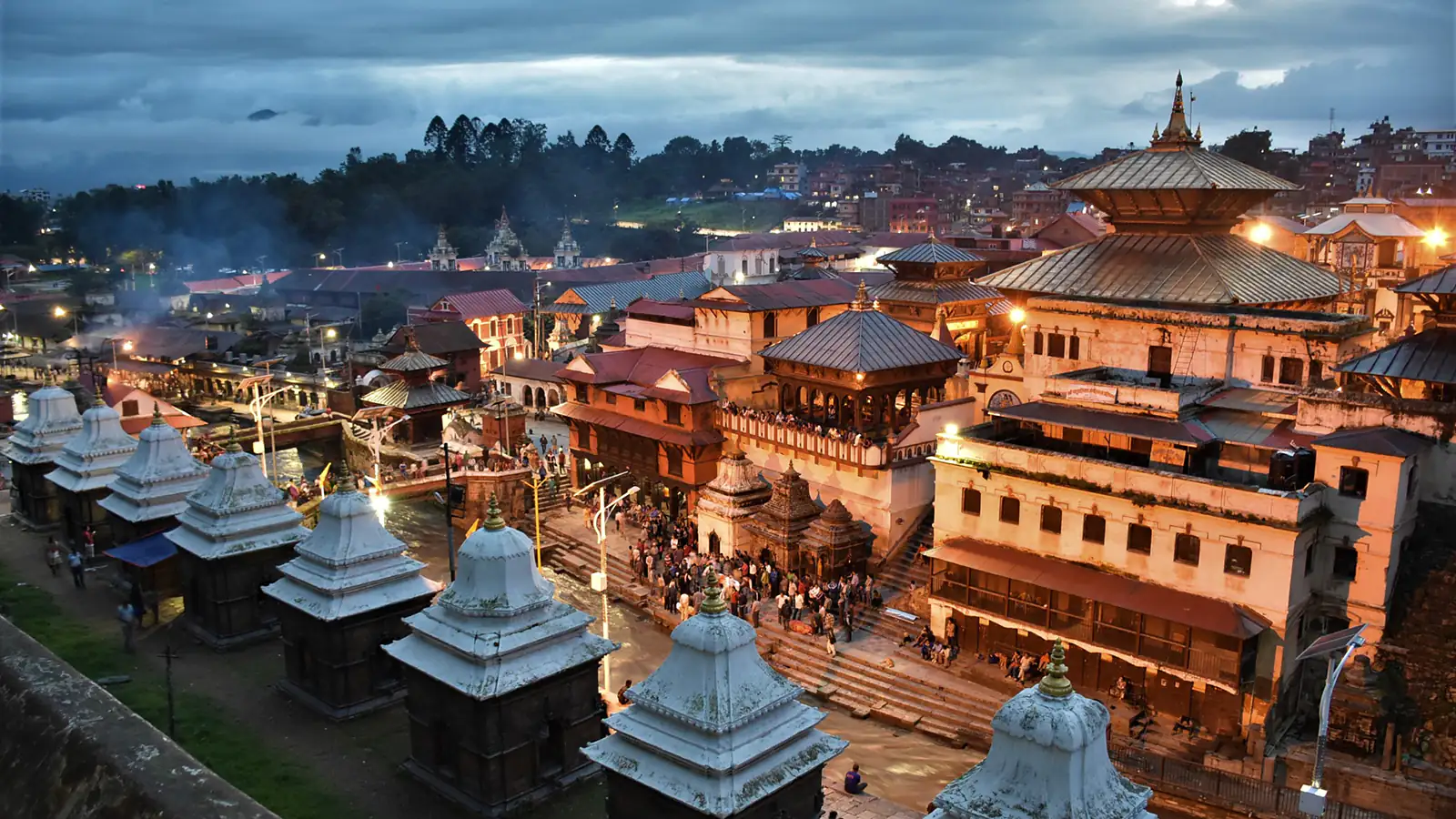
Pashupatinath Temple: Experience the spiritual essence of Pashupatinath Temple, a UNESCO World Heritage Site. Absorb the atmosphere of ancient Hindu rituals performed along the sacred Bagmati River, deepening your understanding of the Hindu ethos of life and death.
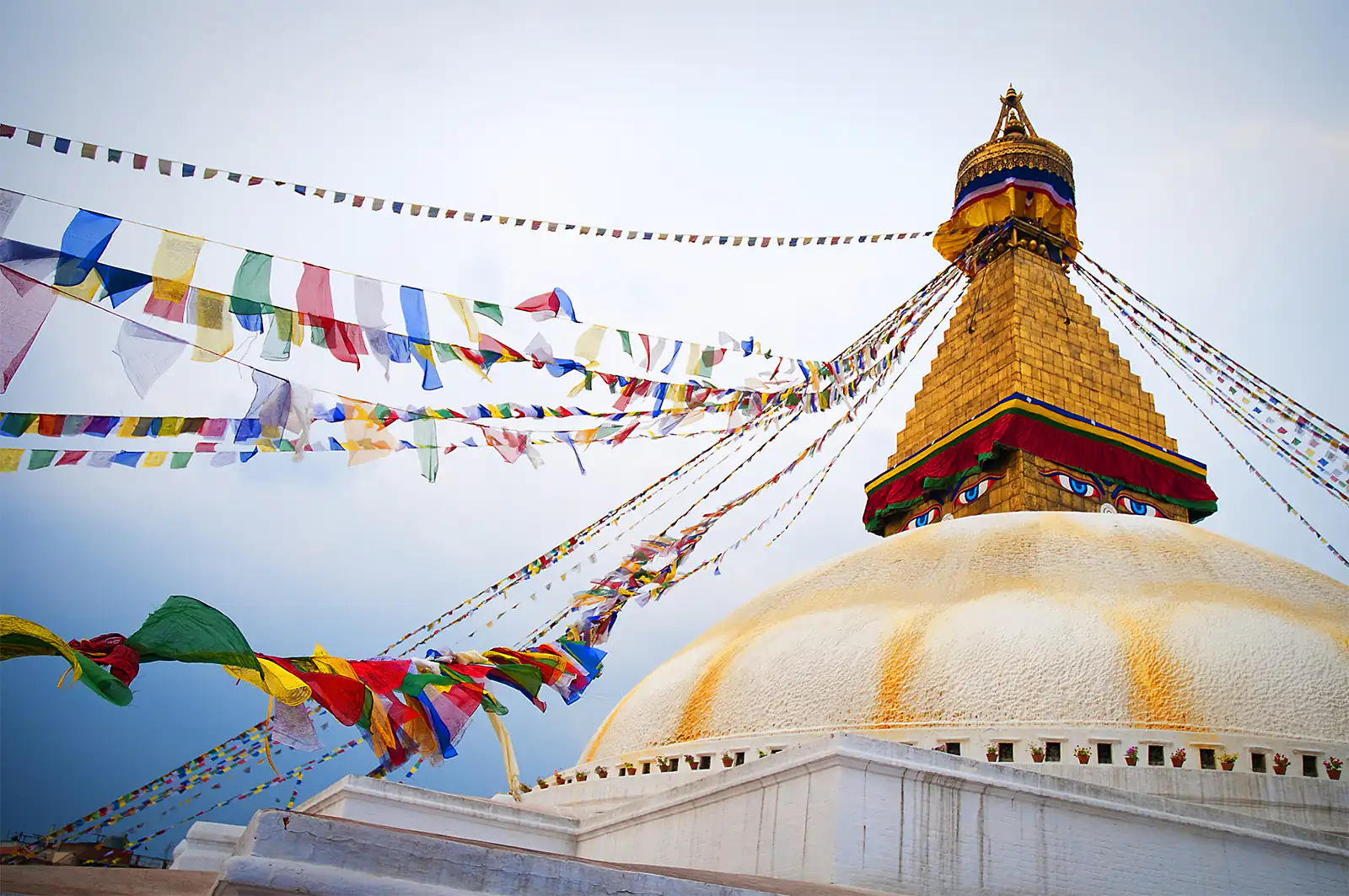
Boudhanath Stupa: Witness the grandeur of Boudhanath Stupa, one of the largest spherical stupas globally. Observe the vibrant Buddhist culture as devotees circumambulate, spinning prayer wheels and chanting mantras in a hypnotic display of faith.
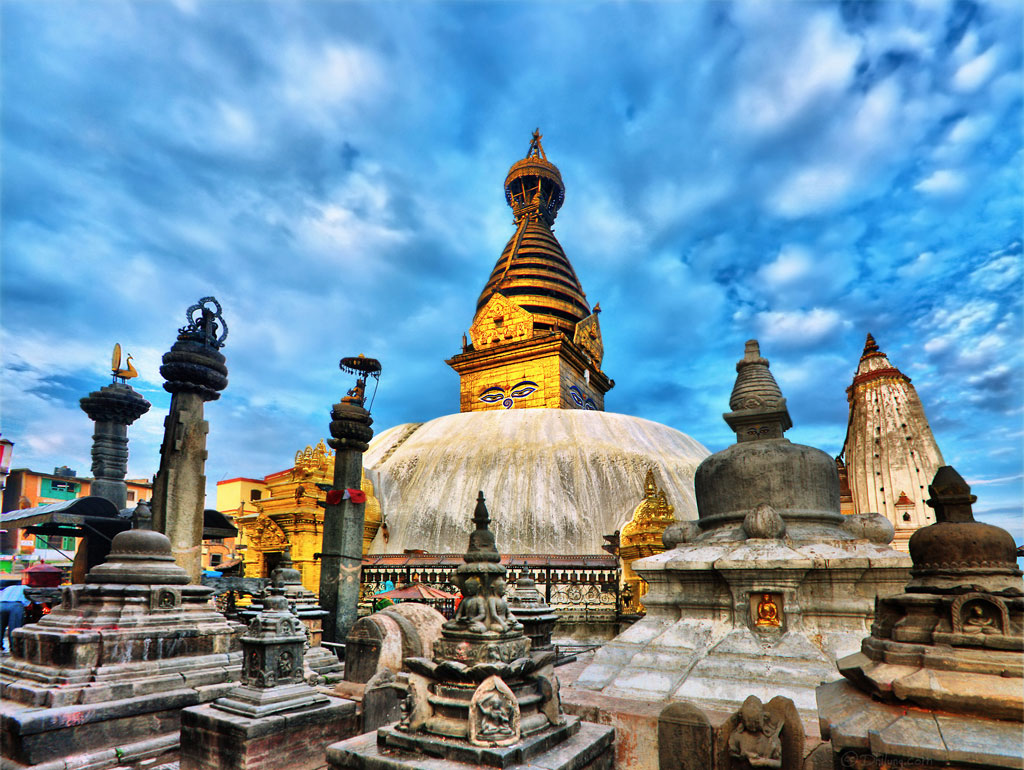
Swayambhunath Stupa: Ascend the hilltop to reach Swayambhunath Stupa, also known as the “Monkey Temple.” Admire the panoramic views of Kathmandu Valley and encounter playful monkeys who call this temple home.
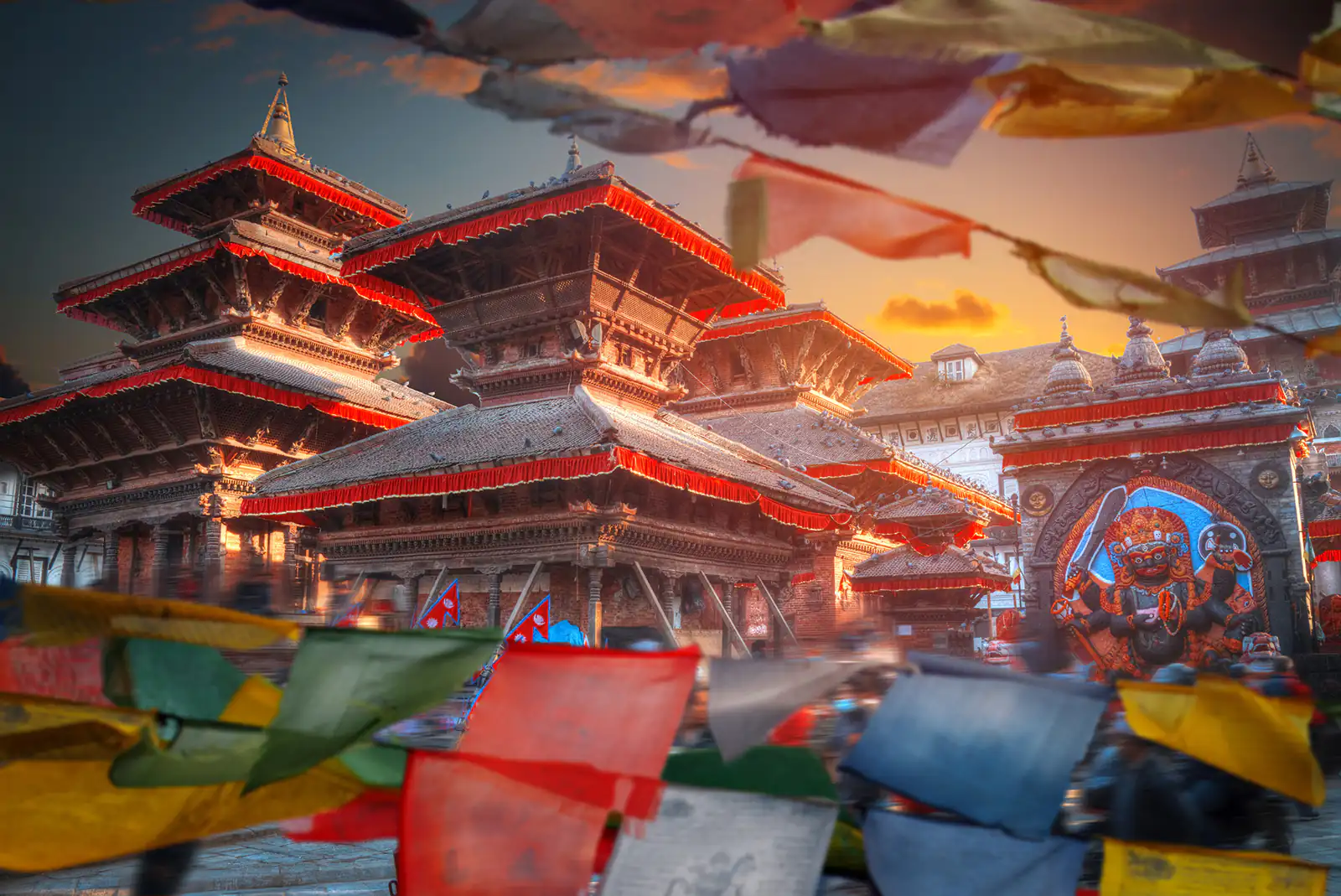
Kathmandu Durbar Square: Step back at Kathmandu Durbar Square, the former royal palace complex. Explore the intricate architecture of temples and palaces, each boasting unique carvings and fascinating stories. Immerse yourself in the vibrant atmosphere of this historical square, adorned with colorful prayer flags and bustling with local life.
While you traverse these extraordinary sites, your expert guide will unfold fascinating narratives and insights, delving into Nepal’s profound historical tapestry, varied religious customs, and lively cultural scene. This comprehensive day-long journey around Kathmandu Valley will enhance your understanding and admiration for its unique charm and importance.
Meals: Breakfast
Day 03: Soaring to the Roof of the World and Acclimating to Lhasa's Altitude
Today, your adventure begins as you depart for Lhasa, the “City of Gods” and the heart of Tibetan culture. As you land at Lhasa Airport, our friendly staff will wait to greet you and ensure a comfortable transfer to your hotel. The journey from the airport to downtown Lhasa takes approximately one and a half hours, offering a glimpse of the city’s unique landscape and vibrant atmosphere.
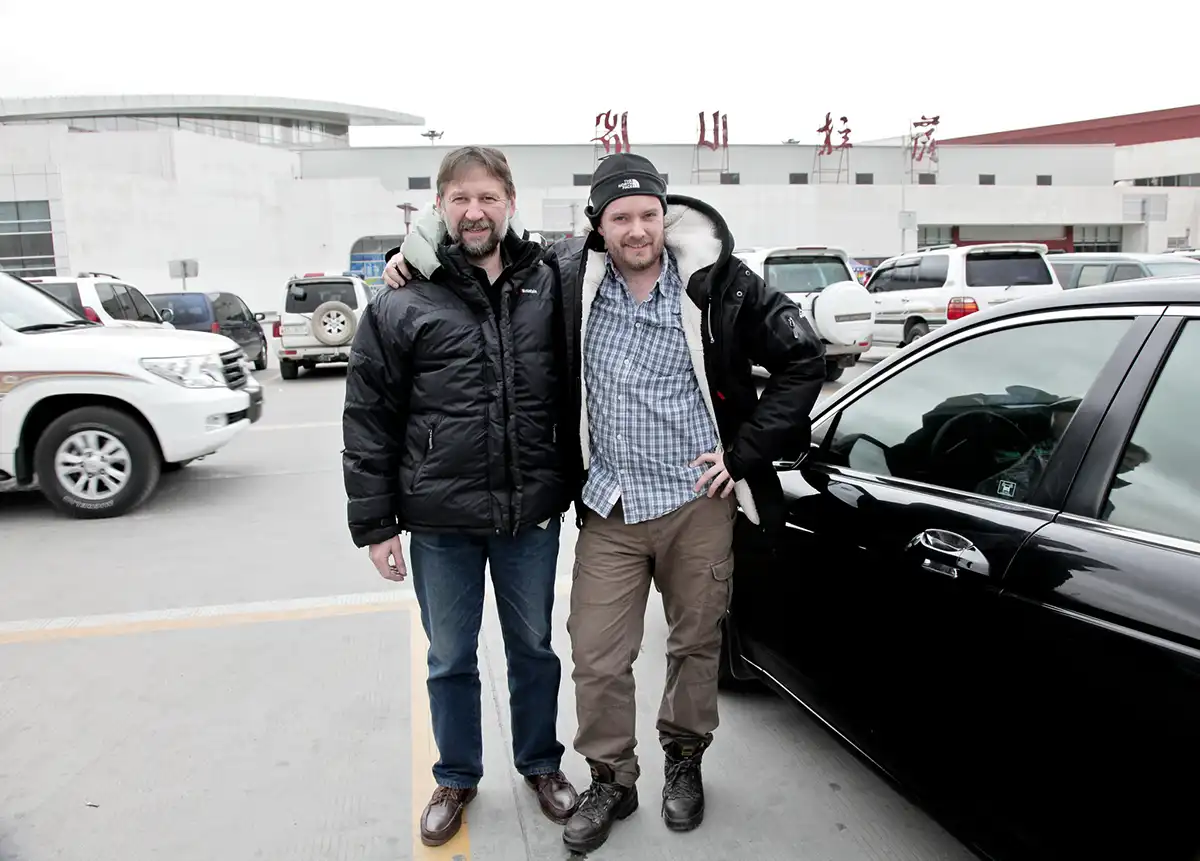
Upon reaching your hotel, you have the afternoon to explore at your own pace. Take this opportunity to wander through the bustling streets, soak in the sights and sounds of Lhasa, and adjust to the high altitude. Remember to take things slow and avoid overexertion. This acclimatization ensures a comfortable and enjoyable experience throughout your Lhasa Tour.
In the evening, your guide will provide a comprehensive briefing about the Lhasa City Essential Tour, highlighting the key destinations, activities, and tips for navigating the city. This insightful session will prepare you for the exciting discoveries and cultural encounters that lie ahead.
Things to remember:
- Drink plenty of water throughout the day.
- Opt for light and easily digestible meals.
- Avoid showering if possible.
- Rest and listen to your body.
Following these simple guidelines, you’ll be well-equipped to acclimatize to Lhasa’s altitude and ensure a smooth transition into your Tibetan adventure.
Meals: Breakfast
Day 04: Unveiling the Treasures of Lhasa's Suburbs: Drepung and Sera Monasteries
Today, your Lhasa Tour delves deeper into the heart of Tibetan Buddhism with visits to two magnificent monasteries nestled in the city’s suburbs. Begin your day with a visit to Drepung Monastery in the morning, followed by an exploration of Sera Monastery in the afternoon. Gear up for an extensive day of discovery under the bright Tibetan sun. Remember to equip yourself with sunglasses, a hat, and ample sunscreen for protection.
Drepung Monastery:
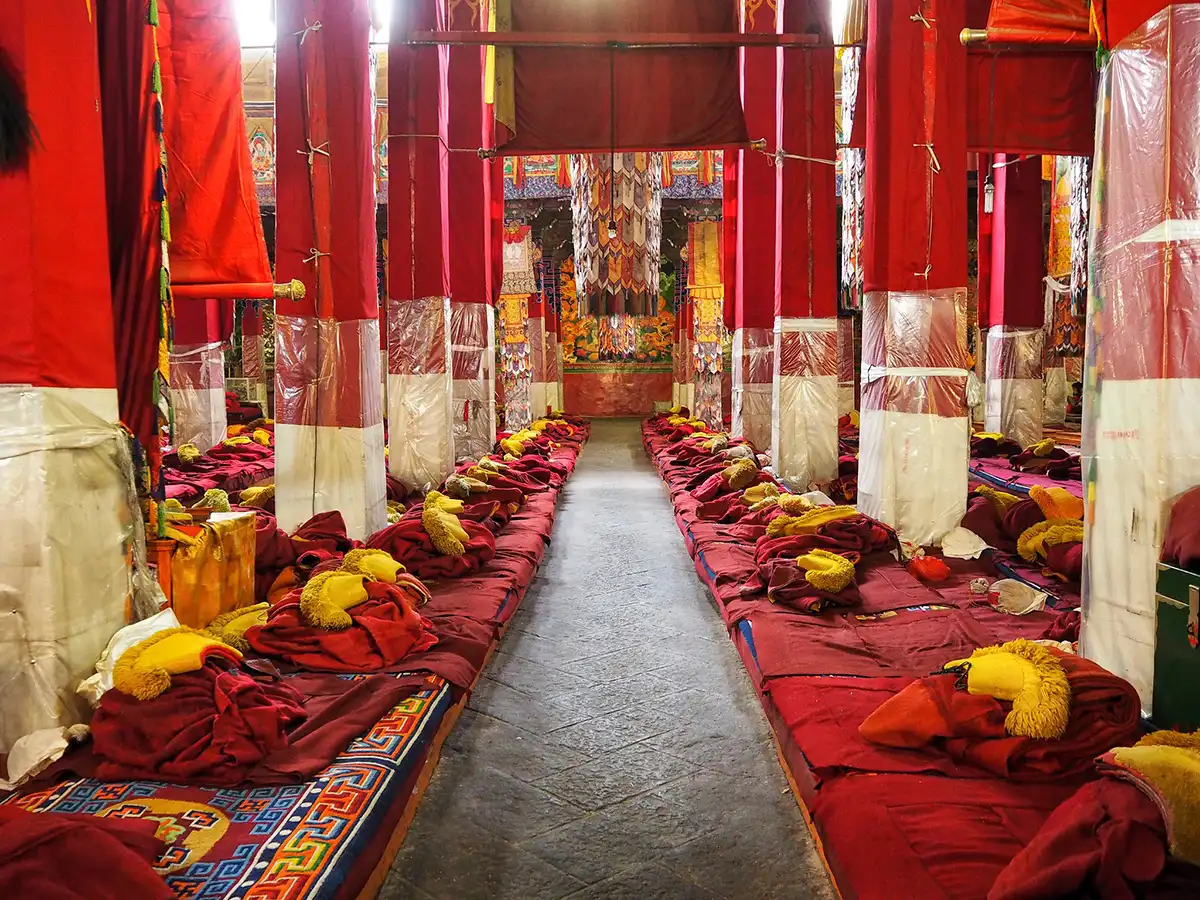
Climb the hills overlooking Lhasa to reach Drepung Monastery, historically recognized as one of the world’s most expansive monasteries. The name “Drepung,” meaning “rice heap,” aptly reflects the vast number of whitewashed monastic buildings that once cascaded down the hillside, resembling a heap of rice. Explore the grand courtyards, intricate shrines, and serene chapels, and imagine the vibrant monastic life that once thrived within these walls.
Sera Monastery:
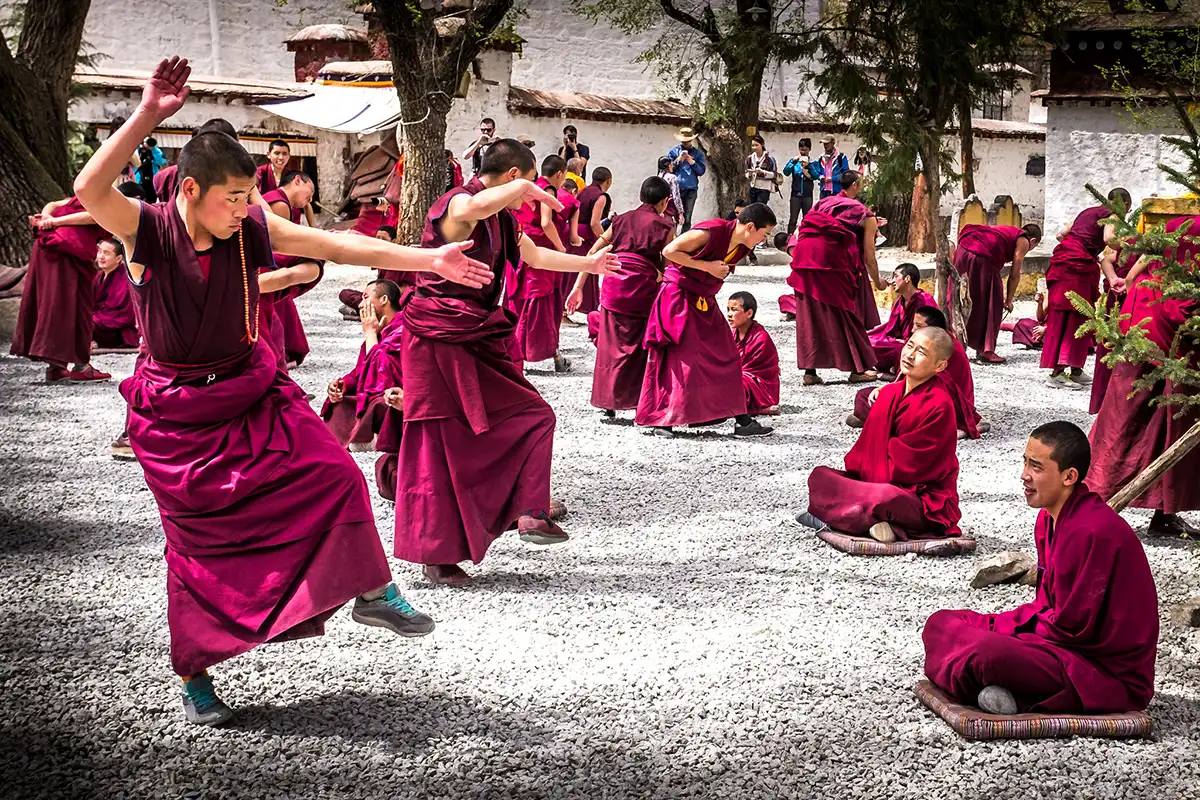
The monastery was named after the wild rose bushes that adorned the hill behind it at its construction. Immerse yourself in the vibrant atmosphere as monks engage in their daily rituals, chanting prayers and debating theological points in a captivating display of intellectual prowess. From Monday to Friday, witness the renowned “Sera Debate,” a unique tradition where monks engage in lively philosophical discussions, honing their debating skills and deepening their understanding of Buddhist doctrines.
Cultural Immersion and Fellowship:
As evening approaches, join your fellow adventurers for a unique welcome dinner. This convivial event offers an opportunity to mingle with individuals from diverse nations, cultural backgrounds, and walks of life, exchanging tales and building new bonds. Such a cultural intermingling enriches your Lhasa Tour, offering valuable insights from various viewpoints and fostering unforgettable experiences.
Meals: Breakfast
Day 05: Unveiling the Crown Jewels of Lhasa: Potala Palace, Jokhang Temple, and Barkhor Street
Today marks a pivotal day on your Lhasa Tour as you start on a tour through the heart and soul of the city, visiting three iconic landmarks that represent the essence of Tibetan culture and spirituality.
Potala Palace:
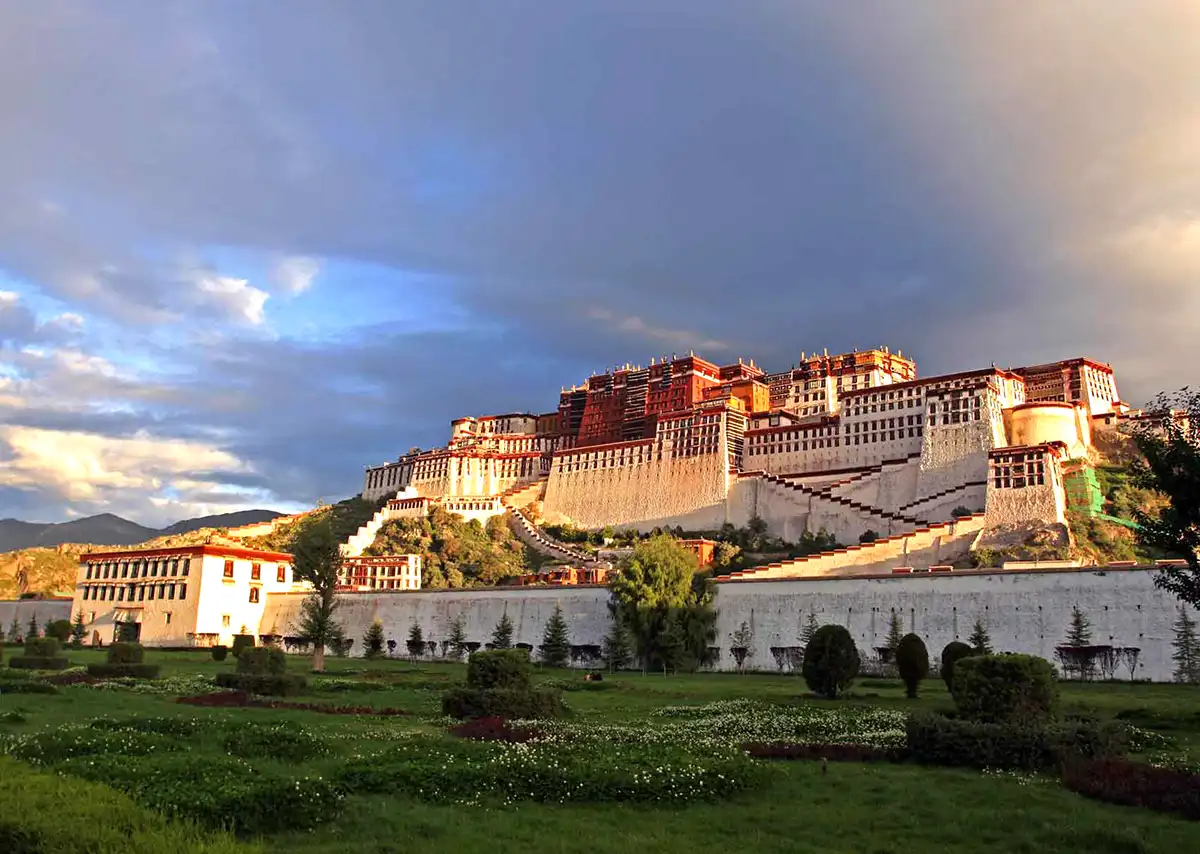
Awaken at dawn and go up Red Hill to behold the magnificent Potala Palace, once home to the Dalai Lamas. Perched atop Lhasa at an astonishing altitude of 3,700 meters, it stands as the world’s highest palace. During your ascent, get ready to be enthralled by the stunning vistas of the city spread out below. Gazing from its golden rooftops, you’ll be treated to sweeping panoramic views, including the winding Lhasa River, lush fields, charming villages, and the distant, shimmering Jokhang Temple.
Jokhang Temple:
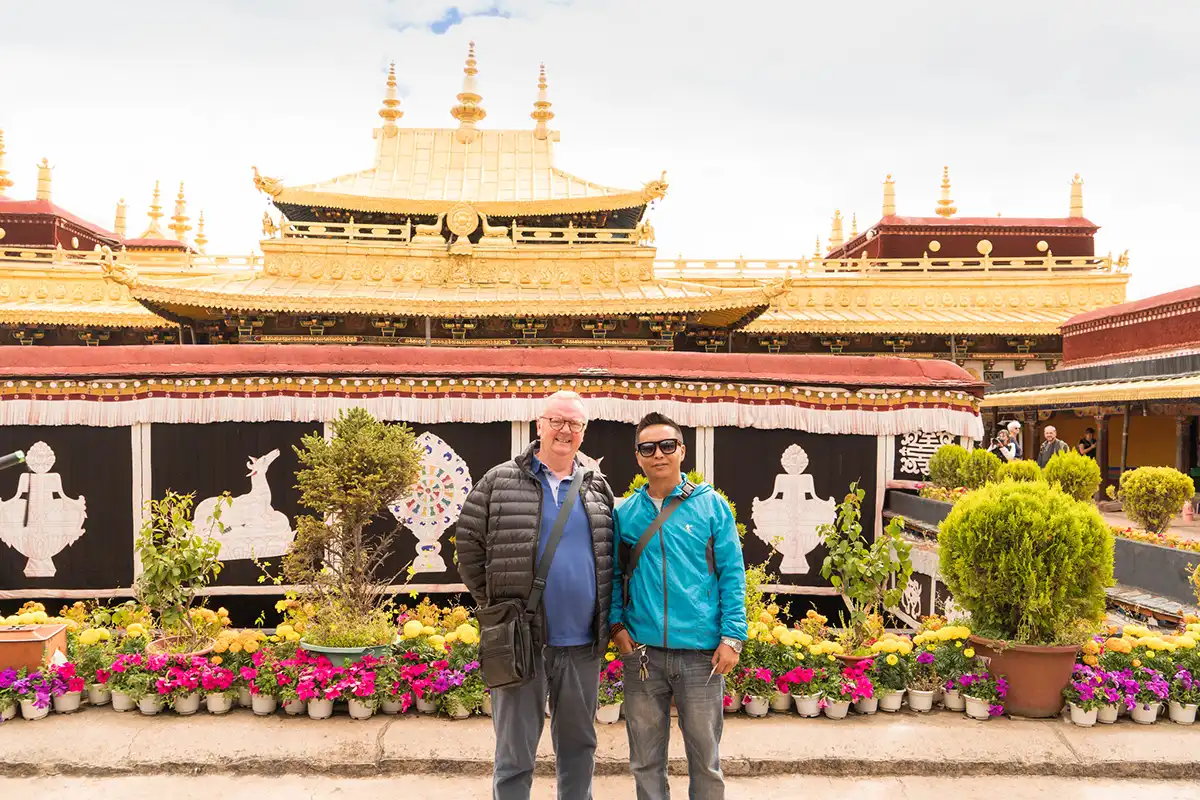
Immerse yourself in the sacred atmosphere of Jokhang Temple, the spiritual heart of Lhasa. Built-in the 7th century by the Tibetan King Songtsen Gampo, this magnificent temple holds immense significance for Tibetan Buddhists. Witness the unwavering devotion of pilgrims who arrive from far and wide to circumambulate the temple, prostrating and spinning prayer wheels while chanting mantras. As you wander through the temple’s intricate halls adorned with golden statues, murals, and prayer flags, feel the profound sense of peace and reverence that permeates the air.
Barkhor Street:
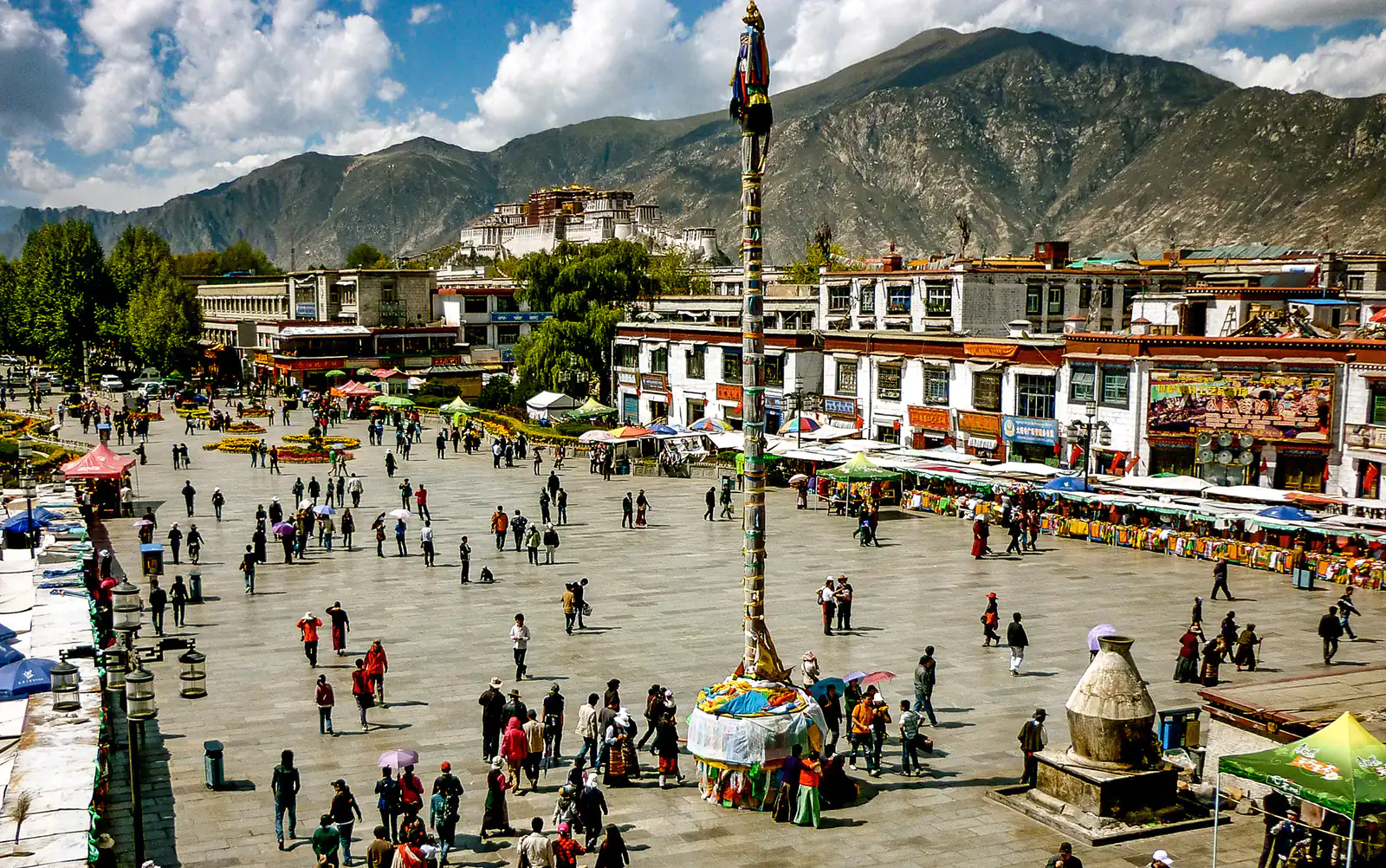
Step out of the temple and onto the vibrant Barkhor Street, a bustling artery encircles the Jokhang Temple. This renowned local market pulsates with life, offering a kaleidoscope of Tibetan handicrafts, souvenirs, and traditional garments. Feel the energy of the crowds as you barter with friendly vendors, searching for trinkets to commemorate your Lhasa Tour. Be sure to soak in the sights and sounds of this unique marketplace, where the scent of incense mingles with the chants of pilgrims and the rhythmic clatter of prayer wheels.
Meals: Breakfast
Day 06: Farewell to Lhasa and a Journey of Transformation
As your Lhasa Tour reaches its final chapter, cherish the memories you’ve created and the profound experiences you’ve gained. After a leisurely breakfast at your hotel, you have the morning to explore Lhasa at your own pace. This is your final opportunity to wander through the bustling markets, purchase last-minute souvenirs, or soak in the city’s unique atmosphere.
Our reliable staff will arrive at your hotel at the designated time to escort you to Lhasa Airport for your departing flight. As you bid farewell to the “City of Gods,” take a moment to reflect on the transformative journey you’ve undertaken. From the awe-inspiring grandeur of Potala Palace to the profound serenity of Jokhang Temple and the vibrant energy of Barkhor Street, Lhasa has undoubtedly left an indelible mark on your heart and soul.
Carry the essence of Tibetan culture and the lessons from this remarkable experience as you begin on your next adventure. May the memories of your Lhasa Tour continue to inspire you and enrich your life forever.
Meals: Breakfast
Customize this trip with help from our local travel specialist that matches your interests.
Includes & Excludes
What is included?
- Hotel accommodation as per itinerary in three-star category hotel in Kathmandu and Lhasa
- Meals as per itinerary
- All Land transportation
- Tibet Tourism Bureau Permit (TTB)
- English Speaking local guide
- All entrance fees
- All applicable government tax and company service charge
What is excluded?
- International Airfare, including Kathmandu – Lhasa – Kathmandu
- Nepal and China Visa Fee
- Lunch and dinner, except than itinerary
- Additional days caused by any reason
- Personal Expenses and travel insurance
- Tipping for guide and driver
- All other costs, which are not included in the cost inclusion part
Departure Dates
We also operate Private Trips.
Route Map
Good To Know
We accept a wide range of major currencies, including USD, GBP, EUR, AUD, SGD, INR, CHF, CAD, JPY, CNY, SAR, QAR, THB, AED, MYR, KRW, SEK, DKK, HKD, KWD, and BHD.
For bank transfers: If you have a US, Canadian, British, European, or Australian bank account, you can pay directly to avoid credit card fees. Our secure payment gateway ensures your transaction is protected.
China uses Type A, Type C, and Type I power plugs and sockets. Here’s an overview:
- Type A: This plug has two flat parallel pins, commonly used in North and Central America. It operates on a voltage of 220V and frequency of 50Hz in China, unlike the 110V used in countries like the USA.
- Type C: The plug has two round pins, widely used across Europe, Asia, and South America. It’s compatible with China’s electrical system, which also operates on 220V and 50Hz.
- Type I: This plug has three flat pins, arranged in a triangular pattern. It’s common in countries like Australia, New Zealand, and China.
If you are traveling to China, you may need a voltage converter if your home country uses a different voltage (e.g., 110V). Otherwise, a plug adapter will be sufficient to use your devices.
Before traveling to Lhasa, Tibet, it is recommended to ensure you’re up to date with the following vaccinations to protect against common diseases in the region. While there are no specific vaccines required for entry, the following are suggested based on general travel health guidelines:
- Routine Vaccines: Ensure you’re up to date on routine vaccinations like measles, mumps, rubella (MMR), diphtheria, tetanus, and pertussis (DTaP), chickenpox (varicella), polio, and the annual flu shot.
- Hepatitis A: Recommended for all travelers, as Hepatitis A can be contracted through contaminated food or water.
- Hepatitis B: Suggested if you might come into contact with blood or body fluids, or if you have any planned medical procedures.
- Typhoid: Recommended, especially if you are traveling to more rural areas of Tibet or eating outside major hotels or restaurants.
- Rabies: While rabies is uncommon, it’s recommended if you plan to spend time outdoors in rural areas, engage in activities like biking or hiking, or if you might be exposed to animals.
- Altitude Sickness Prevention: Lhasa is at a high altitude (around 3,656 meters or 12,000 feet), so while not a vaccine, it is important to consult your doctor about medications like acetazolamide (Diamox) to help prevent altitude sickness.
It’s always wise to check with a travel health professional or clinic for the most current recommendations and any region-specific advice before your trip.
You will need to obtain a Chinese Visa from the Chinese Embassy or consulate in your home country. Once you have the Chinese Visa, please provide us with a copy of the visa and your passport. We will then arrange the Tibet Travel Permit for you. The cost of the permit is included in the package, but you are responsible for covering the visa fees before the trip.
We accept payments in USD, CAD, GBP, EUR, and AUD. For direct bank transfers from these countries, there’s no credit card processing fee. A 50% deposit is required to secure your Lhasa Tour booking, with the full balance due 30 days before your arrival. Credit card payments (Visa, Maestro, MasterCard, American Express) are accepted, but please note that a 3% processing fee will apply.
Trip Information
Exploring Nepal: Your Easy Visa Guide for a Smooth Lhasa Tour
Are you eager to trek the majestic Himalayas, wander through vibrant Kathmandu, or seek spiritual peace in ancient temples? Before you begin your unforgettable Lhasa Tour or Tibet Tour, your adventure starts with obtaining the correct Nepalese visa. Good news—securing your visa is now easier than ever with streamlined online processing!
Convenient Online Application at Your Fingertips
Skip the long lines and complicated paperwork. The Nepal Immigration website offers a simple way to apply for a tourist visa online. Just visit the site, fill out the application form, and upload the required documents:
- A copy of your passport
- A recent passport-sized photo
- Proof of travel arrangements
- Details of your accommodation in Nepal
You can pay the visa fee securely online. After submitting your application, you’ll receive a Submission Receipt with a barcode confirming your application.
Prepare, Print, and Be Ready
Don’t forget to print your submitted online form. Keep it handy along with your passport and payment receipts. The printed form serves as your temporary visa grant, valid for 15 days. If your travel plans extend beyond this period, make sure to reapply online before the form expires to avoid any inconveniences during your Lhasa Tour.
Smooth Immigration Check and Visa Issuance
At the immigration counter, present your printed application form, passport, and proof of payment. An immigration officer will review your documents, and once approved, you’ll receive your official Nepalese visa. This step brings you closer to starting your exciting Tibet Tour.
Key Points to Remember
- Apply online to make your visa process hassle-free.
- Print your submitted online form and carry it with you.
- Validity is 15 days; reapply online if your stay exceeds this period.
- Present all documents—printed form, passport, and payment receipts—at immigration for visa issuance.
So, why wait? Grab your passport and get ready to explore Nepal as the perfect gateway to your Lhasa Tour!
Bonus Tip: For an even smoother experience, consider using the kiosk machines available at designated Nepalese entry points. These user-friendly terminals guide you through the visa application process on the spot, making your arrival stress-free.
Visa and Permit Guide for Your Kathmandu to Lhasa Tour
Tibet’s majestic landscapes and rich cultural heritage are calling, and with travel restrictions easing, it’s the perfect time to plan your Lhasa Tour. Navigating the visa and permit requirements might seem challenging, but don’t worry—this guide simplifies the process to ensure your Tibet Tour is smooth and stress-free.
Essential Permits for Entering Tibet from Nepal
To enter Tibet from Nepal, you need two crucial documents:
- China Group Tourist Visa: A special visa issued by the Chinese Embassy in Kathmandu.
- Tibet Travel Permit: Also known as the Tibetan Travel Permit, issued by the Tibet Tourism Bureau (TTB).
Individual travelers cannot obtain these permits independently. You’ll need to book your Lhasa Tour through a government-authorized travel agency like Peregrine Trek.
Let Peregrine Trek Handle the Paperwork
Leave the complexities to us! Once you confirm your tour contract, provide a deposit, and submit a passport photo, we’ll take care of everything else. Our team will:
- Collect your travel details
- Prepare all required documents
- Submit your Tibet Travel Permit application to the TTB
Swift and Efficient Processing
The TTB typically processes permits within 8-9 days. After approval, they send a Visa Invitation to the Chinese Embassy in Kathmandu. All you need to do is provide your passport, a recent photo, and the visa fee. Peregrine Trek will secure your China Group Tourist Visa and deliver it to your hotel in Kathmandu before your Tibet Tour begins.
Enjoy Peace of Mind Throughout Your Lhasa Tour
Our comprehensive tour package includes all permit and visa arrangements. Your guide will have your Tibet Travel Permit ready as you start your unforgettable adventure. Focus on the breathtaking scenery and rich culture without worrying about logistics.
Experience the Magic of Tibet
Let the awe-inspiring Himalayas, vibrant monasteries, and ancient traditions captivate you. With Peregrine Trek’s streamlined visa and permit services, you can immerse yourself fully in your Lhasa Tour, creating memories that will last a lifetime.
Travel Insurance: Your Safety Net for a Worry-Free Lhasa Tour
As you plan your exciting Lhasa Tour and Tibet Tour, the majestic Himalayas and rich cultures of Nepal and Tibet await. Amidst the anticipation, it’s essential to consider the “what ifs” of travel. What happens if you fall ill unexpectedly or misplace your luggage in a bustling market? While unforeseen events can’t be predicted, having the right travel insurance can turn potential crises into minor inconveniences.
Why Travel Insurance Is Essential
Although not legally required, travel insurance acts as a safety net during your journey. It covers unexpected medical expenses in remote areas, replaces lost or stolen items, and provides assistance in emergencies. With the right policy, you can focus on enjoying your Lhasa Tour without worrying about unforeseen costs.
How to Choose the Right Policy
Research is crucial in finding a plan that suits your needs and budget. When selecting travel insurance for your Tibet Tour, consider coverage for:
- Medical Expenses: Ensure it includes hospital visits, medication, and emergency care.
- Evacuation Costs: In case of severe illness or injury requiring evacuation.
- Trip Cancellation or Interruption: Covers non-refundable expenses if your trip is canceled or cut short.
- Baggage Loss or Damage: Protects against lost, stolen, or damaged luggage.
- Adventure Activities: Includes coverage for trekking, mountain climbing, and other activities you plan to undertake.
Peace of Mind During Your Lhasa Tour
Imagine needing medical attention while surrounded by the breathtaking Himalayas. With proper travel insurance, you can access quality healthcare without financial stress. If your luggage goes missing in Kathmandu, a comprehensive policy helps you replace essential items quickly, so your Tibet Tour continues smoothly.
Embrace Your Adventure with Confidence
Dive into the vibrant cultures and stunning landscapes of Nepal and Tibet, knowing you’re protected against unexpected setbacks. Travel insurance allows you to explore freely, creating unforgettable memories on your Lhasa Tour without financial worries weighing you down.
Helpful Tips for Securing Travel Insurance
- Read the Fine Print: Understand the policy’s exclusions and limitations before purchasing.
- Assess Your Needs: Choose coverage that aligns with your travel plans and activities.
- Compare Providers: Look for the best value by comparing different insurance companies.
- Keep Documents Accessible: Have digital and physical copies of your insurance details during your trip.
By taking these steps, you can start on your Lhasa Tour with peace of mind, ready to embrace every moment with confidence and joy.
The Best Time for Your Lhasa Tour: Unveiling the Perfect Season for Nepal and Tibet
Planning your Lhasa Tour or Tibet Tour involves more than just booking flights and accommodations; timing is crucial to maximize your experience. Nepal and Tibet offer contrasting landscapes and vibrant cultures, making them incredible destinations year-round. However, certain seasons enhance the beauty and accessibility of these regions. Here’s a guide to help you choose the perfect time for your adventure.
Autumn’s Golden Glow (September to November)
Autumn is considered the prime season for both Nepal and Tibet. Here’s why it’s ideal for your Lhasa Tour:
Pleasant Temperatures
Enjoy moderate weather with clear skies and comfortable temperatures. The heat of summer has faded, and the chill of winter hasn’t set in, making it perfect for trekking, sightseeing, and exploring cultural sites.
Crystal-Clear Views
Experience unobstructed views of the majestic Himalayas. Snow-capped peaks sparkle under the blue sky, and the landscapes are bathed in golden sunlight—ideal conditions for photography and enjoying nature’s grandeur.
Cultural Festivals
Autumn is rich with festivals in both Nepal and Tibet. Participate in Nepal’s Dashain celebrations or Tibet’s Mönlam Prayer Festival. These events offer a deep dive into local traditions, enriching your Tibet Tour with unforgettable cultural experiences.
Springtime Splendor in Nepal (March to June)
If lush greenery and blooming flowers appeal to you, consider visiting Nepal in the spring.
Nature in Full Bloom
Witness the countryside come alive with colorful rhododendrons and wildflowers. The landscapes are vibrant, offering breathtaking scenery during hikes and tours.
Ideal Trekking Conditions
Moderate temperatures and clear skies make spring perfect for trekking in Nepal’s lower regions. Trails like Poon Hill and Annapurna Base Camp are accessible, providing stunning vistas without extreme weather challenges.
Festive Atmosphere
Spring hosts lively festivals such as Holi and Bisket Jatra. Engaging in these celebrations adds a unique cultural dimension to your journey.
Other Seasons to Consider
While autumn and spring are popular, other seasons have their own charm:
- Winter in Nepal: Offers snow-capped mountains and fewer tourists, ideal for those seeking tranquility.
- Summer in Tibet: Despite being cooler than Nepal, summer showcases wildflowers and clear skies, enhancing the beauty of your Lhasa Tour.
Tips for Choosing the Best Season
- Assess Your Preferences: Do you enjoy cooler or warmer weather? Are you more interested in trekking or cultural experiences?
- Research Weather Conditions: Check historical weather data for your planned dates.
- Plan Your Activities: Certain treks or festivals occur only in specific seasons.
- Stay Flexible: Be prepared to adjust your plans due to weather or other unforeseen factors.
By selecting the season that aligns with your interests, you ensure that your Lhasa Tour becomes an unforgettable adventure, filling your spirit with wonder and your memories with joy.
Understanding the Climates and Time Zones for Your Lhasa Tour
Starting a Lhasa Tour or Tibet Tour promises a wealth of experiences: soaring Himalayan peaks, lush valleys, bustling markets, and serene monasteries. To make the most of your journey, it’s essential to understand the unique climates and time zones of Nepal and Tibet. This knowledge ensures you’re prepared for weather variations and stay in sync with local times during your adventure.
Nepal: A Land of Diverse Climates
Nepal’s geography ranges from subtropical lowlands to towering mountain peaks, resulting in varied climates:
- Lowlands (Terai Region): Expect warm, tropical weather with high humidity, especially in the summer months.
- Mid-Hills (Kathmandu and Pokhara): Enjoy a moderate climate with warm summers and cool winters.
- High Mountains: Experience alpine conditions with cold temperatures year-round and heavy snowfall in winter.
Whether you’re exploring Kathmandu’s vibrant streets or trekking in the Himalayas before your Lhasa Tour, packing layers is crucial to adapt to changing temperatures.
Tibet: The Roof of the World
Tibet’s high altitude significantly influences its climate:
- Chilly Temperatures: Even in summer, days can be mild while nights are cold. Winters are harsh with freezing temperatures.
- Thin Air: The high altitude means thinner air and stronger UV radiation. Sun protection is essential.
- Dry Climate: Tibet has low rainfall, but sudden weather changes are common, so be prepared.
Understanding Tibet’s climate helps you pack appropriately for your Tibet Tour, ensuring comfort throughout your journey.
Navigating Time Zones
Being aware of the time differences helps you adjust quickly:
- Nepal Standard Time (NST): UTC+5:45
- China Standard Time (CST) for Tibet: UTC+8:00
Despite being geographically close, Nepal and Tibet have a time difference of 2 hours and 15 minutes. Adjust your watch when crossing the border during your Lhasa Tour to stay on schedule.
Travel Tips for a Smooth Experience
- Pack Layered Clothing: Prepare for temperature variations by bringing layers you can add or remove.
- Check Weather Forecasts: Before your trip, look up the weather conditions for your specific dates.
- Stay Hydrated: High altitudes can cause dehydration; drink plenty of water.
- Use Sun Protection: Wear sunscreen, sunglasses, and a hat to protect against strong UV rays.
- Adjust to Time Zones: Set your watch to local time upon arrival to avoid confusion.
By understanding the climates and time zones of Nepal and Tibet, you can fully enjoy your Lhasa Tour without unexpected surprises. This preparation allows you to focus on the incredible experiences awaiting you in these remarkable destinations.
Managing Money on Your Lhasa Tour: Tips for Banking and ATM Use in Tibet
As you prepare for your Lhasa Tour or Tibet Tour, planning your finances is essential for a hassle-free experience. Understanding the banking landscape in Tibet helps you avoid surprises and ensures you have access to funds when needed.
Limited Banking and ATM Services
Tibet’s remote regions offer limited banking facilities. While major Chinese banks like the Bank of China, Construction Bank of China, and Agricultural Bank of China operate in the area, their ATMs are mostly found in larger cities such as Lhasa, Shigatse, Tsedang, and Bayi. Even in these cities, functioning ATMs can be scarce.
Cash Is Essential
To avoid inconvenience during your Lhasa Tour, it’s advisable to carry enough cash for your entire trip. Smaller towns and rural areas may not have ATMs, and many merchants do not accept credit cards. Remember, the Chinese Yuan Renminbi (RMB) is the only accepted currency in Tibet.
Potential ATM Challenges
Even when you find an ATM, you might face issues such as:
- Machine Malfunctions: ATMs may be out of service or experience technical problems.
- Error Messages: Foreign cards might not be recognized.
- Withdrawal Limits: Daily withdrawal amounts may be limited.
- Card Compatibility: Cards from major Chinese banks have better chances of working, but it’s not guaranteed.
Cash Advances as a Backup Plan
In cities like Lhasa, the Bank of China offers cash advances on credit cards. However, be aware of:
- Commission Fees: A 3% fee is typically charged.
- Daily Limits: Maximum withdrawal amounts may apply.
- Not a Primary Option: Use this service only in emergencies.
Tips for Smooth Financial Management
- Notify Your Bank: Inform your bank about your travel plans to prevent card blocks due to suspicious activity.
- Carry Important Documents: Keep your passport and bank card details handy when using ATMs.
- Consider Alternatives: Traveler’s checks are not widely accepted in Tibet, so they’re not a reliable option.
- Plan Ahead: Research ATM locations along your Tibet Tour route and withdraw cash when available.
By planning your finances carefully, you can focus on enjoying the breathtaking landscapes and rich culture during your Lhasa Tour without worrying about money matters.
Navigating the Roads on Your Lhasa Tour: What to Expect
As you start your Lhasa Tour or Tibet Tour, be prepared for an exciting journey that reflects the diverse landscapes of this unique region. Tibet’s road network combines modern highways with rugged paths, offering both comfort and adventure during your travels.
Modern Highways for a Smooth Ride
In recent years, Tibet has significantly improved its infrastructure. From Lhasa, you can travel on well-paved asphalt roads to major destinations like Tsetang, Nyingchi, Gyantse, Shigatse, and Chamdo. These modern highways make it easy to enjoy the stunning scenery and reach popular attractions comfortably.
Venturing Off the Beaten Path
For those eager to explore beyond the main routes, such as visiting Everest Base Camp or Mount Kailash, be prepared for more challenging road conditions:
- Unpaved Roads: Some stretches are gravel or dirt roads.
- Bumpy Rides: Expect uneven surfaces that can make the journey rough.
- Dusty Conditions: Dry weather can create dusty environments.
- Weather-Related Challenges: Rain or snow can affect road accessibility.
These conditions add a sense of adventure to your Tibet Tour, making the experience more authentic and memorable.
Seasonal Considerations
Weather plays a significant role in road conditions:
- Rainy Season: Roads can become muddy and slippery, especially in remote areas.
- Winter Months: Snow can block certain routes, such as the road to Namtso Lake from Lhasa.
- Best Times to Travel: Spring and autumn offer more stable weather and better road conditions.
Plan your Lhasa Tour accordingly to minimize disruptions.
Tips for a Safe and Enjoyable Journey
- Choose Suitable Vehicles: Opt for robust vehicles designed for rough terrain when exploring remote areas.
- Stay Informed: Check weather forecasts and road conditions regularly.
- Pack Appropriately: Bring items for dusty or cold environments, like scarves and warm clothing.
- Embrace Flexibility: Be prepared to adjust your itinerary if necessary.
By understanding what to expect on the roads during your Tibet Tour, you can better prepare and fully enjoy the unique experiences that await you.
Tipping and Packing Guide for Your Kathmandu to Lhasa Tour
Preparing for your Kathmandu to Lhasa Tour involves more than just booking flights and accommodations. Knowing local tipping customs and packing the right essentials can enhance your Tibet Tour experience. Here’s a handy guide to help you get ready.
Tipping Etiquette
Understanding tipping practices in Nepal and Tibet ensures you show appreciation appropriately.
General Guidelines
- Meals: A tip of 5-10% of the bill is considered polite in restaurants.
- Tour Guides and Drivers: Tipping your guides and drivers is customary. The amount can vary based on the length and quality of service.
- Taxis: Rounding up the fare or adding a small tip is appreciated but not mandatory.
- Currency: Always tip in the local currency (Nepalese Rupees in Nepal, Chinese Yuan in Tibet) to make it convenient for the recipients.
Additional Considerations
- Included Tips: Some tour packages may include tips for guides and drivers. Check your itinerary.
- Gifts: Offering a small gift can be a thoughtful gesture for exceptional service.
Packing Essentials for Your Lhasa Tour
Packing wisely ensures comfort and convenience throughout your Tibet Tour.
Clothing and Footwear
- Comfortable Shoes: Bring sturdy walking shoes and hiking boots for various terrains.
- Layered Clothing: Pack base layers, wool sweaters, and fleece jackets to adjust to temperature changes.
- Rain Gear: A waterproof jacket and pants are essential, especially during the rainy season.
- Warm Accessories: Hats, gloves, and scarves for high-altitude cold.
Health and Safety
- First-Aid Kit: Include essential medications, band-aids, and any personal prescriptions.
- Sun Protection: High altitudes mean stronger UV rays; pack sunscreen, sunglasses, and a wide-brimmed hat.
- Hydration: Bring reusable water bottles and consider water purification tablets.
Travel Essentials
- Documents: Keep your passport, visas, permits, and flight tickets secure and accessible.
- Electronics: Don’t forget your camera, chargers, and a universal adapter.
- Lighting: A headlamp or flashlight can be useful in areas with limited lighting.
- Power Bank: Useful for charging devices on the go.
Personal Items
- Snacks: Energy bars or trail mix for long journeys.
- Hygiene Products: Travel-sized toiletries and personal hygiene items.
- Extra Space: Leave room in your luggage for souvenirs and gifts.
Additional Packing Tips
- Versatile Clothing: Choose items that can be layered and mixed.
- Laundry Options: Check if your accommodations offer laundry services to pack fewer clothes.
- Weather Preparedness: Research the weather for your travel dates to pack accordingly.
- Weight Limits: Be mindful of airline luggage restrictions.
By following these guidelines, you’ll be well-prepared for your Kathmandu to Lhasa Tour, ready to enjoy every moment of your Tibet Tour with comfort and ease.
Now you’re equipped with essential information and tips for a memorable Lhasa Tour. From securing visas to packing the right gear, these insights ensure a smooth and enjoyable adventure through Nepal and Tibet. Safe travels!
Reviews on Lhasa City Essential Tour
5.0
Unveiling Kathmandu's Vibrant Chaos and Lhasa's Spiritual Serenity
My 6-day Kathmandu Lhasa Tour was a sensory overload in the best way possible. Kathmandu’s bustling streets with fragrant spices and colorful prayer flags were as captivating as Lhasa’s tranquil monasteries echoing with chants. We climbed Swayambhunath’s 365 steps for cityscapes and peace, then marveled at Potala Palace’s gilded roofs and breathtaking mountain views. Our guide navigated both chaotic bazaars and sacred temples with ease, explaining traditions and making everything accessible. This trip provided a perfect balance of cityscapes and breathtaking natural beauty, leaving me yearning for more.

Charles E. Baron
Kenosha, WIFrom Boudhanath's Stupa to Mount Kailash's Embrace
This wasn’t just a holiday, it was a veritable whirlwind through time. We began at Kathmandu’s ancient Boudhanath stupa, murmuring prayers alongside pilgrims, then ventured to Lhasa, where history whispered from every crevice of the Potala Palace. Trekking to Yamdrok Lake’s turquoise waters felt like stepping into a postcard, and the awe-inspiring sight of Mount Kailash left me speechless. Our guide’s infectious passion for Tibetan culture and uncanny knack for hidden gems made every stop unforgettable, like stumbling upon a traditional yak butter lamp workshop tucked away in Lhasa’s bustling heart. This Kathmandu Lhasa Tour left me enriched and with memories that will shimmer in my mind forever.
Lilly Douglas
United KingdomA Gourmet Getaway with a Sprinkling of Serenity
This tour dished up the best of both worlds – Kathmandu’s chow and Lhasa’s spiritual smorgasbord. We tucked into juicy momos down hidden alleyways, slurped up steaming thukpas in cosy cafes, and indulged in sugar bombs like jalebis. In Lhasa, yak butter tea on the Jokhang Temple rooftop was pure magic, watching pilgrims offer khatas and whisper prayers like a silent symphony. I even learnt how to hand-pull noodles like a pro with a local family! This trip struck the perfect balance between drool-worthy eats, cultural experiences that’d give ya goosebumps, and sights that’d knock your socks off. A ripper choice for anyone chasing a delicious and soul-stirring adventure.
Alexandra Edman
BOOLGUN SA, AUSTRALIAFrom Buddhist Blessings to Base Camp Thrills
This Kathmandu Lhasa tour was a rollercoaster of emotions! We started with blessings in Kathmandu’s vibrant Boudhanath, then flew to Lhasa where the Potala Palace’s grandeur left us speechless. Our guide expertly navigated altitude and cultural experiences, from teaching us Buddhist prayer flags’ significance to bargaining in bustling Lhasa markets. This trip pushed my limits, filled my soul with serenity, and offered breathtaking views – a truly unforgettable experience.
Carl H. Long
New Brighton, MNA Family Adventure: Sharing Mountains, Monasteries, and Memories
Our Kathmandu Lhasa Tour was an incredible way to explore together. We marveled at Boudhanath’s enormous stupa, climbed Swayambhunath’s colorful steps, and learned to spin prayer wheels in Jokhang Temple. The kids loved interacting with Tibetan children, trying yak butter tea, and chasing prayer flags in the wind. This trip strengthened our family bond, created shared memories, and sparked a love for travel and different cultures. Highly recommended for adventurous families!
Donna G. Scheuerman
Walpole, MARelated Packages
Destination
NepalDifficulty
EasyNepal and Tibet Tour
 14 Days
US$ 3000
Destination
Nepal & TibetDifficulty
ModerateKailash Overland Tour
17 Days
US$ 3800
Destination
Nepal & TibetDifficulty
DifficultMount Kailash Trek via Simikot
19 Days
US$ 4400