

Based on 746 reviews

Mount Makalu Expedition
Venturing the Vertical: The Mount Makalu Expedition through the Himalayan Wilderness

Duration
55 Days

Meals
- 54 Breakfast
- 49 Lunch
- 50 Dinner

Accommodation
- Hotel
- Tented Camp
- Lodge

Activities
- Expedition
- Trekking
- Sightseeing
SAVE
US$ 3900Price Starts From
US$ 19500
Overview of Mount Makalu Expedition
Located in the heart of the Everest region, the Mount Makalu Expedition offers a unique journey to the base of the world’s fifth-highest peak, Mount Makalu (8,463m), which stands majestically just 14 miles east of the renowned Mount Everest. Trekkers on the Mount Makalu Expedition will navigate through deep, secluded valleys etched by the Arun and Barun rivers. This route reveals a stunning tapestry of pristine forests and lush alpine meadows. This expedition not only challenges climbers with its rugged terrain but also enchants them with the untouched beauty of the Himalayas.
The Makalu-Barun area, a sanctuary for diverse flora and fauna, beckons adventurers venturing on the Makalu Expedition. As you climb, you not only overcome physical challenges but also dive into the rich cultures and traditions of the Rai, Sherpa, and Bhotia ethnic communities residing in this economically modest yet culturally vibrant region.
Trip Highlights
- Challenging Ascent: Conquer the world’s fifth-highest peak, overcoming tough obstacles and steep climbs.
- Scenic Trekking: Explore the picturesque valleys along the Arun and Barun rivers, enjoying breathtaking views of untouched forests and meadows.
- Cultural Immersion: Connect with Rai, Sherpa, and Bhotia communities, learning about their unique traditions and ways of life.
- Diverse Flora and Fauna: Encounter various plant and animal species in the diverse Makalu-Barun area.
- Historic First Ascent: Discover the pioneering 1955 summit by Lionel Terray and Jean Couzy, a groundbreaking moment in mountaineering.
- Southeast Ridge Exploration: Follow the path of early climbers like Y. Ozaki and A. Tanaka in 1970, traversing the Southeast Ridge.
- West Pillar Challenge: Conquer the technically demanding West Pillar, echoing the success of French climbers in 1971.
- Winter Conquest: Witness Simone Moro and Denis Urubko’s 2009 winter climb, overcoming unique challenges.
- Speed Record: Marvel at Karl Egloff’s 2022 accomplishment, reaching the summit in just 17 hours and 18 minutes.
- Ski Descent: Be impressed by Adrian Ballinger’s 2022 ski descent, blending tradition with a modern twist in Mount Makalu’s history.
The journey to Makalu Base Camp is a journey of self-discovery as much as a physical test. As you traverse through the diverse landscapes of the Makalu Himalaya, each step reveals the raw beauty of nature and the resilience of the human spirit. The journey offers a unique blend of cultural experiences and natural wonders. The contrasts are striking and varied, ranging from verdant green woods to desolate rocky terrains.
You will experience a calm and a connection to the land that is both humbling and thrilling when you are under the shadow of massive mountains like Makalu and Everest. This expedition is not just about reaching a destination; it’s about embracing the journey and discovering the wonders of the natural world.
The Mount Makalu Expedition becomes a journey away from the materialistic world, exploring remote and lesser-known territories off the beaten trekking paths. These indigenous communities, safeguarding their natural and cultural treasures, add to the allure of the Makalu-Barun area, creating a sanctuary for those in search of both a breathtaking adventure and a cultural immersion.
Historical Significance of the Mount Makalu Expedition
In 1954, Riley Keegan and an American team led the first attempt to climb Mount Makalu. Continuous storms along the southeast ridge forced them to retire at 7,100 meters due to difficult obstacles. The historic triumph came on May 15, 1955, when Lionel Terray and Jean Couzy, part of a French expedition, conquered the summit. This achievement marked a milestone in high-altitude mountaineering. Notable successes in this era included Y. Ozaki and A. Tanaka’s 1970 ascent of the Southeast Ridge and the technical conquest of the West Pillar in 1971 by French climbers B. Mellet and Y. Seigneur, shaping the legacy of the Mount Makalu Expedition.
The 1980s brought new achievements for Mount Makalu. John Roskelley and his team completed the challenging West Pillar’s second ascent in 1980. In 1981, renowned Polish climber Jerzy Kukuczka made a solo ascent via a new route, emphasizing an Alpine style without supplemental oxygen. Frenchman Marc Batard achieved the notable feat of a single-day summit via the West Buttress in 1988. The decade he concluded with a historic moment in 1990 when Kitty Calhoun secured the first female ascent, showcasing diversity and achievements within the Mount Makalu Expedition.
Significant triumphs unfolded for Mount Makalu in the late 20th century. The Russian expedition conquered the challenging West face in 1997, earning the prestigious 1998 Piolet d’Or. Winter ascents remained elusive until the historic first winter climb in 2009 by Simone Moro and Denis Urubko. In 2022, Ecuadorian Karl Egloff set a new speed record, ascending in a remarkable 17 hours and 18 minutes, showcasing both skill and endurance.
The same year, Adrian Ballinger added a modern twist to the mountain’s history with the first ski descent, navigating from 15 meters below the summit to the foot of the glacier. These achievements highlight the enduring spirit and evolving challenges faced by those undertaking the Mount Makalu Expedition.
Detail Itinerary of Mount Makalu Expedition
Day 01: Arrival in Kathmandu
Upon arriving in Kathmandu, Nepal’s vibrant capital, the Mount Makalu Expedition team will warmly welcome you. In this initial meeting, you’ll get introduced to the team and receive a detailed orientation, providing valuable insights into the upcoming adventure.
The expedition leaders and guides will share essential information about the itinerary, safety measures, and gear preparations to ensure you’re well-prepared.
Following the orientation, you’ll then proceed to check into comfortable accommodations, allowing you to unwind and enjoy a restful evening. This time is crucial for recovering from the journey, adjusting to the local time zone, and getting physically and mentally ready for the exciting expedition ahead.
Accommodation: The Everest Hotel
Meals: Not Included
Day 02-03: Sightseeing of Kathmandu Valley and Trip Preparation
Start your Kathmandu journey by exploring cultural landmarks like Boudhanath Stupa, Pashupatinath Temple, and Durbar Square through guided tours, allowing you to dive into the vibrant cultural scene of the city.
On the second day, actively participate in a comprehensive expedition briefing led by experienced guides, who will furnish you with vital information on safety measures, detailed itineraries, and necessary gear for the Mount Makalu Expedition. This critical briefing ensures that you’re well-prepared and informed for the upcoming adventure.
The following day is dedicated to hands-on preparation and organization of expedition gear, with the guidance and support of seasoned guides, guaranteeing meticulous arrangements for a successful and safe expedition experience.
Accommodation: The Everest Hotel
Meals: Breakfast
Day 04: Fly from Kathmandu to Tumlingtar(920m) and then drive to Num (1800m)
The adventure moves forward as a scenic flight takes off from the bustling capital of Kathmandu to the tranquil Tumlingtar, transitioning from urban landscapes to the serene vistas of the Himalayas.
This short yet breathtaking flight presents a unique view from above of Nepal’s varied geography, showcasing everything from green valleys to towering peaks and setting the stage for the upcoming trek.
On landing in Tumlingtar, the expedition pushes on with a drive to Num, perched at an elevation of 1980 meters (6,496 feet). This portion of the trip draws adventurers deeper into the heart of the Himalayas, navigating through picturesque landscapes.
The accommodations in Num, be they lodges or camping facilities, provide a warm haven and an opportunity to dive into the natural beauty and peace of the region, gearing trekkers up for the challenging yet rewarding journey that lies ahead.
Accommodation: Teahouse
Meals: Breakfast, Lunch, and Dinner
Day 05: Trek from Num to Sheduwa (1510m)
Experience the rich biodiversity of the Makalu region as you trek through lush forests and terraced fields, encountering unique plants and animals along the way. The natural beauty unfolds as you follow the charming trail, revealing a variety of native species.
After the trek, you reach Sheduwa, a quaint mountain community providing a friendly sanctuary for an overnight stay. The charming ambiance of Sheduwa creates a tranquil setting for rest and rejuvenation, preparing you for the upcoming days of exploring the Mount Makalu Expedition.
Accommodation: Teahouse
Meals: Breakfast, Lunch, and Dinner
Day 06: Trek from Seduwa to Tashigaon (2070m)
Climb through beautiful landscapes, interacting with friendly local communities that enrich your journey with cultural experiences. The path guides you to Tashigaon, a lovely mountain village, revealing the captivating views of the Makalu massif.
Tashigaon not only serves as a physical vantage point but also immerses you in the local culture, fostering connections with residents and providing a unique perspective on the landscape.
Upon reaching Tashigaon, the village becomes a central hub in your expedition, offering a peaceful retreat with its stunning views of the majestic Makalu massif. Interactions with the local communities infuse a personal touch into your climb, creating a harmonious blend of natural wonders and the warmth of human connections with every step.
Accommodation: Teahouse
Meals: Breakfast, Lunch, and Dinner
Day 07: Trek from Tashigaon to Kongma (3760m)
Take on a tough climb as you head towards Kongma, navigating through alpine meadows and rocky trails that define this challenging ascent. The path unveils stunning scenery, blending picturesque meadows with rugged trails that put your climbing skills and endurance to the test.
Throughout this climb, acclimatization becomes crucial for your preparation, allowing your body to adapt to the higher altitude. Take the necessary time to acclimate, ensuring you are physically ready for the upcoming climb.
The journey to Kongma not only challenges your climbing abilities but also plays a vital role in adjusting to the increasing altitude, a crucial element for a successful climb in the Mount Makalu Expedition.
Accommodation: Teahouse
Meals: Breakfast, Lunch, and Dinner
Day 08: Exploration and Acclimatization day at Khongma (3500m/11,483ft)
The adventurers dedicate an entire day to exploring and acclimatizing at Khongma, situated at an elevation of 3500 meters (11,483 feet). They spend this crucial time preparing for the higher elevations ahead, adjusting their bodies to the thinner air and immersing themselves in the breathtaking surroundings.
The day ends with a restful stay in lodge accommodation, ensuring that the trekkers are well-rested and acclimatized, ready to face the challenges and beauty awaiting in the higher reaches of the Himalayas.
Accommodation: Teahouse
Meals: Breakfast, Lunch, and Dinner
Day 09: Trek from Khongma to Dobsto (3650m/11,975ft)
Over 6-7 hours, the trek leads from Khongma to Dobsto, reaching an elevation of 3650 meters (11,975 feet). This portion of the trek presents a challenge with its significant elevation gain, navigating through diverse terrains that reveal the remote beauty of the Himalayas.
The journey meanders through captivating landscapes, their raw and untouched nature promising an adventure to remember.
On arrival in Dobsto, the choice of lodge or camping accommodations welcomes the trekkers, allowing them to decide how they wish to immerse themselves in the rugged beauty around them.
Whether they choose the lodge’s comfort or the allure of camping under the stars, this rest stop offers a moment for well-deserved relaxation and reflection, rejuvenating spirits for forthcoming adventures.
Accommodation: Teahouse
Meals: Breakfast, Lunch, and Dinner
Day 10: Trek from Dobsto to Yangle Kharka (3600m/11,811ft)
Trekking to Yangle Kharka, adventurers cover the ground for 6-7 hours, ascending to an elevation of 3600 meters (11,811 feet). This stretch of the trek tests the trekkers’ endurance while offering serene views of the Himalayan landscapes as a reward.
As the sun sets, options for a lodge or camping accommodations welcome the trekkers, providing a peaceful resting spot amid the tranquil surroundings. This rest prepares them for the new adventures that the following day will bring.
Accommodation: Teahouse
Meals: Breakfast, Lunch, and Dinner
Day 11: Trek from Yangle Kharka to Langmale Kharka
Trekkers set out from Yangle Kharka to Langmale Kharka, ascending to 4410 meters (14,469 feet) across 6-7 hours. This part of the journey plunges the group into the heart of the Himalayas, offering a test of endurance and a feast for the eyes with its majestic landscapes.
Upon reaching their destination, adventurers can choose between the comfort of a lodge or the adventurous spirit of camping, each providing a distinct way to soak in the awe-inspiring environment.
Accommodation: Teahouse
Meals: Breakfast, Lunch, and Dinner
Day 12: Exploration and Acclimatization at Langmale Kharka
Dedicated to exploration and acclimatization, this day at Langmale Kharka allows the group to adapt to the altitude while uncovering the area’s unique aspects. Prioritizing acclimatization ensures everyone’s readiness for upcoming climbs.
Whether opting for a lodge or a campsite, the accommodations serve as a cozy base for excursions or a serene spot to rest and gear up for the next leg of the adventure, set against a backdrop of stunning mountain vistas.
Accommodation: Teahouse
Meals: Breakfast, Lunch, and Dinner
Day 13: Trek from Langmale Kharka to Makalu Base Camp (5018m/16,464ft)
Trekkers begin on a 6-hour journey from Langmale Kharka to Makalu Base Camp, reaching an elevation of 5018 meters (16,464 feet). This key segment of the expedition not only draws the adventurers nearer to their ultimate goal but also plunges them into the heart of the Himalayas’ stunning high-altitude landscapes.
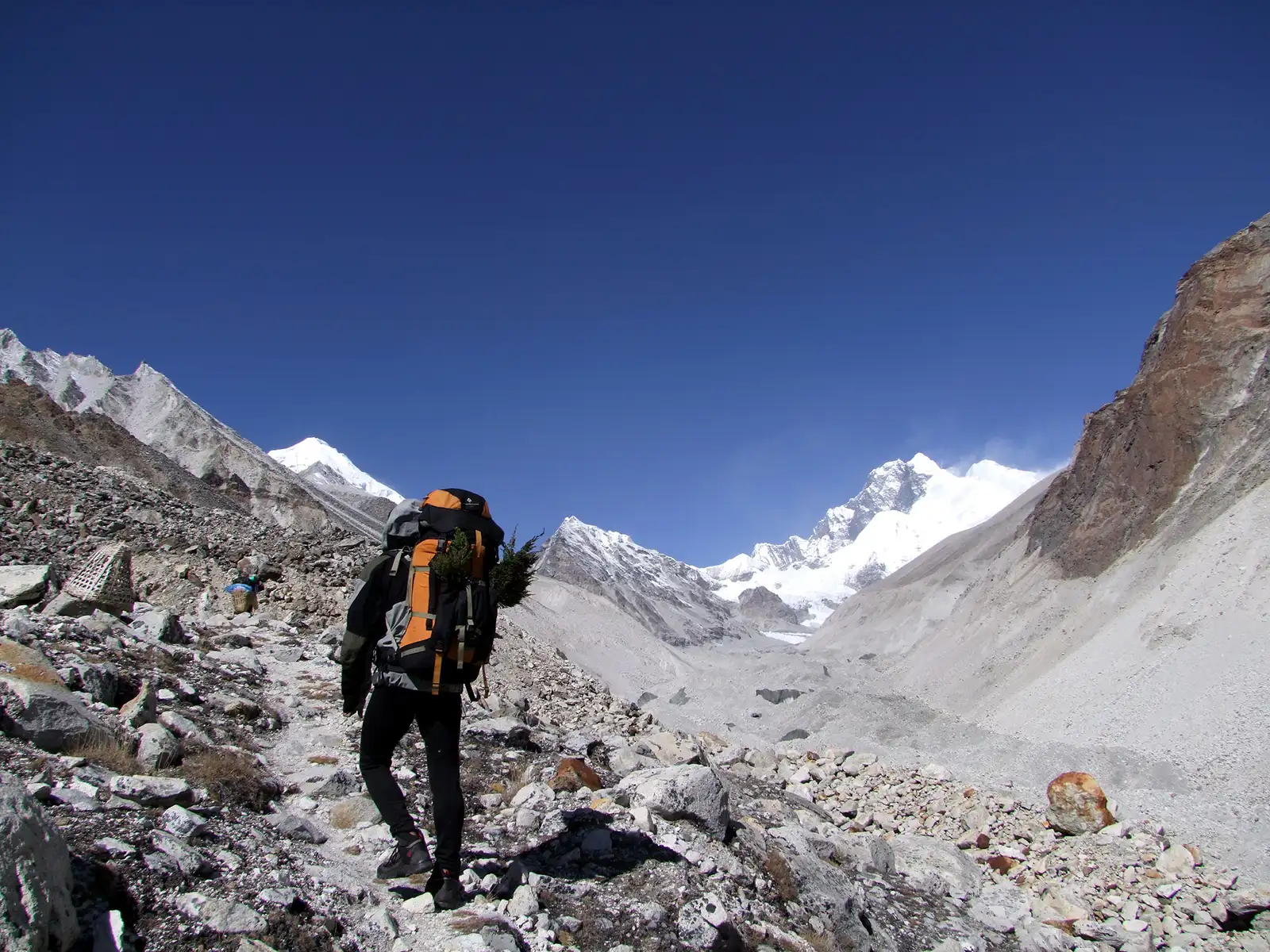
Upon their arrival, they receive a choice between lodge or camping accommodations, providing a deserved opportunity to rest and gear up for the upcoming challenges.
Accommodation: Tented Camp
Meals: Breakfast, Lunch, and Dinner
Day 14: Rest and Acclimatization at Makalu Base Camp (5018m/16,464ft)
A day of rest and further acclimatization at Makalu Base Camp plays a crucial role in preparing trekkers for the ascent ahead. Remaining at this elevation for the day allows everyone to adapt to the lower oxygen levels, an important measure to reduce altitude sickness risks and enhance climbing performance.
Accommodation: Tented Camp
Meals: Breakfast, Lunch, and Dinner
Day 15: Trek to Advance Base Camp (5600m/18,373ft)
The trek from Makalu Base Camp to Advance Base Camp propels the adventurers forward over about 5 hours, ascending to 5600 meters (18,373 feet). This leg of the expedition continues to test the group’s endurance and adaptation to high altitudes, edging them closer to the summit.
Advancing to Advance Base Camp marks a critical step in the journey, laying the groundwork for the final ascent and unveiling more layers of the Himalayas’ awe-inspiring views.
Accommodation: Tented Camp
Meals: Breakfast, Lunch, and Dinner
Day 16-46: Climbing Period, summit Mt. Makalu (8463m)
Starting on the ascent of majestic Mount Makalu involves dedicating more than two weeks to acclimatization and training. The excellent Sherpa crew plays a vital role in setting up camps at various altitudes, gradually adapting to challenging conditions.
During this phase, climbers meticulously check their climbing gear and equipment, ensuring their reliability throughout the trek. Guided by the team leader, climbers follow instructions diligently, practicing technical sections of the climb to enhance their skills.
Emphasizing the commitment to climbing Mount Makalu, the world’s fifth-highest mountain, underscores the demanding nature of the expedition. The journey unfolds with the establishment of the first camp on balanced ground at the glacier’s top, followed by a challenging four-hour traverse to reach Camp II, navigating occasional snowfalls.
The route from Camp II to Camp III is relatively easier, featuring a large traverse and zig-zag slope leading to Camp IV. Veteran climbers, serving as expedition leaders, share their expertise, including the crucial task of fixing ropes in specific sections.
After capturing memories and photographs at the peak, climbers descend to Base Camp, where they endure the highest degree of struggle with unwavering passion. The excellent Sherpa crew continues their vital support, setting up camps and preparing nutritious meals for the team’s stay.
From the summit, breathtaking views unfold, showcasing snow-capped landscapes and prominent mountains, including Mount Everest, Lhotse, Nuptse, Cho Oyo, Barun Tse, and Manaslu. The Mount Makalu Expedition keyword encapsulates the challenging yet rewarding nature of this remarkable journey.
Accommodation: Tented Camp
Meals: Breakfast, Lunch, and Dinner
Day 47: Cleaning up Base Camp and prepare to return
After reaching the summit and creating lasting memories, the team now focuses on wrapping up the expedition responsibly. Expedition members actively participate in cleaning up the Base Camp area to minimize environmental impact and keep the site pristine.
It includes managing waste effectively and properly disposing of all materials brought to the camp. Meanwhile, preparations for the descent and departure begin. The team carefully organizes gear and equipment and finalizes logistical arrangements.
The commitment during the cleanup and departure phase is to leave the natural environment undisturbed, showcasing the Mount Makalu Expedition’s dedication to responsible and sustainable mountaineering practices.
Accommodation: Tented Camp
Meals: Breakfast, Lunch, and Dinner
Day 48: Trek from Makalu Base Camp to Yak Kharka (3600m)
Descending from Makalu Base Camp to Yak Kharka involves retracing the challenging ascent route, providing expedition members with a reflective journey. Each step on the descent echoes the triumph of the successful summit and encapsulates the overall experience of the Mount Makalu Expedition.
As climbers descend, they have the opportunity to absorb the breathtaking surroundings once again, appreciating the landscapes and terrain conquered during the ascent.
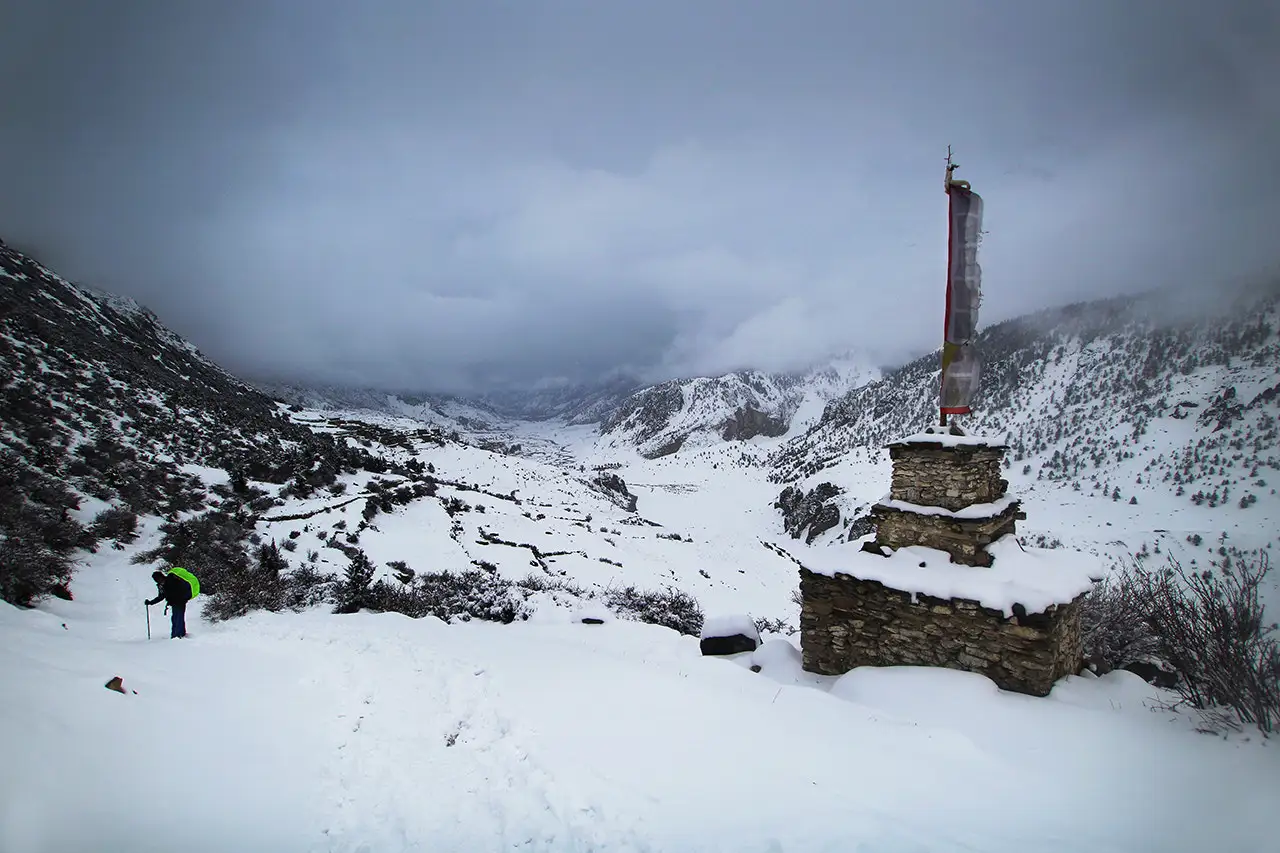
This descent not only signifies the physical return from the summit but also serves as a mental and emotional transition, allowing expedition members to reflect on their achievements, the camaraderie formed during the expedition, and the personal growth experienced throughout this remarkable journey.
Accommodation: Teahouse
Meals: Breakfast, Lunch, and Dinner
Day 49: Trek from Yak Kharka to Mumbuk (3550m)
As expedition members descend from Yak Kharka, they journey through familiar landscapes, taking pleasure in the scenes encountered on the way down. The descent transforms into a reverse exploration of the diverse terrain, presenting a different perspective on the natural beauty that marked the ascent.
Gradually making their way to lower elevations, climbers feel a connection to the journey they undertook, creating a full-circle experience from summit to base.
This descent not only marks the conclusion of the Mount Makalu Expedition but also allows participants to enjoy and contemplate the breathtaking landscapes that define their remarkable adventure.
Accommodation: Teahouse
Meals: Breakfast, Lunch, and Dinner
Day 50: Trek from Mumbuk to Tashi Gaon (3420m)
As expedition members descend to Tashi Gaon, they discover themselves amidst lush greenery and breathtaking mountain vistas. The landscape undergoes a picturesque transformation, becoming a serene and verdant retreat from the higher altitudes.
Climbers, on their way to Tashi Gaon, experience the tranquil ambiance created by the vibrant hues of the vegetation and the majestic backdrop of the mountains.
This descent not only contrasts with the challenges of higher elevations but also allows participants to genuinely appreciate the diverse and stunning environments encountered throughout the Mount Makalu Expedition.
Accommodation: Teahouse
Meals: Breakfast, Lunch, and Dinner
Day 51: Trek from Tashi Gaon to Num (1800m)
As expedition members descend, they journey through charming villages and terraced fields, enjoying the beauty of rural life. Making their way to Num for the night, the village offers a peaceful and welcoming atmosphere, allowing a well-deserved rest after the challenging descent.
During the Mount Makalu Expedition, Num serves as a cozy rest stop where travelers can contemplate their journey and value the diversity of cultures they have experienced.
Accommodation: Teahouse
Meals: Breakfast, Lunch, and Dinner
Day 52: Drive from Num to Tumlingtar
As the expedition moves from the high altitudes towards civilization, a 4-hour drive carries the group from Num to Tumlingtar. This leg of the journey provides an opportunity to reflect on the mountains’ experiences and challenges.
Lodge accommodations in Tumlingtar offer the trekkers a comfortable spot to rest and gear up for their return to the capital. The transition from the Himalayas’ ruggedness to Tumlingtar’s relative bustle signifies the adventure’s nearing conclusion.
Accommodation: Teahouse
Meals: Breakfast, Lunch, and Dinner
Day 53: Fly from Tumlingtar to Kathmandu
Starting the journey from Tumlingtar to Kathmandu on a flight, expedition members enjoy stunning aerial views of the majestic Himalayas. This unique perspective allows participants to see the towering peaks and pristine landscapes from the skies.
As the flight travels across the Himalayan range, it becomes a captivating conclusion, providing a final look at the breathtaking beauty that characterized the Mount Makalu Expedition.
Accommodation: The Everest Hotel
Meals: Breakfast
Day 54: Rest Day
Taking a well-deserved break in Kathmandu, expedition members seize the chance to look back on the remarkable experiences of the Mount Makalu Expedition. As team members share their viewpoints and special memories, the day is full of storytelling and fellowship.
There’s a prevailing sense of accomplishment and mutual appreciation for overcoming the challenges during the expedition. This day of rest not only aids physical recovery but also wraps up the journey on a meaningful note, building a strong sense of unity and shared achievement among the expedition team.
Accommodation: The Everest Hotel
Meals: Breakfast and Dinner
Day 55: Final Departure
Leaving Kathmandu marks the conclusion of the Mount Makalu Expedition, stirring a blend of emotions as team members say goodbye to the lively city that launched their remarkable journey. This departure goes beyond a physical move; it signifies the end of an incredible adventure packed with challenges, triumphs, and shared camaraderie.
As expedition members head home, they carry not just memories of towering peaks but also the resilient spirit that defined the Mount Makalu Expedition. The departure wraps up a transformative experience, leaving each participant with a lasting connection to the majestic mountain and the bonds forged during this exceptional journey.
Meals: Breakfast
Customize this trip with help from our local travel specialist that matches your interests.
Includes & Excludes
What is included?
- Airport transfers and guided sightseeing in Kathmandu Valley with entrance fees
- The Everest Hotel in Kathmandu, teahouses for trekking, and tented accommodation during the Mount Makalu Expedition
- Three times meals during the trek and Mount Makalu Expedition
- All necessary staff with experienced English-speaking climbing guide, cook, assistant climbing leader (5trekkers 1 assistant guide), and Sherpa porters
- All necessary paperwork like trekking permits and Mount Makalu Expedition permit
- Mountaineering camping and Mount Makalu Expedition equipment high-quality equipment like North Face or Mountain Hardwar tents, mattresses, and kitchen equipment
- Travel and rescue arrangements provide
- Farewell Dinner
- Exclusive Medical Kit Bag
- All government and local taxes
What is excluded?
- Nepal Visa fee and International airfare
- Excess baggage charges
- Accommodation and meals in Kathmandu because of early arrival, late departure, and early return from Mount Makalu Expedition
- Altitude chamber or oxygen
- Travel and rescue insurance
- Personal climbing equipment
- Personal climbing guide on your request
- Personal expenses like phone calls, laundry, bar bills, mineral/boiled water, shower, etc
- Tips for trekking and climbing crew member
Departure Dates
We also operate Private Trips.
Good To Know
Clothes
- Base layers, including shirts and bottoms
- Mid-layer insulation (down jacket or fleece)
- Outer shell pants and jacket that are wind- and water-resistant
- Mountaineering pants or insulated pants
- Climbing mittens or gloves
- Warm-weather socks
- Boots for mountaineering
- Gaiters
- balaclava and warm hat
- UV-blocking sunglasses
- Cap or sun hat
- scarf or neck gaiter
Climbing Gear
- Mountaineering boots appropriate for low-temperature and high-altitude environments
- Crampons
- An ice-axe
- Harness for climbing
- helmet for climbing
- Climbers and descending
- Quickdraws and carabiners
- Prusik slings and cords
- Cords
- Ice screws, if required
Camping Equipment
- A sleeping bag that is appropriate for cold climates
- insulating mat or sleeping pad
- portable bivouac shelter or tent
- Fuel and cooking stove
- Cooking implements and lightweight cooking vessels
- Hydration systems or water bottles
- Headlamp with additional batteries
- Personal hygiene products and toiletries
- thin towel
- individual first aid kit
Technical Equipment
- An altimeter or GPS gadget
- A map of the expedition region and a compass
- equipment for communication (radio or satellite phone)
- A camera installed on a climbing helmet (optional)
- For electronic gadgets, a solar charger or portable power bank
Additional Items
- Lip balm and sunscreen with UV protection for high-altitude
- lightweight hiking poles
- Kleenex and a repair kit
- A pocket knife or a multitool
- Money and the required paperwork (identity, insurance, and permits)
Trip Information
Best Season to Climb Mount Makalu
Spring (April-May): Choosing to undertake the Mount Makalu Expedition during the spring season, usually from April to May, provides climbers with favorable conditions for a safe and breathtaking climb. As spring progresses, the weather at higher elevations becomes gentler, offering relatively warmer temperatures compared to other times of the year.
This more moderate climate, combined with stable weather conditions, ensures clear visibility, a critical factor in navigating the challenging sections of the ascent. The Mount Makalu Expedition keyword captures the essence of this remarkable journey, highlighting the significance of selecting the right season to enhance safety, visibility, and overall success in conquering the majestic peak.
Autumn (September-October): Choosing the autumn season, usually from September to November, for the Mount Makalu Expedition offers climbers an advantageous period for a successful ascent. After the monsoon season, the skies become clearer, and precipitation decreases, establishing favorable climbing conditions.
The temperatures during this time are suitable for mountaineering activities, and the landscape showcases breathtaking views with post-monsoon clarity, enhancing the overall allure of the journey. The Mount Makalu Expedition keyword emphasizes the significance of considering the autumn season, ensuring climbers experience a combination of optimal weather conditions and stunning vistas, contributing to a memorable and safe ascent.
Difficulty Level of Mount Makalu Expedition
Tackling Technical Climbs: Climbing Mount Makalu involves dealing with challenging terrains, including steep slopes, complex rocks, and icy patches. Climbers need advanced mountaineering skills like rock and ice climbing, along with using specialized gear like crampons and ice axes. The Mount Makalu Expedition demands climbers to be highly skilled, emphasizing the importance of mastering various climbing techniques to overcome the mountain’s intricate features.
Facing Altitude Challenges: As the fifth-highest mountain globally, Mount Makalu exposes climbers to extreme altitudes, leading to potential altitude-related issues. Acclimatization, gradually adjusting the body to lower oxygen levels at higher elevations, becomes crucial. To reduce the chance of altitude sickness and give their bodies time to acclimate, climbers must rest and ascend gently. The Mount Makalu Expedition stresses the significance of acclimatization for climbers to safely adjust to high-altitude conditions and increase their chances of a successful ascent.
Weathering Variable Conditions: Mount Makalu’s weather is unpredictable, marked by sudden temperature changes, strong winds, and unexpected snowfall. Climbers must be adaptable and well-prepared for adverse weather, carrying suitable clothing and gear. The Mount Makalu Expedition requires climbers to have a comprehensive range of equipment for unpredictable weather, highlighting the importance of readiness for varying conditions during the climb.
Navigating Isolation and Limited Resources: The mountain’s remote location means climbers face isolation and scarce resources. It adds complexity, demanding meticulous planning for logistics, including food, fuel, and medical supplies. Emergencies require self-sufficiency and preparedness. The Mount Makalu Expedition emphasizes climbers’ need to be self-reliant, addressing the challenges of navigating the mountain’s isolated terrain with minimal external support.
Enduring a Prolonged Expedition: The Mount Makalu Expedition spans several weeks, exposing climbers to prolonged challenging conditions testing mental resilience and physical endurance. The extended duration raises the importance of monitoring health and managing resources effectively. The Mount Makalu Expedition underscores the need for climbers to maintain resilience throughout the journey, emphasizing the significance of endurance and resource management.
Climbing Steep Slopes and Technical Sections: Reaching the summit involves navigating steep slopes and technical sections like the Southeast Ridge and West Pillar, demanding advanced climbing techniques. Climbers must use specialized equipment such as ropes and harnesses for safe passage through these challenging segments. The Mount Makalu Expedition necessitates climbers to employ advanced mountaineering techniques for navigating the demanding terrain, highlighting the importance of technical expertise.
Mitigating Avalanche Risks: Mount Makalu’s topography increases the risk of avalanches, especially in specific sections with variable snow conditions. Minimizing dangers during ascent and descent requires alertness and strict attention to safety procedures, which include selecting the best route and time. The Mount Makalu Expedition underscores the need for climbers to stay vigilant and follow safety protocols, mitigating the inherent risk of avalanches associated with the mountain’s topography.
Overcoming Communication Challenges: The remote nature of the expedition limits communication facilities, requiring climbers to rely on satellite communication for updates and emergencies. Throughout the Mount Makalu Expedition, efficient communication becomes essential for the team’s coordination and safety. The expedition stresses the reliance on satellite communication for crucial updates and emergencies, emphasizing the importance of effective communication strategies in the expedition’s remote setting.
Obtaining Permits and Guides
Starting on the Mount Makalu Expedition involves obtaining necessary permits and securing experienced guides. Climbers must obtain permits from Nepalese authorities, following government regulations for mountaineering. These permits are typically processed through Nepal’s Department of Tourism, requiring climbers to provide the required documentation and adhere to specific guidelines.
Experienced guides play a vital role in navigating Mount Makalu’s challenging terrains, ensuring climbers’ safety, and offering valuable insights into the mountain’s conditions. Well-versed in the region, these guides possess technical mountaineering expertise, contributing significantly to the expedition’s overall success and safety. The meticulous acquisition of permits and the involvement of qualified guides underscore the importance of thorough preparation and adherence to regulations, ensuring a rewarding and secure climbing experience on Mount Makalu.
The Best Route to Climb Mount Makalu
Southeast Ridge Route: Starting on the Makalu Expedition via the Southeast Ridge, climbers opt for the most popular and comparatively simpler route, making it challenging but suitable only for experienced mountaineers. The journey kicks off at Makalu Base Camp (4,800 meters), the starting point for acclimatization and vital preparations essential for navigating the rugged terrains of Mount Makalu.
As climbers advance along the Southeast Ridge, they establish Camp 1 (5,700 meters) for further acclimatization and rest before pushing to higher altitudes. Positioned strategically on the ridge, Camp 2 (6,400 meters) provides panoramic views and acts as a preparation stage for the more demanding sections ahead. Camp 3 (7,200 meters), situated on a col between Makalu and Chomo Lonzo, gains significance as climbers spend extra time here for acclimatization and readiness, gearing up for the final ascent to the summit.
The ultimate summit push begins from Camp 3, typically starting early in the morning and taking approximately 12 hours to reach the summit. Climbers navigate challenging terrain, including technical sections and steep slopes, underlining the demanding nature of the ascent. The Mount Makalu Expedition keyword encapsulates the essence of this tough yet rewarding journey, highlighting the crucial camps and challenging segments that define the climb to the summit.
Northwest Ridge Route: The Northwest Ridge of Mount Makalu is known for being a more technical and demanding route, providing climbers with a steeper ascent compared to the Southeast Ridge. Despite the increased difficulty, this route offers a unique advantage by providing superior views of the mountain and its surroundings, creating a more immersive and visually rewarding experience.
The journey begins at Makalu Base Camp (4,800 meters), where climbers on the Northwest Ridge follow a similar path for acclimatization and initial preparations, mirroring those on the Southeast Ridge. Camp 1 (5,700 meters), strategically positioned along the route, acts as an intermediate resting and acclimatization point, getting climbers ready for the increasing demands of the ascent. Progressing to Camp 2 (6,400 meters) higher on the Northwest Ridge, climbers enjoy a strategic vantage point with enhanced views of the mountain and its surrounding landscape, adding to the awe-inspiring nature of the climb.
Camp 3 (7,200 meters), situated on a col between Makalu and Chomo Lonzo, becomes a crucial high-altitude camp for further acclimatization and final preparations before the summit push. The summit push from Camp 3 follows a timeline and challenges similar to the Southeast Ridge route, with climbers navigating steep and technical sections.
This demanding phase requires advanced mountaineering skills and experience, emphasizing the necessity for climbers to be well-prepared for the rigorous ascent on the Northwest Ridge. The intricacies of this route, combined with its breathtaking vistas, contribute to a formidable yet rewarding journey for those seeking a heightened level of technical challenge in conquering Mount Makalu.
Insurance
Securing insurance is crucial for preparing for the Mount Makalu Expedition, offering financial protection and aid in unexpected situations. Climbers should obtain comprehensive travel insurance tailored for high-altitude mountaineering. This type of insurance covers medical emergencies, evacuation, trip cancellations, and equipment loss or damage. Adequate insurance is essential due to Mount Makalu’s remote and challenging conditions, providing climbers with the necessary support to manage potential risks and ensuring a safer and more secure expedition experience.
Frequently Asked Questions
The ideal seasons for Mount Makalu are spring (April to May) and autumn (September to November). During spring, the weather is milder, providing clearer visibility and safer conditions. Autumn, post-monsoon, offers clearer skies and reduced precipitation, making it another favorable window for climbers. Choosing the right season is crucial for a successful and safe ascent.
Mount Makalu is known for its challenging nature, requiring advanced mountaineering skills. While less crowded than Everest, it demands technical expertise, making it suitable for experienced climbers seeking a formidable ascent. The unique combination of steep inclines, technical sections, and high-altitude challenges sets it apart, contributing to its reputation as a demanding climb.
Climbers need permits from the Department of Tourism in Nepal. It involves submitting necessary documentation and adhering to government regulations. Acquiring permits ensures compliance with regulatory frameworks for mountaineering, reflecting the importance of responsible and lawful expedition practices.
The Southeast Ridge is popular for its less technical climb. The Northwest Ridge, which is more challenging, offers superior views. Climbers choose routes based on their expertise and preferences, considering factors like technical skills, desired level of challenge, and the overall experience they seek. Route selection is a critical decision influencing the expedition.
Climbers need excellent cardiovascular fitness, strength, and endurance. Training should focus on high-altitude conditions and steep terrains, preparing the body for the demands of the climb. Physical fitness is a fundamental aspect, directly influencing the ability to navigate the challenging terrain and succeed in reaching the summit.
High-altitude camps along the ascent route provide essential shelter. These camps serve as rest and acclimatization points between challenging climb sections. The basic yet strategically positioned camps contribute to the climbers’ well-being, offering crucial support in the isolated and demanding mountain environment.
Comprehensive emergency protocols, including medical supplies, evacuation plans, and communication devices, are in place. Safety is a priority for addressing unforeseen situations. The preparedness for emergencies underscores the commitment to climber well-being and emphasizes the importance of rapid and effective responses.
Due to the remote location, climbers use satellite phones or radios. Effective communication is vital for safety coordination and staying connected with the base and support teams. In order to ensure smooth coordination and quickly resolve issues, communication tactics—such as dependable tools and procedures—are essential.
Climbers should secure comprehensive travel insurance covering high-altitude mountaineering activities. This insurance includes medical emergencies, evacuation, trip cancellations, and equipment loss or damage. Adequate insurance safeguards climbers against potential financial and medical challenges, providing a safety net for the expedition.
Advanced mountaineering skills, including proficiency in rock and ice climbing, are necessary. Technical sections, especially on the Northwest Ridge, demand a high level of expertise. The expedition’s technical challenges underscore the need for climbers to possess a specialized skill set, ensuring safe and efficient navigation through diverse terrains.
Temperatures drop significantly, necessitating layered clothing, insulated jackets, waterproof outer layers, and suitable accessories for cold conditions. Dressing appropriately for extreme cold is essential for climbers’ comfort, safety, and overall well-being during the challenging climb.
Climbers should respect local cultures and adhere to Leave No Trace principles. Culturally sensitive behavior ensures a positive interaction with local communities. Environmental conservation practices, including responsible waste management, contribute to preserving the pristine mountain environment for future generations.
Limited medical facilities exist at high altitudes. Climbers carry personal first aid kits, and expedition teams provide basic medical support. Climbers must be self-sufficient in managing minor health issues. The reliance on personal preparedness highlights the need for climbers to take responsibility for their health in the challenging mountain environment.
Climbers ensure they carry out all non-biodegradable waste, preserving the pristine mountain environment through strict waste management guidelines. Environmental responsibility is integral to the expedition, emphasizing sustainable practices to minimize the ecological impact and contribute to long-term conservation efforts.
Mount Makalu is not advisable as the first high-altitude climb. Climbers should have prior experience to tackle the unique challenges it presents. The expedition’s difficulty level and technical demands make it essential for individuals to build their high-altitude experience gradually, ensuring a safer and more successful ascent.
Acclimatization involves a gradual ascent, rest days, and exposure to higher altitudes. Climbers acclimate at various camps to adapt to reduced oxygen levels. Strategic acclimatization practices play a crucial role in climbers’ ability to cope with the high-altitude environment, minimizing the risk of altitude-related issues.
Support staff or Sherpas prepare nutritious and calorie-dense meals designed to meet the energy demands of mountaineering in a lightweight and easily portable form. The emphasis on nutrition reflects the importance of sustaining energy levels during the challenging climb, with meal planning tailored to meet the specific needs of climbers.
The region hosts unique flora and fauna, including Himalayan wildlife such as snow leopards, red pandas, and various bird species. Climbers can enjoy the biodiversity while trekking through the stunning landscapes. The expedition provides a rare chance to enjoy the natural beauty and diversity of the ecosystems in the area.
Mental preparation involves building resilience, determination, and maintaining a positive mindset. Training in stressful conditions helps climbers develop the mental fortitude required for the demanding climb to the summit. Mental preparedness is essential for overcoming challenges and ensuring a successful expedition. Cultivating a strong mental attitude is a critical aspect of climbers’ preparation, contributing to their ability to face adversity and persevere on the challenging journey to the summit.
Reviews on Mount Makalu Expedition
5.0