

Based on 746 reviews

Chekigo Peak Climbing
Reaching the Summit of Mt. Chekigo

Duration
25 Days

Meals
- 24 Breakfast
- 20 Lunch
- 21 Dinner

Accommodation
- The Everest Hotel
- Local Lodge
- Tented Camp

Activities
- Peak Climbing
- Sightseeing
- Trekking
SAVE
US$ 980Price Starts From
US$ 4900
Overview of Chekigo Peak Climbing
Mt. Chekigo Peak Climbing introduces adventurers to one of the Himalayas’ hidden gems, standing tall at 6121 meters. Nestled in the Gaurishankar Conservation Area, between the renowned Khumbu and Rolwaling valleys, this peak offers a unique blend of challenge and untouched natural beauty. Since its opening to climbers in 2002, Mt. Chekigo has remained a less-trodden path, making it a prized journey for those seeking solitude and unspoiled landscapes.
The climbing route and its associated difficulty level are paramount considerations as they navigate through varied terrain, including the challenging Tashi Labsta La pass, and present climbers with a mix of snow, rock, and glacier traverses. This journey not only tests physical endurance and mountaineering skills but also rewards climbers with breathtaking views of surrounding peaks.
Trip Highlights of Mt. Chekigo Peak Climbing
- First Successful Ascent Memory: Celebrating the pioneering ascent by Bruce Normand and Oliver Von Rotz on 15 May 2005.
- Gaurishankar Conservation Area: Exploring the diverse flora and fauna within this protected natural habitat.
- Cultural Immersion: Engaging with local Sherpa communities and understanding their traditions and lifestyles.
- Remote and Pristine Trails: Trekking through less-trodden paths that offer tranquility and untouched natural beauty.
- Technical Climbing Challenge: Navigating the technical sections of Mt. Chekigo, suitable for climbers seeking a challenge.
- Panoramic Himalayan Views: Climbers witness stunning Himalayan views.
- Conservation Awareness: Gaining insights into conservation efforts and the importance of preserving the natural and cultural heritage of the region.
The enriching journey through remote villages and pristine environments en route to Mt. Chekigo exposes climbers to diverse ecosystems, from rhododendron forests to high alpine pastures, and lets them experience the warmth of local hospitality in hidden Himalayan hamlets. This aspect underscores the importance of responsible trekking and the opportunity to immerse oneself in the region’s unique cultural heritage.
History and Significance of Mt. Chekigo Peak Climbing
The Nepal Mountaineering Association opened Mount Chekigo Peak Climbing to enthusiasts in 2002. Bruce Normand from the United Kingdom, along with Oliver Von Rotz from Switzerland, marked the first successful ascent on 15 May 2005. Situated in the Gaurishankar Conservation Area of Nepal, Mount Chekigo offers climbers technical challenges and opportunities to dive into the rich cultural heritage and pristine natural beauty of the area.
Although it has a shorter climbing history than the renowned Everest or Annapurna, passionate mountaineers have gravitated towards Chekigo, enticed by the ascent’s thrill and the chance to venture into one of Nepal’s lesser-known regions. The adventure of summiting and the experience of the surrounding pristine environment and vibrant culture define the significance of Mount Chekigo Peak Climbing.
Detail Itinerary of Chekigo Peak Climbing
Day 1: Arrival at Kathmandu
Upon your arrival in Kathmandu, our team will greet you at the airport and escort you to your hotel. Kathmandu, the capital city of Nepal, boasts a valley encircled by towering mountains, setting the stage for your upcoming adventure.
As you settle into your accommodation, excitement mounts for your expedition to climb Mt. Chekigo Peak, promising thrilling experiences amidst the grandeur of the Himalayas.
Use the rest of the day to unwind and prepare for the exhilarating journey ahead, brimming with awe-inspiring scenery and stimulating challenges.
Accommodation: The Everest Hotel
Meals: Not Included
Day 2: Sightseeing around Kathmandu Valley
Today, you explore the cultural and historical treasures that the Kathmandu Valley has to offer. Your journey may include visiting UNESCO World Heritage Sites such as Kathmandu Durbar Square, Swayambhunath Stupa (lovingly known as the Monkey Temple), Pashupatinath Temple, and Boudhanath Stupa.
These revered sites act as gateways into Nepal’s vibrant history, showcasing its rich tapestry of art, architecture, and spirituality. Engage yourself in the enchanting ambiance of these landmarks as you meander through ancient alleys, admire intricately carved facades, and absorb the spiritual atmosphere that fills the air.
Accommodation: The Everest Hotel
Meals: Breakfast
Day 3: Drive from Kathmandu to Shingati (950 meters)
After breakfast, begin a picturesque journey from Kathmandu to Shingati, which spans approximately 8-9 hours. Along the way, enjoy breathtaking vistas of rural landscapes, terraced fields, and quaint villages that dot the countryside. Shingati, nestled at an altitude of 950 meters, marks the beginning of your trekking odyssey.
As you travel along the winding roads, immerse yourself in the unfolding natural splendor, capturing glimpses of Nepal’s serene beauty. Upon reaching Shingati, prepare to begin on an adventure of a lifetime, with the tranquil village serving as your gateway to the Himalayan trails that lie ahead.
Accommodation: Teahouse
Meals: Breakfast, Lunch, and Dinner
Day 4: Trek from Shingati to Jagat (1,300 meters)
Today, you begin on your trekking expedition, journeying from Shingati to Jagat while ascending to an altitude of 1,300 meters. The trek, which spans approximately 6-7 hours, will guide you through lush forests, across babbling streams, and past charming local villages.
Immerse yourself in the natural beauty of the landscape as you traverse the trails, soaking in the serene ambiance of the Himalayan foothills.
With each step, you draw closer to your destination, uncovering the rugged terrain and cultural richness of the region. Prepare to be captivated by the wonders that lie ahead along this exhilarating trekking route.
Accommodation: Teahouse
Meals: Breakfast, Lunch, and Dinner
Day 5: Trek from Jagat to Simigaoun (1,970 meters)
Continuing on your trekking journey, you’ll trek from Jagat to Simigaoun, located at an altitude of 1,970 meters. The trek, lasting approximately 7-8 hours, will lead you through picturesque landscapes adorned with terraced farmlands and charming villages.
Along the way, immerse yourself in the beauty of the surroundings, capturing glimpses of Nepal’s rural charm.
Upon arrival in Simigaoun, you’ll have the opportunity to experience the traditional lifestyle of the local communities. Situated amidst the Himalayan foothills, Simigaoun provides a serene setting where you can observe age-old customs and cultural practices, gaining insight into the rich heritage of the region.
Accommodation: Teahouse
Meals: Breakfast, Lunch, and Dinner
Day 6: Trek from Simigaoun to Gyalche (2,120 meters)
Today, the trek takes you from Simigaoun to Gyalche, ascending to an altitude of 2,120 meters. The trekking duration lasts approximately 6-7 hours, guiding you through scenic trails, dense forests, and tranquil mountain vistas.
As you journey, immerse yourself in the serene ambiance of nature’s beauty enveloping you. Gyalche awaits as a tranquil haven amidst the breathtaking landscape, offering a peaceful retreat amidst the Himalayan wilderness.
Accommodation: Teahouse
Meals: Breakfast, Lunch, and Dinner
Day 7: Trek from Gyalche to Beding (3,690 meters)
Prepare yourself for a challenging yet rewarding trek from Gyalche to Beding, where you’ll ascend to an altitude of 3,690 meters. The trekking duration lasts approximately 6-7 hours, guiding you through rocky terrain, alpine meadows, and pristine landscapes.
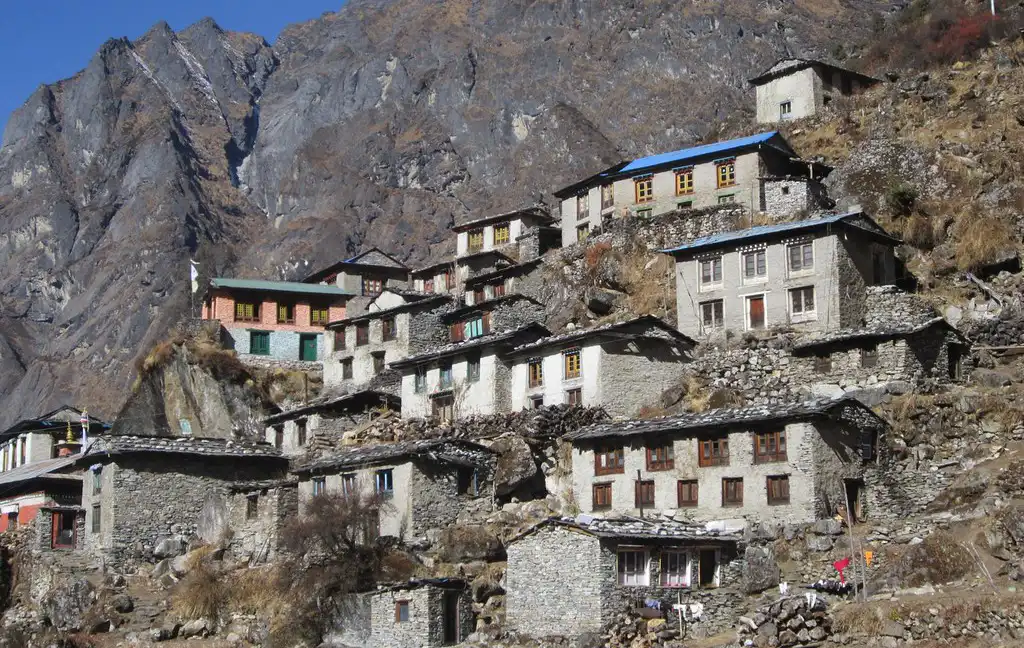
Amidst this rugged terrain, gear up for the ultimate adventure of Mt. Chekigo Peak Climbing, offering breathtaking vistas and unforgettable experiences.
Beding, nestled amidst the Himalayas, serves as a tranquil refuge and basecamp for Mt. Chekigo Peak Climbing. Here, you’ll encounter breathtaking views of the surrounding peaks, heightening the excitement of your journey.
As you settle into this remote yet picturesque village, anticipation for the climbing expedition intensifies, igniting your sense of adventure.
Accommodation: Teahouse
Meals: Breakfast, Lunch, and Dinner
Day 8: Rest and a little hike in Beding for Acclimatization
Take advantage of a well-deserved rest day in Beding to acclimatize to the altitude. Seize the opportunity to explore the village, interact with locals, and begin on a short hike to nearby viewpoints.
From these vantage points, admire the stunning panoramic views of the Himalayas, immersing yourself in the breathtaking beauty of the surrounding mountains. This day of relaxation and exploration enables you to recharge your energy and get ready for the adventures that await.
Accommodation: Teahouse
Meals: Breakfast, Lunch, and Dinner
Day 9: Trek from Beding to Chekigo Base Camp (4,110 meters)
Continue your trekking journey from Beding to Chekigo Base Camp, situated at an altitude of 4,110 meters. The trekking duration lasts approximately 5-6 hours, gradually ascending through high-altitude terrain and rugged landscapes.
Immerse yourself in the natural beauty surrounding you as you traverse the challenging terrain, embracing the sense of adventure that comes with exploring the Himalayan wilderness.
As you progress towards Chekigo Base Camp, look forward to the breathtaking vistas and exhilarating experiences that await you at this high-altitude destination.
Accommodation: Tented Camp
Meals: Breakfast, Lunch, and Dinner
Day 10-18: Chekigo Peak Climbing Period (6,121m)
During these dedicated days of the climbing period, you will focus on ascending the majestic peak of Mt. Chekigo. Accompanied by experienced guides, you will begin on a challenging journey through technical climbs, navigating rugged terrain, and overcoming obstacles along the way.
These skilled guides will provide invaluable support and expertise, ensuring your safety and guiding you toward the summit with precision and care. As you tackle each ascent under the guidance of your experienced team, you will immerse yourself in the thrill and excitement of the climb.
The breathtaking views of the Himalayan landscape will inspire and motivate you, spurring you onward towards your goal. With determination and perseverance, you will conquer each challenge, inching closer to the summit of Mt. Chekigo.
These days of intense climbing will not only test your physical abilities but also offer a profound sense of accomplishment as you reach new heights and stand atop this majestic peak, witnessing unparalleled vistas and creating cherished memories of your Mt. Chekigo Peak climbing expedition.
Accommodation: Tented Camp
Meals: Breakfast, Lunch, and Dinner
Day 19: Trek from Chekigo Base Camp to Beding (3,690 meters)
After completing the climbing expedition, trek back from Chekigo Base Camp to Beding, descending to an altitude of 3,690 meters. While journeying, enjoy the scenic views and tranquil surroundings that envelop you along the way.
The trekking duration lasts approximately 5-6 hours, allowing ample time to soak in the beauty of the Himalayan landscape and reflect on the memorable experiences of your adventure.
Accommodation: Teahouse
Meals: Breakfast, Lunch, and Dinner
Day 20: Trek from Beding to Simigaun (1,970 meters)
Continue descending as you trek from Beding to Simigaun, reaching an altitude of 1,970 meters. The trekking duration lasts approximately 6-7 hours, allowing you to retrace your steps through familiar trails and picturesque landscapes.
As you journey, immerse yourself in the sights and sounds of the Himalayan foothills, soaking in the natural beauty that surrounds you. Reflect on the adventures and memories you’ve created during your time in the mountains, cherishing the moments as you make your way back to Simigaun.
Accommodation: Teahouse
Meals: Breakfast, Lunch, and Dinner
Day 21: Trek from Simigaun to Jagat (1,300 meters)
Begin on the trek from Simigaun to Jagat, situated at an altitude of 1,300 meters, which marks the final leg of your trekking adventure. As you journey, immerse yourself in the natural beauty and cultural richness of the region, reflecting on the unforgettable experiences of your Mt. Chekigo Peak Climbing expedition.
The trekking duration spans approximately 7-8 hours, providing ample time to savor the scenic landscapes and appreciate the traditions of the local communities you encounter along the way.
Accommodation: Teahouse
Meals: Breakfast, Lunch, and Dinner
Day 22: Trek from Jagat to Shingati (950 meters)
On the final day of trekking, journey from Jagat to Shingati, descending to an altitude of 950 meters. The trekking duration lasts approximately 6-7 hours, providing a final opportunity to immerse yourself in the tranquil wilderness of the Himalayas.
Take in the breathtaking scenery and cherish the moments of solitude as you bid farewell to the majestic mountains and conclude your memorable trekking adventure.
Accommodation: Teahouse
Meals: Breakfast, Lunch, and Dinner
Day 23: Drive from Shingati to Kathmandu (1,400 meters)
As you begin your scenic drive from Shingati back to Kathmandu, bid farewell to the mountains. The journey spans approximately 8-9 hours, providing ample time to reflect on your adventures, including the thrilling experiences of your Mt. Chekigo Peak Climbing expedition.
Traverse the winding roads and soak in the picturesque landscapes that unfold before you, reminiscing about the challenges you overcame and the breathtaking vistas you witnessed during your time in the Himalayas.
With each passing mile, you’ll find yourself engulfed in a mix of emotions, from the exhilaration of summiting Mt. Chekigo to the bittersweet farewell to the mountains.
Cherish the memories created and the friendships forged during your expedition, knowing that the spirit of adventure will forever linger in your heart as you journey back to Kathmandu.
Accommodation: The Everest Hotel
Meals: Breakfast
Day 24: Rest and final shopping day in Kathmandu
On this day, take the opportunity to relax and unwind in Kathmandu after your adventurous expedition, which includes the exhilarating Mt. Chekigo Peak Climbing.
Whether you opt to indulge in some last-minute souvenir shopping, explore the vibrant streets of Thamel, or soak in the cultural atmosphere of the city, seize the chance to reflect on your journey and savor the memories created amidst the majestic Himalayas.
Cherish the tranquil moments before your departure, as the spirit of adventure will forever engrain itself in your heart.
Accommodation: The Everest Hotel
Meals: Breakfast and Dinner
Day 25: Final Departure
As your unforgettable journey in Nepal draws to a close, it’s time to bid farewell as you head to the airport for your onward journey. Depart from Kathmandu with cherished memories of your Himalayan adventure, reflecting on the breathtaking landscapes, the challenges you’ve overcome, and the friendships you’ve forged along the way.
Carry with you the spirit of adventure and the warmth of Nepalese hospitality as you set off for your next destination, knowing that the memories of your time in the Himalayas will remain etched in your heart forever.
Meals: Breakfast
Customize this trip with help from our local travel specialist that matches your interests.
Includes & Excludes
What is included?
- Airport transfers and guided sightseeing in Kathmandu Valley with entrance fees
- The Everest Hotel in Kathmandu, teahouses for trekking, and tented accommodation during Mt. Chekigo Peak Climbing
- Three-times meals during the trek and Mt. Chekigo Peak Climbing
- All necessary staff with experienced English-speaking climbing guide, cook, assistant climbing leader (5trekkers 1 assistant guide), and Sherpa porters
- All necessary paperwork like trekking permits and Mt. Chekigo Peak Climbing permit
- Mountaineering camping and Mt. Chekigo Peak Climbing equipment high-quality equipment like North Face or Mountain Hardwar tents, mattresses, and kitchen equipment
- Travel and rescue arrangements provide
- Farewell Dinner
- Exclusive Medical Kit Bag
- All government and local taxes
What is excluded?
- Nepal Visa fee and International airfare
- Excess baggage charges
- Accommodation and meals in Kathmandu because of early arrival, late departure, and early return from Mt. Chekigo Peak Climbing
- Altitude chamber or oxygen
- Travel and rescue insurance
- Personal climbing equipment
- Personal climbing guide on your request
- Personal expenses like phone calls, laundry, bar bills, mineral/boiled water, shower, etc
- Tips for trekking and climbing crew member
Departure Dates
We also operate Private Trips.
Good To Know
Clothing
- Insulated jacket
- Waterproof and windproof jacket and pants
- Base layers
- Trekking pants and shorts
- Fleece or soft-shell jacket
- Thermal gloves and mittens
- Sun hat and beanie
- Hiking socks and gaiters
- Mountaineering boots and trekking shoes
Climbing Gear
- Climbing harness
- Ice axe and leash
- Crampons
- Carabiners and quickdraws
- Climbing helmet
- Ascender and descender
- Prusik cords
Headlamp and Batteries
- Headlamp with extra batteries
Backpack
- Mountaineering backpack
- Daypack for personal items
Sleeping Gear
- Sleeping bag suitable for high altitudes
- Sleeping pad
Personal Items
- Sunglasses with UV protection
- Sunscreen and lip balm
- Water bottles and water purification tablets
- Personal hygiene items
- First aid kit
Technical Equipment
- GPS device and compass
- Altitude watch
- Trekking poles
- Camera for capturing memories
Climbing Accessories
- Mountaineering gloves
- Hand warmers
- Neck gaiter or scarf
Camping Equipment
- Tent (if camping during the expedition)
- Cooking equipment and utensils
Emergency Equipment
- First aid kit with essential medications
- Emergency shelter (space blanket)
Trip Information
Best time for Mt. Chekigo Peak Climbing
Climbers find the best conditions for Mt. Chekigo Peak Climbing during the spring and autumn seasons. From April to May, the spring season brings warmer weather and stable climbing conditions and showcases the Himalayas in full bloom. The trails burst into life with blooming rhododendrons and a myriad of wildflowers, offering a vibrant backdrop for the climb.
Clear skies during this period also afford climbers spectacular views of the surrounding peaks, significantly enhancing the climbing experience. These factors combine to make spring the preferred choice for climbers who value both favorable weather and the natural beauty of the landscape.
From September to November, the autumn season offers another excellent window for climbing Mt. Chekigo. Characterized by clear, stable weather and low precipitation, autumn provides outstanding conditions for high-altitude trekking and climbing. The skies, cleared post-monsoon, present climbers with majestic views of the Himalayan range without any obstructions.
Additionally, the cooler temperatures make the climb more comfortable and reduce the risks associated with heat, ensuring a safer ascent. The unique benefits of both spring and autumn make these seasons the most opportune times for facing the challenges and savoring the stunning vistas that Mt. Chekigo Peak Climbing has to offer.
The Difficulty Level of Mt. Chekigo Peak Climbing
Challenging Expedition: Climbing Mt. Chekigo is a tough adventure, requiring climbers to be physically prepared for steep climbs, technical sections, and unpredictable weather. Climbers need a high fitness level and prior mountaineering experience to tackle diverse terrains.
Technical Sections: Climbers will face technical challenges during the ascent, including rock and ice climbing. Navigating steep slopes using equipment like ropes, harnesses, and crampons is vital for overcoming the rugged terrain.
High Altitude Conditions: Mt. Chekigo’s elevation of 6,257 meters brings high-altitude conditions with lower oxygen levels. Gradual acclimatization is essential in reducing the risk of altitude-related disorders.
Physical and Mental Endurance: Summiting Mt. Chekigo demands both physical and mental strength. Climbers endure long trekking days and steep climbs, requiring resilience in the face of physical exertion and mental challenges.
Altitude Sickness Risk: Climbers must be aware of altitude sickness risks, with symptoms like headaches and nausea due to reduced oxygen levels. The itinerary includes acclimatization days for the body to adjust gradually.
Weather Challenges: Climbing Mt. Chekigo involves unpredictable weather, including sudden changes, snowfall, and extreme temperatures. Being prepared for weather variations is crucial, highlighting the need for appropriate gear and adaptability to changing conditions.
Climbing Permits: Must-Haves for Safety and Compliance
Climbing permits are essential for safety and following the rules during the Mt. Chekigo Peak Climbing journey. They aren’t just required by law; they are vital documents that help authorities track where climbers are in the Himalayas. These permits are crucial for the safety of climbers because they allow rescue teams to find and assist people in emergencies.
These permits play a crucial role in responsibly managing the natural environment, ensuring that future generations preserve the pristine beauty of the Himalayas. Climbers must get these permits well before their expedition to have a smooth and lawful Mt. Chekigo Peak climbing experience.
These permits give access to the specific areas needed for the climb, and climbers should always have them with them. Following the rules set by these permits is extremely important as it helps protect the delicate ecosystems of the Himalayas and guarantees a safer and more organized adventure on Mt. Chekigo Peak.
Insurance
Having proper insurance is crucial for your Mt. Chekigo Peak Climbing expedition. Comprehensive travel and adventure sports insurance that covers medical costs, evacuation from high-altitude areas, and emergencies should be part of this. It’s essential to check that your insurance policy covers mountaineering activities and the high-altitude conditions you’ll encounter during the climb. Adequate insurance ensures that you’re financially protected and can receive timely assistance in unforeseen situations during your adventure.
Mt. Chekigo Peak Climbing route
The Mt. Chekigo Peak Climbing adventure begins with a cultural immersion, exploring the UNESCO World Heritage Sites in Kathmandu Valley. This experience not only introduces climbers to the rich culture but also builds excitement for the upcoming challenging climb. The journey begins with a picturesque drive to Singhati, which offers climbers breathtaking views of a variety of terrain.
After passing through interesting landscapes, the path arrives at Jagat, where the actual hiking adventure begins. Climbers navigate lush forests and dramatic landscapes on their way to Simagaon and Gyalche, steadily approaching the majestic Chekigo Peak. Beding serves as a crucial acclimatization point, allowing climbers to adapt to the increasing altitude.
Here, they engage in a hike around Beding’s enchanting surroundings, strategically preparing for the next phase of the ascent. The expedition continues, arriving at the crucial Chekigo Base Camp, where climbers receive brief but essential training. It provides them with the confidence and skills they need for the difficult climb up Mt. Chekigo, the highest point of the climbing experience.
Frequently Asked Questions
Climbing Mt. Chekigo is a challenging adventure. It would be best to be physically fit and have prior mountaineering experience. This climb involves technical parts, steep slopes, and high-altitude conditions requiring physical and mental strength. Be ready for the hard work and potential weather challenges.
Acclimatization is vital. It means spending time at different altitudes to let your body adapt to less oxygen at higher places. The itinerary includes rest days at critical points to reduce the risk of altitude sickness. You’ll gradually climb higher, take breaks, and stay hydrated for a safe acclimatization.
Altitude sickness can be a worry due to the high elevations. It may result in milder ailments like headaches, nausea, and exhaustion or in more serious disorders like High Altitude Cerebral Edema (HACE) and High Altitude Pulmonary Edema (HAPE). Stay aware of symptoms, drink enough water, and follow the acclimatization schedule to reduce risks.
While safety recommends prior climbing experience, it’s not mandatory. However, you should have experience trekking at high altitudes and be physically fit. You can learn technical climbing skills during the expedition with guidance and training.
Training should focus on cardiovascular fitness, strength, endurance, and altitude adaptation. Engage in activities like hiking, running, and strength training. Like altitude tents or training at higher places, altitude training helps your body get used to less oxygen.
Safety is a top concern. Experienced guides lead the climb and provide safety guidance. Support teams carry medical kits and communication equipment for emergencies. Follow safety rules, stay hydrated, and recognize altitude sickness symptoms.
Mt. Chekigo Peak Climbing offers cultural immersion opportunities. Interact with local Sherpa communities, visit scenic villages along the route, and experience Himalayan traditions and hospitality. These cultural experiences enrich your climbing adventure, connecting you with the local way of life.
Reviews on Chekigo Peak Climbing
5.0