


Nepal Cultural Tour
Destination
NepalDifficulty
Easy
Nepal Cultural Tour Travel Information
Travelers are welcome to tour Nepal and connect with the vibrant cultural tapestry. Ancient beliefs and traditions shape the everyday life of many Nepalese people. Nepal is a Himalayan country that seamlessly intertwines diverse religions and cultures, creating a vibrant tapestry of festivals and rituals. To truly traverse Nepal, you have to experience its culture beyond sightseeing alone. A Nepal Cultural Tour is a special expedition that reveals the authentic Nepalese tradition, people, and local way of life. This tour enhances the richness and meaning of the Nepal expedition, making it an unforgettable part of your memory.
Cultural Diversity of Nepal at a Glance
Nepal is home to over 125 different ethnic groups and 123 different languages, creating a rich cultural diversity. Across Nepal’s three regions, other communities have their own languages, foods, and customs, yet they live side by side in harmony. The Himalayan region is home to Sherpa, Tamang, and Gurung communities with Buddhist heritage; the hilly region houses Magar, Rai, Newar, and other communities with mixed Hindu and Buddhist traditions; and, lastly, the Tharu and Maithili communities thrive in the terai region.
Geological conditions influence the lifestyles of these communities. For example, people living in the Himalayan region include yak cheese and barley in their diet, whereas people in the Terai region include rice and lentils as their staple foods. The rich cultural diversity, as well as the diversity in lifestyle, creates a unique artistic charm in each region of Nepal, and understanding them will make you learn something new every day.
Newar Culture: The Heart of Kathmandu Valley
Who are the Newars?
Newars are the indigenous community of the Kathmandu valley. They are the craftsmen behind most of the exquisite arts and architecture inside the Kathmandu Valley. They live within an organized society with close family relations, with every household having a courtyard and a local temple of worship. Newar people primarily rely on craftsmanship, business, and farming for their livelihood.
Newar Architecture and Urban Life
The Newars are the architects of the iconic temples and palaces of the Kathmandu Valley. Multi-tiered pagoda temples, brick houses with carved wooden windows, and many others are the product of the Newari people, and travelers can see them as they walk through the streets of Kathmandu, Bhaktapur, and Patan. A typical Newar community has a public square with hidden courtyards (bahal or bahi) around it, which host daily markets and social gatherings, such as rituals.
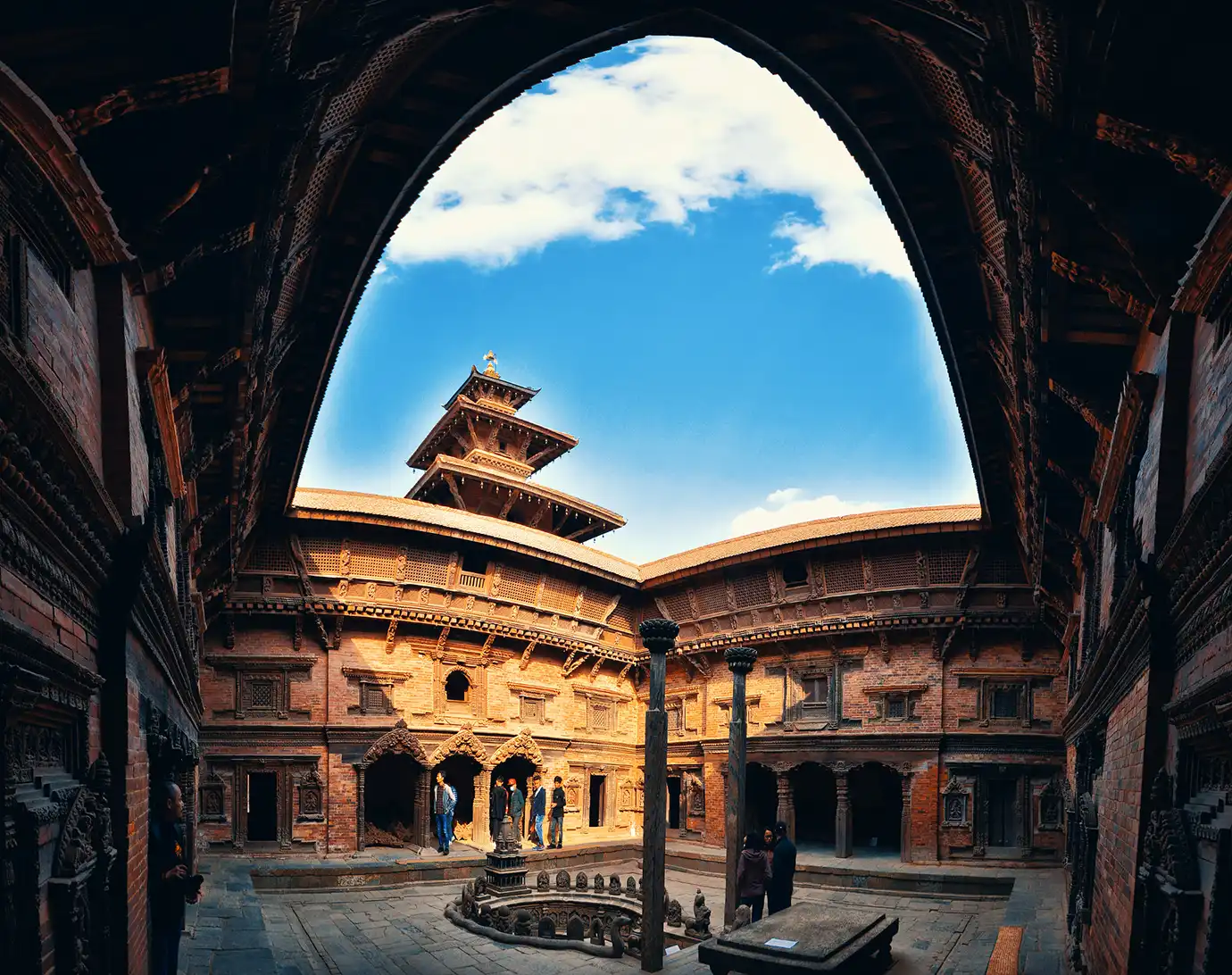
Newar communities organize daily life around intricate courtyard layouts. These spaces bring people together, strengthen social ties, and build the shared energy that drives their festivals. Through this layout, ancestral aesthetics endure, and social harmony remains alive, not as tradition alone but as lived experience.
Hindu Heritage in Nepal
Central Hindu Beliefs and Practices
Nepal is one of the oldest Hindu societies in the world, where ancient Vedic traditions are practiced daily. Nepal is the sanctuary of Hinduism. Hindus perform daily pujas, prayer rituals, each morning, either at home or in the temple, offering flowers and some food to the deities. Pujas form the backbone of Hindu life here. There is a belief that bathing in the holy rivers, such as the Bagmati, can cleanse you of your sins. Hence, it has become a practice symbolizing purification. Many Hindus in Nepal rely on priests (pandits) to oversee ceremonies, from weddings to funerals. Many even travel to holy sites like Pashupatinath temple or Janakpur, to seek spiritual blessings each year.
Important Hindu Sites
Nepal is a spiritual haven for Hindus, and travelers can visit many iconic Hindu sites across the country. One of Nepal’s leading heritage sites is the Pashupatinath Temple. Pashupatinath Temple is a holy ground dedicated to the worship of Lord Shiva as Pashupati, “Lord of All Beings”. It is the most sacred Shiva shrine of Nepal. Every year, a large number of devotees visit Pashupatinath Temple to worship Lord Shiva in his Pashupati form.
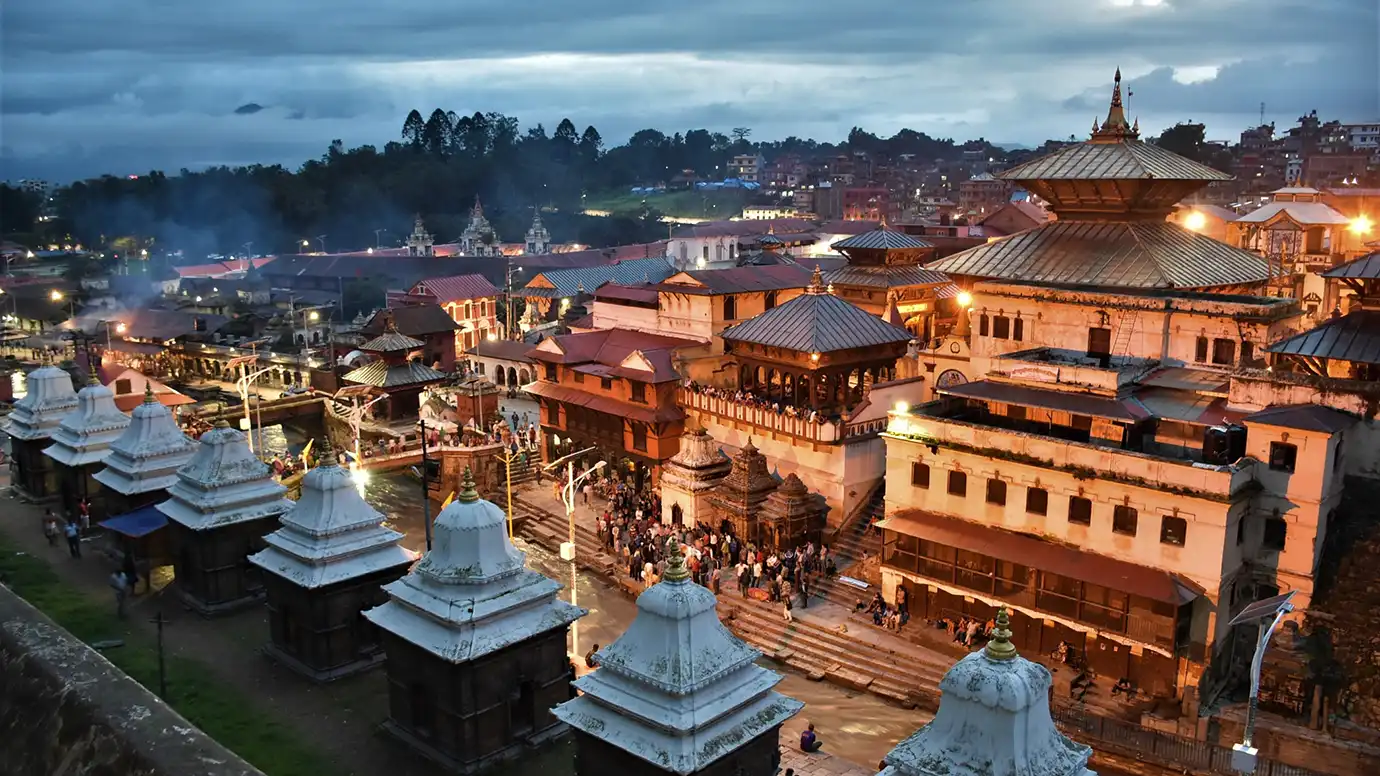
The temple also hosts a sacred cremation ceremony by the banks of the Bagmati River. At Pashupatinath Temple, travelers can closely observe the meaning of the life-and-death cycle. Another site is the ancient and historic Changu Narayan Temple. The Changu Narayan Temple is the oldest temple of Nepal dedicated to Lord Vishnu. This landmark temple showcases the magnificent art and architecture of the 5th century in Nepal and remains an active pilgrimage spot.
Another site is the historical city of Janakpur, also known as Janakpur Dham, in Nepal’s Terai region. According to the ancient epic Ramayana, Janakpur is the birthplace of Ma Sita. It serves as the spiritual center of Hinduism in Nepal’s south-central Terai region, home to the iconic Janaki Temple. Thousands of pilgrims visit the grand Janaki temple each year and witness its grandeur and history in person. Every heritage site in Nepal has its own epic history and legends, and hosts numerous vibrant activities to this day.
Hindu Festivals
Nepal has many Hindu festivals, celebrated joyously around the country, offering travelers a vivid and vibrant cultural experience. Dashain is Nepal’s biggest festival, held in September or October. This festival celebrates the victory of good over evil. Families, no matter how far apart, gather to celebrate festivals and offer blessings by putting tikas on their foreheads. Following closely, Dashain Tihar arrives. Tihar falls in October or November and lights up the entire country.
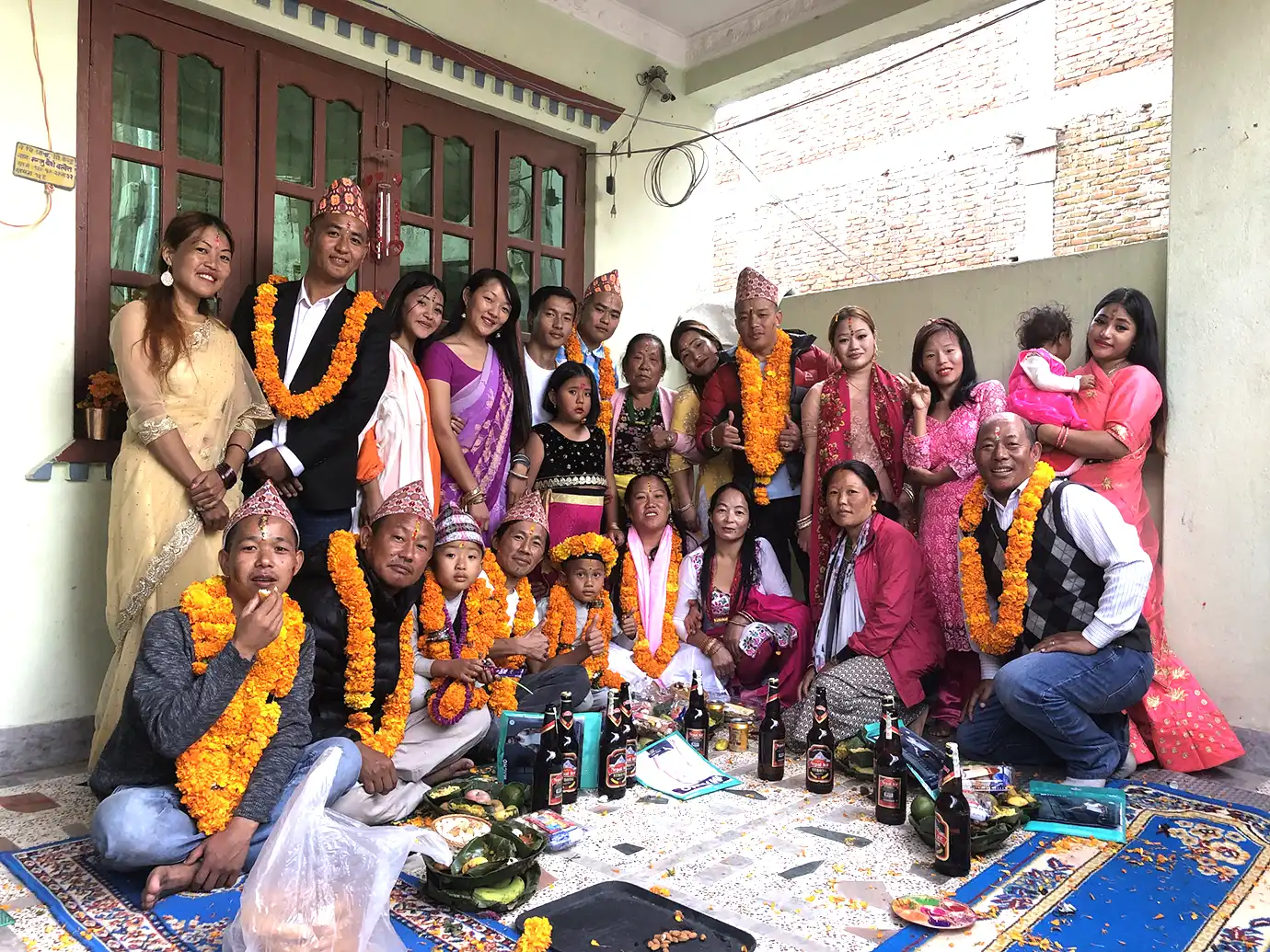
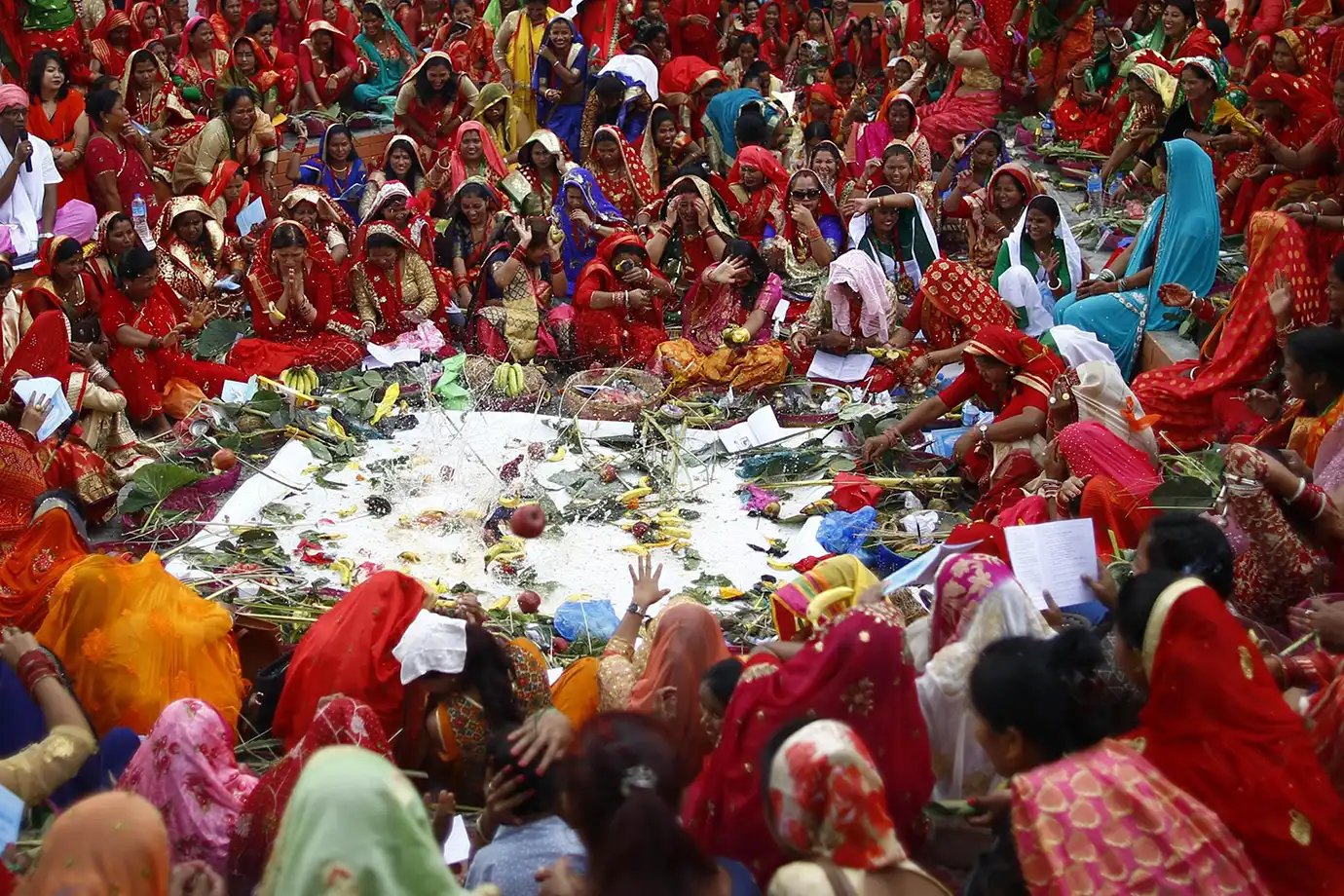
Every household glows with diyos (oil lamps) and string lights, while flowers decorate the house. At this festival, Nepali Hindus honor the goddess Laxmi, siblings, and even animals such as crows, dogs, cows, and oxen. Teej (August/September) is another Hindu festival celebrated by women, during which they wear red saris and fast for the long lives of their husbands. On this day, women in red saris can be seen dancing and singing in groups in temples and parks, celebrating the festival with joy and harmony.
In Maha Shivaratri (February/March), a crowd of yogis and devotees visits the Pashupatinath temple to pray and worship Lord Shiva, as this day is the day of Lord Shiva. People stay by the bonfire letting it burn all night, and sing, dance, and eat around it. Participating in these festivals gives travelers a firsthand experience of Nepal’s vibrant, joyous spiritual rhythm.
Buddhist heritage in Nepal
Birthplace of Lord Buddha
Nepal is the birthplace of the founder of Buddhism, Lord Siddhartha Gautama, the Buddha. In Lumbini, travelers can visit the sacred garden, now the Maya Devi temple, where Queen Maya Devi gave birth to him in 623 BC. The site is surrounded by many monasteries from around the world, creating a serene atmosphere suited for meditation. A walk around the sacred Ashoka Pillar and the tranquil pond immerses travelers in a deep contemplation about Buddha’s message of peace.
Tibetan Buddhism in Nepal
Tibetan Buddhism shapes much of life in Nepal, especially after the 1950s, when many Tibetan refugees settled here. The Kathmandu Valley hums with their presence, particularly around Boudhanath Stupa and Swayambhunath. Monks in crimson robes chant inside gompas while prayer wheels turn steadily by hand. Bright flags ripple across rooftops and hills, carrying mantras on the wind. Farther north, in Mustang and the Everest region, the faith touches every part of daily life. Streams spin water-powered prayer wheels, stone chortens mark the trails, and the mountains seem to breathe with a quiet spiritual rhythm that people can feel more than see.
Major Buddhist Festivals
The Buddhist celebration in Nepal immerses travelers in a vivid sense of tranquility and peace, showcasing the harmony among the Nepalese people. Buddha Jayanti (April/May) is a special festival, celebrated to honor the birth, enlightenment, and death of Gautam Buddha on a full moon day. Devotees visit monasteries and light up lamps and incense to offer their prayers. Another major Buddhist festival is Lhosar.
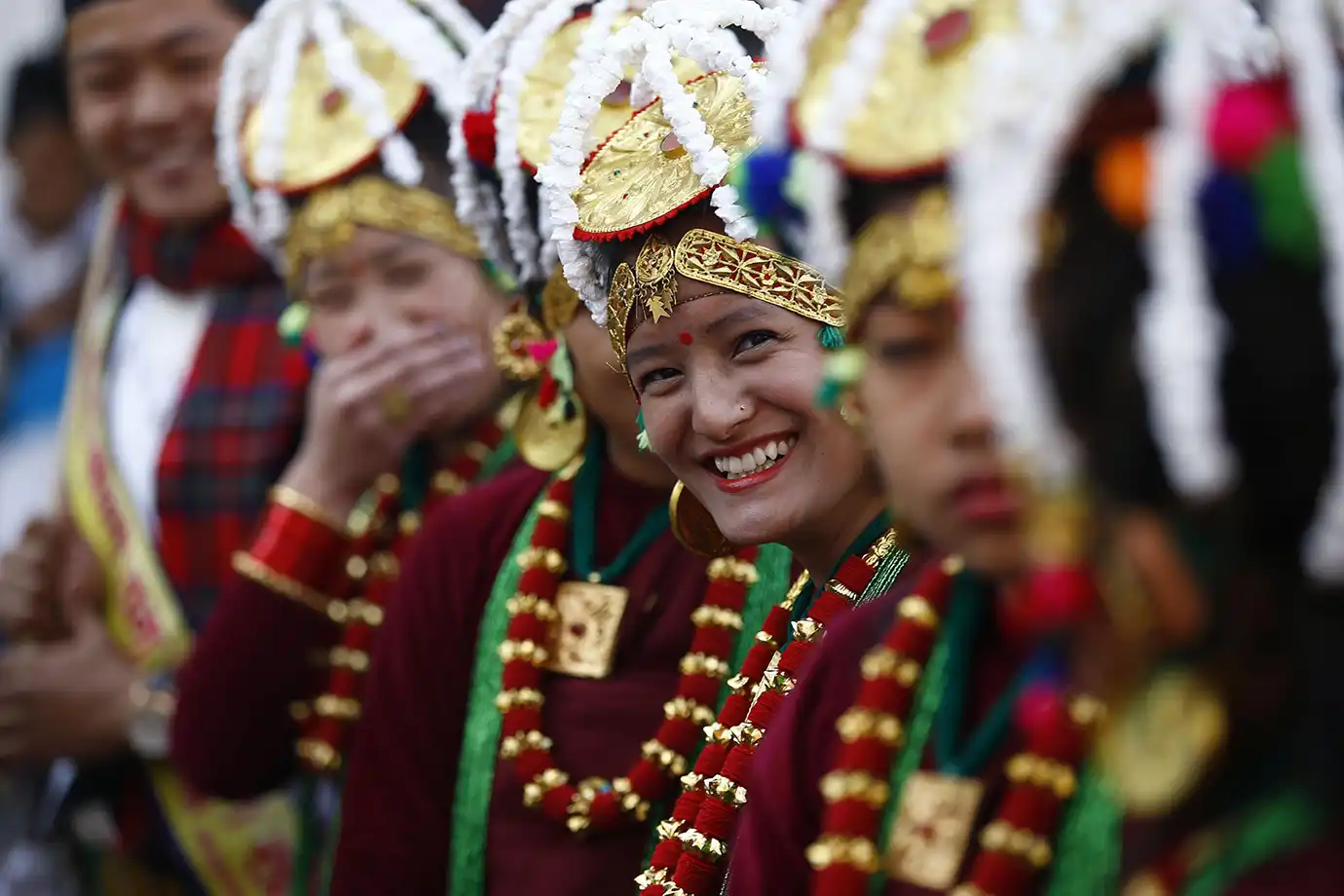
Lhosar is a vibrant Buddhist festival that marks the start of a new Tibetan year. On this day, Buddhists gather to celebrate by dancing, singing, performing various rituals, and having a feast. Each ethnic community, such as the Sherpas and Tamangs, has its own new year tradition. In the Everest region of Nepal, Buddhists celebrate the Mani Rimdu festival (October/November), especially at monasteries such as Tengboche Monastery. Monks perform masked dances reenacting the Buddhist legends, high in the mountains.
Daily Life in Nepal: What Travelers Experience
Life in Nepal moves with its own gentle rhythm. Each morning, temple bells ring as residents pause to offer marigolds or a pinch of rice before starting the day. Markets come alive quickly, with vendors shouting and selling vegetables, spices, and steaming milk tea. Families gather around Dal Bhat twice a day, rice and lentils filling bowls, while hosts encourage guests to eat more. Hospitality runs deep. Visitors to Nepali homes often get the best seat and a soothing cup of tea. Children move through lessons in crisp uniforms, while farmers tend terraced fields by hand. Watching this, travelers see a society where tradition and community guide daily life, and the connection to the land keeps it all alive.
Traditional Arts, Crafts, and Skills
Nepal has a long and profound history of arts and crafts. Travelers can see them in every corner of the country. In Patan, travelers can see metalworkers crafting bronze statues of gods and goddesses using the lost-wax technique, passed down from generation to generation. In Bhaktapur, wood carvers can be seen carving the intricate patterns for temple windows and doors, keeping the Newar craftsmanship alive to this day.
Around Boudhanath, travelers can see Tibetan thangka paintings depicting mandalas in detail on cotton canvases. In rural weaving cooperatives, local women hand-weave geometric patterns on Dhaka fabric before sending it to tailors. These tailors then make traditional clothing from the fabric. If the travelers want, they can visit a workshop and learn to craft clay pots in the pottery square of Bhaktapur or try block printing on cloth. Every small act of travelers, whether it be watching, learning, or supporting, helps to keep these arts and crafts thriving in the future, too.
Cultural Etiquette for Visitors
Showing proper respect to the local customs and people makes your trip in Nepal even more culturally rich. Remember to dress modestly (covering the shoulders and knees) in villages and religious places like temples. Remove your shoes when entering temples or the home at the door. Always use your right hand or both hands to give or accept items. The left hand is considered unclean and rude, so avoid using it.
Travelers can use local greeting phrases like “Namaste”, pressing the palms together, instead of a handshake, locals feel more appreciative this way. Do not point your feet towards a religious altar or statue. Public displays of affection are very uncommon in Nepal, and some locals frown upon them, so keep them to a minimum or be discreet. Following local customs and respecting them can make your trip culturally enriching, as locals will offer warmer hospitality, with smiles and a positive attitude.
Best Time for Nepal Cultural Tour
If you want your visit to be culturally enriching and meaningful, plan it around the festivals. Autumn, from September to November, has a pleasant climate with major festivals like Dashain and Tihar. Spring, from March to May, has mild temperatures, and the flora flourishes in the hills. Festivals such as Buddha Jayanti (Wesak) and Holi also fall in this season. Winter, from December to February, offers crisp, refreshing air, clearer skies, and clear views of the magnificent Himalayas.
This season, there are fewer crowds at the cultural sites so that you can tour them in a peaceful atmosphere. In Monsoon summer, from June to August, heavy rainfall occurs, disrupting outdoor excursions and obscuring views of the mountains. Even so, travelers can also watch local people gather to plant rice stalks in a fun, joyous atmosphere. This season also has some local fairs, such as Teej and Gai Jatra, that fall during it. It doesn’t matter what time of year you visit; the early mornings and the evenings remain the best times to visit local temples, cultural heritage sites, and stroll through the markets.
Suggested Cultural Tour Itineraries
Planning the right activities with an appropriate schedule makes your Nepal Cultural tour more meaningful. Consider the following itinerary idea while planning your trip:
- 5-7 Day Cultural Highlights: For a 5–7-day trip, focus on touring the Kathmandu Valley. Spend a few days touring the durbar squares (Kathmandu Durbar Square, Patan Durbar Square, and Bhaktapur Durbar Square) with a local licensed guide. Walk the Kora around Boudhanath at dawn the next day, and visit Pashupatinath temple in the evening to observe the evening aarti. After that, take a day trip to Nagarkot or Dhulikhel to observe the village life and the views of the Himalayas. This trip doesn’t cover all aspects of Nepal’s culture, but it still offers a rich introduction to the country’s cultural heritage and city life.
- 10-14 Day Deep Cultural Tour: This tour will expand your exploration beyond the Kathmandu Valley. After visiting and exploring the sites in Kathmandu valley, travel to Lumbini, the birthplace of Gautam Buddha. From there, continue to Bandipur, a village at the top of a hill that preserves centuries-old Newar architecture. Spend a night or two there in a homestay near the Annapurna foothills. You will experience the hospitality of the local Gurung and Magar communities here. After that, if you desire, include a trip to Chitwan or Bardia for a Tharu cultural program and a wildlife safari in the national park. With this itinerary, you get a balance of city, village, and wildlife experiences.
- Cultural Tour with Light Walks: For frequent travelers, combining the cultural tour with easy hikes offers a more dynamic experience. For example, after touring Kathmandu for several days, go on a short 2-3-day hike along the rim of the Kathmandu Valley or in the Annapurna region. Stay in teahouses in mountain villages, interact with your hosts (Sherpa or Tamang), and observe the lifestyle in the rural areas. This itinerary offers a unique blend of cultural and rural experiences, making this trip even more memorable.
Responsible Cultural Tourism
Responsible travel helps protect and preserve Nepal’s cultural heritage. You can support community-based tourism initiatives by choosing to stay in local homestays or social enterprise hotels that invest in encouraging local people. For souvenirs, instead of mass-produced ones, buy handicrafts from artisans directly when possible. Always ask for permission before entering a shrine or taking part in a ritual, as some ceremonies or spaces are private.
Avoid giving out sweets or money to children; this encourages begging. Instead, if you want, you can donate them to a local school or clinic. Be mindful of photography, as cameras should remain off during some sacred ceremonies. By showing respect and spending your money ethically, you help the local communities to truly benefit and feel proud to share their skills, crafts, and traditions with outsiders.
Conclusion: Culture as a Living Experience
Travelers can observe Nepal’s culture in every aspect of their surroundings. The laughter of people during festivals, the taste of a home-cooked dal bhat, chants of monks and priests in monasteries and temples, the intricate handicrafts and paintings showcased in the lively market, etc., every piece of these all has Nepali culture in them. This tour goes beyond sightseeing monuments; it creates a special bond between you, the people of this culture, and the centuries of heritage.
You leave Nepal not just with photographs but with stories and memories of the people you met and new teachings you learned. This Nepal Cultural Tour offers a unique opportunity to connect with the country’s century-old culture and heritage, leading to meaningful connections and memories. In Nepal, you see the culture and tradition beyond the museum walls and are welcomed as an honored guest to be a part of its ongoing story.
Festival Calendar 2026-2027
| Festival (Major) | 2026 Date(s) | 2027 Date(s) |
| Losar (Tibetan New Year) | Feb 18, 2026 | Feb 7, 2027 |
| Holi (Color Festival) | Mar 2, 2026 | Mar 22, 2027 |
| Nepali New Year (Bisket) | Apr 14, 2026 | Apr 14, 2027 |
| Buddha Jayanti | May 1, 2026 | May 12, 2027 |
| Teej (Women’s Festival) | Sep 14, 2026 | Sep 4, 2027 |
| Indra Jatra (Yenya) | Sep 25, 2026 | Sep 14, 2027 |
| Dashain (Durga Puja) | Oct 10, 2026 | Oct 29, 2027 |
| Tihar (Diwali) | Nov 8–12, 2026 | Oct 29–31, 2027 |
Q: Do I need to speak the local language to enjoy a cultural tour?
A: No. In Nepali cities and tourist areas, locals can communicate with you in English. Though learning a few greeting phrases like “Namaste” adds warmth to interactions, language does not provide any cultural experience.
Q: Is Nepal safe for cultural travelers and families?
A: Yes. Nepalese society values guests and treats them with hospitality. Travelling with your guide and in a small group also further ensures your safety and comfort. Also, use common sense, like back at home, such as being careful in crowded areas.
Q: Which festivals should visitors experience?
A: Dashain and Tihar, the most significant nationwide festivals, offer excellent insight into Nepali culture. In Kathmandu, Indra Jatra offers spectacular street processions. Holi (the color festival) brings fun, interactive celebrations. Time your trip around any of these for an unforgettable experience.
Q: Can travelers participate in local festivals or rituals?
A: Many public celebrations openly welcome respectful tourist participation. For example, foreigners often join the color throwing during Holi or watch the chariot pulls at Indra Jatra. But be sure to follow locals’ lead and ask before entering the temple.