

Based on 4 reviews

Rolwaling Valley Trek
Explore Nepal’s Hidden Alpine Paradise

Duration
12 Days

Meals
- 11 Breakfast
- 10 Lunch
- 10 Dinner

Accommodation
- 2 nights hotel
- 9 nights eco-lodge

Activities
- Trekking
- Scenic Drive
- Sightseeing
SAVE
US$ 280Price Starts From
US$ 1400
Overview of Rolwaling Valley Trek
The Rolwaling Valley Trek offers an unparalleled trip into one of Nepal’s most secluded and majestic alpine valleys. Nestled between the Everest and Langtang regions, this trek provides a pristine landscape that few can explore. The valley, often cloaked in myths and home to the mystical Gauri Shankar, presents a challenging yet rewarding experience for intrepid trekkers.
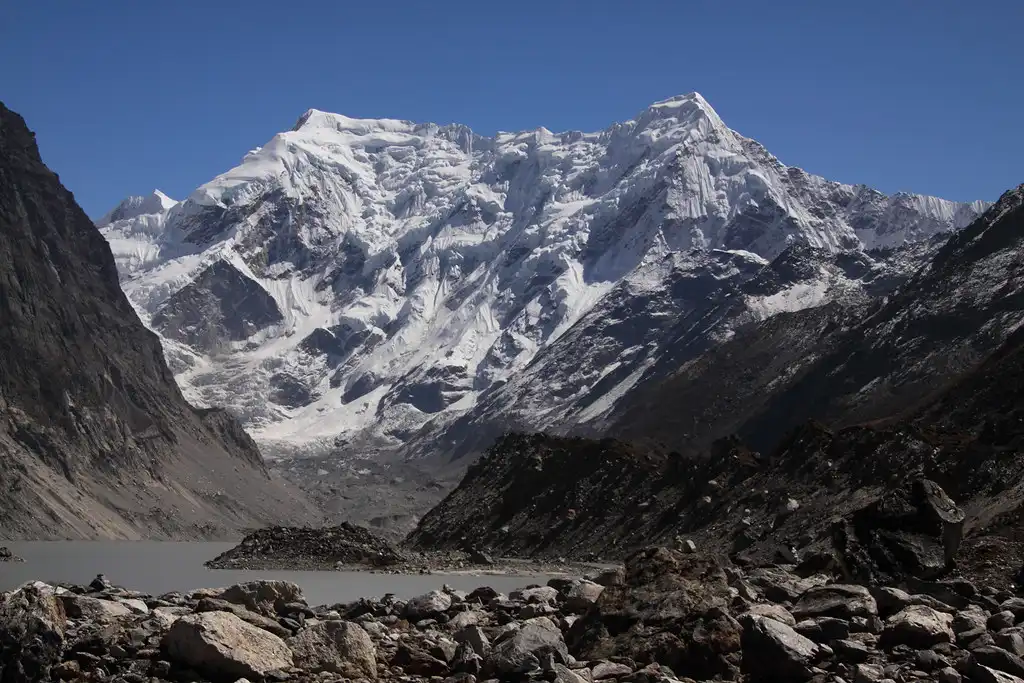
This trek stands out with its striking vistas, ranging from lush forests and serene alpine pastures to imposing glaciers and high mountain passes. The Rolwaling Valley trek itinerary often includes traversing the challenging Tashi Lapcha Pass, combining adventure and spectacular natural beauty.
Rolwaling Valley Trek Highlights
- Remote Splendor: Discover the untouched beauty of Nepal’s hidden Rolwaling Valley, far from the well-trodden paths frequented by most trekkers.
- Diverse Landscapes: Traverse various environments, from vibrant rhododendron forests and peaceful alpine meadows to imposing glaciers and challenging mountain terrains.
- Tashi Lapcha Pass: Conquer the formidable Tashi Lapcha Pass, offering breathtaking vistas and a heart-pounding trek at high altitude.
- Cultural Immersion: Engage with the local Sherpa communities, experiencing their rich cultural heritage and daily practices rooted in Tibetan Buddhism.
- Na Village: Relax in Na Village, a tranquil haven ideal for shorter excursions and spectacular mountain views, including the majestic Gauri Shankar.
- Gauri Shankar Views: Capture the awe-inspiring sights of Mt. Gauri Shankar, which are considered sacred and a constant, magnificent presence along the trek.
- Biodiversity: Observe the diverse flora and fauna of the region, including the elusive snow leopard, amidst the rich ecosystems of the Rolwaling Valley.
Besides being a physical trek, the Rolwaling Valley Trek also explores cultures. The trail moves past distant villages where the primitive Sherpa culture remains uncorrupted by city life and heavy-footed hikers. Truly welcoming people make this walk an exciting way to learn about a way of life marked by the equilibrium between a violent nature and a high-altitude existence.
Detail Itinerary of Rolwaling Valley Trek
Day 1: Arrival in Kathmandu (1,400m/4,592ft) – Hotel Transfer and Trek Briefing
The moment you touch down at Kathmandu, the bustling center of Nepal, Tribhuvan International Airport will have a friendly representative from Peregrine Treks and Tours waiting to receive you. They will then assist you in moving to your hotel, thus making it easier for you to start your trek comfortably.
After settling into your hotel, you’ll attend a trek briefing where you’ll meet your guide. This session is essential for reviewing the Rolwaling Valley Trek itinerary, discussing safety protocols, and addressing any questions about the adventure ahead. It’s a necessary step in mentally and physically preparing for the trek.
With the briefing complete, the rest of the day is yours to enjoy. You can explore Kathmandu’s vibrant streets, visit some of the city’s cultural landmarks, or relax at the hotel, allowing yourself to unwind before the trek begins.
Accommodation: The Everest Hotel
Meals: Not Included
Day 2: Drive from Kathmandu to Shigati (1,020m/3,346ft) – 7 to 8 Hours Drive
Your day starts with an early breakfast in Kathmandu, preparing you for the trek to Shigati. Leaving the city’s lively streets behind, you’ll set off on a scenic drive. The road meanders through the verdant hills of the Kathmandu Valley, offering beautiful views of terraced fields and charming villages.
As you continue, the scenery shifts, revealing the more rural heart of Nepal. The drive provides a glimpse into the everyday lives of the locals, with farmers working their fields and children playing in the villages. This peaceful rural setting offers a refreshing contrast to the urban buzz of Kathmandu.
After spending about 7 to 8 hours on the road, you’ll arrive in Shigati, a small village perched on the edge of the Rolwaling Valley. Shigati serves as the official starting point of your trek. The village’s simplicity and tranquility provide a perfect place to relax after a long drive and prepare for the trek ahead.
Once in Shigati, you’ll settle into a local teahouse for the night. This evening, take the opportunity to organize your gear and ensure everything is ready for the next day’s trek. Shigati’s peaceful surroundings create an ideal environment for rest and acclimatization before you begin your trek.
Accommodation: Local Lodge
Meals: Breakfast, Lunch, Dinner
Day 3: Trek from Shigati to Simigaun (2,000m/6,562ft) – 5 to 6 Hours Trek
Today, your trekking adventure truly begins as you set out from Shigati toward Simigaun. The trail initially follows the Tamakoshi River, where the sound of the flowing water accompanies your trek into the wilderness. You’ll wind through dense forests, alive with greenery and the calming sounds of nature, creating a refreshing start to your day.
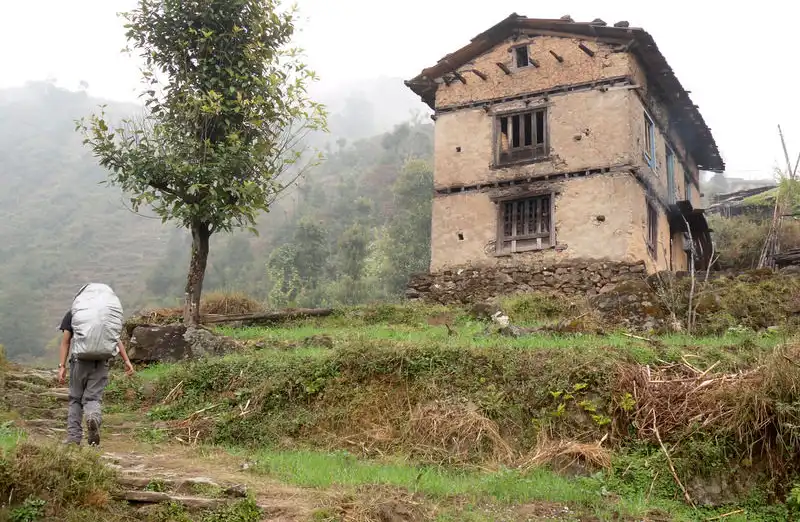
As you move forward, the path takes you through several small, picturesque villages. These villages, with their traditional homes and terraced fields, offer a glimpse into the fulfilling lives of the local communities. The villagers, known for their warmth, often greet you with friendly smiles, making the ascent feel more personal and rewarding.
The terrain gradually becomes steeper, making the trek more challenging. Each step upward requires effort, but the unfolding views of rolling hills and distant mountains make the trek worthwhile. With every gain in altitude, the scenery becomes even more expansive, leaving you with a deep sense of accomplishment and wonder.
After 5 to 6 hours of trekking, you’ll arrive in Simigaun, a Sherpa village perched high on a ridge. Simigaun serves as an ideal resting spot for the night, with its traditional homes and stunning views of the surrounding landscape. The village’s elevated location offers a peaceful setting to relax and recharge, overlooking the valley below as you prepare for the next day’s trek.
Accommodation: Local Lodge
Meals: Breakfast, Lunch, Dinner
Day 4: Trek from Simigaun to Kharka (2,900m/9,514ft) – 6 to 7 Hours Trek
Your Rolwaling Valley Trek continues as you leave Simigaun and head toward Kharka. You start the day trekking through dense rhododendron forests, where the vibrant colors and rustling leaves create a calming atmosphere. As you move along the trail, you cross several small streams, enhancing the serene trekking experience in one of Nepal’s most remote areas.
As you trek, the landscape gradually changes. The lush forests give way to open spaces, and the towering peaks of the Himalayas appear on the horizon. The higher altitude becomes noticeable as the air cools and the vegetation thins, signaling your approach to Kharka. This high-altitude pasture, where local herders bring their livestock, uniquely contrasts the dense forests you just traversed.
Today’s trek requires steady effort, especially as you gain altitude, but the stunning scenery at every turn makes it worth the challenge. Now clearly visible, the distant peaks provide an awe-inspiring backdrop as you draw closer to your destination. The sense of solitude and the raw, untouched beauty of the Rolwaling Valley Trek become even more apparent as you ascend higher into this isolated region.
After 6 to 7 hours of trekking, you reach Kharka, where you will establish your camp for the night. The serene atmosphere that abounds here is one thing that makes it a perfect place to camp. The expansive pastures have excellent visibility for a better view of the surrounding mountains. When night falls, and the stars start filling the sky, you can feel the peace in this part of the Himalayas while preparing for another day of wandering across the Rolwaling Valley Trek.
Accommodation: Local Lodge
Meals: Breakfast, Lunch, Dinner
Day 5: Trek from Kharka to Beding (3,700m/12,140ft) – 5 to 6 Hours Trek
You continue your Rolwaling Valley Trek as you move from Kharka to Beding, one of the largest and most important settlements in the Rolwaling Valley. The day begins with a trek through vast alpine meadows, where the open landscape provides clear views of the surrounding peaks. Along the trail, you pass ancient mani walls carved with Buddhist prayers and mantras, adding a spiritual touch to your walk.
As you advance, the majestic Gauri Shankar, one of the region’s most revered mountains, becomes increasingly dominant. The sight of this towering peak, along with other nearby mountains, creates a breathtaking backdrop. The trail is less demanding than the previous day’s, but the rising altitude serves as a reminder of the challenges ahead.
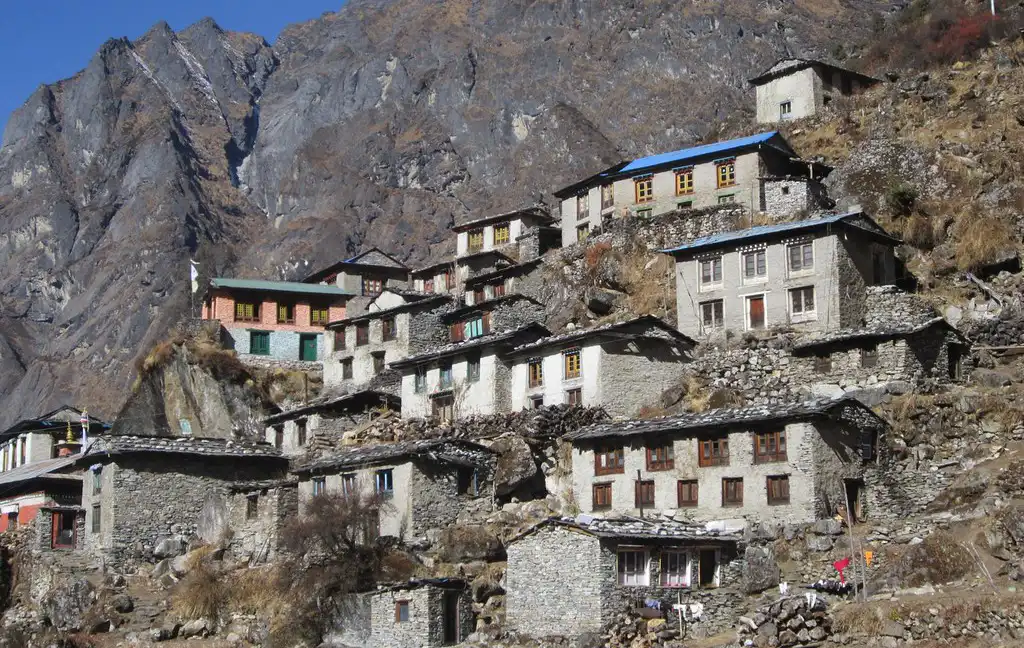
Approaching Beding, you notice a shift in the environment. The valley narrows, and soon you see the village, nestled between towering cliffs and peaks. Beding, with its traditional stone houses and fluttering prayer flags, presents a picturesque and welcoming scene. This village is a significant stop on the Rolwaling Valley Trek, offering insight into the Sherpa culture in this remote area.
Come to Beding after hiking for five or six hours; you will sleep in a local teahouse. The teahouse’s comfort and the beautiful mountains surrounding the village create an ideal place to rest and think over the day. While staying in Beding, you feel proud to have come to such a remote area of Rolwaling Valley; simultaneously, you want to know what comes next during this fantastic trek.
Accommodation: Local Lodge
Meals: Breakfast, Lunch, Dinner
Day 6: Acclimatization Day in Beding (3,700m/12,140ft)
In Beding, today is made only for acclimatization and your higher altitude adjustment. This rest day is crucial so that you can prepare well for heights.
You can have a short hike around the village, which offers spectacular views of the surrounding peaks and the natural beauty of Rolwaling Valley up close. Otherwise, you may visit a local monastery to grasp the spiritual side of Sherpa culture.
If you are looking for a more relaxed day, enjoy the mountain scenery from the village. Relaxing today will assist your body in acclimatizing correctly, which is vital to ensuring success and safety during the remaining parts of your trek.
Accommodation: Local Lodge
Meals: Breakfast, Lunch, Dinner
Day 7: Trek from Beding to Na (4,200m/13,780ft) – 4 to 5 Hours Trek
So, after spending one whole day in Beding to get used to the weather, your Rolwaling Valley Trek proceeds to Na, the highest permanent place in the valley. The road becomes an inclined path, allowing you to breathe as you begin to feel better with increasing altitude while visualizing the ranks of huge mountains surrounding you on both sides and an empty sweeping expanse below. While ascending upward towards them, more extreme sights within this picturesque region gradually reveal themselves.
The path winds through alpine meadows and passes ancient mani walls adorned with Buddhist prayers, adding a spiritual element to your trek. The views grow more spectacular as you approach Na, with towering mountains creating a majestic backdrop to the valley. This stretch of the trek stands out for its sense of isolation and the raw beauty of the landscape, making it particularly memorable.
After trekking for 4 to 5 hours, you arrive in Na, a serene village at the foot of towering peaks. With only a few teahouses and lodges, Na provides a peaceful and quiet place to spend the night. The village’s simplicity and stunning natural surroundings offer the perfect environment for relaxation and reflection.
Once you settle in Na, you can explore the surrounding area with short hikes that offer even more incredible views of the valley and nearby mountains. This tranquil setting allows you to rest and recharge, preparing yourself for the higher altitudes and more challenging treks that await on the Rolwaling Valley Trek.
Accommodation: Local Lodge
Meals: Breakfast, Lunch, Dinner
Day 8: Trek from Na to Tso Rolpa (4,580m/15,026ft) – 6 to 7 Hours Trek
Next in line for your Rolwaling Valley Trek is Tso Rolpa, one of Nepal’s most beautiful glacial lakes. The path from Na to Tso Rolpa rises slowly but surely, tracing the path of the Rolwaling River as it curves around the valley. With increasing elevation, our surroundings are considerably rugged, characterized by rocks scattered about and glacial moraines.
As you trek, the views of the surrounding peaks grow increasingly imposing, creating a dramatic backdrop as you approach the lake. The trek is challenging, but every step brings you closer to the turquoise waters of Tso Rolpa. Reaching the glacial lake, surrounded by snow-capped mountains, is often considered the pinnacle of the Rolwaling Valley Trek, a moment many trekkers cherish.
After trekking for 6 to 7 hours, you reach the shores of Tso Rolpa. The lake’s serene, almost otherworldly beauty contrasts sharply with the rugged landscape surrounding it. The deep turquoise waters, framed by towering snow-covered peaks, create a breathtaking scene that will leave a lasting impression.
You’ll camp near the lake and spend the night under the stars. The remote location and stunning scenery offer a perfect opportunity for reflection and relaxation. Resting by the edge of Tso Rolpa, you’ll be enveloped by the tranquility and majesty of the Himalayas, marking another unforgettable day on the Rolwaling Valley Trek.
Accommodation: Local Lodge
Meals: Breakfast, Lunch, Dinner
Day 9: Trek from Tso Rolpa to Dongang (2,790m/9,154ft) – 5 to 6 Hours Trek
After a memorable night at Tso Rolpa, you descend the valley, retracing your steps along the Rolwaling Valley Trek. The trail takes you back through the familiar paths of Na and Beding, offering a new perspective on these charming villages. As you descend, the pace of the trek quickens, but the constantly changing landscapes keep the trek engaging.
The descent allows you to appreciate the terrain in a new light as you move from the high-altitude environment near Tso Rolpa to lower elevations. The towering peaks gradually fade into the background while the lush greenery of the valley starts to reappear. The diverse scenery, shifting from rocky outcrops and glaciers to alpine meadows and forests, makes the trek visually rewarding and stimulating.
After hiking for 5 to 6 hours, you arrive at Dongang, where you will spend your night. The peaceful and calm environment at Dongang is ideal for resting and recollecting what happened during the day. Although it would take less time to descend, such diverse sceneries on Rolwaling Valley Trek will remain in memory.
Accommodation: Local Lodge
Meals: Breakfast, Lunch, Dinner
Day 10: Trek from Dongang to Gongar Khola (1,430m/4,690ft) – 5 to 6 Hours Trek
Today, the Rolwaling Valley Trek continues as you return to Gongar Khola. The trail leads you further down the valley, providing one last opportunity to appreciate the natural beauty of this remote region fully. As you descend, you pass through lush forests, where the sound of the river and the rustling leaves create a peaceful contrast to the rugged terrain of the higher altitudes.
The trek also involves crossing several rivers, where bridges and stepping stones add a touch of adventure. Each crossing provides a unique view of the valley, reminding you of the diverse landscapes you’ve experienced throughout the trek. The gradual descent lets you savor these final moments in the Rolwaling Valley, appreciating the tranquility and raw beauty that define this trek.
After a 5-6 hour hike, you’ll reach Gongar Khola, where you’ll spend your last night in the Rolwaling region. By the river lies Gongar Khola, which makes an appropriate end to this valley. In bed, you think about all those wonderful things that happened during your trekking adventures and how beautiful things are over there as you just walked away from one of the farthest lands of Nepal.
Accommodation: Local Lodge
Meals: Breakfast, Lunch, Dinner
Day 11: Drive from Gongar Khola to Kathmandu – 7 to 8 Hours Drive
You begin your day with breakfast in Gongar Khola before setting off on the scenic drive back to Kathmandu. As you depart from the Rolwaling Valley, the road takes you through the beautiful landscapes that have accompanied you throughout your trek. The winding mountain roads provide stunning views of terraced fields, lush hillsides, and traditional Nepali villages, offering one last glimpse of this region’s rural charm.
The 7 to 8-hour drive gives you time to relax and reflect on the trek. Each turn in the road reveals new vistas, from cascading rivers to distant mountain peaks, reminding you of the diverse and breathtaking scenery you experienced on the Rolwaling Valley Trek. This drive back to Kathmandu serves as a peaceful moment to absorb the memories and let the experiences of the past days settle in.
Once you arrive in Kathmandu, you check into your hotel and take the opportunity to unwind after the long drive. The city’s comfort contrasts with the trek’s ruggedness, providing a space to reflect on the incredible trek you’ve just completed. Whether you choose to explore more of Kathmandu or rest, the memories of the Rolwaling Valley Trek will remain a cherished part of your trek in Nepal.
Accommodation: The Everest Hotel
Meals: Breakfast, Lunch, Dinner
Day 12: Final Departure from Nepal or Extension Trip
A Peregrine Treks and Tours representative will assist you with your transfer to Tribhuvan International Airport for your onward flight. As you prepare to leave Nepal, you reflect on the unforgettable experiences of your trek and the stunning natural beauty you’ve encountered during your stay.
If you choose to extend your trip, Nepal offers a range of exciting options. You can explore the rich wildlife of Chitwan National Park on a safari or opt for cultural tours in Bhutan or Tibet. Each extension provides unique experiences, allowing you to delve deeper into the region’s diverse landscapes and cultures.
Meals: Breakfast
Customize this trip with help from our local travel specialist that matches your interests.
Includes & Excludes
What is included?
- Accommodation in the best available lodges with all meals (breakfast, lunch, and dinner) during the Rolwaling Valley Trekking
- Ground transportation in private vehicles as per the itinerary
- City tour guided by an experienced tour guide as outlined in the itinerary
- Entrance fees for all sightseeing activities included in the itinerary
- Experienced English-speaking guide (or other languages upon request) and an assistant guide for groups of more than five trekkers
- One porter provided for every two trekkers
- Salaries, insurance, accommodation, and meals for guide, porter, and necessary staff (airfares included if required)
- Trekking bag/duffel bag, t-shirt, achievement certificate, and trekking map provided for you to keep
- Gauri Shankar Conservation Area Permit (GCAP) and TIMS (Trekkers’ Information Management System) included
- First aid medical kit or essential medicine available
- Seasonal fruits provided during the trek
- All applicable government and local taxes included
What is excluded?
- Nepal visa fees
- Charges for excess baggage
- Hotel accommodation, lunch, and dinner in Kathmandu for early arrival or late departure unrelated to the scheduled Rolwaling Valley Trekking itinerary
- International flight costs
- Travel and rescue insurance
- Personal expenses during the trek (e.g., phone calls, laundry, beverages, battery recharging, bottled/boiled water, additional porters, hot showers, pots of tea, etc.)
- Tips and gratuities for guides, porters, and drivers (tipping is appreciated but not mandatory)
Departure Dates
We also operate Private Trips.
Trip Information
Best Time to Trek in Rolwaling Valley
The Rolwaling Valley Trek provides an incredible experience in one of Nepal’s most secluded and pristine regions. Choosing the right time of year is crucial to enjoy this trek fully. The pre-monsoon (spring) and post-monsoon (autumn) seasons offer the best weather conditions and visibility, greatly enhancing your trekking experience.
Optimal Seasons for Trekking
It would be best if you did the Rolwaling Valley Trek between March (spring season) and September – November (autumn season). In spring, the valley blooms with colors as rhododendrons and wildflowers flourish, contributing to its attractive look. The temperatures are moderate throughout this time of year, while bright days present excellent opportunities for bird watching, including the sights of Gauri Shankar and other mountain peaks.
In autumn, after the monsoon rains have passed, the air turns crisp, and the skies clear up, making it ideal for trekking. This season provides stable weather and excellent visibility. Additionally, autumn allows you to experience local festivals and cultural events in the villages along the trek.
Weather Conditions and How They Impact the Trek
Understanding the weather is vital to planning a successful Rolwaling Valley Trek. In spring, daytime temperatures in the lower elevations range from 10°C to 20°C. However, temperatures drop significantly at higher altitudes, especially at night. You may still encounter snow in certain areas, notably higher elevations, so preparing for varying conditions is essential.
Autumn brings cooler temperatures, typically ranging from 5°C to 15°C at lower elevations, with much colder conditions at higher altitudes. The clear skies during this season offer breathtaking views of the Himalayan ranges, making it perfect for photography and mountain vistas. However, nights can be cold, especially near Tso Rolpa and Na, so having proper gear is crucial.
Both seasons offer relatively stable weather, reducing risks while trekking in the remote Rolwaling Valley. However, as mountain conditions can change rapidly, always check the Rolwaling Valley trek map and weather forecasts before you set out.
Difficulty Level of the Rolwaling Valley Trek
The Rolwaling Valley Trek offers a challenging and rewarding experience, drawing seasoned trekkers eager to explore one of Nepal’s most remote valleys. This guide provides insights into the trek’s difficulty, physical fitness requirements, and essential preparation tips.
Understanding the Trekking Challenges
The Rolwaling Valley trek takes you through varied terrains, including steep ascents, rugged trails, and high-altitude passes. The Tashi Lapcha Pass is a key highlight, as it rises above 5,755 meters and demands proper acclimatization. The trek’s remote nature means the paths can be less maintained, presenting additional challenges such as navigating loose rocks and occasional snowfields.
Physical Fitness Requirements
Trekking the Rolwaling Valley requires excellent physical fitness. For several months before the trek, you should regularly perform cardiovascular exercises like running, swimming, or cycling. Strength training is equally important, focusing on your legs, core, and back muscles. The better your physical fitness, the more enjoyable and manageable the trek.
Tips for Preparation and Training
- Start Early: Sign up for a training program at least six months before this excursion. It would be best to start with light intensity and gradually increase it, as well as the time spent on workouts to develop the strength and stamina needed for that specific trek.
- Hiking Practice: Incorporate long hikes into your training, ideally on varied terrain with elevation gains. Wear the boots you plan to use on the trek to break them in and avoid blisters.
- Altitude Acclimatization: If possible, train at high altitudes or use altitude training masks to simulate the conditions. This adjustment helps your body cope with the reduced oxygen levels at higher altitudes.
- Mental Preparation: Prepare mentally for the challenges you may face. Trekking can test your mental resilience as much as your physical strength, especially on tough days.
- Gear Check: Bring a good backpack, a warm sleeping bag, and clothes you can wear in layers. Study a detailed Rolwaling Valley trek map for better route planning and familiarize yourself with the trek’s key sections.
Rolwaling Valley Trek Distance and Map
Geography with altitude variations, total trek mileage, and per day hiking distance information are incorporated into the Rolwaling Valley Trekker map, which acts as a guide to trekkers wanting to make the most of their traveling experience in Nepal by visiting one of its least-known areas.
Total Trekking Distance and Daily Distances
The Rolwaling Valley Trek covers 110 to 150 kilometers, depending on the route and any additional side trips. Trekkers typically hike 10 to 15 kilometers daily, translating to about 5 to 7 hours of walking. The trek begins in Shigati and extends to the Tashi Lapcha Pass, involving several days of continuous hiking through diverse landscapes that challenge and inspire.
Overview of the Terrain and Elevation Changes
On the Rolwaling Valley Trek, you will trek through various terrains. The trek begins with lush rhododendron forests at lower elevations and progresses to stark, glacial moraines, and high mountain passes as you climb higher.
The elevation changes are significant, starting at approximately 1,020 meters in Shigati and peaking at 5,755 meters at Tashi Lapcha Pass. These elevation changes require good physical fitness and proper acclimatization, as the thinner air at higher altitudes makes walking more challenging.
Rolwaling Valley Trek Map
A detailed map of the Rolwaling Valley Trek is crucial for successful navigation and preparation. The map typically highlights key route segments, camping sites, and points of interest, including guesthouses and natural landmarks. It also outlines elevation profiles and distances between various points along the trek. For safety and convenience, carry a physical copy of the trek map, although digital versions can be helpful for pre-trek planning.
Rolwaling Valley Trekking Permit
- Gauri Shankar Conservation Area Permit (GCAP): The cost for each person is NPR 3,000.
- TIMS Card: NPR 2,000 per person. Although there is no check post, obtaining a TIMS card is recommended for your and your guide’s safety and security.
- Na Village and Chhorolpa Lake Area: The cost is USD 20.00 per person weekly.
Practical Tips and Advice for the Rolwaling Valley Trek
The Rolwaling Valley Trek presents a unique and challenging experience in one of Nepal’s most secluded regions. To fully enjoy this trek, you must be well-prepared and mindful of the environment. Here are some practical tips to help you navigate the trail responsibly.
What to Expect on the Trail
On the Rolwaling Valley Trek, you will traverse various landscapes, from lush forests and remote villages to high-altitude passes and glacial lakes. The trail can be rugged and steep in places, so good physical fitness is necessary. Expect long days of trekking, covering daily distances between 10 and 15 kilometers.
The trek involves significant elevation changes, with altitudes reaching 5,755 meters at Tashi Lapcha Pass. The weather can vary widely, so be ready for everything from warm, sunny days to cold, windy conditions at higher elevations.
Tips for Minimizing Environmental Impact
As you trek through the pristine landscapes of the Rolwaling Valley, it’s crucial to minimize your environmental impact:
- Carry In, Carry Out: Bring all your trash with you so you don’t leave it behind. Leave no waste behind on the trail.
- Use Reusable Containers: Bring a reusable water bottle and food containers to reduce plastic waste. Refill your bottle from safe water sources along the trek.
- Stick to the Trails: Stay on designated paths to avoid damaging vegetation and disturbing wildlife habitats. Off-trail hiking can cause soil erosion and harm plant life.
- Respect Wildlife: Watch animals from a safe distance and never feed them. Human food can harm wildlife and disrupt their natural behaviors.
Recommendations for Responsible Trekking
If you hike responsibly, you’ll help protect the environment and have a fun and safe time.
- Support Local Communities: Hire local people to help you and stay in local hotels to help the local economy. This approach supports the local culture and boosts the region’s economy.
- Travel in Small Groups: Trekking in smaller groups reduces environmental impact and offers a more peaceful experience on the trail.
- Follow cultural etiquette: Respect local customs and traditions. Dress modestly, especially in villages, and always ask permission before photographing people or religious sites.
Frequently Asked Questions
To begin the Rolwaling Valley Trek, you first travel to Kathmandu, the capital of Nepal. From Kathmandu, you will drive to Shigati, the starting point of the trek. The scenic drive takes about 7 to 8 hours and covers approximately 190 kilometers. As you travel, the road passes through beautiful landscapes, including terraced fields, traditional villages, and lush green hills.
Once you arrive in Shigati, the trekking route guides you through remote villages and dense forests, leading into the heart of the Rolwaling Valley. Due to the valley’s remote location, reaching it requires overland travel and several days of trekking through challenging terrain.
The Rolwaling Valley Trek spans a wide range of altitudes, beginning at around 1,020 meters (3,346 feet) in Shigati and reaching up to 5,755 meters (18,881 feet) at Tashi Lapcha Pass. The trek involves significant elevation gains, necessitating proper acclimatization to prevent altitude sickness.
Along the trek, you’ll reach critical points like Na Village at 4,200 meters (13,780 feet) and the glacial lake of Tso Rolpa at 4,580 meters (15,026 feet). Because of the high altitudes encountered on this trek, physical preparation and adequate acclimatization are essential as you ascend.
Rolwaling Valley lies in northeastern Nepal, close to the border with Tibet. The valley lies between the Everest and Langtang regions in the Gauri Shankar Conservation Area.
It is part of the Dolakha District in Bagmati Province and is surrounded by towering peaks, including the renowned Gauri Shankar (7,134 meters). The remote and pristine setting of the Rolwaling Valley Trek provides trekkers with a rare opportunity to explore a less-traveled path rich in natural beauty and cultural heritage.
Many consider the Rolwaling Valley Trek one of the most remote treks in Nepal. The valley’s isolation, challenging terrain, and limited infrastructure offer a true adventure for trekkers seeking solitude and unspoiled natural beauty.
Unlike more popular treks such as Everest Base Camp or the Annapurna Circuit, the Rolwaling Valley attracts far fewer trekkers, allowing for a more intimate and undisturbed experience. The trek’s remoteness also allows one to encounter traditional Sherpa villages and untouched landscapes, making it one of Nepal’s most authentic and rewarding trekking experiences.
Reviews on Rolwaling Valley Trek
5.0
A Remote and Serene Trek
The Rolwaling Valley Trek was the perfect escape from the hustle and bustle of city life. Peregrine Treks and Tours organized everything flawlessly, from the accommodations to the guided trek. The remote nature of the trek made it even more special, as we rarely encountered other trekkers. The natural beauty and cultural immersion were beyond my expectations. This trek is a must-do for any serious adventurer!

James Miller
London, UKIncredible Scenery and Wonderful Hospitality
I had an amazing time trekking through the Rolwaling Valley with Peregrine Treks and Tours. The scenery was absolutely stunning, with snow-capped peaks, serene lakes, and vibrant forests. The local teahouses provided comfortable accommodations, and the hospitality we received was heartwarming. This trek challenged me physically, but the reward was worth every step. I’m already planning my next adventure with Peregrine!
Maria Rodriguez
Sydney, AustraliaAn Authentic Himalayan Experience
Trekking the Rolwaling Valley with Peregrine Treks and Tours was a dream come true. The itinerary was well-planned, and the trek offered a perfect blend of adventure and cultural exploration. Our guide was experienced and shared so much about the local Sherpa culture. The views of Gauri Shankar and the Tashi Lapcha Pass were breathtaking. This trek provided an authentic Himalayan experience that I’ll never forget.
David Lee
Vancouver, Canada