

Based on 746 reviews

The Amchi’s Legacy Journey
Transcendent Mustang: Peaks, Pilgrimage & the 108 Blessings

Duration
10 Days

Meals
- 9 Breakfast
- 5 Lunch
- 5 Dinner

Accommodation
- Shinta Mani Mustang
- Dwarika Hotel
- Fishtail Lodge

Activities
- Sightseeing
- Hiking
- Scenic Drive
SAVE
US$ 3900Price Starts From
US$ 19500
Overview of The Amchi’s Legacy Journey
| Trip Detail | Information |
|---|---|
| Package Name | The Amchi’s Legacy Journey |
| Duration | 10 Days / 9 Nights |
| Destinations | Kathmandu, Pokhara, Jomsom, Marpha, Lubra, Kagbeni, Pokhara, Kathmandu |
| Main Region | Mustang, Nepal |
| Accommodation | Luxury hotels and boutique mountain lodge |
| Kathmandu Hotel | Dwarika Hotel – Deluxe Room |
| Pokhara Hotel | Fishtail Lodge – Lake-Facing Room |
| Mustang Hotel | Shinta Mani Mustang – A BENSLEY Collection – Signature Suite |
| Meals | Daily breakfast, all meals in Mustang from Days 3–7, and selected lunches/dinners as per itinerary |
| Physical Level | Easy to moderate |
| Maximum Altitude | Up to 3,800 m at Muktinath, optional |
| Trekking Style | Flexible walking options with vehicle support |
| Best Season | March to May and September to November |
| Best For | Luxury travelers, wellness seekers, culture lovers, photographers, and soft-adventure guests |
The Amchi’s Legacy Journey is a 10‑day luxury wellness and cultural odyssey that immerses you in Nepal’s sacred heritage, Himalayan wilderness, and ancient healing traditions. From the medieval courtyards of Kathmandu to the serene lakeside of Pokhara, and deep into the forbidden kingdom of Mustang, this itinerary is designed for travelers who seek silence, spirituality, and personalized luxury.
The heart of the journey is a five‑night stay at Shinta Mani Mustang – a BENSLEY Collection resort perched at 2,800m with sweeping views of Nilgiri, Annapurna, and Dhaulagiri. Here, you will trek through the Jomsom Valley with a mountaineer‑style picnic, visit apple‑laden Marpha Village for a private Thakali lunch cooked in a local home, explore 800‑year‑old Bon Buddhist settlements, and receive a personalized wellness prescription from an 11th‑generation Amchi (Tibetan medicine doctor). Each day includes spa therapies, guided cultural walks, and the freedom to choose easy or challenging routes.
Optional excursions include a pre‑dawn visit to the sacred Muktinath Temple (108 holy fountains) and a private helicopter transfer from Pokhara directly to the resort (extra cost). In case of flight cancellations due to mountain weather, a private jeep replacement is provided at no extra charge.
Your journey ends with a free day in Kathmandu for shopping, spa, or heritage walks, followed by a seamless departure transfer.
Daily Highlights of The Amchi’s Legacy Journey
| Day | Activity | Overnight |
|---|---|---|
| 1 | Arrival in Kathmandu, VIP meet and greet, private transfer | Dwarika Hotel |
| 2 | Kathmandu sightseeing and flight to Pokhara | Fishtail Lodge |
| 3 | Fly to Jomsom, welcome ritual, and Thini Village hike | Shinta Mani Mustang |
| 4 | Marpha Village, apple orchards, Thakali lunch, and Amchi consultation | Shinta Mani Mustang |
| 5 | Flexible wilderness trekking, picnic, and recovery spa | Shinta Mani Mustang |
| 6 | Jharkot, Jhong, Kagbeni, and optional Muktinath visit | Shinta Mani Mustang |
| 7 | Lubra Village, Bon Buddhist heritage, cave monastery, and wellness therapies | Shinta Mani Mustang |
| 8 | Drive to Jomsom, fly to Pokhara, and do afternoon sightseeing | Fishtail Lodge |
| 9 | Fly to Kathmandu, free day, spa, Patan walk, or shopping | Dwarika Hotel |
| 10 | Departure with private airport transfer | – |
Photo & Video Gallery
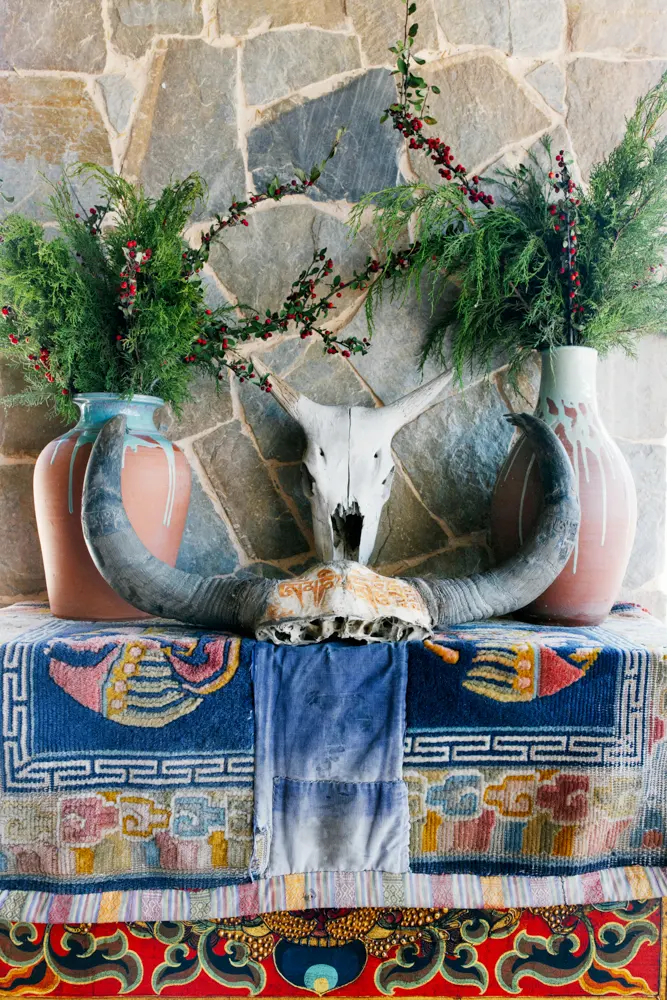
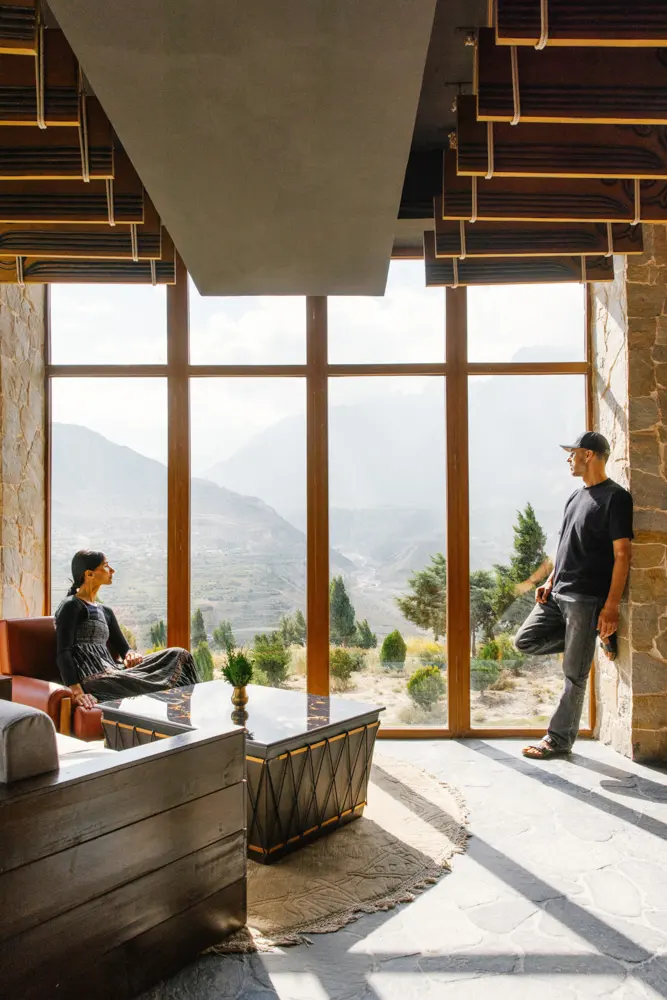
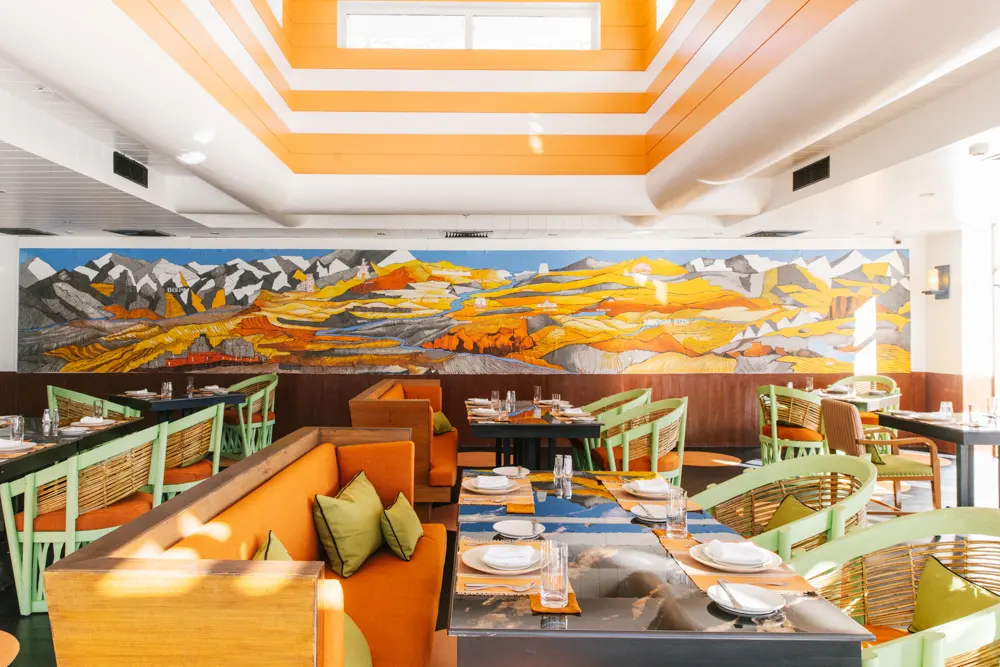
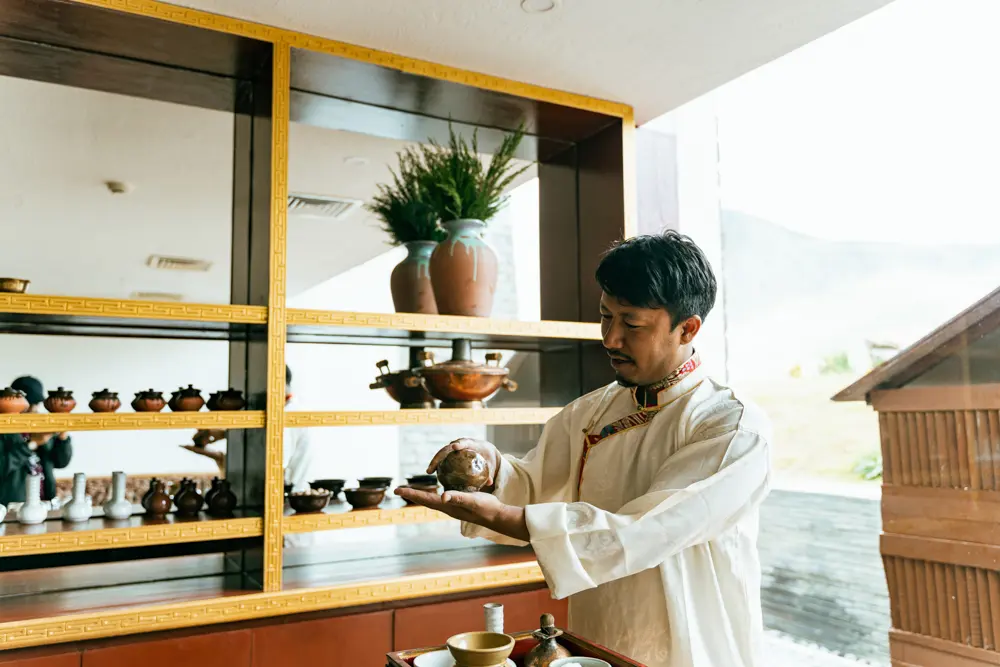
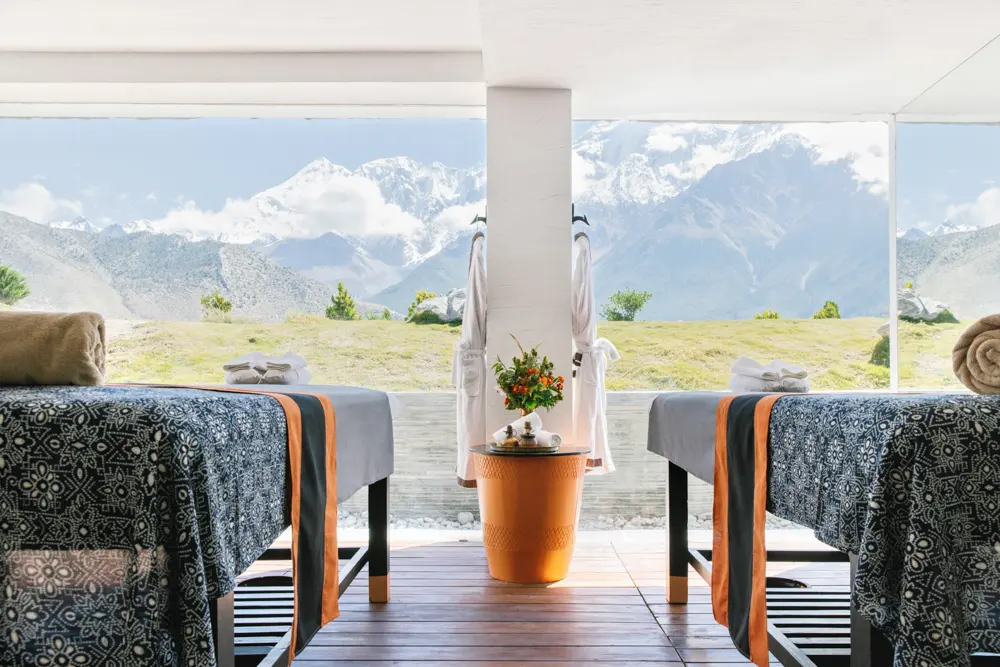
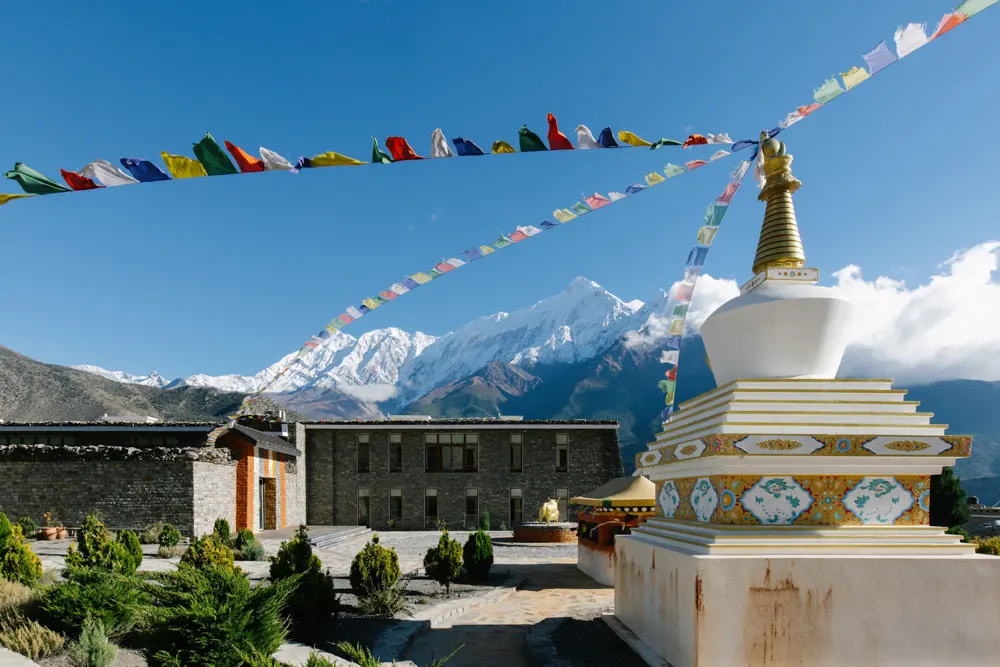
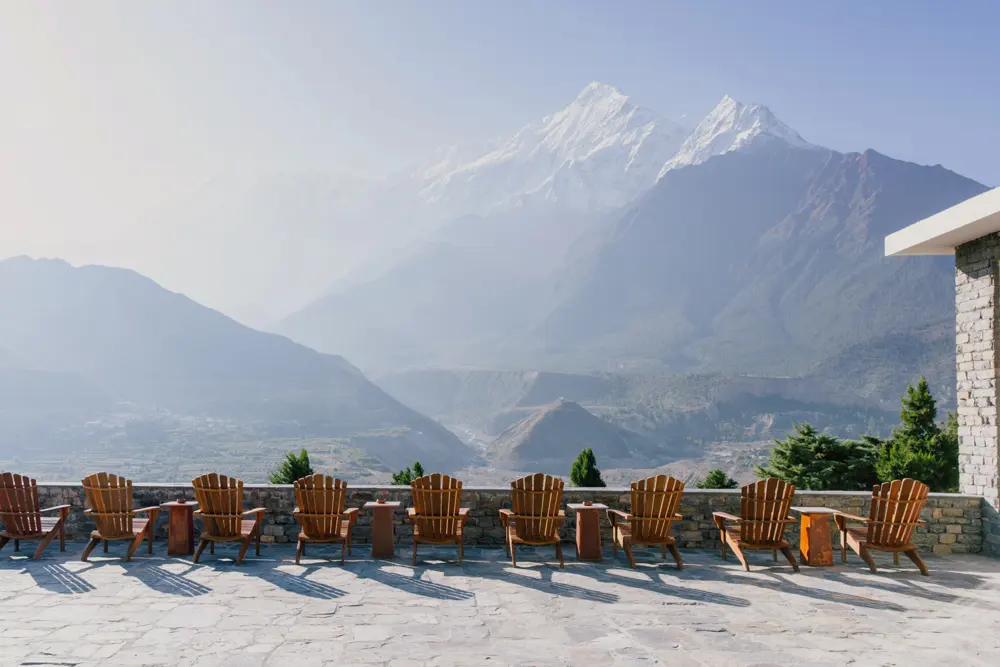
Detail Itinerary of The Amchi’s Legacy Journey
Day 1: Arrival in Kathmandu – A Heritage Welcome at Dwarika Hotel
Meals: Not included
Accommodation: Dwarika Hotel – Deluxe Room
Arrival at Tribhuvan International Airport
After clearing immigration and collecting your luggage, you exit into the arrivals hall. There, a uniformed representative greets you personally with a digital tablet displaying your name – a quiet, dignified welcome without crowds or generic placards.
Your luggage is taken in hand, and you are guided to a private, climate‑controlled luxury vehicle waiting in the parking. Inside, you’ll find chilled bottled water, organic hand wipes, and a local newspaper. The ride is silent and smooth, with noise-canceling insulation and leather seating.
Travel note: The drive to Dwarika Hotel typically takes 20–30 minutes, depending on traffic. Your chauffeur offers a brief orientation of Kathmandu’s landmarks along the way.
Arrival at Dwarika Hotel – A Living Museum
The car pulls directly into the hotel’s private porte‑cochère, shielded from the street. A doorman opens your door and welcomes you by name. You step into a courtyard that feels like a medieval Newari palace – red bricks, ancient timber struts, and the scent of jasmine and burning juniper incense.
Dwarika is not merely a hotel; it is a restored 12th‑century heritage complex, featuring rescued woodwork and bricks from old Kathmandu Valley. Every corner tells a story.
The Welcome Ritual
At the reception, you are offered a signature welcome drink – choose between a sparkling mint‑lime cooler with Himalayan pink salt or a spiced apple cider (served warm in winter, iced in summer).
While you sip, a guest relations officer briefly explains the hotel’s facilities: the award‑winning Krishnarpan restaurant, the Ayurvedic spa, and the heritage museum. Then, she personally escorts you to your Deluxe Room.
Room Check‑in – Your Deluxe Room at Dwarika
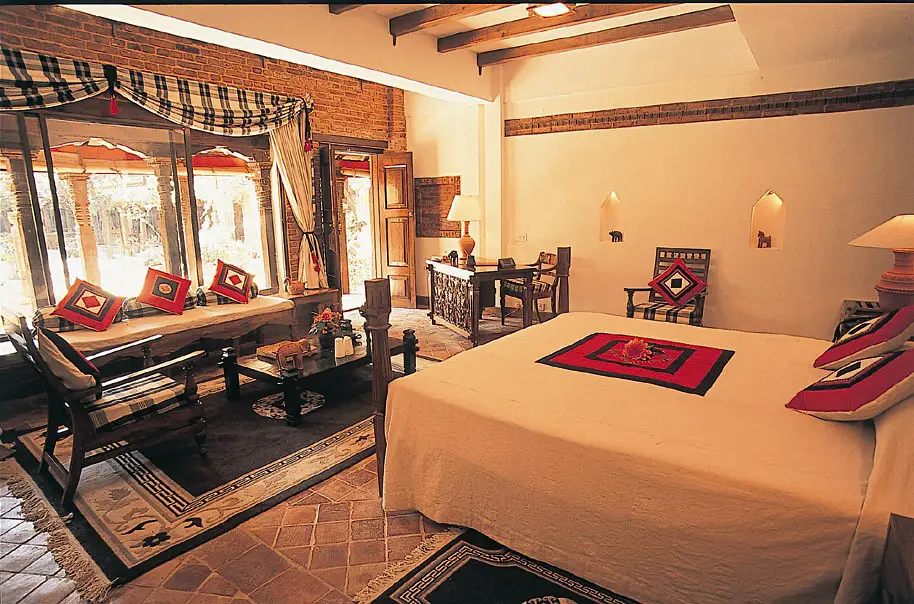
Room check‑in takes place inside your Deluxe Room
Your Deluxe Room features:
- Hand‑crafted Newari furniture – carved windows, traditional brass fittings, and a king‑size bed with high‑thread‑count Egyptian cotton linen.
- A handwritten welcome note from the general manager.
- A curated fruit basket with seasonal local fruits (lychee, mango, or Himalayan persimmon).
- Chilled non‑alcoholic sparkling cider – champagne available on request (extra cost).
- Fresh marigold flowers arranged in a traditional brass bowl.
- Pillow menu (buckwheat, memory foam, feather, or hypoallergenic).
- Heated bathroom floors with a rainfall shower and organic bath products (lemongrass & sandalwood).
- Blackout curtains and double‑glazed windows for silent sleep.
A housekeeping staff member demonstrates the key features: the Nespresso machine, the in‑room safe, and the climate control—no butler—just warm, efficient service.
The Deluxe Room overlooks either the serene courtyard garden or the historic brick terrace. Both are equally tranquil.
Afternoon at Leisure – Your Concierge Awaits
The rest of the afternoon is yours. Your personal concierge (reachable via WhatsApp +9779851052413 throughout your stay) is available for any arrangement:
- Spa booking – the Dwarika’s Spa offers a 60‑minute “Herbal Marma Massage” for jet lag relief (extra cost).
- Meditation session in the hotel’s rooftop garden overlooking the Kathmandu Valley.
- Dinner reservations at Krishnarpan (traditional Newari multi‑course tasting menu) or The Chimney (European fine dining).
- Same‑day pressing or laundry – returned within four hours.
Your concierge can also arrange a last‑minute private walking tour of nearby Thamel – exploring singing bowl shops, pashmina ateliers, and a traditional yogurt stall (guide and driver included; guide tip not included).
Included Cultural Immersion – Heritage Museum Tour
At no extra charge, you are invited to join a 30‑minute guided tour of the Dwarika Heritage Museum, led by an in‑house historian. You’ll see rescued 12th‑century wood carvings, ancient temple struts, and photographs documenting the hotel’s four‑decade restoration. Tours are offered in the late afternoon – ask your concierge for the day’s schedule.
Evening Turn‑down Service
Before you head to dinner, or while you are out, housekeeping performs a turn‑down service upon request: blackout curtains closed, lavender pillow mist sprayed, slippers placed bedside, and a glass bottle of filtered water with a silver coaster left on the nightstand.
You may also enjoy complimentary access to the hotel’s lounge, where live sitar music is played on select evenings (drinks are payable separately).
Dinner – A Choice of Culinary Excellence
Dinner is not included, but your concierge will secure a table at one of these exceptional venues:
| Restaurant | Cuisine | Experience |
|---|---|---|
| Krishnarpan (in-house) | Traditional Nepali / Newari | Multi-course dining from 6 to 22 dishes in a restored heritage setting; vegetarian and Jain options available |
| The Chimney (in-house) | European / Continental | Open kitchen with wood-fired oven, refined ambiance, and curated wine collection |
| Bhojan Griha (short drive) | Royal Nepali | Dining in a historic palace setting with a traditional cultural dance performance |
Your concierge can arrange a private dining room, a custom tasting menu, or dietary accommodations (keto, gluten‑free, Jain) upon advance request.
Overnight – Restored & Ready
After dinner, return to your Deluxe Room. In winter (when temperatures are below 10°C), a hot water bottle is discreetly placed under your duvet. The room is utterly silent – double‑glazed windows and thick brick walls block Kathmandu’s famed hum.
Tomorrow begins with breakfast, followed by a private tour of Kathmandu Durbar Square, Boudhanath Stupa, and Pashupatinath Temple, then a flight to Pokhara.
Day 1 at a Glance – Inclusions
| Item | Included |
|---|---|
| Airport meet and greet (digital tablet) | ✔ |
| Private luxury vehicle transfer | ✔ |
| Welcome drink | ✔ |
| Room check-in in Deluxe Room | ✔ |
| Heritage Museum tour | ✔ |
| Personal concierge (WhatsApp) | ✔ |
| Turn-down service | ✔ |
| Meals | ✖ |
| Spa, drinks, shopping | ✖ |
| Garlands/signboard | ✖ |
| Personal butler | ✖ |
| Fixed timing | ✖ |
Day 2: Kathmandu’s Sacred Soul & Flight to Pokhara’s Lakeside Serenity
Meals: Breakfast included (lunch & dinner not included)
Accommodation: Fishtail Lodge, Pokhara – Deluxe Room
Morning – Breakfast at Dwarika
Your day begins in the courtyard of Dwarika Hotel. Breakfast is served at the hotel’s Krishnarpan courtyard restaurant or the terrace overlooking the garden – your choice.
The breakfast spread is a curated selection:
- Fresh tropical fruits (papaya, dragon fruit, local bananas)
- Organic eggs prepared to order
- Traditional Newari staples (bara – lentil pancake, chhoela – spiced buffalo)
- Continental classics (fresh croissants, artisanal cheeses, cold cuts)
- Himalayan teas (Juniper berry, chamomile) and single‑origin pour‑over coffee
Dwarika’s breakfast is unhurried. Your server remembers your preferred beverage from yesterday – a small, intuitive detail.
Private Sightseeing – Three Sacred Landmarks
After breakfast, your private English‑speaking guide meets you in the hotel lobby. A private vehicle is waiting at the porte‑cochère.
You will visit three of the Kathmandu Valley’s most revered sites – each with cultural and spiritual significance.
Kathmandu Durbar Square – The Ancient Royal Plaza
First, you arrive at Kathmandu Durbar Square, a UNESCO World Heritage site. Your guide leads you through the maze of temples, courtyards, and the old Royal Palace.
Highlights include:
- The Hanuman Dhoka Palace – former home of Nepal’s kings
- The Kumari Ghar – residence of the living Goddess Kumari (you may see her at the window if fortunate)
- The massive stone statue of Kal Bhairav and the intricately carved Taleju Temple
Your guide shares stories of royal processions, earthquakes, and the remarkable reconstruction efforts. You have time for quiet observation and photography – no rushing.
Your guide carries a portable stool for you to sit while listening to longer explanations – no tired legs.
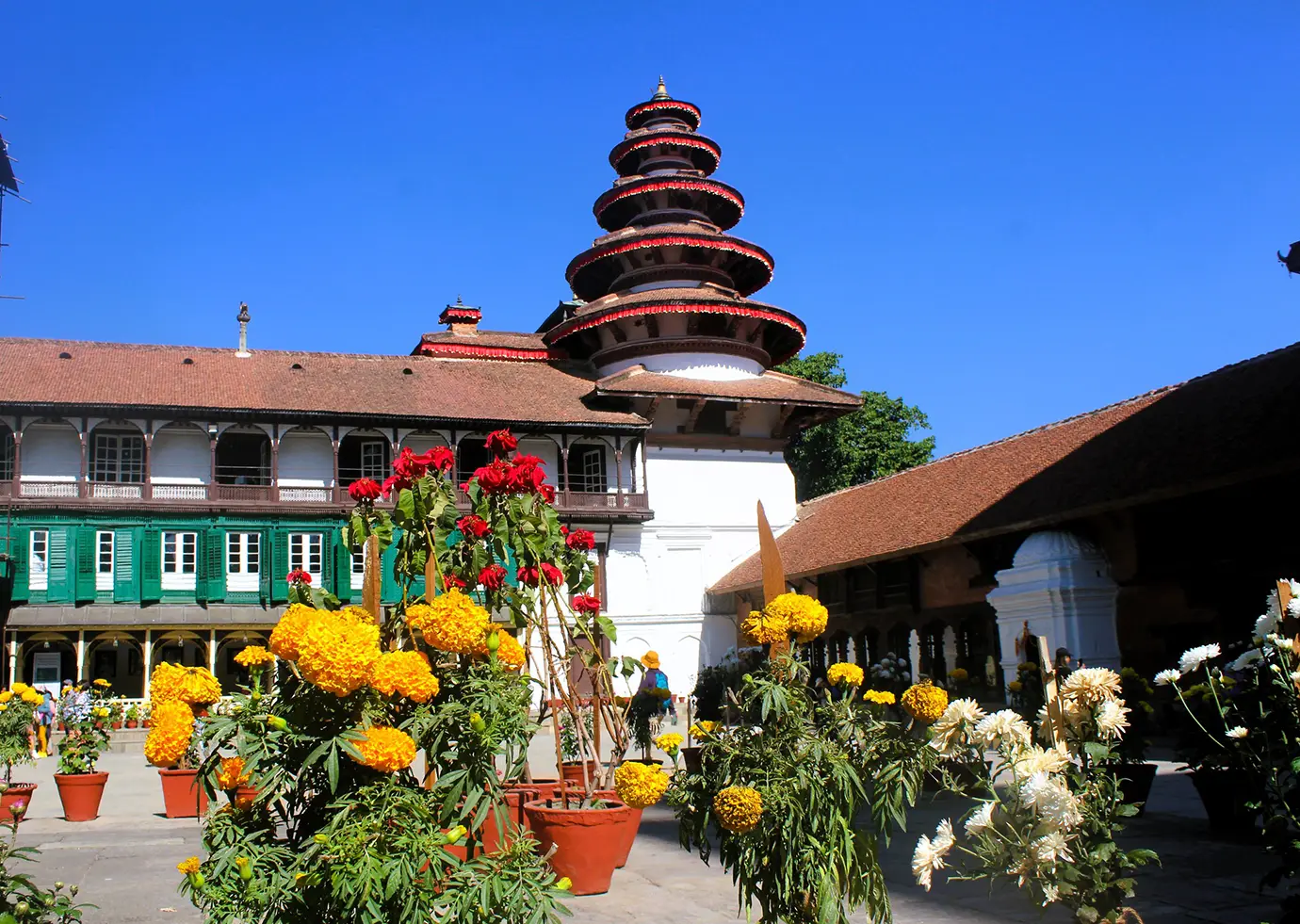
Boudhanath Stupa – The Heart of Tibetan Buddhism
Next, you drive to Boudhanath Stupa – one of the largest spherical stupas in the world. The drive takes approximately 20 minutes.
Upon arrival, you walk up the steep staircase to the base of the white dome. The eyes of Buddha gaze out from the golden spire in all four directions. The air is thick with the scent of butter lamps and incense, and the sound of mantras being chanted by monks and laypeople circling the stupa.
Your guide explains the symbolism: the thirteen levels represent the stages of enlightenment. You are invited to join the kora (circumambulation) – turning prayer wheels as you walk.
Visit a nearby gompa (monastery) to witness monks debating or praying (depending on the time of day). Your guide arranges a private moment of meditation in a quiet corner overlooking the stupa.
Pashupatinath Temple – The Sacred Hindu Cremation Ghats
Finally, you proceed to Pashupatinath Temple – the holiest Hindu shrine in Nepal, dedicated to Lord Shiva. The temple complex straddles the Bagmati River.
You will not be allowed to enter the main temple (restricted to Hindus). Still, your guide takes you to the elevated viewing platform on the opposite bank, offering a respectful, unobstructed view of the pagoda roofs and the open cremation ghats.
Your guide explains the cycle of life, death, and rebirth – and you may observe an aarti ceremony (if your timing aligns with late afternoon). The atmosphere is profound, not morbid. You will see sadhus (holy men) with painted faces offering blessings.
Travel note: Photography of cremation ghats is permitted from a distance, but please be discreet and respectful. Your guide will advise on appropriate conduct.
After Pashupatinath, your vehicle returns you to Dwarika Hotel, or you can check out in the morning. You have a short window to collect your luggage and complete your hotel check‑out (standard check‑out time applies; late check‑out can be requested via the concierge at an extra cost).
Your guide and driver wait while your luggage is loaded.
Transfer to Kathmandu Airport – Flight to Pokhara
You drive to Tribhuvan International Airport’s domestic terminal – a separate building from international arrivals. Your guide escorts you to the check‑in counter for your flight to Pokhara.
*Flight details: You are booked on an evening or late afternoon flight (schedule confirmed by your concierge the previous evening). Seating is pre‑assigned, with priority boarding for luxury package guests. Baggage allowance: 20 kg checked + 5 kg carry‑on.*
The flight is approximately 25 minutes – a short hop that offers spectacular Himalayan views if weather permits (look left for Manaslu, right for Annapurna).
Arrival in Pokhara – Transfer to Fishtail Lodge
Upon landing at Pokhara Domestic Airport, a local representative greets you – again with a digital tablet displaying your name. Your luggage is collected, and you are transferred in a climate‑controlled luxury vehicle to Fishtail Lodge.
The drive is short (10–15 minutes). You will cross a narrow bridge over the Phewa Lake outlet before arriving at the lodge’s private entrance. The lodge is famously situated on a peninsula jutting into the lake, with direct views of the Annapurna range.
Arrival & Room Check‑in at Fishtail Lodge
At the reception, you are welcomed with a cold towel infused with lemongrass and a welcome drink – a refreshing ginger‑lemon honey cooler.
Room check‑in is conducted inside your room – no front desk waiting. Fishtail Lodge’s accommodations are individual cottages or lake‑facing rooms with:
- Hand‑crafted wooden furniture and local textiles
- Private balcony or patio overlooking Phewa Lake
- Ceiling fan and air conditioning (depending on season)
- En‑suite bathroom with rainfall shower and organic toiletries
- Complimentary high‑speed Wi‑Fi
- A welcome note from the lodge manager and a small bowl of local cashews
A staff member demonstrates the room features (safe, AC controls, tea/coffee maker). No personal butler – just warm, efficient service.
Ask for a room on the upper floor for unobstructed mountain views on clear mornings.
In the late afternoon, walk to the lodge’s private jetty where a sunken deck offers the best spot for sunset. Complimentary tea and cookies are served there between 4 PM and 5 PM.
Evening – Dinner at Your Choice (Not Included)
Dinner is not included, but Fishtail Lodge has an excellent on‑site restaurant serving both Nepali and international cuisine. Your concierge can also recommend:
| Restaurant | Cuisine | Notes |
|---|---|---|
| Fishtail Lodge Restaurant | Continental, Indian, Nepali | Lakefront dining with scenic views; request a window table |
| The Harbor Restaurant | International, seafood | Short walk from the lodge; known for grilled fish dishes |
| Fresh Elements | Fusion, organic | Popular for water buffalo steak and wood-fired pizza |
Your concierge can arrange a private dinner setup on the lodge lawn, subject to weather and availability, at an additional cost.
Overnight – Lakeside Serenity
Return to your room. Turn-down service is available on request. The team prepares your room with drawn curtains, a small chocolate on your pillow, and a weather update for the next day.
The evening stays quiet with soft lake sounds and distant village life. Rest well before your flight to Jomsom and entry into Mustang.
Day 2 at a Glance – Inclusions
| Item | Included |
|---|---|
| Breakfast at Dwarika Hotel | ✔ |
| Private English-speaking guide | ✔ |
| Private vehicle for Kathmandu tour | ✔ |
| Entry fees for major sites | ✔ |
| Airport transfer in Kathmandu | ✔ |
| Flight Kathmandu to Pokhara | ✔ |
| Arrival transfer in Pokhara | ✔ |
| Room check-in at Fishtail Lodge | ✔ |
| Personal concierge (WhatsApp) | ✔ |
| Turn-down service | ✔ |
| Lunch, dinner, drinks, spa, activities | ✖ |
| Garlands or a signboard | ✖ |
| Personal butler | ✖ |
| Fixed timing | ✖ |
Day 3: Fly to Jomsom & Arrival at Shinta Mani Mustang – The Kingdom of Lo Awakens
Meals: Breakfast, Lunch, and Dinner included
Accommodation: Shinta Mani Mustang – Signature Suite
Early Morning – Breakfast at Fishtail Lodge
Your day begins before sunrise. Breakfast is served early at Fishtail Lodge’s lakefront restaurant – a light but energizing meal designed for high‑altitude travel. The kitchen prepares a packet of trail snacks (nuts, dried fruit, a small apple) for your journey, though you will not need it until later.
While you sip Himalayan tea, the first light touches the Annapurna range across Phewa Lake – a fleeting glimpse of Machapuchare (Fishtail Mountain) before clouds claim it.
Luxury note: Your concierge confirmed your flight time the previous evening. Your vehicle to Pokhara Airport is pre‑booked and waiting. Exact timing is flexible – but plan for a very early start.
Transfer to Pokhara Domestic Airport
After breakfast, you check out of Fishtail Lodge. Your luggage is loaded into a private luxury vehicle, and you drive the short 10‑minute journey to Pokhara Domestic Airport – a small, charming terminal with mountain views.
Your guide (from Fishtail Lodge) escorts you to the check‑in counter for your flight to Jomsom. There are no long queues. You are handed your boarding pass, and your luggage is tagged through to Jomsom (you will reclaim it on arrival).
Flight details: You are booked on a small, high‑wing aircraft specifically designed for short take‑off and landing in mountain airstrips. The airline has a strong safety record. Seating is pre‑assigned; window seats are recommended for the views of the mountain.
The Flight to Jomsom – Above the Kali Gandaki
The flight takes approximately 20 minutes – but it feels like a journey into another world. Shortly after take‑off, the terrain changes from green hills to brown, arid landscapes. The aircraft flies over the Kali Gandaki Gorge, the world’s deepest gorge, flanked by Annapurna (8,091m) and Dhaulagiri (8,167m).
Your pilot may point out landmarks over the intercom: the glacial river, the village of Lete, and finally, the Jomsom airstrip appearing on a flat river terrace.
On clear days, the mountain views are staggering – keep your camera ready. Turbulence can occur; the crew will advise you to remain seated.
Note: Mountain weather is unpredictable. Flights to Jomsom are subject to cancellation due to high winds, low clouds, or poor visibility – particularly in the afternoon. Your concierge monitors conditions and will inform you of any changes. In the event of cancellation, a private jeep is available at no extra cost: a scenic 5–6 hour drive along the Kali Gandaki riverbed, with stops at traditional villages and a picnic lunch arranged en route. The jeep is rugged, climate‑controlled, and accompanied by an experienced driver.
Private helicopter: For those who wish to guarantee arrival and enjoy a spectacular aerial journey, a private helicopter can be chartered directly from Pokhara to Shinta Mani Mustang (landing at the resort’s own helipad). The flight takes approximately 35 minutes, flying low over the Annapurna and Dhaulagiri massifs with unobstructed views. Cost: USD 4,500 per helicopter (seats up to 4 guests). Booking required.
Arrival in Jomsom – Gateway to Upper Mustang
The plane lands smoothly on the short runway. You step onto the tarmac into thin, crisp air (elevation 2,700m / 8,900ft). The landscape is stark: brown hills, jagged peaks, and the silver ribbon of the Kali Gandaki River below.
A representative from Shinta Mani Mustang greets you at the small arrivals area – again with a digital tablet displaying your name. Your luggage is collected and loaded into a private luxury vehicle – a rugged, climate‑controlled SUV suitable for the rough roads ahead.
Travel note: Jomsom’s altitude can cause mild shortness of breath. Your vehicle is equipped with a small oxygen canister and a first‑aid kit. Drink water, move slowly, and listen to your body.
The Drive to Shinta Mani Mustang – Into the Sacred Valley
The drive from Jomsom to the resort takes approximately 45 minutes. The road follows the Kali Gandaki River northward, winding through ancient apple orchards, Tibetan prayer flags, and villages of flat‑roofed mud‑brick houses.
Your guide points out landmarks: the whitewashed Kagbeni village (gateway to Upper Mustang) on the far bank, and the Nilgiri South peak looming directly ahead.
Halfway, the vehicle stops at a scenic viewpoint where you can step out, stretch your legs, and take photographs. Your guide offers a thermos of warm masala chai from the car.
Arrival at Shinta Mani Mustang – First Glimpse
The resort appears suddenly – a cluster of contemporary stone and timber buildings terraced into the mountainside at 2,800m. From the parking area, you are led along a stone pathway lined with Himalayan juniper bushes. The view opens: Nilgiri, Annapurna, and Dhaulagiri form a 180‑degree amphitheater of snow and rock.
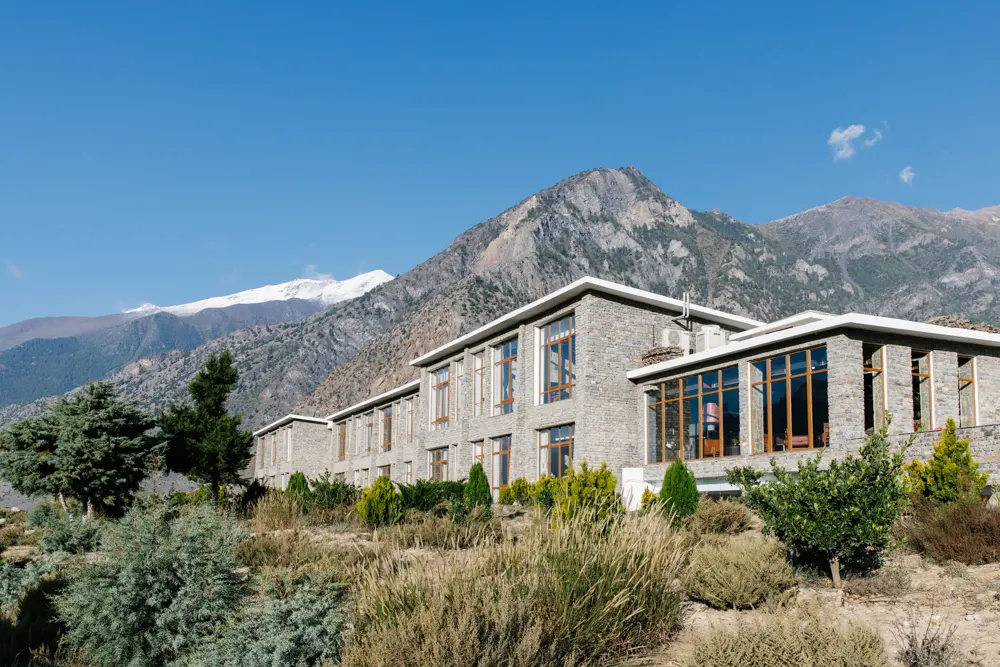
A staff member welcomes you at the entrance with a Tibetan singing bowl – a single resonant note. You are then invited to sit on a cushioned bench overlooking the valley for a foot ritual: a basin of warm water infused with wild rose petroséand sea salt, while a cool towel is placed on the back of your neck.
The foot ritual is silent except for the wind. No words are spoken – only gestures and smiles. It is a deeply mindful welcome.
Room Check‑in – Your Signature Suite
After the ritual, a guest relations officer escorts you to your Signature Suite. Room check‑in is conducted inside the suite – no front desk.
Your suite features:
- Floor‑to‑ceiling glass windows framing the Nilgiri range
- A king‑size bed with organic cotton linen and a yak‑wool throw
- Heated stone floors and a gas fireplace (controlled by a simple switch)
- An open‑plan bathroom with a deep soaking tub, rainfall shower, and double vanities
- Hand‑crafted local furniture – walnut wood, handwoven textiles, copper accents
- A mini‑bar stocked with complimentary soft drinks, local apple juice, and still/sparkling water (alcohol is extra)
- A personal safe, a Nespresso machine, and a humidity‑controlled closet for trekking gear
A staff member demonstrates the key features: the fireplace, the heated floors, the window blinds (automatic), and the in‑suite oxygen concentrator (available on request). No personal butler – but your resort guide is available via WhatsApp.
Midday – Settling In & Spa Orientation
You have time to unpack, rest, and acclimatize. The resort’s altitude is moderate, but guests are advised to drink water, avoid strenuous activity, and rest for the first hour.
A wellness coordinator knocks on your door to present the spa menu and the Amchi consultation schedule (for Day 4 or 5 – not today). You may pre‑book a treatment for this afternoon or tomorrow.
Recommended for today: a 30‑minute “Altitude Adjustment” massage – focusing on neck, shoulders, and feet – to ease the travel strain (included in the all‑inclusive wellness program).
Travel note: If you feel any headache or nausea, inform the coordinator immediately. The resort has a medical room and can provide supplemental oxygen if needed.
Lunch – A Taste of Mustang
Lunch is served at the resort’s single dining pavilion – an open‑air space with panoramic glass walls. The cuisine is contemporary Nepali with Himalayan influences, using locally sourced ingredients (apples, buckwheat, yak cheese, wild herbs).
Your lunch today might include:
- Thukpa (Tibetan noodle soup) or cold buckwheat noodle salad
- Pan‑seared trout from the Kali Gandaki (when available)
- A selection of local pickles and momo dumplings
- Dessert: apple strudel (a nod to Mustang’s famous orchards)
Dietary preferences (vegetarian, vegan, gluten‑free, Jain) are accommodated – inform your server upon arrival.
Lunch is unhurried. You may sit at a private table or join a shared table with other guests (if you wish). The sommelier can recommend a chilled local apple wine (at an extra cost).
Afternoon – Thini Village Hike (Off‑the‑Beaten Trail)
After lunch, your guide meets you in the lobby. Today’s activity is a gentle hike to Thini Village – a traditional settlement that sees few tourists.
Duration: Approximately 2 hours round trip (easy to moderate)
Elevation gain: 150m (from 2,800m to 2,950m)
Terrain: Dirt paths, some stone steps, open hillside
You are provided with:
- Walking sticks (adjustable)
- A small daypack with water, snacks, and a basic first‑aid kit
- Windproof jacket (if needed – the resort lends these)
You set off from the resort’s back gate, following a trail that contours along the hillside. The path passes through ancient juniper forests and abandoned stone shelters. Your guide points out medicinal plants (used by the Amchi) and explains the local tradition of sky burial (visible at a distance).
After 45 minutes, you arrive at Thini Village – a cluster of whitewashed houses with flat roofs stacked with firewood. The villagers are mostly subsistence farmers and herders. You are invited to visit a local home: a dark, low‑ceilinged room with a central hearth, butter lamps, and a portrait of the Dalai Lama.
The family offers you a small cup of salted butter tea (an acquired taste) or local apple juice (more palatable). Your guide translates as you ask questions about daily life, the changing climate, and the younger generation’s move to Pokhara.
Cultural note: Photography inside the home requires permission. Your guide will ask on your behalf. A small donation to the family (suggested 500‑1,000 NPR) is appreciated but not required.
You then hike a short loop around the village’s gompa (Buddhist temple) before beginning the descent back to the resort.
Late Afternoon – Spa & Relaxation
On your return, the wellness coordinator escorts you to the spa pavilion – a separate building with treatment rooms facing the mountains. You have a pre‑booked treatment (choose from the menu). The coordinator recommends the Nilgiri Hot Stone Massage using warmed river stones and juniper oil.
Luxury detail: The treatment rooms have under‑floor heating, private steam showers, and a relaxation area with herbal tea. All products are organic and locally made.
If you prefer not to have a massage, you may use the steam room or sauna – both are complimentary. Or rest in your suite, watching the light change on the mountains.
Sunset – A Glass of Rosé on RoséTerrace
As the sun begins to dip behind Dhaulagiri, the resort’s terrace becomes a stage for sunset viewing. A small bonfire is lit. Your server brings a glass of chilled rosé (inroséed) and a plate of canapés – perhaps yak cheese truffles or apple‑walnut bites.
This is a silent, sacred moment. The peaks turn pink, then purple, then fade to grey. No speeches, no music – only the sound of the wind and the occasional crunch of gravel underfoot.
Dinner – An Evening of Himalayan Flavors
Dinner is served in the same dining pavilion, now lit with candles and low lanterns. The menu changes daily. Tonight might offer:
- Soup: Cream of pumpkin with wild cumin
- Starter: Buckwheat crepe filled with herbed cottage cheese
- Main: Slow‑cooked lamb shank with root vegetables, or a vegetarian option of dal bhat (lentil soup with rice) served traditionally on a brass platter.
- Dessert: Apple tart with salted caramel sauce
Luxury detail: The sommelier can suggest wine pairings (extra cost) from a small but curated list – French, Italian, and one organic Nepali wine.
Dinner is leisurely – there is nowhere else to be. After the meal, you may retire to the library lounge for a digestif (single malt or liqueur – extra cost) or return to your suite.
Overnight – Fireplace & Starlight
Back in your suite, turn‑down service has been performed: curtains drawn, bed turned, a small chocolate on the pillow, and the fireplace gently glowing (if you requested it). A card on the nightstand gives the next day’s weather forecast and sunrise time.
Step onto your private balcony. The night sky in Mustang is astonishing – the Milky Way is visible, with no light pollution. You hear only the distant bark of a Tibetan mastiff and the whisper of wind through juniper.
Tomorrow: Marpha Village – apple orchards, stone streets, and a traditional Thakali lunch prepared in a local home.
Day 3 at a Glance – Inclusions
| Item | Included |
|---|---|
| Early breakfast at Fishtail Lodge | ✔ |
| Private transfer to Pokhara Airport | ✔ |
| Flight from Pokhara to Jomsom | ✔ |
| Private transfer to Shinta Mani Mustang | ✔ |
| Welcome foot ritual and singing bowl ceremony | ✔ |
| Suite check-in at Signature Suite | ✔ |
| Lunch and dinner at the resort | ✔ |
| Guided hike to Thini Village with gear support | ✔ |
| One spa treatment from the wellness menu | ✔ |
| Sunset rosé androséapés | ✔ |
| Turn-down service | ✔ |
| Personal concierge support via WhatsApp | ✔ |
| Breakfast at Fishtail Lodge | ✔ |
| Extra drinks, spa upgrades, and gratuities | ✖ |
| Garlands or branded signboard | ✖ |
| Personal butler service | ✖ |
| Fixed schedule timing | ✖ |
Day 4: Marpha Village – Apple Orchards, Stone Alleys & a Thakali Kitchen Table
Meals: Breakfast, Lunch, and Dinner included
Accommodation: Shinta Mani Mustang – Signature Suite
Morning – Sunrise Over Nilgiri & Breakfast at the Pavilion
You wake to the soft glow of sunrise painting the Nilgiri range in shades of apricot and rose. From your bed, through the floor‑to‑ceiling glass, you watch the first direct light strike the highest peak. A moment of silence – then the day begins.
Breakfast is served in the dining pavilion. The spread includes:
- Fresh buckwheat pancakes with local honey and apple compote
- Tibetan tsampa porridge (roasted barley flour with yak butter tea – an acquired taste, but offered for the adventurous)
- Eggs prepared to order, alongside grilled tomatoes and herbed potatoes
- A selection of fresh fruits (apples, pears, pomegranate when in season)
- Juniper tea, masala chai, or single‑origin pour‑over coffee
Your guide joins you briefly to review the day’s plan. Today you will visit Marpha Village – a journey that offers three transport options: trekking, mountain biking, or a private vehicle. The choice is yours, made the previous evening with your concierge.
Luxury detail: If you choose the trek or bike option, the resort provides a packed trail breakfast, but the dining pavilion breakfast is still available beforehand – eat lightly and take the rest with you.
The Journey to Marpha – Three Ways to Go
Marpha Village lies approximately 10 kilometers south of the resort, on the opposite bank of the Kali Gandaki River. Your guide explains the three options:
| Option | Duration | Difficulty | Description |
|---|---|---|---|
| Private vehicle | 20 minutes | Easy | Comfortable SUV with direct drop-off at the village entrance. Best for quick and relaxed access. |
| Mountain bike | 45 to 60 minutes | Moderate | Guided ride on gravel roads using quality bikes. Support vehicle follows with water and snacks. Safety gear included. |
| Trek (walking) | 2 hours | Easy to moderate | Scenic walk along river terraces with gentle slopes. Includes viewpoint stops and basic trekking support. |
All three options begin from the resort’s parking area. Your guide accompanies you regardless of choice. A support vehicle (the same vehicle used for the private option) follows the bike and trek groups, carrying extra water, first‑aid, and a change of clothes.
Luxury note: The resort maintains a small fleet of mountain bikes, adjusted to your height the evening before. If you have never biked on gravel, the guide will give a brief orientation on the resort’s driveway before setting off.
Arrival at Marpha – The Apple Capital of Mustang
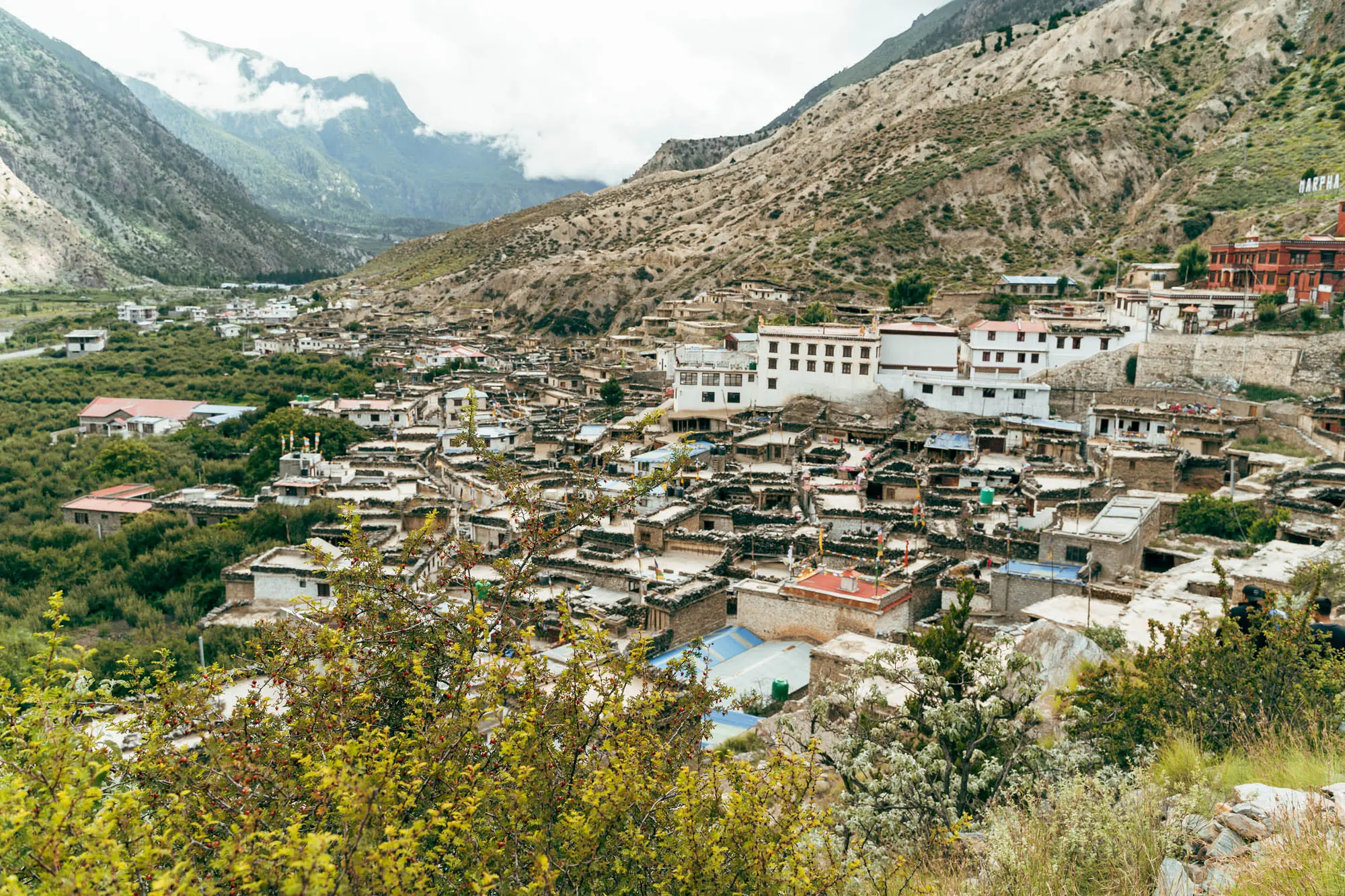
Marpha is a whitewashed village of flat‑roofed stone houses, clinging to a hillside above the river. It is famous for two things: apples (orchards stretching up the valley) and traditional stone architecture.
Your guide leads you through the narrow, flagstone‑paved alleyways – barely wide enough for two people to pass. The walls are lined with prayer wheels; every corner has a small chorten (Buddhist shrine). The air smells of woodsmoke and dried apples.
You visit:
- The Marpha Gompa – a Tibetan Buddhist monastery perched at the village’s highest point. Inside, butter lamps flicker before a golden Buddha. A young monk may offer you a blessing (a white scarf, or khata).
- The Apple Distillery – a family‑run operation where apples are fermented and distilled into brandy, rak si (local spirit), and non‑alcoholic cider. You are offered small tastings. Bottles are available for purchase (cash only, Nepali rupees).
- The Stone Alley Walk – a loop through the oldest part of the village, where women in colorful aprons spin wool on street corners, and children run past with kites.
Cultural note: Marpha is a living village, not a museum. Residents go about their daily lives. Your guide will advise on appropriate behavior: ask before photographing people, remove shoes before entering monasteries, and do not point your finger at stupas (use an open hand).
Your guide shares the story of how Marpha became a model for sustainable village tourism – with a community‑managed electricity grid, plastic‑free zones, and a school funded by apple sales.
Midday – A Thakali Lunch at Mrs. Kamala’s Kitchen Table
The highlight of today is lunch at the home of Mrs. Kamala, a renowned Thakali chef and civic leader. Her home is a traditional stone house with a rooftop terrace overlooking the village and the Dhaulagiri range.
You are invited into her kitchen – a warm, low‑ceilinged room with a wood‑fired hearth. Mrs. Kamala welcomes you with a smile and a cup of jaand (homemade, very mild millet beer) or apple juice.
She then guides you in preparing a classic Thakali meal – a multi‑course spread that traditionally includes:
- Dhido (buckwheat or millet dough, rolled by hand)
- Gundruk (fermented leafy greens, tangy and earthy)
- Masaura (dried curried vegetables, rehydrated)
- Alu tama (bamboo shoot and potato curry)
- A small portion of buffalo meat (or a vegetarian protein like soy chunks)
- Dal (lentil soup) and bhat (steamed red rice)
You may help her roll the dhido (a skill that takes years to master) or watch her work. The meal is served on a brass thal (platter) with small bowls for each item.
Mrs. Kamala speaks limited English, but your guide translates. She has cooked for trekkers for three decades and is a warm, unpretentious host. There is no set menu – she cooks what is fresh from her garden and the local market. If you have dietary restrictions, inform your guide the day before.
After eating, you are invited to the rooftop for a digestif: a small glass of apple brandy (her husband’s private batch) or a cup of lemongrass tea from her herb garden. The view from the rooftop is unforgettable: the village below, the river winding through the gorge, and the snowy peaks beyond.
Afternoon – Free Time in Marpha & Optional Orchard Walk
The afternoon is yours to explore at your own pace. Your guide remains available for questions or additional walks.
Suggested activities:
- A quiet stroll through the apple orchards – follow the irrigation channels uphill to a small water mill used to press apples. The orchards are in full blossom in April; in autumn, the trees are heavy with fruit.
- Shopping for local handicrafts – Marpha has a small cooperative shop selling hand‑woven wool scarves, apple wood carvings, and jars of apple butter (cash only).
- Visiting the small Buddhist nunnery just outside the village, where you may hear chanting in the late afternoon.
- Simply sitting on the rooftop of a tea house, writing in a journal, watching the clouds move across Dhaulagiri.
Your guide arranges a picnic snack if you wish – a flask of hot chocolate and a packet of apple cookies – to enjoy on a bench overlooking the river.
If you chose the trek or bike option this morning, your support vehicle is parked at the village entrance. You may return to the resort by vehicle if you are tired – inform your guide.
Late Afternoon – Return to Shinta Mani Mustang
Your return journey follows the same three options – but you may choose a different mode than you used in the morning. For example, trek to Marpha, then return by vehicle. Coordinate with your guide.
The drive or ride back takes you along the Kali Gandaki riverbed – a vast, stony plain dotted with grazing yaks. Keep an eye out for Himalayan griffon vultures overhead.
Arriving back at the resort, you are offered a cold towel and a glass of spiced apple cider (non‑alcoholic) at the pavilion entrance.
Late Afternoon – Amchi Consultation & Personalized Wellness
Today is the day for your Amchi consultation – a cornerstone of the Shinta Mani wellness experience. Tsewang Gyurme Gurung, the 11th‑generation Amchi in his lineage, meets you in the spa’s herbal garden.
The consultation is unhurried and private. He asks about your sleep, digestion, energy levels, and any aches or worries. He takes your pulse (both wrists) – a diagnostic method unique to Tibetan medicine. Then he examines your tongue and asks to see your urine (a small sample in a provided cup).
Based on this, he prescribes a wellness regimen for the remainder of your stay – not medication, but suggestions: a specific herbal oil for massage, a steam bouquet (juniper, mint, or wild rose), a poultice for sore muscles, or dietary advice (more warm foods, less raw vegetables).
Luxury detail: The Amchi does not speak English fluently; a translator (a member of the spa staff) sits with you. The consultation is included, and there is no pressure to purchase additional treatments – though you may request any of his recommendations as part of your daily spa allowance.
After the consultation, you may choose a wellness treatment for the afternoon – perhaps a herbal steam in the private steam room, followed by a 30‑minute foot or shoulder massage using the prescribed oil.
Sunset – A Quiet Moment on the Terrace
You return to the terrace as the sun begins its descent. Tonight, the resort offers a Tibetan butter lamp ceremony – a small tray with 108 butter lamps (symbolic) is lit by a staff member while a recording of chanting plays softly. You may sit and watch, or enjoy the view.
Your server brings a warm apple cider (with a cinnamon stick) and a small plate of yak cheese and apple slices. This is the time for reflection – the day’s journey, the faces of Marpha, the taste of Mrs. Kamala’s cooking.
Dinner – Mustang Garden Harvest
Dinner is served in the dining pavilion, with a menu inspired by the produce of the Mustang region. Tonight’s offerings might include:
- Starter: Apple, walnut, and local goat cheese salad with a juniper vinaigrette
- Soup: Cream of wild nettle (a Himalayan delicacy)
- Main: Slow‑roasted yak (or a vegetarian buckwheat and mushroom wellington) with roasted root vegetables and a red wine reduction
- Dessert: Baked apple stuffed with dried fruits and honey, served with a dollop of yak‑milk yogurt
The resort’s kitchen gardens supply many of the herbs and greens. Ask your server which ingredients were harvested today – they will know.
After dinner, you may retire to the library lounge for a post‑dinner digestif (single malt, cognac, or a local herbal liqueur – extra cost) or return to your suite.
Overnight – Dreaming of Apples
Turn‑down service has been performed: the fireplace is set (if requested), a small apple‑scented sachet is placed on your pillow, and a card on the nightstand shares a traditional Thakali proverb (with translation).
Tomorrow, you will trek into the wilderness – a flexible, guided exploration of the Jomsom Valley with a mountaineer‑style picnic.
| Item | Included |
|---|---|
| Breakfast at Shinta Mani Mustang | ✔ |
| Transport to Marpha by trek, bike, or private vehicle | ✔ |
| Guided tour of Marpha Village | ✔ |
| Marpha Gompa visit and apple distillery tastings | ✔ |
| Traditional Thakali lunch at Mrs. Kamala’s home | ✔ |
| Free time in Marpha | ✔ |
| Return transport to the resort | ✔ |
| Amchi consultation | ✔ |
| One 30-minute wellness treatment | ✔ |
| Sunset, warm apple cider, and a snack | ✔ |
| Dinner at the resort | ✔ |
| Turn-down service | ✔ |
| Extra drinks, spa upgrades, shopping, and gratuities | ✖ |
| Garlands or branded signboard | ✖ |
| Personal butler service | ✖ |
| Fixed schedule timing | ✖ |
Day 5: Wilderness Trekking – A Flexible Journey Through the Jomsom Valley
Meals: Breakfast, Lunch, and Dinner included
Accommodation: Shinta Mani Mustang – Signature Suite
Morning – Breakfast & Trek Planning
The morning light spills over the Nilgiri range, illuminating the dining pavilion. Breakfast is served at your leisure – perhaps a lighter meal than yesterday, as today’s activity involves walking. The kitchen prepares a trail lunch for your guide to carry, along with a small insulated bottle of chilled rosé for the midday picnic.
Your guide joins you during breakfast with a topographic map of the Jomsom Valley. Today is entirely flexible – the route, duration, and difficulty are tailored to you.
The resort offers three pre‑designed trekking options, but you may also customize your own route with your guide. The guide carries a satellite phone and a fully stocked first‑aid kit, including portable oxygen.
The three standard options are presented:
| Option | Distance | Duration | Elevation Gain | Terrain |
|---|---|---|---|---|
| Gentle Valley Walk | 5–6 km | 2–3 hours | Minimal | Riverbed and easy paths |
| Moderate Hillside Loop | 8–10 km | 4–5 hours | +300 m | Rocky trails with some steep sections |
| Challenging Ridge Trek | 12–14 km | 6–7 hours | +600 m | Loose scree, narrow edges, and altitude exposure |
Your guide assesses your fitness, experience, and preferences. No pressure to choose the longest route – the goal is enjoyment, not endurance.
After deciding, you are provided with:
- Trekking poles (adjustable, with cork grips)
- A daypack (25-liter, with rain cover)
- A water bladder (2 liters, filled with filtered water)
- Sun protection (hat, sunscreen, UV buff – all yours to keep)
- A lightweight windproof jacket (from the resort’s lending closet)
- Energy snacks (granola bars, dried apple rings, salted nuts)
You change into your own trekking clothes (layers recommended) and meet your guide at the resort’s back gate.
Travel note: The resort lends high‑quality trekking equipment at no extra charge. If you prefer to use your own gear, that is also welcome.
Setting Out – Into the Jomsom Valley
You leave the resort property and step onto a network of ancient footpaths used for centuries by Tibetan traders, Buddhist pilgrims, and Mustangi farmers. The air is dry and cool, scented with juniper and wild thyme.
Your guide sets the pace – slow enough to talk, fast enough to stay warm. The valley opens before you: the Kali Gandaki River far below, braided into silver threads; the Nilgiri South peak directly ahead; and behind you, the white dome of Dhaulagiri.
The first hour is a gradual descent toward the riverbed. You pass:
- Abandoned stone shelters – used by herders during summer grazing
- Prayer flag bridges – strung across small streams, their mantras fluttering
- A small chorten where your guide stops to add a smooth stone to the pile, a local tradition for safe passage
Your guide points out medicinal plants: yartsa gunbu (caterpillar fungus, prized in Tibetan medicine) is not in season, but you see sea buckthorn (the resort uses it for juice) and Himalayan rhubarb.
The guide carries a small pair of compact binoculars – you can borrow them to spot lammergeier vultures or blue sheep on distant cliffs.
Mid‑Trek – The Mountaineer’s Picnic
After reaching a shaded grove of juniper trees – or a flat river terrace, depending on your chosen route – your guide stops for the picnic. This is no ordinary packed lunch.
A collapsible wooden table is set up on a level patch of ground. Over it, a lightweight canvas screen is erected to block the wind. Two camp stools are unfolded.
From the guide’s backpack emerges:
- A chilled bottle of rosé (in an insulated sleeve, with two titanium glasses)
- Smoked salmon blinis with crème fraîche and capers
- Buckwheat crackers topped with yak cheese and wild berry jam
- A small mixed green salad with a lemon‑olive oil dressing
- High‑energy trail mix (walnuts, dried apricots, dark chocolate chunks)
- Fresh apple slices and a small pot of local honey
- A flask of hot coffee or masala chai (optional, instead of rosé)
You sit, eat, and absorb the silence. No other trekkers – the route is chosen for solitude. The only sounds are the wind, a distant bird, and the clink of your glass.
Luxury detail: All waste is carried back – nothing is left behind. The guide even collects the apple cores. The titanium glasses are reusable; the table and stools fold into a single pack.
After the meal, you have time to rest, take photographs, or lie back on a portable foam mat (carried by the guide) and stare at the sky.
Afternoon – Continuing the Trek or Returning
After the picnic, you have two choices:
- Continue the full loop – following the planned route to its conclusion, returning to the resort via a different trail.
- Shorten the day – your guide can call the support vehicle (which has been shadowing you on a nearby jeep track) for a pickup. The vehicle arrives within 20–30 minutes.
The decision is entirely yours. Your guide offers no persuasion either way. If you continue, the afternoon terrain might include:
- Crossing a small glacial stream (stepping stones, not deep)
- A gentle ascent through a forest of Himalayan birch (the bark peels like paper)
- Passing a yak herd – the herder may offer you a cup of salty butter tea (you may politely decline)
- Reaching a viewpoint where, on clear days, you can see the Annapurna massif stretching across the horizon
Your guide keeps a steady, unhurried pace, pausing whenever you wish.
Wellness note: At this altitude (2,800–3,400m), mild breathlessness is normal. Your guide checks your oxygen saturation with a portable pulse oximeter at the picnic stop and again before the descent.
Late Afternoon – Return to Resort & Recovery
You arrive back at Shinta Mani Mustang – whether on foot after completing the trek, or via the support vehicle. A staff member greets you with a cold, mint-infused towel and a glass of electrolyte water (lightly flavored with lemon and salt).
Your guide collects the borrowed equipment (poles, daypack, jacket) – or you may keep the poles for tomorrow’s excursion.
Your suite has been refreshed during your absence: fresh towels, a re‑stocked mini‑bar, and the fireplace ready to light.
Now is the time for post‑trek recovery. The wellness coordinator has already scheduled a treatment for you (as part of your all‑inclusive spa program). Recommended today: leg compression therapy (using automated sleeves) followed by a 30‑minute deep tissue foot massage.
Luxury detail: If you prefer, you may instead take a warmed outdoor shower (private, behind your suite) or a soak in the deep soaking tub with Himalayan bath salts.
Sunset – A Quiet Celebration
The terrace this evening feels earned. Your server brings a hot toddy (whiskey, honey, hot water, lemon – included) or a non‑alcoholic spiced apple punch. A small plate of yak cheese fritters accompanies it.
The sun sets behind Dhaulagiri, and the peaks turn from gold to rose to violet. Your guide may join you briefly to ask how you found the trek – and to discuss tomorrow’s optional excursion to Muktinath, which requires an earlier departure.
Dinner – Hearty Himalayan Fare
Dinner in the dining pavilion tonight is designed to replenish. The menu might include:
- Starter: Warm lentil and vegetable soup (dal dhokla style)
- Main: Slow‑cooked Himalayan lamb shank (or a vegetarian mushroom and buckwheat pithivier) with mashed potatoes and sautéed wild greens
- Dessert: Buckwheat honey panna cotta with roasted apple wedges
The sommelier can suggest a full‑bodied red wine (extra cost) – perhaps a Malbec or a Shiraz – to complement the richness of the meal.
After a day of trekking, the resort’s kitchen is happy to adjust portion sizes – smaller or larger – or to serve a simple bowl of noodle soup if you prefer something light.
Overnight – Deep Sleep in Thin Air
Return to your suite. Turn‑down service has been performed: curtains drawn, bed turned, a hot water bottle placed under the duvet (if cold), and a small jar of arnica balm left on the nightstand for sore muscles.
The altitude can make sleep restless, but the combination of fresh air, exercise, and a warm meal usually ensures deep rest. The room is silent – only the whisper of the fireplace (if lit) and the distant call of an owl.
Tomorrow: an excursion to Jharkot, Jhong, and Kagbeni – with an optional pre‑dawn departure to visit the sacred Hindu temple of Muktinath.
| Item | Included |
|---|---|
| Breakfast at Shinta Mani Mustang | ✔ |
| Trekking equipment (poles, daypack, water bladder, jacket, sun hat) | ✔ |
| Guided flexible trek with route options | ✔ |
| Mountaineer-style picnic with drinks | ✔ |
| Support vehicle for flexibility | ✔ |
| Post-trek refreshment and cold towel | ✔ |
| One recovery treatment (30 minutes) | ✔ |
| Sunset hot toddy with snack | ✔ |
| Dinner at the resort | ✔ |
| Turn-down service with Arnica balm | ✔ |
| Extra spa treatments, premium drinks, and gratuities | ✖ |
| Garlands or branded signboard | ✖ |
| Personal butler service | ✖ |
| Fixed schedule timing | ✖ |
Day 6: Jharkot, Jhong & Kagbeni – Ancient Fortresses, Sacred Monasteries & the Gateway to Upper Mustang
Meals: Breakfast, Lunch, and Dinner included
Accommodation: Shinta Mani Mustang – Signature Suite
Morning – Two Departures, One Choice
Today offers a branch in the road. You may choose either:
- Standard excursion – departing at a comfortable morning hour, visiting Jharkot, Jhong, and Kagbeni, with lunch at a monastery. Return to the resort in the late afternoon.
- Muktinath option – departing two hours earlier, adding the sacred Hindu pilgrimage site of Muktinath before rejoining the standard itinerary. This requires an early wake‑up, but offers a profound spiritual experience.
Your guide discusses both options the previous evening. The choice is yours – no pressure, only information.
If you choose the Muktinath option, the resort prepares a pre‑departure breakfast box (warm pastries, fruit, a thermos of coffee) to eat in the vehicle. You will also receive a small pilgrimage kit – a dry robe, rubber sandals, a small cotton towel, and a waterproof pouch for valuables – for the sacred 108 fountains.
This itinerary first describes the Muktinath option, then the standard excursion. If you choose the standard only, begin after the Muktinath section.
Early Morning – The Road to Muktinath (Optional)
Before dawn, a private vehicle waits at the resort’s entrance. Your guide carries a thermos of hot tea and the breakfast box. The drive to Muktinath takes approximately 2 hours – first following the Kali Gandaki north, then climbing a steep, switchback road to the Thorong La.
The landscape transforms: from arid river terraces to alpine meadows dotted with grazing yaks, then to barren high desert at 3,800m. Prayer flags stretch across the valleys. The air becomes thin and cold.
You arrive at Muktinath Temple – a sacred site for both Hindus and Buddhists. Hindus call it Mukti Kshetra (place of liberation); Buddhists know it as Chumig Gyatsa (hundred waters). The temple complex sits at the foot of a windswept ridge, with the Thorong Peaks behind it.
Your guide leads you through the complex:
- The main pagoda temple – dedicated to Lord Vishnu, with a golden spire. You may enter (shoes removed) and receive a tika blessing from a priest.
- The 108 bull‑headed fountains (Mukti Dhara) – a stone channel where icy water gushes from 108 spouts shaped like bull heads. According to Hindu belief, bathing under each spout washes away sins and brings salvation.
- The eternal flame – a natural gas vent burning inside a small shrine, fed by underground deposits. It has burned continuously for centuries.
Spiritual note: If you choose to bathe, the water is very cold (near freezing). The resort’s pilgrimage kit includes a dry robe for after. Your guide stands by with a warm towel and a flask of ginger tea. You do not need to bathe – many guests watch or touch the water with their hands.
After the temple, you have a few minutes to explore the small market stalls selling prayer flags, singing bowls, and yak wool blankets.
Then, you rejoin the road – descending toward the standard excursion route.
Late Morning – Arrival at Jharkot
Whether you came via Muktinath or directly from the resort, your first stop is Jharkot – a medieval fortress village perched on a ridge. From a distance, it looks like a honeycomb of mud‑brick houses, crowned by a crumbling gompa (monastery).
You park at the foot of the village and walk up a steep stone ramp. The village is nearly silent – only the wind and an occasional goat bell. Few tourists come here.
Your guide takes you to Jharkot Gompa, a Tibetan Buddhist monastery that also serves as a traditional medicine school. A young monk (who speaks some English) may show you the small museum of thangkas (religious scroll paintings) and a cabinet of herbal remedies – dried caterpillar fungus, rhubarb root, and juniper berries.
From the gompa’s rooftop, you have a 360‑degree view: Dhaulagiri to the west, Nilgiri to the south, the Kali Gandaki gorge below, and the brown hills of Mustang stretching north.
Your guide carries a small pair of binoculars. From the rooftop, you can spot the whitewashed houses of Kagbeni on the far riverbank – your next destination.
Late Morning – Hiking from Jharkot to Jhong
From Jharkot, you hike down into the valley and up the opposite side to Jhong Village – an ancient settlement that feels suspended in time. The walk takes approximately 45 minutes at a leisurely pace.
Trail description:
- Descend stone steps through terraced fields (barley, buckwheat, potatoes)
- Cross a suspension bridge over a small tributary stream (stable, with high railings)
- Ascend a gentle switchback path lined with prayer flag poles
- Pass a row of chortens (whitewashed stupas), each painted with Buddha eyes
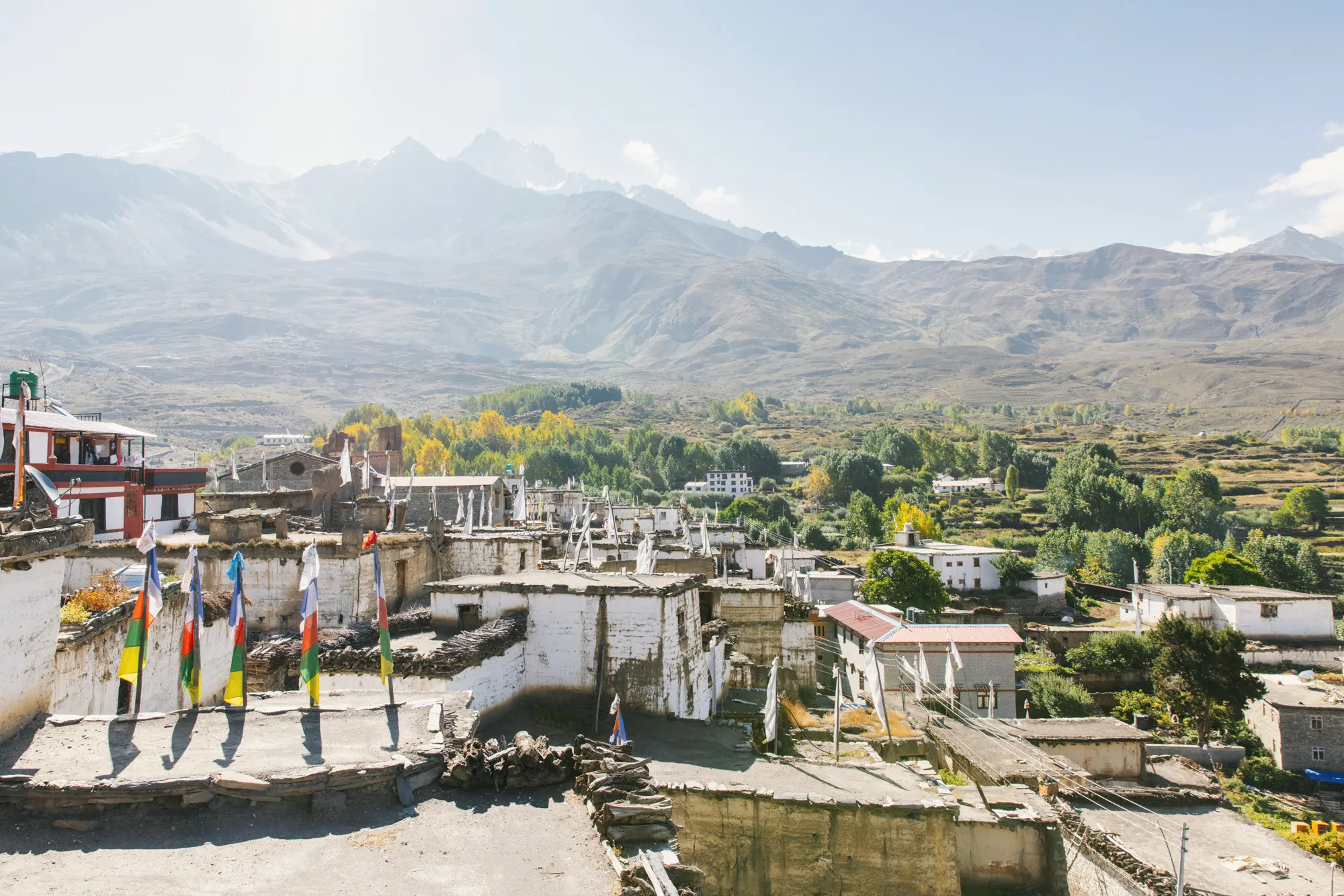
Jhong appears suddenly – a cluster of traditional mud‑brick homes with flat roofs stacked with firewood. Unlike Jharkot, Jhong still has several families who farm the lower terraces.
You are invited into a traditional home – a single room with a central hearth, low wooden benches, and a shrine with butter lamps. The family matriarch offers you a cup of salted butter tea (or a milder apple juice). Your guide translates as she explains how the house has been in her family for seven generations.
Cultural note: The woman’s hands are stained from dyeing wool. She spins yak wool into thread as she talks – an ancient rhythm. Photography is permitted after asking; a small donation (500 NPR) is gratefully accepted.
Lunch – At the Jhong Monastery
A short walk from the village is the Jhong Monastery – a smaller, quieter gompa than Jharkot’s, but with a warmer atmosphere. The monastery’s flat rooftop is where your lunch is served.
The Shinta Mani culinary team has driven ahead with a portable setup. A long wooden table is laid with a cotton cloth, brass plates, and copper water glasses. The view from the rooftop is staggering: the entire valley floor, the silver ribbon of the Kali Gandaki, and the snowy peaks of Annapurna II and III.
Lunch is a monastery‑inspired meal – vegetarian, simple, yet refined:
- Tibetan barley soup (tsampa thukpa) with wild mushrooms
- Steamed momos (dumplings) filled with cottage cheese and spinach
- A small bowl of dal with red rice
- Pickled vegetables – radish, carrot, and Sichuan pepper
- Dessert: Baked apple with a drizzle of buckwheat honey
The culinary team leaves no trace – all waste is packed up and returned. The monks are offered the same meal after they finish, a gesture of respect.
During lunch, a monk may join you to answer questions about Buddhism in Mustang. Your guide translates.
Early Afternoon – Choosing the Descent: Mountain Bike or Jeep
After lunch, you have two options to reach Kagbeni Village (the gateway to Upper Mustang):
| Option | Duration | Description |
|---|---|---|
| Mountain bike | 30–40 minutes | Downhill ride on a quiet dirt trail. Includes high-quality bike, helmet, and gloves. Support vehicle follows for safety. |
| Private jeep | 15 minutes | Comfortable transfer with direct drop-off near the village entrance. Ideal for convenience and relaxation. |
Both options offer excellent views. The bike trail is not technical – mostly smooth dirt with a few loose sections – suitable for confident beginners.
Luxury note: If you choose the bike, your guide rides with you. The jeep carries your daypack, so you ride light.
Mid‑Afternoon – Kagbeni Village & Kag Chode Monastery
You arrive at Kagbeni – a medieval village that marks the official gateway to Upper Mustang. Beyond this point, a special permit is required. The village is a maze of mud‑brick alleys, irrigated by ancient water channels.
Your guide leads you to the Kag Chode Thupten Samphel Ling Monastery, a Sakya‑tradition Buddhist monastery that has been active for over 600 years. The monastery is built into the village’s highest point, like a fortress.
Inside the main prayer hall:
- Giant thangkas hang from the ceiling
- Rows of meditation cushions face a golden Buddha
- The air is thick with incense and the low murmur of a monk chanting (if you visit during prayer time)
A senior monk may offer you a white scarf blessing (khata) – a simple, moving gesture.
You also walk through the village’s narrow alleyways, passing water mills grinding barley, rooftop drying racks for apples, and women weaving wool on looms in doorways.
Travel note: Kagbeni is photogenic but also a living community. Your guide will advise where photography is welcome. The monastery does not allow flash photography.
Late Afternoon – Return to the Resort
After Kagbeni, your vehicle (or the support jeep if you biked) takes you back to Shinta Mani Mustang. The drive is approximately 45 minutes and follows the Kali Gandaki Riverbed. Keep an eye out for blue sheep (bharal) on the cliffs.
Arriving at the resort, you are offered a cold towel and a glass of sea buckthorn juice – tart and refreshing, rich in vitamin C.
Late Afternoon – Rest & Amchi Follow‑up (If Scheduled)
If you had an Amchi consultation on Day 4, today may include a brief follow‑up. The Amchi may ask how you slept, how your energy felt during the hike, and whether you used the prescribed oil. He may adjust the recommendations for the remaining days.
Otherwise, this is a time for rest – perhaps a steam session in the spa’s private steam room, or simply reclining on your suite’s balcony with a book.
Sunset – A Glass of Local Spirit
The terrace this evening offers a different drink: a small glass of Marpha apple brandy (the same you tasted on Day 4) or non‑alcoholic spiced apple cider, accompanied by buckwheat crackers and a yak cheese spread.
The sun sets behind Dhaulagiri, and the peaks turn purple. Your guide may join you to discuss the next day’s excursion to Lubra Village – the 800‑year‑old Bon Buddhist settlement.
Dinner – A Taste of the Mustang Harvest
Dinner in the dining pavilion tomorrow is themed around the ingredients you saw today: buckwheat, barley, and wild mushrooms.
Sample menu:
- Starter: Barley and mushroom croquettes with a tangy tomato chutney
- Main: Braised yak shank (or a buckwheat and walnut loaf for vegetarians) with roasted root vegetables and a juniper berry sauce
- Dessert: Sea buckthorn sorbet with a shortbread cookie
If you visited Muktinath and bathed in the 108 fountains, the kitchen may present a small warm ginger pudding as a “warming” dessert – a thoughtful, personalized touch.
After dinner, you may retire to the library lounge or return to your suite. The night sky is clear; the stars are brilliant.
Overnight – Sacred Dreams
Turn‑down service has been performed: curtains drawn, bed turned, a small brass bell left on the nightstand (a reminder of the monastery bells). A card shares a Buddhist verse on impermanence – a quiet reflection before sleep.
Tomorrow: Lubra Village – the last stronghold of Bon Buddhism, with a rooftop lunch in an 800‑year‑old home.
| Item | Included |
|---|---|
| Breakfast or early breakfast box | ✔ |
| Private vehicle for a full-day excursion | ✔ |
| English-speaking guide | ✔ |
| Entry fees for monasteries | ✔ |
| Muktinath Temple entry (optional) | ✔ |
| Pilgrimage kit for Muktinath fountains | ✔ |
| Traditional home visit in Jhong | ✔ |
| Lunch at Jhong Monastery | ✔ |
| Bike or jeep option for the Kagbeni descent | ✔ |
| Guided tour of Kagbeni village | ✔ |
| Sunset drink and snack | ✔ |
| Dinner at the resort | ✔ |
| Turn-down service | ✔ |
| Extra spa, premium drinks, shopping, gratuities | ✖ |
| Garlands or a signboard | ✖ |
| Personal butler service | ✖ |
| Fixed timing | ✖ |
Day 7: Lubra Village – The Last Stronghold of Bon Buddhism
Meals: Breakfast, Lunch, and Dinner included
Accommodation: Shinta Mani Mustang – Signature Suite
Morning – A Journey Along the Panda Khola
After breakfast in the dining pavilion, you meet your guide at the resort’s entrance. Today’s destination is Lubra Village – an 800‑year‑old settlement nestled in a side valley off the main Kali Gandaki corridor. Lubra is one of the last remaining strongholds of Bon Buddhism, a spiritual tradition that predates Tibetan Buddhism by centuries.
The journey begins with a scenic 45-minute drive along a rough but passable track along the Panda Khola (Panda River). The valley narrows as you go; the river runs clear and cold, bordered by willow thickets and wild rose bushes. On the far bank, you may spot blue sheep picking their way across scree slopes.
Your guide shares the story of Bon: how it was the indigenous religion of the Himalayan region before Buddhism arrived, and how Lubra’s villagers have maintained their distinct rituals, deities, and texts for generations.
The vehicle stops at a viewpoint halfway along the river, where you can stretch your legs and listen to the silence. Your guide points out a Bon prayer flag – it is vertically striped (blue, white, red, green, yellow) rather than the horizontally striped Buddhist flags.
Arrival at Lubra – Stepping Back in Time
The road ends at a small parking area near the village. From here, you walk the final five minutes across a stone bridge and up a short flight of rough steps. Lubra reveals itself slowly: a cluster of mud‑brick and stone houses, their flat roofs stacked with juniper branches, their windows framed with carved wood.
Unlike other villages you have visited, Lubra feels deliberately hidden – nestled into a fold of the mountain, away from the main trail. Few tourists find their way here.
Your guide leads you through the narrow alleyways. Women in striped aprons spin wool on porch steps; children peek from doorways; the smell of juniper incense hangs everywhere.
The village has no shops, no tea houses – only homes, a gompa, and a cave monastery carved into the cliff above.
Cultural note: Lubra’s residents speak a distinct Tibetan dialect from the Mustangi norm. Your guide translates, but many words are not easily translated – the guide explains the meaning rather than the literal words.
The Bon Gompa & Cave Monastery
You first visit the Bon Gompa – a small, dimly lit prayer hall that holds the village’s spiritual heart. Inside:
- Thangkas depict Bon deities: Shenlha Okar (the compassionate light) and Satrig Ersang (the mother of life).
- Ritual objects include drums made from human skulls (symbolic, not macabre) and phurbas (ritual daggers used to pin down negative energies).
- A Bon monk (called a lama in Tibetan, though the tradition is distinct) sits in a corner, chanting from a manuscript. He may pause to offer you a blessing – a white scarf draped over your neck and a few grains of barley placed on your head.
Then, a short climb up a rocky path leads you to the cave monastery – a natural overhang that has been enclosed with a stone wall. Inside, the walls are blackened by centuries of butter-lamp smoke. Small clay votive tablets (tsa tsa) line a shelf, each made by a villager as an offering.
Your guide carries a small flashlight to illuminate the cave’s wall paintings – faded images of Bon protectors and swastikas (the ancient symbol of well‑being, predating its misuse). You are asked not to touch the paintings.
Midday – A Rooftop Lunch in an 800‑Year‑Old Home
From the cave, you descend back into the village and are invited into the home of a local family – the same home that has stood for eight centuries. The house is built around a central wooden pillar that, according to family oral history, was carved when the village was founded.
Lunch is served on the rooftop – a flat terrace sheltered by prayer flags and overlooking the Panda Khola valley. The Shinta Mani culinary team has arrived ahead of you, setting a long wooden table with brass plates and copper water glasses.
The meal is traditional Bon cuisine – simple, earthy, and deeply flavourful:
- Tsampa porridge (roasted barley flour) with wild honey and yak butter
- Thenthuk – hand‑pulled noodle soup with root vegetables and dried mushrooms
- Shaphaley – fried bread stuffed with spiced potatoes (or minced yak, prepared separately)
- Pickled Himalayan radish (crunchy, sour, and slightly spicy)
- Dessert: A small bowl of chhang (fermented millet beer, very low alcohol) or fresh apple slices
The family matriarch – a woman with a face deeply lined by sun and wind – sits with you for a few minutes. Through your guide, she tells a story of her grandmother, who remembered the last Bon pönpo (high priest) before the village’s lamas shifted toward Buddhism. She points to a faded photograph on the wall: a man in elaborate robes, standing before the cave monastery in 1952.
The culinary team washes and returns every dish to the family – nothing is left behind. The family is paid a fair fee for the use of the rooftop and for the storytelling, included in your package.
Afternoon – Walking the Village & A Bon Ritual
After lunch, you have time to wander Lubra at your own pace. Your guide offers to take you to:
- The water mills – where villagers grind barley and buckwheat using channels from the Panda Khola. You may try turning the wooden wheel.
- The Bon prayer wheel – a large copper cylinder at the village entrance, inscribed with Bon mantras. Walking around it three times is said to bring blessings.
- The herder’s trail – a short loop (30 minutes) that climbs above the village, offering views of the entire valley and the distant Nilgiri peaks.
If your timing aligns, you may witness a simple Bon ritual – perhaps a fire puja (burning juniper and barley flour) or a butter lamp offering inside the gompa. Your guide will check with the monk upon arrival.
Wellness note: The Amchi from the resort (whom you met on Day 4 or 5) has a personal connection to Lubra – his grandmother was from this village. If he is accompanying you today (sometimes arranged), he may add his own commentary on the medicinal plants growing along the village paths.
Late Afternoon – Return to Resort & Wellness Therapies
You drive back to Shinta Mani Mustang along the same river road. Arriving at the resort, the afternoon is dedicated to wellness – a core element of the Shinta Mani all‑inclusive experience.
Your personalized wellness program continues. Today’s offerings are designed to integrate the Amchi’s recommendations from your consultation:
- A herbal steam – in your private treatment room, a bundle of juniper, mint, and wild rose (or other herbs prescribed by the Amchi) is placed in the steam generator. You sit in a cedar‑lined chamber as the vapor opens your pores and soothes your muscles.
- A massage therapy – using the specific oil blend recommended by the Amchi (perhaps warmed juniper oil for stiff joints, or sandalwood for dry skin). The massage therapist works with slow, deliberate strokes.
- A beauty treatment – if desired, a gentle facial using organic, locally harvested ingredients (sea buckthorn mask, barley flour exfoliant).
Your treatment room – either for a couple or for a single guest – overlooks the Nilgiri range. The massage table is heated, the lighting is dim, and the only sound is soft Himalayan flute music (or silence, if you prefer).
The spa facilities include a private steam room, sauna, and a relaxation lounge with herbal tea. All products are made on‑site or by local women’s cooperatives. The Amchi may stop by after your treatment to check your pulse again – a subtle, caring touch.
After your treatment, you are invited to rest in the relaxation lounge with a cup of wild mint tea and a small bowl of roasted buckwheat.
Sunset – A Final Evening over the Nilgiri
This is your last full evening at Shinta Mani Mustang (Day 8, you drive to Jomsom and fly to Pokhara). The sunset feels poignant. The terrace is quiet; the bonfire crackles.
Your server brings a glass of chilled apple wine (or non‑alcoholic sparkling cider) and a plate of Himalayan cheese (yak, chhurpi, and a soft goat cheese). You sit, watch the peaks turn from gold to rose to deep purple, and reflect on the past five days in Mustang.
Luxury detail: The resort manager may join you briefly to ask about your stay and to present a small farewell gift – a hand‑woven cotton scarf or a small jar of local honey – as a keepsake.
Dinner – A Celebration of Mustang’s Flavors
Dinner in the dining pavilion is a tasting menu – a culinary journey through the ingredients you have encountered over the week. The chef may introduce each course personally:
- Amuse bouche: A single buckwheat cracker with yak cream and a dot of sea buckthorn jam
- Starter: Pan‑seared Himalayan trout with a juniper and apple slaw (or a smoked tofu alternative)
- Soup: Clear broth with wild morel mushrooms (seasonal) and tiny barley dumplings
- Main: Slow‑braised yak cheek (or a buckwheat and walnut wellington) with roasted garlic mashed potatoes and sautéed Himalayan fiddlehead ferns
- Palate cleanser: Apple and mint sorbet
- Dessert: Buckwheat honey crème brûlée with a shortbread cookie shaped like a chorten
The sommelier can suggest wine pairings (at an extra cost) or a nightcap of Marpha apple brandy.
The kitchen can prepare a vegetarian or vegan version of every course – inform your server the day before.
Overnight – One Last Night in the Kingdom
Return to your suite. Turn‑down service includes a small envelope—inside, a printed blessing card written in Tibetan script with an English translation—a blessing for your onward journey.
Tomorrow: drive to Jomsom, fly to Pokhara, and an afternoon of sightseeing – a transition from the sacred silence of Mustang to the gentle lake life of Pokhara.
| Item | Included |
|---|---|
| Breakfast at Shinta Mani Mustang | ✔ |
| Private transfer to Lubra Village | ✔ |
| English-speaking guide | ✔ |
| Entry to Bon Gompa and cave monastery | ✔ |
| Traditional Bon ritual (subject to availability) | ✔ |
| Rooftop lunch in a heritage home | ✔ |
| Guided walk in Lubra Village | ✔ |
| Wellness therapies and relaxation lounge | ✔ |
| Sunset drink and cheese plate | ✔ |
| Tasting menu dinner | ✔ |
| Farewell gift | ✔ |
| Turn-down service with blessing card | ✔ |
| Extra spa, premium drinks, shopping, gratuities | ✖ |
| Garlands or a signboard | ✖ |
| Personal butler service | ✖ |
| Fixed schedule timing | ✖ |
Day 8: Drive to Jomsom, Fly to Pokhara & Lakeside Sightseeing – From Sacred Silence to Serene Waters
Meals: Breakfast included (lunch & dinner not included)
Accommodation: Fishtail Lodge, Pokhara – Lake‑Facing Room
Early Morning – A Final Breakfast in Mustang
You wake to the last sunrise over the Nilgiri range from your suite at Shinta Mani Mustang. The peaks are brushed with pale gold – a farewell gift from the mountains.
Breakfast is served early in the dining pavilion. The kitchen knows you have a journey ahead, so the meal is designed to be nourishing but light: fresh fruit, yogurt with buckwheat honey, a small bowl of Tibetan porridge, and a thermos of masala chai to take with you.
Your guide meets you after breakfast. Luggage is loaded into the private vehicle. You complete the check‑out formalities at the resort’s reception – a seamless process, with no queue.
Luxury detail: The resort presents you with a small departure gift (if not given last evening) – perhaps a hand‑woven cotton scarf or a jar of wild Himalayan honey. A staff member bows slightly as you leave. There is no sense of hurry.
Morning – Scenic Drive Along the Kali Gandaki
The drive from Shinta Mani Mustang to Jomsom Airport takes approximately 45 minutes. The road follows the river downstream, offering a reverse perspective of the landscape you first saw on Day 3.
Your guide points out landmarks one last time:
- The whitewashed walls of Kagbeni on the far bank
- The Nilgiri South peak, now behind you
- The apple orchards of Marpha, visible as neat green patches on the eastern slope
The vehicle stops briefly at a viewpoint just before Jomsom – a flat river terrace where you can step out, stretch, and take a final photograph of the Dhaulagiri massif. Your guide offers the last of the thermos chai.
Travel note: The road can be dusty or muddy depending on recent weather. The vehicle’s climate control keeps the interior comfortable, and bottled water is available throughout the drive.
Late Morning – Check‑in at Jomsom Airport
You arrive at Jomsom Airport – a small, open‑air terminal with a single runway. Your guide escorts you to the check‑in counter. There are no long lines. Your luggage is weighed and tagged through to Pokhara.
The airport has a small waiting lounge with bench seating and a tea stall. Your guide stays with you until boarding is announced. The flight is operated by a small, high‑wing aircraft designed for short take‑off and landing in mountain terrain.
Luxury detail: Priority boarding is offered for guests on this package. You are seated in the front rows (less engine noise) and given a window seat on the side with the best mountain views – your concierge arranged this the previous day.
The Flight to Pokhara – A Final Mountain Panorama
The flight to Pokhara takes approximately 20 minutes. Shortly after take‑off, the aircraft turns south, and the entire Annapurna range opens before you – a wall of white peaks stretching across the horizon.
The pilot points out landmarks over the intercom: Annapurna II, Annapurna III, Annapurna IV, and finally Machapuchare (Fishtail Mountain) – the sacred peak that dominates Pokhara’s skyline. Keep your camera ready; the views are fleeting but unforgettable.
The descent into Pokhara Domestic Airport is smooth, with views of Phewa Lake and the green hills of the Pokhara Valley.
Travel note: The flight is weather‑dependent. In rare cases of poor visibility, the airline may delay or cancel. Your itinerary includes buffer time; your concierge will monitor the situation and advise on alternatives if needed.
Arrival in Pokhara – Transfer to Fishtail Lodge
You land at Pokhara Airport. A representative from Fishtail Lodge greets you at the arrivals area – once again with a digital tablet displaying your name (no generic signboard). Your luggage is collected, and you are transferred to the lodge by private vehicle.
The drive to Fishtail Lodge takes approximately 10–15 minutes. You cross the narrow bridge over the outlet of Phewa Lake and enter the lodge’s private peninsula. The setting is immediately calming: water on three sides, the Annapurna range visible across the lake.
Room Check‑in at Fishtail Lodge
At the reception, you are welcomed with a cold towel infused with lemongrass and a welcome drink – a refreshing ginger‑lemon honey cooler. The check‑in process is brief.
Room check‑in is conducted inside your lake‑facing room. The room features:
- A private balcony with two chairs and a small table, directly overlooking Phewa Lake
- A king‑size or twin beds with crisp cotton linen
- Ceiling fan and air conditioning (seasonal)
- An en‑suite bathroom with a rainfall shower and organic toiletries
- Complimentary Wi‑Fi and a flat‑screen television (though you may not use it)
- A welcome note from the lodge manager and a small bowl of local cashews
A staff member demonstrates the key features (AC, safe, mosquito net if needed). No personal butler – but the front desk is available 24 hours.
Luxury detail: Request a room on the upper floor for an unobstructed view of the lake and mountains. Lower floors have a slightly restricted view due to the surrounding trees.
Afternoon – Pokhara Sightseeing
You have the afternoon to explore Pokhara’s highlights. Your private English‑speaking guide (arranged by Fishtail Lodge) meets you in the lobby. A private vehicle is waiting.
The itinerary includes the following stops, at a relaxed pace:
Devi’s Falls
First, you visit Devi’s Falls (locally Patale Chhango – “underworld waterfall”). A stream plunges into a narrow gorge and disappears underground. The falls are most dramatic during the monsoon; in drier seasons, they are a gentle cascade. Your guide explains the legend of a tourist named Devi who was swept away here in the 1960s – hence the name.
You have time to walk the short path to the viewing platform and take photographs.
Gupteshwor Cave
Across the road from Devi’s Falls is Gupteshwor Cave – a limestone cavern that houses a natural shivalinga (a sacred symbol of Lord Shiva). The cave is dimly lit, with narrow passages. Your guide provides a small flashlight. You can hear the roar of Devi’s Falls from inside the cave, where the underground river passes below.
Practical note: The cave floor can be slippery. Sturdy walking shoes are recommended. Those with claustrophobia may prefer to wait outside – the guide will stay with you.
Tibetan Refugee Camp
Next, you drive to the Tashi Ling Tibetan Refugee Camp, established in the 1960s. This is not a tourist attraction but a living community. Your guide leads you through the camp, explaining the history of Tibetan settlement in Nepal.
You may visit:
- A handicraft center where carpets, thangkas, and woolen goods are made. No pressure to buy – but if you wish, purchases support the community directly.
- A small gompa where monks chant in the afternoon.
- A café serving Tibetan momos and butter tea (optional, at your own expense).
Cultural note: Photography is allowed in designated areas. Your guide will advise when appropriate. A small donation to the community school is appreciated (suggested 500 NPR).
Peace Stupa (World Peace Pagoda)
You then drive partway up the hill and walk the final 15 minutes to the Shanti Stupa – a white Buddhist stupa on a ridge overlooking Pokhara. The walk is a gentle uphill on stone steps; your guide carries water and keeps pace with you.
The stupa offers a panoramic view of the Pokhara Valley, Phewa Lake, and the entire Annapurna range. If the weather is clear, the sight of Machapuchare reflected in the lake below is unforgettable.
You have time to walk clockwise around the stupa, spinning the prayer wheels, and to sit on the benches for quiet contemplation.
Pumdikot Sunset View
Finally, you drive to Pumdikot, a lesser‑known viewpoint on a hill above the city. This is where you will watch the sunset. Your guide arranges a private viewing area – a sheltered spot with a bench, away from the small crowds.
The sun sets behind the Annapurna range. The peaks turn deep orange, then purple, then fade to silhouettes against a crimson sky. The city lights of Pokhara begin to twinkle below.
Luxury detail: Your guide carries a small cooler with a celebratory drink – a chilled glass of white wine or a non‑alcoholic sparkling apple juice – and a few savory crackers. This is a thoughtful inclusion from Fishtail Lodge, prepared at your guide’s request.
Evening – Return to Fishtail Lodge & Dinner at Your Choice
After sunset, you drive back to Fishtail Lodge. The remainder of the evening is at your leisure.
Dinner is not included tonight. However, your concierge can recommend and reserve a table at:
| Restaurant | Cuisine | Notes |
|---|---|---|
| Fishtail Lodge Restaurant | Continental, Indian, Nepali | Lakefront setting; request a window table for the best views |
| The Harbor Restaurant | International, seafood | Short drive from lodge; known for grilled fish and steaks |
| Fresh Elements | Fusion, organic | Popular for wood-fired pizza and buffalo steak |
| OR2K | Middle Eastern, vegetarian | Relaxed rooftop seating with floor cushions |
Your concierge can arrange a private dinner on the lodge lawn. This depends on the weather and requires an extra booking fee.
Overnight – Lakeside Serenity
Return to your lake-facing room. Request turn-down service for a calm evening setup. The team prepares your bed, draws the curtains, and leaves a small treat with the next day’s flight details.
Enjoy the quiet atmosphere by the lake. The air feels warm and calm. Tomorrow, you fly to Kathmandu for a relaxed final day.
Day 8 at a Glance – Inclusions
| Item | Included |
|---|---|
| Breakfast at Shinta Mani Mustang | ✔ |
| Transfer to Jomsom Airport | ✔ |
| Guide assistance at the airport | ✔ |
| Flight Jomsom to Pokhara | ✔ |
| Arrival transfer in Pokhara | ✔ |
| Check in at Fishtail Lodge | ✔ |
| Private guide for Pokhara tour | ✔ |
| Private vehicle for sightseeing | ✔ |
| Entry fees to major sites | ✔ |
| Visit to Tibetan Refugee Camp | ✔ |
| Sunset drink at the viewpoint | ✔ |
| Turn-down service | ✔ |
| Meals, drinks, shopping, gratuities | ✖ |
| Garlands or a signboard | ✖ |
| Personal butler | ✖ |
| Fixed timing | ✖ |
Day 9: Return to Kathmandu – A Free Day in the Valley & Farewell to Nepal
Meals: Breakfast included (lunch & dinner not included)
Accommodation: Dwarika Hotel – Deluxe Room
Early Morning – Breakfast at Fishtail Lodge
You wake to the soft light of sunrise over Phewa Lake. From your balcony, you watch a lone fisherman paddle his wooden boat across the still water. The Annapurna range is already catching the first rays – a final glimpse of the mountains before you leave Pokhara.
Breakfast is served at Fishtail Lodge’s lakefront restaurant. The spread includes fresh fruit, eggs prepared to order, local honey, and freshly brewed coffee. The atmosphere is unhurried – you have a morning flight, but your concierge has already confirmed the timing.
Your guide from yesterday is not present this morning. Instead, a lodge representative handles your transfer to the airport. Breakfast is included; your luggage is collected from your room while you eat.
Morning – Transfer to Pokhara Airport & Flight to Kathmandu
After breakfast, you check out of Fishtail Lodge. A private vehicle is waiting at the lodge entrance. The drive to Pokhara Domestic Airport takes approximately 10 minutes.
At the airport, your representative escorts you to the check‑in counter. The flight to Kathmandu is short – approximately 25 minutes – and offers one last view of the Himalayan range if the weather is clear. Look to the left side of the aircraft for Manaslu and Ganesh Himal; to the right, the green hills of the Middle Hills.
The aircraft lands smoothly at Tribhuvan International Airport’s domestic terminal. A representative from Dwarika Hotel greets you at the arrivals area – again with a digital tablet displaying your name. Your luggage is collected, and you are transferred to the hotel.
Travel note: The domestic terminal is separate from the international terminal. If you have an international flight later today or tomorrow, your luggage will need to be transferred. Your representative handles this – inform them of your departure plans.
Late Morning – Room Check‑in at Dwarika Hotel
You arrive at Dwarika Hotel – a familiar sanctuary after your first night in Nepal. The courtyard is as serene as you remember: red bricks, ancient timber struts, and the scent of jasmine.
At the reception, you are offered a welcome drink (mint‑lime cooler or spiced apple cider). A guest relations officer then escorts you to your Deluxe Room for room check‑in – no front desk queue.
Your Deluxe Room features the same heritage charm as before: hand‑carved Newari furniture, a king‑size bed with fine linen, heated bathroom floors, a pillow menu, and a fresh fruit basket. A handwritten welcome note awaits, this time wishing you a relaxing final day.
Luxury detail: If you stayed in a Deluxe Room on Day 1, the hotel has noted your preferences – perhaps the same room type on a different floor, or a room overlooking the courtyard instead of the street.
Midday to Afternoon – A Free Day at Your Pace
The remainder of the day is entirely yours. There are no scheduled activities. Your personal concierge (still reachable via WhatsApp) is available to arrange any of the following luxury options:
Option 1: A Curated Heritage Walk
Explore the Patan Durbar Square (UNESCO World Heritage site) with a private guide. Patan is known as the “City of Fine Arts,” with a concentration of Newari temples, palaces, and courtyards. Your guide can focus on the Patan Museum (excellent Buddhist art) or the golden windows of the old royal palace. Duration: approximately 2–3 hours. Guide and vehicle included.
Option 2: Spa & Rest
Dwarika’s in‑house Ayurvedic spa offers a range of treatments. The concierge can book a 60‑minute Shirodhara (warm oil poured onto the forehead) or a deep-tissue massage to ease any lingering trekking fatigue. The spa uses organic, locally sourced products. Treatments are an extra cost and are payable directly.
Option 3: Shopping with a Personal Stylist
For those who wish to bring home treasures, the concierge can arrange a private shopping excursion to Kathmandu’s best artisan boutiques – pashminas, singing bowls, thangkas, and Himalayan handicrafts. A driver and a shopping guide accompany you, steering clear of tourist‑trap shops. No commission, no pressure.
Option 4: Stay
The hotel itself is a destination. You may spend the afternoon lounging in the courtyard garden, reading in the library, or swimming in the small but charming pool (refreshing after dusty treks). The hotel’s heritage museum is open for a self‑guided tour – see rescued 12th‑century wood carvings at your own pace.
The concierge can also arrange a cooking class at the hotel (extra cost), a helicopter tour of Everest (very extra cost, requires booking), or a private yoga session in the rooftop garden. Ask – the answer is often “yes.”
Late Afternoon – Packing & Farewell Formalities
Return to your room to pack your luggage for departure. Your concierge can arrange same-day laundry or dry cleaning, if needed (at an extra cost). The front desk can confirm your departure transfer time based on your international flight.
If your flight is tomorrow morning, you will receive a departure reminder card under your door this evening, with your transfer time and a weather forecast.
Evening – Farewell Dinner
Your final dinner in Nepal is at your own choice. Your concierge can reserve a table at one of these exceptional restaurants:
| Restaurant | Cuisine | Notes |
|---|---|---|
| Krishnarpan (Dwarika) | Traditional Nepali / Newari | Multi-course tasting in a heritage setting. Ideal for a memorable final evening. |
| Bhojan Griha | Royal Nepali | Historic palace dining with cultural dance performance. |
| The Chimney (Dwarika) | European / Continental | Refined atmosphere with open kitchen and curated wine selection. |
| Baithak (Dwarika) | Fine Indian dining | Elegant dining hall with a calm and intimate setting. |
For a more casual evening, the hotel’s courtyard bar serves light meals and drinks. Live sitar music on select evenings.
If you choose Krishnarpan, request the Chef’s Table—a private dining experience where the chef explains each course—booking required.
Overnight – Last Sleep in Kathmandu
Return to your Deluxe Room. Turn‑down service has been performed: curtains drawn, bed turned, a small chocolate on the pillow, and a departure card with your transfer time, if applicable. The room is silent – double‑glazed windows keep the city at bay.
Tomorrow, you depart. But tonight, you rest in the embrace of Dwarika’s ancient walls.
| Item | Included |
|---|---|
| Breakfast at Fishtail Lodge | ✔ |
| Private transfer to Pokhara Airport | ✔ |
| Flight from Pokhara to Kathmandu | ✔ |
| Arrival transfer to Dwarika Hotel | ✔ |
| Room check-in at Dwarika Hotel (Deluxe Room) | ✔ |
| Personal concierge support via WhatsApp | ✔ |
| Turn-down service | ✔ |
| Spa, activities, drinks, shopping, gratuities | ✖ |
| Garlands or a signboard | ✖ |
| Personal butler service | ✖ |
| Fixed timing | ✖ |
Day 10: Departure
On the morning of your departure, you will:
- Enjoy a final breakfast at Dwarika (included, if your flight time allows – early breakfast can be arranged)
- Complete hotel check‑out (express, no queue)
- Transfer to Tribhuvan International Airport’s international terminal in a private, climate‑controlled vehicle.
- Receive assistance with luggage and airport formalities from a Dwarika representative.
Your concierge will confirm the exact departure time based on your flight schedule. The drive to the airport takes approximately 20–30 minutes. International check‑in opens 3 hours before departure.
Farewell note: Your journey through the Kingdom of Mustang, the lakeside serenity of Pokhara, and the sacred heritage of Kathmandu comes to an end here. The mountains will remember your footsteps – and you will carry them home.
Customize this trip with help from our local travel specialist that matches your interests.
Includes & Excludes
What is included?
- Private airport transfers with digital tablet greeting (no generic signboards)
- Luxury accommodation as specified (Deluxe/Lake‑Facing/Signature Suites)
- Domestic flights: Kathmandu–Pokhara, Pokhara–Jomsom, Jomsom–Pokhara, Pokhara–Kathmandu
- Private guided sightseeing in Kathmandu and Pokhara with English‑speaking guides
- All meals in Mustang (Days 3–7) – including traditional home‑cooked Thakali lunch, monastery lunch, and mountaineer’s picnic
- Flexible trekking with choice of three difficulty levels – all equipment provided (poles, daypack, windproof jacket)
- Wellness program: Daily spa treatments (massage, steam, leg compression), Amchi consultation (Tibetan pulse diagnosis), herbal oil prescriptions
- Sunset drinks (rosé, apple wine, hot toddy) with canapés each evening in Mustang
- All entry fees to monasteries, temples, stupas, and national parks
- Personal concierge (24/7 WhatsApp) for the entire journey
- Turn‑down service with small nightly amenities
Important Notes of The Amchi’s Legacy Journey
- Flight weather contingency: Flights to/from Jomsom may be canceled due to high winds or poor visibility. If this occurs, a private jeep is provided at no extra cost (a 5–6-hour scenic drive with a picnic lunch). Your itinerary includes buffer time for such changes.
- Private helicopter upgrade: Guarantee your arrival and enjoy a spectacular 35‑minute flight from Pokhara directly to Shinta Mani Mustang’s helipad. Cost: USD 4,500 per helicopter (seats up to 4 guests). Booking required.
- Muktinath optional excursion: Requires a 2‑hour earlier departure. Includes a pilgrimage kit (dry robe, sandals, towel). The bath in the 108 fountains is extremely cold – participation is optional.
- Altitude: Jomsom (2,700m) and Shinta Mani Mustang (2,800m) – mild shortness of breath is normal. The resort provides oxygen concentrators on request. Muktinath (3,800m) is higher; the optional excursion is not recommended for those with heart or lung conditions without medical clearance.
- Luggage allowance: Domestic flights – 20 kg checked + 5 kg carry‑on.
- No personal butler – instead, a dedicated resort guide and concierge via WhatsApp.
What US$19,500 Includes
| Component | Approx. Value | Included |
|---|---|---|
| 5 nights at Shinta Mani Mustang – Signature Suite | $6,000 | ✔ Yes |
| 2 nights at Dwarika Hotel, Kathmandu – Deluxe Room | $700 | ✔ Yes |
| 2 nights at Fishtail Lodge, Pokhara – Lake-Facing Room | $400 | ✔ Yes |
| Domestic flights (Kathmandu–Pokhara–Jomsom and return) | $800 | ✔ Yes |
| All meals at Shinta Mani Mustang (full board) | $1,500 | ✔ Yes |
| Daily breakfast in Kathmandu and Pokhara | $200 | ✔ Yes |
| Private English-speaking guide (10 days) | $1,200 | ✔ Yes |
| Private luxury vehicle transfers | $800 | ✔ Yes |
| Amchi consultation (Tibetan medicine) | $300 | ✔ Yes |
| Daily spa treatments (5 days) | $1,200 | ✔ Yes |
| Kathmandu sightseeing tours | $400 | ✔ Yes |
| Guided hikes in the Mustang region | $600 | ✔ Yes |
| Traditional Thakali lunch experience | $150 | ✔ Yes |
| Entrance fees and permits | $300 | ✔ Yes |
| Emergency jeep transfer (if flight cancels) | $500 value | ✔ Included |
| Airport meet-and-greet service | $100 | ✔ Yes |
| 24/7 WhatsApp concierge support | Priceless | ✔ Yes |
What is excluded?
- International flights to/from Nepal
- Nepal visa (available on arrival for most nationalities)
- Travel insurance (mandatory for high‑altitude trekking)
- Meals not listed (lunch/dinner on Days 1, 2, 8, 9)
- Alcoholic drinks beyond the specified included beverages
- Extra spa treatments beyond the daily included therapy
- Shopping, personal expenses, gratuities
- Optional helicopter (USD 4,500) or Muktinath excursion (no extra fee, but requires early departure)
What Is Not Included (With Approximate Costs)
| Item | Approximate Cost |
|---|---|
| International flights to and from Kathmandu | Varies by origin and airline |
| Nepal visa fee (on arrival) | $30 (15 days) / $50 (30 days) |
| Lunches and dinners in Kathmandu and Pokhara | $30–$80 per meal |
| Alcoholic beverages at Shinta Mani Mustang | $10–$25 per drink |
| Extra spa treatments | $50–$150 per session |
| Private helicopter transfer (Pokhara to Mustang) | $4,500 per helicopter (up to 4 guests) |
| Gratuities for guides and staff | $300–$500 per person |
| Travel insurance (mandatory) | $80–$200 depending on coverage |
| Personal expenses (shopping, laundry, minibar, calls) | Varies |
The price of US$19,500 is per person, based on two travelers sharing accommodation throughout. Solo travelers booking The Amchi’s Legacy Journey in single occupancy pay a US$10,000 supplement to cover single-room charges at all three properties.
For groups of three or more, contact Peregrine for adjusted per-person pricing. Larger groups may also unlock complimentary upgrades at Shinta Mani Mustang, subject to availability.
Departure Dates
We also operate Private Trips.
Route Map
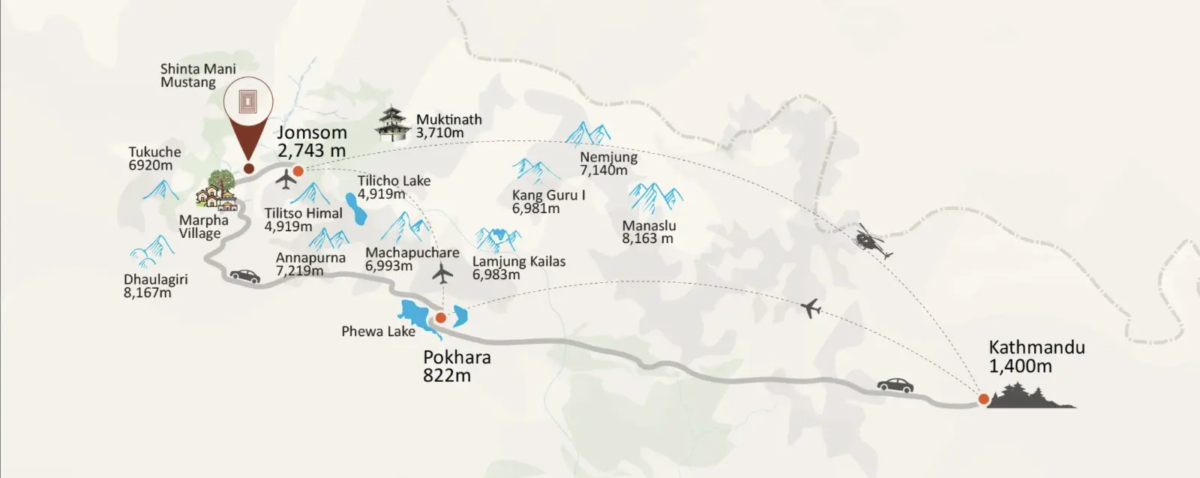
Good To Know
All guests on The Amchi’s Legacy Journey must carry valid travel insurance before departure. Peregrine verifies your insurance details during the pre-trip welcome pack stage, 30 days before Day 1. Guests who arrive without valid coverage cannot fly to Jomsom.
Minimum Coverage Requirements
- Medical treatment and hospitalization in Nepal (minimum $100,000 coverage)
- Helicopter evacuation from altitudes up to 4,000 meters
- Trip cancellation and trip interruption
- Flight delay and missed connections (domestic Nepal flights are frequently weather-affected)
- Baggage loss and travel document replacement
- COVID-19 and pandemic-related medical coverage (recommended, not mandatory)
Recommended Providers
Peregrine does not sell insurance, but guests on The Amchi’s Legacy Journey frequently use these providers:
- World Nomads — Flexible policies with altitude trekking coverage. Purchase online, extend while traveling.
- IMG Global — Strong medical evacuation coverage. Popular with North American travelers.
- Allianz Travel — Comprehensive European-market policies with a cancel-for-any-reason add-on.
- Your existing premium card or private insurance — Many Amex Platinum, Chase Sapphire Reserve, and corporate travel policies already include adequate coverage. Check that altitude evacuation is explicitly listed.
Important: Standard travel insurance policies often exclude altitudes above 3,000 meters. Because The Amchi’s Legacy Journey reaches 3,800 meters at Muktinath (optional), your policy must explicitly cover helicopter evacuation to at least 4,000 meters. Send your policy details to your Peregrine trip designer for a quick review.
Nepal’s Mustang region has two ideal travel seasons. Each offers a different character. Choose based on your priorities.
| Travel Factor | Autumn (Sep–Nov) | Spring (Mar–May) |
|---|---|---|
| Daytime Temperature | 10–18°C | 15–22°C |
| Night Temperature | -2 to 5°C | 2–8°C |
| Rainfall | Minimal | Occasional afternoon showers |
| Sky Clarity | Best of the year, with sharp blue skies | Very good, with occasional haze |
| Mountain Visibility | Exceptional, especially in October | Excellent, especially early mornings |
| Landscape Character | Golden fields, ripe apples, and harvest scenes | Apple blossoms, wildflowers, and green terraces |
| Kathmandu Atmosphere | Dashain and Tihar season with colorful temple rituals | Holi season, warm streets, and rooftop dining weather |
| Best For | Photography, clear views, and festival culture | Warm weather, flowers, and longer walking days |
| Booking Demand | High, book 4–6 months in advance | Moderate, book 3–4 months in advance |
Months to Avoid
June through August (monsoon): Shinta Mani Mustang closes. Heavy rain, landslides, and flight cancellations make travel impractical. December through February (deep winter): temperatures at the resort drop below -10°C at night. Roads may close. Peregrine can arrange winter departures for experienced cold-weather travelers on request, but most guests prefer autumn or spring.
Trip Information
Why The Amchi’s Legacy Journey Exists
Most travelers visit Mustang on a teahouse trek — 18 days of walking through the Kali Gandaki valley, sleeping in basic lodges, eating dal bhat twice a day. A remarkable experience, but physically demanding.
The Amchi’s Legacy Journey takes a different approach. Instead of endurance, it offers depth. Instead of teahouses, it offers Shinta Mani Mustang — a BENSLEY Collection resort perched at 2,800 meters with direct views of Nilgiri, Annapurna, and Dhaulagiri. Instead of altitude sickness and sore knees, it offers a personalized wellness prescription from an 11th-generation Tibetan medicine doctor, daily spa treatments, and the freedom to walk as much or as little as you choose each day.
Over 10 carefully designed days, The Amchi’s Legacy Journey moves from the medieval courtyards of Kathmandu’s Dwarika Hotel to the serene lakeside of Pokhara’s Fishtail Lodge, then deep into Nepal’s most remote and spiritually charged landscape: the ancient kingdom of Mustang.
You sit in a Thakali kitchen and learn to roll dhido with a village chef. You walk through 800-year-old Bon Buddhist settlements where prayer wheels still turn by hand. You receive a pulse diagnosis from an Amchi whose family has practiced Tibetan medicine for eleven generations. And every evening, you return to heated stone floors, a gas fireplace, a deep soaking tub, and a dinner menu that changes with the seasons.
The Amchi’s Legacy Journey is not a trek. It is not a tour. It is a complete sensory and cultural experience designed for travelers who have already seen the world and now want to feel it.
Who Should Book The Amchi’s Legacy Journey
The Amchi’s Legacy Journey suits a specific kind of traveler — someone who values privacy, authenticity, and personal attention over checklists and crowds. Here is who benefits most from the experience.
Luxury Wellness Travelers
You want Himalayan healing traditions — Tibetan pulse diagnosis, herbal steam therapies, hot stone massage with juniper oil — delivered in a resort where every detail is considered. Shinta Mani Mustang provides exactly that: a world-class spa at 2,800 meters, with treatments prescribed by a real Amchi, not a generic menu.
Cultural Travelers and Storytellers
You want to sit at Mrs. Kamala’s kitchen table, not read about it in a guidebook. You want to watch butter lamps flicker inside a 17th-century monastery while a monk offers a blessing. You want to hear how an 11th-generation healer takes a pulse. The Amchi’s Legacy Journey builds these moments into every day — not as optional add-ons, but as the core of the experience.
Photographers and Visual Storytellers
Mustang’s landscape looks like another planet: red and ochre canyons, whitewashed villages against barren hillsides, 8,000-meter snow peaks rising behind every ridgeline. The light changes every hour. The Amchi’s Legacy Journey gives you time to shoot at dawn, dusk, and the long golden afternoons — because the daily schedule belongs to you, not a fixed group timetable.
Couples Celebrating Milestones
Anniversaries, honeymoons, retirements, birthdays ending in zero. The Amchi’s Legacy Journey offers privacy without isolation, beauty without hardship, and shared adventure without arguing about who carries the heavier pack. A private dining setup on the resort lawn, a 108-butter-lamp ceremony at sunset, a sunrise that paints three 8,000-meter peaks in apricot and rose — these are the kind of moments that mark a life.
Experienced Travelers Aged 45–75
You stay physically active, but prefer 2–4 hours of walking per day with a vehicle nearby, not 8-hour altitude slogs. You have already visited Bali, Patagonia, the Maldives, and Bhutan. You want something your friends have not done yet. The Amchi’s Legacy Journey delivers that rarity: a destination almost nobody you know has reached, at a comfort level that matches the best lodges in East Africa or New Zealand.
Who Should Consider a Different Peregrine Trip Instead
- Budget-conscious travelers: The Upper Mustang Trek covers similar geography over 18 days at US$2,500 per person, using traditional teahouse accommodation. [Link: /upper-mustang-trek]
- Hardcore trekkers: The Dhaulagiri Circuit Trek and Manaslu Circuit Trek offer multi-day high-altitude challenges for experienced walkers. [Links: /dhaulagiri-circuit-trek and /manaslu-trekking]
- Families with children under 12: The altitude (2,800m) and remoteness of Mustang make The Amchi’s Legacy Journey better suited to adults and older teenagers.
Your Booking Process — Seven Steps from Inquiry to Arrival
Booking The Amchi’s Legacy Journey follows a clear, personal process. No automated checkout. No generic confirmation email. Every step involves a real person at Peregrine who knows your trip, your preferences, and your name.
| Step | What Happens | Timeline |
|---|---|---|
| 1. Inquiry | Send your request via inquiry form, WhatsApp, or email with travel dates and group size. | Reply within 12 hours |
| 2. Consultation | Discuss your travel plan, preferences, and custom requests with a trip designer. | Within 48 hours |
| 3. Proposal | Receive a detailed itinerary, hotel details, flights, and pricing in a PDF proposal. | Within 5 business days |
| 4. Deposit | Pay a 30% deposit to confirm your booking. Bank transfer or card accepted. | Within 14 days |
| 5. Balance | Pay the remaining balance before departure. | 60 days before trip |
| 6. Pre-trip Pack | Receive travel guide, packing list, visa info, and final itinerary. | 30 days before trip |
| 7. Arrival | Final transfer details shared, including driver contact and pickup info. | 48 hours before arrival |
Peregrine Promise: Every guest who books The Amchi’s Legacy Journey receives a single point of contact — your trip designer — who handles everything from first inquiry to post-trip feedback. No call centers. No ticket numbers. One person who knows your name, your dietary needs, and which side of the aircraft offers the best Annapurna views.
Cancellation Policy for The Amchi’s Legacy Journey
Plans change. Health issues arise. Flight schedules shift. Peregrine designs a cancellation policy that balances flexibility for you with fairness to the guides, drivers, hotel partners, and local families whose livelihoods depend on confirmed bookings.
| Notice Period Before Departure | Cancellation Fee | Refund Amount |
|---|---|---|
| 90 or more days | 30% of the total cost | 70% refund |
| 60 to 89 days | 50% of the total cost | 50% refund |
| Fewer than 59 days | 100% of the total cost | No refund |
Postponement Option
Need to move your dates rather than cancel? Peregrine holds your booking for up to 12 months at no additional charge, subject to Shinta Mani Mustang room availability for your new dates. Contact your trip designer as early as possible to explore alternatives.
Force Majeure
In the event of a natural disaster, political unrest, pandemic-related border closure, or airline cessation that prevents travel to Nepal, Peregrine offers a full credit for future travel (valid 18 months) or a refund minus any non-recoverable third-party costs already paid. We handle the communication with all hotel and airline partners on your behalf.
Peregrine strongly recommends purchasing comprehensive travel insurance that covers trip cancellation for any reason, including medical emergencies, family crises, and pandemic-related disruptions. See Section 6 below for specific coverage requirements.
Responsible Travel on The Amchi’s Legacy Journey
Luxury and responsibility are not opposites. Every element of The Amchi’s Legacy Journey supports the communities, traditions, and landscapes you visit.
Supporting Local Livelihoods
- Your Thakali lunch at Mrs. Kamala’s home directly supports a local family in Marpha — not a chain restaurant or an international franchise.
- Your Amchi consultation preserves a medical tradition spanning 11 generations and is at risk of disappearing as younger Nepalis move to cities.
- All guides, drivers, porters, and support staff on The Amchi’s Legacy Journey are Nepali citizens hired locally. Peregrine pays above-market wages, provides health insurance, and offers annual first-aid training.g
- The apple distillery in Marpha is a family-run cooperative. Every bottle you purchase stays in the village economy
The BENSLEY Foundation at Shinta Mani Mustang
Shinta Mani hotels operate on the BENSLEY Foundation model. A portion of every night’s stay funds local education scholarships, healthcare access, and environmental conservation in the Mustang region. The resort employs local Mustangi staff at every level — from kitchen to housekeeping to spa — and provides skills training that creates long-term career opportunities in a region where economic migration is the default.
Environmental Practices
- No single-use plastic: The Amchi’s Legacy Journey provides reusable water bottles throughout. All properties on the route have filtered drinking water stations.
- Leave-no-trace walking: Your guide carries all waste from trail activities. Nothing is left behind on any hike.
- Carbon-conscious travel: Domestic flights are the only practical way to reach Jomsom, but Peregrine offsets the carbon footprint of all internal flights through a partnership with a verified Nepal reforestation program.
- Low-impact architecture: Shinta Mani Mustang is built with local stone, timber, and earth-friendly materials. Solar panels supplement the resort’s energy supply. Wastewater is treated on-site.
Peregrine’s Commitments
Peregrine Treks is a KEEP (Kathmandu Environmental Education Project) partner. On every trip we operate — from The Amchi’s Legacy Journey to the Everest Base Camp Trek — we follow responsible tourism standards: fair wages, porter weight limits (25 kg maximum), guide insurance, and transparent pricing with no hidden charges. Your trip directly supports the people and places that make Nepal extraordinary.
Frequently Asked Questions
Not very. Peregrine rates The Amchi’s Legacy Journey as Easy to Moderate. Daily walking ranges from 2 to 4 hours on gentle terrain — dirt paths, stone village lanes, and open hillsides with gradual elevation changes. No day exceeds 150 meters of elevation gain.
Every walking activity offers an alternative to a vehicle. If your legs feel tired after a morning hike, your guide calls the SUV, and you ride back to the resort in comfort. No pressure, no group pace to maintain, no schedule to chase.
If you can walk for two hours at a comfortable pace on a flat park trail, you can complete every activity on The Amchi’s Legacy Journey without difficulty.
Shinta Mani Mustang sits at 2,800 meters (9,186 feet) — roughly the same altitude as Bogotá, Colombia, or Addis Ababa, Ethiopia. Most guests feel no altitude effects at all at the resort.
The optional Muktinath Temple excursion on Day 6 reaches approximately 3,800 meters (12,467 feet). For reference, Cusco, Peru, sits at 3,400 meters. Altitude sickness at 3,800 meters is uncommon for healthy adults, especially after several days of gradual acclimatization at 2,800 meters.
Shinta Mani Mustang provides supplemental oxygen and a medical room on-site. Your guide carries a pulse oximeter and monitors your comfort throughout. If you feel any headache, nausea, or unusual fatigue, the resort staff responds within minutes.
Yes — every element is flexible. Your Peregrine trip designer adjusts The Amchi’s Legacy Journey to match your interests, pace, and schedule. Common customizations include:
- Adding or removing days (extend the Mustang stay to 7 nights, or add a Chitwan wildlife safari)
- Swapping walking activities for spa time, photography sessions, or simply reading on the terrace
- Upgrading to a private helicopter transfer from Pokhara directly to the resort helipad ($4,500)
- Adding a guided sunrise visit to Sarangkot Hill in Pokhara for Annapurna panorama photography
- Arranging a private dinner on the Shinta Mani resort lawn with candles, local musicians, and a tasting menu
- Combining The Amchi’s Legacy Journey with a 3-day Everest Base Camp helicopter tour at the start or end
Contact your trip designer during the consultation call (Step 2 of the booking process) with any requests. Most customizations carry no additional charge beyond third-party costs.
Yes. Peregrine designed The Amchi’s Legacy Journey specifically for guests who value comfort over endurance. Every walking activity has a vehicle backup. The resort rooms feature heated stone floors, walk-in showers, and no internal stairs. Ground-floor Signature Suites are available on request.
The oldest guest to complete The Amchi’s Legacy Journey with Peregrine was 78 years old. The key requirements are: the ability to walk for approximately 30 minutes on an uneven surface, the willingness to fly in a small mountain aircraft, and general good health at moderate altitude.
If you have specific medical conditions (heart disease, severe respiratory conditions, recent surgery), discuss them with your doctor and share the details with your Peregrine trip designer before booking.
The cuisine on The Amchi’s Legacy Journey moves between three distinct styles. At Dwarika Hotel in Kathmandu, expect a curated spread of Newari specialties alongside continental classics. At Fishtail Lodge in Pokhara, lakefront dining features Nepali, Indian, and international dishes. At Shinta Mani Mustang, the kitchen serves contemporary Himalayan cuisine using locally sourced ingredients: buckwheat, apples, yak cheese, wild herbs, river trout, and seasonal vegetables from the resort’s own garden.
Dietary restrictions handled with advance notice include: vegetarian, vegan, gluten-free, dairy-free, nut-free, Jain, kosher-style, halal, and keto. Inform your trip designer at the consultation stage, and every kitchen on the route receives your requirements before you arrive.
One highlight meal stands apart: the traditional Thakali lunch at Mrs. Kamala’s home in Marpha (Day 4). She prepares dhido, gundruk, masaura, bamboo shoot curry, lentil soup, and red rice on a wood-fired hearth. Vegetarian guests receive a modified spread with local soy protein and extra vegetable dishes.
An Amchi is a traditional Tibetan medicine doctor. The word comes from the Tibetan “am chi,” meaning “physician.” Amchi medicine is a holistic healing system that dates back over 2,500 years, combining herbal remedies, dietary advice, and diagnostic techniques unique to the Himalayan Buddhist tradition.
The Amchi at Shinta Mani Mustang is Tsewang Gyurme Gurung — the 11th generation of his family to practice. During your consultation (included on Day 4 or 5 of The Amchi’s Legacy Journey), he asks about your sleep, digestion, energy, stress levels, and any physical discomfort. He then takes your pulse at both wrists — each wrist point corresponds to different internal organs in Tibetan diagnostic theory. He examines your tongue and may ask for a small urine sample.
Based on the diagnosis, he prescribes a personalized wellness plan for the rest of your stay. Not medication — rather, specific recommendations: a herbal oil blend for your massage (juniper, wild rose, or mint), a steam bouquet composition, a poultice for sore muscles, or dietary adjustments (more warm cooked foods, less raw salad, specific herbal teas before bed).
A staff translator sits with you during the session. The consultation takes approximately 30–45 minutes. No pressure to purchase anything — the recommendations integrate directly into your daily spa treatments, which are already included in The Amchi’s Legacy Journey.
Mountain flights between Pokhara and Jomsom depend on clear weather in the Kali Gandaki valley. High winds, low cloud, and poor visibility regularly cancel flights, especially in the afternoon and during monsoon-adjacent weeks.
Peregrine builds a contingency into The Amchi’s Legacy Journey at no extra cost. If your Jomsom flight is canceled, a private jeep takes you along the Kali Gandaki riverbed — a 5-to-6-hour scenic drive through terraced villages, suspension bridges, and river gorges. Your guide arranges a picnic lunch en route. The jeep is a rugged, climate-controlled SUV with comfortable seating and bottled water.
For guests who want a guaranteed arrival regardless of weather, Peregrine arranges a private helicopter charter from Pokhara directly to the Shinta Mani Mustang helipad. The flight takes approximately 35 minutes, flying at low altitude over the Annapurna and Dhaulagiri massifs. Cost: US$4,500 per helicopter, seating up to 4 guests. Booking required.
Your concierge monitors weather conditions 48 hours in advance and communicates any schedule adjustments via WhatsApp +9779851052413
Yes. Shinta Mani Mustang provides complimentary high-speed Wi-Fi in all guest rooms and public areas. Signal strength is strong enough for video calls, photo uploads, and streaming. The resort also has Ncell mobile network coverage for calls and data.
In the surrounding villages (Thini, Marpha, Lubra, Kagbeni), Wi-Fi is not available, and mobile signal ranges from weak to nonexistent. If you need connectivity during day excursions, download offline maps and let your trip designer know. Your guide carries a working phone with local SIM coverage at all trail points.
Many guests on The Amchi’s Legacy Journey treat the limited village connectivity as a feature, not a bug. Five days without email notifications and social media scrolling turns out to be more restorative than any spa treatment.
Pack for a luxury lodge stay, not a trekking expedition. You do not need heavy hiking boots, a sleeping bag, or technical mountaineering gear. Here is a practical packing guide:
- Footwear: Comfortable walking shoes with ankle support (trail runners or light hiking shoes are ideal)—a pair of sandals or light shoes for the resort and restaurants.
- Clothing layers: Daytime temperatures range from 10°C to 22°C, depending on the season. Evenings drop to 0°C to 8°C. Bring a light down jacket, a fleece mid-layer, and moisture-wicking base layers.
- Sun protection: Sunscreen (SPF 50+), sunglasses with UV protection, and a wide-brimmed hat. The Mustang sun at 2,800 meters is significantly stronger than at sea level.
- Smart-casual dinner wear: Shinta Mani Mustang is a luxury resort. While there is no formal dress code, guests typically wear clean trousers or a skirt with a simple top for dinner. Leave the trekking pants in the room.
- Camera and charger: Bring a quality camera if you have one. Every day offers extraordinary photographic opportunities. Charging points are available in the room (Type C/D/M plugs — bring a universal adaptor).
- Personal medication: Carry a full supply of any regular medication plus extras for potential weather delays. Pharmacies in Mustang do not exist.
Shinta Mani Mustang provides walking sticks, windproof jackets, daypacks, reusable water bottles, and organic bathroom products. You receive a detailed, season-specific packing guide 30 days before departure as part of the pre-trip welcome pack.
Peregrine recommends The Amchi’s Legacy Journey for guests aged 12 and above. The altitude (2,800 meters at the resort, up to 3,800 meters at Muktinath), the remoteness of Mustang, and the nature of the daily activities — wellness therapies, cultural walks, quiet dining — are better suited to adults and older teenagers who appreciate contemplative, slow-paced travel.
For families with younger children interested in Nepal, Peregrine’s Kathmandu Pokhara Chitwan Tour offers a family-friendly alternative with wildlife safaris, boat rides, and cultural tours at lower altitudes.
Two seasons stand out:
- Autumn (September to November): Clear skies, sharp mountain visibility, moderate daytime temperatures (10–18°C), minimal rainfall, and the festive atmosphere of Dashain and Tihar in Kathmandu. October and November offer the best photography conditions of the year.
- Spring (March to May): Warmer days (15–22°C), apple orchards in bloom across Mustang, wildflowers on the hillsides, and longer daylight hours. Rhododendron season colors the lower valleys between Pokhara and Jomsom.
Shinta Mani Mustang closes during the monsoon (June through August) and deep winter (December through February). Peregrine can arrange special winter departures on request, subject to resort availability and weather conditions.
Book The Amchi’s Legacy Journey at least 90 days in advance for the best room selection at Shinta Mani Mustang. Peak-season dates (October, November, and April) fill up 4–6 months in advance.
Both trips explore Nepal’s Mustang region, but they serve very different travelers.
| Feature | The Amchi’s Legacy Journey | Upper Mustang Trek |
|---|---|---|
| Duration | 10 days | 18 days |
| Price | US$19,500 per person | US$2,500 per person |
| Accommodation | Luxury resorts and boutique hotels | Basic teahouses and guesthouses |
| Region Covered | Lower Mustang villages and cultural sites | Upper Mustang including Lo Manthang |
| Physical Level | Easy to moderate with vehicle support | Moderate to strenuous with long daily walks |
| Meals | High-end dining and curated local meals | Simple teahouse meals |
| Wellness | Spa treatments and traditional healing | Not included |
| Permits Required | No restricted permit needed | Restricted Area Permit required |
| Best For | Luxury travelers and wellness seekers | Adventure and experienced trekkers |
Think of it as two ways to enter the same ancient landscape. The Upper Mustang Trek takes you deeper geographically. The Amchi’s Legacy Journey takes you deeper experientially. Both are extraordinary. Your choice depends on what kind of depth you seek.
Reviews on The Amchi’s Legacy Journey
5.0