

Based on 10 reviews

13 Day Classic Tibet Nepal Bhutan Overland Tour
Explore the Best of Tibet, Nepal, and Bhutan in a 13-Day Overland Adventure

Duration
13 Days

Meals
- 12 Breakfast
- 3 Lunch
- 3 Dinner

Accommodation
- Hotel
- Guest House

Activities
- Sightseeing
- Scenic Flight
- Hiking
SAVE
US$ 700Price Starts From
US$ 3500
Overview of 13 Day Classic Tibet Nepal Bhutan Overland Tour
IMPORTANT TRAVEL UPDATE
13-Day Classic Tibet, Nepal & Bhutan Overland Tour Temporarily Suspended
The 13-Day Classic Tibet, Nepal & Bhutan Overland Tour is temporarily suspended because the
The Rasuwagadhi–Kerung border route, used for the Nepal–Tibet overland journey, has suffered severe flood damage.
The flash flood of August 26, 2026, caused extensive damage to the road, bridges, and border infrastructure along the route. The road connection to Rasuwagadhi is still under reconstruction, and the route cannot currently support normal tourist travel.
We cannot operate this overland tour until the route is repaired and the Rasuwagadhi–Kerung border officially reopens for safe tourist movement.
Tour operations will resume once the route is safe and officially reopened.
The 13 Day Classic Tibet Nepal Bhutan Overland Tour offers extraordinary spiritual depth, natural beauty, and cultural richness. Perfect for adventure travelers who appreciate high-altitude destinations, this tour takes you through three iconic Himalayan regions: Tibet, Nepal, and Bhutan. You’ll witness a harmonious mix of ancient traditions, Buddhist landmarks, and awe-inspiring landscapes.
From the mystical monasteries of Tibet to the architectural wonders of Nepal and the untouched beauty of Bhutan, this comprehensive package ensures a memorable experience for travelers seeking both adventure and spiritual fulfillment.
Tibet: The tour begins in Lhasa, where you will visit iconic sites like the Potala Palace, Jokhang Temple, and Barkhor Street. Beyond the city, the tour explores Sera and Drepung Monasteries, providing a deep insight into Tibetan Buddhism. Driving through the Tibetan plateau, you’ll visit Shigatse and the Everest Base Camp, immersing yourself in the grandeur of the Himalayas.
Nepal: The Nepal segment includes vibrant Kathmandu, where you’ll explore UNESCO World Heritage Sites such as Pashupatinath Temple, Bhaktapur Durbar Square, and the cultural richness of Nagarkot. Known for its panoramic mountain views, Nepal offers a mix of history, architecture, and natural beauty.
Bhutan: In Bhutan, you’ll experience the serene lifestyle and unspoiled landscapes of the “Land of the Thunder Dragon.” Highlights include Thimphu’s cultural sites, the Paro Valley, and the iconic Tiger’s Nest Monastery hike. Bhutan’s emphasis on Gross National Happiness ensures a peaceful and enriching conclusion to the trip.
Why Choose the 13 Day Classic Tibet Nepal Bhutan Overland Tour?
- Spiritual Exploration: Visit sacred monasteries, temples, and cultural landmarks in all three destinations.
- High-Altitude Adventure: Enjoy spectacular views of the Himalayas, including Everest Base Camp and Tiger’s Nest.
- Cultural Immersion: Experience the unique traditions and daily lives of Tibetan, Nepali, and Bhutanese communities.
- Convenience and Comfort: Carefully planned logistics, comfortable accommodations, and expert guides ensure a hassle-free experience.
- Diverse Landscapes: Witness everything from sprawling mountain ranges to lush valleys and vibrant cities.
The 13 Day Classic Tibet Nepal Bhutan Overland Tour is ideal for individuals seeking an adventure intertwined with spiritual and cultural discovery. It allows you to experience the best of three unique Himalayan regions on a well-paced, well-organized itinerary.
Detail Itinerary of 13 Day Classic Tibet Nepal Bhutan Overland Tour
Day 1: Lhasa Arrival – Acclimatization and Cultural Introduction
Your tour begins with your arrival in Lhasa, situated at 3,650 meters (11,975 feet). You will be welcomed by a local guide at the airport or train station and then driven to your hotel. The day is dedicated to acclimatization, ensuring you adjust to the high altitude. Use this time to rest and take in the city’s serene atmosphere.

Key Highlights:
- The transfer to your hotel provides scenic views of the surrounding mountain landscape.
- Get introduced to Tibetan culture through the vibrant streets of Lhasa.
- Receive practical tips from your guide to help manage high-altitude conditions.
Elevation: 3650m
Accommodation: Yak Hotel or similar 3-star hotel
Meal: Not Included
Day 2: Lhasa Sightseeing – Sera Monastery and Drepung Monastery
The second day of the 13 Day Classic Tibet Nepal Bhutan Overland Tour focuses on Lhasa’s significant monastic sites, offering a glimpse into Tibetan Buddhist practices and architecture.
Sera Monastery:
Start the day with a visit to the Sera Monastery, one of Tibet’s great three Gelug monasteries. Witness the famous debating sessions of the monks, which provide a fascinating insight into their spiritual and academic training.
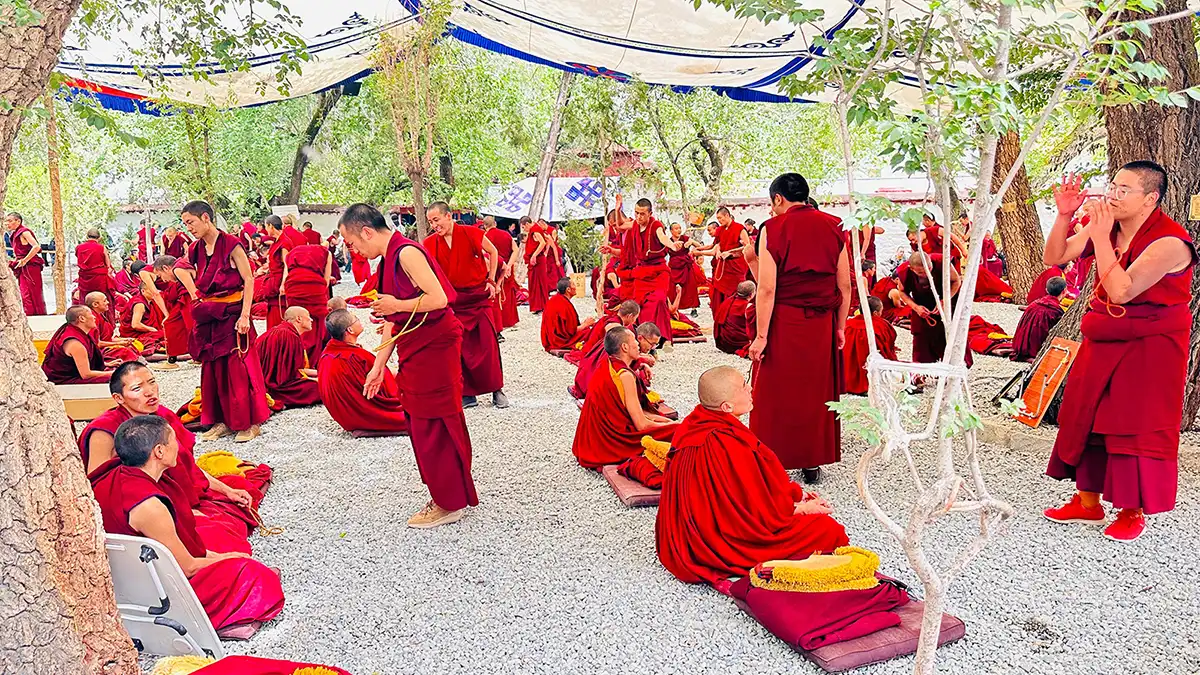
Tibet. This centuries-old tradition is a cornerstone of Tibetan Buddhist education, fostering critical thinking and a deep understanding of Buddhist philosophy.
Highlights:
- Observe monks engaging in lively debates on Buddhist philosophy.
- Explore the monastery’s intricate frescoes and stunning architecture.
Drepung Monastery:
After lunch, head to the Drepung Monastery, once the largest monastery in the world. Situated on the slopes of Mount Gephel, it offers panoramic views of Lhasa and the surrounding landscape.

Highlights:
- Walk through the monastery’s assembly halls and chapels.
- Learn about the historical significance of this center for Tibetan Buddhist studies.
Elevation: 3650m
Accommodation: Yak Hotel or similar 3-star hotel
Meal: Breakfast
Day 3: Lhasa Sightseeing – Potala Palace, Jokhang Temple, and Barkhor Street
Day three highlights Lhasa’s iconic landmarks, blending spirituality with vibrant local culture.
Potala Palace:
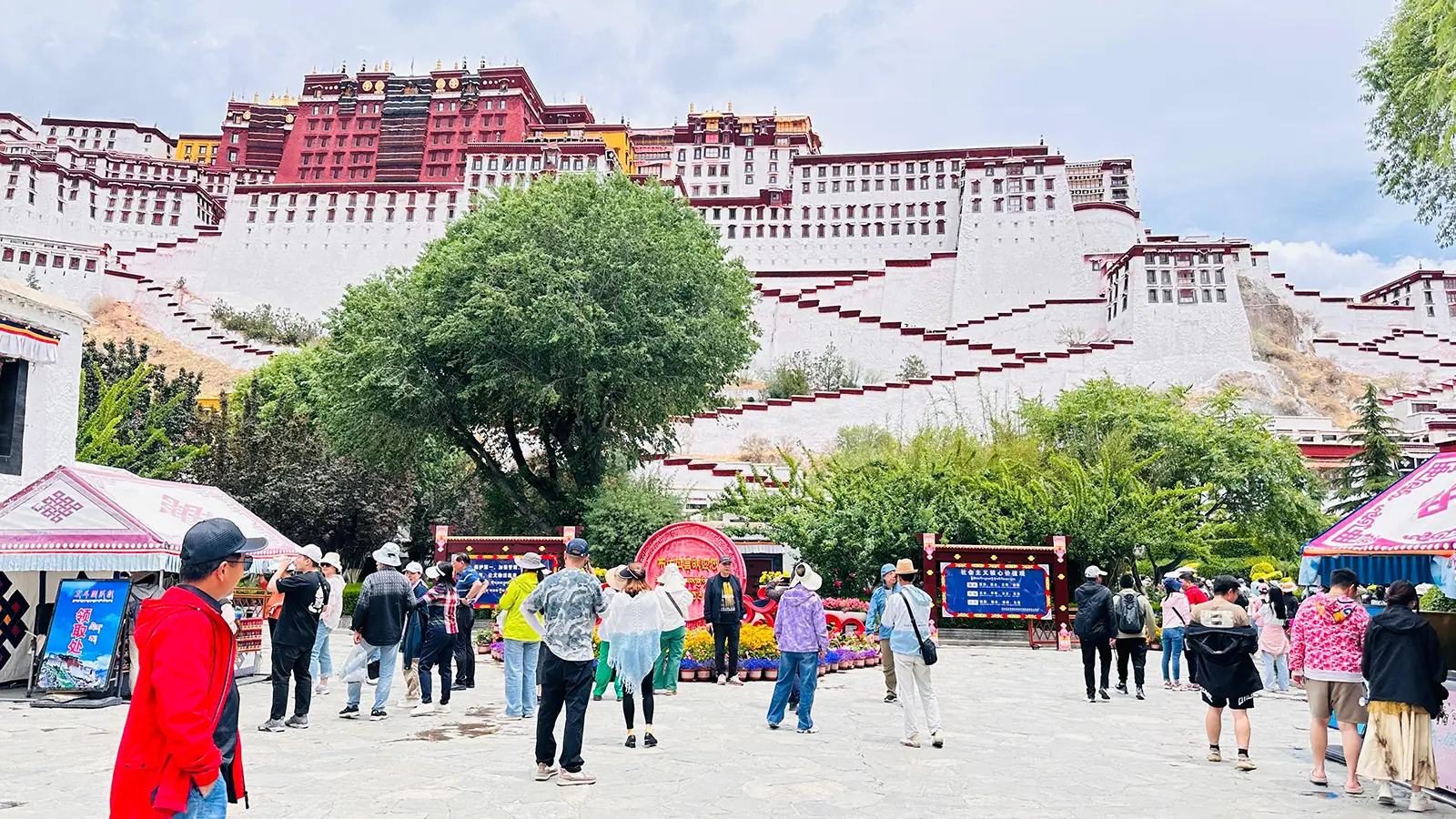
Begin the day with a visit to the Potala Palace, a UNESCO World Heritage Site. This impressive structure historically served as the Dalai Lamas’ winter palace and remains a potent symbol of Tibetan Buddhism.
Highlights:
- Admire the grand white and red structures of the palace.
- Explore its chapels, shrines, and assembly halls, which are rich in Tibetan art and history.
Jokhang Temple:
Continue to the Jokhang Temple, the spiritual heart of Lhasa. This revered site attracts pilgrims from all over Tibet.
Highlights:
- Experience the spiritual atmosphere as pilgrims prostrate around the temple.
- Marvel at the temple’s golden roof and the sacred Jowo Shakyamuni Buddha statue.
Barkhor Street:
End the day with a stroll around Barkhor Street, a bustling market and pilgrimage route encircling Jokhang Temple. This area offers a vibrant blend of spirituality and local life.

Highlights:
- Shop for traditional Tibetan crafts, prayer flags, and jewellery.
- Observe locals performing their kora (circumambulation) rituals.
Elevation: 3650m
Accommodation: Yak Hotel or similar 3-star hotel
Meal: Breakfast
Day 4: Drive to Shigatse and Sightseeing
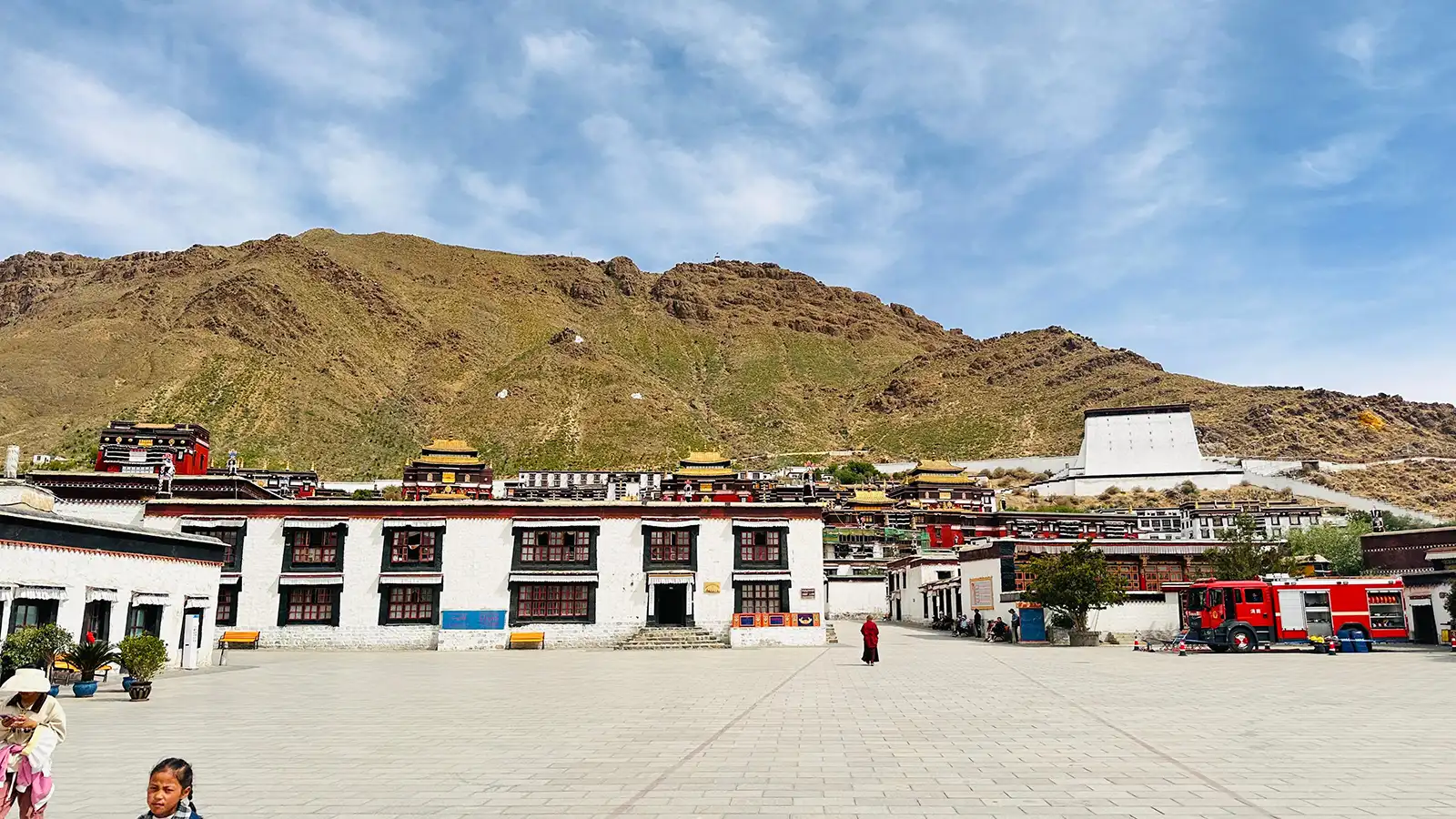
The fourth day takes you from Lhasa to Shigatse, the second-largest city in Tibet. The drive offers breathtaking views of the Tibetan plateau, dotted with villages, yak herds, and dramatic mountain landscapes. Upon arrival in Shigatse, you will explore key cultural and historical sites.
Key Highlights:
- Tashilhunpo Monastery: Visit the seat of the Panchen Lama, one of the most significant Gelug monasteries in Tibet. Admire its intricate murals, giant statues, and peaceful courtyards.
- Shigatse Local Market: Stroll through the bustling market to observe local life and shop for traditional Tibetan crafts, jewelry, and souvenirs.
Practical Tips:
- Keep your camera handy for stunning landscapes along the drive.
- Wear comfortable shoes for walking around the monastery and market.
Elevation: 3850m
Accommodation: 3-star hotel
Meal: Breakfast
Day 5: Drive to Everest Base Camp
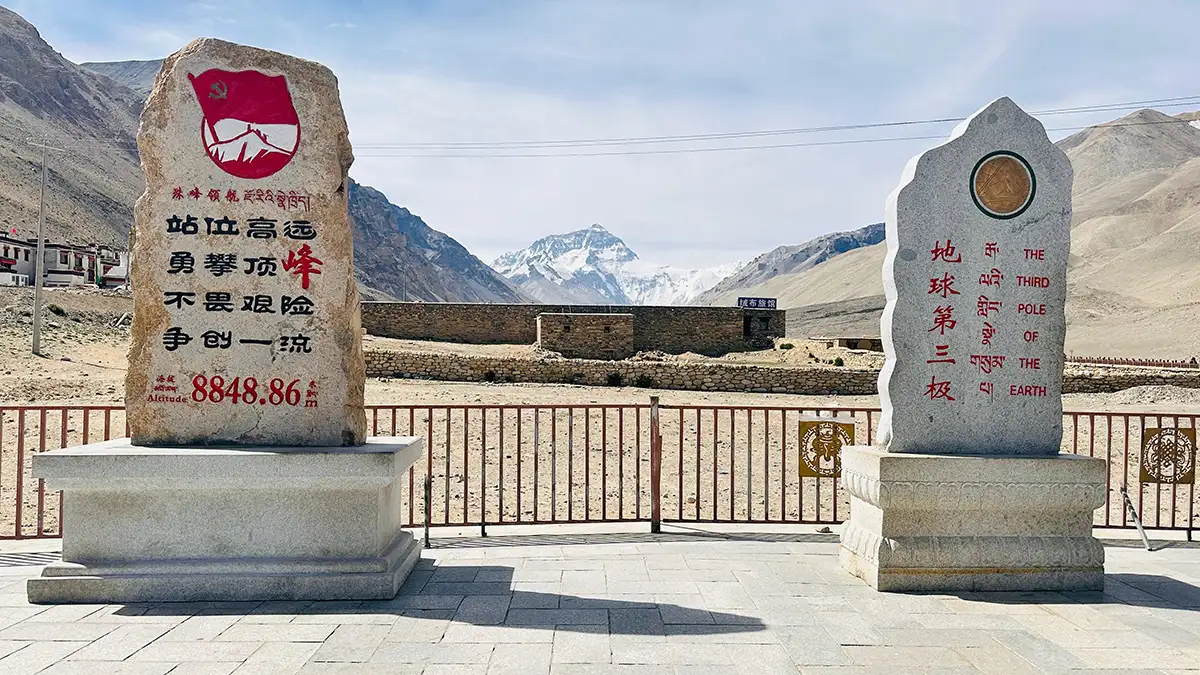
This day promises an unforgettable experience as you drive towards the Everest Base Camp (EBC). You will travel along winding mountain roads, passing by Rongbuk Monastery, the world’s highest monastery, en route to base camp.
Key Highlights:
- Rongbuk Monastery: Visit this historic monastery and enjoy panoramic views of Mount Everest (known locally as Chomolungma).
- Everest Base Camp: Experience the breathtaking view of Everest’s north face from its base.
Practical Tips:
- The high altitude requires slow and steady movement; rest frequently and drink plenty of water.
- Dress warmly, as temperatures at EBC can drop significantly, even during the day.
Elevation: 5150m
Accommodation: Tented Guest House
Meal: Breakfast
Day 6: Drive to Kerung
On day six, you will travel from Everest Base Camp to the Tibet-Nepal border town of Kerung. The drive offers spectacular views of the Himalayan range and lush valleys as the elevation gradually decreases.
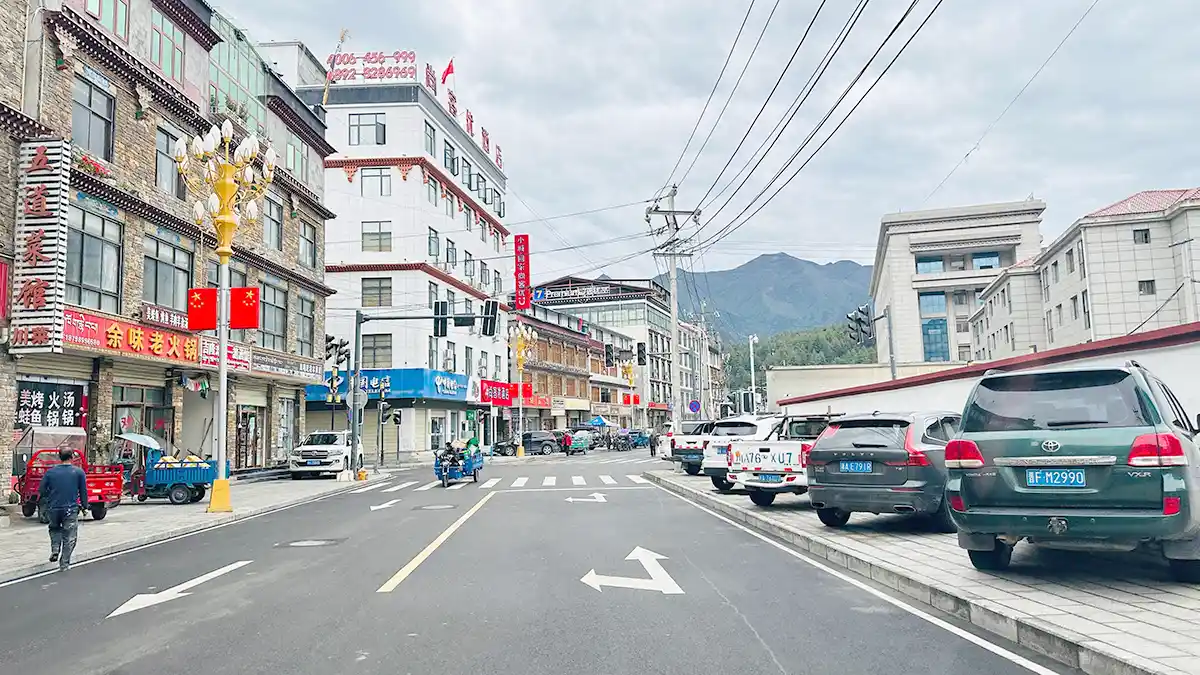
Key Highlights:
- Scenic landscapes transitioning from barren Tibetan plateau to greener terrain closer to Nepal.
- Opportunity to interact with locals in small Tibetan villages along the route.
Practical Tips:
- Carry snacks and water for the long drive.
- Keep your travel documents accessible for border formalities the next day.
Elevation: 2775m
Accommodation: 3-star hotel
Meal: Breakfast
Day 7: Drive to Kathmandu
The seventh day involves crossing the border into Nepal and continuing your drive to Kathmandu, Nepal’s vibrant capital city. Lush forests, terraced hills, and winding roads create stunning scenery along the route.
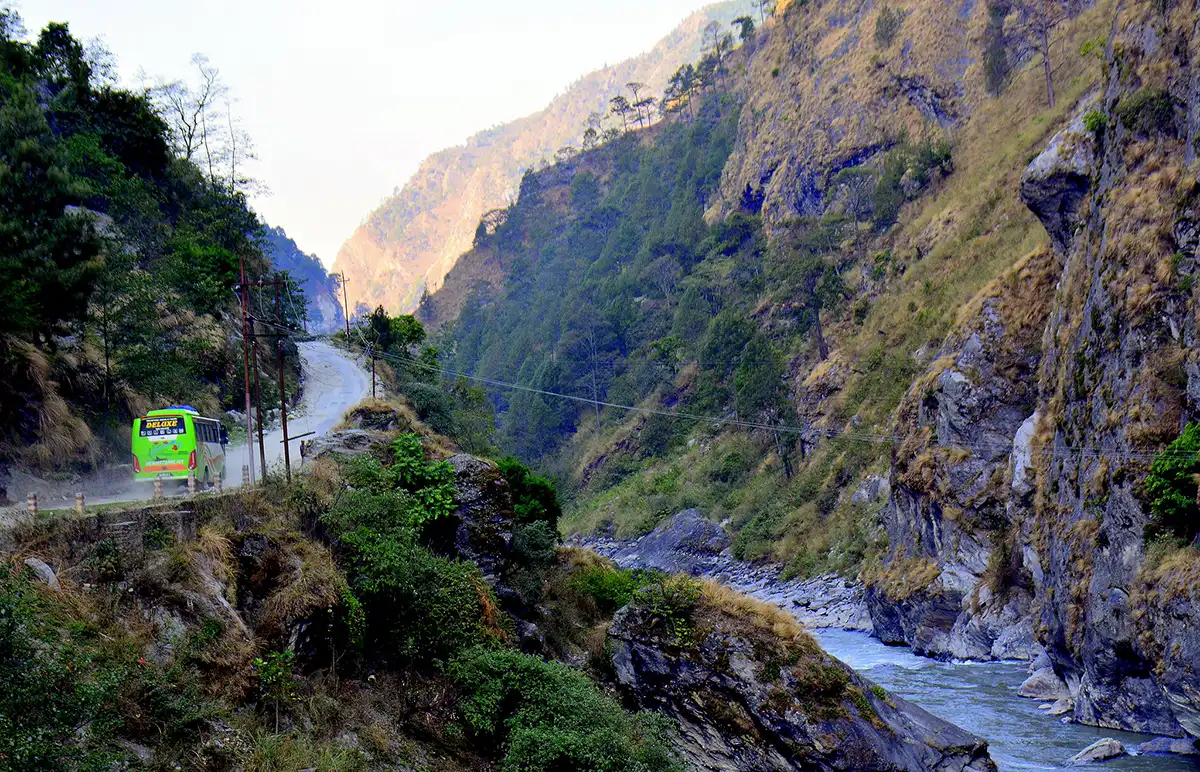
Key Highlights:
- Nepal-Tibet Border: Experience the cultural contrast as you cross into Nepal.
- Kathmandu Valley Views: Enjoy panoramic vistas of the valley as you approach the city.
Upon arrival in Kathmandu, check into your hotel and relax after the day’s travel. The city’s lively atmosphere, rich culture, and warm hospitality will set the stage for the next part of your tour.
Practical Tips:
- Ensure all required documentation is ready for the border crossing.
- Be prepared for varying road conditions and enjoy the changing scenery.
Elevation: 1400m
Accommodation: Hotel Thamel Park
Meal: Breakfast
Day 8: Kathmandu Sightseeing and Drive to Nagarkot
Start the day with a guided exploration of Kathmandu’s iconic landmarks, followed by a scenic drive to Nagarkot.
Key Highlights:
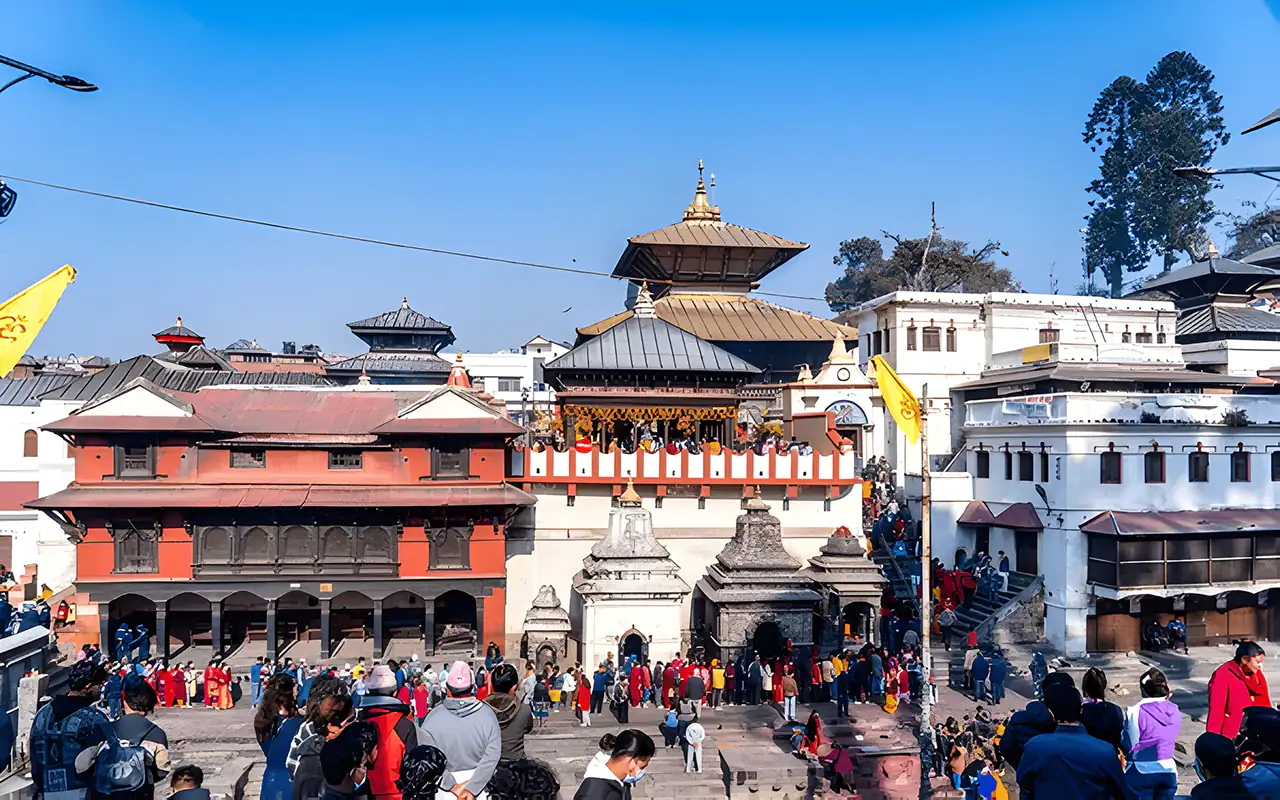
Pashupatinath Temple:
You will have the opportunity to visit one of the world’s most revered Hindu temples. It is situated along the Bagmati Rivander and is renowned for its spiritual ambiance and detailed architectural design.
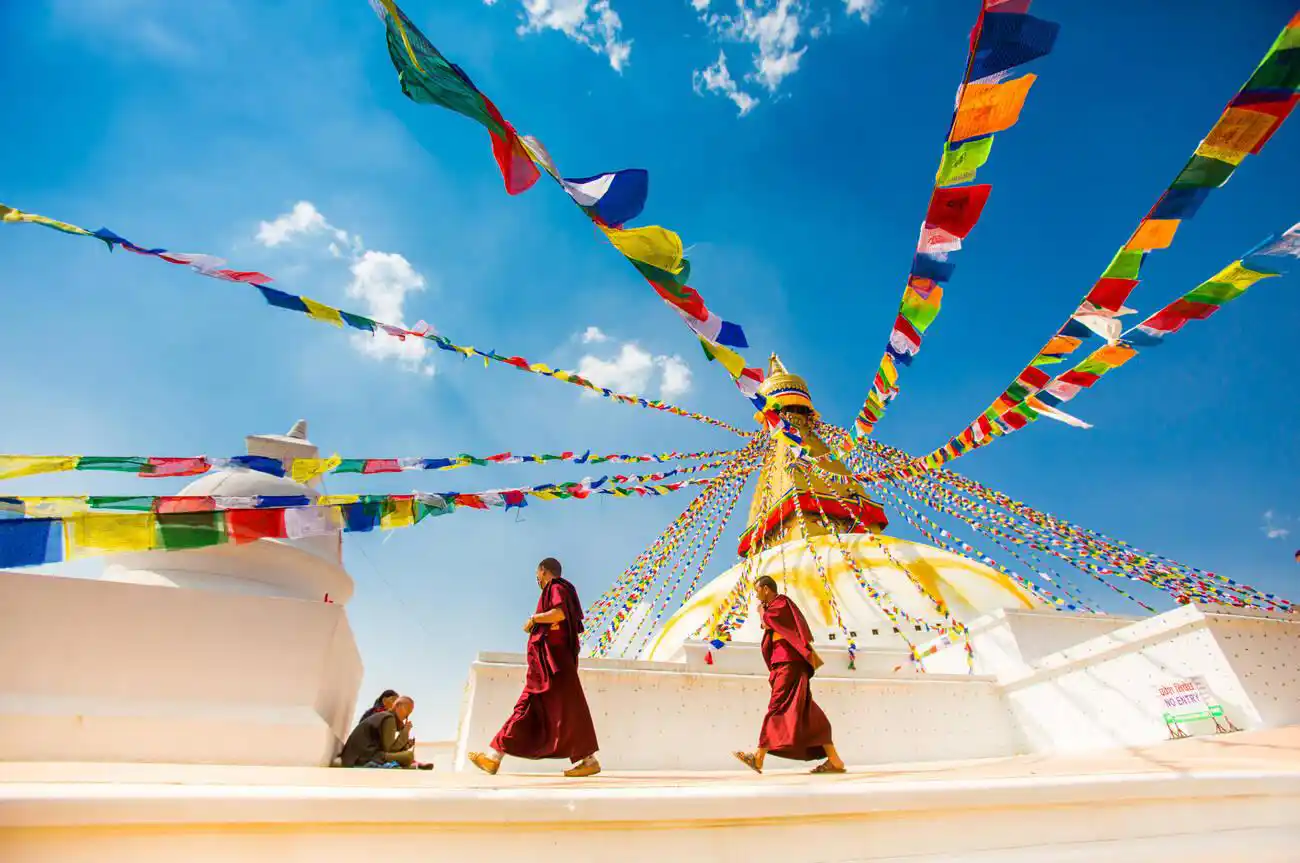
Boudhanath Stupa:
A significant site for Tibetan Buddhists, Boudhanath is one of the largest stupas in the world. Walk around the stupa alongside pilgrims and soak in its tranquil energy.
Drive to Nagarkot:
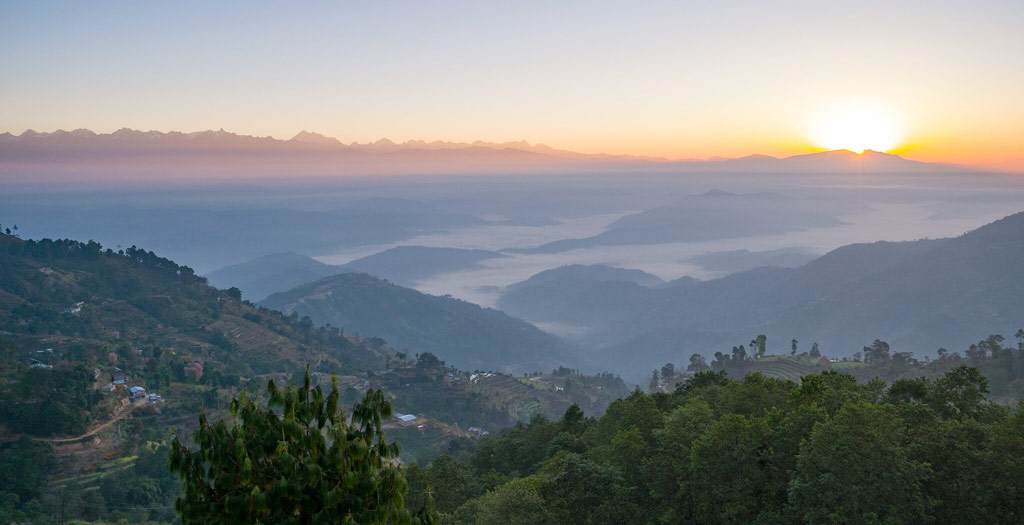
In the afternoon, drive to Nagarkot, about 32 kilometers from Kathmandu. Nagarkot offers panoramic Himalayan views, including Mount Everest, on clear days, making it a perfect place for a tranquil evening.
Practical Tips:
- Wear comfortable walking shoes for the sightseeing tour.
- Pack warm clothing for Nagarkot, as temperatures can drop significantly at night.
Elevation: 2175m
Accommodation: Hotel View Point
Meal: Breakfast
Day 9: Bhaktapur Sightseeing and Drive to Kathmandu
Spend the day exploring Bhaktapur, a well-preserved medieval city, before returning to Kathmandu for the evening.
Key Highlights:
Bhaktapur Durbar Square:
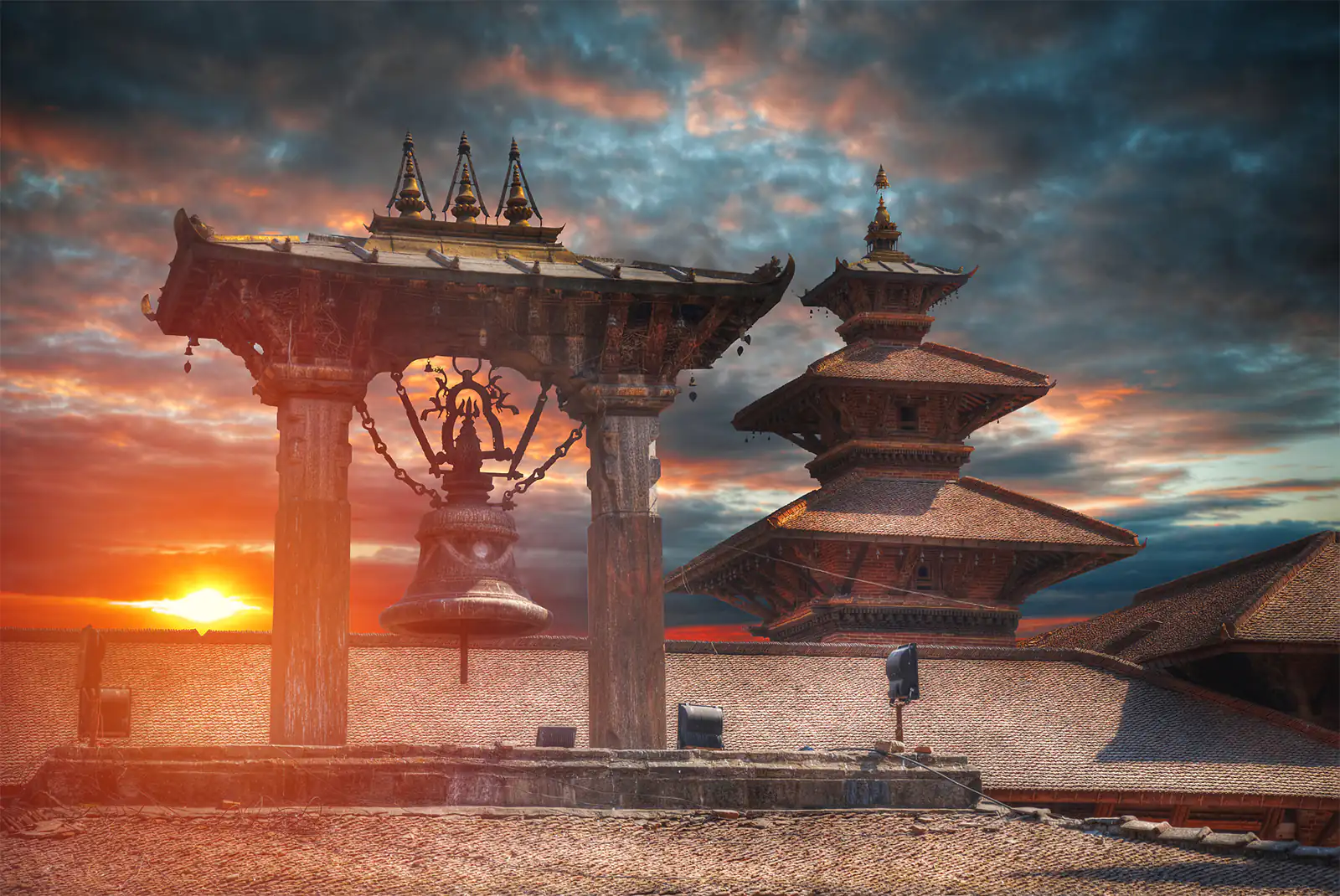
Admire the exquisite architecture and historical significance of this UNESCO World Heritage Site. Highlights include the 55-Window Palace, Vatsala Temple, and Nyatapola Temple.
Pottery Square:
Visit this bustling area to observe traditional pottery-making techniques passed down through generations. You can even try your hand at crafting pottery.
Drive Back to Kathmandu:
After sightseeing, return to Kathmandu. Use the evening to explore local markets or relax at your hotel.
Practical Tips:
- Carry a camera to capture Bhaktapur’s unique architectural details.
- Try local Newari cuisine in Bhaktapur, which is known for its distinct flavors.
Elevation: 1400m
Accommodation: Hotel Thamel Park
Meal: Breakfast
Day 10: Fly to Paro and Drive to Thimphu
On day 10, you will leave Nepal and travel to Bhutan, known as the “Land of the Thunder Dragon.” After a flight to Paro, you will drive to Thimphu, Bhutan’s capital city.
Key Highlights:
Flight to Paro:
You can see breathtaking aerial views of the Himalayas from the flight, including Mount Everest and Kanchenjunga. Upon arrival at Paro International Airport, a local guide will meet you for the onward drive.
Drive to Thimphu:
The scenic drive takes approximately 1.5 hours. You’ll pass lush valleys, traditional Bhutanese homes, and vibrant landscapes along the way.
Thimphu Exploration:
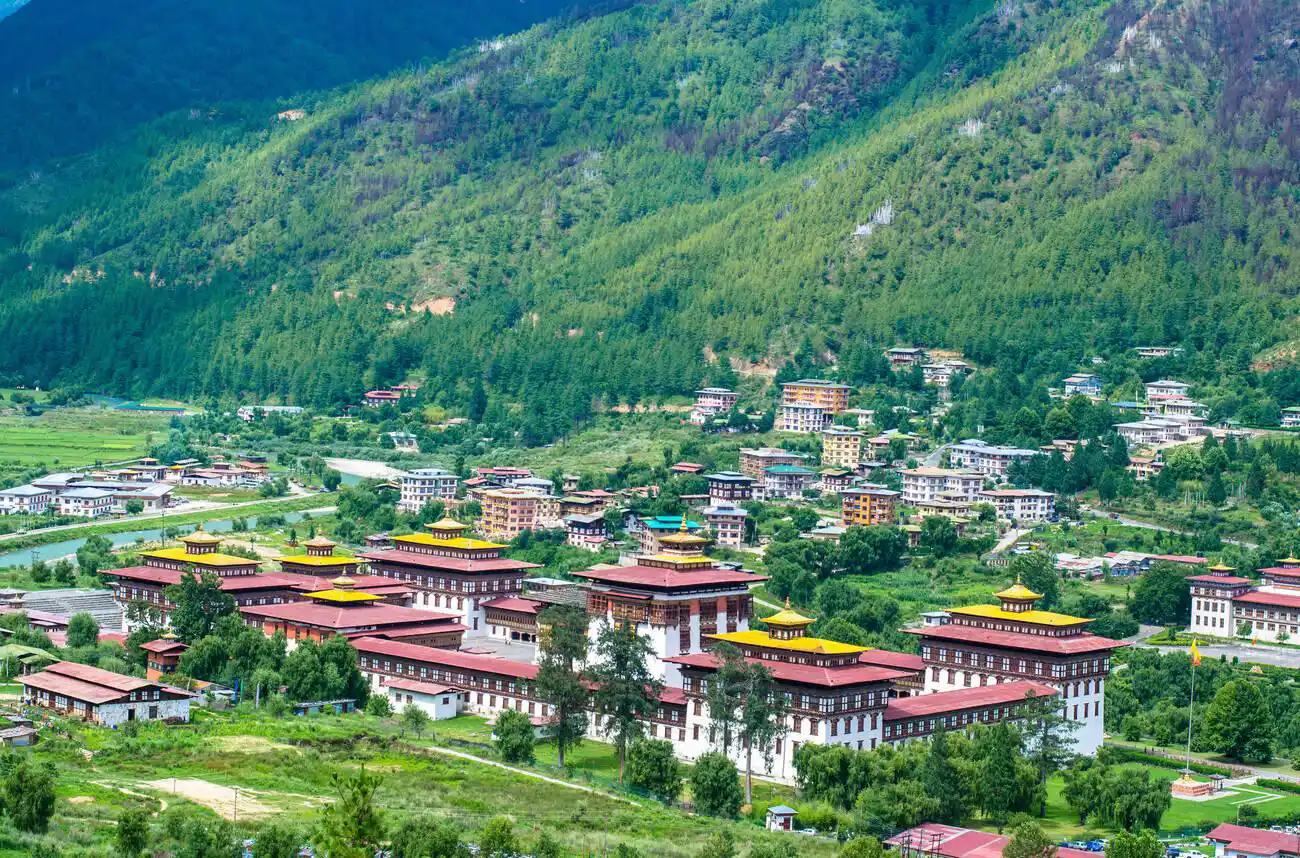
Depending on your arrival time, you may have the opportunity to visit local attractions like the National Memorial Chorten or Tashichho Dzong. This fortress monastery serves as the seat of the Bhutanese government.
Practical Tips:
- Bhutan has strict entry regulations, so ensure all necessary documents are in order.
- Use the flight to enjoy unobstructed views of the Himalayas from a window seat.
Elevation: 2400m
Accommodation: Hotel Pedling or similar 3-star Hotel
Meal: Breakfast, Lunch, and Dinner
Day 11: Thimphu Sightseeing and Drive to Paro
The day begins with a sightseeing tour of Thimphu, Bhutan’s capital city. Known for its blend of tradition and modernity, Thimphu offers several cultural landmarks that provide a deeper understanding of Bhutanese heritage.
Key Highlights:
Buddha Dordenma Statue:
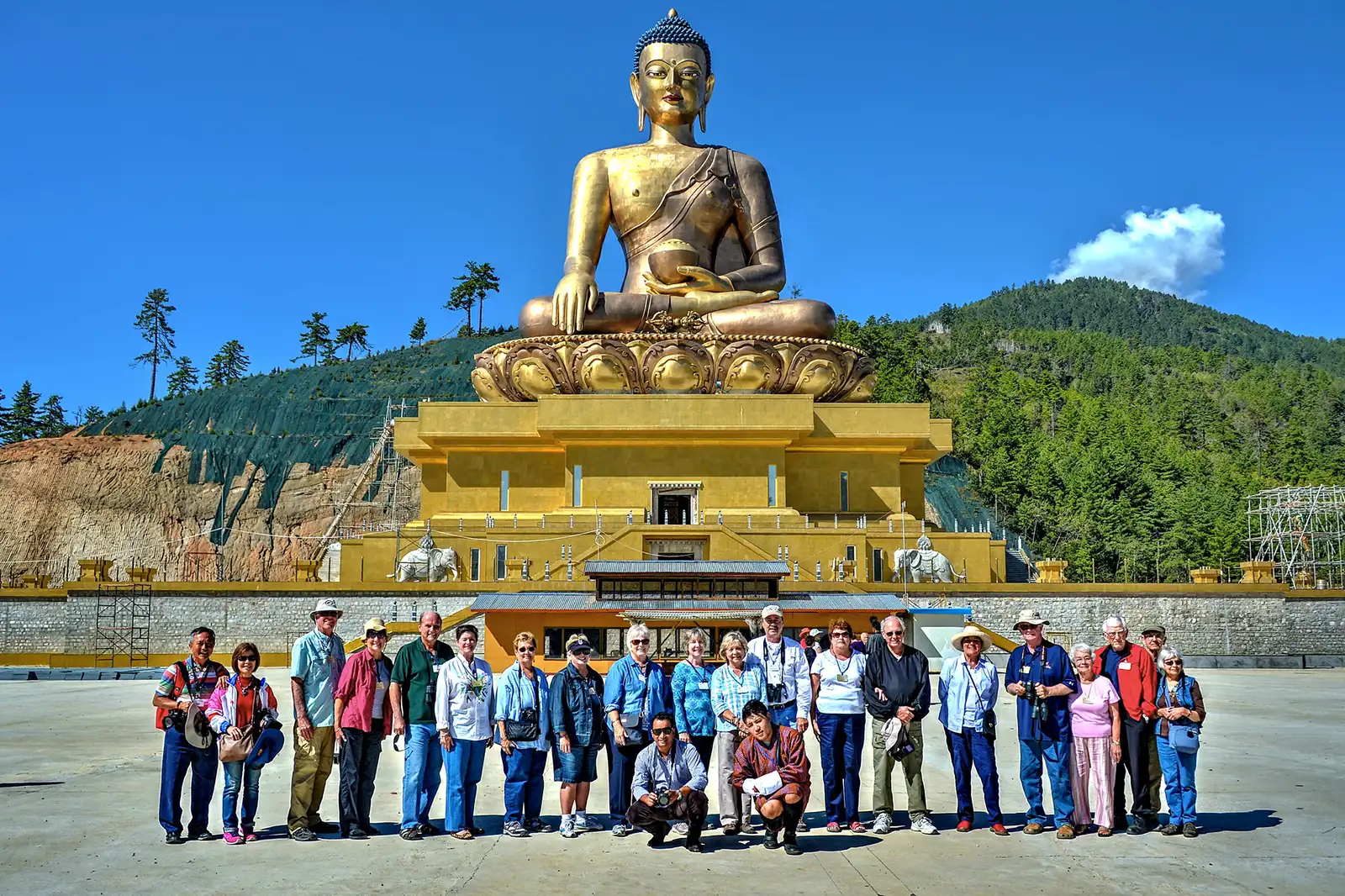
Visit this massive golden statue overlooking the Thimphu Valley. Buddha Dordenma is one of the largest Buddha statues in the world and symbolizes peace and prosperity.
National Memorial Chorten:
Explore this iconic stupa, where locals gather to pray and circumambulate. It’s a great spot to observe Bhutanese devotion and spirituality.
Tashichho Dzong:
This fortress-monastery is Bhutan’s government’s seat and the monastic body’s summer residence. Admire its striking architecture and serene surroundings.
After completing the Thimphu tour, drive to Paro, a scenic valley town home to many of Bhutan’s historic sites. The drive takes approximately 1.5 hours.
Practical Tips:
- Wear comfortable footwear for walking around the sightseeing spots.
- Pack a light jacket because Bhutan’s weather can change rapidly.
Elevation: 2200m
Accommodation: Mandala Reosrt or similar 3-star hotel
Meal: Breakfast, Lunch, and Dinner
Day 12: Tiger’s Nest Hiking
Day 12 features a hike to Tiger’s Nest Monastery (Paro Taktsang), one of Bhutan’s most iconic landmarks. Perched on a cliffside at an altitude of 3,120 meters (10,240 feet), this monastery symbolizes Bhutanese culture and spirituality.
Key Highlights:
The Hike:
The trek to Tiger’s Nest takes about 4-5 hours round trip. The well-maintained trail provides stunning views of the Paro Valley. Along the way, you’ll find rest stops and a teahouse where you can enjoy refreshments.
Tiger’s Nest Monastery:
Legend has it that Guru Rinpoche meditated here in the 8th century, making it a sacred site for Buddhists. The monastery’s intricate design and spiritual ambiance make the effort of the hike worthwhile.

Practical Tips:
- Wear sturdy hiking shoes and carry water.
- Dress modestly to respect the monastery’s sanctity.
- Use trekking poles if needed for stability on the trail.
Elevation: 2200m
Accommodation: Mandala Resort or similar
Meal: Breakfast, Lunch, and Dinner
Day 13: Departure from Paro
On the final day, you will be transferred to Paro International Airport for departure. Reflect on the unforgettable experiences and cultural insights gained throughout the 13 day classic Tibet Nepal Bhutan Overland Tour.
Practical Tips:
- Confirm your flight details and keep travel documents handy.
- Use any spare time to pick up local souvenirs at Paro’s markets.
Elevation: 2200m
Accommodation: Not Included
Meal: Breakfast
Customize this trip with help from our local travel specialist that matches your interests.
Includes & Excludes
What is included?
- All land transportation
- Tour guide in Tibet, Nepal and Bhutan
- All sightseeing entrance fees
- Daily breakfast in Tibet and Nepal
- Hotel and Guest House Accommodation
- Breakfast, Lunch, and Dinner in Bhutan
- Tibet Travel Permit
- Bhutan Visa
- Applicable Taxes
What is excluded?
- Chinese Visa and Nepal Visa
- Lunch and Dinner in Tibet and Nepal
- Personal Expenses like beverages, phone calls, laundry, tipping, etc
- International flights including Kathmandu to Paro
Departure Dates
We also operate Private Trips.
Trip Information
Essential Travel Documents for the 13 Day Classic Tibet Nepal Bhutan Overland Tour
Planning your 13 day classic Tibet Nepal Bhutan Overland Tour requires careful preparation of travel documents to ensure a seamless experience across these three Himalayan countries. This guide outlines this unforgettable adventure’s essential travel documentation and visa requirements. Whether exploring ancient monasteries or hiking at high altitudes, these practical tips will help you stay prepared.
Passports: Validity and Requirements
Your passport must have at least six months remaining validity from your departure date. Many countries, including Tibet, Nepal, and Bhutan, strictly enforce this rule. Travelers without sufficient validity may face entry restrictions, so double-check your passport expiration before booking.
Pro Tip: Carry a few photocopies of your passport and securely save a digital copy for emergencies.
Visa Information
Each country on the 13 day classic Tibet Nepal Bhutan Overland Tour has specific visa requirements. Below is a breakdown of what you need to arrange before your trip:
Tibet:
- A Group Visa is mandatory for travel to Tibet and is arranged through Peregrine Treks and Tours.
- You need a Tibet Entry Permit from the Tibet Tourism Bureau to enter Tibet. Peregrine Treks and Tours typically handle this on your behalf.
Important Note: Independent travel is prohibited in Tibet, so ensure your travel plans comply with the group travel policy.
Nepal:
- Nepal offers a Visa on Arrival at Tribhuvan International Airport for most nationalities.
- The visa process is straightforward and requires a passport-sized photo and payment of the visa fee in cash (USD or local currency).
Visa Options:
- 15-day multiple-entry visa: Suitable for the duration of this tour.
- Longer-duration visas are available for those seeking to extend their stay.
Pro Tip: Complete the online application before arrival to speed up the process.
Bhutan:
- All visitors to Bhutan must obtain a visa in advance through Peregrine. The visa cost is included in most Nepal Bhutan Tibet tour packages.
- A visa clearance letter is issued before your travel, and the visa is stamped upon arrival at Paro International Airport.
Important Note: Independent travel is restricted in Bhutan, and all visitors must travel with a registered tour operator, such as Peregrine Treks and Tours.
Other Permits
In addition to visas, specific high-altitude destinations on the 13 day classic Tibet Nepal Bhutan Overland Tour require special permits. These include:
Tibet:
- Restricted Area Permit: Required for visits to areas like Everest Base Camp and Shigatse. Peregrine Treks and Tours will handle this as part of the package.
Nepal:
- Trekking Permits: These are not applicable for this specific tour but are required for independent trekking in Nepal.
- TIMS Card (Trekkers’ Information Management System): Typically unnecessary for city and cultural tours but useful for trekkers.
Bhutan:
- No additional permits are required, as all destinations are covered under the pre-arranged visa and guided tour package.
Preparing the proper travel documents is essential for a hassle-free experience on the 13 day classic Tibet Nepal Bhutan Overland Tour. By ensuring your passport validity, obtaining the required visas, and securing the necessary permits, you can focus on enjoying the spiritual and cultural richness of Tibet, Nepal, and Bhutan. Consult with Peregrine for assistance with document preparation and any country-specific requirements, ensuring a seamless travel experience across the Himalayas.
Physical Fitness and Health for the 13 Day Classic Tibet Nepal Bhutan Overland Tour
The 13 day classic Tibet Nepal Bhutan Overland Tour is an extraordinary experience combining cultural exploration, spiritual landmarks, and breathtaking high-altitude landscapes. To fully enjoy the adventure, travelers should consider their physical fitness and health. This guide covers essential tips on altitude considerations, health requirements, and the importance of travel insurance to ensure a safe and enjoyable trip.
Altitude Considerations
Tibet and Bhutan are high-altitude destinations, with significant portions of this tour taking place above 3,000 meters (9,842 feet). Acclimatizing correctly is crucial for reducing the risk of altitude sickness.
Key Tips for Acclimatization:
- Spend at least a day acclimatizing upon arrival in Lhasa, which sits at 3,650 meters (11,975 feet).
- Gradually ascend to higher altitudes like Everest Base Camp and Tiger’s Nest in Bhutan.
- Drink plenty of water and don’t drink alcohol, as it can make altitude sickness worse.
- Listen to your body—stop and rest if you feel symptoms such as headaches, nausea, or fatigue.
Pro Tip: Consult your doctor about medications like acetazolamide (Diamox), which may help prevent altitude sickness.
Health Requirements
This tour doesn’t demand exceptional physical fitness, but a reasonable fitness level is advisable for hiking and exploring historical sites.
Basic Fitness Level:
- Reaching Tiger’s Nest Monastery in Bhutan involves a moderately challenging hike, typically taking 4-5 hours for the round trip. A good level of endurance is helpful.
- Sightseeing often involves walking through monasteries, markets, and UNESCO World Heritage Sites. Wear comfortable footwear to avoid fatigue.
Medical Advice:
- Schedule a health check-up before your trip to ensure you are fit for high-altitude travel.
- Discuss necessary vaccinations with your doctor, such as those for typhoid, hepatitis, and tetanus, based on travel to these regions.
- Pack a basic medical kit with pain relievers, rehydration salts, and altitude sickness medication.
Pro Tip: If you have pre-existing conditions such as asthma or heart issues, consult your doctor and inform us so we can accommodate your needs.
Travel Insurance: A Must-Have
Comprehensive travel insurance is essential for the 13 day classic Tibet Nepal Bhutan Overland Tour, mainly due to the high-altitude locations and remote areas covered in the itinerary.
Key Features to Include:
- High-Altitude Coverage: Ensure your policy covers trekking and activities above 3,000 meters.
- Emergency Evacuation: Helicopter evacuation is crucial for high-altitude emergencies.
- Trip Cancellation and Delays: Protect against unexpected changes to your travel plans.
- Medical Expenses: Coverage for any health issues or injuries sustained during the trip.
Pro Tip: Make digital and print versions of your insurance policy and emergency contacts available during the tour.
Preparing for the physical and health requirements of the 13 day classic Tibet Nepal Bhutan Overland Tour is essential for a safe and enjoyable experience by acclimating correctly, maintaining a basic fitness level, and securing comprehensive travel insurance. Adventure travelers can deeply experience the spiritual and cultural richness of Tibet, Nepal, and Bhutan with a sense of security.
Guidelines for the 13 Day Classic Tibet Nepal Bhutan Overland Tour
Packing appropriately for the 13 day classic Tibet Nepal Bhutan Overland Tour ensures a comfortable and hassle-free experience across diverse landscapes and climates. This practical guide covers essential clothing, footwear, and accessories tailored for adventure travelers exploring Tibet, Nepal, and Bhutan.
Clothing:
Dressing for High-Altitude and Religious Etiquette
The tour spans high-altitude destinations such as Everest Base Camp and Tiger’s Nest, as well as cultural landmarks that require modest attire. Packing versatile clothing suitable for both cold weather and cultural visits is crucial.
Layering for Temperature Variations:
- Base Layers: Thermal wear for warmth in colder regions, especially in Tibet and during high-altitude treks.
- Mid Layers: Fleece or lightweight sweaters for cooler evenings and mornings.
- Outer Layers: Insulated jackets or down coats to protect against cold winds and unpredictable weather in mountainous areas.
Additional Essentials:
- Warm Accessories: Pack gloves, woolen hats, and scarves for high-altitude regions.
- Rain Protection: Lightweight rain jackets or ponchos for unexpected rain.
- Modest Clothing: For visiting religious sites like monasteries, pack clothing that covers shoulders and knees. Avoid wearing revealing attire to respect local customs.
Footwear: Comfort and Durability
Given the walking and trekking involved in this tour, choosing the proper footwear is essential for comfort and safety.
Recommended Footwear:
- Walking Shoes: Comfortable and breathable shoes for city tours and sightseeing.
- Hiking Boots: Sturdy, ankle-supporting boots with a good grip for trekking to Tiger’s Nest and exploring Everest Base Camp.
Additional Tips:
- Wear your new hiking boots several times before your trip to prevent blisters.
- Bring extra socks, including moisture-wicking options, to keep your feet dry and warm.
Accessories: Practical Essentials for All Climates
Appropriate accessories provide comfort and protection from inclement weather during the tour.
Sun Protection:
- Sunscreen: Choose a high SPF sunscreen to protect against the intense sun at high altitudes.
- Sunglasses: Bring UV-protected sunglasses to reduce glare, especially in snowy areas.
- Hats: Wide-brimmed hats or caps for sun protection during daytime walks.
Hydration and Comfort:
- Reusable Water Bottle: A bottle with an integrated filter can be especially helpful in remote areas.
- Lip Balm: Pack lip balm with SPF to prevent chapped lips caused by dry air and sun exposure.
Other Essentials:
- A small backpack for day trips and hikes.
- Lightweight travel towel and toiletries.
- Travel adapter for electronics, as the power outlets may vary in the three countries.
Packing strategically for the 13 day classic Tibet Nepal Bhutan Overland Tour ensures you are prepared for the varying climates, high altitudes, and cultural sites you’ll encounter. Focus on layering your clothing, wearing appropriate footwear, and bringing practical accessories such as sunscreen and reusable water bottles. With these essentials, you can enjoy the adventure comfortably while respecting the traditions and environments of Tibet, Nepal, and Bhutan.
Cultural Etiquette for the 13 Day Classic Tibet Nepal Bhutan Overland Tour
The 13 day classic Tibet Nepal Bhutan Overland Tour takes you through the rich cultural landscapes of three Himalayan nations: Tibet, Nepal, and Bhutan. A respectful and enriching experience requires understanding local customs and cultural norms. This guide highlights the key dos and don’ts and photography guidelines to help you navigate these culturally rich regions.
Do’s and Don’ts: Respecting Local Customs
You must respect local traditions and customs when visiting sacred sites and interacting with people in Tibet, Nepal, and Bhutan.
Do’s:
- Show Respect at Religious Sites:
- When visiting monasteries, temples, and stupas, please wear clothing that covers your shoulders and knees. Remove your shoes before entering any sacred space.
- Greet Locals with Courtesy:
- In Bhutan and Nepal, use the traditional greeting of pressing your palms together and saying “Namaste” or “Kuzu Zangpo La” (in Bhutanese). In Tibet, a simple nod or a friendly smile is appreciated.
- Observe Silence in Sacred Areas:
- Many religious sites require silence as a sign of respect. Avoid loud conversations or disruptive behavior.
Don’ts:
- Avoid Pointing Your Feet at Religious Artifacts or People:
- Feet are considered the lowest part of the body, and pointing them at sacred items or individuals is seen as disrespectful.
- Do Not Touch Sacred Objects:
- Avoid touching prayer wheels, flags, or statues unless explicitly invited.
- Refrain from Public Displays of Affection:
- In these culturally conservative regions, hugging or kissing in public is inappropriate.
Photography: Capturing Moments Respectfully
While the landscapes and cultural sites on the 13 day classic Tibet Nepal Bhutan Overland Tour are visually stunning, it’s essential to approach photography with sensitivity.
General Guidelines:
- Ask for Permission:
- Always ask before photographing locals, particularly in rural areas. Many people may be uncomfortable with being photographed without consent.
- Avoid Restricted Areas:
- Photography inside monasteries and temples is often prohibited to preserve the sanctity of the space. Look for posted signs or confirm with your guide.
Additional Tips:
- Use a respectful distance when photographing prayer wheels, flags, or ceremonies.
- Avoid using drones without permission, as they may disturb the peaceful atmosphere or violate local regulations.
Understanding and practicing cultural etiquette during the 13 day classic Tibet Nepal Bhutan Overland Tour enhances your travel experience and fosters positive interactions with the local communities. By respecting customs, following photography guidelines, and embracing cultural differences, you can ensure your adventure is both respectful and enriching.
Weather and Best Time to Visit
The 13 day classic Tibet Nepal Bhutan Overland Tour is a once-in-a-lifetime adventure that takes travelers through the majestic Himalayan regions of Tibet, Nepal, and Bhutan. Choosing the right time to travel is essential for enjoying clear views, pleasant weather, and optimal conditions for sightseeing and trekking. This guide provides insights into the best travel periods and seasonal conditions to help you plan your trip effectively.
Optimal Travel Period for the Tour
The ideal time to undertake the 13-day classic Tibet Nepal Bhutan Overland Tour is spring (March to May) and autumn (September to November). These seasons offer favorable weather conditions and clear skies, perfect for exploring high-altitude destinations and cultural landmarks.
Spring (March to May):
- Weather:
- Expect mild temperatures and blooming landscapes, particularly in Nepal and Bhutan. The days are generally warm, while evenings may be cooler in high-altitude areas like Lhasa and Everest Base Camp.
- Highlights:
- Spring is ideal for photographing the vibrant rhododendron forests in Bhutan and Nepal and enjoying unobstructed views of the Himalayas.
Autumn (September to November):
- Weather:
- Autumn offers crisp air, stable weather, and excellent visibility, especially for trekking and sightseeing. Temperatures are moderate, with clear skies that showcase stunning mountain vistas.
- Highlights:
- This period is popular for cultural festivals in Bhutan, such as Thimphu Tshechu, and for trekking to destinations like Tiger’s Nest in Paro.
Seasonal Conditions: Month-by-Month Weather Summary
Understanding the weather conditions across different months can help you prepare for the tour.
Spring (March to May):
- Tibet: Daytime temperatures are typically between 12°C and 20°C (54°F and 68°F), with cool nighttime temperatures.
- Nepal: Kathmandu and surrounding areas enjoy temperatures from 16°C to 28°C, with clear skies.
- Bhutan: Paro and Thimphu experience mild weather, with temperatures between 10 and 25 degrees Celsius.
Summer/Monsoon (June to August):
- Tibet: The weather is warm with some rain; temperatures vary from 15°C to 25°C.
- Nepal: Monsoon rains dominate, with heavy downpours in the afternoons and humid conditions.
- Bhutan: Rainfall is common, particularly in the valleys; at this time, the temperatures range from 15°C to 30°C—limited visibility during this time.
Autumn (September to November):
- Tibet: Daytime temperatures range from 10°C to 18°C, with cool, dry conditions. Nights become cold, especially at higher altitudes.
- Nepal: Clear and pleasant weather, with daytime temperatures between 18°C and 26°C.
- Bhutan: Crisp mornings and evenings with daytime temperatures from 12°C to 24°C).
Winter (December to February):
- Tibet: Cold but dry, daytime temperatures around 5°C to 10°C. Nights can drop below freezing.
- Nepal: Chilly mornings and evenings in Kathmandu, with temperatures between 5°C and 18°C (41°F to 64°F).
- Bhutan: Cold in the valleys, with temperatures between 0°C to 15°C. Snowfall is very typical in higher elevations.
Tips for Traveling During Different Seasons
- Spring and Autumn:
- Pack layers for varying temperatures and include light jackets for cooler evenings.
- Summer:
- Carry rain gear and waterproof shoes to handle monsoon conditions.
- Winter:
- Prepare for cold weather with thermals, insulated jackets, and gloves, especially in Tibet.
Spring and autumn are the best times for the 13-day classic Tibet, Nepal, Bhutan Overland Tour, offering pleasant weather, clear skies, and opportunities to experience these regions’ cultural and natural beauty. Planning your trip during these optimal seasons and preparing for specific weather conditions will ensure a comfortable and memorable adventure.
Transportation and Accommodation
This 13-day classic Tibet, Nepal, Bhutan Overland Tour aims to provide a comfortable experience for travelers to discover the stunning landscapes and unique cultures of Tibet, Nepal, and Bhutan. This guide provides detailed information about the transportation and accommodation arrangements included in the tour, ensuring you know what to expect throughout your trip.
Transportation: Smooth and Convenient Transfers
Efficient and comfortable transportation is a key component of the 13 day classic Tibet Nepal Bhutan Overland Tour. The tour incorporates a variety of travel modes to provide an enjoyable and stress-free experience.
Domestic Flights:
- Key Flights:
- Lhasa to Kathmandu: Cross the majestic Himalayas, offering stunning aerial views of snow-capped peaks, including Mount Everest.
- Kathmandu to Paro: Enjoy one of the world’s most scenic flights, with breathtaking views of Bhutan’s valleys and mountain ranges.
- Comfort: Flights are arranged with reputable airlines to ensure safety and convenience.
Private Vehicles:
- In-Country Transfers:
- Private vehicles with professional drivers are provided for all overland transfers in Tibet, Nepal, and Bhutan.
- Vehicle Features:
- Air-conditioned modern vehicles with generous luggage space offer a comfortable experience on long drives.
- Scenic Routes:
- Travel through picturesque mountain roads, serene valleys, and rural landscapes, with plenty of photo stops.
Local Transport:
- Short-distance travel, such as city tours in Kathmandu, Thimphu, and Paro, utilizes smaller vehicles for better access to narrow streets and local attractions.
Accommodation: Comfortable and Well-Appointed Stays
The tour includes accommodations that blend comfort with authentic cultural experiences, ensuring a restful stay at each destination.
Tibet:
- Hotels:
- Stay in 3-star hotels in Lhasa and Shigatse, featuring cozy rooms, hot showers, and complimentary Wi-Fi. These accommodations are close to major attractions, allowing easy access for sightseeing.
- Everest Base Camp Area:
- Accommodations near the base camp are more basic, typically guesthouses or dormitory-style lodgings, reflecting the remote location.
Nepal:
- Kathmandu:
- Enjoy 3-star hotels in the city’s heart, offering modern bathrooms, air conditioning, and in-house dining.
- Nagarkot:
- Stay in hilltop hotels known for their panoramic views of the Himalayas, with features like private balconies and local cuisine.
Bhutan:
- Thimphu and Paro:
- Comfortable 3-star hotels with traditional Bhutanese architecture. Rooms include modern amenities like Wi-Fi, heating, and attached bathrooms.
- Rural Areas:
- Guesthouses provide a more intimate, homely experience, allowing travelers to enjoy Bhutanese hospitality and local cuisine.
Key Amenities and Features
- Dining Options: Most accommodations include breakfast, with various local and international cuisines available.
- Accessibility: Accommodations in urban areas are centrally located for easy access to cultural landmarks and local attractions.
- Safety and Hygiene: All hotels and guesthouses follow strict safety and hygiene standards.
The 13 day classic Tibet Nepal Bhutan Overland Tour combines well-planned transportation and thoughtfully chosen accommodations to ensure a hassle-free and comfortable experience. From scenic flights over the Himalayas to stays in charming hotels and guesthouses.
Meals and Dietary Preferences for the 13 Day Classic Tibet Nepal Bhutan Overland Tour
The 13 day classic Tibet Nepal Bhutan Overland Tour offers breathtaking cultural and spiritual experiences and carefully planned meal options to energize you throughout your adventure. This guide outlines the tour’s meals and tips for travelers with specific dietary preferences.
Meal Inclusions
The tour package includes a combination of meals, ensuring convenience and a taste of local cuisines across Tibet, Nepal, and Bhutan.
Breakfast:
- Availability: Daily breakfast is included at all accommodations.
- Variety: Expect a mix of continental and local options, including bread, eggs, porridge, fruits, and tea or coffee.
Lunch and Dinner:
- Tibet: Meals feature traditional Tibetan dishes such as momos (dumplings), thukpa (noodle soup), and yak meat preparations.
- Nepal: Savor Nepali favorites like dal bhat (lentils and rice), momo dumplings, curries, and international dishes.
- Bhutan: Enjoy authentic Bhutanese cuisine, including ema datshi (chili cheese), red rice, and seasonal vegetables, often prepared with a unique blend of spices.
Additional Highlights:
- Meals in urban areas include both local and international cuisine options.
- Due to logistical constraints, remote locations like Everest Base Camp may offer more straightforward fare.
Dietary Requirements
This tour aims to cater to various dietary needs, but options may be more restricted in remote locations.
Vegetarian Options:
- Vegetarian meals are widely available in all three countries, especially at larger hotels and restaurants.
- Typical vegetarian dishes include vegetable curries, lentils, rice, and noodle-based soups.
Vegan and Gluten-Free Options:
- Vegan and gluten-free meals are available in most urban areas, though choices may be limited in rural or high-altitude locations.
- Inform us beforehand to ensure your requirements are communicated to local providers.
Special Considerations:
- Remote Areas: At locations like Everest Base Camp or rural guesthouses in Bhutan, meal customization may be limited to basic options like rice, vegetables, and eggs.
- Food Allergies: Travelers with food allergies should carry snacks or supplements as a precaution, as local cuisines may use common allergens like dairy or wheat.
Practical Tips for Meals
- Communicate Preferences: Notify us of any dietary restrictions or allergies during the booking process.
- Stay Flexible: While urban centers offer diverse cuisines, rural areas may require flexibility with available meal options.
- Carry Snacks: Pack lightweight, non-perishable snacks like protein bars or nuts for limited choices.
Meals on the 13 day classic Tibet Nepal Bhutan Overland Tour are thoughtfully planned to offer a mix of local flavors and international comfort foods. While accommodations for dietary preferences are available, it’s essential to communicate specific needs in advance and remain flexible, particularly in remote areas. With proper preparation, you can enjoy the culinary journey as much as this unforgettable tour’s cultural and spiritual aspects.
Currency and Expenses
Planning finances is essential to the 13 day classic Tibet Nepal Bhutan Overland Tour. Each country—Tibet, Nepal, and Bhutan—uses its currency, and understanding the cost of daily expenses will help you budget effectively. This guide provides insights into the currencies used during the tour and offers practical budget tips for a hassle-free experience.
Currencies Used in Tibet, Nepal, and Bhutan
Each region on the 13 day classic Tibet Nepal Bhutan Overland Tour operates with its unique currency. Knowing what to expect and how to handle these currencies ensures smooth transactions throughout your trip.
Tibet:
- Currency: Chinese Yuan (CNY).
- Tips: Yuan is widely accepted across Tibet, including at hotels, restaurants, and local markets. ATMs in cities like Lhasa and Shigatse allow Yuan withdrawals.
Nepal:
- Currency: Nepalese Rupee (NPR).
- Tips: Cash is preferred for small transactions at local eateries and souvenir shops. ATMs are readily available in major cities like Kathmandu and Pokhara.
Bhutan:
- Currency: Bhutanese Ngultrum (BTN).
- Tips: Indian Rupees (INR) are widely accepted, but ensure you carry smaller denominations (INR 500 and below). ATMs are available in cities like Thimphu and Paro, but access may be limited in rural areas.
Budget Tips for the Tour
Planning your expenses helps you avoid unnecessary stress during the tour. Here’s a breakdown of typical costs and practical advice for managing your budget:
Daily Expenses:
1. Meals:
A substantial number of meals are incorporated within the tour package. However, for meals not covered, budget around:
- Tibet: 50–100 CNY per meal at local restaurants.
- Nepal: 500–1,000 NPR per meal in mid-range eateries.
- Bhutan: Meals are usually included in the package due to Bhutan’s mandatory daily tariff system.
2. Souvenirs:
Handicrafts, prayer flags, and local art are popular souvenirs.
Budget approximately:
- Tibet: 100–500 CNY for small items.
- Nepal: 500–2,000 NPR for handmade goods.
- Bhutan: 500–1,500 BTN for local crafts.
3. Tips:
Tipping is appreciated but not mandatory. Suggested amounts:
- Guides: 50–100 CNY/NPR/BTN per day.
- Drivers: 30–50 CNY/NPR/BTN per day.
- Hotel Staff: Small tips of 10–20 CNY/NPR/BTN for services.
Carrying Cash:
- Use small denominations for local purchases like street food, taxis, or souvenirs.
- In rural areas, cash is essential, as card payments are rarely accepted.
Currency Exchange:
- Exchange a small amount of local currency before traveling to cover immediate expenses.
- In cities, authorized exchange centers and banks provide reliable services.
ATMs and Credit Cards:
- ATMs are common in urban areas but may charge withdrawal fees.
- Larger hotels and shops accept credit cards but may not work in smaller towns or remote areas.
Practical Money Tips
- Track Your Spending: Keep a small notebook or use a mobile app to monitor daily expenses.
- Secure Your Money: Divide your cash into multiple secure places, such as a money belt and a wallet.
- Carry Backup Currency: USD or Euros are widely exchangeable in emergencies.
Effective financial management is essential for a smooth and enjoyable 13 day classic Tibet Nepal Bhutan Overland Tour. Familiarizing yourself with the local currencies, planning for daily expenses, and carrying the right denominations ensure a smooth and stress-free travel experience. With careful budgeting, you can fully appreciate the spiritual and cultural richness of Tibet, Nepal, and Bhutan.
Safety and Emergency Contact
The 13 day classic Tibet Nepal Bhutan Overland Tour offers an incredible experience of spiritual and cultural exploration across the Himalayas. While the adventure is carefully planned to ensure safety and convenience, preparing for emergencies and following essential safety tips will enhance your travel experience. This guide provides important emergency contact details and practical safety advice for a smooth and secure trip.
Emergency Contact Information
Having access to reliable emergency contacts is vital during the tour. Below are key emergency numbers and contact details for each region.
Tibet:
- Local Emergency Number: 110 (Police), 120 (Ambulance).
- Local Contact: Upon booking, Peregrine Trek and Tours will provide a dedicated representative’s number.
- Additional Support: Hotels and guides will assist in contacting local authorities if needed.
Nepal:
- Local Emergency Number: 100 (Police), 102 (Ambulance).
- Local Contact: We will provide our contact details.
- Embassy Assistance: Keep your embassy’s contact information handy in case of lost documents or other emergencies.
Bhutan:
- Local Emergency Number: 113 (Police), 112 (Ambulance).
- Tour Operator Contact: We will provide a guide’s number.
- Support from Hotels: Most hotels in Bhutan are well-equipped to handle basic emergencies and provide directions to the nearest medical facility.
Essential Safety Tips
Adhering to safety guidelines ensures a comfortable and secure experience throughout the 13 day classic Tibet Nepal Bhutan Overland Tour.
Altitude Sickness Prevention:
- Stay Hydrated: Drink lots of water to reduce the risk of altitude sickness, especially in high-altitude areas like Lhasa and Everest Base Camp.
- Ascend Gradually: Give your body time to acclimatize. Rest when needed, and avoid strenuous activities on the first day in high-altitude regions.
- Recognize Symptoms: Be alert for symptoms of altitude sickness, such as headaches, nausea, or fatigue, and inform your guide immediately.
Group Travel and Navigation:
- Stick with the Group: Always stay with your tour group, particularly in remote areas or during treks to locations like Tiger’s Nest or Everest Base Camp.
- Avoid Venturing Alone: Do not explore off-route areas without informing your guide. Remote locations may lack mobile coverage or immediate assistance.
Personal Security:
- Secure Valuables: Keep your passport, money, and other valuables safe in a secure location like a money belt or hotel.
- Be Cautious in Crowds: While Tibet, Nepal, and Bhutan are generally safe, exercise caution in crowded markets or public spaces.
Health and Hygiene:
- Carry a First Aid Kit: Include essentials like pain relievers, rehydration salts, and altitude sickness medication.
- Food and Water Safety: In rural settings, drink only bottled or boiled water.
Preparing for Emergencies
Keep a Travel Plan Handy:
Provide your travel plans and emergency contacts to your friends or family.
Local Language Assistance:
- Learn basic phrases or carry a translation app for emergencies. For example, knowing “help” or “hospital” can be crucial in rural areas.
Emergency Kit:
- Include a flashlight, batteries, power bank, and multi-tool in your travel essentials.
The 13 day classic Tibet Nepal Bhutan Overland Tour is an exciting adventure prioritizing safety and well-being. By keeping emergency contact details readily available. By adhering to these practical safety guidelines, you can enjoy a safe and worry-free exploration of the spiritual and cultural richness of Tibet, Nepal, and Bhutan.
Additional Tour Services
The 13 day classic Tibet Nepal Bhutan Overland Tour is already a well-rounded itinerary packed with cultural, spiritual, and scenic highlights. However, travelers seeking a more personalized experience can use various optional services and add-ons. From thrilling helicopter tours to private luxury upgrades, these additional services enhance the tour’s flexibility and create unforgettable memories.
Extensions and Add-Ons
Travelers can customize their 13 day classic Tibet Nepal Bhutan Overland Tour by incorporating optional activities or extending their stay in specific regions.
Helicopter Tour in Nepal:
- Overview: Experience the majestic Himalayas above with a helicopter tour to Everest Base Camp or the Annapurna Range. These aerial tours offer unparalleled views of snow-capped peaks and glacial landscapes.
- Ideal For: Travelers looking to minimize trekking time while still enjoying the grandeur of the Himalayas.
Additional Trekking in Bhutan:
- Overview: Extend your Bhutan segment with an optional trek to locations like the Druk Path or the Bumthang Valley. These treks connect deeply to Bhutan’s untouched landscapes and serene monasteries.
- Ideal For: Adventure enthusiasts seeking to explore Bhutan’s rugged trails and natural beauty.
Cultural Add-Ons:
- In Tibet: Extend your stay with visits to lesser-known monasteries or traditional Tibetan villages.
- In Nepal: Add a day trip to Chitwan National Park for wildlife spotting or visit Lumbini, the birthplace of Buddha.
- In Bhutan: Participate in local festivals such as Thimphu Tshechu, offering vibrant displays of dance, music, and spirituality.
Special Requests
Tailoring the 13 day classic Tibet Nepal Bhutan Overland Tour to specific preferences ensures travelers enjoy a unique and fulfilling experience.
Private Tours:
- Description: Opt for a private tour with personalized guides and exclusive transport. This option provides greater itinerary flexibility, accommodating individual interests and preferred pace.
- Ideal For: This is ideal for families, couples, or small groups who value privacy and personalized experiences.
Luxury Upgrades:
- Description: Enhance your stay by selecting accommodations in upscale hotels or boutique resorts featuring premium amenities, including spa treatments, fine dining, and private balconies with mountain vistas.
- Ideal For: Travelers looking for added comfort and exclusivity during their trip.
Specific Cultural Experiences:
- In Tibet: Arrange a private meditation session with a monk or visit a traditional Tibetan medicine practitioner.
- In Nepal: Enjoy a cooking class to prepare local dishes such as momo dumplings or dal bhat.
- In Bhutan: Participate in a traditional archery session, Bhutan’s national sport, or visit a local farm to experience rural life.
How to Arrange Additional Services
To include optional activities or make special requests:
- Consult with Peregrine: Discuss your preferences and available add-ons before finalizing your booking.
- Plan: Due to limited availability, certain activities, such as helicopter tours or festival visits, require reservations.
- Adjust Your Budget: Additional services may incur extra costs, so plan accordingly.
The 13 day classic Tibet Nepal Bhutan Overland Tour offers adventure travelers an excellent base itinerary. Still, the ability to add optional activities or customize the experience makes it even more appealing. Whether it’s a helicopter tour over the Himalayas, private cultural experiences, or luxury upgrades, these additional services ensure that your trip is tailored to your interests and creates lasting memories.
Frequently Asked Questions
For optimal enjoyment, a moderate level of physical fitness is recommended. While the tour primarily involves sightseeing, activities like hiking to Tiger’s Nest in Bhutan and exploring Everest Base Camp require endurance. Travelers with health concerns should consult their doctor before participating.
Children are allowed, but the 13 Day Classic Tibet Nepal Bhutan Overland Tour is best suited for older kids or teenagers due to the high altitudes and physically demanding activities. Parents should ensure their children are comfortable with long drives and acclimatization.
Tour guides are fluent in English, and many know the local languages of Tibet, Nepal, and Bhutan. If you need a fluent guide in another language, inform us beforehand so we can make arrangements.
International flights to and from the start and end of the tour are not included.
Travelers should use medium-sized suitcases or backpacks. Lightweight, durable luggage is ideal due to frequent transfers between vehicles and accommodations. A small daypack is recommended for carrying essentials during daily activities.
Yes, most hotels provide power outlets for charging devices. However, the plug types and voltage may vary by country. Carry a versatile travel adapter to easily connect your devices to any power outlet.
Wi-Fi is available in most hotels and urban areas, although the connection may be slower in remote locations like Everest Base Camp. Bhutan’s rural areas may have limited or no internet access.
In Nepal, exotic birds, deer, or monkeys may be spotted in rural areas and national parks. Bhutan offers opportunities to see yaks, Himalayan blue sheep, and rare bird species. Wildlife encounters in Tibet are limited to high-altitude animals like wild donkeys and birds.
Yes, currency exchange facilities are available at major airports in Lhasa, Kathmandu, and Paro. However, the exchange rates may be less favorable than those of local banks or authorized money changers.
Depending on your travel dates, you may witness festivals like the Thimphu Tshechu in Bhutan or religious ceremonies in Tibetan monasteries. Inform us if you wish to incorporate festival experiences into your itinerary.
Yes, the 13 Day Classic Tibet Nepal Bhutan Overland Tour is safe for solo and female travelers. It is a group-based tour with experienced guides, making it an excellent option for those traveling alone. Solo travelers often find the group setting adds to the experience by connecting with like-minded adventurers.
Group sizes typically range from 3 to 15 people, ensuring personalized attention and a comfortable experience. Private tours can also be arranged for smaller groups or families. Nepal and Bhutan parts may be private.
Laundry services are available at most hotels in urban areas like Kathmandu, Lhasa, and Thimphu. It’s best to plan for laundry early in the tour, as remote areas may not have such facilities.
The 13 Day Classic Tibet Nepal Bhutan Overland Tour can be customized. For example, travelers can add cultural workshops in Bhutan or extra trekking days in Nepal. Contact us to discuss specific requests.
When visiting places of worship, attire that covers the shoulders and knees is generally considered respectful. Avoid wearing hats, shorts, or revealing outfits. Comfortable but respectful clothing is recommended for the entire tour.
Vegetarian, vegan, and gluten-free dietary options are typically available, especially in urban areas. Notify Peregrine Treks and Tours in advance to ensure arrangements are made.
Yes, travel insurance covering high-altitude trekking and emergency evacuation is mandatory for this tour. It ensures your safety in case of altitude-related or medical emergencies in remote locations.
13 Day Classic Tibet Nepal Bhutan Overland Tour has no mandatory vaccinations, but recommended vaccinations include Hepatitis A, Typhoid, and Tetanus. Seek advice from your doctor tailored to your health and travel history.
In urban areas, hotels and restaurants have modern restroom facilities. However, restrooms may be essential or shared in rural or high-altitude regions like Everest Base Camp. Bring personal hygiene items such as tissue paper and hand sanitizer.
Stay hydrated, ascend gradually, and rest as needed. The guides are skilled in identifying and addressing altitude sickness symptoms. Carry medications like Diamox if your doctor prescribes them, and inform your guide immediately if symptoms occur.
Reviews on 13 Day Classic Tibet Nepal Bhutan Overland Tour
5.0
A Spiritual and Cultural Masterpiece
The 13 day classic Tibet Nepal Bhutan Overland Tour was an extraordinary experience! Every day was filled with unforgettable moments, from Tibet’s serene landscapes to Nepal and Bhutan’s vibrant culture. The guides were incredibly knowledgeable, making each location’s history and spiritual significance come alive. The hike to Tiger’s Nest was challenging but rewarding, with spectacular views. Accommodations were comfortable, and the local food was delightful. This tour is perfect for adventure travelers exploring high-altitude destinations and immersing themselves in Buddhist culture.

Sarah Thompson
USAAn Unforgettable Adventure
The 13 day classic Tibet Nepal Bhutan Overland Tour exceeded my expectations! The itinerary was well-paced, giving us ample time to acclimate and explore each destination. Tibet’s monasteries were awe-inspiring, and the Everest Base Camp experience was a dream come true. Nepal offered a mix of bustling city life and serene mountain views, while Bhutan’s cultural depth and pristine landscapes left me in awe. The guides were friendly and professional and always ensured our comfort and safety. This tour truly showcases the best Nepal Bhutan Tibet tour packages. I would highly recommend it to adventure enthusiasts and cultural explorers alike.
Emily Carter
CanadaA Seamless and Enriching Experience
The 13 day classic Tibet Nepal Bhutan Overland Tour seamlessly blended adventure and culture. The planning was impeccable, ensuring we could experience highlights like the Potala Palace, Kathmandu’s temples, and Bhutan’s Tiger’s Nest. The guides were highly knowledgeable and provided fascinating insights into Buddhist traditions and local customs. Despite the altitude, the pace was well-suited, allowing us to enjoy every aspect of the tour. The accommodations were comfortable, and the meals catered to all dietary preferences and were highly recommended!
James Harris
United KingdomTruly a Bucket List Experience
The 13 day classic Tibet Nepal Bhutan Overland Tour was nothing short of amazing! From the snow-capped peaks of Tibet to the cultural richness of Nepal and the tranquillity of Bhutan, this tour ticked all the boxes. The helicopter tour over Everest was a highlight, offering breathtaking views. The guides handled every detail, from altitude acclimatization to dietary preferences. Bhutan’s festivals added an extra layer of magic to the experience. If you’re looking for Nepal Bhutan Tibet tour packages that combine adventure, culture, and spirituality, this is the one to choose. A once-in-a-lifetime experience!
Olivia Jones
AustraliaAn Exquisite Cultural and Spiritual Experience
The 13 day classic Tibet Nepal Bhutan Overland Tour was a meticulously curated experience that exceeded expectations. The itinerary was thoughtfully designed to provide a comprehensive exploration of the cultural and spiritual richness of Tibet, Nepal, and Bhutan. The guides were exceptionally knowledgeable, ensuring an in-depth understanding of each site’s historical and religious significance. Accommodations were comfortable and reflective of local charm, and dietary preferences were accommodated with care. The visit to Tiger’s Nest Monastery in Bhutan and Everest Base Camp in Tibet were particularly memorable.
Dr. Eleanor Smith
United KingdomWorth Every Penny
The 13 day classic Tibet Nepal Bhutan Overland Tour was everything I hoped for and more! It was super well-organized, and the guides knew their stuff. I loved how we got a good mix of history, culture, and some pretty epic landscapes. The hike to Tiger’s Nest was challenging but worth the view. The food was excellent, and the accommodations were decent for remote areas. If you’re into Nepal Bhutan Tibet tour packages, this one’s a no-brainer. It’s worth every penny!
Jack Reynolds
United StatesIncredible!
Wow, the 13 day classic Tibet Nepal Bhutan Overland Tour was incredible! Every day was packed with unique experiences, from the stunning Everest Base Camp to Bhutan’s magical Tiger’s Nest Monastery. The guides were friendly and knowledgeable, making the trip even more special. I also appreciated how well the tour was planned, with enough time to acclimatize to the altitude. And the food? Delicious! I still can’t get over how much we saw and did in just 13 days. If you’re thinking about Bhutan Nepal Tibet tours, this is 100% the one to pick!
Mia Chen
SingaporeA Perfectly Balanced Adventure
The 13 day classic Tibet Nepal Bhutan Overland Tour is one of the most comprehensive tours I’ve ever taken. The balance between cultural exploration and adventure was just right. Highlights included the serene experience at Jokhang Temple, the panoramic views at Everest Base Camp, and the architectural beauty of Tiger’s Nest Monastery. The itinerary was well-paced, ensuring sufficient acclimatization and leisure time. Accommodations were clean and comfortable, even in the more remote locations. This is an excellent option for anyone seeking an all-encompassing Nepal Bhutan Tibet region tour.
Michael Brown
AustraliaA Life-Changing Experience
When I signed up for the 13 day classic Tibet Nepal Bhutan Overland Tour, I had no idea it would be this transformative. The sense of spirituality was overwhelming from the moment we landed in Lhasa. Walking through Potala Palace, you could almost feel the whispers of history. Nepal was a vibrant mix of bustling streets and serene mountains, while Bhutan felt like stepping into a fairytale. I’ll never forget the moment I reached Tiger’s Nest—it was magical. This tour isn’t just a trip; it’s an experience that stays with you. If you’re considering Nepal Bhutan Tibet tour packages, stop thinking and book this one!
Priya Patel
GermanyRelated Packages
Destination
Nepal, Tibet, and BhutanDifficulty
EasyNepal Tibet Bhutan Tour
 17 Days
US$ 4900
Destination
Nepal & BhutanDifficulty
EasyNepal and Bhutan Tour
12 Days
US$ 4460
Destination
NepalDifficulty
EasyNepal and Tibet Tour
14 Days
US$ 3000