


Ayurveda in Sri Lanka is more than a warm oil massage after a day of sightseeing. At the right retreat, it becomes a slower kind of travel built around consultation, rest, food, body therapies, yoga, and time away from daily pressure.
Sri Lanka has practiced Ayurveda for centuries, and the island’s natural setting — hill-country forests, warm coastlines, herbal gardens, and quiet village life — gives the tradition a strong foundation. Retreats range from simple treatment centers with resident doctors and basic rooms to luxury wellness resorts with private villas, chef-prepared meals, and daily yoga overlooking the sea or the hills. The variety means Sri Lanka works for travelers who want a serious clinical program and for those who want a week of structured rest in beautiful surroundings.
The guide below helps you choose the right retreat type, duration, location, and travel style. It covers what Ayurveda is, what to expect during a stay, which treatments are common, who should be careful, and how to combine wellness with culture, safari, tea country, or a Maldives extension.
The information in this article is for travel planning only. It does not replace advice from a qualified medical professional.
Quick Answer: What Is Ayurveda in Sri Lanka?
Ayurveda in Sri Lanka is a traditional wellness practice offered through retreats, resorts, and treatment centers across the island. A typical retreat includes a doctor consultation, herbal oil massage, Shirodhara, herbal steam, yoga, meditation, structured meals, and rest.
Short stays of three to four days are often consistent with light relaxation. Seven-day shares characteristics with a stronger wellness rhythm. Deeper Panchakarma-style programs usually need 10 to 21 days and should be chosen only after medical advice.
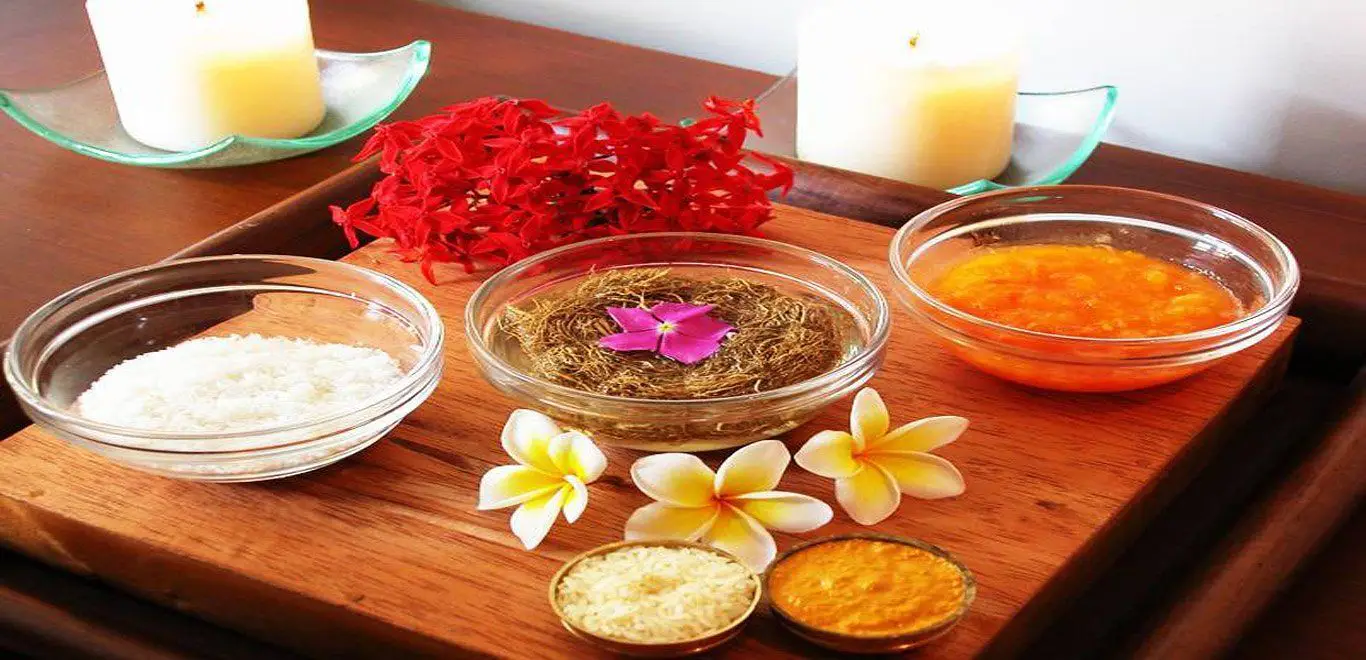
Sri Lanka is especially well-suited for Ayurveda; backpackers can combine a wellness retreat with beaches, hill country, cultural sites, tea estates, and a Maldives extension. Consult a doctor before booking intensive treatment programs, especially Panchakarma or any multi-week program.
Ayurveda in Sri Lanka at a Glance
Ayurveda retreats in Sri Lanka range from light relaxation stays of three to four days to deeper programs of 10 to 21 days, which require medical suitability checks. The most common treatments include Abhyanga oil massage, Shirodhara, herbal steam, yoga, and structured meals. Strong retreat locations include Kandy, Negombo, Beruwala, Bentota, Galle, and Tangalle. A doctor-led retreat with a clear daily schedule is the format most wellness travelers should look for. Consult a doctor before booking any intensive program.
What Is Ayurveda?
The Basics in Simple Language
Ayurveda is a traditional wellness system rooted in South Asian culture. The word roughly translates as “knowledge of life,” and the practice focuses on the balance between body, mind, daily routine, food, rest, and seasonal rhythm.
A qualified Ayurveda practitioner may assess a guest’s constitution (often described in terms of three doshas: Vata, Pitta, and Kapha) and suggest a treatment plan that includes herbal oil therapies, diet adjustments, yoga, rest, and changes to the daily routine.
Your initial assessment explores three distinct constitutional possibilities. A Vata-dominant profile is often associated with lightness, movement, and quick energy. A Pitta-driven constitution tends toward heat, active metabolism, and sharp focus. A Kapha-heavy state is often characterized by structural steadiness, calm, and endurance.
A practitioner uses these as a starting point, not a rigid diagnosis. Most people carry a blend of all three, with one or two more prominent than the others. Every guest is different, and a good retreat adjusts the treatment plan, the diet, and the daily routine to the individual rather than applying a fixed formula.
Ayurveda in Sri Lankan Culture
Sri Lanka has one of the longest unbroken traditions of Ayurveda in the world. The practice sits alongside modern medicine, and the country has a dedicated Department of Ayurveda. Many Sri Lankans consult Ayurveda practitioners alongside their regular doctors.
For travelers, the tradition means that retreats in Sri Lanka draw on deep local knowledge, local herbs, and generations of practice, not a recently imported trend.
The medicinal herbs used in traditional Sri Lankan Ayurveda — gotu kola, turmeric, neem, cinnamon, ashwagandha, and many others — grow on the island and have been prepared by local communities for centuries. A retreat here connects travelers to a living tradition in its home territory, which adds depth that a hotel spa in another country cannot replicate.
Ayurveda vs a Spa Treatment
The difference matters when choosing a retreat.
- Ayurveda retreat: Starts with a consultation. May include a multi-day treatment plan, structured meals, yoga, rest, and follow-up advice. The whole stay is part of the wellness program.
- Spa visit: Usually menu-based. A guest selects a massage or facial, enjoys the session, and returns to normal activity: no consultation, no meal plan, no daily routine.
A spa day is pleasant. An Ayurveda retreat is a different kind of commitment. The multi-day rhythm — waking early, eating lighter meals, resting between treatments, and going to bed earlier than usual — can feel strange at first. By the third or fourth day, most guests settle into it. By the seventh, many guests say the rhythm felt natural and wonder why their normal pace at home felt so necessary.
What Ayurveda Can and Cannot Promise
Ayurveda may support relaxation, encourage mindful eating, help travelers slow down, and support better daily routines. Many guests leave a retreat feeling rested and more aware of their body’s signals.
Ayurveda should not be sold as a cure for disease, a guaranteed detox, a weight-loss program, or a replacement for medical treatment. Any retreat that promises to heal a specific illness, deliver guaranteed results, or replace professional medical treatment should be treated with caution. The best retreats are transparent about what the program supports and what it does not claim to do.
A responsible approach is to view Ayurveda as a complement to a healthy life, not a replacement for professional healthcare. Many guests leave a retreat with better habits — earlier sleep, lighter meals, more awareness of stress signals — and those habits are worth more than any single treatment session.
What to Expect at an Ayurveda Retreat in Sri Lanka
Initial Consultation
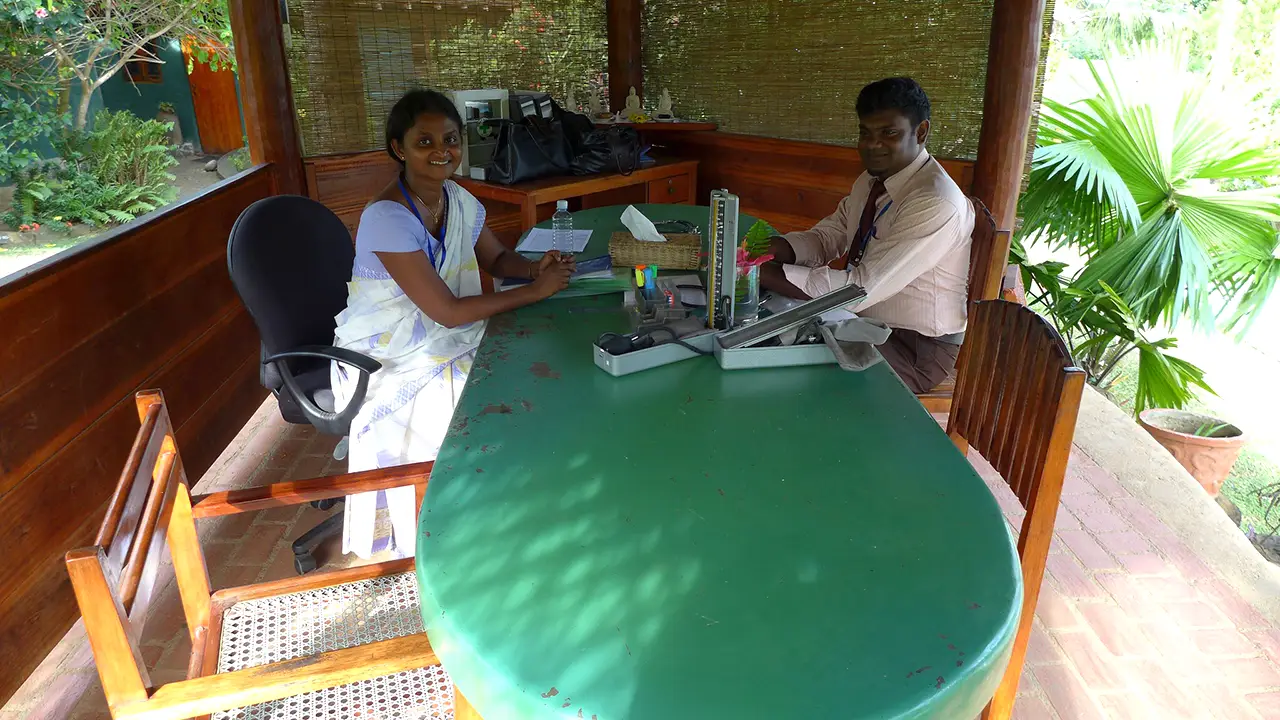
A good retreat begins with a face-to-face consultation. A qualified practitioner may ask about sleep, digestion, stress levels, diet, energy, and medical history. The retreat then adjusts the treatment plan, meals, and daily schedule based on the consultation.
Guests should disclose all medications, allergies, health conditions, and concerns before treatment starts. Honest disclosure leads to better care.
The consultation may also include a brief physical assessment — pulse reading, tongue observation, and questions about skin, sleep, and digestion. The practitioner uses the results to determine the treatment direction, select appropriate oils, and plan the meal approach. A follow-up check usually happens every day or every two days.
A Typical Retreat Day
Each retreat runs its own schedule, but a general outline gives a sense of the rhythm:
- Early morning herbal drink
- Gentle yoga or breathing exercises
- Breakfast (often lighter and plant-focused)
- Doctor check-in or morning treatment session
- Rest period
- Ayurveda lunch
- Quiet afternoon — reading, walking, or a second treatment
- Evening meditation or gentle stretching
- Dinner
- Early sleep
The pace is deliberately slow. Guests who arrive expecting a packed activity schedule should adjust expectations. The rest between treatments is part of the program, not downtime.
The quiet hours are often the hardest for active travelers. Reading, journaling, sitting with a cup of herbal tea, or watching the rain — the retreat asks you to do less, and doing less takes practice. Most guests find the adjustment worthwhile by midweek.
Ayurveda Meals
Meals at a wellness retreat may be lighter, more structured, and more plant-based than those at a typical resort. Rice, vegetables, lentils, herbal soups, coconut-based curries, and warm spiced drinks are common. Portions are moderate. Heavy or rich food, alcohol, and caffeine may be limited.
Share allergies, dietary needs, and food preferences with the retreat early. A good kitchen adapts the menu to the guest, and most retreats can handle vegetarian, vegan, gluten-free, and other requirements with advance notice.
The food at a strong retreat is one of the quiet highlights. Fresh tropical fruit, warm spiced soups, Sri Lankan rice and curry adapted for lighter digestion, and herbal drinks made from the estate’s own garden. Many guests find the meals more satisfying than expected because the flavors are honest, the spices are both medicinal and culinary, and the portions are designed to nourish without heaviness.
Yoga and Meditation
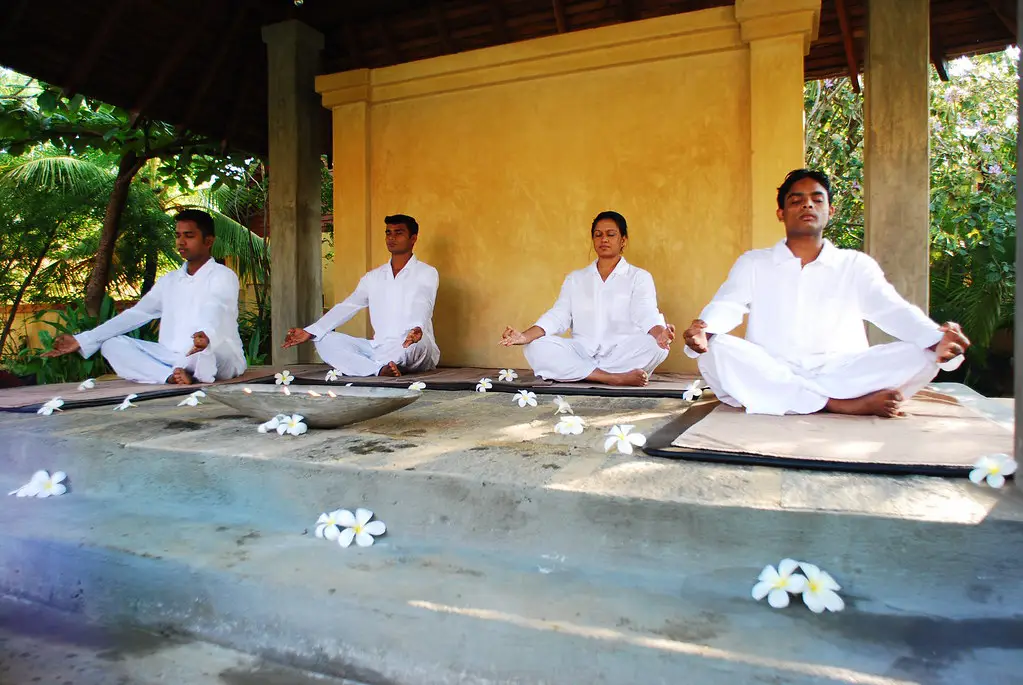
Most retreats include gentle yoga, breathwork, and meditation. The sessions support the wellness program but are usually adapted to the guest’s ability. No prior experience is needed, and good retreats adjust the intensity. Morning sessions often start with gentle stretching and breathwork before the sun gets too warm, which pairs well with the Ayurveda treatments later in the day. Some retreats also offer walking meditation or guided forest walks as alternatives to mat-based yoga.
Common Ayurveda Treatments in Sri Lanka
Abhyanga (Herbal Oil Massage)
Guests can typically access several distinct treatment options depending on clinical suitability and their practitioner’s assessment. The three most common forms form the core of most retreat programs.
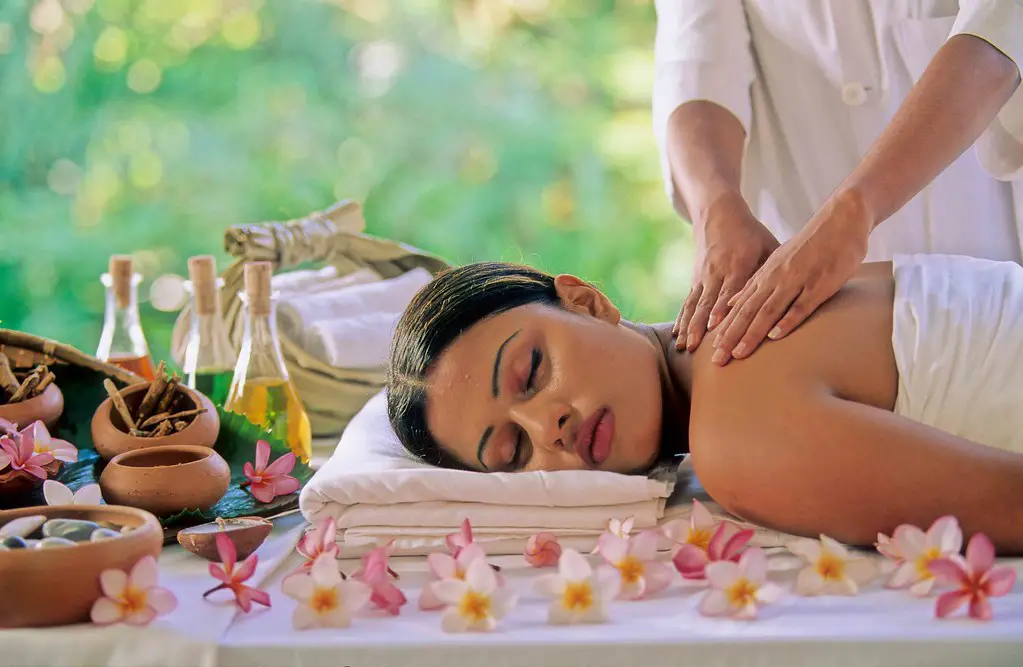
Abhyanga is a warm, herbal-oil massage performed by one or two therapists using long, flowing strokes. Retreats often use Abhyanga as a foundation treatment for systemic relaxation and body comfort. The oils are often selected based on the guest’s constitution. The treatment can feel different from a Western massage — the strokes are longer, the pressure is often lighter, and the aim is systemic rather than targeted. Guests should communicate comfort levels with the therapist throughout.
Shirodhara
Shirodhara involves a steady stream of warm herbal oil poured gently over the forehead. Many guests describe it as deeply calming, and many fall into a light sleep during the session. The warm oil flows at a steady rhythm, and the effect on the nervous system can be noticeable. The treatment may not suit everyone — guests with certain head, neck, or sinus conditions should flag concerns — so practitioners usually assess suitability first.
Herbal Steam Bath (Swedana)
A steam treatment using herbal infusion is often given after a massage to help the body relax further. Guests who are sensitive to heat, prone to dizziness, or have certain cardiovascular conditions should flag concerns before the session. The steam bath is often given in a personal wooden cabinet that encloses the body while keeping the head cool, which most guests find comfortable. The herbs in the steam vary by retreat and by the guest’s treatment plan. The session usually lasts 15 to 20 minutes and is followed by an oil massage.
Herbal Compress Therapy
Warm bundles of medicinal herbs wrapped in cloth and pressed onto the body. A gentle, traditional treatment often used alongside oil massage. The warmth and the herbal scent create a distinctive sensory experience that many guests rank among the most enjoyable parts of the program.
Panchakarma Programs
Panchakarma is a deeper, more intensive Ayurveda program traditionally designed as a structured cleansing and rejuvenation course. Programs can run 10 to 21 days and may include specific dietary restrictions and internal therapies.
Panchakarma-style programs can be intense, both physically and emotionally, and should not be booked casually. Short holiday stays may not allow enough time for a safe, complete program. Travelers should discuss suitability with a qualified medical professional before choosing any deep Ayurveda program.
How Many Days Do You Need for Ayurveda in Sri Lanka?
The right duration depends on what a traveler wants from the experience.
One day gives a spa-style introduction, but it is not a real retreat. Three days suits light relaxation, a wellness break between sightseeing stops, or a gentle honeymoon add-on. A three-day program typically includes a consultation on arrival, two or three treatment sessions per day, yoga each morning, and structured meals. The body barely begins to adjust, but the change of pace still registers. Five days allow a gentle reset with daily treatments and a developing rhythm. The practitioner has time to adjust the program based on the body’s response, and the guest moves from the adjustment phase into genuine relaxation. Five days work well as a wellness close after a week of touring.
Seven days is the most commonly recommended length for a meaningful retreat. The first two days are usually an adjustment period — the body resists the new rhythm, sleep may shift, and the unfamiliar meals can feel restrictive. By day three or four, the body starts to settle. By day five, many guests report experiences consistent with deeper sleep and lower tension. The final two days often feel like the most responsive part of the stay. The practitioner can adjust the plan based on how the body has responded, and guests frequently describe shifts consistent with better rest, reduced tension, and more balanced energy by the end of the week.
Ten to fourteen days suits travelers who want a deeper program with more treatment days and greater observable changes. The practitioner can gradually build intensity and adjust the plan based on how the body responds, and work through a more complete treatment cycle. Twenty-one days aligns with traditional longer Panchakarma-style stays, but requires medical clearance, strong motivation, and realistic expectations.
Longer does not always mean better for every traveler. Suitability, medical fitness, and the guest’s comfort level with a structured routine all matter more than raw duration.
Best Places for Ayurveda in Sri Lanka
- Kandy and hill country: Quiet retreats in cool, forested surroundings. Strong for yoga, digital detox, and nature-based wellness. Santani Wellness sits in the hills outside Kandy and blends contemporary design with doctor-led programs. The property perches above a valley, with an open-air yoga platform and rooms that overlook green slopes. The cool air and the quiet make it one of the strongest wellness addresses on the island.
- Negombo and the west coast: Practical for arrival or departure wellness stops. Jetwing Ayurveda Pavilions in Negombo runs structured daily programs with on-site doctors, just 15 minutes from the airport. The retreat is small — around 12 pavilions — and the doctor sees each guest for a short consultation every day. Guests who land in the evening and start treatment the next morning make the most of their time.
- Beruwala and Bentota: Classic coastal Ayurveda territory. Barberyn Ayurveda Resort on the west coast is one of Sri Lanka’s longest-running dedicated Ayurveda properties, with resident doctors, a full treatment schedule, and a loyal guest base that returns year after year for extended stays. The approach is traditional rather than luxury-boutique, and the focus remains on treatments rather than room design.
- Galle and south coast: Boutique wellness stays that blend culture, heritage, and coast. Good for couples who want soft wellness alongside time in Galle Fort and at the beach.
- Tangalle: Quiet beaches and premium coastal retreats. Sen Wellness Sanctuary near Tangalle sits between a lagoon and the Indian Ocean in one of the quietest stretches of the south coast. The retreat combines Ayurveda with yoga, nature, and a stripped-back aesthetic that suits travelers who want serious wellness in a remote, private setting.
- Tea country: Cool climate, scenic walks, and a slower pace. A wellness retreat in tea country pairs well with the Pekoe Trail or a hill-country touring leg. The cool air, the green surroundings, and the slower pace of the highlands create a natural setting for Ayurveda. Morning mist, birdsong, and the faint scent of fresh tea leaves in the air give the retreat a character that a coastal setting cannot match.
Beach Retreat vs Hill Retreat
A beach retreat offers warm air, sea sounds, and a coastal rhythm. A hill retreat offers cooler temperatures, forest surroundings, and deeper quiet. Both work for Ayurveda. The choice depends on personal preference, the season, and whether the retreat precedes or follows an active touring leg.
A beach retreat after a Sri Lanka cultural tour offers warmth, sea air, and a sense of arrival. A hill retreat before an alcoastal finish offers cool, quiet forest walks and a gentle start to the wellness program. Many travelers report sleeping better in the hills, where the air is cooler and the nights are darker.
Who Should Be Careful Before Booking?
Ayurveda wellness retreats suit a wide range of travelers. Couples and honeymooners enjoy light wellness programs with spa-style treatments and private settings. Luxury travelers appreciate doctor-led resorts with high-end rooms, private consultations, and quality meals. Stressed professionals find value in structured rest, a screen-free environment, and a forced slowdown. Yoga and meditation travelers gain depth through the combination of bodywork and daily practice. Post-tour recovery guests — especially after a week of safaris, early starts, and long drives — find the contrast between active travel and structured rest genuinely restorative. Older travelers and post-tour recovery guests benefit from gentle programs tailored to their energy and fitness levels.
Still, intensive programs are not right for everyone. Guests should seek medical advice before booking if they:
- Are you pregnant or may be pregnant
- Have serious or chronic medical conditions
- Have recently had surgery
- Take regular prescription medication
- Have heart, kidney, or liver conditions
- Have uncontrolled blood pressure
- Have eating disorders or a complex relationship with restrictive diets
- Are sensitive to heat, strong oils, or herbal preparations
- Have severe allergies
- Are you booking for children or teenagers
A responsible retreat requires a health form upon arrival and asks guests to list medications, allergies, and existing conditions. A retreat that skips health screening entirely, promises to treat serious medical conditions without proper qualification, or pressures guests into longer programs than they planned, should be treated with caution.
The best retreats clearly communicate what the program includes and what it does not, what the expected experience is like, and what guests should discuss with their own doctor before arrival. Transparency is the strongest trust signal in wellness travel, and a retreat that communicates honestly earns repeat guests.
Consult a qualified doctor before booking any intensive Ayurveda program. The information in this article does not replace professional medical advice.
Ayurveda in Sri Lanka by Travel Style
Luxury Ayurveda Holiday
A private transfer from the airport to a doctor-led resort with a pool villa, daily treatments, yoga, chef-prepared wellness meals, and a quiet setting. Add a few days of cultural touring before or after the retreat to make it a complete trip.
Ayurveda Honeymoon
Light wellness for couples: spa-style treatments, couples yoga, a private villa on the beach or in the hills, and a relaxed schedule. Avoid very strict treatment programs unless both partners actively want that level of commitment. A light three- to five-day program with couples massage, yoga for two, a private dinner, and time by the pool or the beach gives the wellness flavor without the restrictions.
Ayurveda and Cultural Tour
Colombo or Negombo to the Cultural Triangle to Kandy, then a wellness retreat of five to seven days, finishing on the coast or at the airport. Culture first, rest after. The rhythm works well because the body arrives at the retreat genuinely tired from sightseeing, and the transition from active travel to structured rest feels earned rather than forced. A 10- to 14-day trip that combines four days of culture, a day in Kandy, and seven days of Ayurveda covers both worlds without rushing either.
Ayurveda and Safari or Tea Country
A wildlife circuit or Pekoe Trail walking section followed by a wellness close. After several days of active travel — early safari starts at 5 a.m., long drives through heat and dust, or hill-country walking — a gentle Ayurveda retreat helps the body slow down before the coast or the flight home. The oil treatments and the rest of the workkk especiall,y work well on physically active bodies.
Ayurveda and Maldives Extension
Sri Lanka culture and Ayurveda first, then a Maldives overwater villa for four to five nights. Strong for honeymooners and luxury couples who want to arrive in the Maldives rested and recharged. A week of Ayurveda, followed by four nights on a reef, makes for a different kind of honeymoon.
Best Time for Ayurveda in Sri Lanka
Ayurveda retreats operate year-round because wellness programs depend less on weather than beach or safari plans do. Rainy months can actually suit a retreat: the sound of rain on the roof, green surroundings, and cooler air create a natural calm that dry-season heat does not. Retreat centers often report that guests who arrive during quieter, wetter months feel less distracted and settle into the program faster. The absence of peak-season crowds helps too.
Beach retreats on the south and west coast run best from December to April, when the seas are calm and the mornings are bright. Hill retreats near Kandy work well year-round, with cooler temperatures that make the treatment rooms and yoga sessions more comfortable. A dedicated best-time guide covers the full month-by-month picture for each region.
- December to March: Ideal for south- and west-coast beach retreats, aligning well with the classic Sri Lanka touring season.
- April: Warm in the coastal lowlands, making cooler hill-country wellness retreats more comfortable for daily yoga and treatment.
- May to September: Hill-country and east-coast retreats work well, offering quiet settings alongside softer seasonal rates.
- October to November: A dedicated retreat-focused stay suits these less predictable, wetter shoulder months.
- Year-round: Wellness works in any month when the location and program expectations match the season.
How Much Does an Ayurveda Retreat Cost?
Costs vary widely by retreat style, room category, treatment plan, location, and season. A simple center with basic rooms costs far less than a luxury resort with a private villa, a resident doctor, and chef-prepared meals.
- Simple Ayurveda center: Lower cost, simpler rooms, structured programs. Suit serious wellness travelers on a moderate budget.
- Mid-range retreat: Comfortable rooms, daily treatments, yoga, and wellness meals. Suit couples and travelers who want quality without the highest price point.
- Luxury wellness resort: Premium rooms, private doctor consultations, full spa facilities, gourmet wellness dining, and premium surroundings. Suits honeymooners and high-end travelers.
- Ultra-luxury retreat: Private villas, personal wellness butler, top-tier cuisine, design-led architecture, and complete privacy. The highest category.
Prices change by season, and Christmas and New Year weeks carry peak surcharges at most properties. Book early for the best rooms at top retreats.
The main cost drivers are room category, daily treatment inclusions, doctor consultation frequency, meal quality, location, season, and the length of stay. A peak-season week at a clifftop resort will cost several times more than the same week at a hillside center, even if the treatment plan is similar. A seven-day retreat at a luxury resort costs several times more than the same duration at a simple center. Both can deliver a good program — the difference lies in the surroundings, room quality, and dining, not necessarily in the core treatments. A dedicated Ayurveda center with a resident doctor can deliver an excellent program in a simpler setting.
What to Pack for an Ayurveda Retreat
Clothing and Comfort
- Loose, comfortable cotton clothing for treatment days (oil treatments can stain fine fabrics, so leave the expensive pieces at home)
- Yoga wear for morning sessions
- Light shawl or jacket for cool evenings, especially in the hills
- Modest clothing for any temple visits during the stay
- Swimwear if the retreat has a pool or beach
- Sandals and comfortable walking shoes for light walks
Health and Personal Items
- Prescription medicine and a copy of the prescription
- Allergy information and health documents
- Travel insurance details (make sure the policy covers wellness and spa treatments)
- Sunscreen and insect repellent
- Personal toiletries (retreat products may use natural alternatives)
- Reusable water bottle
Digital Detox Items
- A book, journal, or notebook
- Headphones and calming music
- An offline meditation or sleep app
- A pen for journaling
What Not to Bring
- A packed sightseeing schedule
- Work deadlines or laptop expectations
- Strong perfume (oil treatments interact with fragrance)
- Unrealistic health expectations. A week of rest and treatment can start real changes, but a retreat is not a cure
Common Mistakes to Avoid
The biggest mistakes come from mismatched expectations. A few practical points keep the experience on track.
- Treating Ayurveda like a quick massage. A real retreat includes consultation, food, rest, and daily routine, not only a single oil treatment.
- Booking deep Panchakarma without medical advice. Intensive programs can be strong and are not suitable for every traveler. Consult a doctor first.
- Choosing the wrong retreat style. Some retreats are clinical and structured. Others are luxury and gentle. Match the retreat to your comfort level and wellness goals.
- Overloading sightseeing during treatment days. Ayurveda works best with rest. A full-day excursion during treatment week undermines the program—a good rule: do your sightseeing before the retreat, not during it. The retreat works best as a dedicated chapter rather than a background activity.
- Expecting instant results. Wellness travel supports better rest and a more consistent routine. A week can start real changes — better sleep, lower tension, a calmer internal rhythm — but a retreat is not a miracle cure. The best results come when guests carry the habits home.
- Ignoring food and rest guidelines. Meals are part of the program—guests who skip the retreat food or stay up late work against the treatments.
- Believing overstated health claims. Avoid retreats that promise guaranteed cures, extreme weight loss, or medical results without proper qualification. Responsible retreats are transparent about what Ayurveda can and cannot do.
Frequently Asked Questions About Ayurveda in Sri Lanka
What is Ayurveda in Sri Lanka?
Ayurveda in Sri Lanka is a traditional wellness practice that may include doctor consultation, herbal oil therapies, food guidance, yoga, meditation, and structured rest. It goes deeper than a normal spa treatment.
Is Sri Lanka good for Ayurveda?
Yes. Sri Lanka has one of the oldest Ayurveda traditions in the world, with qualified practitioners, dedicated retreats, and a natural setting that supports wellness travel.
How many days do you need for an Ayurveda retreat?
Three days suit light relaxation. Seven days give a meaningful rhythm for a retreat. Deeper programs need 10 to 21 days and medical suitability checks.
What happens at an Ayurveda retreat?
Most retreats begin with a consultation. Guests then receive daily treatments, structured meals, yoga, meditation, herbal drinks, and time for rest. Schedules vary by retreat.
What is Panchakarma?
Panchakarma is a deeper Ayurveda program traditionally designed as a structured cleansing and rejuvenation course. Travelers should seek medical advice before booking an intensive program.
Is Ayurveda safe?
Ayurveda experiences can suit many travelers when guided by qualified practitioners. Intensive programs are not right for everyone. Guests should disclose health conditions and consult a doctor if they have any concerns.
What are common Ayurveda treatments?
Common treatments include Abhyanga oil massage, Shirodhara (warm oil on the forehead), herbal steam, herbal compress therapy, head and foot treatments, yoga, and Ayurveda-based meals.
Where is the best place for Ayurveda in Sri Lanka?
Kandy and the hill country are well-suited to quiet retreats. Beruwala, Bentota, and the south coast suit beach wellness. Negombo is conveniently near the airport. Tangalle offers luxury and privacy.
Is Ayurveda good for a honeymoon?
Yes, if the program is light and comfortable. Couples usually prefer luxury resorts, beach settings, or short wellness add-ons rather than strict deep-treatment schedules.
Can I combine Ayurveda with a tour of Sri Lanka?
Yes. Many travelers visit the Cultural Triangle, Kandy, tea country, or safari parks first, then finish with a wellness retreat before heading to the coast or flying home.
Can I combine Ayurveda with a trip to the Maldives?
Yes. Sri Lanka culture and Ayurveda first, then a Maldives overwater villa. A strong combination for honeymooners and luxury travelers.
Is Ayurveda the same as a spa?
No. A spa menu is usually short and menu-based. An Ayurveda retreat includes consultation, a multi-day treatment plan, structured meals, rest, and often yoga or meditation.
Who should avoid intensive Ayurveda programs?
Pregnant travelers, people with serious medical conditions, recent surgery, regular medication use, severe allergies, or complex health concerns should consult a doctor before booking.
Plan Your Sri Lanka Ayurveda Wellness Retreat
Ayurveda in Sri Lanka works best when the retreat, location, duration, and comfort level match your health needs and travel style. Please tell us your travel dates, preferred hotel standard, wellness goals, the number of treatment days you want, and your total trip length. A Sri Lanka specialist will design a private wellness itinerary that strikes the right balance of rest, culture, nature, and comfort for your season, health needs, and preferred level of luxury.
Email: sales@peregrinetreks.com
WhatsApp: +977 985 105 2413
About the Author
Written by the Peregrine Treks and Tours travel team, with direct experience planning and running private wellness, cultural, safari, and coastal routes for international travelers. Wellness retreat notes reflect years of partnership with qualified Sri Lankan Ayurveda practitioners and on-the-ground guest feedback across multiple properties.
Ayurveda retreat programs, availability, and medical guidelines can change. Always verify current details through the retreat provider and consult a qualified doctor before booking intensive programs.
Medical Disclaimer
The content in this article is provided for travel planning purposes only. It does not constitute medical advice, diagnosis, or treatment. Ayurveda treatments, Panchakarma programs, and wellness therapies described here may not be suitable for all individuals. Travelers with existing medical conditions, those taking prescription medication, pregnant individuals, and anyone with health concerns should consult a qualified medical professional before booking any Ayurveda retreat or treatment program. Peregrine Treks and Tours does not provide medical advice and accepts no liability for health outcomes related to wellness travel.