The Kathmandu Valley is home to many UNESCO World Heritage Sites, ranking among the world’s most concentrated UNESCO sites. Travelers find harmony among different religions here, as people from different cultures walk side by side. They can also see the history, culture, and artistry of ancient temples and palaces in the medieval cities such as Bhaktapur. The communities in the Kathmandu Valley honor their culture and traditions by performing daily rituals and celebrating their festivals with full excitement and joy.
Overview of UNESCO World Heritage Status
The Kathmandu Valley was inscribed on the UNESCO World Heritage Site in 1979 for its outstanding cultural value. UNESCO grouped seven monument zones, covering Hindu temples, Buddhist stupas, and ancient royal squares, to showcase the Kathmandu Valley’s heritage.
The status of a World Heritage site emphasizes the need to preserve these treasures of our religion and history. Conservation programs to restore and support these sites have made significant efforts to maintain them in good condition to date. The Kathmandu Valley UNESCO World Heritage Sites are the living proof of Nepal’s ancient history, architecture, and culture, rather than static museum pieces.
The Seven UNESCO World Heritage Sites in Kathmandu Valley
UNESCO has listed 7 monument zones in the Kathmandu Valley as World Heritage Sites. Each of these sites offers a unique glimpse into Nepal’s history, traditions, and culture.
Kathmandu Durbar Square
Kathmandu Durbar Square, also known as “Basantapur Durbar”, is an ancient complex that served as the royal palace for both the Malla and Shah dynasties. This site is famous for its intricate Newari architecture featuring temples, palaces, and courtyards.
- Hanuman Dhoka Palace: Former Royal palace with ornate courtyards, now converted into a museum.
- Taleju Bhawani Temple: The tallest and most magnificent temple within Kathmandu Durbar Square, dedicated to the goddess Taleju Bhawani.
- Kumari Ghar: Residence of the Living Goddess (Kumari) of Kathmandu.
- Ancient Shrines: Many smaller temples and statues fill the square.
Kathmandu Durbar Square has hosted coronations and ceremonies for centuries, making it an integral part of Nepalese heritage. Locals celebrate festivals such as Indra Jatra, Holi, and others in Kathmandu Durbar Square, keeping the culture and traditions alive.
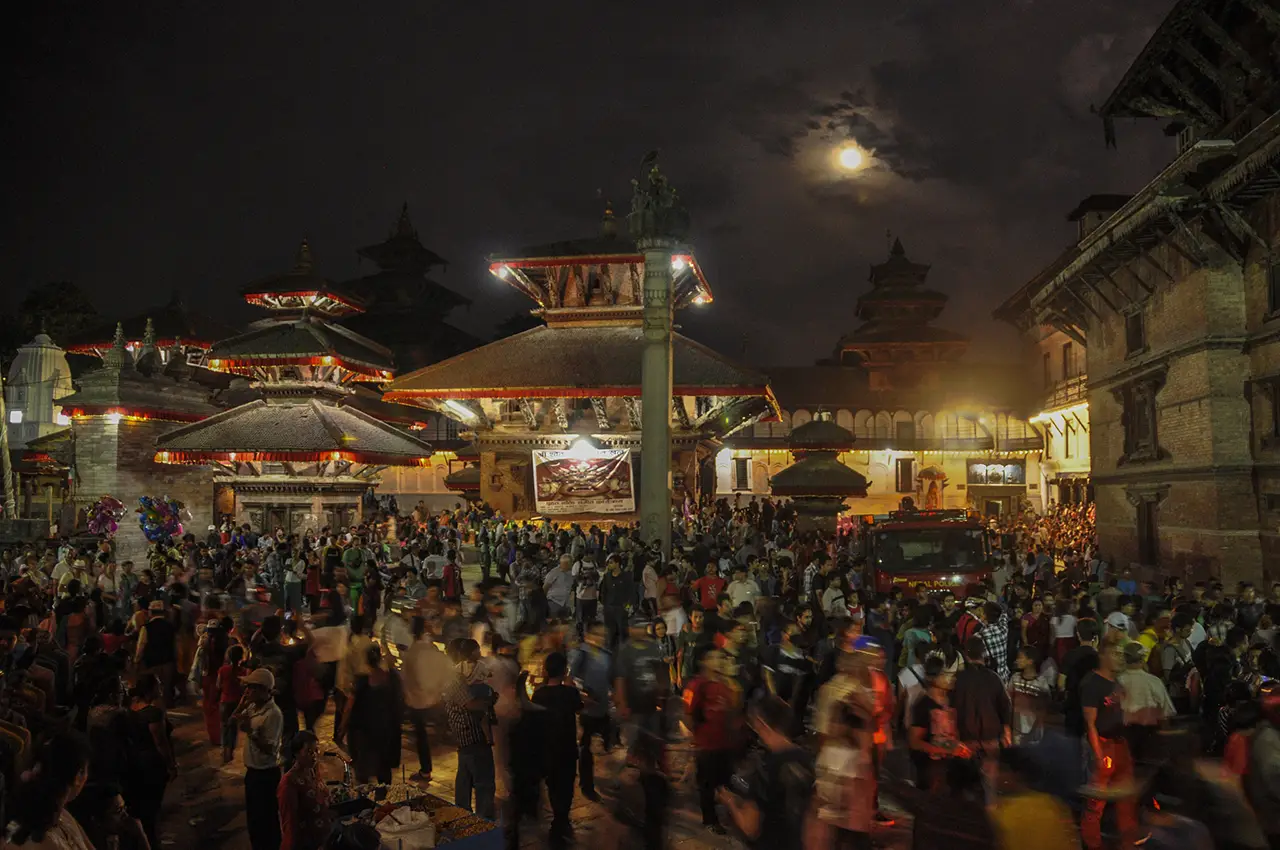
Visitor Tip: If you prefer fewer crowds, visit early in the morning. Make sure your outfit is modest and respectful to the temple’s customs. For a deeper knowledge of the history and culture of Kathmandu Durbar Square, consider hiring a local guide.
Patan Durbar Square (Lalitpur)
Patan Durbar Square, known as the “City of Arts”, is the heart of Lalitpur. This square also served as the royal palace for the Malla kings. Patan Durbar Square showcases Newari craftsmanship at its finest with its magnificent architecture of temples and palaces.
- Krishna Mandir: A prominent 17th-century temple carved entirely from a dark stone, dedicated to Lord Krishna.
- Patan Museum: Former Royal Palace of the Malla Kings, now a place for showcasing world-class arts and craftsmanship.
- Intricate Carvings: Temples and windows feature extensive, magnificent wood or metal carvings.
Patan Durbar Square now serves as a hub to exhibit the art and culture of the Newar community. Local artists have kept the centuries-old traditions alive with sheer dedication. Many festivals and daily prayers are done here, keeping the square lively and vibrant with the cultural heritage.
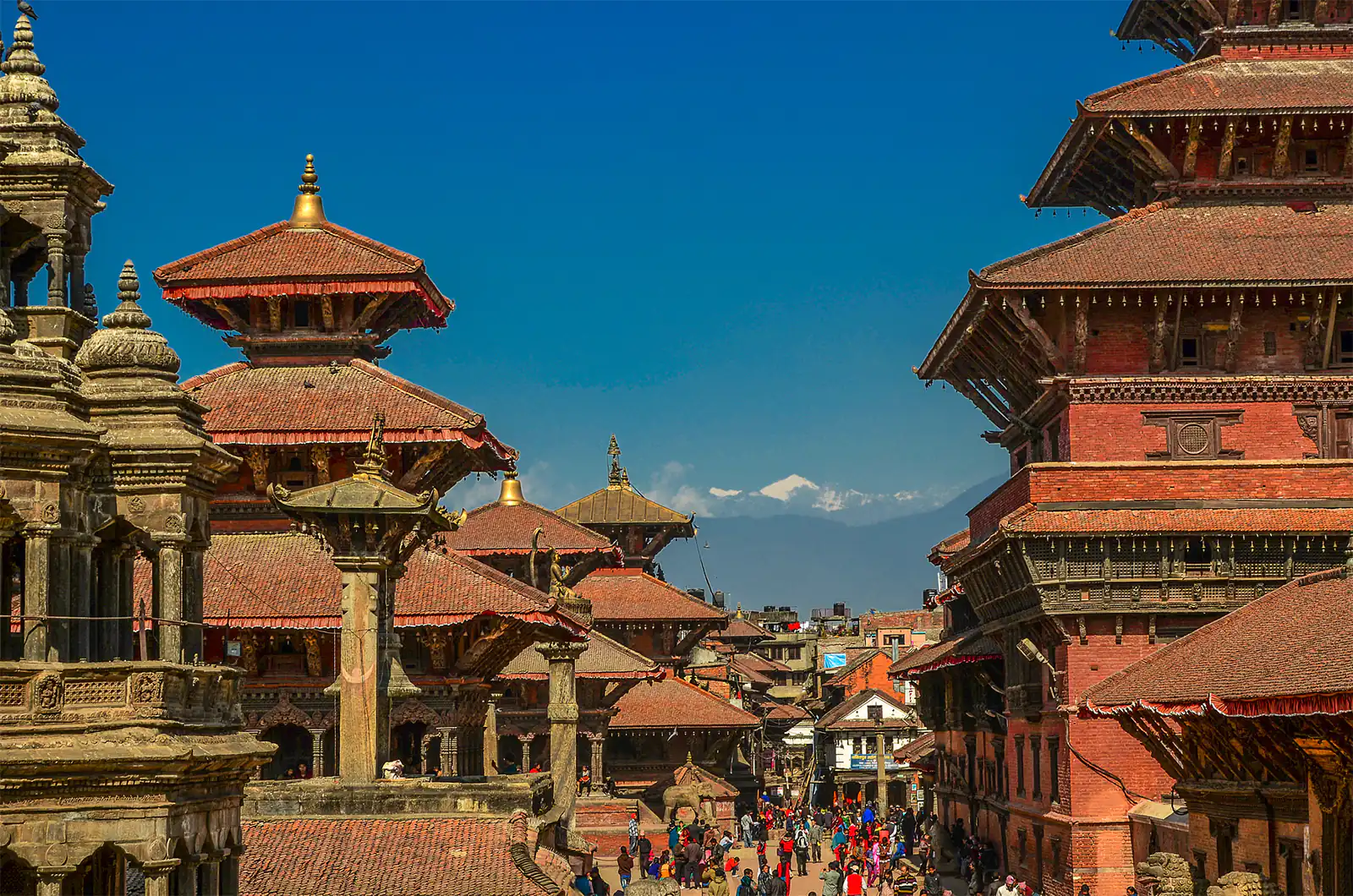
Visitor Tips: To ensure you have enough time to tour Patan and its museum, allocate at least half a day. For a better appreciation of history, art, and culture, combine the square visit with a visit to the Patan Museum. There are several cafes where you can rest during your sightseeing.
Bhaktapur Durbar Square
Bhaktapur Durbar Square, known as the “City of Devotees”, is a famous historic square with well-preserved medieval art, architecture, and rich Newari culture. Unlike Kathmandu and Patan, Bhaktapur Durbar Square has resisted rapid modernization, offering visitors a glimpse of traditional Nepal, like a living museum.
- Nyatapola Temple: A five-story pagoda temple overlooking the Taumadhi Square. Tallest temple in all of Nepal.
- 55-Window Palace: Locally known as Pachpanna Jhyale Durbar, a historic royal palace famous for its 55 intricately carved wooden windows.
- Pottery Square: Open-air museum in Bhaktapur where locals craft clay pots by hand.
Bhaktapur Durbar Square preserves the traditions and cultures of our ancestors to this day. Local residents uphold centuries-old festivals, rituals, and crafts, making the region renowned worldwide. Travelers can see the vibrant cultural heritage of Bhaktapur and get a feel for the authentic, traditional daily life of the Nepali people.
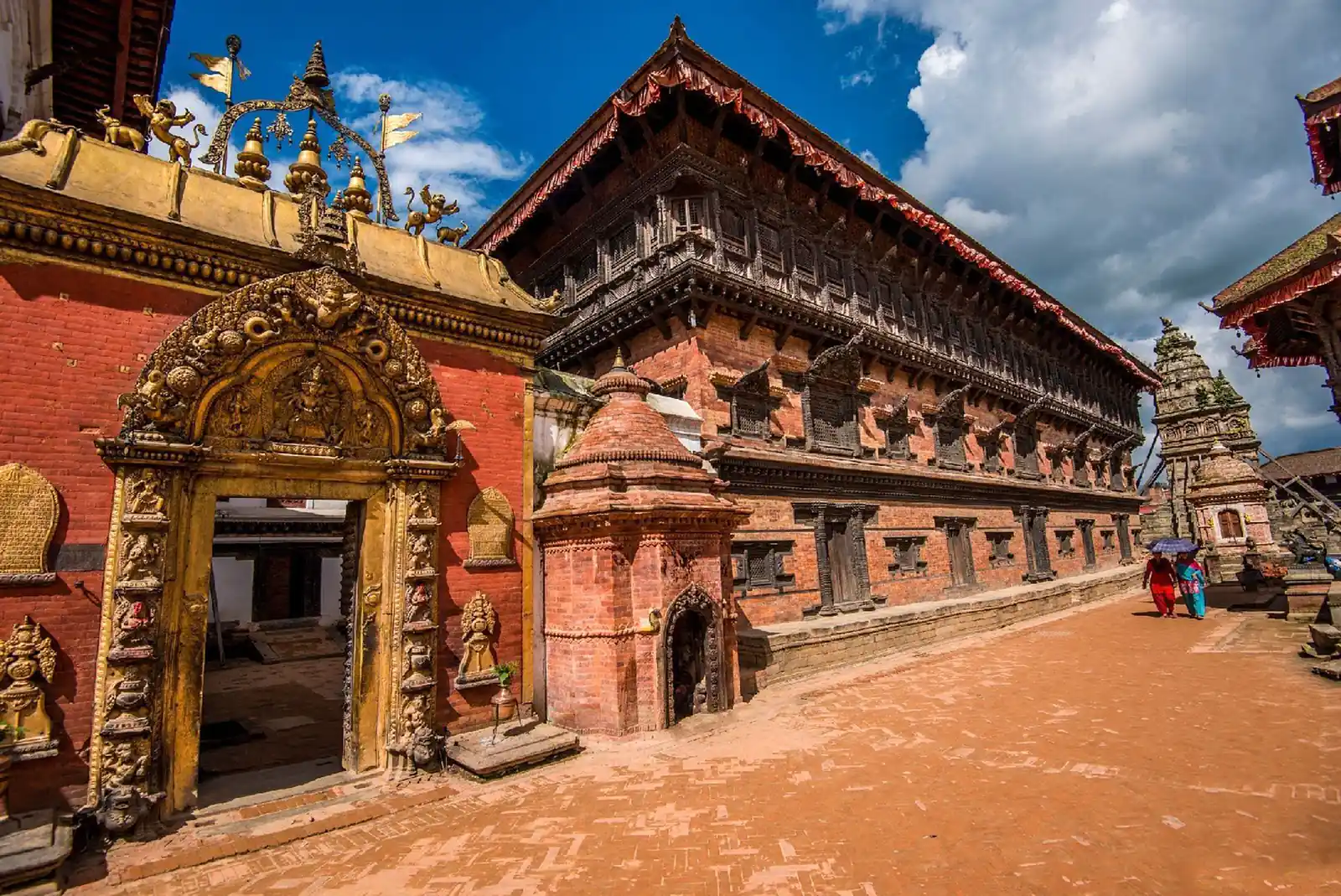
Visitor Tips: Wear comfortable walking shoes and make sure to sample local Newari foods such as the famous “Juju Dhau” (king yogurt). Consider staying overnight to enjoy a peaceful morning and evening after most visitors have left.
Pashupatinath Temple
Pashupatinath Temple is the most sacred Hindu temple complex in Nepal. Located on the banks of the sacred Bagmati River, Pashupatinath Temple is a vast sacred complex, dedicated to Lord Shiva as Pashupati, “Lord of all Beings”. Devotees from across South Asia come here to worship and pray.
- Main temple: A two-storey pagoda-style temple with a gilded copper roof and four silver-plated doors, housing a four-faced Shiva lingam. Only Hindus are allowed entry in the main courtyard.
- Cremation Ghats: Steps along the Bagmati River where open-air cremation ceremonies take place.
- Sadhus and Rituals: Hindu holy men, covered in ash, meditate, perform puja, and offer blessings in the complex
Pashupatinath Temple is a major pilgrimage destination that reflects the life-and-death cycle according to Hindu belief. During the Maha Shivaratri and other festivals, many Nepali and Indian devotees visit Pashupatinath for blessings. Pashupatinath temple prompts reflection on the meaning of life and death and embodies the spiritual heart of Kathmandu’s cultural heritage.
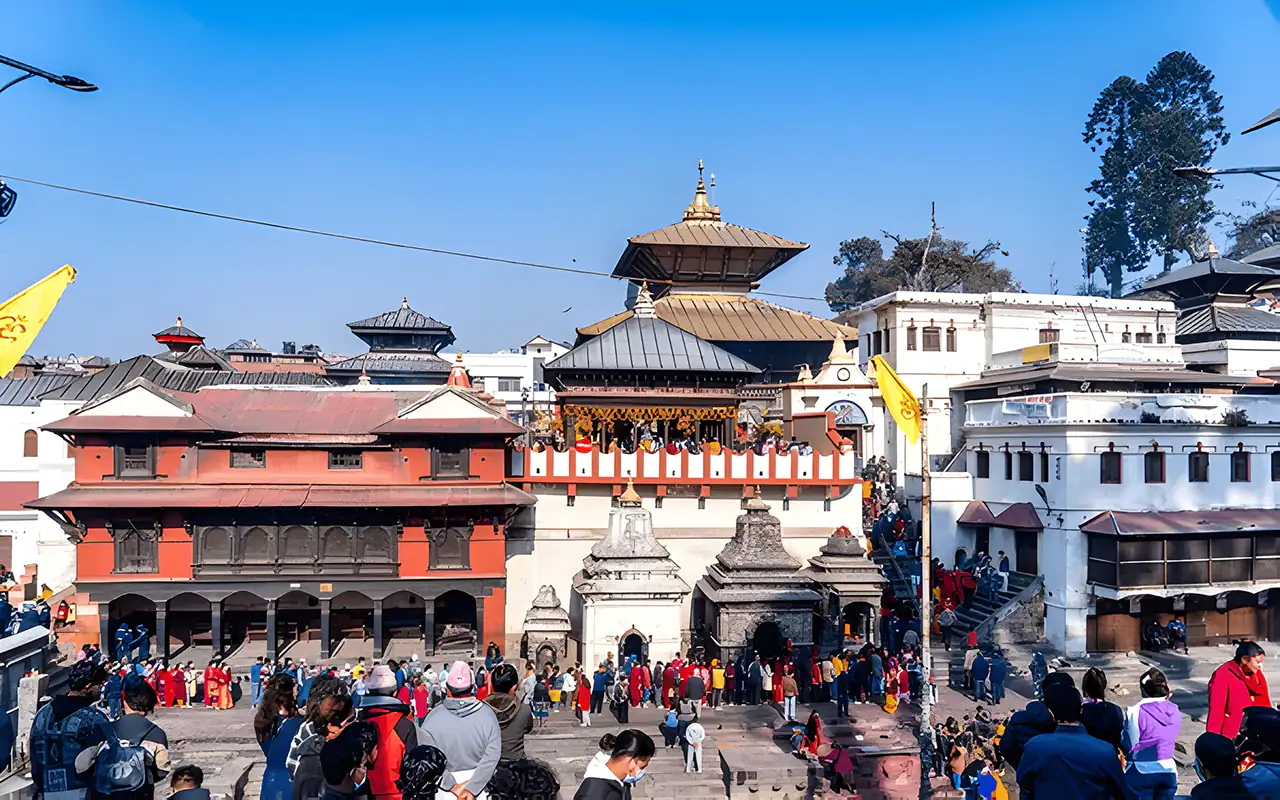
Visitor Tips: As only Hindus are allowed in the main courtyard, non-Hindus can observe the main temple from the eastern banks of the Bagmati River. Visit the temple early in the mornings for a peaceful prayer or in the evening, for aarti, “Ceremony of Light”. Always ask for permissions before taking photos and avoid taking photos of cremations or disturbing rituals.
Boudhanath Stupa
Boudhanath Stupa, also known as Boudha, is one of the largest Buddhist stupas in the world and is the largest in Nepal. This large spherical dome is the spiritual center of Tibetan Buddhism in Kathmandu and has the serene eyes of Buddha painted on all four sides.
- Massive White Dome: A huge mandala-style dome representing the earth in Buddhist cosmology with a gleaming golden spire.
- Buddha Eyes: All perceiving eyes of the Buddha, painted on all four sides of the golden spire.
- Monasteries and Prayer Wheels: Several monasteries (gompas), prayer flags, and prayer wheels surround the Boudhanath Stupa.
Boudhanath stupa has become the spiritual home for thousands of Tibetans in Nepal. Monasteries around the Boudhanath stupa conduct daily scripture chanting and offer teachings to the local masses. Monks and pilgrims circle the stupa clockwise day and night, filling the air with devotion and spirituality.
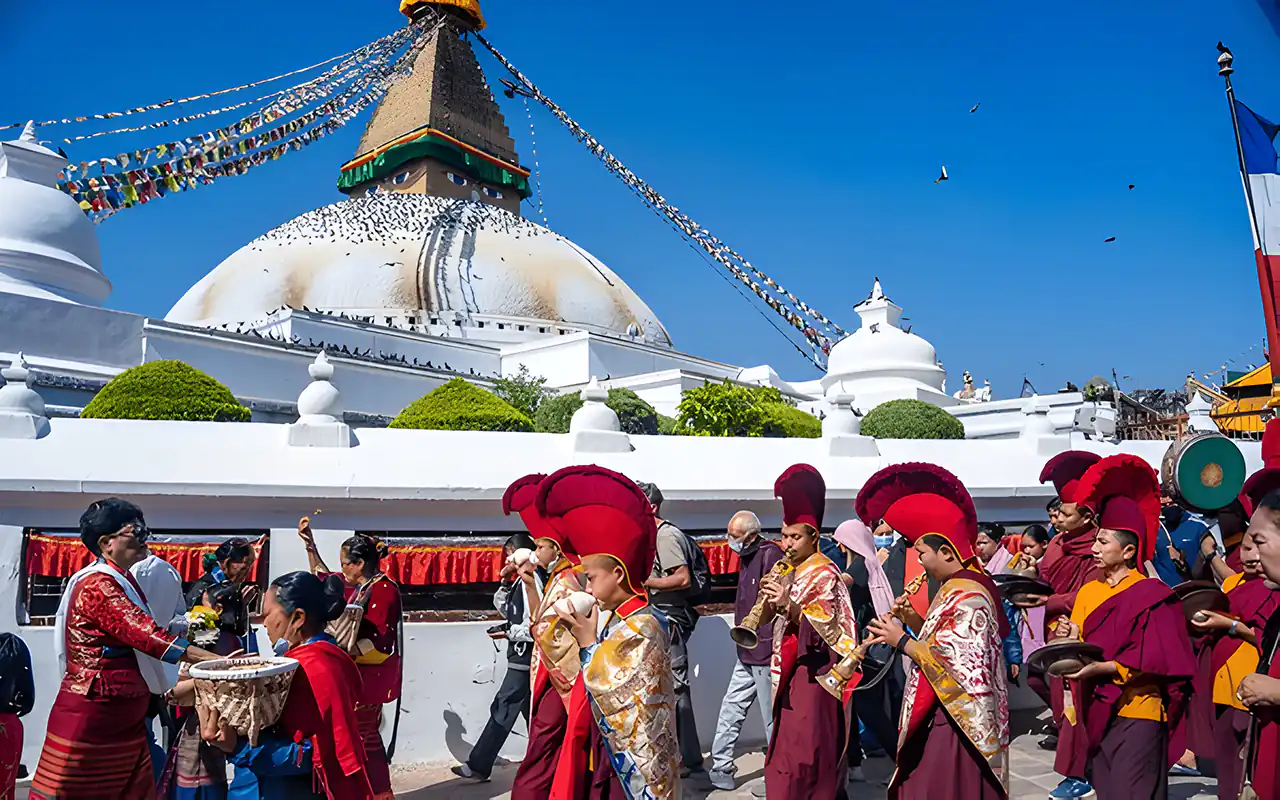
Visitor Tip: Always walk clockwise around the stupa with local devotees. Visit the stupa at sunrise and sunset to watch as the stupa glows in the soft lights and chants of the monks. Show proper respect to monks and pilgrims by staying quiet and asking before taking photographs.
Swayambhunath Stupa
Swayambhunath stupa, also known as the Monkey Temple, is an ancient religious complex, perched on the hilltop on the western edge of Kathmandu. Many monkeys roam its surroundings, hence leading locals to call the stupa “Monkey Temple”. Swayambhunath Stupa offers one of the best panoramic views of the Kathmandu valley.
- Panoramic Views: Birds-eye view of the Kathmandu valley.
- Prayer Flags and Shrines: Colorful prayer flags flutter in the air, surrounded by smaller temples and Buddha statues.
- Sacred Monkeys: Monkeys freely roam the stupa, adding a unique character to it.
Swayambhunath is one of Nepal’s most sacred sites, as legends say the stupa rose spontaneously from the primordial lake in the form of a miraculous lotus, burning with eternal flame called Swayambhu. Swayambhunath stupa holds a deep spiritual connection for both Buddhists and Hindus. Pilgrims climb the 365-step stone staircase as proof of their devotion, keeping the centuries-old tradition alive.
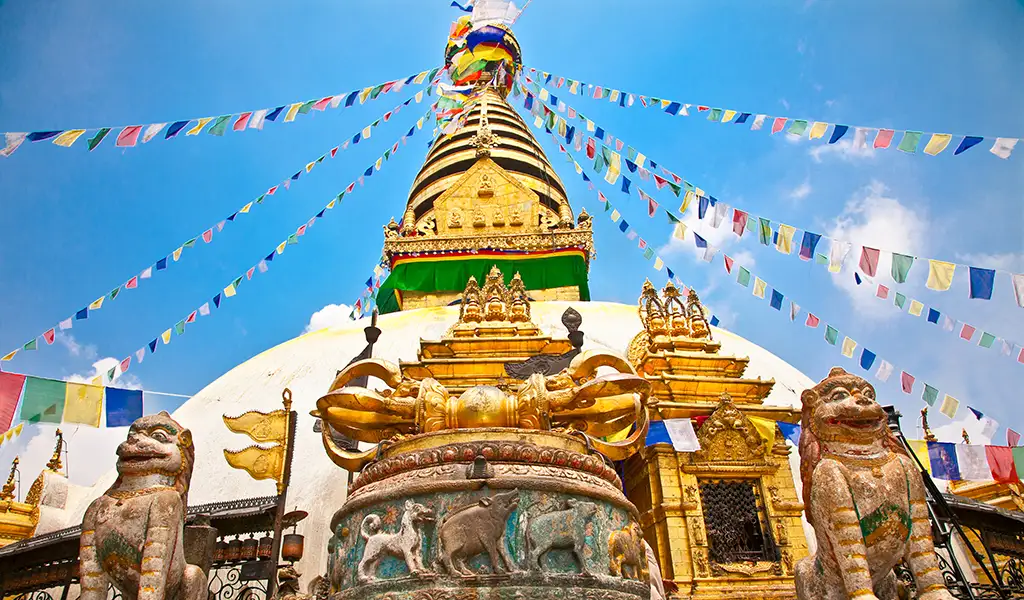
Visitor Tip: For better photos and fewer crowds, climb the steps early in the morning. Keep your bags and cameras firmly in hand, as monkeys sometimes try to snatch them.
Changu Narayan Temple
Changu Narayan Temple is the oldest temple in Nepal, dedicated to Lord Vishnu. This temple sits on a quiet hilltop in the Bhaktapur district, east of Kathmandu. The atmosphere in the Changu Narayan temple is serene, with religious prayers and rituals. The temple is famous for its exceptional, intricate art and sculptures, dating back to the ancient Lichhavi period.
- Stone Inscriptions: Holds the oldest known Sanskrit inscription on a stone in Nepal’s history.
- Intricate Woodcarvings: Exceptionally detailed carvings of gods and garuda, the mount of Lord Vishnu, decorate the wooden beams and panels under the roof.
- Village Setting: Traditional villages inhabited primarily by the Newars and Brahmins surround the temple.
Changu Narayan temple is the best possible example of the traditional art and architecture of Nepal from the Lichhavi period. This temple serves as an important archaeological site and a place for worship and prayer. The serene, peaceful atmosphere, along with its centuries of history, make Changu Narayan temple a hidden gem among Kathmandu Valley’s heritage sites.
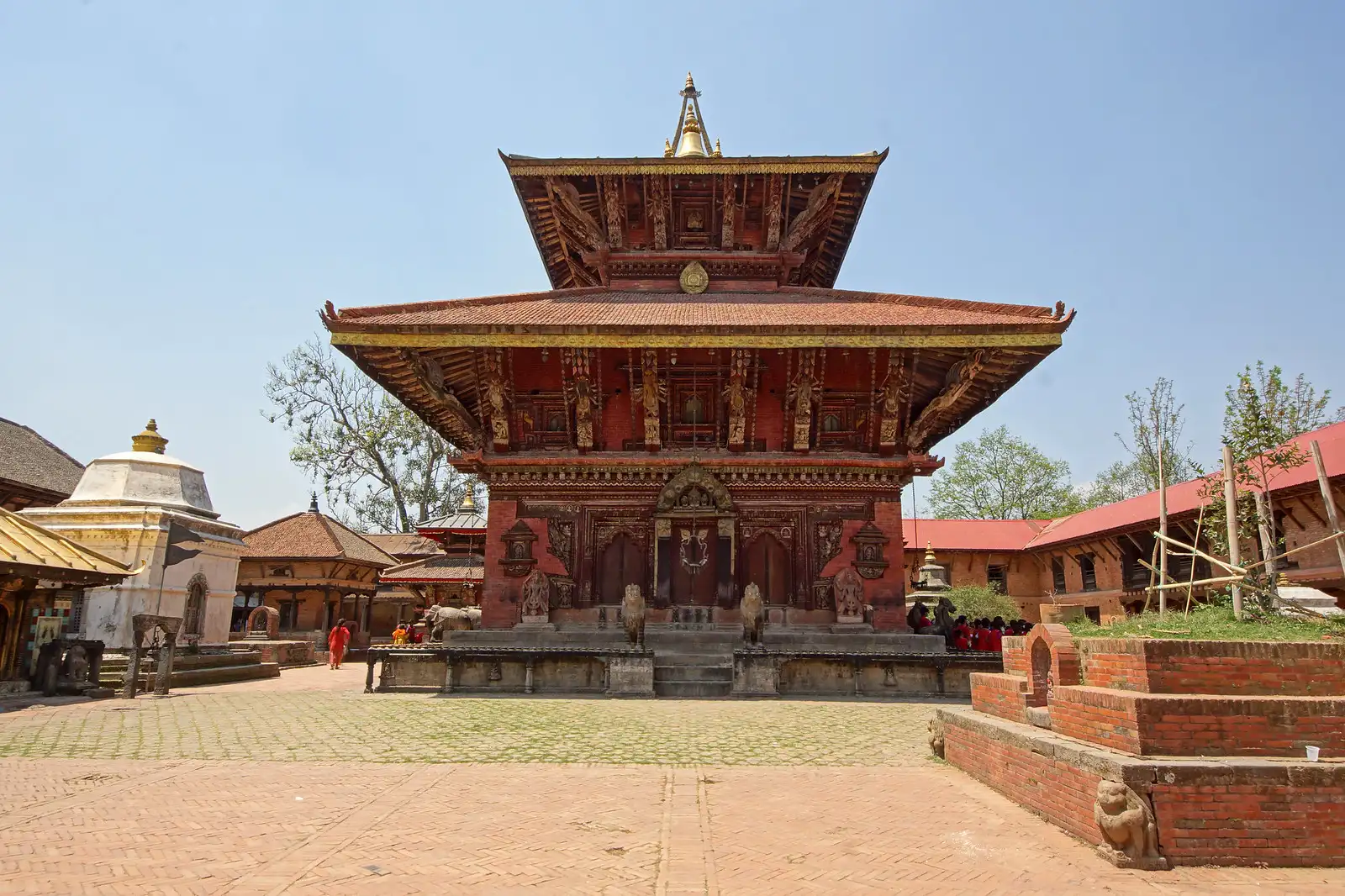
Visitor Tip: Visit Changu Narayan and nearby Bhaktapur on the same trip, as they are in the same area. Walk along the streets of Changu village and see local life at a slow, calm, unhurried pace, as few tourists come here. If you want to learn more about the area’s history, visit a local museum.
Kathmandu Valley UNESCO Sites at a Glance
| Site | Type of Site | Notable Features |
| Kathmandu Durbar Square | Historic royal palace | Kumari (Living Goddess), Taleju Bhawani Temple, palace museum |
| Patan Durbar Square | Historic city square | Krishna Temple, artisan courtyards, Patan Museum |
| Bhaktapur Durbar Square | Historic city square | Nyatapola Temple, 55-Window Palace, pottery culture |
| Pashupatinath Temple | Hindu temple complex | Sacred Shiva temple, cremation ghats, and sadhus |
| Boudhanath Stupa | Buddhist stupa | Massive white dome stupa, Tibetan monasteries |
| Swayambhunath Stupa | Buddhist stupa/temple | Hilltop views, prayer flags, holy monkeys |
| Changu Narayan Temple | Hindu temple (from the Licchavi period) | Oldest temple, ancient inscriptions, woodcarvings |
Religious Harmony in Kathmandu Valley
Kathmandu Valley doesn’t just hold the concept of religious harmony in theory; it practices it in reality, where Hindu and Buddhist cultures are so interconnected that they sometimes share the same sites. The local people here honor each other’s culture and festival and take part in them too. For example, Hindus choose the living goddess “Kumari” from a Buddhist Shakya Family and worship her as a manifestation of the Hindu goddess “Taleju Bhawani”. Another example is of Swayambhunath. Swayambhunath is a Buddhist stupa, but Hindus also visit to spin the prayer wheels and worship Buddha.
This blend of religions extends to festivals as well. Hindus celebrate Buddhist festivals like Buddha Jayanti with the same enthusiasm and joy they bring to their own festivals, such as Dashain and Tihar. These practices blur cultural and religious differences among people and are unique to the Kathmandu Valley. Travelers often notice a group of local families or people heading to Pashupatinath in the morning and to the Bouddhanath stupa in the evening. The harmonious blend of religions creates a serene atmosphere, and the cultural heritage thrives on it.
Best Time to Visit UNESCO Sites
The best time to visit these UNESCO World Heritage Sites will be in the Autumn season. The Autumn season (October to November) features a dry climate, clear skies, and stable temperatures, making it the best time to visit the UNESCO World Heritage Sites of Kathmandu Valley. The Spring season (March to April) features mild temperatures, blooming flowers, and vibrant landscapes, offering a pleasant environment for walking tours. Winter has fewer crowds, and the days stay clear. The morning and evening are chilly and cold. The monsoon season (June to August) brings heavy rainfall and high humidity, which can obscure vision. This season hinders sightseeing tours and photography.

For the best experience, timing the visit with specific parts of the day matters greatly. Early morning provides fewer crowds and cooler temperatures. Late afternoons offer softer sunlight and a view of local people performing rituals of prayer and worship. Midday visits are generally hotter and busier, so plan around the peak hours whenever possible.
Visiting the sites during festivals adds a special moment to experience Nepal’s culture and traditions. The Indra Jatra in late summer is the biggest street festival, featuring a chariot procession of the Living Goddess Kumari and masked dances that fill Kathmandu Durbar Square. Likewise, the Bisket Jatra (Nepali New Year Celebration) in Bhaktapur turns the city into a living carnival with massive chariot processions, raising of the ceremonial pole, and the lively tug-of-war event between local communities. Travelers can experience an unforgettable cultural spectacle at the events, but expect huge crowds and loud noises. If you prefer calmer, more peaceful travel, choose non-festive days.
Practical Visitor Tips
Visitors should keep local customs in mind and show respect to the local cultures, too. Below are some practical tips to ensure a smooth, respectful visit:
- Dress Code: Wear modest clothing that covers shoulders and knees at all religious sites, and remove your shoes while entering the temples.
- Photography Etiquette: Seek permission before taking pictures of people or religious ceremonies. Some areas prohibit photography; obey them and avoid using flash inside the temples.
- Guided vs self-guided: For a better understanding of history and art, book a licensed guide. Some guides wait near the entrances of major sites offering their services. For an independent traveler, use guidebooks and audio guides, but self-guided visits may risk missing hidden details.
- Accessibility: Be ready for uneven surfaces and steep steps. Limited wheelchair access in most old temples. If you are unable to climb the stairs to Swayambhunath, there is an alternate road that provides access to the stupa. Be extra careful when climbing old stone paths.
Common Mistakes Visitors Make
- Rushing the Tour: Trying to visit all seven sites in a single day leads to exhaustion and misses the cultural depth of these sites. Plan for quality time at fewer sites rather than a cursory look.
- Ignoring Cultural Guidelines: Some visitors forget to dress appropriately at religious sites or accidentally disrespect them by pointing at sacred objects or people with a finger, offending local people. Therefore, pay attention to signage and follow local customs to avoid any missteps.
- Only Visiting at Peak Hours: Visiting the heritage sites in the late morning or midday, travelers find the sites crowded and the heat at its peak. So, plan your visits during off-peak times to enjoy the sites in a peaceful atmosphere.
- Skipping Guides or Context: Travelers without a guide or prior research walk past important artifacts without realizing it. Traveling without purpose/context makes the trip dull and less engaging. Therefore, book a guide or use a guidebook to avoid missing out on cultural aspects.
Suggested One-Day or Two-Day Sightseeing Routes
One-Day Kathmandu Highlights: Early in the morning, visit the Swayambhunath stupa to watch the sunrise over the Kathmandu valley. After that, travel to Kathmandu Durbar Square mid-morning to tour its temples, palaces, and the museum. Visit the holy grounds of Pashupatinath Temple to observe the rituals in the afternoon. End the day with a visit to Boudhanath Stupa, watching the sunset, and walking along with the pilgrims for kora (circumambulation) around the great stupa.

Two-Day UNESCO Circuit: You can cover all seven heritage sites within these two days at a comfortable pace. On the first day, you will tour three UNESCO World Heritage Sites in the city: the Kathmandu Durbar Square, the Patan Durbar Square, and the Swayambhunath Stupa. Begin your tour from the Kathmandu Durbar Square, then drive to Patan Durbar Square for the afternoon, and finally to the Swayambhunath Stupa by sunset.
On the second day, visit the Bhaktapur Durbar Square in the early morning and spend your time leisurely touring its ancient streets. After lunch, drive to Changu Narayan Temple, near Bhaktapur. Visit the Boudhanath and Pashupatinath in the evening. Pashupatinath Temple hosts an evening aarti; attend it if possible. An organized tour with a private vehicle helps travel to these sites efficiently.
Preservation and Responsible Tourism
The 2015 earthquake caused significant damage to several World Heritage Sites in the Kathmandu Valley. Several damaged structures have been restored, but frameworks remain visible as reconstruction work continues. The restoration work aims toward “Build Back Better” with local traditional techniques, ensuring structural longevity. Travelers witness the resilience and the ongoing preservation efforts of Nepali heritage if they visit now.
Travelers can also contribute to preservation efforts by practicing respectful behavior and following the rules and regulations of these places. These places are living religious spaces; do not intrude or obstruct prayers and ceremonies. Paying the entry fees contributes a little to maintenance and restoration; hiring local guides and buying local souvenirs help sustain traditional skills. Therefore, each of your visits supports preservation efforts.
Conclusion: Experiencing Living History
The heritage sites of the Kathmandu Valley serve as living proof of its history, art, architecture, and culture. Each site remains filled with prayers, worship, music, and the everyday life of the local people. Travelers who experience these sites at a gentle pace can learn the deeper meanings hidden in the rituals and art, making this tour bring a personal connection with Nepal’s living culture. Walking through these centuries-old sites proves that Nepal’s culture is strong and resilient, even in the modern world.
Frequently Asked Questions
Q1: How many UNESCO World Heritage Sites does Kathmandu Valley have?
A: Seven monuments: the Kathmandu Durbar Square, the Bhaktapur Durbar Square, the Patan Durbar Square, the Swayambhunath Stupa, the Boudhanath Stupa, the Changu Narayan Temple, and the Pashupatinath Temple.
Q: Is it possible to visit all seven sites in one day?
A: Possible but not recommended. Rushing through the sites in a single day offers only a brief glimpse, with no depth, and you will be exhausted very quickly.
Q: Do I need a guide at the UNESCO sites?
A: Not necessarily a requirement, but recommended. With the complexity and rich history of the UNESCO sites, a licensed guide helps you to better understand the art and legends of these places. Some travelers use a guidebook to tour the areas, but there is always a risk of overlooking something important.
Q: Do these heritage sites charge entry fees?
A: Yes, most sites do charge an entry fee for foreigners. The Durbar Squares, Swayambhunath, Boudhanath, and the Changu Narayan have ticket counters with entry fees ranging from NPR 500 to NPR 1500 (about USD $5-15).
Q: What should I wear when visiting the temples?
A: Wear clothes that cover shoulders and knees, especially at Hindu temples. Shoes should be comfortable because you will be walking on stone pavements and climbing the stairways. Always remember to remove your shoes before entering temples.