


Sri Lanka is easy to love, but first-time visitors should plan the practical details before arrival. Visa rules, transportation options, cash needs, weather patterns, and local etiquette can shape the entire trip.
The island packs ancient cities, tea-covered hills, wildlife parks, colonial coastlines, and warm beaches into a compact space. A private chauffeur-guide, the right mix of cash and cards, a clear route plan, and a few cultural basics make the difference between a smooth trip and a stressful one.
Use this Sri Lanka travel guide to sort the essentials before you fly. The sections below cover ETA visa and entry requirements, realistic costs, transport options, safety, money, health, packing, local customs, and the most common mistakes first-time visitors make.
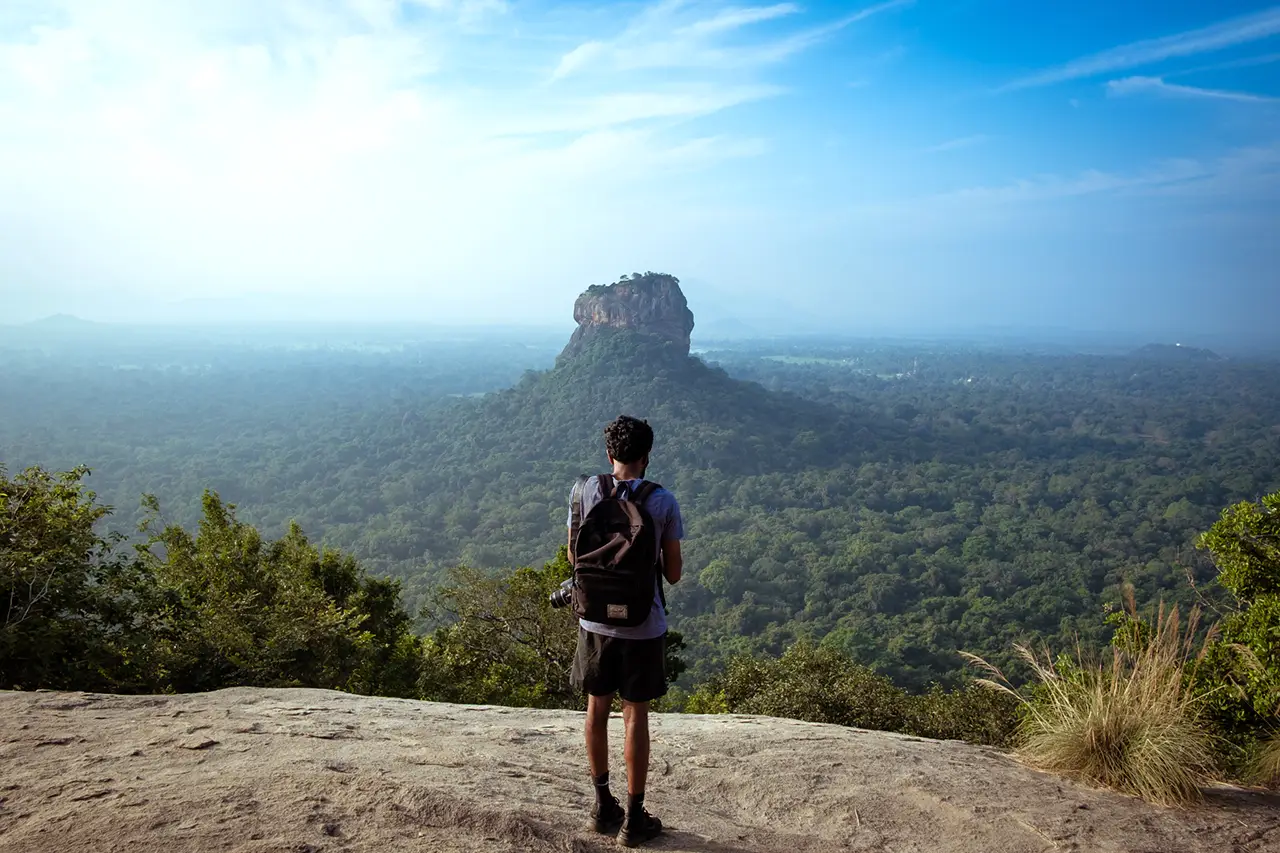
Quick Answer: What Should You Know Before Visiting Sri Lanka?
Check the current ETA visa rules before you apply, and use only the official portal to avoid fake websites. Carry a mix of cash and cards, because cards work in hotels and larger restaurants, but cash is still essential for tuk-tuks, tips, small shops, and rural stops.
A private chauffeur-guide is the most comfortable way to travel, especially for families, luxury trips, and short itineraries. Trains work well for scenic routes like Kandy to Ella, but are impractical for the entire trip. International travelers widely visit Sri Lanka. Follow standard safety steps, use a trusted transport service, protect valuables, respect temple dress codes, and check the latest travel advice before departure. Ten days is a strong first-time trip length, and the best season depends on the coast.
Sri Lanka Travel Guide at a Glance
| Topic | Practical Answer |
|---|---|
| Visa | Check current ETA rules before travel |
| Currency | Sri Lankan Rupee (LKR) |
| Best trip length | 10 to 14 days for most first-time travelers |
| Best transport | Private chauffeur-guide for comfort, train for scenic routes |
| Best season | Depends on the coast and region |
| Safety | Generally manageable with normal precautions |
| Cards | Accepted in hotels and larger restaurants, but cash is still useful |
| Language | Sinhala and Tamil are the official languages, and English is common in tourism. |
| Dress code | Cover shoulders and knees at temples |
| Best add-on | Maldives, Ayurveda retreat, wildlife safari, or beach extension |
Sri Lanka ETA Visa and Entry Requirements
Do You Need an ETA for Sri Lanka?
You must secure a valid Electronic Travel Authorization (ETA) online before arriving in Sri Lanka, unless your nationality qualifies for a bilateral visa exemption. Rules vary by passport and can change at short notice, so always check the official Sri Lanka ETA or immigration website before applying.
The ETA is an online permit, not a visa stamp. You apply, pay any required fee, and receive an approval email. Print or save a copy before flying.
How to Apply for a Sri Lanka ETA
Apply only through the official government portal. The correct domain is eta.gov.lk. Avoid third-party websites that charge extra fees for the same service and may not be secure.
Enter your passport details exactly as they appear on your passport, including middle names, hyphens, and accented characters. Even a small mismatch can cause problems at immigration.
Allow 24 to 48 hours for processing. Most approvals come faster, but leave a buffer in case of delays. Express processing is usually available for an extra fee.
Documents to Prepare Before Travel
Keep these ready before you fly:
- A passport valid for at least six months beyond your arrival date
- A printed or digital copy of your ETA approval
- Proof of onward or return travel (a flight ticket out of Sri Lanka)
- The address of your first hotel or accommodation
- Proof of sufficient funds (sometimes requested, rarely enforced for tourists)
Passport Validity and Return Ticket
Your passport must be valid for at least six months from the date you arrive. Immigration officers may check for an onward or return ticket. A confirmed flight booking covers the requirement.
Common ETA Mistakes to Avoid
Fake websites are the biggest risk. Sites with similar-looking domain names charge two to three times the official fee and may compromise your personal data. Always verify you are on the .gov.lk domain before entering details.
Other common mistakes: applying too late, entering a name that does not exactly match the passport, and arriving without a saved copy of the approval email. Mobile data at the airport is not guaranteed, so save a copy offline.
Visa Extension in Sri Lanka
The standard tourist ETA allows a 30-day stay. Extensions can be obtained through the Department of Immigration and Emigration in Colombo. Apply before your current ETA expires to avoid penalties.
*Visa rules change. Always verify the current requirements on the official government portal before you finalize travel plans.*
How Much Does It Cost to Travel in Sri Lanka?
Sri Lanka can suit a wide range of budgets. A backpacker and a luxury honeymooner can visit the same island and spend very different amounts. The main cost drivers are hotel category, transport style, safari and park fees, meal choices, and travel season.
Cost Drivers by Travel Style
- Budget travel: Guesthouses, local buses, street food,d and simple restaurants. Sri Lanka is one of Asia’s more affordable destinations at the budget end.
- Mid-range travel: Comfortable three- to four-star hotels, a private driver for some legs, mixed transport, and sit-down restaurant meals. Couples and families often fall here.
- Luxury travel: Boutique hotels, a full-time private chauffeur-guide, naturalist-led safari drives, premium beach resorts, and a curated route with private experiences. Honeymooners and premium travelers should budget accordingly.
- Ultra-luxury travel: Tea estate bungalows, private villas, luxury tented safari camps, Ayurveda retreats, and a Maldives overwater villa extension. The ceiling in Sri Lanka and the Maldives combined can be high.
Hotel and Resort Costs
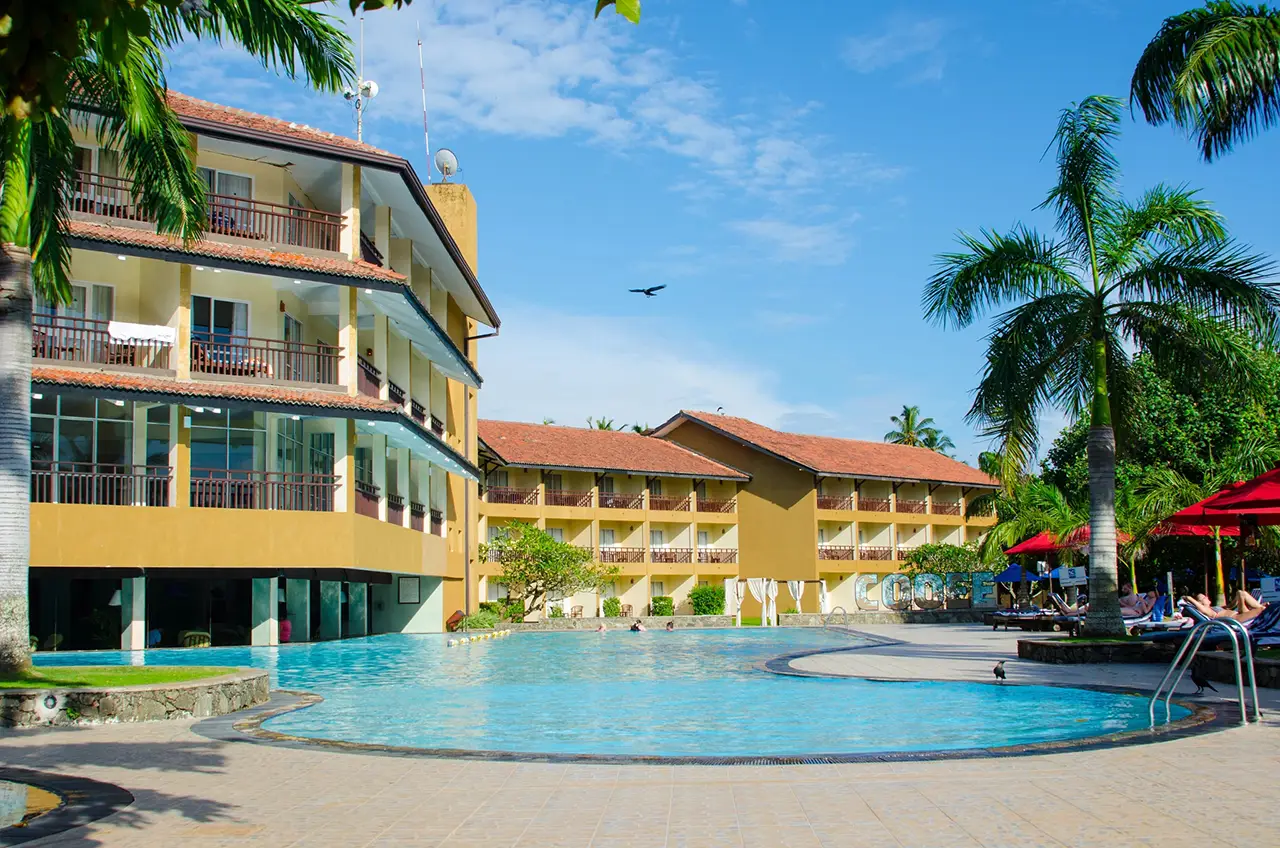
Hotels range from simple guesthouses under $30 a night to luxury boutique properties above $400. Heritage fort hotels in Galle, tea estate bungalows like Ceylon Tea Trails, safari lodges near Yala, and clifftop villas on the south coast sit at the premium end. Peak season (December to March) and festive-season weeks (Christmas and New Year) push rates higher still. Book early for the best properties.
Food and Drink Costs
A rice-and-curry meal at a local restaurant costs very little. A meal at a boutique hotel restaurant costs more, and imported wines and spirits add to the price. Tap water is not safe to drink, so bottled water is a steady, small expense. Street food is cheap and often excellent.
Transport Costs
A full-time private chauffeur-guide is the biggest single transport cost, but it covers fuel, tolls, parking, and the driver’s meals and accommodation. Trains are cheap. Tuk-tuks are affordable for short runs. Domestic flights, where available, cost more but save hours on long legs.
Entrance Fees and Safari Costs
Foreign visitors pay higher entrance fees at UNESCO sites, national parks, and botanical gardens. Sigiriya alone can cost $30 or more per person. Safari jeep hire at Yala or Wilpattu incurs an additional cost on top of the park fee. Budget for these early on, because they add up over a 10-day route.
Tipping and Service Charges
Many hotels and restaurants add a service charge to the bill. Tipping beyond the service charge is not required but is appreciated for good service. Small tips for drivers, guides, hotel staff, and porters are standard in the tourism industry. Carry small-denomination notes for tips.
Money, Cards, and ATMs in Sri Lanka
What Currency Does Sri Lanka Use?
Sri Lanka uses the Sri Lankan Rupee (LKR). You will see prices in rupees everywhere, from street stalls to hotel menus. Some hotels and tour operators quote in US dollars, but you pay in rupees unless told otherwise.
Can You Use Credit Cards?
Yes, in most hotels, resorts, and higher-end restaurants. Visa and Mastercard are the most widely accepted. Smaller shops, tuk-tuk drivers, local restaurants, and market stalls usually require cash.
Should You Carry Cash?
Yes. Cash is essential for daily life outside hotels. Tips, tuk-tuks, small meals, temple donations, market purchases, and rural stops all run on cash. Carry enough for the day, and keep a backup supply in your hotel safe.
ATM and Currency Tips
ATMs are available in Colombo, Kandy, Galle, and most towns. Rural areas and national park zones may have fewer options, so withdraw before tackling remote sections of the route. Notify your bank before travel to avoid having your card blocked. Keep a backup card in a separate bag.
Exchange money at the airport on arrival, at your hotel front desk, or at a licensed exchange counter in town. The airport rate is reasonable for a first withdrawal, and you avoid arriving without any local cash. Avoid street changers. Carry small notes for tips and tuk-tuks, because change for large bills can be hard to find at small shops.
Getting Around Sri Lanka
Sri Lanka is small on the map, but road travel demands patience. Traffic flows unpredictably, overtaking on narrow hill roads is common, and town centers slow every route. A private driver handles these conditions far better than a first-time visitor would. Choosing the right transport for each leg makes a real difference to comfort and safety.
Private Chauffeur-Guide
A private chauffeur-guide is the most comfortable way to cover Sri Lanka. The driver knows the roads, handles the logistics, speaks English, and adjusts the day to your pace. The car is air-conditioned, the luggage stays in the trunk, and you stop when and where you want. Many drivers double as informal guides, pointing out roadside temples, fruit stalls, and local life along the way.
Luxury travelers, families, honeymooners, and first-time visitors on a 7- to 14-day route benefit the most. The cost covers the full trip, including fuel, tolls, and the driver’s expenses.
Train Travel
The Kandy-to-Ella highland railway is one of Asia’s most scenic train rides, crossing tea fields, stone bridges, and misty valleys. Reserved seats sell out weeks in advance during peak season. Book early or ask your tour operator to secure tickets.
Trains are great for the experience, but not practical for the whole trip. Unreserved carriages can get crowded, and standing for three hours with luggage loses the charm fast. Schedules are limited, delays happen, and luggage handling is on you. Use the train for one or two scenic legs and a private car for the rest.
Buses
Buses are cheap and cover most routes. They suit budget travelers with flexible schedules and light luggage. Buses can be crowded, hot, and slow, and they are not comfortable for families, older travelers, or anyone with large bags.
Tuk-Tuks
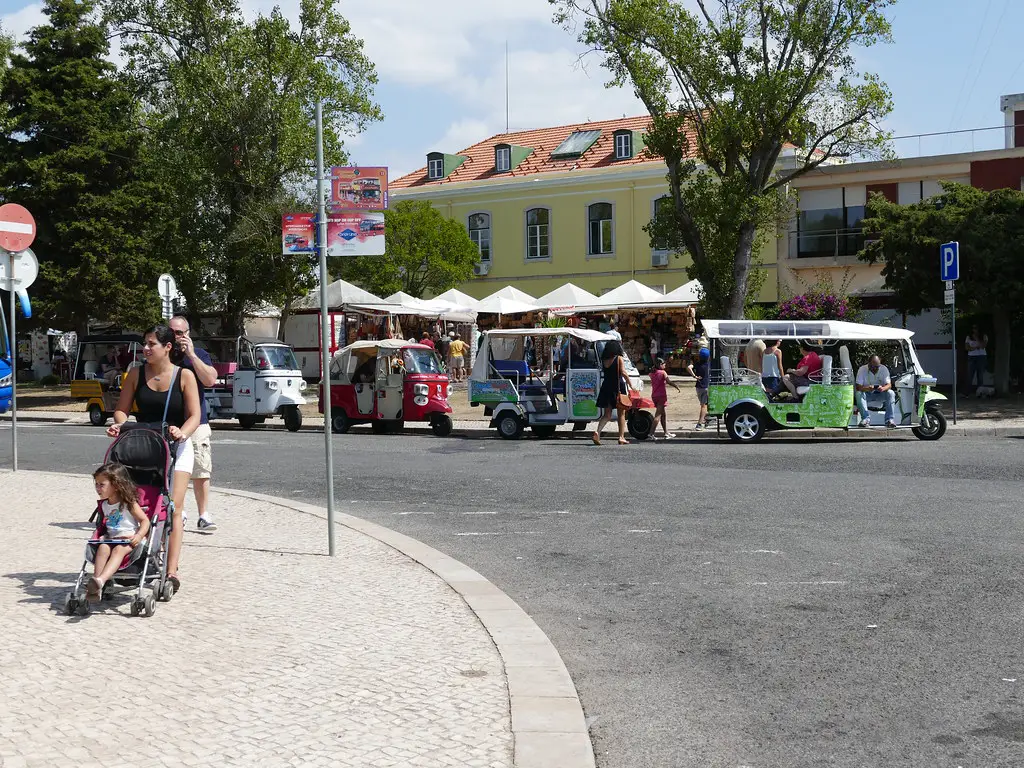
Tuk-tuks are the island’s short-distance workhorse. Agree on the fare before you get in, or use a ride-hailing app where available. Tuk-tuks work for local runs — the hotel to a restaurant, a station to a beach, a quick errand in town. Avoid them for long-distance travel.
Domestic Flights
A few domestic air routes connect Colombo with Jaffna, Trincomalee, and a few other points. Flights save hours on the longest legs and suit luxury itineraries where time matters. Check availability and routing in advance, because schedules are limited.
Airport Transfers
Bandaranaike International Airport sits about 35 kilometers north of Colombo. A private transfer to a Negombo hotel takes about 15 minutes. A transfer to central Colombo takes 45 minutes to over an hour,r depending on traffic. Pre-book your transfer so a driver meets you on arrival.
How Long Travel Really Takes
- Airport to Negombo: A quick 15- to 20-minute transfer by private car.
- Airport to Colombo: Expect 45 minutes to 1.5 hours, rs depending on city traffic.
- Colombo to Sigiriya: A 3.5- to 4-hour drive north into the dry zone plains.
- Sigiriya to Kandy: A 2.5- to 3-hour run climbing steadily into the lower hill country.
- Kandy to Nuwara Eliya: A 2.5- to 3-hour winding ascent through working tea estates.
- Ella to Yala: A 3- to 3.5-hour descent down to the southern safari plains.
- Yala to Galle: A 2.5- to 3-hour drive tracking the scenic southern coastline.
- Galle to Colombo (expressway): A fast, smooth 2- to 2.5-hour return via the Southern Expressway.
Is Sri Lanka Safe for Tourists?
International travelers widely visit Sri Lanka, and safety standards in the tourism industry are generally good. Standard precautions apply, just as they would in any popular destination.
General Safety
Use a trusted mode of transport, stay aware of your surroundings, and follow local news. Avoid large political gatherings or demonstrations. Keep a copy of your passport and visa in a separate location from the originals.
Road Safety
Traffic can be unpredictable, and overtaking on narrow roads is common. A private driver handles the stress and the risk far better than a self-driving vehicle. Seat belts and child seats are not always standard in older vehicles, so confirm with your operator if you need them.
Petty Theft and Scams
Keep valuables in your hotel safe. Avoid displaying expensive jewelry, cameras, or phones in crowded areas. Common tourist scams include overcharging for tuk-tuk rides (agree on the price first), gem-shop pressure sales, and unofficial “guides” at temple sites. A firm, polite “no thank you” works in most cases.
Solo and Women Traveler Safety
Only travelers, especially women travelers, visit Sri Lanka regularly. Standard precautions apply: use a trusted transport service, avoid isolated areas after dark, and keep someone informed of your plans. A private driver adds a layer of security and comfort for solo travelers.
Beach and Sea Safety
Sea conditions vary by coast and season. Strong currents, riptides, and rough surf can make swimming dangerous, especially during monsoon months. Check local advice daily, swim only at beaches with lifeguards where possible, and respect warning flags. Whale-watching boats depend on sea conditions, and operators should cancel in rough weather.
Emergency Contacts and Travel Insurance
Save local emergency numbers before arrival. Police: 119. Ambulance: 1990. Tourist police helpline: 1912. Travel insurance is strongly recommended for medical issues, trip delays, lost luggage, safari activities, weather disruptions, and emergency support. Carry your insurance details with you at all times.
Health, Food, and Drinking Water
Can You Drink Tap Water?
No. Most travelers should use bottled or properly filtered water. Many hotels provide safe drinking water or refill stations. Carry a reusable bottle where refills are available.
Food Safety Tips
Sri Lankan food is excellent, but common-sense precautions help:
- Eat at busy restaurants where food turns over quickly
- Choose freshly cooked dishes over items that have been sitting
- Wash your hands or use sanitizer before eating
- Be careful with raw salads and unpeeled fruit at roadside stalls
- Go easy on the spice level on your first day
Heat, Hydration, and Sun Protection
The coast and lowlands are hot and humid, often above 30 degrees Celsius. Drink water throughout the day, wear a hat and sunscreen, and plan outdoor sightseeing for the cooler morning hours. Sigiriya, Polonnaruwa, and Anuradhapura are particularly punishing in the midday heat. The hill country is cooler, but the sun at altitude can still burn.
Mosquito Protection
Use insect repellent, especially at dawn and dusk. Light long sleeves and pants help in the evening. Some hotels and lodges in rural and park areas provide mosquito nets.
Travel Insurance and Medical Advice
Buy travel insurance before you fly. Consult a travel clinic or your doctor for health advice specific to your trip, including any recommended vaccinations or personal medication. Carry a basic first-aid kit and any prescription medicines you need, along with copies of the prescriptions.
What to Pack for Sri Lanka
Pack light and practical. The climate is warm at the coast, hot in the dry zone, and cool in the hills.
- Warm-weather clothing: Light, breathable cotton or linen. Loose fits work best in the humidity.
- Temple-appropriate clothing: tops that cover the shoulders and bottoms that cover the knees. Carry a sarong or scarf as a quick cover-up.
- Hill country layers: A light jacket or fleece for Ella, Nuwara Eliya, and early-morning train rides. Nights above 1,500 meters can feel cold.
- Rain gear: A compact rain jacket. Umbrellas are cheap to buy locally.
- Safari clothing: Neutral tones — khaki, olive, brown. Avoid bright colors and white.
- Beach and swim: Swimwear, sandals, and reef-safe sunscreen.
- Footwear: Comfortable walking shoes for temples and ruins, sandals for the coast, and sturdy shoes if you plan to hike Horton Plains or Adam’s Peak.
- Electronics: A universal adapter (Sri Lanka uses Type D and Type G plugs), a power bank, and a phone with offline maps downloaded.
- Documents: A printed copy of your ETA approval, passport copies, travel insurance details, and hotel confirmations.
Local Customs and Etiquette
Temple Dress Code
Cover shoulders and knees at every Buddhist and Hindu temple. Remove shoes and hats before entering sacred areas. Do not turn your back to a Buddha statue for a photograph, and keep your voice low. Respect photography restrictions inside temple buildings.
Poya Days
Poya days (full-moon days) are public holidays in Sri Lanka. Alcohol sales may stop at some hotels and restaurants. Some businesses close or reduce hours. Check the poya calendar for your travel dates before planning special dinners or celebrations.
Photography Etiquette
Ask before photographing people, especially at religious sites and in rural areas. Do not use drones without official permission. Avoid disrespectful poses at temples, stupas, and sacred trees.
Tipping Etiquette
Many hotels and restaurants add a 10 percent service charge. A small extra tip for exceptional service is appreciated but not required. Tip drivers, guides, porters, and hotel staff in cash. Carry small notes for the purpose.
Responsible Travel
Avoid attractions that exploit animals — elephant rides, photo ops with captive wildlife, and feeding wild animals all cause harm. Choose licensed safari operators who respect park rules and keep a distance from animals. Support local businesses, eat local food, and leave natural sites as you find them.
Best Time to Visit Sri Lanka
The south and west coasts are generally best from December to April. The East Coast runs better from May to September. The hill country and the Cultural Triangle are generally workable year-round, though they can receive rain at any time. October and November are the least predictable months and need flexible planning.
The season determines which coast to finish on, which in turn shapes the entire route. A dedicated best-time guide covers the two-monsoon system and month-by-month detail.
Read More: Best Time to Visit Sri Lanka: The Ultimate Monsoon and Weather Guide
How Many Days Do You Need in Sri Lanka?
Seven days covers a fast highlights loop: Sigiriya, Kandy, Ella, and the south coast. Ten days is the best first-time balance, with room for a safari and a proper beach stay. Fourteen days allow a complete island circuit at a relaxed pace, with deeper wildlife, longer stretches of beach, and tea country stays.
A 12-day combination (8 days in Sri Lanka plus 4 nights in the Maldives) suits honeymooners and luxury couples who want culture and beach rest in one trip. A dedicated itinerary guide covers 7-, 10-, and 14-day routes in detail.
Common Mistakes First-Time Visitors Make
- Trying to see too much. Sri Lanka is small but slow to cross. Pick one clear route rather than zigzagging the island.
- Underestimating driving time. A 150-kilometer leg can take four hours through mountains and towns. Build buffer time into every transfer day.
- Choosing the wrong coast for the season. South and west from December to April. East from May to September. Get the coast wrong and the beach days suffer.
- Booking scenic train tickets too late. Reserved seats on the Kandy-to-Ella and Nanu-Oya-to-Ella trains sell out weeks ahead. Book as early as your dates allow.
- Forgetting temple dress rules. Shoulders and knees must be covered. Carry a sarong or scarf in your daypack so you are always ready.
- Carrying only cards and no cash. Cards work in hotels and bigger restaurants, but tuk-tuks, tips, small meals, and rural shops all need cash.
- Expecting guaranteed wildlife sightings. The parks hold real wild animals in real wild places. A good naturalist gives you the best honest chance, but no operator can promise a sighting on a given day.
- Not checking the ETA rules before departure. Visa rules change. Always verify the current requirements on the official portal well before you fly.
- Ignoring sea conditions for whale watching and beach swimming. The ocean sets the terms. Check local advice daily and respect warning flags.
- Booking cheap transport for long routes. Comfort matters on a four-hour mountain road. A private chauffeur-guide costs more but saves energy and stress on every transfer.
Frequently Asked Questions About Sri Lanka Travel
Do I need a visa to travel to Sri Lanka?
Most travelers need an ETA to enter Sri Lanka, but rules vary by nationality and can change. Always check the official ETA or immigration website before travel.
How do I apply for a Sri Lanka ETA?
Apply through the official portal at eta.gov.lk. Enter your passport details exactly as they appear, pay any required fee, and save the approval email before departure.
Is Sri Lanka safe for tourists?
International travelers frequently visit Sri Lanka, and safety standards in the tourism industry are generally good. Follow standard precautions, use trusted transport, protect valuables, and check the latest official travel advice.
How much does a trip to Sri Lanka cost?
The cost depends on the hotel level, mode of transport, season, entrance fees, safari costs, and meal choices. Budget trips can be affordable, while luxury tours with private drivers and premium hotels cost significantly more.
What is the best way to get around Sri Lanka?
A private chauffeur-guide is the most comfortable option for first-time visitors, families, and luxury travelers. Trains are best for scenic routes like Kandy to Ella. Buses and tuk-tuks suit the budget and short-distance travel.
Can I use credit cards in Sri Lanka?
Yes, in most hotels, resorts, and higher-end restaurants. Cash is still essential for tuk-tuks, tips, small shops, markets, and rural stops.
What currency does Sri Lanka use?
Sri Lanka uses the Sri Lankan Rupee (LKR). Carry local cash for daily expenses and small purchases.
Can I drink tap water in Sri Lanka?
Most travelers should use bottled or properly filtered water. Many hotels provide safe drinking water or refill stations.
How many days do I need in Sri Lanka?
Ten days is a strong first-time trip length. Seven days covers highlights at a faster pace. Fourteen days allows for a more complete and relaxed Sri Lanka itinerary, with deeper exploration of wildlife, beaches, and tea country.
What should I wear in Sri Lanka?
Light clothing for warm weather, plus modest clothes for temples. Cover your shoulders and knees at religious sites. Pack a light layer for the hill country.
Is Sri Lanka expensive for tourists?
Sri Lanka can be affordable or expensive depending on travel style. Private drivers, boutique hotels, safari lodges, and beach resorts increase the total cost.
Is it better to travel by train or with a private driver?
Use the train for one or two scenic legs (Kandy to Ella is the highlight). Use a private driver for comfort, luggage handling, flexibility, and efficient touring across the rest of the route.
Do I need travel insurance for Sri Lanka?
Yes. Travel insurance is strongly recommended for medical issues, trip delays, lost luggage, safari activities, weather disruptions, and emergency support.
What mistakes should first-time visitors avoid?
Avoid rushing the route, ignoring driving times, choosing the wrong coast for the season, booking train tickets too late, carrying only cards, and forgetting temple dress rules.
Can I combine Sri Lanka with the Maldives?
Yes. Sri Lanka and the Maldives go well together. Do Sri Lanka first for culture, wildlife, and scenery, then fly to the Maldives for four to five nights of beach rest.
Plan Your Sri Lanka Trip With Confidence
Sri Lanka is easier to enjoy when the visa, route, transport, hotels, and safety arrangements are well planned. Please tell us your travel dates, budget, preferred hotel style, and interests, and a Sri Lanka specialist will design a private trip with the right mix of culture, wildlife, hill country, beaches, and comfort.
Read More: 25 Best Things to Do in Sri Lanka: The Ultimate Local Guide
Email: sales@peregrinetreks.com
WhatsApp: +977 985 105 2413
About the Author
Written by the Peregrine Treks and Tours travel team, with direct experience planning and running private Sri Lanka, Nepal, Bhutan, Tibet, and Maldives tours for international travelers. *Visa rules, costs, transport options, and safety conditions can change. Always verify current details through official sources before finalizing travel plans.*