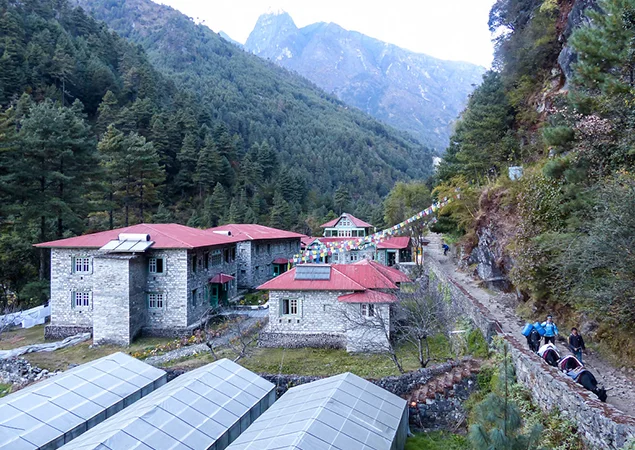
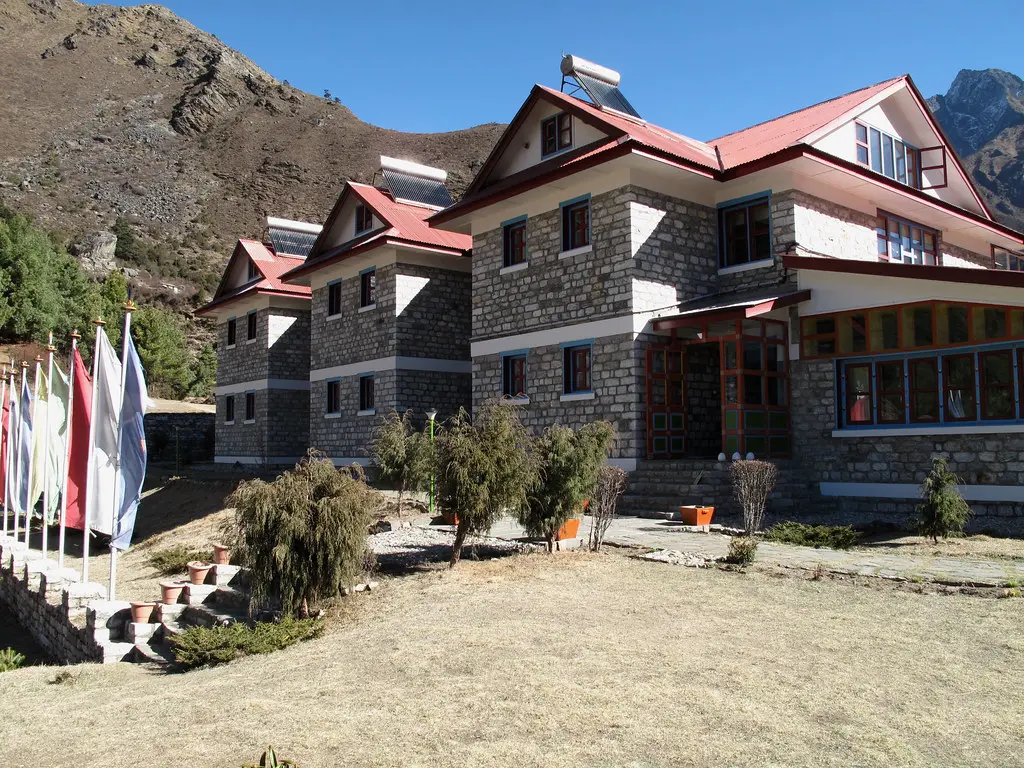
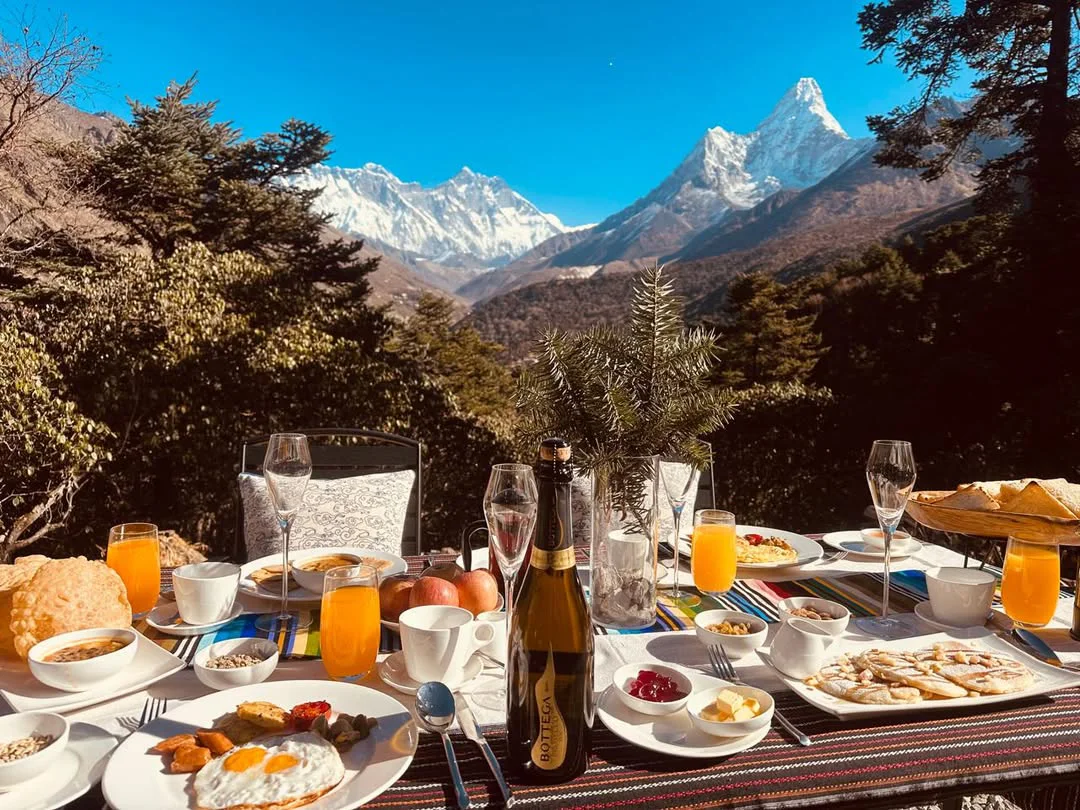
Many trekkers think the Everest Base Camp trail follows one fixed pattern. Real trekking days do not work that way. Weather changes. Energy levels change. Altitude affects people differently.
A Private guide to the Everest Base Camp Trek gives you more control over the full experience. You walk at your own pace. You get personal support every day. You also learn more from a local Sherpa guide who knows the trail, the villages, and the mountain culture well.
Quick Answer
A Private guide Everest Base Camp trek gives you flexible pacing, better altitude support, easier daily planning, and deeper local insight. A private Everest Base Camp trek suits couples, families, older trekkers, first-time hikers, photographers, and travelers who want more comfort, privacy, and support.
What Is a Private Guide to the Everest Base Camp Trek?
A private Everest Base Camp trek means you do not join a large fixed group. Your trip is for you, your partner, your family, or your small group.
An Everest Base Camp private guide leads your trek from start to finish. The guide focuses on your pace, your comfort, and your daily condition. That changes the whole feel of the trek.
A guided Everest Base Camp trek in private format usually includes:
One dedicated Everest Base Camp guide for your group
Flexible daily pace
Better control over rest breaks
Easier lodge and meal planning
More personal altitude support
More time for photos and local experiences
A private setup does not only mean privacy. It means the trek adapts to you rather than asking you to adjust to a crowd.
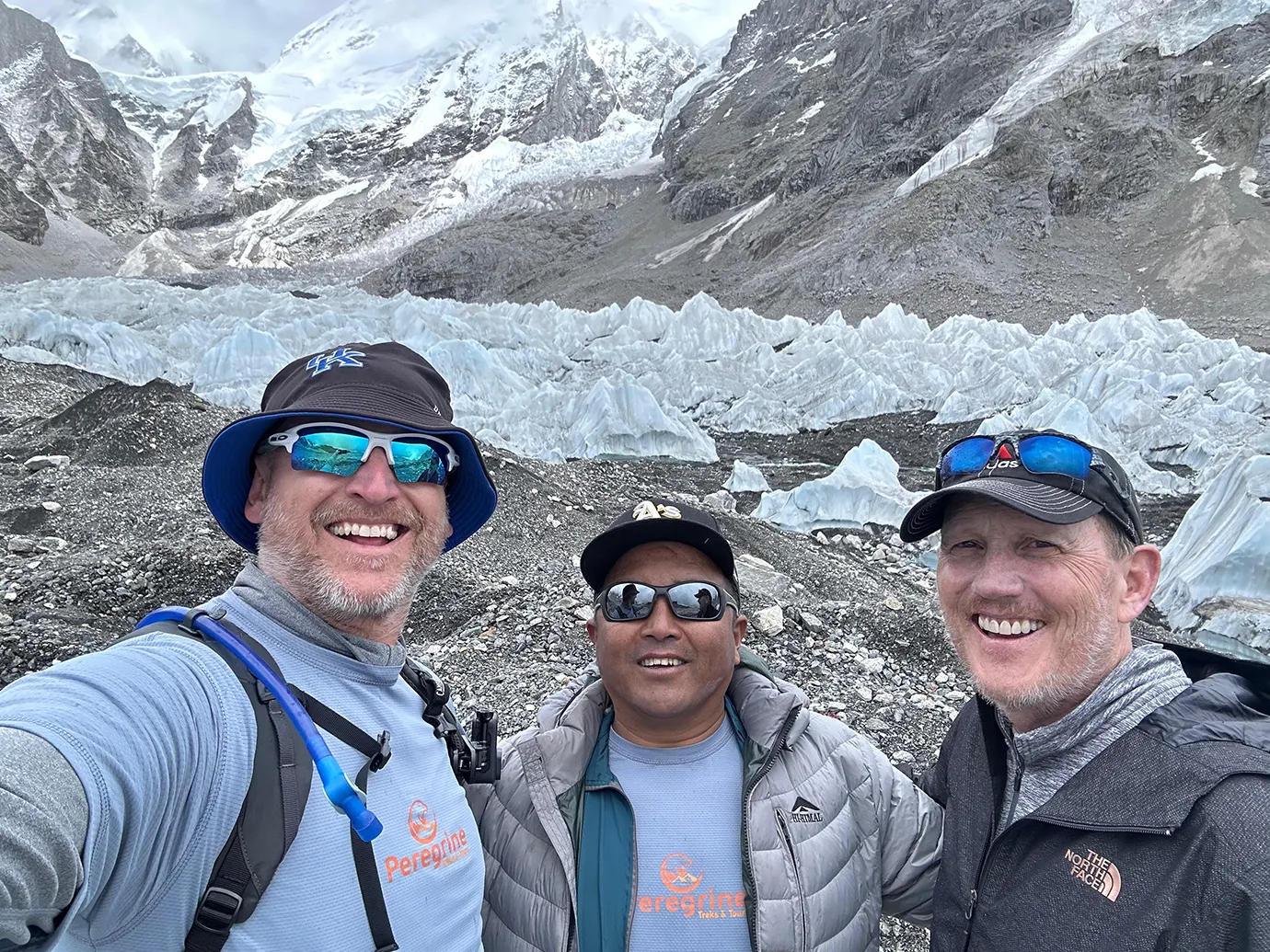
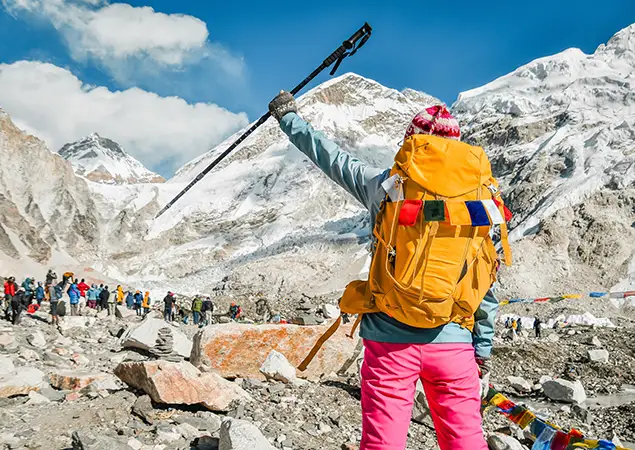
Unforgettable memories: Two adventurers share a smile with their private guide to the Everest Base Camp Trek against the dramatic backdrop of the Khumbu Icefall.
Private Guide Everest Base Camp vs Group Trek
A group trek works well for some travelers. It often costs less and gives a social atmosphere. A private guide setup works better for travelers who want more freedom and more direct support.
Pace and Walking Speed
A group trek usually follows the group’s average speed. Fast trekkers may often wait. Slower trekkers may feel pressure.
A Private guide Everest Base Camp plan operates differently. Your guide follows your breathing, your energy, and your walking rhythm. You can slow down on steep climbs. You can stop more often. You can walk without feeling pushed.
That difference matters a lot after Namche Bazaar, where the trail gets harder, and the air gets thinner.
Altitude and Acclimatization Support
Altitude affects strong trekkers and slow trekkers alike. Fitness helps, but fitness does not remove altitude risk.
An Everest Base Camp trek with a private guide provides you with closer daily attention. Your guide watches how you sleep, eat, breathe, and walk. A guide can slow the pace, add rest, or adjust a side hike if needed.
A group guide must divide attention across many people. An Everest Base Camp private guide gives much closer care. That support helps many trekkers feel safer between Namche, Dingboche, Lobuche, and Gorakshep.
Flexibility on the Trail
A private Everest Base Camp trek gives you the flexibility to make each day fit your condition.
You may want to:
take a longer tea break
stop for better photo light
start early for mountain views
walk slower after a poor night
keep an acclimatization hike shorter
adjust the daily plan if the weather changes
A group trek often cannot do that easily. A private setup gives you far more control.
Trail Experience
Large groups often feel busy. People spread out on the trail. Some move ahead. Some fall behind. The guide has to manage many needs at once.
A Sherpa guide Everest Base Camp trip feels quieter and more personal. You talk more with your guide. You learn more about the villages and the culture. The trek feels less rushed and more meaningful.
Why a Private Guide Matters on the Everest Trail
A private guide does much more than lead the trail. Good support changes how the whole trek feels from Lukla to Everest Base Camp.
You Walk at Your Own Pace
Pace shapes everything on the Everest trail. A bad pace often leads to heavy legs, poor breathing, and extra fatigue later in the day.
A private guide to the Everest Base Camp trek lets you build a pace that matches your body. You can take short, steady steps. You can rest before you feel drained. You save energy for the next day.
Older travelers, first-time trekkers, and couples with different fitness levels often gain the most from this.
You Get Personal Attention Every Day
Personal care matters on a long, high-altitude trek. Your guide checks how you slept, how much water you drank, how your appetite feels, and how your energy looks each morning.
An Everest Base Camp guide also helps with key daily details:
lodge check-in
meal timing
porter coordination
next-day briefing
weather concerns
early altitude signs
That direct support helps trekkers stay calm and focused.
You Learn More About Sherpa Culture
The Everest region offers more than mountain views. Sherpa villages, Buddhist sites, prayer walls, and local beliefs shape the whole route.
A Sherpa guide’s Everest Base Camp experience often includes:
stories about village life
meaning of prayer flags and mani stones
monastery customs
family traditions
local mountain beliefs
history of the Khumbu region
A group trek often leaves less room for those conversations. A private guide gives you time to stop, ask, and understand.
You Feel Safer at High Altitude
High altitude requires daily attention. A headache after Namche may be due to dehydration. It may also mean your body needs a slower pace.
An Everest Base Camp private guide watches those changes early. Your guide can respond more quickly because they focus only on your group. Small smart decisions often prevent bigger problems later.
Safety on the trail depends on pace, rest, hydration, and judgment. A private guide helps with all four.
You Have More Comfort and Less Stress
Comfort on the Everest trail means more than nice rooms. Comfort also means smoother logistics and fewer daily problems.
A private EBC trek often gives you:
easier lodge handling
smoother porter support
faster decisions during delays
less confusion about the daily plan
more personal care during busy seasons
Travelers who want a more polished experience often choose an Everest Base Camp trek with private guide support for that reason alone.
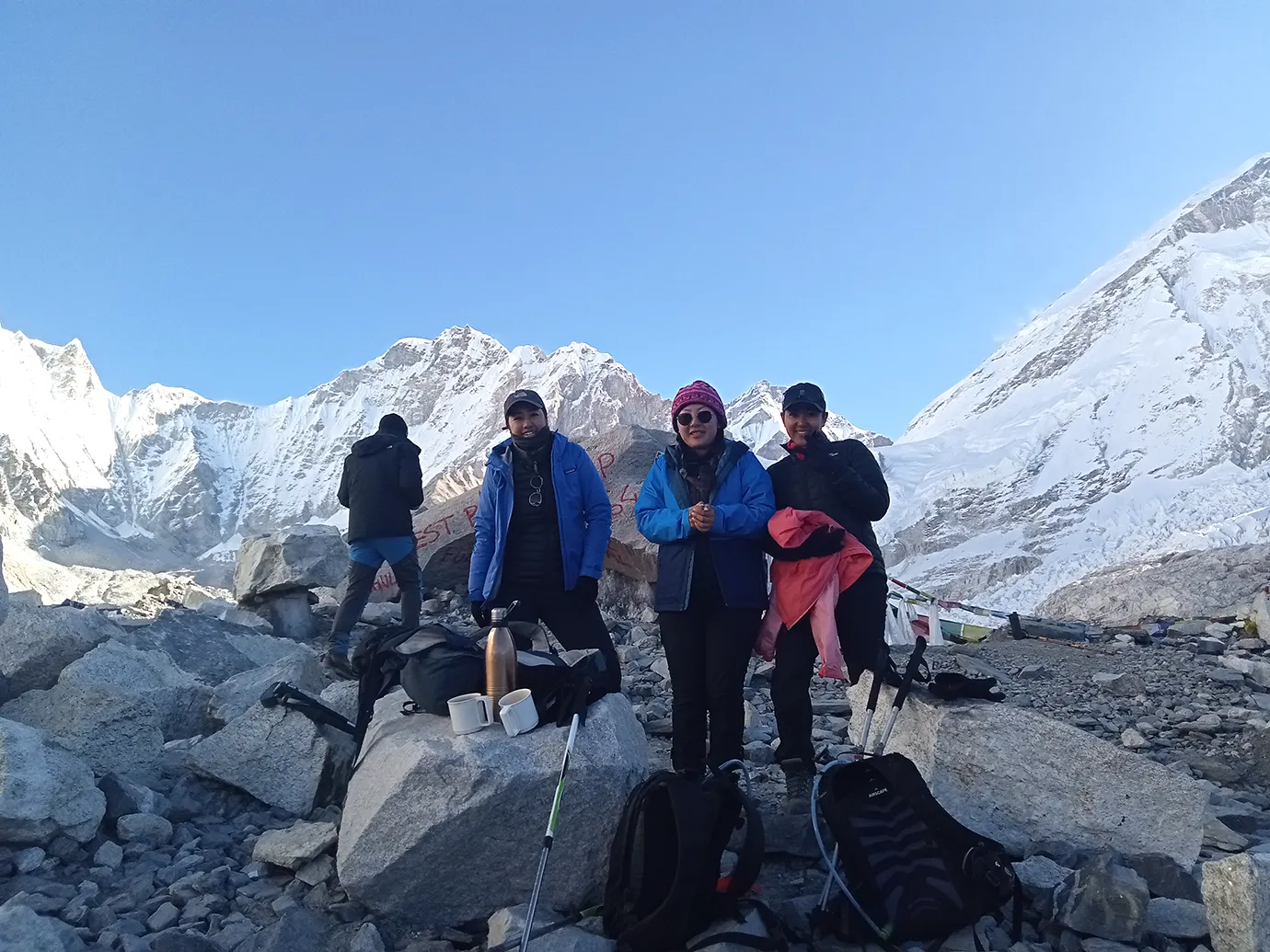
Mission accomplished: Celebrating the successful arrival at Everest Base Camp with the support and expertise of a private guide to the Everest Base Camp Trek.
How a Private Guide Helps on Key Trek Days
Some days on the Everest trail matter more than others. Private support becomes especially useful in these sections.
Lukla to Phakding
Arrival day feels busy. Flights, baggage, porters, and lodge plans start all at once. An Everest Base Camp guide helps organize the day and set the right pace from the start.
Many trekkers start too fast on day one. A good guide helps prevent that mistake.
Namche Bazaar Acclimatization Day
Namche is a key stop. Some trekkers feel strong there. Others feel altitude for the first time.
An Everest Base Camp private guide can shape the acclimatization day around your condition. You may hike to Hotel Everest View. You may continue toward Khumjung. You may keep the day shorter if needed.
Dingboche Acclimatization Day
Dingboche often feels harder than Namche. Sleep may drop. Appetite may change. The air feels thinner.
A private Everest Base Camp trek works very well here because your guide can better control the effort. Good pacing in Dingboche often shapes the rest of the trek.
Lobuche to Gorakshep
Many trekkers feel the effort strongly on this section. The trail gets rougher. The altitude rises again. Energy can drop fast.
A Private guide Everest Base Camp setup gives you more freedom to rest and control your pace here. Many trekkers value private support most on this day.
Kala Patthar Morning
Kala Patthar often starts before sunrise in cold, windy conditions. A private guide helps you choose the right pace and timing. Some trekkers push for the viewpoint. Some save energy and skip it.
A group trek often follows one fixed plan. A private guide helps you make a better personal choice.
Who Should Choose a Private Guide Everest Base Camp Trek?
A private setup does not suit only luxury travelers. Many different trekkers benefit from it.
A private Everest Base Camp trek works especially well for:
first-time trekkers
couples
families
older travelers
solo trekkers who want support
photographers
travelers with limited time
trekkers who worry about altitude
travelers who want a quieter experience
A guided Everest Base Camp trek in private format often fits more people than they first expect.
When a Group Trek May Not Be the Best Fit
Group treks suit social travelers and tighter budgets. Still, they do not fit every travel style.
A group option may feel less suitable if:
you want privacy
you walk slower than average
you want flexible photo stops
you need closer altitude support
you prefer calm daily planning
you travel as a couple or family
A private guide does not make group travel bad. It simply offers a very different experience.
What a Private Guide Can Help With Beyond Walking
Many trekkers think only about the trail. Real support starts before the first climb.
An Everest Base Camp guide often helps with:
airport pickup and hotel coordination
Lukla flight planning
backup plans for flight delays
porter management
lodge booking support
meal advice at altitude
weather changes
local translation
daily health checks
route decisions
motivation on hard days
An Everest Base Camp trek with private guide support often feels easier because one person helps keep the whole trip organized.
Does a Private Guide Everest Base Camp Trek Cost More?
Yes. A private guide to the Everest Base Camp trek usually costs more than a shared group trek.
Cost often depends on:
group size
guide and porter ratio
lodge standard
trip length
season
private transport needs
level of service in Kathmandu
Still, value often improves. Couples and small groups often find private service more reasonable when they share the cost. Many trekkers also feel the extra support justifies the higher price.
A private Everest Base Camp trek often gives better value through:
better pace control
stronger support at altitude
smoother problem solving
easier lodge coordination
more personal service
deeper local insight
Is a Private Guide to the Everest Base Camp Trek Worth It?
For many trekkers, yes.
An Everest Base Camp private guide changes the rhythm of the trek. You stop walking with the group and start walking on your own. Your guide adjusts the day around your condition, not around a fixed departure plan.
A private EBC trek often feels worth it for travelers who care about comfort, safety, and quality support. Base Camp stays the same. The experience of reaching it feels very different.
How to Choose the Right Private Guide for Everest Base Camp
Guide quality matters more than price alone. A strong guide improves every day on the trail.
Look for these points when choosing an Everest Base Camp guide:
proper license
strong route experience
good altitude knowledge
calm communication style
local Khumbu knowledge
first-aid confidence
strong past reviews
clear trip inclusions
reliable support team
good problem-solving ability
A Sherpa guide on an Everest Base Camp trip often adds extra value because local guides understand the villages, trail conditions, and mountain culture firsthand.
Private Guide vs Group Trek Comparison
Private guide Everest Base Camp vs group trek
Pace
Private guide: matches your speed
Group trek: follows group average
Flexibility
Private guide: high flexibility for breaks and daily timing
Group trek: fixed daily flow
Support
Private guide: close personal attention
Group trek: shared attention across many trekkers
Altitude care
Private guide: faster response to symptoms
Group trek: less individual focus
Culture
Private guide: deeper Sherpa stories and local detail
Final Thoughts on Choosing a Private Guide Everest Base Camp Trek
A Private guide Everest Base Camp trek gives you more than a leader on the trail. You get better pace control, more direct care, deeper local insight, and less stress from start to finish.
Many trekkers reach base camp in a group. Travelers who choose a private Everest Base Camp trek often enjoy the route more because the trip fits their own rhythm. A well-planned Everest Base Camp trek with private guide support feels calmer, safer, and more personal.
If you want quality over crowd size, private support makes a lot of sense. A great Everest Base Camp private guide helps you walk comfortably, adapt to the region, and enjoy the Khumbu region more fully.
FAQs
Is a private guide Everest Base Camp trek worth it?
Yes. A private guide gives you personal pacing, closer support, and more flexibility on the trail. Many trekkers feel the extra cost brings much better value, especially at altitude.
What is the benefit of an Everest Base Camp private guide?
An Everest Base Camp private guide helps with pace, lodge planning, altitude awareness, and local insight. You get direct support every day, rather than shared group attention.
Is a private Everest Base Camp trek better than a group trek?
A private Everest Base Camp trek is better suited to travelers who want flexibility, privacy, and more support. Group treks work better for lower budgets and a social style.
Can a Sherpa guide Everest Base Camp trekkers through altitude problems?
A Sherpa guide Everest Base Camp route knows how to spot early warning signs and adjust the day. Guides do not replace medical care, but they help lower risk through smart pacing and quick action.
Who should book an Everest Base Camp trek with private guide support?
Couples, families, first-time trekkers, older travelers, photographers, and solo trekkers often benefit most. Anyone who wants a calmer and more personal trek should consider it.
Does an Everest Base Camp guide carry your daypack?
A guide usually leads, checks your condition, and manages logistics. A porter usually carries the main bag. Trekkers should not expect the guide to carry the daypack as a standard service.
How much does a guided Everest Base Camp trek in private format cost?
Private trips cost more than shared group departures. Final cost depends on season, group size, lodge level, porter service, and support style.
Can beginners do a private EBC trek?
Yes. Beginners often do better on a private EBC trek because the pace stays flexible and support stays more direct. Good fitness and realistic preparation still matter.
Daily Hours: Expect about 5–6 hours of walking each day. Some days are shorter (3–4 hours) and some are longer (7–9 hours).
Trail Type: The paths are mostly dirt and stone. You will walk on rocky trails and carved stone steps, especially near villages. These steps can be steep and uneven.
Uphill and Downhill: You climb steep hills (like entering Namche Bazaar) and also descend rough paths. Going down can stress your knees.
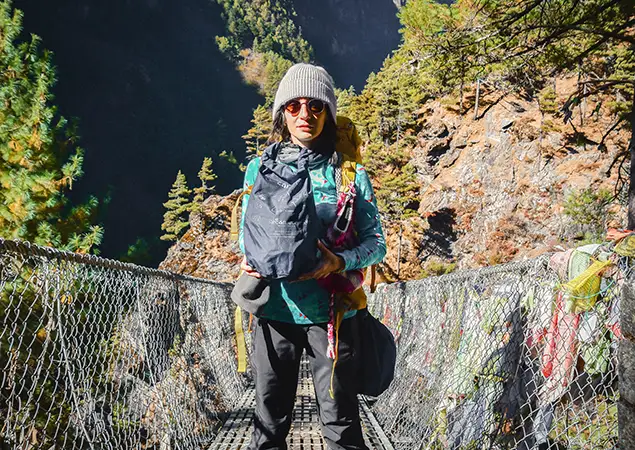
Suspension Bridges: The trek crosses many suspension bridges over deep gorges. They require balance to cross, but most people find them fun.
High Camp Days: The final leg near Lobuche and Gorak Shep involves a long day at altitude. This is one of the hardest days because the air is very thin and you trek for many hours.
Slow Pace Matters: Walk at a slow, steady pace with regular breaks. Rushing uphill will tire you out. Taking your time helps you handle the altitude and finish each day safely.
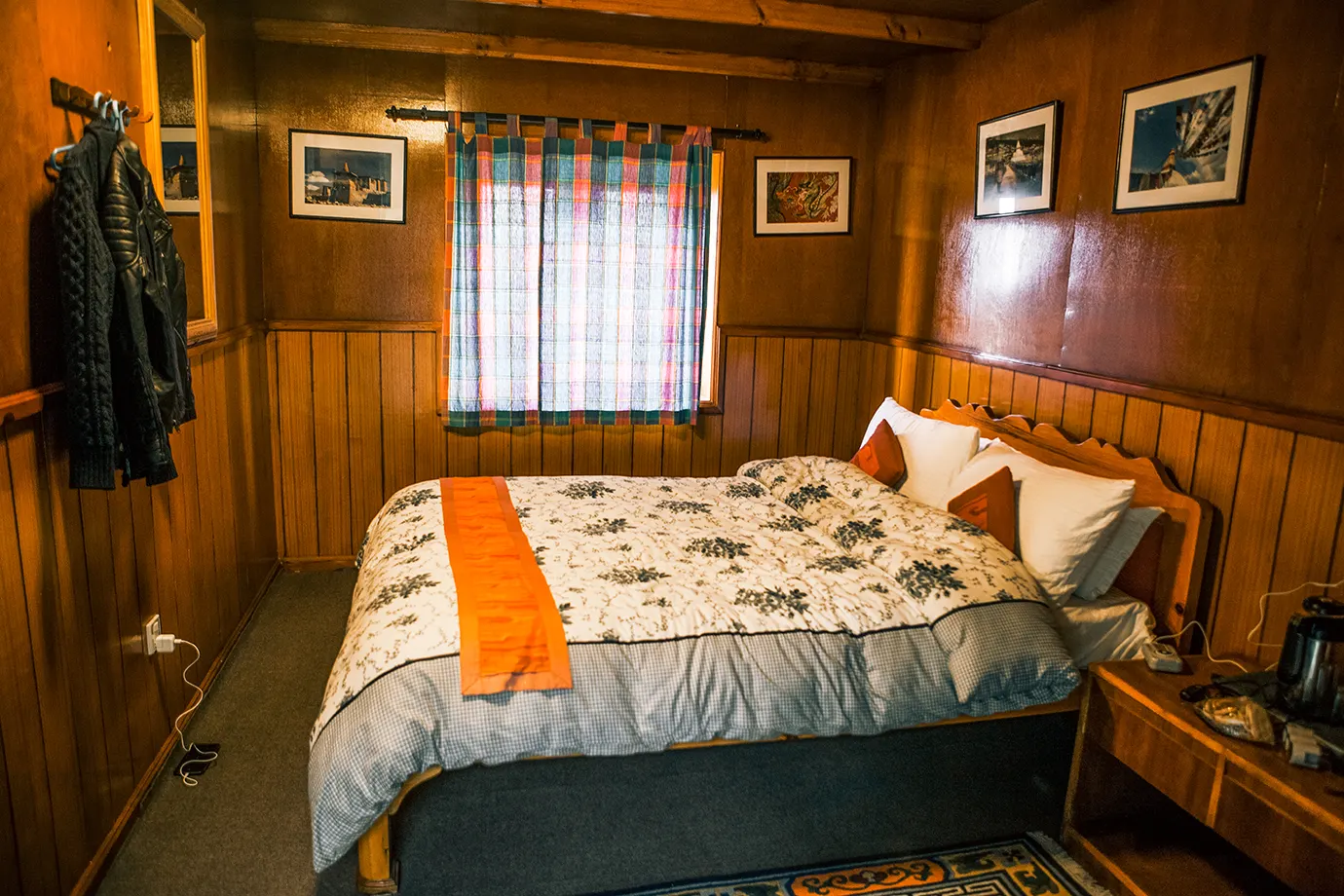
Bedroom of the mountain lodges of Nepal
Fitness and Altitude Are Not the Same
Being very fit does not protect you from altitude sickness. Even strong, athletic people can get headaches or nausea at high altitude. Likewise, someone with average fitness can do well if they pace themselves and acclimatize properly.
Important factors are hydration, sleep, and rest, not just muscles. Drink plenty of water, eat well, and walk slowly. The luxury trek gives you better meals and warm rooms, which help your body recover and sleep. But it does not change the altitude or how your body reacts to thin air. Even on a luxury trek, you must still follow safe altitude rules (take rest days, climb slowly).
What Makes a Luxury Everest Trek Easier on the Body?
Better Sleep Quality: Heated rooms and warm beds help your muscles recover overnight. Some lodges even offer electric blankets or heating. You wake up feeling rested rather than stiff.
Hot Showers: You can take a hot shower at many stops (usually up to about 4,000 m). A warm shower relaxes muscles and joints after a long day of hiking.
Nutritious, Hearty Meals: Luxury treks include a variety of high-calorie meals. You get fresh, filling food and hot drinks, which replace energy lost during hiking. Good nutrition boosts your recovery and keeps you strong.
Porter Support: Porters carry heavy gear (up to 15 kg each). You only need a small daypack. A lighter load means less strain on your back and legs.
Less Cold Stress: With warm sleeping gear and clothing, your body uses less energy to stay warm. On a standard trek, cold nights can drain energy. Luxury lets your body save energy for hiking.
Clean and Hygienic: The lodges are cleaner than basic teahouses. Clean facilities and good hygiene reduce your chance of illness. Fewer health issues mean fewer setbacks on the trail.
Who Can Do a Luxury Everest Trek?
Moderately Fit Beginners: Many people on this trek are hiking at high altitude for the first time. If you have a basic fitness routine and train for a few months, you can do it.
Couples and Friends: This trek is popular with couples and friends who want a comfortable experience together. You can help each other stay motivated and enjoy the trip.
Older Travelers: Age is not a barrier if you are healthy and have prepared. Many people in their 50s and 60s complete this trek. The added comfort (warm rooms, porter service) makes it more accessible for mature trekkers.
Busy Professionals: Even if you have limited time to train, luxury support can help. The comforts and logistics allow you to focus on the trek itself without extra daily stress.
Active Trekkers: If you are generally active (hiking, jogging, gym workouts), proper training can get you to Base Camp. Luxury support then helps you recover better each night.
Who Should Prepare More Carefully?
Inactive Lifestyle: If you do not exercise or walk regularly, start training well before the trek. Walking 5–6 hours per day is hard if you have no walking habit.
Joint Pain or Injuries: Knee or hip pain can be a serious problem on this trek. The rocky, uneven paths stress these joints. If you have any chronic injuries, get a checkup specifically for them.
Breathing or Heart Issues: Asthma, COPD, or heart conditions need special care. The thin air at altitude can strain your lungs and heart. Consult a doctor to see if you need medication or a slower pace.
Overweight: Carrying excess weight makes climbing harder and slows recovery. If you are obese, work on fitness and weight loss first.
Age with Health Issues: If you are older with health concerns (heart, diabetes, etc.), you must be cautious. Even with luxury support, altitude and long days can be tough. A medical checkup must be.
Medical Restrictions: Some people take medications like Diamox to prevent altitude sickness. Talk to your doctor if you need these, and plan your trek accordingly.
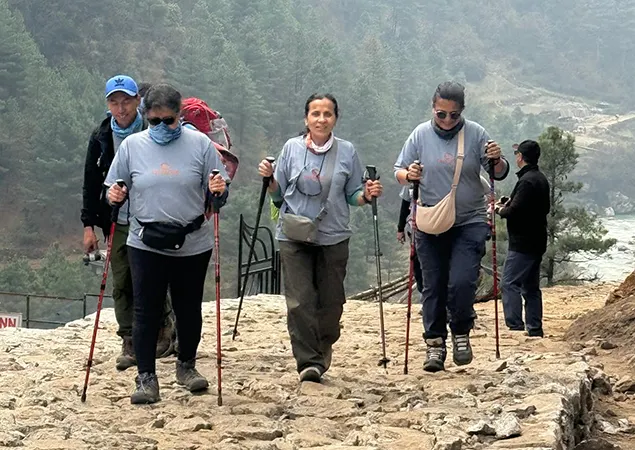
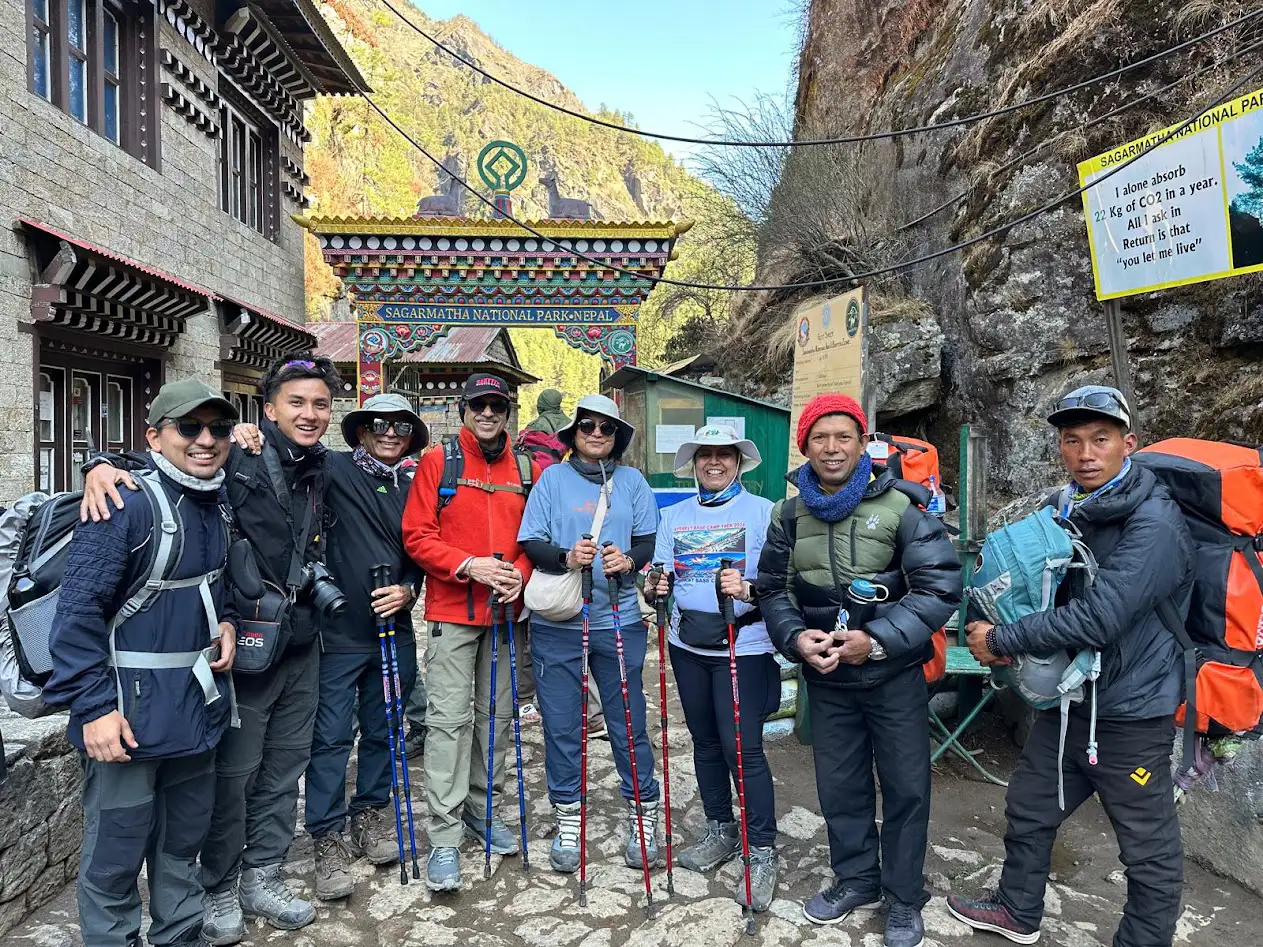
The journey begins: Hikers gather at the Sagarmatha National Park entrance, where a prepared Everest Base Camp trek fitness level is essential for the mountain miles to come.
Minimum Fitness Benchmark Before Booking
Before you book, be sure you meet these benchmarks:
Long Walk Comfort: You should be able to walk 8–12 km (5–7 miles) on trails or hills comfortably without stopping often.
Stair and Hill Climbing: You should be able to climb stairs or hills for 1–2 hours without major strain. If you can do several flights of stairs without stopping, you are on the right track.
Consecutive Active Days: You should stay active for two or more days in a row. For example, hike one day and then do another long walk the next day, with only light rest in between.
Pack Training: Carry a small daypack (5–10 kg) on training hikes. Practice walking with it on your back to get used to the weight.
Healthy Recovery: After a long hike or strenuous workout, you should recover by the next morning. If you are still very sore or tired the next day, work on your fitness more before the trek.
Best Training Plan for Everest Base Camp Trek Fitness Level
Begin training at least 8–12 weeks before the trek. A gradual plan helps your body adapt.
Week 1–4 (Base Building): Start by walking 30–60 minutes on flat terrain 3–4 times a week. Add simple strength exercises (squats, lunges, planks) 2–3 times a week.
Week 5–8 (Endurance Focus): Increase your walks to 60–90 minutes and include hills or stairs. Do one longer hike (2–4 hours) each week. Continue leg and core exercises.
Week 9–12 (Peak Training): Aim for one 4–6 hour hike or long walk (with a light backpack) per week. Maintain regular cardio and strength workouts. If possible, train on uneven terrain or do back-to-back long hikes on weekends.
Rest and Recovery: Include rest days each week. Your body needs time to recover so you do not burn out. Stretch and foam-roll to prevent injury.
Altitude Preparation: If you can, practice breathing exercises or train at elevation (if available). This helps your body adjust to lower oxygen before the trek.
Best Exercises
Incline Walking or Hiking: Train on hills or use an incline treadmill to simulate mountain terrain. This builds endurance and leg strength.
Stair Climbing: Use stairs or a step machine, and carry a weighted backpack. This directly mimics the stone steps on the trail and builds strength.
Lunges and Squats: These exercises strengthen your thighs and hips, which are crucial for uphill hiking. Aim for 2-3 sets of 12-15 reps of each.
Step-Ups: Step onto a sturdy box or stair repeatedly. This builds single-leg strength and balance. Increase the height or add weight as you get stronger.
Core Work (Planks): Exercises like planks and side planks stabilize your body and improve balance on uneven paths. A strong core also supports a heavy backpack.
Light Cardio: Jogging, cycling, or swimming 2-3 times a week improves overall endurance and heart health. These low-impact workouts boost stamina without overworking your legs.
Why Recovery Matters So Much on a Luxury Trek
Sleep Quality: At altitude, good sleep is hard to come by. Heated rooms and warm bedding help your body rest. When you sleep better, your muscles rebuild, and you wake up stronger.
Warmth and Muscle Recovery: Staying warm prevents your body from using extra energy. Hot showers and blankets relax muscles. After a hard day, being warm at night means your muscles recover faster.
Nutrition and Hydration: Luxury meals provide more calories and protein to help repair muscle. Hot soups and hydrating drinks replace fluids lost on the trail. Better nutrition means better recovery and energy for the next day.
Consistency: On a luxury trek, you use less energy on discomfort. This means you start each day with more strength. Consistent rest and recovery let you maintain a steady pace throughout the trek.
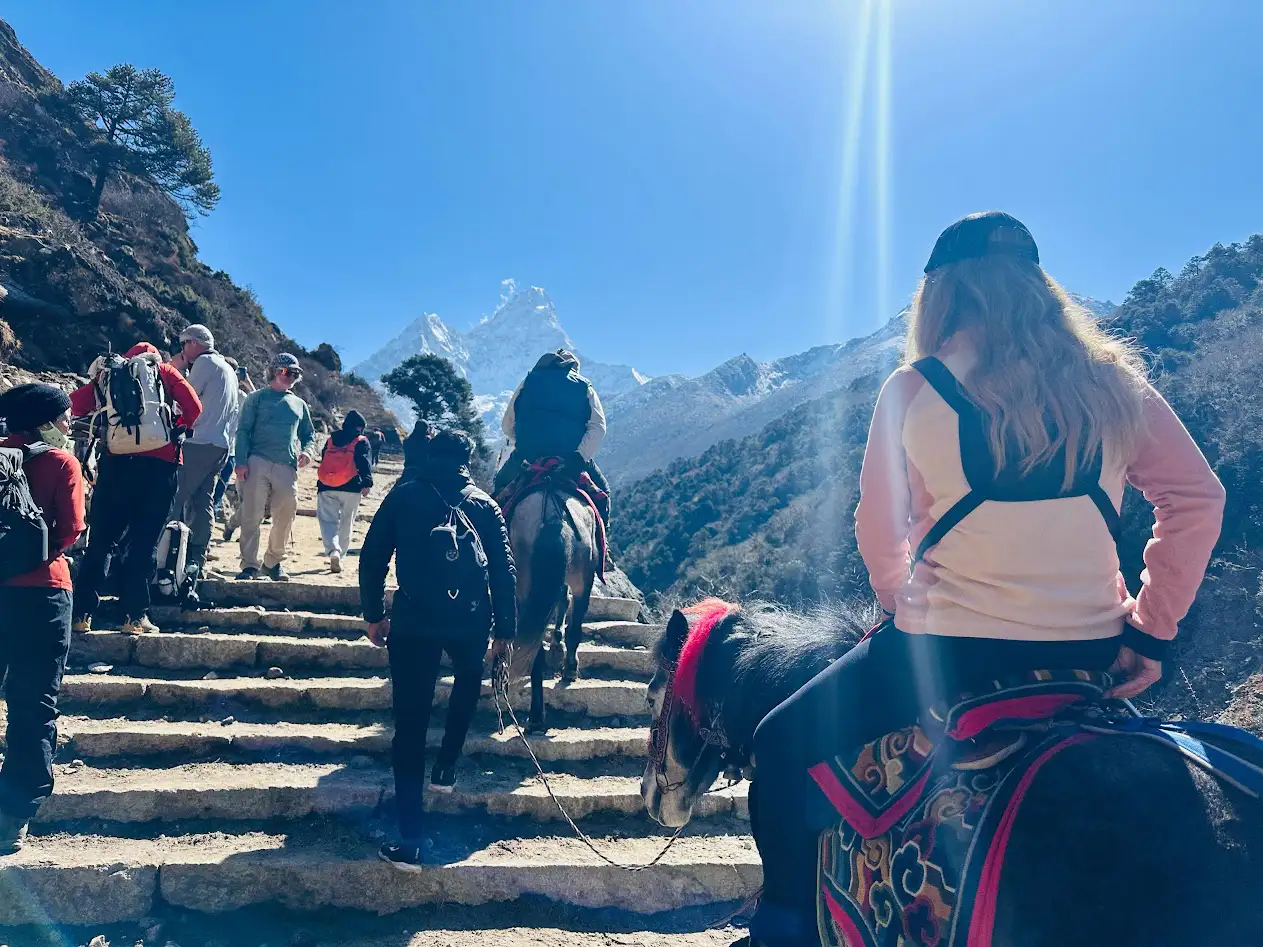
Strategic pacing: Whether on foot or assisted, maintaining a steady Everest Base Camp trek fitness level is vital for tackling the legendary stone steps of the Khumbu region.
Daily Pace Matters More Than Speed
Slow and Steady: Walk at a steady, comfortable pace. Do not rush uphill. A fast pace uses up oxygen quickly and makes you tired faster.
Frequent Rest: Take short breaks often. Drink water, eat snacks, and stretch. Even a quick pause lets your heart rate come down and muscles relax.
Breathing Rhythm: Breathe slowly and deeply, especially on climbs. Controlled breathing helps get oxygen into your blood. Try to match your breathing to your steps.
Follow Your Guide: Your guide knows the best pace for safety and acclimatization. Stick with the guide’s pace, even if it seems slow. They will adjust based on how the group feels.
Acclimatization Days: The itinerary includes rest or acclimatization days (like in Namche Bazaar and Dingboche). Use these days to explore and rest, not to rush.
How Much Should Your Backpack Weigh?
On a luxury trek, you have porter support, but you still need a daypack. Keep it as light as possible:
Daypack Weight: Aim for 8–10 kg (18–22 lbs). This should include water, snacks, extra layers, a camera, and essentials.
Porter Support: Give heavy items to porters. They can carry up to 15 kg of gear, so you only carry daily items.
Pack Essentials: In your daypack, pack water (2–3 L), snacks, layers, a rain jacket, sunscreen, sunglasses, and a camera. Also include any personal medications you need.
Less Weight, More Strength: A lighter pack means you can hike more easily and feel less tired. Heavy loads will sap energy and make the hike harder.
Common Mistakes Before the Trek
Training Too Late: Waiting until the last few weeks to train can leave you underprepared. Start your preparation months in advance.
Overpacking: Bringing a heavy backpack tires you out. Pack only what you need and rely on porter support for the rest.
Gym Only, No Hiking: Going to the gym is great, but nothing beats real hiking. Skipping actual trail practice can catch you off guard.
Ignoring Altitude: Do not forget about altitude sickness. People sometimes train hard but neglect acclimatization, which is a mistake.
Walking Too Fast: A common mistake is hiking too fast early on. This can cause exhaustion. Keep a steady pace from the start.
Skipping Hydration: Not drinking enough water is risky. Always drink fluids regularly, even before you feel thirsty.
Poor Sleep Routine: Not getting good sleep before or during the trek makes acclimatization harder. Prioritize rest.
Mental Fitness Matters Too
Patience and Consistency: You will hike day after day in similar conditions. Staying calm and maintaining steady effort each day is key. Training your mind to handle long days is as important as training your body.
Positive Mindset: A positive attitude helps you push through tiredness or frustration. Focus on the scenery and on reaching Base Camp. Celebrate small milestones, like reaching the next camp.
Handling Discomfort: Even with luxury, you will face some discomfort (thin air, early mornings, simple facilities). Expect this and remind yourself it is part of the adventure.
Goals and Motivation: Set small goals, like reaching the next village or viewpoint. This breaks the trek into parts. Remind yourself why you chose this trek and what you will gain from it.
Adaptability: Be ready to adjust plans if needed. Taking an extra rest day or waiting for better weather can keep you safe and help you finish the trek.
Can Older Travelers Do a Luxury Everest Trek?
Age is Just a Number: Many travelers in their 50s, 60s, and older have completed this trek. Age alone does not stop you from reaching Base Camp.
Health Check: Anyone over 50 (or with health concerns) should get a medical checkup. Be sure your heart, lungs, and joints are fit for high-altitude hiking.
Luxury Benefits for Seniors: The added comfort is especially helpful for older adults. Warm lodging and porter service can make the trek feel more manageable for mature travelers.
Plan for Extra Rest: Older trekkers should make the most of acclimatization days. Go slowly and listen to your body. Using a helicopter return can also reduce strain on the knees during descent.
Success Stories: Many seniors complete this trek each year. With the right prep and health clearance, you can join them in summiting Everest Base Camp.
Signs You Are Ready for a Luxury Everest Trek
You can regularly hike or walk 5–8 hours over hilly terrain.
You can climb many flights of stairs (or hike uphill) without becoming extremely breathless.
You can carry a light daypack for several hours.
You have trained consistently for several weeks or months before the trek.
You recover well overnight after a long hike (muscle soreness is mild and goes away).
You have no serious health issues (heart, lung, or joint) that would limit you.
You have tested your gear and sleeping bag in cold conditions and are comfortable with them.
Signs You Need More Preparation First
You get very tired after a short walk or climbing stairs.
You have no regular exercise or hiking habit.
You cannot carry a light pack for an hour.
You often get short of breath on small efforts.
You feel sore or wiped out for days after light exercise.
You have uncontrolled health issues (heart, breathing, or joint problems).
You do not sleep well in cold or noisy places.
How Guides and Itinerary Design Reduce Difficulty
Acclimatization Days: The itinerary includes rest days at places like Namche Bazaar and Dingboche. These extra days let your body adjust to the altitude before going higher.
Slow Ascent: Guides keep the daily altitude gain gentle, usually below 500 m. They set a steady pace that allows time to rest and hydrate, thereby reducing the risk of altitude sickness.
Experienced Guides: Local guides know the terrain and watch your health. They carry oxygen, have first aid kits, and recognize altitude symptoms early.
Porters and Crew: Each porter carries up to 15 kg, and an extra porter often comes with a private group. This means you only carry a small pack of personal items.
Flexible Itinerary: On private luxury trips, the guide can adjust the schedule. If someone needs an extra rest day, the group can easily accommodate it. Helicopter return is also an option to avoid a long descent.
Can Beginners Do a Luxury Everest Trek?
Yes, many beginners can do a luxury Everest trek. With training and realistic planning, you can reach Base Camp on your first trek.
Training and Prep: Follow a training plan before the trek. Good preparation (cardio and hikes) is key. If you train and follow the guide’s advice, you can manage the trek.
Expect Altitude: Luxury comfort helps you rest, but it does not make the mountains shorter. Even beginners must acclimatize properly and listen to their bodies.
Guided Support: A luxury trek usually means a private guide who tailors the pace to your needs. This support is great for beginners. The guide will ensure you do not push too hard.
Positive Attitude: Confidence and determination help beginners overcome challenges. Many people do EBC as their first trek because they trust the planning and support.
Should You Choose a Helicopter Return?
Less Physical Strain: A helicopter return skips the 3-day walk down from Base Camp. This saves your legs and knees from the long descent.
Time-Saving: A helicopter can reach Lukla in about 20 minutes instead of 3 days of walking. This is helpful if you have limited time or want to avoid the long descent.
Good for Older or Injured: Older travelers or those with knee issues often prefer a helicopter exit. It makes the trek more accessible for them.
Weather Dependency: Helicopters are subject to weather conditions. Bad weather can delay the flight. If you need a guaranteed exit day, plan accordingly.
Extra Cost: The helicopter is more expensive than walking. Consider your budget. It’s a useful luxury option for comfort and safety.
Final Answer
You do not need to be an elite athlete, but you need a solid base fitness level and proper preparation. A luxury Everest trek still involves the same hiking distance and altitude. The comforts of warm lodges, hot showers, and hearty meals make recovery much easier each day. With training, patience, and a steady pace, even an average-fit person can reach Base Camp. In the end, a luxury trek makes the challenge more comfortable and achievable, but it does not remove the hard work. Stay fit enough to handle the daily hiking. Then you can complete the luxury Everest Base Camp trek with confidence.
FAQs
What is the required fitness level for the Everest Base Camp trek?
You need a moderate level of fitness. You should be able to walk for several hours a day on hilly trails and have good stamina. Basic endurance training and leg strength are key. You do not need to be an athlete, but regular exercise beforehand is important.
Can a beginner do a luxury Everest trek?
Yes. Many first-time trekkers reach Base Camp on a luxury trek with the right preparation. The luxury lodges help you recover each night, but beginners still need to train, acclimatize, and keep up with the guide’s pace.
Do I need gym training for the Everest Base Camp trek?
Not specifically gym workouts. Focus on hiking practice, stair climbing, jogging, or cycling. Build leg strength with exercises like lunges and squats. Training your endurance and walking ability is more important than heavy gym work.
Is altitude harder than walking?
Often, yes. The thin air at altitude is the bigger challenge for many trekkers. Even very fit people can get altitude sickness. Proper acclimatization (rest days, slow ascent) and hydration are more crucial than fitness alone.
Does a luxury trek make Everest Base Camp easier?
Luxury comforts make recovery easier, but do not change the physical difficulty of the trail. You still hike the same distance and climb the same altitude. Warm beds, showers, and good food help you feel stronger each day, making the trek more comfortable overall.
How many hours do you walk each day on a luxury Everest trek?
Most days involve about 5–6 hours of hiking. Some days are shorter (3–4 hours), while a couple of days are longer (7–9 hours). The daily walking time is similar to a standard trek.
Can older travelers do a luxury Everest trek?
Yes. People in their 50s, 60s, and older do this trek if they are healthy. Age alone is not a barrier. Older trekkers should get a health check, train well, and use the luxury support (warm lodges, porters, helicopter) to make the trek safe and comfortable.
How should I train for the Everest Base Camp trek in terms of fitness?
Start 2–3 months before the trek. Walk or hike hills 3–4 times a week and do one long hike each week, gradually increasing the time. Include stair climbing and strength exercises (squats, lunges). Practice hiking with a light backpack. Remember to rest well between hard sessions.
March is the month of awakening. The frozen rivers of the Khumbu begin to flow, and the luxury teahouses that may have closed for the winter deep-freeze reopen their doors. In 2026 and 2027, March will appeal to the traveler who wants the “mountain to themselves.”
The weather in March is characterized by high clarity but low temperatures. Daytime highs in Namche Bazaar range from 7 to 10 degrees Celsius, while nights can dip to -12 degrees Celsius. For a premium trek, this is manageable because lodges like Yeti Mountain Home provide electric blankets and insulated rooms that retain heat much better than standard stone teahouses. The helicopter success rate in March is approximately 75%, with occasional delays due to late-winter snow squalls.
April: The Botanical Peak
April is arguably the most beautiful month for a premium trek. The “Lali Gurans” (red rhododendrons) create a stunning visual corridor as you trek from Phakding to Namche. The temperatures are milder, with daytime highs at the base camp hovering around 10 degrees Celsius.
Logistically, April is the busiest month of spring. To secure a suite at the Hotel Everest View, which offers pressurized rooms and incredible sunrise vistas, advanced booking is mandatory. The presence of mountaineering teams at base camp adds a unique layer of prestige and interest to the journey this month.
May: The Climber’s Grand Finale
May is the month of the summit bids. The weather is at its warmest, which is beneficial for those who struggle with the cold, but humidity is rising in the lower valleys. The “Yellow Tent City” at base camp is at its most extensive during the first two weeks of May.
One nuance for the luxury traveler in May is the “morning window.” Due to rising temperatures, clouds tend to form in the valleys by late morning. Helicopter returns should be scheduled as early as possible (typically 6:00 AM to 8:00 AM) to ensure a smooth flight back to Kathmandu before the thermals create turbulence.
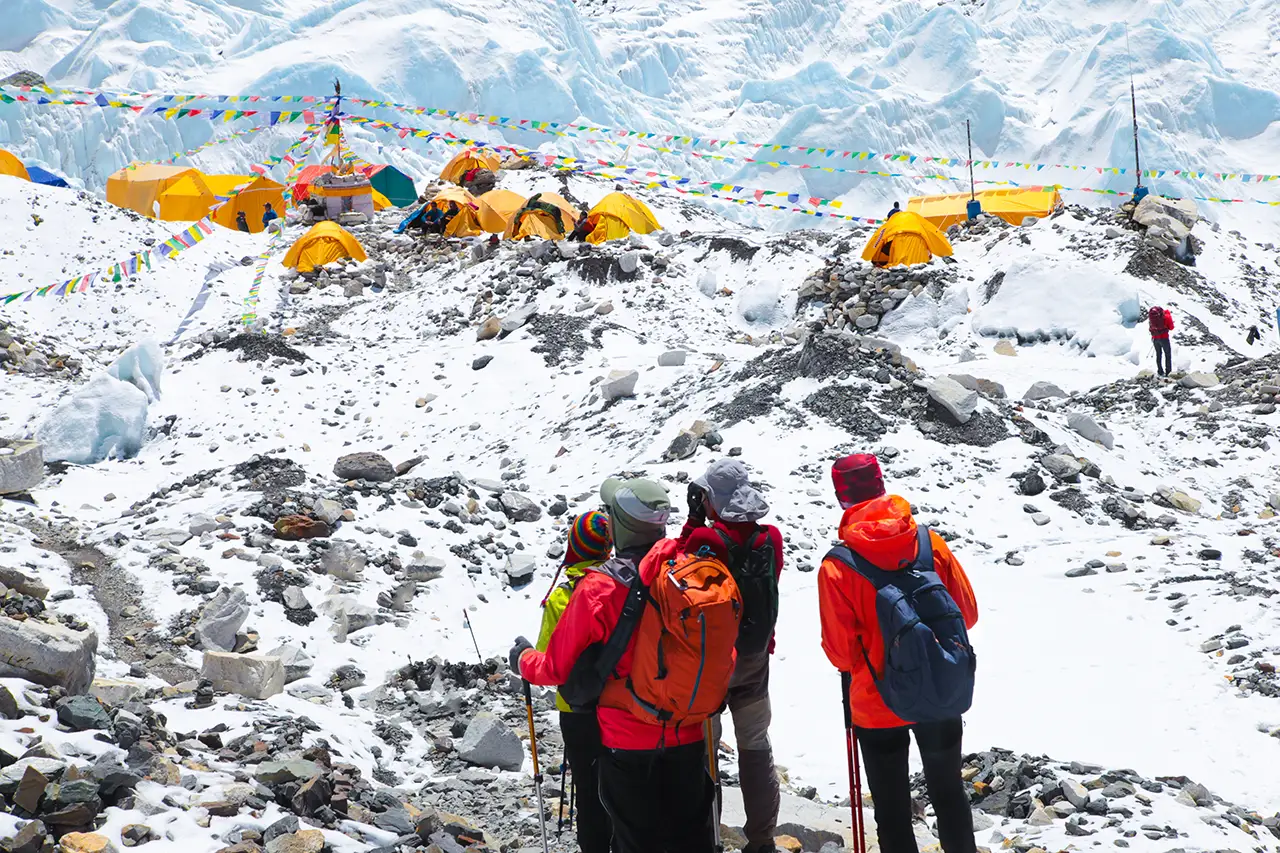
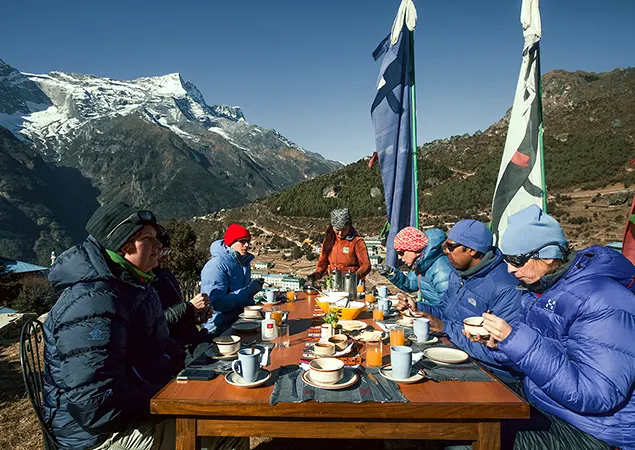
Trekkers reaching the iconic Everest Base Camp (5,364m) during the busy Spring climbing season.
September: The Post-Monsoon Refresh
Late September offers a unique aesthetic. The air is fresh, and the landscape is an intense emerald green. For those seeking privacy, the last week of September is a “shoulder” period where you can enjoy luxury accommodations without the October crowds.
Flight reliability to Lukla begins to improve significantly in late September. While the early part of the month may still see cancellations due to lingering monsoon patterns, the 2026/2027 forecasts suggest that the stable autumn air masses are arriving earlier each year.
October: The Perfectionist’s Month
If you were to design the perfect trekking month in a laboratory, it would look like October. The air is at its driest, and atmospheric stability is at its peak. This is the best time for photography, particularly for the golden-hour light on the south face of Lhotse and the Everest summit.
However, October carries a “success tax” in the form of crowds. Trail traffic is at its highest, and the luxury lodges are often booked out a year in advance for specific dates. For the premium traveler, the solution to the October crowds is to hire private guides and helicopters, which let you bypass the most congested sections of the trail and the wait times at the airport.
November: Best Time for the Luxury Everest Trek
Many professional guides prefer November. The skies remain clear, but the temperatures start to drop, naturally filtering out casual trekking crowds. The visibility is often even better than in October because there is absolutely no residual moisture in the air.
For the premium experience, November is excellent for aviation. The “flight success rate” remains very high, and the crisp, cold air provides better lift for helicopters. The nights are cold, but with the high-quality down jackets and heated lodge facilities provided in a premium package, the cold becomes an aesthetic feature of the high Himalayas rather than a hardship.
Month
Avg Temp (Namche)
Visibility
Lodge Availability
Heli Success
March
7°C
High (Dry)
Moderate-High
75%
April
10°C
High (Mornings)
Low (Book early)
90%
May
12°C
Moderate (Haze)
Moderate-Low
85%
September
13°C
Moderate-High
Moderate
80%
October
10°C
Outstanding
Very Low
95%
November
6°C
Exceptional
Moderate
90%
Helicopter Visibility and Aviation Logistics
For a premium Everest trek, aviation is not just a luxury; it is a primary logistical tool that determines the pace and comfort of the trip. The 2026 and 2027 seasons will continue to rely heavily on helicopter movements for both the Lukla connection and the high-altitude return.
The VFR Window: Why Timing Matters
All flights in the Khumbu region operate under Visual Flight Rules (VFR). This means that pilots must be able to see the ground and the mountain ridges to navigate the narrow valleys. In the spring, the warming of the ground creates rising air currents (thermals) by 10:00 AM or 11:00 AM, which often pull up moisture from the lower valleys to form clouds. This is why almost all successful helicopter flights occur in the early morning.
In contrast, the autumn months are characterized by descending cold, dry air from the Tibetan plateau. This suppresses cloud formation, creating much longer “flying windows” that often last until mid-afternoon. For a traveler planning a helicopter return from Gorak Shep, October and November offer a much higher probability of departing on schedule without waiting for the weather to clear.
Helicopter Success and Cancellation Risks
While fixed-wing planes to Lukla are highly sensitive to crosswinds and visibility on the short runway, helicopters can often fly in conditions that ground the smaller planes. However, “lift” becomes an issue at higher altitudes. In the warmer months of May and September, the air is less dense, which can occasionally limit the number of passengers a helicopter can carry from Gorak Shep or Kala Patthar, sometimes requiring multiple shuttles to ferry a group back to a lower altitude where the air is thicker.
Season
Heli Success Rate
Primary Risk
Premium Benefit
Spring
85%
Afternoon cloud/Haze
Viewing the “Yellow Tent City” from above
Summer
40%
Monsoon fog/Rain
Lowest costs (not recommended)
Autumn
95%
High winds (Late Nov)
Crystal-clear photography of the Everest summit
Winter
70%
Extreme cold/Snow
Pristine, untouched snow views
In the Everest Region – helicopter ban has been lifted in the Everest
The Lukla Flight Shift: Kathmandu vs. Ramechhap
A critical update for 2026/2027 travelers is the ongoing diversion of Lukla flights. During the peak months of April, May, October, and November, the Civil Aviation Authority of Nepal often relocates all Lukla flights from Kathmandu to Ramechhap (Manthali Airport).
This change is made to reduce congestion at Kathmandu’s international airport, but it adds a layer of complexity to the first day of the trek. Traveling to Ramechhap requires a 4- to 5-hour drive from Kathmandu, usually departing between 1:00 AM and 2:00 AM to catch early-morning flights.
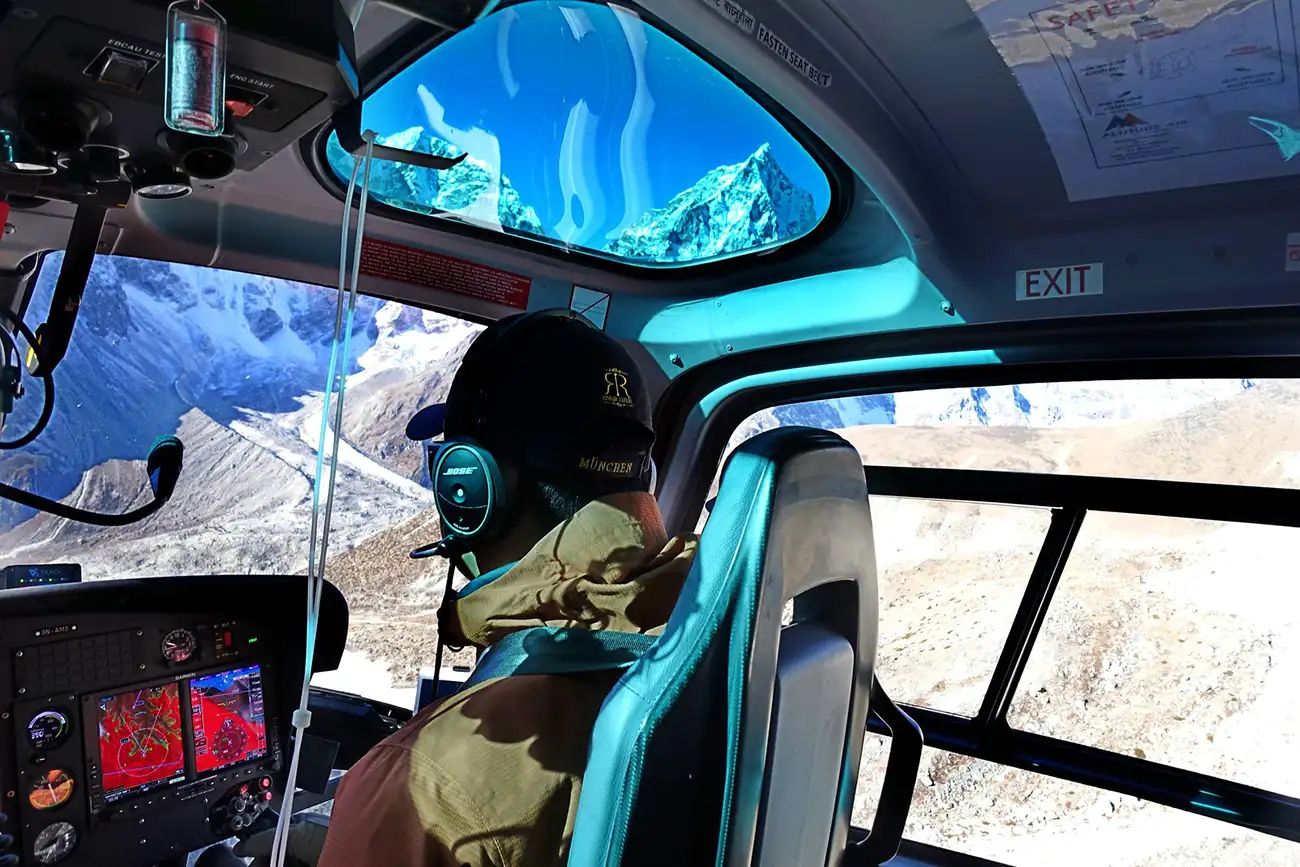
For a premium experience, many trekkers opt to bypass this by booking a private helicopter directly from Kathmandu to Lukla. This 45-minute flight lets you get a full night’s sleep in your 5-star hotel and reach the mountains in comfort, avoiding the bumpy road to Ramechhap. When choosing your seasonal window, keep in mind that the “Ramechhap diversion” is standard during the best trekking months, making the helicopter upgrade an even more valuable investment in your comfort.
Luxury Lodges: Privacy and Comfort Standards
The hallmark of a premium Everest trek is the quality of the stay. In the Khumbu, three primary lodge networks set the standard for 2026 and 2027: Yeti Mountain Home (now Mountain Lodges of Nepal), Everest Summit Lodges, and the Hotel Everest View.
Yeti Mountain Home (Mountain Lodges of Nepal)
This network is the most comprehensive in the region. Properties in Lukla, Phakding, Monjo, Namche Bazaar, and Deboche feature heated beds with electric blankets, ensuring you sleep warm even when the outside temperature is well below freezing. The lodge in Namche is particularly famous for its library and its elevated position, which provides a quieter atmosphere away from the bustling center of the town.
The dining experience in these lodges is a significant step above standard teahouses. Menus are designed to provide the high-calorie intake needed for trekking without sacrificing flavor, featuring fresh vegetables, organic soups, and a variety of international dishes.
Hotel Everest View
Located at 3,880m, this is one of the highest hotels in the world. For many, an overnight stay here is a highlight of the trek. The rooms are equipped with oxygen if needed, and the large glass windows and balconies offer unobstructed views of Everest, Lhotse, and the iconic Ama Dablam. The best time to stay here for visibility is October and November, when the sunrise hits the peaks with a golden hue that is rarely obscured by clouds.
High-Altitude Accommodation Realities
As you move above the 4,000-meter mark (into Dingboche and beyond), the extreme cold makes the kind of plumbing required for en-suite luxury bathrooms difficult to maintain. In these zones, the “best available” lodges are used. These properties represent the highest standard at that altitude, offering carpeted rooms, high-quality sleeping bags, and dining areas kept warm by central heaters.
Lodge Location
Altitude
Luxury Feature
Privacy Season
Phakding
2,610m
En-suite hot showers
March or Late Sept
Namche
3,440m
Heated beds/Electric blankets
March or November
Hotel Everest View
3,880m
Oxygen-equipped rooms
Late Autumn
Deboche
3,820m
Forest seclusion
April (Rhododendron)
Lobuche
4,940m
Best-available insulation
Any peak month
Cultural Depth: Festivals and Local Life
A luxury trek is not only about the scenery; it is about the “soul of the mountains,” found in Sherpa culture and Tibetan Buddhism.
Mani Rimdu Festival: 2026 and 2027
Mani Rimdu is the most important festival in the Khumbu, celebrated at the Tengboche Monastery. It commemorates the founding of Buddhism in the Himalayas by Guru Rinpoche. For the luxury traveler, this is a chance to see the region’s cultural heritage at its most vibrant, with monks performing masked dances that dramatize the triumph of Buddhism over older spiritual traditions.
2026 Mani Rimdu: Expected dates for the public celebration are October 26, 27, and 28, 2026. (Verification closer to the date is advised due to the lunar calendar.
2027 Mani Rimdu: Expected dates are November 14, 15, and 16, 2027.
The atmosphere at Tengboche during the festival is electric, but it also means that the nearby lodges are at 100% capacity. If you plan to attend the festival, you must book your 2027 trek at least a year in advance to ensure a room at the premium lodges in Deboche or Tengboche.
The Auspicious Fire Horse Year (2026)
The year 2026 is the “Fire Horse” year in the Tibetan calendar. In Himalayan culture, these specific years are often considered highly auspicious for making pilgrimages and starting significant life events. This can lead to a more festive atmosphere in the villages, with more local families gathering for celebrations, offering trekkers a deeper insight into the region’s authentic social fabric.
Trail Crowd Levels and Privacy Strategy
Privacy is one of the most difficult luxuries to maintain on the Everest trail. In the 2026 and 2027 seasons, the number of trekkers is expected to continue its upward trend. To maintain a sense of exclusivity, travelers should consider the following “shoulder” windows:
Late March: You get the clarity of spring and the emerging rhododendrons, but you beat the “April rush”.
Early May: Most climbers are already at base camp, and many of the early spring trekkers have finished. The weather is warm, and while there may be some haze, the social atmosphere is at its peak.
Late November: Clarity is at its absolute maximum, and crowds have dropped by 50% to 60% compared to October. For those who can handle the -15 degree Celsius nights (mitigated by luxury lodge heating), this is the ultimate privacy window.
Trekking Window
Crowd Density
Privacy Level
Best For
Mid-October
Highest
Low
Reliable weather
Late April
High
Moderate-Low
Mountaineering culture
Late November
Moderate-Low
High
Photography/Solitude
Early March
Low
Very High
Wilderness feel
Strategic Booking Timelines for 2026/2027
To successfully execute a luxury Everest Base Camp trek, the planning phase must begin significantly earlier than for a standard trip. This is due to the limited number of “true luxury” rooms available in each village. For example, a village like Phakding may have dozens of teahouses but only one or two properties like Yeti Mountain Home.
Advance Booking Schedule
9-12 Months Out: Decide on your seasonal window (Spring vs. Autumn) and your specific goals (Photography vs. Festivals). Secure your international flights.
6-9 Months Out: Finalize your booking with a luxury operator to ensure your spot in the premium lodge network for specific dates, especially if your trek coincides with Mani Rimdu or the October peak.
4-6 Months Out: If you are not flying by private helicopter, this is when Lukla flight slots are typically allocated to operators. Early booking ensures you get the first flight of the morning (the most reliable).
3 Months Out: Finalize your physical preparation and ensure you have all the specific high-altitude gear needed. However, premium packages often include high-end down jackets and sleeping bags for your use.
The 2026/2027 seasons are expected to be particularly busy as global interest in “bucket-list” adventure travel continues to grow. By booking early, you also protect yourself against price increases in aviation fuel and lodge rates, which tend to fluctuate with seasonal demand.
Conclusion: Synthesizing the Optimal Window
The decision of when to start a luxury Everest trek is a personal calculation that balances environmental conditions with logistical certainty. For the traveler who views mountain photography as the primary objective, the autumn window (specifically mid-October to mid-November) is the only logical choice. The atmospheric clarity and the high success rate of helicopter returns provide a level of security that other months cannot match.
For the traveler who wants to experience the Himalayas in their most vibrant and “alive” state, the Spring window (specifically April) is superior. The combination of blooming rhododendrons, milder temperatures, and the fascinating culture of the Everest climbing season creates an energetic environment that defines the classic Himalayan experience.
Regardless of the season, the key to a premium experience lies in the trek’s infrastructure. By staying in the luxury lodge network and using helicopter logistics, the challenges of altitude and cold are transformed into manageable, even enjoyable, aspects of the journey. As you plan for the 2026 or 2027 season, remember that the “best” time is the one that aligns with your specific desires for comfort, culture, and clarity. To secure your place in this exclusive mountain environment, we recommend booking with a reputable luxury provider that understands the nuanced logistics of the Khumbu region.
Why a Luxury Everest Base Camp Trek Gives More Confidence
Everest Base Camp altitude sickness prevention improves when trekkers stay in upgraded lodges, follow a structured acclimatization plan, and receive close guide support each day. Warm rooms, hot meals, and better rest help the body recover faster in cold and high conditions.
Expert guides manage pace, watch symptoms, and make smart decisions before small problems grow. Daily health checks, including pulse oximeter monitoring, add another layer of safety and give trekkers more confidence on the trail. Strong logistics, reliable emergency backup, and steady support all work together to reduce stress and improve the chance of reaching Everest Base Camp safely and comfortably.
Practical Tips Before You Go
Start light cardio training a few months before the trek. Use stairs, hills, or long walks to build leg strength and improve endurance. Everest Base Camp altitude sickness prevention starts before arrival in Nepal, not on the trail. A doctor should review your health, advise on altitude medicine if needed, and help you prepare for high altitude travel. Pack your regular medications, warm layers, and gear to keep you dry and comfortable. Travel insurance should cover high-altitude trekking and helicopter evacuation. Good preparation lowers risk, supports acclimatization, and makes the trek safer and smoother.
Pack personal medications and warm clothing. A comprehensive medical kit should include ibuprofen, paracetamol, loperamide (for diarrhea), oral rehydration salts, throat lozenges, and broad-spectrum antibiotics. Gear selection is critical; invest in a high-quality, windproof Gore-Tex outer shell, thermal base layers, an insulated down jacket, and a sleeping bag rated to at least -10°C (even if staying in luxury lodges, as extreme weather is unpredictable).
Finally, ensure travel insurance covers helicopter evacuation. This is arguably the most critical administrative step of the preparation process. Standard travel insurance policies explicitly exclude high-altitude mountaineering and helicopter extractions. Trekkers must purchase specialized policies that cover emergency medical evacuation up to 6,000 meters. A helicopter rescue from Dingboche can cost thousands of dollars, and lacking proper insurance can fatally delay an extraction. Staying prepared makes the trek much smoother, effectively neutralizing logistical anxieties so the trekker can focus entirely on the physical and spiritual trek ahead.
Conclusion
Everest Base Camp altitude sickness prevention relies on careful preparation, a slow ascent, proper rest, good food, and strong guide support. Trekkers need time to adjust to thin air, and even small mistakes at high altitude can raise the risk of serious illness. A skilled guide helps manage pace, checks health signs, and acts quickly if symptoms worsen. Luxury trekking conditions add another layer of safety because warm rooms, better sleep, nutritious meals, and reliable emergency planning help the body adapt more effectively. For travelers seeking greater safety, comfort, and a higher chance of completing the trek successfully, a luxury option offers one of the smartest approaches to preventing altitude sickness at Everest Base Camp.
FAQs About Everest Base Camp Altitude Sickness Prevention
1. What is altitude sickness on the Everest Base Camp trek?
Altitude sickness occurs when your body cannot adjust quickly enough to the lower oxygen levels at high altitude. On the Everest Base Camp trek, it often starts with headache, fatigue, dizziness, nausea, or poor sleep.
2. At what altitude does altitude sickness start on the Everest Base Camp trek?
Altitude sickness can start above 3,000 meters. Many trekkers notice symptoms after Namche Bazaar, and the risk rises further in Dingboche, Lobuche, and Gorak Shep.
3. How can I prevent altitude sickness at Everest Base Camp?
Everest Base Camp altitude sickness prevention depends on a slow ascent, enough rest days, good hydration, warm clothing, regular meals, and honest communication with your guide. A rushed climb raises the risk.
4. How many acclimatization days do I need for Everest Base Camp?
Most safe itineraries include at least two acclimatization days, usually in Namche Bazaar and Dingboche. These stops help your body adjust before you move to the next level.
5. What are the first signs of altitude sickness at Everest Base Camp?
The first signs usually include headache, loss of appetite, unusual tiredness, mild nausea, dizziness, and poor sleep. These symptoms often appear before more serious problems develop.
6. Can fit trekkers still get altitude sickness on the Everest Base Camp trek?
Yes. Fitness does not protect you from altitude sickness. Strong trekkers often walk too fast, which can actually increase the risk.
7. How much water should I drink to prevent altitude sickness at Everest Base Camp?
Most trekkers should drink about 3 to 4 liters of fluid each day. Drink steadily through the day and add electrolytes when needed.
8. Does Diamox help with Everest Base Camp altitude sickness prevention?
Diamox can help some trekkers adjust to altitude more easily and lower the risk of AMS. A doctor should advise you before you use it.
9. What should I do if I get altitude sickness symptoms on the trek?
Stop climbing right away. Rest, drink fluids, eat if possible, and tell your guide at once. If symptoms get worse, descend without delay.
10. Is a luxury Everest Base Camp trek safer for altitude sickness prevention?
A luxury Everest Base Camp trek can enhance safety by offering warm lodges, better food, stronger support from guides, daily health checks, and more reliable emergency planning. These factors help the body recover and acclimate more effectively.
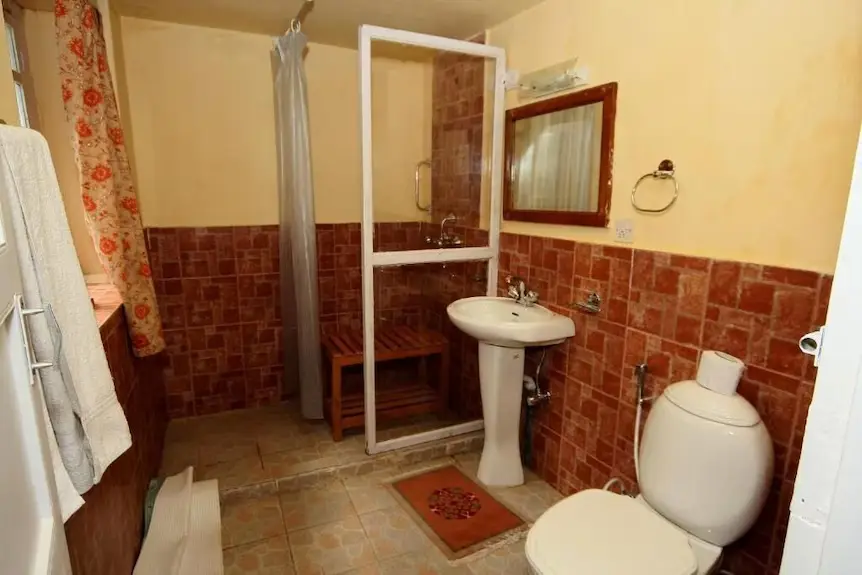
Toilets on the Everest Base Camp trek vary widely by lodge class and altitude. On a standard Everest Base Camp Trek, toilets are basic – shared squatting toilets or pit latrines are common, and hot showers (if any) can be scarce or costly. In contrast, the luxury route features western-style flush toilets and private hot showers in its lower and mid-trek lodges. Above the luxury zone (around Lobuche and Gorak Shep), facilities revert to basics again. The clear “real difference” is that luxury trekking offers far more comfort in toilets and showers up to about 4,000–4,300 m. In contrast, above that, even luxury guests must accept simple toilets and fewer showers. Setting realistic expectations about these limits is key for older or comfort-focused travelers.
What are the toilets on the Everest Base Camp Trek?
On a standard trek, most teahouses have communal squat toilets or simple pit latrines. Each lodge often has one or two shared toilets for all guests. These toilets may use flushing water where available, but often they are basic holes in the ground. Typically, no toilet paper is provided, and visitors must carry their own paper or tissues. The facilities can feel cold and unfinished. Hot showers (if offered) usually cost extra (often 300–500 NPR) and are subject to limited hot water. At high elevations (Gorak Shep, Lobuche), showers are rare or occur only at specific times.
On a Luxury Everest Base Camp Trek, the lower-route lodges (Lukla, Phakding, Namche, Deboche) are upscale. Many of these lodges provide attached bathrooms with western-style flush toilets. For example, luxury lodges like Yeti Mountain Home or the Everest View Hotel mention having comfortable restrooms and attached private bathrooms. Guests enjoy better sink facilities and often in-room or en-suite bathrooms. In these lodges, hot water for showers is more reliably available (often on demand). However, luxury lodges do not extend all the way to Base Camp; above ~4,500 m, you still use the best available standard teahouses.
Higher up in the Khumbu (e.g., Lobuche, Gorak Shep), even luxury groups use lodges with basic facilities again. There, toilets are shared and may be squat-style or simple Western-style, without private rooms. The main luxury benefit at that point is still the lodge quality (warmer rooms, mattresses, meals), not the plumbing. Bathroom comfort creates the biggest difference between a standard trek and a luxury trek.
Standard Teahouse Toilets vs Luxury Lodge Bathrooms
Standard Teahouse Toilets
Shared use: Usually one or two toilets per lodge, used by all guests. (Men and women might share or there may be separate rooms, but privacy is minimal.)
Squat style: Most toilets are squat pits or simple holes. Occasionally, a Western toilet exists, but often without a flushing system or privacy.
Basic water system: Many teahouses use gravity-fed or bucket flush. Water may be cold or hand-pumped; in winter, pipes can freeze.
Cold conditions: Teahouses have thin walls. Bathrooms can be unheated and chilly, especially in the early morning or winter.
No attached bathroom: Guests usually walk down a hall or outside to shared toilets. Most rooms have no private toilet.
Toilet paper not provided: Lodges rarely stock toilet paper. Trekkers must carry tissues. Some places sell a few rolls.
Showers unreliable: If offered, hot showers require heating a tank (often coal or wood-fired). Supply is limited. Showers may be lukewarm and sometimes turn cold if water runs out.
Luxury Lodge Bathrooms
Attached flush toilets: In lower- and mid-range luxury lodges, rooms, or adjacent wings, private bathrooms are often included. These use western flush toilets with proper waste systems.
Private or semi-private: Some lodges offer en-suite bathrooms; others have dedicated private stalls accessible from a guest room hallway.
Better water access: Luxury lodges often have pressurized tanks, heaters, and backup power. Sinks have running hot/cold water. Water is cleaner and more abundant.
Cleaner setup: Luxury bathrooms are kept cleaner. For example, Peregrine’s luxury lodges, such as Yeti Mountain Home, feature clean dining and bathroom facilities as part of the comfort.
Hot showers included: Guests typically receive them as part of the comfort promise. Showers typically have constant hot water (though very high altitudes can still pose limits).
Morning/evening comfort: Having a private, heated bathroom greatly eases morning routines and night visits. There’s no queue or wake-up needed, which many travelers find vastly improves sleep and comfort.
These differences directly impact trek comfort. A trekker on a budget route might wake up at 4 AM to take the only hot shower, or walk outside to squat toilets at night. On a luxury trek, most bathroom visits (especially in valleys) can happen in warm, private comfort.
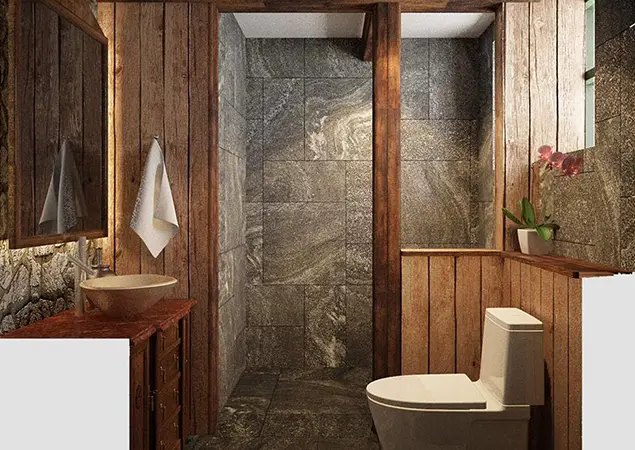
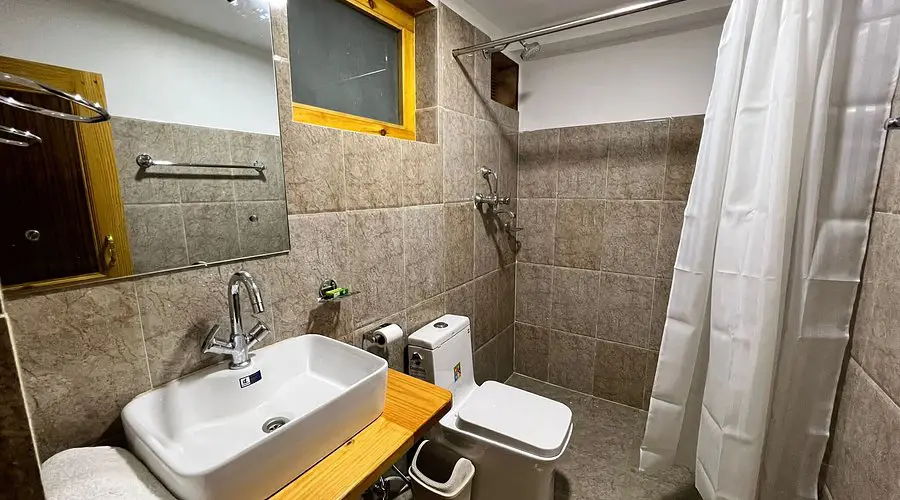
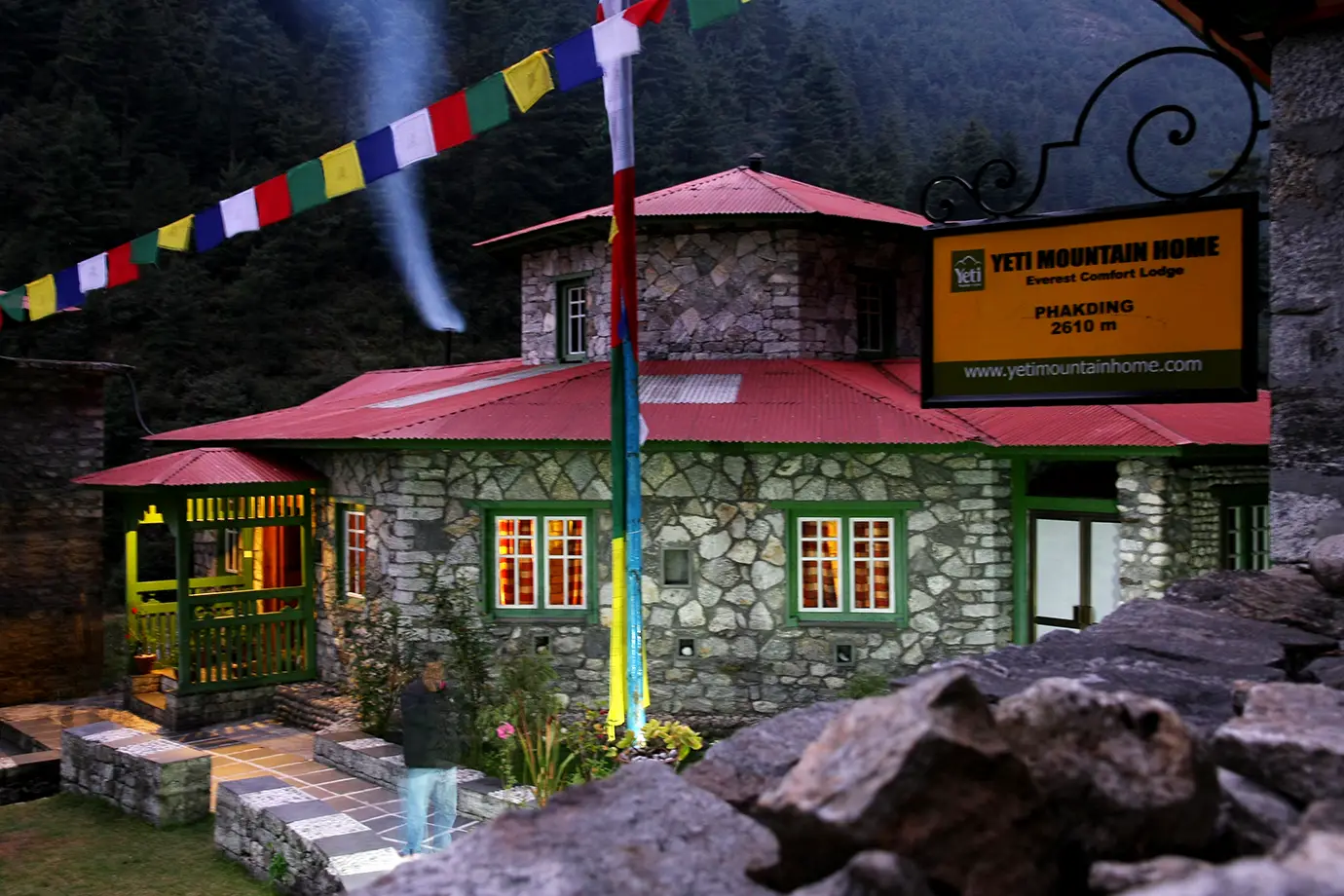
Bathroom of Yeti Mountain Home, Phakding
Bathroom Conditions by Village on the Everest Route
Bathroom quality changes by altitude and village. In general, lower villages have better facilities, which decline as you climb higher:
Kathmandu (1,400 m): Five-star hotels or high-end city hotels are used before and after the trek. Bathrooms are fully Western-style, with showers, tubs, and 24/7 hot water. This is the most comfortable bathroom experience of the entire trip.
Lukla (2,860 m), Phakding (2,610 m), Namche Bazaar (3,440 m): These have the best bathroom comfort on the trek. Luxury lodges here (like those in Peregrine’s package) often have attached toilets and reliable hot showers. For example, the Everest View Hotel near Namche offers private bathrooms with heated blankets in its suites. Hot water runs more steadily, and electricity is more reliable, allowing true luxury bathrooms even at altitude.
Deboche (3,800 m) and Dingboche (4,410 m): Bathroom comfort remains above average in select lodges. Luxury itineraries often include the best available lodges in these villages. Some offer attached toilets or at least modern flush toilets, and showers are still available (often communal-room showers with scheduled hours). Water heating becomes more challenging, so hot water is less abundant, but still available in key lodges.
Lobuche (4,940 m) and Gorak Shep (5,164 m):Basic shared toilets return. Even luxury groups stay in the best lodges available here, but those lodges typically have squat or simple Western toilets (often in a separate block from the bedrooms). Hot showers are extremely rare, usually cost extra, and have limited time slots. At Gorak Shep, expect only cold bucket-shower options (if any). Here, bathroom comfort drops sharply. Trekkers must mentally prepare: water is precious, and toilets are primitive.
In summary, bathroom quality peaks in Namche and nearby, then declines above Dingboche. Luxury lodges push that peak higher (providing very good facilities at Deboche), but above ~4,500 m everyone again uses basic facilities.
Why Bathroom Comfort Matters on the Everest Base Camp Trek
Bathroom quality can make or break the trek experience, especially for comfort-focused travelers:
Nighttime access: Cold nights make shared outdoor toilets much harder to use. Private bathrooms save trekkers from bundling up to go outside.
Stress in cold: Having to queue or trek in freezing air for a toilet visit adds stress and discomfort. A warm, private toilet greatly reduces this stress.
Privacy: Older trekkers and those less used to squat toilets value privacy. Luxury toilets eliminate common embarrassment or discomfort.
Recovery and comfort: A good night’s sleep and post-hike cleanup are key. Warm showers (or easy access to the toilet) help sore muscles and morale. Hot showers in particular aid recovery.
Hygiene: Clean bathrooms reduce the risk of illness. Luxury lodges typically maintain bathrooms more thoroughly, reducing the risk of infection.
Time saving: No need to wait or prepare for shared toilets. Spending less time on bathroom issues means more time relaxing or taking photos.
For example, many first-time Everest trekkers report greater energy when they can shower nightly compared to on a previous standard trek. Luxury amenities like attached toilets give peace of mind. In short, bathroom comfort is a strong selling point. It appeals to families, older travelers, or anyone nervous about “roughing it.”
Are There Private Hot Showers on the Everest Base Camp Trek?
Yes, but with limits. On luxury itineraries, private hot showers are common in the lower portion of the trek: Luxury lodges (Namche, Deboche area) often offer in-room or private showers. For instance, Peregrine’s itinerary notes hot showers, even on some higher nights, via a bucket system. – In standard lodges, showers are communal (usually one per lodge) and often coin-operated.
In many high-altitude teahouses, a hot shower means heating a tank, which you may pay extra for (300–500 NPR). – The reliability of hot water decreases with altitude. At 4,000+ m, lodges have less water and fuel. Even if available, hot showers may be cold if the tank runs out. – Weather and infrastructure matter. On very cold days, even luxury lodges struggle to keep water hot quickly.
Higher villages: Above Dingboche, you should not expect hot showers as part of the package. The luxury trek itinerary may include one night with a bucket shower (like Gorak Shep). Still, travelers usually bring wipes or pay for limited hot water only at the very end.
So, hot showers are “where available and realistic.” Don’t imagine a hot bath at Base Camp. The luxury promise is: warm private toilets and showers in the lower half of the trek. Once you push toward 5,000 m, you share cold water among all.
Luxury Toilets on the Everest Base Camp Trek
Everest Base Camp Toilet and Shower Comparison
Route Section
Toilet Type
Shower Availability
Privacy
Comfort
Kathmandu (5-star hotel)
Western flush
Full hot shower facilities
Private room
Very high
Standard Teahouse (lower)
Shared squat/WC
Limited communal (pay extra)
Very low
Low
Luxury Lodge (lower route)
Attached flush (en-suite)
In-room or private shower
High
High
Best Lodges (mid-route)
Often attached flush
Shared/private (limited)
Medium–High
Medium–High
Lobuche/Gorak Shep Teahouse
Shared squat/WC
Rare, communal bucket
Very low
Low
This comparison illustrates how luxury vs standard lodges differ in real terms. Note that Gorak Shep represents the basic extreme even on luxury trips.
Who Benefits Most from Better Bathroom Facilities?
Older Trekkers: They often prefer private, easy-access toilets and showers to reduce the risk of falls and ensure comfort.
Couples & Families: Privacy means much more comfort; parents appreciate not having to share facilities.
First-time High-Altitude Trekkers: The unknowns of altitude make any extra comfort welcome; a familiar toilet style eases worries.
Comfort-focused Travelers: Anyone paying extra for luxury lodges expects better daily routines – clean toilets and showers fit that need.
Hygiene-Wary Travelers: Those conscious about cleanliness feel safer with well-maintained bathrooms.
Travelers With Specific Needs: Injuries, disabilities, or health issues make attached toilets and showers nearly essential.
If you value convenience and comfort as much as the destination itself, the luxury trek’s bathrooms are a game-changer. They remove another physical and mental hurdle on the trail.
What to Pack for Toilets and Showers
Even on luxury routes, some packing helps:
Toilet Paper: Carry a roll or packets. Luxury lodges may provide some, but it’s always good to have extra.
Wet Wipes: Useful when showers are scarce or water is limited. Also handy in squat toilets.
Hand Sanitizer: Clean hands after every bathroom use. With shared facilities, sanitizer kills germs effectively.
Quick-Dry Towel: Bring a small microfiber towel. Luxury lodges usually have towels, but they may charge for laundry.
Flip-Flops (Shower Sandals): Protect your feet from cold and germy floors in shared bathrooms or showers.
Disposable Bags: A zip-close bag for used toilet paper if you visit extremely remote bathrooms with no waste bins (in some Indian/Pakistani treks, not major on Everest).
Moisturizer/Cream: Even with indoor bathrooms, the air is dry. Hand and face cream soothes skin after washing.
Small Soap: While most lodges provide soap, carrying a personal bar or pack may help handwash outside lodges.
Packing these shows you expect the reality and will stay clean and comfortable even if conditions are simple.
Toilets on the Everest Base Camp Trek: What to Expect by Altitude
Toilets on the Everest Base Camp trek change a lot as you move higher. Lower villages offer better lodge facilities, stronger water access, and more reliable hot showers. Higher villages become colder, drier, and more basic, so bathroom comfort drops as altitude rises.
In Kathmandu, trekkers enjoy full hotel comfort. Bathrooms have western-style flush toilets, proper sinks, and reliable hot showers. Lukla, Phakding, and Namche offer the best bathroom facilities along the trekking route. Many luxury lodges in these villages provide attached bathrooms, western toilets, and private hot showers where available.
Deboche and Dingboche still offer better bathroom comfort than a standard teahouse trek, especially in selected lodges. Some rooms may have attached toilets or a stronger bathroom setup, but hot water becomes less reliable than in the lower villages. Trekkers still enjoy much better comfort here than they would on a fully standard route.
Lobuche and Gorak Shep are very different. Toilets on the Everest Base Camp trek become basic again in these high villages, even for luxury trekkers. Shared toilets return. Hot showers are rare, limited, or paid separately. Water freezes easily, space becomes tight, and the whole setup feels much simpler. Trekkers should expect the highest section of the route to feel more practical than comfortable.
A simple rule helps set expectations. Lower villages offer the strongest bathroom comfort. Middle villages offer moderate comfort in selected lodges. Higher villages offer only the best available basic facilities. Travelers who understand that pattern usually enjoy the trek more because they know what to expect before they arrive.
Toilets on Everest Base Camp Trek vs Luxury Route
Toilets on the Everest Base Camp trek look very different on the standard and luxury routes. On a standard teahouse trek, most lodges offer shared squat toilets, simple water systems, and limited shower access. Privacy is low, and trekkers often need to walk outside or down a cold hallway to use the bathroom.
A luxury route significantly improves the experience in the lower and middle sections of the trail. Many luxury lodges offer attached western-style flush toilets, cleaner bathroom spaces, better sinks, and private hot showers where available. Morning and nighttime routines feel easier, warmer, and far less stressful.
The difference matters most in places like Lukla, Phakding, Namche, and sometimes Deboche or Dingboche. A standard lodge may have one shared toilet for many guests, while a luxury lodge may give you a private bathroom or a much cleaner semi-private setup. A standard lodge may charge extra for a short hot shower, while a luxury lodge may include it as part of the room experience in lower villages.
Above the main luxury lodge zone, the difference becomes smaller. Toilets on the Everest Base Camp trek become basic again for everyone near Lobuche and Gorak Shep. Luxury trekking still offers better overall support, better lodge choices, and a more comfortable daily rhythm, but it does not provide full hotel-style bathrooms at extreme altitude.
The real difference between a standard route and a luxury route is not only the toilet itself. It is the full bathroom experience. Luxury trekking offers more privacy, less stress, cleaner facilities, easier nighttime access, and better recovery after a long day on the trail. For many older trekkers, couples, and comfort-focused travelers, that difference alone makes the luxury route worth serious consideration.
Common Bathroom Concerns on the Everest Base Camp Trek
Are squat toilets hard to use?
Not really, but they can feel strange if you’ve never tried. Remember to clean your hands after. You won’t need to squat in luxury lodges with western toilets.
Will I get a western toilet every night?
Only if you stay in luxury lodges on the lower route. Above ~4,500 m, plan on standard bathrooms regardless of the package.
Is toilet paper available?
Often not in basic lodges. Luxury lodges usually stock some. To be safe, always carry your own.
Are toilets clean?
Luxury lodges maintain higher standards (often cited by travelers). Standard teahouses vary. A busy lodge in peak season may have wear on facilities, so look for cleanliness signs.
Can I shower every day?
On luxury itineraries, yes, in lower villages. On standard itineraries, showers are less frequent. Past Dingboche, even luxury groups often go a day or two without a proper shower. Keep wet wipes handy.
What about Gorak Shep?
This is rugged. Expect shared squat toilets and cold water only. The last night at Gorak Shep (if you stay there) is really like camping with very basic facilities, even on a luxury trek.
FAQs About Toilets on the Everest Base Camp Trek
What are toilets like on the Everest Base Camp trek?
In most Everest lodges, toilets are shared. Standard lodges use squat or basic sit toilets with no private stalls. On a luxury trek, many lower-route lodges provide attached western toilets. Above Dingboche, expect simple shared toilets again.
Are there western toilets on the Everest Base Camp trek?
Yes, on the lower route. Luxury lodges in Namche, Deboche, and similar villages offer western-style flush toilets in each room. Standard teahouses lower down may also have one or two western toilets, but not as many, and often shared. Above ~4,500 m, western toilets become rare.
Do luxury lodges have private bathrooms?
Many do. On Peregrine’s luxury trek, the best lodges often have en-suite or very private bathrooms in each room or for small groups. This means no hallway sharing and personal hot showers in those lower sections.
Are hot showers available on the EBC trek?
In lower luxury lodges, yes – typically free or included. Standard lodges often charge extra (~\$3–5) for a timed hot shower, which uses their limited water. In higher lodges, showers are less reliable.
Are toilets shared at Gorak Shep?
Yes. Gorak Shep’s lodges (even the best available) have basic shared toilets. Often, they are squat-style or simple flushers with limited water. This remains a basic stop even for luxury groups.
Should I bring toilet paper on the Everest trek?
Absolutely. Even if lodges on the luxury route provide some, always carry extra. Some lower lodges and all high lodges run out, so have your own just in case.
Final Thoughts on Toilets on the Everest Base Camp Trek
Bathroom facilities are one of the biggest differences between a standard and a luxury Everest Base Camp trek. Luxury packages include western toilets and more showers in the lower half of the trek, making mornings easier and reducing worry on cold nights. That comfort does not continue all the way up – at the highest elevations, everyone uses simple toilets – but the relief in the first 10 days is huge. Honest expectations help you choose the right trek style. If you care about privacy, cleanliness, and easing everyday needs, the luxury route’s toilets and showers make the extra cost worthwhile.
The “real difference” is comfort. Luxury lodges translate into easier nighttime trips, less stress, and warmer mornings. They let you focus on trekking, not on finding a restroom. For comfort-minded travelers or those wary of roughing it, knowing where and when you’ll find a proper toilet and shower can turn a tough trek into an enjoyable adventure. Bathroom comfort alone often decides whether travelers choose a standard or luxury Everest Base Camp trek.
Everest Base Camp Trek Food looks simple in standard teahouses, but premium lodges often offer better consistency, fresher ingredients, and cleaner meal service.
Standard teahouses usually run as small lodges that focus on beds and meals. A typical setup includes a kitchen, a communal eating hall, basic bedrooms, and shared bathrooms. Cooking often happens over an open fire or a simple stove, and menus look similar from place to place.
Standard does not automatically mean unsafe. Many trekkers complete the route without major problems. Risk rises when hygiene slips, food sits too long, or water handling fails.
Luxury trekking usually offers better lodging, more controlled dining, and more attentive service. For example, Yeti Mountain Home (under the brand name Mountain Lodges of Nepal) offers a broader menu than a typical teahouse and features experienced chefs and a structured dining setting, even at high altitude.
Luxury lodges often manage ingredients more carefully. For example, Yeti Mountain Home markets meals made with greenhouse-grown vegetables and a dining room designed for comfort. That sort of supply control can improve consistency, even if it does not guarantee safety.
Food safety depends heavily on temperature control and on separating raw and cooked items. When kitchens prep ahead and reheat later, risk increases if food sits too long at unsafe temperatures. WHO food safety guidance emphasizes thoroughly cooking food and keeping it at safe temperatures to reduce the risk of illness.
Some trekking guides warn that certain teahouses prepare food far in advance of service, which increases the risk of food poisoning. Travelers can reduce their risk by ordering freshly cooked meals and avoiding items that have been sitting for long periods.
Dining environment also matters. Crowded dining rooms increase shared-surface contact and raise exposure to respiratory illness. CDC travel guidance notes that respiratory illness can spread along trekking routes and flags crowded teahouses as settings where influenza risk rises.
Travelers who worry about hygiene often choose premium trekking because the food on the Everest Base Camp Trek feels more controlled, more predictable, and easier on the stomach.
A lodge chef prepares fresh dishes that support trekkers during the Luxury Everest Base Camp Trek Food experience.
Everest Trail Drinking Water and Hydration
Everest trail drinking water needs serious attention. Travel health guidance for Nepal states that tap water is not safe to drink and recommends using boiled or bottled water instead.
Local research in the Everest region supports that concern. A study of drinking water sources in Sagarmatha National Park found fecal contamination in many of the sampled sources. Most tested samples contained colony-forming units, with Nepal’s O rates ranging from low to moderate risk, but that range failed Nepal’s drinking water standards in the study summary. Higher contamination also appears in more populated, lower-elevation areas.
Another Everest-region water study (Solu-Khumbu / Mt. Everest region) reports a pattern that matters for trekkers: stored water in lodges and households is more often contaminated than water at the primary source. The results point to “secondary contamination” from handling and storage, rather than solely from the spring itself.
That finding explains a common on-trial problem. Water can start cleaner at the source, then pick up contamination through canisters, pipes, lids, cups, or unwashed hands. Better systems and better routines reduce that risk.
Standard trekking often relies on:
Boiled water sold by teahouses
Bottled water (often expensive at altitude, plus waste)
Traveler-carried tablets, filters, or UV devices
Peregrine reduces water uncertainty by adding more control. We suggest carrying purification tablets as backup, since filtered water availability can vary by place and day. That advice reflects the reality that weather, supply, and lodge systems change along the trail.
Water treatment works best when trekkers use a clear, consistent method every day. CDC guidance supports several options:
Boil water (CDC calls boiling the best method for killing disease-causing organisms). CDC advises 1 minute at a rolling boil, or 3 minutes above 6,500 feet.
Use chemical disinfectants if boiling fails, while noting iodine limits for pregnant women, people with thyroid disease, and long-term use.
Combine filtering and disinfection when possible, since many filters do not remove viruses. UV works best in clear water.
Environmental pressure matters too. Plastic waste grows as bottled water use rises, so local authorities have taken steps to reduce single-use plastics in the Everest region. Wider waste concerns also connect to water sources down-valley.
Trekkers need a steady hydration plan. Himalayan Rescue Association suggests about 3 liters per day for mountain travel, while warning against over-drinking, which can upset electrolyte balance. Good hydration supports energy, digestion, and acclimatization, but “more” does not always mean “better.”
Trekkers celebrate a successful trekking day with a special meal during the Luxury Everest Base Camp Trek Food experience.
Kitchen Hygiene Standards and What to Look For
Everest trekking hygiene starts in the kitchen, but it also depends on personal habits. The fastest way germs spread on treks often involves hands, cups, shared spoons, and door handles. A clean lodge usually shows its standards clearly. Tables feel clean. Cups do not smell stale. Plates look dry and grease-free. Food arrives hot. Staff handles meals in an organized way.
Good hygiene follows a simple logic. The World Health Organization summarizes “five keys” that apply well to mountain kitchens:
Keep clean
Separate raw and cooked
Cook thoroughly
Keep food at safe temperatures
Use safe water and raw materials
Teahouse kitchens face real limits. Water access can run low. Fuel can run low. Space stays tight. Staff often work long hours in peak season. Those limits do not always cause problems, but they do increase the chance of shortcuts.
Personal hand hygiene offers one of the highest-return steps a trekker can take. CDC reporting notes that hand washing education can cut diarrhea illness by meaningful margins and also reduce respiratory illness. WHO evidence reviews also show that handwashing promotion reduces the incidence of diarrhea.
Practical signs of stronger hygiene in a lodge or teahouse include:
Staff wash their hands or use sanitizer before serving
Cups and plates dry fully and look clean, not greasy
Food arrives steaming hot, not warm
Raw meat stays separate from other prep items
Water for drinking comes from a controlled method (boiled, filtered, treated)
Why Trekkers Get Sick and How to Lower Risk
Many “stomach problems” on the Everest trail stem from several small factors working together, not from a single dramatic mistake. Risk rises when altitude reduces appetite, germs worsen dehydration, and dehydration worsens fatigue.
Common causes and contributors include:
Drinking untreated or poorly handled water
Secondary contamination from stored water, cups, and canisters
Poor hand hygiene before meals or after toilet use
Raw vegetables or unpeeled fruit washed in unsafe water
Food left out, then reheated or served lukewarm
Sudden diet change plus slower digestion at altitude
Food choices can lower risk without ruining the experience. CDC advice for travelers focuses on hot, fully cooked food and careful handling of raw produce. Trekkers should avoid ice and pick factory-sealed drinks or treated water.
Safer food choices on most trekking days often include:
Freshly cooked hot meals, served steaming
Dal bhat, rice dishes, and soups
Boiled potatoes and porridge
Fully cooked eggs
Toast and simple breads
Foods that deserve more caution, especially higher on the trail:
Raw salads and raw vegetables
Cut fruit from uncertain washing practices
Food that sits out on a counter
Ice in drinks
Dairy items that sit cold for long periods without stable refrigeration
Altitude can also blur the picture. Acute mountain sickness often causes appetite loss and nausea, so a trekker might blame food when altitude is the cause. Headache, appetite loss, or nausea after ascent should prompt a trekker to slow down, rest, and talk to a guide or medic support. Dehydration hits fast, especially when diarrhea starts. CDC travel health guidance recommends focusing on fluid replacement, and oral rehydration solution can help in more serious cases.
Friendly lodge staff serve fresh meals and tea during the Luxury Everest Base Camp Trek Food experience.
Choosing Premium for Lower Risk and Better Recovery
Premium treks often make the Everest Base Camp trek food safer and more comfortable through better control, not through magic. More control can mean fewer rushed decisions, fewer compromises, and fewer “unknowns” around water.
Premium trekking often offers better water control, more consistent kitchens, more comfortable dining rooms, and a better recovery setup after each walking day:
Hotel Everest View highlights a broader menu and experienced chefs at high altitude.
Yeti Mountain Home promotes greenhouse-grown vegetables and more controlled dining comfort.
Premium also supports recovery. Better sleep, warmer rooms, cleaner bathrooms in lower villages, and calmer dining spaces can reduce daily stress. Less stress often supports better appetite and hydration discipline, which in turn supports better health outcomes on long treks.
Premium trekking fits many travelers, especially:
Older trekkers who want more comfort after hiking
First-time high-altitude travelers who worry about stomach trouble
Families who want more predictable routines
Travelers with sensitive digestion
Comfort-focused travelers who value cleaner dining and better sleep
Standard vs. premium snapshot (food and hygiene)
Standard teahouse trekking often includes:
Simple and repetitive menus
Shared dining rooms
More crowd pressure at meal times
Basic kitchen systems
Water handling that varies from lodge to lodge
Premium trekking often adds:
Better menu variety
Cleaner and calmer dining rooms
More organized kitchens
Better water control
Better comfort after each walking day
Checklist to lower illness risk on the Everest trail
Wash your hands with soap after using the toilet and before eating. Use alcohol-based sanitizer when soap and water run short.
Drink only treated water. Use boiling, filtration plus disinfection, or a UV system in clear water.
Avoid ice. Avoid raw salads and cut fruit unless you peel them yourself. Order food that arrives steaming hot. Skip food that sits out.
Keep a steady hydration plan. Aim for adequate fluids, not forced fluids.
Tell the guide early when diarrhea, vomiting, or appetite loss starts. Early action prevents a spiral.
FAQ
Is the food on the Everest Base Camp trek safe?
Everest Base Camp Trek Food can be safe when trekkers choose hot, freshly cooked meals and practice careful hygiene.
Can I drink tap water on the Everest trail?
CDC travel health guidance advises against drinking tap water and recommends boiling or treating bottled water in Nepal. Local research in the Everest region also finds fecal contamination in many water sources, underscoring the need for treatment.
Is meat safe on the Everest Base Camp trek?
Risk increases as refrigeration and supply chains become more difficult, especially higher on the trail. Many trekking health guides encourage cooked, fresh meals and often suggest limiting meat while trekking. A trekker can reduce risk by choosing well-cooked, hot dishes.
Do luxury lodges offer better hygiene on the Everest trail?
Luxury lodges often offer greater control over kitchens, dining routines, and water management. Examples from luxury lodges often offer broader menus, more organized kitchens, fresher ingredients, and a calmer dining setting. Better control often lowers risk, but no operator can fully eliminate risk.
What should I eat to avoid stomach issues during the trek?
Hot, freshly cooked meals tend to work best. Dal bhat, soups, boiled potatoes, porridge, and fully cooked eggs are reliable choices at most stops. Avoid raw salads, unpeeled fruit, and food that has been sitting out. Order meals that arrive steaming hot.
Everest Base Camp Trek Food worries many trekkers as much as altitude, weather, and trail conditions. Stomach trouble can drain energy, reduce appetite, and make hydration harder. Small problems often grow quickly at altitude.
Food and hygiene can shape the whole Everest experience. Standard teahouse trekking works. Hydration sits at the center of personal safety on any trek. Well, for many trekkers, especially when they make smart daily choices. Luxury trekking adds better control over food quality, water safety, and dining comfort.
Premium comfort does not remove all risk, but it often lowers stress and reduces the chances of common trail problems. Clean water, hot meals, careful hand hygiene, and good daily judgment matter more than anything else. One point stands above the rest: protect your drinking water and keep your hands clean.
Several factors can raise or lower the Luxury Everest Base Camp Trek Cost:
Group size: Larger groups (6–12) spread fixed costs (permits, guide, helicopter) and often get a lower per-person rate. Solo travelers pay extra (single supplements, a private guide). Peregrine’s price is based on small groups – they note up to 6 people.
Season: Peak seasons (Spring/Autumn) see higher demand and may add 5–10%. The off-season (monsoon or winter) can be $100–$300 cheaper, but the weather is riskier.
Room occupancy: Opting for a private room (single supplement) is ~+$1,000.
Itinerary length/acclimatization: Longer treks or extra acclimatization days can cost more (due to additional nights at hotels or lodges). Chaining an Everest Base Camp tour with a Chitwan safari or Kathmandu hikes adds ~$900 per person.
Helicopter options: Adding the helicopter return from Kala Patthar (~$900) or a one-way ascent to Lukla (~$500) increases the cost. Conversely, skipping the heli (longer hike) saves that fee.
Luxury upgrades: Some agencies offer very high-end options (e.g., private cabins, exclusive dinners) which can push a package toward $5,000+.
Currency/Inflation: Because many services are local, the USD rate and fuel costs can affect prices. (Trekking permits and guide wages are quoted in NPR or USD at current rates.)
Custom requests: Tailoring the trip (e.g., private departures, extension tours, charter helicopters) will increase the base price.
Luxury vs Standard Trek (Key Differences)
Feature
Standard Trek (Teahouse)
Luxury Trek
Accommodation
Basic twin rooms (thin walls, simple beds), no heat.
Spacious rooms with thick insulation and electric blankets. Premium lodges (Yeti MH) with quality beds.
Bathrooms
Shared pit toilets, cold bucket showers.
Private or semi-private western-style bathrooms with hot running water (at least up to ~4,400 m).
Dining
Set-menu meals (mainly dal bhat and porridge), with a limited variety as altitude increases.
À la carte gourmet meals (Nepali, Continental, etc.), buffet breakfasts, and hot drinks. Cleaner kitchens and better ingredients.
Guide & Porter Ratio
1:10–15 (or none if independent). Average guide skill level and group pacing.
1:2–4. Senior local guides, small private groups, personalized pace, and medical monitoring.
Pace & Itinerary
Fixed schedule to meet transport deadlines (group pace)—less acclimatization time.
Flexible pacing matched to the client. Extra acclimatization days or diversions are possible.
Return Options
Walk back to Lukla (3–4 days descent).
Option to end trek with a helicopter flight to Kathmandu, saving 3 days and a long descent.
Extras
Very few inclusions beyond essentials. Most services are paid on the spot.
Everything bundled: all meals, lodges, permits, guides. Extra amenities (electric blankets, Wi-Fi, porter insurance) included.
In short, standard trekking maximizes “raw adventure” and low cost at the expense of comfort, while the luxury trek prioritizes comfort, safety, and service without altering the route. Note that no package can actually build luxury above ~5,000 m: even luxury groups at Lobuche and Gorak Shep must accept basic shared facilities.
Where Luxury Lodges Are Available
Luxury lodges are concentrated in the lower to mid-Everest region (below ~4,400 m). Key spots include:
Lukla (2,860 m): Yeti Mountain Home – top lodge with electric blankets and en-suite baths.
Phakding/Monjo (2,610–2,860 m):Yeti Mountain Home at Phakding – similar quality.
Namche Bazaar (3,440 m): Yeti Mountain Home – the largest premium lodge with excellent comfort. (Buddies also often visit Sherpa cultural sites.)
Syangboche (3,880 m):Hotel Everest View – the famous “world’s highest hotel”. Rooms have an oxygen cylinder and solar-heated showers—stunning 360° mountain panorama.
Deboche (3,820 m):Rivendell Lodge – family-run lodge with deluxe rooms (Maha Sukha) that offer an attached bath. Closely located to Tengboche Monastery (3,867 m).
Dingboche (4,410 m):Hotel Good Luck or Dingboche Resort – the best available lodges here, with attached bathrooms (rare at this altitude). Electric blankets.
Above 4,500 m: There are no luxury lodges. The trek continues through Lobuche and Gorak Shep, staying in the region’s best available teahouses (typically single-sex shared rooms, limited heating, and shared squat toilets). The luxury package guarantees the highest-quality teahouse rooms and extra heating (electric blankets and a warm dining area) at these altitudes. However, in Lobuche, there are no hotels or lodges with an electric blanket.
Hence, “luxury” facilities (heating, private bathrooms, quality bedding) stop at Dingboche. Above 4,000 m, comfort shifts to greater support (oxygen, guiding attention) rather than amenities.
Bedroom of the mountain lodges of Nepal
What Comfort to Expect Above 4,000 m
Above about 4,000 m (Dingboche and higher), even a luxury trek encounters the limits of high-altitude living. There are no heated private rooms or running water at Lobuche (4,940 m) or Gorak Shep (5,164 m) – conditions are utilitarian. As one guide explains, “at Lobuche and Gorakshep there are no luxury lodges due to altitude; luxury trekkers get the best available standard teahouses”. In practice, this means:
Cold nights: Temperatures can drop well below −10 °C. Luxury lodges provide heavy down sleeping bags and electric blankets to mitigate this. Expect sleeping bags and at least one blanket (provided by your guide or lodge).
Shared facilities: Bathrooms are communal (often squat toilets) and in short supply; hot water (if available) is via pay toilets or limited taps. Luxury packages offer priority access but remain minimal.
Dining areas: Heaters (coal stoves or electric) in dining rooms are the main source of warmth. Luxury groups often get the dining area to themselves.
Thin air & tired legs: The true luxury is “extra margin of safety”: your guide will often carry spare oxygen and monitor your health closely. You control the pace to avoid AMS, unlike large standard groups.
Above 4,000 m, therefore, “luxury” means priority service, not opulence. You invest in guaranteed private beds and better sleeping gear, while understanding that the environment is harsh. Proper acclimatization (the included extra rest days) and high-quality food are critical comforts.
Is It Worth the Cost?
A luxury Everest trek is essentially an investment in safety and comfort rather than a mere splurge. Does it pay off?
Comfort & Health: Luxury services dramatically reduce fatigue. Heated beds and high-calorie meals enable better sleep and acclimatization. Smaller groups and a personal guide allow a gentle pace. Trekkers report fewer headaches and a >95% success rate of reaching Base Camp with luxury support, vs ~80–90% on budget treks.
Safety: Everything is proactive: pulse/oxygen checks, portable oxygen, daily “bonus” water/tea. The risk of AMS is minimized by resting in warm rooms and not overexerting. Evac plans (helicopter readiness) are prioritized.
Ethical impact: Luxury operators pay decent wages and insure porters. (Carrying your 15 kg means porters carry only ~30 kg total, instead of the 40+ kg common on budget trips.) You contribute to the local economy more per capita.
Time efficiency: The helicopter option can save 3–4 days of hard trekking. For travelers on limited schedules, this can be invaluable.
Experience: High-quality meals and hot showers (most of the trek) keep morale up. Arriving relaxed (after 5-star Kathmandu prep) means you remember the mountains rather than suffering through them.
Luxury Everest Base Camp Trek Cost still offers strong value after Deboche because logistics become more difficult, supplies cost more, and guide support matters even more at high altitude. Room comfort becomes simpler, but warm meals, careful pacing, extra blankets, and the best available lodge setup continue to support trekkers all the way to Everest Base Camp.
Who Should Choose a Luxury Everest Base Camp Trek?
A Luxury Everest Base Camp Trek Cost makes the most sense for travelers who want more comfort, better support, and less stress on the trail. It suits people who care not only about reaching Everest Base Camp, but also about how they sleep, recover, and feel each day.
Couples often choose this trek because they want a shared mountain experience without giving up comfort. Older trekkers also benefit from better lodges, slower pacing, and stronger support from guides. First-time Everest trekkers often prefer luxury because it gives them more confidence, better rest, and a smoother daily routine.
Private travelers, comfort-focused trekkers, and photographers also fit this style well. The Luxury Everest Base Camp Trek Cost offers value for travelers who want better meals, stronger logistics, lighter daily burden, and a more enjoyable Everest experience from start to finish.
What Extra Costs Should You Still Budget For?
The Luxury Everest Base Camp Trek Cost covers most major trek services, but a few personal expenses are not included. A clear budget plan helps travelers avoid surprises and understand the full cost before booking.
Common extra costs include:
The Luxury Everest Base Camp Trek Cost gives strong value, but travelers should still keep a separate budget for these extras. A realistic budget makes the trip smoother and helps buyers plan with more confidence.
Typical 16-Day Luxury EBC Itinerary
Day 1: Arrive in Kathmandu
Arrive in Kathmandu and transfer to your hotel. Spend the rest of the day resting, adjusting to the new environment, and recovering from your flight. You can also buy any last-minute trekking gear if needed.
Day 2: Kathmandu Sightseeing and Trek Preparation
Enjoy a guided sightseeing tour of Kathmandu Valley, including major cultural and spiritual landmarks such as Kathmandu Durbar Square, Pashupatinath, Swayambhunath, and Boudhanath. Later, attend a trek briefing and make final preparations for the Everest Base Camp trek.
Day 3: Fly to Lukla and Trek to Phakding
Take an early flight to Lukla, then begin trekking through Chaurikharka and small Sherpa villages to Phakding. The trail follows the Dudh Koshi valley and offers your first taste of the Everest region. Overnight at a luxury lodge in Phakding.
Day 4: Trek to Namche Bazaar
Trek along the Dudh Koshi River, cross several suspension bridges, and enter Sagarmatha National Park. After lunch at Jorsalle, continue on the steep climb to Namche Bazaar, the main trading hub of the Khumbu region. If the weather is clear, you may catch your first view of Everest on the way up.
Day 5: Acclimatization Hike to Everest View Hotel
Spend the day acclimatizing around Namche. Hike up to the Everest View Hotel for panoramic views of Everest, Lhotse, Ama Dablam, and surrounding peaks. You may also visit Khumjung village and its monastery before returning.
Day 6: Trek to Deboche
Leave Namche and follow a scenic trail through pine and rhododendron forest toward Tengboche. Visit the famous Tengboche Monastery, then descend slightly to Deboche for the night. The day offers excellent views of Ama Dablam, Everest, and Lhotse.
Day 7: Trek to Dingboche
Continue through Pangboche and along the Imja Valley to Dingboche. On the way, pass old Sherpa settlements, mountain fields, and beautiful views of Ama Dablam. Overnight in Dingboche, one of the key acclimatization stops on the route.
Day 8: Acclimatization in Dingboche
Take another acclimatization day in Dingboche. You can hike to a nearby viewpoint, such as Nangkartshang, for wider views of Lhotse, Makalu, Cholatse, and Island Peak, then return to the lodge to rest and prepare for the higher trail ahead.
Day 9: Trek to Lobuche
Trek gradually upward toward Lobuche, passing through alpine terrain and the memorial area at Thukla Pass. The route becomes more open and rugged as you approach the higher part of the Khumbu region. Overnight at the best available lodge in Lobuche.
Day 10: Trek to Gorak Shep and Everest Base Camp
Walk from Lobuche to Gorak Shep, leave your main bag, and continue to Everest Base Camp. Take time to enjoy the achievement and the dramatic glacier scenery before returning to Gorak Shep for the night. This is one of the major highlights of the trek.
Day 11: Hike to Kala Patthar and Trek to Pheriche
Start early for the hike to Kala Patthar, the best viewpoint for close views of Everest and the surrounding peaks. After sunrise, descend to Gorak Shep, have breakfast, and continue down to Pheriche for the night.
Day 12: Trek Down to Namche Bazaar
Retrace the route through Pangboche, Tengboche, and Phunki Tenga as you descend back to Namche Bazaar. The lower altitude and better oxygen level make the day feel easier, and the return to Namche offers a good chance to celebrate the Everest Base Camp achievement.
Day 13: Trek Down to Lukla
Continue descending through the Khumbu villages, crossing suspension bridges and passing familiar trails on the way back to Lukla. Spend the final night on the mountain in Lukla and enjoy a small celebration with the trekking team.
Day 14: Fly Back to Kathmandu
Take an early morning flight from Lukla back to Kathmandu. After arriving, transfer to your hotel and enjoy free time for rest, shopping, or short city activities. A farewell dinner is often arranged in the evening.
Day 15: Rest Day in Kathmandu
Keep this day free for shopping, relaxing, or optional sightseeing in places such as Patan or Bhaktapur. It also works well as a buffer day in case of flight delays from Lukla.
Day 16: Departure
Transfer to Tribhuvan International Airport for your onward flight. The trip ends after breakfast and airport drop-off.
FAQ
What is the total price for 16 days?
For 2026, Peregrine’s Luxury EBC package is USD 3,840 per person (twin-share). This is the base rate for groups; the exact price may vary slightly by month or group size. The package covers major expenses, so you only pay extras for things like single rooms or an upgrade to a helicopter return.
What does Luxury actually mean on this trek?
It means upgraded amenities on the trail, not a 5-star hotel at Base Camp. You’ll stay in the best available lodges in each village (private rooms, hot showers, private baths where possible) up to Dingboche. Above 4,500 m (Lobuche/Gorak Shep), it means the best available teahouse, plus private guiding and medical support. The goal is comfort and safety, not glamour.
Are all meals included?
Yes – breakfast, lunch, and dinner each day on the trek are included in the price. Meals include local and Western dishes. On the first day, you get a welcome dinner (cultural show) and on the last day, a Nepali farewell dinner. Andu lunches/dinners in Kathmandu and outside the itinerary are extra.
Do I need special gear?
You should bring high-altitude trekking gear, but Peregrine provides a warm down jacket and -20 °C sleeping bag for use on the trek. You still need boots, warm layers, etc. They also give you a duffel bag and a map.
Can I get a single room?
Single rooms in Kathmandu and luxury lodges can be arranged, but cost an additional ~USD 1,000 total. In many mountain lodges, only twin-share rooms are available. If you require single occupancy each night, factor in that supplement.
How safe is it?
Very safe compared to budget treks. The guide constantly monitors your health, and a portable oxygen cylinder is carried. Helicopter evacuation can be summoned if needed (at your insurance’s cost). Luxury treks also tend to have higher success rates thanks to gentler pacing and better nutrition.
Is the helicopter return included?
No – it’s optional. Peregrine offers a helicopter from Kala Patthar to Kathmandu for about $900 per person (shared). If you take it, you skip the 3-day walk back to Lukla. Without it, you walk out to Lukla as normal.
Can I customize the trip?
Yes – Peregrine (and similar agencies) will adjust itineraries. You could add a Pokhara or Chitwan extension (roughly +$900), extra rest days, or other treks. Note that changes may change costs.
Why is it so expensive?
The high cost reflects true expenses: premium lodging (Himalayan lodges pay for power and hot water at 4,000 m), experienced guide wages, helicopter logistics, and high-altitude food and gear. Think of it as paying for safety (heat, oxygen, medical kit), priority access (lodging & flights), and ethical support (porter insurance).
We provide a 60L waterproof duffel bag, standard trekking poles, porter service, and emergency support equipment, including oxygen and a medical kit, during the trek. Peregrine also offers sleeping bags and down jackets for rental, but we highly recommend bringing your own for hygiene and personal comfort. Our team is not authorized to prescribe medicine, and although we may carry basic Nepal-standard medicine for emergency support, it may not suit your body or medical needs. For that reason, please consult your doctor before the trek and bring your own general medicine, including headache tablets, Diamox for altitude support (if your doctor recommends it), diarrhea medicine, vomiting medicine, and any other personal medication you may need along the route.
Seasonal Packing Tips for a Luxury Everest Base Camp Trek
The Himalayas experience distinct seasons. Your Everest luxury lodge packing list must adapt to the month you choose to travel. Weather dictates your clothing choices completely.
Spring
Spring runs from March through May. The trails are bursting with blooming rhododendrons and climbing expeditions. Temperatures vary wildly in the spring. The lower valleys feel hot and dusty, requiring lightweight hiking shirts and convertible pants. The higher elevations remain freezing. Spring air carries a lot of dust, making a neck buff essential for breathing comfort. Pack layered clothing to handle the intense temperature swings.
Autumn
Autumn runs from late September through November. The monsoon rains wash away the dust, leaving crystal clear skies and breathtaking mountain views. Autumn starts warm but grows steadily colder as November approaches. You need excellent wind protection for the high passes. The skies are clear, making the sun feel intense during the day. Pack strong sun protection and highly reliable cold-weather gear for the freezing, clear nights.
Winter
Winter runs from December through February. The trails empty out, offering immense solitude and quiet landscapes. Winter trekking requires serious cold-weather preparation. You must bring a heavier down jacket and thicker sleeping layers. Standard teahouses become unbearable in winter, making a luxury lodge trek the only comfortable way to travel. Pack extra batteries, as the extreme cold drains electronics very quickly.
Optional shoulder season or wetter period
Late August or early September features lingering monsoon moisture. You will encounter rain in the lower valleys and heavy clouds at higher elevations. Pack quality waterproof gear for shoulder season treks. Ensure your backpack rain cover fits perfectly. Bring lightweight synthetic clothes that dry quickly in humid conditions. Leave all heavy cotton items at home.
Common Packing Mistakes on a Luxury Everest Base Camp Trek
Even experienced travelers make mistakes when packing for the Himalayas. Avoid these common errors to ensure a smooth, comfortable trip. Smart packing prevents daily stress on the mountain.
Packing too many clothes ruins bag organization. You do not need five pairs of pants and ten shirts. Focus on a few high-quality, moisture-wicking items. Layering provides warmth, not sheer volume of clothing. Your porter will appreciate a lighter duffel bag.
Bringing brand-new boots guarantees painful blisters. You must walk in your boots for weeks before arriving in Nepal. Your boots must mold to the unique shape of your feet. Wear your boots on practice hikes with the exact socks you plan to use on the trek.
Assuming luxury means warm weather is a dangerous trap. A luxury lodge provides a warm bed, but the trail outside remains a high-altitude wilderness. You must pack proper mountain survival clothing for the walking portions of the day.
Carrying heavy gadgets weighs down your daypack. Laptops and massive camera rigs become unbearable at 4,000 meters. Bring a high-quality smartphone camera or a single versatile mirrorless camera. Leave heavy tripods at home.
Forgetting lip balm and sunscreen leads to miserable burns. The wind and sun destroy unprotected skin. Keep these items in your hip belt pocket and use them constantly.
Not checking lodge inclusions leads to overpacking. Ask your guide exactly what the lodges provide. If the lodge provides thick towels and electric blankets, leave your camp towel and expedition sleeping bag at home.
Overpacking toiletries takes up valuable duffel space. You do not need a full beauty routine on the mountain. Bring travel-sized essentials and focus strictly on hygiene and skin hydration.
High-Altitude Packing Tips
High altitude brings lower oxygen levels, which can lead to dehydration, headaches, and fatigue. Good packing helps you stay more comfortable and respond better to the demands of the trail. On a luxury Everest Base Camp trek, lodge comfort helps at night, but you still need the right daypack essentials for the walking hours.
Start with a simple hydration strategy. Carry enough water for the day and drink regularly, rather than waiting until you feel thirsty. Dry mountain air increases fluid loss, and dehydration can worsen altitude symptoms.
Lip balm and sunscreen are daily essentials. Strong sun at altitude can dry and burn your skin quickly, even on cool or cloudy days. Keep both items in an easy-to-reach pocket so you can use them often during the trek.
Pack good sunglasses for snow glare and strong UV exposure. At high altitude, UV light is more intense, and snow reflection can increase the risk of snow blindness. Choose sunglasses that block at least 99% of UV rays and protect your eyes from wind and glare.
A buff or neck gaiter also earns a place in your daypack. It helps warm the cold, dry air before you breathe it in, and it adds light protection against dust, wind, and sun on exposed sections of the trail. Dry air and cold wind often irritate the throat and lips, especially as you go higher.
Final Luxury Everest Base Camp Packing List Checklist
Use the following clean, practical, printable checklist to organize your gear. Check off each item as you put it into your bag.
FAQs About the Luxury Everest Base Camp Packing List
Can beginners do a luxury Everest Base Camp trek?
Yes, beginners can do a luxury Everest Base Camp trek if they prepare well, stay active before the trip, and follow a proper acclimatization plan. Better lodges, warmer rooms, and stronger support make the trek more comfortable, but the route still involves long walking days, steep trails, and high altitude.
How heavy should my daypack be?
Your daypack should stay as light as possible while still covering your daily needs. Carry water, a warm layer, rain protection, sunscreen, lip balm, snacks, personal medicine, and your phone or camera. Most trekkers do well with a light, well-organized daypack because the porter carries the main duffel bag.
Can I rent trekking gear in Kathmandu?
Yes, you can rent trekking gear in Kathmandu before the trek starts. Many trekkers rent items such as down jackets, sleeping bags, and trekking poles there. Boots, base layers, and other personal items are better to bring from home for comfort, fit, and hygiene.
Do luxury lodges provide hot showers?
Many luxury lodges on the Everest route provide hot showers, especially in the lower and middle sections of the trek. Some also offer attached bathrooms, electric blankets, and added room comfort. Higher villages have simpler lodge conditions, so facilities become more basic as you go higher.
Do I need crampons for Everest Base Camp?
Most trekkers do not need crampons for a standard Everest Base Camp trek. The route is a high-altitude trek, not a technical climb. In colder months, guides may suggest microspikes or similar traction gear for icy trail sections, but full crampons are usually not necessary.
Do I need a sleeping bag for a luxury Everest Base Camp trek?
You generally do not need a heavy expedition sleeping bag. Luxury lodges in the lower and middle valleys provide electric blankets and thick duvets. You might want a lightweight rental bag for the highest, most basic nights near Gorak Shep.
Can I pack lighter for a luxury Everest Base Camp trek?
Yes. You can pack much lighter because upgraded lodges provide excellent food, warm bedding, and basic toiletries. You only carry clothes for walking and personal comfort items.
What do luxury lodges provide on the Everest route?
Luxury lodges offer heated dining rooms, private attached bathrooms, hot showers, thick mattresses, clean blankets, and extensive restaurant-style menus. Lower lodges often feature electric bed heaters.
How many bags should I bring?
Bring two bags. You need one rugged duffel bag for the porter to carry, and one 30L to 40L daypack for yourself. The total weight limit for both bags on the Lukla flight is 15 kilograms, which includes a 10 kg duffel bag and a 5 kg hand carry (day pack).
What should I leave behind on a luxury Everest Base Camp trek?
Leave behind massive sleeping bags, camp stoves, large water filters, inflatable pillows, heavy books, and full-sized toiletry bottles.
Do luxury lodges provide hot showers and bedding?
Yes, luxury lodges provide reliable hot showers and high-quality bedding. You do not need to carry a heavy camp towel or worry about freezing in your room.
Is a water filter necessary on a luxury trek?
No. Upgraded lodges provide unlimited boiled or filtered drinking water. You can bring a tiny UV pen or backup purification tablets for peace of mind, but you do not need a large mechanical pump.
Conclusion
Packing for a luxury Everest Base Camp Trek requires a massive shift in mindset. The Luxury Everest Base Camp packing list proves that comfort and safety can coexist without the need to carry massive loads. Luxury trekking does not mean packing more. It means packing smarter because the lodges already provide much of the comfort. You drop the heavy survival gear and focus entirely on high-performance walking clothes and personal health items.
Trust the premium infrastructure to keep you warm at night. Focus your bag weight on excellent boots, superior merino wool layers, and reliable sun protection. Keep your daypack light, stay hydrated, and enjoy the incredible scenery. A well-packed bag ensures you have the energy to appreciate the highest mountains on earth truly.
True premium properties operate only in the lower and middle sections of the trekking route. Luxury Lodges of the Everest Region are clustered at specific elevations for practical reasons. Lower altitudes allow helicopters to regularly deliver heavy building materials and fresh food. Warmer temperatures prevent water pipes from freezing constantly during the night. Operators build beautiful properties in these accessible zones to maximize guest comfort.
Three main networks dominate the premium market here. Yeti Mountain Home, Everest Summit Lodges, and Himalaya Luxury Lodges provide excellent service. These lodge networks strategically place their buildings a few hours apart. Trekkers walk at a relaxed pace from one comfortable bed to the next. The true luxury zone ends near 3,800 meters.
Nature makes running high-end hotels beyond an invisible line near Deboche impossible. Luxury Lodges of the Everest Region stop operating at the tree line. Peregrine Treks and Tours books these specific properties for our premium clients. Every location offers a unique view and a warm Sherpa welcome. We detail the specific networks below to help you understand your options.
Yeti Mountain Home / Mountain Lodges of Nepal
Yeti Mountain Home recently rebranded as Mountain Lodges of Nepal. These properties set a very high standard for Luxury Lodges of the Everest Region. The Lukla property welcomes trekkers right off the airplane with warm hospitality. Guests enjoy a comfortable first night before starting their actual walk. The Phakding lodge sits beautifully beside the flowing river and offers a peaceful garden.
Yeti Mountain Home Phakding offers comfortable rooms and warm hospitality for trekkers on the Everest Base Camp trail.
Monjo offers a quiet retreat near the national park entrance. The Namche building provides stunning views over the bustling Sherpa capital from its elevated position. Deboche serves as the final true premium stop on the main trail before the terrain becomes too harsh. Kongde offers an exclusive experience off the main path with spectacular panoramic views. Each location features electric blankets, rich wood interiors, and excellent dining.
Guests experience authentic Sherpa hospitality combined with exceptional premium comfort. Staff members greet arriving trekkers with hot towels and welcome drinks. The dining rooms feature massive windows facing the highest peaks. Bedrooms highlight traditional local architecture while providing modern insulation. The Kongde property stands out as a unique destination for luxury trekking in the Everest region.
Reaching Kongde requires a steep climb or a scenic helicopter flight. The view from Kongde includes Mount Everest, Lhotse, and Ama Dablam all at once. Yeti Mountain Home locations form the backbone of a perfect luxury Everest trek. Trekkers appreciate the consistent quality across all their different village locations.
Everest Summit Lodges operate four distinct properties designed for careful acclimatization. The Lukla lodge gives trekkers a comfortable start to their adventure. Monjo provides a peaceful environment away from the busy main trail sections. Mende sits high above the valley, offering incredible mountain panoramas from its ridge. Tashinga hides in a quiet pine forest away from the usual crowds.
Everest Summit Lodge provides comfortable accommodation for trekkers exploring the Everest region.
These locations matter because they allow trekkers to walk at a relaxed pace. They serve as perfect stops for a luxury Everest trek focused on slow altitude gain. Rooms feature heated beds and private bathrooms for maximum comfort. Guests enjoy beautiful landscaped gardens and well-stocked bars at the end of the day. These properties rank highly among the best lodges in the Everest region.
Building lodges in Mende and Tashinga gives trekkers quieter alternatives. Many people prefer avoiding the busy streets of Namche Bazaar. Mende offers direct access to the beautiful Thame Valley. Tashinga provides a perfect launching point for the climb to Tengboche. The company focuses heavily on sustainable practices and local employment.
Everest Summit Lodges blend traditional Sherpa building styles with modern interior comforts. Trekkers rest easy knowing their accommodation supports the local village economy. Our clients consistently praise the peaceful atmosphere found at these specific lodges. Choosing these locations guarantees a relaxing evening after a hard day of walking.
Himalaya Luxury Lodges
Himalaya Luxury Lodges run two exceptional properties on the main route. The Phakding location features private cottages spread along the riverbank. Trekkers love the wellness amenities and massage chair options available there. The Tengboche lodge sits near the famous monastery and offers sweeping views of the mountains. These two properties represent modern luxury lodges in the Everest Region.
A scenic breakfast setting at the Himalaya Luxury Lodge with spectacular Himalayan mountain views.
These locations matter greatly on the trekking route because of their strategic spacing. Phakding breaks up the first day of walking perfectly. Tengboche marks a major spiritual and visual highlight of the entire trip. Guests find warm rooms and gourmet food at both stops. These properties represent excellent options for Everest lodge accommodation.
The Phakding property feels like a high-end nature resort. Double-glazed windows keep the cold river air outside. The Tengboche property provides a warm refuge after a tough uphill climb. Hearing the monastery horns sound across the valley creates a magical atmosphere. Luxury Lodges of the Everest Region, like these, make the hard effort completely worthwhile.
Rivendell Lodge Debuche
Rivendell Lodge Debuche offers a peaceful, comfortable stay on the Everest Trail. Set in a quiet forested area, the lodge gives trekkers a calm place to rest before heading higher into the Khumbu. Guests enjoy clean rooms, a warm dining space, and a relaxed atmosphere after a long day of walking. Its location near Tengboche also makes it a convenient stop for travelers who want comfort, scenery, and easy access to the monastery area.
Lodge Coverage Above Deboche
Trekkers must accept a crucial route reality regarding mountain accommodations. Above Deboche, true Luxury Lodges of the Everest Region do not exist. Elevation makes running in premium properties impossible due to severe weather constraints. Water freezes inside pipes almost every night at higher camps. Helicopters struggle to carry heavy fuel and luxury supplies into thin air.
Trekkers leave premium comfort behind as they walk higher into the alpine zone. Upgraded best-available lodges take over from this point forward. Trekkers still find good beds and warm food to keep them going. You just lose the high-end amenities found lower down the mountain. The tree line ends shortly after leaving Deboche.
The landscape becomes rocky, shrubby, and glacial. Creating a heated, pressurized water system in this frozen desert remains impossible. Tour operators cannot cheat the laws of physics at 4,000 meters. Honest planning requires accepting this drop in comfort. Peregrine Treks and Tours prepares every client for this exact transition.
Best Available Upgraded Lodges Above Deboche
Trekkers need realistic information about high-altitude sleeping arrangements. The properties below represent the best options available in the upper valley. They replace the true Luxury Lodges of the Everest Region in the high alpine zone. We select these specific lodges to maximize your safety and warmth.
Pangboche – Shreedewa Lodge
Shreedewa Lodge serves as the best stop in the village of Pangboche. Trekkers find comfortable rooms with attached bathrooms here. The lodge sits right on the main trail, offering convenience and great views. The dining room stays warm and serves good food to hungry hikers. Pangboche acts as a crucial acclimatization stop for many itineraries.
Sleeping here helps the body adjust before pushing higher into the thin air. The comfort level drops slightly from Deboche, but remains very good for the altitude. The village is home to the oldest monastery in the Khumbu region. Trekkers can visit the monastery in the afternoon. The lodge staff provides excellent service to tired guests. Replacing true Luxury Lodges of the Everest Region begins here.
Dingboche – Dingboche Resort
Dingboche Resort offers impressive comfort at an altitude of 4,410 meters. Trekkers need to spend two nights here to acclimatize properly. The resort features rooms with an attached bathroom for privacy. Guests can use a hot-water shower right in their room. The staff provides an electric blanket for extremely cold nights on the mountain.
Finding these specific amenities at this altitude is incredibly rare. It ranks among the best lodges in the Everest region for high altitude comfort. Trekkers appreciate the extra warmth here before tackling the hardest days. The views of Ama Dablam from the lodge windows look incredible. Staying warm here helps the body prepare for the push to Lobuche. Everest trekking lodges rarely offer electric blankets this high up.
Dingboche Resort provides comfortable accommodation for trekkers staying in Dingboche during the Everest Base Camp trek.
Lobuche – New EBC Hotel
Lobuche sits at a harsh and freezing 4,940 meters. The new EBC Hotel provides the most comfortable rooms in this rocky settlement. Trekkers stay in rooms with an attached bathroom. Running water does not work due to sub-zero temperatures. Staff provide hot water in a bucket for basic washing.
The dining hall stays warm and welcoming despite the bitter cold outside. Comfort relies heavily on thick blankets and a good personal sleeping bag. The air feels very thin at this elevation. Walking up the stairs to the bedroom requires extra effort. The bucket shower provides a quick way to clean up after crossing the Thukla Pass. True Luxury Lodges of the Everest Region feel like a distant memory here.
Gorakshep – Himalaya Lodge
Gorakshep is the last place to sleep before reaching base camp. Himalaya Lodge provides electric blankets to keep trekkers warm at night. Attached bathrooms may be available in some specific rooms. Trekkers must be aware that bathroom hygiene remains poor due to the extreme altitude. Freezing temperatures make standard plumbing completely useless.
Water in the pipes and toilet bowls freezes solid overnight. Bathroom conditions become difficult for everyone staying there. Staff work hard, but the environment creates severe physical limits. Sleep becomes difficult due to the lack of oxygen. The electric blanket provides the only real comfort in this frozen outpost. Trekkers leave early the next morning to climb Kala Patthar.
Pheriche – Edelweiss Pheriche
Pheriche sits in a windy valley, often used on the return trip down the mountain. Edelweiss Pheriche offers surprisingly clean and comfortable rooms for weary hikers. Trekkers should expect thick carpets and very warm beds here. The dining room plays good music and serves great coffee. It acts as a perfect recovery stop after visiting base camp and walking long distances.
Guests find shared but very clean bathrooms here. The air feels incredibly thick and rich after returning from 5,364 meters. Breathing becomes easier immediately. The excellent food at Edelweiss helps restore lost energy quickly. Returning to lower altitudes brings you closer to the true Luxury Lodges of the Everest Region again.
Altitude dictates every aspect of mountain comfort. Luxury Lodges of the Everest Region operate easily below 4,000 meters. Higher up, the harsh environment takes complete control over daily life. Bathroom quality drops from flush toilets to basic bucket flushes. Water systems freeze solid overnight and stop functioning completely.
Heating in the main dining hall relies entirely on stoves fueled by dried yak dung. Bedroom heating disappears completely in the higher camps. Hygiene standards slip when water becomes scarce and frozen. Room comfort shifts from heated spaces to basic plywood walls. Shower access changes from gas-heated running water to a simple bucket of hot water.
Food variety shrinks because porters must carry every single ingredient up the mountain. Power supply switches from grid electricity to limited solar power. Cloudy days mean no electricity for charging phones or lighting rooms. Keeping warm requires wearing down jackets inside the lodge. Understanding these changes prevents shock during an Everest Base Camp luxury trek.
The higher you climb, the harder hospitality becomes. True Luxury Lodges of the Everest Region rely on complex infrastructure. Freezing weather destroys that infrastructure quickly. Local lodge owners do their absolute best to keep guests happy. They boil water continuously to provide warm drinks and hot buckets. Peregrine Treks and Tours educates clients about these specific altitude challenges.
Cost of Luxury Lodges in the Everest Region
Travelers often ask about the daily prices. Luxury Lodges of the Everest Region cost between $250 and $400 per night. Location dictates the exact room price. The extreme altitude influences the daily operational costs. Logistics drive the high prices in the mountains. Helicopters transport the heaviest building materials. Porters carry fresh food up the mountain daily. Yaks transport heavy gas cylinders for the kitchens.
Such logistics significantly increase the daily room rate. The price includes an attached private bathroom. The cost covers unlimited hot showers. Guests receive an electric blanket for supreme warmth. The payment pays for high-quality gourmet meals. The chefs cook expensive imported food items. The price always includes premium customer service. The staff works hard to maintain clean facilities.
Trekkers find the cost completely reasonable. The comfort justifies every single dollar spent. Luxury Lodges of the Everest Region provide immense value. Guests avoid sickness through better daily hygiene. Trekkers sleep better in heated rooms. The extra money buys true peace of mind. Luxury Lodges of the Everest Region prioritize health. Hikers feel strong and energetic every single morning.
What Travelers Should Expect from Luxury Lodges of the Everest Region
True Luxury Lodges of the Everest Region deliver specific comforts to their guests. The room’s style features traditional Sherpa design, mixed with modern touches. Bedding includes thick mattresses, clean sheets, and heavy duvets. Attached bathrooms feature western-flush toilets and hot showers. Dining room comfort centers around a warm stove and comfortable seating.
Mountain views look spectacular directly from the bedroom windows. Hospitality shines through polite and attentive Sherpa staff. Electricity runs reliably for lighting throughout the evening. Wi-Fi connects trekkers to the outside world, though speeds vary by location. Charging ports exist right inside the bedrooms for easy device management.
Hot water runs freely from the taps in the lower villages. Guests can read books in cozy lounge areas. Some properties even offer heated towel racks to dry damp clothes. Luxury Lodges of the Everest Region provide a perfect mix of adventure and comfort. You wake up feeling refreshed and ready to walk.
Sherpa culture influences the design and feel of every premium lodge. You notice beautiful wood carvings and colorful paintings in the hallways. You experience the highest level of mountain hospitality available anywhere in the world. Booking these lodges transforms a grueling expedition into a pleasant holiday.
Expectation Category
True Luxury (Below Deboche)
Upgraded (Above Deboche)
Room Temperature
Heated or heavily insulated
Unheated, electric blankets sometimes
Bathroom
Private, flush toilet
Private or shared, manual flush
Shower
Hot running water
Hot bucket water only
Power
Reliable grid or strong solar
Limited solar, hourly charging fees
Bedding
Premium mattress, heavy duvet
Basic mattress, clean blankets
Food and Dining in Everest Luxury Lodges
Eating well keeps trekkers strong and healthy. Luxury Lodges of the Everest Region serve excellent meals to replenish burned calories. Breakfast includes eggs, porridge, pancakes, and fresh toast. Lunch on the route happens in simple teahouses along the dusty trail. Dinner back at the luxury lodge turns into a gourmet experience.
Tea and coffee flow freely all day to keep guests hydrated. Soups warm the body quickly after a cold walk. Bakery items like apple pie offer a sweet treat in remote areas. Nepali meals center on the famous Dal Bhat, which provides a massive energy boost. International food options include pasta, pizza, and grilled chicken.
Chefs use fresh vegetables grown in the lower valley greenhouses to ensure quality. Clean kitchens prevent the stomach bugs that ruin many trekking holidays. Boiled water makes drinking safe for everyone. Luxury Lodges of the Everest Region employ highly trained chefs to satisfy hungry hikers. You eat meals that rival good restaurants in Kathmandu.
Proper nutrition helps your body fight altitude sickness. The premium lodges offer varied menus to encourage eating even when you lose your appetite. Sherpa stew provides a hearty mix of vegetables and broth. Fresh fruit often appears as a dessert option in the lower lodges. Peregrine Treks and Tours ensures our clients eat the best food available on the mountain.
Realistic Expectations for Everest Base Camp Luxury Trek Accommodation
Setting the right mindset prevents disappointment on the mountain. An Everest Base Camp luxury trek does not equal a stay in a city hotel. Luxury in the Himalayas means being warm when it is freezing outside. It means having a private toilet when others use shared outhouses down the hall. It means eating fresh food delivered by helicopter instead of basic dried rations.
Urban five-star service cannot exist without paved roads and infinite electricity. Mountain Comfort focuses on essential human needs met with high quality. Trekkers pay for the massive logistical effort required to provide these simple comforts. Luxury Lodges of the Everest Region deliver absolute miracles of high-altitude hospitality. A broken pipe or a slow internet connection happens frequently.
Weather delays helicopter food deliveries. Understanding these limits makes the trip much more enjoyable. You learn to appreciate a hot cup of tea and a thick blanket. True luxury here means surviving a harsh environment with a smile. Peregrine Treks and Tours believes in setting honest, clear expectations for every client.
At Yeti Mountain Home
Sample Accommodation Flow on a Luxury Everest Trek
A well-planned itinerary maximizes comfort and ensures proper acclimatization. Trekkers fly into Lukla and stay at a premium lodge to start the trip. The walk to Phakding ends at a beautiful riverside property. Two nights in Namche allow bodies to adjust while enjoying excellent amenities. The trail leads next to Deboche or Tengboche for another restful night.
Trekkers enjoy their final night in the true Luxury Lodges of the Everest Region here. The route then pushes higher into the harsh alpine environment. Pangboche introduces the upgraded lodge experience at Shreedewa Lodge. Two nights at the Dingboche Resort include electric blankets to keep you warm. Lobuche brings trekkers to the New EBC Hotel for a tough night.
Gorakshep demands a difficult night at the Himalaya Lodge before reaching base camp. The return journey drops down to Edelweiss Pheriche for much better rest. A helicopter flight back to Kathmandu often replaces the long walk down. This flow perfectly balances acclimatization needs with the best available comfort. We design every Everest Base Camp luxury trek using this exact logic.
Who Should Choose Luxury Lodges of the Everest Region
Luxury Lodges of the Everest Region appeal to specific groups of travelers. Couples looking for a romantic but adventurous trip love the privacy. Older trekkers appreciate the comfortable beds and warm rooms. First-time high-altitude trekkers feel safer with premium facilities supporting them. Comfort-focused travelers refuse to sleep in freezing, unheated rooms.
Photographers need reliable electricity to charge their many camera batteries. Premium adventure travelers gladly pay extra for better food and superior hygiene. These lodges make the high Himalayas accessible to people who dislike rough camping. Walking the trail remains physically demanding for everyone. The premium lodges simply make the recovery process much better.
Anyone who values good sleep will find the extra cost completely justified. Peregrine Treks and Tours recommends these lodges to clients wanting a seamless experience. You focus entirely on walking and enjoying the view. The lodge staff handles all the difficult living arrangements for you. Luxury trekking in Everest opens the door for many new adventurers.
Route Map of Luxury Lodges
The trail follows a specific geographic path. Trekkers fly from Kathmandu directly to Lukla. Lukla is home to the very first premium lodges. The trail descends from Lukla down to Phakding. Phakding sits next to a large mountain river. Trekkers sleep in Phakding on the first night. The path goes north from Phakding toward Monjo. Monjo acts as the entrance to the national park.
The trail climbs a steep hill after Monjo. Trekkers walk slowly to avoid breathing problems. Hikers eventually arrive at busy Namche Bazaar. Namche Bazaar acts as the main mountain hub. Several luxury lodges in the Everest Region operate here. Trekkers spend two nights in Namche for acclimatization. The route goes eastward from Namche Bazaar. The trail stays mostly flat for a few miles.
Trekkers climb a hill to reach Tengboche monastery. The path drops down into a quiet forest. Trekkers arrive at Deboche before sunset. Deboche marks the final stop for true luxury. The path continues upward after Deboche. Trekkers walk past ancient stone walls. Hikers eventually pass through Pangboche and Dingboche. The air feels very thin in these high villages.
The trail reaches Lobuche shortly after. The final village stands at remote Gorakshep. Trekkers transition to comfortable teahouses after Deboche. The guides secure the warmest rooms available. Trekkers reach Everest Base Camp from Gorakshep. Hikers take photos and celebrate the massive achievement. The return trip follows the exact same path downward. Trekkers walk much faster going down the hill.
Trekkers enjoy the Luxury Lodges of the Everest Region again. The descent feels much easier physically. The premium beds feel amazing after the struggle at high altitude.
Route Map of Luxury Lodges
Best Time to Stay in Luxury Lodges of the Everest Region
Timing matters greatly for a successful and comfortable trek. Spring brings blooming flowers and steadily warmer temperatures. Autumn offers crystal clear skies and incredibly sharp mountain views. The weather remains the most stable during these two specific periods. Comfort peaks when the sun warms the valleys during the day.
Visibility allows trekkers to see Everest without being obscured by clouds. Booking demand surges during these prime trekking months. Luxury Lodges of the Everest Region sell out months in advance. Trekkers must secure their rooms early to guarantee premium comfort. Winter trekking brings bitter cold that even the best heating systems struggle to withstand.
Monsoon season brings heavy rain and constant flight cancellations. Planning a trip in October or April provides the best overall experience. We always advise clients to book their Everest lodge accommodation well in advance. Waiting too long forces you to sleep in lower-quality teahouses. The best lodges in the Everest region fill up incredibly fast.
Trekking Season
Months
Weather Conditions
Booking Demand
Spring
March to May
Warm days, blooming rhododendrons
Very High
Monsoon
June to August
Heavy rain, cloudy views, and leeches
Very Low
Autumn
Sept to Nov
Clear skies, stable temperatures
Extremely High
Winter
Dec to Feb
Bitter cold, heavy snow risks
Low
Cost Factors for Luxury Lodges of the Everest Region
Comfort comes with a noticeably higher price tag in the mountains. Luxury Lodges of the Everest Region cost significantly more to build and run. Helicopter transport inflates the price of every single item used in the lodges. Luxury lodge treks can cost twice or even three times the price of a standard teahouse trek. Premium trekking lodge treks offer a middle ground for budget-conscious hikers.
Standard teahouse treks remain the absolute cheapest way to see Everest. Trekkers pay for privacy, heat, and significantly better food. The investment pays off in better sleep and higher success rates. Getting sick from bad food ends a trip in an instant. Staying in premium properties drastically reduces the risk of illness.
The extra money buys peace of mind in a very remote area. Peregrine Treks and Tours offers transparent pricing for all our premium packages. You know exactly the level of comfort you’re purchasing. Luxury lodges in Nepal represent a unique value proposition. You buy safety, warmth, and excellent rest in a dangerous environment.
How to Prepare for a Luxury Lodge Trek in Everest
Preparation ensures a great trip regardless of accommodation style. Packing requires high-quality gear even when staying in nice places. Layering clothes helps manage the massive daily temperature swings. Altitude care involves drinking plenty of water and walking slowly. Hygiene items like wet wipes remain essential for higher camps.
Sleeping comfort depends on bringing a good sleeping bag for the days above Deboche. Expectations for bathrooms and showers must align with harsh mountain reality. Trekkers will use buckets instead of showers near base camp. Mental preparation matters just as much as physical fitness. Trekkers must accept that comfort decreases with increasing altitude.
Knowing exactly what to pack prevents freezing nights in Gorakshep. A thick down jacket remains mandatory for the evenings. We provide a detailed gear list to every client booking a trip. You need to prepare to allow you to fully enjoy the Luxury Lodges of the Everest Region. A positive perception of the altitude helps you to overcome the inevitable challenges of the mountain.
Yeti Mountain Home, Lukla
Honest Advice Before Booking Luxury Lodges of the Everest Region
Travelers need total honesty before spending money on a premium trip. Bathroom limits at high altitude shock many first-time visitors. Shower realities mean washing with a bucket in freezing air. Frozen water systems happen regularly above 4,000 meters. Gorakshep’s hygiene restrictions create a tough environment for everyone.
Early booking matters because premium rooms are extremely limited. The best lodge depends entirely on the route and exact elevation. Luxury Lodges of the Everest Region cannot cheat nature. Knowing the truth prevents angry complaints later. Paying for a luxury package does not stop altitude sickness.
Trekkers must still respect the mountains and walk carefully. Luxury makes the resting hours wonderful, but the walking hours remain tough. Peregrine Treks and Tours promises absolute transparency about mountain conditions. We want you to love your Everest Base Camp luxury trek. Honest preparation forms the foundation of a successful adventure.
Frequently Asked Questions (FAQ)
1. Are there real luxury lodges on the Everest Base Camp trek? Yes. Real luxury lodges are available in Lukla, Phakding, Monjo, Namche Bazaar, and Deboche. Above Deboche, trekkers usually move into upgraded best-available lodges or comfortable teahouses rather than true luxury properties.
2. Where do luxury lodges end on the Everest Base Camp route? True luxury lodges generally end around Deboche or Tengboche. After that point, the trail enters harsher high-altitude terrain, so plumbing, heating, and room comfort become more limited.
3. What makes a lodge “luxury” in the Everest region? In the Everest region, luxury means warm rooms, thick mattresses, good insulation, attached bathrooms in many lower villages, hot water, and much better food and hygiene than standard teahouses. It does not mean a city-style five-star hotel.
4. How much does a luxury lodge in the Everest region cost? A luxury lodge in the Everest region usually costs about USD 250 to USD 400 per night. Prices rise because operators must transport food, fuel, and building materials into a remote mountain area.
5. Do I still need a sleeping bag on a luxury Everest trek? Yes. You can pack lighter than on a basic trek, but you should still bring a good sleeping bag for the days above Deboche. Near base camp, showers may turn into bucket washes, and room comfort drops sharply compared with the lower luxury lodges.
6. What is the best time to stay in luxury lodges in the Everest region? Spring and autumn offer the best overall experience. The article highlights March to May and September to November as the most stable seasons, with April and October standing out as especially good months for comfort, views, and reliable trekking conditions.
7. Who should choose a luxury Everest lodge trek? Luxury lodge trekking works well for couples, older trekkers, first-time high-altitude trekkers, photographers, and travelers who want better sleep, stronger hygiene, private bathrooms where possible, and more comfort during recovery hours. The walking is still physically demanding.
8. How far in advance should I book luxury lodges in Everest? Book early, especially for spring and autumn. The article says premium lodges can sell out months in advance during peak trekking seasons, and late booking may force trekkers into lower-quality accommodation.
9. Are luxury lodges worth the extra cost on the Everest trek? For many trekkers, yes. The extra cost buys better rest, better food, more privacy, stronger hygiene, and a more comfortable recovery after long walking days. The article presents luxury accommodation as an investment in warmth, sleep quality, and overall trekking comfort.
10. Can I do a luxury Everest trek all the way to base camp? You can do a luxury-style trek, but not with true luxury lodges every night. Most itineraries combine real luxury lodges in the lower and middle trail sections with upgraded best-available lodges in Dingboche, Lobuche, Gorakshep, and other higher villages.
11. How much does a luxury Everest lodge cost?
Generally, Luxury Lodges of the Everest Region cost $250-$400 per night. The price includes fresh food and premium amenities. The extreme altitude increases daily operational costs.
Conclusion
A premium trek offers the best way to see the highest mountain in the world. Luxury Lodges of the Everest Region protect trekkers from the harshest elements. Warm beds and good food make the daily walking much easier. True luxury stops completely at Deboche. Upgraded lodges take over from there to provide basic survival comfort.
Nature dictates the rules of comfort above 4,000 meters. Realistic expectations guarantee a wonderful and safe adventure. Trekkers return home with incredible memories and great respect for the mountains. Choosing premium trekking lodges increases the likelihood of reaching base camp safely. The combination of Sherpa hospitality and high-altitude comfort creates an unforgettable experience.
Peregrine Treks and Tours stands ready to guide you on this amazing trip. We handle all the difficult lodge bookings and route planning. You focus entirely on walking and enjoying the spectacular Himalayan views. The best lodges in the Everest region wait to welcome you warmly. Planning your luxury Everest trek starts with understanding these simple realities.