Luxury Everest Base Camp packing list planning calls for a smarter approach than a standard Everest Base Camp trek. Luxury lodges along the route offer better bedding, warmer sleeping conditions, better dining service, and greater comfort in key villages, so trekkers carry less bulk and focus more on walking performance. This guide explains what to pack, what to skip, and how to stay comfortable and well prepared for the real demands of the Luxury Everest Base Camp Trek, including cold mornings, dry air, strong sun, and high altitude.
Please keep expectations realistic regarding room heating. Many luxury lodges offer electric blankets or bed warmers, and some provide a heater or air conditioning, but fully heated rooms are not available on the Everest route. The luxury lodge comfort remains in the lower and middle sections, while higher stops offer the best available standard accommodation with extra comfort support whenever possible. Knowing this from the start will help you pack more wisely and enjoy the trek with greater ease.
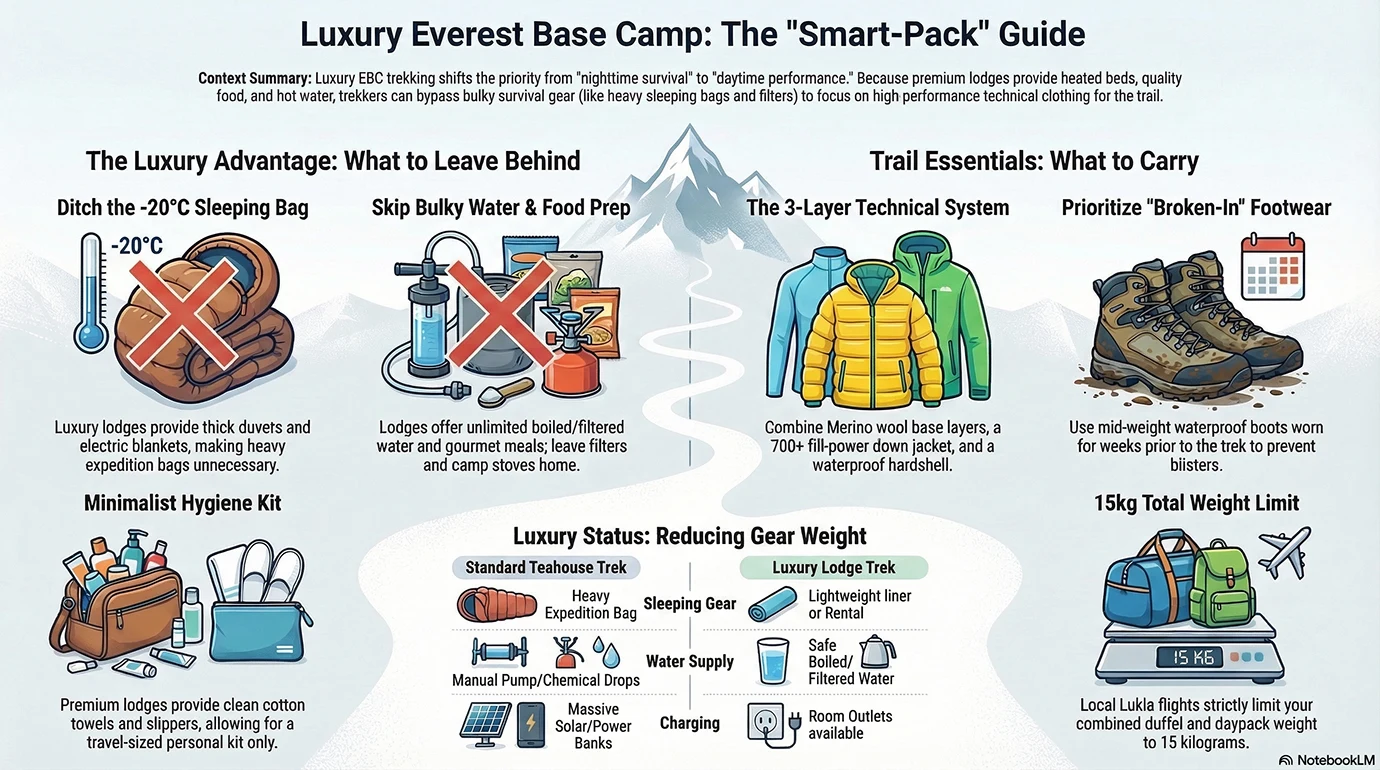
What to pack for the luxury Everest Trek – Quick Summary
- Best bag: 30–40L daypack + porter duffel
- Sleeping bag: Not required in most luxury lodges
- Water treatment: Usually not needed
- Key clothing: merino base layers, down jacket, waterproof shell
- Most important items: sunscreen, sunglasses, hydration
Why a Luxury Everest Base Camp Packing List Looks Different
Standard Everest routes demand a highly defensive packing strategy. Trekkers face unheated rooms, thin plywood walls, and basic beds. Hikers must bring heavy expedition sleeping bags, thick thermal sets, and multiple backup layers to survive the night. Standard teahouses lack reliable hot water, forcing trekkers to carry large wet wipe supplies and heavy hygiene kits.
Luxury trekking changes the entire packing equation. High-end lodges offer a completely different experience. These properties feature electric blankets, insulated walls, and attached bathrooms. Many high-end lodges offer hot running water and thick, clean duvets.
Better sleep environments mean you pack lighter. You skip the massive sleeping bag. You leave the heavy camp shoes at home because the lodges provide comfortable indoor slippers. You carry fewer snacks because the lodge dining rooms serve high-quality, filling meals.
Packing lighter never means packing carelessly. The trail itself remains a wild, high-altitude environment. Trekkers still face freezing winds, sudden snowstorms, and intense ultraviolet light. You must carry highly technical clothing for the walking portions of the day. The luxury packing strategy shifts your focus. You pack for daytime trail performance rather than nighttime survival.
What Makes Luxury Trek Packing Different?
A luxury trek significantly reduces the gear you need to carry. Luxury lodge comfort reduces the need for bulky sleeping gear, large comfort items, and heavy backup supplies.
You leave the zero-degree sleeping bag behind on the lower sections of the route. You drop the heavy water filtration pumps. You skip the massive first-aid trauma kits because guides carry comprehensive medical supplies.
Trekkers still need smart layers, sturdy boots, sun care, and personal essentials. You must bring high-quality merino wool, a reliable down jacket, and excellent rain gear. The mountain weather changes rapidly, and you must stay dry and warm while walking between the luxury lodges.
Standard Trek vs Luxury Trek Packing
Standard Everest Base Camp Trek and premium trips require very different gear choices. Standard trekkers carry heavy loads to compensate for poor lodge facilities. Premium trekkers carry streamlined kits to maximize walking comfort.
The following table highlights the major differences between the two packing styles.
Standard Teahouse Trek vs Luxury Lodge Trek Packing
| Gear Category | Standard Teahouse Trek | Luxury Lodge Trek |
|---|---|---|
| Sleeping Bag | -20°C heavy expedition bag required | A lightweight liner or rental bag is often sufficient |
| Water Filter | Pump filter or chemical drops needed | Lodges provide safe boiled or filtered water |
| Towel | Large microfiber camp towel | Lodges provide clean cotton bath towels |
| Toiletries | Full heavy kit with dry shampoo | Basic personal kit only |
| Spare Clothes | Multiple thick thermal sets | One lightweight merino evening set |
| Lodge Shoes | Heavy insulated booties | Lightweight sandals or lodge-provided slippers |
| Comfort Items | Inflatable pillows, thick sleeping pads | None needed |
| Medicine Kit | Large personal pharmacy | Small personal kit (guides carry the main kit) |
| Charging Strategy | Heavy solar panels and massive power banks | Small power bank (lodges offer room outlets) |
| Snacks | Large supply of protein bars | Few specific favorites (meals are filling) |
The comparison shows a clear weight advantage for trekkers. Standard hikers carry extra weight to handle poor infrastructure. Trekkers trust the lodge infrastructure and pack for walking comfort.
What to Leave Behind on a Luxury Everest Base Camp Trek
Overpacking ruins many Himalayan trips. Carrying unnecessary gear wastes energy and creates daily packing stress. An itinerary lets you skip many traditional trekking items.
Heavy expedition sleeping bags take up half a duffel bag. Premium lodges provide thick duvets and electric blankets in the lower and middle valleys. You might need a rented sleeping bag for the first two nights, but you do not need to fly a massive bag from home.
Large water filters add unnecessary weight. Many luxury lodges like Mountain Lodges of Nepal provide unlimited boiled drinking water. You only need a simple UV pen or light purification tablets for emergencies.
Too many spare outfits quickly overload your porter. You do not need a new shirt every day. High-quality merino wool naturally resists odor, so that you can wear the same shirt for multiple days.
Big towels belong at the beach. Luxury lodges supply clean towels in your attached bathroom. A tiny face towel is all you need for the actual trail.
Bulky comfort gear serves no purpose on a route. Inflatable pillows, travel blankets, and sleeping pads waste valuable space. The lodges provide proper beds with premium mattresses.
Camp kitchen items only add dead weight. Do not bring a camp stove, heavy thermoses, or metal cutlery. The lodge dining rooms serve comprehensive menus featuring hot soups, pasta, and local dishes.
Oversized first-aid kits duplicate the guide’s equipment. Trekking companies send highly trained guides carrying oxygen, pulse oximeters, and comprehensive medical kits. You only need a small bag for personal items, such as blisters, headaches, and stomach issues.
Unnecessary electronics drain quickly in the cold. Leave the laptop, the drone, and the heavy solar panels at home. Bring your phone, a good camera, and a reliable power bank.
Too many toiletries make a bag heavy and messy. You do not need large bottles of shampoo or body wash. Bring travel-sized essentials and focus on high-altitude skin protection instead.
What to Bring on a Luxury Everest Base Camp Trek
Packing for a luxury trek requires attention to technical fabrics and smart layering. You need high-performance gear that handles wind, snow, and intense sun. The Luxury Everest Base Camp packing list breaks down into specific categories. You must select items that offer maximum function with minimum weight.
Clothing
Clothing forms your primary defense against the mountain weather. The layering system keeps you comfortable as temperatures fluctuate wildly throughout the day. You add layers when the wind blows and remove layers when the sun shines.
Base layers sit directly against your skin. You need materials that pull sweat away from your body. Pack two sets of high-quality merino wool base layers. Merino wool breathes well, dries quickly, and naturally prevents bad smells. Never bring cotton base layers because cotton traps sweat and freezes against your skin.
A fleece or mid-layer provides crucial insulation. Pack one lightweight fleece jacket for active walking on cold mornings. Add one insulated synthetic or down vest. A vest keeps your core warm without restricting your arm movements during steep climbs.
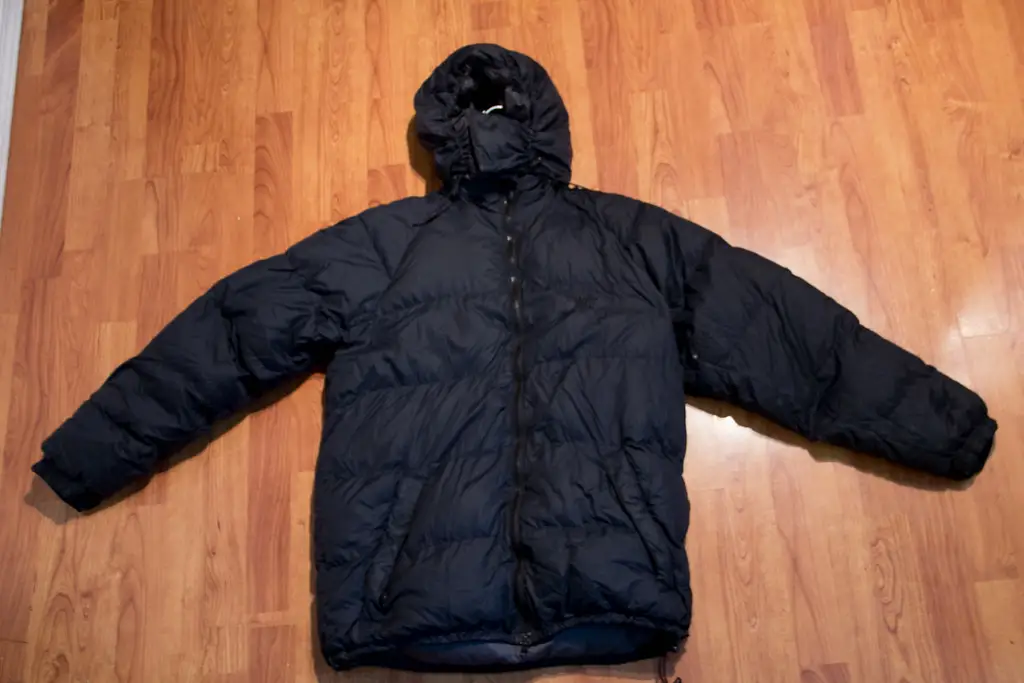
A heavy down jacket protects you from extreme elements. You must bring a high-quality down jacket rated for negative temperatures. Look for a jacket with at least 700-fill power down. You wear the down jacket during rest stops and cold evenings.
A waterproof shell blocks freezing winds and sudden snowstorms. Pack a durable, breathable, waterproof jacket and matching waterproof pants. Ensure the shell jacket fits loosely enough to wear over your fleece mid-layer.
Trekking pants handle the daily dirt and abrasion. Pack two pairs of lightweight, quick-drying hiking pants. Convertible pants work well for the warmer lower valleys. Add one pair of fleece-lined pants for the higher altitudes near Base Camp.
A warm hat is essential. Pack a fleece-lined beanie that fully covers your ears. You will wear the beanie every evening and on cold mornings. Add a lightweight sun hat or baseball cap for bright afternoon walking.
Gloves require a two-part system. Pack one pair of thin fleece liner gloves for basic warmth. Pack one pair of heavy, windproof outer gloves for extreme cold near the summit of Kala Patthar.
A buff prevents the infamous Khumbu cough. Pack a lightweight tubular bandana. Pull the buff over your mouth to warm the dry, freezing air before it hits your lungs.
Socks keep your feet happy and blister-free. Pack four pairs of medium-weight merino wool trekking socks. Add two pairs of thin liner socks to reduce friction. Include one pair of thick, dedicated sleep socks to keep your toes warm at night.
Underwear should be synthetic or merino wool. Pack five to seven pairs of moisture-wicking underwear. Sports bras should also be made from quick-drying, breathable materials.
Footwear
Your feet do all the hard work on the trail. Proper footwear prevents trip-ending injuries and massive blisters.
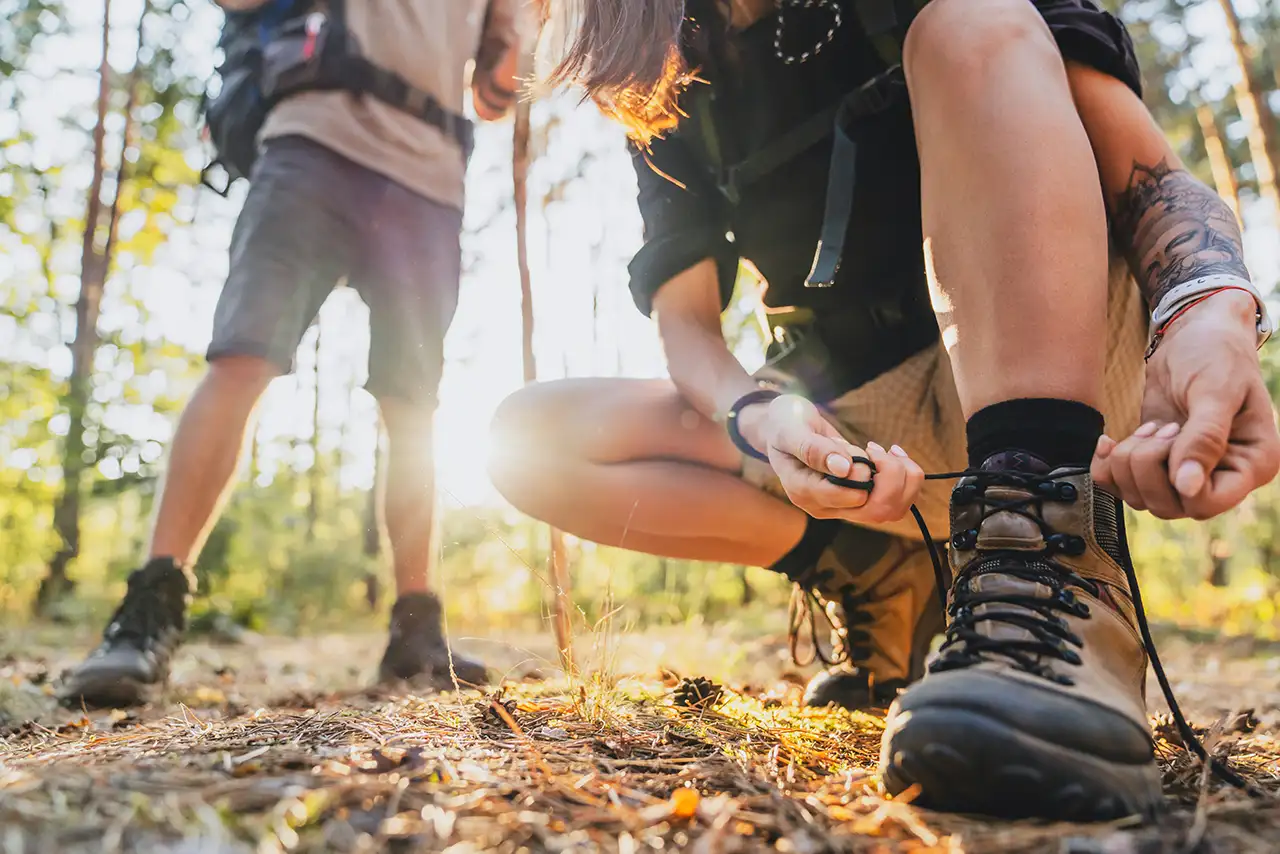
Broken-in trekking boots are your most vital piece of gear. Choose a mid-weight boot with strong ankle support and a rigid sole. The trail is incredibly rocky and uneven. Waterproof membranes keep your feet dry in snow and mud. You must wear the boots for several weeks before the trip to soften the materials. Never bring brand-new boots to the Himalayas.
Lightweight lodge shoes offer sweet relief after a long day of walking. Pack a pair of comfortable trail running shoes or lightweight sandals. You will wear these while resting in the lodge dining rooms. Slippers work nicely for indoor use.
Seasonal extras depend on your specific travel dates. Winter and early spring trekkers may need microspikes for icy sections of the trail. Guides usually carry these, but check your specific tour inclusions before departing.
Daypack Essentials
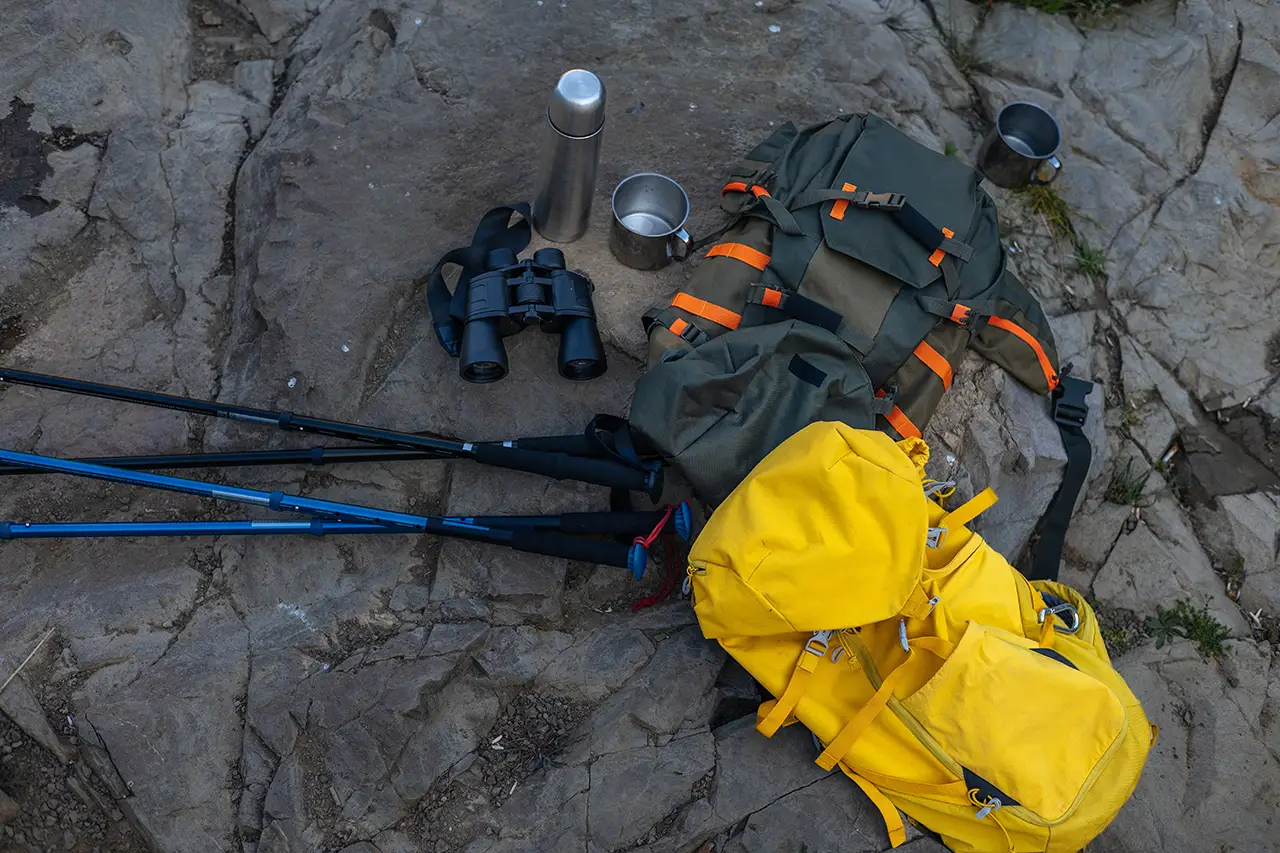
You carry your daypack yourself. Keep it light, organized, and focused on daily survival. A 30-liter to 40-liter backpack works perfectly for most trekkers.
A proper water bottle is mandatory. Pack two one-liter hard plastic bottles. Bladder systems often freeze at high altitudes, making hard bottles the safer choice. Hydration remains the most effective way to fight altitude sickness.
Sunglasses protect your eyes from snow blindness. Pack high-quality, polarized sunglasses with strong UV protection. Wrap-around styles block wind and stray light from the sides. Better sunglasses reduce eye fatigue significantly.
Sunscreen is non-negotiable. The thin atmosphere blocks very little ultraviolet light. Pack a small tube of SPF 50 sunscreen and reapply it every few hours.
Lip balm prevents painful, cracked lips. Pack a high-quality lip balm that includes strong sun protection. Keep it in an easy-to-reach pocket on your backpack hip belt.
Snacks keep your energy high between lodge meals. Pack a few high-quality energy bars, mixed nuts, or trail mix. Do not overpack snacks, as the luxury lodges serve massive meals.
Phone or camera equipment captures the memories. Cold weather drains batteries rapidly. Pack a reliable power bank to keep your devices charged during the day. Keep spare camera batteries inside your jacket, close to your body heat.
A rain cover protects your daypack during sudden afternoon showers. Many modern backpacks include a hidden rain cover in a bottom zippered pocket. Pack a separate cover if your bag lacks one.
Personal medicine handles immediate issues. Pack a tiny kit with ibuprofen, blister plasters, and stomach medication. Keep your prescribed altitude medication accessible at all times.
Toiletries and Personal Care
Mountain hygiene requires a minimalist approach. Premium lodges have better bathrooms, but you still need a smart personal kit. Lightweight luxury extras make a big difference here.
Pack a travel-sized toothbrush and a small tube of toothpaste. Keep your dental hygiene kit in a small, waterproof plastic bag.
Wet wipes are invaluable for quick cleanups. You might reach the lodge before the hot water system turns on. Wet wipes offer a fast way to remove trail dust.
Hand sanitizer prevents stomach bugs. Use sanitizer constantly, especially after using trailside restrooms and before eating.
Moisturizer saves your skin from the brutal mountain air. The Khumbu region functions as a high-altitude desert. Pack a rich, hydrating face cream to apply every evening.
Toilet paper is rarely provided in the public trailside restrooms. Pack two rolls of toilet paper in a waterproof plastic bag. Remove the cardboard core to save space in your daypack.
A small towel handles quick face washes during the day. You do not need a massive bath towel. A microfiber hand towel dries fast and weighs almost nothing.
Blister care stops small hot spots from becoming trip-ending injuries. Pack high-quality gel blister pads and athletic tape. Apply tape as soon as you feel friction on your heel or toes.
Documents and Money
Paperwork and funds require secure, waterproof storage. Keep these items deep inside your daypack. Packing cubes or waterproof document bags keep paper safe from sweat and rain.
Carry your original passport and at least two photocopies. You need your passport for local flights and trail checkpoints.
Pack printed copies of your insurance. Your policy must cover high-altitude trekking and emergency helicopter evacuation.
Your guide usually handles trekking permits. Keep them safe if the guide hands them to you for a specific checkpoint.
Bring enough cash for the entire trip. Luxury treks cover meals and lodging, but you still need cash for tips for your guide, occasional trailside tea, and souvenir purchases. Small-denomination local currency works best.
Emergency contacts should be written on paper. Phones break, and batteries die. A written list ensures guides can contact your family if necessary.
What Luxury Lodges Usually Provide on the Everest Route
Understanding lodge amenities helps you leave unnecessary gear behind. The luxury lodges on the Everest route offer remarkable comfort in a hostile environment. You can expect a much higher standard of living than standard teahouse trekkers experience.
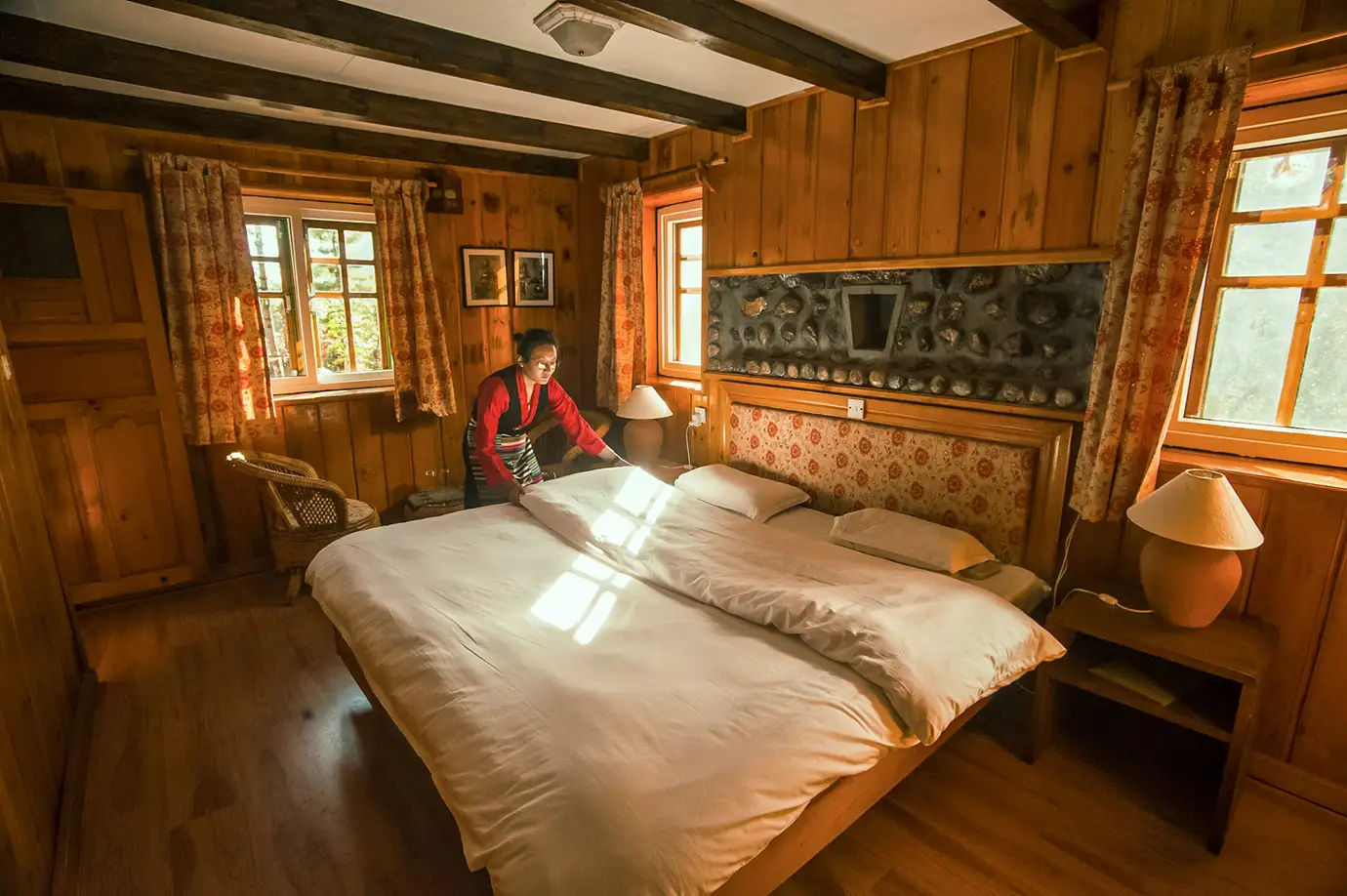
Premium lodges provide thick blankets and proper duvets. The beds feature high-quality mattresses and clean sheets. You will sleep deeply, which directly aids your altitude acclimatization.
Better beds sit inside better rooms. Upgraded rooms feature upgraded insulation, carpeted floors, and attached private bathrooms. You do not need to walk down a freezing hallway in the middle of the night to use the toilet.
Heated dining areas serve as the lodge’s social hub. Luxury lodges maintain warm, comfortable common spaces where trekkers can relax in light clothes. You can read a book or review your photos without wearing your heavy down jacket.
Hot water flows much more reliably in premium properties. You can expect hot showers in your private bathroom throughout the lower and middle sections of the trek. A hot shower soothes sore muscles and washes away the trail dust.
Better meals keep your energy high. The menus feature extensive options, including traditional dal bhat, rich Sherpa stews, pasta, pizza, and freshly baked goods. The kitchens adhere to strict hygiene standards, reducing your risk of stomach illness.
Charging options are readily available. Upgraded rooms often feature electrical outlets. You can charge phones and cameras overnight without paying the hourly fees common in standard teahouses.
More comfortable common spaces encourage socializing. You can share stories with other trekkers in a cozy, well-lit environment.
Add a realistic note that lodge comfort varies by village and altitude. The lower and mid-route lodge comfort stays stronger. Higher sections become simpler even on luxury trips. Villages like Lobuche and Gorak Shep lack true luxury lodges. You will experience a few nights of more basic accommodation near the summit.
Luxury Does Not Remove Mountain Reality
An itinerary shields you from discomfort, but it cannot change the altitude or the weather. You must prepare for the physical realities of the Himalayas. Nature controls the environment outside the lodge doors.
Cold mornings remain a constant challenge. You will start walking shortly after sunrise when the air is brutally cold. You must wear your down jacket and warm hat for the first hour of the day until the sun warms the valley.
High altitude impacts every trekker regardless of their budget. The air pressure drops steadily as you climb toward Base Camp. You must walk slowly, drink a lot of water, and report any headaches to your guide.
Dry air ravages your throat and skin. You lose incredible amounts of moisture just through breathing. You must actively manage your hydration and use your buff to trap moisture near your face.
Strong sun poses a daily threat. The thin atmosphere burns skin rapidly. You must wear sunscreen and sunglasses even on cloudy days. UV rays reflect off the snow, doubling the exposure to your face and eyes.
Changing weather keeps you alert. A bright, warm morning can turn into a freezing snowstorm by mid-afternoon. You must always carry your waterproof shell and warm layers in your daypack.
Simpler facilities await you above the main luxury lodge zone. You must mentally prepare for a drop in comfort during the final push to Base Camp. Pack a warm attitude for these higher, rougher nights.
How to Split Your Gear Between a Duffel Bag and a Daypack
Organizing your gear correctly removes daily frustration. You must separate the gear you need during the day from the gear you only need at night. Proper organization makes the Luxury Everest Base Camp packing list work effectively.
What goes in the duffel bag includes the bulk of your equipment. The trekking company usually provides a rugged, waterproof duffel bag. A porter carries the duffel bag between lodges. The duffel bag holds your spare clothes, a heavy down jacket, lodge shoes, a sleeping bag, and your main toiletry kit.
What stays in the daypack includes your immediate survival gear. The daypack stays on your back all day. It must contain everything you need to survive sudden weather changes or delays.
What you need during the day includes your water bottles, rain gear, fleece jacket, sun protection, camera, and basic first-aid items. You will not see your porter during the walking day. If a rainstorm hits, you cannot ask the porter for your jacket. You must carry it yourself.
What you only need at night stays in the duffel bag. Your fresh underwear, sleep socks, charging cables, and heavy toiletries belong with the porter. Weight limits are strict due to local flight regulations. The flight to Lukla limits your total luggage to 15 kilograms, including both your duffel and daypack. Pack your daypack before breakfast. Leave your duffel bag fully zipped and ready for the porter before you leave your room.
Plan Your Luxury Everest Base Camp Trek
A luxury Everest Base Camp trek gives you the full Everest experience with better comfort, better lodging, and more thoughtful service on the trail. Peregrine Treks offers a 16-day luxury Everest Base Camp trek that includes premium stays in Kathmandu, the best available lodges along the route, and the option of a helicopter return for travelers who want extra comfort and less time on the descent.
The itinerary usually covers arrival in Kathmandu, trek preparation, the flight to Lukla, gradual walking days through the Khumbu, proper acclimatization, Everest Base Camp, Kala Patthar, and the return to Kathmandu. Luxury lodge comfort stays strongest in the lower and middle sections of the route, while higher villages offer the best available standard lodges in a simpler mountain setting.
Spring and autumn are the best seasons for a luxury Everest Base Camp trek because weather conditions are usually more stable and mountain views are often clearer. The price usually starts at around USD 3,840 per person and can increase based on group size, room category, and helicopter return options. Use the package link below to check the full itinerary, current price, departure dates, and booking details.



What Peregrine Treks Provides
- Duffel bag
- Trekking poles
- Sleeping bag rental
- Down jacket rental
- Oxygen and a medical kit
- Porter service
- Trekking Map
- T-shirt
We provide a 60L waterproof duffel bag, standard trekking poles, porter service, and emergency support equipment, including oxygen and a medical kit, during the trek. Peregrine also offers sleeping bags and down jackets for rental, but we highly recommend bringing your own for hygiene and personal comfort. Our team is not authorized to prescribe medicine, and although we may carry basic Nepal-standard medicine for emergency support, it may not suit your body or medical needs. For that reason, please consult your doctor before the trek and bring your own general medicine, including headache tablets, Diamox for altitude support (if your doctor recommends it), diarrhea medicine, vomiting medicine, and any other personal medication you may need along the route.
Seasonal Packing Tips for a Luxury Everest Base Camp Trek
The Himalayas experience distinct seasons. Your Everest luxury lodge packing list must adapt to the month you choose to travel. Weather dictates your clothing choices completely.
Spring
Spring runs from March through May. The trails are bursting with blooming rhododendrons and climbing expeditions. Temperatures vary wildly in the spring. The lower valleys feel hot and dusty, requiring lightweight hiking shirts and convertible pants. The higher elevations remain freezing. Spring air carries a lot of dust, making a neck buff essential for breathing comfort. Pack layered clothing to handle the intense temperature swings.
Autumn
Autumn runs from late September through November. The monsoon rains wash away the dust, leaving crystal clear skies and breathtaking mountain views. Autumn starts warm but grows steadily colder as November approaches. You need excellent wind protection for the high passes. The skies are clear, making the sun feel intense during the day. Pack strong sun protection and highly reliable cold-weather gear for the freezing, clear nights.
Winter
Winter runs from December through February. The trails empty out, offering immense solitude and quiet landscapes. Winter trekking requires serious cold-weather preparation. You must bring a heavier down jacket and thicker sleeping layers. Standard teahouses become unbearable in winter, making a luxury lodge trek the only comfortable way to travel. Pack extra batteries, as the extreme cold drains electronics very quickly.
Optional shoulder season or wetter period
Late August or early September features lingering monsoon moisture. You will encounter rain in the lower valleys and heavy clouds at higher elevations. Pack quality waterproof gear for shoulder season treks. Ensure your backpack rain cover fits perfectly. Bring lightweight synthetic clothes that dry quickly in humid conditions. Leave all heavy cotton items at home.
Common Packing Mistakes on a Luxury Everest Base Camp Trek
Even experienced travelers make mistakes when packing for the Himalayas. Avoid these common errors to ensure a smooth, comfortable trip. Smart packing prevents daily stress on the mountain.
Packing too many clothes ruins bag organization. You do not need five pairs of pants and ten shirts. Focus on a few high-quality, moisture-wicking items. Layering provides warmth, not sheer volume of clothing. Your porter will appreciate a lighter duffel bag.
Bringing brand-new boots guarantees painful blisters. You must walk in your boots for weeks before arriving in Nepal. Your boots must mold to the unique shape of your feet. Wear your boots on practice hikes with the exact socks you plan to use on the trek.
Assuming luxury means warm weather is a dangerous trap. A luxury lodge provides a warm bed, but the trail outside remains a high-altitude wilderness. You must pack proper mountain survival clothing for the walking portions of the day.
Carrying heavy gadgets weighs down your daypack. Laptops and massive camera rigs become unbearable at 4,000 meters. Bring a high-quality smartphone camera or a single versatile mirrorless camera. Leave heavy tripods at home.
Forgetting lip balm and sunscreen leads to miserable burns. The wind and sun destroy unprotected skin. Keep these items in your hip belt pocket and use them constantly.
Not checking lodge inclusions leads to overpacking. Ask your guide exactly what the lodges provide. If the lodge provides thick towels and electric blankets, leave your camp towel and expedition sleeping bag at home.
Overpacking toiletries takes up valuable duffel space. You do not need a full beauty routine on the mountain. Bring travel-sized essentials and focus strictly on hygiene and skin hydration.
High-Altitude Packing Tips
High altitude brings lower oxygen levels, which can lead to dehydration, headaches, and fatigue. Good packing helps you stay more comfortable and respond better to the demands of the trail. On a luxury Everest Base Camp trek, lodge comfort helps at night, but you still need the right daypack essentials for the walking hours.
Start with a simple hydration strategy. Carry enough water for the day and drink regularly, rather than waiting until you feel thirsty. Dry mountain air increases fluid loss, and dehydration can worsen altitude symptoms.
Lip balm and sunscreen are daily essentials. Strong sun at altitude can dry and burn your skin quickly, even on cool or cloudy days. Keep both items in an easy-to-reach pocket so you can use them often during the trek.
Pack good sunglasses for snow glare and strong UV exposure. At high altitude, UV light is more intense, and snow reflection can increase the risk of snow blindness. Choose sunglasses that block at least 99% of UV rays and protect your eyes from wind and glare.
A buff or neck gaiter also earns a place in your daypack. It helps warm the cold, dry air before you breathe it in, and it adds light protection against dust, wind, and sun on exposed sections of the trail. Dry air and cold wind often irritate the throat and lips, especially as you go higher.
Final Luxury Everest Base Camp Packing List Checklist
Use the following clean, practical, printable checklist to organize your gear. Check off each item as you put it into your bag.
Luxury Everest Base Camp Packing List Checklist
Clothing
- 2 merino wool long-sleeve base layers
- 2 merino wool base layer bottoms
- 1 lightweight fleece jacket
- 1 insulated synthetic or down vest
- 1 heavy down jacket (700+ fill power)
- 1 waterproof hardshell jacket
- 1 waterproof hardshell pants
- 2 lightweight trekking pants
- 1 warm fleece-lined beanie
- 1 sun hat or baseball cap
- 1 pair of thin liner gloves
- 1 pair of heavy windproof outer gloves
- 1 neck buff or tubular bandana
- 4 pairs of medium-weight trekking socks
- 2 pairs of thin liner socks
- 1 pair of heavy sleep socks
- 5 to 7 pairs of moisture-wicking underwear
- Moisture-wicking sports bras
Footwear
- 1 pair of broken-in waterproof trekking boots
- 1 pair of lightweight lodge shoes or sandals
Daypack Essentials
- 1 comfortable 30L to 40L daypack
- 1 waterproof rain cover for the daypack
- 2 hard plastic 1-liter water bottles
- 1 pair of high-quality polarized sunglasses
- 1 tube of SPF 50 sunscreen
- 1 SPF-rated lip balm
- A small supply of favorite trail snacks
Toiletries
- Travel-sized toothbrush and toothpaste
- Biodegradable wet wipes
- Hand sanitizer
- Rich face moisturizer
- 2 rolls of coreless toilet paper
- 1 small microfiber face towel
Health Items
- Gel blister pads and athletic tape
- Ibuprofen is a preferred painkiller
- Stomach medication
- Prescribed altitude medication
Electronics
- Smartphone or camera
- High-capacity power bank and charging cables
Documents
- Original passport
- Multiple passport photocopies
- Printed travel insurance details
- Cash for tips and small purchases
- Written emergency contact list
Click Here to download Luxury Everest Base Camp Packing List
FAQs About the Luxury Everest Base Camp Packing List
Can beginners do a luxury Everest Base Camp trek?
Yes, beginners can do a luxury Everest Base Camp trek if they prepare well, stay active before the trip, and follow a proper acclimatization plan. Better lodges, warmer rooms, and stronger support make the trek more comfortable, but the route still involves long walking days, steep trails, and high altitude.
How heavy should my daypack be?
Your daypack should stay as light as possible while still covering your daily needs. Carry water, a warm layer, rain protection, sunscreen, lip balm, snacks, personal medicine, and your phone or camera. Most trekkers do well with a light, well-organized daypack because the porter carries the main duffel bag.
Can I rent trekking gear in Kathmandu?
Yes, you can rent trekking gear in Kathmandu before the trek starts. Many trekkers rent items such as down jackets, sleeping bags, and trekking poles there. Boots, base layers, and other personal items are better to bring from home for comfort, fit, and hygiene.
Do luxury lodges provide hot showers?
Many luxury lodges on the Everest route provide hot showers, especially in the lower and middle sections of the trek. Some also offer attached bathrooms, electric blankets, and added room comfort. Higher villages have simpler lodge conditions, so facilities become more basic as you go higher.
Do I need crampons for Everest Base Camp?
Most trekkers do not need crampons for a standard Everest Base Camp trek. The route is a high-altitude trek, not a technical climb. In colder months, guides may suggest microspikes or similar traction gear for icy trail sections, but full crampons are usually not necessary.
Do I need a sleeping bag for a luxury Everest Base Camp trek?
You generally do not need a heavy expedition sleeping bag. Luxury lodges in the lower and middle valleys provide electric blankets and thick duvets. You might want a lightweight rental bag for the highest, most basic nights near Gorak Shep.
Can I pack lighter for a luxury Everest Base Camp trek?
Yes. You can pack much lighter because upgraded lodges provide excellent food, warm bedding, and basic toiletries. You only carry clothes for walking and personal comfort items.
What do luxury lodges provide on the Everest route?
Luxury lodges offer heated dining rooms, private attached bathrooms, hot showers, thick mattresses, clean blankets, and extensive restaurant-style menus. Lower lodges often feature electric bed heaters.
How many bags should I bring?
Bring two bags. You need one rugged duffel bag for the porter to carry, and one 30L to 40L daypack for yourself. The total weight limit for both bags on the Lukla flight is 15 kilograms, which includes a 10 kg duffel bag and a 5 kg hand carry (day pack).
What should I leave behind on a luxury Everest Base Camp trek?
Leave behind massive sleeping bags, camp stoves, large water filters, inflatable pillows, heavy books, and full-sized toiletry bottles.
Do luxury lodges provide hot showers and bedding?
Yes, luxury lodges provide reliable hot showers and high-quality bedding. You do not need to carry a heavy camp towel or worry about freezing in your room.
Is a water filter necessary on a luxury trek?
No. Upgraded lodges provide unlimited boiled or filtered drinking water. You can bring a tiny UV pen or backup purification tablets for peace of mind, but you do not need a large mechanical pump.
Conclusion
Packing for a luxury Everest Base Camp Trek requires a massive shift in mindset. The Luxury Everest Base Camp packing list proves that comfort and safety can coexist without the need to carry massive loads. Luxury trekking does not mean packing more. It means packing smarter because the lodges already provide much of the comfort. You drop the heavy survival gear and focus entirely on high-performance walking clothes and personal health items.
Trust the premium infrastructure to keep you warm at night. Focus your bag weight on excellent boots, superior merino wool layers, and reliable sun protection. Keep your daypack light, stay hydrated, and enjoy the incredible scenery. A well-packed bag ensures you have the energy to appreciate the highest mountains on earth truly.