Everest Base Camp Trek Food worries many trekkers as much as altitude, weather, and trail conditions because stomach trouble can drain energy, reduce appetite, and make hydration harder. High altitude can change appetite, digestion, and energy levels. Loss of appetite and nausea can be caused by altitude sickness, not just by food or water. Many trekkers misread the cause and then make choices that worsen the situation.
Food quality, water handling, and hygiene controls shape risk on any trek. Standard teahouse trekking can work well for many people. Premium trekking adds more control and comfort. Paying more often lowers risk, but no service level removes risk fully.
So, does paying more reduce the risk of getting sick on the Luxury Everest Base Camp Trek? For many trekkers, the answer is yes. Luxury trekking often reduces risk through better water management, cleaner handling, and a more organized dining setup. Paying more still cannot guarantee a problem-free trek.
Quick Summary: Standard vs. Luxury Food and Hygiene on the Everest Trek
Standard teahouse food uses simple kitchens, communal dining, and limited ingredient control. Most trekkers manage fine, but risk rises when kitchens cut corners during peak season.
Luxury lodge food offers experienced chefs, greenhouse-grown vegetables, cleaner dining rooms, and more controlled preparation. Risk drops, but no service level removes it completely.
Water safety matters more than food choice. Stored water in lodges is often more contaminated than the source itself. Luxury lodges typically manage water handling more carefully.
Peregrine’s approach: We provide purification tablets as backup, prioritize freshly cooked meals, and use lodges with stronger kitchen and water hygiene standards.
Best food choice on the trail: Dal bhat — cooked fresh, served hot, consistent across every stop.
Why Food and Hygiene Matter on the Everest Trail
Altitude can affect appetite and digestion, even in healthy trekkers. Symptoms linked to acute mountain sickness often include loss of appetite and nausea. Stomach discomfort can also be caused by low oxygen at altitude.
Hydration sits at the center of personal safety on any trek. Dehydration can mimic altitude illness and may increase risk. Too much water can also cause problems by disrupting electrolyte balance, so smart hydration matters more than forced hydration.
Drinking water safety matters because tap water often does not meet safe drinking standards for travelers in many parts of the country. Travel health guidance for Nepal advises using boiled or bottled water rather than tap water and highlights a high risk of stomach infection.
Food hygiene matters because diarrhea can disrupt the trek very quickly. Travelers in Nepal often experience stomach problems when water safety or food hygiene slips.
Everest Base Camp Trek Food: What Trekkers Eat on the Trail
Luxury Everest Base Camp trek food tends to follow a familiar pattern because supply lines run long and kitchens work under fuel and water limits. Most menus offer simple, filling meals that rely on rice, noodles, potatoes, eggs, soups, and hot drinks.
Common items you see repeatedly on the route include:
- Dal bhat (rice, lentils, and vegetables, often with refills)
- Noodle soup and fried noodles
- Fried rice and simple rice dishes
- Pasta, toast, pancakes, porridge, and boiled eggs
- Tea, coffee, hot lemon, and ginger drinks
Dal bhat earns its reputation on trekking routes because it stays consistent and relies on cooked ingredients. Many teahouses serve it, and trekkers often choose it when they want a safer, more predictable option.
At high altitude, simple meals often work best. Higher carbohydrate intake can support ventilation and oxygen use, and many mountain diets naturally lean that way because options narrow at altitude.
Everest Base Camp trek food also changes with the season and crowd levels. During peak seasons, kitchens run at full speed, dining rooms fill up, and shortcuts in food prep become more tempting. Travel health guidance notes that the spring trekking season has a higher risk of diarrhea than the fall.
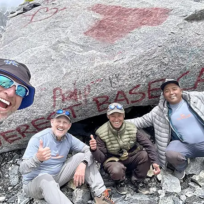



Standard vs. Premium Food and Dining Conditions
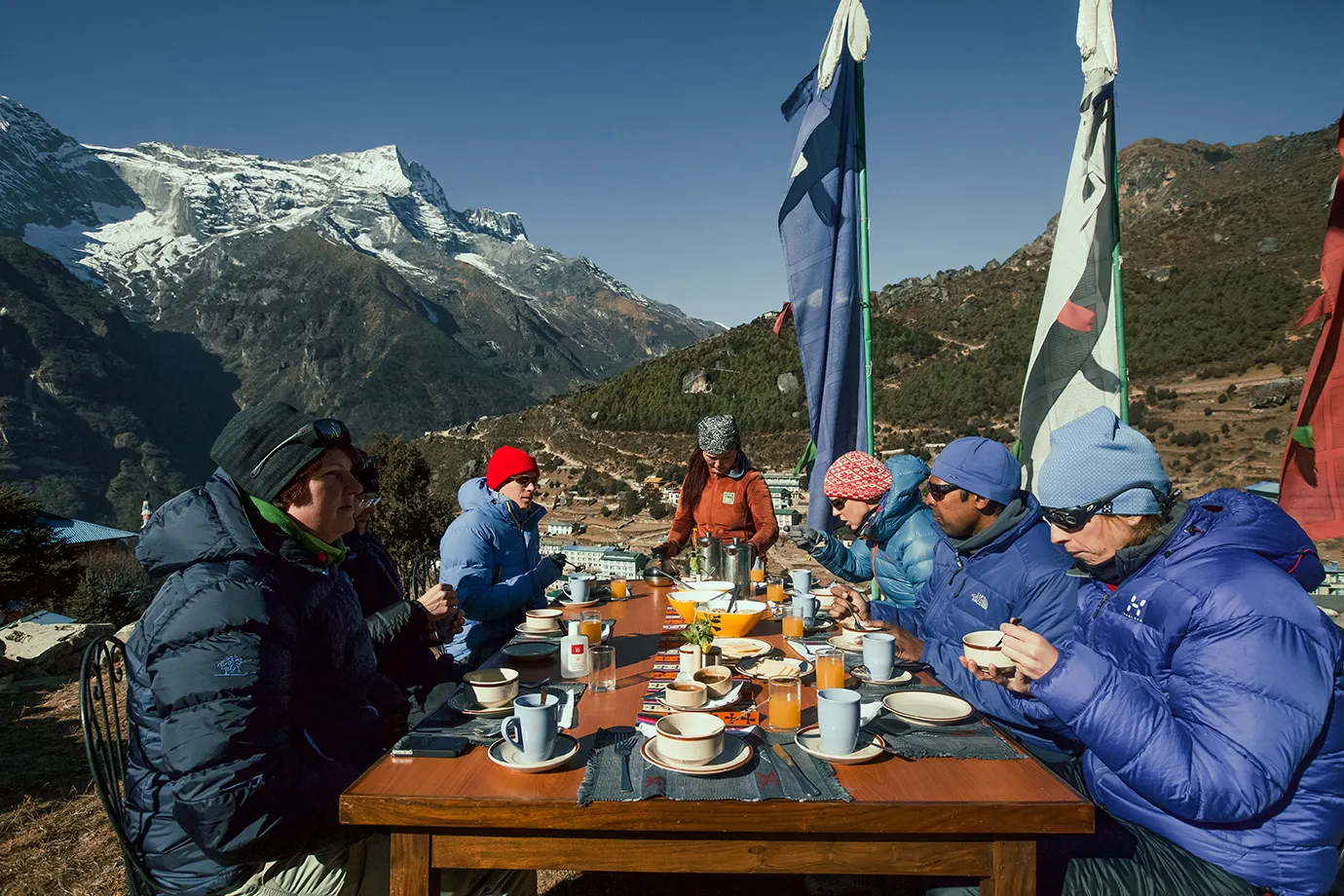
Everest Base Camp Trek Food looks simple in standard teahouses, but premium lodges often offer better consistency, fresher ingredients, and cleaner meal service.
Standard teahouses usually run as small lodges that focus on beds and meals. A typical setup includes a kitchen, a communal eating hall, basic bedrooms, and shared bathrooms. Cooking often happens over an open fire or a simple stove, and menus look similar from place to place.
Standard does not automatically mean unsafe. Many trekkers complete the route without major problems. Risk rises when hygiene slips, food sits too long, or water handling fails.
Luxury trekking usually offers better lodging, more controlled dining, and more attentive service. For example, Yeti Mountain Home (under the brand name Mountain Lodges of Nepal) offers a broader menu than a typical teahouse and features experienced chefs and a structured dining setting, even at high altitude.
Luxury lodges often manage ingredients more carefully. For example, Yeti Mountain Home markets meals made with greenhouse-grown vegetables and a dining room designed for comfort. That sort of supply control can improve consistency, even if it does not guarantee safety.
Food safety depends heavily on temperature control and on separating raw and cooked items. When kitchens prep ahead and reheat later, risk increases if food sits too long at unsafe temperatures. WHO food safety guidance emphasizes thoroughly cooking food and keeping it at safe temperatures to reduce the risk of illness.
Some trekking guides warn that certain teahouses prepare food far in advance of service, which increases the risk of food poisoning. Travelers can reduce their risk by ordering freshly cooked meals and avoiding items that have been sitting for long periods.
Dining environment also matters. Crowded dining rooms increase shared-surface contact and raise exposure to respiratory illness. CDC travel guidance notes that respiratory illness can spread along trekking routes and flags crowded teahouses as settings where influenza risk rises.
Travelers who worry about hygiene often choose premium trekking because the food on the Everest Base Camp Trek feels more controlled, more predictable, and easier on the stomach.
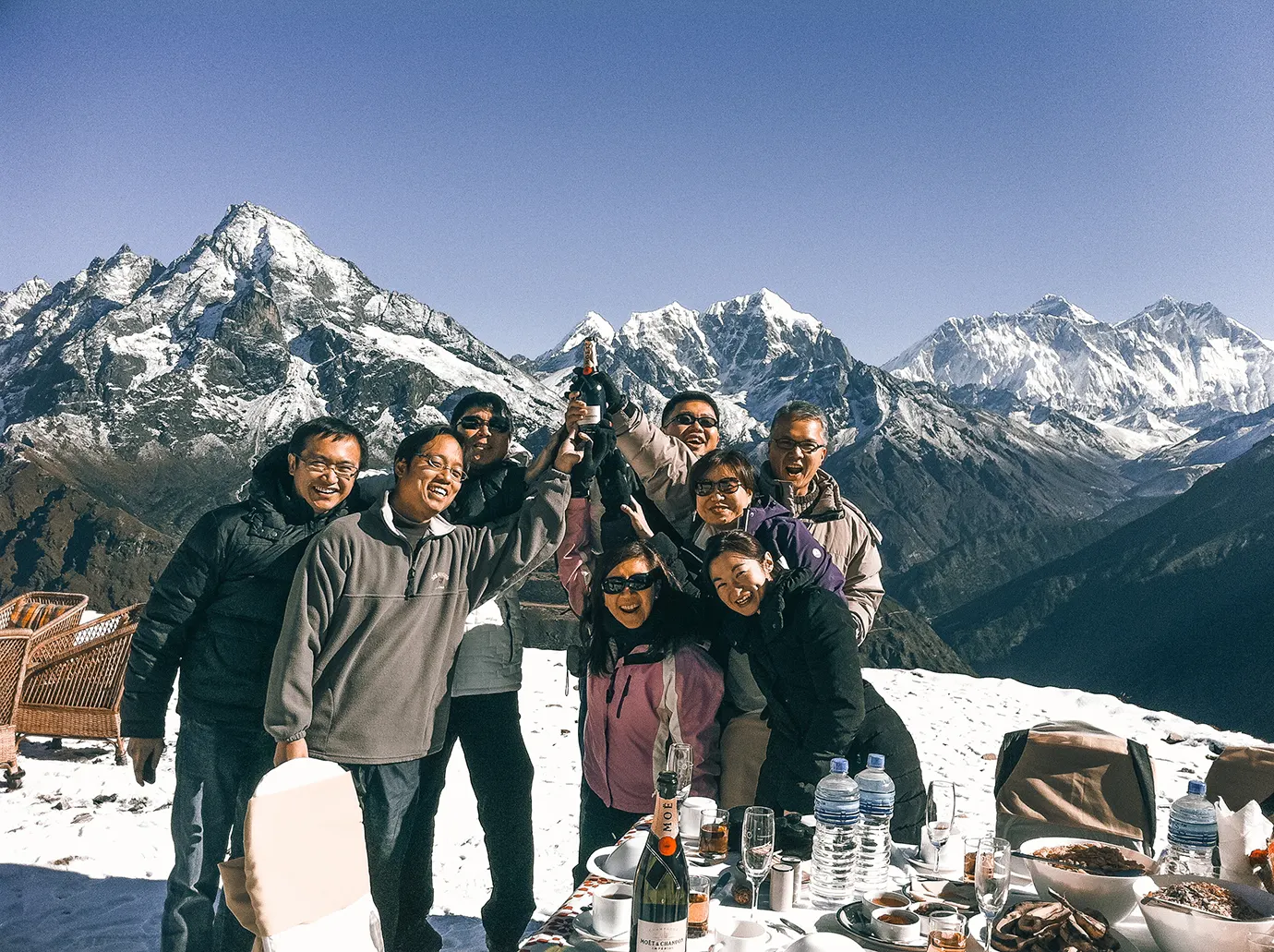
Everest Trail Drinking Water and Hydration
Everest trail drinking water needs serious attention. Travel health guidance for Nepal states that tap water is not safe to drink and recommends using boiled or bottled water instead.
Local research in the Everest region supports that concern. A study of drinking water sources in Sagarmatha National Park found fecal contamination in many of the sampled sources. Most tested samples contained colony-forming units, with Nepal’s O rates ranging from low to moderate risk, but that range failed Nepal’s drinking water standards in the study summary. Higher contamination also appears in more populated, lower-elevation areas.
Another Everest-region water study (Solu-Khumbu / Mt. Everest region) reports a pattern that matters for trekkers: stored water in lodges and households is more often contaminated than water at the primary source. The results point to “secondary contamination” from handling and storage, rather than solely from the spring itself.
That finding explains a common on-trial problem. Water can start cleaner at the source, then pick up contamination through canisters, pipes, lids, cups, or unwashed hands. Better systems and better routines reduce that risk.
Standard trekking often relies on:
- Boiled water sold by teahouses
- Bottled water (often expensive at altitude, plus waste)
- Traveler-carried tablets, filters, or UV devices
Peregrine reduces water uncertainty by adding more control. We suggest carrying purification tablets as backup, since filtered water availability can vary by place and day. That advice reflects the reality that weather, supply, and lodge systems change along the trail.
Water treatment works best when trekkers use a clear, consistent method every day. CDC guidance supports several options:
- Boil water (CDC calls boiling the best method for killing disease-causing organisms). CDC advises 1 minute at a rolling boil, or 3 minutes above 6,500 feet.
- Use chemical disinfectants if boiling fails, while noting iodine limits for pregnant women, people with thyroid disease, and long-term use.
- Combine filtering and disinfection when possible, since many filters do not remove viruses. UV works best in clear water.
Environmental pressure matters too. Plastic waste grows as bottled water use rises, so local authorities have taken steps to reduce single-use plastics in the Everest region. Wider waste concerns also connect to water sources down-valley.
Trekkers need a steady hydration plan. Himalayan Rescue Association suggests about 3 liters per day for mountain travel, while warning against over-drinking, which can upset electrolyte balance. Good hydration supports energy, digestion, and acclimatization, but “more” does not always mean “better.”
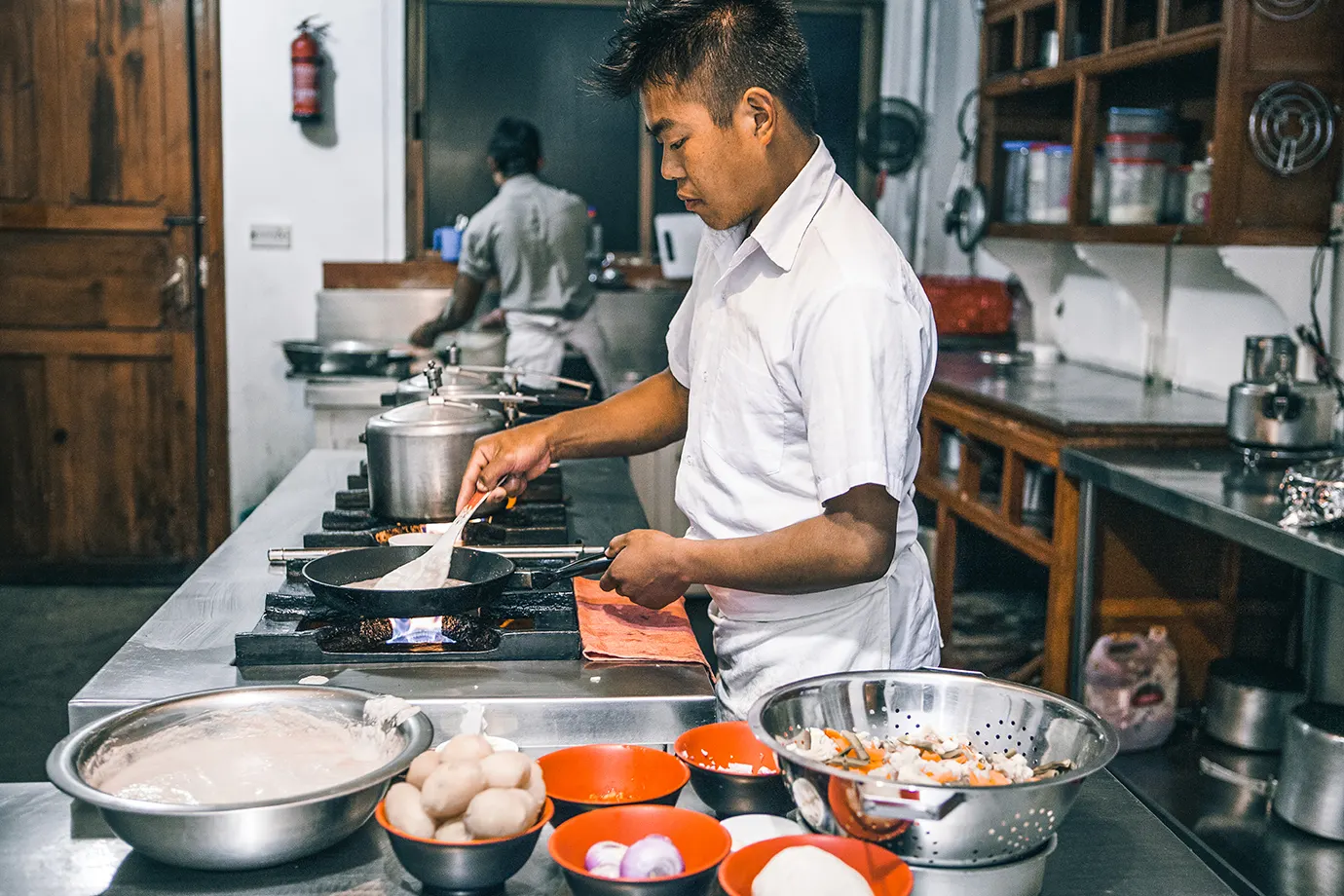
Kitchen Hygiene Standards and What to Look For
Everest trekking hygiene starts in the kitchen, but it also depends on personal habits. The fastest way germs spread on treks often involves hands, cups, shared spoons, and door handles. A clean lodge usually shows its standards clearly. Tables feel clean. Cups do not smell stale. Plates look dry and grease-free. Food arrives hot. Staff handles meals in an organized way.
Good hygiene follows a simple logic. The World Health Organization summarizes “five keys” that apply well to mountain kitchens:
- Keep clean
- Separate raw and cooked
- Cook thoroughly
- Keep food at safe temperatures
- Use safe water and raw materials
Teahouse kitchens face real limits. Water access can run low. Fuel can run low. Space stays tight. Staff often work long hours in peak season. Those limits do not always cause problems, but they do increase the chance of shortcuts.
Personal hand hygiene offers one of the highest-return steps a trekker can take. CDC reporting notes that hand washing education can cut diarrhea illness by meaningful margins and also reduce respiratory illness. WHO evidence reviews also show that handwashing promotion reduces the incidence of diarrhea.
Practical signs of stronger hygiene in a lodge or teahouse include:
- Staff wash their hands or use sanitizer before serving
- Cups and plates dry fully and look clean, not greasy
- Food arrives steaming hot, not warm
- Raw meat stays separate from other prep items
- Water for drinking comes from a controlled method (boiled, filtered, treated)
Why Trekkers Get Sick and How to Lower Risk
Many “stomach problems” on the Everest trail stem from several small factors working together, not from a single dramatic mistake. Risk rises when altitude reduces appetite, germs worsen dehydration, and dehydration worsens fatigue.
Common causes and contributors include:
- Drinking untreated or poorly handled water
- Secondary contamination from stored water, cups, and canisters
- Poor hand hygiene before meals or after toilet use
- Raw vegetables or unpeeled fruit washed in unsafe water
- Food left out, then reheated or served lukewarm
- Sudden diet change plus slower digestion at altitude
Food choices can lower risk without ruining the experience. CDC advice for travelers focuses on hot, fully cooked food and careful handling of raw produce. Trekkers should avoid ice and pick factory-sealed drinks or treated water.
Safer food choices on most trekking days often include:
- Freshly cooked hot meals, served steaming
- Dal bhat, rice dishes, and soups
- Boiled potatoes and porridge
- Fully cooked eggs
- Toast and simple breads
Foods that deserve more caution, especially higher on the trail:
- Raw salads and raw vegetables
- Cut fruit from uncertain washing practices
- Food that sits out on a counter
- Ice in drinks
- Dairy items that sit cold for long periods without stable refrigeration
Altitude can also blur the picture. Acute mountain sickness often causes appetite loss and nausea, so a trekker might blame food when altitude is the cause. Headache, appetite loss, or nausea after ascent should prompt a trekker to slow down, rest, and talk to a guide or medic support. Dehydration hits fast, especially when diarrhea starts. CDC travel health guidance recommends focusing on fluid replacement, and oral rehydration solution can help in more serious cases.
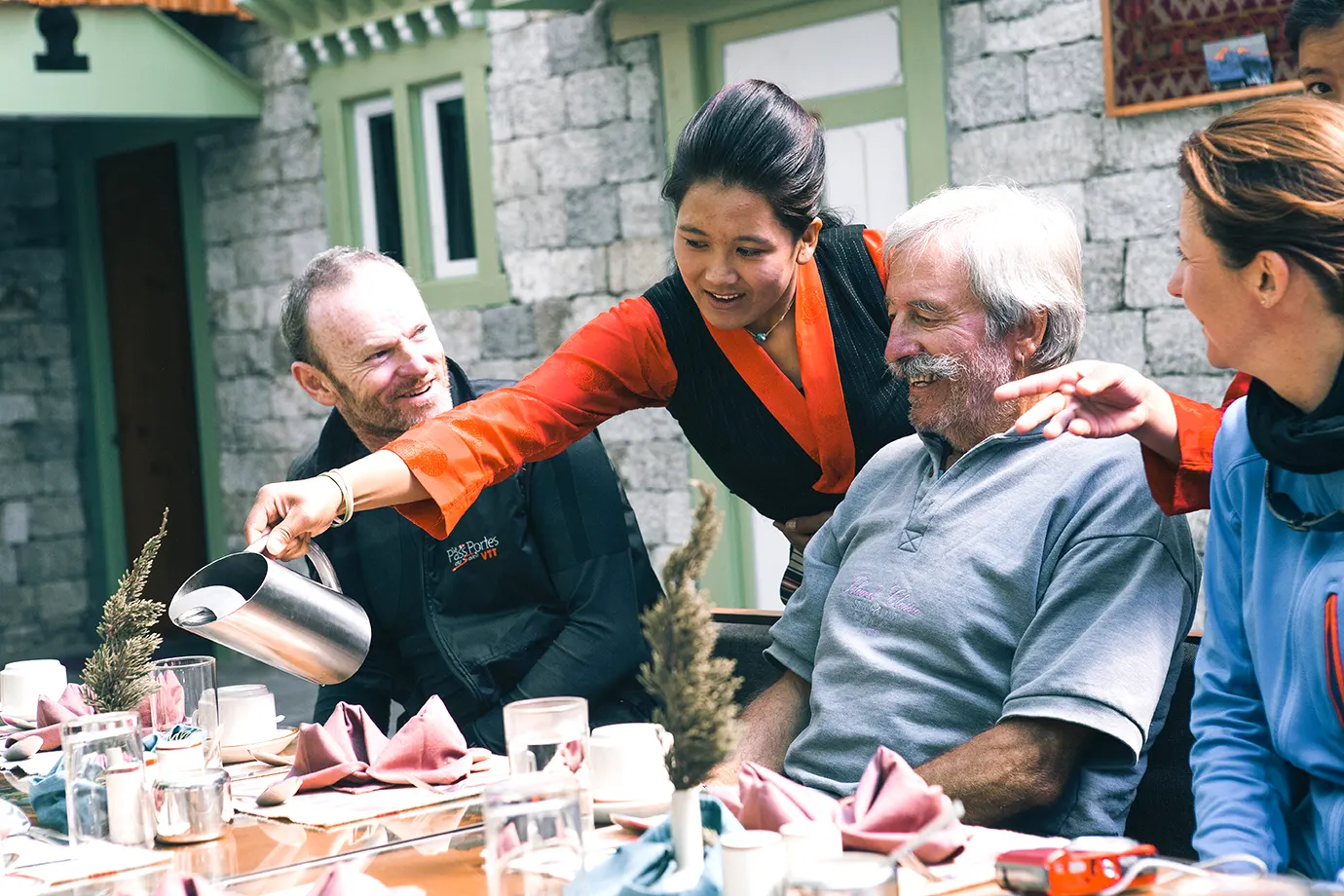
Choosing Premium for Lower Risk and Better Recovery
Premium treks often make the Everest Base Camp trek food safer and more comfortable through better control, not through magic. More control can mean fewer rushed decisions, fewer compromises, and fewer “unknowns” around water.
Premium trekking often offers better water control, more consistent kitchens, more comfortable dining rooms, and a better recovery setup after each walking day:
- Hotel Everest View highlights a broader menu and experienced chefs at high altitude.
- Yeti Mountain Home promotes greenhouse-grown vegetables and more controlled dining comfort.
Premium also supports recovery. Better sleep, warmer rooms, cleaner bathrooms in lower villages, and calmer dining spaces can reduce daily stress. Less stress often supports better appetite and hydration discipline, which in turn supports better health outcomes on long treks.
Premium trekking fits many travelers, especially:
- Older trekkers who want more comfort after hiking
- First-time high-altitude travelers who worry about stomach trouble
- Families who want more predictable routines
- Travelers with sensitive digestion
- Comfort-focused travelers who value cleaner dining and better sleep
Standard vs. premium snapshot (food and hygiene)
Standard teahouse trekking often includes:
- Simple and repetitive menus
- Shared dining rooms
- More crowd pressure at meal times
- Basic kitchen systems
- Water handling that varies from lodge to lodge
Premium trekking often adds:
- Better menu variety
- Cleaner and calmer dining rooms
- More organized kitchens
- Better water control
- Better comfort after each walking day
Checklist to lower illness risk on the Everest trail
- Wash your hands with soap after using the toilet and before eating. Use alcohol-based sanitizer when soap and water run short.
- Drink only treated water. Use boiling, filtration plus disinfection, or a UV system in clear water.
- Avoid ice. Avoid raw salads and cut fruit unless you peel them yourself. Order food that arrives steaming hot. Skip food that sits out.
- Keep a steady hydration plan. Aim for adequate fluids, not forced fluids.
- Tell the guide early when diarrhea, vomiting, or appetite loss starts. Early action prevents a spiral.
FAQ
Is the food on the Everest Base Camp trek safe?
Everest Base Camp Trek Food can be safe when trekkers choose hot, freshly cooked meals and practice careful hygiene.
Can I drink tap water on the Everest trail?
CDC travel health guidance advises against drinking tap water and recommends boiling or treating bottled water in Nepal. Local research in the Everest region also finds fecal contamination in many water sources, underscoring the need for treatment.
Is meat safe on the Everest Base Camp trek?
Risk increases as refrigeration and supply chains become more difficult, especially higher on the trail. Many trekking health guides encourage cooked, fresh meals and often suggest limiting meat while trekking. A trekker can reduce risk by choosing well-cooked, hot dishes.
Do luxury lodges offer better hygiene on the Everest trail?
Luxury lodges often offer greater control over kitchens, dining routines, and water management. Examples from luxury lodges often offer broader menus, more organized kitchens, fresher ingredients, and a calmer dining setting. Better control often lowers risk, but no operator can fully eliminate risk.
What should I eat to avoid stomach issues during the trek?
Hot, freshly cooked meals tend to work best. Dal bhat, soups, boiled potatoes, porridge, and fully cooked eggs are reliable choices at most stops. Avoid raw salads, unpeeled fruit, and food that has been sitting out. Order meals that arrive steaming hot.
Everest Base Camp Trek Food worries many trekkers as much as altitude, weather, and trail conditions. Stomach trouble can drain energy, reduce appetite, and make hydration harder. Small problems often grow quickly at altitude.
Food and hygiene can shape the whole Everest experience. Standard teahouse trekking works. Hydration sits at the center of personal safety on any trek. Well, for many trekkers, especially when they make smart daily choices. Luxury trekking adds better control over food quality, water safety, and dining comfort.
Premium comfort does not remove all risk, but it often lowers stress and reduces the chances of common trail problems. Clean water, hot meals, careful hand hygiene, and good daily judgment matter more than anything else. One point stands above the rest: protect your drinking water and keep your hands clean.