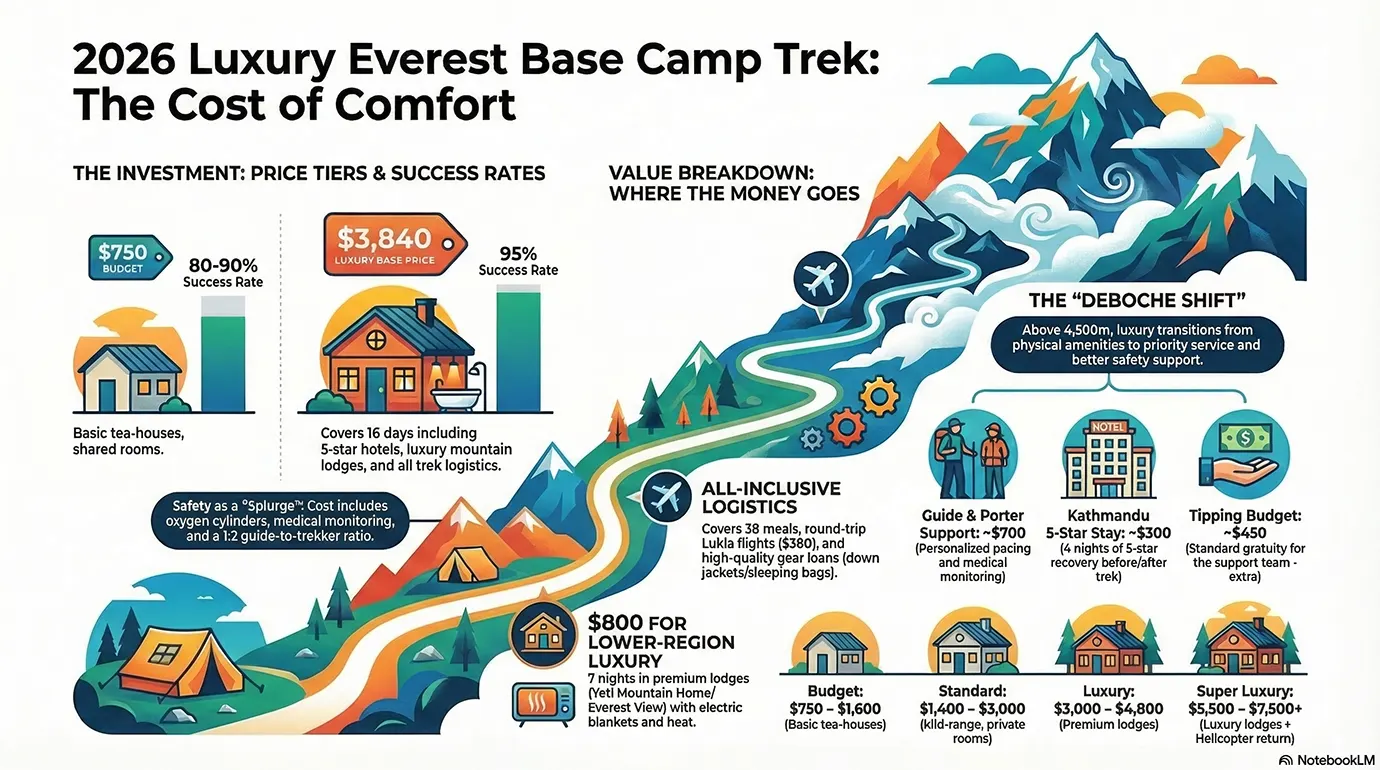
Luxury Everest Base Camp Trek Cost starts from USD 3,840 per person in 2026 for a 16-day package. The price includes a five-star hotel in Kathmandu, premium mountain lodges on the lower route, domestic flights, permits, meals on the trek, guide support, porter support, and the best available lodges above Deboche.
Quick Facts
- Price: from USD 3,840 per person
- Duration: 16 days
- Best for: comfort-focused trekkers
- Lower-route lodges: Yeti Mountain Home, Hotel Everest View, Rivendell
- Above Deboche: best available standard lodges
- Optional upgrade: helicopter return
- Extra budget needed: tips, insurance, drinks, Wi-Fi
What Luxury Means on This Trek
Luxury Everest Base Camp Trek Cost includes more than rooms and meals. It also covers comfort, support, and better logistics on the trail. On this trek, luxury means the best comfort available at each stage of the route, not a five-star hotel all the way to Base Camp.
The experience starts in Kathmandu with a five-star hotel, private transfers, better service, and time to rest before the trek begins. This section helps travelers see what they are paying for. Better rest before the trek helps many travelers start the trip in a calmer and stronger way.
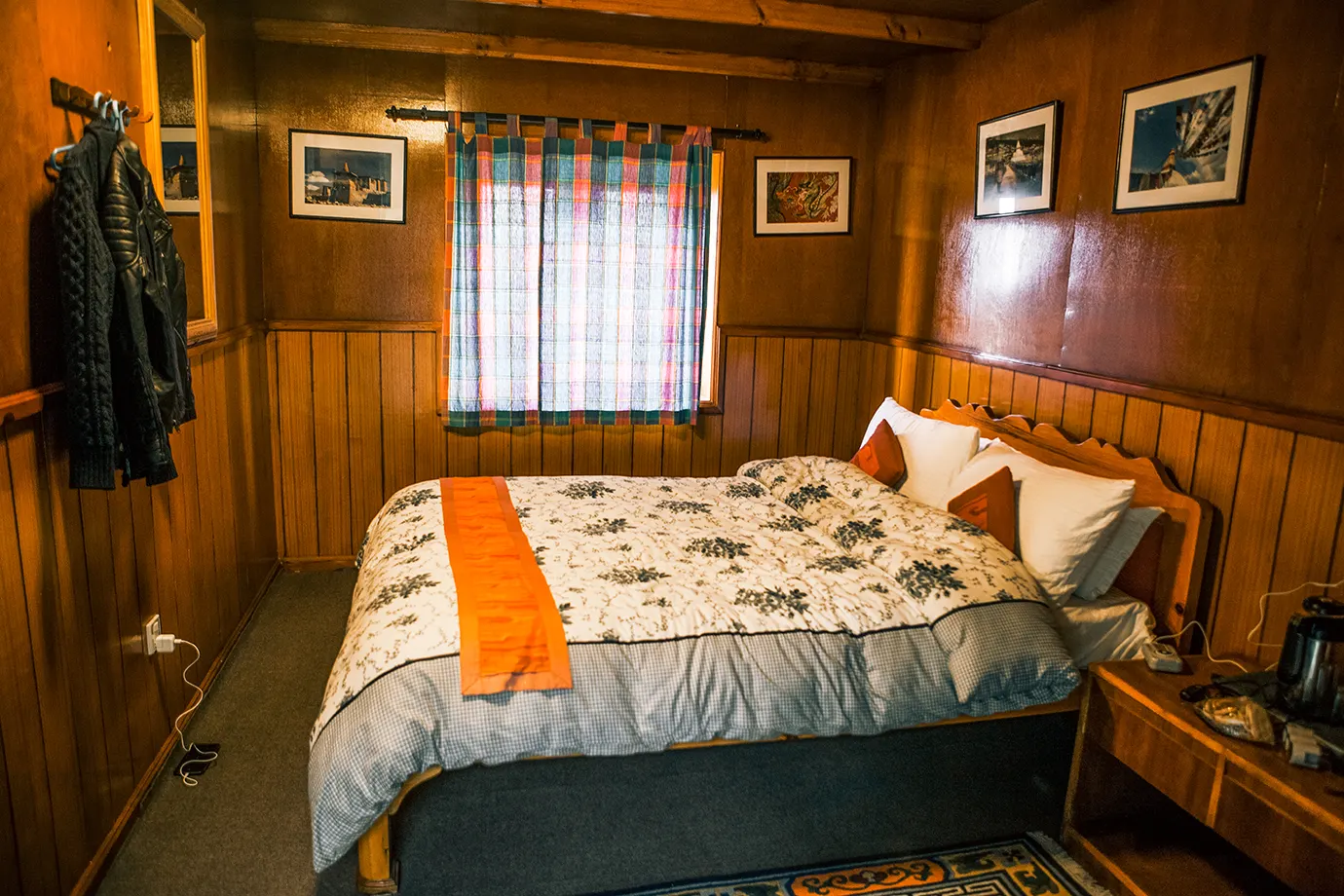
From Lukla to Deboche, luxury feels most visible. Trekkers stay in premium lodges such as Yeti Mountain Home, Hotel Everest View, and Rivendell Lodge. In this part of the route, luxury usually means better rooms, thicker bedding, attached bathrooms where available, hot showers, cleaner dining spaces, and stronger meal service. Better sleep and better food improve recovery and make the trek more enjoyable.
Above Deboche, the meaning of luxury changes. True luxury lodges are no longer available in higher villages such as Dingboche, Lobuche, and Gorak Shep. Here, trekkers stay in the best available standard lodges. Rooms become smaller, heating becomes limited, and facilities become simpler.
At higher altitude, the real luxury shifts from room style to support. Better guide care, slower pacing, warm meals, porter help, extra blankets, and stronger safety support become more valuable than polished interiors. In other words, luxury on this trek means premium comfort where possible and the best available support where the mountain becomes more demanding.
A luxury Everest Base Camp trek gives travelers better sleep, better support, and a smoother experience from Kathmandu to Base Camp. That is what sets it apart from a standard trek.
Luxury Everest Trek Cost at a Glance
| Trek Type | Approx. Cost Per Person (USD) | Accommodation and Notes |
|---|---|---|
| Budget (Independent) | $750 – $1,600 | Basic teahouse lodging and shared rooms. Usually, no guide or only limited porter support. Often self-planned or budget group travel. |
| Standard (Guided) | $1,400 – $3,000 | Mid-range teahouses, private rooms where possible, and hot showers. Usually includes one guide for 8–15 trekkers, standard porter support, flights, permits, and meals. |
| Luxury (Guided) | $3,000 – $4,800 | Premium lodges up to about 4,400 m, including Yeti Mountain Home, Hotel Everest View, and Rivendell Lodge. Better rooms, attached bathrooms where available, private transfers, and stronger guide support. |
| Super Luxury (Helicopter Return) | $5,500 – $7,500+ | Includes the luxury trek setup plus a private or shared helicopter return from Base Camp or Kala Patthar. Saves 3–4 trekking days and adds more comfort, flexibility, and safety support. |
Most luxury operators in 2026 (including Peregrine) quote rates around the mid-point of these ranges. For instance, Peregrine’s 16-day Luxury EBC Trek starts at USD 3,840 per person. Small group size (2–6) typically yields the base price, while solo travelers pay a single-room supplement. Seasonal demand also affects prices: spring and autumn are peak seasons.
What Is Included
The luxury trek package covers most major expenses. Typically, it covers:
- Private airport transfers in Kathmandu (air-conditioned cars).
- Kathmandu 5-star hotel (4 nights) with daily breakfast.
- Kathmandu sightseeing tour (professional guide, all entrance fees).
- Domestic round-trip flights Kathmandu–Lukla (and road transfer to Ramechhap when needed). Option to upgrade to helicopter descent (details below).
- Luxury mountain lodges (7 nights) – e.g., Yeti Mountain Home lodges in Lukla, Phakding, Namche (attached baths, better room comfort, and warmer bedding); Hotel Everest View at Syangboche; and Rivendell Lodge at Deboche.
- Best available mountain lodges (5 nights) in Dingboche, Lobuche, Gorak Shep: private rooms or heated shared dining rooms (attached toilets where possible).
- All meals on trek (15× breakfast, 11× lunch, 11× dinner). Meals include Nepali, Sherpa, and international dishes; tea/coffee and welcome/farewell dinners are included.
- Licensed English-speaking guide (first-aid and altitude-trained) and porters (shared 2:1 trekker: porter). Porter luggage limit ~25 kg (clients’ pack ~12 kg). All staff wages, insurance, permits, and supplies are covered.
- Trekking permits (Sagarmatha National Park, Khumbu Pasang Lhamu municipality). The operator arranges everything.
- Expedition gear loan: high-quality down jacket and −20 °C sleeping bag (returned at the end). Peregrine also provides a duffel bag and trekking map.
- Safety & medical support: guides carry first-aid kits, altitude medications, an oxygen cylinder, and have phones to coordinate rescues.
- Amenities: Complimentary seasonal fruits/snacks; free Wi-Fi at luxury lodges up to Deboche and “bonus” charging in Kathmandu. Laundry and storage in Kathmandu.
- Culture & celebration: e.g, a welcome Nepalese dance dinner (Day 1–2) and a farewell Nepali feast (last night). Small celebratory cake or party after trek in Lukla.
- Taxes and service charge: All government taxes and service fees are included.
The Peregrine itinerary (USD 3,840) explicitly “includes airport transfers, hotels, flights, permits, meals, accommodation, guide/porter services with insurance,” and leaves “no hidden costs”.
What Is Not Included
The luxury package omits the following personal costs:
- International airfare to/from Kathmandu (book separately).
- Nepal visa fee (USD 30 for a 15+ day tourist visa).
- Travel insurance: Mandatory. Must cover high-altitude trekking (to 6,000 m), helicopter evacuation, medical, and trip cancellation. (The policy cost varies ~$100+ depending on provider and coverage.)
- Meals in Kathmandu (lunch and dinner). One welcome dinner is covered, afterward ~$15–$25 per meal.
- Personal expenses: extra snacks/drinks, shopping, laundry, phone/data charges, extra device charging beyond the included amount, specialty coffees/alcohol at lodges. Luxury lodges accept cards but expect extra spending here.
- Tips/gratuities: Expected but not forced. A typical tip budget is ~$300 for the guide and ~$150 total for porters per client. (Teams often pool tipping; leaders can advise.)
- Helicopter rescue or early exit: If you need emergency airlift (due to illness/evacuation), it can cost around $4,000–$5,000. The trek package assumes you have insurance to cover this.
- Optional extras: Any add-ons beyond the itinerary. For example, Peregrine charges ~USD 900 for a Chitwan safari or Pokhara tour post-trek. Spa treatments, extra hotel nights, and extra activities (e.g, Mountain Flight) are extra.
Cost Breakdown
| Cost Item | Approx. Cost (USD) |
|---|---|
| Kathmandu Hotel (4 Nights, 5-Star) | ~300 |
| Lukla Flights (Kathmandu–Lukla Round Trip) | ~380 |
| Everest Trekking Permits (Sagarmatha National Park + Khumbu Permit) | ~50 |
| Guide and Porter Support (2:1 Ratio, Including Wages) | ~700 |
| Luxury Lodges from Lukla to Dingboche | ~800 |
| Best Available Lodges in Lobuche and Gorak Shep | ~100 |
| Meals on the Trek | Included |
| Local Transfers (Kathmandu Airport and Ramechhap Drive) | ~100 |
| Optional Helicopter Return from Kala Patthar to Kathmandu | ~900 |
| Single Room Supplement | ~1,000 |
| Tips for Guide and Porters | ~450 |
| Travel Insurance for High-Altitude Trekking | ~100 |
| Emergency Helicopter Rescue Without Insurance | ~4,500 |
| Miscellaneous Extras (Wi-Fi, Charging, Snacks) | ~50+ |
- Kathmandu hotel: Four nights at The Everest Hotel (5*) or similar. This is roughly $70–$80 per night on average (so ~$300+ total).
- Lukla flights: ~USD 190–200 one-way. Round-trip is ~$380–400 (round-trip ticket). Note: flights can be to/from Ramechhap during bad-weather seasons.
- Permits: Sagarmatha NP ($30) + Khumbu (Pasang Lhamu) permit ($20) = ~$50 per person. (Operators handle permits.)
- Guide & Porter: Luxury packages cover experienced guides and porters. Roughly, guides might be paid ~$50–60/day and porters ~$25–30/day. For a 16-day trek at a 1:2 ratio, that total is on the order of $700–900. (Peregrine explicitly covers all staff wages and insurance.)
- Lower-region lodges (7 nights): Lodging at Yeti Mountain Home chain (Lukla, Phakding, Namche) plus Hotel Everest View and Rivendell. These premium lodges cost about $200–$260 per night (per room) on average. 7 nights ⇒ roughly $800 per person. These are substantially pricier than basic teahouses.
- High-altitude lodges (3 nights): In Lobuche (4,940 m) and Gorak Shep (5,164 m), even “luxury” treks use the best-standard teahouses. This might cost ~$30–$40/night. We’ve counted about $100 for 3 nights’ private rooms.
- Meals: All trek meals are included (by the agency), so there is no extra daily food cost except for personal snacks.
- Transfers: Private Kathmandu airport shuttles and road transport to/from Ramechhap are minimal (~$50 total).
- Helicopter return (optional): Booking a helicopter from Kala Patthar or Gorak Shep back to Kathmandu costs roughly $900–1,200 per person in 2026 (group-shared charter). Peregrine advertises it at ~$900 in a small group.
- Single-room supplement: ~$1,000 for the entire trek if traveling solo (available only in Kathmandu and select luxury lodges).
- Tips: ~$300 for the guide and ~$150 for porters (per group member) is customary.
- Insurance: Recommended travel insurance (covering 6,000 m evac) runs ~$100+ depending on coverage.
- Emergency evacuation: If needed (not included), a private rescue heli costs ~$4,000–$5,000.
- Extras: Bottled water or beer (if you purchase), Wi-Fi cards (~$5–$10/GB), device charging (~$2–$5/device), coffees, etc., can add a few dollars per day if used.



What Changes the Price
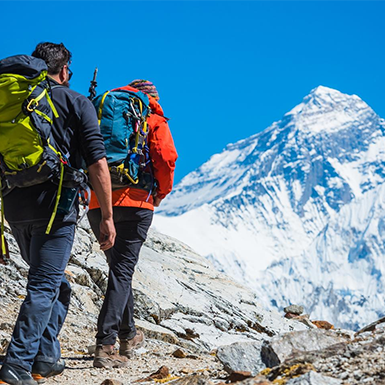
Several factors can raise or lower the Luxury Everest Base Camp Trek Cost:
- Group size: Larger groups (6–12) spread fixed costs (permits, guide, helicopter) and often get a lower per-person rate. Solo travelers pay extra (single supplements, a private guide). Peregrine’s price is based on small groups – they note up to 6 people.
- Season: Peak seasons (Spring/Autumn) see higher demand and may add 5–10%. The off-season (monsoon or winter) can be $100–$300 cheaper, but the weather is riskier.
- Room occupancy: Opting for a private room (single supplement) is ~+$1,000.
- Itinerary length/acclimatization: Longer treks or extra acclimatization days can cost more (due to additional nights at hotels or lodges). Chaining an Everest Base Camp tour with a Chitwan safari or Kathmandu hikes adds ~$900 per person.
- Helicopter options: Adding the helicopter return from Kala Patthar (~$900) or a one-way ascent to Lukla (~$500) increases the cost. Conversely, skipping the heli (longer hike) saves that fee.
- Luxury upgrades: Some agencies offer very high-end options (e.g., private cabins, exclusive dinners) which can push a package toward $5,000+.
- Currency/Inflation: Because many services are local, the USD rate and fuel costs can affect prices. (Trekking permits and guide wages are quoted in NPR or USD at current rates.)
- Custom requests: Tailoring the trip (e.g., private departures, extension tours, charter helicopters) will increase the base price.
Luxury vs Standard Trek (Key Differences)
| Feature | Standard Trek (Teahouse) | Luxury Trek |
| Accommodation | Basic twin rooms (thin walls, simple beds), no heat. | Spacious rooms with thick insulation and electric blankets. Premium lodges (Yeti MH) with quality beds. |
| Bathrooms | Shared pit toilets, cold bucket showers. | Private or semi-private western-style bathrooms with hot running water (at least up to ~4,400 m). |
| Dining | Set-menu meals (mainly dal bhat and porridge), with a limited variety as altitude increases. | À la carte gourmet meals (Nepali, Continental, etc.), buffet breakfasts, and hot drinks. Cleaner kitchens and better ingredients. |
| Guide & Porter Ratio | 1:10–15 (or none if independent). Average guide skill level and group pacing. | 1:2–4. Senior local guides, small private groups, personalized pace, and medical monitoring. |
| Pace & Itinerary | Fixed schedule to meet transport deadlines (group pace)—less acclimatization time. | Flexible pacing matched to the client. Extra acclimatization days or diversions are possible. |
| Return Options | Walk back to Lukla (3–4 days descent). | Option to end trek with a helicopter flight to Kathmandu, saving 3 days and a long descent. |
| Extras | Very few inclusions beyond essentials. Most services are paid on the spot. | Everything bundled: all meals, lodges, permits, guides. Extra amenities (electric blankets, Wi-Fi, porter insurance) included. |
In short, standard trekking maximizes “raw adventure” and low cost at the expense of comfort, while the luxury trek prioritizes comfort, safety, and service without altering the route. Note that no package can actually build luxury above ~5,000 m: even luxury groups at Lobuche and Gorak Shep must accept basic shared facilities.
Where Luxury Lodges Are Available
Luxury lodges are concentrated in the lower to mid-Everest region (below ~4,400 m). Key spots include:
- Lukla (2,860 m): Yeti Mountain Home – top lodge with electric blankets and en-suite baths.
- Phakding/Monjo (2,610–2,860 m): Yeti Mountain Home at Phakding – similar quality.
- Namche Bazaar (3,440 m): Yeti Mountain Home – the largest premium lodge with excellent comfort. (Buddies also often visit Sherpa cultural sites.)
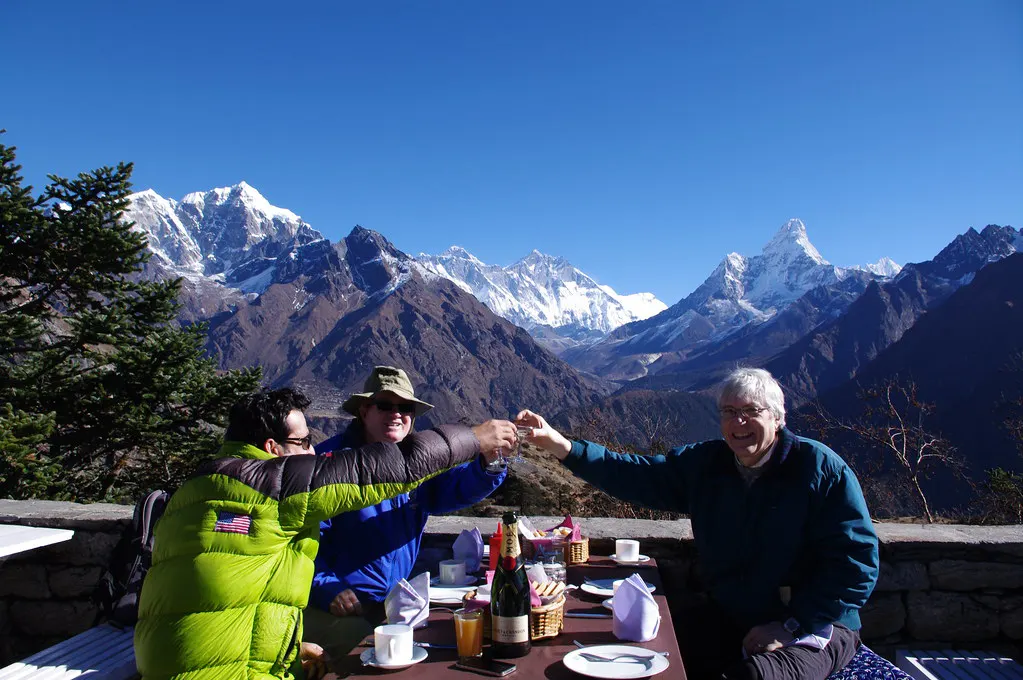
- Syangboche (3,880 m): Hotel Everest View – the famous “world’s highest hotel”. Rooms have an oxygen cylinder and solar-heated showers—stunning 360° mountain panorama.
- Deboche (3,820 m): Rivendell Lodge – family-run lodge with deluxe rooms (Maha Sukha) that offer an attached bath. Closely located to Tengboche Monastery (3,867 m).
- Dingboche (4,410 m): Hotel Good Luck or Dingboche Resort – the best available lodges here, with attached bathrooms (rare at this altitude). Electric blankets.
- Above 4,500 m: There are no luxury lodges. The trek continues through Lobuche and Gorak Shep, staying in the region’s best available teahouses (typically single-sex shared rooms, limited heating, and shared squat toilets). The luxury package guarantees the highest-quality teahouse rooms and extra heating (electric blankets and a warm dining area) at these altitudes. However, in Lobuche, there are no hotels or lodges with an electric blanket.
Hence, “luxury” facilities (heating, private bathrooms, quality bedding) stop at Dingboche. Above 4,000 m, comfort shifts to greater support (oxygen, guiding attention) rather than amenities.
What Comfort to Expect Above 4,000 m
Above about 4,000 m (Dingboche and higher), even a luxury trek encounters the limits of high-altitude living. There are no heated private rooms or running water at Lobuche (4,940 m) or Gorak Shep (5,164 m) – conditions are utilitarian. As one guide explains, “at Lobuche and Gorakshep there are no luxury lodges due to altitude; luxury trekkers get the best available standard teahouses”. In practice, this means:
- Cold nights: Temperatures can drop well below −10 °C. Luxury lodges provide heavy down sleeping bags and electric blankets to mitigate this. Expect sleeping bags and at least one blanket (provided by your guide or lodge).
- Shared facilities: Bathrooms are communal (often squat toilets) and in short supply; hot water (if available) is via pay toilets or limited taps. Luxury packages offer priority access but remain minimal.
- Dining areas: Heaters (coal stoves or electric) in dining rooms are the main source of warmth. Luxury groups often get the dining area to themselves.
- Thin air & tired legs: The true luxury is “extra margin of safety”: your guide will often carry spare oxygen and monitor your health closely. You control the pace to avoid AMS, unlike large standard groups.
Above 4,000 m, therefore, “luxury” means priority service, not opulence. You invest in guaranteed private beds and better sleeping gear, while understanding that the environment is harsh. Proper acclimatization (the included extra rest days) and high-quality food are critical comforts.
Is It Worth the Cost?
A luxury Everest trek is essentially an investment in safety and comfort rather than a mere splurge. Does it pay off?
- Comfort & Health: Luxury services dramatically reduce fatigue. Heated beds and high-calorie meals enable better sleep and acclimatization. Smaller groups and a personal guide allow a gentle pace. Trekkers report fewer headaches and a >95% success rate of reaching Base Camp with luxury support, vs ~80–90% on budget treks.
- Safety: Everything is proactive: pulse/oxygen checks, portable oxygen, daily “bonus” water/tea. The risk of AMS is minimized by resting in warm rooms and not overexerting. Evac plans (helicopter readiness) are prioritized.
- Ethical impact: Luxury operators pay decent wages and insure porters. (Carrying your 15 kg means porters carry only ~30 kg total, instead of the 40+ kg common on budget trips.) You contribute to the local economy more per capita.
- Time efficiency: The helicopter option can save 3–4 days of hard trekking. For travelers on limited schedules, this can be invaluable.
- Experience: High-quality meals and hot showers (most of the trek) keep morale up. Arriving relaxed (after 5-star Kathmandu prep) means you remember the mountains rather than suffering through them.
Luxury Everest Base Camp Trek Cost still offers strong value after Deboche because logistics become more difficult, supplies cost more, and guide support matters even more at high altitude. Room comfort becomes simpler, but warm meals, careful pacing, extra blankets, and the best available lodge setup continue to support trekkers all the way to Everest Base Camp.
Who Should Choose a Luxury Everest Base Camp Trek?
A Luxury Everest Base Camp Trek Cost makes the most sense for travelers who want more comfort, better support, and less stress on the trail. It suits people who care not only about reaching Everest Base Camp, but also about how they sleep, recover, and feel each day.
Couples often choose this trek because they want a shared mountain experience without giving up comfort. Older trekkers also benefit from better lodges, slower pacing, and stronger support from guides. First-time Everest trekkers often prefer luxury because it gives them more confidence, better rest, and a smoother daily routine.
Private travelers, comfort-focused trekkers, and photographers also fit this style well. The Luxury Everest Base Camp Trek Cost offers value for travelers who want better meals, stronger logistics, lighter daily burden, and a more enjoyable Everest experience from start to finish.
What Extra Costs Should You Still Budget For?
The Luxury Everest Base Camp Trek Cost covers most major trek services, but a few personal expenses are not included. A clear budget plan helps travelers avoid surprises and understand the full cost before booking.
Common extra costs include:
The Luxury Everest Base Camp Trek Cost gives strong value, but travelers should still keep a separate budget for these extras. A realistic budget makes the trip smoother and helps buyers plan with more confidence.
Typical 16-Day Luxury EBC Itinerary
Day 1: Arrive in Kathmandu
Arrive in Kathmandu and transfer to your hotel. Spend the rest of the day resting, adjusting to the new environment, and recovering from your flight. You can also buy any last-minute trekking gear if needed.
Day 2: Kathmandu Sightseeing and Trek Preparation
Enjoy a guided sightseeing tour of Kathmandu Valley, including major cultural and spiritual landmarks such as Kathmandu Durbar Square, Pashupatinath, Swayambhunath, and Boudhanath. Later, attend a trek briefing and make final preparations for the Everest Base Camp trek.
Day 3: Fly to Lukla and Trek to Phakding
Take an early flight to Lukla, then begin trekking through Chaurikharka and small Sherpa villages to Phakding. The trail follows the Dudh Koshi valley and offers your first taste of the Everest region. Overnight at a luxury lodge in Phakding.
Day 4: Trek to Namche Bazaar
Trek along the Dudh Koshi River, cross several suspension bridges, and enter Sagarmatha National Park. After lunch at Jorsalle, continue on the steep climb to Namche Bazaar, the main trading hub of the Khumbu region. If the weather is clear, you may catch your first view of Everest on the way up.
Day 5: Acclimatization Hike to Everest View Hotel
Spend the day acclimatizing around Namche. Hike up to the Everest View Hotel for panoramic views of Everest, Lhotse, Ama Dablam, and surrounding peaks. You may also visit Khumjung village and its monastery before returning.
Day 6: Trek to Deboche
Leave Namche and follow a scenic trail through pine and rhododendron forest toward Tengboche. Visit the famous Tengboche Monastery, then descend slightly to Deboche for the night. The day offers excellent views of Ama Dablam, Everest, and Lhotse.
Day 7: Trek to Dingboche
Continue through Pangboche and along the Imja Valley to Dingboche. On the way, pass old Sherpa settlements, mountain fields, and beautiful views of Ama Dablam. Overnight in Dingboche, one of the key acclimatization stops on the route.
Day 8: Acclimatization in Dingboche
Take another acclimatization day in Dingboche. You can hike to a nearby viewpoint, such as Nangkartshang, for wider views of Lhotse, Makalu, Cholatse, and Island Peak, then return to the lodge to rest and prepare for the higher trail ahead.
Day 9: Trek to Lobuche
Trek gradually upward toward Lobuche, passing through alpine terrain and the memorial area at Thukla Pass. The route becomes more open and rugged as you approach the higher part of the Khumbu region. Overnight at the best available lodge in Lobuche.
Day 10: Trek to Gorak Shep and Everest Base Camp
Walk from Lobuche to Gorak Shep, leave your main bag, and continue to Everest Base Camp. Take time to enjoy the achievement and the dramatic glacier scenery before returning to Gorak Shep for the night. This is one of the major highlights of the trek.
Day 11: Hike to Kala Patthar and Trek to Pheriche
Start early for the hike to Kala Patthar, the best viewpoint for close views of Everest and the surrounding peaks. After sunrise, descend to Gorak Shep, have breakfast, and continue down to Pheriche for the night.
Day 12: Trek Down to Namche Bazaar
Retrace the route through Pangboche, Tengboche, and Phunki Tenga as you descend back to Namche Bazaar. The lower altitude and better oxygen level make the day feel easier, and the return to Namche offers a good chance to celebrate the Everest Base Camp achievement.
Day 13: Trek Down to Lukla
Continue descending through the Khumbu villages, crossing suspension bridges and passing familiar trails on the way back to Lukla. Spend the final night on the mountain in Lukla and enjoy a small celebration with the trekking team.
Day 14: Fly Back to Kathmandu
Take an early morning flight from Lukla back to Kathmandu. After arriving, transfer to your hotel and enjoy free time for rest, shopping, or short city activities. A farewell dinner is often arranged in the evening.
Day 15: Rest Day in Kathmandu
Keep this day free for shopping, relaxing, or optional sightseeing in places such as Patan or Bhaktapur. It also works well as a buffer day in case of flight delays from Lukla.
Day 16: Departure
Transfer to Tribhuvan International Airport for your onward flight. The trip ends after breakfast and airport drop-off.
FAQ
What is the total price for 16 days?
For 2026, Peregrine’s Luxury EBC package is USD 3,840 per person (twin-share). This is the base rate for groups; the exact price may vary slightly by month or group size. The package covers major expenses, so you only pay extras for things like single rooms or an upgrade to a helicopter return.
What does Luxury actually mean on this trek?
It means upgraded amenities on the trail, not a 5-star hotel at Base Camp. You’ll stay in the best available lodges in each village (private rooms, hot showers, private baths where possible) up to Dingboche. Above 4,500 m (Lobuche/Gorak Shep), it means the best available teahouse, plus private guiding and medical support. The goal is comfort and safety, not glamour.
Are all meals included?
Yes – breakfast, lunch, and dinner each day on the trek are included in the price. Meals include local and Western dishes. On the first day, you get a welcome dinner (cultural show) and on the last day, a Nepali farewell dinner. Andu lunches/dinners in Kathmandu and outside the itinerary are extra.
Do I need special gear?
You should bring high-altitude trekking gear, but Peregrine provides a warm down jacket and -20 °C sleeping bag for use on the trek. You still need boots, warm layers, etc. They also give you a duffel bag and a map.
Can I get a single room?
Single rooms in Kathmandu and luxury lodges can be arranged, but cost an additional ~USD 1,000 total. In many mountain lodges, only twin-share rooms are available. If you require single occupancy each night, factor in that supplement.
How safe is it?
Very safe compared to budget treks. The guide constantly monitors your health, and a portable oxygen cylinder is carried. Helicopter evacuation can be summoned if needed (at your insurance’s cost). Luxury treks also tend to have higher success rates thanks to gentler pacing and better nutrition.
Is the helicopter return included?
No – it’s optional. Peregrine offers a helicopter from Kala Patthar to Kathmandu for about $900 per person (shared). If you take it, you skip the 3-day walk back to Lukla. Without it, you walk out to Lukla as normal.
Can I customize the trip?
Yes – Peregrine (and similar agencies) will adjust itineraries. You could add a Pokhara or Chitwan extension (roughly +$900), extra rest days, or other treks. Note that changes may change costs.
Why is it so expensive?
The high cost reflects true expenses: premium lodging (Himalayan lodges pay for power and hot water at 4,000 m), experienced guide wages, helicopter logistics, and high-altitude food and gear. Think of it as paying for safety (heat, oxygen, medical kit), priority access (lodging & flights), and ethical support (porter insurance).