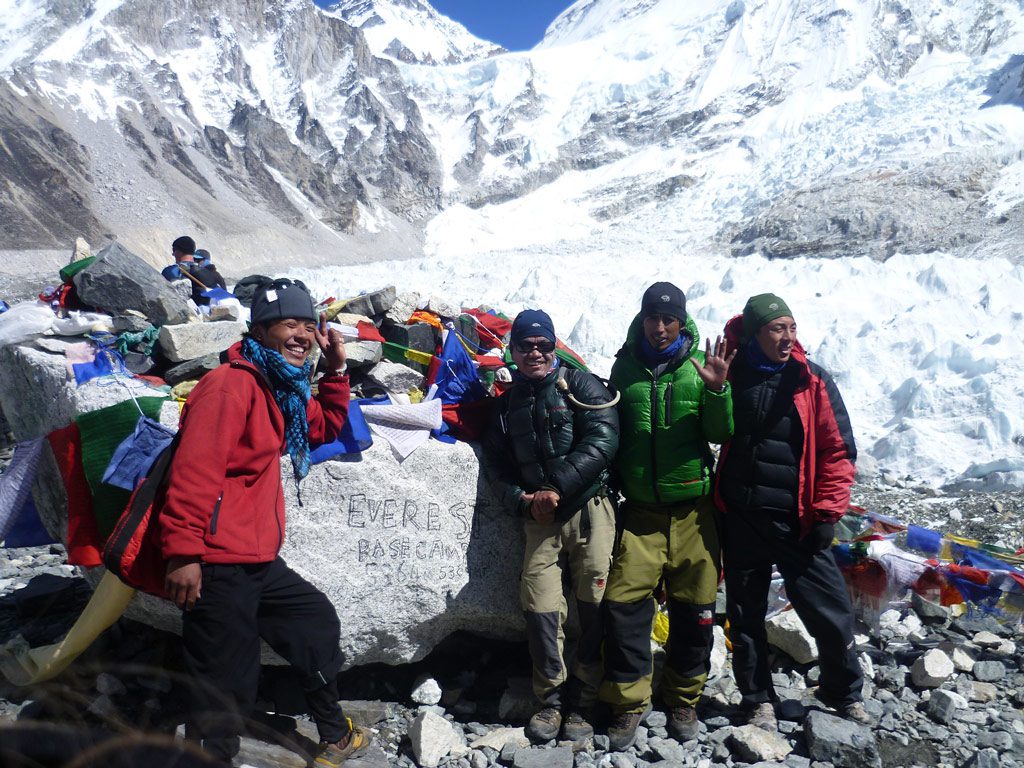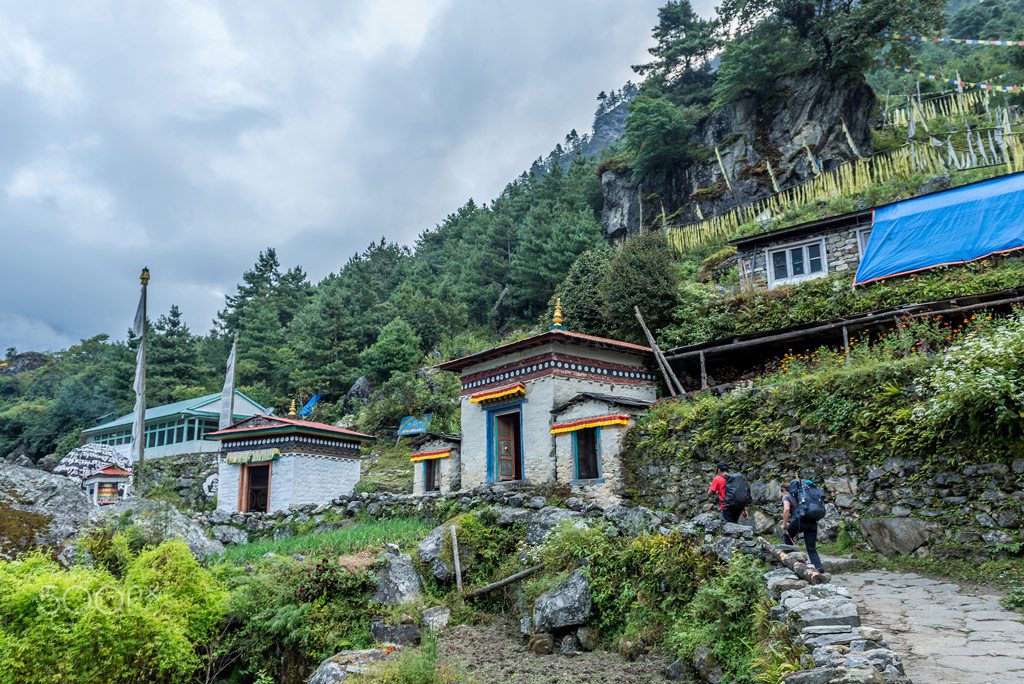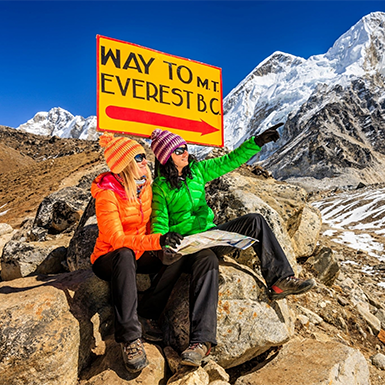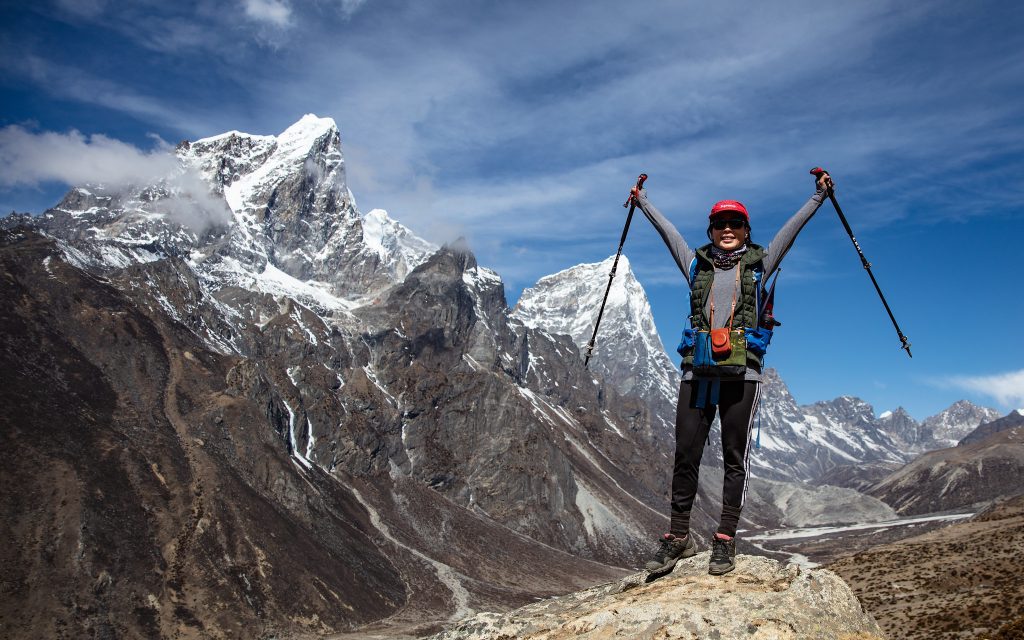
Everest Base Camp Trek fitness level does not need to be extreme for a luxury trek. You do not need to be an athlete or a fast hiker. You need steady stamina, basic leg strength, and enough endurance for multi-day walking at high altitude. Most days involve about 5 to 6 hours of hiking, and many days cover around 12 to 14 km. The route is moderate, not technical, but it still demands regular effort.
A practical fitness benchmark helps more than vague advice. You should feel comfortable walking 8 to 12 km in a day, climbing stairs for 30 to 45 minutes, and hiking 5 to 6 hours without feeling fully drained. If you can manage those levels, you already have a good base for this trek. A steady pace and regular training matter more than high-speed performance.
On a Luxury Everest Base Camp Trek, the trail, distance, and altitude stay the same. You still walk the same route as other trekkers and climb to Everest Base Camp at about 5,364 meters. Luxury changes the recovery part of the trek. Warm beds, better meals, clean rooms, and hot showers in available places help your body rest better after each day. That extra comfort reduces cold stress and muscle fatigue, so you wake up more refreshed.
Altitude still remains a serious factor. Good fitness helps, but it does not protect you from altitude sickness. Even strong trekkers need to walk slowly, drink enough water, and follow acclimatization days. Smart pacing, proper rest, and steady preparation matter more than trying to be super fit.
A luxury Everest trek lets you enjoy the hike with more ease. It does not remove the need to prepare. Follow a sensible training plan. Walk at your own pace. That way, you can finish the trek feeling comfortable and confident.

Everest Base Camp Trek Fitness Level: What It Really Means
A basic fitness level for EBC means you can handle long days on a mountain trail. Key parts of fitness include:
- Cardio endurance: You can walk uphill or climb stairs for hours without stopping. This trains your heart and lungs to use oxygen better.
- Leg strength: Your legs can climb steep trails. You can go down rough paths without pain or losing balance.
- Stamina: You can hike five to six hours a day for several days in a row. Your body keeps going day after day.
- Recovery: After each day of trekking, your body rests and recovers overnight. You should wake up feeling ready to hike again.
- Mental patience: The hike is long and tiring. Staying calm and positive is as important as physical strength.
Do You Need to Be Super Fit for a Luxury Everest Trek?
No, you do not need to be in elite shape for a luxury trek. This trip is graded moderate to strenuous, so it is fine for fit beginners who train and acclimatize properly. Most people who succeed have a basic level of fitness. They are comfortable walking for a few hours daily and have built their stamina before the trek.
That said, you still need to be reasonably fit. If you can hike on hilly trails for several hours and feel okay, you are on the right track—people who do well have active lifestyles or have prepared by hiking and doing cardio workouts.
On the other hand, some people may struggle. Those with no exercise habit or serious health issues should prepare more carefully. A major knee injury or very low fitness can make the trek much harder, even with luxury support.
The key message: be “fit enough”, not “extremely fit”. Focus on endurance and pacing. With proper preparation, even an average-fitter person can reach Base Camp feeling comfortable.
Luxury Everest Trek vs Standard Trek
- Same Trail, Same Altitude: A luxury trek follows the same route, distance, and altitude as the standard Everest Base Camp trek. You still climb about 2,700 meters up to Kala Patthar (5,644 m). The effort and hiking hours are unchanged. Luxury only changes your comfort.
- Upgraded Accommodation: Luxury lodges offer heated rooms, cozy beds, and private bathrooms with hot showers (up to mid-altitude). Some even provide electric blankets. By contrast, standard teahouses often share rooms and lack hot water. Sleeping warm in a clean, private room each night boosts your recovery.
- Enhanced Meals: On a luxury trek, meals are gourmet and varied. You get hearty breakfasts, warm dinners, and snacks to keep you fueled. Even at high camps, you may find hot soup or eggs. A standard trek may not offer these. Better food helps your muscles recover.
- Less Physical Stress: In a luxury trek, you use less energy to stay warm. Warm rooms, thick bedding, and hot drinks let your body rest instead of burning calories to stay warm. Clean dining areas and good hygiene also help you stay healthy. All these comforts add up to less fatigue, so you feel stronger the next morning.
Book this Luxury Trek Package with Peregrine

How hard is walking on a Luxury Everest Trek?
- Daily Hours: Expect about 5–6 hours of walking each day. Some days are shorter (3–4 hours) and some are longer (7–9 hours).
- Trail Type: The paths are mostly dirt and stone. You will walk on rocky trails and carved stone steps, especially near villages. These steps can be steep and uneven.
- Uphill and Downhill: You climb steep hills (like entering Namche Bazaar) and also descend rough paths. Going down can stress your knees.
- Suspension Bridges: The trek crosses many suspension bridges over deep gorges. They require balance to cross, but most people find them fun.
- High Camp Days: The final leg near Lobuche and Gorak Shep involves a long day at altitude. This is one of the hardest days because the air is very thin and you trek for many hours.
- Slow Pace Matters: Walk at a slow, steady pace with regular breaks. Rushing uphill will tire you out. Taking your time helps you handle the altitude and finish each day safely.

Fitness and Altitude Are Not the Same
Being very fit does not protect you from altitude sickness. Even strong, athletic people can get headaches or nausea at high altitude. Likewise, someone with average fitness can do well if they pace themselves and acclimatize properly.
Important factors are hydration, sleep, and rest, not just muscles. Drink plenty of water, eat well, and walk slowly. The luxury trek gives you better meals and warm rooms, which help your body recover and sleep. But it does not change the altitude or how your body reacts to thin air. Even on a luxury trek, you must still follow safe altitude rules (take rest days, climb slowly).
What Makes a Luxury Everest Trek Easier on the Body?
- Better Sleep Quality: Heated rooms and warm beds help your muscles recover overnight. Some lodges even offer electric blankets or heating. You wake up feeling rested rather than stiff.
- Hot Showers: You can take a hot shower at many stops (usually up to about 4,000 m). A warm shower relaxes muscles and joints after a long day of hiking.
- Nutritious, Hearty Meals: Luxury treks include a variety of high-calorie meals. You get fresh, filling food and hot drinks, which replace energy lost during hiking. Good nutrition boosts your recovery and keeps you strong.
- Porter Support: Porters carry heavy gear (up to 15 kg each). You only need a small daypack. A lighter load means less strain on your back and legs.
- Less Cold Stress: With warm sleeping gear and clothing, your body uses less energy to stay warm. On a standard trek, cold nights can drain energy. Luxury lets your body save energy for hiking.
- Clean and Hygienic: The lodges are cleaner than basic teahouses. Clean facilities and good hygiene reduce your chance of illness. Fewer health issues mean fewer setbacks on the trail.
Who Can Do a Luxury Everest Trek?
- Moderately Fit Beginners: Many people on this trek are hiking at high altitude for the first time. If you have a basic fitness routine and train for a few months, you can do it.
- Couples and Friends: This trek is popular with couples and friends who want a comfortable experience together. You can help each other stay motivated and enjoy the trip.
- Older Travelers: Age is not a barrier if you are healthy and have prepared. Many people in their 50s and 60s complete this trek. The added comfort (warm rooms, porter service) makes it more accessible for mature trekkers.
- Busy Professionals: Even if you have limited time to train, luxury support can help. The comforts and logistics allow you to focus on the trek itself without extra daily stress.
- Active Trekkers: If you are generally active (hiking, jogging, gym workouts), proper training can get you to Base Camp. Luxury support then helps you recover better each night.
Who Should Prepare More Carefully?
- Inactive Lifestyle: If you do not exercise or walk regularly, start training well before the trek. Walking 5–6 hours per day is hard if you have no walking habit.
- Joint Pain or Injuries: Knee or hip pain can be a serious problem on this trek. The rocky, uneven paths stress these joints. If you have any chronic injuries, get a checkup specifically for them.
- Breathing or Heart Issues: Asthma, COPD, or heart conditions need special care. The thin air at altitude can strain your lungs and heart. Consult a doctor to see if you need medication or a slower pace.
- Overweight: Carrying excess weight makes climbing harder and slows recovery. If you are obese, work on fitness and weight loss first.
- Age with Health Issues: If you are older with health concerns (heart, diabetes, etc.), you must be cautious. Even with luxury support, altitude and long days can be tough. A medical checkup must be.
- Medical Restrictions: Some people take medications like Diamox to prevent altitude sickness. Talk to your doctor if you need these, and plan your trek accordingly.

Minimum Fitness Benchmark Before Booking
Before you book, be sure you meet these benchmarks:
- Long Walk Comfort: You should be able to walk 8–12 km (5–7 miles) on trails or hills comfortably without stopping often.
- Stair and Hill Climbing: You should be able to climb stairs or hills for 1–2 hours without major strain. If you can do several flights of stairs without stopping, you are on the right track.
- Consecutive Active Days: You should stay active for two or more days in a row. For example, hike one day and then do another long walk the next day, with only light rest in between.
- Pack Training: Carry a small daypack (5–10 kg) on training hikes. Practice walking with it on your back to get used to the weight.
- Healthy Recovery: After a long hike or strenuous workout, you should recover by the next morning. If you are still very sore or tired the next day, work on your fitness more before the trek.
Best Training Plan for Everest Base Camp Trek Fitness Level
Begin training at least 8–12 weeks before the trek. A gradual plan helps your body adapt.
- Week 1–4 (Base Building): Start by walking 30–60 minutes on flat terrain 3–4 times a week. Add simple strength exercises (squats, lunges, planks) 2–3 times a week.
- Week 5–8 (Endurance Focus): Increase your walks to 60–90 minutes and include hills or stairs. Do one longer hike (2–4 hours) each week. Continue leg and core exercises.
- Week 9–12 (Peak Training): Aim for one 4–6 hour hike or long walk (with a light backpack) per week. Maintain regular cardio and strength workouts. If possible, train on uneven terrain or do back-to-back long hikes on weekends.
- Rest and Recovery: Include rest days each week. Your body needs time to recover so you do not burn out. Stretch and foam-roll to prevent injury.
- Altitude Preparation: If you can, practice breathing exercises or train at elevation (if available). This helps your body adjust to lower oxygen before the trek.
Best Exercises
- Incline Walking or Hiking: Train on hills or use an incline treadmill to simulate mountain terrain. This builds endurance and leg strength.
- Stair Climbing: Use stairs or a step machine, and carry a weighted backpack. This directly mimics the stone steps on the trail and builds strength.
- Lunges and Squats: These exercises strengthen your thighs and hips, which are crucial for uphill hiking. Aim for 2-3 sets of 12-15 reps of each.
- Step-Ups: Step onto a sturdy box or stair repeatedly. This builds single-leg strength and balance. Increase the height or add weight as you get stronger.
- Core Work (Planks): Exercises like planks and side planks stabilize your body and improve balance on uneven paths. A strong core also supports a heavy backpack.
- Light Cardio: Jogging, cycling, or swimming 2-3 times a week improves overall endurance and heart health. These low-impact workouts boost stamina without overworking your legs.
Why Recovery Matters So Much on a Luxury Trek
- Sleep Quality: At altitude, good sleep is hard to come by. Heated rooms and warm bedding help your body rest. When you sleep better, your muscles rebuild, and you wake up stronger.
- Warmth and Muscle Recovery: Staying warm prevents your body from using extra energy. Hot showers and blankets relax muscles. After a hard day, being warm at night means your muscles recover faster.
- Nutrition and Hydration: Luxury meals provide more calories and protein to help repair muscle. Hot soups and hydrating drinks replace fluids lost on the trail. Better nutrition means better recovery and energy for the next day.
- Consistency: On a luxury trek, you use less energy on discomfort. This means you start each day with more strength. Consistent rest and recovery let you maintain a steady pace throughout the trek.

Daily Pace Matters More Than Speed
- Slow and Steady: Walk at a steady, comfortable pace. Do not rush uphill. A fast pace uses up oxygen quickly and makes you tired faster.
- Frequent Rest: Take short breaks often. Drink water, eat snacks, and stretch. Even a quick pause lets your heart rate come down and muscles relax.
- Breathing Rhythm: Breathe slowly and deeply, especially on climbs. Controlled breathing helps get oxygen into your blood. Try to match your breathing to your steps.
- Follow Your Guide: Your guide knows the best pace for safety and acclimatization. Stick with the guide’s pace, even if it seems slow. They will adjust based on how the group feels.
- Acclimatization Days: The itinerary includes rest or acclimatization days (like in Namche Bazaar and Dingboche). Use these days to explore and rest, not to rush.
How Much Should Your Backpack Weigh?
On a luxury trek, you have porter support, but you still need a daypack. Keep it as light as possible:
- Daypack Weight: Aim for 8–10 kg (18–22 lbs). This should include water, snacks, extra layers, a camera, and essentials.
- Porter Support: Give heavy items to porters. They can carry up to 15 kg of gear, so you only carry daily items.
- Pack Essentials: In your daypack, pack water (2–3 L), snacks, layers, a rain jacket, sunscreen, sunglasses, and a camera. Also include any personal medications you need.
- Less Weight, More Strength: A lighter pack means you can hike more easily and feel less tired. Heavy loads will sap energy and make the hike harder.
Common Mistakes Before the Trek
- Training Too Late: Waiting until the last few weeks to train can leave you underprepared. Start your preparation months in advance.
- Overpacking: Bringing a heavy backpack tires you out. Pack only what you need and rely on porter support for the rest.
- Gym Only, No Hiking: Going to the gym is great, but nothing beats real hiking. Skipping actual trail practice can catch you off guard.
- Ignoring Altitude: Do not forget about altitude sickness. People sometimes train hard but neglect acclimatization, which is a mistake.
- Walking Too Fast: A common mistake is hiking too fast early on. This can cause exhaustion. Keep a steady pace from the start.
- Skipping Hydration: Not drinking enough water is risky. Always drink fluids regularly, even before you feel thirsty.
- Poor Sleep Routine: Not getting good sleep before or during the trek makes acclimatization harder. Prioritize rest.
Mental Fitness Matters Too
- Patience and Consistency: You will hike day after day in similar conditions. Staying calm and maintaining steady effort each day is key. Training your mind to handle long days is as important as training your body.
- Positive Mindset: A positive attitude helps you push through tiredness or frustration. Focus on the scenery and on reaching Base Camp. Celebrate small milestones, like reaching the next camp.
- Handling Discomfort: Even with luxury, you will face some discomfort (thin air, early mornings, simple facilities). Expect this and remind yourself it is part of the adventure.
- Goals and Motivation: Set small goals, like reaching the next village or viewpoint. This breaks the trek into parts. Remind yourself why you chose this trek and what you will gain from it.
- Adaptability: Be ready to adjust plans if needed. Taking an extra rest day or waiting for better weather can keep you safe and help you finish the trek.
Can Older Travelers Do a Luxury Everest Trek?
- Age is Just a Number: Many travelers in their 50s, 60s, and older have completed this trek. Age alone does not stop you from reaching Base Camp.
- Health Check: Anyone over 50 (or with health concerns) should get a medical checkup. Be sure your heart, lungs, and joints are fit for high-altitude hiking.
- Luxury Benefits for Seniors: The added comfort is especially helpful for older adults. Warm lodging and porter service can make the trek feel more manageable for mature travelers.
- Plan for Extra Rest: Older trekkers should make the most of acclimatization days. Go slowly and listen to your body. Using a helicopter return can also reduce strain on the knees during descent.
- Success Stories: Many seniors complete this trek each year. With the right prep and health clearance, you can join them in summiting Everest Base Camp.
Signs You Are Ready for a Luxury Everest Trek
- You can regularly hike or walk 5–8 hours over hilly terrain.
- You can climb many flights of stairs (or hike uphill) without becoming extremely breathless.
- You can carry a light daypack for several hours.
- You have trained consistently for several weeks or months before the trek.
- You recover well overnight after a long hike (muscle soreness is mild and goes away).
- You have no serious health issues (heart, lung, or joint) that would limit you.
- You have tested your gear and sleeping bag in cold conditions and are comfortable with them.
Signs You Need More Preparation First
- You get very tired after a short walk or climbing stairs.
- You have no regular exercise or hiking habit.
- You cannot carry a light pack for an hour.
- You often get short of breath on small efforts.
- You feel sore or wiped out for days after light exercise.
- You have uncontrolled health issues (heart, breathing, or joint problems).
- You do not sleep well in cold or noisy places.
How Guides and Itinerary Design Reduce Difficulty
- Acclimatization Days: The itinerary includes rest days at places like Namche Bazaar and Dingboche. These extra days let your body adjust to the altitude before going higher.
- Slow Ascent: Guides keep the daily altitude gain gentle, usually below 500 m. They set a steady pace that allows time to rest and hydrate, thereby reducing the risk of altitude sickness.
- Experienced Guides: Local guides know the terrain and watch your health. They carry oxygen, have first aid kits, and recognize altitude symptoms early.
- Porters and Crew: Each porter carries up to 15 kg, and an extra porter often comes with a private group. This means you only carry a small pack of personal items.
- Flexible Itinerary: On private luxury trips, the guide can adjust the schedule. If someone needs an extra rest day, the group can easily accommodate it. Helicopter return is also an option to avoid a long descent.
Can Beginners Do a Luxury Everest Trek?
Yes, many beginners can do a luxury Everest trek. With training and realistic planning, you can reach Base Camp on your first trek.
- Training and Prep: Follow a training plan before the trek. Good preparation (cardio and hikes) is key. If you train and follow the guide’s advice, you can manage the trek.
- Expect Altitude: Luxury comfort helps you rest, but it does not make the mountains shorter. Even beginners must acclimatize properly and listen to their bodies.
- Guided Support: A luxury trek usually means a private guide who tailors the pace to your needs. This support is great for beginners. The guide will ensure you do not push too hard.
- Positive Attitude: Confidence and determination help beginners overcome challenges. Many people do EBC as their first trek because they trust the planning and support.
Should You Choose a Helicopter Return?
- Less Physical Strain: A helicopter return skips the 3-day walk down from Base Camp. This saves your legs and knees from the long descent.
- Time-Saving: A helicopter can reach Lukla in about 20 minutes instead of 3 days of walking. This is helpful if you have limited time or want to avoid the long descent.
- Good for Older or Injured: Older travelers or those with knee issues often prefer a helicopter exit. It makes the trek more accessible for them.
- Weather Dependency: Helicopters are subject to weather conditions. Bad weather can delay the flight. If you need a guaranteed exit day, plan accordingly.
- Extra Cost: The helicopter is more expensive than walking. Consider your budget. It’s a useful luxury option for comfort and safety.
Final Answer
You do not need to be an elite athlete, but you need a solid base fitness level and proper preparation. A luxury Everest trek still involves the same hiking distance and altitude. The comforts of warm lodges, hot showers, and hearty meals make recovery much easier each day. With training, patience, and a steady pace, even an average-fit person can reach Base Camp. In the end, a luxury trek makes the challenge more comfortable and achievable, but it does not remove the hard work. Stay fit enough to handle the daily hiking. Then you can complete the luxury Everest Base Camp trek with confidence.
FAQs
What is the required fitness level for the Everest Base Camp trek?
You need a moderate level of fitness. You should be able to walk for several hours a day on hilly trails and have good stamina. Basic endurance training and leg strength are key. You do not need to be an athlete, but regular exercise beforehand is important.
Can a beginner do a luxury Everest trek?
Yes. Many first-time trekkers reach Base Camp on a luxury trek with the right preparation. The luxury lodges help you recover each night, but beginners still need to train, acclimatize, and keep up with the guide’s pace.
Do I need gym training for the Everest Base Camp trek?
Not specifically gym workouts. Focus on hiking practice, stair climbing, jogging, or cycling. Build leg strength with exercises like lunges and squats. Training your endurance and walking ability is more important than heavy gym work.
Is altitude harder than walking?
Often, yes. The thin air at altitude is the bigger challenge for many trekkers. Even very fit people can get altitude sickness. Proper acclimatization (rest days, slow ascent) and hydration are more crucial than fitness alone.
Does a luxury trek make Everest Base Camp easier?
Luxury comforts make recovery easier, but do not change the physical difficulty of the trail. You still hike the same distance and climb the same altitude. Warm beds, showers, and good food help you feel stronger each day, making the trek more comfortable overall.
How many hours do you walk each day on a luxury Everest trek?
Most days involve about 5–6 hours of hiking. Some days are shorter (3–4 hours), while a couple of days are longer (7–9 hours). The daily walking time is similar to a standard trek.
Can older travelers do a luxury Everest trek?
Yes. People in their 50s, 60s, and older do this trek if they are healthy. Age alone is not a barrier. Older trekkers should get a health check, train well, and use the luxury support (warm lodges, porters, helicopter) to make the trek safe and comfortable.
How should I train for the Everest Base Camp trek in terms of fitness?
Start 2–3 months before the trek. Walk or hike hills 3–4 times a week and do one long hike each week, gradually increasing the time. Include stair climbing and strength exercises (squats, lunges). Practice hiking with a light backpack. Remember to rest well between hard sessions.