


Aqaba offers some of Jordan’s best Red Sea experiences. This Aqaba travel guide covers the city’s best snorkeling reefs, scuba diving sites, beaches, boat trips, hotels, and historic attractions. Whether you plan a short beach break or a longer Jordan trip, Aqaba offers a relaxing coastal stop.
Aqaba has a different energy from the rest of Jordan. The pace is slower. The temperature is warmer year-round. The beachfront runs along a strip of hotels, dive centers, and seafood restaurants. The old fort and waterfront give the city just enough history to fill an afternoon between dives. You can also explore the official Aqaba travel guide from Jordan’s tourism board for more information about the city’s history, waterfront, and Red Sea experiences.
Most travelers add Aqaba as a one- or two-night extension after Wadi Rum. The drive from Wadi Rum takes approximately 45 minutes. From Petra, the drive takes about 90 minutes. King Hussein International Airport (AQJ) receives seasonal European flights and year-round Royal Jordanian services.
Snorkeling in Aqaba — The Best Reefs for First-Timers
Aqaba’s Red Sea coast offers some of the most accessible coral snorkeling in the Middle East. No boat is needed for the main sites. The reefs grow close to shore. Visibility is strong year-round. Water temperature ranges from 22 to 28 degrees Celsius, depending on the season.
South Beach Marine Reserve
The South Beach Marine Reserve is the most accessible coral reef in Aqaba and the best option for first-time snorkelers. The reef starts in shallow water close to shore. Hundreds of fish species and more than 100 coral species live in the reserve. You can see the coral without swimming far out. The Aqaba Marine Reserve, managed by the Aqaba Special Economic Zone Authority, protects a stretch of the southern coastline and its marine ecosystems.
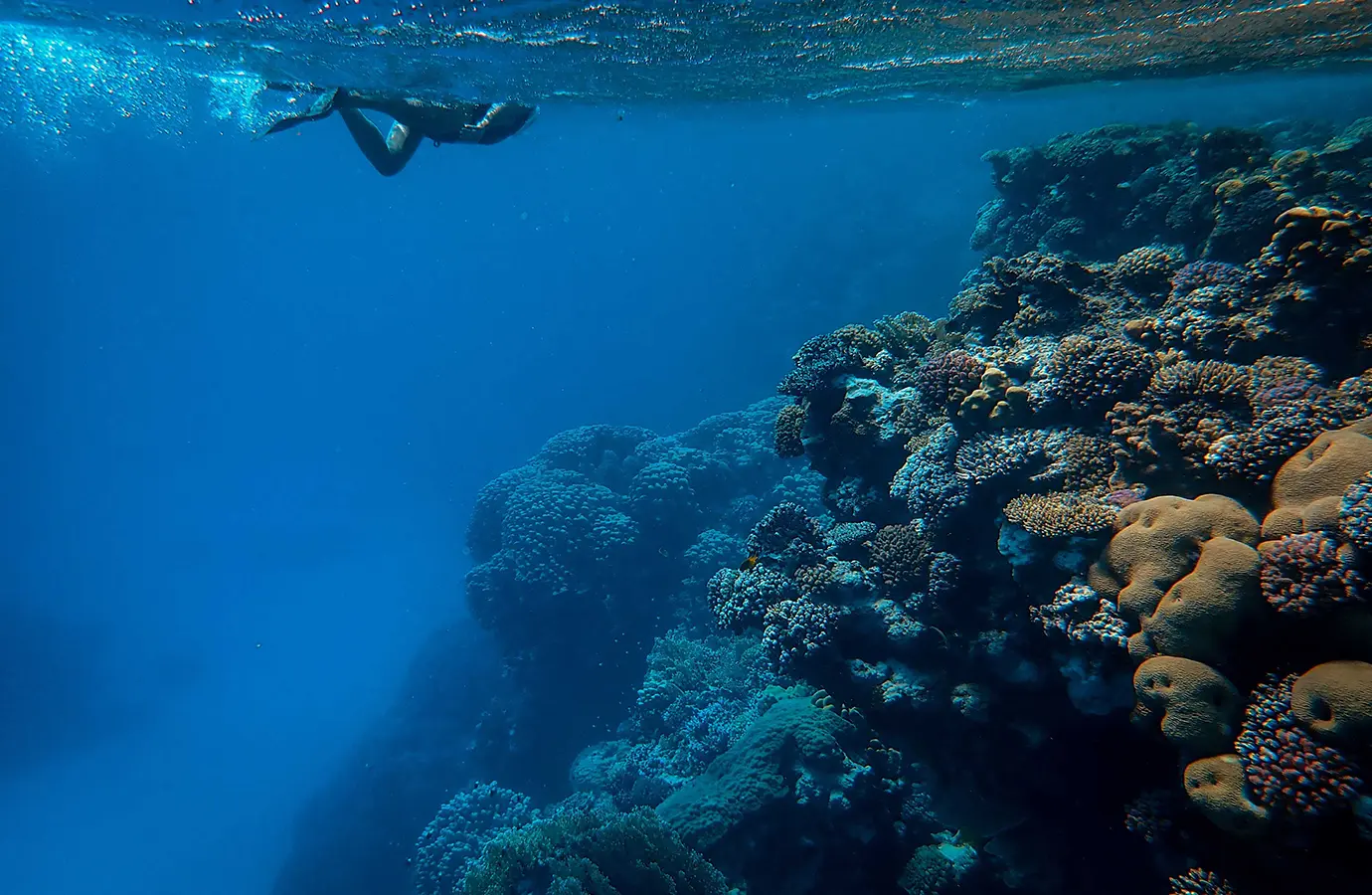
Common sightings include parrotfish, clownfish, lionfish, and occasional encounters with rays. Hawksbill turtles visit the area regularly. Fins and masks are available for rent at nearby dive centers. No qualification is needed for snorkeling.
The South Beach area is also where most glass-bottom boat tours operate. Families with young children who are not confident swimmers can see the reef without getting wet.
The Cedar Pride Wreck
The Cedar Pride is the most famous dive site in Aqaba. A 74-meter Lebanese freighter caught fire in Aqaba’s port in 1982. King Abdullah (then Crown Prince) ordered the ship cleaned and scuttled as an artificial reef for divers. The Cedar Pride sank on November 16, 1985.
The wreck lies on its port side across two natural reefs. The deepest point sits at approximately 26 to 28 meters. The shallowest section (the upper starboard rail and mast) reaches about 10 meters. Nearly four decades of coral growth have colonized the hull, the masts, and the cargo holds. The crow’s nest is the most photographed feature, covered in soft and hard corals. Check the PADI Cedar Pride dive site guide for site details, depth information, and recommended diver training.
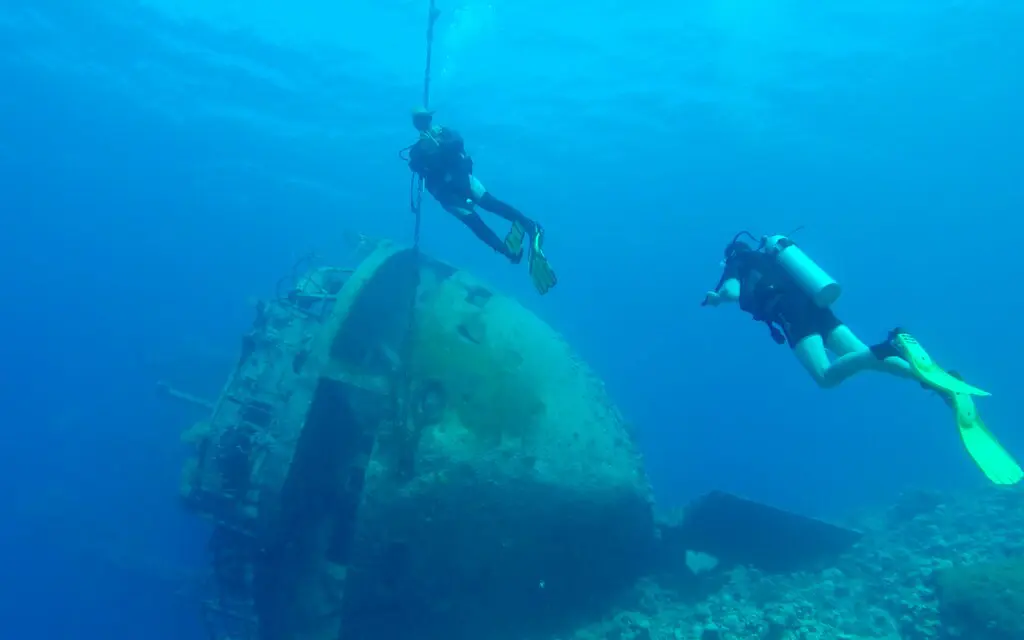
A PADI or SSI Open Water certification is the minimum for most dive operators to take you to the Cedar Pride. Advanced certification opens deeper sections and wreck penetration.
Yamanieh Reef
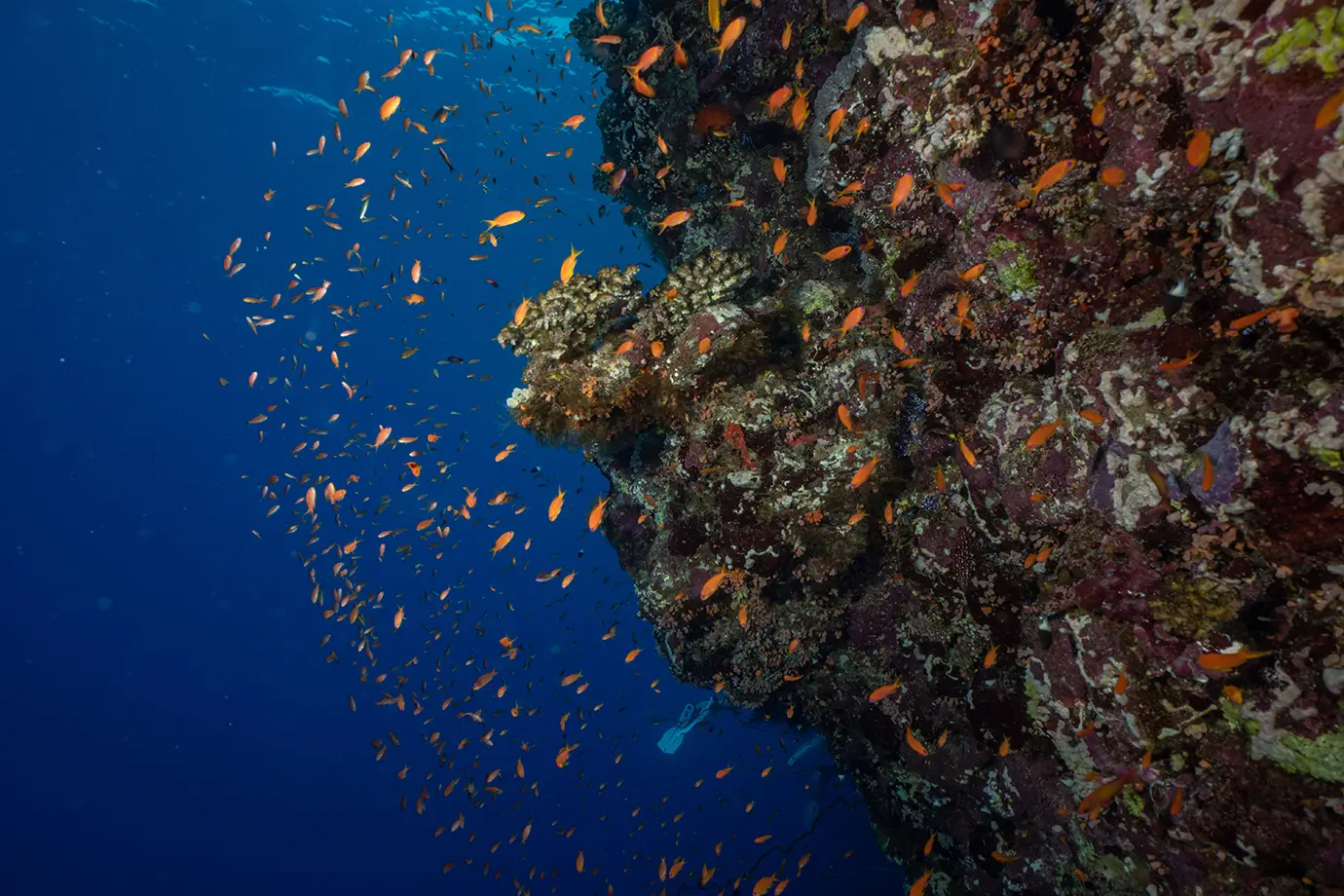
Yamanieh Reef sits within the Aqaba Marine Park and has some of the healthiest coral in the region. The reef wall drops steeply from shallow water, making it accessible for both snorkelers and divers. Soft corals, sea fans, and dense schools of fish characterize the site.
Yamanieh receives fewer visitors than South Beach and the Cedar Pride. Dive centers run guided trips on request.
Is a Scuba Diving Certification Required in Aqaba?
Yes, for the major dive sites. PADI or SSI Open Water certification is the minimum for guided dives at the Cedar Pride, Yamanieh, Japanese Gardens, and other reef sites. Bring your certification card. Equipment rental is available at every dive center in Aqaba.
Aqaba’s dive centers offer PADI Open Water certification courses for beginners. A full course takes three to four days and includes classroom theory, confined-water practice, and four open-water dives. Discover Scuba Diving (a one-day introductory experience) is available to travelers seeking a single supervised dive without full certification. For more details about local dive sites, seasonal conditions, and diving options, visit PADI’s guide to diving in Aqaba.
Dive centers cluster along the South Beach strip. Most are a short walk from the main hotels in Aqaba. Water conditions in Aqaba are calm, warm, and clear, making the city a prime location for learning to dive.
Aqaba Beaches
Aqaba’s beaches divide into two categories: public stretches and resort-managed beaches.
Resort beaches. The Kempinski, Movenpick, and Al Manara hotels all maintain private beach areas with loungers, shade structures, and food service. The water is clean, and the facilities are well-kept. Resort guests have free access to the beach. Non-guests can often buy day-use passes.
Public beaches. The northern bay area (City Beach) has free access. The sand is coarser, and facilities are limited. The water is shallow and calm, suitable for wading and casual swimming. Public beaches are more popular with Jordanian families, especially on Fridays.
Ayla Oasis. A planned waterfront development south of the city center with a marina, hotels, restaurants, and artificial lagoons. The area continues to expand. Ayla adds a modern resort feel to Aqaba’s more traditional waterfront.
Things to Do in Aqaba: Beyond Snorkeling and Diving
Aqaba is a beach city first. But a few stops give the day some structure between morning dives and evening dinners.
Aqaba Fort
The Mamluk-era fort sits near the waterfront. The original structure dates to the early 16th century. Sharif Hussein’s forces captured the fort during the Arab Revolt in 1917. T.E. Lawrence’s role in the Aqaba campaign is documented in the exhibit inside. The fort is small. Allow 30 to 45 minutes.
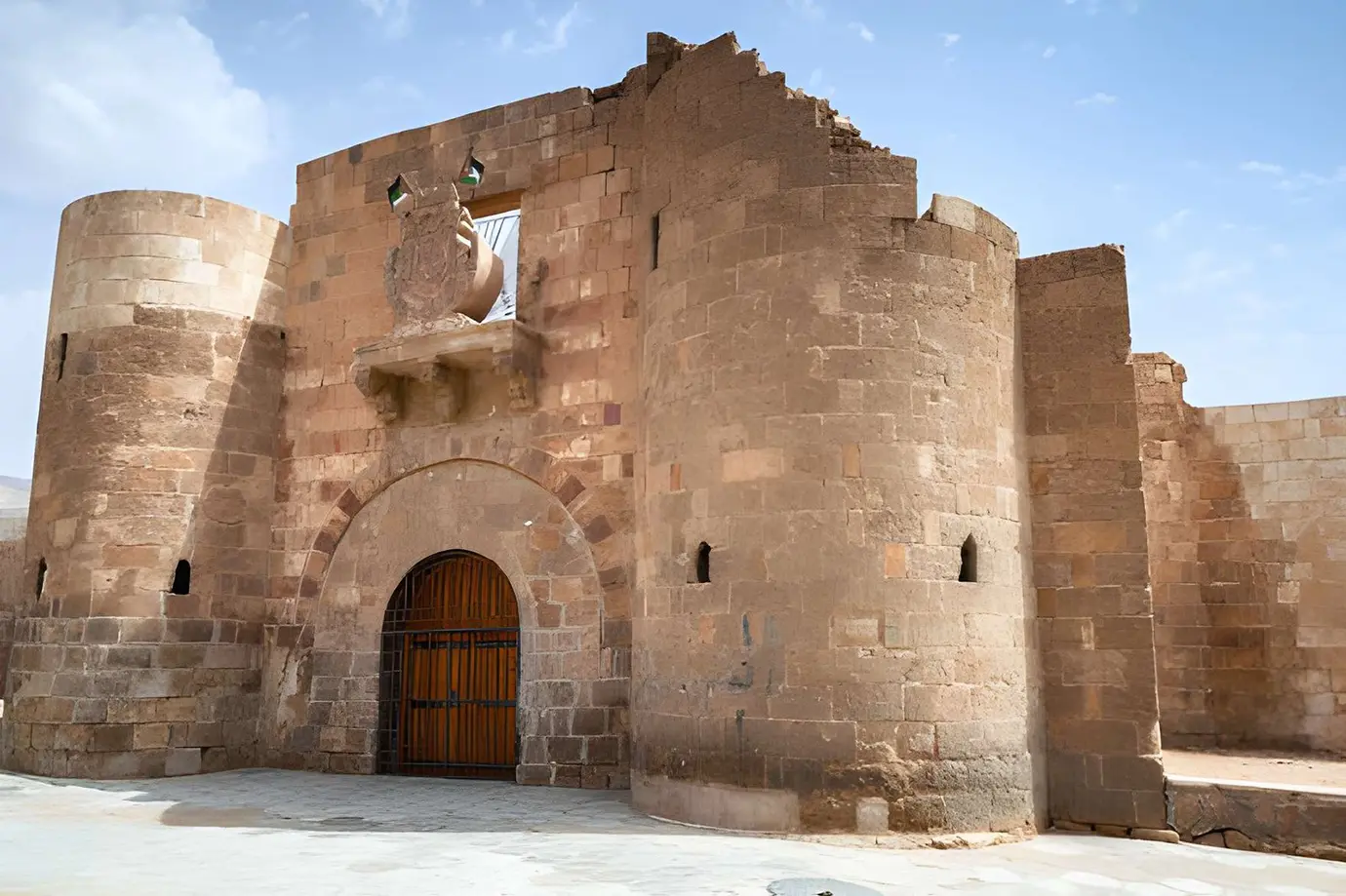
The Aqaba flagpole next to the fort flies one of the largest free-standing flags in the region. The flagpole is visible from most points along the waterfront.
Aqaba Waterfront
The waterfront corniche runs along the coast with restaurants, cafes, and views across the Gulf to the Egyptian and Saudi shores. The evening walk is the standard social activity in Aqaba. Seafood restaurants line the strip. Grilled fish, shrimp, and Red Sea catch are the local standard.
Boat Trips on the Red Sea
Glass-bottom boats run from the South Beach area. The boats pass over the reef and show coral, fish, and sometimes the outline of the Cedar Pride below. Half-day snorkeling cruises are available for small groups. Peregrine can arrange a private charter for couples or families.

How Do You Get to Aqaba?
From Wadi Rum: 45 minutes by car. The road runs south through flat desert. The drive is simple and direct.
From Petra (Wadi Musa): approximately 90 minutes. The route drops from Petra’s elevation of 900 meters to sea level at Aqaba.
From Amman: approximately three and a half to four hours via the Desert Highway. Most travelers do not drive directly from Amman to Aqaba. Peregrine routes through Petra and Wadi Rum first.
By air: King Hussein International Airport (AQJ) receives seasonal European flights and year-round Royal Jordanian connections to Amman. The airport sits north of the city center, about 15 minutes by taxi.
When Is the Best Time to Visit Aqaba?
Aqaba offers year-round diving and snorkeling. Water temperature stays warm enough for comfortable snorkeling in every month.
| Season | Air Temperature | Water Temperature | Conditions |
|---|---|---|---|
| March to May | 22 to 32 C | 21 to 24 C | Optimal. Warm days, comfortable water, clear visibility. |
| June to August | 30 to 40 C | 24 to 28 C | Hot on land. Water is warm and calm. Manage midday heat on shore. |
| September to November | 24 to 34 C | 24 to 26 C | Strong second season. Warm water, fewer visitors. |
| December to February | 14 to 24 C | 20 to 22 C | Cooler. Water is still swimmable. Best hotel rates. |
The heat is manageable at sea level with access to water. Dive centers operate every day of the year.
Read More: Best Time to Visit Jordan
Best Hotels in Aqaba
Kempinski Hotel Aqaba Red Sea
The Kempinski sits directly on the Red Sea waterfront. The hotel has a private beach, an outdoor pool, a spa, and multiple restaurants. Sea-view rooms face the Gulf. The property is well-positioned for both the South Beach dive sites and the waterfront restaurants. Five-star.
Movenpick Resort and Residences Aqaba
The Movenpick sits on the beachfront with a dedicated kids’ pool, a main pool, and direct beach access. The resort suits families and couples equally. The rooms are spacious, and the breakfast is strong. Five-star.
Al Manara, a Luxury Collection Hotel
The Al Manara is located within the Saraya Aqaba waterfront development. The property has a private beach, a marina, an overwater restaurant, and a large spa. The hotel carries a higher price point and a more exclusive feel than the Kempinski or Movenpick. Five-star.
Frequently Asked Questions
Can you snorkel in Aqaba without a boat?
Yes. The South Beach Marine Reserve has coral reefs growing close to shore. You can walk in from the beach and snorkel over the reef. Fins and masks are available for rent at nearby dive centers. No boat is required for the main snorkeling sites.
How far is Aqaba from Wadi Rum?
Aqaba sits approximately 45 minutes south of Wadi Rum by car. The drive is flat, direct, and on a well-maintained road. Most Peregrine Jordan itineraries route from Wadi Rum to Aqaba as a natural sequence.
Do you need a diving certification to dive in Aqaba?
Yes. PADI or SSI Open Water is the minimum for guided dives at sites like the Cedar Pride wreck and Yamanieh Reef. Aqaba dive centers offer full certification courses (three to four days) and introductory Discover Scuba Diving experiences (one day) for beginners.
Is Aqaba worth adding to a Jordan trip?
Yes, if you want a beach and water element. Aqaba adds Red Sea snorkeling, diving, and a seafood dinner to a Jordan itinerary dominated by desert and ruins. One or two nights is enough. The Peregrine Grand Tour and Honeymoon Package both include a stop in Aqaba.
See Our Jordan Tours with Aqaba
The Peregrine’s Jordan Tour Packages, such as Jordan Grand Tour, Jordan Honeymoon Package, and Jordan Adventure Tour, all include one or two nights in Aqaba with snorkeling or diving. Send us your travel dates, and we will build the Aqaba extension into your itinerary. For a private Aqaba extension, contact our travel team with your travel dates, preferred hotel category, and whether you are interested in snorkeling or diving.