


The best Bali travel tips solve the same handful of first-timer mistakes. New visitors wear the wrong clothes at temples, underestimate the traffic, carry no cash outside hotel zones, and miss the separate entry payments. The 20 tips below cover entry, temples, money, health, transport, connectivity, food, and packing, so you arrive ready.
Bali runs on a strong tourism infrastructure, so nothing here is hard. It just rewards a little preparation. Read these before you fly, and you skip the queues, the scams, and the awkward moments at the temple gate. Your private guide handles the rest on the ground.
Most of these tips take five minutes each to act on. A few, like the entry approvals, are best done from home before you pack. Work through them in order, and you land in Bali already ahead of the crowd.
Entry and Documents
Indonesia now asks international visitors to sort three separate approvals before landing, not one. Two are paid entry steps, and one is a free digital form. Prepare all three online in advance, keep each QR code on your phone, and you’ll clear the airport fast.
1. Sort Two Separate Entry Payments: the Visa and the Tourism Levy
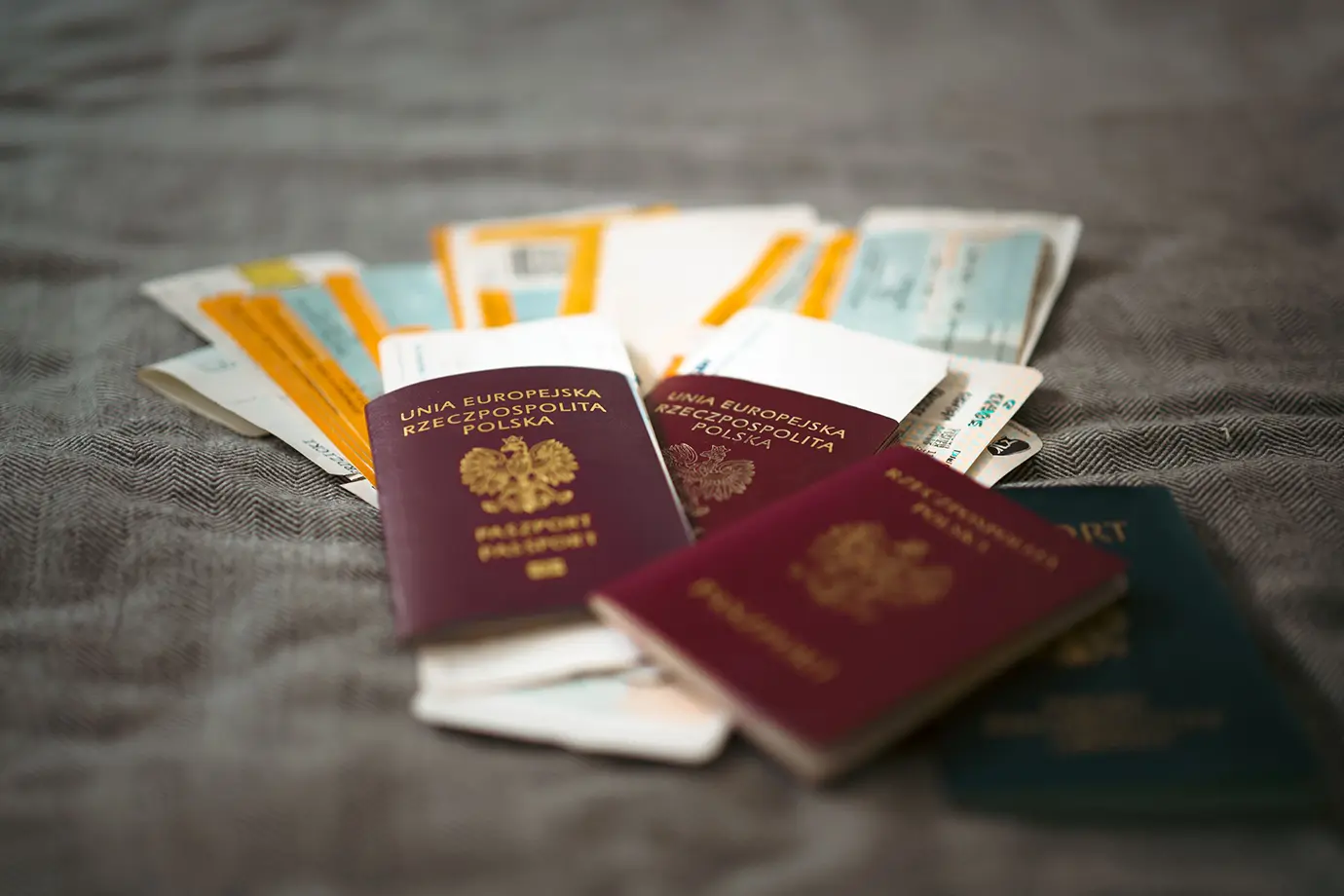
Most visitors make two separate payments to enter Bali, and confusion is the top arrival mistake. The first is the Visa on Arrival, which covers 30 days and can be extended once to a maximum of 60 days. Apply online in advance as an e-VOA on the official Indonesian immigration portal to skip the airport queue. The second is the Bali Tourism Levy, a separate per-person charge paid online through the official Love Bali site. Keep both QR receipts on your phone. Your passport must remain valid for at least 6 months after your arrival date and have 2 blank pages.
2. Complete the All Indonesia Arrival Card Before You Land
Indonesia now requires every international arrival to submit a free digital arrival card before landing. Complete it online at the official All Indonesia arrival-card portal within 72 hours of your flight, since the system rejects earlier submissions. The form asks for your passport, flight, and hotel details, then generates a QR code for immigration and customs. The card is free on the official government site. Ignore third-party sites that charge a processing fee, because you never need to pay anyone for it. Count on three QR codes in total: the e-VOA, the tourism levy, and the arrival card.
Temples and Culture
Balinese temple and cultural rules run stricter than many first-timers expect, and respecting them matters. Cover up correctly, watch where you step, and treat ceremonies as the living religion they are. A little cultural care turns a temple visit from a photo stop into a real experience.
3. At Temples, You Need Both a Sarong and a Sash
Every Balinese Hindu temple asks visitors to wear both a sarong and a sash, not just modest clothing. The sarong, called a kain, is a piece of cloth that wraps around the waist and covers the legs. The sash, called a selendang, ties around the waist over the sarong. Both are required, which is stricter than Thai temples, where covered shoulders and knees suffice. Sarong-and-sash sets are available at temple gates to rent or buy for a small charge. Carry your own to skip the queue and get a proper fit. Keep shoulders covered, remove hats inside buildings, and remove shoes before prayer spaces.

4. Menstruating Women Are Asked Not to Enter Temples
Balinese Hindu temples traditionally ask menstruating women not to enter, and it is a genuine cultural rule. The custom comes from Balinese Hindu beliefs about ritual purity, not from any judgment of the visitor. No one checks or enforces it, since it runs entirely on the honor system. A good guide quietly and respectfully mentions the rule before each temple visit. Guests who prefer to wait can relax in the temple grounds or explore the surrounding village. Knowing the rule in advance saves an awkward moment at the gate.
5. Step Over the Canang Sari Offerings, Never on Them
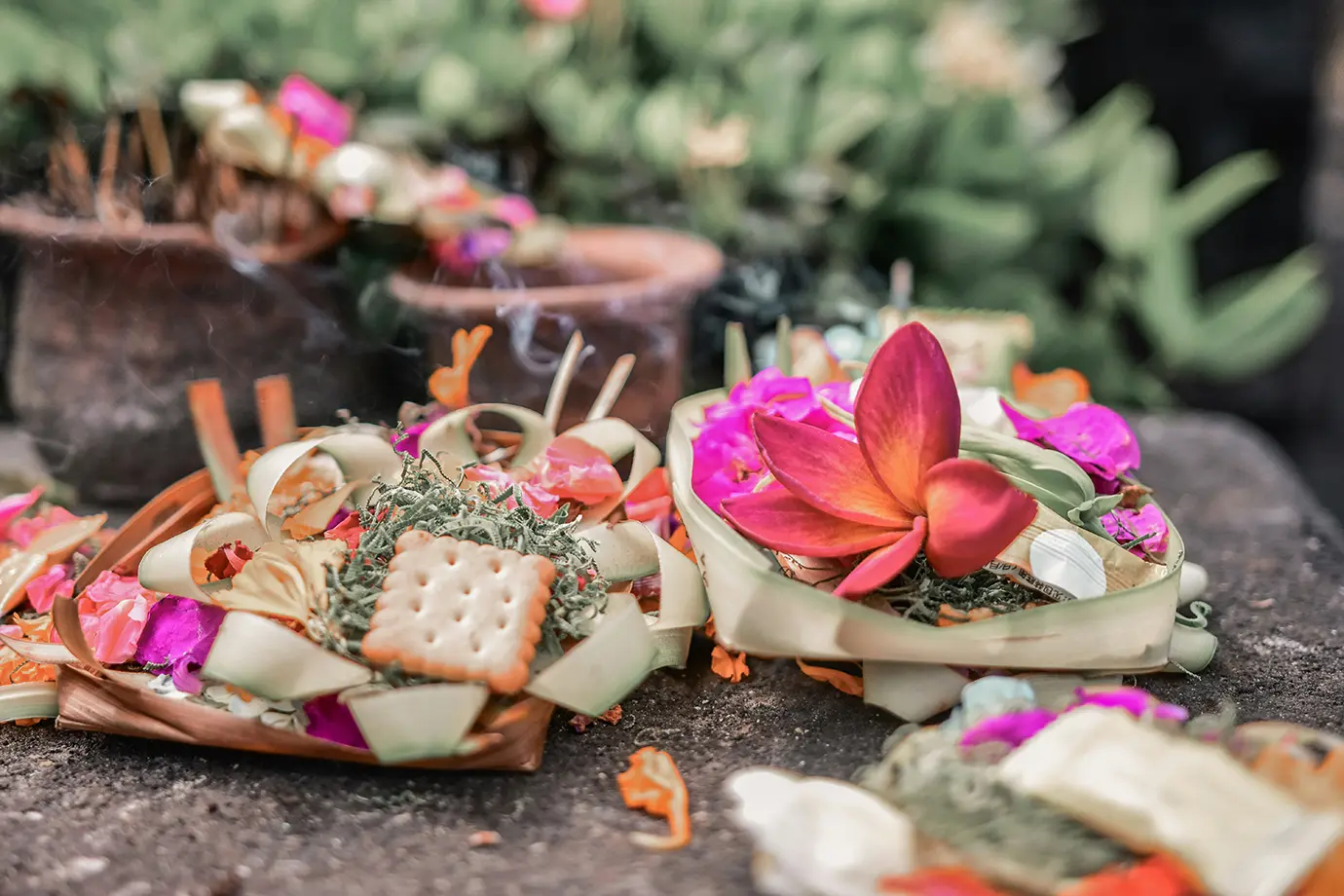
Canang sari are the small palm-leaf trays of flowers and incense you will see on the ground across Bali. Balinese Hindus place them daily at doorways, shrines, statues, car dashboards, and shop entrances as fresh offerings to the gods. They are not decorations or litter, nor are they fallen objects to kick aside. Step over them, never on them, since treading on one reads as real disrespect. You will find hundreds per block in Ubud and dozens per street in Sanur. Watch your feet on busy sidewalks, especially in the morning when the trays are new.
6. See at Least One Traditional Dance Performance
Balinese dance is a living sacred art, performed at temple ceremonies, not a staged tourist product. The Legong is a refined court dance, shown nightly at the Ubud Royal Palace. The Barong and Kris drama, staged in Batubulan, depicts the fight between good and evil. The Kecak fire dance features 70 chanting performers who enact the Ramayana story at Uluwatu’s cliff-edge amphitheater. Live gamelan, the bronze percussion orchestra of Bali, drives each one. Book ahead for the sunset Kecak at Uluwatu, since the cliff amphitheater fills fast in high season. Arrive early to secure a seat on the upper stone tiers, where the view of the ocean is best. Catch it as the light drops for one of Southeast Asia’s most powerful cultural evenings.

On a Peregrine Bali tour, your private guide handles the temple dress code, the ceremony protocol, and the cultural background at every stop. Browse the Peregrine Indonesia packages to see how the private model works.
Money and Spending
Bali largely runs on cash once you leave the hotels, and its currency can be confusing for newcomers. Understand the big-number rupiah, carry small notes, and dodge the classic money-changer trick. Get the money basics right, and daily life on the island gets much smoother.
7. Do Not Panic at the Rupiah’s Six Zeros
Indonesian rupiah runs in huge-looking numbers, so a bill covered in zeros is worth far less than it appears. The values are much smaller than the long strings of zeros suggest. ATMs mostly dispense large notes, which are awkward for small purchases. Carry a stack of small notes, like the 10,000 and 20,000, for temple donations, parking attendants, and warung meals. Big notes are hard to break at small shops and roadside stalls. Keep your notes sorted in your wallet, because similar colors are easy to mix up at first. A quick habit of counting your change guards against honest mistakes and sharp ones alike.

8. Carry Cash Once You Leave the Hotel Zones
ATMs thin out fast beyond the main towns, so withdraw enough rupiah before you head into the countryside. Ubud center, Sanur, Seminyak, and Kuta all have reliable machines. Sidemen Valley, rural East Bali, the Jatiluwih rice terraces, and smaller villages often have none. Most Indonesian ATMs add a small local fee per foreign-card withdrawal, on top of your own bank’s charge. Take out larger amounts less often to limit the fees. Split your cash between your wallet and a hotel safe, and never carry everything at once.
9. Avoid Unlicensed Money Changers and the Magic-Hands Scam
Bali’s most common money scam operates through unlicensed currency exchange booths advertising rates well above those of banks. The counter operator fans the bills, counts fast, chats to distract you, and palms notes during the handoff. You walk away with far less than you agreed, a trick locals call magic hands. Use only bank-run exchange counters, such as BCA, BNI, or Mandiri, or a hotel exchange desk. Bank ATMs are the safest choice. Count your money before you leave any counter, and never hand your notes back for a recount.
Private car and guide transport removes the taxi scam and money-changer traps from your trip entirely. See how the Peregrine Indonesia packages build that in as standard.
Health and Safety
Bali is a safe destination, but a few health risks deserve real attention. Rabies, stomach upsets, and dengue are the three to plan for, and all are manageable. Simple habits around animals, water, and mosquitoes keep small problems from spoiling the trip.
10. Keep Your Distance From Stray Dogs and Temple Monkeys
Bali has a documented, ongoing rabies problem, so treat stray animals with real caution. Stray dogs roam freely in every town and village, and you should not touch, feed, or approach them. Temple monkeys at the Ubud Monkey Forest and Uluwatu can bite and scratch, so hide food and avoid direct eye contact. Do not bare your teeth at a monkey, since it reads the gesture as a threat. If any animal bites or scratches you, wash the wound with soap and water at once. Then seek medical care the same day, as rabies treatment is available at Bali’s international hospitals.
11. Prepare for Bali Belly
A brief digestive upset in the first few days is common, and a little planning can limit it. Drink only bottled water, and skip tap water and any ice from unknown roadside sources. Restaurant ice is generally fine, since it is made commercially in standard shapes. Be careful with raw salads at street stalls, where the water for washing is at risk. Pack oral rehydration salts, cheap and sold at any apotek, the local word for pharmacy. Travel insurance with solid medical cover is essential, not optional, because private care here is excellent but costly without it.
12. Guard Against Dengue, Not Malaria
Malaria risk in Bali is negligible, so dengue is the mosquito-borne illness to plan around. Dengue is present all year, and the Aedes mosquito that carries it bites by day, mostly at dawn and dusk. Use repellent with 20 to 30 percent DEET on exposed skin. Cover your arms and legs in the early morning and evening, and run a plug-in repellent in your room. There is no easy traveler vaccine, so avoiding bites is the whole defense. Watch for sudden high fever, bad headache, pain behind the eyes, and body aches, and see a doctor if they appear.
Transport and Traffic
Bali’s traffic is the single thing most first-timers underestimate, and it shapes every day. Plan realistic travel times, use the right apps, and think hard before renting a scooter. Get transport right, and you spend your days at temples and beaches, not stuck on the road.
13. Plan Around the Traffic, Because It Runs Everything
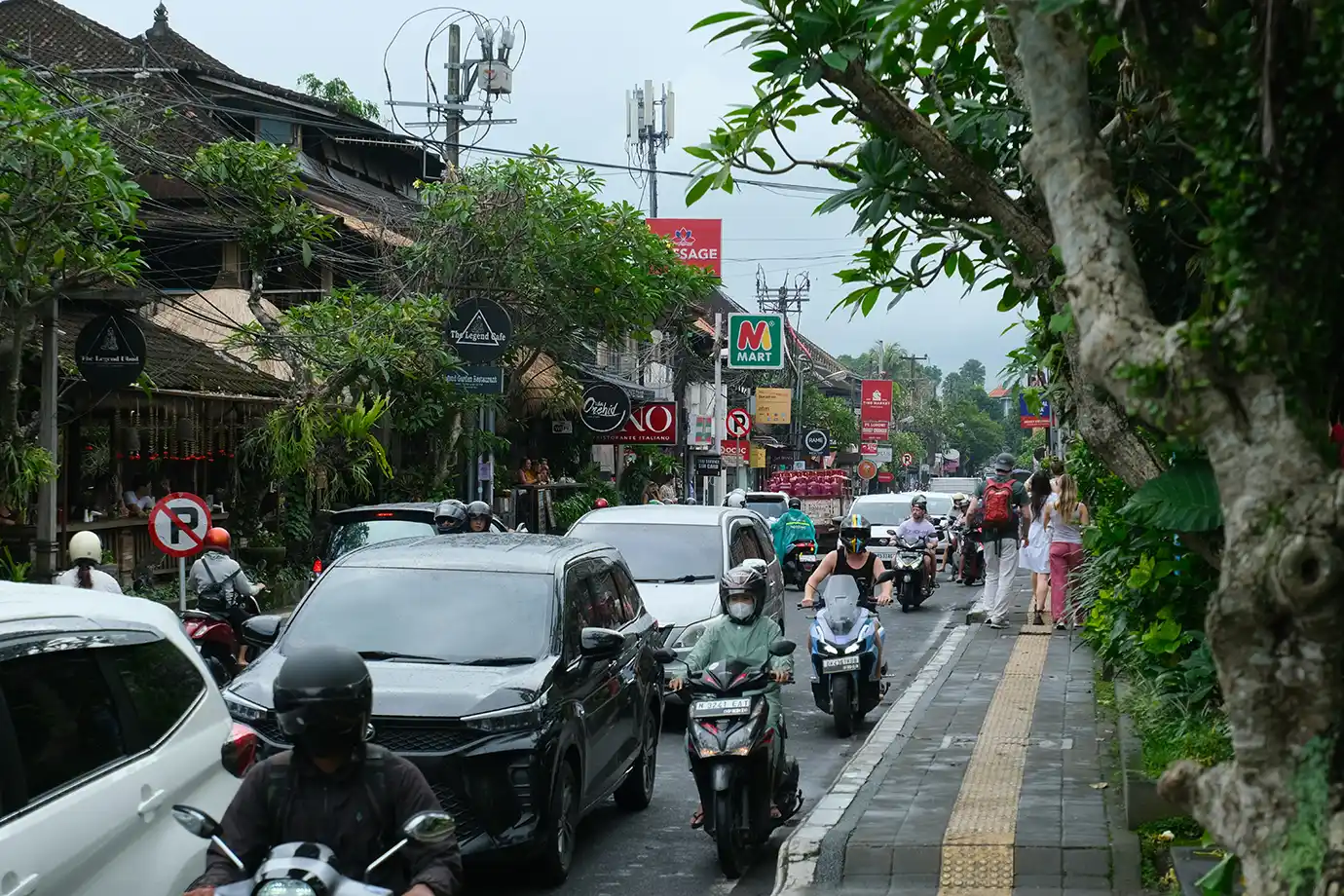
Bali’s traffic is the detail nobody warns you about, and it changes how you plan every day. The airport sits about 36 km from Ubud. Yet the drive takes 90 minutes on a good day and up to 2.5 hours at peak times. The southern strip through Kuta, Seminyak, and Canggu stays congested, and the roads into Ubud bottleneck badly. A 30-minute hop on the map can easily turn into 60 or 90 real minutes. A private car with an English-speaking driver is the practical fix for the whole trip. The driver knows the back roads, the timing, and the ways around the worst jams.
14. Use Grab or Gojek, Not Street Taxis
Grab and Gojek, Southeast Asia’s two big ride-hailing apps, both work across Bali and beat street taxis. Each app shows the fare before you confirm, so there are no meter disputes or scenic-route detours. Download both before you arrive and load a payment card, since coverage varies by area. Street taxis here are known for refusing the meter and quoting inflated flat rates, especially at the airport and near temples. Blue Bird, the light-blue cars with a bird logo, is the one reliable metered taxi firm as a backup. For most trips, though, the apps are simpler and cheaper.
15. Skip the Scooter Unless You Ride Well
Scooters are Bali’s default local transport, with roughly 3 million on the island, but they are risky for visitors. The traffic is chaotic, lane discipline is loose, and potholes, stray dogs, and wet-season oil slicks all catch out newcomers. Most travel insurance excludes scooter injuries unless you hold a valid motorcycle license and wear a helmet. Scooter crashes are the most common source of uninsured medical bills for foreign visitors here. Millions of Balinese ride safely every day, but they grew up in this traffic. A private car with a driver is safer and lets you take in the scenery rather than the road.
A Peregrine tour books private cars with English-speaking drivers for every transfer, so the driver handles traffic and navigation. The Peregrine Indonesia packages include airport pickup and farewell.
Connectivity
Staying connected in Bali is cheap and easy, but the right network choice depends on your route. Pick your SIM for the islands you plan to visit, and download maps before the signal drops. A little setup on arrival keeps you online from the airport to the rice terraces.
16. Choose Telkomsel for Coverage Across Every Island
Telkomsel is Indonesia’s largest network, with the widest coverage across every island, so it suits multi-island trips. Choose it if your plans include Java, Komodo, Lombok, or Sumatra, where smaller networks are weaker. Tourist data plans are inexpensive and sold at the airport arrivals hall and official Telkomsel shops, called GraPARI. Bring your passport, since Indonesian law requires it to register any SIM. If your phone supports eSIMs, buy a Telkomsel eSIM online before you fly so you’ll land already connected. For a Bali-only trip, the rival networks IM3 and XL also work well in the tourist zones.
17. Download Offline Maps Before the Rural Roads
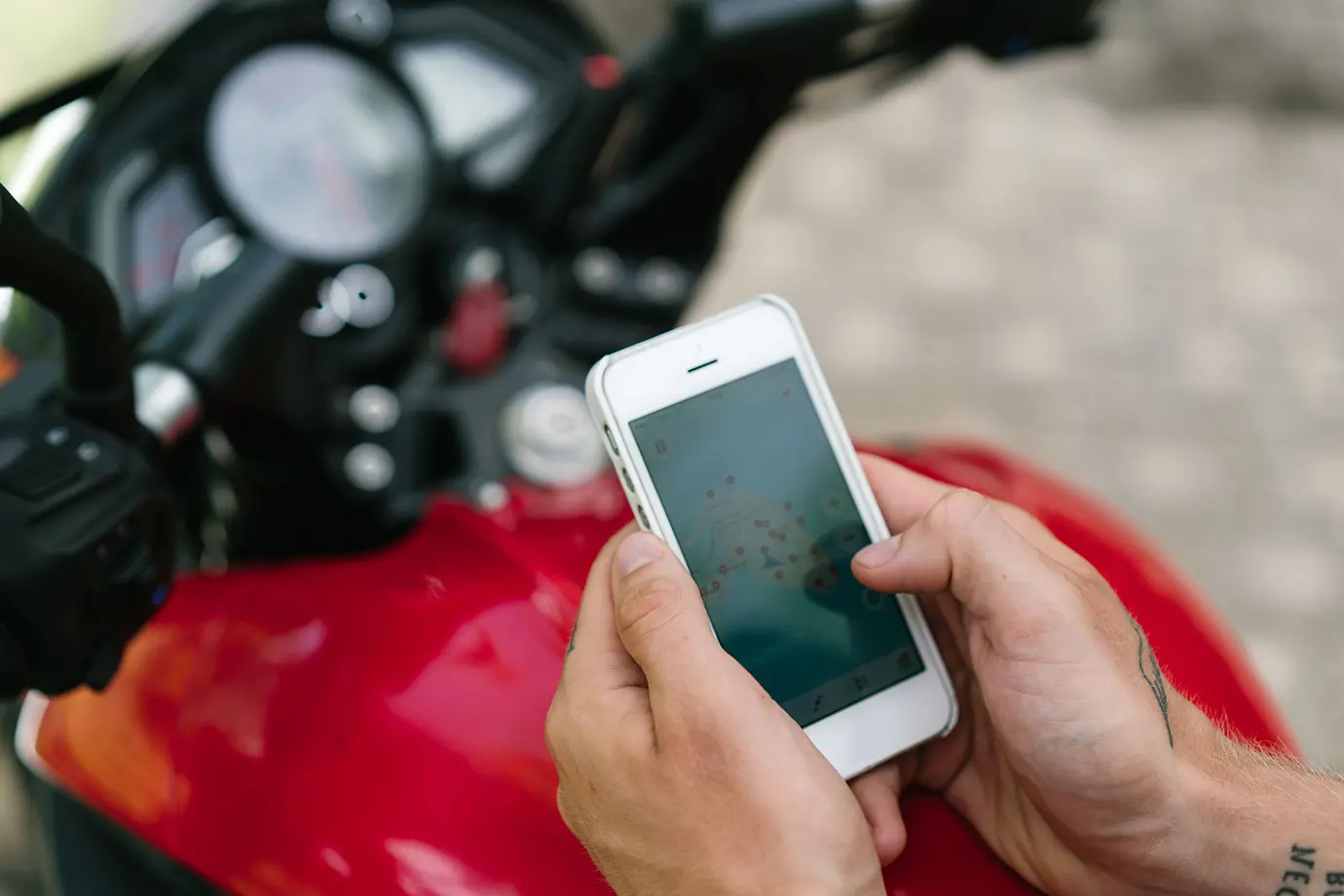
Phone signal drops in Bali’s rice terraces, valleys, and mountain roads, so download offline maps in advance. Google Maps works well in the towns but fades around Sidemen, Jatiluwih, and the interior hills. Save the Bali offline map in Google Maps before you leave your hotel each day. Add the Komodo, Flores, and Lombok regions too if they sit on your route. Offline maps still provide full navigation without a data connection. A power bank matters here as well, since navigation drains a phone battery fast.
Food and Dining
Bali’s best eating happens in small local kitchens, not hotel dining rooms, and a couple of words go a long way. Seek out warungs, learn to manage the chili, and know which dishes contain pork. Eat like a local, and the food becomes one of the trip’s highlights.
18. Eat at Warungs, Not Only Hotel Restaurants
Warungs, the small family-run eateries found on every street, serve Bali’s best food for a fraction of hotel-restaurant prices. A plate of nasi campur, which means mixed rice with several small side dishes, is the classic warung order. The same dish in a hotel costs many times more for no more flavor. Look for busy warungs with steady local custom, a reliable sign of fresh cooking. Your Peregrine guide points you to specific warungs at each stop, checked for quality and cleanliness. Bring small cash notes, since most warungs do not take cards.
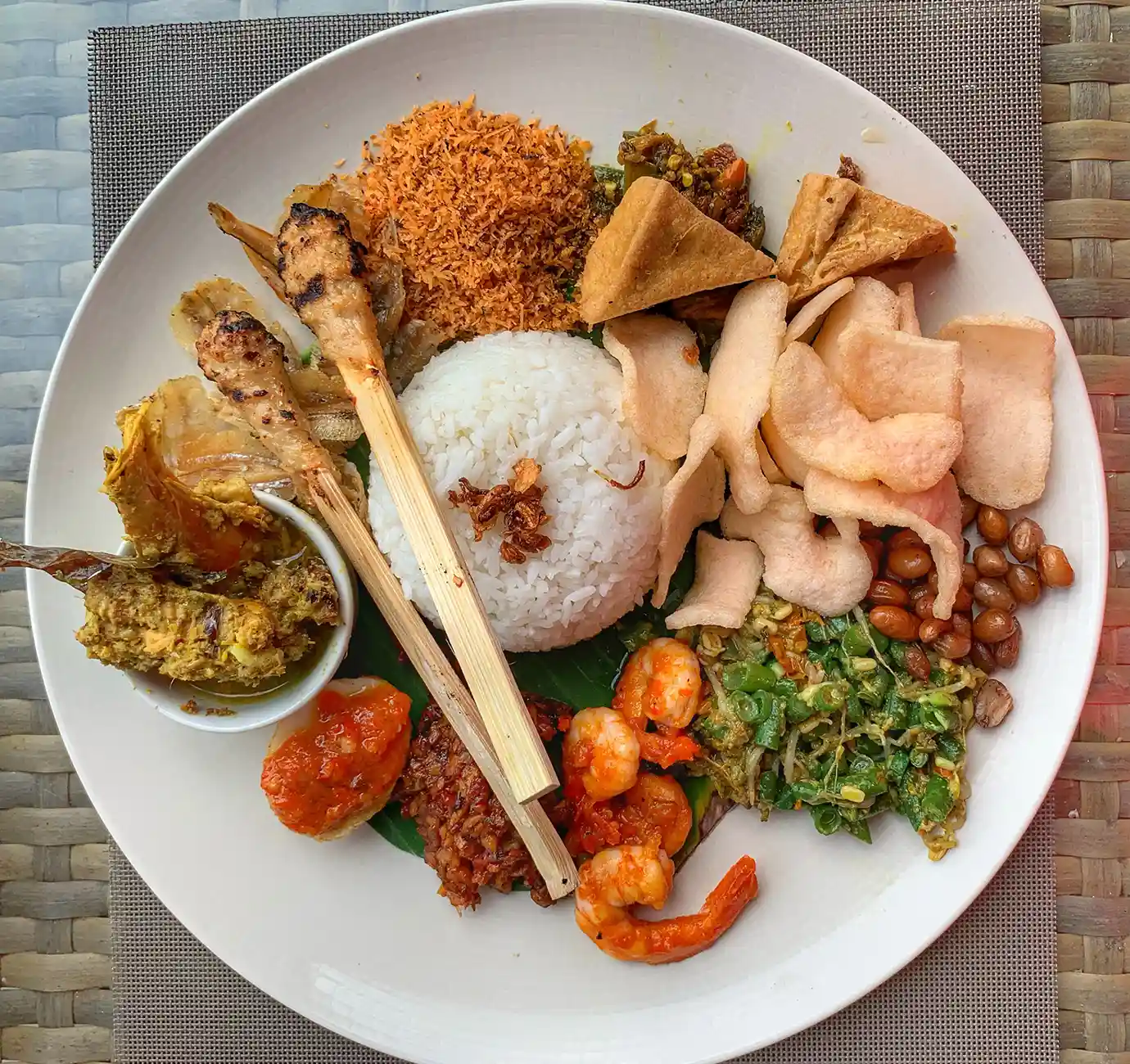
19. Learn Two Food Words, Tidak Pedas and Babi
Two simple words handle most food situations for a cautious eater in Bali. Say tidak pedas, meaning not spicy, and pronounced tee-DAHK peh-DAHS, to tone down the heat. Sambal, the fiery chili paste, comes with almost every meal and is often already mixed into the dish. Ask before you order if you are sensitive to spice. The word babi means pork, and Bali widely serves it because the island is Hindu, unlike the Muslim-majority islands of Java, Lombok, and Sumatra. Babi guling, or suckling pig, is the island’s signature dish. If you avoid pork, confirm with the server, as some dishes may contain it.
Packing and Preparation
Smart packing for Bali means dressing for four different settings—temples, beaches, rice-terrace walks, and dinners —each of which calls for something specific. Pack light and layered, add a few island essentials, and you are ready for every day of the trip.
20. Pack for Four Registers, Temple, Beach, Rice Terrace, and Dinner
Pack for four settings, since a Bali trip moves between temples, beaches, rice terraces, and the odd nice dinner. For temples, bring lightweight long pants or a long skirt, covered shoulders, and your own sarong and sash. For beaches, pack swimwear, reef-safe sunscreen, and a rash guard, as marine parks increasingly enforce sunscreen rules. For rice-terrace walks, bring shoes with a good grip, quick-dry clothing, and insect repellent, as the paths can be wet and uneven. Add one smart-casual outfit for welcome and farewell dinners, since some restaurants ask for more than beachwear. Pack a 10,000-20,000 mAh power bank, since some eco-lodges have few outlets. Bring a universal adaptor, as Indonesia uses Type C and Type F plugs at 230 volts. A light rain layer earns its place in every month, because even the dry season throws the odd shower. Roll your clothes rather than fold them, and leave a little space for the crafts you will want to carry home.
Frequently Asked Questions
Is Bali Safe for First-Time Visitors?
Yes. Bali is one of Southeast Asia’s safest tourist destinations, and violent crime against visitors is very rare. The practical risks are traffic, dengue, rabies from stray animals, petty theft, and money or taxi scams. All are manageable with basic preparation and awareness. Travelers on a private Peregrine tour almost entirely skip the transport and scam risks, since the guide and driver handle the logistics.
How Much Cash Should You Carry?
Carry a moderate amount of rupiah in small, mixed notes as a daily baseline, and top up in town. You will need cash at temples, warungs, markets, and with parking attendants, as well as throughout rural Bali. Hotels and larger restaurants in Ubud, Sanur, and the south take cards, but small vendors do not. Bank ATMs are reliable in town centers and in remote rice-terrace and mountain areas, so plan accordingly.
Do You Need a Visa for Bali?
Most nationalities receive a Visa on Arrival valid for 30 days, which can be extended once for a maximum of 60 days. Apply online in advance as an e-VOA on the official immigration portal to skip the airport queue. You also pay a separate Bali Tourism Levy online, and complete the free All Indonesia arrival card before you land. Your passport must remain valid for at least 6 months and have 2 blank pages.
What Is the Best Way to Get From the Airport to Ubud?
A private car with a driver is the most comfortable way, taking roughly 90 minutes in normal traffic. Grab and Gojek also operate from the airport, but pickups take place at a designated area outside the arrivals hall. Prepaid taxi counters inside arrivals offer fixed fares as another option. Ignore the touts who approach you inside the terminal and book through the app, at the counter, or with your tour operator instead.
Is Bali’s Tap Water Safe to Drink?
No. Drink only bottled water, which is sold everywhere across the island. Use bottled water for brushing your teeth in rural areas and simpler eco-lodges. Restaurant ice is generally safe, since it is produced commercially in standard shapes. Be more cautious with crushed or irregular ice from unknown roadside sources, and skip it if you are unsure.
What Should You Avoid Doing in Bali?
Avoid a handful of common cultural missteps, and you travel with real respect. Never step on the canang sari offerings underfoot. Do not touch anyone’s head or point your feet at people or shrines, since both are considered rude. Keep public affection low-key, dress modestly away from the beach, and never climb on temple structures for a photo. Ask before photographing people at prayer, and lower your voice inside temple grounds.
Plan Your Bali Trip
A little preparation turns Bali from confusing to easy. Sort your three entry approvals, pack a sarong and sash, carry small rupiah notes, and respect the offerings underfoot. Do that, and the island rewards you with temples, rice terraces, and food you will remember.
Send us your travel dates for a Bali plan built around your interests and pace. Email sales@peregrinetreks.com or message WhatsApp +9779851052413. Your private guide carries a local phone throughout the tour for reservations, scheduling, and any help you need.