


Lombok is Bali’s eastern neighbor, visible across the Lombok Strait and reached by a 30-minute flight. It is a different island in almost every way, from religion to terrain to atmosphere. Where Bali is Hindu, temple-dense, and heavily touristed, Lombok is mostly Muslim, culturally Sasak, and far quieter. Use this Lombok travel guide to decide whether to add, substitute, or skip it. The beaches are emptier, the traffic lighter, and the prices lower.
The difference hits you the moment you land. The airport road runs quietly, past rice fields and tobacco-drying barns rather than traffic and billboards. The call to prayer drifts from village mosques at dusk, where Bali would give you gamelan and temple bells. Cows amble along the shoulder of the road, and the beaches you pass sit all but empty.
Lombok is not the new Bali, and calling it that misses the point. It is a different island for a different purpose. Travelers who want Ubud’s temple ceremonies, Bali’s galleries, and a deep restaurant scene should stay in Bali. Travelers who want empty coastline, fishing-village calm, and Sasak weaving villages should add Lombok. So, should anyone be drawn to a volcano behind the beach and islands with no development at all? The two pair beautifully, one for culture and one for calm.
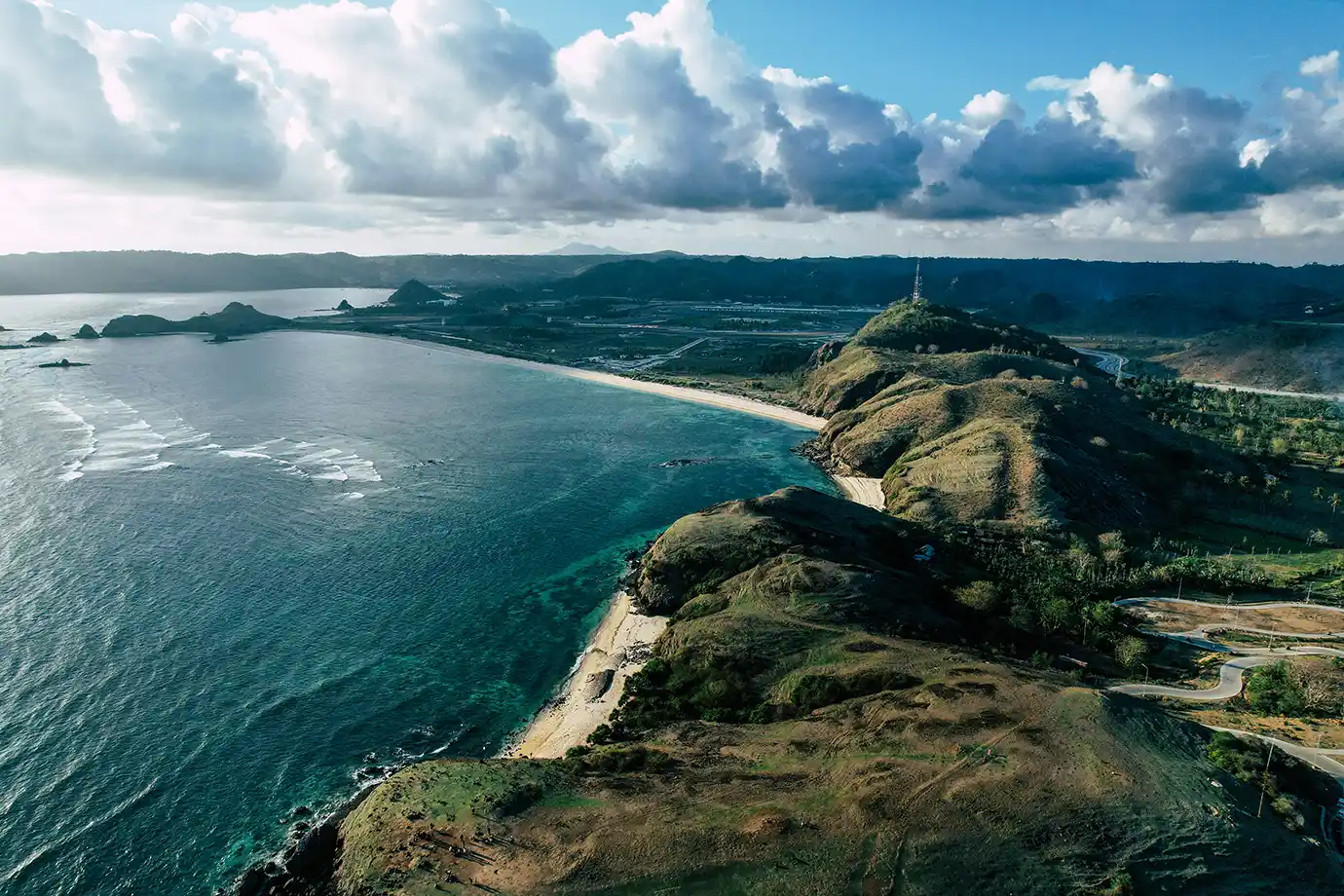
Lombok vs Bali: The Honest Comparison
Every Lombok guide compares the island to Bali, because every traveler is already making that comparison. Here is the honest version, showing where Lombok wins, where Bali wins, and where the two differ. Neither island is better overall. Each suits a different priority, so read the table by what matters most to you.
| Factor | Lombok | Bali | Better For |
|---|---|---|---|
| Beaches | Emptier and cleaner, with no vendors. Sire, Tanjung Aan, Selong Belanak | More developed and varied, with vendors at busy spots | Lombok for quiet, Bali for choice |
| Culture | Sasak Muslim, with rice barns, weaving, and village life | Balinese Hindu, with 20,000 temples, daily ceremonies, and dance | Bali for visible depth, Lombok for contrast |
| Religion | Mostly Muslim, with a few Hindu temples on the coast | Mostly Hindu, with temples shaping daily life | Neither are they genuinely different |
| Traffic | Minimal, with quiet roads across the island | Heavy in south Bali and around Ubud | Lombok, by a wide margin |
| Tourism density | Low, with quiet north and rural areas | High, with millions of visitors a year | Lombok, by a wide margin |
| Restaurants | Limited, mostly in Senggigi and Kuta, Lombok | Extensive, with strong dining in Ubud and the south | Bali, by a wide margin |
| Hotels | Growing but limited, with a few standout properties | Extensive at every level | Bali, by a wide margin |
| Volcano | Mount Rinjani, 3,726 m, with a crater lake trek | Mount Agung, 3,142 m, sacred and scenic | A draw; both are dramatic |
| Value | Lower across the board, on rooms, food, and activities | Higher, with peak-season and tourist-zone premiums | Lombok for value |
| Access | A 30-minute flight from Bali, plus some direct regional flights | A major international hub with worldwide flights | Bali for global access |
The Lombok and Secret Gilis package delivers eight days of quiet coast, Sasak culture, and uninhabited islands, the register Bali cannot match. See the full route on the Lombok package page.
Sasak Culture: Lombok’s Own Identity
The Sasak are Lombok’s indigenous people, the large majority of the island’s 3.5 million residents. Mostly Muslim, the Sasak carry a culture all their own, distinct from Bali’s Hindu world. It shows in the architecture, the textiles, the food, the music, and, in a few villages, a blended faith. Meeting the Sasak culture is the real reason to come inland, away from the beaches.
The Lumbung Rice Barns
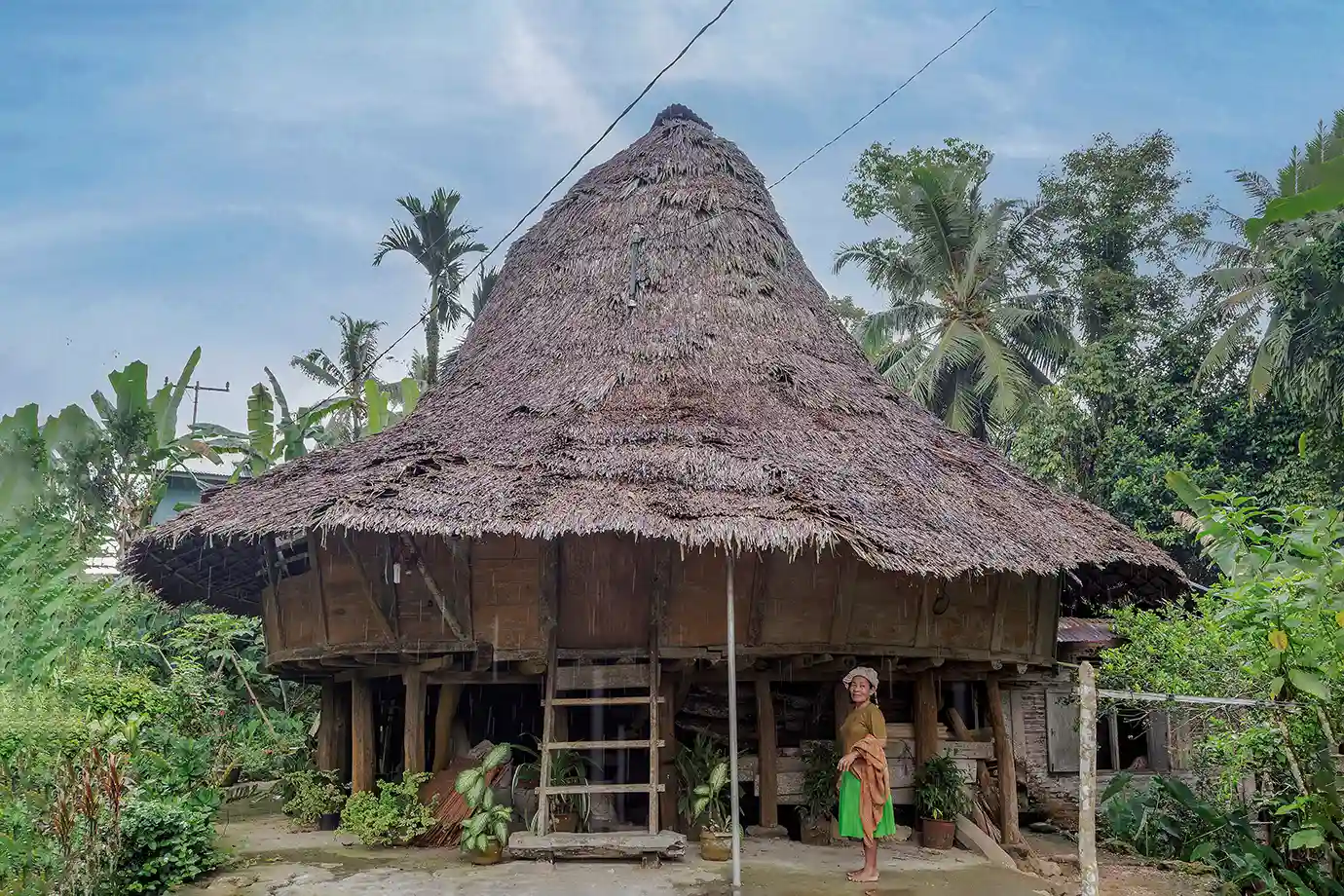
The lumbung, or rice barn, is the signature building of Sasak culture. It is a raised wooden store with a distinctive bonnet-shaped thatched roof, curved like an upturned boat. Traditional villages such as Sade near Kuta Lombok and Senaru near Mount Rinjani keep clusters of lumbung beside homes of bamboo and packed earth. The villages are living communities, not museum pieces. Families still live, cook, and weave in the same compounds you walk through.
Ikat and Songket Weaving
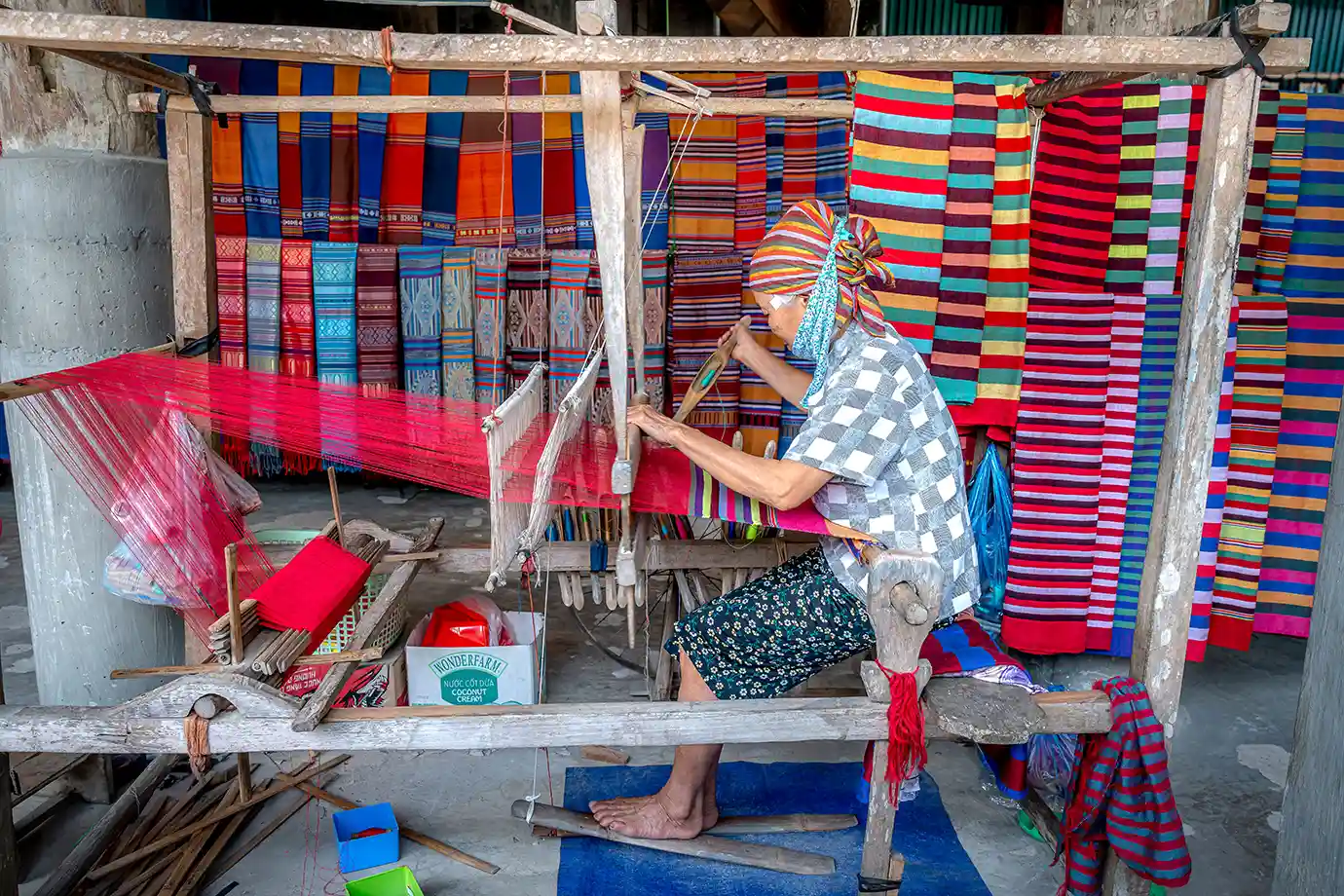
Sasak women weave ikat and songket cloth on traditional backstrap looms, tensioning the threads against their own bodies. Ikat uses a resist-dye method, where threads are dyed before weaving to form the pattern. Songket weaves gold or silver metallic thread into the cloth, giving it a shimmer for ceremonial use. The village of Sukarara in central Lombok is the easiest place to watch the work. Weavers sell directly from their homes, and a single detailed piece can take weeks to make.
Wetu Telu, the Blended Faith
Some Sasak communities, mostly in remote northern Lombok, follow Wetu Telu, a faith that blends Islam with older Hindu and animist beliefs. Its followers observe three daily prayers rather than the usual five, and they honor ancestors and local spirits alongside Islamic practice. The tradition is fading as orthodox Islam spreads across the island. Meeting living Wetu Telu practice is increasingly rare, which makes it all the more meaningful when you do.
Music and Ritual
Sasak culture also lives in its music and its contests, which you can sometimes catch at a village festival. Gendang Beleq, meaning big drum, is a marching ensemble of huge two-headed drums, gongs, and cymbals, played at weddings and ceremonies. Peresean is a ritual duel where two men fight with rattan sticks and buffalo-hide shields, refereed and rooted in old warrior tradition. Both are genuine living customs, not staged shows. Ask your guide whether a ceremony falls during your dates.
Sasak Food
Sasak food is simpler and hotter than Balinese cooking and contains no pork, since the island is mostly Muslim. Ayam taliwang, a grilled chicken with a fierce chili sambal, is the signature dish. Plecing kangkung pairs water spinach with a sharp chili-tomato relish, and beberuk terong does the same with eggplant. Rice and sambal anchor every meal. For travelers who love chili, the Sasak table is the spiciest in the region.
The Lombok package includes a visit to a Sasak village, an ikat weaving workshop, and a pottery village. See how the culture days work on the Lombok package page.
The Gili Islands, Sorted Honestly
The Gilis are really two very different worlds, separated by water and by atmosphere. The famous three, Gili Trawangan, Meno, and Air, sit off Lombok’s northwest coast. The lesser-known Secret Gilis, such as Gili Nanggu and Gili Sudak, lie off the southwest coast. Choosing wrong, like a couple seeking calm on party-heavy Trawangan, leads straight to disappointment. The table below sorts them by register.
| Island | Character | Visitors | Getting There | Who It Suits |
|---|---|---|---|---|
| Gili Trawangan | Party register, beach bars, dive shops, no motor vehicles | High | Fast boat from Bali or public boat from Bangsal | Backpackers and party travelers |
| Gili Meno | The smallest and quietest, empty beaches, no nightlife | Low | Public boat from Bangsal or from Trawangan | Honeymooners and calm-seekers |
| Gili Air | Balanced, more cafes than Meno, quieter than Trawangan | Moderate | Public boat from Bangsal or from Trawangan | Couples and divers wanting balance |
| Gili Nanggu | Uninhabited, white sand, coral reef, a lone caretaker | Near zero | Private boat charter from southwest Lombok | Snorkelers wanting a deserted island |
| Gili Sudak | Nearly uninhabited, clear water, no development | Near zero | Private boat charter from southwest Lombok | The same deserted-island calm |
Peregrine chose the Secret Gilis for a clear reason. Trawangan’s party scene does not suit the traveler this trip is built for. Meno and Air are fine, quiet options, but they carry the same harbor-boat crowds as Trawangan. The Secret Gilis deliver a truly empty island by private boat. It is the same charter model Peregrine runs in Thailand’s Phang Nga Bay and at Komodo—no other tourists on the sand, and no shared boat with twenty strangers.
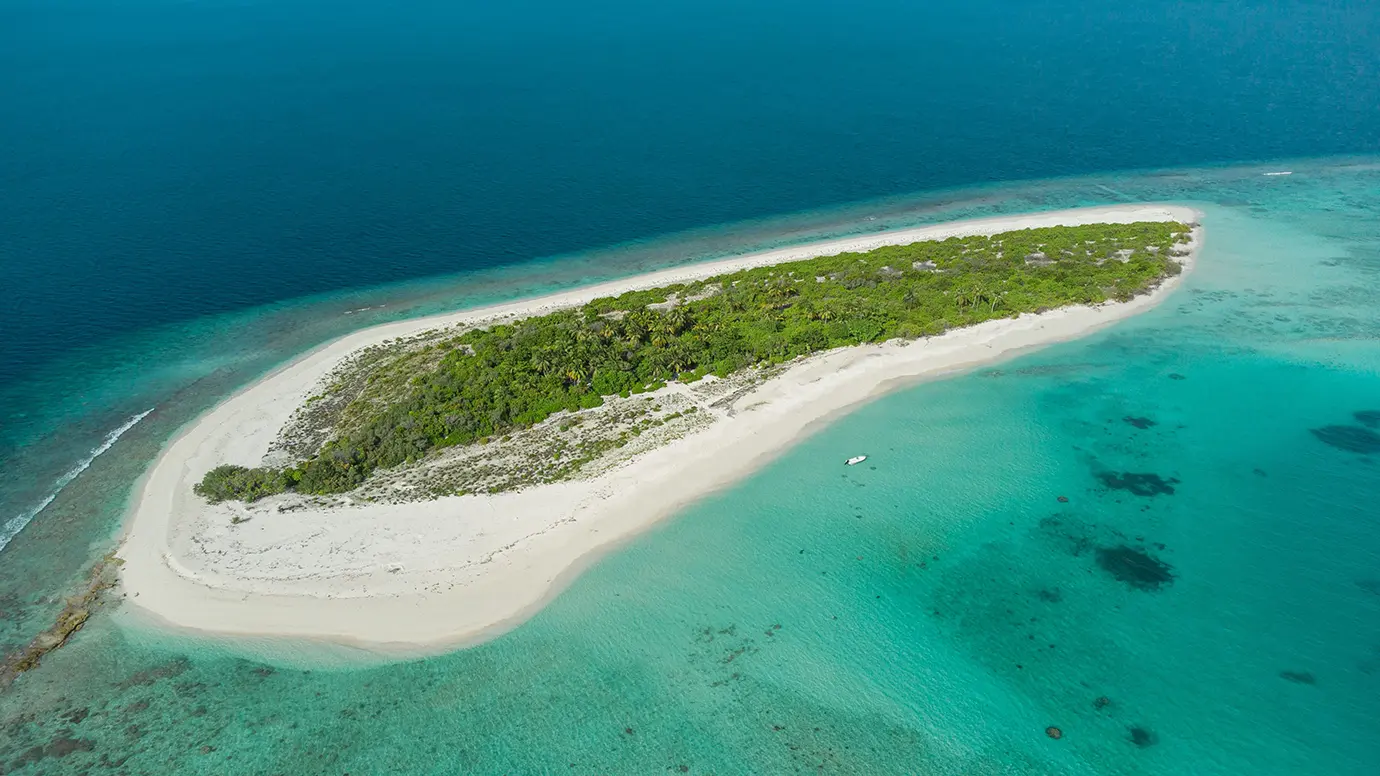
The snorkeling seals the case for the quiet Gilis. Green sea turtles graze the shallows around Gili Meno and Gili Air, and coral reefs ring the Secret Gilis off the southwest coast. Visibility runs clear through the dry season, and the calm, shallow water suits beginners in life jackets. Your private boat lets you linger as long as the fish keep you interested, rather than moving on at a fixed whistle.
The Secret Gilis day trip runs by private boat, so it is your party, your beach, and no crowds. See the details on the Lombok package page.
What Are Lombok’s Best Beaches?
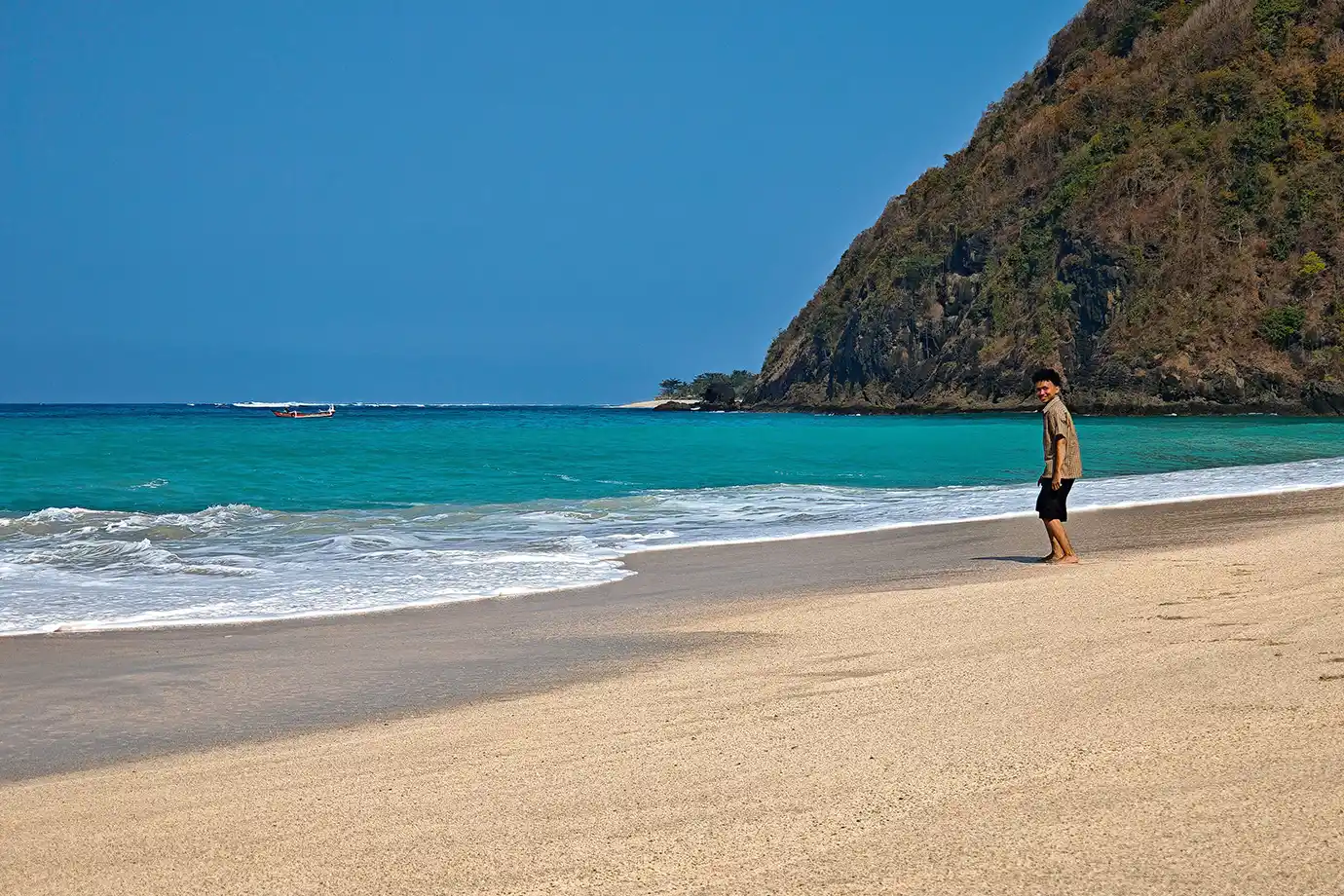
Lombok’s beaches are its strongest draw, wide, clean, and mostly free of the vendors that work Bali’s busy sands. The south coast holds the finest stretches, with turquoise water and pale sand backed by green hills. Most stay quiet even in the dry-season peak. A few are worth planning your days around.
Selong Belanak, on the south coast, is a long crescent of soft sand with gentle water, ideal for swimming and first-time surfers. Nearby, Tanjung Aan has unusually round, pepper-corn-sized grains of sand and a calm bay good for a lazy swim. Mawun is a horseshoe cove between two headlands, sheltered and quiet on most days. Up north, Sire Beach faces the Gilis across a narrow strait, calm and shallow, with the island’s leading resorts along its shore. Bring your own water and shade, since few of these beaches have many facilities.
Where Should You Go on Lombok?
Lombok is divided into four practical zones, and knowing them helps you pick the right base. The West Coast is the arrival strip, and the North holds the quiet luxury beaches. The south is surf country, and the volcano rises in the center. Most trips combine two or three zones. Here is what each one offers.
The Senggigi Coast (West)
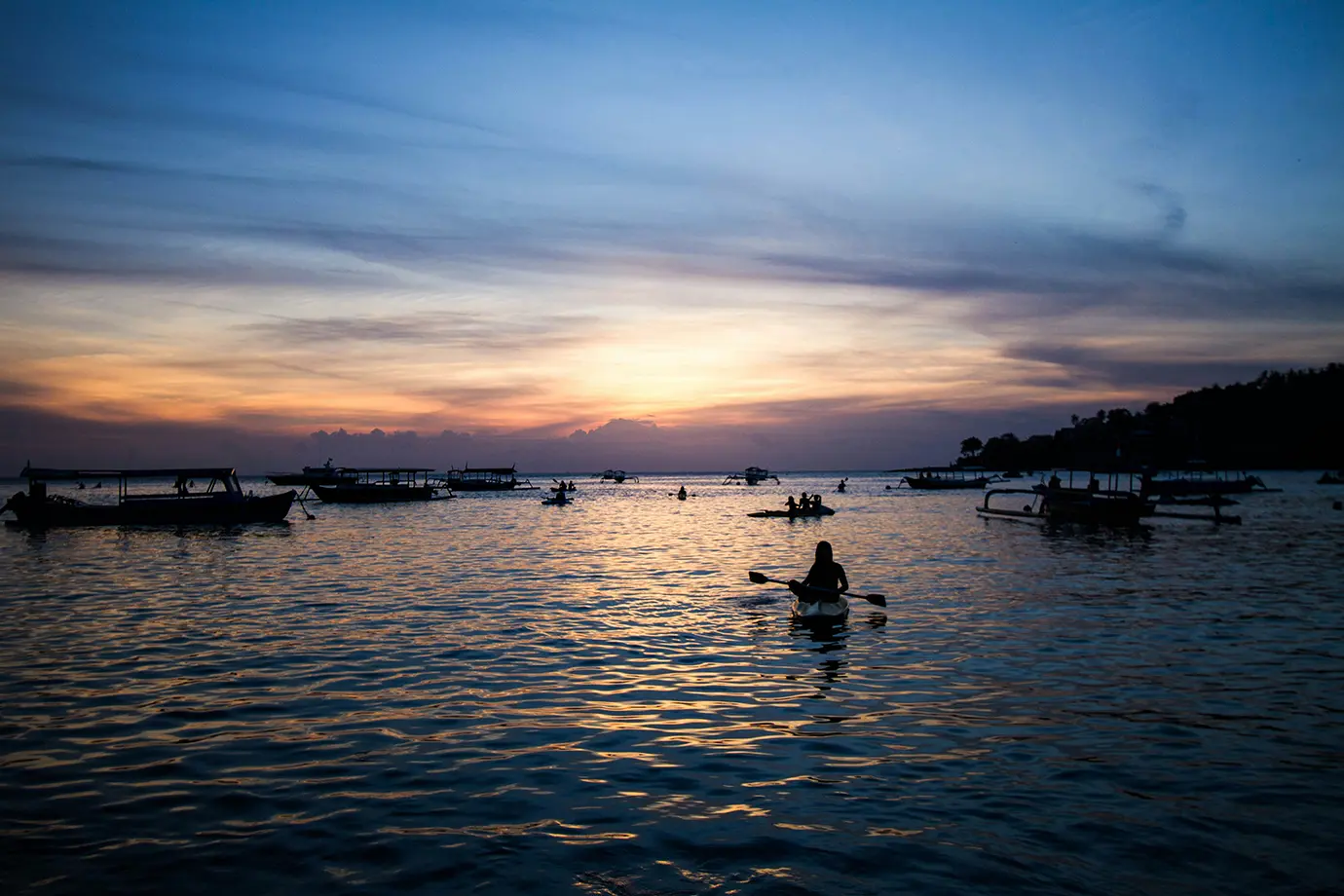
Senggigi is Lombok’s original tourist strip, running along the west coast facing the Lombok Strait. Hotels, restaurants, and dive shops line the road, with Bali’s Mount Agung on the horizon. It feels far calmer than Bali’s Seminyak, closer to a fishing village with hotels than a resort strip. Pura Batu Bolong, a small Hindu temple on a rock over the sea, gives Lombok its own Tanah Lot-style sunset. Senggigi works well as a first night and a launch point for the Gilis.
North Lombok: Sire Beach and the Rinjani Foothills
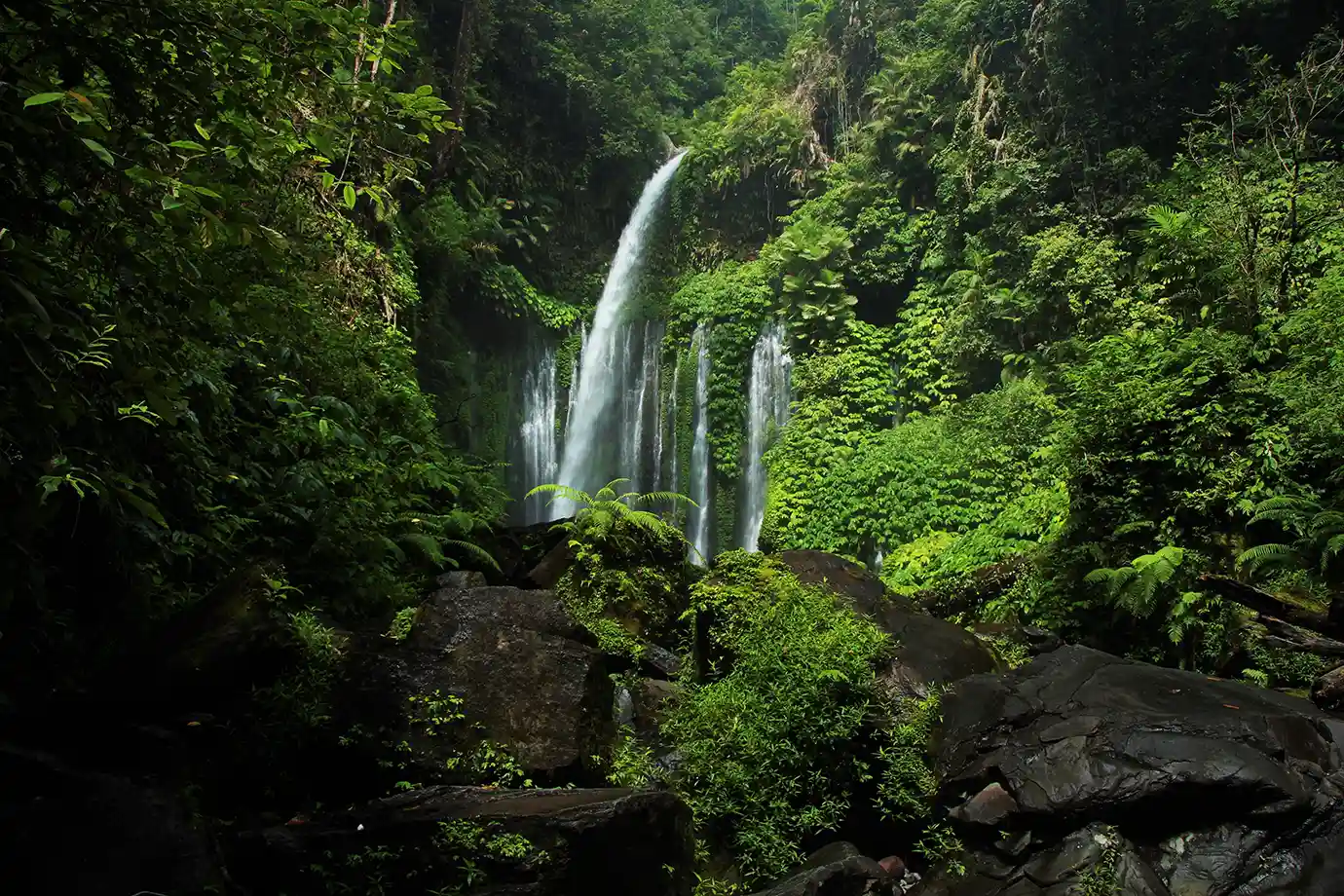
North Lombok is the island’s quiet luxury coast, facing the three Gilis with Mount Rinjani rising behind. Sire Beach is home to Lombok’s leading boutique properties, including a museum-hotel filled with Indonesian antiques and a luxury resort with a private beach. Inland, the Senaru area in the Rinjani foothills is home to the Sendang Gile waterfall. The 30-meter cascade is about a 20-minute walk from the parking area. Traditional Sasak villages with lumbung architecture sit nearby. It is the calmest base on the island.
Kuta Lombok (South)
Kuta Lombok is a developing surf-and-beach town, and it should not be confused with Bali’s party strip, Kuta. The water runs turquoise, the surf breaks are excellent, and beaches like Selong Belanak and Tanjung Aan are gentle enough for swimming. Eco-lodges and cafes are growing, but the town stays far quieter than any Bali beach resort. Sade village, with its traditional Sasak houses and weaving, sits close by. It suits surfers and travelers who want an easygoing coast.
Mount Rinjani
Mount Rinjani is Indonesia’s second-highest volcano at 3,726 meters, and it is active and visible across much of the island. The summit trek takes two to three days from Senaru or Sembalun and descends to the crater lake, Segara Anak, inside the caldera. The scenery is among Indonesia’s most dramatic. The climb is genuinely demanding, though, with steep terrain, high altitude, and basic camping, so it sits outside Peregrine’s comfort-focused pacing. The scenic drive to the Senaru foothills and the Sendang Gile waterfall offers a sense of Rinjani’s presence without the hard climb.
How Do You Get to Lombok?
Lombok is reached by air and sea from Bali, as well as via some direct regional flights. The 30-minute flight from Bali is the fastest and most comfortable way to get there, with a landing at Lombok International Airport. Fast boats and the public ferry are cheaper but slower and less reliable. The table below lays out the options.
| Route | Mode | Duration | Notes |
|---|---|---|---|
| Bali to Lombok | Flight | 30 to 40 minutes | Multiple daily departures; the fastest and most reliable connection |
| Bali to Lombok | Fast boat | 2 to 3 hours | Arrives at Senggigi or Bangsal, can be rough, and delays are common |
| Bali to Lombok | Public ferry | 4 to 6 hours | Padang Bai to Lembar, the budget option, with basic facilities |
| Singapore to Lombok | Flight | About 2.5 hours | Direct regional flights are available, so check current schedules |
| Kuala Lumpur to Lombok | Flight | About 3 hours | Direct regional flights are available, so check current schedules |
An honest word on the fast boats. Many guides sell them as a fun, cheap ride, but the reality is harder. The seas turn rough in the wet season, and delays and cancellations are common. Safety records vary between operators. The 30-minute flight is more comfortable and more reliable, for only a little more. Peregrine books flights, not fast boats.
When Is the Best Time to Visit Lombok?
Lombok follows the same two seasons as Bali, dry from April to October and wet from November to March. The dry season brings clear skies, calm seas, and the best conditions for beaches, snorkeling, and Gili crossings. Days run a warm 27 to 30°C. It is also the only safe window for the Rinjani trek, since the park closes in the wet season.
The wet season brings afternoon showers, rougher seas, and more fast-boat cancellations, along with lower prices and fewer visitors. Rain usually falls for an hour or two in the afternoon, so beach mornings still work well. The shoulder months of May and September are the sweet spot, with dry weather and thinner crowds than the July-to-August peak. Lombok is generally a touch drier than Bali, receiving less rain year-round.
Practical Tips for Lombok
Lombok’s tourism is simpler than Bali’s, and a few adjustments smooth the trip. The island is quieter and less built-up, which is the whole appeal, but it means planning for cash, signal, and transport. Keep the points below in mind, and the lighter infrastructure never becomes a problem.
- Carry enough cash, since ATMs cluster in Senggigi and Kuta Lombok but thin out in the north, the Secret Gilis, and rural areas. Withdraw before you leave the main towns.
- Use a Telkomsel SIM for the most reliable signal, including the north and the Rinjani foothills. Coverage drops on the Secret Gilis and some quiet coasts.
- Expect quiet nights in the north, since Sire Beach and Senaru are calm. For evening restaurants and bars, stay in Senggigi or Kuta, Lombok.
- Respect local dress customs. Wear a sarong and sash at Hindu temples, and dress modestly at mosques and Muslim villages, with covered shoulders and knees.
- Plan for the island’s size, since Lombok covers about 4,700 square kilometers. The drive from the airport to Senggigi takes about 90 minutes, and from Senggigi to Kuta Lombok about 2 hours.
A private car with a driver is the practical way to get around Lombok, since ride-hailing apps only operate in a few areas. Peregrine handles the flights, private cars, private boats, and every other detail, so you carry no booking burden. See the Peregrine Indonesia packages to plan the logistics.
Frequently Asked Questions
Should You Visit Lombok or Bali?
Both, if your trip is long enough. Bali delivers cultural depth, with temples, dance, art, and rice terraces. Lombok delivers coastal calm, with empty beaches, Sasak village culture, uninhabited islands, and a volcanic backdrop. A ten-day trip of seven days in Bali and three in Lombok covers both. If you must choose one, pick Bali for your first visit to Indonesia and Lombok for a quieter return trip.
How Many Days Do You Need on Lombok?
Five to eight days are enough to cover the island properly. Plan a night or two on the Senggigi coast and a Secret Gilis day trip. Add three or four nights at Sire Beach, with a waterfall walk and a Sasak village visit. Three days deliver the highlights if you combine Lombok with a Bali trip. The Peregrine Lombok and Secret Gilis package runs eight days at a comfortable pace.
Are the Gili Islands Worth Visiting?
It depends on which Gili. Gili Trawangan is a party island and a poor fit for this kind of trip. Gili Meno is genuinely quiet and good for a day or an overnight. Gili Air balances calm and activity. The Secret Gilis, Nanggu, and Sudak deliver uninhabited-island snorkeling by private boat, which is the type of private-tour experience most private-tour travelers actually want.
Is Lombok Safe?
Yes. Lombok is safe for international visitors, and crime against tourists is rare. Major earthquakes once caused extensive damage in the north, and the area has since been substantially rebuilt. The real concerns are limited medical care outside the capital, Mataram, and rough fast-boat crossings in the wet season. The demands of the Rinjani trek are another challenge for those attempting it. Travelers with a guide and driver face very little risk.
Is Mount Rinjani Suitable for Most Travelers?
No, the summit trek is demanding. It runs for two to three days over steep terrain, with basic camping and a high altitude of 3,726 meters. It does not suit travelers who prefer a comfortable pace. The scenic drive to the Senaru foothills and the Sendang Gile waterfall gives you Rinjani’s visual impact without the hard climb. Peregrine’s Lombok package covers the foothills and waterfall, not the summit.
What Is the Best Way to Get to Lombok From Bali?
Fly. The 30- to 40-minute flight is fast, reliable, and comfortable, with several daily departures. Fast boats take two to three hours and cost less, but they are prone to rough seas, delays, and cancellations, especially in the wet season. The public ferry is cheaper still but slow, at four to six hours. Peregrine books flights for comfort and reliability.
Plan Your Lombok Trip
Lombok is the island you visit when you want Bali’s beauty without Bali’s crowds. Trade the temple ceremonies for empty beaches, Sasak weaving villages, and a volcano behind the sand. Pair it with Bali, or come for the quiet alone, and the contrast is the whole point. The lighter footprint is not a shortcoming here. It is the reason to come.
Send us your travel dates, and we will build Lombok into a wider Indonesia trip at your pace. Email sales@peregrinetreks.com or message WhatsApp +9779851052413. We handle the flights, the private cars, the private boats, and all the logistics in between.