


The best time to visit Armenia is May to June or September to October. Temperatures across the country range from 20°C to 28°C. Skies are clear enough to view Mount Ararat. Tourist crowds at major sites stay thin. These two windows give you comfortable walking weather, the most reliable photography conditions, and access to every destination from Yerevan to Geghard.
What you see, eat, and experience in Armenia depends heavily on when you arrive. Autumn brings grape harvests and two of the country’s best festivals. Summer pushes travelers out of Yerevan toward high-altitude lakes and forested retreats. Winter transforms a specific mountain town into one of the Caucasus’s few functioning ski resorts. Each season has its own strong case.
Spring and Autumn: The Two Sweet Spots
May and June: Wildflowers, Ruins, and Clear Mountain Views
May and June offer Armenia at its most photogenic. Daytime temperatures in Yerevan range from 20°C to 28°C. Morning air in May and June is clear enough to see Mount Ararat in sharp relief. The Cascade Complex rooftop and the Khor Virap monastery viewpoint both frame Ararat well.
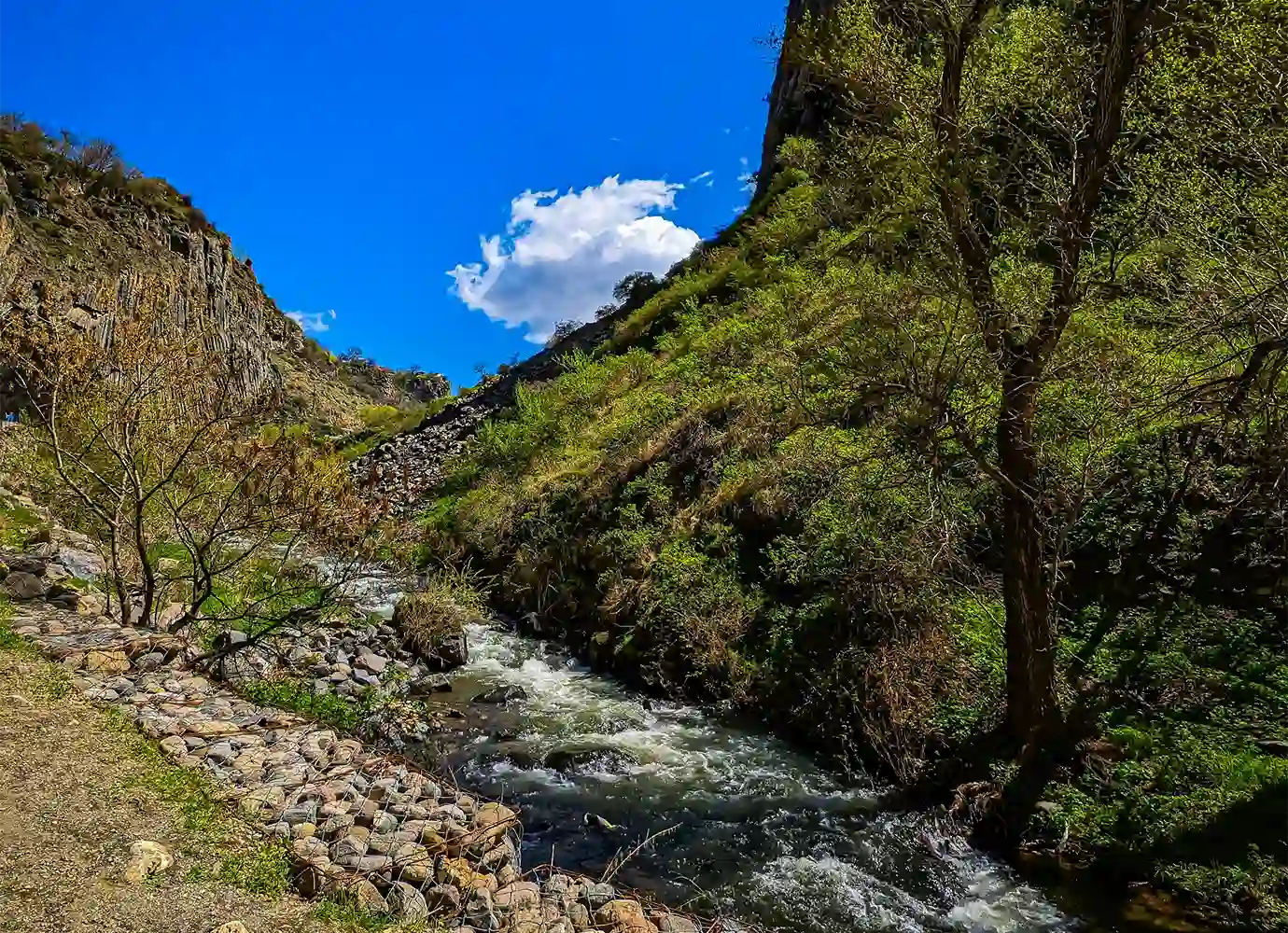
Spring wildflowers cover the upper slopes around Geghard and the gorge at Garni. Hiking trails around Dilijan National Park and the Lori gorge are fully accessible and at their most verdant.
Airport crowds are lighter than in summer, which keeps tour group volumes down at UNESCO sites. Garni Temple and Geghard Monastery are noticeably quieter on weekday mornings in May.
One practical note: Armenia’s Eastern Orthodox Easter is in spring, and its date shifts year to year. Plan around Easter weekend if you can — some businesses close.
September and October: Harvest, Festivals, and Autumn Color
September and October are the most festival-rich months in Armenia. Vineyards outside Yerevan turn amber and purple. Roadside stalls in the Ararat valley sell fresh pomegranates, persimmons, and walnuts by the kilo.
Temperatures in Yerevan range from 20°C to 25°C in September, dropping to 15°C to 20°C through October. Days stay warm and sunny. Evenings cool quickly — bring a light jacket for outdoor dining on Saryan Street.
The two anchor events for autumn travel:
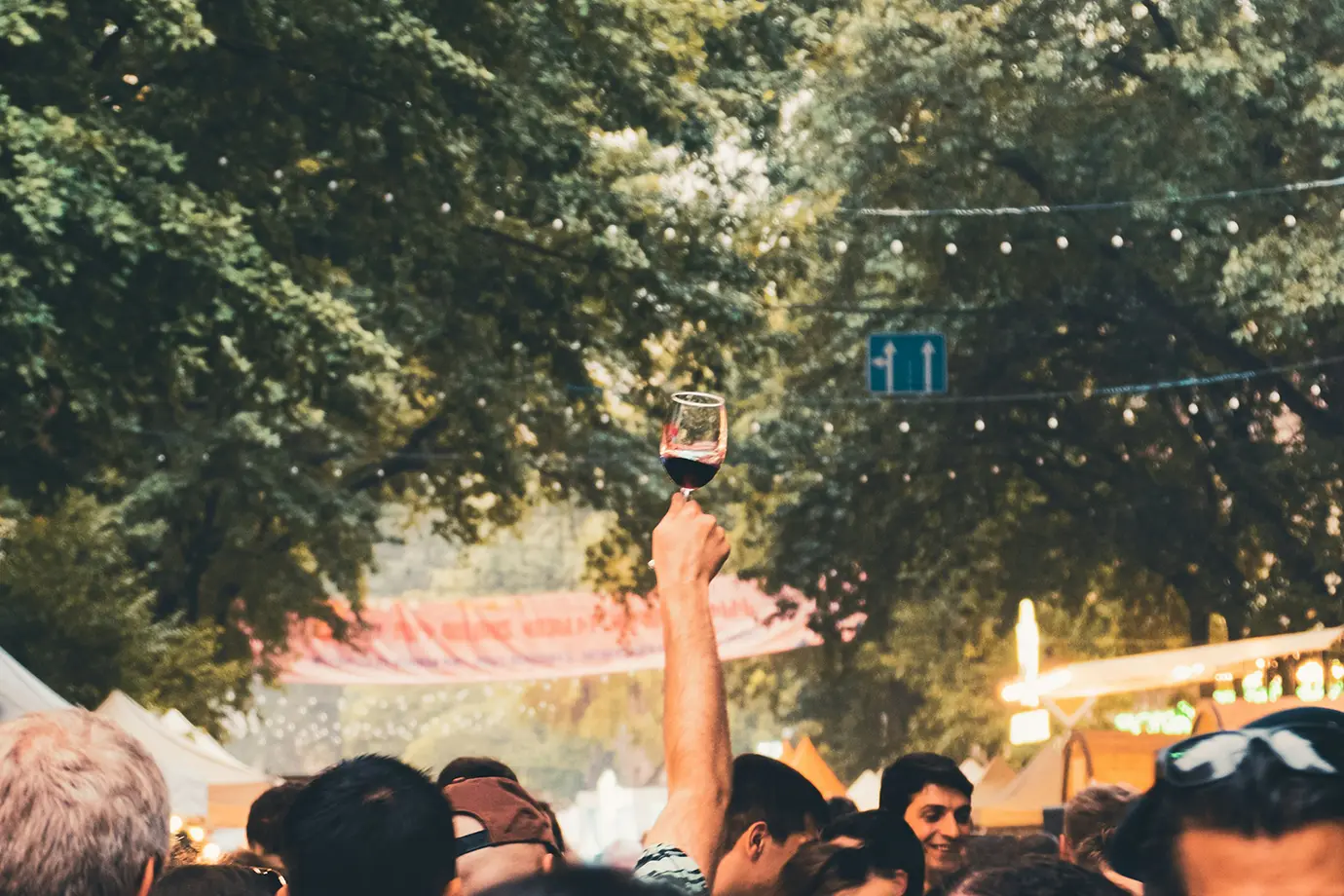
Areni Wine Festival: First Saturday of October, Areni village, Vayots Dzor, 120 km south of Yerevan. Free wine tasting from dozens of Armenian producers. The Areni-1 Cave (world’s oldest known winery, c. 4100 BC) is a short walk from the festival grounds.
“Discover Armenia from the Sky” Balloon Festival: Mid-October, typically 5 days. Around 20 balloons fly at sunrise and sunset from Yerevan, the Garni region, and the Aparan reservoir. Weather cancellations are common — build flexibility into your schedule.
Both October festivals align well enough to be covered in a single 10- to 12-day trip from Yerevan.
Summer: Yerevan Heat and the High-Altitude Escape
July and August: Hot in the Capital, Cool at Altitude
July and August in Yerevan are hot. Daytime temperatures regularly exceed 35°C and occasionally reach 38°C. Walking the Old City or standing at an exposed site like Zvartnots Cathedral in early afternoon takes real commitment.
Two strategies work for summer visitors: stay in Yerevan for early mornings and evenings, and escape to the mountains during the day.
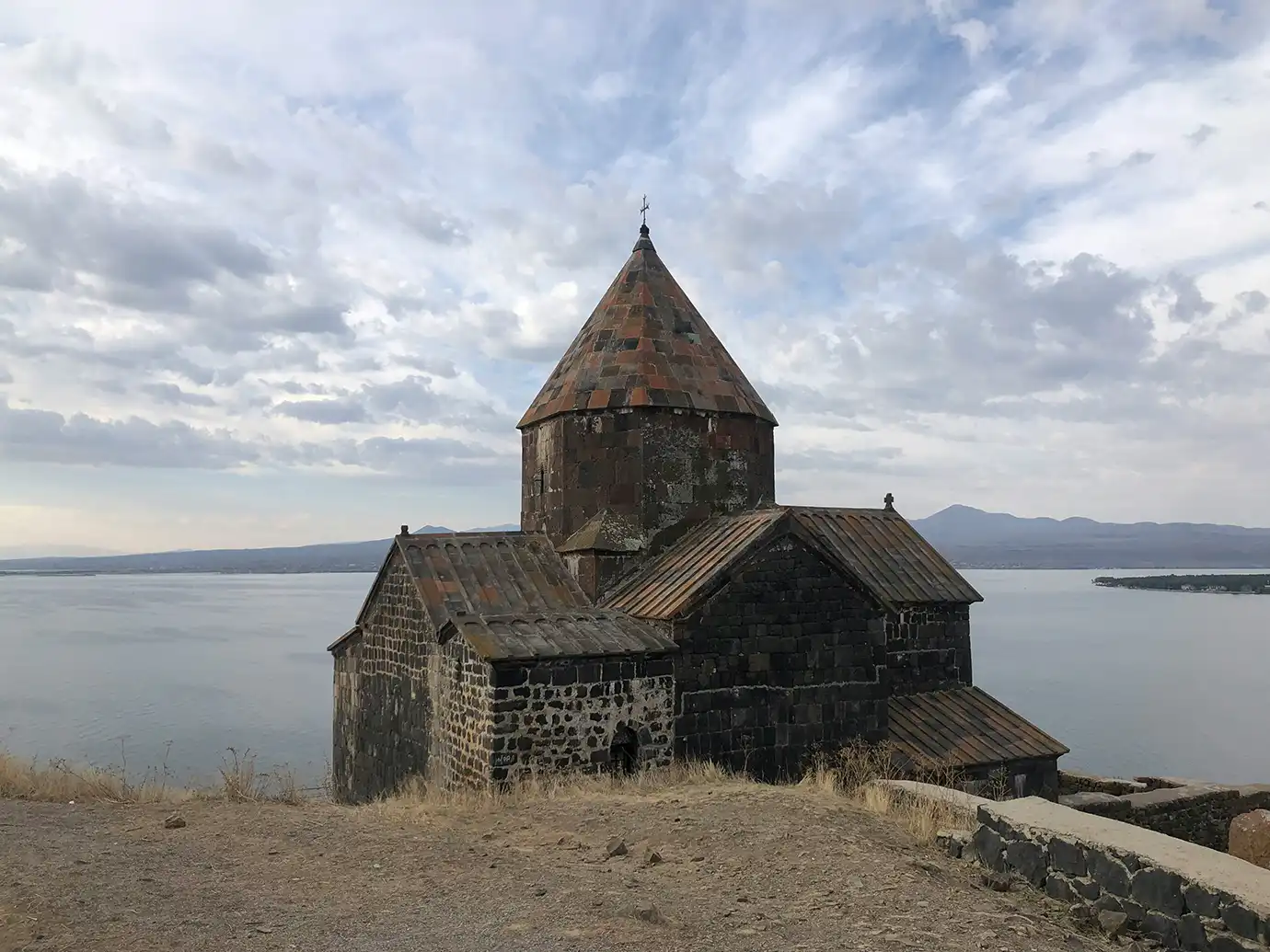
Lake Sevan: 65 km northeast of Yerevan (~1 hour by car). Sits at 1,900 meters above sea level, keeping temperatures 8 to 12 degrees cooler than central Yerevan. Water temperature reaches 18–22°C in July and August. Sevanavank monastery overlooks the lake. Fish restaurants on the shore serve iskhan (Sevan trout) and crayfish.
Dilijan: 95 km northeast of Yerevan, ~1,500 m elevation. Dense beech and oak forest. Haghartsin Monastery is 18 km from the town center of Dilijan. A proper hiking circuit there takes five to six hours and is manageable without a guide.
Yerevan’s summer nightlife is genuinely strong. Markets, rooftop restaurants, and cafés run until midnight. Plan outdoor and cultural touring before 10:30.
Vardavar: The National Water Festival
Vardavar falls 98 days after Armenian Easter, placing it in July — occasionally as early as late June or as late as early August. On Vardavar, the entire country throws water on strangers. Buckets are poured from apartment balconies. Fire trucks arrive in Republic Square and douse the crowd.
Water-throwing is not optional. Put electronics in waterproof bags before going outside. Wear clothes you’re happy to get soaked in. Join in rather than dodge it.
The specific date changes each year with the Armenian Easter calendar. Check the Armenian Apostolic Church’s published schedule for the exact date before you travel.
Winter: Skiing, Silence, and a Smaller Budget
December to February: Tsaghkadzor and the Quiet City
Winter in Yerevan is cold, gray, and quiet. Daytime temperatures range from 2°C to 8°C, with occasional snow in the city. Most outdoor sites remain accessible, but the experience is austere rather than celebratory.
The exception is Tsaghkadzor. The town is approximately 55 km northeast of Yerevan, about a one-hour drive from the capital. The name means “Valley of Flowers” in Armenian. In winter, it earns an entirely different description.
Tsaghkadzor Ski Resort: Base elevation 1,966 m, top station 2,819 m, vertical drop 853 m. Around 27–30 km of marked pistes. Longest run approximately 5.8 km. Five Leitner chairlifts. Ski season: mid-December through March. Suits beginners and intermediate skiers well.
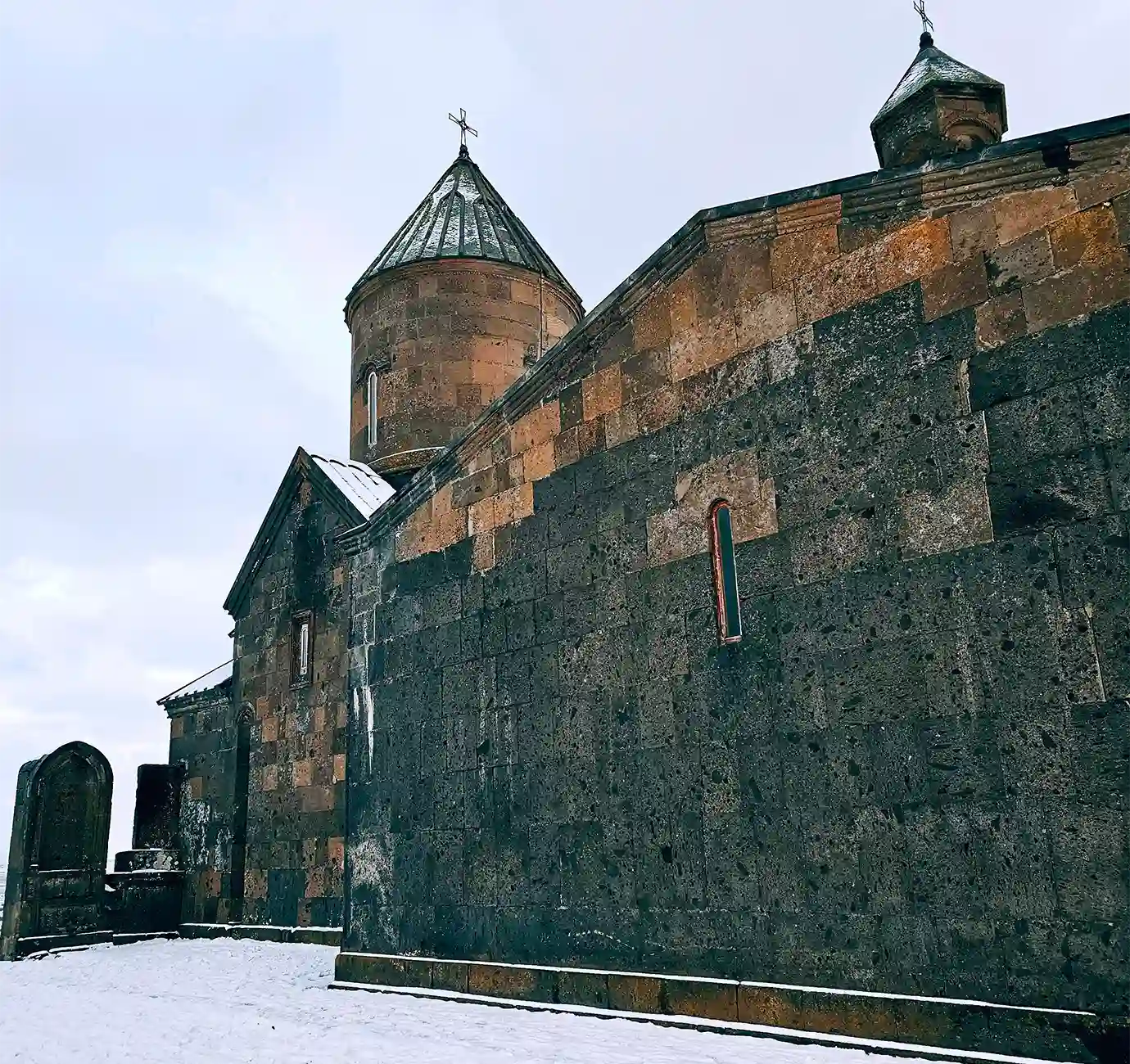
Hotels range from budget guesthouses to the Marriott Tsaghkadzor. Kecharis Monastery, an 11th- to 13th-century complex in the center of the town, is worth an hour of exploration even in ski boots.
Winter also works for travelers who want to see Armenia’s major historical sites without crowds. Geghard, Garni, and Echmiadzin are uncrowded in January. Yerevan’s museums run normally year-round.
Month-by-Month Seasonal Overview
Use this month-by-month breakdown to find the best time to visit Armenia for your travel style.
| Month | Yerevan Temp | Conditions | Best For |
|---|---|---|---|
| January | 0–5°C | Cold, possible snow | Tsaghkadzor skiing, quiet museums |
| February | 2–7°C | Cold, snowier at altitude | Skiing, budget travel |
| March | 8–15°C | Warming, occasional rain | Early spring, fewer crowds |
| April | 14–20°C | Pleasant, blooming | Armenian Easter, monasteries |
| May | 20–26°C | Ideal — clear skies | Hiking, Garni, Geghard, Ararat views |
| June | 22–28°C | Warm, still comfortable | Wine Days festival, all sites |
| July | 28–36°C | Hot, go early or to altitude | Vardavar, Lake Sevan, Dilijan |
| August | 27–35°C | Hot, same advice as July | Lake Sevan, Dilijan forest hiking |
| September | 20–27°C | Excellent — harvest season | Vineyards, Ararat plain |
| October | 15–22°C | Excellent — festivals | Areni Wine Fest, balloon festival |
| November | 8–14°C | Cooling, quieter | Budget period, uncrowded sites |
| December | 2–8°C | Cold ski season opens | Tsaghkadzor opening weeks |
Which Season Matches Your Travel Style?
- Cultural travelers focused on monasteries and history: May, June, September, and October offer the best weather, photography light, and manageable crowds at Geghard, Garni, Echmiadzin, and Noravank.
- Festival and food travelers: October for the Areni Wine Festival and the balloon festival. June for Yerevan Wine Days, an urban street festival on Saryan, Tumanyan, and Moskovyan streets every first weekend of June.
- Hikers and nature travelers: May and June for wildflowers. September and October for autumn color. July and August for Lake Sevan and Dilijan are within easy day-trip range of Yerevan.
- Skiers and winter sports travelers: January and February at Tsaghkadzor, with easy same-day access from Yerevan.
- Budget travelers: November through February, outside the ski resort. Accommodation rates in Yerevan drop, the Armenia Group tour disappears, and you share major sites with almost no one.
FAQs about the Best Time to Visit Armenia
When is the best time to visit Armenia?
The best months for Yerevan are May, June, September, and October. Temperatures stay between 18°C and 28°C, which is comfortable for walking the Cascade Complex, Republic Square, and the Old City. July and August temperatures often exceed 35°C in the afternoon, which forces morning-only outdoor touring. Mount Ararat is most visible in May and October before summer haze builds.
When is the Areni Wine Festival in Armenia?
The Areni Wine Festival takes place every year on the first Saturday of October. It runs through Areni village in the Vayots Dzor region, approximately 120 km south of Yerevan. The festival runs for one day and features free wine tasting from dozens of Armenian producers, folk music, traditional food, and a grape-pressing ceremony. The Areni-1 Cave, home to the world’s oldest known winery (c. 4100 BC), is a short walk from the festival grounds.
What is Vardavar, and when does it happen?
Vardavar is Armenia’s ancient water festival, celebrated 98 days after Armenian Easter. The date falls in July most years, occasionally in late June or very early August. On Vardavar, everyone in Armenia throws water on everyone else — strangers, neighbors, pedestrians below balconies — rooted in pre-Christian ritual. If you are in Yerevan on Vardavar, you will get wet regardless of your intentions. Put electronics in waterproof bags and wear clothes that can get soaked.
Is Armenia worth visiting in winter?
Yes, for specific reasons. Tsaghkadzor ski resort (55 km northeast of Yerevan, base elevation 1,966 m) runs from mid-December through March with around 27 km of pistes and a vertical drop of 853 meters. Outside the ski resort, Yerevan’s museums, monasteries, and restaurants all operate normally. Crowds at major sites are minimal,l and accommodation rates are lower. Winter travel suits budget travelers and skiers rather than hikers or festival-goers.
How many days do you need in Armenia?
Five days cover Yerevan and its major day trips — Garni, Geghard, Echmiadzin, and Zvartnots. Seven to ten days adds Khor Virap, Lake Sevan, Dilijan, Tatev Monastery in Syunik, and the Debed Canyon monasteries in Lori. A full country circuit,t including Gyumri and the rural north,h needs at least 12 days. For the Areni Wine Festival, arrive in Armenia two to three days before the first Saturday of October. You’ll have time to settle in and arrange transport to Areni village.
Email: sales@peregrinetreks.com
WhatsApp: +977 985 105 2413
Web: peregrinetreks.com