


These Armenia travel tips exist because most travelers only find out the practical realities after landing. Ancient stone monasteries perch on canyon edges. Free cold water flows from street-corner fountains. The capital, Yerevan, moves at an easy pace while serving some of the best food in the Caucasus. But a handful of realities shape how smooth your trip actually goes — and knowing them before you fly changes everything.
Read these ten points before you go. Each one changes how you plan.
Armenia Travel Tip 1: Do I Need a Visa to Enter Armenia?
Most Western travelers enter Armenia without a visa for up to 180 days. Citizens of the United States, the United Kingdom, Canada, Australia, Japan, South Korea, and most EU member states all qualify. Citizens of GCC countries — UAE, Saudi Arabia, Qatar, Kuwait, Bahrain, and Oman — enter visa-free for up to 90 days. Armenia opened this access in July 2025.
If your nationality requires a visa, apply online at evisa. I’m a fan before travel. The e-visa costs AMD 3,000 for a 21-day stay and AMD 15,000 for a 120-day stay, with approval issued within 3 working days. Visa on arrival is available at some entry points for eligible nationalities. Check the official Armenian Ministry of Foreign Affairs portal for the most current list before booking — the rules change periodically.
2. Which Ride-Hailing Apps Work in Armenia?
Uber does not operate in Armenia. Download GG Taxi or Yandex GO before you land — both apps work reliably in Yerevan and cover most regional towns. GG Taxi is the most widely used local app and tends to have shorter wait times in Yerevan’s city center.
Both apps show the estimated fare before you confirm the booking. Drivers follow the in-app price: no cash negotiation, no meter disputes. Set up your account and link a payment card before your flight. Airport arrivals without a working app often end up paying inflated rates at unofficial taxi counters — skip that entirely.
3. Should I Use Cash or a Card in Armenia?
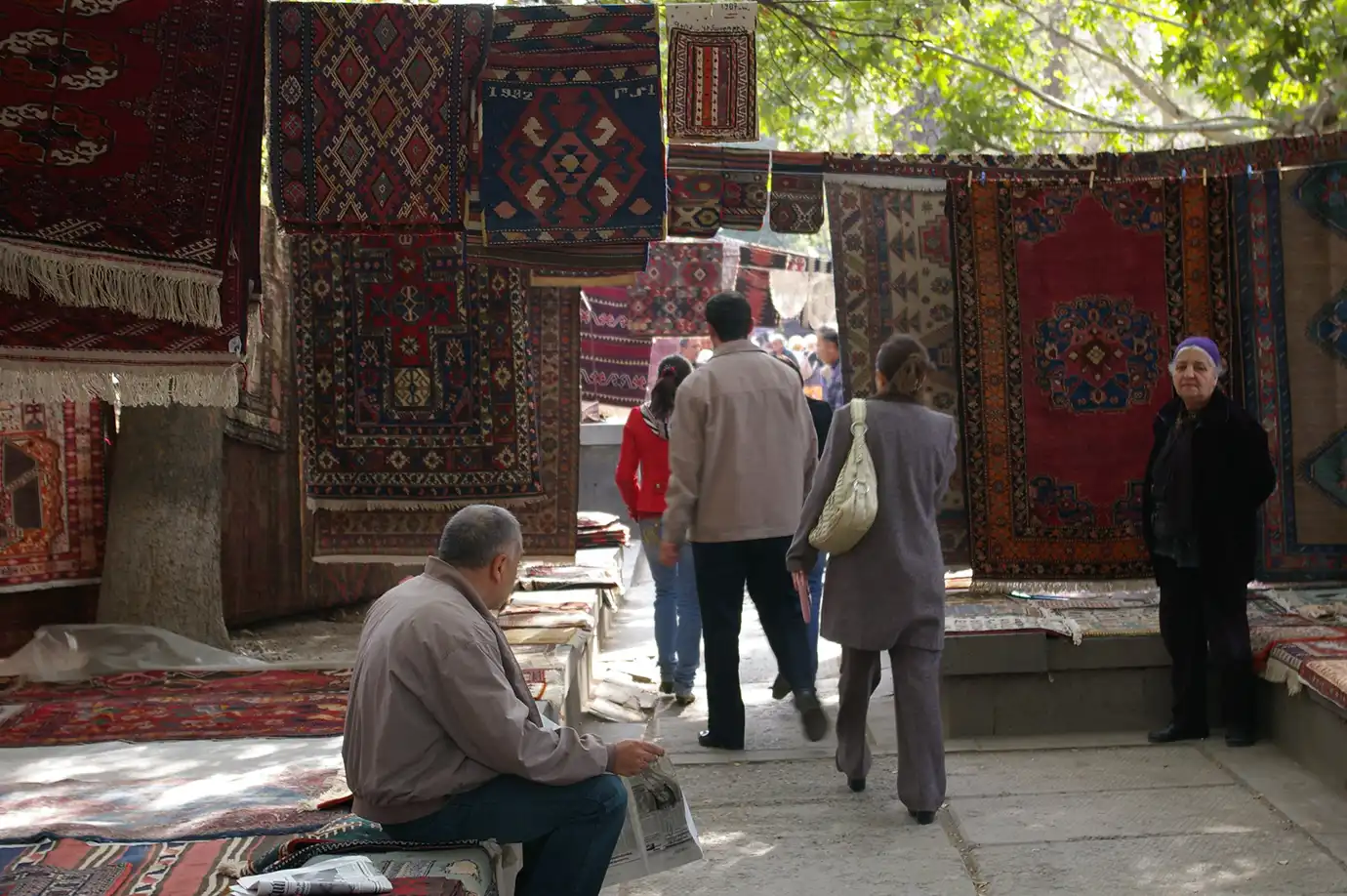
Armenia runs on a roughly 50-50 split between cash and card payments. Hotels, larger supermarkets, and most restaurants in Yerevan accept Visa and Mastercard without issue. Cash is mandatory for marshrutka (shared minibus) fares, rural guesthouses, small village shops, and open-air markets like the Vernissage flea market on weekends.
Carry Armenian Dram (AMD) for anything outside the capital or off the main tourist circuit. For ATM withdrawals, Ameriabank machines are consistently recommended by experienced travelers for keeping local bank surcharges low on foreign cards. ATMs are plentiful across Yerevan, but become sparse in rural areas — withdraw enough before heading to monasteries or mountain villages.
4. Is the Tap Water Safe to Drink in Armenia?
Yes. Armenia’s tap water is safe to drink in Yerevan and most of the country. You can fill a reusable bottle directly from the tap without any concern.
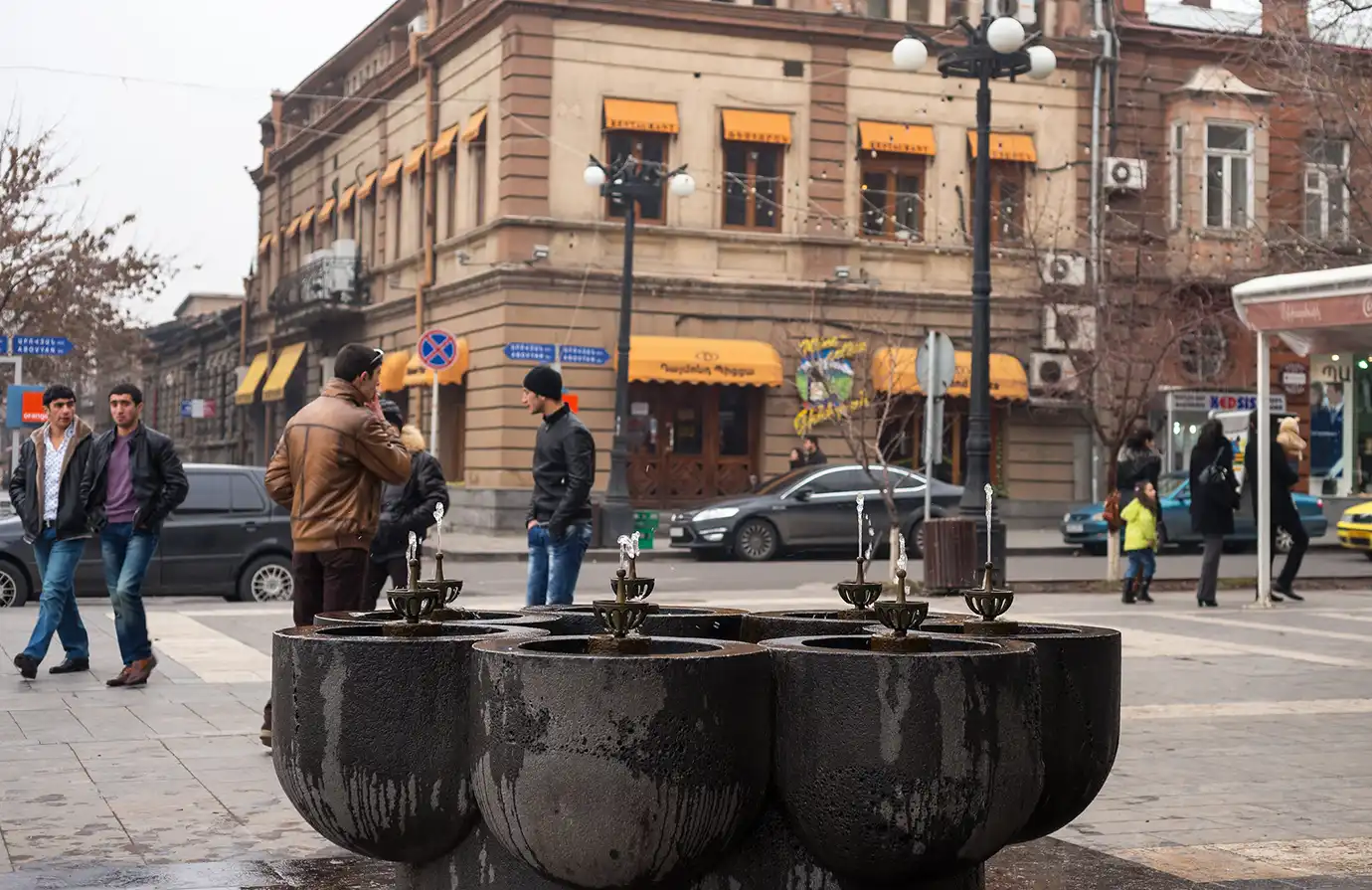
More distinctively, free cold water flows continuously from public drinking fountains called pulpulaks, found on street corners throughout Yerevan and other Armenian cities. The word pulpulak captures the sound of water murmuring from its source. Pulpulaks first appeared in Yerevan in the 1920s. They are now a genuine cultural institution. Armenians use them as meeting points. Many are built in memory of individuals who have passed. Some pulpulaks require a slight bow to drink. Bowing is a gesture of respect toward the person in whose memory the fountain was built. Drink from them. Skip the bottled water.
5. What Are the Border Realities I Need to Know?
Armenia’s borders with Turkey and Azerbaijan have been fully closed for decades. You cannot cross into either country from Armenia. Plan your regional travel accordingly — if your itinerary includes Turkey, Georgia, or further connections, you must travel by air or by land through Georgia.
The U.S. State Department advises increased caution near specific border areas with Azerbaijan. Areas to avoid: east of Vardenis in Gegharkunik and east of Goris in Syunik. Major tourist sites near the Turkish border are completely safe. Khor Virap monastery, directly below Mount Ararat, is one of Armenia’s most-visited sites. Your driver-guide will know exactly where to exercise caution. Do not attempt to drive independently near active border zones without local guidance.
6. What Should I Wear at Monasteries and Churches?
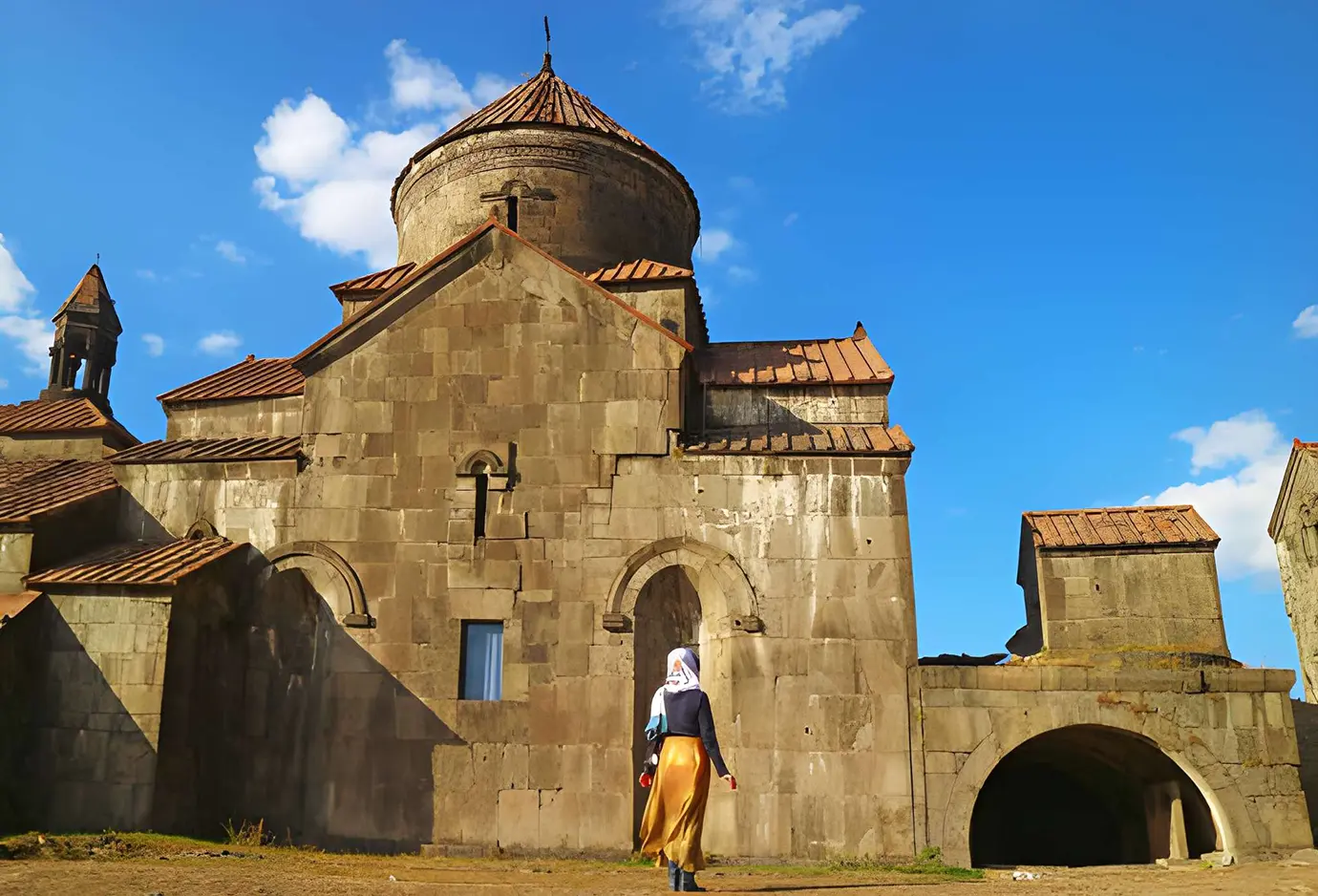
Cover your shoulders and knees before entering any active Armenian Apostolic church or monastery. Women need a headscarf or a light shawl to cover their hair. Most sites have shawls to borrow at the entrance. Carrying a small scarf in your bag is more convenient.
Men wearing shorts should cover their legs before entering. Lightweight linen trousers pack easily and work across every religious site on an Armenian itinerary. The rule applies regardless of how hot the weather is outside. Garni Temple is not a religious site and has no dress code. Every church and monastery from Geghard to Haghpat to Noravank does. Plan your outfit before monastery days. Plan your outfit before you leave the hotel on monastery days.
7. How Does Tipping Work in Armenia?
Many restaurants in Yerevan automatically add a 10% service charge to the bill. Check the itemized receipt before leaving extra — if the charge appears, you have already tipped. If no service charge appears on the bill, a 10% tip is the local standard.
Tipping guides and drivers is not mandatory, but is genuinely appreciated. A tip of around AMD 2,000-3,000 per day for a private driver-guide is appropriate for a good experience. For taxis booked through GG Taxi or Yandex GO, tipping is not expected, but rounding up the fare is a common courtesy. Hotel staff, porters, and housekeeping respond well to small cash tips in Dram.
Armenia Travel Tip 8: When Is the Best Time to Visit?
May through early June and September through October are the two best time for visiting Armenia. In both windows, Yerevan temperatures run 18°C to 26°C. Roads to all sites stay open. The countryside peaks in color — wildflowers in spring, golden light in autumn.
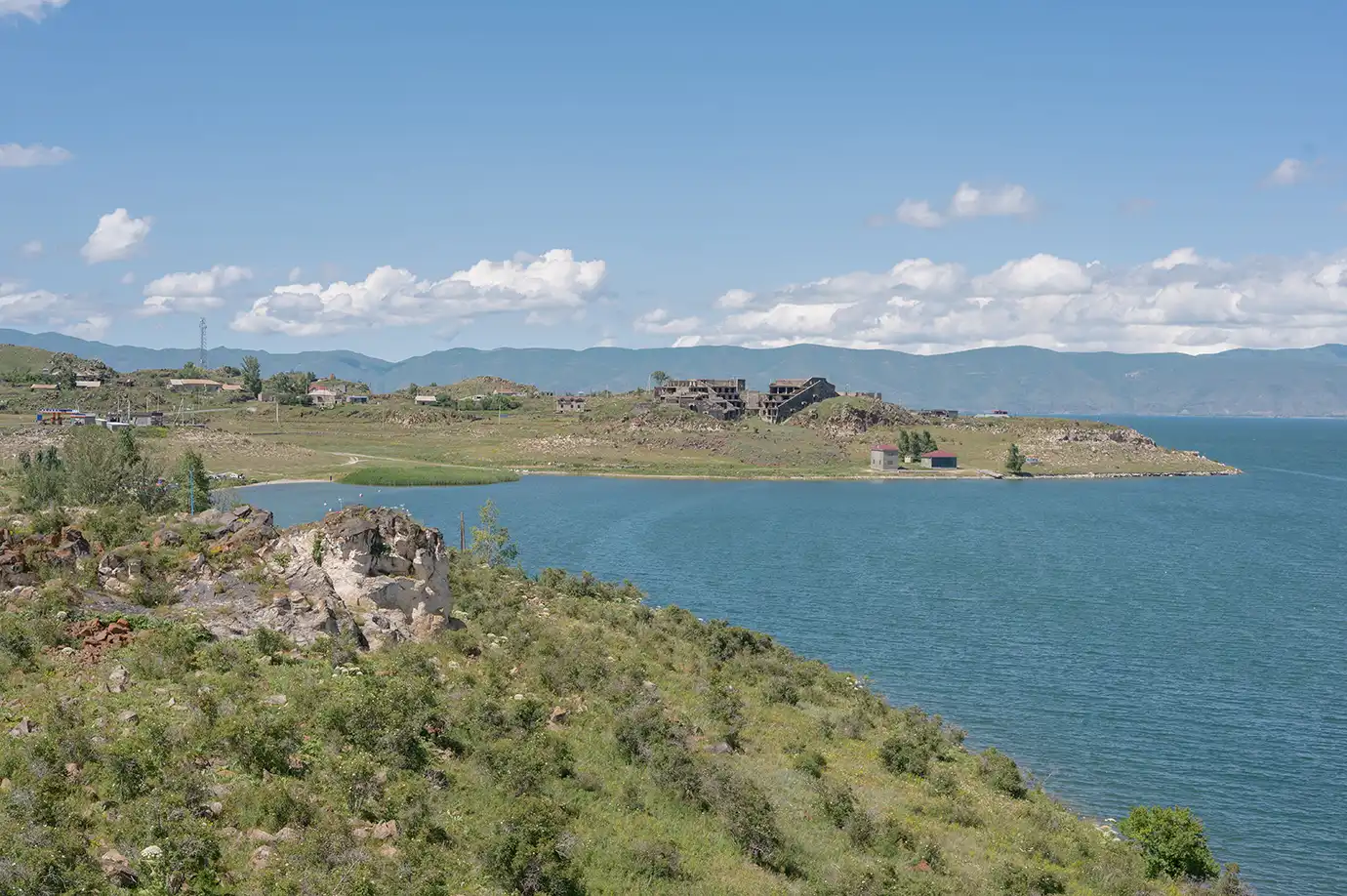
July and August are the hottest months, with Yerevan regularly exceeding 30°C. Sites like Lake Sevan, Dilijan National Park, and the Aragats massif stay cooler in summer and work well if those months are your only option. Avoid heavy walking in Yerevan in peak July heat. Winter (December through February) brings snow, empty monasteries, and the iconic Khor Virap view with Mount Ararat blanketed in snow—a strong option for solitude and photography.
9. Get an AirportSIM Card at the Airport
Viva-MTS and Ucom both operate kiosks in the arrivals hall at Zvartnots International Airport (IATA: EVN), located approximately 12 km from central Yerevan. Pick up a tourist SIM before you leave the terminal. A Viva-MTS tourist plan (unlimited data for 15 days) costs approximately AMD 2,500 — roughly USD 6–7. Ucom’s equivalent, uWelcome, is priced similarly.
Bring your passport. SIM card registration is mandatory in Armenia, and staff at the airport kiosk process the registration on the spot. Without a local SIM card, you cannot use GG TaxiAirportdex GO at the Airport. Lacking a working app on arrival day is the most common source of friction for first-time visitors. Viva-MTS has the widest rural coverage across Armenia if you plan to visit monasteries in Tavush, Lori, or the southern Syunik region.
10. Armenia Is Extremely Photogenic — But Ask Before You Shoot
Armenia rewards photographers at every scale. The contrast of wildflowers against volcanic black rock at Geghard. Canyon walls below Noravank. The ceramic-blue interior of Etchmiadzin Cathedral. The Seven Springs pulpulak on Republic Square at golden hour.
In rural areas and smaller towns, ask permission before photographing local people. Most Armenians are warm toward visitors and genuinely proud of their country — but pointing a camera without asking feels intrusive in tight-knit communities. Monasteries permit photography everywhere except during active church services. Always check with your guide before shooting inside a church where a service is underway. At Etchmiadzin, the mother church of Armenian Christianity, photography inside the main cathedral is strictly restricted. Confirm current rules on arrival.
Frequently Asked Questions About Visiting Armenia
Is Armenia safe for tourists?
Armenia is generally safe for tourists. Yerevan has a low street crime rate, and most sites outside the capital are calm and welcoming. The U.S. Department of State currently lists Armenia at Level 2 (Exercise Increased Caution). Specific border regions near Azerbaijan — primarily east of Vardenis and east of Goris — are the concern. Most tourist destinations, including Yerevan, Khor Virap, Lake Sevan, Dilijan, and the major monasteries, sit well away from these areas.
What currency does Armenia use, and where can I exchange money?
Armenia uses the Armenian Dram (AMD). Currency exchange offices (obmenniki) are found throughout Yerevan and offer competitive rates — often better than those at hotels or airports. Major banks, such as Ameriabank, ACBA Bank, and IDBank, operate ATMs throughout the capital. In rural areas, ATMs are limited: carry sufficient Dram before leaving Yerevan for a multi-day regional trip.
How do I get from Zvartnots Airport to Yerevan city center?
Zvartnots International Airport sits approximately 12 km from central Yerevan. A private taxi or GG Taxi/Yandex GO ride takes 20 to 30 minutes, depending on traffic. The No. 20 public airport bus connects the Airport to Republic Square. Buy a local SIM card in the arrivals hall first. A ride-hailing app fare from the terminal is significantly cheaper than flagging a taxi at the curb.
Do I need to speak Armenian to travel around Armenia?
No. English is widely spoken in Yerevan’s hotels, restaurants, and tourist-facing businesses, and most licensed guides speak fluent English. Outside the capital, Russian is more commonly understood than English. A few words of Armenian go a long way in rural areas. Barev means hello. Mersi means thank you. Locals warmly receive any effort. Downloading Google Translate with the Armenian language pack before your trip covers most communication gaps.
Is Khor Virap safe to visit, given its proximity to the Turkish border?
Yes. Khor Virap is fully safe to visit. The monastery sits at the edge of the Ararat Valley, looking directly at Mount Ararat. The site itself is calm and well-maintained. Thousands of visitors make the trip each year. The border is closed, but the area near the monastery is not a restricted zone. Your driver-guide will take you there directly from Yerevan in about 45 minutes.