


The best time to visit Japan is late October to mid-November for most travelers. Autumn colors, mild weather, and manageable crowds line up better than in any other window. Cherry blossom season in late March and early April is the famous rival, but it costs more and moves faster than people expect.
Japan runs on the seasons more tightly than almost any country. Cherry blossoms sweep north across a full month. Autumn color runs the other way over four weeks. A few domestic holiday weeks empty the cities of foreign visitors while filling every train seat with locals.
Pick the wrong week, and you pay for it, in crowds, in rates, and in closed doors. Pick the right one, and Japan feels calm, clear, and yours.
By the end of this guide, you will have four things settled. Which two months earn their peak reputation. Which two quietly beat expectations for value and calm. Which weeks to avoid outright. And which month fits your goal, whether that is sakura, autumn leaves, snow, or a tight budget.
The month-by-month matrix is right below if you want the whole year at a glance.
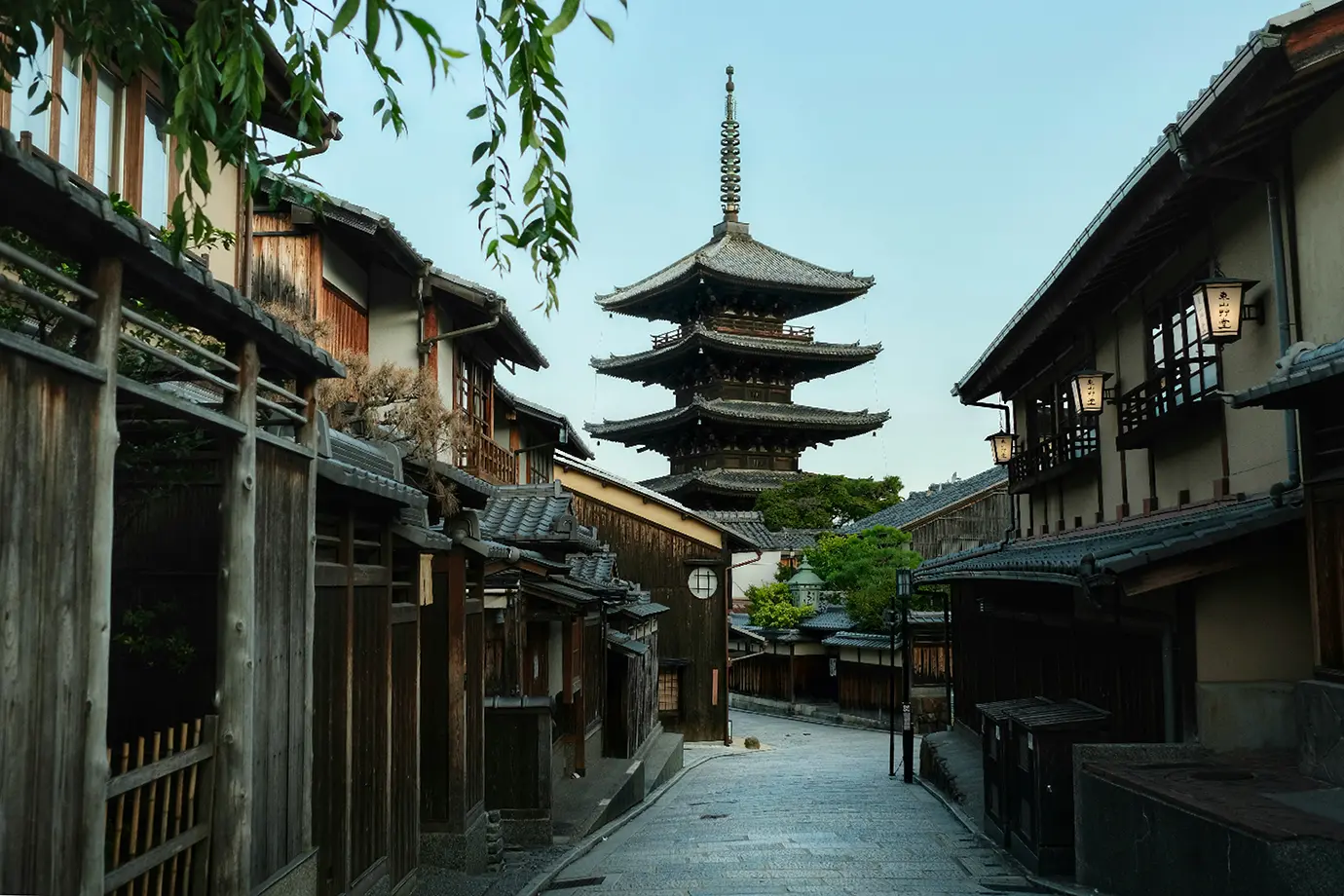
Best Time to Visit Japan at a Glance
Here is the whole year in five lines, built for quick decisions. Use it to find your window, then read the month or purpose section for the details.
- Best overall: late October to mid-November, for autumn color, mild weather, and moderate crowds.
- Best for cherry blossoms: late March to early April, at peak prices, booked six or more months ahead.
- Best for value: mid-January after the New Year, early February, and the first days of June.
- Best for snow and skiing: mid-January to mid-February.
- Weeks to avoid: Golden Week in late April to early May, Obon in mid-August, and New Year from December 29 to January 3.
The two peaks, spring and late autumn, deliver the postcard Japan and the biggest crowds. The quiet shoulders around them give you the same country with room to breathe.
The 12-Month Japan Weather and Crowd Matrix
Here is every month of Japan in one table, with average Tokyo temperatures, a rain guide, and a crowd score from 1 to 10. Tokyo is the reference city. Hokkaido runs about 5 to 8 degrees cooler, and Okinawa and Kyushu run about 5 to 8 degrees warmer.
The crowd score weighs foreign visitor volume, overlap with Japanese holidays, and the difficulty of booking hotels. A 1 means empty and easy; a 10 means peak crush. Temperatures are approximate long-term Tokyo averages.
| Month | Temp °C (low–high) | Temp °F (low–high) | Rain | Crowd (1–10) | Best for |
|---|---|---|---|---|---|
| January | 2–10 | 36–50 | Low | 3 | Skiing, quiet cities, value |
| February | 2–10 | 36–50 | Low | 3 | Skiing, plum blossoms |
| March | 5–14 | 41–57 | Moderate | 6 | Early sakura in the south |
| April | 10–19 | 50–66 | Moderate | 9 | Cherry blossoms |
| May | 15–23 | 59–73 | Moderate | 6 | Fresh green, post-holiday calm |
| June | 19–26 | 66–79 | High | 4 | Hydrangeas, budget, few crowds |
| July | 23–29 | 73–84 | High | 5 | Festivals, Mount Fuji climbing |
| August | 24–31 | 75–88 | High | 7 | Fireworks, Hokkaido escape |
| September | 21–27 | 70–81 | High | 5 | Late-month calm |
| October | 15–22 | 59–72 | Moderate | 6 | Best all-round month |
| November | 9–17 | 48–63 | Low | 8 | Autumn foliage |
| December | 4–12 | 39–54 | Low | 5 | Illuminations, early ski |
Read the table and the shape of the year jumps out. Two peaks tower over the rest, April for cherry blossoms and November for autumn color, both scoring high on crowds. Two quiet shoulders sit just beside them and beat their reputation, May after Golden Week and late September into early October.
The wet stretch runs mid-June to mid-July, the rainy season the Japanese call tsuyu. Heat peaks in August, when Tokyo and Kyoto push past comfortable. Winter stays cold and dry, which keeps it clear, calm, and cheap outside the ski resorts.
Three short windows break the pattern with domestic-holiday rushes: Golden Week, Obon, and New Year. Plan around those three and almost any month works.
Month-by-Month Guide
January: Snow, Quiet Cities, and the New Year Wind-Down
January is the coldest month and, after the first week, one of the best-value times to travel. Tokyo stays cold and dry, with clear skies and daytime highs near 10°C. Ski resorts like Niseko, Hakuba, and Nozawa Onsen hit deep, reliable powder.
Skip the first three days, when the New Year holiday, Shogatsu, closes many restaurants, shops, and temples or trims their hours. From about the 4th onward, the cities empty and rates drop. Plum blossoms have not yet started, but the calm, crisp air makes up for it. Crowds are among the lowest of the year outside the slopes.
February: Deep Winter and the First Blossoms
February keeps the cold and the powder, and it opens the blossom calendar in two quiet ways. The Sapporo Snow Festival fills the first week with giant ice sculptures in Odori Park. Honshu skiing stays excellent through the month.
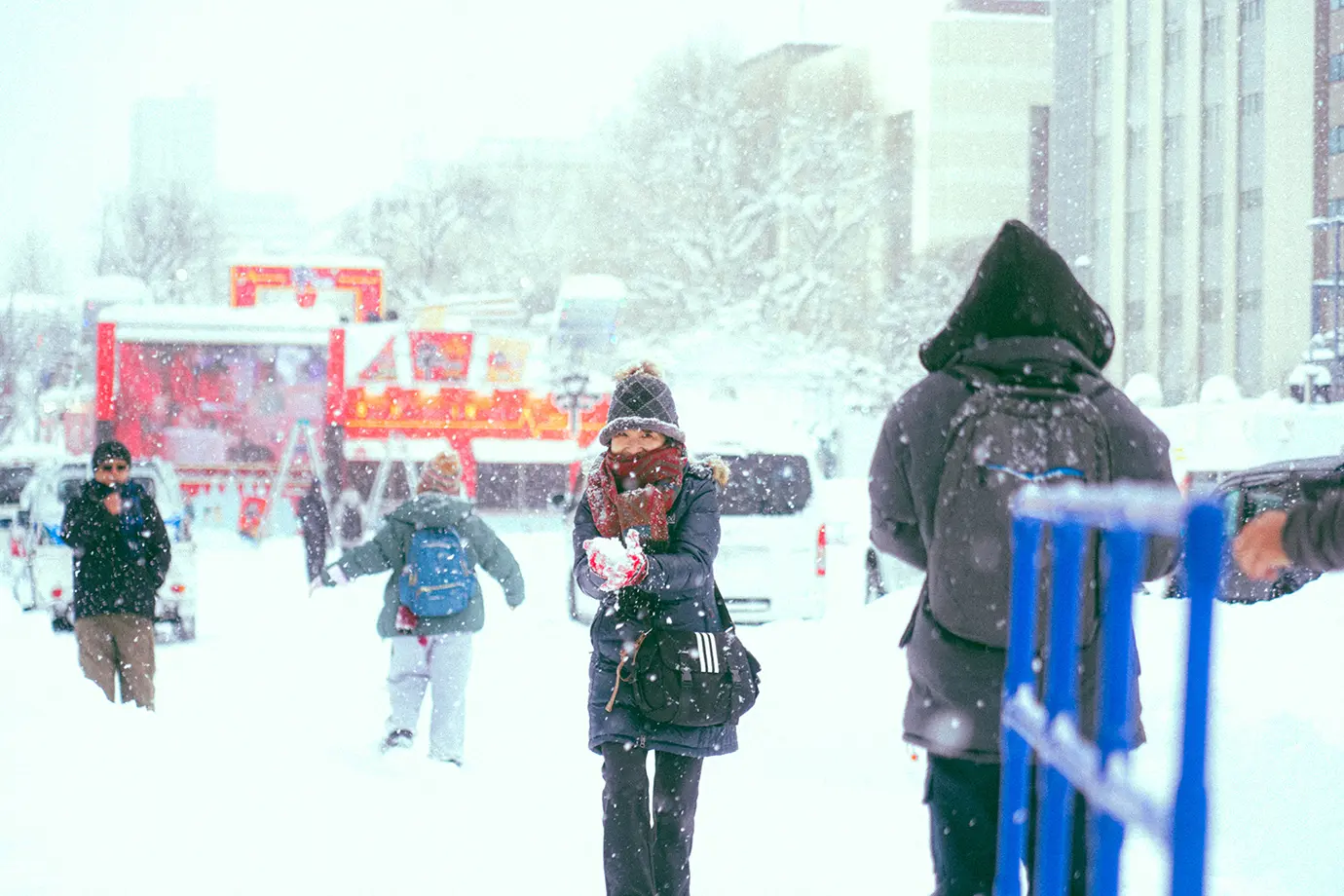
Late in February, plum blossoms, called ume, open at gardens like Kairakuen and Kyoto’s Kitano Tenmangu. Down in Okinawa, a different cherry species, kanhizakura, blooms deep pink weeks before the mainland. The weather stays cold but dry, and crowds remain low away from the ski towns. Pack for real cold, with a warm coat and gloves.
March: The Cherry Blossom Front Reaches the South
March is the turning month, when winter softens, and the cherry blossom front reaches southern Japan. Blossoms open in Kyushu around mid-month, and Tokyo and Kyoto usually follow in the last week. Early March stays cool and quiet, good for calm temples.
The second half fills fast as sakura fever builds. Weather swings between chilly and mild, so layer up. If you are chasing the first blossoms, watch the annual forecast that Japan’s weather agencies release from mid-winter, since the dates shift each year. Book well ahead for any late-March travel.
April: Cherry Blossom Peak and the Golden Week Warning
April is sakura at full power and the busiest stretch of the year. Blossoms peak across Kyoto, Tokyo, and Osaka in the first ten days or so. Then they roll north to Tohoku by mid-month and Hokkaido by month’s end. Weather is mild and stable, ideal for long temple days.
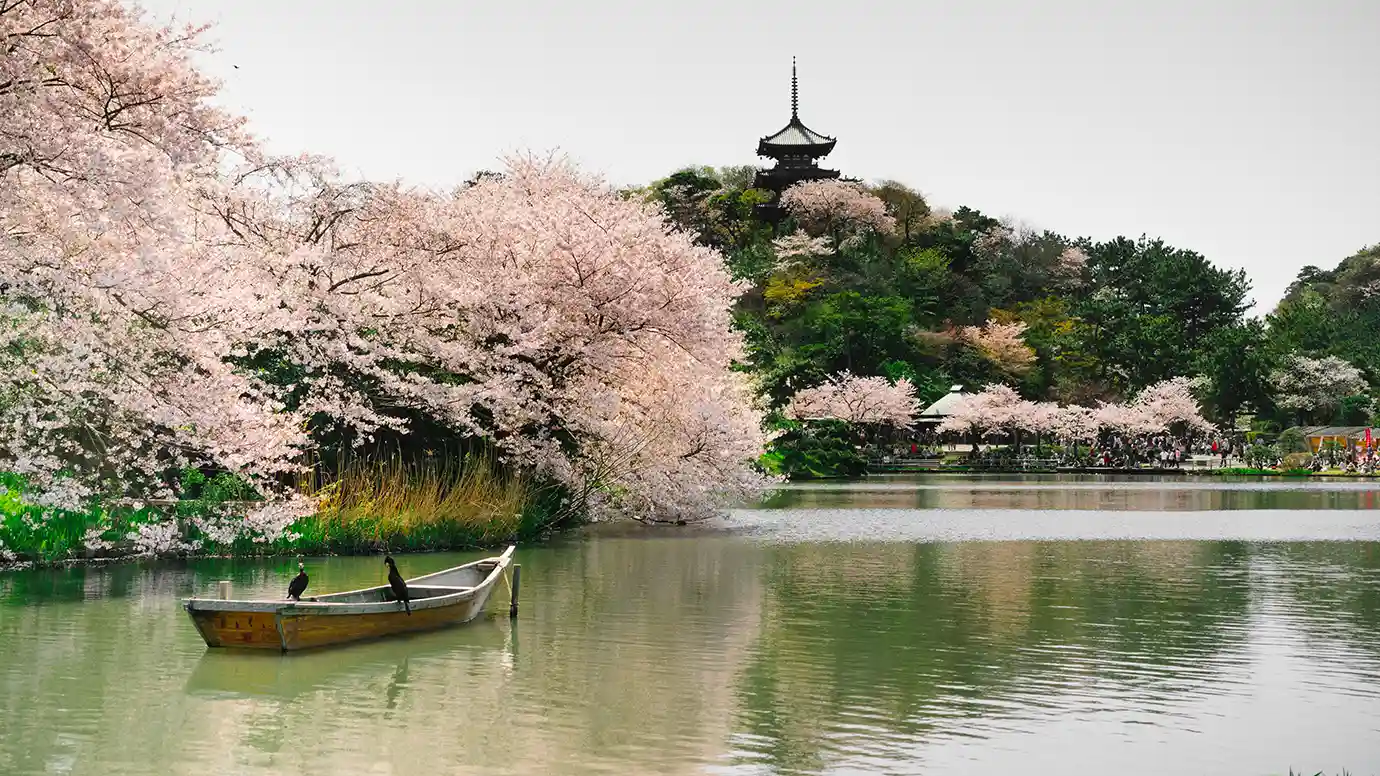
Crowds hit their yearly high, an easy 9 or 10 during the bloom. Book six or more months ahead for the big cities. One firm warning: Golden Week starts around April 29 and runs into early May. See the blackout section below and plan around it.
May: Fresh Green and Post-Holiday Calm
May holds one of the calendar’s best-kept windows, once Golden Week ends. After about May 6, the country exhales, and you get warm, dry, low-humidity days with thinner crowds: fresh green, called shinryoku, floods Kyoto’s gardens and Nikko’s forests.
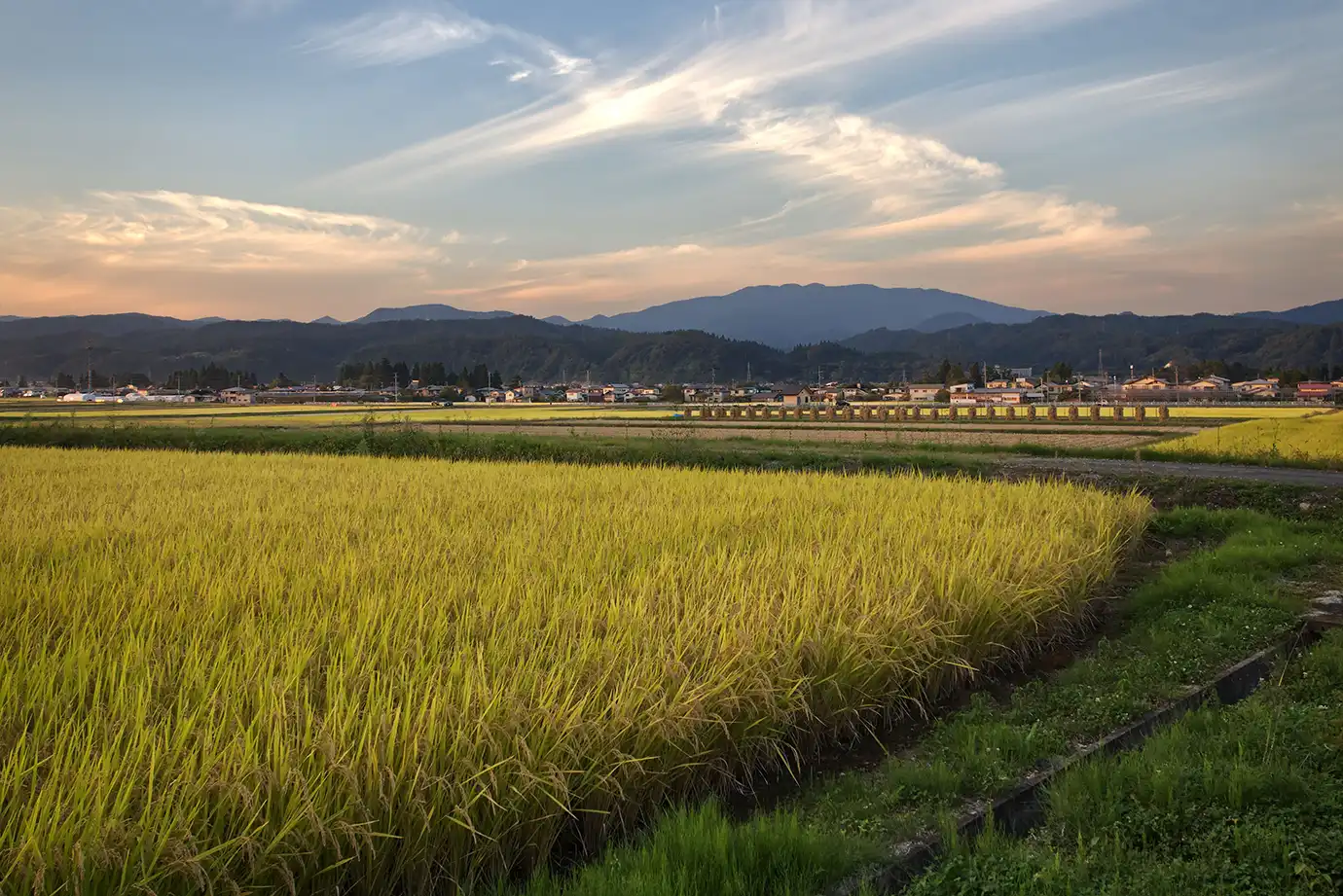
Flooded rice paddies mirror the sky across the countryside. Daytime highs sit around a pleasant 23°C. For a first-timer watching the budget, the second half of May is one of my top recommendations. Just avoid the first days, when Golden Week traffic still clogs every train and hotel.
June: The Rainy Season Arrives
June brings the rainy season, tsuyu, to most of Japan from about mid-month. It is not storms, but steady, drizzly rain with humid, muggy gaps. The first ten days, before the rain sets in, stay quiet and undervalued.
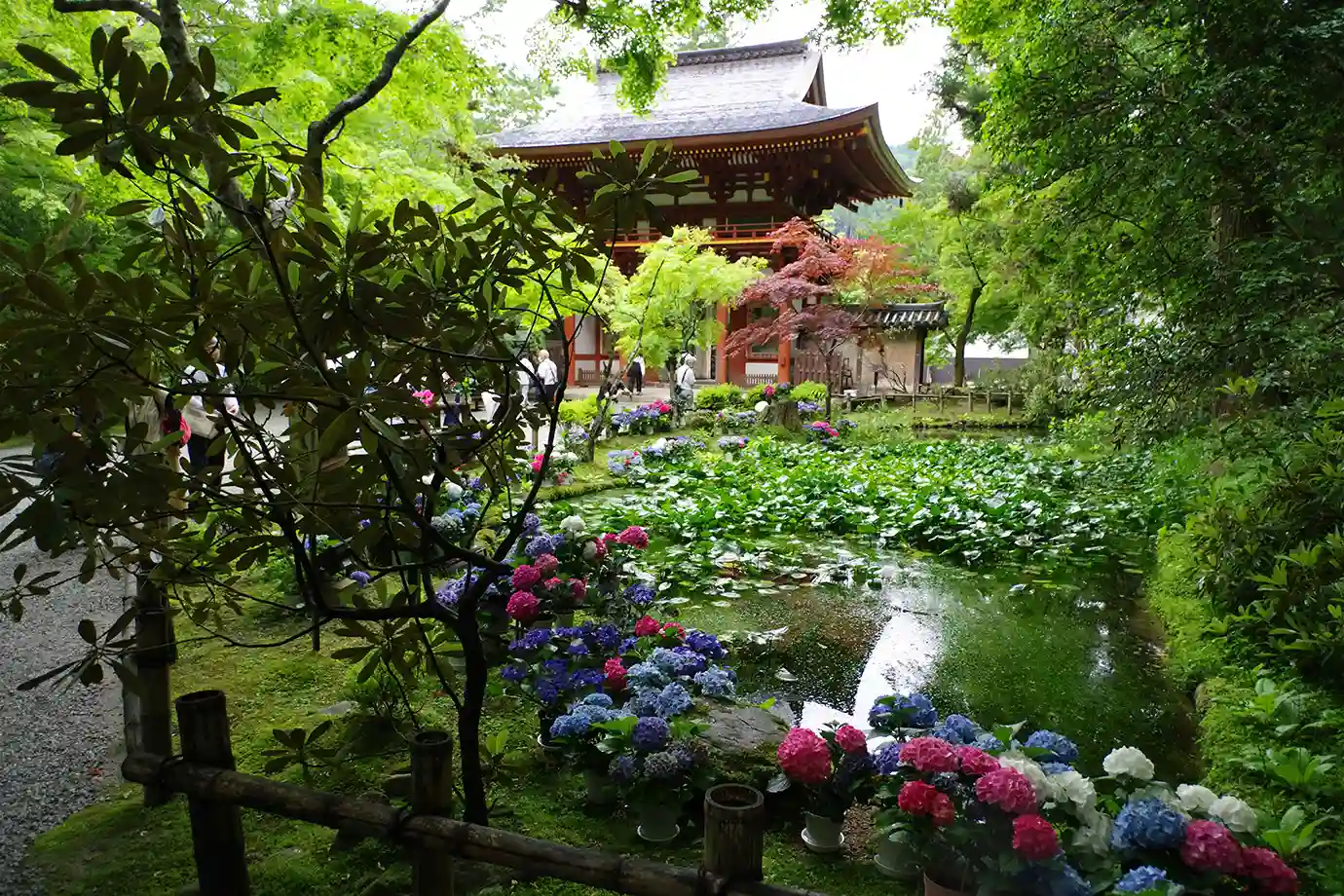
Hydrangeas, called ajisai, bloom across Kamakura and temples like Meigetsuin during the wet weeks. Hokkaido skips tsuyu entirely and stays dry and mild, a smart June choice. Crowds drop sharply, and rates ease, so budget travelers who pack an umbrella do well. Bring quick-dry clothes and shoes you do not mind getting wet.
July: Heat, Festivals, and Mount Fuji Season
July starts wet and ends hot, and it holds two of Japan’s great festivals. The rainy season lifts around mid-month, then heat and humidity climb hard. Kyoto’s Gion Matsuri fills the middle of July, and Tokyo’s Sumida River fireworks light the late month.
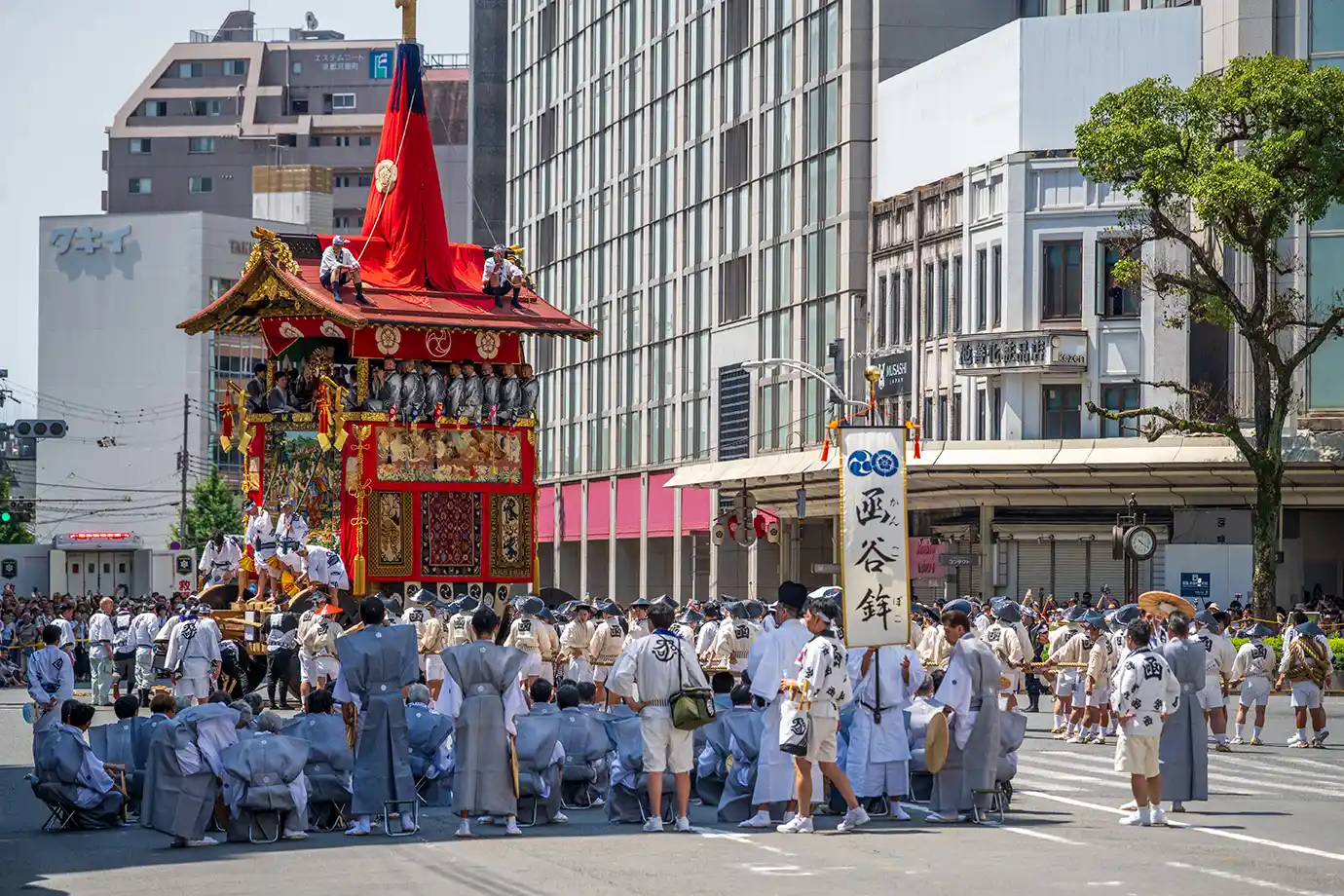
Mount Fuji’s official climbing season opens in early July, the only window to reach the summit safely. Be honest about the heat. Kyoto in July, with its stone streets and little shade, genuinely punishes long temple days. Start early, rest at midday, and carry water and a folding fan.
August: Peak Heat and the Obon Crush
August is the hottest month and has the second-biggest domestic travel week. Tokyo and Kyoto regularly break 35°C with heavy humidity. Obon, the ancestral festival around August 13 to 16, sends millions of locals home, so trains and rural inns fill up for weeks around it.
Fireworks festivals peak, and the summer energy is real. Still, for sightseeing comfort, look north. Hokkaido runs 5 to 8 degrees cooler and stays pleasant, and the Japan Alps offer cool relief. If your dates are fixed for August, base in cooler regions or plan indoor breaks during midday.
September: Typhoons Early, Comfort Late
September splits in two, with a hot, storm-prone first half and a comfortable second half. Typhoon risk peaks around mid-month, and a big storm can shut Kansai Airport or halt trains for a day. Watch the forecasts if you travel early.
After about the 20th, the humidity breaks and the weather turns lovely. Late September is genuinely comfortable across most of Japan and still quiet before the autumn rush. A short domestic holiday, Silver Week, can bunch up travel in some years, so check Shinkansen reservations if you move mid-month.
October: The Best Month for Most Travelers
October is my top pick for most first-time trips, for good reason. Weather turns stable, cool, dry, and clear, with Tokyo highs around 22°C. Autumn color starts in Hokkaido in the first week, reaches Tohoku by mid-month, and creeps toward Kyoto late in the month.
Crowds stay moderate, easier than the April and November peaks. Book three to four months ahead for the big cities. Note that Tokyo has discouraged the informal Halloween crowds in Shibuya in recent years, so do not plan a night around them. Pack a light jacket for cool evenings.
November: Peak Autumn Foliage
November is autumn’s crescendo and the second peak of the Japanese year. Koyo, the autumn color, reaches Kyoto and Nikko in the middle to late part of the month. Skies stay clear and cool, with Tokyo highs around 12 to 17°C, perfect for photos.
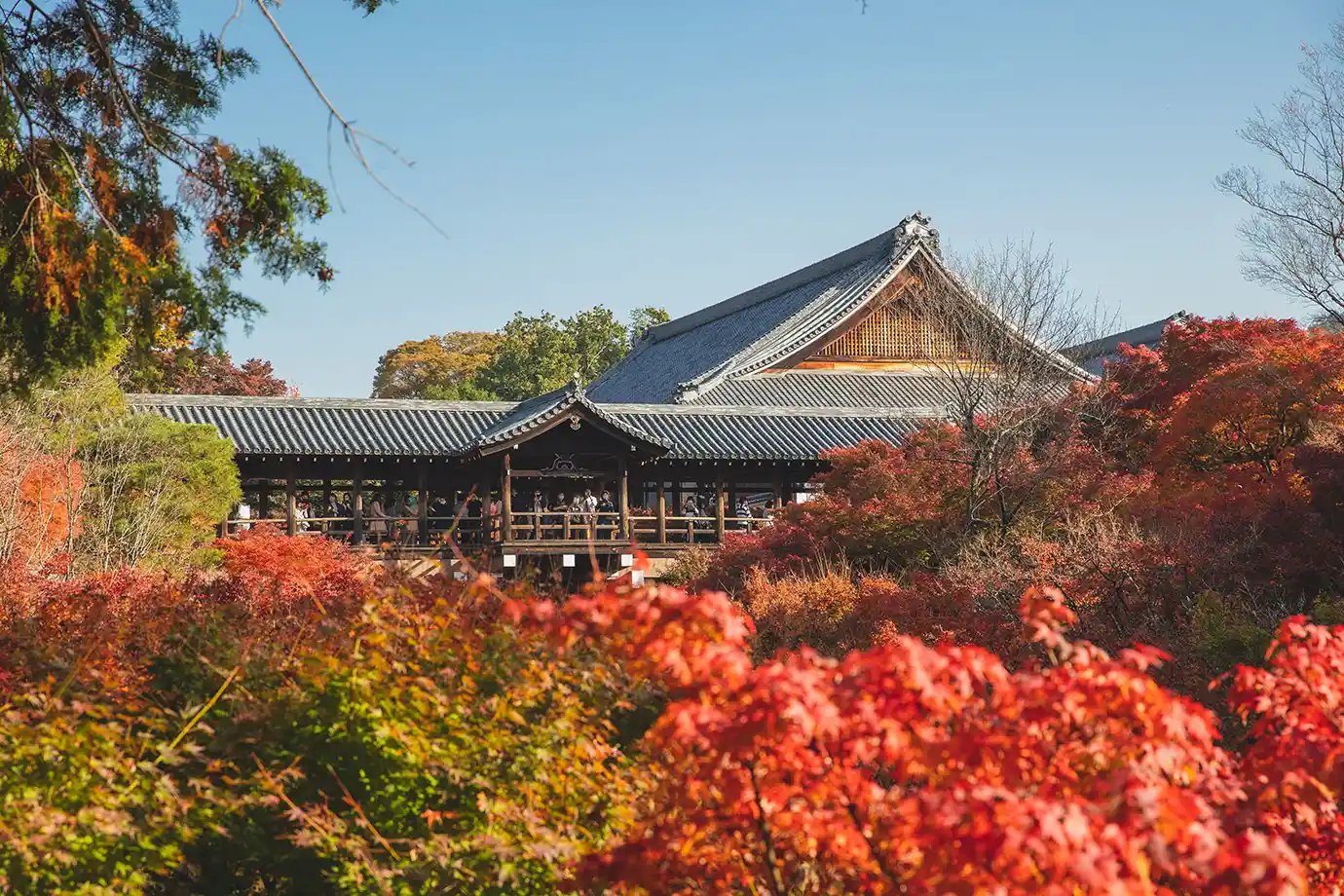
Crowds climb toward sakura levels in Kyoto, so treat it as a peak. Book four to six months ahead and visit temples on weekdays rather than weekends. Dawn arrivals at spots like Tofuku-ji and Eikan-do save you the worst crush. Bring warm layers for cold mornings and evenings.
December: Illuminations and the Year-End Rush
December stays cold and dry, with winter light displays and an easy first three weeks. Illuminations glow across Tokyo and Osaka, and ski season opens in the second half of the season. Early December is quiet and good value.
The mood flips at year-end. December 29 to January 3 is the New Year holiday, Shogatsu, when many shops, restaurants, and some temples close, and locals travel home in force. Plan to be settled in one place before December 28, or start your trip in early January. Pack for real winter cold, especially up north.
When Is the Best Time for Cherry Blossoms?
The best time for cherry blossoms is late March to early April in Tokyo, Kyoto, and Osaka, when the famous somei-yoshino trees hit full bloom. The front moves south to north so that you can chase it from Kyushu in mid-March to Hokkaido in early May.
How the Cherry Blossom Front Moves
Sakura sweeps up the country over about a month. Okinawa’s kanhizakura opens in February, a different, deeper-pink species. Fukuoka and the rest of Kyushu bloom around mid-March. Tokyo, Kyoto, and Osaka peak from late March into the first week of April. Tohoku cities like Sendai and Hirosaki follow in mid-to-late April, and Hokkaido closes the season in early May.
How Long Do the Blossoms Last?
Plan tight, because the show is brief. Full bloom, called mankai, lasts only about four to seven days in each city. From first opening to falling petals, a tree holds flowers for roughly ten days, and one hard rain or warm spell can shift the peak. Aim for a three- to four-day buffer around any forecast.
When to Book and How to Beat the Crowds
Book early and go on weekdays. Reserve hotels in Kyoto and Tokyo six or more months in advance, and lock in Shinkansen reserved seats a few months out. Watch the annual bloom forecast from Japan’s weather agencies, which starts in mid-winter and updates often. If you miss the peak, head north to Tohoku or Hokkaido, or seek late-blooming yaezakura, which hold about two weeks longer.
When Is the Best Time for Autumn Leaves in Japan?
The best time for autumn leaves is mid-to-late November in Kyoto and along the Golden Route, when the maples turn deep red. Color moves the opposite way from sakura, north to south, starting in Hokkaido in early October and reaching Kyushu by early December.
How the Autumn Front Moves
Koyo runs downhill and southward over about six weeks. Hokkaido turns in early October, the Japan Alps and Tohoku by mid-to-late October, and Nikko in late October. Kyoto and the Kanto region around Tokyo peak in mid to late November. Kyushu holds the last color into early December.
Where to See the Best Color
Choose your setting by the mood you want. Nikko pairs waterfalls with red maples. Kyoto’s Tofuku-ji, Eikan-do, and Arashiyama frame color against temples and old wood. The historic Nakasendo trail between Magome and Tsumago gives a rural walk under the leaves, and Kanazawa’s Kenrokuen garden turns painterly.
How to Handle Autumn Crowds
Treat Kyoto’s autumn like its spring, because the crowds now match. Go on weekdays, arrive at dawn, and lean on outer districts like Ohara and its Sanzen-in temple for breathing room. Warm mornings are rare, so bring layers and start early, while the light is soft and the paths are still empty.
When Is the Best Time for Skiing and Snow?
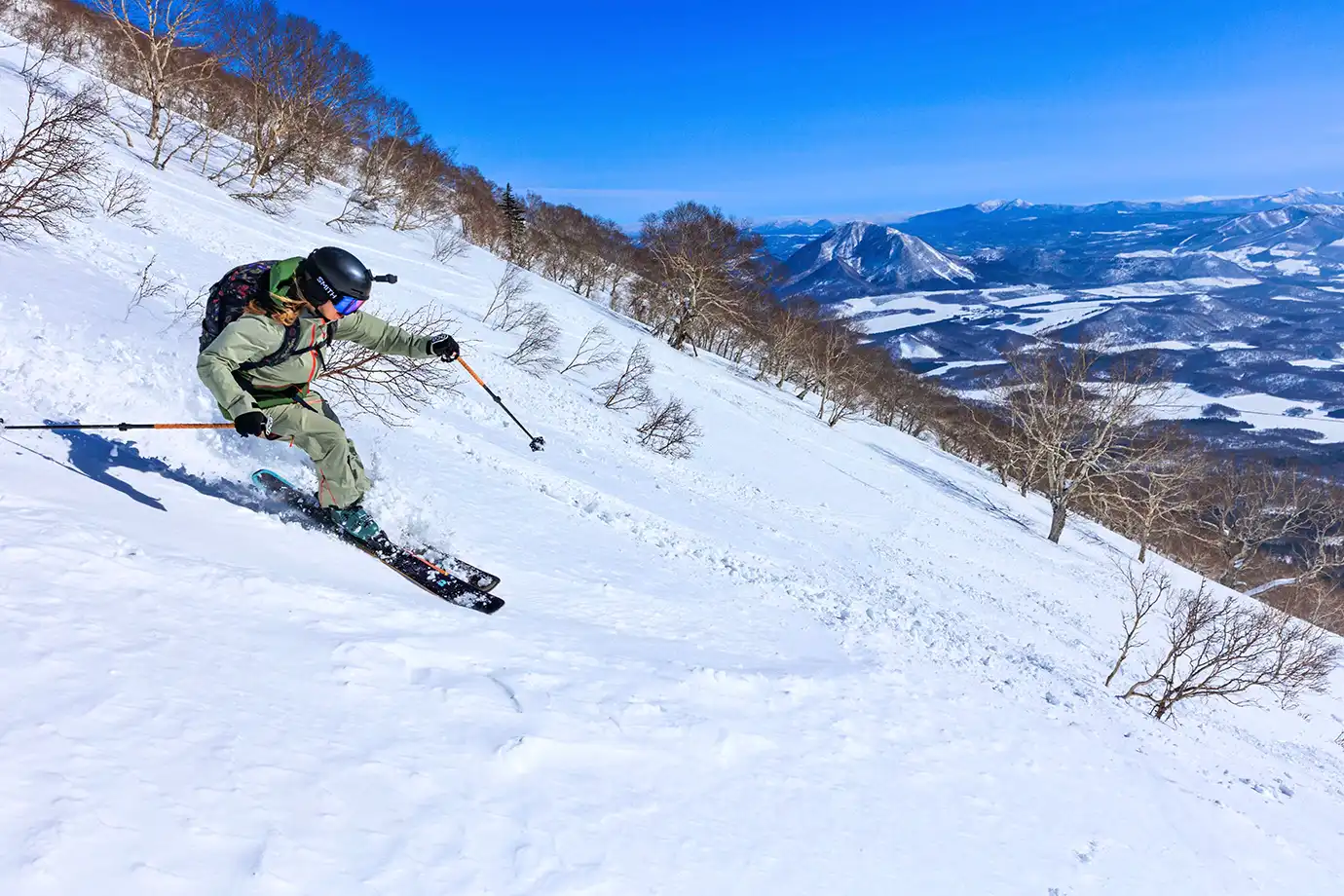
The best time for skiing in Japan is mid-January to mid-February, when the powder is deepest and most reliable. The wider season runs mid-December to early April, so the early and late slots trade crowds for slightly thinner snow.
The Best Ski Regions
Pick your resort by priority. Niseko in Hokkaido has the deepest powder and the most English-friendly setup. Hakuba in Nagano sits closest to Tokyo and hosted a former Winter Olympics. Nozawa Onsen keeps a traditional village feel, and Furano and Rusutsu in Hokkaido stay quieter than Niseko.
Snow Without Skis
You do not need skis to enjoy Japan’s winter. The Sapporo Snow Festival fills Odori Park with giant ice sculptures in early February. Nagano’s Jigokudani snow monkeys soak in a steaming hot spring, and Otaru’s canal glows with lanterns on its winter light path. Shirakawa-go lights its thatched village on a limited number of winter dates, so book three to four months ahead.
When Is Japan Cheapest to Visit?
Japan is cheapest in four windows. Mid-January, after the New Year, and early February, before the Snow Festival, are the coldest bargains. Early June, before the rains, and late September, before the autumn peak, round out the four. Rail and Shinkansen costs stay steady year-round, so the savings come from hotels and flights.
The Genuinely Cheap Windows
Four windows quietly beat the rest for value. Mid-January, after Shogatsu and before Chinese New Year, is calm and cold. Early February runs low until the Snow Festival. Early June, before tsuyu sets in, sees both crowds and rates drop. And late September sits in the lull before autumn color arrives.
How to Build a Value Trip
Shape a cheap trip around weather you can accept. Two weeks in mid-January or early June both work if you dress for cold or carry an umbrella. Lean into Tokyo, Kanazawa, and Kyushu, and go lighter on Kyoto in these windows. Avoid Chinese New Year, when visitors from the mainland drive up rates in Tokyo and Osaka.
Which Weeks Should You Avoid in Japan?
Avoid three domestic holiday windows: Golden Week in late April and early May, Obon in mid-August, and New Year from December 29 to January 3. Trains, hotels, and top sights fill with local travelers, and rates climb well above normal.
Golden Week, Late April to Early May
Golden Week is the year’s biggest domestic travel crush, usually April 29 to about May 5. A run of national holidays becomes an unofficial full week off. Reserved Shinkansen seats vanish, hotels fill, and rates surge in Kyoto and Tokyo. Either arrive after May 6 or finish before April 27. No middle path works well for a first trip.
Obon, Mid-August
Obon, the festival honoring ancestors, runs about August 13 to 16. Families travel to hometowns, so the pattern flips. Tokyo empties while rural areas and Kyoto fill up, and trains book out weeks in advance. Front-load your trip before August 12, back-load it after August 17, or skip the month if you can.
New Year, December 29 to January 3
Shogatsu is Japan’s most important holiday, and much of the country pauses to observe it. Many shops, restaurants, and some temples close for the week, and locals travel home in force. Be in place and settled before December 28, or start your trip on January 4 or later. Shrines are the exception and stay busy with New Year prayer visits.
Japan Is Not One Climate: Regional Differences
Japan stretches from north to south, so a single national forecast is misleading. Hokkaido runs cold and dry with no rainy season, while Okinawa is subtropical. Sakura and autumn color can differ by a month between regions.
Hokkaido
Hokkaido runs about 5 to 8 degrees cooler than Tokyo all year, with no rainy season. Winters are cold, dry, and snowy, ideal for skiing. Its summers, around 20 to 25°C, are the most comfortable in the country, which makes July and August a smart time to head north.
Tohoku and Northern Honshu
Tohoku lags Tokyo by about a month for both sakura and autumn color. Its winters are colder than those in the Kanto region around Tokyo. In autumn, Aomori and Akita hit peak color in late October, and the region stays far quieter than Kyoto, which makes it underrated for leaf-viewing.
Kansai, Kanto, and the South
Tokyo, Kyoto, and Osaka set the baseline used throughout this guide. Kyushu, further south, runs about 3 to 5 degrees warmer, with sakura arriving 10 to 14 days earlier and milder winters. Okinawa is subtropical, with winter lows near 15°C, a rainy season beginning in early May, and typhoon exposure from June through October.
What Is the Worst Time to Visit Japan?
The worst times to visit Japan are late July and August in Kyoto and Osaka. The first days of January and the cores of Golden Week and Obon round out the list. Heat, closures, and crowds each ruin those windows in a different way.
Deep Summer in Kyoto and Osaka
Late July and August in Kyoto and Osaka are genuinely hard. Heat of 34 to 36°C meets humidity above 70 percent, and the stone temple streets hold it. Long sightseeing days turn into an endurance test. For a Kyoto-focused trip, avoid these months, or swap in Hokkaido or the Japan Alps.
The First Days of January
The first few days of January feel muted, even during a rich cultural moment. Shogatsu closures mean many restaurants and museums are closed, so a lot sits dark. The New Year customs are lovely to witness, but a first-time sightseeing trip stalls. Arrive from about January 4 to find the country open again.
The Cores of Golden Week and Obon
The middles of Golden Week and Obon are the worst planned-travel days of the year. Roughly April 30 to May 4, and August 13 to 16, prices peak and availability collapses. Cultural sites overflow with domestic crowds. Most tourism pages will not say it plainly, so here it is. Some weeks are worse, and you gain by dodging them.
How Far Ahead Should You Book by Season?
Book the peaks far ahead and the shoulders close in. Sakura in late March and early April needs at least 6 months. Autumn in November needs four to six months. Quiet winter months work at one to two months out.
- Cherry blossom peak, late March to early April: six or more months ahead.
- Autumn foliage peak, mid-to-late November: four to six months ahead.
- Golden Week and Obon, if you travel anyway: six or more months ahead.
- May and June shoulder months: two to three months ahead.
- Mid-January and February, outside the Snow Festival: one to two months ahead is fine.
Some experiences book out on their own schedule, regardless of the season. The Ghibli Museum, teamLab Planets, and top ryokan require early reservations. Check their lead times as soon as your dates are set.
Frequently Asked Questions
What Is the Single Best Month to Visit Japan?
October is the best single month for most travelers. As the weather turns cool, dry, and clear, autumn color begins in the north, and crowds sit below the spring and late-autumn peaks. November rivals it for foliage but draws bigger crowds in Kyoto. If you want cherry blossoms instead, aim for late March to early April and book well in advance.
When Do Cherry Blossoms Bloom in Japan?
Cherry blossoms bloom south to north over about a month. Kyushu opens around mid-March, and Tokyo, Kyoto, and Osaka usually peak from late March into the first week of April. Tohoku follows in mid-to-late April, and Hokkaido blooms in early May. Full bloom lasts only four to seven days per city, so check the annual forecast and build in a buffer.
When Do the Autumn Colors Peak in Kyoto?
Kyoto’s autumn color peaks in the middle to late part of November in a typical year. The maples at temples like Tofuku-ji and Eikan-do turn deep red, and clear, cool days make it prime for photos. Crowds match cherry blossom season, so visit on weekdays and arrive at dawn. Dates shift each year, so check the koyo forecast before you lock in plans.
What Is the Worst Time to Visit Japan?
The worst times are late July and August in Kyoto and Osaka, the first days of January, and the cores of Golden Week and Obon. Summer heat and humidity make temple days brutal in the old capitals. Early January brings New Year closures, and the holiday peaks bring crushing crowds and high rates. Plan around all of them.
Is Golden Week a Bad Time to Visit Japan?
Golden Week, roughly April 29 to May 5, is a hard time for first-time visitors. A cluster of national holidays sends locals traveling, so reserved train seats vanish, and hotel rates climb. If your dates are flexible, arrive after May 6 or finish before April 27. If they are fixed, book six or more months ahead and expect crowds.
What Is the Weather Like in Japan in June?
June is warm and increasingly wet, as the rainy season, tsuyu, reaches most of Japan around mid-month. Expect steady, drizzly rain with humid breaks and Tokyo highs near 26°C. The first ten days, before the rain, stay pleasant and quiet. Hokkaido skips the rainy season entirely, so it is a fine choice for dry, mild days in June.
Start Planning Your Trip Around the Season
You now have the full year mapped. Late October to mid-November wins for most first trips. Spring brings the blossoms at a price. The quiet shoulders of May, early June, and late September reward anyone watching the budget. Steer clear of Golden Week, Obon, and New Year, and match your month to your goal.
When your dates are set, Peregrine’s Japan team can build a trip around the season you choose. Think sakura chases, autumn temple runs, or winter powder. Bring your window and your priorities, and the route can be shaped to fit.