


Japan runs on unwritten rules. Nothing tells you that eating while you walk is impolite. No sign says a phone call on the train marks you as a tourist. And nothing warns you that the little sushi counter with the paper menu wants cash. The country is warm and welcoming to visitors. It just does not explain itself.
These Japan travel tips fix that. Here are 20 practical things to know before going to Japan: etiquette, logistics, and small habits that first-time visitors often miss. They come from guides who watch travelers stumble on the same points month after month, then help them recover.
None of this is about fear of offending. Japanese people extend real grace to visitors, and no one expects you to be perfect. Getting the details right makes the trip smoother, cheaper, and quieter. Every rule you learn now is one you will not learn the hard way in public.
Read the quick list below for the fast version, then drop into any section for the how and the why.
The 20 Japan Travel Tips at a Glance
Here are all 20 tips in one scannable list. Use it as a checklist, then read the section under each one for the details.
- Get an IC card the moment you land.
- Carry cash, even as Japan goes cashless.
- Never tip, anywhere, for anything.
- Learn how tax-free shopping actually works.
- Silence your phone on every train.
- Line up and let people off first.
- Use Google Maps for trains, not driving.
- Pick an eSIM over pocket wifi for most Japan tour packages.
- Forward your luggage between cities.
- Reserve Shinkansen seats in peak weeks.
- Do not eat while walking.
- Carry your own small trash bag.
- Return a small bow when greeted.
- Know the three chopstick taboos.
- Enter a ryokan and onsen the right way.
- Photograph temples and geisha with respect.
- Treat the konbini as your best friend.
- Learn how to enter a small restaurant.
- Say itadakimasu and gochisousama.
- Save the emergency and tourist-help numbers.
The tips are split into five areas: money, transport, etiquette, food, and safety. Get the first ten right, and the rest of your trip runs itself.
Money, Payments, and the Cash Question
Money in Japan runs on two tools: a tap-and-go IC card for transit and small buys, and cash for the places that still refuse cards. Sort both out on your first day, and daily spending stops being a puzzle.
Tip 1: Get an IC Card the Moment You Land
Buy a rechargeable IC card at the airport before you leave the terminal. Suica, Pasmo, and Icoca are the three main cards. They work across the country on trains, buses, in convenience stores, on lockers, and in vending machines. One tap pays your fare, with no paper ticket needed.
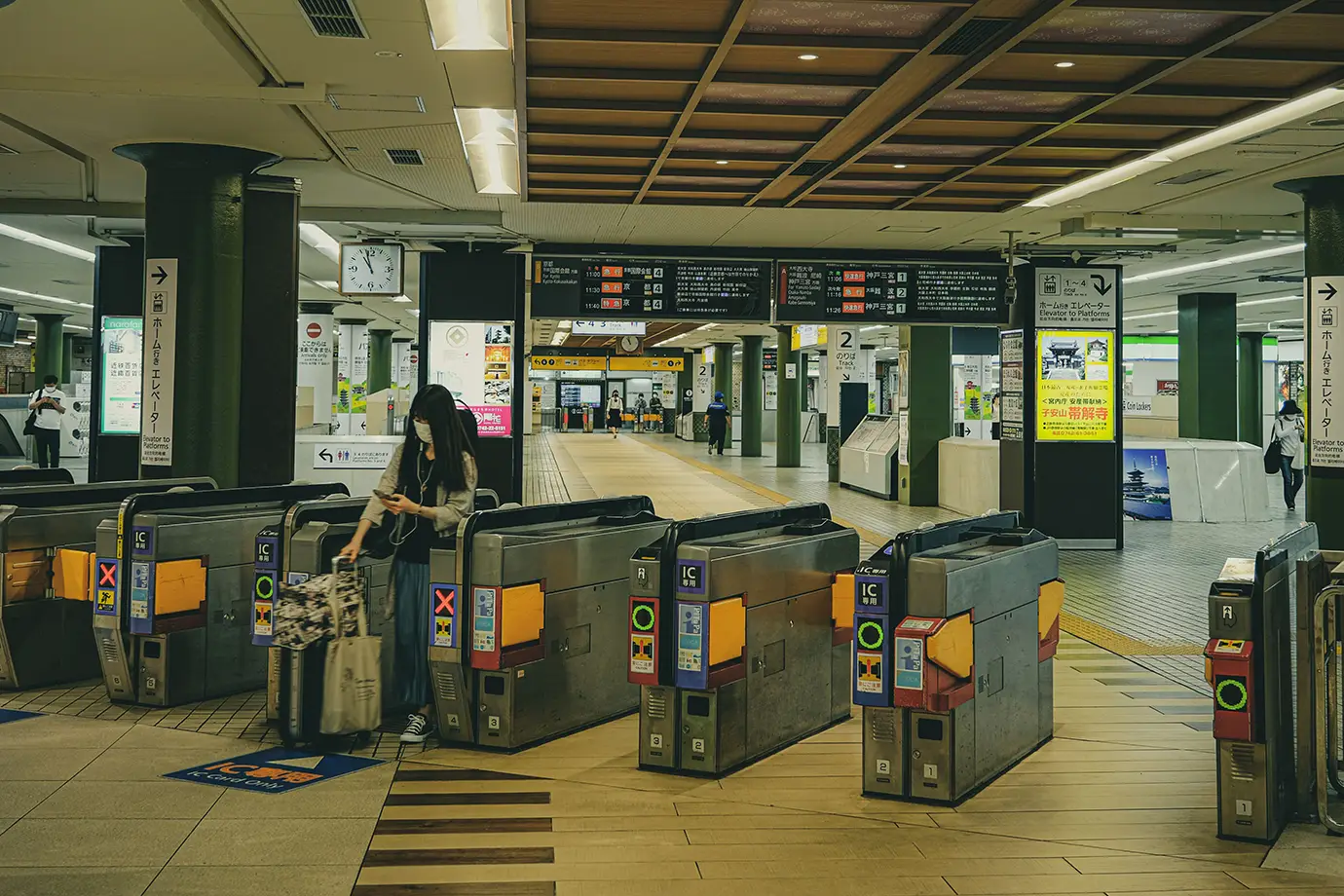
The card is the best thing you can set up on arrival. A standard card takes a small refundable deposit, and a tourist version skips the deposit but expires after a few weeks. Load it, then reload at any station, touchscreen, or convenience store when it runs low. Keep it in an easy pocket, since you will tap it dozens of times a day.
Tip 2: Carry Cash, Even as Japan Goes Cashless
Carry enough cash to cover a couple of days’ meals and entry fees, because plenty of good places still take only cash. Convenience stores and chain restaurants take cards and IC cards. Small izakaya, family soba shops, shrine gates, and rural buses often do not.
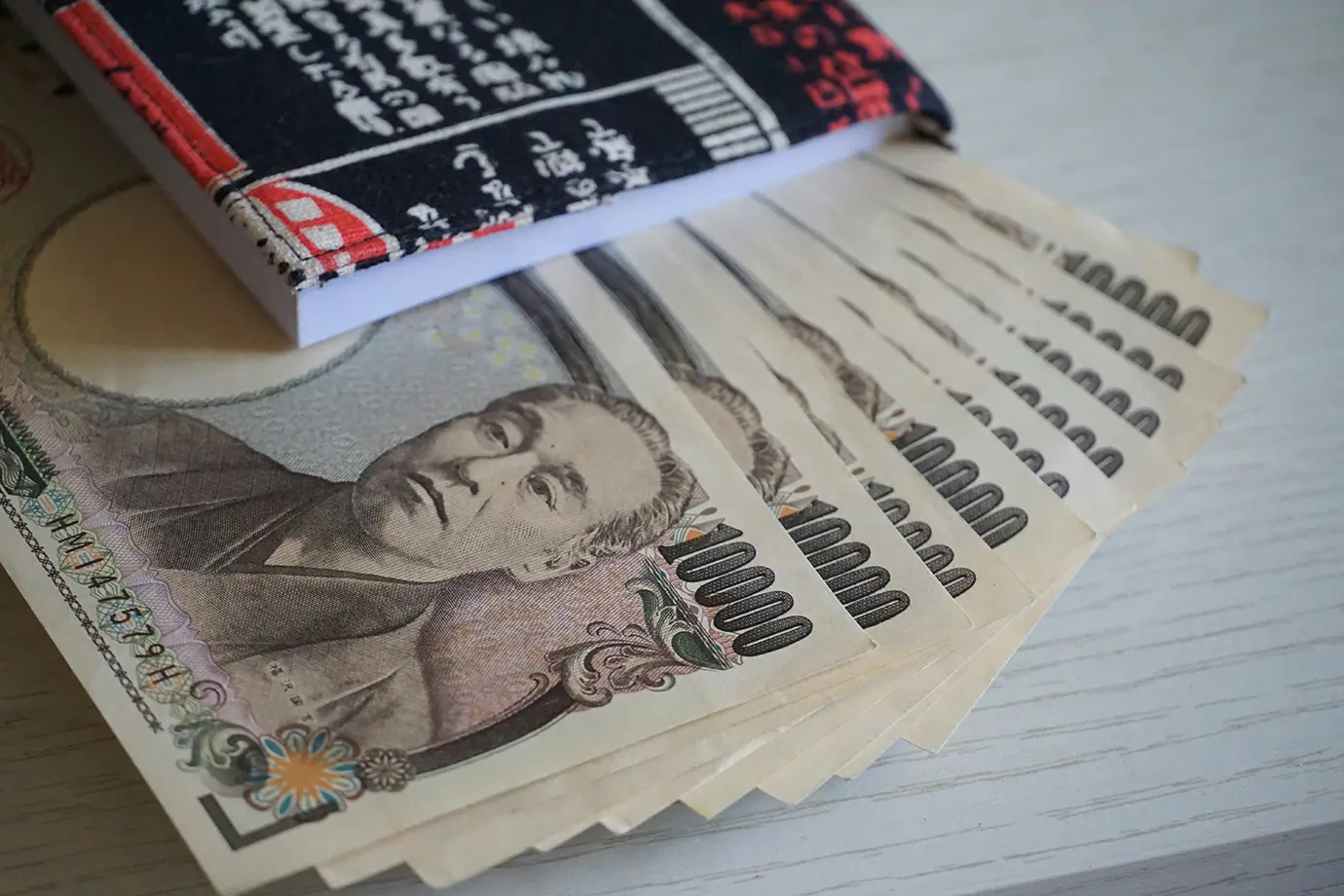
Withdraw yen from the ATMs inside any 7-Eleven or a Japan Post Bank, both of which reliably accept foreign cards. Skip the airport currency counters, which give the worst rates in the country. Keep coins in a small purse as well, since Japan’s coins are heavy and pile up fast. An IC card handles trains and konbini, but cash covers the gaps that cards cannot.
Tip 3: Never Tip, Anywhere, for Anything
Do not tip in Japan. Restaurants, taxis, porters, guides, and ryokan staff neither expect nor want a tip, and leaving one can cause confusion or quiet embarrassment. Good service is simply the standard, not something you pay extra for.
If you want to show thanks, a warm arigatou gozaimashita and a small bow do everything a tip would. A few high-end inns accept a small welcome envelope, called kokorozuke, pressed to the head attendant on arrival. The custom is easy to get wrong, so skip it unless a guide sets it up for you.
Tip 4: Learn How Tax-Free Shopping Actually Works
Foreign visitors can buy many goods tax-free at registered shops when their spending exceeds a set threshold, provided the items are taken out of Japan. The consumption tax is built into most posted prices, so being tax-free saves you that slice at the register. The thresholds and refund method have changed recently, so check the current rules.
Carry your passport whenever you shop, and ask if the store is tax-free before you pay. Consumables like food and cosmetics get sealed in a bag you must not open until you leave the country. Customs can check the sealed bag on departure, so keep it closed and packed where you can reach it.
Getting Around Japan
Getting around Japan is easy once you learn a few train habits and the right apps. The rail system is fast, silent, and punctual, and it rewards travelers who follow its quiet rhythm.
Tip 5: Silence Your Phone on Every Train
Set your phone to silent before you board any train. Japanese trains are genuinely quiet, with no phone calls, no speaker audio, and no video without headphones. Even a buzzing vibration carries in a silent car, so switch it right off.
Talking softly with your travel partner is fine, but a phone conversation marks you at once as a visitor who missed the memo. If you must take a call, step into the vestibule between cars. Locals call the silent setting manner mode, and following it is the fastest way to blend in.
From our guides: the giveaway is always a ringtone. The phone that rings in a hushed Tokyo train almost always belongs to a first-timer. Silence it at the hotel and forget about it.
Tip 6: Line Up and Let People Off First
Queue on the platform and let everyone off before you board. Passengers form two neat lines on either side of each door, leaving the center open for people getting off. Board only once the doorway clears, and never push.
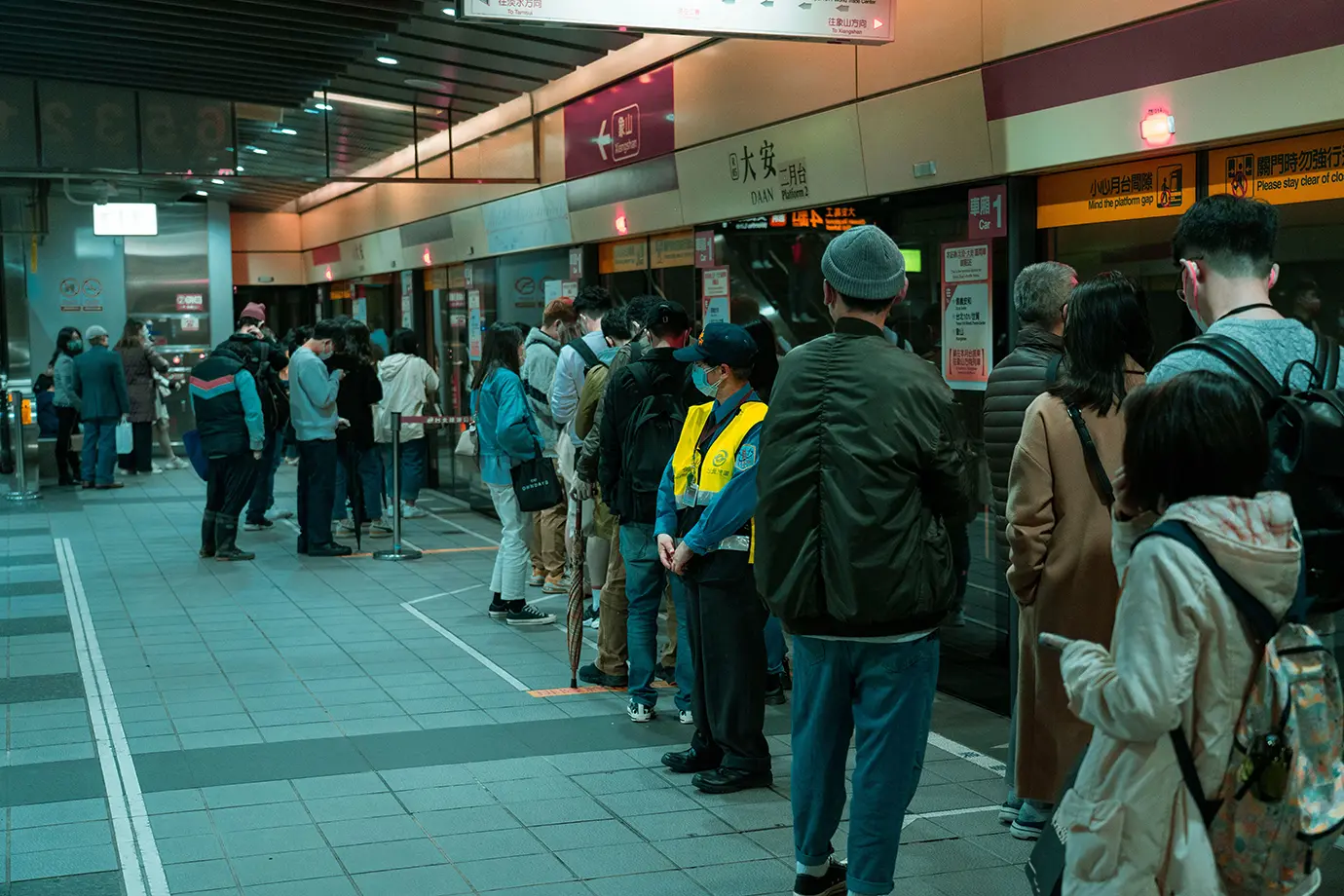
Platform markings show you exactly where the doors will open, so line up on them. On the Shinkansen, do not sit in a reserved seat with a non-reserved ticket, even if it looks empty, since the ticket holder will arrive. Unreserved cars usually sit at one end of the train, marked on the platform signs.
Tip 7: Use Google Maps for Trains, Not Driving
Trust Google Maps for train travel in Japan, which provides platform numbers, exit numbers, transfer times, and live delays. It reads the dense rail network better than any single operator site. For driving, it is weaker, so rent a car only with a paper backup.
Follow the app’s exit guidance closely, since big-city stations have many exits spread far apart. A wrong exit at a Tokyo or Osaka underground station can add a long surface walk. Take a screenshot of your route before you head underground, where the signal sometimes drops.
Tip 8: Pick an eSIM Over Pocket Wifi for Most Trips
Choose an eSIM if you travel solo or as a couple with a recent phone. It turns on the moment you land, with nothing to carry or return. A pocket Wi-Fi device still wins for families and groups sharing a single connection, or for older phones without eSIM support. The full comparison sits further down.
Install the eSIM before you fly, then activate it on arrival, and test it before you leave the airport. Keep your home roaming as a backup only, since it usually costs more and runs slower than a local plan. Either way, get online before you step onto the train.
Tip 9: Forward Your Luggage Between Cities
Send your suitcases ahead by takkyubin, the overnight courier service run mainly by Yamato Transport. Hand your bags to a hotel front desk, convenience store, or station counter, and they will arrive at your next hotel the following day. It is the biggest comfort upgrade on any multi-city trip.
Ship bags by late morning to land the next day, and pack a small overnight bag for the gap. Confirm that your next hotel will hold a forwarded bag, which nearly all do, and that they will carry the address written out. You then ride every train with just a day pack.
According to our guides, travelers who forward their bags early spend the rest of the trip relaxed. The ones who drag four suitcases up the Kyoto Station stairs remember it for the wrong reasons.
Tip 10: Reserve Shinkansen Seats in Peak Weeks
Reserve your Shinkansen seats during cherry blossom season, Golden Week, Obon, and autumn foliage weekends, when trains sell out. Non-reserved cars fill fast in these windows, and people stand for hours. A reserved seat costs a little more and locks in your spot.
Book a ticket at a green ticket machine, a ticket office, or a rail app, up to about a month in advance. A rail pass lets you reserve seats at no extra charge. There is no reason to gamble on a free seat in a busy week. Outside the peaks, a non-reserved car is usually fine.
Etiquette and Public Behavior
Japanese etiquette for tourists comes down to a few public habits: quiet, tidy, and considerate. Learn these, and you move through the country without a ripple, which is exactly the goal.
Tip 11: Do Not Eat While Walking
Avoid eating while walking, as it may be considered impolite in most settings. The usual practice is to buy your food and stop to eat it near the shop, on a bench, or in a small park. Festival food streets and a quick snack by the convenience store are the accepted exceptions.
If you grab something to go, look for the small standing area near the vending point, or take it back to your room. Do not eat on local trains, though eating is expected on long-distance Shinkansen trains. When in doubt, pause, eat, then move on.
Tip 12: Carry Your Own Small Trash Bag
Pack a small plastic bag for your own trash, because public bins are rare in Japan. Bins were removed from most public spaces for security reasons long ago and have never been widely returned. The streets stay spotless because people carry their trash home.
Convenience stores keep bins near the door for things bought there, and stations have bins by the ticket gates. Otherwise, hold your wrappers and bottles until you reach your hotel. Separate burnables from plastics and cans when you can, since Japan sorts its trash with care.
Tip 13: Return a Small Bow When Greeted
Answer a greeting with a small nod or bow, about a slight tip of the head. You do not need deep, formal bows, since a gentle nod is respectful and appropriate for visitors. A smile carries the rest.
When a shop worker calls out irasshaimase as you enter, no reply is needed, since they greet everyone the same way. When someone bows to you directly, return a small bow. Do not offer a handshake unless the other person reaches out first, as bowing is the local default.
Tip 14: Know the Three Chopstick Taboos
Learn three chopstick rules before your first meal. Never stand chopsticks upright in a bowl of rice, and never pass food from chopstick to chopstick, since both echo funeral rites. And never point at people with your chopsticks or stab your food with them.
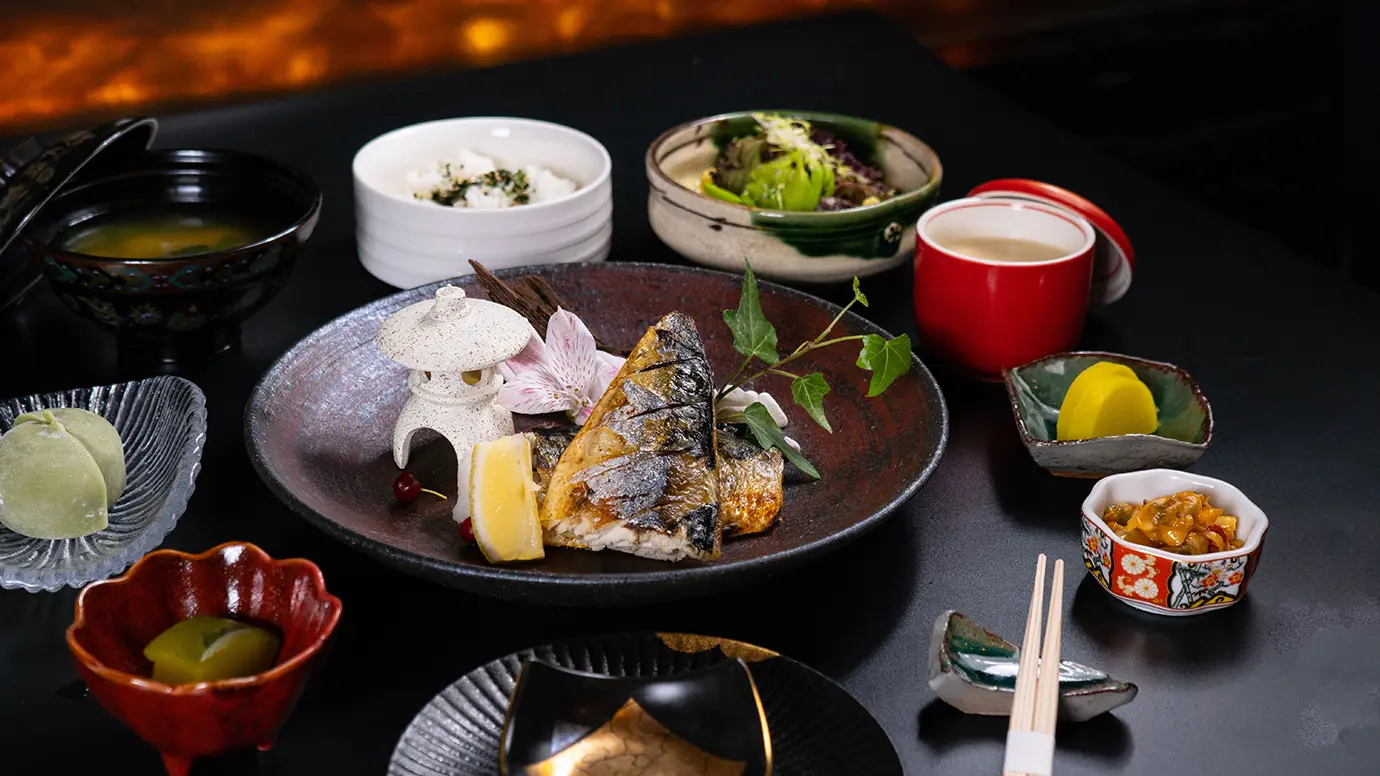
Rest your chopsticks on the little holder, or across your bowl, when you pause. Slurping noodles, by contrast, is welcome and even expected, so pull your ramen and soba in with sound. If you drop or fumble a chopstick, the staff will help you without a second thought.
Tip 15: Enter a Ryokan and Onsen the Right Way
Follow the shoe and bathing rules at a ryokan and onsen. At the inn, take off your shoes at the entrance, switch to the provided slippers, and leave them outside the tatami rooms. Socks are fine on tatami, but shoes never are.
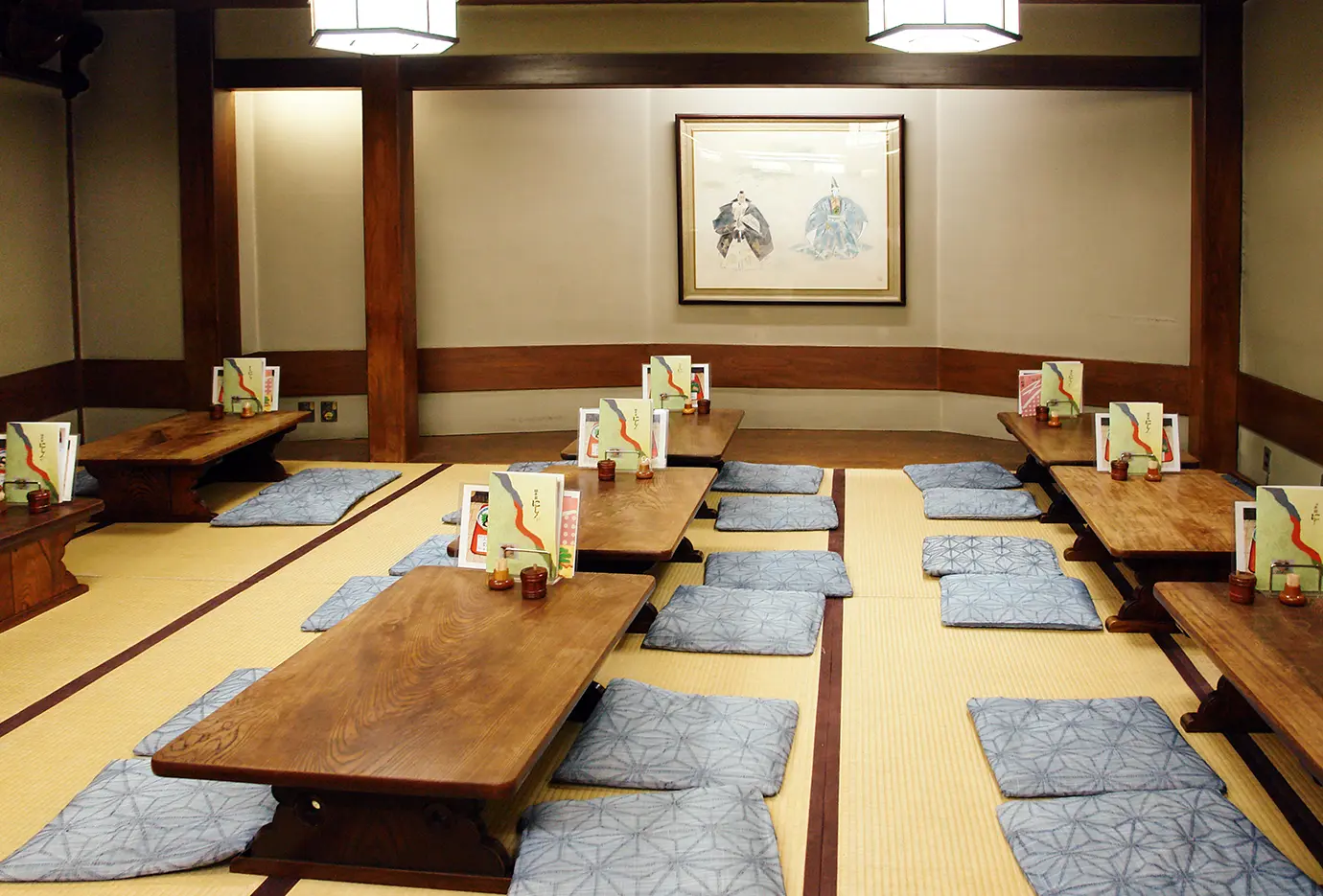
In the onsen, fully wash and rinse in the seated showers before you get in. Bathe with no swimsuit, keep your small towel out of the water, and tie your long hair up. Many baths still turn away visible tattoos, so cover a small one or book a private bath for a large one.
According to our guides, the most common onsen mistake is stepping straight into the bath. Wash first, every time. A slow, thorough rinse at the seated shower is the whole etiquette in one move.
Tip 16: Photograph Temples and Geisha With Respect
Photograph carefully around temples and in geisha districts. Most temples allow photos in the outer grounds but ban them inside the main halls, so watch for the signs. Never photograph a geiko or maiko without permission, since Kyoto has fined and barred tourists for chasing them in recent years.
For a real geisha photo, book a proper experience, such as a tea ceremony or dinner, where the setting is arranged. Do not follow them down the lanes of Gion. Inside temples, take your cue from local worshippers, and if they are not photographing, neither should you.
Food and Restaurants
Eating in Japan is easy and cheap to do well, once you know how small restaurants work. A little know-how gets you past the language gap and into the best counters in town.
Tip 17: Treat the Konbini as Your Best Friend
Lean on the convenience store, or konbini, throughout your trip. Japan’s 7-Eleven, Family Mart, and Lawson sell fresh rice balls, sandwiches, salads, and hot food, as well as ATMs, clean toilets, and ticket printing. It makes a fine breakfast or lunch on a busy day.
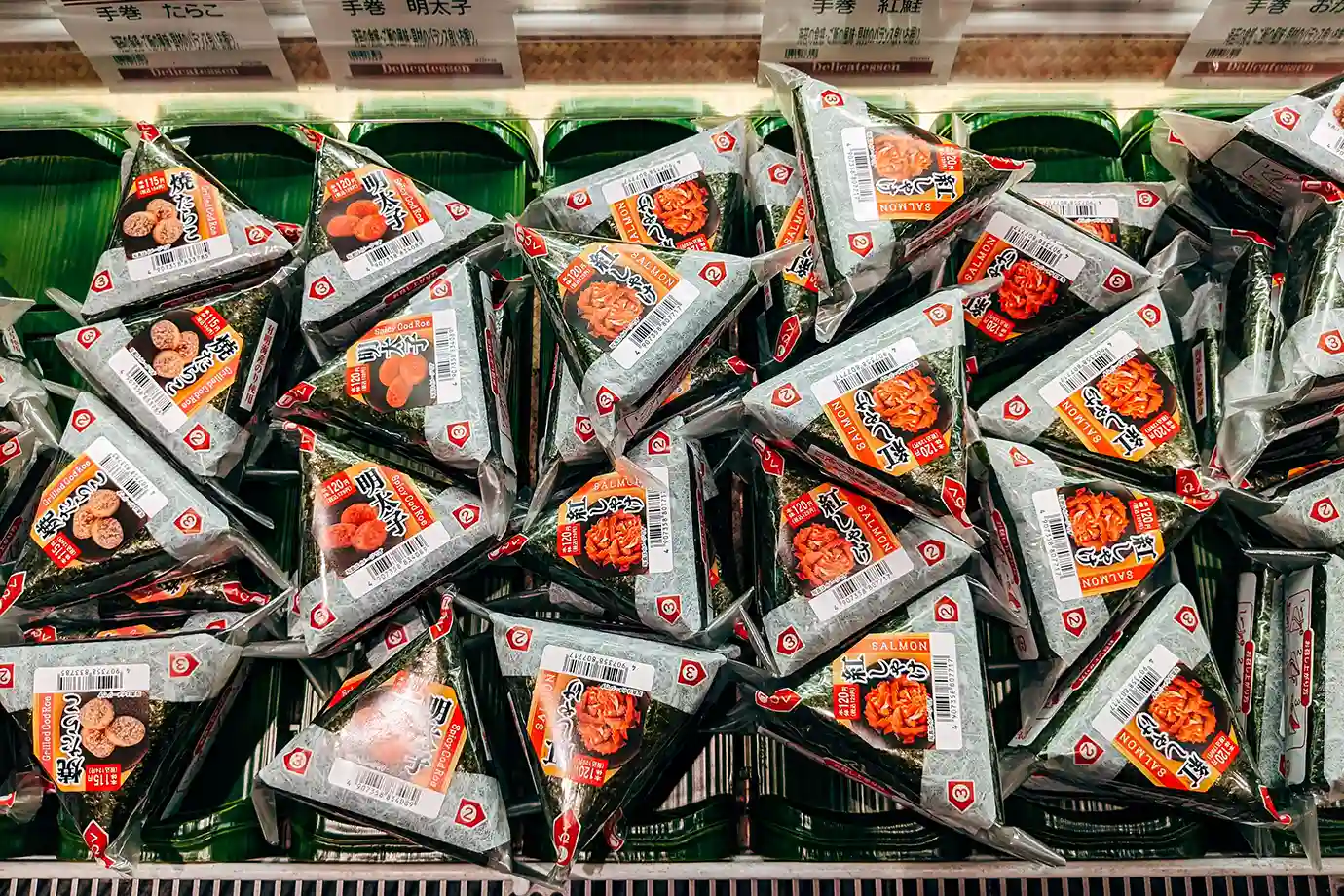
Try all three, since each has its own strengths. 7-Eleven is strong in sandwiches and ATMs, Family Mart in its fried chicken, and Lawson in its bakery and karaage. Grabbing breakfast at a konbini the night before can save you a slow morning on a travel day.
From our guides: do not skip the konbini egg sandwich. The soft tamago sando has a small, devoted following, and grown adults plan return snacks around it.
Tip 18: Learn How to Enter a Small Restaurant
Watch and copy the locals when you step into a small restaurant. Many ramen shops, izakaya, and sushi counters hold only a handful of seats, so wait to be seated and join any queue. Some ramen shops take your order at a ticket machine by the door, where you pay first and then hand your tickets to the staff.
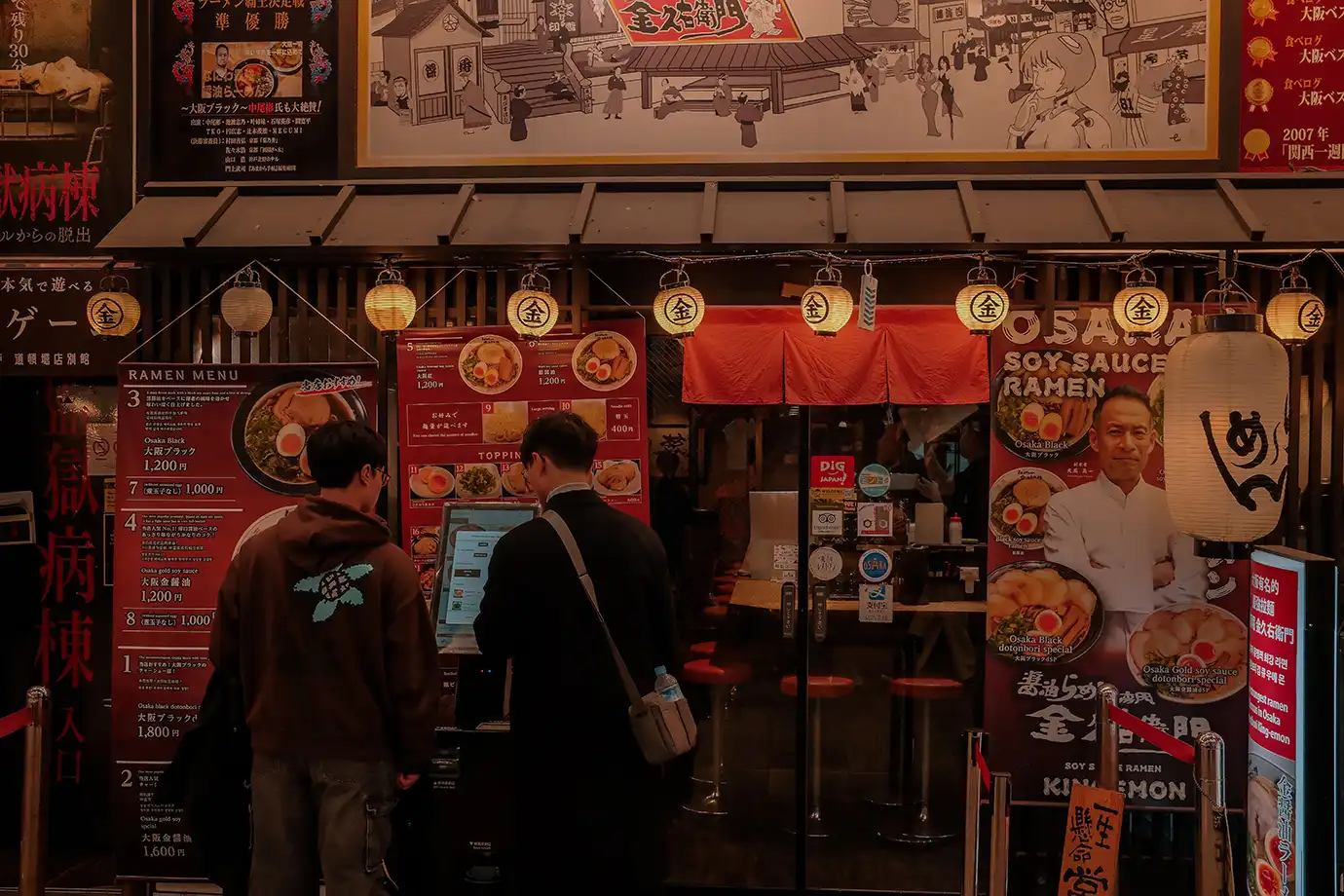
Point at the photo menus if you cannot read the text, since staff are used to it. English menus turn up in tourist areas but not in neighborhood spots, where Google Translate’s camera mode handles the menu quickly—a quick look at what others are doing answers most questions.
From our guides: the ticket machine at the ramen shop scares people for no reason. Press the top-left button for the house bowl, hand over the ticket, and you will eat like a regular.
Tip 19: Say Itadakimasu and Gochisousama
Bookend your meal with two simple phrases. Say itadakimasu before you eat, a soft way of saying you receive the meal with thanks. Say gochisousama deshita as you leave, which tells the cook it was a feast.
Neither is required from a visitor, but both land warmly with staff and cost you nothing. Say them clearly at a counter, where the chef can hear, and quietly to yourself at a table. Learning a few words of Japanese travel advice like these makes every meal friendlier.
Staying Safe and Connected
Japan is one of the safest countries you can visit, but a few numbers and a data plan make it safer still. Set these up before you fly, and you can handle any hiccup calmly.
Tip 20: Save the Emergency and Tourist-Help Numbers
Save Japan’s key numbers in your phone before you land. Dial 110 for police and 119 for fire or ambulance. For anything other than an emergency, the Japan National Tourism Organization operates a 24-hour English-language tourist hotline. It handles lost bags, transit trouble, and medical directions.
Photograph your passport, insurance card, and any prescriptions, and store copies in the cloud. Tap water is safe to drink nationwide, so refill your bottle freely. Carry your passport when you can, since police may ask to see it and shops may require it for tax-free purchases.
eSIM vs Pocket Wifi: Which Should You Choose?
Choose an eSIM if you travel solo or as a couple with a recent phone. Choose a pocket wifi device if you are a group sharing one connection, or if you carry an older phone. Both provide strong coverage across Japan, so the choice depends on your group, not the signal.
| Factor | eSIM | Pocket Wifi |
|---|---|---|
| Best for | Solo travelers, couples | Families, groups of three or more |
| Devices | Recent phones with eSIM support | Any phone shares one hotspot |
| Setup | Install before you fly; turn on when you land | Pick up and return at the airport |
| To carry | Nothing extra | A device and its charger |
| Data | Plans for light to heavy use | Usually unlimited, shared |
The Quick Decision
Keep it simple. Solo or a couple with a modern phone, take the eSIM. A family or group, or an older phone, takes the pocket wifi. Providers like Ubigi, Airalo, Sakura Mobile, and Mobal offer eSIMs, while Ninja WiFi and Japan Wireless offer pocket devices.
What to Skip
Skip two options that cost more for less. Home-carrier roaming charges high daily fees and often runs slower than a local plan. Airport wifi rental counters: prices are the same as for devices booked in advance online. Sort your connection before you travel, and you save both money and worry.
Frequently Asked Questions
Do I Need to Speak Japanese to Travel in Japan?
No. You can travel comfortably in Japan on English alone, since stations, trains, and tourist sites have English signs, and translation apps handle menus and directions. A few polite words, like arigatou for “thank you” and sumimasen for “excuse me,” go a long way. Hotel and restaurant staff in tourist areas usually speak enough English to help you through.
Is Japan Safe for Solo Travelers?
Yes. Japan is among the safest countries in the world for solo travelers, including solo women, with very low crime and helpful locals. Lost wallets are often handed in, and late-night trains and streets feel calm. Use normal caution in nightlife districts, keep an eye on your drink, and you will rarely feel unsafe anywhere.
Can I Use My Credit Card Everywhere in Japan?
Mostly, but not everywhere, so carry cash too. Cards and IC cards work at hotels, convenience stores, chain restaurants, and department stores. Small family restaurants, older shrines, rural buses, and some market stalls still take only cash. Withdraw yen from the ATMs inside any 7-Eleven, which reliably accept foreign cards, and keep some on hand at all times.
What Is the Biggest Cultural Mistake Tourists Make in Japan?
The most common mistake is being loud, especially on trains, where the whole car rides in near silence. Phone calls, speaker audio, and loud talk all mark you out at once. Close behind are eating while walking and trying to tip. None of these causes real offense, since locals are forgiving, but fixing them makes you a smoother, quieter guest.
What Should I Not Do in Japan?
Do not tip, do not eat while walking, and do not talk on the phone on trains. Do not stand your chopsticks upright in rice or wear shoes on the tatami. Do not photograph geisha without permission or step into an onsen without washing first. Get these few right, and the rest of Japanese etiquette follows naturally.
Do I Need Travel Insurance for Japan?
Yes, travel insurance is strongly recommended for Japan. Medical care is excellent, but it can be costly for visitors, and clinics may require payment up front before your insurer reimburses you. Good coverage also protects against trip delays, typhoons, and lost bags. For a multi-city trip with trains and stays booked in advance, insurance is a small cost compared to the large risk.
Before You Fly
You now have the 20 habits that turn a first trip to Japan from bumpy to smooth. Set up your IC card and data on Day 1. Carry a little cash and your own trash bag, keep quiet on the trains, and copy the locals when you are unsure. None of it is hard, and all of it adds up.
Would you rather have the logistics handled, from rail bookings to ryokan nights and luggage forwarding? Peregrine’s Japan team can plan the whole trip around you. Bring your dates and your pace, and the habits above come built in.