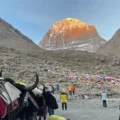
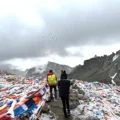
Kailash Mansarovar Yatra, an Australian sacred pilgrimage, attracts people worldwide. Mount Kailash and Lake Mansarovar are revered destinations where pilgrims seek spiritual growth and inner peace. Many travelers from Australia start this journey to connect with ancient traditions and experience profound serenity.
Location Details
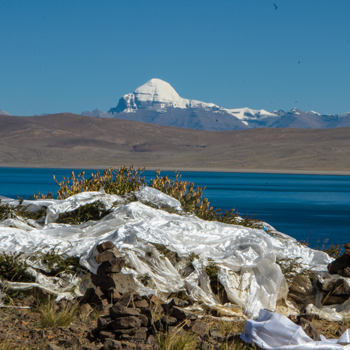
Mount Kailash stands majestically at 6,638 meters in China’s Tibet Autonomous Region. Nearby, Lake Mansarovar sits at an altitude of 4,590 meters, making it one of the highest freshwater lakes in the world. The area boasts breathtaking landscapes with snow-capped peaks, clear waters, and vast open skies that inspire awe and reflection.
Cultural and Spiritual Significance
Mount Kailash is highly significant in several religions. In Hinduism, it is considered the abode of Lord Shiva and Goddess Parvati. Buddhists believe it is the home of Demchok, representing ultimate bliss. Jains honor it as the site where their first Tirthankara attained enlightenment. Followers of Bon, Tibet’s indigenous religion, also regard it as sacred. This convergence of beliefs makes the region a powerful spiritual hub.
Planning the Kailash Mansarovar Yatra from Australia involves careful preparation. Understanding the cultural and spiritual significance enhances the experience, making the journey a physical trek and a path to inner transformation.



Significance for Australians
Interest Among Australian Hindus
Australian Hindus with roots in the Indian subcontinent often feel a strong pull towards the Kailash Mansarovar Yatra from Australia. The pilgrimage holds profound spiritual meaning, offering an opportunity to seek enlightenment and deepen one’s faith. Walking the same paths as ancestors and saints resonates deeply, connecting pilgrims to their heritage. Beyond spirituality, the Yatra provides a chance for adventure tourism and cultural exploration. Trekking through the rugged landscapes of Tibet challenges both body and mind, appealing to those who seek meaningful travel experiences that combine devotion with adventure.
Community Connections
In Australia, several communities and organizations support pilgrims planning the Kailash Mansarovar Yatra from Australia. Hindu temples and cultural centers often host informational sessions and group meetings to assist with preparations. These groups provide practical help with travel arrangements, visas, and advice on acclimatization. Engaging with these communities simplifies the planning process and fosters companionship among pilgrims. Traveling with a group from Australia can enhance the experience, creating bonds and shared memories that last a lifetime.
Understanding the significance of the Kailash Mansarovar Yatra from Australia helps pilgrims prepare for a meaningful journey. By connecting with local communities and recognizing the spiritual importance, Australian Hindus can fully embrace the pilgrimage, enriching their spiritual growth and personal fulfillment.
Travel Options from Australia
Via Nepal
Flying from Australia to Kathmandu in Nepal is a popular option for the Kailash Mansarovar Yatra from Australia. Major airlines like Qantas, Singapore Airlines, and Thai Airways operate flights from Sydney, Melbourne, and Brisbane, with stopovers in cities such as Singapore or Bangkok. We recommend you book a flight in advance. Upon arrival in Kathmandu, travelers can join organized tours that handle permits and logistics for the trek to Mount Kailash.
Via China
Another route involves flying to major Chinese cities like Beijing or Chengdu. Air China and China Eastern offer flights to Australian towns with one or two stopovers. From Beijing or Chengdu, flights continue to Lhasa in Tibet. When choosing this route, it is crucial to prepare all necessary visas and Tibet Travel Permits. Traveling via China allows for acclimatization in Lhasa before proceeding to Mount Kailash, which can enhance comfort during the high-altitude trek.
Planning the Kailash Mansarovar Yatra from Australia requires careful consideration of flight routes and connections. Comparing different airlines and itineraries helps find the most suitable option based on budget and schedule. Whether traveling via Nepal or China, arranging necessary visas and permits beforehand ensures a smoother experience.
Visa and Permit Requirements
Chinese Visa
Australian citizens need a Chinese tourist visa from Australia for the Kailash Mansarovar Yatra. Apply for a visa at the embassy in Australia. Submit your passport with the application form, a recent passport-sized photo, and a travel itinerary. Processing usually takes about a week, so plan to avoid delays.
Tibet Travel Permit
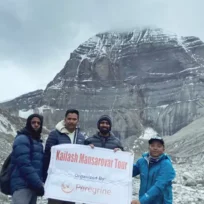
A Tibet Travel Permit is essential to enter Tibet. Authorized tour operators like Peregrine Treks arrange this permit for you. If entering from Nepal, provide your passport copy and passport-sized photographs to the tour operator at least one month before your departure date. If starting from Lhasa, submit a copy of your passport and Chinese visa. The tour operator ensures all paperwork is for your Kailash Mansarovar Yatra from Australia.
Special Permits
Visiting Mount Kailash and Lake Mansarovar requires additional permits. These regions are restricted, so a separate license is necessary. Your tour operator will obtain these permits on your behalf, simplifying the process and allowing you to focus on your pilgrimage.
Nepal Visa
If traveling via Nepal, you can get a Nepalese visa upon arrival in Kathmandu. Bring a valid passport, passport-sized photos, and the visa fee in cash. The process is straightforward and quick, making it convenient for travelers from Australia to Kailash Mansarovar Yatra.
Planning for visas and permits ensures a smooth experience. Collaborate closely with your tour operator to handle all requirements efficiently.
Physical Preparation
Fitness Requirements
Undertaking the Kailash Mansarovar Yatra from Australia demands good physical fitness. The pilgrimage involves trekking at high altitudes, reaching elevations over 5,600 meters. Travelers face steep paths, rugged terrain, and unpredictable weather conditions. Strong endurance and stamina are essential to navigate the challenging routes and to cope with reduced oxygen levels at high elevations.
Training Tips
Preparing physically for the Kailash Mansarovar Yatra from Australia should begin several months in advance. Incorporate cardiovascular exercises like running, swimming, or cycling to improve heart and lung capacity. Strength training helps build muscle endurance needed for long hikes. Hiking on uneven terrains with a loaded backpack simulates actual trekking conditions. If possible, practice at higher altitudes to acclimatize your body gradually. Breathing exercises and yoga can also enhance flexibility and respiratory efficiency.
Health Check-Ups
A comprehensive medical check-up is crucial before starting the pilgrimage. Consult your doctor to assess your fitness level and discuss any pre-existing conditions. Ask about medications for high-altitude sickness, and carry a basic first-aid kit with essential supplies. Inform your tour operator about any health concerns so they can accommodate your needs appropriately.
Proper physical preparation enhances the pilgrimage’s experience and safety. By focusing on fitness, training, and health precautions, travelers from Australia can start the Kailash Mansarovar Yatra with confidence and peace of mind.
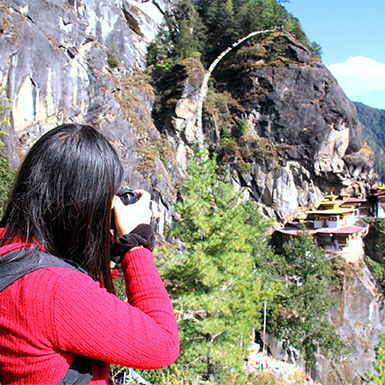
Kailash Mansarovar Yatra from Australia
Altitude Sickness Awareness
Travelers from Australia on the Kailash Mansarovar Yatra face the risk of high-altitude sickness due to elevations exceeding 5,600 meters. Symptoms like headaches, nausea, dizziness, and shortness of breath can occur when ascending too quickly. Recognizing these risks is essential to ensure a safe and fulfilling pilgrimage experience.
Preventative Measures
Preventing altitude sickness involves gradual ascent and proper hydration. Staying well-hydrated and avoiding alcohol supports the body’s adjustment process. Recognizing early symptoms allows for prompt action, such as resting or descending to lower altitudes. Consulting a doctor before the trip and possibly carrying medication like acetazolamide can provide additional protection.
Acclimatization Schedules
Including acclimatization days in the itinerary improves the body’s ability to cope with high altitudes. Spending extra nights at intermediate elevations like Kathmandu or Lhasa allows gradual adjustment. Tour operators often design schedules that incorporate rest days to aid acclimatization. Following these plans reduces the risk of altitude sickness and enhances the overall experience.
Proper awareness and preparation for altitude challenges make the Kailash Mansarovar Yatra from Australia safer and more fulfilling. Acclimatizing ensures travelers fully appreciate this sacred pilgrimage’s spiritual and natural wonders.
Best Time to Visit
The best time for the Kailash Mansarovar Yatra from Australia is between May and September. During these months, the weather in the Tibet Autonomous Region is more stable, and temperatures are milder. Planning your pilgrimage within this window increases the chances of favorable conditions, making the trek more comfortable and enjoyable.
Weather Conditions
Weather is key to the success of the Kailash Mansarovar Yatra from Australia, with daytime summer temperatures between 10°C to 15°C, while nights remain chilly. Rainfall is minimal, reducing the risk of landslides and road blockages. Clear skies offer stunning views of Mount Kailash and Lake Mansarovar. Monitoring weather forecasts helps in packing appropriate clothing and gear for the trip.
Festivals and Events
Timing your Kailash Mansarovar Yatra from Australia to coincide with significant religious events can enhance your experience. The Saga Dawa Festival, usually in May or June, celebrates the birth, enlightenment, and death of Buddha. Pilgrims gather to perform rituals and circumambulate Mount Kailash. Participating in such festivals provides a deeper cultural and spiritual connection. Checking the lunar calendar helps align your travel dates with these critical events.
Choosing the best time to undertake the Kailash Mansarovar Yatra from Australia ensures a smoother and more meaningful pilgrimage. Considering seasonal factors, weather conditions, and cultural festivals allows for better planning and preparation, fulfilling your spiritual journey.
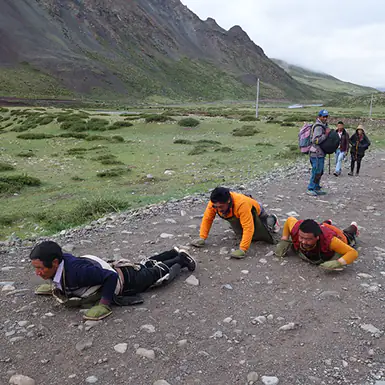
Packing Essentials
Clothing
Temperatures vary significantly during the Yatra, so pack layers to adapt to weather changes. Include thermal wear, fleece jackets, and waterproof outerwear. Bring warm hats and gloves for cold nights. Wear comfortable trekking pants and breathable shirts. Avoid shorts and sleeveless tops to respect local customs.
Gear
Carry sturdy trekking boots with good ankle support. Pack a comfortable backpack with a rain cover. Include a warm sleeping bag. Bring a headlamp with extra batteries. Trekking poles aid balance on uneven terrain. Don’t forget sunglasses and sunscreen for high-altitude sun exposure.
Medical Supplies
Prepare a personal first-aid kit. Include pain relievers, band-aids, and blister treatments. Consult your doctor about altitude sickness medication. Pack personal prescriptions with enough supply. Carry hand sanitizers and water purification tablets.
Cultural Sensitivity Items
Dress modestly to respect local traditions. When visiting sacred sites, women are advised to bring scarves to cover their heads. Avoid flashy jewelry and revealing clothing. Carry a small gift, like prayer flags, for temples. Learn basic phrases in the local language to communicate politely.
Proper packing ensures a smooth Kailash Mansarovar Yatra from Australia, allowing you to focus on the spiritual experience.
Accommodation and Facilities
Types of Lodging
During the Kailash Mansarovar Yatra from Australia, travelers have various accommodation options. In cities like Lhasa, Shigatse, Shegar, Saga, Kerung, and Darchen, hotels are available and provide comfortable stays. Monastery overnight stays are currently not permitted. At Lake Mansarovar, Dirapuk, and Zutulpuk, only local lodges with fundamental facilities are accessible. These lodgings offer essential shelter but may need more modern amenities.
Facilities
Electricity and hot water are available in most lodges and hotels along the route. This allows travelers to recharge devices and enjoy warm showers after long days. Restroom facilities are basic in remote areas outside the main cities. Due to the condition of local toilets, using open-air options might be more practical. Bringing necessary toiletries and hygiene supplies enhances comfort during the trip.
Food and Dietary Needs
Meal provisions are generally included in tour packages for the Kailash Mansarovar Yatra from Australia. Local cuisine features dishes like rice, noodles, and vegetables. We recommend that you inform us in advance about dietary restrictions. Vegetarian options are common, but vegan or gluten-free choices may be limited. Carrying personal snacks or supplements ensures dietary needs are met.
Planning for accommodation and facilities makes the Kailash Mansarovar Yatra from Australia more comfortable. Understanding what to expect helps travelers prepare appropriately for this spiritual adventure.
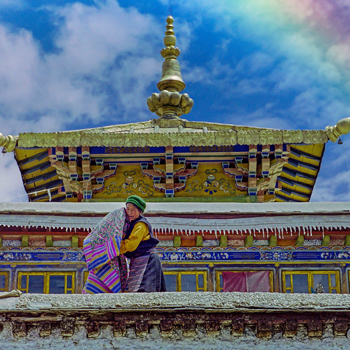
Health and Safety Considerations
Vaccinations
It is important to consult a doctor from Australia before the Kailash Mansarovar Yatra. No specific vaccinations are mandatory, but a medical professional can provide personalized advice. Staying current with routine vaccinations promotes overall health during your pilgrimage.
Travel Insurance
Obtaining comprehensive travel insurance is essential. Ensure the policy covers high-altitude trekking and emergency evacuation. This coverage protects you financially and medically during the Kailash Mansarovar Yatra from Australia, offering peace of mind throughout the trip.
Emergency Services
Medical facilities are available in Lhasa, Shigatse, Saga, and Darchen. In case of an emergency, you can access hospitals in these cities. If you feel unwell during the Kora, an electric van can arrange immediate transportation back to Darchen. Knowing that help is readily available enhances safety during the Kailash Mansarovar Yatra from Australia.
Proper attention to health and safety ensures a secure and fulfilling experience. By taking these precautions, you can focus on your pilgrimage’s spiritual and cultural significance.
Cultural Etiquette and Responsible Tourism
Local Customs
Respecting local customs enhances the experience of the Kailash Mansarovar Yatra from Australia. Dress modestly by wearing clothing that covers shoulders and knees. Remove shoes before entering temples or monasteries. Always walk clockwise around sacred sites, following traditional practices. Asking permission before photographing people or religious artifacts shows courtesy and respect.
Environmental Responsibility
Protecting the pristine environment from Australia during the Kailash Mansarovar Yatra is vital. Use reusable water bottles with filters to minimize plastic waste. Dispose of litter properly and avoid leaving trash behind. Stick to established paths to minimize impact on delicate ecosystems. Use biodegradable soaps to prevent pollution of water sources.
Community Interaction
Positive engagement with local communities enriches the pilgrimage. Learn basic phrases in the local language to communicate politely. Help local communities by buying goods or services from local businesses. Show appreciation for their hospitality and refrain from disruptive behavior. Sharing stories and experiences fosters mutual understanding and respect.
Honoring cultural etiquette and practicing responsible tourism ensures a meaningful and respectful Kailash Mansarovar Yatra from Australia. By embracing these principles, travelers contribute positively to the communities and environments they visit.
Financial Planning
Budgeting
Planning for the Kailash Mansarovar Yatra from Australia requires careful budgeting. Flights from Australia to Kathmandu or Lhasa typically cost AUD 1,200 and AUD 2,000, depending on the season and airline. Tour packages range from AUD 5,000 to AUD 7,000, usually including accommodation, meals, guides, and necessary permits. Visa fees for China and Nepal add approximately AUD 200 to the expenses. Personal costs like travel insurance, trekking gear, and souvenirs should also be considered. Allocating a contingency fund for unexpected costs ensures financial preparedness.
Currency
Understanding currency exchange is vital for the Kailash Mansarovar Yatra from Australia. The Chinese Yuan (CNY) is the accepted currency in Tibet. Exchanging Australian Dollars to Chinese Yuan before departure or upon arrival in major cities like Lhasa is advisable. ATMs are available in Lhasa and Shigatse but may not accept all international cards. Carrying sufficient cash is important, especially when traveling to remote areas with scarce banking facilities. Keeping small denominations helps with everyday transactions.
Tipping
Tipping customs in Tibet involves showing appreciation to guides and staff. A general guideline is to tip around AUD 10 per day for guides and AUD 5 per day for drivers. Adjusting the amount based on service quality is acceptable. Presenting the tip in an envelope at the end of the trip is considered polite. Discussing tipping practices with the tour operator provides additional clarity.
Careful financial planning ensures a smooth Kailash Mansarovar Yatra from Australia. By budgeting wisely, managing currency needs, and understanding local customs, travelers can focus on the spiritual significance of their pilgrimage.
Legal and Political Considerations
Travel Advisories
Check the latest government travel advisories before planning the Kailash Mansarovar Yatra from Australia. Authorities prohibit carrying books, journals, newspapers, Tibetan flags, or any materials related to the Dalai Lama. Before entering Tibet, delete any social media posts about the Dalai Lama or Tibetan political leaders. Chinese immigration officers may deport or detain travelers with such items or content.
Political Sensitivities
Understanding the political context is crucial for a respectful pilgrimage. Refrain from discussing Tibet’s political status, and always comply with local laws and regulations during the Kailash Mansarovar Yatra from Australia. Respecting these sensitivities ensures a smooth experience and avoids legal complications.
Conclusion
Undertaking the Kailash Mansarovar Yatra from Australia can profoundly enrich your life, nurturing the soul and expanding the mind. Standing before the majestic Mount Kailash and the serene Lake Mansarovar inspires deep reflection and awe. This pilgrimage provides a rare opportunity to escape from daily routines and engage with ancient spiritual traditions. Facing and overcoming the challenges along the route fosters personal growth, resilience, and a deeper self-understanding.
Start planning your Kailash Mansarovar Yatra from Australia today. Research travel options, consult reputable tour operators, and prepare yourself physically and mentally for this sacred trek. Taking proactive steps now brings you closer to experiencing the profound impact this pilgrimage can have on your life. The path to spiritual enrichment and personal transformation awaits; seize the moment and begin your preparations.