Muktinath Temple is one of Nepal’s most revered spiritual sites, holding immense significance for both Hindus and Buddhists. For Hindus, it is considered one of the 108 Divya Desams, sacred places associated with Lord Vishnu. Many pilgrims believe that visiting Muktinath Temple can bring them liberation or moksha. On the other hand, Buddhists see the temple as a place where Guru Rinpoche (Padmasambhava) meditated and attained enlightenment. This unique duality makes this temple an essential pilgrimage destination for followers of both faiths.
Muktinath Temple stands at 3,710 meters (12,172 feet) in Mustang, a secluded region of Nepal. The temple in the Himalayan foothills retains a spiritual atmosphere that provides pilgrims with a combination of religious satisfaction and peace in nature. People worldwide visit this temple, hoping to receive blessings and feel how strong this connection between God and nature can be.

Location and Pilgrimage Status of Muktinath Temple
- Geographical Location: Muktinath Temple is located in the Mustang district of Nepal, approximately 24 kilometers northeast of Jomsom. It lies within the Annapurna Conservation Area, known for its stunning landscapes and biodiversity.
- Altitude and Surroundings: The temple, perched at 3,710 meters, provides a stunning view of the snow-capped Himalayas. The high altitude adds to the site’s spiritual significance, with many pilgrims considering the climb and altitude part of their devotion.
- Significance for Hindus: People revere Muktinath as one of the 108 sacred Divya Desams dedicated to Lord Vishnu. Hindus believe visiting the temple ensures liberation from the cycle of birth and rebirth, making it a vital stop on the spiritual path to salvation.
- Significance for Buddhists: Buddhists consider Muktinath a sacred place because Guru Rinpoche meditated there during his Tibet tour. The eternal flame inside the temple represents the natural elements revered by Buddhists, making it a perfect spot for meditation and reflection.
- Pilgrimage Site: Muktinath is a highly sought-after pilgrimage site for Hindus and Buddhists. Thousands of devotees visit the temple annually, with a particular surge during auspicious festivals like Rishi Tarpani, a crucial event in the Hindu calendar.



Muktinath Temple History
Muktinath Temple has a centuries-long rich history and attracts followers from both Hindu and Buddhist traditions. Ancient texts and spiritual beliefs highlight its significance, making it one of Nepal’s most vital pilgrimage sites. Dedicated primarily to Lord Vishnu, Hindus honor the temple as a place to seek salvation. Buddhists also revere it as a sacred spot connected to Guru Rinpoche, the founder of Tibetan Buddhism.
The temple’s history intertwines with various myths and legends. For Hindus, Muktinath is one of the 108 Divya Desams, holy temples mentioned in Tamil literature. Many believe visiting this sacred place will grant them moksha liberation from the cycle of rebirth. References to the temple can also be found in ancient texts such as the Mahabharata, adding to its religious importance.
In the eighth century, Guru Rinpoche meditated at this Temple during his expedition to Tibet as per the Buddhist tradition. The eternal flame here burns due to natural gas and signifies five elements: earth, water, fire, air, and space. This spiritual connection between Hinduism and Buddhism pilgrims go to this temple worldwide to feel its holiness.
Spiritual Importance of Muktinath
- Hindu Significance: Hindus consider Muktinath Temple one of the 108 sacred places dedicated to Lord Vishnu. The word “Mukti” means liberation, and many believe that visiting this temple can lead to freedom from the cycle of life and death. Lord Vishnu is said to bless those seeking spiritual salvation in his form as Mukti.
- Buddhist Significance: Buddhists associate Muktinath with Guru Rinpoche, who meditated here on his way to Tibet. For Buddhists, the temple is a site of meditation and spiritual enlightenment. The eternal flame, which burns naturally inside the temple, represents purity and is a critical meditation symbol. Many Buddhist monks visit Muktinath as part of their spiritual practice, adding to its cultural value.
Legends and Texts Related to Muktinath
Several ancient legends highlight the origins of Muktinath Temple. One well-known story tells of how Lord Vishnu freed himself from a curse by Brinda, a devoted follower of Lord Shiva. According to this legend, Vishnu meditated in the location where this Temple stands today, earning the title “Lord of Salvation.” Ancient texts like the Mahabharata and various Puranas mention this Temple, underlining its importance in spiritual literature.
Location and Altitude of Muktinath Temple
Muktinath Temple, a revered pilgrimage site, is located in the Mustang district of Nepal, a region known for its rugged beauty and sacred significance. The temple is approximately 3,800 meters (12,467 feet) in the Himalayas near the Thorong La mountain pass.
Muktinath Temple’s Precise Location
- Geographical Setting: Muktinath Temple lies in the Annapurna Conservation Area and is accessible by road and air from major cities in Nepal. The closest central town is Jomsom, a gateway for pilgrims and trekkers heading to the temple.
- Access Routes: Travelers often start their trip from Pokhara, moving towards Jomsom by flight or through an adventurous road trip, followed by a trek or local transport to Muktinath.
Impact of Muktinath Altitude on Visitors
- High Altitude Considerations: Muktinath Temple is located at a high altitude, meaning there’s less oxygen in the air than at sea level. Visitors might feel symptoms of altitude sickness, such as headaches, nausea, and dizziness.
- Acclimatization Tips: Proper acclimatization is crucial for travelers to prevent altitude sickness. Spending a few days at intermediate altitudes like Jomsom, which stands at around 2,700 meters, can help the body adjust.
- Health Precautions: People traveling to high-altitude areas should pack altitude sickness medication and consult a healthcare provider.
Key Landmarks and Nearby Attractions
- Kagbeni Village: A gateway to Upper Mustang, Kagbeni lies south of Muktinath. This medieval village is known for its picturesque alleys, an ancient monastery, and position along the Kali Gandaki River, making it a must-visit for culture enthusiasts.
- Jomsom: Jomsom, the administrative center of Mustang, not only serves as a hub for travelers to Muktinath but also offers unique cultural insights into the life of the Thakali people, who are known for their hospitality and delicious cuisine.
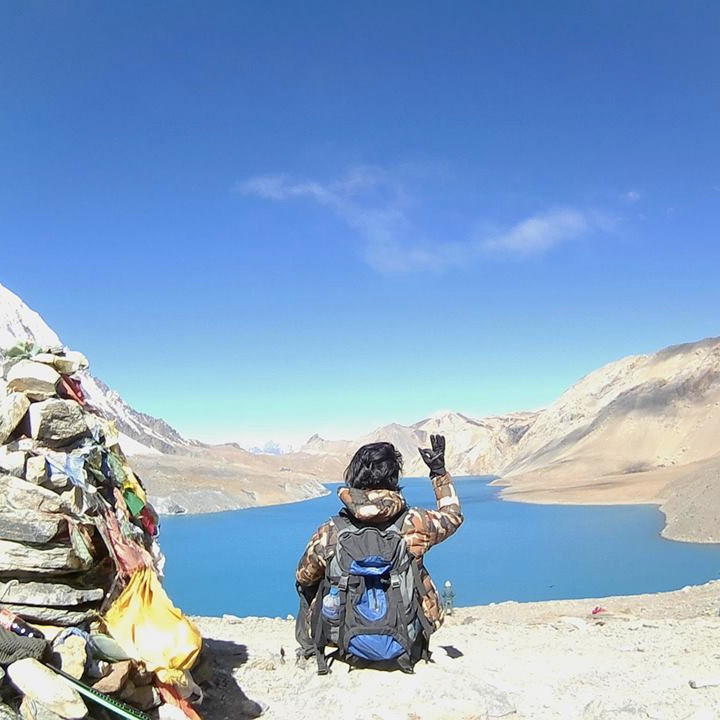
- Natural and Cultural Sights: The landscape around Muktinath is marked by its stark, stunning beauty, with snow-capped peaks and arid hills as a backdrop. Visitors can explore the region’s unique flora and fauna and experience local traditions preserved for centuries.
How to Get to Muktinath Temple
Muktinath Temple is a unique religious place in Nepal’s remote Mustang district. Although it might be challenging to reach, there are a few ways to get to this sacred temple, starting from Pokhara or Kathmandu. Here’s a detailed guide on how to get there, covering the distances and transportation options.
Pokhara to Muktinath Distance and Transportation Options
- Pokhara to Muktinath Distance: The distance from Pokhara to Muktinath Temple is approximately 180 kilometers. Several transportation options are available, making the trip accessible to different types of travelers:
- Flight to Jomsom: The fastest way is to take a flight from Pokhara to Jomsom, which lasts around 20 minutes. From Jomsom, travelers can either trek or hire a jeep to cover the remaining distance to Muktinath, which takes about 1 to 2 hours.
- Road Travel: For those preferring an overland adventure, traveling by jeep from Pokhara to Muktinath is another option. The road is rugged and challenging, and depending on the weather and road conditions, the trip takes around 9 to 10 hours.
- Trekking: Adventurous visitors can opt for a multi-day trek from Jomsom to Muktinath, which offers breathtaking views of the Annapurna range and the Kali Gandaki Valley. This trek usually takes 1 to 2 days, depending on your pace.
Kathmandu to Muktinath Distance and Routes
- Kathmandu to Muktinath Distance: The distance between Kathmandu and Muktinath Temple is roughly 375 kilometers. Travelers can choose between several transportation options to make this spiritual tour.
- Flight via Pokhara or Jomsom: The most efficient route involves a flight from Kathmandu to Pokhara, followed by a connecting flight to Jomsom. From Jomsom, visitors can continue their trip by jeep or trekking, as mentioned above.
- Overland Travel: Another option is to travel by jeep or bus directly from Kathmandu to Muktinath. This route takes about 12 to 15 hours, and travelers cover the distance through various landscapes. While it’s a long drive, it offers a chance to see Nepal’s diverse geography, from the lush hills to the arid Mustang region.
Trekking Routes to Muktinath
Trekking to Muktinath is a popular choice for those seeking an adventurous trek. Trekkers can follow the Annapurna Circuit, which passes through villages like Kagbeni and Jomsom. This route provides a more immersive experience of Nepal’s stunning scenery and the spiritual atmosphere of the Mustang region. The trek typically takes 7 to 10 days, starting from Besi Sahar or Chame and ending at this Temple.
Muktinath Temple Photos: A Glimpse into Serenity and Spirituality
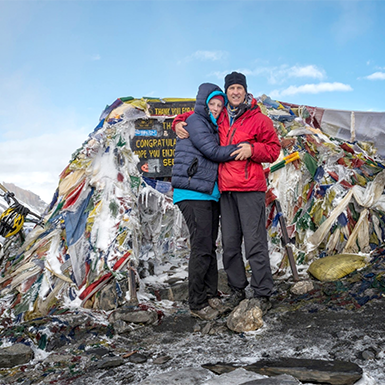
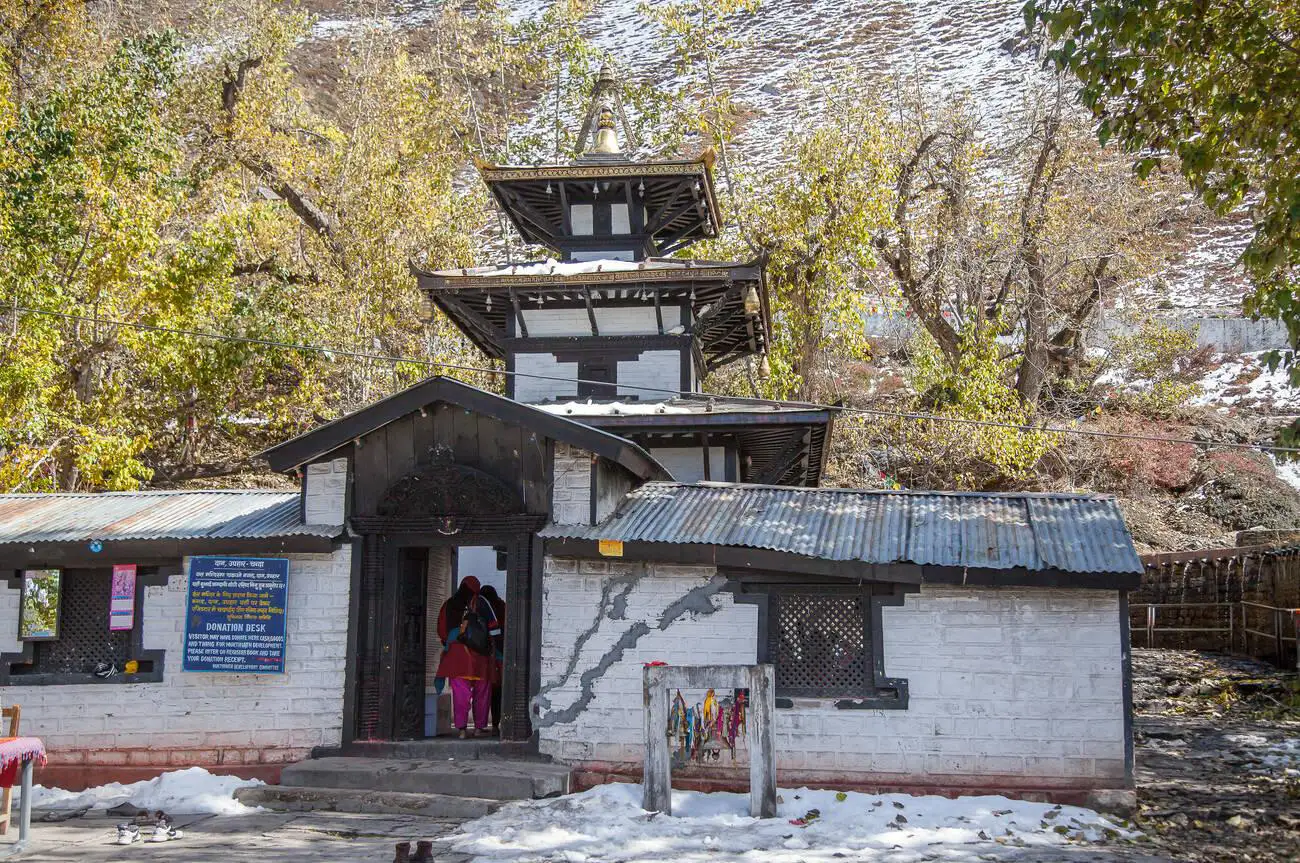
In Nepal’s Mustang district, Muktinath offers spiritual significance and captivating visual beauty. Its architecture, surrounded by the majestic Himalayas, creates an atmosphere of peace and connection with nature. Visitors often capture stunning Muktinath Temple photos highlighting the serene environment, traditional design, and natural beauty that enhances the temple’s spiritual ambiance.
Architectural Beauty of Muktinath Temple
The architecture of this Temple combines Hindu and Buddhist elements, making it a unique structure that attracts pilgrims and photographers. Though simple in design, the temple holds immense religious importance. Its pagoda-style architecture, typical of Nepali temples, contrasts beautifully with the snow-capped mountains in the background. This simplicity and its sacred significance create a striking image for visitors.
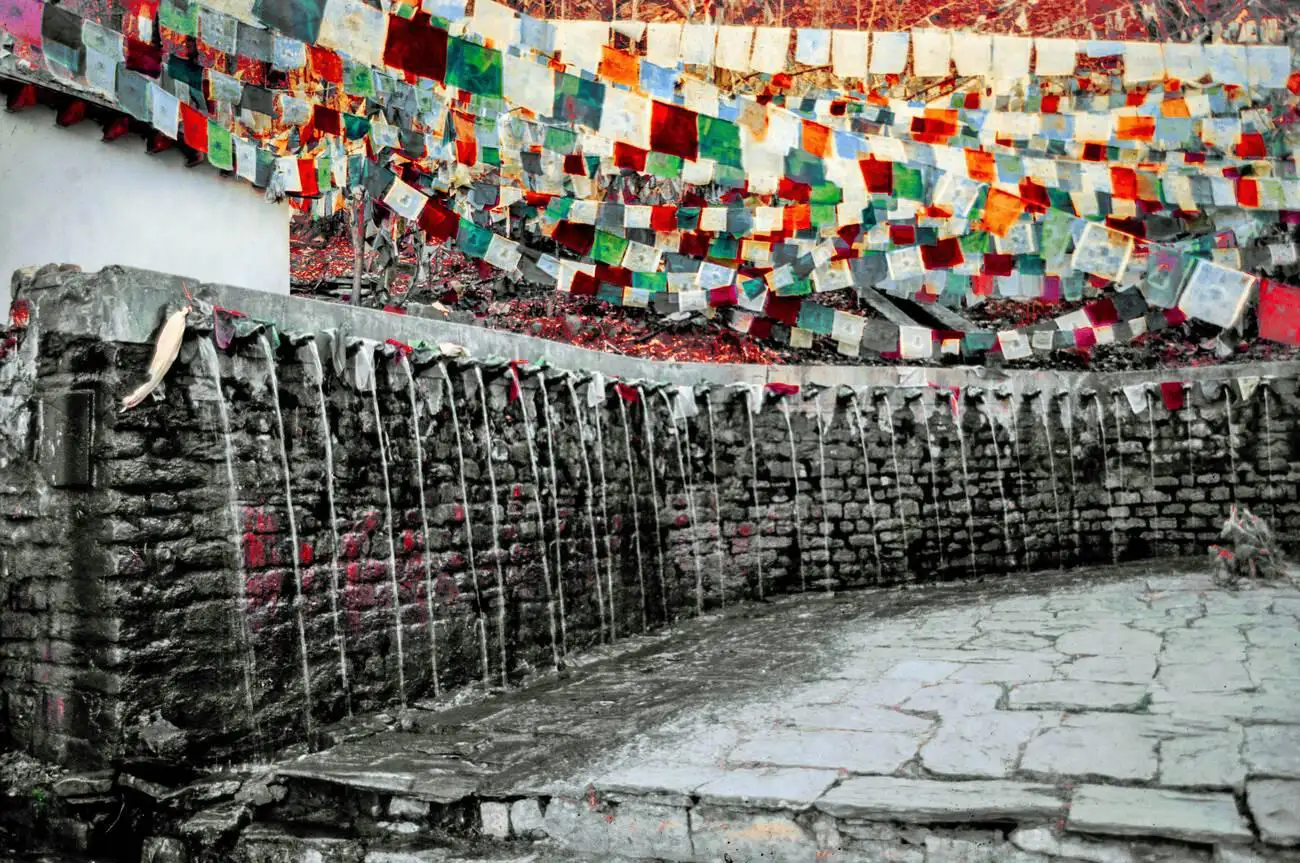
108 Water Spouts: One of the most iconic features of this Temple is the row of 108 water spouts, known as “Mukti Dhara.” These spouts, shaped like bullheads, release ice-cold water directly from the Himalayas, which pilgrims consider sacred. Many visitors take photos of the Muktinath Temple of these water spouts, capturing the spiritual significance and the contrast between the flowing water and the rugged natural environment.
Natural Surroundings Captured in Photos
At about 3,800 meters, this Temple area has stunning Himalayan ranges and vast skies. Visitors see panoramic views of Annapurna and Dhaulagiri mountains, which are perfect for photographers, especially at sunrise and sunset when sunshine reflects on them, turning them gold.
Dryland characterizes Muktinath’s landscape, with prayer flags flowing and bits of snow occasionally falling from the heavens above. Because of these natural features combined with the temple’s peacefulness, photographers have an array of scenes to capture. The application of Muktinath Temple’s photos and its photogenic appeal echoes its calmness and spirituality.
Exploring Muktinath Temple Photos
Looking at Muktinath Temple photos allows viewers to experience its serene ambiance even from a distance. The temple’s blend of cultural significance, natural beauty, and religious importance makes it an ideal subject for photography. Photos capture the temple basking in the sunlight or the contrast of vibrant prayer flags set against the stark mountainous backdrop, each image telling its unique story.
- Cultural Aspects: Photos often reveal the cultural importance of this Temple by capturing pilgrims performing rituals, offering prayers, or bathing under the sacred water spouts. These images provide a glimpse into the deep spiritual practices that occur at this holy site.
- Seasonal Changes: The Muktinath Weather and Muktinath Temperature fluctuate throughout the year, giving photographers different perspectives depending on when they visit. From clear summer skies to snow-blanketed winter landscapes, the temple offers endless opportunities for stunning photos in all seasons.
Muktinath Weather and Temperature: A Visitor’s Guide
Due to its high altitude, Muktinath Temple, located in Nepal’s Mustang district, experiences diverse weather patterns throughout the year. Understanding Muktinath’s weather and temperature conditions is essential for planning a comfortable visit. Below is a comprehensive guide on seasonal weather patterns, temperature variations, and practical packing tips to help you prepare for your trip.
Muktinath Weather Conditions Throughout the Year
The altitude of Muktinath Temple, around 3,800 meters (12,467 feet), makes the weather highly variable and unpredictable. Visitors should prepare for rapid weather changes because of the temple’s proximity to the Himalayas. Generally, Muktinath weather stays cool, but each season presents different challenges.
- Summer (May to June): Summer brings mild and pleasant weather to Muktinath. Clear skies offer breathtaking mountain views, ranging from 12°C to 20°C. With the melting snow, trekking routes become more accessible, making it a great time to visit.
- Monsoon (July to September): Though most of Nepal experiences heavy rain during the monsoon, Muktinath sees less rainfall because of its location in the rain shadow of the Himalayas. Expect occasional rain and muddy trails, with Muktinath temperature ranging from 10°C to 18°C during this period.
- Autumn (October to November): Autumn is arguably the best time to visit Muktinath Temple. The skies remain clear, providing excellent views of the snow-capped peaks, and the weather is dry. During the day, Muktinath’s temperature ranges from 10°C to 15°C, but nights can be much colder.
- Winter (December to February): Winters are harsh at this Temple. Temperatures often drop below freezing, sometimes reaching as low as -5°C. Snowfall is common, and many trekking routes become impassable, making it suitable only for experienced, well-prepared travelers.
Muktinath Temperature Variations by Season
- Summer: The daytime temperatures typically range from 12°C to 20°C, with cooler nights dropping to about 5°C. Summer provides comfortable weather for exploring this Temple and its surroundings.
- Monsoon: During the monsoon, temperatures range from 10°C to 18°C. Although Muktinath experiences less rain than other regions, the trails can still be slippery, so caution is advised.
- Autumn: In autumn, daytime temperatures hover between 10°C and 15°C, with night temperatures dipping closer to freezing. The crisp air and clear skies make autumn the peak season for visitors.
- Winter: Winter temperatures can be extreme, with daytime readings between 0°C and 5 °C and nighttime lows reaching -5°C or lower. Snowfall is frequent, making winter visits challenging and requiring proper preparation.
What to Pack for Muktinath Based on Weather
Packing the right gear is essential for a comfortable trip to Muktinath. The high altitude and fluctuating weather conditions require preparation for various climates.
- For Summer: Bring light layers for the daytime and warmer evening clothing. Essentials include trekking shoes, sunscreen, and sunglasses to protect against the intense mountain sun.
- For monsoon: A waterproof jacket, trekking boots with a good grip, and quick-dry clothing are necessary. Though Muktinath sees limited rain, it’s wise to be ready for occasional showers and muddy paths.
- Please pack warm clothing for autumn, including a down jacket for cooler evenings. Layer your clothing since temperatures can fluctuate throughout the day. A sturdy pair of trekking boots will also help navigate the rugged terrain.
- For Winter: Winter visits require heavy winter gear, including thermal layers, a down jacket, gloves, a hat, and waterproof boots. Nighttime temperatures can be extreme, so proper winter clothing is essential for staying warm.
Religious Significance of Muktinath Temple
Muktinath Temple plays a vital role in the spiritual lives of both Hindu and Buddhist pilgrims, making it one of Nepal’s most revered religious sites. Nestled in the Mustang district, the temple serves as a destination for those seeking spiritual solace and symbolizes cultural harmony. The mix of religious rituals and festivals celebrated here highlights the temple’s importance in both traditions.
Spiritual Importance for Pilgrims
Muktinath Temple, standing at about 3,800 meters, attracts thousands of pilgrims yearly. Hindus regard the temple as a sacred site dedicated to Lord Vishnu, the god of salvation. Many believe visiting this holy place will grant them moksha, or liberation from the endless cycle of rebirth.
- Ritual Bathing Under 108 Waterspouts: An essential ritual at this Temple involves bathing under the 108 waterspouts, known as “Mukti Dhara.” These spouts, which release icy water from the Himalayas, line the temple and hold profound spiritual significance. Pilgrims believe that washing under these waterspouts purifies the soul and cleanses away sins. Many visitors also capture this sacred act in Muktinath photos, reflecting the devotion and spiritual intensity of those participating.
- The Eternal Flame: The temple’s inner sanctum houses an everlasting flame representing spiritual cleanliness and the divine presence. The fire exemplified by this eternally burning light represents the element of fire, which serves as the holy emblem for both Hindus and Buddhists, with natural gas acting as its fuel source, in addition to being a reminder of the five most essential elements in existence, namely, earth, water, fire, air, and sky, respectively, for both religions’ ideologies. People go on pilgrimage to pay tribute to it while they make prayers and receive blessings from it.
Key Festivals Celebrated at Muktinath
Muktinath Temple hosts several religious festivals each year, drawing large numbers of devotees. These festivals not only offer opportunities for spiritual reflection but also serve as significant cultural celebrations.
- Janai Purnima: Among the most important festivals celebrated at Muktinath Temple, Janai Purnima marks the renewal of the sacred thread (Janai) worn by Hindu men. Pilgrims come to the temple to participate in this holy ritual, which signifies purification and spiritual renewal. The festival, celebrated in August, sees pilgrims bathing under the 108 waterspouts as part of their purification process.
- Rishi Tarpani: Muktinath also celebrates Rishi Tarpani, another important Hindu festival observed in Bhadra (August-September). During this time, pilgrims perform rituals to honor their ancestors, emphasizing the temple’s role as a place for the living and the deceased to receive blessings.
- Buddhist Observances: Muktinath Temple is also highly significant in Buddhism, especially within Tibetan traditions. Many believe that Guru Rinpoche (Padmasambhava) meditated at Muktinath on his tour to Tibet. On special Buddhist occasions, monks and devotees gather at the temple to offer prayers, reflecting its spiritual importance across both faiths.
Tips for Visitors to Muktinath Temple
Muktinath, nestled in Nepal’s remote Mustang district, remains a significant pilgrimage site for Hindus and Buddhists. Its high altitude, spiritual value, and breathtaking surroundings draw travelers from all over the globe. Whether you are visiting for religious reasons or to experience the beauty of the temple and its landscape, these practical tips will help ensure a smooth and enjoyable trip.
Health Advice for High-Altitude Conditions
Muktinath Temple sits at 3,800 meters (12,467 feet), which can affect visitors unaccustomed to high altitudes. Follow these steps to stay healthy:
- Acclimatize Properly: Spend a few days in lower-altitude areas like Jomsom before heading to Muktinath. Drinking plenty of water can help your body adapt to the altitude and lower the risk of altitude sickness.
- Stay Hydrated: Drink lots of water at high altitudes to prevent dehydration and symptoms like headaches or dizziness.
- Bring Altitude Medication: Talk to your doctor about bringing medication for altitude sickness. Common symptoms at high altitudes include nausea, fatigue, and shortness of breath.
- Pace Yourself: Avoid exerting yourself too much. Stroll and take breaks, especially if you’re trekking or need to get used to high-altitude activities.
Accommodations, Transportation, and Amenities
- Accommodations: Most travelers stay in Jomsom, about 24 kilometers from Muktinath. Jomsom offers a variety of accommodations, ranging from simple guesthouses to mid-range hotels. For a more rustic experience, Kagbeni village offers charming lodges where you can appreciate the serene surroundings.
- Transportation Services: The easiest way to reach Muktinath is by flying from Pokhara to Jomsom, a 20-minute flight. From Jomsom, you can either trek or take a jeep to Muktinath. If you prefer to travel by road, the Pokhara to Muktinath distance is about 180 km, while the Kathmandu to Muktinath distance is roughly 375 km. Remember that road conditions can be challenging during the monsoon season.
- Amenities: Muktinath provides basic amenities like guesthouses and teahouses near the temple. These offer simple meals and lodging, but some modern comforts may be lacking. Bringing essential items like toiletries and snacks is a good idea, as local options can be limited.
Cultural Norms to Follow at Muktinath
Visitors to Muktinath, a sacred site with profound religious importance for Hindus and Buddhists, should respect local customs and traditions.
- Dress Modestly: This Temple is a place of worship, so dress modestly. Avoid shorts or revealing clothing. Instead, wear long pants or skirts and cover your shoulders to show respect.
- Respect Religious Practices: Pilgrims perform rituals such as bathing under the 108 water spouts and offering prayers at the temple. While taking Muktinath Temple photos is acceptable, be considerate and avoid disrupting ceremonies or religious activities.
- Remove Footwear: As a sign of respect, remove your shoes before entering the temple grounds. It is common in Hindu and Buddhist temples.
- Maintain Peace: Keep noise levels low and be mindful of the spiritual atmosphere. Visitors come to Muktinath for quiet reflection, so it’s essential to maintain a peaceful environment.
Conclusion: The Lasting Significance of Muktinath Temple
Perched high in Nepal’s Mustang district, Muktinath Temple is a spiritual destination for pilgrims and travelers. This sacred site, rich in cultural history, attracts those seeking spiritual awakening and a deeper bond with nature.
Cultural and Religious Importance
Tourists from all over the world visit Muktinath Temple because of its religious importance to Hindus and Buddhists. The sacred ceremonies conducted there, bathing in 108 holy waterspouts, and seeing the everlasting fire all represent spiritual purification and renewal.
Such traditions have penetrated local culture deeply enough that visitors can resonate strongly with them. The temple sits at an elevation of 3800 meters, making it more mysterious and creating a strong sense of worship in the high Himalayas.
Embrace the Spiritual and Natural Beauty of Muktinath
Reaching Muktinath Temple is just as significant as the destination itself. Visitors trek through rugged landscapes that offer breathtaking views of the Himalayas, blending spirituality and nature’s beauty.
Due to its location in a rain shadow behind the Himalayas, Muktinath has an exceptionally arid but awe-inspiring terrain, unlike in other greener parts of Nepal. Numerous tourists who take photos of Muktinath Temple have captured this quality atmosphere, and every image illustrates a tranquil aura around the shrine and its mighty spiritual force within it.