

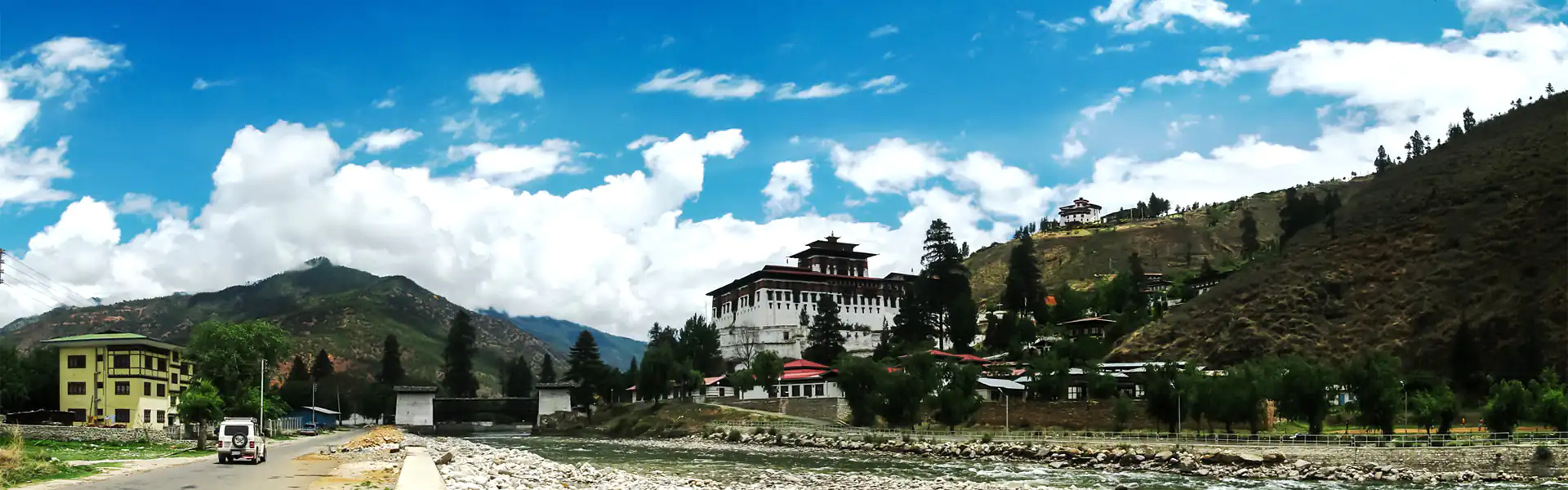


The Rinpung Dzong is a beautiful combination of Bhutanese grandeur and a monastery. Likewise, Shavdrung Ngawang Namgyal facilitated the establishment of this magnificent Dzong in 1646. Another name for this great fortress is Paro Dzong. Before then, the National Assembly utilized this as its convention space. It is presently a Castle that accommodates the medieval self and district government offices. The line “Fortress underneath the jewel” is Reflected in the other name of this Dzong, “Rinchen Pung Dzongs. Also, the creamy exterior, spellbinding vibrant colors, and more than ten shrines are significant highlights of this exquisite monastery. The Rinpung Dzong, with its graceful and harmonious structure and venerable past, is the main attraction in Paro, Bhutan.
The Enchantment of Rinpung Dzong
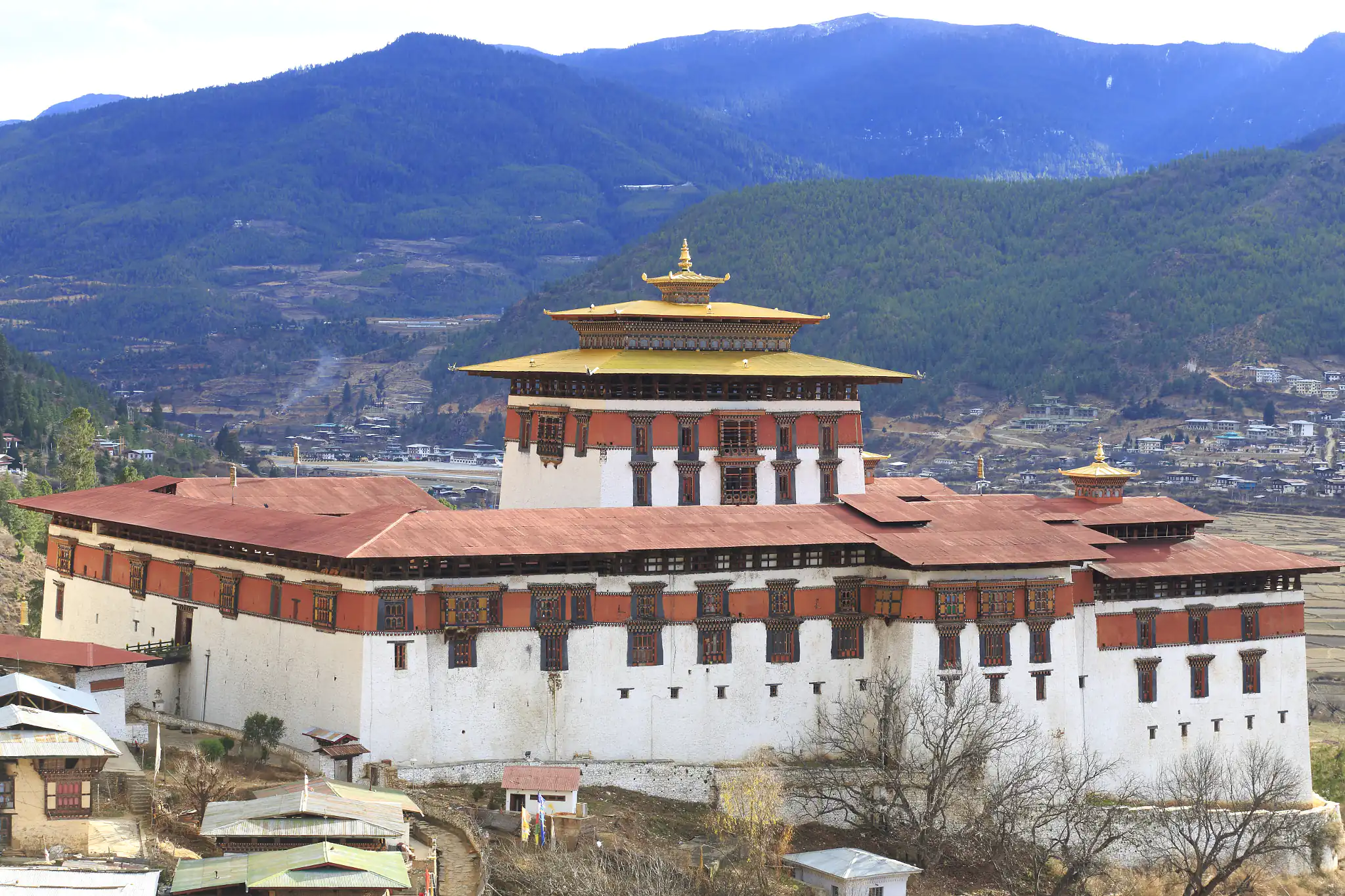
This Dzong is unlike any other Monument because of its exquisite quality and outstanding artifacts. Due to its impressive architecture and precious concept art, including engravings, statues, and murals that date back hundreds of years, Rinpung Dzong is quite alluring. The Dzong is incredibly regal in both look and construction. Many of the murals depict intriguing stories from the past century. Similar to how the exquisite garden in the back further enhances the attractiveness of this Dzong. The extraordinary chambers and the creative ceilings are also spread across large floors. There is ample room for many monks in the monastery section.
Festivities at the Rinpung Dzong
Tshechu is an enchanting festival that takes place in Rinpung Dzong. According to the traditional lunar calendar of Bhutan, this celebration typically lasts from the eleventh to the fifteenth day of the second month. At Rinpung Dzong, there will be a considerable crowd from March to April. Religious paintings are conveyed in a ceremonial during this period. The celebration begins with mesmerizing traditional costume dances that portray religious folklore.
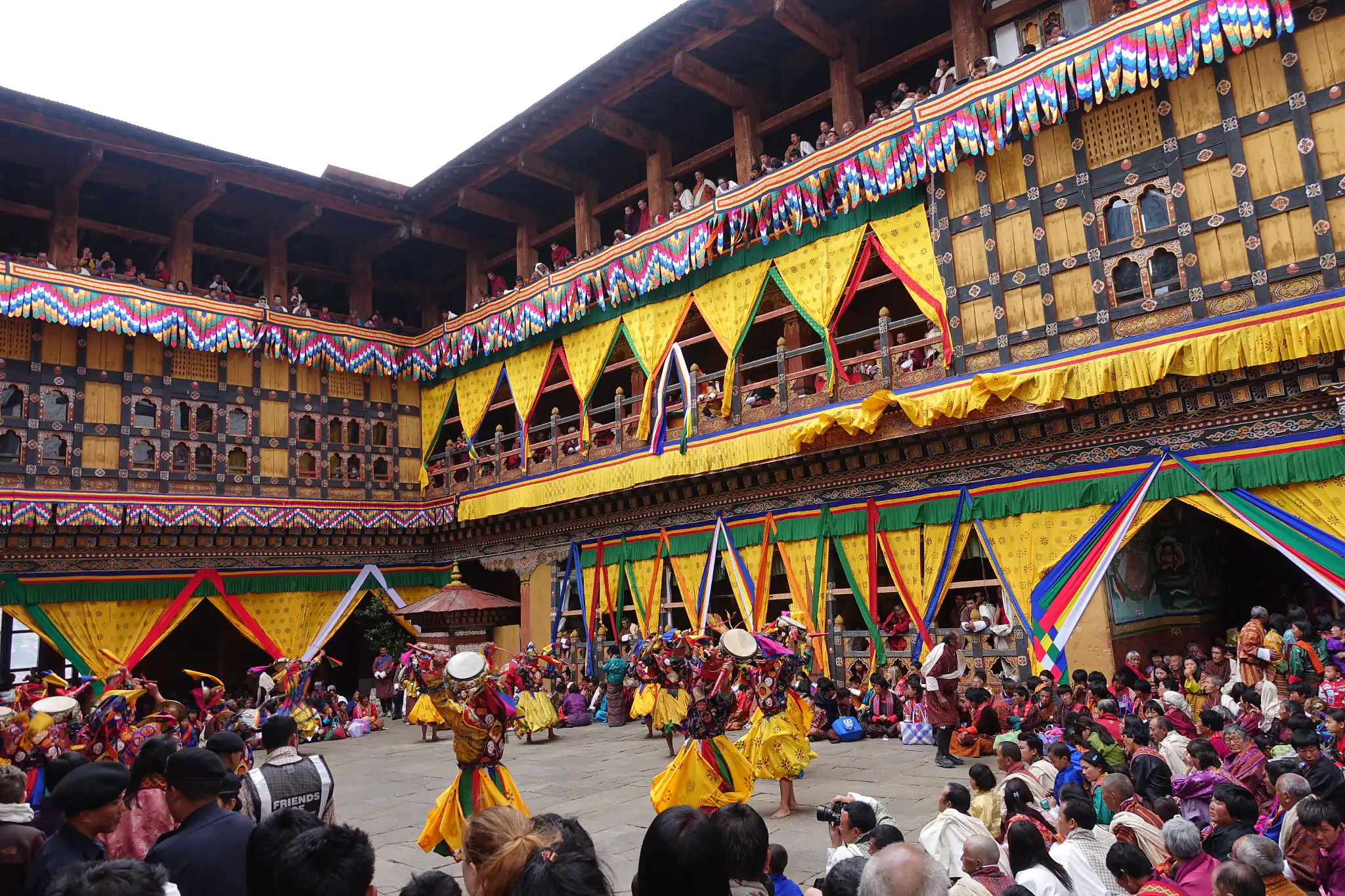
Additionally, monks are frequently present during large-scale celebrations of the occasion. There is also a substantial ceremonial thangka on a colorful banner that shows the Eight Manifestations of Padmasambhava and prevents the sun’s light from infiltrating the ritual. Along with this, the Gho and other traditional garments provide richness to this exquisite Tsechu Festival.
History of Rinpung Dzong
After a devastating fire in 1906, the renowned figure Penlop Dawa Penjor gave the Rinpung Dzong new life. The fire demolished this Dzong and caused significant mayhem in the surrounding region. Before it, the earthquake in 1897 had caused extensive damage to this Dzong. Similarly, during the 17th century, Rinpung Dzong stood in the way of a Tibetan assault. More than this, There are also legends about past monarchs and great individuals associated with this beautiful Dzong. Beyond this, the doorway handicrafts and artistry disseminate compassion, serenity, and social harmony worldwide. Moreover, the Sculptures of Rinpung Dzong depict the origins of Buddhist culture and the existence of a spiritual Deity.
The Foundation of Rinpung Dzong
The origins of Rinpung Dzong date back to the 15th century when it was initially a small temple built by Padma Lingpa, a revered Tibetan Buddhist lama and treasure finder. In 1644, the structure was expanded into a dzong (fortress) under the guidance of Zhabdrung Ngawang Namgyal, the unifier of Bhutan. He constructed it on the foundations of the original temple, turning it into a formidable fortress to defend against Tibetan invasions.
Role in Bhutanese History
Throughout the centuries, Paro Dzong has been a focal point in Bhutan’s defense and administration. It withstood numerous invasions and fires, symbolizing the resilience of the Bhutanese people. The dzong also served as the meeting place for the National Assembly until the mid-20th century, highlighting its importance in the country’s governance.
Opening Hours for Rinpung Dzong
The Rinpung Dzong opens at different times depending on the season. It is essential to have accurate information on the Ringpung Dzong’s opening hours. It typically opens at 7:45 AM and closes at 5:30 PM from March through October. Furthermore, from November to February, the Ringpung Dzong is accessible from 7:45 AM to 4:15 PM, particularly during the winter, when the sun sets a little bit earlier, delaying devotees’ departure after touring the Dzong. The opening hours are thus slightly different in the winter season from that of the summer season.



Architectural Marvel
Traditional Bhutanese Design
Rinpung Dzong is a masterpiece of traditional Bhutanese architecture. Constructed without the use of nails or architectural plans, it showcases intricate woodwork, towering walls, and elegant courtyards. The massive buttressed walls, rising abruptly from the edge of the Paro River, create an imposing yet harmonious presence in the landscape.
Notable Features
- Utse (Central Tower): The five-story central tower houses the monastery’s main temples and shrines. Adorned with elaborate carvings and paintings, it is the spiritual heart of the dzong.
- Courtyards: The dzong features several courtyards used for religious ceremonies and festivals. The largest courtyard hosts the annual Paro Tshechu festival.
- Artwork and Murals: The walls are adorned with vibrant murals depicting Buddhist teachings, deities, and historical events. These artworks are not only aesthetically pleasing but also serve as educational tools for monks and visitors.
Spiritual Significance
A Living Monastery
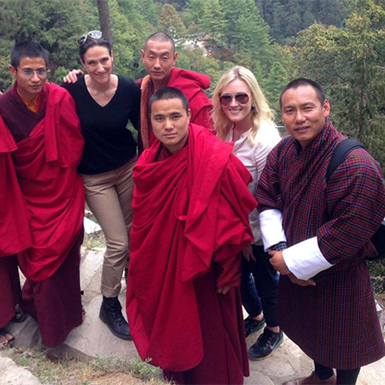
Paro Dzong is an active monastery housing monks who engage in daily prayers, studies, and rituals. The spiritual ambiance is palpable as the sound of chanting and the aroma of incense fill the air. Visitors are welcome to observe and respectfully participate in some of the rituals, gaining insight into Bhutanese Buddhist practices.
Religious Relics and Temples
Within the dzong are several temples and chapels:
- Temple of the Guru Rinpoche: Dedicated to Guru Rinpoche, the founder of Bhutanese Buddhism.
- Temple of the God of Compassion: Houses a statue of Avalokiteshvara with a thousand arms and eyes, symbolizing infinite compassion.
- Temple of the Lord Buddha: Features a magnificent statue of Buddha Shakyamuni.
These sacred spaces offer a serene environment for meditation and reflection.
Cultural Events: The Paro Tshechu Festival
The Paro Tshechu, a five-day spring festival, is a major event at Rinpung Dzong. It attracts locals and tourists alike, offering a vibrant display of Bhutanese culture.
Mask Dances and Rituals
Monks perform traditional mask dances called Cham, depicting stories of Buddhist teachings and historical events. Each dance carries symbolic meanings, aiming to teach moral lessons and ward off evil spirits.
The unfurling of the Thangka
A highlight of the festival is the unveiling of a giant thangka (embroidered painting) depicting Guru Rinpoche. Displayed before dawn on the final day, viewing the thangka is believed to cleanse spectators of sins and bring blessings.
Community Gathering
The festival serves as a social gathering, where people dress in their finest traditional attire. It’s an opportunity to strengthen community bonds, celebrate shared heritage, and pass traditions to younger generations.
Accessibility and Visitor Information
How to Get There
Paro Dzong is conveniently located near Paro International Airport, Bhutan’s only international airport. From the town center, it’s a short drive or a pleasant walk across the traditional Nyamai Zam bridge, which itself is an architectural gem.
Visiting Hours
The dzong is open to visitors daily, typically from 9:00 AM to 5:00 PM, with a break for lunch. During certain religious ceremonies or official events, access may be restricted, so it’s advisable to check in advance.
Entry Requirements
- Permits: Foreign tourists must be accompanied by a licensed guide and have the necessary permits arranged by a tour operator.
- Dress Code: Modest attire is required. Shoulders and knees should be covered. Removing shoes may be necessary when entering temples.
- Photography: Allowed in the courtyard and exterior areas but generally prohibited inside temples to preserve the sanctity of the sacred spaces.
Preservation and Restoration Efforts
Maintaining Historical Integrity
Rinpung Dzong has undergone several restorations, especially after damages from fires and earthquakes. The Bhutanese government prioritizes preserving the dzong’s historical integrity, using traditional materials and techniques in restoration projects.
UNESCO Tentative List
The dzong is part of the tentative list of UNESCO World Heritage Sites, recognizing its cultural and historical significance. Inclusion in this list highlights the global importance of preserving such monuments.
Nearby Attractions
Ta Dzong: The National Museum of Bhutan
Located above Rinpung Dzong, Ta Dzong was originally a watchtower built to defend the dzong. It now houses the National Museum, offering exhibits on Bhutanese art, history, and culture.
Kyichu Lhakhang
One of Bhutan’s oldest and most sacred temples, Kyichu Lhakhang dates back to the 7th century. It’s a short drive from Paro Dzong and is revered for its spiritual significance.
Paro Town
The quaint town of Paro offers charming shops, traditional architecture, and local eateries. Strolling through the town provides a glimpse into daily life in Bhutan.
The Symbolism of Rinpung Dzong
Bridge Between Past and Present
Paro Dzong embodies Bhutan’s ability to honor its past while embracing modernity. It continues to function as both a religious center and an administrative office, integrating tradition into contemporary governance.
Architectural Inspiration
The dzong’s design has influenced modern Bhutanese architecture, reflecting the nation’s commitment to preserving its cultural identity. The use of local materials, harmonious proportions, and symbolic motifs are hallmarks of this style.
Conclusion: The Enduring Legacy of Paro Dzong
Visiting Rinpung Dzong is a highlight of any trip to Bhutan. Its grandeur, spirituality, and historical depth offer a multifaceted experience that resonates with visitors. As one of the most significant monasteries in Bhutan, Paro Dzong stands as a testament to the nation’s rich heritage and unwavering commitment to preserving its cultural treasures.
Whether you are drawn by its architectural splendor, spiritual ambiance, or cultural vibrancy, Rinpung Dzong welcomes you to explore and connect with the heart of Bhutan. It’s not just a monument but a living symbol of a nation where tradition and modernity coexist in harmony.