Tibet has a unique culture, breathtaking landscapes, and profound spiritual significance. Understanding the things to know before Tibet tour is essential to make the most of your visit. Proper preparation will help you navigate its high altitudes, secure necessary permits, and appreciate the spiritual and natural wonders that make Tibet such an extraordinary destination. This guide provides all the insights you need for a hassle-free and enriching experience.
What to do Before the Tibet Tour
Before your Tibet tour, proper preparation is key to a smooth experience. Start by booking your trip through an authorized travel agency, as they’ll handle essential permits like the Tibet Travel Permit. Research the weather and pack accordingly—layered clothing, sunscreen, and sturdy shoes are must-haves. It’s also wise to consult your doctor about altitude sickness and carry any necessary medications. Lastly, familiarize yourself with Tibet’s cultural norms and travel restrictions to respect local customs and ensure a hassle-free trip.
1. Obtain Required Travel Documents
- Passport: Ensure your passport is valid for at least six months from your travel date.
- Chinese Visa: Apply for a Chinese visa in your home country before traveling. This is necessary for obtaining a Tibet Travel Permit.
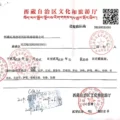
- Tibet Travel Permit: Work with a licensed travel agency to arrange this permit, as independent travel in Tibet is not allowed.
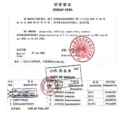
- Group Visa: A group visa is required to enter Tibet from Nepal, which must be arranged in Kathmandu.
2. Book Flights and Accommodation
- Book your international flight to Nepal or mainland China, depending on your entry point.
- Arrange your domestic flight or train to Lhasa in advance.
- Confirm your accommodation in Tibet through your travel agency, as only certain hotels accept foreign tourists.
3. Plan and Pack Appropriately
- Clothing: Carry layered clothing to adapt to Tibet’s fluctuating temperatures. Include a warm jacket, thermal wear, and comfortable trekking gear.
- Footwear: Pack sturdy hiking boots and socks for walking on uneven terrain.
- Essential Items:
- Sunscreen and sunglasses to protect against intense UV rays.
- A hat or scarf for sun and wind protection.
- A reusable water bottle and a water purification system.
- Personal medications, including altitude sickness tablets.
4. Acclimatize to High Altitudes
- Spend 2-3 days acclimatizing in a lower-altitude city like Lhasa before heading to higher altitudes.
- Stay hydrated and avoid alcohol and smoking during this period.
5. Understand Local Customs and Regulations
- Respect Tibetan culture and traditions by dressing modestly and refraining from taking photos of monks or monasteries without permission.
- Avoid carrying or discussing political or sensitive materials, such as items related to the Dalai Lama.
6. Arrange Travel Insurance
- Purchase comprehensive travel insurance that covers:
- Emergency medical evacuation.
- Altitude sickness-related issues.
- Trip cancellations or delays.
7. Stay Informed About Weather and Travel Conditions
- Research the weather for your travel dates. Tibet’s climate can vary widely depending on the season and altitude.
- Be aware of potential road or travel disruptions due to weather or regulations.
8. Confirm with Your Travel Agency
- Ensure your itinerary, permits, and transportation are finalized.
- Discuss any dietary restrictions or special requirements.
- Verify the inclusions and exclusions of your tour package.
9. Learn Basic Tibetan Phrases
- Familiarize yourself with a few basic Tibetan or Mandarin phrases to communicate with locals, as English may not be widely spoken.
10. Prepare for Connectivity
- Buy a local SIM card in China or Nepal for better communication and internet access.
- Download offline maps and travel apps for use in areas with poor connectivity.
Following these steps will prepare you for a memorable and hassle-free Tibet tour.



What Not to Do Before and During a Tibet Tour
Tibet is a culturally sensitive and geographically challenging destination, requiring careful planning and awareness. To ensure a safe, respectful, and enjoyable experience, understanding the things to know before the Tibet tour includes knowing what to avoid before and during your trip. Avoid neglecting essential documents like the Tibet Travel Permit and Chinese Visa, as entry is impossible without them. Refrain from rushing your itinerary to allow proper acclimatization to the high altitude. Respect local customs by dressing modestly and seeking permission before taking photographs of people or sacred sites. Additionally, avoid discussing sensitive political topics to maintain harmony during your visit. By staying mindful of these factors, you can appreciate Tibet’s spiritual and natural wonders while respecting its unique cultural values.

Before Your Tibet Tour
1. Don’t Neglect Travel Documents
- Avoid incomplete documentation: Ensure you have a valid passport, Chinese visa, and Tibet Travel Permit. Missing or incorrect paperwork can lead to trip cancellations.
- Do not apply for individual permits: Foreign tourists cannot apply for Tibet Travel Permits directly. Always work with a licensed travel agency.
2. Don’t Pack Inappropriate Items
- Avoid political or sensitive materials: Do not bring books, photos, or anything related to the Dalai Lama or Tibetan independence.
- Don’t pack unnecessary items: Avoid overpacking, as trekking or traveling at high altitudes can be physically demanding.
3. Don’t Skip Travel Insurance
- Never travel to Tibet without comprehensive insurance that covers high-altitude trekking, emergency evacuation, and medical expenses.
4. Don’t Ignore Altitude Preparation
- Avoid heading to Tibet without proper acclimatization knowledge. Skipping this step can increase the risk of altitude sickness.
5. Don’t Forget to Research Local Customs
- Avoid starting your trip without understanding Tibetan cultural norms and sensitivities, which could inadvertently offend.
During Your Tibet Tour
1. Avoid Overexertion
- Don’t ignore your body: High altitudes can cause fatigue and altitude sickness. Avoid strenuous activities in the first few days.
- Please don’t rush the trek: Take it slow, especially at high-altitude locations like Lhasa or Everest Base Camp.
2. Don’t Disrespect Local Customs
- Avoid inappropriate behavior: Do not touch religious objects or monks without permission.
- Don’t dress inappropriately: Wear modest clothing, especially when visiting monasteries and sacred sites.
- Avoid loud behavior: Respect the serene environment, especially in monasteries.
3. Don’t Bring Unauthorized Items
- Avoid banned materials: Do not carry photos or media about Tibetan independence or the Dalai Lama. Also, refrain from bringing drones or unauthorized recording devices.
- Don’t carry prohibited items: Avoid bringing alcohol, drugs, or flammable materials into Tibet.
4. Don’t Photograph Without Permission
- Avoid unpermitted photos: Always ask before taking pictures of locals, monks, or inside monasteries. Some areas may charge a fee for photography.
- Don’t use drones: Using drones is strictly prohibited in Tibet.
5. Don’t Ignore Environmental Rules
- Avoid littering: Do not leave trash or damage the fragile environment.
- Don’t harm wildlife: Refrain from disturbing or feeding animals in protected areas.
6. Don’t Share Restricted Content
- Avoid social media controversies: Do not post sensitive or political content about Tibet during your stay. This could lead to legal repercussions.
- Don’t discuss sensitive topics: Avoid discussing politics, religion, or Tibet’s independence with locals or fellow travelers.
7. Don’t Rely on Internet Access
- Avoid expecting unrestricted internet: Many popular platforms like Google, YouTube, Facebook, and Twitter are blocked in Tibet and mainland China.
8. Don’t Skip Hydration or Nutrition
- Avoid dehydration: Drink plenty of water to counteract altitude sickness.
- Don’t skip meals: Ensure you eat regularly to maintain energy levels, even if your appetite decreases at high altitudes.
9. Don’t Disregard Weather Conditions
- Avoid under-preparation: Carry adequate clothing for cold and unpredictable weather. Temperatures can drop significantly at night, even in summer.
10. Don’t Travel Without Local Guidance
- Avoid going solo: Always stick with your group and follow your guide’s instructions. Solo travel without a guide is not permitted for foreign tourists in Tibet.
Tibet is a unique and spiritual destination that demands thoughtful preparation and cultural sensitivity. Understanding what Things to know before Tibet tour and avoiding common mistakes such as neglecting required permits, underestimating altitude challenges, or disregarding local customs can ensure a safer, smoother, and profoundly enriching experience. Respect the region’s traditions, carefully plan your trip, and focus on the spiritual and natural wonders that make Tibet extraordinary.
Strictly Prohibited Actions and Items in Tibet
Tibet is a culturally sensitive and politically monitored region where visitors must follow strict rules and guidelines to ensure a smooth and respectful experience—understanding the things to know before Tibet tour includes being aware of activities and items that are strictly prohibited. Avoid carrying materials or discussing topics related to political or religious sensitivities, as this can lead to serious consequences. Refrain from photographing military installations or personnel, as this is strictly forbidden. Unauthorized drone usage is also prohibited without prior approval. Additionally, do not attempt to travel independently, as all tours must be guided and organized through licensed agencies. By respecting these regulations and preparing appropriately, you can ensure a safe and harmonious visit while appreciating Tibet’s spiritual and cultural richness.
1. Restricted Items
- Do not carry books, journals, or photographs related to the Dalai Lama.
- Avoid bringing materials that promote Tibetan independence or could be deemed politically sensitive.
- Banned items include CDs, DVDs, USB drives, or any media referencing Tibetan political or religious matters.
2. Social Media and Communication
- Do not post or share any news, photos, or opinions about the Dalai Lama or Tibetan independence on social media.
- Avoid discussing political issues in online forums or public groups during your stay in Tibet.
- Social media platforms like Facebook, YouTube, Google, and Twitter are restricted. Avoid attempting to access those using unreliable VPNs, as this could attract unnecessary scrutiny.
3. Topics of Discussion
- Do not discuss Tibetan religious leaders, including the Dalai Lama or Chinese leaders.
- Avoid conversing about Tibet’s political situation or religious practices, even privately or in a vehicle.
- Be cautious about expressing opinions that might be considered critical of the Chinese government or Tibet’s status.
4. Itinerary Changes
- Do not attempt to change your itinerary without the authorities’ or guide’s approval.
- Any deviation from the approved travel route is strictly monitored and can lead to penalties or the revocation of travel permits.
- Changes are allowed only in emergencies and must be communicated through your guide or tour operator.
5. Photography Restrictions
- Do not take photographs of military personnel, installations, or government buildings.
- Avoid photographing locals, especially monks or religious ceremonies, without permission.
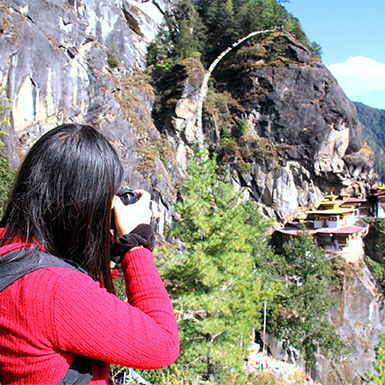
- In monasteries and other sacred sites, follow the rules regarding photography, as some areas may prohibit it entirely.
6. Political or Activist Behavior
- Do not participate in or encourage any form of activism or demonstration.
- Refrain from carrying banners, flags, or clothing with slogans or images related to political movements.
7. Environmental and Cultural Sensitivity
- Avoid actions or language that could be interpreted as disrespectful to Tibetan customs and traditions.
- Follow eco-friendly practices and do not leave litter in natural or sacred areas.
8. Prohibited Devices
- Do not carry drones or high-powered camera equipment unless approved.
- Avoid using unauthorized recording devices, which could lead to suspicion and confiscation.
9. Group Tour Rules
- Do not attempt to travel alone or separate from your group. Independent travel for foreign tourists is not allowed in Tibet.
- Always remain with your guide, especially at checkpoints or visits to sensitive locations.
10. Personal Behavior
- Refrain from making jokes or comments that might offend locals, even unintentionally.
- Do not smoke, drink alcohol, or act disrespectfully at sacred sites.
Tibet is a region of profound cultural, spiritual, and political importance, requiring visitors to adhere strictly to established guidelines and understand what Things to Know Before Tibet Tour, including following all instructions provided by your tour operator and local authorities. Compliance is essential, as non-adherence can lead to serious consequences such as fines, deportation, or even trip cancellation. Respect the local customs, abide by travel restrictions, and focus on appreciating the unique spiritual and natural wonders that make Tibet a truly remarkable destination.
What Not to Expect During a Tibet Tour
While Tibet offers breathtaking landscapes and profound spiritual experiences, setting realistic expectations is crucial for a fulfilling visit. As part of understanding the Things to Know Before Tibet Tour, here are some key things you should not expect:
1. Luxury Accommodation
- Limited Options: Luxury accommodations are rare outside Lhasa and Shigatse. You can find high-end hotels in these cities, but they are often far from central areas, making sightseeing less convenient.
- Basic Lodging Elsewhere: Accommodations in smaller towns and remote areas are simple, with shared facilities and minimal amenities.
2. Exceptional Hospitality
- Cultural Differences: Guides and hotel staff may not be as friendly or attentive as those in Nepal or Bhutan.
- Evolving Standards: Hospitality in Tibet is improving, and with some luck, you might encounter welcoming and knowledgeable staff.
3. Hygiene and Sanitation
- Hygiene Concerns: Sanitation is a major issue in remote areas. Toilets are often poorly maintained, and open spaces are a better option in some places.
- Preparation is Essential: Always carry hand sanitizer, wet wipes, and toilet paper to maintain personal hygiene.
4. Proper Communication
- Language Barriers: English is not widely spoken, and communication can be challenging. It’s better to use mobile translation apps for effective communication.
- Limited Help: Guides might assist with basic translation, but having a translator app makes interactions smoother.
5. Reliable Internet Access
- Poor Connectivity: Internet access is often unreliable, especially in remote areas. Hotels may offer Wi-Fi, but speeds are usually slow.
- Social Media Restrictions: Platforms like Facebook, Twitter, YouTube, and Google services are blocked in Tibet. To bypass restrictions, you may use a VPN, but be aware that most VPNs do not work reliably in Tibet.
6. Freedom of Speech
- Avoid Sensitive Topics: Discussions about Tibetan politics, the Dalai Lama, Chinese leaders, or religious matters are strictly prohibited and could have serious consequences.
- Cautious Behavior: Refrain from engaging in such discussions, even privately or among fellow travelers, as monitoring is prevalent.
7. Comfort and Luxury
- Minimal Comfort: Tibet is about raw nature and spirituality rather than comfort. Expect simple meals, basic accommodations, and rugged travel conditions.
- Focus on Nature: The region’s stunning vistas and unique culture compensate for the lack of luxury.
8. Smooth Travel
- Unpredictable Roads: Long, bumpy drives on unpaved roads are familiar in rural Tibet.
- Weather Challenges: High-altitude weather can lead to sudden delays or changes in the itinerary.
9. Flexible Itinerary
- Strict Regulations: All travel in Tibet must adhere to a pre-approved itinerary, with no changes allowed except in emergencies.
- Permit-Dependent Travel: Your travel permits dictate the areas you can visit, and deviations are not permitted.
10. Privacy
- Monitoring: Expect limited privacy, as locals and tourists are subject to government surveillance. Cameras and checkpoints are prevalent.
- Behavior Awareness: Avoid any actions or discussions that might attract unnecessary attention.
Tips for a Better Experience – Things to Know Before Tibet Tour
- Carry Essentials: Warm clothes, hygiene products, snacks, and mobile chargers are must-haves.
- Be Prepared: Use mobile translator apps for better communication and adjust expectations for facilities and services.
- Adapt to Restrictions: Plan for limited internet access and social media restrictions. Download essential apps or offline tools before arriving.
When planning your trip to Tibet, understanding the things to know before Tibet tour is essential for a smoother and more rewarding experience. Ensure your passport is valid for six months, apply for a Chinese visa in advance, and arrange a Tibet Travel Permit through a licensed travel agency, as independent travel is prohibited. If entering Tibet from Nepal, a group visa is required and can be secured at the Chinese Visa Center in Kathmandu. Prepare for the high altitude by allowing time to acclimatize, stay hydrated, and consult a doctor for altitude sickness medications if needed. By understanding these limitations and preparing accordingly, you can focus on the spiritual and natural wonders that make Tibet a unique and unforgettable destination.