


Every Japan trip planner hits the same wall. How do you split your days between Tokyo and Kyoto? Most guides answer it badly. They either refuse to pick a ratio, which helps no one. Or they repeat old advice like three days each, ignoring what the two cities actually offer. Here is a straight answer. Below you get defended day splits for 7-, 10-, and 14-day trips. The full Tokyo vs Kyoto comparison covers what each city does best, with no false balance and no fence-sitting.
The honest thesis is simple. For most first-time travelers, Tokyo deserves more days than Kyoto. Tokyo is bigger, denser, and packed with distinct neighborhoods, each filling a day. Kyoto delivers real depth but plateaus faster because its core sights are close together. A rough 60/40 Tokyo lean fits most 7- and 10-day trips.
Kyoto still earns every day you give it. The two cities are less rivals than two different speeds, and the trick is matching the split to how you like to travel. Read the decision matrix below, then jump to the trip length that matches yours.
Tokyo vs Kyoto at a Glance
Here is the short version before the details. Tokyo and Kyoto reward opposite travel styles, so the right split depends on what you came for.
- Tokyo: modern, dense, endless neighborhoods, deep dining, better for nightlife and shopping.
- Kyoto: historical, walkable, temple-rich, quiet evenings, better for culture and gardens.
- Best 7-day split: 4 days in Tokyo, 3 days in Kyoto.
- Best 10-day split: 5 days in Tokyo, 3 days in Kyoto, 2 days in Osaka.
- Best 14-day split: 4 days in Tokyo, 3 days in Kyoto, plus Kanazawa, Osaka, and Hiroshima.
- The one-line rule: Tokyo rewards breadth, Kyoto rewards focus.
Tokyo asks you to move fast and sample widely. Kyoto asks you to slow down and go deep.
The Tokyo vs Kyoto Decision Matrix
Here is how Tokyo and Kyoto score across the six things first-time travelers care about most. Tokyo takes four of the six; Kyoto takes cultural depth and family ease; and the energy question is really a tie across different registers.
The scores rate a first-timer’s experience, not resident life or specialist depth. A high score means most visitors feel it, not that every traveler will. A 1 is weak for Japan, and a 10 is the best the country offers.
| Criterion | Tokyo | Kyoto | Winner | Why it matters |
|---|---|---|---|---|
| Energy and buzz | 9 | 7 | Tokyo | Sets your daily pace and mood |
| Nightlife and evenings | 9 | 5 | Tokyo | Decides how your nights feel |
| Historical and cultural depth | 6 | 10 | Kyoto | The reason many come to Japan |
| Family ease | 7 | 8 | Kyoto | Walkability and calm for kids |
| Day trips nearby | 9 | 7 | Tokyo | Extra range without moving hotels |
| Dining variety | 10 | 8 | Tokyo | Breadth of cuisines and price tiers |
Read the scores and a pattern shows. Tokyo wins on energy, nightlife, day trips, and dining variety, the four areas that shape a fast, urban trip. Kyoto wins on cultural depth and family ease, the two that reward a slower one.
The energy line deserves a note. Tokyo scores higher on raw buzz, but Kyoto owns atmosphere, so the vibe question is really a draw in two different keys. Tokyo gives you stimulation. Kyoto gives you mood.
None of this makes one city better. It tells you which one matches your trip. Suppose your ideal day is a packed street, a great meal, and a late bar; lean Tokyo. If it is a quiet temple, a garden, and an early dinner, lean Kyoto. Most first-timers want a taste of both, which is why the splits below tilt to Tokyo without dropping Kyoto.
What Does Tokyo Do Better?
Tokyo beats Kyoto on breadth. It has more neighborhoods, more nightlife, a wider range of dining, more shopping, more modern attractions, and more day trips. If you want variety and energy, Tokyo is the stronger base.
More Neighborhoods to Explore
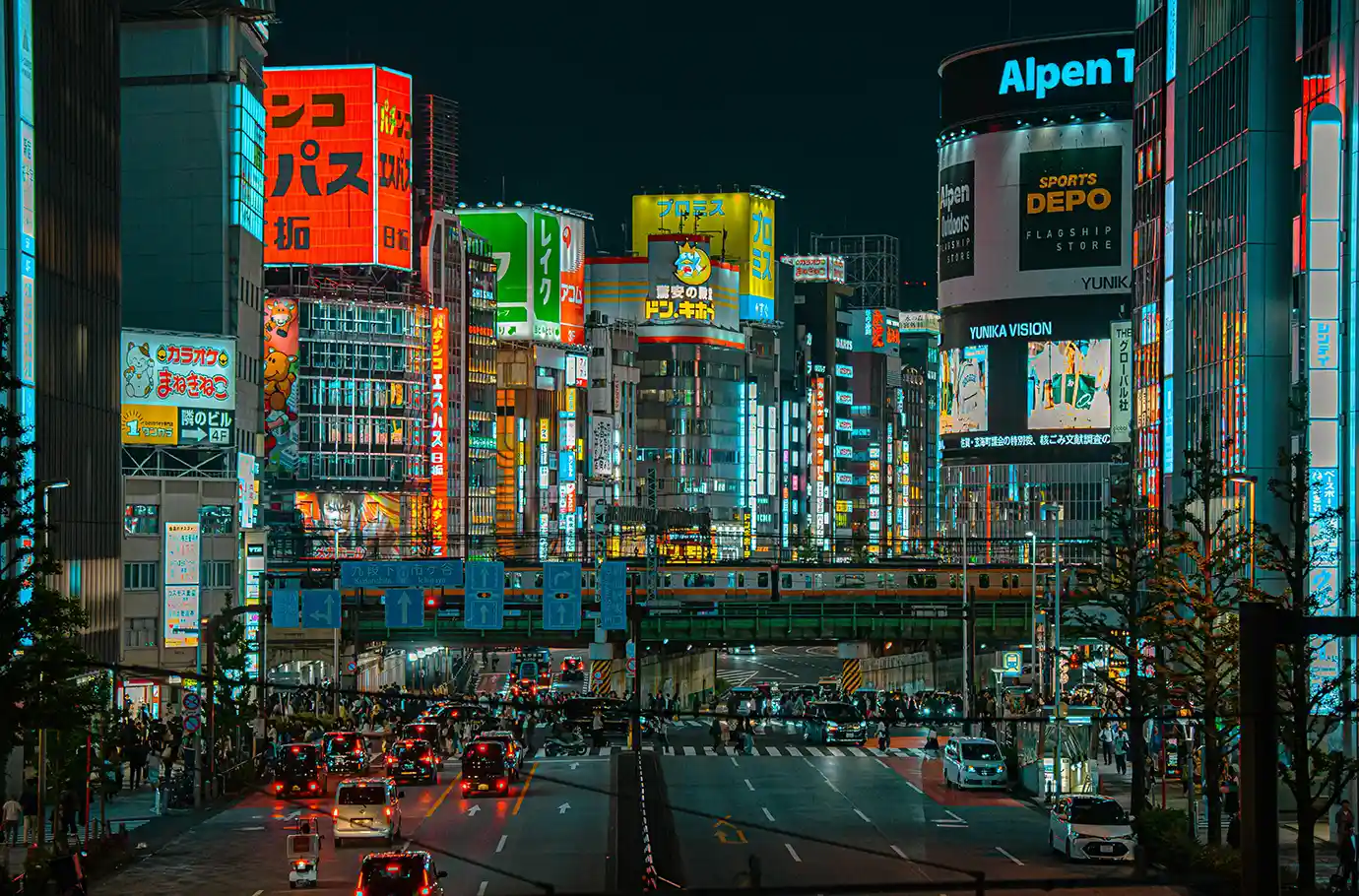
Tokyo is really many cities in one, spread across 23 wards, each with distinct character. Shinjuku, Shibuya, Harajuku, Ginza, Asakusa, Nakameguro, Yanaka, and Kichijoji each fill a full walking day. Kyoto has three or four district centers by comparison. You could spend a week in Tokyo and never repeat a neighborhood, which no other Japanese city allows.
Deeper Nightlife
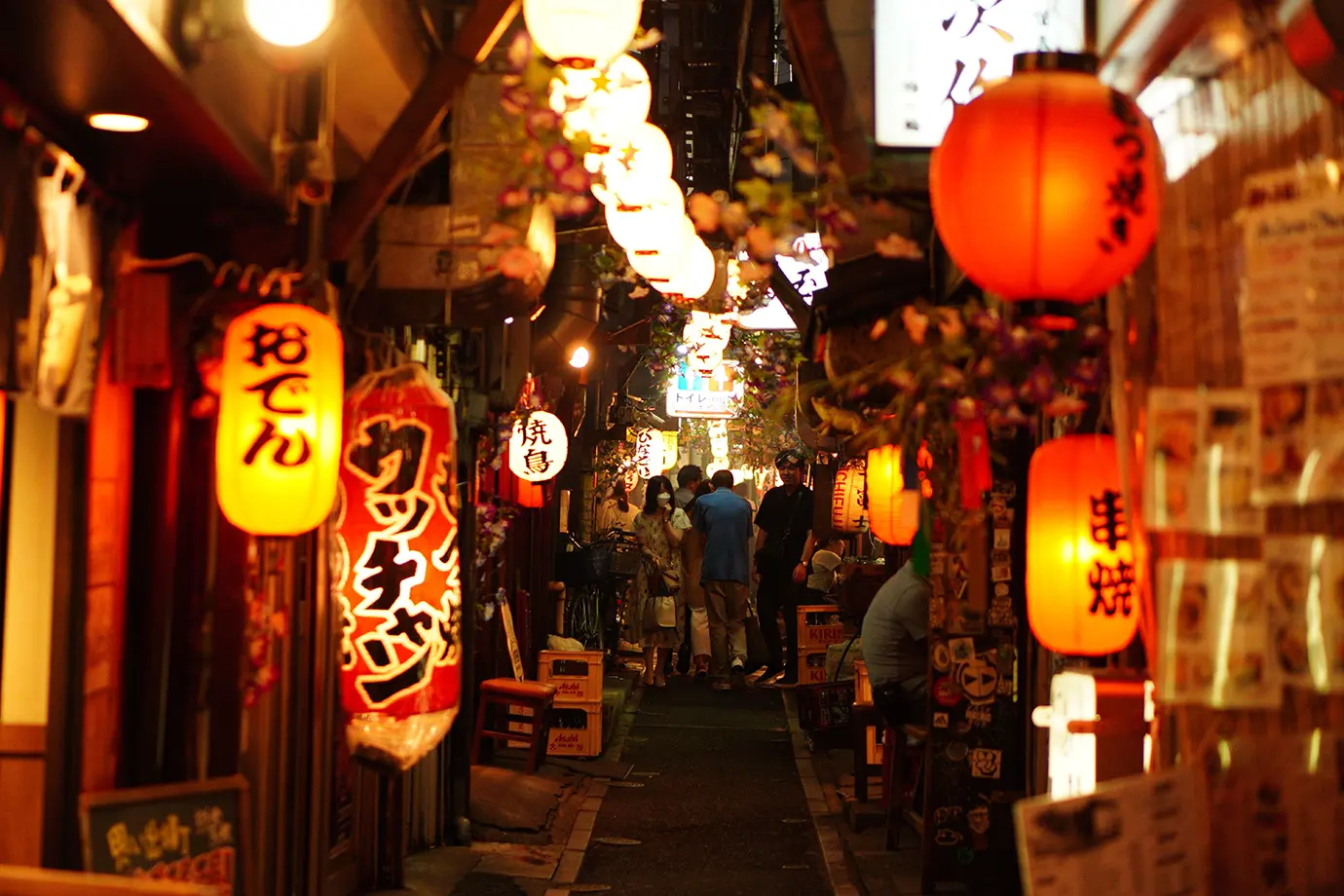
Tokyo wins evenings outright. Its nights run from the tiny bars of Golden Gai to Ebisu’s craft cocktails, Shinjuku’s izakaya alleys, and the late clubs of Roppongi. Kyoto’s nightlife winds down early, with many kitchens taking last orders around 9 or 10 p.m. Pontocho has a gorgeous atmosphere, but the city sleeps sooner than visitors expect.
More Dining Variety
Tokyo has the deepest food scene on earth, and it holds more Michelin stars than any other city. The real advantage is the range across every price point, from standing sushi counters to three-star rooms. It covers Italian, French, Chinese, Korean, Indian, and every regional Japanese cuisine at a high level. Kyoto’s food is superb but narrower, built around kaiseki, tofu, and obanzai home cooking.
Better Shopping
Tokyo out-shops Kyoto many times over. Ginza handles luxury, Shibuya and Harajuku cover youth fashion, Akihabara stocks electronics and anime, and Kappabashi sells knives and tableware to chefs and cooks. Kyoto’s shopping is craft-focused and lovely, but specialized. If shopping ranks high for you, Tokyo is the clear pick.
More Modern Attractions
Tokyo owns the modern-experience register entirely. teamLab digital art, Shibuya Sky, the Ghibli Museum in Mitaka, and Tokyo Skytree all sit here. teamLab Borderless reopened at Azabudai Hills. Kyoto offers none of this by design, since the old capital commits to history and craft instead. Travelers who love big, modern experiences should plan their days around Tokyo.
More Day Trips
Tokyo sits inside a rich web of day trips. Hakone, Nikko, Kamakura, Mount Fuji, Yokohama, and Kawagoe are all within about 60 to 90 minutes away. Kyoto has strong day trips too, like Nara, Osaka, and Uji, but a shallower bench. Tokyo gives you more range without ever changing hotels, which matters on a longer stay.
What Does Kyoto Do Better?
Kyoto beats Tokyo on depth and calm. It has far more history, a walkable human scale, real traditional districts, the country’s finest gardens, and an easier pace for families. If you want culture and quiet, Kyoto is the stronger base.
Far More History and Culture
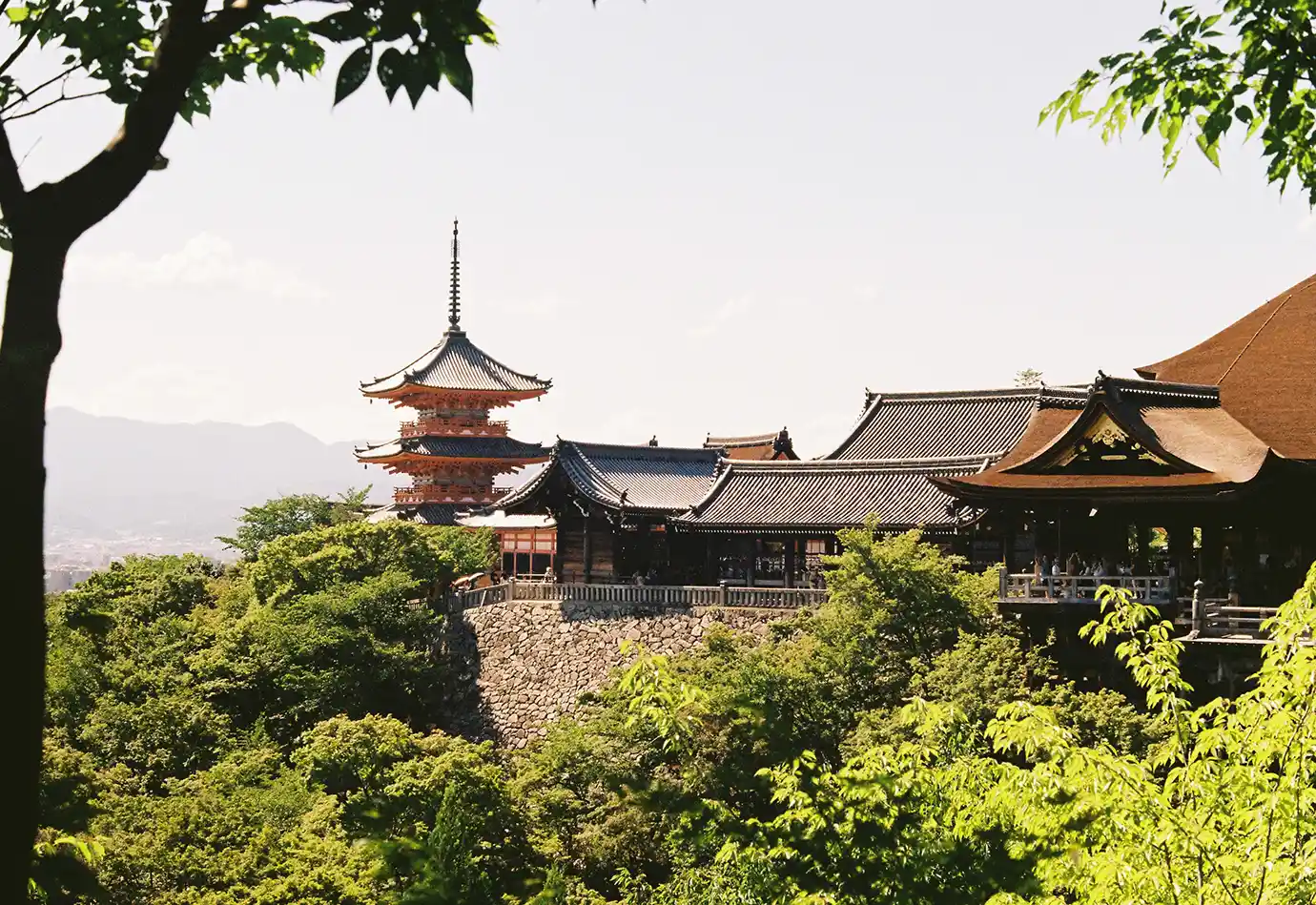
Kyoto holds Japan’s cultural core. It was the capital for over a thousand years, and it packs in roughly two thousand temples and shrines. Tokyo has Senso-ji and Meiji Jingu. Kyoto has Kinkaku-ji, Kiyomizu-dera, Fushimi Inari, Ryoan-ji, Ginkaku-ji, Nanzen-ji, and dozens more of similar weight, all within a compact city.
A Walkable Human Scale
Kyoto is small and walkable in a way Tokyo is not. Its central grid runs only about 4 km between the eastern and western hills, and two temples make a full, satisfying day. Tokyo needs the subway constantly. First-timers, worn out by Tokyo’s scale, often relax the moment they reach Kyoto and start walking rather than riding.
Real Traditional Districts
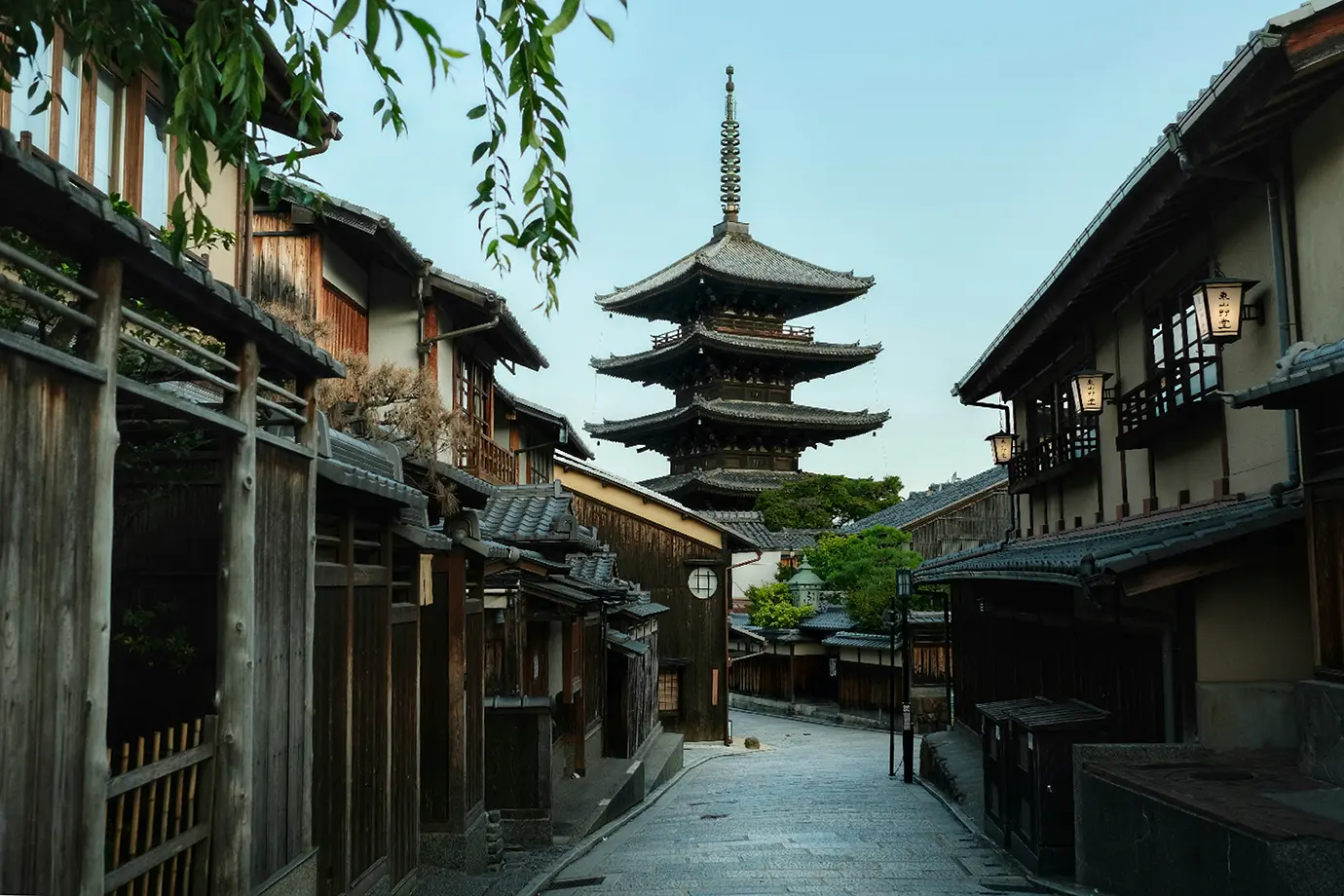
Kyoto keeps whole historic districts intact, not just pockets. Higashiyama, Gion, Pontocho, and Kamishichiken layer wooden machiya houses, stone lanes, and sudden temple gates. Tokyo has lovely fragments like Yanaka and Kagurazaka, but nothing on this scale. Nowhere else in Japan carries this old-world weight across so many connected streets.
The Country’s Best Gardens
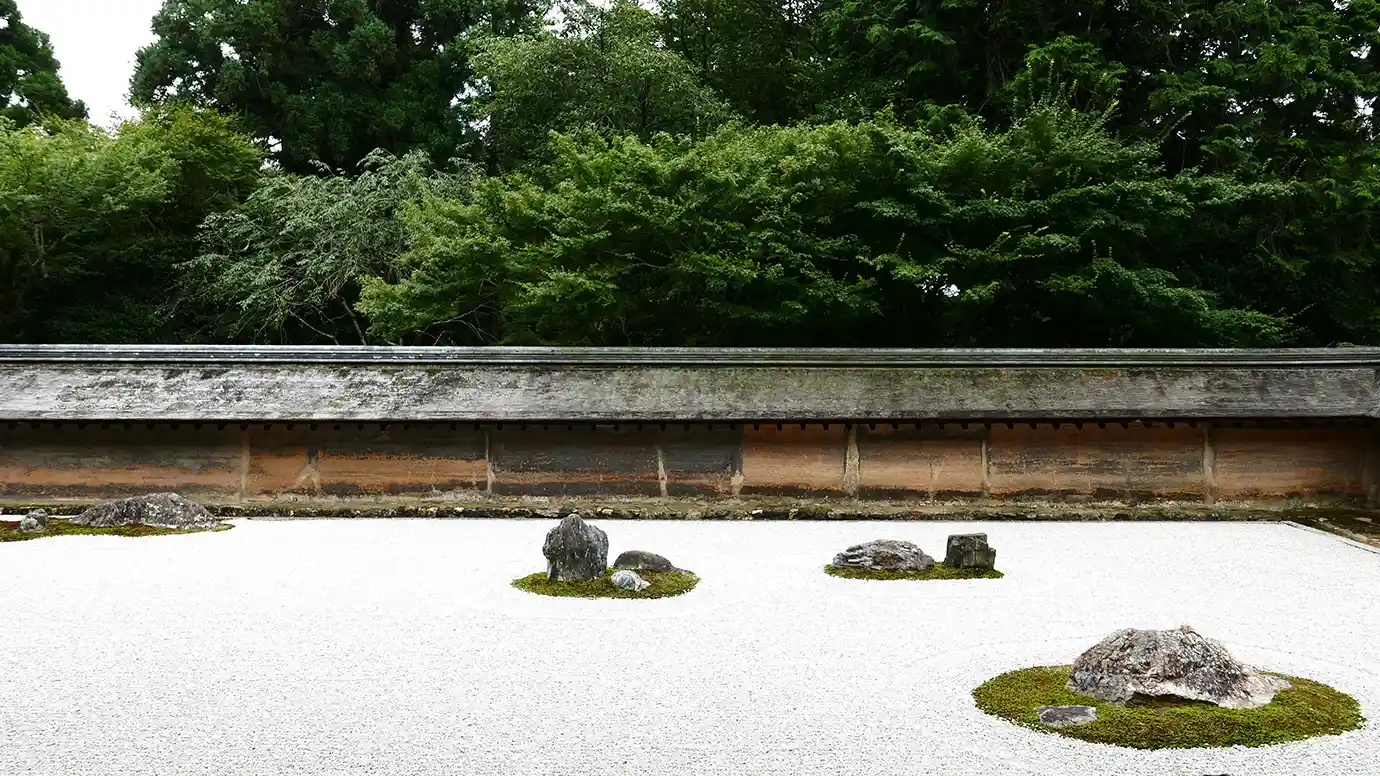
Kyoto is the home of the classic Japanese garden. Ryoan-ji’s rock garden, Ginkaku-ji’s raked sand cone, and the moss temple of Saiho-ji set the standard the world copies. Tokyo has fine gardens like Hama-rikyu and Shinjuku Gyoen, but not this concentration or lineage. Garden lovers should weigh their days heavily toward Kyoto.
Easier for Families With Young Kids
Kyoto is calmer for young children than most first-timers expect. It’s easy to walk, less overwhelming, and the tame deer at nearby Nara are a real hit with kids. Tokyo’s density and crowds can tire small children fast. Older kids around ten and up may still prefer Tokyo for teamLab and the Ghibli Museum.

A Naturally Slower Pace
Kyoto slows you down, which many travelers end up craving. The city rewards two temples, a long lunch, and an afternoon in a garden. Tokyo rewards speed and coverage instead. Some visitors realize halfway through a trip that they wanted Kyoto’s pace and booked too much Tokyo.
How Many Days Do You Need in Tokyo?
Give Tokyo four to five days on a first trip. Three is the bare minimum for sampling its core; four to five is the sweet spot; and six to seven suits city lovers. Past seven days, pair Tokyo with a change of scene.
The Minimum: Three Days
Three days cover Tokyo’s core at a brisk pace. Spend one on the old east side around Asakusa and Ueno, and one on the modern west of Shibuya and Harajuku. Give the third to a deep-dive pick like the Ghibli Museum, teamLab, or Tsukiji and Ginza. In three days, the city cannot show its character.
The Sweet Spot: Four to Five Days
Four to five days is right for most first trips. The extra time adds a Hakone or Nikko day trip and a slow neighborhood day in Yanaka, Nakameguro, or Kichijoji. Tokyo noticeably improves on day four, once you stop sprinting between headline sights and start wandering.
The Deep Dive: Six to Seven Days
Six to seven days suits repeat visitors and urban lovers. The extra days open up en Kawa andoe, Yokohama, focused neighborhood wandering, and real evening depth, from izakaya alleys to jazz basements. Only city enthusiasts need this much Tokyo on a first trip.
Diminishing Returns Past Seven Days
Beyond seven days, even Tokyo fans start to get saturated. The smart move, then, is to pair the city with a counterweight, such as Kanazawa, Takayama, or a Kyoto extension. Tokyo alone starts to blur together after a week.
How Many Days Do You Need in Kyoto?
Give Kyoto two to three days on a first trip. Two covers the headline temples. Three is the sweet spot, with a Nara day and one cultural experience. Four to five suits garden and Buddhism lovers.
The Minimum: Two Days
Two days hits Kyoto’s top sights and little else. Spend one on the southern and eastern temples, from Fushimi Inari to Kiyomizu-dera, and one on the west at Arashiyama and Kinkaku-ji. With fewer than two days, Kyoto becomes a rushed day trip from Osaka rather than a real stop.
The Sweet Spot: Three Days
Three days is right for most first trips. The third day adds a Nara day trip and an unhurried evening in Gion. It also leaves room for one special experience, like a tea ceremony, a kaiseki dinner, or a machiya stay. Most first-timers feel complete at three.
The Deep Dive: Four to Five Days
Four to five days suits travelers with a strong pull toward culture or gardens. The extra time reaches outer districts like Ohara and Kurama, and specialist gardens like the moss temple Saiho-ji, which requires a reservation. It also adds a tea-country day trip to Uji.
The Ceiling: Six Days
Six days in Kyoto is for repeat visitors, garden specialists, and Buddhism-focused trips. Most first-timers plateau before then, as the temples begin to blur. If you have this long, spend the surplus on nearby Nara or Osaka instead.
Recommended Day Splits by Trip Length
The right split depends on the total number of days. For a week, do 4 days in Tokyo and 3 in Kyoto. For 10 days, do 5 days in Tokyo, 3 in Kyoto, and 2 in Osaka. For two weeks, hold both cities at their minimums and add other regions.
7-Day Trip: 4 Tokyo, 3 Kyoto
A one-week trip splits cleanly into 4 days in Tokyo and 3 days in Kyoto. Rest on the day of arrival in Tokyo, tour the city for three days, then travel to Kyoto for a half-day, then give it two full days. Fly home from Kansai Airport near Osaka rather than backtracking to Tokyo, which saves a full day of travel.
The trade-off is real. You skip Osaka, Hakone, and Nikko. Still, the 4/3 ratio holds because shaving either city to add Osaka would drop one below its minimum. A tight week is better spent deep in two cities than thin across three.
10-Day Trip: 5 Tokyo, 3 Kyoto, 2 Osaka
Ten days is the sweet spot, split 5 days in Tokyo, 3 in Kyoto, and 2 in Osaka. Rest on arrival, tour Tokyo for four days, then move to Kyoto for three days, with a day trip to Nara. Finish with two days in Osaka and fly out from Kansai. Our 10-Day Japan Itinerary lays out the full day-by-day plan.
A 5/4/1 version works if you want more Kyoto and less Osaka. Avoid a 4/4/2 split, which drops Tokyo below its sweet spot and shortchanges the city that needs the most time.
14-Day Trip: Add Regions, Not More City Days
Two weeks changes the math, since extra days should add new places, not pad the two cities. A strong loop runs 4 days in Tokyo, then 3 days in Kanazawa with Nara, then 3 days in Kyoto with Nara, then Osaka, then Hiroshima and Miyajima, and back to Tokyo. Our 14-Day Japan Itinerary maps the whole route.
Notice that Tokyo and Kyoto stay at their sweet-spot minimums. The extra week buys counterweights instead, like Kanazawa’s preserved Edo streets and Hiroshima’s history. More of the same two cities would blur, while new regions keep the trip fresh.
Where Should You Stay in Tokyo?
Base yourself in Shinjuku for transit, Ginza for calm and central refinement, or Asakusa for old-city character. All three put you one easy ride from the rest of Tokyo.
Shinjuku: Best for Transit
Shinjuku is Tokyo’s rail hub, where nearly every major line meets. If you plan day trips to Hakone, Nikko, or Mount Fuji, staying here saves 30 to 60 minutes each way. Nights run late, and the options never end. The trade-off is atmosphere, since you sleep in a busy working district, not a pretty one.
Ginza: Best for Calm and Central Refinement
Ginza is central Tokyo’s elegant core, within walking reach of Tsukiji, Tokyo Station, and the Imperial Palace. Upscale dining and shopping sit at your door, and evenings run quieter than Shinjuku. It suits couples, older travelers, and anyone who wants calm, central access. Rates skew higher here.
Asakusa: Best for Old-City Character
Asakusa is the one Tokyo district with strong old-city feel, built around Senso-ji temple, Nakamise Street, and the Sumida River. Traditional ryokan-style stays are available. The trade-off is distance, since reaching Shibuya or Harajuku requires a 25- to 40-minute subway ride.
Other Tokyo Areas Worth a Look
Three more districts suit specific travelers. Shibuya runs young and lively, best for nightlife-focused stays. Roppongi is international and art-heavy with a strong evening scene. The Tokyo Station area suits rail-focused travelers who want fast Shinkansen access on departure day.
Where Should You Stay in Kyoto?
Base yourself near Kyoto Station for transit, in Gion or Higashiyama for atmosphere, or in the Karasuma downtown area for balance. Each trade sacrifices convenience for character in a different way.
Kyoto Station Area: Best for Transit and First-Timers
The Kyoto Station area is the practical choice, with immediate access to the Shinkansen and all regional lines. It handles arrivals, departures, and day trips to Osaka and Nara with ease, and modern hotels are available across all tiers. The trade-off is character, since you sleep here and travel out to the atmospheric districts.
Gion and Higashiyama: Best for Atmosphere
Gion and Higashiyama put you in the heart of old Kyoto. You wake within walking distance of Kiyomizu-dera, Yasaka Shrine, Pontocho, and the Philosopher’s Path, and machiya townhouse rentals are common. The trade-offs are peak-season prices and a quieter dinner scene than downtown.
Karasuma and Downtown: Best Balance
The Karasuma downtown area is the balanced pick, with shopping streets and the Nishiki Market. It offers better dining than Gion and more character than Kyoto Station, with subway access for temple runs. The trade-off is that it lacks a strong identity of its own, landing as a sensible compromise.
Other Kyoto Areas Worth a Look
Three more areas fit particular trips. Arashiyama suits a slower, greener stay at the cost of central access. Northern Higashiyama sits within walking distance of Ginkaku-ji and the Philosopher’s Path. Fushimi is quieter and cheaper, with less atmosphere.
Is a One-City Trip Ever the Right Call?
Yes, for short or specialized trips. A Tokyo-only trip suits four days or fewer and modern, urban interests. A Kyoto-only trip suits lovers of culture and gardens. Under four days total, pick one city and commit fully.
When Tokyo-Only Works
A Tokyo-only trip makes sense for short visits of four days or fewer, business-plus-leisure travelers, and repeat visitors who have already seen Kyoto. It also suits anyone whose interests run modern, urban, food-focused, or shopping-heavy. A calm five-day Tokyo trip beats a rushed five-day split for many first-timers.
When Kyoto-Only Works
A Kyoto-only trip is rarer but right for travelers with a deep pull toward culture, gardens, or Buddhism. Five days lets you reach outer districts like Ohara and Kurama, specialist gardens, and more than one ryokan night. It works best for repeat Asia travelers or anyone who has already done Tokyo.
When to Skip One City Entirely
Skip one city whenever your trip runs four days or fewer. A split that short damages both experiences, since each city needs at least two days to show itself. Pick the city that matches your interests, commit fully, and save the other for a return trip.
Frequently Asked Questions
Is Tokyo or Kyoto Better for a First-Time Visitor?
Both belong on a first trip, but Tokyo usually deserves more days. Tokyo offers more neighborhoods, dining, nightlife, and day trips, while Kyoto offers deeper history and a calmer atmosphere. For most first-timers, a roughly 60/40 Tokyo lean works best. If your heart is set on temples and gardens over city energy, shift the balance toward Kyoto.
How Many Days Do I Need in Tokyo and Kyoto?
Plan four to five days in Tokyo and two to three in Kyoto for a first trip. Tokyo needs the extra time for its scale and variety, while Kyoto’s core sights sit close together and reward a tighter stay. On a 10-day trip, five Tokyo, three Kyoto, and two Osaka is the sweet spot.
Should I Fly Into Tokyo and Out of Kyoto?
Fly into Tokyo and out of Kansai Airport near Osaka, since Kyoto has no major international airport. Starting in Tokyo and ending near Osaka lets you move in one direction without backtracking, and it saves a full travel day. Book an open-jaw ticket into Tokyo and out of Kansai for the smoothest routing.
Is Kyoto Worth It If I Only Have Five Days Total?
Yes, but keep the split tight, at three Tokyo and two Kyoto, or pick one city. Five days across two cities plus travel moves fast, so cut Osaka and any side trips. If you strongly prefer temples and calm, a five-day Kyoto-only trip with day trips to Nara and Osaka can beat a rushed split.
Which City Is Better for Families With Kids?
Kyoto is easier for young children, and Tokyo is better for older ones. Kyoto is easy to walk around, is less overwhelming, and pairs well with the deer at nearby Nara. Tokyo’s crowds and scale can tire small kids, but children around ten and up love teamLab, the Ghibli Museum, and the city’s energy. Many families do both and split the difference.
How Do I Get From Tokyo to Kyoto?
Take the Shinkansen bullet train, which runs from Tokyo to Kyoto in a little over two hours. The fast Nozomi is quickest, while the Hikari is slightly slower and covered by the Japan Rail Pass. Trains leave every few minutes from Tokyo Station and Shinagawa, so no booking is needed outside peak weeks.
The Bottom Line on Tokyo vs Kyoto
The choice between Tokyo and Kyoto is not really a contest, since most first trips want both. Tokyo rewards breadth, with its neighborhoods, food, and nights, so give it four to five days. Kyoto rewards focus with its temples, gardens, and calm, so give it two to three days. Lean Tokyo on a short trip, and add Osaka or other regions as your days grow.
When you are ready to turn a split into a concrete plan, Peregrine’s Japan team can tailor the route to your pace and interests. Bring your total days and what you love most, and the balance can be shaped to fit.