


Every Maldives resort sits on its own island, so “private island” is the standard model, not a premium feature. When a resort markets itself as a private island experience, it simply means it occupies the entire island, which is true of nearly every resort in the country. That is exactly why this Maldives private island tour guide focuses on what actually separates one island from another, rather than the label itself. The distinctions that matter sit elsewhere, mostly in scale, wellness depth, and how the island matches your recovery needs. Here is how to read them.
Categories of Maldives Private Island Tours
Villa count tells you more than the “private island” label ever will. Four rough categories cover the market:
- Small-scale private island: under 60 villas, with a real sense of a small community
- Standard private island: 60 to 150 villas, the market norm
- Large private island: 150-plus villas, closer to a small resort town
- Full buyout: renting a small island whole, at a six-figure nightly rate
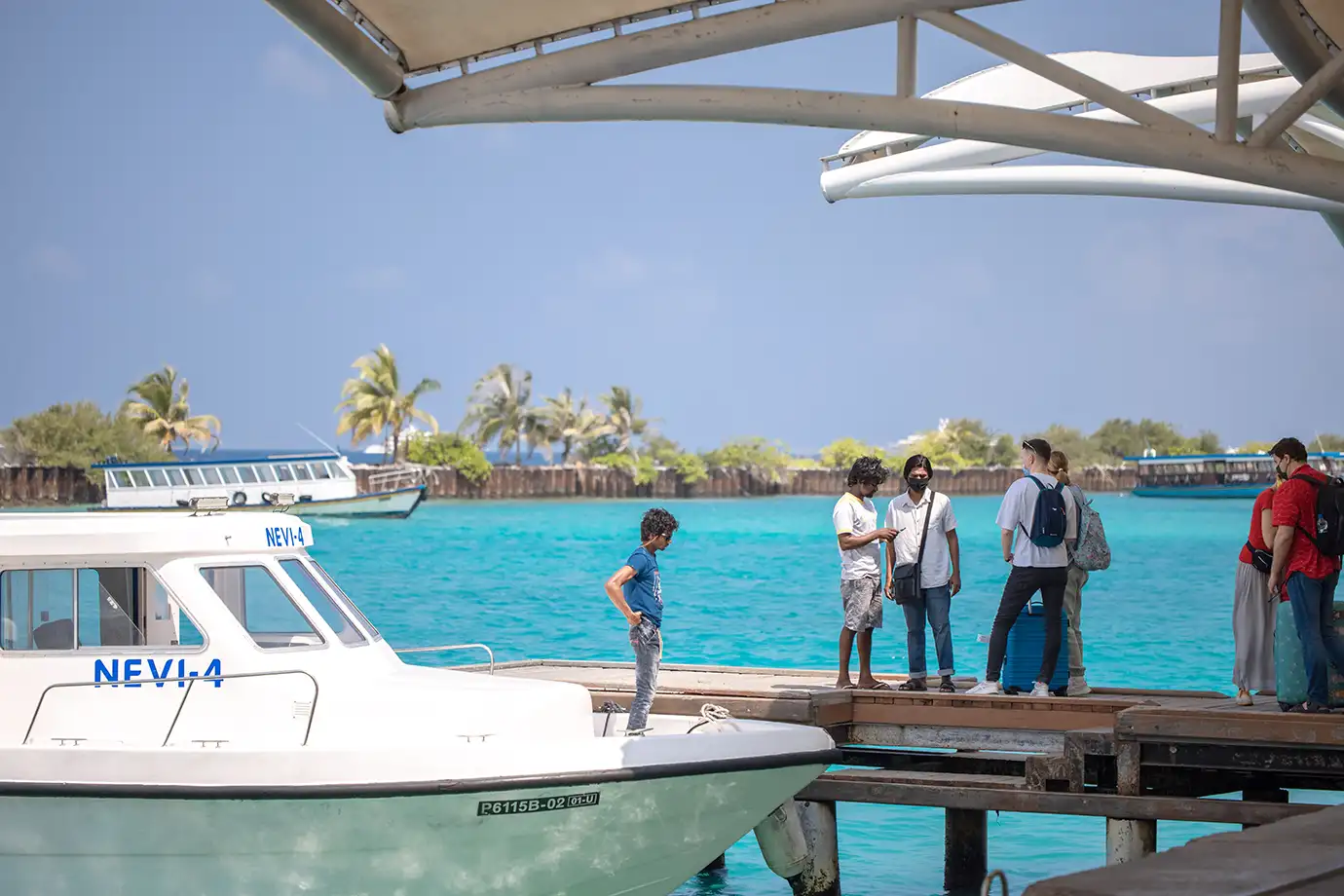
What Villa Count Changes
For wellness travel, the number of villas matters more than for any other trip style, because a retreat lives or dies on an undisturbed rhythm. Below 40 villas, you see the same staff at breakfast every morning.
Below 60 villas, the sunset spot holds 30 to 40 guests at peak. Below 100, the house reef stays workable at any hour. Above 150, you get golf carts on paths and restaurant queues at dinner. Every added villa chips away at the quiet you came for.
Island Size Versus Villa Count
Island size and villa count are two different things, and both shape the stay. Some small resorts sit on tiny islands, like Kandolhu with 30 villas on a 400-meter island. Some sit on larger ones, like Milaidhoo with 50 villas on a 700-meter island.
The larger island gives you room for beach walks and a forest interior. The smaller one gives you walkable intimacy. For wellness, a moderate island of 500 to 800 meters with fewer than 60 villas hits the sweet spot: room to walk and quiet enough to rest.
The Full-Buyout Option
A few small resorts rent the whole island to a single group, usually with 6 to 14 rooms. Rates start around $25,000 to $40,000 a night, so it is a rare choice.
For a milestone birthday, an extended family, or a private wellness group, a buyout changes the whole trip. Peregrine can arrange it, though most wellness travelers do not need it.
Small-Scale Wellness Properties for a Maldives Private Island Tour
The best wellness stays happen at boutique resorts with 30 to 70 villas and genuine holistic programs, not at large resorts that have added a yoga pavilion. Here are premium Maldives wellness retreats worth a shortlist, each flagged for you to confirm current programs before booking.
Each pair is matched with a real reef and a real wellness setup.
Kagi Maldives Spa Island, North Malé Atoll
Kagi is a 50-villa resort built around wellness, a 60-minute speedboat from Malé with no seaplane needed, which spares you the seaplane cutoff on arrival day. Every villa has a private pool.
An overwater yoga and sound studio, a large floating spa, a marine biologist, and a real wellness-cuisine program anchor the stay. Beach villas and water villas both work. Kagi is Peregrine’s core wellness pick, and its speedboat access makes it the easiest to reach after a long-haul cultural trip.
JOALI BEING, Raa Atoll
JOALI BEING is a purpose-built wellbeing island of 68 villas, a 40-minute seaplane from Malé. It sits at the top of the lower-luxury band, toward ultra-luxe, but it belongs on any serious wellness list.
The program runs on four pillars: mind, skin, microbiome, and energy. A stay of five or seven nights includes a consultation, a meal plan, movement work, and treatments. It is not a resort with wellness bolted on, but a retreat built for it from the ground up.
Fushifaru Maldives, Lhaviyani Atoll
Fushifaru is a genuinely small 49-villa island, a 40-minute seaplane out, with the highest privacy on this list. It is not wellness-branded, so it suits travelers who recover at a natural pace rather than a fixed program.
The house reef is excellent, the staff ratio is high, and the PADI 5-star dive center turns underwater time into its own kind of therapy. Choose it for quiet by default.
Kandolhu Maldives, North Ari Atoll
Kandolhu is a 30-villa micro-boutique island, a 30-minute seaplane from Malé, and about as small as the Maldives gets. It delivers the highest villa-to-guest privacy of any resort here.
Four restaurants on a 30-villa island give a rare dining ratio, and the house reef is strong. It is not a wellness brand, but its quiet comes built in, which suits travelers worn out by sensory-heavy cities.
Milaidhoo Maldives, Baa Atoll
Milaidhoo is a 50-villa boutique island inside the Baa Atoll UNESCO Biosphere Reserve, a 30-minute seaplane from Malé. The same intimate scale that suits honeymooners suits wellness travelers, too.
A strong house reef, a marine biologist program, and a spa with individual overwater treatment villas make it a calm, restorative base. Both water and beach pool villas work well.
Amilla Fushi and Ayurveda, Baa Atoll
Amilla runs structured Ayurveda residencies at set times of the year, which are worth planning around, since the visiting practitioners rotate. Booking against a live Ayurveda window is the difference between a real program and a generic massage.
The larger island gives room to walk, and the beach houses add privacy. For traditional Ayurveda work tied to diet and daily routine, confirm the current residency dates before you commit.
Vakkaru Maldives, Baa Atoll
Vakkaru is a larger 125-villa island, above the boutique target, but with strong wellness infrastructure. Overwater treatment rooms, a resident wellness coordinator, and tailored nutrition programs give it real substance.
Choose it if you want structured wellness with more variety than a 50-villa island offers. The scale is the trade-off for the range.
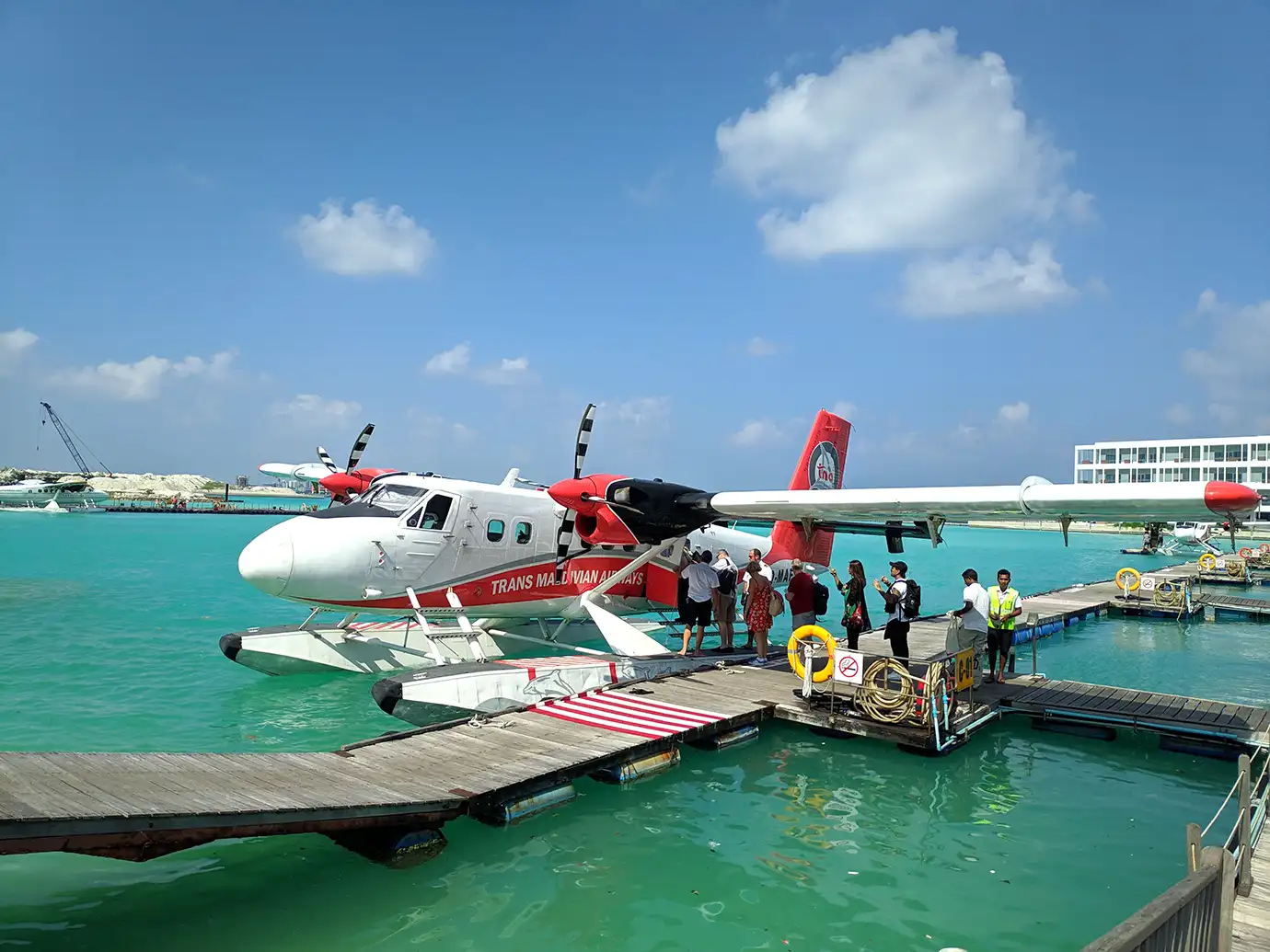
What are these Premium Maldives Private Island Tours Guide
The resorts worth a wellness stay share a pattern. Most keep villa counts under 70, sit in quiet atolls like Baa, Raa, Lhaviyani, and Noonu, and offer real wellness infrastructure rather than a spa tacked onto a general resort.
All have strong house-reef access, and most run a marine biologist program. Peregrine holds partnerships with several of these, so match the specific resort and program to your dates with the team.
The Ultra-Luxe Wellness Tier
Above this band sit the ultra-luxe wellness names: Six Senses Laamu, the ONE Spa at One&Only Reethi Rah, and Soneva Fushi’s wellness program. They cost far more, and they deliver at an exceptional level.
If your budget reaches six figures for the Maldives half, they are worth a look. Most recovery travelers do not need them to reset.
Resorts to Avoid for a Wellness Retreat
Some resorts rarely deliver a real wellness stay. Skip these types:
- Large family resorts of 200-plus villas with kids-club energy and pool-bar noise
- Party-brand islands aimed at groups of solo or couple travelers
- Resorts with a spa department but no dedicated wellness program
- Resorts in busy atoll spots with heavy boat traffic that breaks the quiet
A Guide to Premium Maldives Wellness Retreats
Wellness programs vary wildly between resorts, and the words hide the difference. Knowing what actually runs during your dates is what separates a real reset from a spa menu with a wellness label.
Here is how the main offerings really work, and how to spot the substance.
Sound Healing at Maldives Wellness Retreats
Sound healing is the modality most present in Maldivian programs right now, and it comes in a few formats. A singing-bowl session lasts 45 to 60 minutes, solo or in a group, using Tibetan or crystal bowls, and costs about $100 to $200 per person.
A gong bath lasts longer—60 to 90 minutes—with a deeper meditative aim, and costs about $120 to $250. Vibroacoustic bed treatments, available only at wellness-focused resorts, combine full-body vibration with sound. Check the practitioner’s credentials, since many resorts add sound sessions to the brochure without a trained healer behind them.
Overwater Yoga
An overwater yoga deck is the visual signature of Maldivian wellness, but the schedule matters more than the setting. Look for a resident teacher running genuine daily classes, not a weekly drop-in.
Hatha, Yin, and restorative styles suit recovery better than fast Vinyasa flows. Sunrise sessions on the deck deliver the real experience, while sunset classes at busy resorts catch bar noise. A private 60-minute session runs about $150 to $300, and booking two or three sessions over the course of a week often beats crowded group classes. Kagi, Milaidhoo, JOALI BEING, and Fushifaru run real daily programs.
Wellness Cuisine
A wellness menu is only real if it starts with a consultation. The genuine version pairs you with a wellness chef or nutritionist on arrival, then tailors every meal to your intent, from anti-inflammatory to plant-based to ayurvedic.
Real programs add fresh green juices, remove refined sugar on request across all dining venues, and offer alcohol-free tonics for guests who skip drinks. The marketing-only version prints a wellness tag on the standard menu. If there is no arrival consultation, treat the wellness cuisine as a label.
Spa Treatments Versus Spa Programs
Know the difference between a treatment and a program, because it changes the trip. A spa treatment is a single 60 to 90-minute session, a massage, a facial, or a wrap, at about $200 to $400, and every resort at this tier offers them.
A spa program is a structured, multi-day sequence in which each day builds on the last, with treatments, nutrition, movement, and consultation woven together. A five-day program runs about $1,800 to $4,500 per person. JOALI BEING, Kagi, and Amillaa during Ayurvedaeda perd,s run genuine programs. For a serious reset, the program beats a stack of single treatments.
A Real Wellness Day, Hour by Hour
Here is what a full day looks like at a wellness-oriented resort:
- 6:30 sunrise yoga on the overwater deck, 60 minutes
- 8:00 wellness breakfast with the resident chef
- 10:00 a short consultation on the day’s program
- 11:00 marine biologist snorkels on the house reef
- 13:00 a light, tailored lunch
- 15:00 a spa treatment, massage, age, or sound healing
- 17:00 quiet reading on the villa deck
- 18:30 a sunset mindfulness or meditation session
- 19:30 a wellness dinner, with an alcohol-free option
- 21:00 a wind-down routine, herbal tea, and no screens
A day like that is real at resorts like JOALI BEING and Kagi. It is only aspirational at resorts that market wellness without a coordinator to run it. Peregrine asks the resort in writing which parts you will actually get.
The Mental Peace of Boutique Islands
Boutique islands work well for recovery because they strip away the mental load that culture imposes. The quiet is not decoration. It is the whole point.
Here is what that peace is made of and why small-scale delivers it.
The Sensory Contrast
Cities and cultural sites stack up sensory load: traffic noise, crowds, dense visuals, language to translate, decisions all day. A single afternoon at Kathmandu’s Boudhanath, Kandy’s Temple of the Tooth, or Old Delhi draws heavily on your attention.
A boutique Maldives island offers the exact opposite—no traffic noise. Few people are n the shared spaces—a simple view of water, sand, and sky. Meals decided for you, no traffic to deal with, no language to translate. The result is a real drop in mental load, and travelers arriving from culture-heavy trips feel it within a day.
What Open-Air Living Adds
Wellness resorts at this tier run open-air by design, with no walls between beach and villa, open lobbies, and screened rather than sealed restaurants. It works because the atoll geography makes uninvited access nearly impossible.
For solo travelers, women traveling alone, and recovery-focused couples, it offers something rare: the freedom to walk from the villa to the beach at 4 a.m. without a thought for safety. The freedom is part of the wellness effect, not separate from it.
How Small Scale Lowers the Load
A 40 to 70 villa resort brings a stack of small mental-load reductions that add up:
- Staff know you by day two, so you never re-explain dietary needs
- The main restaurant seats 30 to 50, so there is no queue
- The spa books with a day’s notice, not three
- The dive center runs small groups, so no session feels rushed
- The sunset spot fits everyone, so there is no jostling for the view
Each item reads small. Across five to seven days, they add up to a trip without a single point of friction, and that absence of friction is what recovery travelers actually buy.
Why Solo Travelers Gain the Most
Solo wellness travelers gain more from small-scale travel than anyone else. A big resort can feel exposing for a solo guest, since 200 couples and one solo diner is not intimacy, it is a spotlight.
A 30- to 50-villa resort makes solo dining normal, offers communal wellness activities that let connection happen without forcing it, and gives the staff attention that fills the gap of traveling alone. Peregrine books solo wellness stays often, and the property picks shift for solo travelers.
Low-Impact Outdoor Activities That Aid Recovery
The best wellness activities in the Maldives are gentle, slow, and absorbing, not adrenaline sports. Each one helps a body and mind worn down by trekking or dense cities.
Here are the ones that actually restore, and the ones to leave for another trip.
House Reef Snorkeling as Therapy
A slow house-reef snorkel is the most restorative thing you can do at a boutique Maldives resort. It works on several levels at once:
- The reef holds your attention completely, leaving no room for background worry
- A proper snorkel runs 45 to 90 minutes at a floating pace, light on the body and slow in the mind
- Warm-water buoyancy takes the load off joints sore from flights or trekking
- Snorkel breathing forces slow, steady breaths, a kind of built-in breath work
- Sunlight helps reset your body clock after crossing time zones
A marine biologist can lead the safari at Milaidhoo, Fushifaru, or Kagi, adding quiet notes on species without breaking the calm.
Sunrise Beach Walks
A slow shoreline walk at low tide is free, requires no booking, and pays back more than it takes. 30 to 45 minutes at sunrise sets your body clock and eases you into the day.
For cultural-trip recovery, the rhythm echoes the walking pace of a Nepal or Bhutan itinerary, without the elevation or the schedule. Islands with 500-plus-meter shorelines, such as Milaidhoo, Amilla, Kuramathi, and Furaveri, offer the best long loops.
Gentle Movement on the Water
Kayaks and paddleboards are included at every resort in this tier, and both offer low-impact exercise for tired legs. A 30 to 60-minute paddle across a calm lagoon at sunrise or sunset is enough.
Overwater yoga belongs here, too. Even non-yogis benefit from a 45-minute easy session at 6:30, which helps rebuild the sleep patterns a long-haul trip breaks. Resorts with real daily classes deliver steadier recovery than non-demand yoga.
The Sunset Dhoni Cruise
A sunset cruise on a traditional dhoni is passive rest done right, with 90 minutes of quiet water, a drink, and little narration. The value is scenery without the decision load of a shore excursion.
For solo travelers and recovery-focused couples, book the private charter for about $150 to $300 rather than a shared cruise for $60 to $100 per head. The quiet is the product.
What to Skip on a Recovery Stay
Some activities read active but break the calm you came for. Leave these for a different trip:
- Motorized water sports like jet skis and seabobs, too much stimulation
- Big-group excursions on crowded boats, too much social load
- Multi-day dive certifications, since the schedule pressure fights the rest
- Photography sessions, which put self-consciousness back in the way
Adding the Maldives to a South Asian Cultural Trip
A boutique stay in the Maldives is the ideal way to enhance a demanding cultural trip through Nepal, Bhutan, Sri Lanka, Oman, or India. After 8 to 14 days of temples, treks, and dense cities, you need recovery before the flight home, not a second cultural stop.
Here is how to match the island to the previous trip.
Why It Works
Peregrine’s operations across Nepal, Bhutan, Sri Lanka, Oman, and India handle the cultural half, while the Maldives desk handles the recovery half. The pattern is consistent: dense activity, then a real need to decompress.
A four- to seven-night boutique Maldives stay closes out the trip better than the alternatives. A Bali extension stays culturally busy. A Bangkok stopover stays urban. A straight flight home gives no recovery buffer at all.
Matching Your Maldives Private Island Tour Guide to Your Prior Trip
The right island depends on what wore you out. Use this as a starting frame:
- Nepal trek, 8 to 14 days: physical recovery leads, so book a beach villa with pool at Milaidhoo, Fushifaru, or Kagi for 5 to 7 nights
- Bhutan cultural trip, 7 to 10 days: cultural saturation leads, so book Kagi or Milaidhoo for structured calm, 4 to 5 nights
- Sri Lanka Cultural Triangle plus Yala, 8 to 10 days: sensory and safari fatigue, so book Fushifaru or Milaidhoo, 4 to 6 nights.s
- Oman desert circuit, 7 to 8 days: heat and travel fatigue, so book a water villa at Kagi or JOALI BEING, 4 to 5 nights
- India Golden Triangle plus Rajasthan, 10 to 14 days: maximum sensory load, so book the smallest island you can, Kandolhu or Fushifaru, 6 to 7 nig.hts
- India ayurveda plus cultural, 12 to 16 days: deep recovery, so match a Maldives ayurveda period at Amilla, 5 to 7 ni.ghts
Transit Between the Two Halves
Getting from the cultural country to the Maldives shapes your arrival day, so plan it around the seaplane cutoff. The main routings:
- Kathmandu to Malé: no direct flight, so connect via Delhi, Doha, or Colombo, 8 to 14 hours door to door
- Paro to Malé: no direct flight, so the route through Kathmandu or Delhi, the longest transit of the group
- Colombo to Malé: a direct 90-minute flight, several a day, the easiest connection
- Delhi or Mumbai to Malé: direct in 3 to 4 hours on several airlines
Peregrine times the transit day to protect the recovery goal, with an early departure and a mid-afternoon resort arrival rather than a wasted travel day and a night stuck in Malé.
Match by Recovery Need
Beyond the country of origin, match the property to the kind of tiredness you carry. A quick guide:
- Heavy physical activity, like trekking or safari: strong spa, less structure, so Fushifaru, Milaidhoo, or Kandolhu
- Heavy sensory saturation, like urban India or the Cultural Triangle: the smallest, quietest islands, so Kandolhu or Fushifaru
- A wish to continue a contemplative practice: programmed resorts with yoga, meditation, and mindfulness work, so JOALI BEING, Kagi, or an Amilla ayurveda period
- Deep recovery after a health event or loss: JOALI BEING for full programs, or a private buyout for total seclusion
One Booking, Two Halves
Peregrine handles the cultural-plus Maldives tour as a single booking with one advisor. The Nepal, Bhutan, Sri Lanka, or India team runs the cultural itinerary, and the Maldives desk runs the resort and transfer.
You see one itinerary, one point of contact, one bill. The recovery half is planned with the first half, not bolted on after.
How Long to Stay, When to Go, and What It Costs
Five nights is the sweet spot for cultural-trip recovery, and seven for a structured wellness program. Fewer than four, and the reset never fully lands.
Match your nights, season, and budget, and the plan comes together.
The Right Length
Plan your nights around the depth of reset you need. Four nights is the minimum, enough for two treatments, a few yoga sessions, and one snorkel safari, but tight.
Five nights is the sweet spot for recovery, long enough to decompress and rebuild a sleep pattern. Seven nights suit a structured program at JOALI BEING, Kagi, or an Ayurveda period. Ten or more is for a deep, program-based reset when your leave allows.
When to Go
December to April brings the best weather and the peak prices. Late September through November offers value as the wet season eases, and the short storms rarely interrupt an indoor spa treatment or an overwater yoga class.
For a cultural combo, the November to March window coincides with the dry seasons of Nepal, Bhutan, Sri Lanka, and the Maldives. Book that window four to six months in advance, since the small wellness islands fill up first.
What It Costs
Rates move with season, villa, and program, so treat these as planning bands and get live numbers from the team. A premium mid-range wellness stay like Kagi or Vakkaru runs in the mid- to high four figures per couple for five nights.
A lower-luxury boutique like Milaidhoo, Fushifaru, or Kandolhu runs in the mid- to high five figures for five to seven nights. A full program at JOALI BEING runs into six figures. Solo travelers pay a single supplement, often 30 to 50 percent above the per-person shared rate, which at wellness resorts is frequently lower than at general resorts.
For wellness pricing and live program availability, our Maldives desk provides a written quote with program details within 24 hours.
Peregrine’s Wellness and Combined-Trip Booking
Peregrine books wellness stays around confirmed programs and protected arrival days, not brochure promises. Three things set the desk apart.
Here is how it works, and the package shapes to start from.
What the Desk Does Differently
First, one advisor coordinates the entire cultural-plus-Maldives trip, with the Nepal, Bhutan, Sri Lanka, or India team for the first half and the Maldives desk for the recovery half.
Second, the desk confirms in writing which wellness programs run during your exact dates, since ayurveda residents, visiting practitioners, and sound healers all rotate. Third, the desk protects the arrival day, timing flights to reach the resort by mid-afternoon with lounge access at hub airports and a quiet villa arrival arranged with the property.
The Package Shapes
A handful of package shapes cover most wellness travelers. Confirm current names and inclusions with the team, since programs and dates shift:
- A 5-night wellness retreat at Kagi or Milaidhoo, with a wellness menu, two treatments, daily yoga, and one marine biologist snorkel
- A 7-night boutique reset at Fushifaru or Kandolhu, with treatments and reef safaris or a dive package
- A 7-night structured program at JOALI BEING or an Amilla Ayurveda period
- Nepal plus Maldives recovery, an 8-day Nepal trip plus 5 Maldives nights
- Bhutan, Sri Lanka, or India, plus a 5 to 7 night Maldives reset
The Inquiry Process
The desk replies to wellness inquiries within 24 hours. The first reply provides availability at two or three matched resorts, program details where applicable, transit routing for a combo trip, and a few questions about your recovery goals.
Send your dates and where you are coming from, and you get a real shortlist rather than a brochure. Ask the desk to provide a written quote for the program.
Frequently Asked Questions
Are Maldivian wellness resorts good for solo travelers?
Yes, especially the small ones. Boutique resorts of 30 to 50 villas make solo dining feel normal and offer communal wellness activities that let you connect without pressure. Staff attention is closer, which fills the gap of traveling alone. Larger resorts can feel exposed for a solo guest among couples. Open-air island safety also lets solo travelers, including women, move around freely day or night. Peregrine books solo wellness stays often and shifts the property picks accordingly.
Do wellness resorts serve alcohol?
Yes, almost all of them do. A wellness focus does not mean a dry resort, and bars and wine lists run as normal at nearly every property. The difference is that wellness-focused resorts also offer robust alcohol-free options, such as fresh juices, tonics, and mocktails, for guests skipping drinks during a reset. You choose your own line. If a fully alcohol-free stay matters to you, tell your advisor, and the resort can plan the menu around it.
Are wellness programs required, or can I relax?
You can absolutely relax. Most wellness resorts offer programs as an option, not an obligation, so you can book a spa treatment here and a yoga class there and otherwise do nothing. The structured multi-day programs at places like JOALI BEING are opt-in. For many recovery travelers, a light touch of two or three booked sessions across a week, with the rest left open, delivers the best reset. Tell the desk your preference, and it will shape the resort pick.
What if I want yoga but not the full program?
It is the most common request, and every wellness resort handles it. You can join daily group yoga or book a few private sessions without signing up for a structured program. Private 60-minute sessions run about $150 to $300 and let you set the pace and style. Look for a resort with a resident teacher and genuine daily classes rather than on-demand-only yoga. Kagi, Milaidhoo, Fushifaru, and JOALI BEING all run real daily programs you can dip into.
Can I combine a South Indian Ayurvedic retreat with a stay in the Maldives?
Yes, and it works well when the two are matched. If you have completed an Ayurveda program in Kerala or elsewhere in South India, book a Maldives resort that runs an Ayurveda residency so the diet and daily routine carry over rather than reset. Amilla Fushi runs ayurveda periods at set times, so confirm the dates before booking. Peregrine coordinates the India and Maldives halves as a single trip, timing the transfer so the recovery continues rather than breaks down.
Are wellness resorts suitable for older travelers or those with limited mobility?
Yes, with the right villa and resort. Boutique islands are flat, short to cross, and served by buggies, which suits older travelers well. Beach villas with step-free access work better than overwater villas reached by long boardwalks, so ask for one near the main areas. Spa treatments, gentle yoga, and reef time all adapt to limited mobility. Tell your advisor about any mobility needs up front, and the desk will match the resort, villa location, and activities to suit them.
Can I bring children on a wellness retreat stay?
At some resorts, yes, but not all. Purpose-built wellbeing islands like JOALI BEING are lean and quiet, so they suit couples and solo travelers more than families. Larger wellness-capable islands can host children while you use the spa. If you want a true quiet reset, a child-free resort serves the goal better. Tell the desk who is traveling, and it will steer you to a resort that suits everyone.
What is the difference between a spa treatment and a spa program?
A treatment is a single session, and a program is a structured sequence. A spa treatment is a 60- to 90-minute massage, facial, or wrap, priced at about $200 to $400, bookable at any resort. A spa program runs across several days, with each day building on the last through treatments, nutrition, movement, and consultation, at about $1,800 to $4,500 for five days. For a genuine reset, the program does more, while single treatments suit travelers who mainly want to relax.
Do wellness resorts offer plant-based or special diets?
Yes, and the good ones build the menu around you. A real wellness-cuisine program starts with a consultation and then tailors every meal to your intent, from plant-based to anti-inflammatory to Ayurvedic. Fresh juices, refined-sugar-free options, and allergy-safe cooking are standard at wellness-serious resorts. The tell is the arrival consultation. If a resort prints a wellness label on the standard menu without one, treat the claim with caution. Share your dietary needs with the desk before booking.
How far in advance should I book the smaller wellness properties?
Book three to six months out for high season, and four to six months for a cultural combo in the November to March window. The small wellness islands like Milaidhoo, Fushifaru, and Kandolhu have fewer villas, so they fill up faster than big resorts. Structured programs and Ayurveda periods have limited dates and sell out even earlier. For a specific villa, program window, or a solo stay, book early. Peregrine can hold options while you finalize the cultural half of the trip.
Close the Trip With Real Recovery
You now know what a boutique wellness island can do, which resorts deliver it, and how to add one to the end of a cultural trip. The next step is matching a property to how hard your first half worked for you.
Send Peregrine your dates and where you are traveling from, and the Maldives desk will match a wellness resort to your recovery needs, confirm the programs in writing, and time the transfer to protect your arrival day. We reply within 24 hours by email or WhatsApp, with a real advisor on the line. Our teams in Kathmandu and Muscat handle the cultural half, and the Maldives desk quietly closes out the trip. Rest is the point, and now you know where to find it.