


Update: 24 May 2026
Trekking in Nepal during monsoon (June to September) works well — if you choose the right route. Trails get wet in the lower sections. Mountain views hide behind clouds. Leeches appear in forest zones below 3,000 meters. But rain-shadow areas like Upper Mustang and Upper Dolpo remain dry. Green hills, quiet trails, and low lodge prices make the monsoon season worth planning for the prepared trekker.
Nepal receives most of its annual rainfall between June and September. Trails turn muddy. Clouds block mountain peaks. Some roads close after landslides. Flights to mountain airports face regular delays. Still, thousands of trekkers choose Nepal during this season. They come for the green valleys, the empty trails, and the affordable lodges. Some come specifically to experience Nepal without the peak-season crowds.
Trekking in Nepal during the monsoon needs more preparation than in the spring or autumn. Route choice matters most. Gear matters next. Timing and flexibility decide the rest. This guide covers everything: the best monsoon routes, the real risks, the right gear, and the practical tips that make monsoon trekking in Nepal a genuine and rewarding experience.
When Is Monsoon Season in Nepal?
The monsoon in Nepal runs from early June to late September. Each month behaves differently. June marks the start. Rain builds slowly through the first two weeks. Trails below 3,000 meters get slippery. Temperatures stay warm at lower elevations. Upper Mustang and Dolpo remain dry throughout June.
July and August bring the heaviest rain across central and eastern Nepal. Rivers swell. Road sections in the Marsyangdi, Budi Gandaki, and Arun valleys are subject to landslide closures. Clouds sit on high peaks for most of the day. Early September sees rain ease noticeably. Trails begin to dry. Clear mornings return more often. By mid-September, the post-monsoon trekking season starts in earnest across most routes.
Rain in Nepal follows a daily pattern. Mornings often stay clear and calm. Rain arrives in the afternoon — sometimes heavy — and continues through the evening. Most trekkers leave the lodge by 6:30 or 7:00 AM to walk during the clearest part of the day.
Regional differences are large. Eastern Nepal (Khumbu, Solu) and central Nepal (Langtang, the lower Annapurna) receive the most rainfall. Western Nepal — especially the high Trans-Himalayan zones of Mustang and Dolpo — sits behind the mountain barrier and stays significantly drier.
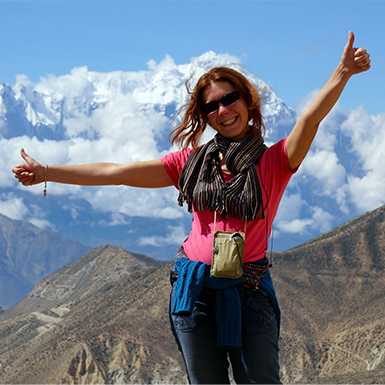



Is Trekking in Nepal During Monsoon Worth It?
The answer depends on what you want from the trek. Here is an honest comparison.
What works in your favor:
- Green valleys and full waterfalls on every cliff
- Very few other trekkers on popular routes
- Quiet lodges with more personal attention from hosts
- Lower prices at many teahouses and some lodges
- Active farming season — villages feel alive and genuine
- Better chance of meaningful cultural contact with local families
- Photography of lush hills and misty forests that the dry seasons never offer
What works against you:
- Mountain views stay hidden behind clouds most of the day
- Rain and mud slow progress and tire legs faster
- Leeches appear on forested trails below 3,000 meters
- Road sections sometimes close after landslides
- Flights to mountain airports face frequent delays
- Wet gear needs daily drying and management
- Slippery trails increase the risk of falls without poles
Honest Take:
If you pick a rain-shadow route, carry the right gear, and build buffer days into your plan, monsoon trekking in Nepal delivers a raw, memorable experience that peak-season crowds cannot.
Best Trekking in Nepal during Monsoon
The table below lists the top options for Nepal trekking in the rainy season. Routes with rain shadow protection rank highest.
Scroll left or right to view the full monsoon trek table.
Rain Shadow Treks in Nepal
A rain shadow forms when tall mountains block wet air from reaching an area. The Himalayas act as a natural wall. Moisture-carrying clouds from the Bay of Bengal rise, cool, and drop their rain on Nepal’s southern slopes. The land behind the mountains — to the north — receives very little rain.
Upper Mustang and Upper Dolpo sit in this protected zone. Even during the peak monsoon months of July and August, these regions remain largely dry. Trails remain firm. Dust replaces mud. The sky clears more often than not.
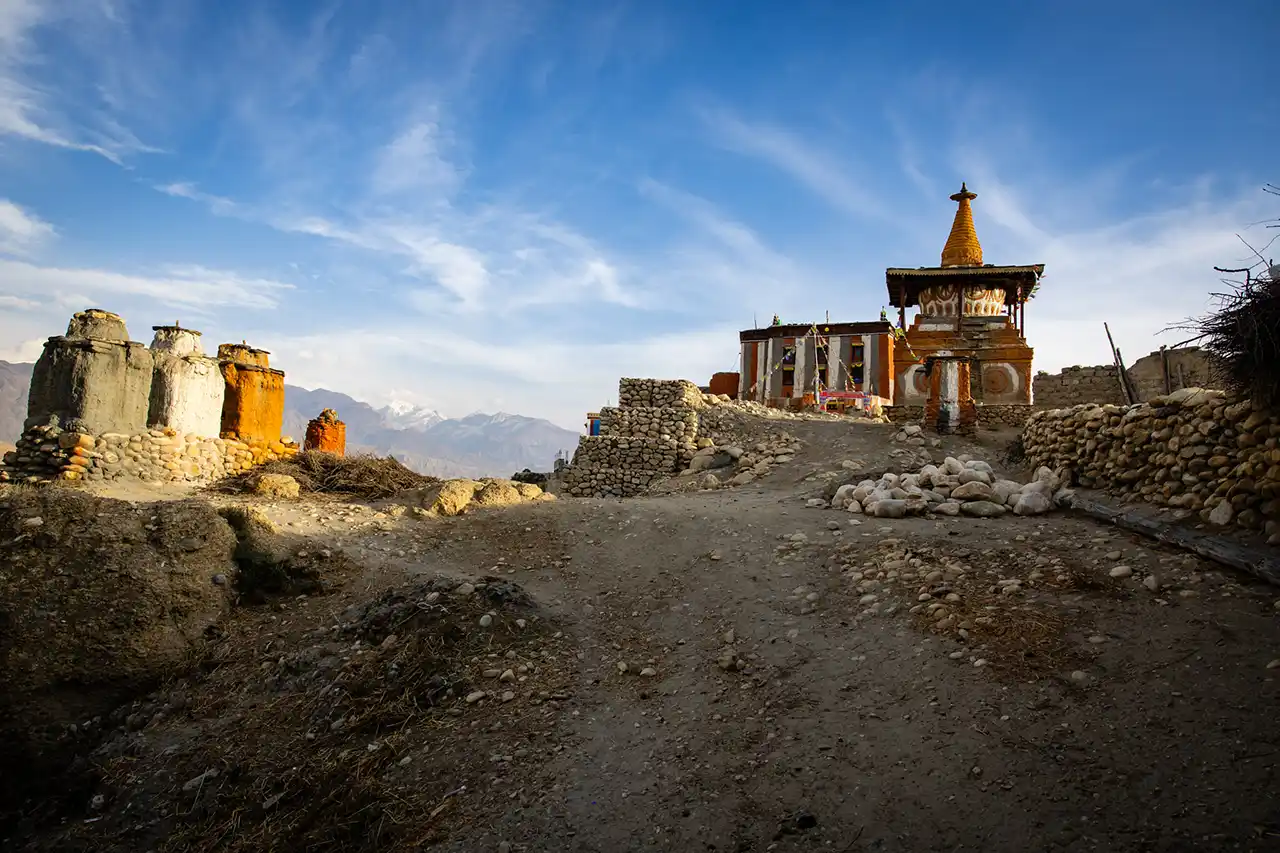
Rain shadow treks cost more than standard routes. Upper Mustang requires a restricted area permit for USD 500 valid for 10 days, in addition to the Annapurna Conservation Area permit. Upper Dolpo requires a separate restricted area permit at the same rate. Both areas need to look at logistics and supply.
A licensed guide is essential in these remote zones. Supply routes are long. Lodge options thin out beyond the main settlements. Guides pre-arrange accommodation, manage food logistics, and handle permit checkpoints.
Rain shadow trekking makes Nepal trekking in the rainy season genuinely viable. Trekkers who book early and prepare well can walk through open, clear terrain while much of the rest of the country sits under cloud.
Local Tip:
Book Upper Mustang permits at least 8 weeks before your travel date during the peak monsoon season. Permits sell in limited numbers, and logistics from Jomsom fill up fast in July.
Treks to Be Careful With During Monsoon
No route becomes completely unsafe during monsoon — but some demand more attention than others. Low-altitude forest trails below 2,500 meters carry the highest leech density and stay wet the longest. Progress slows on these sections. Routes with road crossings through landslide-prone river valleys add real delay risk. The Marsyangdi Valley road to Manang starting point (Besisahar), the Budi Gandaki Valley road to Manaslu, and parts of the Arun Valley access road all occasionally close after heavy rain.
Dense forest sections along routes like the Annapurna Base Camp’s Modi Khola gorge and the lower Langtang Valley remain slippery and wet for extended periods. Progress takes longer than in the dry season. River crossings on remote routes become dangerous after heavy overnight rain. Wooden bridges sometimes wash out. Temporary crossings appear — but their stability varies. A guide with current route knowledge knows which crossings to approach with caution. Route selection matters most. Pick routes with better drainage, higher elevation, or rain shadow protection, and the risks drop significantly.
Monsoon Trekking by Month
Use this guide to match your travel dates to the best available routes.
Scroll left or right to view the full monsoon trekking table.
Advantages of Trekking in Nepal During Monsoon
Monsoon trekking gets a poor reputation from people who have never tried it. Trekkers who do go during the rainy season often rate it among their best Nepal experiences. Crowds nearly disappear. Popular routes like Annapurna Circuit and Everest Base Camp see a small fraction of their peak-season traffic. Lodges stay quiet. Hosts spend more time with guests. Conversations happen naturally.
The scenery changes completely. Hills turn deep green. Waterfalls appear on every cliff face. Wildflowers line forest trails. Paddy fields shimmer across valley floors in the warm, humid air. Air quality improves dramatically. Dust clears. The air after rain smells of pine, wet earth, and mountain water. Breathing on high trails feels noticeably cleaner.
Villages stay lively. Farmers plant rice. Festivals mark the agricultural calendar. Trekkers who visit during the monsoon often connect more genuinely with local families than in any other season. Photography rewards patience. Dense green forests, mist-covered ridges, and active waterfalls create images that dry-season trekking rarely delivers.
Challenges of Monsoon Trekking
Every season brings trade-offs. Monsoon trekking carries genuine challenges that need preparation. Rain comes every afternoon on most routes. Gear gets wet. Drying clothes and boots at the lodge takes time. Good waterproofing reduces the problem but does not eliminate it.
Mud slows walking on lower trails. Slippery slopes demand careful footing at all times. Trekking poles become essential rather than optional. Leeches appear on forest trails, especially between 1,000 and 3,000 meters. They attach to skin and clothing without causing serious harm, but many trekkers find them uncomfortable.
Landslides block road sections after heavy rain. Buses and jeeps face delays on the valley approach roads. Factor in at least one extra day for road-based transfers during peak monsoon. Mountain views stay hidden most of the time. Clouds sit on peaks through most of the day. A brief, clear window opens early in the morning — then closes again.
Flights to mountain airports are regularly canceled. Lukla, Jomsom, and similar strips cancel operations during low cloud and heavy rain. Budget at least two extra days around any mountain flight booking.
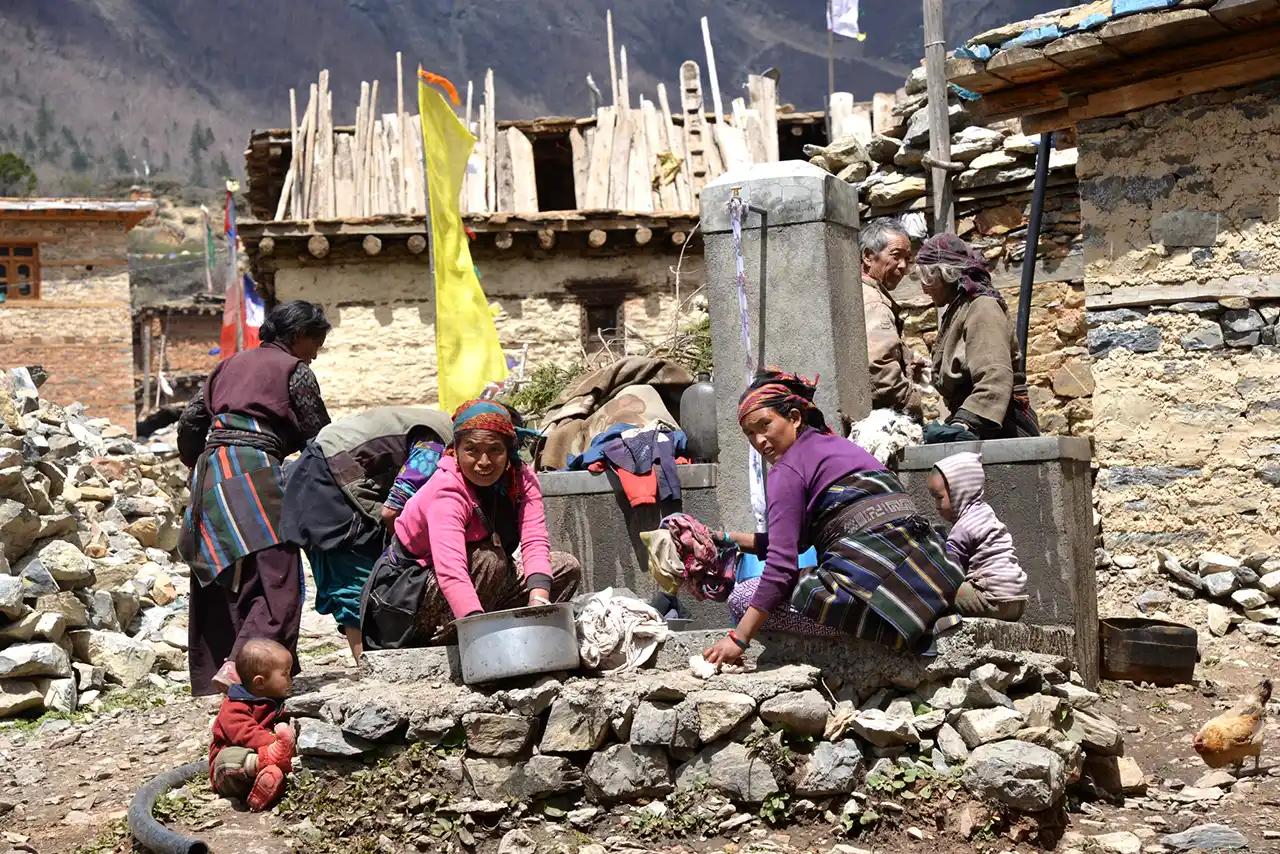
Safety Tips for Monsoon Trekking in Nepal
Follow these tips to keep your trek safe and manageable:
- Start walking before 7:00 AM to use the clearest part of the day
- Book a licensed and experienced guide for all remote or high-altitude routes
- Check weather forecasts every morning before leaving the lodge
- Stop walking during heavy downpours — wait in the nearest shelter for the rain to ease
- Avoid crossing swollen rivers or streams after heavy overnight rain
- Carry a full waterproof kit: jacket, rain pants, and a rain cover
- Store electronics, documents, and dry clothes in sealed dry bags inside your pack
- Build at least two buffer days into your itinerary for flight or road delays
- Follow the daily advice from your guide, lodge owners, and other trekkers ahead on the route
- Choose higher-altitude, drier, or rain shadow routes whenever possible
- Never walk near river banks or valley floors during heavy rain or after landslide reports
- Inform your guide or lodge if you feel unwell — altitude sickness symptoms worsen in cold, wet conditions
What to Pack for Monsoon Trekking in Nepal
Packing right makes the difference between a manageable monsoon trek and a miserable one.
Essential Gear Checklist:
☑ Waterproof jacket — taped seams preferred for full protection
☑ Rain pants or waterproof over-trousers
☑ Backpack rain cover — fits over your pack, keeps contents dry
☑ Dry bags (2–3 sizes) — for electronics, documents, sleeping clothes
☑ Quick-dry trekking shirts — at least 3 to 4
☑ Quick-dry trekking trousers — 2 pairs minimum
☑ Trekking boots — ankle support, grippy sole, ideally waterproof-lined
☑ Extra socks — at least 5 pairs, wool or synthetic (never cotton)
☑ Trekking poles — collapsible, lightweight, with rubber tips
☑ Headlamp with spare batteries — evenings get dark early under cloud cover
☑ Water purification tablets or UV filter pen (e.g., SteriPen)
☑ Insect repellent — DEET-based, for leech and insect deterrence
☑ Basic first aid: blister care, antiseptic wipes, pain relief, diarrhea tablets
☑ Portable power bank — phone charging at remote lodges is unreliable
☑ Warm mid-layer — fleece or light down jacket for cold evenings above 3,000 m
☑ Gaiters — keep mud off lower legs and reduce leech access
☑ Quick-dry microfiber — regular towels stay wet for days
☑ Light sleeping bag liner — adds warmth and stays drier than a full bag
Footwear and Clothing Tips
Cotton feels comfortable in the store. On a wet trail, it holds moisture against skin and chills the body fast. Switch to wool or synthetic fabrics for every layer next to your skin. Good trekking boots need ankle support and a grippy Vibram-style rubber sole. Waterproof-lined boots (Gore-Tex or similar) help in light rain. In heavy monsoon rain, everything gets wet eventually — but waterproof lining slows this down and reduces blister risk.
Pack five or more pairs of socks. Feet stay wet in monsoon conditions. Changing into dry socks at midday and at camp each evening makes a significant difference in comfort and reduces the risk of blisters. Keep sleeping clothes in a sealed dry bag. Changing into completely dry clothes at the end of each walking day prevents the persistent chill that builds up after hours of rain exposure.
Dry boots at the lodge each evening. Most teahouses have a drying room near the kitchen or a fire. Place the boots close to, not directly on, the heat source. Direct heat cracks leather and warps synthetic materials.
Leeches During Monsoon Trekking
Leeches live on forested and grassy trails in Nepal at altitudes between roughly 1,000 and 3,000 meters. They wait in wet vegetation and drop onto clothing or skin as trekkers brush past. Below 2,000 meters in dense forest zones, they appear in large numbers.
A leech bite causes no serious medical risk for most people. Leeches release a mild anticoagulant that keeps a small wound bleeding briefly after removal. Cleaning with antiseptic wipes prevents infection. Allergic reactions are rare but exist — people with known blood-thinning allergies should carry antihistamines and inform their guide.
To reduce leech problems during monsoon trekking in Nepal:
- Tuck trekking trousers into sock tops before entering any forest section
- Apply DEET-based repellent to boot tops, sock surfaces, and lower trouser legs
- Check legs and ankles every 30 to 45 minutes on wet, forested trail sections
- Remove leeches with a firm fingernail flick — do not use salt, a lighter, or any flame on an attached leech
- Wear gaiters — they block leech access between the boot and trousers effectively
Rain shadow routes in Upper Mustang and Dolpo have almost no leeches. High-altitude routes above 3,500 meters in the Khumbu and Manang regions stay largely leech-free throughout the monsoon season.
Food, Water, and Lodge Conditions
Most teahouses on popular routes stay open during the monsoon. Lodges on Upper Mustang, Jomsom–Muktinath, Langtang Valley, and the main Annapurna routes run through the full wet season. Remote routes in Dolpo, Nar Phu, and the far west have a limited food supply during the monsoon. Guides and operators pre-arrange food stocks for these treks. Carrying additional personal snacks remains essential on these routes.
Water safety needs greater attention during the monsoon than during any other season. Rivers carry more sediment and carry a higher contamination risk after heavy rain. Always use purification tablets, a UV filter, or boil all drinking water. Avoid tap water and ice at lower-elevation teahouses. Carry trail snacks — energy bars, nuts, dried fruit, and instant noodles. On remote routes, hot meals between lodges are sometimes unavailable, and walking times between stops can lengthen.
Ask your guide each morning about lodge availability at the next destination. Monsoon sees fewer backup options. Confirming accommodation in advance avoids arriving at a closed lodge in heavy rain.
Permits and Guides
Most trekking routes in Nepal require at least one permit. Getting this sorted before the trek saves time at checkpoints.
Common permits required:
- Sagarmatha National Park Entry Permit — NPR 3,000 (Everest region)
- Langtang National Park Entry Permit — NPR 3,000 (Langtang region)
- Annapurna Conservation Area Permit (ACAP) — NPR 3,000
- Manaslu Conservation Area Permit — NPR 3,000
- Restricted Area Permit — Upper Mustang: USD 500 for 10 days
- Restricted Area Permit — Upper Dolpo: USD 500 for 10 days
- Trekkers’ Information Management System (TIMS) card — NPR 2,000 free routes
A licensed guide during monsoon does more than show the way. Guides know which trails wash out, which river crossings close, and which lodges stay open. They manage route changes when weather forces a detour. They contact lodges ahead and adjust bookings in real time. During the monsoon, a guide shifts from a convenience to a genuine safety resource.
Best Travelers for Monsoon Trekking
Monsoon trekking suits a specific type of traveler. The following profiles match the conditions well.
- Flexible travelers who accept route changes, extra rest days, and weather-based decisions
- Nature photographers who want green hills, misty valleys, and active waterfalls
- Repeat Nepal visitors who already know peak-season trails and want a different experience.
- Budget travelers who benefit from lower lodge rates and fewer service queues
- Trekkers who genuinely enjoy rain and find satisfaction in walking through low cloud and wet forest
- Culture-focused travelers who want to see village life, farming activity, and fewer tourists
- Photographers who capture the monsoon light — the soft, diffused light on green hills — — are genuinely distinctt.t
Who Should Avoid Monsoon Trekking?
Some travelers will find monsoon conditions frustrating regardless of preparation.
- Travelers with fixed, tight schedules — flight delays to Lukla or Jomsom can cancel two or three days
- First-time Nepal trekkers who specifically want clear mountain views on a reliable basis
- People are deeply uncomfortable with rain, mud, and leeches — even on good routes, these conditions appear.
- Trekkers without proper waterproof gear — the right kit makes monsoon manageable; without it, even short walks become unpleasant
- Anyone with a physical condition that worsens in cold, damp environments — consult a doctor before booking
Spring (March to May) or autumn (October to November) serve these travelers much better.
Monsoon Trekking vs Spring and Autumn Trekking
Use this table to decide which season best fits your goals.
Scroll left or right to view the full seasonal trekking comparison table.
Why Book Monsoon Trekking with Peregrine Treks and Tours?
Peregrine Treks and Tours has operated from Kathmandu since 2002. The team knows Nepal’s monsoon conditions in detail — route by route, month by month. Monsoon conditions change fast. A Kathmandu-based operator with current ground information adjusts plans before problems grow. That local knowledge makes a real difference when a road closes or a flight cancels.
Peregrine provides:
- Honest advice on which routes work during your specific travel dates
- Licensed, experienced guides with current monsoon route knowledge
- Permit support for restricted areas — Upper Mustang and Dolpo handled in full
- Weather-based daily planning and flexible route adjustment
- Route change options when conditions require a detour or rest day
- Safe transport coordination for road sections prone to delays
- Emergency contact and support for the full duration of your trek
- Genuine, non-exaggerated suggestions that match your fitness, goals, and budget
The team does not push any single route or package. The goal stays practical: find the best possible trekking option for the actual conditions on your specific dates.
Frequently Asked Questions
Can I trek in Nepal during the monsoon?
Yes. Trekking in Nepal during the monsoon works well on the right routes. Rain-shadow treks in Upper Mustang and Dolpo remain dry throughout June, July, August, and September. Higher-altitude sections on other routes avoid the worst rain. Careful route selection, proper gear, and a licensed guide make monsoon trekking safe and genuinely rewarding.
What are the best monsoon treks in Nepal?
The top choices are the Upper Mustang Trek, Upper Dolpo Trek, Nar Phu Valley Trek, and the Jomsom–Muktinath Trek. These routes lie in or near rain-shadow zones and receive far less rainfall than central or eastern Nepal. The upper sections of the Annapurna Circuit above Manang also work well. All are the best monsoon treks in Nepal for different fitness levels.
Which month is best for monsoon trekking?
Early June and early September offer the mildest monsoon conditions. Rain builds through June and eases from mid-September. Upper Mustang and Dolpo work throughout June, July, August, and early September because rainfall stays low in those regions regardless of the month.
Is July good for trekking in Nepal?
Trekking in Nepal in July requires careful route selection. July brings the heaviest rain across central and eastern Nepal. Rain shadow routes like Upper Mustang stay dry and work very well in July. Low-altitude and forested routes become difficult. A licensed guide is essential for route management in July.
Is August good for trekking in Nepal?
Trekking in Nepal in August stays challenging on most routes but begins to ease toward the end of the month. Rain shadow routes and high-altitude sections remain good throughout August. Green scenery reaches its peak. Crowds stay low. Budget travelers find the best lodge rates of the year during August.
Are the Everest and Annapurna treks possible in the monsoon?
Both routes see rain and cloud during the monsoon, but the upper sections perform better than the lower ones. Everest trek sections above Namche dry out more than the lower Phakding–Namche forest stretch. Sections of the Annapurna Circuit above Manang lie in a drier microclimate. Both require flexible itineraries, experienced guides, and extra buffer days for flight delays.
What are rain shadow treks?
Rain shadow treks follow routes protected from monsoon rain by the Himalayan range. The mountains block the flow of wet air from the Indian Ocean. Upper Mustang, Upper Dolpo, and Nar Phu Valley sit behind this barrier. Rainfall drops dramatically in these zones. Trails stay dry. Skies are clearer more often. These become the best treks in Nepal during the rainy season for trekkers who want reliable conditions.
Are there leeches during monsoon trekking?
Leeches appear on forest and low-altitude trails between 1,000 and 3,000 meters during the monsoon. They attach to clothing and skin without causing serious medical risk. DEET repellent applied to boots and lower trouser legs, tucking trousers into socks, and regular checks significantly reduce the problem. Rain shadow routes in Mustang and Dolpo have almost no leeches.
Is monsoon trekking safe?
Monsoon trekking stays safe with the right preparation. The main risks — landslides on approach roads, swollen river crossings, and slippery trails — need active management. Starting early, carrying proper gear, following a licensed guide, and building buffer days into the schedule keep risks at an acceptable level. Remote routes need more preparation than popular teahouse routes.
What should I pack for monsoon trekking?
Pack a waterproof jacket, rain pants, backpack rain cover, dry bags for electronics and sleeping clothes, quick-dry shirts and trousers, trekking boots with good grip, at least five pairs of wool or synthetic socks, trekking poles, a headlamp, water purification, DEET insect repellent, basic first aid, a portable power bank, a warm layer for evenings, gaiters, and a microfiber towel. Avoid cotton in every layer.
Do I need a guide during the monsoon?
A licensed guide provides real value during the monsoon more than any other season. Guides know which trails wash out, which river crossings become dangerous, and which lodges stay open. On remote routes like Dolpo, Nar Phu, and Upper Mustang, a guide is essential for safety and logistics. On popular teahouse routes, a guide still manages daily route decisions and adjusts plans when conditions change.
Will I see mountains during the monsoon?
Clear mountain views are limited on most routes during the monsoon. Clouds cover peaks for most of the day. Brief, clear windows open early in the morning, usually before 8 AM, then close again. Rain shadow routes in Mustang and Dolpo offer better visibility than central routes. Trekkers who accept cloud-covered peaks and focus on the green scenery, cultural contact, and quiet trails rarely leave disappointed.
Which treks should I avoid during the monsoon?
Avoid low-altitude forest routes below 2,000 meters during the peak monsoon. Routes with multiple road crossings through landslide-prone river valleys add significant delay risk. Very remote routes without backup lodge options or evacuation access require careful timing and strong logistical support. Dense forest routes between 1,000 and 2,500 meters are associated with the highest leech exposure.
Are flights affected during the monsoon?
Yes. Flights to mountain airports — Lukla, Jomsom, mountain strips near Pokhara — face regular cancellations during heavy rain and low cloud. Build at least two buffer days around any mountain flight. Helicopter rescue flights also face limits during active storms. Where possible, consider overland alternatives to reduce reliance on flights during the peak monsoon months.
Final Advice
Trekking in Nepal during the monsoon rewards the prepared traveler. The experience differs completely from spring or autumn — and for the right person, that difference is the point. Pick a route that fits the season. Rain-shadow treks in Upper Mustang and Dolpo offer the most reliable experience. High-altitude sections on other routes can be handled with a flexible itinerary and a good guide.
Pack properly. A waterproof jacket, quick-dry clothing, and grippy boots matter more during the monsoon than in any other season. The right kit completely changes the experience. Build extra days into your plan. Flights delay. Roads close. Weather shifts fast. Two extra days remove pressure and protect the entire trek from a single day of disruption.
Book a licensed guide from a registered Kathmandu operator. Local knowledge makes the biggest difference when conditions change — and during the monsoon, they always change somewhere. Trekking in Nepal during the monsoon season offers something that peak-season crowds never see: green valleys alive with farming and culture, on trails that feel yours genuinely for the day.
Author:
Pradip Karki
Chairman, Peregrine Treks & Tours
Nepal & Himalayan Travel | 20+ Years of Industry Leadership | Kathmandu, Nepal