


The best time to visit Dubai is from November to March. Temperatures stay between 20°C and 28°C, skies remain clear, and every outdoor attraction runs at full capacity. The desert safari, the beach, the waterfront promenade, the heritage quarter — all of it works without heat restrictions in the winter window. June through August brings 40–42°C heat but also 40–60 hotel savings for travelers who stick to indoor attractions. Here is the honest month-by-month breakdown.
The Quick Answer — When Is the Best Time to Visit Dubai?
November to March is the best time to visit Dubai. Average daytime highs stay between 20°C and 28°C. Rain is rare. Every attraction is open. Outdoor activities are comfortable throughout the day. December is the best single month. The weather peaks, the Dubai Shopping Festival is underway, and the Burj Khalifa New Year’s Eve countdown caps the calendar.
See the Peregrine Dubai packages — all operate in the November to March window.
Dubai Month-by-Month Guide
January — Cool, Busy, and Dubai Shopping Festival
January is Dubai’s coolest and busiest month. Daytime highs reach 20–24°C. Evenings drop to 14–16°C — bring a light jacket for outdoor dining or the Marina Walk after dark.
The Dubai Shopping Festival runs from early December through mid-January. The city’s malls, street entertainment, and daily fireworks fire on all fronts. Hotel occupancy hits its annual peak. Book six to eight weeks in advance for good availability at a predictable rate.
January is also Dubai Marathon month, typically the last Friday of January or the first Friday of February. The marathon closes major roads from 06:00. If arriving by taxi on marathon morning, allow an extra 30–45 minutes for rerouted traffic.
Best for: shopping, city sightseeing, the Burj Khalifa, and first-time visitors who want maximum activity.
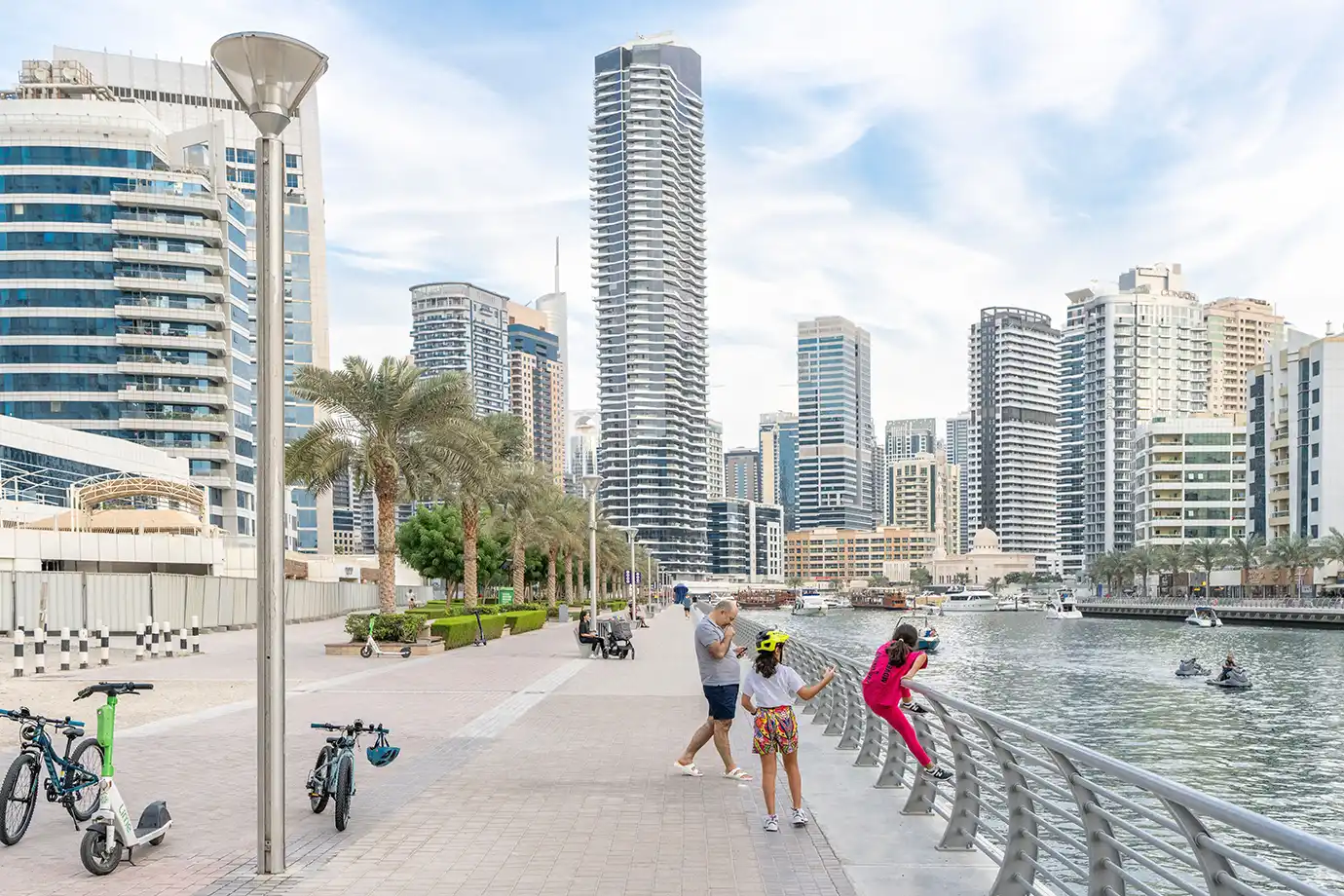
February — Valentine’s Season and the Event Peak
Temperatures hold at 15–26°C. Humidity is slightly higher than in January, but conditions remain comfortable for full-day outdoor plans.
February is Dubai’s most event-dense single month. The Dubai Food Festival fills the city with restaurant deals, street food events, and dining promotions. The Dubai Duty Free Tennis Championships bring WTA and ATP-level competition to the Aviation Club. Concerts and exhibitions stack the calendar from the first week onward.
Valentine’s Day weekend pushes hotel rates and restaurant demand to their second-highest peak of the year, after New Year’s Eve. When Ramadan overlaps with February, the event atmosphere shifts significantly — see the Ramadan section below.
Best for: dining lovers, tennis fans, couples, travelers who want the fullest event calendar.
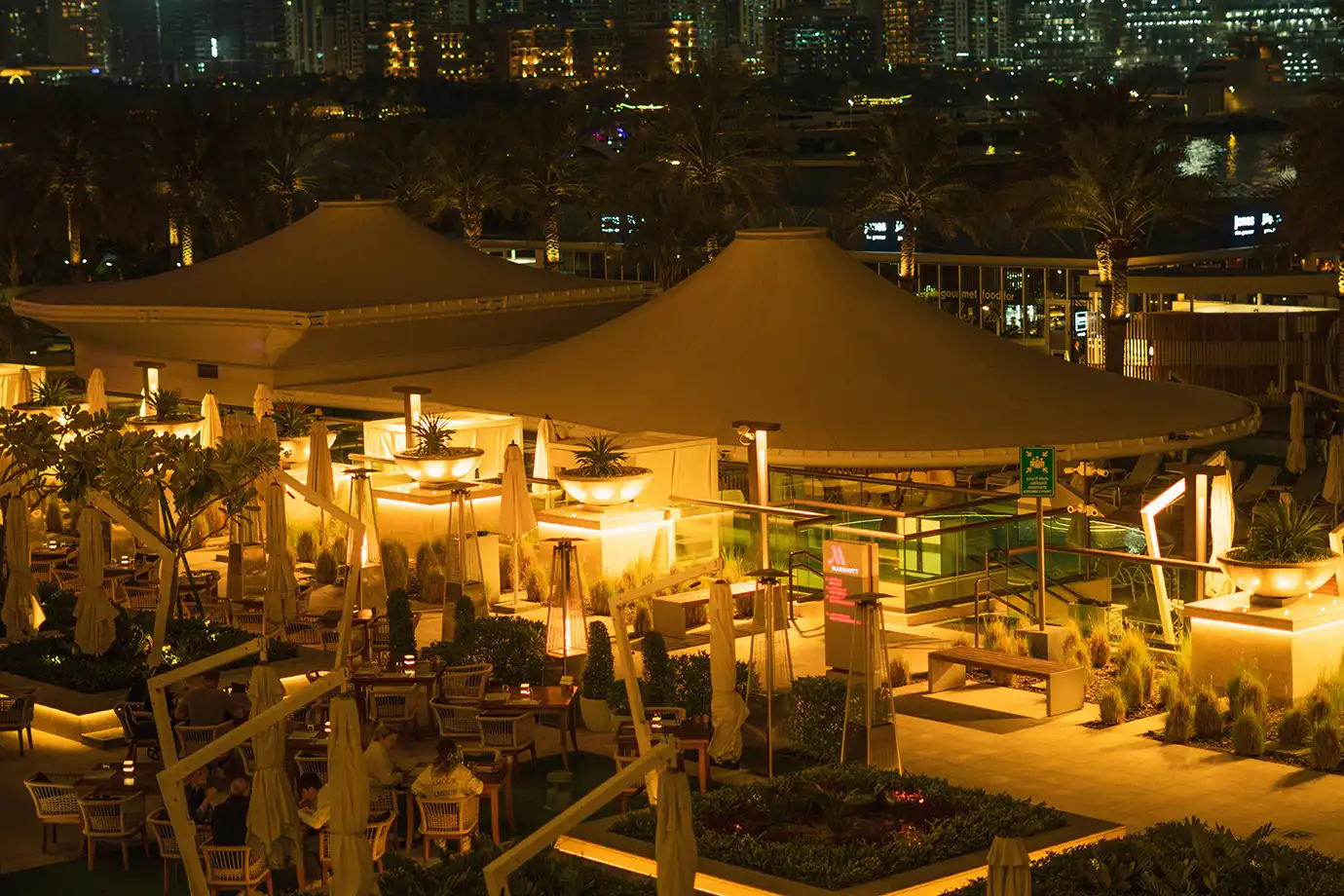
March — The Last Comfortable Month Before Heat Builds
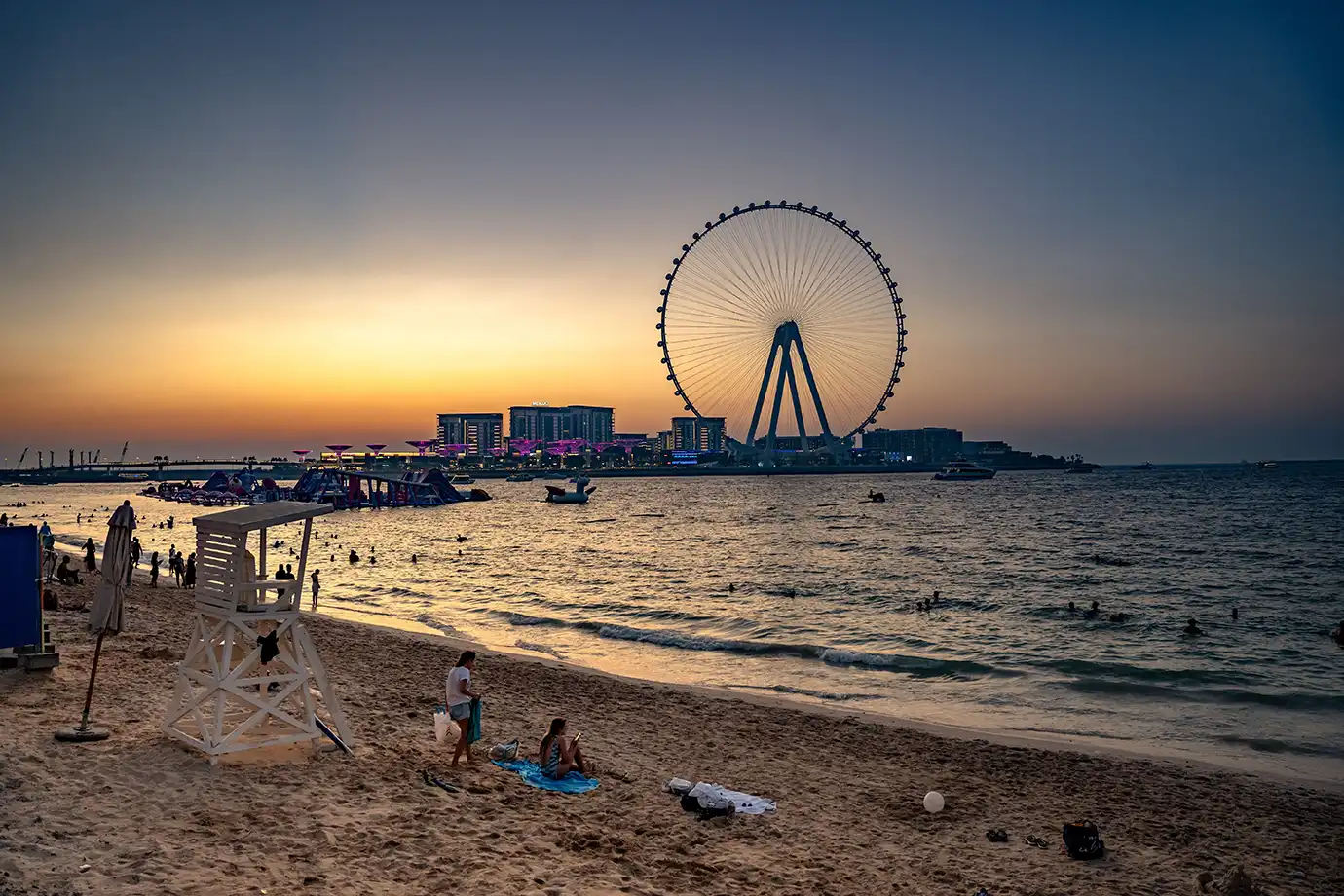
Temperatures run 18–28°C during the day, with evenings around 16–18°C. March is the last month when every outdoor activity stays comfortable without timing restrictions. A morning run on The Walk, a full afternoon at JBR Beach, an evening stroll along the Marina — all work without watching the clock.
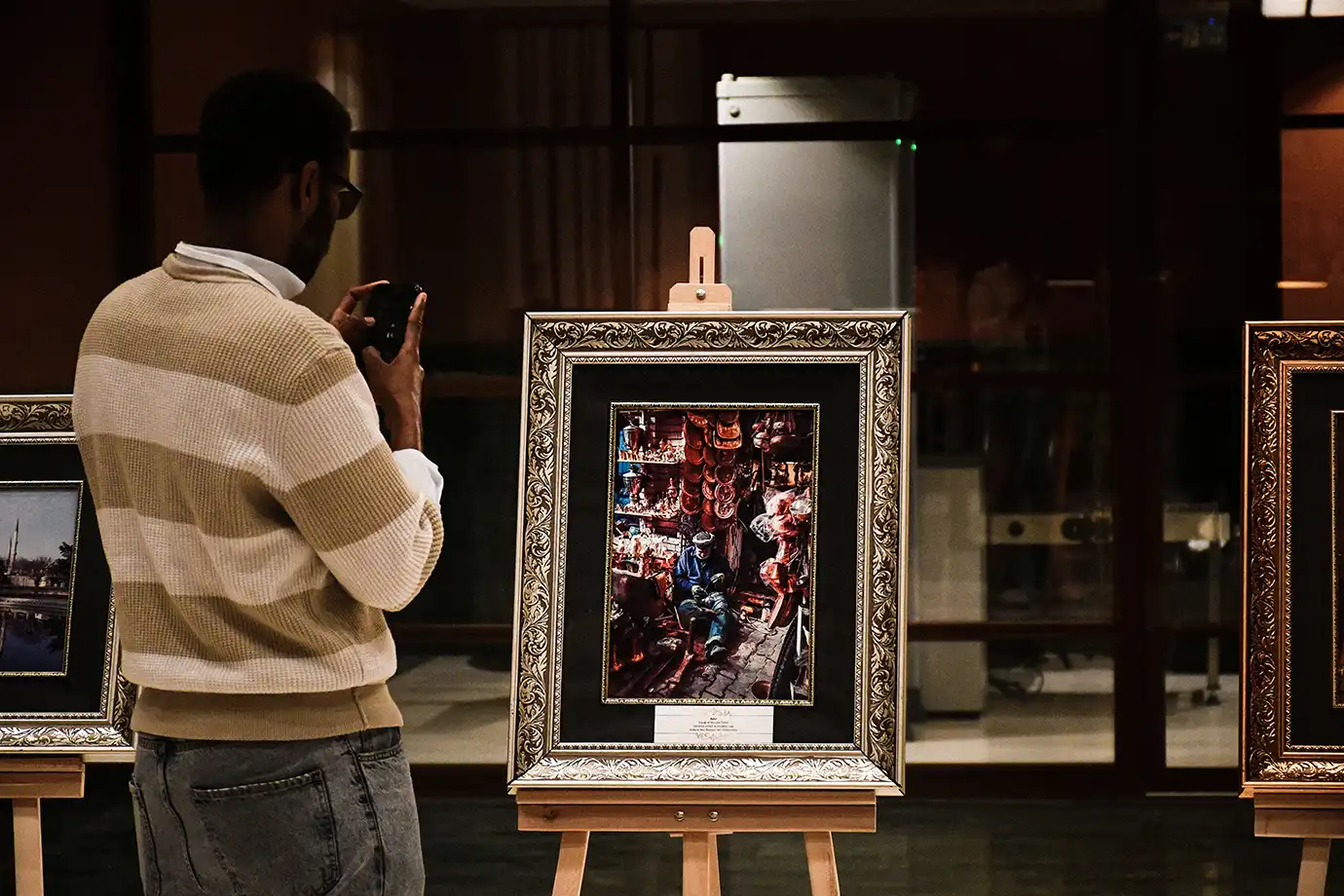
The Dubai World Cup at Meydan Racecourse draws global attention as the richest horse race on earth. Art Dubai at Madinat Jumeirah ranks among the most significant contemporary art fairs in the Middle East. Sikka Art and Design Festival fills the Al Fahidi windtower lanes with street art, installations, and design exhibitions. All three events land in March, making the month one of Dubai’s most culturally concentrated.
Sea temperature reaches about 25°C. Swimming conditions are excellent.
Best for: outdoor lovers, art and culture travelers, horse racing fans, couples who want good weather at slightly lower rates than December and January.
April — Shoulder Season With Good Beach Conditions
Temperatures climb to 21–33°C. Mornings before 10:00 stay comfortable. Afternoon heat starts building, but JBR Beach and the Palm Jumeirah waterfront remain pleasant through early afternoon.
Hotel rates drop noticeably from the March peak. April is one of the strongest value months in the comfortable-weather window.
The UAE school spring break, typically in late March to mid-April, can cause brief spikes in crowds at theme parks and popular attractions. Check the school calendar timing before booking if crowd avoidance matters.
Best for: budget-conscious travelers seeking good weather and beach days, and families visiting theme parks with a morning-focused schedule.
May — Getting Hot; Best Done in the Morning
Temperatures range from 25–38°C. The shift from comfortable to hot is complete by mid-May. Schedule outdoor sightseeing before 09:00 and after 18:00.
The Al Fahidi heritage walk works at 08:00. The Gold Souk is manageable in the early morning. For the desert safari, confirm that the operator runs the activity in the late afternoon rather than during the peak heat.
Hotel rates continue dropping through May. Travelers who prioritize cost over comfort find May to be the transition value month — 20–30% savings, with some outdoor flexibility still intact.
Best for: early risers, indoor-attraction trips, travelers who accept moderate heat in exchange for solid hotel savings.
June to August — Extreme Heat, Indoor Only, Big Hotel Savings
Temperatures reach 30–42°C in June and 32–42°C in July and August. Humidity climbs to 80–90 in July and August. The “feels like” temperature at midday in August regularly exceeds 47°C.
What works in summer:
- Dubai Mall — fully air-conditioned, 1,200-plus shops, the aquarium, the cinema, the ice rink
- Dubai Frame — indoor exhibition floors with a five-minute sky bridge crossing
- IMG Worlds of Adventure — entirely indoor and the best theme park option for summer
- Hotel pools and indoor fitness centers
- All hotel restaurants and downtown dining
- Aquaventure Waterpark — outdoor slides where summer heat actually makes the water a welcome relief
What does not work: the desert safari, the Al Fahidi heritage walk after 10:00, and JBR Beach between 11:00 and 16:00. The Burj Khalifa outdoor terrace at Level 125 becomes uncomfortable after 11:00.
Dubai Summer Surprises runs from July through August — the official summer retail and entertainment event. Expect discounts at major malls, family entertainment at indoor venues, and weekend shows targeting the summer visitor.
Hotel savings reach 40–60 percent below the November-March peak. A five-star property priced at AED 800 per night in January may drop to AED 350–450 per night in August.
Best for: budget travelers, families seeking a waterpark trip, shoppers chasing summer retail deals, visitors who find indoor, air-conditioned Dubai more than sufficient.
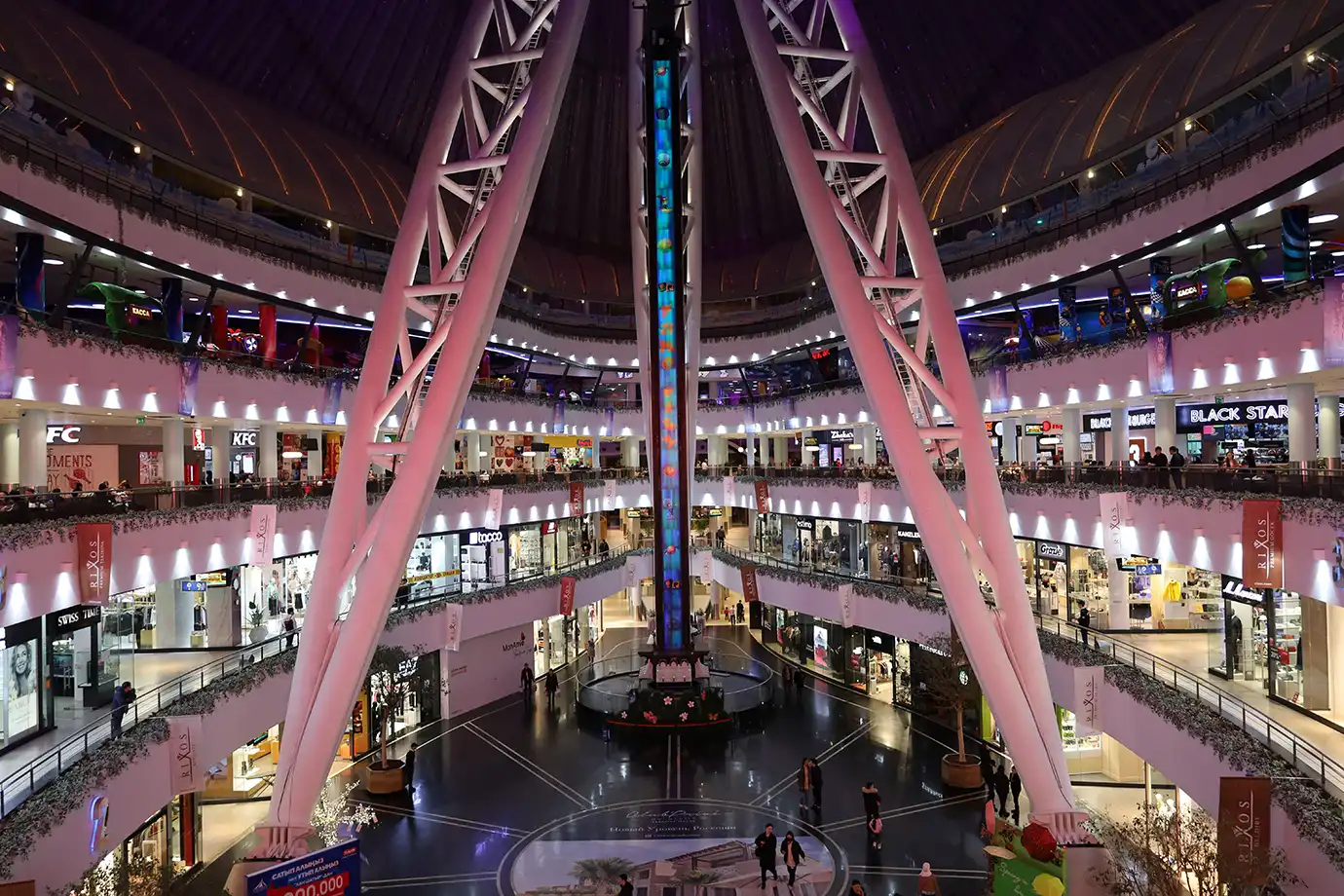
September — Still Very Hot; Low Crowds
Temperatures hold at 27–39°C with humidity still elevated. The second half of September begins to ease slightly, but outdoor comfort remains limited.
Crowds sit at their annual minimum. Almost no school-holiday or festival-driven tourist demand pushes the market. Hotels stay at or near summer-low pricing.
Ramadan shifts approximately 10–11 days earlier each Gregorian year. In the current period, Ramadan does not fall in September, but by approximately 2031–2035, it will return to this window. Plan accordingly if visiting in September.
Best for: solo travelers, couples without specific outdoor priorities, maximum budget compression.
October — The Return of Good Weather and Global Village
Temperatures range from 23–35°C and decline throughout the month. The first half stays warm, but the second half delivers real improvement — by late October, mornings and evenings are comfortable for outdoor activities.
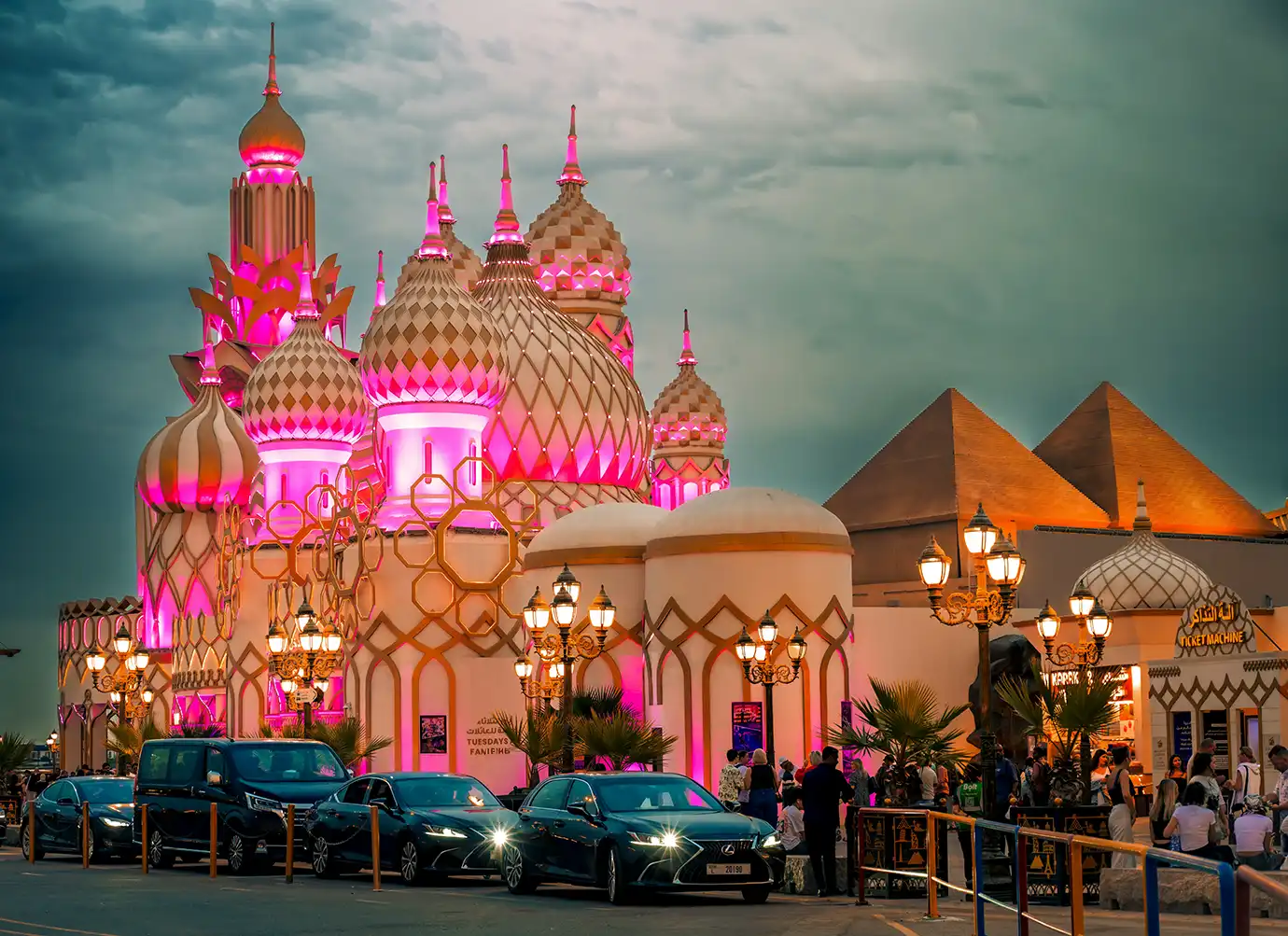
Global Village opens in mid-October. The massive multicultural festival park features 90-plus country pavilions, carnival rides, street food from 90 cuisines, and live performances. Global Village is an evening-only attraction — doors open at 16:00 and close at midnight on weekdays and at 01:00 on weekends. Tuesdays are reserved for families and ladies only.
October is the best shoulder-season month. Weather improves rapidly while hotel rates remain 15–25 percent below peak pricing.
Best for: value-seeking travelers who can visit in the second half of the month, Global Village fans, and early-arriving winter-season visitors.
November — Peak Season Begins; Desert Safaris and Beach Days
Temperatures return to a comfortable 19–30°C. November brings the full peak-season experience at slightly lower prices than December and January.
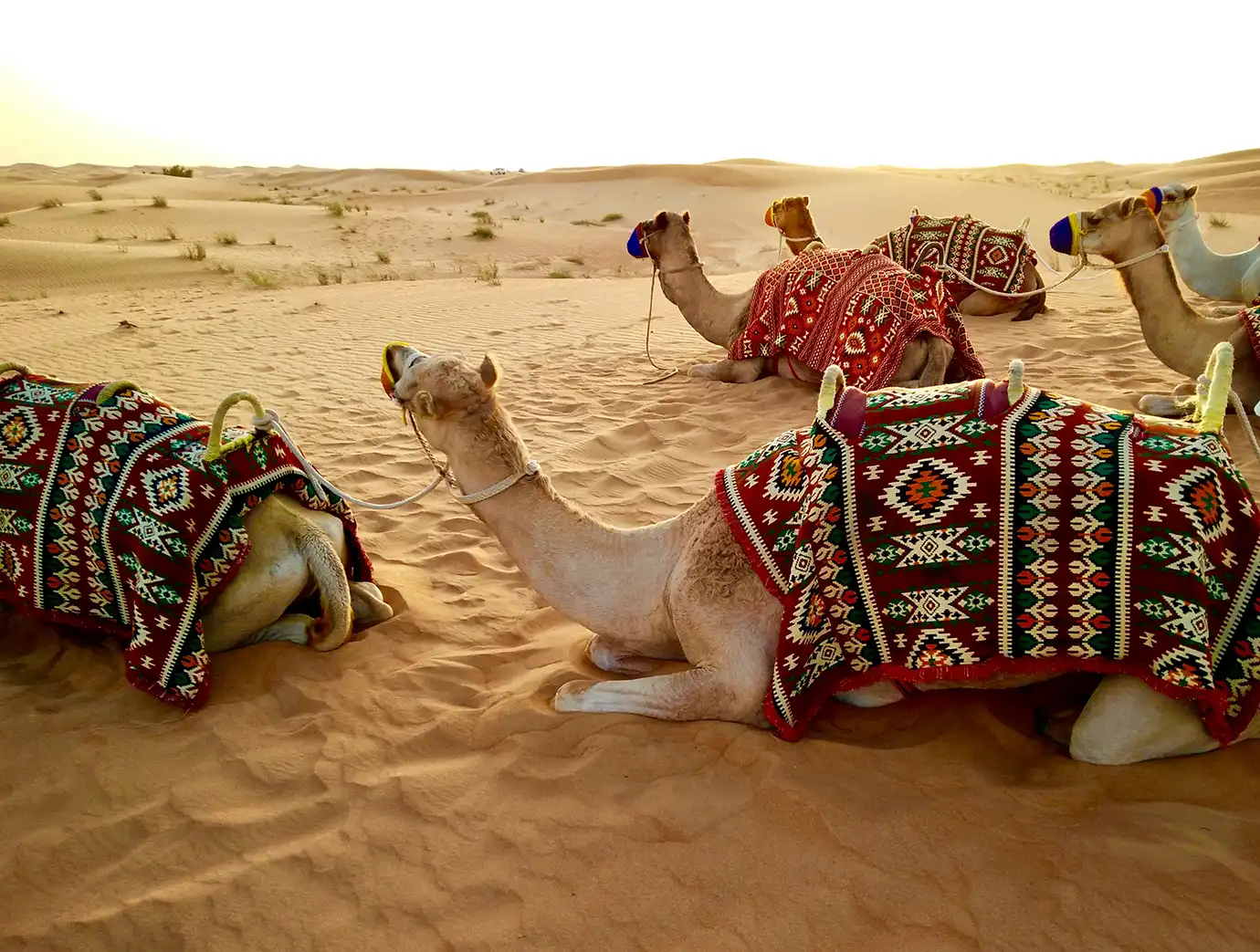
The desert safari is at its most atmospheric. Dune evening temperatures around 18°C at sunset create the ideal conditions for the sunset-dinner-stargazing sequence. JBR Beach is comfortable all day.
The Formula 1 Abu Dhabi Grand Prix at Yas Marina Circuit takes place in late November. The race weekend draws 50,000-plus visitors across Dubai and Abu Dhabi, and hotels in both cities raise rates for the F1 window. Book early if your dates overlap.
Best for: first-time visitors who want good weather and fewer crowds than in December, desert safari fans, and honeymoon couples.
December — The Best Overall Month
Temperatures settle at 16–26°C — the clearest, most consistent weather of the year. Daytime highs sit in the mid-20s. Evenings around 16–18°C call for a light jacket at Marina dinners. Sea temperature holds at about 24°C.
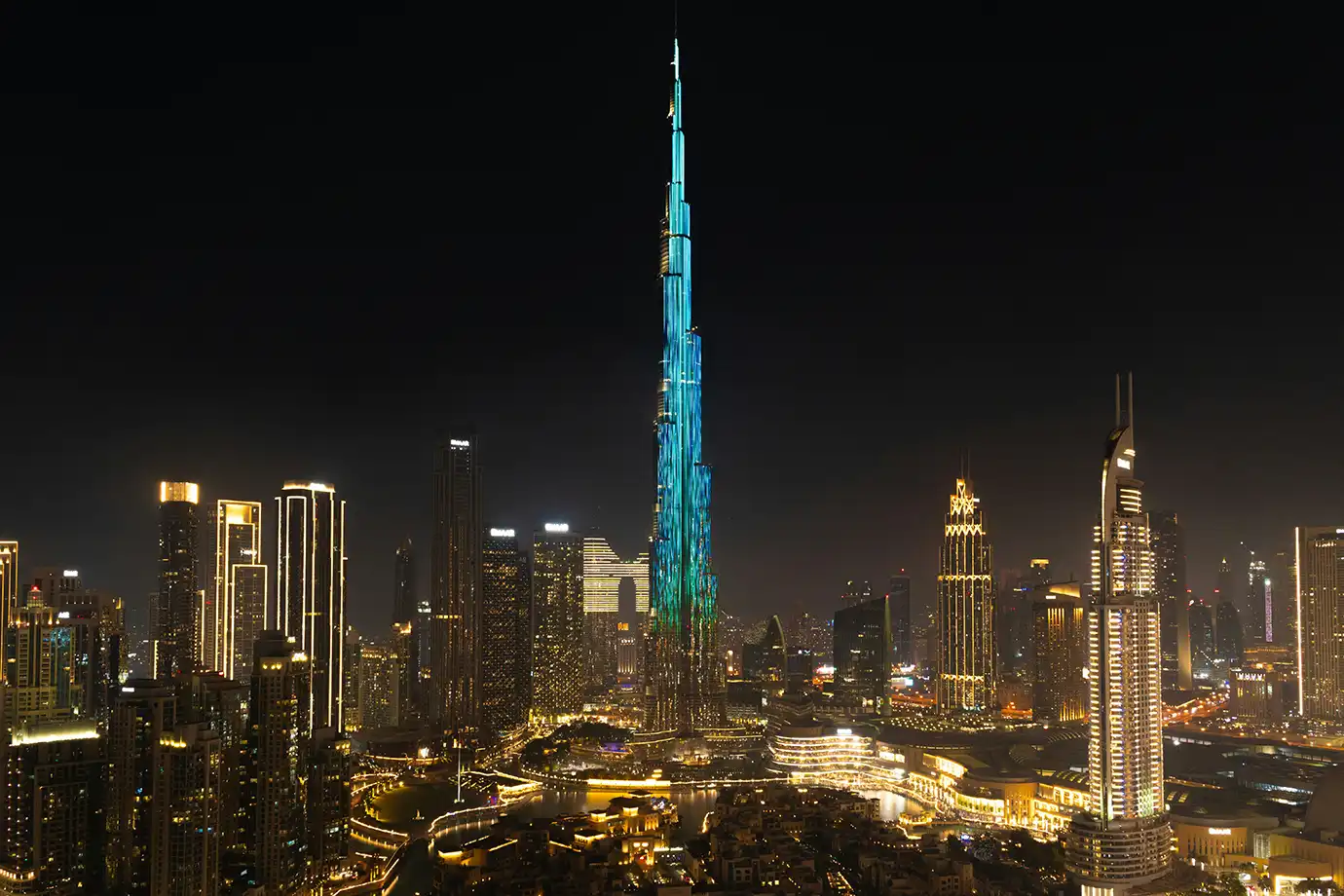
UAE National Day (2 December): The founding of the UAE in 1971 is marked with fireworks, light projections on major buildings, and public performances. The Mohammed Bin Rashid Boulevard and Burj Khalifa area are the primary celebration zones.
Dubai Shopping Festival: DSF begins in early December and runs through mid-January. Mall entertainment, nightly drone shows and fireworks, and the citywide retail event are in full swing from the first weekend of December.
New Year’s Eve: The Burj Khalifa countdown is among the most-watched New Year’s spectacles on earth. Fireworks launch from the tower itself. Light displays cover the exterior. Crowds numbering in the hundreds of thousands fill the Mohammed Bin Rashid Boulevard and the Burj Khalifa Lake boardwalk. Prime viewpoints and rooftop restaurant tables require reservations months in advance. Hotels price 31 December at their annual peak — often three to four times the standard December rate.
Traveling for New Year’s Eve? The Peregrine Dubai New Year Tour Package includes the fountain-view dinner reservation and the Burj Khalifa countdown viewing position.
Best for: all types of travelers. December is the right month for first-time visitors, honeymoon travelers, New Year’s Eve, shopping, and families. The trade-off is the highest prices and the tightest hotel inventory of the year.
Dubai Weather Table — Average Temperature, Humidity, and Sunshine by Month
| Month | Avg High | Avg Low | °F Range | Rain Days | Humidity | Sea Temp | Sunshine Hrs | Crowd Level | Hotel Price |
|---|---|---|---|---|---|---|---|---|---|
| January | 24°C | 14°C | 57–75°F | 1–2 | 65 | 22°C | 10 | HIGH | $$$ |
| February | 26°C | 15°C | 59–79°F | 1–2 | 65 | 22°C | 11 | HIGH | $$$ |
| March | 29°C | 18°C | 64–84°F | 1 | 60 | 25°C | 11 | MED-HIGH | $$–$$$ |
| April | 34°C | 21°C | 70–93°F | 0–1 | 55 | 27°C | 11 | MED | $$ |
| May | 38°C | 25°C | 77–100°F | 0 | 55 | 29°C | 12 | LOW | $–$$ |
| June | 40°C | 29°C | 84–104°F | 0 | 65 | 32°C | 12 | LOW | $ |
| July | 42°C | 31°C | 88–108°F | 0 | 70 | 34°C | 11 | LOW | $ |
| August | 42°C | 30°C | 86–108°F | 0 | 75 | 34°C | 11 | LOW | $ |
| September | 39°C | 27°C | 81–102°F | 0 | 70 | 32°C | 10 | LOW | $ |
| October | 35°C | 23°C | 73–95°F | 0–1 | 65 | 29°C | 10 | LOW-MED | $–$$ |
| November | 30°C | 19°C | 66–86°F | 0–1 | 60 | 26°C | 10 | MED-HIGH | $$–$$$ |
| December | 26°C | 16°C | 61–79°F | 1 | 65 | 24°C | 10 | HIGH | $$$ |
Price key: $ = lowest rates (40–60 below peak), $$ = mid-range, $$$ = peak rates
Dubai averages fewer than 100 mm of rain per year. Rain is most likely in January, February, and March — typically one to two days per month with brief, intense showers. Summer months are essentially rain-free. When winter rain does arrive, the showers usually last 30–90 minutes and clear quickly. The city’s drainage infrastructure occasionally struggles with heavy downpours, and brief flash flooding on major roads is possible but clears fast.
Ramadan in Dubai — What Changes and What Does Not
Ramadan is the ninth month of the Islamic lunar calendar. The lunar year is approximately 11 days shorter than the Gregorian year, so Ramadan shifts roughly 10–11 days earlier each year. In any given decade, Ramadan moves through all four seasons. Always check the current Islamic calendar before your trip — never assume Ramadan falls in a fixed month.
What Changes During Ramadan
No eating, drinking (including water), smoking, or chewing in public during daylight hours. The rule applies to non-Muslims as well — it is a legal requirement and a cultural obligation.
Restaurants serve food behind screens or curtains to avoid visible eating during daylight. Music is reduced or cut in public areas and shopping centers during the day. Government offices shorten their hours to approximately 09:00–14:00. Alcohol is available at licensed hotel restaurants and bars, but service hours may be reduced.
The pace of the city slows during the daytime. Activity shifts dramatically after sunset. Nightlife, restaurants, and social gatherings intensify after Iftar, the time for breaking the fast.
What Does Not Change
Every major tourist attraction stays fully open during Ramadan. The Burj Khalifa, Dubai Mall, the aquarium, JBR Beach, the desert safari in the evening, hotel pools, and the Marina — all operate normally. Indoor air-conditioned environments are not affected.
The Iftar Experience — Why Ramadan Is Worth Visiting For
Iftar — the evening meal that breaks the fast at sunset — is one of the most generous dining traditions in the UAE. Hotels and restaurants set up elaborate Iftar buffets from approximately 18:30.
The atmosphere in the hour after sunset is unlike any other time on the Dubai calendar. Families gather, the call to prayer sounds, dates and water are served before the meal, and a sense of communal celebration fills the city. Many hotels offer Iftar tents specifically for non-Muslim visitors who want to experience the tradition. For a first-time visitor, attending an Iftar is one of the most culturally specific and most rewarding experiences available.
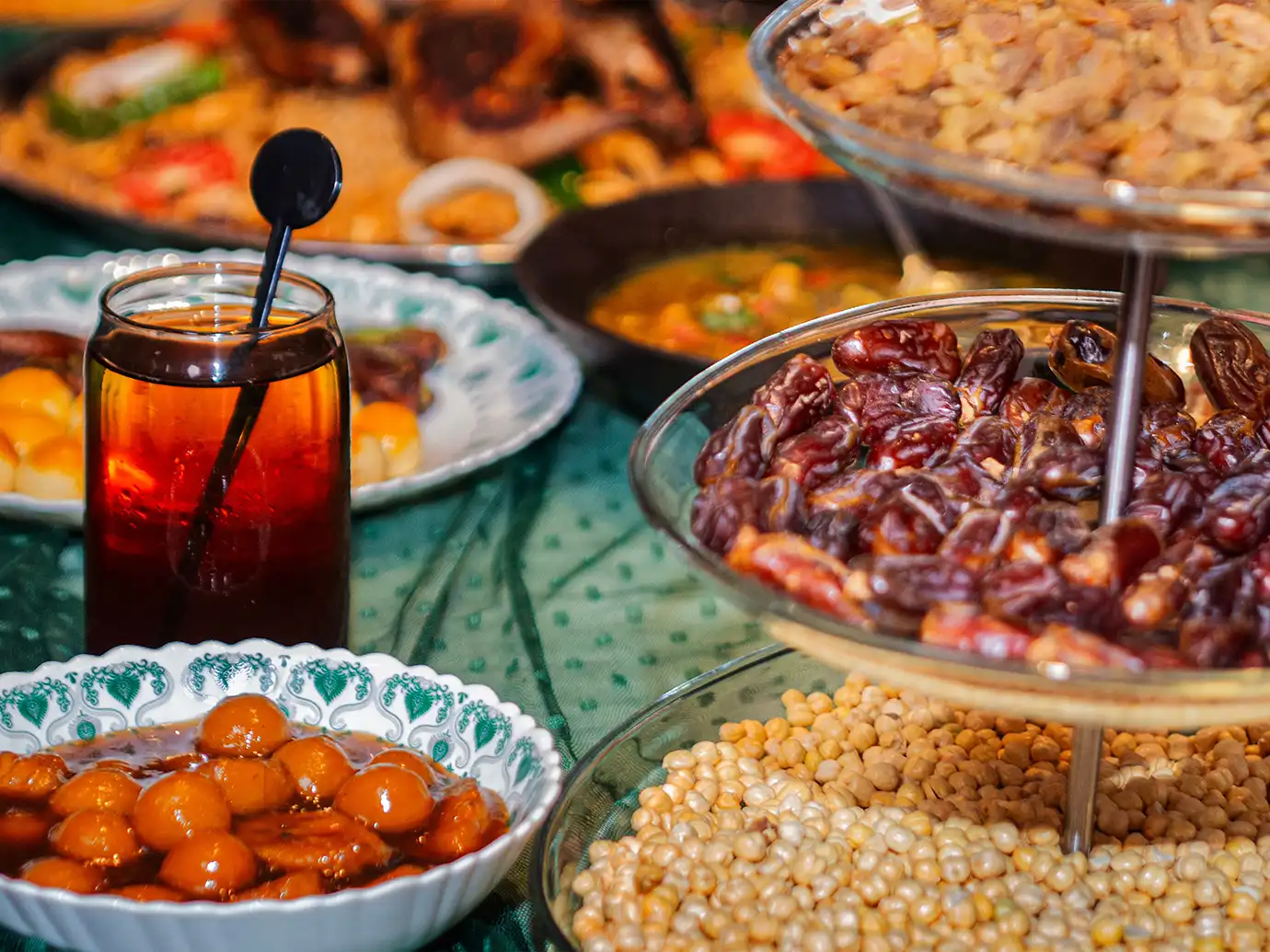
Ramadan Dates — Why They Shift Every Year
The lunar calendar is roughly 11 days shorter than the Gregorian calendar. Ramadan moves earlier each year. Over a 33-year cycle, Ramadan passes through every season — summer, winter, spring, and fall. Always check an Islamic calendar service before booking to confirm whether Ramadan overlaps with your travel dates.
Visiting for the Dubai World Cup or Art Dubai? Contact us with your dates, and we will build the tour around the event.
The Dubai Events and Festivals Calendar
Dubai Shopping Festival (Early December to Mid-January)
The Dubai Shopping Festival has run annually since 1996. Over approximately 38 days, 3,000-plus participating outlets offer discounts of 25–75. Daily drone shows and fireworks light up key entertainment zones. Prize raffles for cars, gold, and cash run throughout the season. The discounts are genuine — not a marketing exercise. DSF is the primary reason Dubai’s December-to-January window sees the year’s highest hotel rates.
Dubai Food Festival (February to March)
A two-to-three-week event featuring restaurant deals, pop-up dining, food truck festivals, and chef masterclasses. The festival provides access to independent restaurants that do not ordinarily publicize themselves. February and March visitors can align their dining schedule with specific Food Festival activations for a deeper culinary experience.
Art Dubai and Sikka Art Fair (March)
Art Dubai runs at Madinat Jumeirah — approximately 90 galleries from 40-plus countries exhibiting modern, contemporary, and digital art. Sikka Art and Design Festival takes place in the Al Fahidi Historical Neighborhood during the same March window. Street art, installations, and design exhibitions fill the windtower lanes. Combining both gives a culturally rich March itinerary.
Dubai World Cup (March)
The Dubai World Cup at Meydan Racecourse is the richest horse race on earth. The event takes place on a single evening in March. The racecourse’s hospitality village, live entertainment, and fashion-forward dress code make it one of the social highlights of the Dubai calendar. No specialist horse racing interest is required — the event draws international crowds for the spectacle as much as the racing. General admission tickets start from approximately AED 200. Smart formal dress is expected.
Formula 1 Abu Dhabi Grand Prix (November)
The Abu Dhabi Grand Prix at Yas Marina Circuit is the final race of the Formula 1 season. The race typically falls on the last weekend of November. The race runs under floodlights as the sun sets — one of the most visually distinctive circuits on the F1 calendar. The Grand Prix weekend creates significant hotel demand in both Abu Dhabi and Dubai, roughly 50 km apart. Book hotels eight to twelve weeks in advance for the F1 window.
Global Village (October to Early May)
Global Village on Sheik Mohammed Bin Zayed Road is Dubai’s massive multicultural festival park. Expect 90-plus country pavilions, carnival rides, street food from 90 cuisines, and live performances. The season runs from October to early May. Doors open at 16:00 daily. Closing time is midnight Sunday through Thursday, 01:00 Friday and Saturday. Entry runs approximately AED 25–30. Global Village is an evening-only attraction — there are no morning hours. Tuesdays are reserved for families and ladies only.
Dubai Summer Surprises (July to August)
The annual summer retail event fills indoor malls with entertainment, hotel package deals, family activity programs, and retail discounts. Dubai Summer Surprises targets the low-season visitor who accepts the heat in exchange for retail deals and hotel rates sitting 40–60 percent below peak.
UAE National Day (2 December)
The founding of the UAE in 1971 is celebrated annually on 2 December with fireworks, light projections on major buildings, and public performances. The Mohammed Bin Rashid Boulevard and Burj Khalifa area are the primary celebration zones. Entry to public celebrations is free. National Day falls within the early DSF period, making the first week of December one of the most actively celebrated stretches of the year.
New Year’s Eve — The Most Expensive Night of the Year
The Burj Khalifa New Year’s Eve countdown on 31 December draws crowds in the hundreds of thousands. Fireworks launch from the tower itself, synchronized with a light display across the building’s exterior. The Mohammed Bin Rashid Boulevard and the Burj Khalifa Lake boardwalk are the prime viewing zones.
Hotel rates for 31 December hit their annual peak — often three to four times the standard December rate. Rooftop restaurant tables with fountain or Burj Khalifa views require reservations made two to four months in advance. The Peregrine Dubai New Year Tour Package includes a guaranteed dinner reservation and a prime viewing position.
Best Time by Activity
| Activity | Best Months | Why |
|---|---|---|
| Desert safari | November to February | Evening temps 16–22°C, clear skies for stargazing, winter light on the dunes |
| Beach and swimming | October to April | Sea temp 22–27°C, air comfortable for extended sun exposure |
| Outdoor sightseeing (Al Fahidi, Palm Drive, Marina Walk) | November to March | Daytime highs below 30°C, full-day outdoor comfort |
| Burj Khalifa outdoor terrace (Level 125) | November to April | Outdoor comfort, clearest air visibility, mornings before humidity builds |
| Shopping (best deals) | December to January (DSF) | 25–75 discounts at 3,000-plus outlets during the Dubai Shopping Festival |
| Indoor theme parks (IMG Worlds, Legoland, Motiongate) | Year-round | Fully air-conditioned — summer is the best value relative to outdoor heat |
| Aquaventure Waterpark | October to May (outdoor comfort) and July to August (heat relief) | Outdoor slides are most pleasant from October to May — summer heat makes the water a welcome escape |
| Honeymoon (romantic evenings, yacht cruise) | November to February | Cool evenings for sunset yacht cruises, comfortable desert dinners, and pleasant fountain promenade |
| New Year’s Eve | 31 December | The most spectacular countdown in the region — book two to four months ahead |
| Dubai World Cup (horse racing) | March | Annual single-evening event — advance ticket booking required |
| Art Dubai and Sikka | March | Both run in March, one of the most culturally rich months on Dubai’s calendar. |
Cheapest Months to Visit Dubai
June through September is when Dubai’s hotel market drops by 40–60 percent from peak pricing across all tiers. A five-star Downtown property that runs AED 800 per night in January may be available at AED 350–450 per night in August. Flights from most origin markets also drop as summer demand shifts to European beach destinations.
The trade-off is specific. Outdoor activities are limited to before 09:00 and after 19:00. The desert safari is inadvisable. JBR Beach is uncomfortable at midday. Indoor attractions and hotel infrastructure are fully unaffected by the heat.
Late April and May are the best shoulder-season months for cost reduction without a total compromise on weather. Outdoor activities before 10:00 remain viable, and hotel rates have already begun dropping from peak pricing.
Most Expensive Months to Visit Dubai
Late December through mid-January is the peak pricing window. The DSF retail calendar, the New Year’s Eve premium, and peak tourist demand combine to create the highest hotel rates of the year. Hotels regularly charge three to four times the standard December rate for the 31 December night alone.
February is the second most expensive month. DSF runs through mid-January; the event calendar remains dense with the Dubai Food Festival and the tennis championships; and Valentine’s Day drives couples-market premiums. Book six to eight weeks ahead for January. Book two to four months ahead for New Year’s Eve.
The Peregrine Recommendation
Peregrine books the Dubai packages primarily in the November to February window. Every outdoor experience in every package operates at full quality across those four months.
November and early March are the best-value months within the comfortable-weather window. Both deliver excellent weather at 10–20 lower rates than December and January, with fewer crowds at the Burj Khalifa and the Old Dubai souks.
For New Year’s Eve specifically, book three to four months ahead. The Peregrine Dubai New Year Tour Package confirms the hotel, the fountain-view dinner reservation, and the Burj Khalifa countdown position before anything sells out.
Contact us with your available dates — we will recommend the right package and hotel tier for your window.
Frequently Asked Questions
When Is the Best Time to Visit Dubai?
November to March. Temperatures remain between 20°C and 28°C, skies are consistently clear, and all outdoor attractions operate without heat restrictions. December is the best single month. The weather peaks and the Dubai Shopping Festival is running. UAE National Day falls in the first week, and the Burj Khalifa countdown caps the month.
Is Dubai Too Hot to Visit in Summer?
Daytime temperatures reach 40–42°C from June through August, with high humidity pushing the perceived temperature well above that at midday. Outdoor walking is inadvisable between roughly 10:00 and 18:00. All indoor attractions — Dubai Mall, IMG Worlds, the aquarium, hotel pools — operate normally. Hotel rates drop 40–60 compared to peak season. Summer is viable for travelers whose plans are primarily indoor, with only early-morning or evening outdoor time.
When Is the Dubai Shopping Festival?
The Dubai Shopping Festival runs annually for approximately 38 days from early December through mid-January. The exact dates shift each year slightly — the Dubai Festivals and Retail Establishment confirms them each October. DSF features 25–75 discounts at 3,000-plus outlets, daily entertainment, fireworks, prize raffles, and free public concerts.
What Is It Like to Visit Dubai During Ramadan?
Eating, drinking, smoking, and playing music in public is restricted during daylight hours — the rule applies to non-Muslims as well. Restaurants serve behind screens or curtains during the day. Indoor attractions, hotels, and malls stay fully open. Hotel rates drop significantly. The Iftar meal at sunset, served from approximately 18:30, is one of the most rewarding cultural experiences on the UAE calendar. Expect elaborate buffets and a warm communal atmosphere at most hotel Iftar tents.
What Month Is Cheapest to Visit Dubai?
June through September. Hotel rates drop 40–60 compared to peak season. Flights from most origin markets are also cheaper. The trade-off is outdoor comfort — temperatures reach 40–42°C and outdoor activities work best before 09:00 and after 19:00. For a summer visit, focus on air-conditioned attractions: Dubai Mall, indoor theme parks, Aquaventure Waterpark, and hotel facilities.
Is November a Good Time to Visit Dubai?
November is one of the best months. Temperatures of 19–30°C make all outdoor activities comfortable throughout the day. The desert safari, the beach, the Marina Walk, and the Old Dubai heritage circuit are all at their peak. Hotel rates run lower than in December and January. The Formula 1 Abu Dhabi Grand Prix takes place in late November, and the F1 weekend drives up hotel demand. Book early if your dates overlap.
Does It Rain in Dubai?
Rarely. Dubai averages fewer than 100 mm of rain per year. Rain is most likely in January, February, and March, typically one to two days per month with brief, intense showers. The summer months from May through September are essentially rain-free. When winter rain does arrive, the showers usually last 30–90 minutes and clear quickly. The city’s drainage infrastructure can struggle with heavy downpours, and brief flash flooding on major roads is possible but clears fast.
Plan Your Dubai Trip With Peregrine
Peregrine Treks and Tours operates fully private Dubai packages in the November to March comfort window. Every itinerary is built around your dates, your pace, and your priorities. Whether you want the desert safari, the shopping festival, New Year’s Eve, or all three — we plan accordingly.
Send us your travel dates, and we will match you with the right package.
Contact: sales@peregrinetreks.com | WhatsApp +977 985 105 2413 | www.peregrinetreks.com