Nestled in the Himalayas, Bhutan, the mystical “Land of the Thunder Dragon” offers explorers unspoiled beauty and a rich Buddhist heritage. Bhutan treks present an unparalleled adventure, allowing you to navigate awe-inspiring trails, delve into the vibrant local culture, and behold the untamed beauty of untouched nature.
Unlike popular trekking hotspots, Bhutan retains an aura of mystery and seclusion. Bhutan treks are renowned for their uncrowded paths, fostering a deeper connection with nature and serene mountain experiences. The meticulously maintained trails weave through verdant forests and, trace glacial rivers and pass by secluded villages, providing glimpses into the distinctive Bhutanese way of life.
Unveil the Enchantment of Bhutan Treks: A Fusion of Culture and Nature
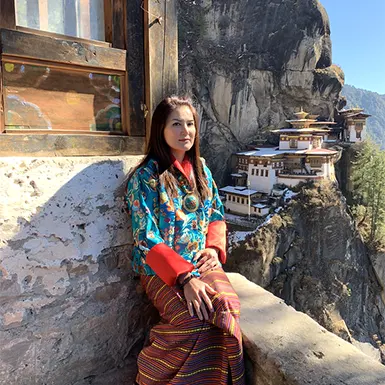
- Cultural Immersion: Bhutan treks transcend physical challenges; they’re an odyssey into the heart of Bhutanese culture. As you tour along the trails, you’ll discover ancient monasteries clinging to cliff edges, vibrant prayer flags dancing in the breeze, and welcoming locals eager to share their traditions.
- Unspoiled Nature: Bhutan’s dedication to environmental preservation is evident in its pristine landscapes. The trails wind through untouched forests, alpine meadows adorned with wildflowers, and high mountain passes offering panoramic vistas of snow-capped peaks.
- Tranquil Trails: A standout feature of Bhutan treks is the relative solitude you’ll encounter on the trails. Unlike the bustling paths of other trekking regions, Bhutan’s trails offer a peaceful communion with nature, free from the distractions of crowds, making it a true sanctuary for those seeking tranquility.
Perfect Timing for Your Bhutan Treks: Weather and Seasons
Experience the best Bhutan treks by choosing the right time of year when weather conditions are ideal, and the scenery is breathtaking.
Optimal Trekking Seasons
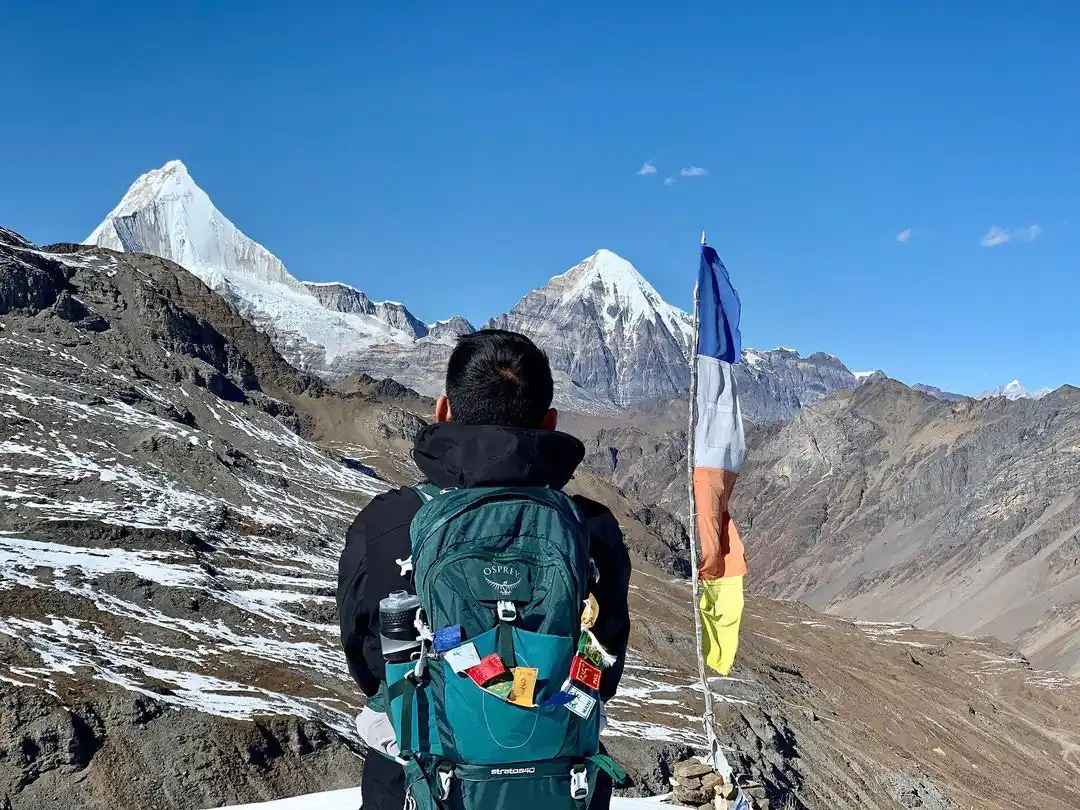
- Spring (March-May): In spring, vibrant rhododendrons bloom, skies are clear, and temperatures are mild, creating the perfect setting for Bhutan treks. Longer days provide ample sunlight for hiking.
- Autumn (September-November): After the monsoon, autumn offers trekkers clear skies, refreshing air, and stunning mountain vistas. The foliage transforms into a golden spectacle, providing a picturesque backdrop.
Weather Considerations
- Summer (June-August): Summer coincides with the monsoon season in Bhutan, bringing heavy rainfall and the risk of landslides. While the scenery is lush, slippery trails can make trekking difficult.
- Winter (December-February): Bhutan experiences cold winters, especially at higher altitudes, with snowfall blocking some passes. Trekking is feasible but necessitates proper gear and preparation for icy conditions.
Plan Your Bhutan Treks Smartly
For a safe and unforgettable trekking adventure, take these factors into account:
- Season: Choose spring or autumn for the best weather and trail conditions.
- Fitness Level: Evaluate your fitness and select a trek that matches your abilities.
- Permits: Secure the required licenses for your chosen trek well in advance.
- Gear: Pack suitable clothing and gear for changing weather conditions.
- Altitude Acclimatization: Ascend gradually to higher elevations to prevent altitude sickness.


Bhutan Treks: Your Adventure Awaits
Whether you’re a seasoned trekker or a casual hiker, Bhutan’s trekking trails offer something for everyone amidst the stunning backdrop of the “Land of the Thunder Dragon.” Whether you’re a seasoned hiker craving a challenge or a leisurely explorer seeking Bhutan’s natural beauty, there are Bhutan treks perfect for you.
Choosing Your Bhutan Trek: Difficulty Levels to Suit Everyone
- Easy Treks: These shorter treks typically span a few days and traverse less demanding terrain. They’re ideal for beginners or those short on time, offering stunning vistas and cultural encounters without strenuous climbs. Popular choices include the Druk Path Trek and the Bumthang Owl Trek.
- Moderate Treks: Moderate Bhutan treks cover longer distances, higher altitudes, and more challenging trails. Trekkers should be in good shape and have some prior hiking experience. Examples include the Jomolhari Trek and the Dagala Thousand Lakes Trek.
- Challenging Treks: These treks, designed for experienced hikers, offer a craving for adventure and breathtaking scenery and often involve high passes, remote areas, and unpredictable weather. The Snowman Trek, hailed as one of the world’s most demanding treks epitomizes Bhutan’s extreme hiking challenges.
Duration: Short Escapes or Epic Adventures
Bhutan treks cater to both brief getaways and extended tours:
- Short Treks: If time is limited, opt for a 3-5 day trek offering a taste of Bhutan’s landscape and culture. These treks are perfect for acclimatizing and enjoying shorter, scenic hikes.
- Long Expeditions: For seasoned trekkers seeking deeper immersion, Bhutan offers multi-week expeditions through remote regions, across high passes, and deep into the wilderness.
Permits and Responsible Exploration
Bhutan, a nation dedicated to safeguarding its environment and cultural heritage, has established specific rules for trekkers. Understanding these rules and embracing sustainable tourism ensures your Bhutan treks are legal and respectful.
Trekking Permits: Your Key to Bhutan’s Trails
Every trekker in Bhutan, regardless of nationality, must obtain a trekking permit. This permit regulates the number of visitors and contributes to the region’s sustainable development. Here’s what you should know:
- Applying for Your Permit: A licensed Bhutanese tour operator like Peregrine Treks typically arranges your trekking permit. They will manage the application process on your behalf, ensuring a seamless experience.
- Essential Documents: You must provide your passport information and itinerary to your tour operator.
- Permit Costs: The fee varies depending on the trek’s length and difficulty.
- Additional Permits: Certain treks might require special permits to access restricted areas. Your tour operator will guide you on any additional licenses required.
Sustainable Tourism in Bhutan: Trek with a Conscience
Bhutan’s tourism policy centers on sustainable development. The country’s “High Value, Low Impact” approach minimizes tourism’s environmental and cultural footprint while maximizing benefits for local communities. Here’s how you can contribute to sustainable tourism during your Bhutan treks:
- Respect Local Traditions: Bhutan’s unique culture and traditions are integral to the trekking experience. Dress modestly, observe local etiquette, and ask permission before photographing people or religious sites.
- Minimize Your Environmental Impact: Pack out trash, avoid disturbing wildlife, and stay on designated trails. Carry a reusable water bottle to help the environment.
- Support Local Communities: Choose local guides and porters, stay in locally-owned accommodations, and purchase souvenirs from local artisans. This strategy maximizes the positive impact of tourism on the Bhutanese population.
- Learn About Bhutan’s Conservation Efforts: Take time to understand Bhutan’s commitment to environmental preservation and its initiatives to maintain its carbon-neutral status.
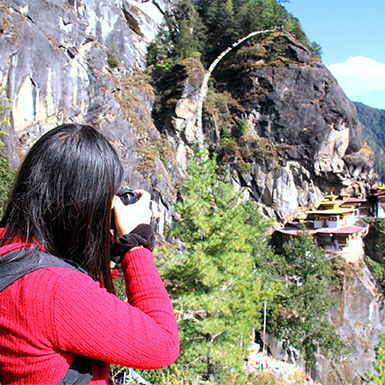
Cultural and Natural Treasures
Bhutan treks offer more than just stunning mountain vistas. They weave through a rich tapestry of cultural and natural wonders, making each step an enriching experience.
Cultural Encounters on Bhutan Treks
As you traverse Bhutan’s trails, you’ll encounter remnants of its vibrant cultural heritage.
- Monasteries: Perched atop hills or valleys, ancient Buddhist monasteries dot the landscape. These serene retreats offer a glimpse into Bhutan’s spiritual traditions, with their intricate architecture, colorful murals, and resident monks.
- Dzongs (Fortresses): Imposing dzongs, once defensive structures, now serve as administrative and religious centers. Their massive walls, intricate woodwork, and vibrant festivals provide a fascinating insight into Bhutan’s history and culture.
- Traditional Villages: Trekking through Bhutan’s remote villages allows you to interact with the locals and experience their way of life. You can observe traditional architecture, witness daily rituals, and participate in cultural ceremonies.
Natural Wonders: Bhutan’s Biodiversity
Bhutan’s pristine landscapes boast a wealth of biodiversity, adding another dimension to your trekking experience.
- Unique Wildlife: Look for rare and elusive creatures like the Takin (Bhutan’s national animal), Red Pandas, Snow Leopards, and Himalayan black bears. Bird enthusiasts can spot various colorful species, including the vibrant Himalayan monal.
- Diverse Flora: Bhutan’s forests are a botanical paradise, home to many rhododendrons, orchids, and medicinal plants. As the seasons shift, the landscape transforms into a vibrant masterpiece, adorned with spring’s rhododendron blooms and autumn’s golden hues.
- Alpine Meadows: As you ascend higher, you’ll enter the realm of alpine meadows, carpeted with wildflowers. The air is crisp and clean, and the panoramic views of snow-capped peaks are breathtaking.
Your Practical Guide to a Smooth Adventure
Planning a Bhutan trek requires careful attention to logistics to ensure a comfortable and memorable experience. This guide covers the essentials of accommodation, food, supplies, and hiring support staff, making your adventure smooth and enjoyable.
Accommodation on Bhutan Treks: Where You’ll Rest Your Head
- Camping: Most Bhutan treks involve camping in tents provided by your tour operator. You’ll camp in scenic locations, often near rivers or with mountain views. The tents are typically spacious and comfortable, with basic amenities like sleeping pads and pillows.
- Guesthouses/Homestays: Some treks, especially those passing through villages, offer the option to stay in guesthouses or homestays. You can experience local culture, interact with families, and savor authentic Bhutanese cuisine.
Food and Supplies on Bhutan Treks: Nourishing Your Body
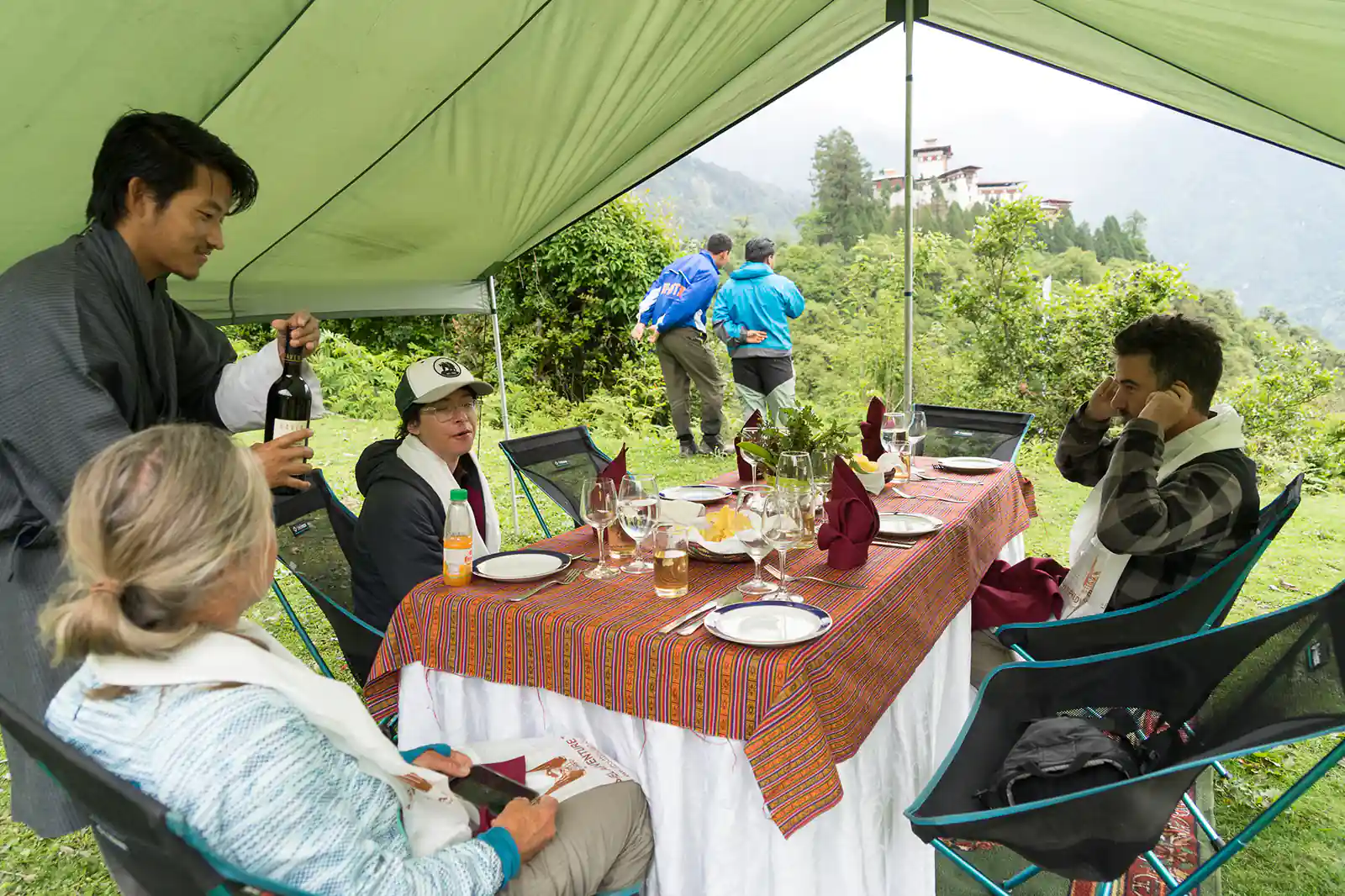
- Meals: Your trekking crew, including a skilled cook, will prepare delicious and nutritious meals throughout your trek. Enjoy a diverse culinary experience with a blend of Bhutanese and Western dishes, catering to various tastes and dietary restrictions.
- Snacks: Bring energy bars, nuts, dried fruits, and other snacks to fuel yourself during hikes.
- Water: Reduce plastic waste and ensure safe drinking water by using a reusable bottle and purifying water from natural springs.
- Other Supplies: Remember essentials like toiletries, sunscreen, insect repellent, a first-aid kit, and any personal medications you need.
Hiring Guides and Porters: Your Trusted Support Team
- Guides: All Bhutan treks require a licensed guide knowledgeable about the trails, local culture, and safety procedures. Enjoy a safe and informative tour as your expert guide leads the way and shares captivating stories.
- Porters: Porters carry your luggage, allowing you to trek with a lighter load and fully appreciate the scenery. Hiring a porter supports the local economy and ensures fair working conditions.
Planning Your Bhutan Treks: Tips for Success
- Book in Advance: Bhutan treks often have limited permits, so book well in advance, especially during peak seasons.
- Consult Your Tour Operator: Your tour operator will provide detailed accommodation, food, and packing list information.
- Travel Insurance: Ensure comprehensive travel insurance covering trekking activities and high-altitude medical emergencies.
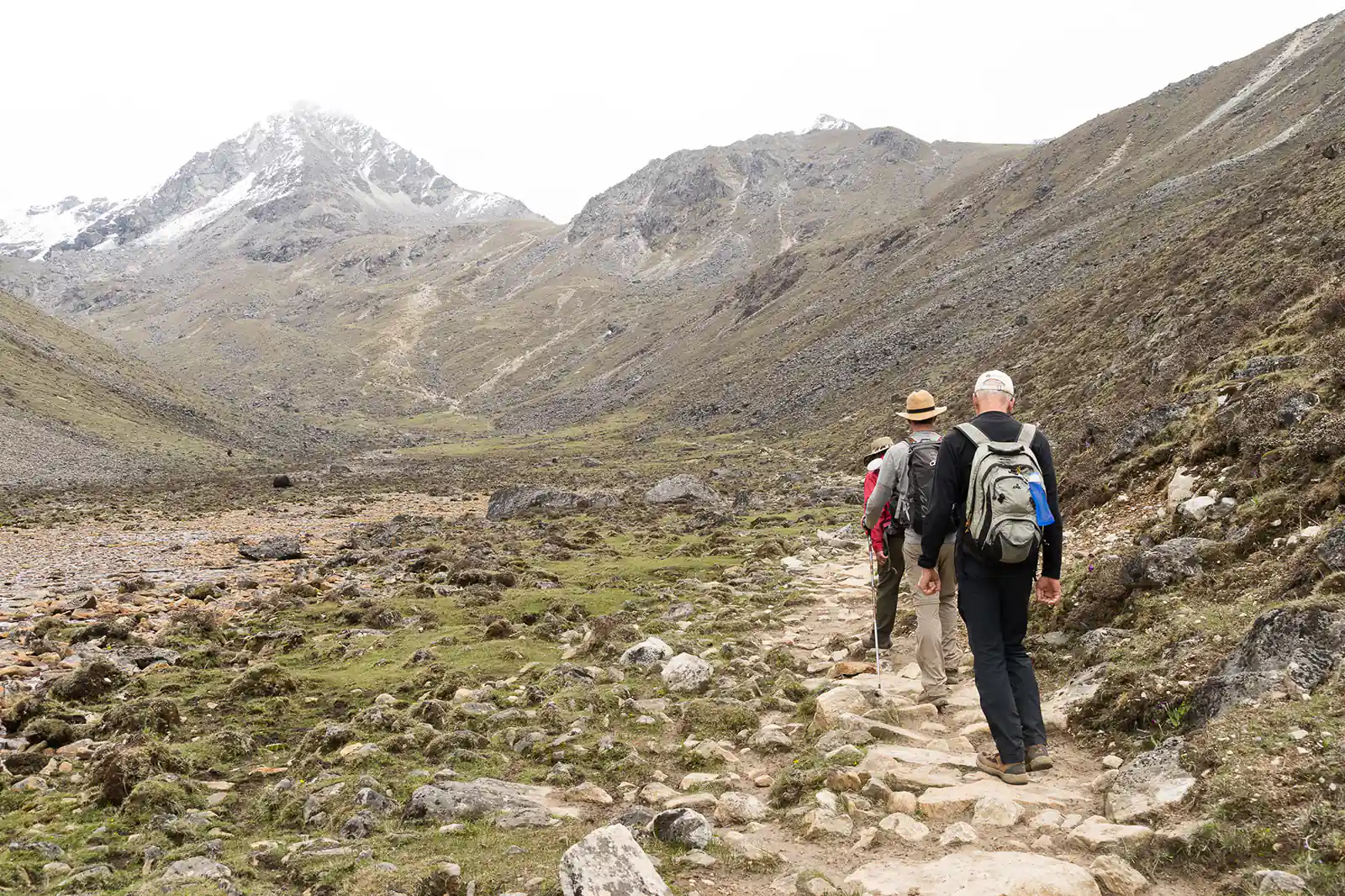
Health and Safety Guide
When you venture on Bhutan treks, prioritizing your health and safety is essential due to the demanding mountainous terrain and high altitudes. Proper preparation and awareness can help you enjoy a safe and memorable adventure in this Himalayan kingdom.
Acclimatization and Altitude: Staying Healthy at High Elevations
High altitudes can cause altitude sickness due to reduced oxygen levels, which can affect anyone. Here are some essential tips for acclimatization:
- Gradual Ascent: Choose a trek with a gradual ascent to help your body adjust to the altitude. Avoid rapid elevation gains to minimize the risk of altitude sickness.
- Rest Days: Plan rest days into your trekking itinerary. It allows your body to acclimatize and reduces the risk of altitude-related issues.
- Hydration: Maintain optimal hydration by consuming water and electrolyte-rich beverages. Staying hydrated helps your body cope with the altitude.
- Diet: Power through your trek by consuming plenty of carbohydrate-rich foods.
- Listen to Your Body: Watch for signs of altitude sickness, including headaches, nausea, and fatigue. Rest is crucial; if symptoms worsen, descend to a lower elevation.
- Medication: Consult your doctor about taking medications like Diamox (acetazolamide) to help prevent altitude sickness.
First Aid and Emergency Protocols: Be Prepared
Even with careful planning, accidents can happen. Therefore, prepare yourself with basic first aid knowledge and emergency protocols.
- Basic First Aid: Pack a comprehensive first-aid kit and learn basic first-aid procedures for common trekking injuries, such as blisters, sprains, and cuts.
- Emergency Communication: Carry a satellite phone or another reliable communication device to contact emergency services.
- Evacuation Procedures: Discuss evacuation procedures with your trekking guide or tour operator before starting your trek.
- Local Medical Facilities: Know the location of the nearest medical facilities and how to access them in case of serious medical issues.
Additional Safety Tips for Bhutan Treks
- Weather: Check weather forecasts before setting out and be prepared for sudden changes in conditions.
- Navigation: Bring a map, compass, or GPS device, even if you have a guide, to help you navigate the terrain.
- Wildlife: Respect the local wildlife by following your guide’s instructions to avoid disturbances.
- Group Travel: Trek with a group and inform someone of your itinerary to enhance safety.
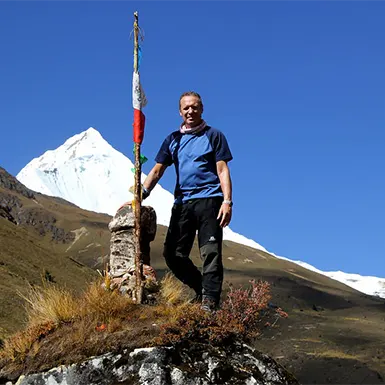

Iconic Bhutan Treks: Discovering Himalayan Splendor
Bhutan, nestled in the heart of the Himalayas, offers a wealth of trekking routes for adventurers of all levels. Each path reveals stunning landscapes, rich cultural encounters, and a unique connection with the kingdom’s pristine beauty. Among the most iconic Bhutan Treks is the Jomolhari Trek, a tour that showcases Bhutan’s natural and cultural richness.
1. Jomolhari Trek: A Classic Himalayan Adventure
The Jomolhari Trek is a testament to Bhutan’s natural beauty and cultural heritage. This 7 to 12-day trek leads trekkers through diverse landscapes, including lush valleys, rhododendron forests, high mountain passes, and glacial lakes. The trek’s highlight is the majestic Mount Jomolhari, a sacred peak revered by the Bhutanese people.
Highlights of the Jomolhari Trek
- Mount Jomolhari: Trekkers can witness the awe-inspiring sight of Jomolhari, a 7,326-meter peak that dominates the skyline. Its snow-capped summit and spiritual significance make it a highlight of any Bhutan trek.
- Diverse Landscapes: The trek winds through various terrains, including verdant valleys, dense forests, alpine meadows, and rocky slopes. This diversity ensures an exciting and visually captivating tour.
- Jangothang: This picturesque campsite at the base of Jomolhari offers stunning views of the mountain and surrounding peaks.
- Cultural Encounters: Trekkers can visit remote villages, interact with locals, and experience Bhutanese hospitality. Observing traditional practices provides insight into Bhutan’s unique way of life.
- Wildlife Spotting: The trek offers opportunities to spot blue sheep, yaks, marmots, and birdlife.
- Lingzhi Dzong: This historic fortress-like monastery offers panoramic views of the mountains, adding a cultural dimension to the trek.
Why Choose the Jomolhari Trek
- Scenic Beauty: The Jomolhari Trek is a visual delight known for its stunning landscapes, diverse ecosystems, and panoramic mountain views.
- Cultural Immersion: The trek allows trekkers to encounter Bhutanese culture firsthand through interactions with locals and visits to monasteries and villages.
- Moderate Challenge: The trek is complex, making it suitable for those with some trekking experience.
- Spiritual Significance: Jomolhari’s sacred status adds a spiritual dimension to the trek, making it a pilgrimage for some.
Essential Tips for the Jomolhari Trek
- Acclimatization: Spend a few days in Paro or Thimphu to acclimatize to the altitude before starting the trek.
- Gear: Pack essential gear, including warm layers, waterproof clothing, sturdy hiking boots, and a good-quality sleeping bag.
- Permits: Ensure you have all necessary permits before starting the trek.
- Guide: Hire a knowledgeable guide to navigate the trails, share local insights, and ensure safety.
2. Druk Path Trek: A Journey Through High Mountain Passes and Pristine Lakes
This popular Bhutan trek, typically 4 to 5 days, meanders through stunning alpine landscapes, showcasing the best of the country’s natural beauty. The trail winds through dense forests, crosses high mountain passes, and skirts along serene alpine lakes, offering panoramic views of the surrounding peaks.
Highlights of the Druk Path Trek
- High Mountain Passes: Conquer several high passes, including Phume La at 4,210 meters, and enjoy exhilarating views of the valleys below and snow-capped peaks.
- Alpine Lakes: Explore pristine alpine lakes like Jimilang Tsho, known for their crystal-clear waters and abundant trout. Lakeside campsites offer tranquil settings for overnight stays.
- Scenic Forests: Traverse through lush forests adorned with rhododendrons, juniper, and other alpine flora. The ever-changing scenery keeps the trek visually captivating.
- Cultural Glimpses: While the Druk Path Trek primarily focuses on natural beauty, you’ll still get glimpses of Bhutanese culture as you pass through small villages and encounter locals.
Why Choose the Druk Path Trek
- Accessibility: The trek’s moderate difficulty level suits many trekkers, including beginners with a reasonable fitness level.
- Stunning Scenery: The Druk Path Trek boasts some of Bhutan’s most breathtaking mountain and lake scenery, making it a photographer’s paradise.
- Shorter Duration: Its shorter duration allows those with limited time to experience the beauty of Bhutan’s Himalayas.
Tips for the Druk Path Trek
- Best Time: Spring, from March to May, and autumn, from September to November, provide the best weather for trekking.
- Preparation: Before starting the trek, prepare for altitude by acclimatizing in Paro or Thimphu.
- Gear: Pack warm layers, waterproof clothing, sturdy hiking boots, and a comfortable sleeping bag.
3. Snowman Trek: A Test of Endurance and Skill
This legendary trek, considered one of the most challenging in the world, traverses the remote and rugged terrain of Bhutan’s high Himalayas. The Snowman Trek typically spans 25 to 30 days and crosses 11 high mountain passes, some exceeding 5,000 meters (16,400 feet). It demands exceptional physical fitness, mental fortitude, and prior high-altitude trekking experience.
Challenges of the Snowman Trek
- High Altitude: The trek reaches extreme altitudes, requiring careful acclimatization to prevent altitude sickness. Trekkers must be well-versed in recognizing and managing altitude-related symptoms.
- Remote Terrain: The Snowman Trek ventures into remote, isolated areas far from civilization. Trekkers must be self-sufficient and prepared for unpredictable weather conditions.
- Technical Sections: Some trek sections involve challenging river crossings, steep climbs, and descents on snow and ice. Trekkers should possess strong mountaineering skills and experience using crampons and ice axes.
- Physical Demands: The trek’s duration and challenging terrain require excellent physical fitness and stamina. Trekkers should have a rigorous training regimen in preparation for the trek.
- Limited Infrastructure: Unlike more popular treks, the Snowman Trek needs more established facilities. Trekkers must be self-sufficient and carry all necessary gear and supplies.
Rewards of the Snowman Trek
Despite the challenges, the Snowman Trek offers unparalleled rewards for those who dare to conquer it.
- Spectacular Scenery: The trek traverses some of the most breathtaking landscapes on Earth, including pristine glaciers, glacial lakes, alpine meadows, and snow-capped peaks.
- Unique Cultural Encounters: Encounter nomadic yak herders and visit remote villages, gaining insight into their traditional way of life.
- Sense of Accomplishment: Conquering the Snowman Trek demands exceptional endurance and willpower, offering a sense of achievement unmatched by most other treks.
Who Should Attempt the Snowman Trek
The Snowman Trek is not for the faint of heart. It is recommended only for experienced trekkers with extensive high-altitude trekking experience and excellent physical fitness. Trekkers should be comfortable with challenging terrain, unpredictable weather, and the demands of remote wilderness trekking.
Preparation is Key
Thorough preparation is essential for a successful Snowman Trek. Consider the following:
- Acclimatization: Prioritize acclimatization by gradually increasing altitude and spending rest days at higher elevations.
- Physical Training: Enhance endurance and strength through rigorous training, including cardiovascular exercise, weightlifting, and altitude simulation.
- Gear: Pack appropriate gear for extreme weather conditions, including warm layers, waterproof clothing, mountaineering boots, and a high-quality sleeping bag.
- Permits and Logistics: Arrange necessary permits and logistics well in advance, as this trek is highly regulated.
4. Bumthang Owl Trek: A Cultural Odyssey
Unlike Bhutan treks that focus solely on high-altitude landscapes, the Bumthang Owl Trek delves into the heart of Bhutanese culture and heritage. This leisurely three-day trek meanders through charming valleys, quaint villages, and historic monasteries, providing an intimate look at local life and customs.
Highlights of the Bumthang Owl Trek
- Scenic Valleys: Traverse the scenic valleys of Bumthang, Bhutan’s cultural heartland. The rolling hills, meandering rivers, and vibrant fields create a picturesque setting.
- Traditional Villages: Visit charming villages like Dhur, the largest in Bumthang. Interact with friendly locals, observe their traditional way of life, and try your hand at traditional crafts.
- Ancient Monasteries: Explore centuries-old monasteries like Kurjey Lhakhang, Jambay Lhakhang, and Tamshing Lhakhang. These religious sites are architectural marvels adorned with intricate artwork and offer a serene atmosphere for contemplation.
- Unique Wildlife: Keep an eye out for the namesake owls that inhabit the region. You might also spot other birds and animals, including Himalayan monal pheasants and barking deer.
- Cultural Immersion: Learn about Bhutanese traditions, folklore, and religious practices from your knowledgeable guide and through local interactions.
Why Choose the Bumthang Owl Trek
- Cultural Focus: This trek offers a deep dive into Bhutanese culture, allowing you to connect with the locals and experience their traditions firsthand.
- Moderate Difficulty: Trekkers find the trek manageable and accessible due to its mild difficulty level.
- Unique Experience: Explore lesser-known trails and discover the hidden gems of the Bumthang region.
Tips for the Bumthang Owl Trek
- Best Time: Spring (March-May) and autumn (September-November) are ideal for the Bumthang Owl Trek, with pleasant temperatures and clear skies.
- Pack Accordingly: Bring comfortable hiking boots, warm layers for cooler evenings, rain gear, and sunscreen.
- Cultural Sensitivity: Dress modestly and respect local customs and traditions.
5. Dagala Thousand Lakes Trek: A Himalayan Panorama
This moderate to challenging trek, typically 5 to 6 days, takes you on a mesmerizing tour through the heart of Bhutan’s pristine wilderness. True to its name, the trek unveils many turquoise lakes nestled amidst alpine meadows, with panoramic views of the majestic Himalayan peaks as a constant backdrop.
Highlights of the Dagala Thousand Lakes Trek
- Alpine Lakes: Witness the beauty of numerous high-altitude lakes, each with its unique charm. The sparkling waters reflect the surrounding mountains, creating postcard-worthy scenes.
- Panoramic Views: Enjoy sweeping vistas of the Himalayan range, including prominent peaks like Jomolhari, Jichu Drake, and Kang Bum.
- Diverse Flora and Fauna: Traverse vibrant meadows carpeted with wildflowers, rhododendrons, and juniper shrubs. Look for yaks grazing in the pastures and a variety of birdlife soaring in the skies.
- Cultural Encounters: Discover the heart of the community through encounters with locals, exploring their traditions, and experiencing village life. You may also be able to stay in a homestay and experience Bhutanese hospitality firsthand.
Why Choose the Dagala Thousand Lakes Trek
- Scenic Beauty: The trek is renowned for its stunning landscapes, abundant lakes, and panoramic mountain views.
- Moderate Challenge: The trek is considered mild to challenging, suitable for trekkers with experience and good fitness.
- Off-the-Beaten-Path: Unlike other popular Bhutan treks, the Dagala Thousand Lakes Trek is less crowded and offers a more tranquil and intimate experience.
Tips for the Dagala Thousand Lakes Trek
- Best Time: Trekkers best enjoy this trek in spring (April-May) and autumn (September-October), when clear skies and pleasant weather prevail.
- Acclimatization: The trek reaches high altitudes, so proper acclimatization is crucial. To adjust to the elevation, spend a few days in Paro or Thimphu before starting the trek.
- Gear: Pack warm layers, waterproof clothing, sturdy hiking boots, and a good-quality sleeping bag.
Bhutan Treks offers an in-depth exploration of the Himalayan kingdom’s most stunning treks, emphasizing Bhutan’s commitment to preserving its natural environment and cultural heritage. The guide details various treks that cater to different skill levels—from leisurely walks to challenging hikes—and highlights the optimal seasons for trekking, ensuring adventurers experience Bhutan in its most favorable conditions. Key attractions of these treks include ancient monasteries, vibrant prayer flags, and encounters with local traditions set against the backdrop of Bhutan’s pristine forests, alpine meadows, and secluded villages. Additionally, the guide provides practical advice on permits, gear, and preparation, helping trekkers plan a safe and fulfilling journey through the unspoiled landscapes of the “Land of the Thunder Dragon.”